Two Forgotten Names, One Electric Future – Reimagining the Nissan Figaro and Renault Wind
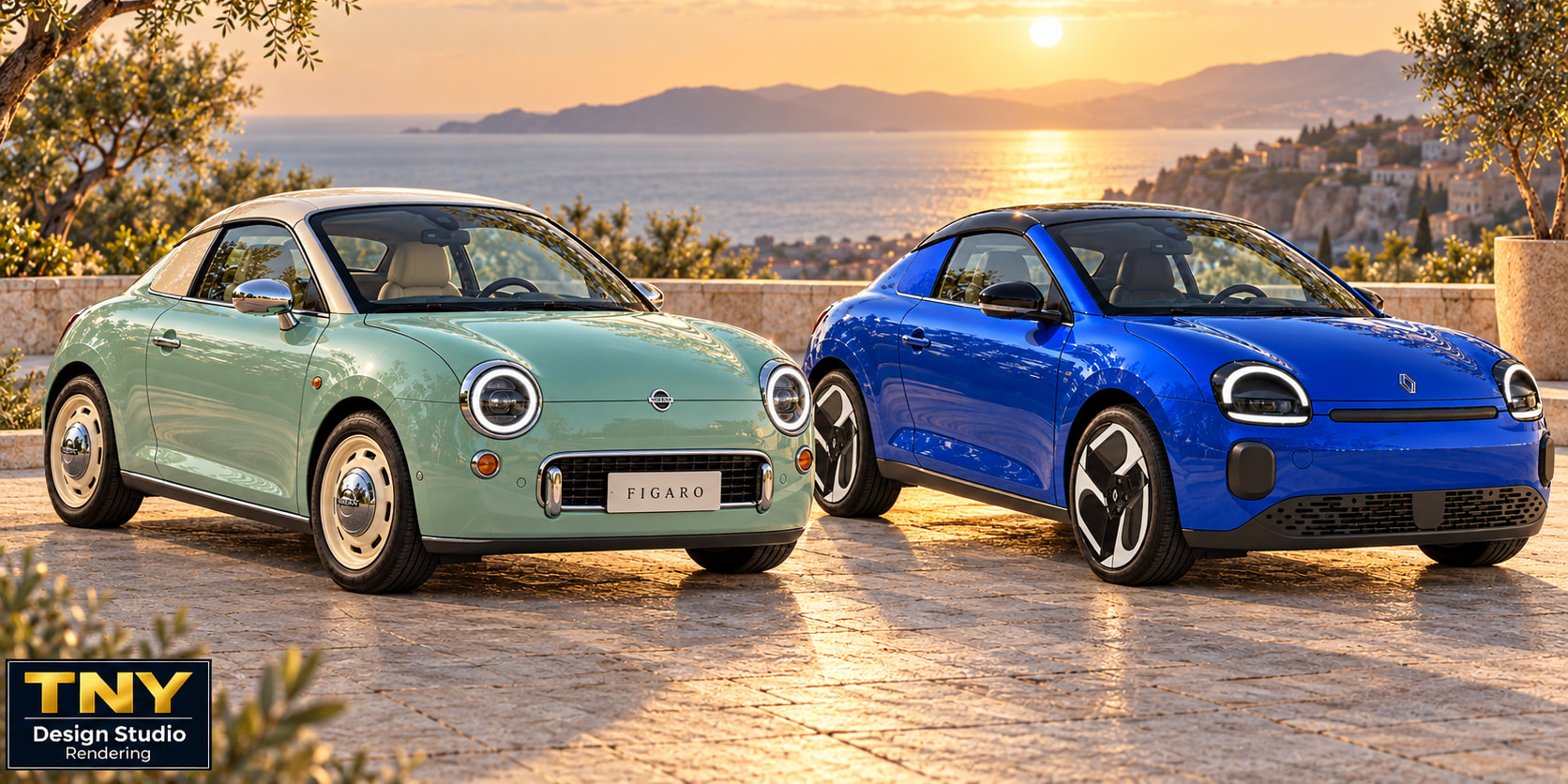
For TNY Design Studio, two names immediately spring to mind. Renault's Wind was an unusual little two-seat coupé-cabriolet that never quite found its audience, while the Nissan Figaro made retro charm its entire identity. Both were distinctive, both short-lived, and neither has been confirmed for a return.
Yet with manufacturers increasingly sharing batteries, motors and platforms, there's an opportunity to bring some individuality back to affordable motoring. TNY Design Studio imagines how these two very different cars could find a second life in the electric era.
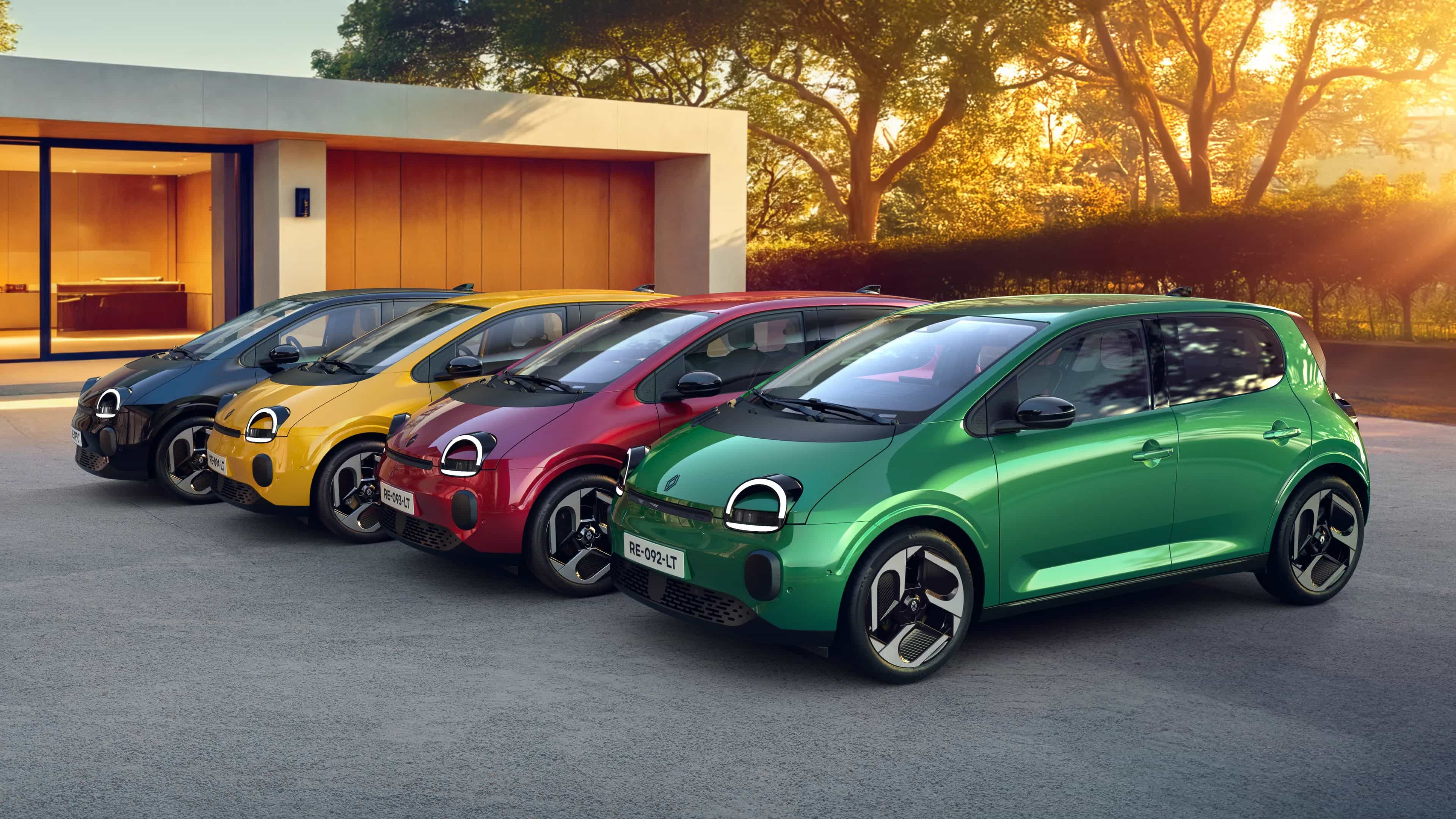
The new Renault Twingo E-Tech electric represents an important step towards making small electric cars genuinely affordable.
Measuring just 3.79 metres long, it combines a 27.5kWh LFP battery with an 82hp electric motor, delivering up to 163 miles of WLTP range. Its five-door body, sliding rear seats and surprisingly versatile interior demonstrate just how much practicality can be squeezed into a genuinely compact car.
Yet the Twingo's greatest potential may extend beyond Renault's own showrooms. Its adapted AmpR Small architecture provides a modern electric foundation that could be shared across several models, reducing development costs while allowing manufacturers to create vehicles with very different identities.
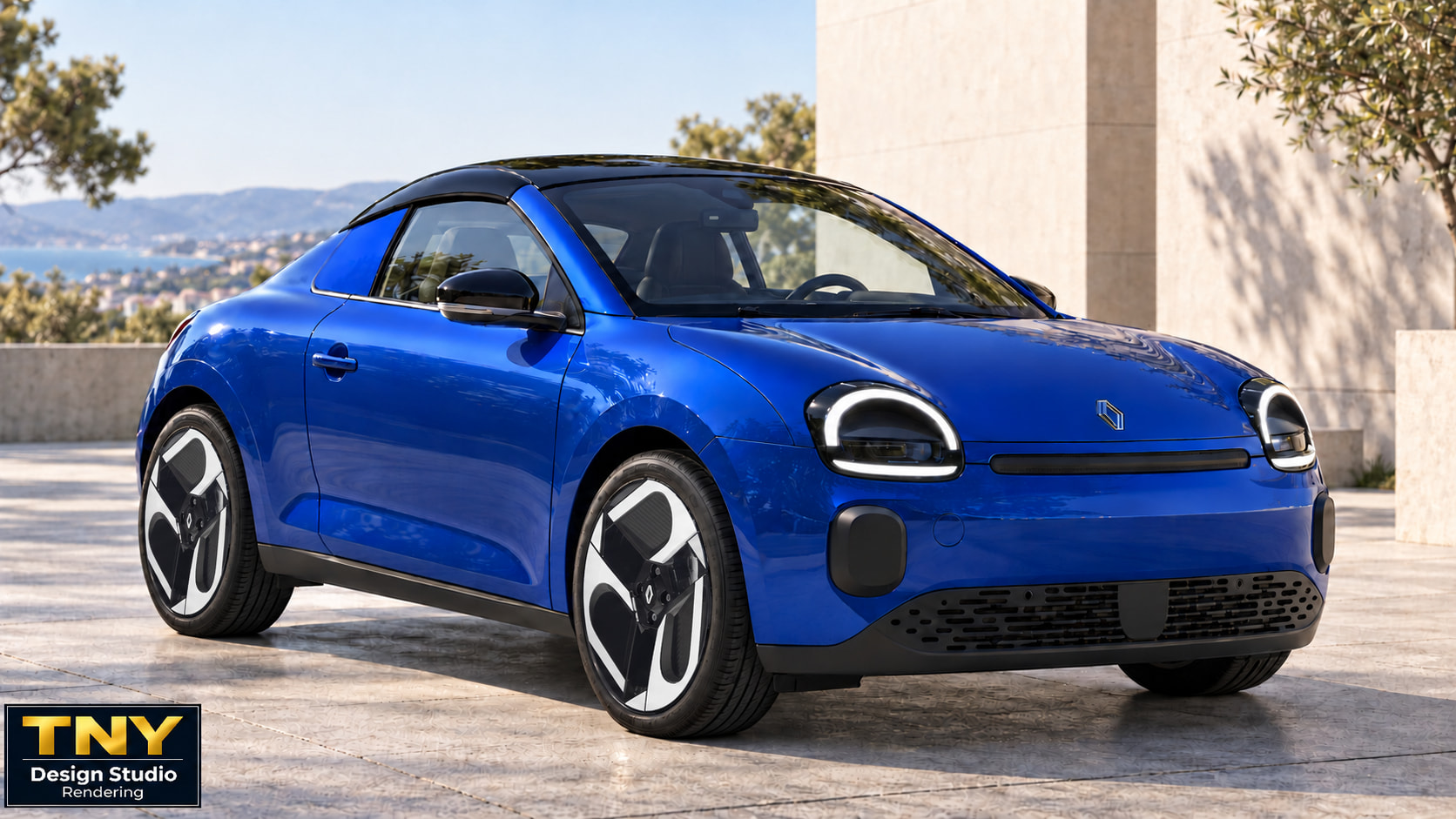
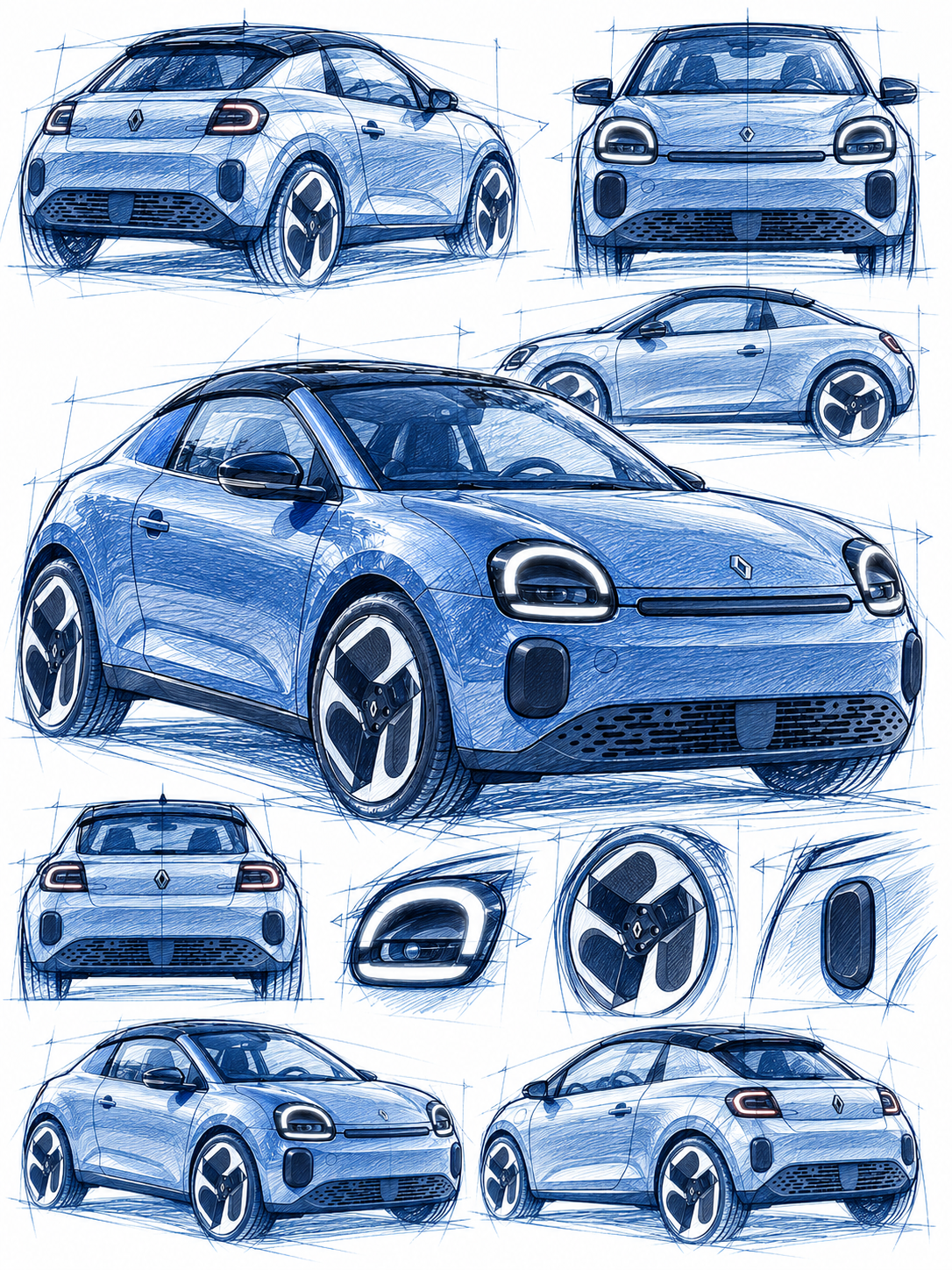
The original Renault Wind was a rare attempt to create a small roadster using everyday supermini engineering. Our imagined electric successor takes a similar approach, using the new Twingo as its starting point but giving the result a very different personality.
The two-seat cabin, short rear deck and pronounced rear haunches create a compact coupé shape, while the short sloping roof provides a visual link to the earlier car. At the front, rounded LED headlights and a slim grille bring the Wind into Renault's current design language, complemented by clean bodywork and distinctive electric alloy wheels.
We wouldn't expect a car like this to chase enormous performance figures. A modest increase over the standard Twingo's output, alongside carefully tuned suspension, could be enough to make it genuinely entertaining while keeping weight and costs under control.
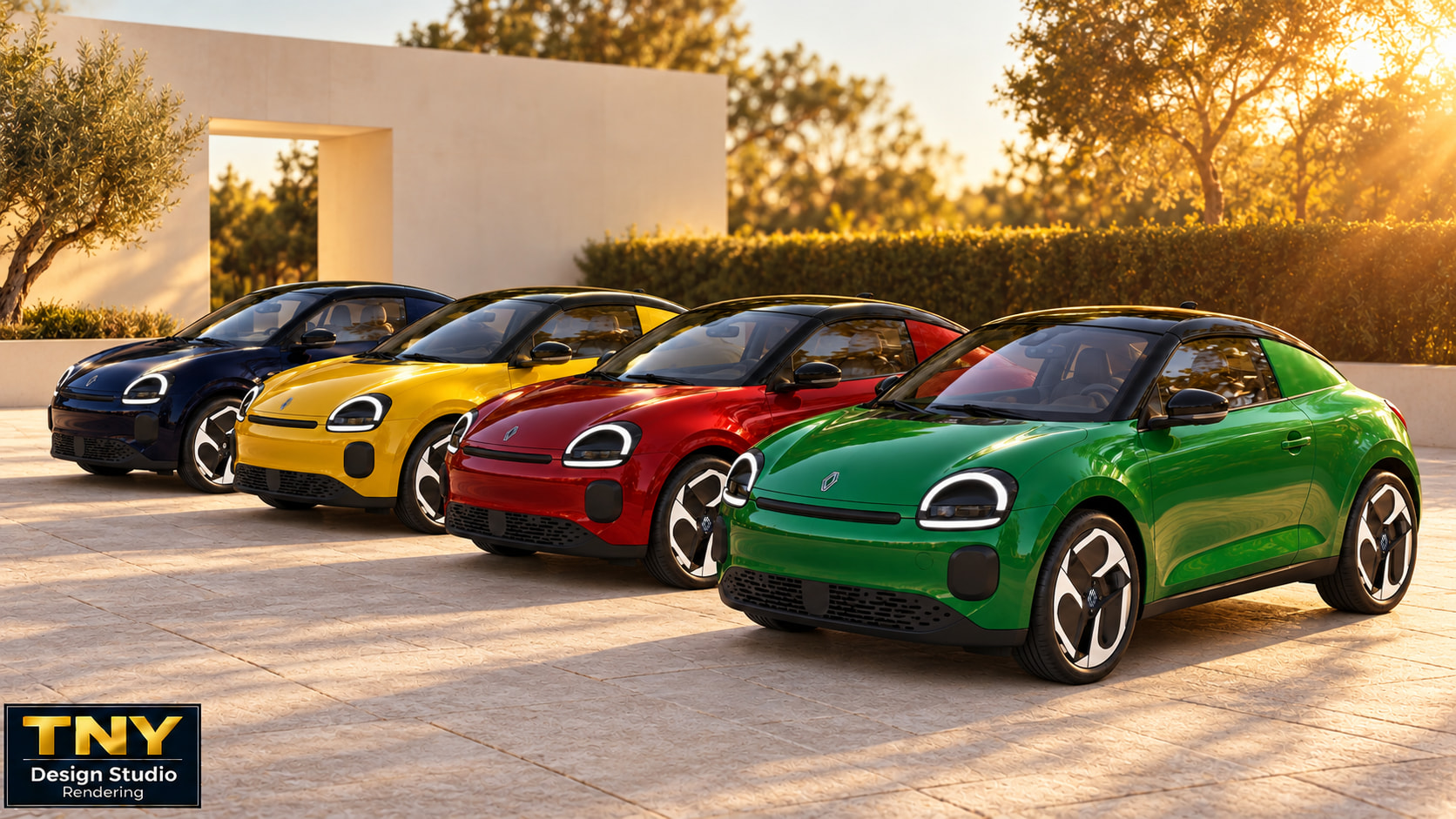
A revived Wind should embrace colour. The Twingo has always worn its playful character openly, and a compact two-seat EV would look rather lost in a range limited to black, white and grey. Our four-car study shows how much the design changes with little more than paint.
For something designed to be fun rather than essential family transport, that matters. An electric Wind should be small enough to be sensible, but playful enough to make its owner smile.
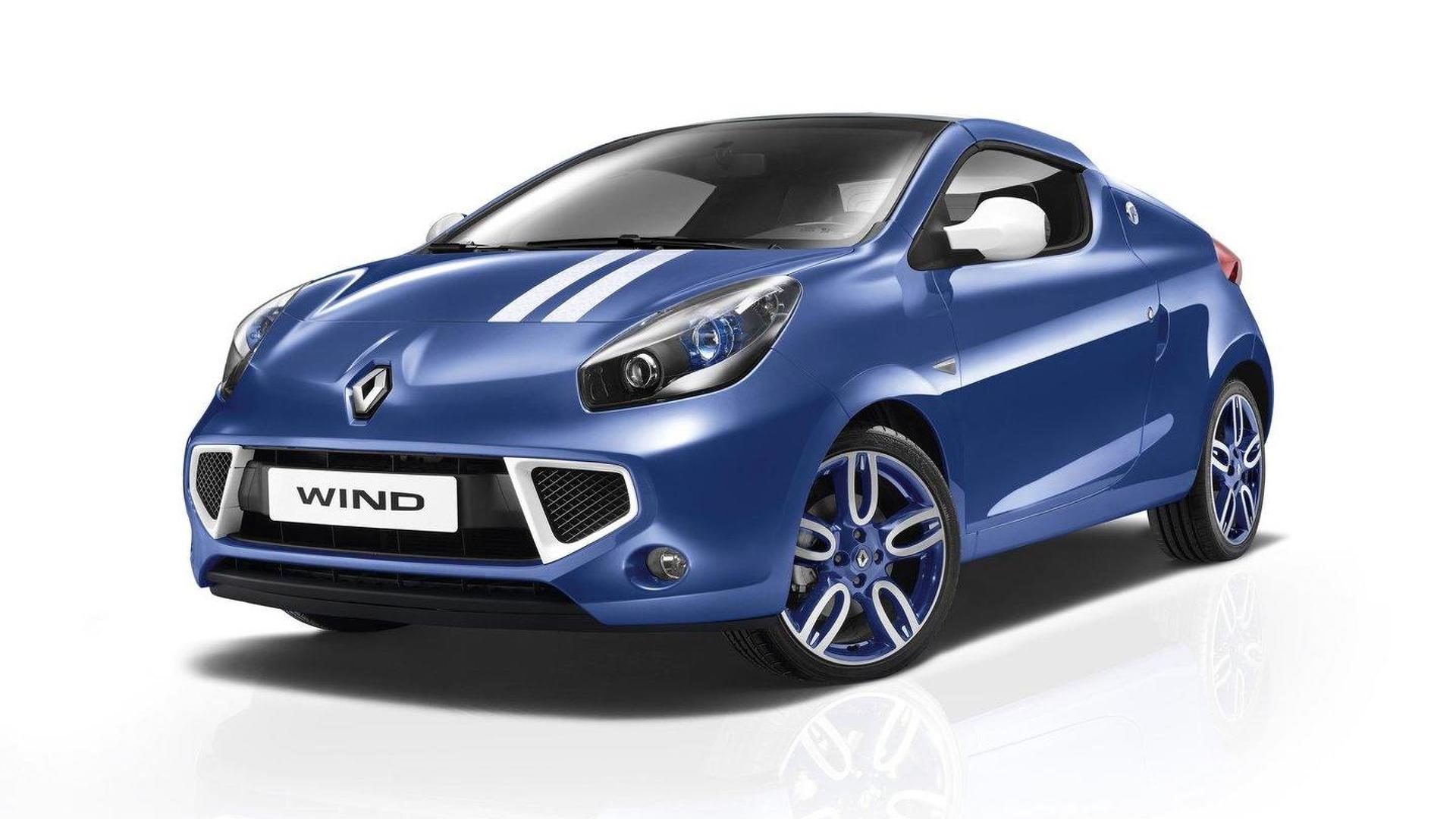
Launched in 2010, the Renault Wind squeezed the idea of an open-top sports car into a body just 3.83 metres long. Sharing its foundations with the contemporary Twingo, it offered a 100hp 1.2-litre turbocharged petrol engine or a livelier 133hp 1.6-litre, both paired with manual gearboxes.
Its cleverest feature was a single-piece metal roof that rotated backwards in just 12 seconds, leaving the 270-litre boot space unaffected. British prices started at approximately £15,500, making it a relatively accessible little roadster.
The later Gordini edition added further visual character, but the Wind never achieved widespread popularity. Nevertheless, it brought something refreshingly different to the small-car market.
There is, of course, a commercial question: would enough people buy a two-seat electric Wind to justify bringing it back? The original demonstrated how limited that audience can be, and developing an entirely bespoke successor would be difficult to justify.
Sharing the Twingo's battery, motor and electronic systems could help change that equation, particularly if Renault resisted the temptation to make the car unnecessarily complicated.
An electric Wind wouldn't need to become the brand's next bestseller. It could offer something increasingly uncommon: an attainable little car bought for the pleasure of owning and driving it, rather than maximum practicality.
And Renault isn't alone in having a distinctive small car whose story might not be finished.
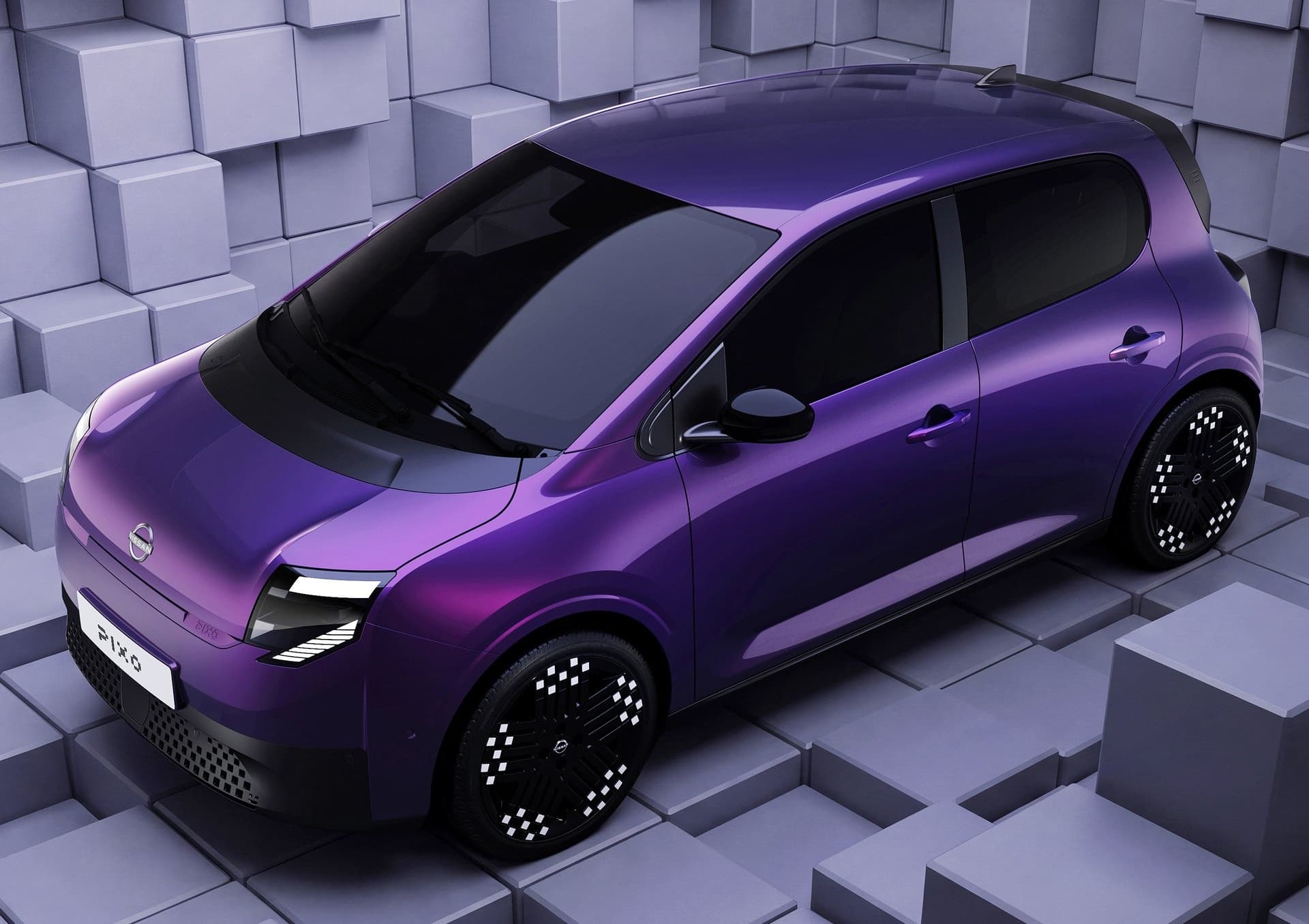
Nissan's new Pixo demonstrates how its long-standing partnership with Renault continues to deliver new models, with their collaboration now extending into Europe's smallest electric cars.
Revealed in September 2026, the compact EV shares much of its engineering with the new Twingo, including a 27.5kWh LFP battery and 82hp electric motor, offering up to 161 miles of WLTP range. Set to be produced by Renault in Slovenia, it gives Nissan an affordable entry point beneath the larger Micra EV.
Interestingly, TNY Design Studio published our own Nissan Pixo EV rendering on 13 September, ten days before Nissan revealed the production car's design.
Our exploration of this emerging small-EV family extends considerably further. Back in August, we imagined three possible directions for the next Dacia Spring, before Dacia officially unveiled its second-generation model in September.
We've also explored an affordable Alpine A190 electric hot hatch, and even a modern Mitsubishi i for Europe.
With the Pixo and Spring now revealed, these independent Design Studio explorations demonstrate just how much variety shared electric engineering could potentially support. And with Nissan bringing the Pixo name back, perhaps another distinctive little car from its past deserves consideration.
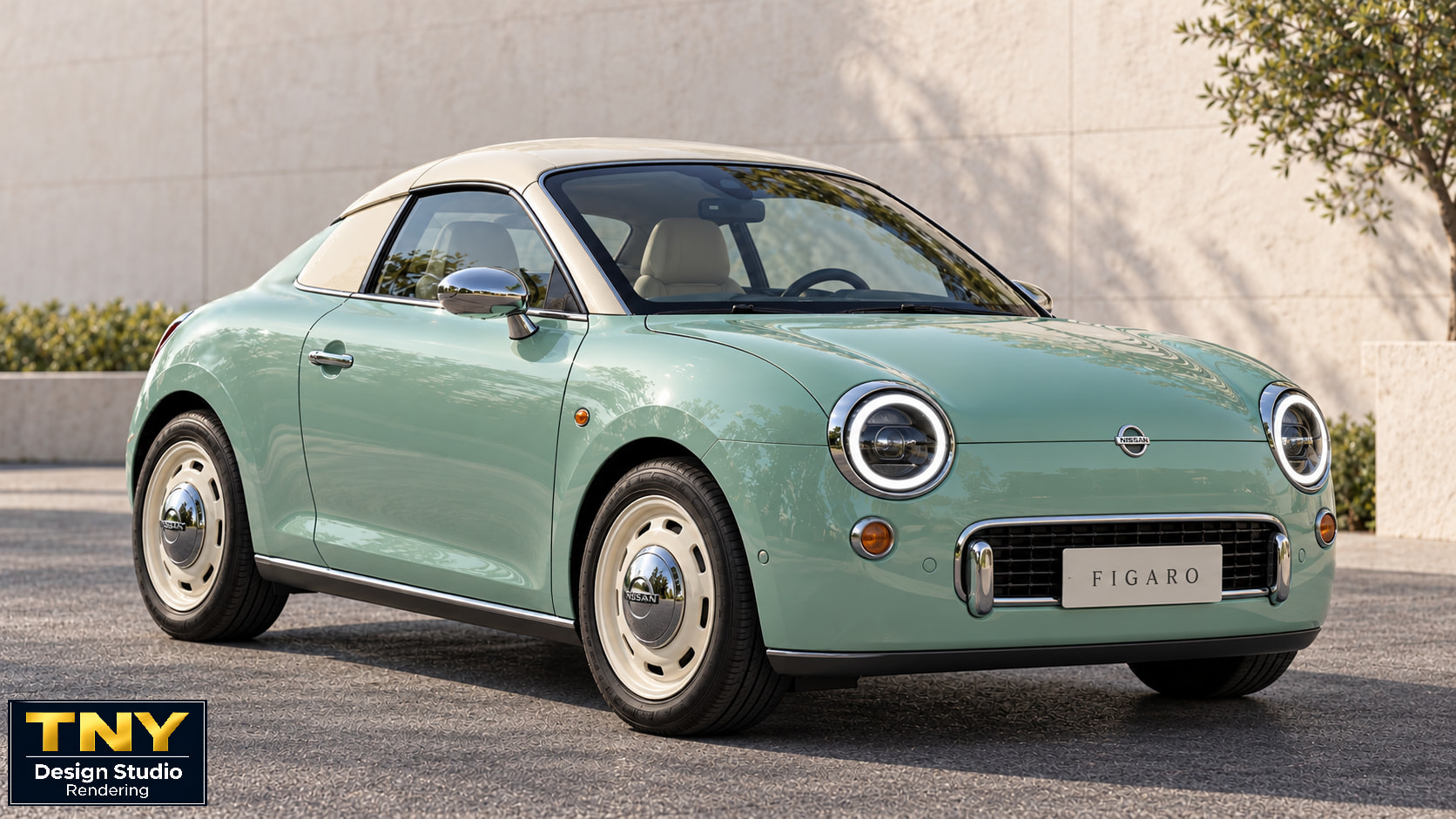
Where our Renault Wind EV takes a sportier approach, the Nissan Figaro embraces nostalgia. TNY Design Studio imagines the two cars as close mechanical relatives, sharing the Twingo's electric motor, battery and as much underlying engineering as practical. Producing them alongside one another could help make two distinctive, relatively low-volume models more financially viable.
Visually, however, the Figaro would be unmistakably different. Our rendering retains the original's charming proportions, rounded headlights and delicate chrome detailing, complemented by a contrasting cream metal roof. Pastel green bodywork, small amber indicators and cream-coloured wheels with polished hubcaps complete the retro appearance.
We've deliberately avoided oversized wheels, aggressive bumpers or unnecessary styling flourishes. The Figaro's appeal was always its individuality, and an electric successor should preserve that character.
Where the Pixo provides Nissan with practical, affordable electric transport, a revived Figaro could offer something rather more emotional: a small car people buy simply because they love it.
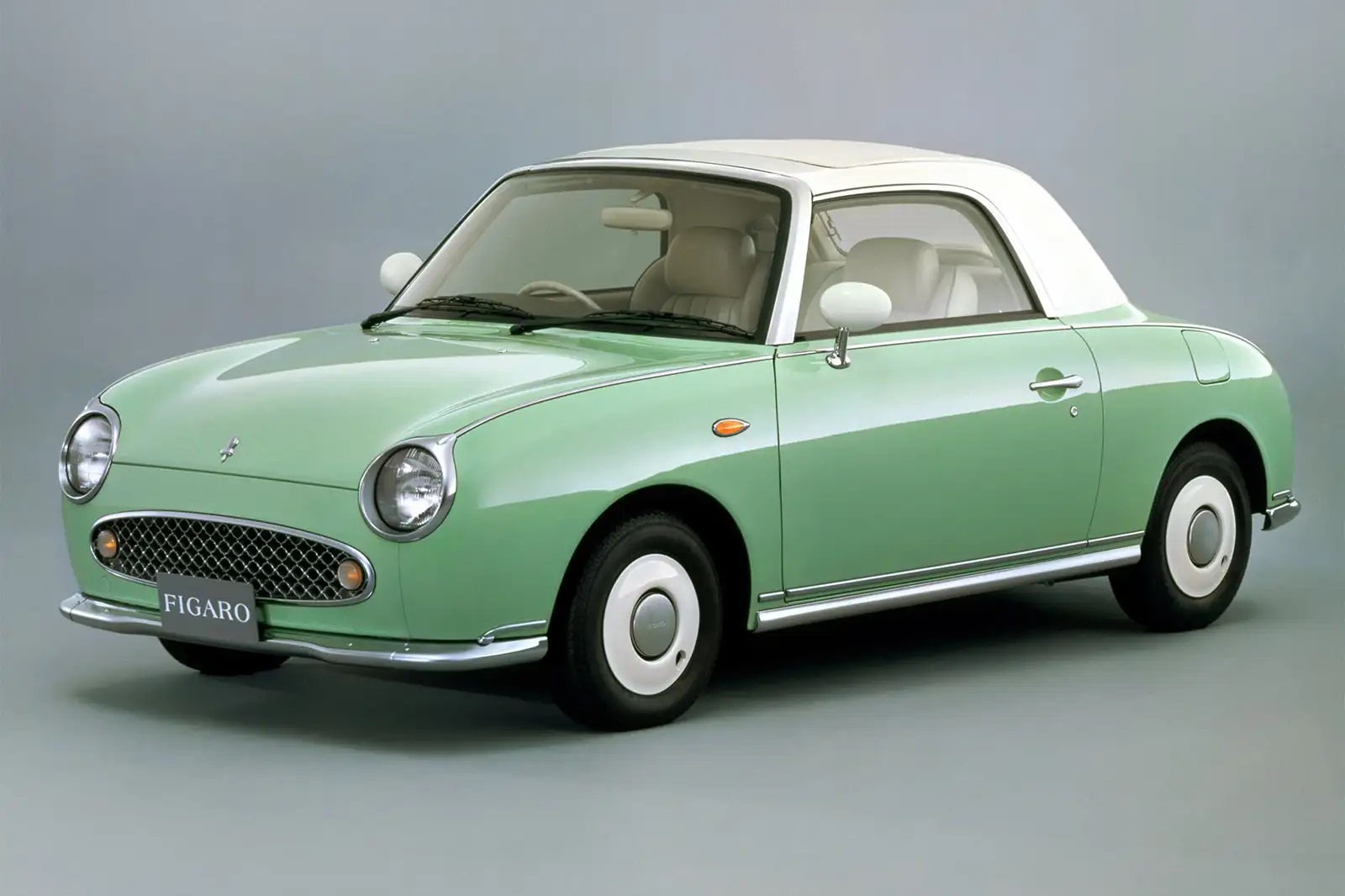
First shown at the 1989 Tokyo Motor Show, the Nissan Figaro arrived in 1991 as one of Nissan's imaginative Pike Factory creations. Beneath its 1950s-inspired bodywork were first-generation Micra mechanicals, including a turbocharged 987cc petrol engine producing 76PS, paired with a three-speed automatic gearbox.
Measuring just 3.74 metres long, the Figaro combined a folding fabric roof with cream leather upholstery, chrome detailing and four pastel colours inspired by the seasons. Production was limited to approximately 20,000 examples, with demand so strong that prospective buyers were selected by lottery.
Although originally sold exclusively in Japan, many subsequently found their way to Britain, where the Figaro developed an enthusiastic following.
More than three decades later, its enduring appeal demonstrates something rather important: a small car doesn't need impressive performance figures to become genuinely desirable.
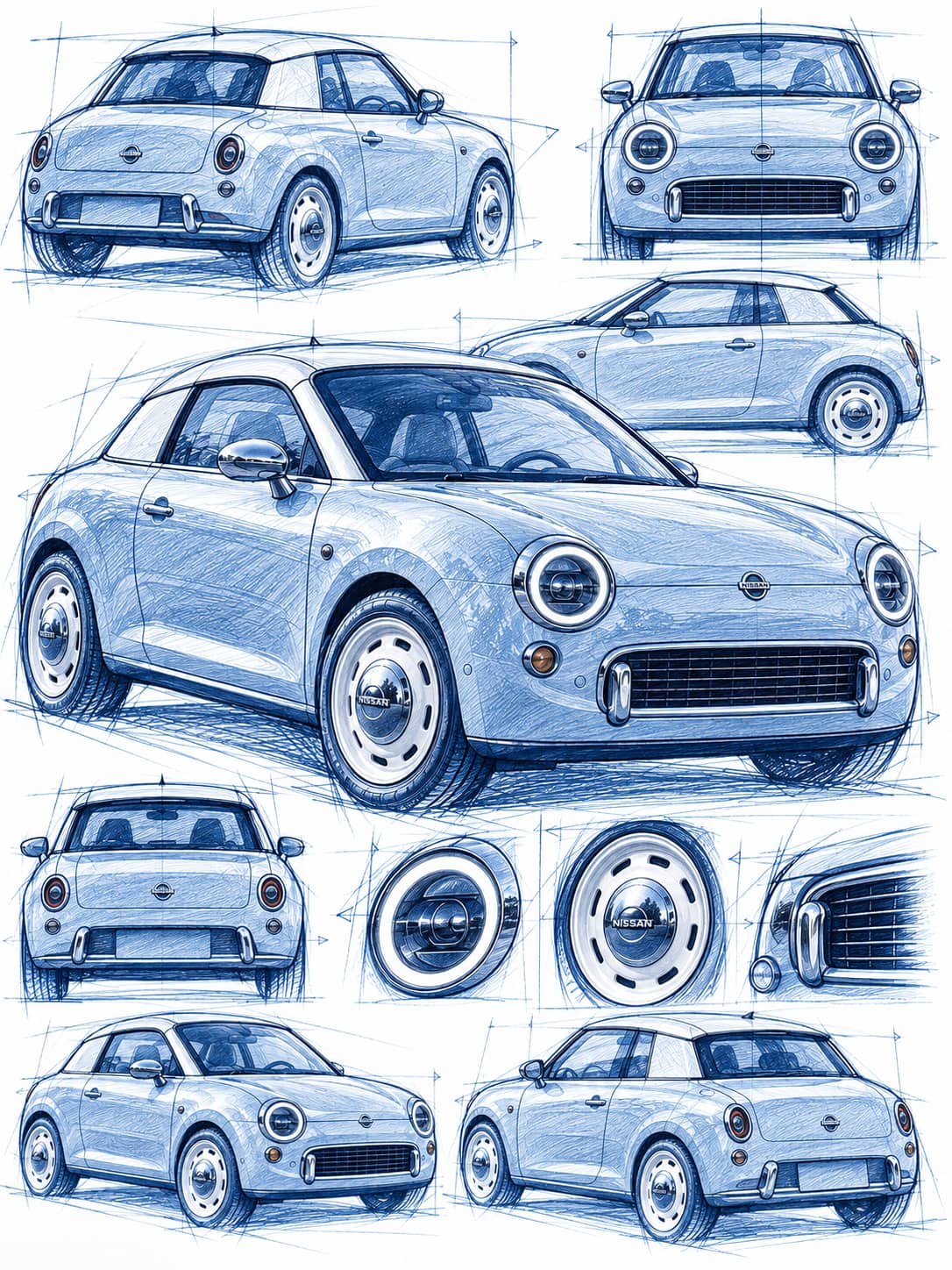
The Renault Wind and Nissan Figaro might seem unlikely candidates for an electric revival, but both demonstrate how much character can be created from relatively ordinary small-car engineering.
Neither would be an obvious volume seller. A two-seat electric coupé and a retro-inspired Nissan would appeal to buyers looking for something beyond everyday practicality, and their commercial success would depend heavily on keeping development and production costs under control.
That is where the new Twingo's foundations become particularly interesting. Sharing batteries, motors and other components across several models could allow manufacturers to experiment with distinctive designs without developing entirely new cars from scratch.
Our imagined Wind and Figaro take two very different approaches to that opportunity: one playful and sporting, the other charming and nostalgic. Neither has been announced for production, but perhaps the next generation of affordable electric cars could offer more than sensible five-door hatchbacks.
After all, there should still be room for cars that make people smile.
Image Credits & Disclaimer

Original vehicle press images: © Renault and Nissan, respectively. All Renault Wind EV and Nissan Figaro EV renderings and design sketches are independent, speculative creations by TNY Design Studio.

These designs are unofficial and are not affiliated with or endorsed by Renault or Nissan. All manufacturer names, logos and trademarks remain the property of their respective owners.
You should also read:
Market Watch: Britain's Forgotten Cars Are Making a Comeback
As The New Yardstick reaches its 75th article and launches its Instagram account, we're taking a moment to look beyond new vehicle launches and future technologies. While exploring Instagram's automotive community, we discovered a surprisingly enthusiastic following for the ordinary cars of the 1990s and 2000s. From dedicated owners to small enthusiast…

From Bestseller to Beyond – TNY Design Studio Explores Jaecoo's Future
Few new car brands have arrived in Britain with quite the impact of Jaecoo. Launched here in January 2025, the Chinese SUV marque had already put its Jaecoo 7 at the top of the UK sales chart twice by September 2026, recording 10,813 registrations in that month alone. Behind it stands Chery,…
Back to the Future – Reimagining the Mitsubishi i for Europe
Few small cars have been as quietly ambitious as the Mitsubishi i. Launched in Japan with a rear-mounted petrol engine, it later became the i-MiEV, one of the earliest mass-produced electric cars. Two decades on, Mitsubishi is again leaning heavily on partnerships, with Renault-derived models underpinning much of its European range. Yet…
Taking Pride in the Little Things – Reimagining Kia’s Small Cars
Over the past 20 years, Kia has transformed itself from a budget alternative into one of the world's most successful and increasingly desirable car manufacturers. The humble Picanto has played an important part in that journey, offering affordable, practical motoring to generations of buyers. Yet its future looks increasingly uncertain, with tightening…
Škoda's Small Car Future: Cheaper EVs and a New Life for the Scala
Škoda has built its reputation on delivering practical, spacious cars at sensible prices. Models like the Scala demonstrate just how much car the Czech manufacturer can offer for the money, but as the industry moves towards electrification, can Škoda bring that same value to its smallest electric models? The incoming Epiq is…
Nissan Pixo: Could Britain's Former Cheapest Car Make an Electric Comeback?
When the Nissan Pixo arrived in the UK in 2009, it quickly established itself at the very bottom of Britain's new-car market. For the majority of its short life, it was Britain's cheapest new car — a position that became an important part of the little Nissan's identity. Then, in 2013, Dacia…
Rebuilding Nissan: The Cars That Could Fix Its Confusing European Line-Up
Around 20 years ago, Nissan changed the shape of the mainstream car market. The Qashqai replaced the dependable but forgettable Almera and helped turn the crossover into a family-car staple. The Juke followed, proving equally disruptive, while in 2010 the Leaf brought electric motoring to the masses. All three were game-changing cars…
Could These Two Models Complete Suzuki's Future Line-up?
Suzuki's range has become one of the simplest on sale, but two clear opportunities remain. At the bottom sits the biggest omission of all: there's no modern successor to cars like the Alto, Celerio or Ignis. An affordable city car has long been one of Suzuki's greatest strengths, and an electric replacement…