Dacia Spring: Design Studio Explores Three Ways Forward
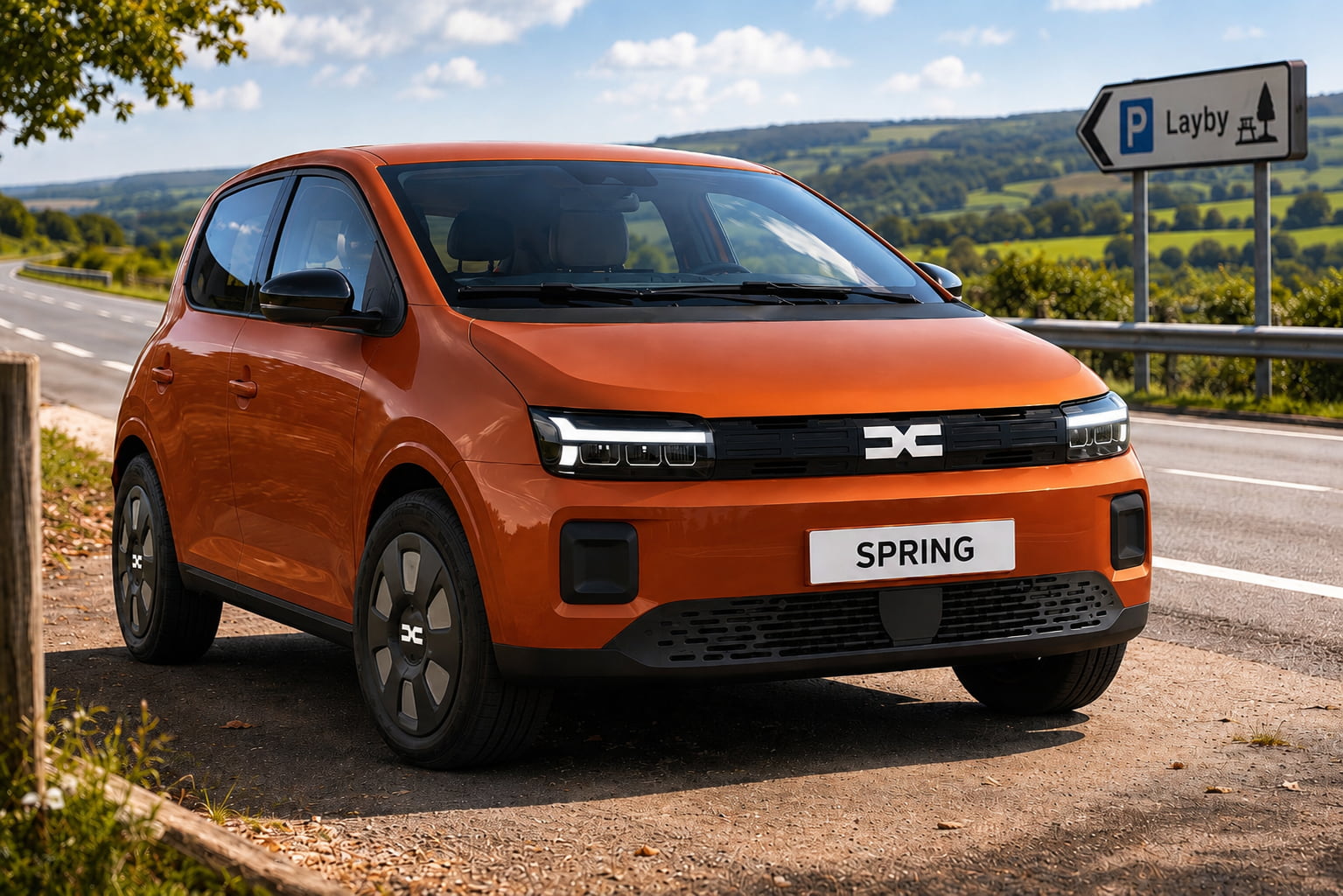
The Dacia Spring has become one of Europe’s most important affordable EVs, proving that electric cars do not need huge batteries, enormous power outputs or premium prices to make sense. But deciding what replaces it could be considerably more complicated. Dacia now has the striking Hipster concept exploring an even smaller, more space-efficient approach, while parent company Renault is developing a growing portfolio of affordable electric cars and components that could potentially be shared across brands.
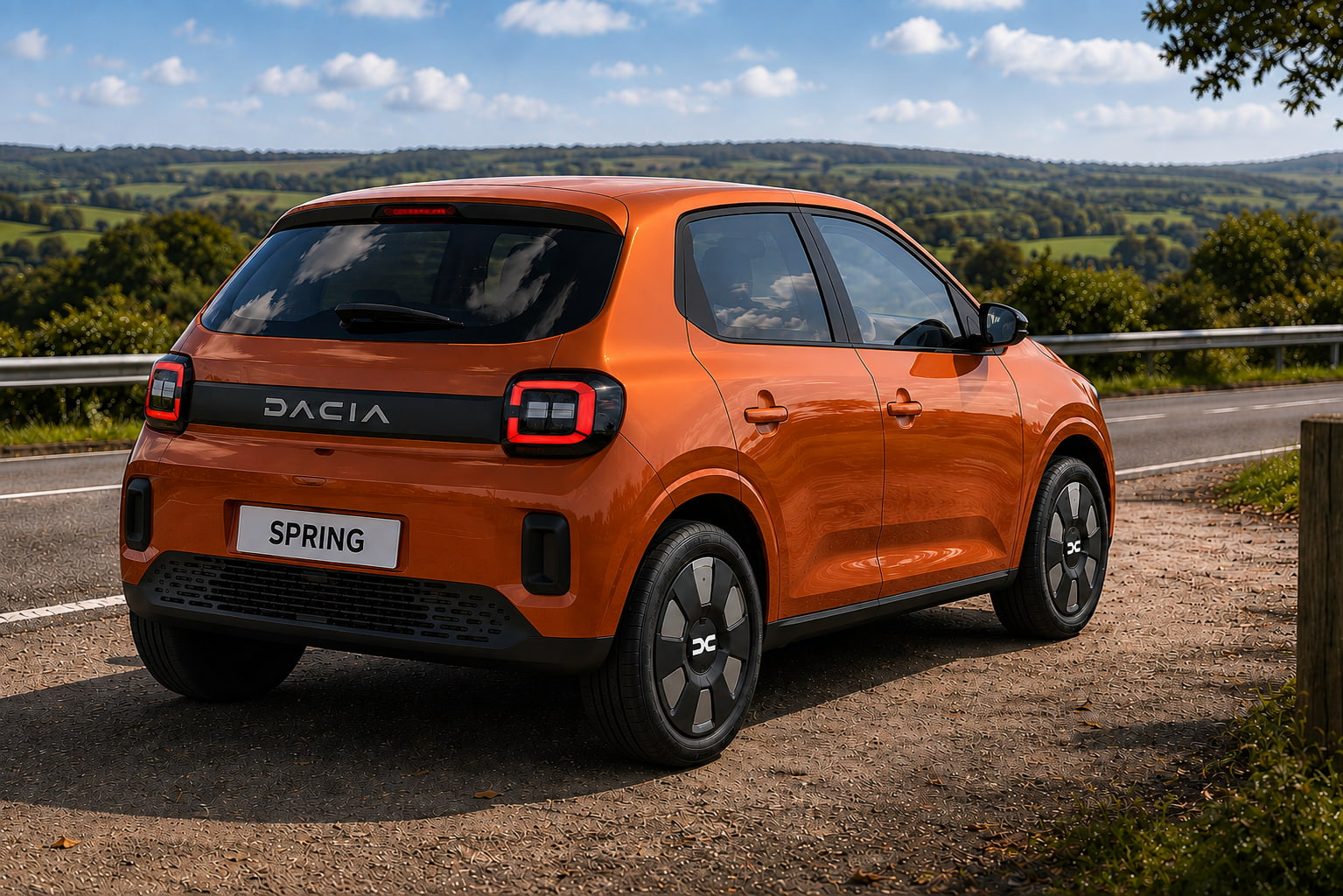
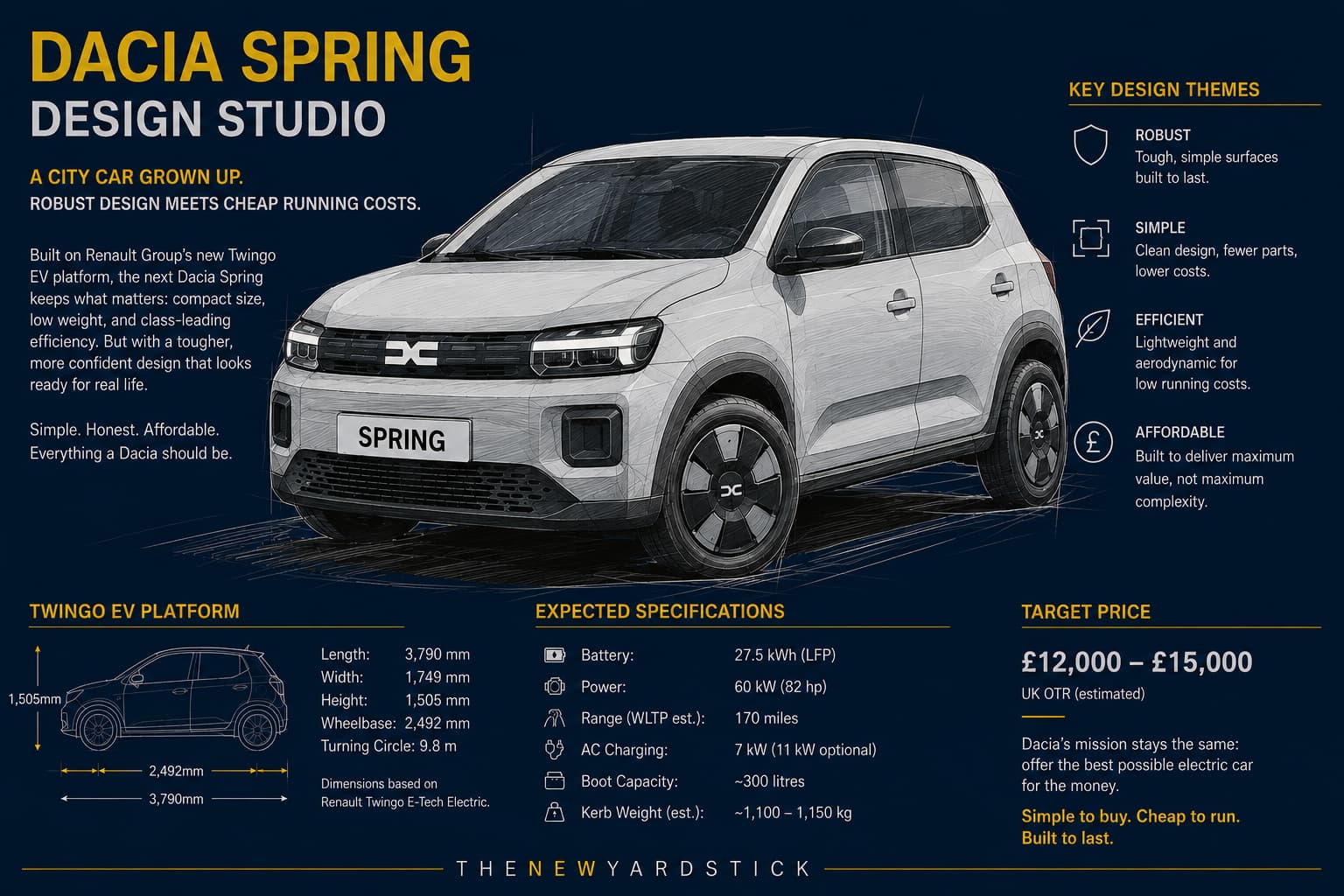
Unlike today’s Spring, which traces its foundations back to the combustion-engined Renault Kwid, a Twingo-based replacement would start life as a purpose-built EV. That could bring meaningful improvements in packaging, refinement, safety and efficiency without abandoning the simplicity that makes the Spring appealing.
With Renault absorbing much of the underlying development work, Dacia could concentrate on delivering its own design and specification - potentially creating a considerably more mature electric car while keeping costs within reach of buyers who simply want affordable transport.
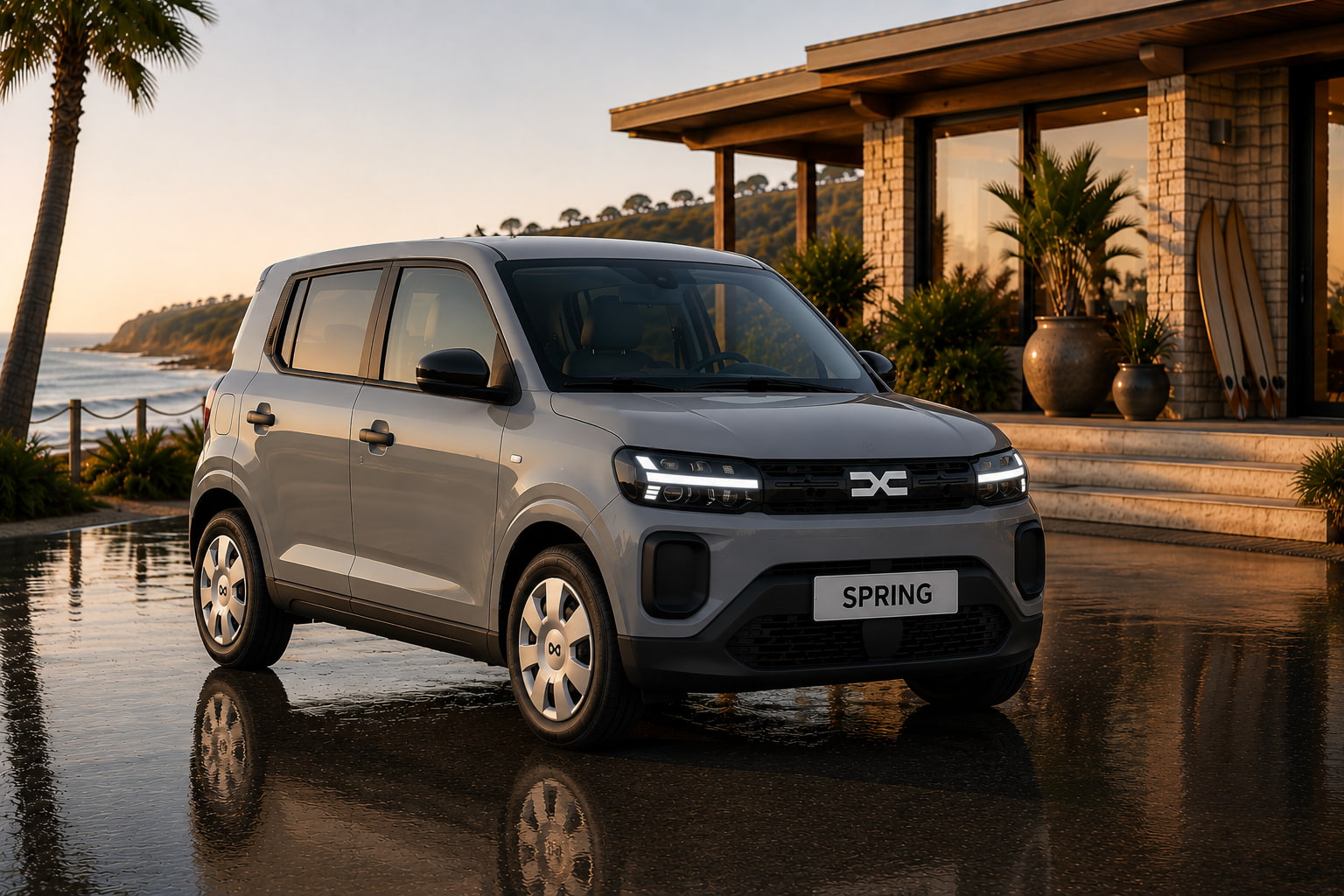
The Hipster concept itself is unlikely to reach production unchanged. Its near-vertical windscreen, extremely upright body and deliberately simple construction would create aerodynamic challenges at higher speeds, while its tiny footprint leaves limited space for the crash structures and safety technology expected of a modern production car. But the thinking behind it could be far more important than the concept itself.
A kei-car-inspired Spring could retain the Hipster’s focus on maximising interior space without following its dimensions quite so literally. By combining a short, narrow footprint with an upright cabin, clever EV packaging and a useful boot, Dacia could offer something increasingly rare: a genuinely tiny car that provides much of the everyday practicality of a larger hatchback, while remaining cheap to buy, run and park.
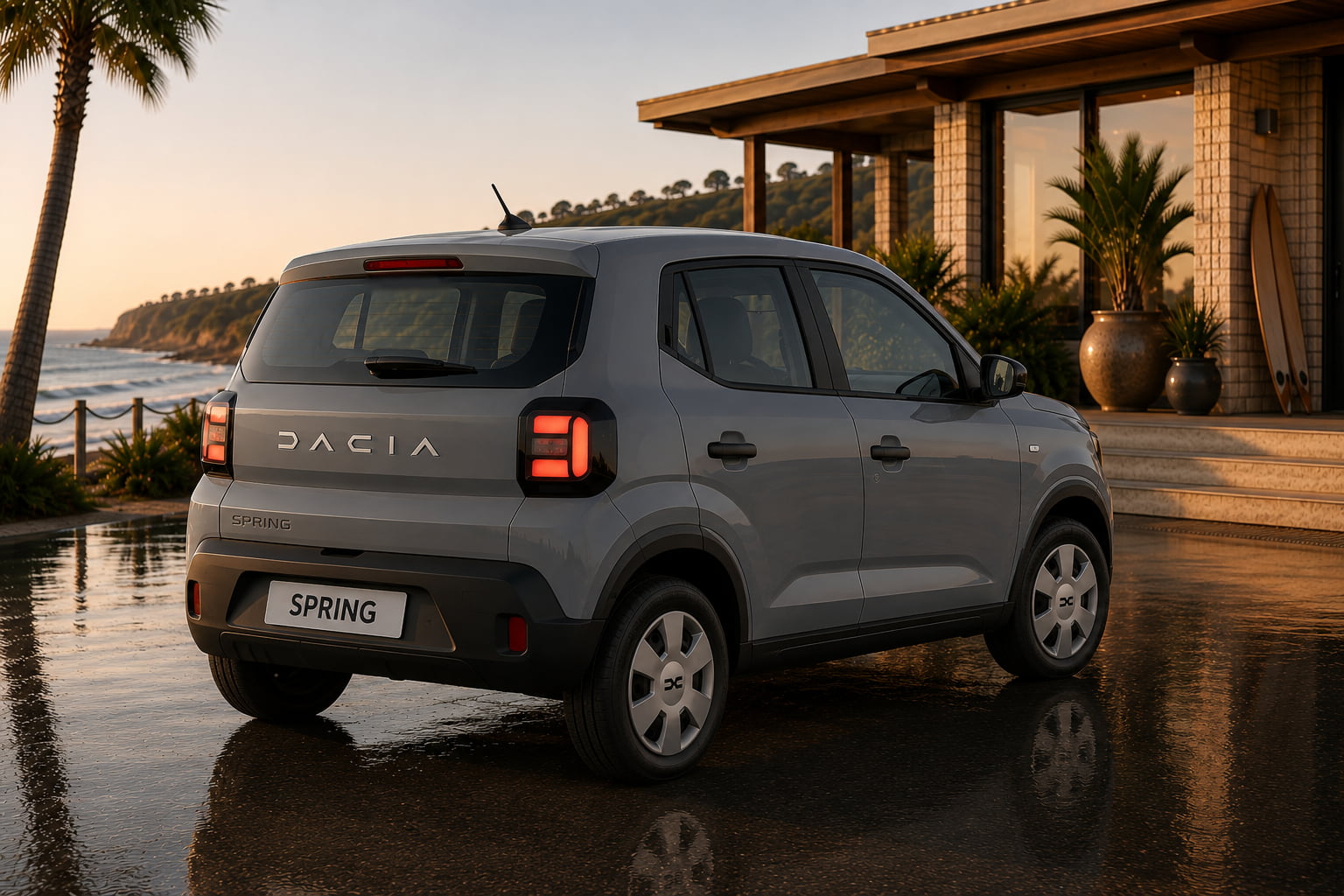
Around 20 years ago, Renault proved with the Modus that supermini underpinnings could be used to create something taller and considerably more space-efficient, prioritising passenger space and everyday practicality without the costs of moving to a larger platform. The idea arguably makes even more sense today. Compact electric motors and purpose-designed battery packaging give engineers opportunities that simply weren't available when the Modus was developed.
Applied intelligently, the same philosophy could create a remarkably spacious small EV with an exceptionally compact footprint. Rather than competing directly with Renault’s more conventional hatchbacks, a kei-inspired Spring could sit neatly at the bottom of the Renault Group ecosystem - simple, inexpensive and easy to park, but with enough usable space to work as a genuine everyday family car.
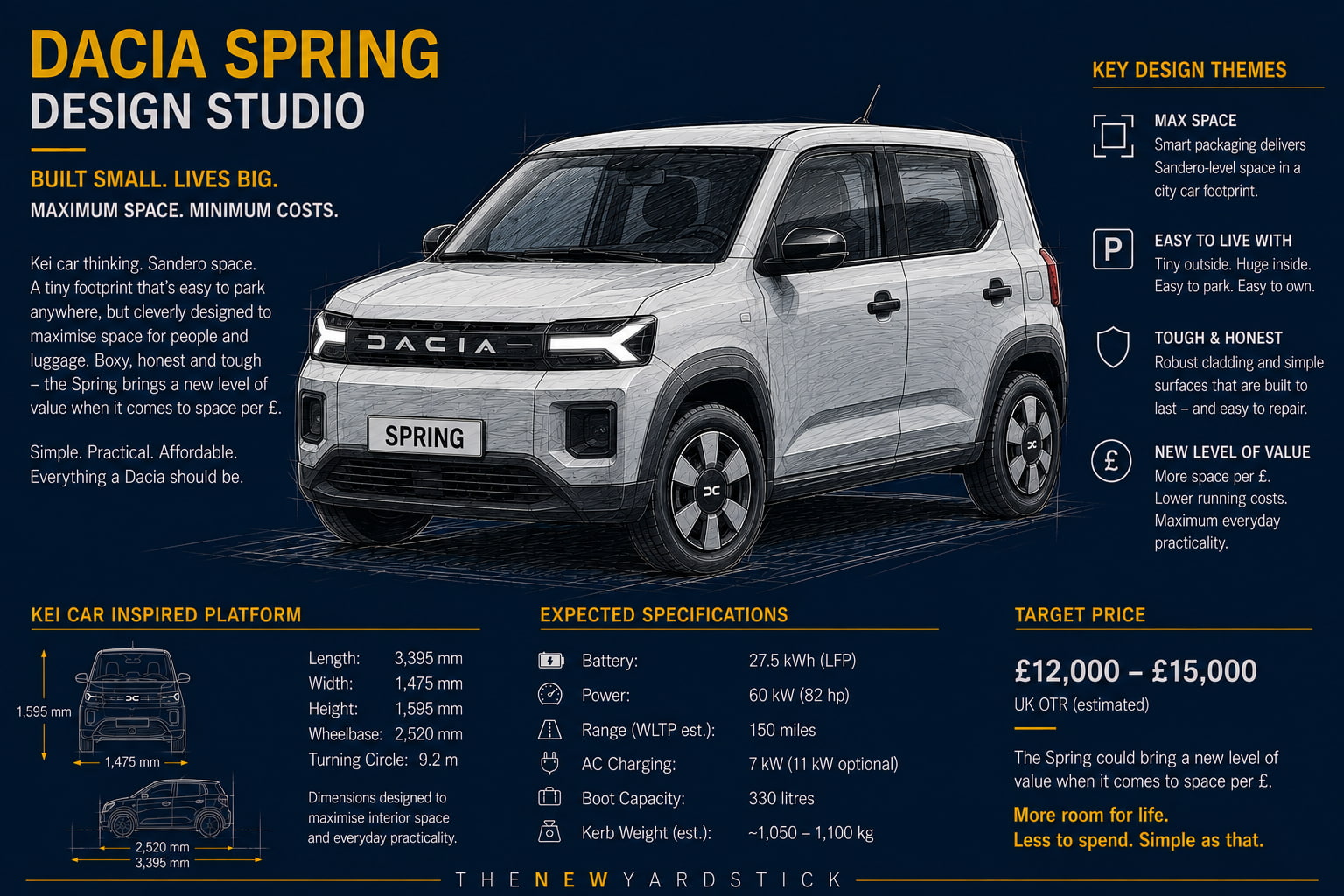
This version would make space the priority. Rather than following conventional supermini proportions, a kei-inspired Spring could use its height, upright body and compact EV hardware to maximise every millimetre of its footprint.
Positioned alongside small electric cars such as the Honda Super-N and Leapmotor T03, it could offer something genuinely different: Sandero-rivalling practicality within a much smaller, easier-to-park body. For buyers who value usable space above performance or styling trends, it could bring a new level of practicality per pound to the affordable EV market.
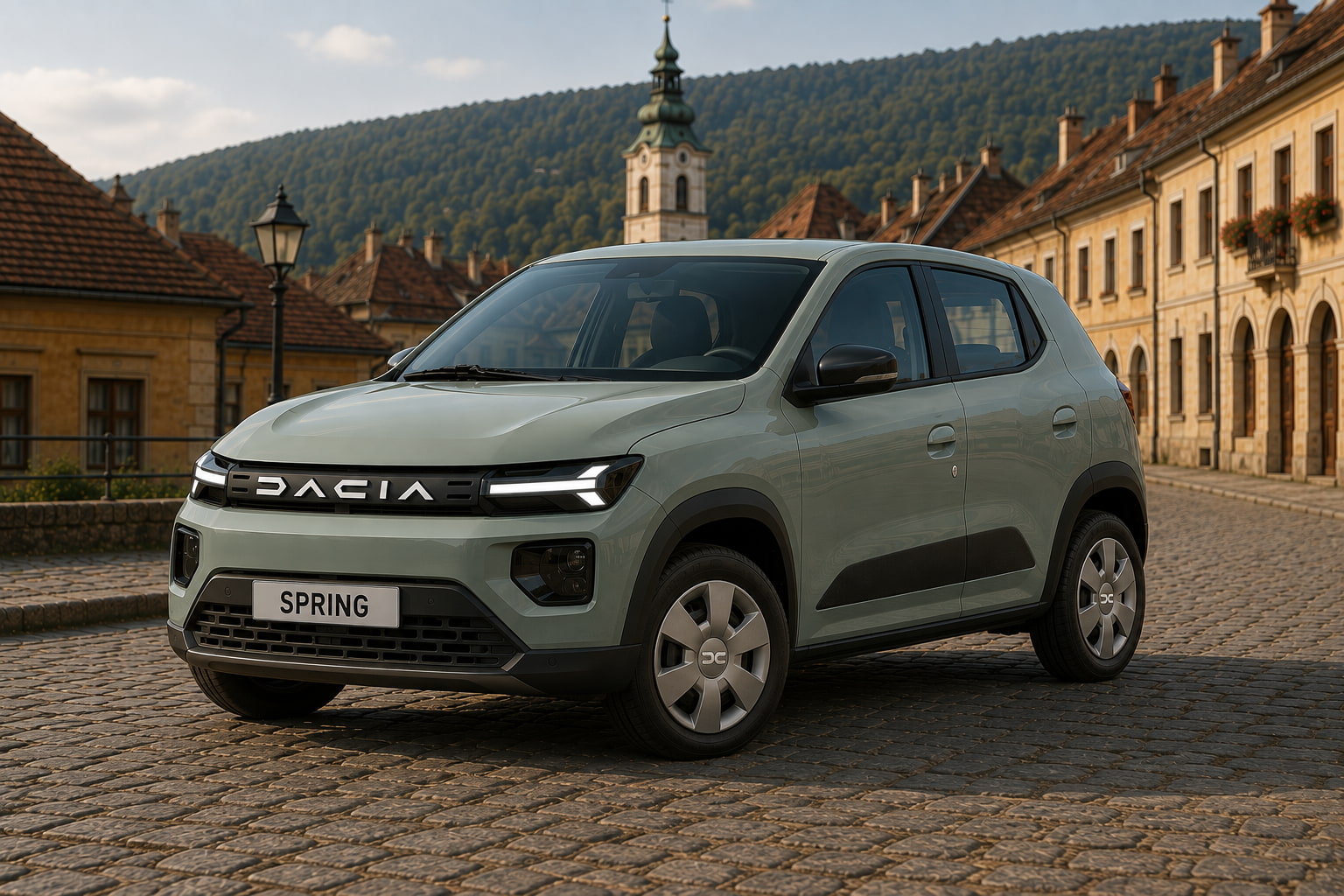
The third option is the simplest: don't fix what isn't broken. Renault has confirmed that the next Spring will be based on the new Twingo and built in Europe, but “Twingo-based” still leaves scope for extensive component sharing and cost-led engineering. Rather than reinventing the Spring completely, Renault Group could potentially retain elements of its proven low-cost Kwid-derived formula while incorporating newer Twingo-generation components, from batteries and motors to suspension technology.
Our Evolution design explores exactly that possibility: familiar Spring dimensions and straightforward engineering, modernised where it matters most. By concentrating investment on the components customers actually benefit from, Dacia could keep development costs down - and potentially keep the Spring exceptionally cheap to buy.
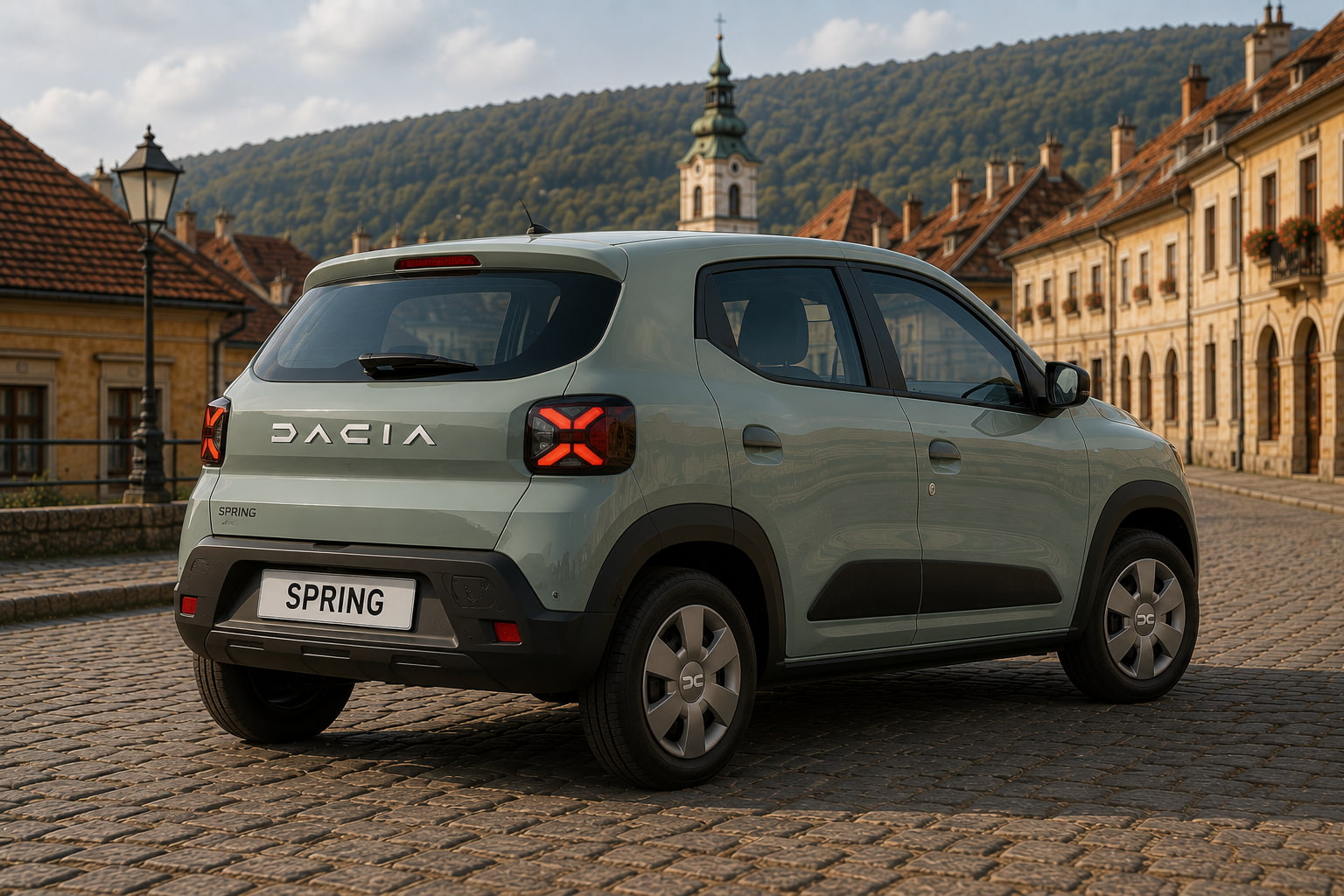
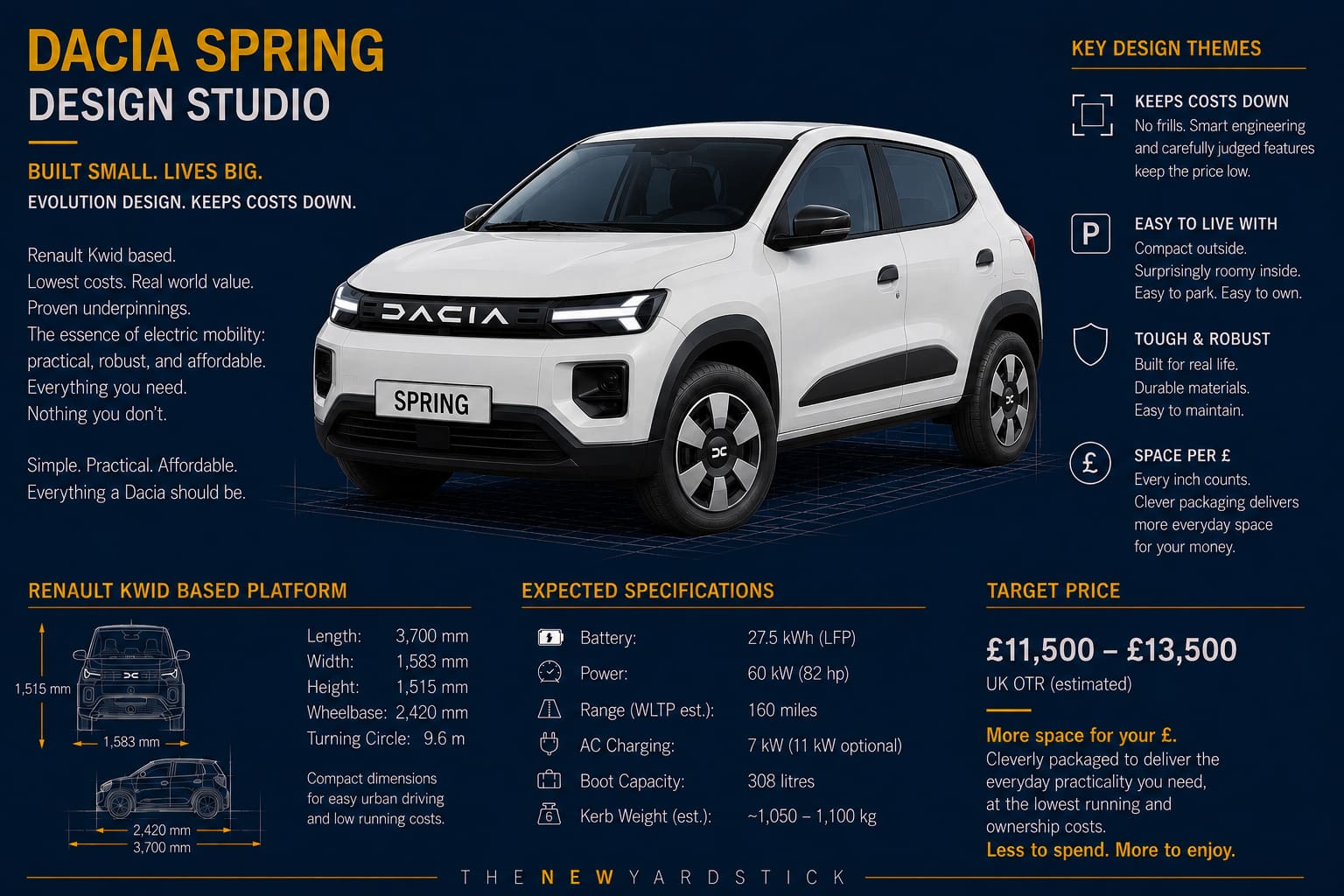
What matters is that Dacia doesn’t lose sight of what the Spring represents. As affordable EVs improve and prices continue to fall, simply making the next generation bigger, faster and more expensive would be the easy option. Keeping it genuinely accessible will be considerably harder - but potentially much more important. Whichever direction Dacia chooses, value should remain the Spring’s defining feature.
Image Credits: Concept renderings and design illustrations created by The New Yardstick Design Studio.
You should also read:
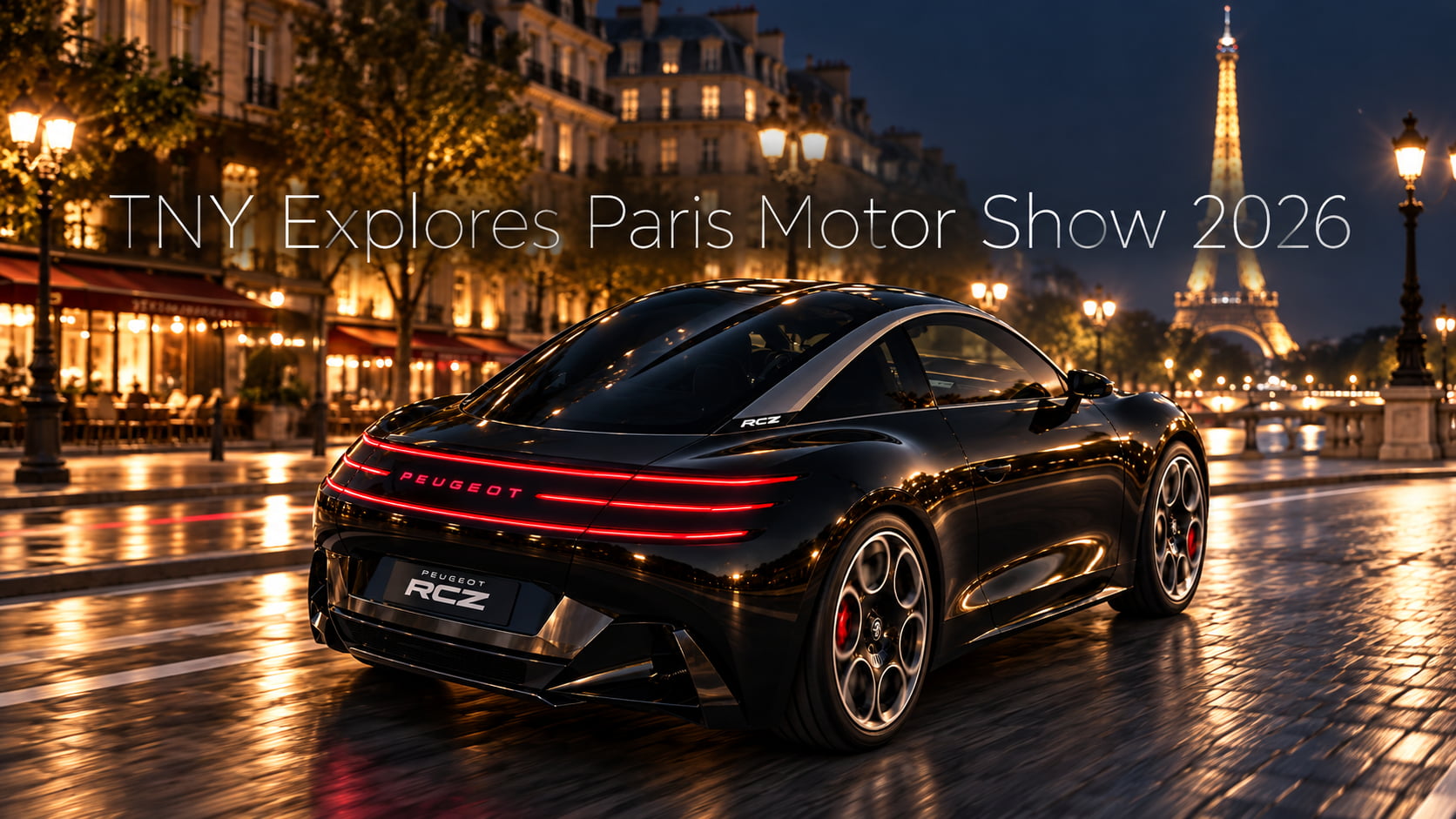
Paris Motor Show 2026: TNY Explores the Biggest Reveals from Day One
The 2026 Paris Motor Show has opened its doors, bringing one of Europe's biggest motoring events back into the spotlight. With more than 100 exhibitors, nearly 60 vehicle manufacturers and dozens of new models and concepts, this year's show promises plenty to explore. Beyond the spectacular concept cars and elaborate displays, Paris…
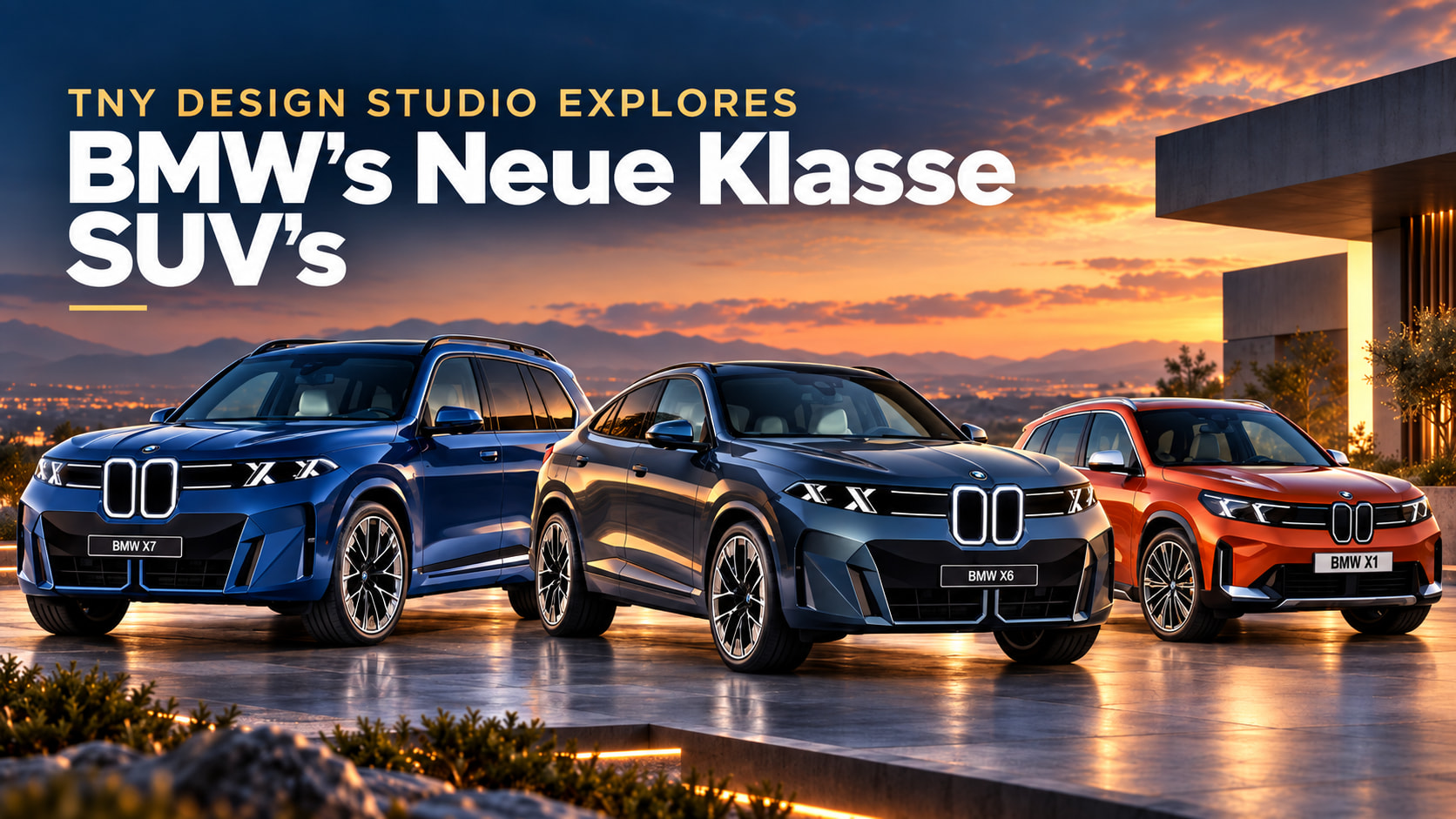
TNY Design Studio Explores BMW’s Next SUV Generation — From X1 to X8
BMW is entering one of the most significant design transitions in its recent history. The arrival of Neue Klasse isn't simply about introducing a new generation of electric cars; its technology and dramatically simplified design language are beginning to influence BMW's entire range. For the company's SUVs, that creates an especially interesting…
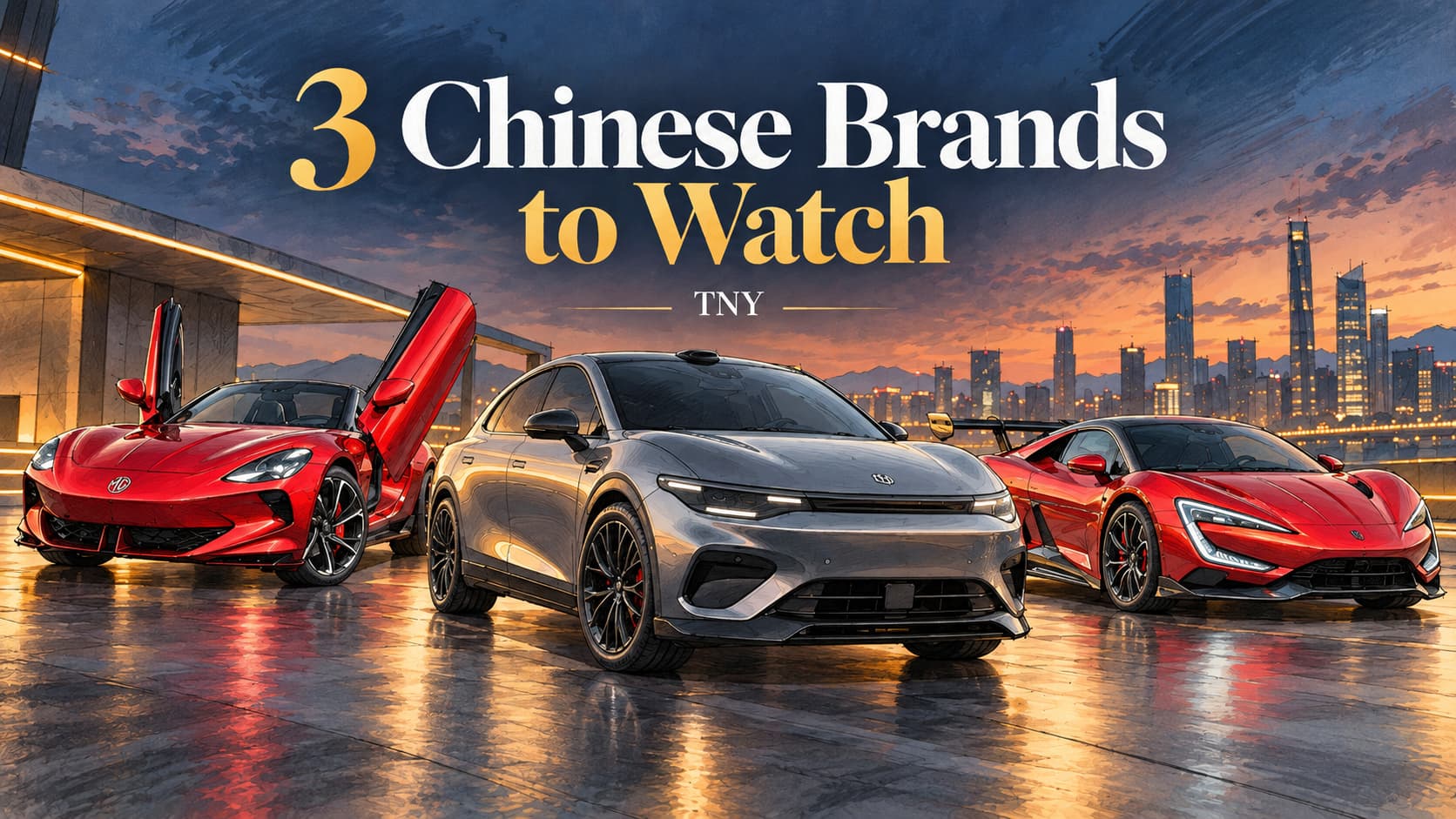
From Budget EVs to Supercars: Three Chinese Brands to Watch
Chinese carmakers are no longer simply arriving in Europe with a handful of cheap EVs. They are building factories, expanding dealer networks, developing premium sub-brands and, in some cases, moving faster than many established manufacturers can comfortably match. Three names in particular show just how varied that expansion has become. BYD brings…
Volvo’s 13-Car Plan — Design Studio Explores the New Range
Volvo has changed dramatically under Geely ownership. What was already a respected premium brand has gained the investment, technology and global scale needed to compete far more directly with the likes of BMW and Mercedes-Benz. That is a significant shift from the Ford era, when Volvo produced some excellent cars but often…
Three Cars, One Mission: Peugeot's Bold New Premium Small Car Strategy
Twenty years ago, Peugeot offered one of Europe's broadest B-segment line-ups, with hatchbacks, estates, convertibles, people carriers and overlapping generations all competing for buyers. Today, just the 208 and 2008 remain. However, that could soon change. Growing evidence from Peugeot's product roadmap and Stellantis' wider platform strategy suggests the French manufacturer could…
Dacia Bigster Not Big Enough? 6 Bigger SUVs for Under £30,000 Pre-Registered
The Dacia Bigster is one of the largest family SUVs available for under £30,000, offering exceptional value and one of the biggest boots in its class. However, every manufacturer packages its interior differently. (Image Credits: Dacia) The Bigster makes excellent use of its footprint by prioritising luggage space, meaning rear passenger accommodation…
Where did all the 3 door cars go? TNY Design Studio imagines the next generation.
Once the default choice for buyers wanting a sportier-looking hatchback, the three-door has quietly disappeared from Britain's roads. Throughout the 1990s and 2000s, almost every major manufacturer offered one, from affordable city cars to hot hatches and premium compacts. They were often cheaper than their five-door equivalents, lighter on their feet and,…
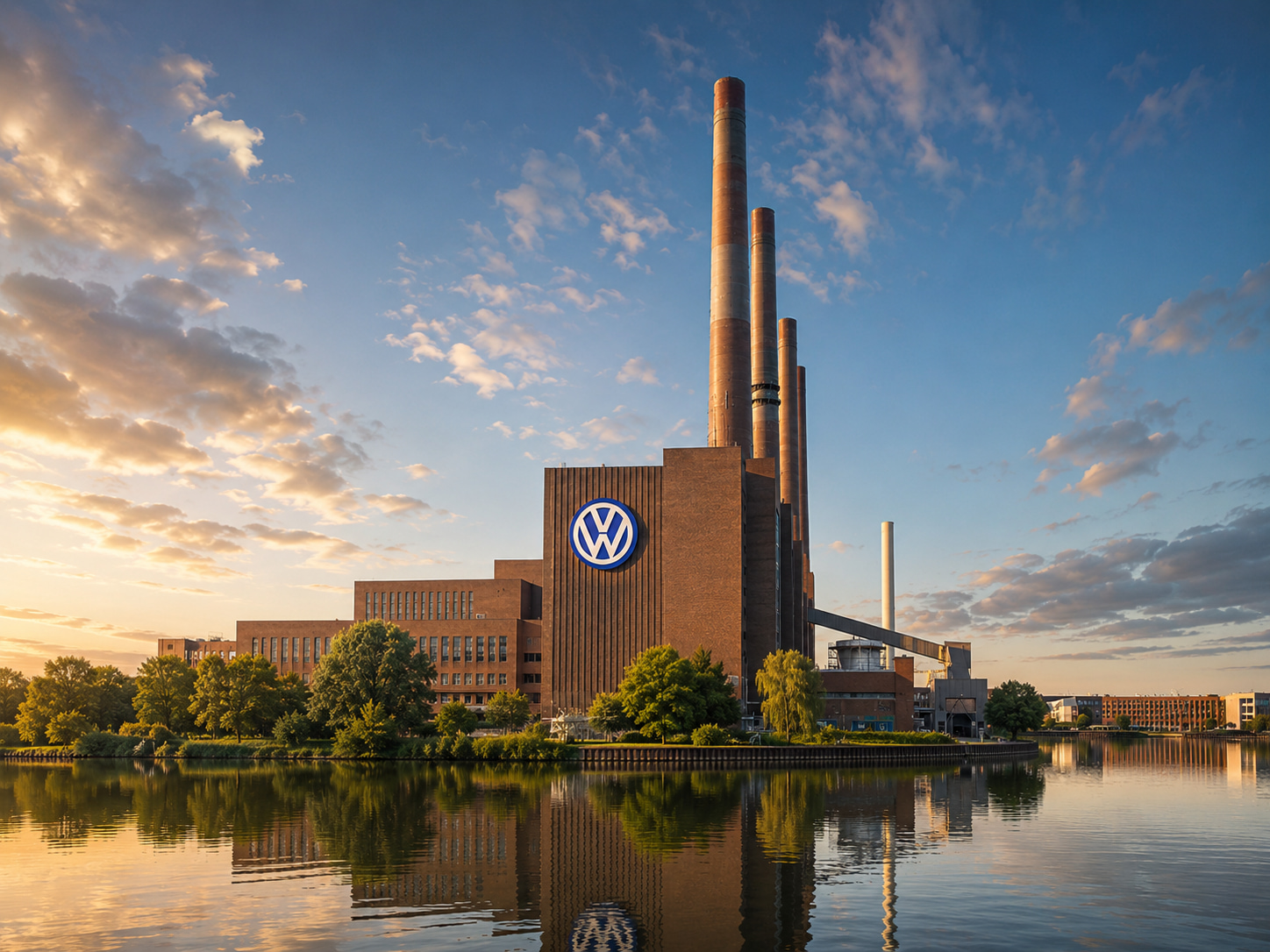
No, Volkswagen Doesn’t Need to Fire 100,000 Workers - Here’s the Smarter Path Forward
Volkswagen should stop chasing the profit margins of its peak global-expansion years and instead optimise for long-term stability. During 2025, the Volkswagen Group recorded €321.9 billion in revenue and an operating profit of €8.9 billion - figures most automotive manufacturers would gladly accept. Yet much of the discussion surrounding Europe's largest carmaker…