Volvo’s 13-Car Plan — Design Studio Explores the New Range
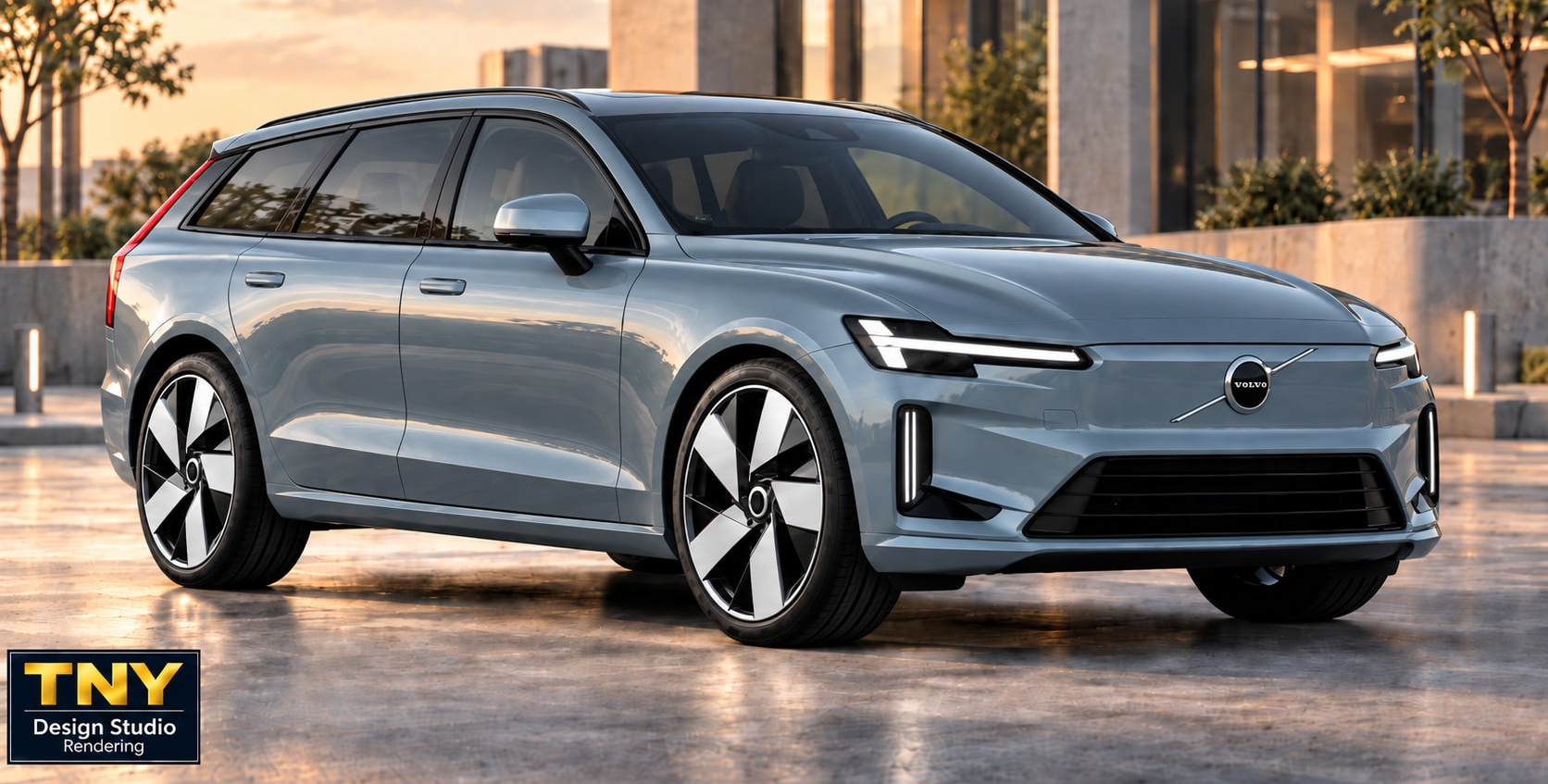
Today, Volvo has access to a much broader pool of technology while retaining a remarkably distinct identity of its own. Its next challenge is expansion. With new platforms offering far greater flexibility, and an ambitious product plan taking shape, TNY Design Studio explores what Volvo could do beyond its increasingly SUV-led range — from a new generation of estates and saloons to something considerably bigger.
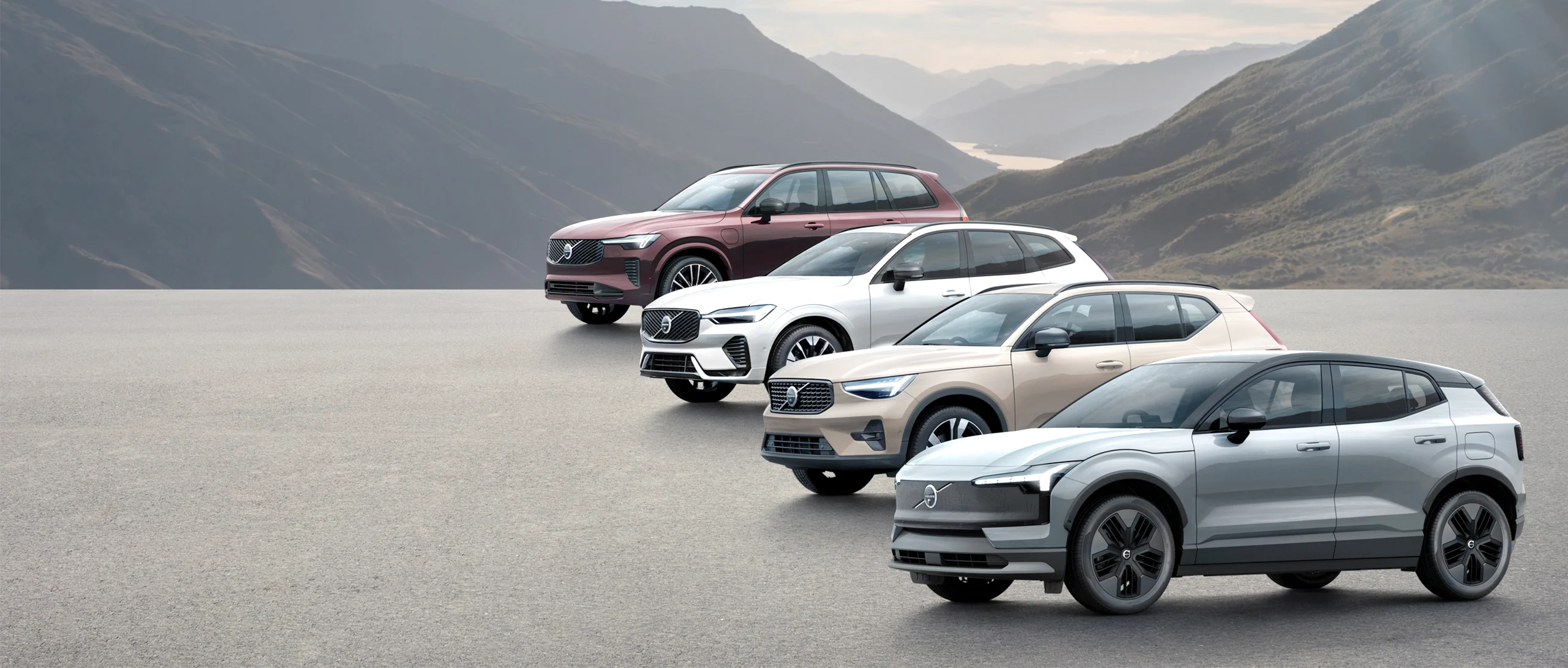
Volvo has not revealed what all of those cars will be, leaving plenty of room for speculation over how broadly its next generation of models could expand.
The EX60 shows just how far EV technology has progressed. Built around the new SPA3 architecture, its 800V electrical system supports rapid charging, while the longest-range P12 version offers up to 503 miles of WLTP range — the longest of any Volvo yet.
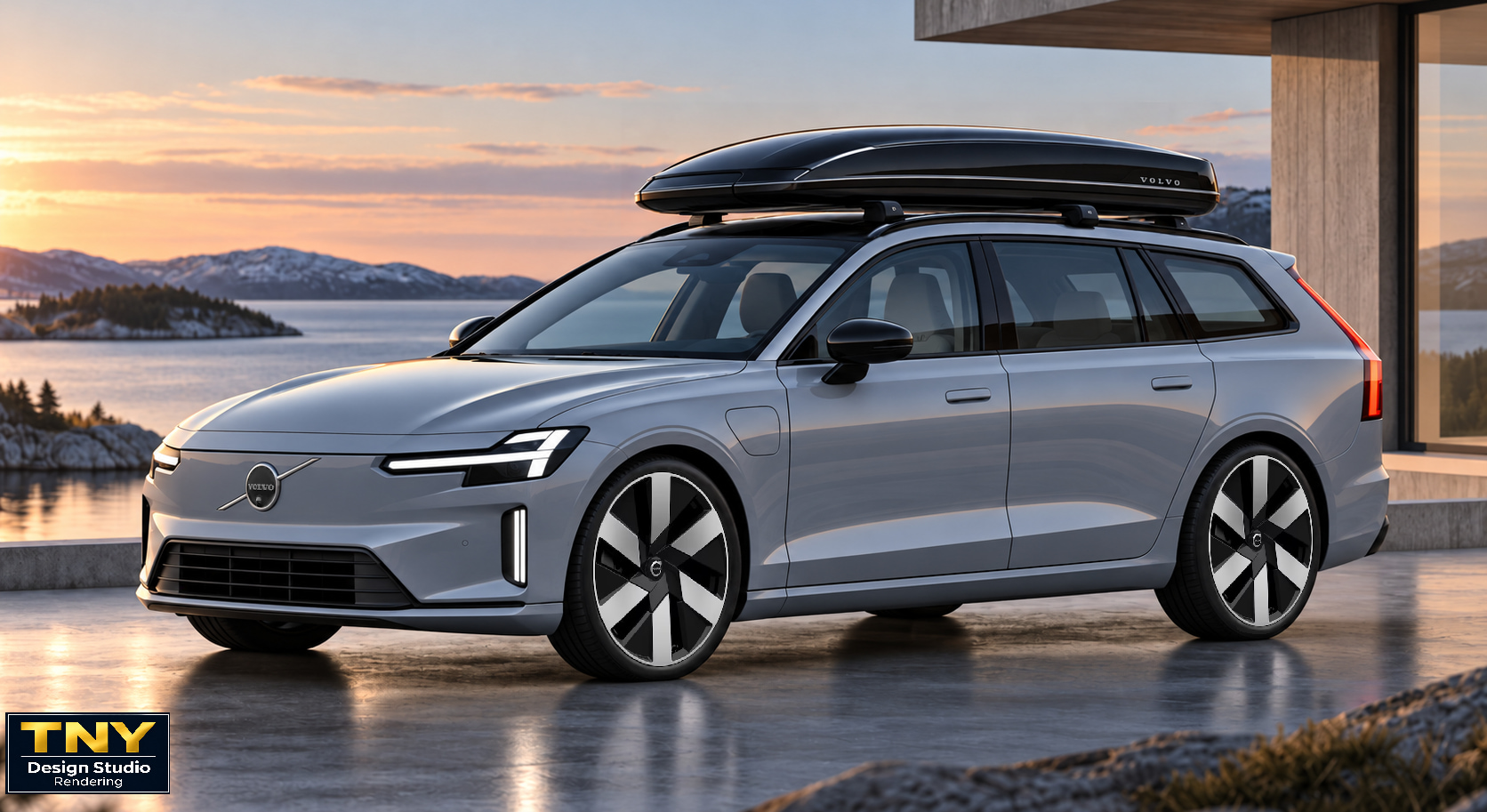
That is not confirmation that a new electric estate is coming, but it removes one of the biggest technical questions. If SPA3 can underpin something substantially lower than the EX60, an electric successor to the V60 suddenly becomes much easier to imagine.
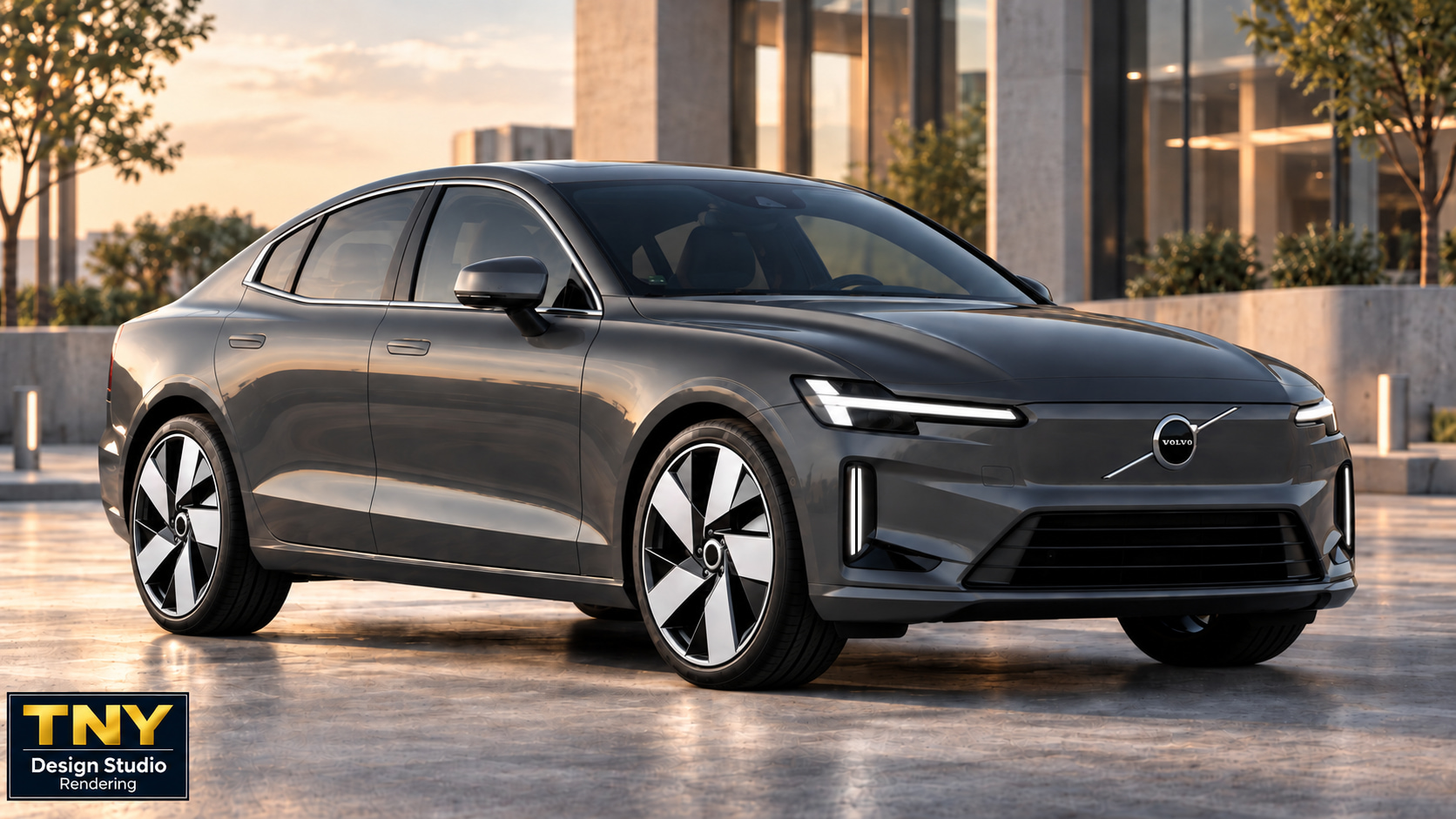
A “low-roof” SPA3 model would not necessarily have to be an estate. Volvo could also use the architecture for an ES60, giving it a smaller electric saloon beneath the ES90 and a more direct alternative to the next generation of electric BMW 3 Series.
Our rendering imagines exactly that: a lower, sportier Volvo that carries the clean design language of the ES90 into a more compact package. It could give Volvo a genuinely different proposition from the EX60, while filling a sizeable gap between its smaller models and the large ES90.
Volvo has experimented here before, even creating the unusual raised S60 Cross Country in 2015. We wouldn’t expect an ES60 Cross Country revival, but the standard saloon could make considerably more sense as Volvo broadens its electric range.
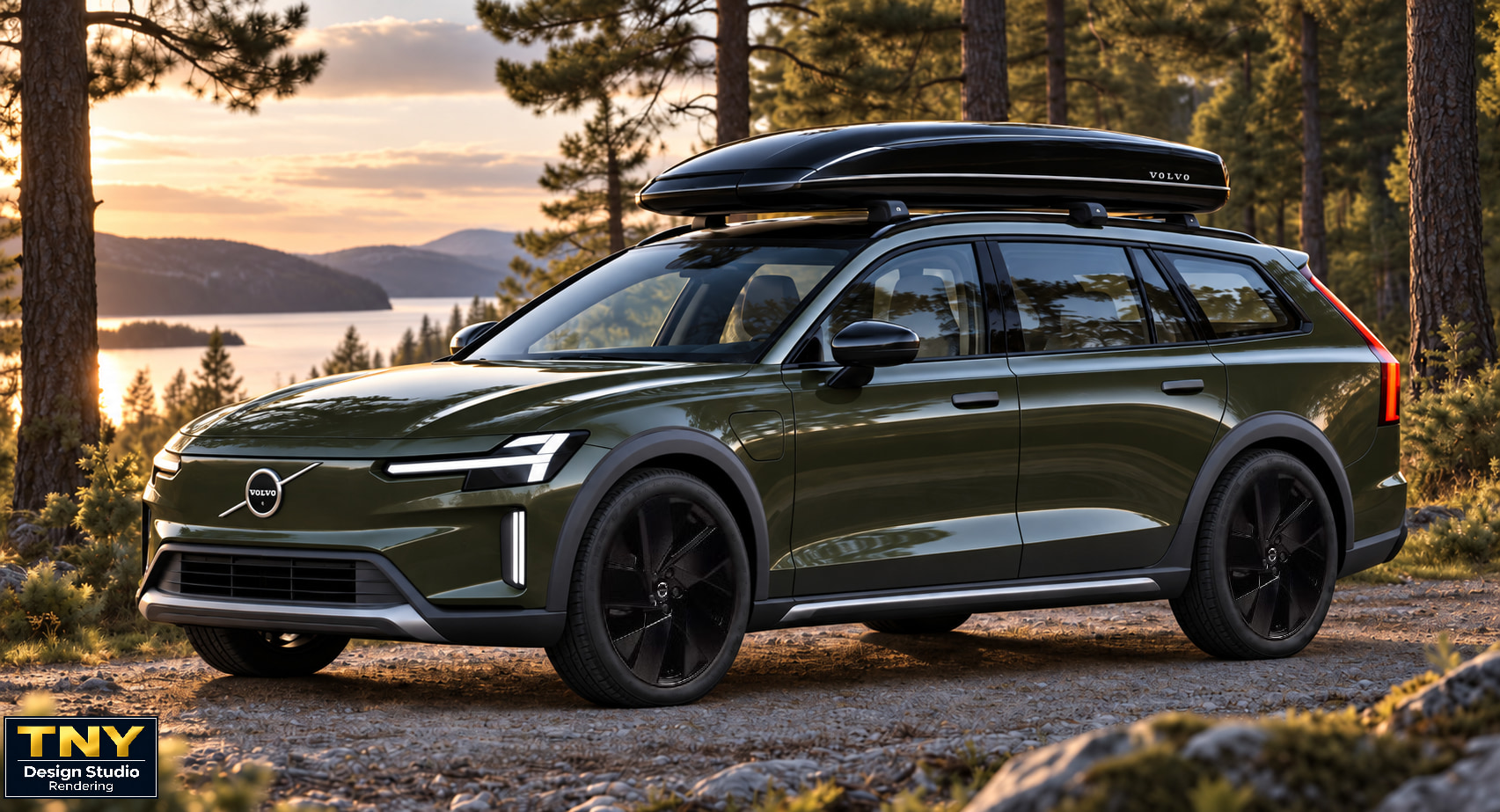
An estate does not necessarily have to remain low-slung, either. Volvo has been combining estate-car practicality with additional ride height and rugged styling since the original V70 Cross Country arrived in 1997, creating a formula that has since become an important part of the brand.
An EV60 Cross Country could revive that idea for the electric era. Raised suspension, protective bodywork and all-wheel drive could give buyers much of the visual appeal and capability of an SUV, while retaining the lower roofline, efficiency and long load area of an estate. It could also help Volvo justify an electric estate commercially by broadening its potential audience.
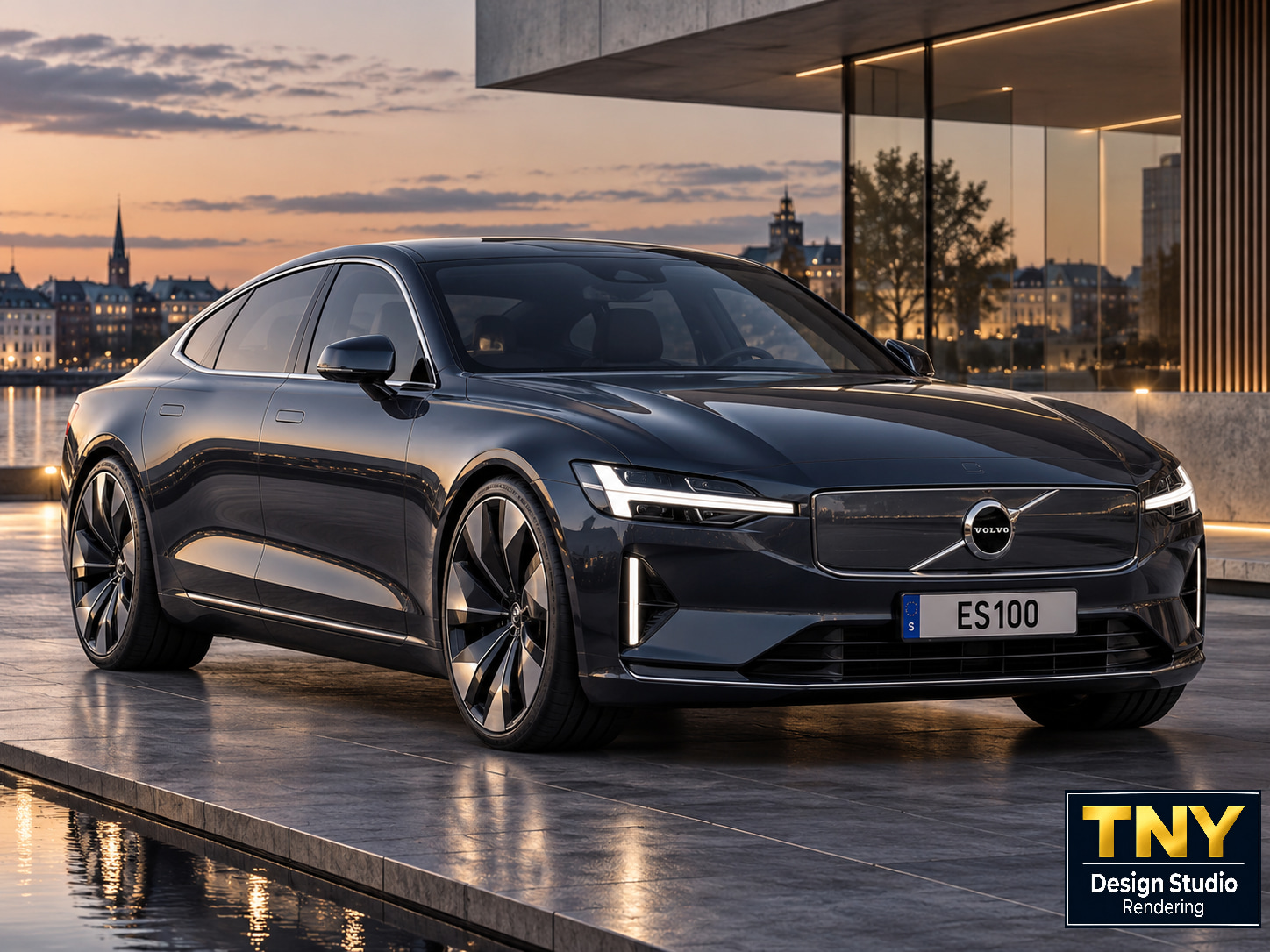
Our ES100 rendering explores what that upper extreme could look like: a large, luxurious electric saloon positioned against cars such as the BMW i7 and Mercedes EQS, with Scandinavian design offering a deliberately different take on the traditional flagship.
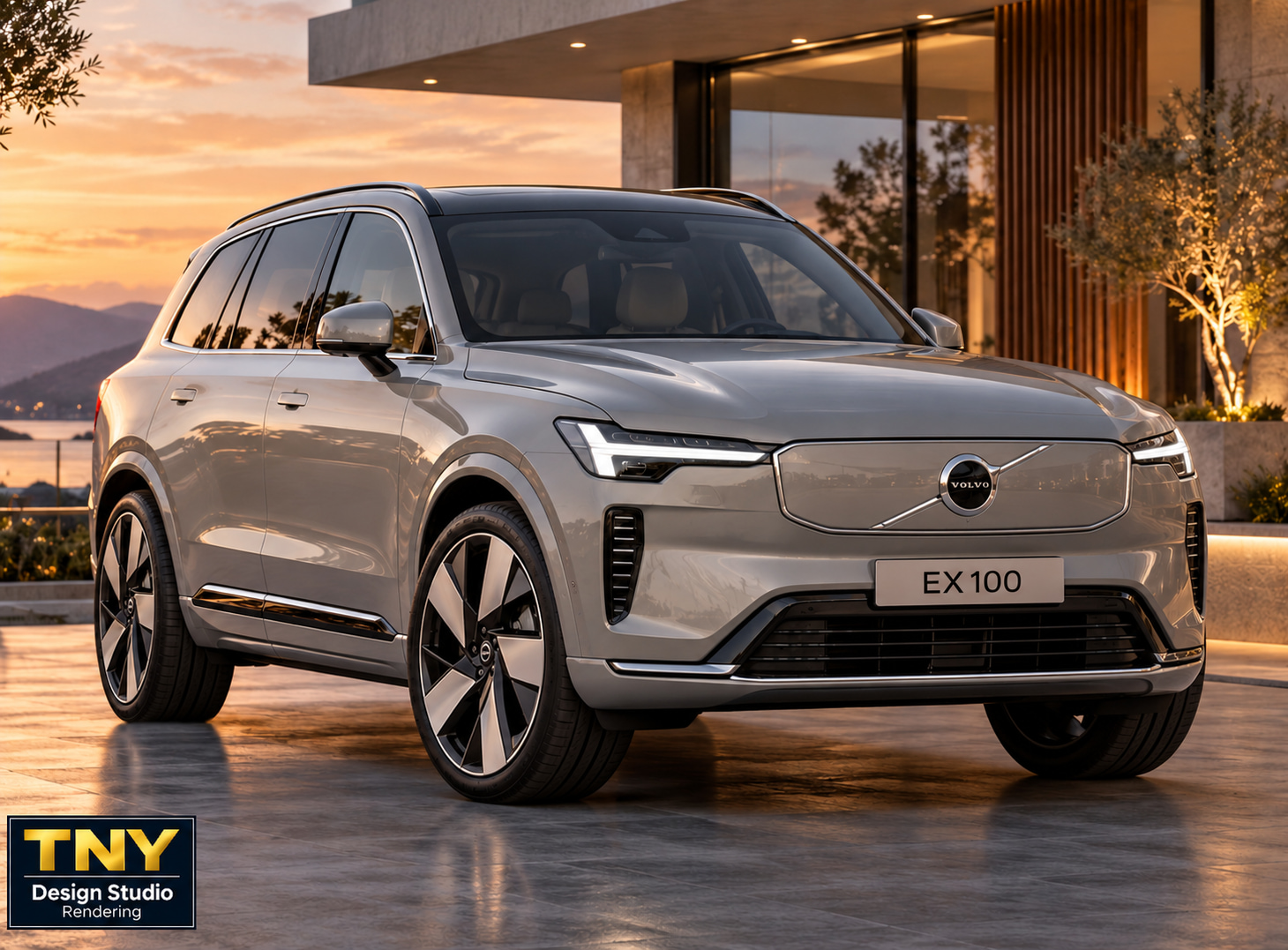
The same thinking could also produce a larger SUV. Our EX100 rendering imagines Volvo stretching the formula beyond the EX90, creating something longer, more spacious and considerably more luxurious — a Scandinavian alternative to the Mercedes GLS.
Rather than simply making another three-row family SUV, the emphasis could shift towards outright luxury. A longer wheelbase could provide significantly more space for second- and third-row passengers, while Volvo’s latest EV technology, minimalist interiors and emphasis on comfort would suit this end of the market particularly well.
It would be a considerable step upwards for Volvo, but if the flexibility is already being engineered into its next-generation architecture, an EX100 provides an interesting glimpse at how the brand could use it.
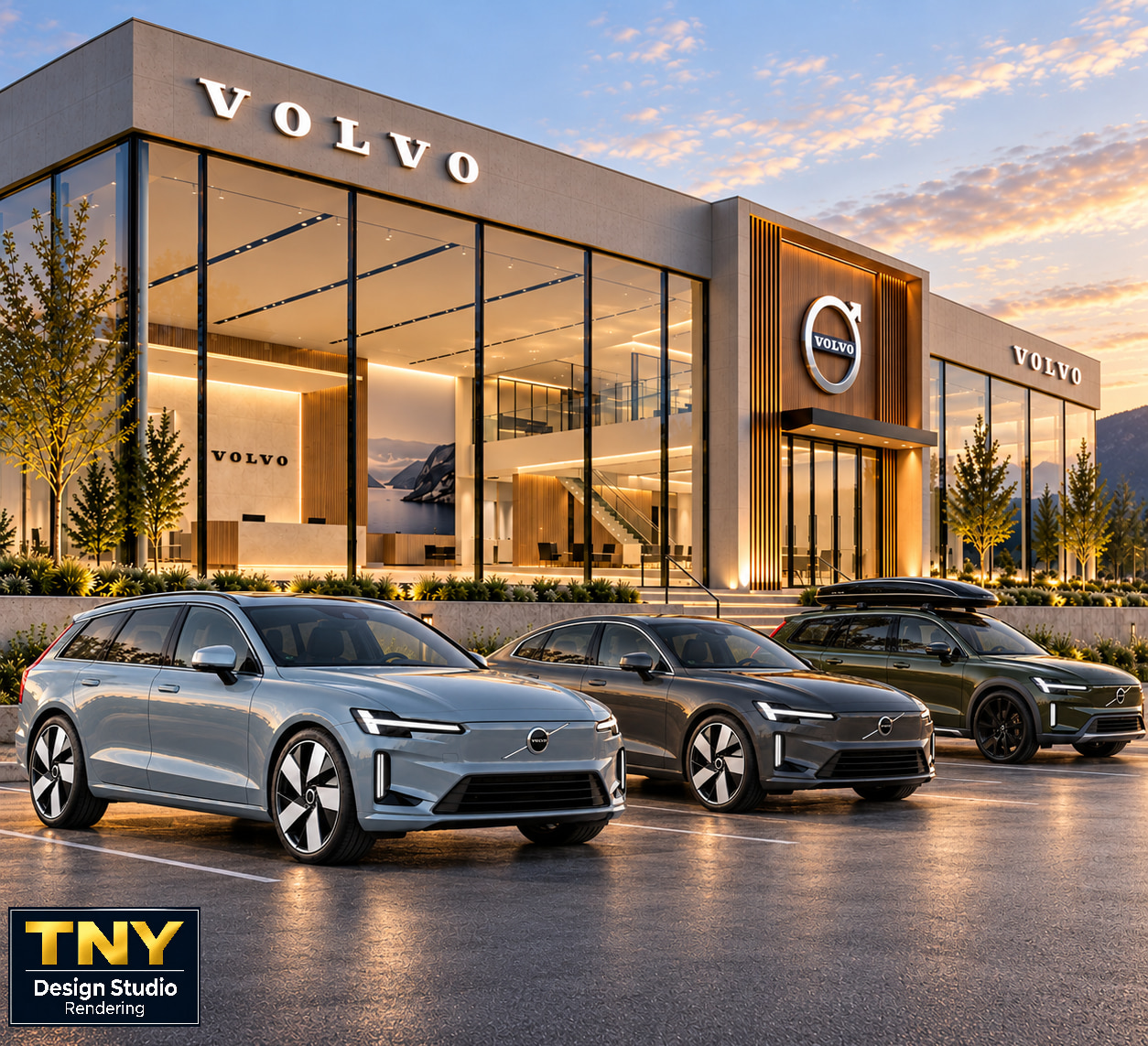
Ultimately, the most interesting part of Volvo’s 13-car product offensive may not be the possibility of enormous new flagships at all. The ES100 and EX100 show how far Volvo could theoretically stretch its new technology, but the greater opportunity could be using that flexibility to broaden the range closer to its existing core.
SUVs will undoubtedly remain central to Volvo’s future, and models such as the EX30, EX60 and EX90 give it a strong foundation. But that does not mean every new Volvo needs to follow the same formula.
An ES60 could restore a smaller premium saloon, while an EV60 could bring the electric estate into one of the segments where Volvo has historically been strongest. Add an EV60 Cross Country, and Volvo could even bridge the gap between its estate heritage and today’s appetite for SUVs.
For a brand entering another period of expansion, becoming broader again could be just as important as becoming bigger.
You should also read:
Paris Motor Show 2026: TNY Explores the Biggest Reveals from Day One
The 2026 Paris Motor Show has opened its doors, bringing one of Europe's biggest motoring events back into the spotlight. With more than 100 exhibitors, nearly 60 vehicle manufacturers and dozens of new models and concepts, this year's show promises plenty to explore. Beyond the spectacular concept cars and elaborate displays, Paris…
TNY Design Studio Explores BMW’s Next SUV Generation — From X1 to X8
BMW is entering one of the most significant design transitions in its recent history. The arrival of Neue Klasse isn't simply about introducing a new generation of electric cars; its technology and dramatically simplified design language are beginning to influence BMW's entire range. For the company's SUVs, that creates an especially interesting…
Lucid’s UK Push – Cosmos, Earth and a Much Bigger Plan
Lucid is in an unusual position. The American EV maker regularly attracts headlines about losses, cash burn and funding requirements, yet at the same time it is expanding its manufacturing footprint, attracting major strategic partners and preparing an entirely new lower-cost vehicle family for markets including Britain. Its current cars already demonstrate…
Hyundai's 100-Car Plan: What Comes Next for One of the World's Fastest-Changing Car Makers?
Twenty years ago, Hyundai was still fighting to prove that it could match the established European and Japanese brands. Today, that description feels almost unrecognisable. Hyundai has become a genuinely global manufacturer, producing everything from affordable small cars to sophisticated EVs, large SUVs and increasingly serious performance models. Now it wants to…
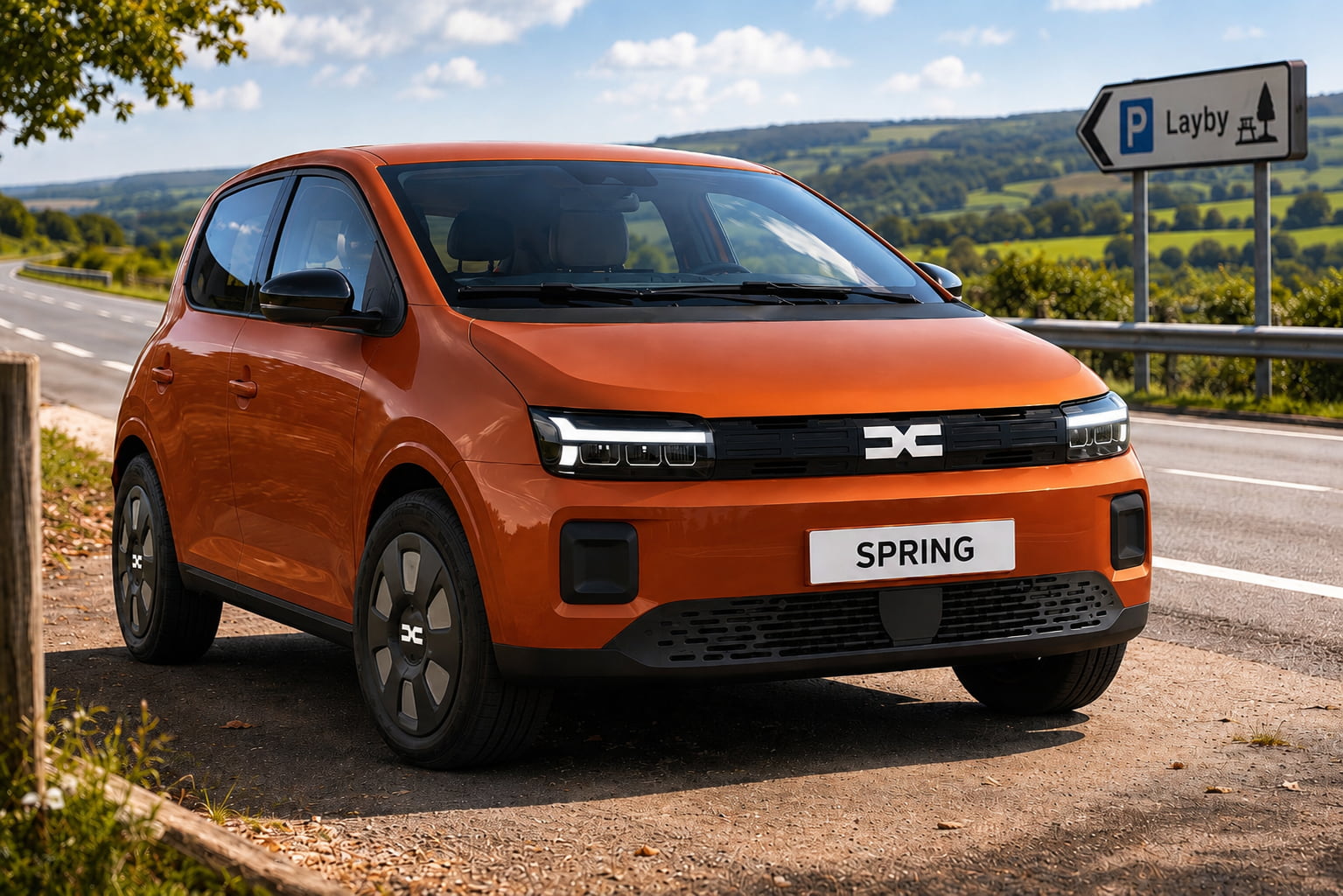
Dacia Spring: Design Studio Explores Three Ways Forward
The Dacia Spring has become one of Europe’s most important affordable EVs, proving that electric cars do not need huge batteries, enormous power outputs or premium prices to make sense. But deciding what replaces it could be considerably more complicated. Dacia now has the striking Hipster concept exploring an even smaller, more…
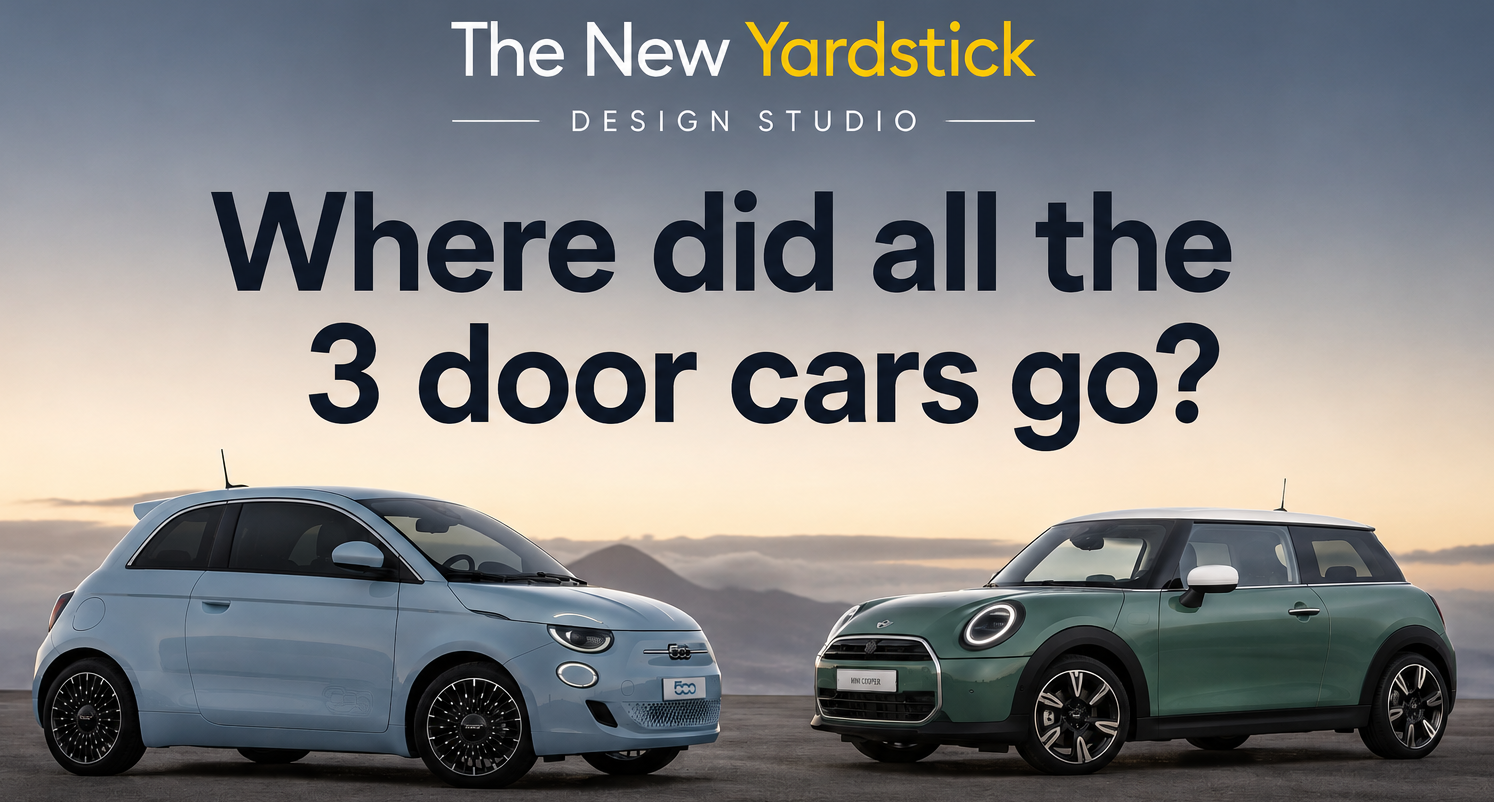
Where did all the 3 door cars go? TNY Design Studio imagines the next generation.
Once the default choice for buyers wanting a sportier-looking hatchback, the three-door has quietly disappeared from Britain's roads. Throughout the 1990s and 2000s, almost every major manufacturer offered one, from affordable city cars to hot hatches and premium compacts. They were often cheaper than their five-door equivalents, lighter on their feet and,…
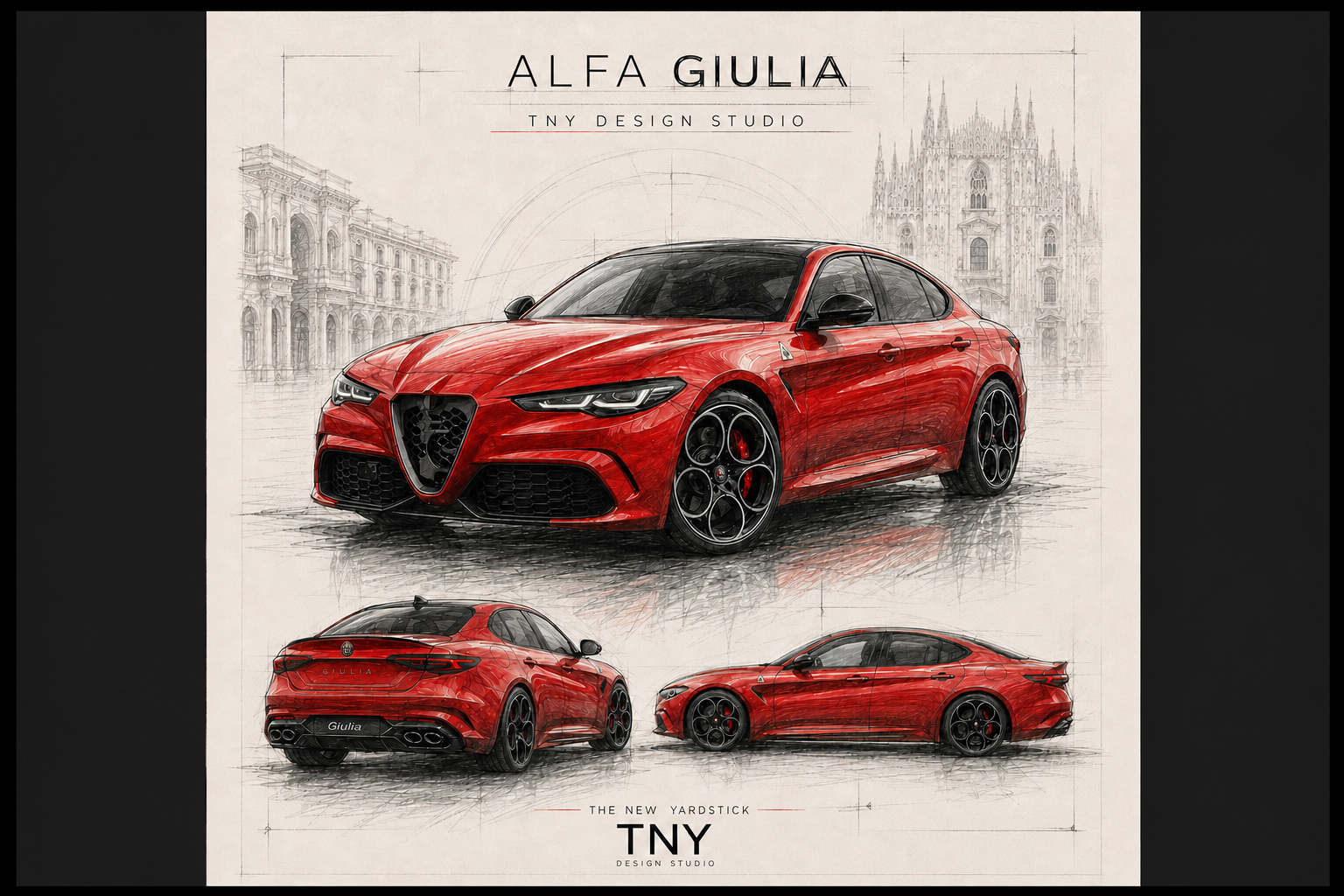
Design Studio: Three Ways Alfa Romeo Could Reinvent the Giulia
Design Studio is where ideas take centre stage, and few future models are more important than the next Alfa Romeo Giulia. With the brand preparing to transition onto Stellantis' STLA Medium platform, the challenge is no longer simply replacing an acclaimed sports saloon – it's deciding what the Giulia should become. Should…
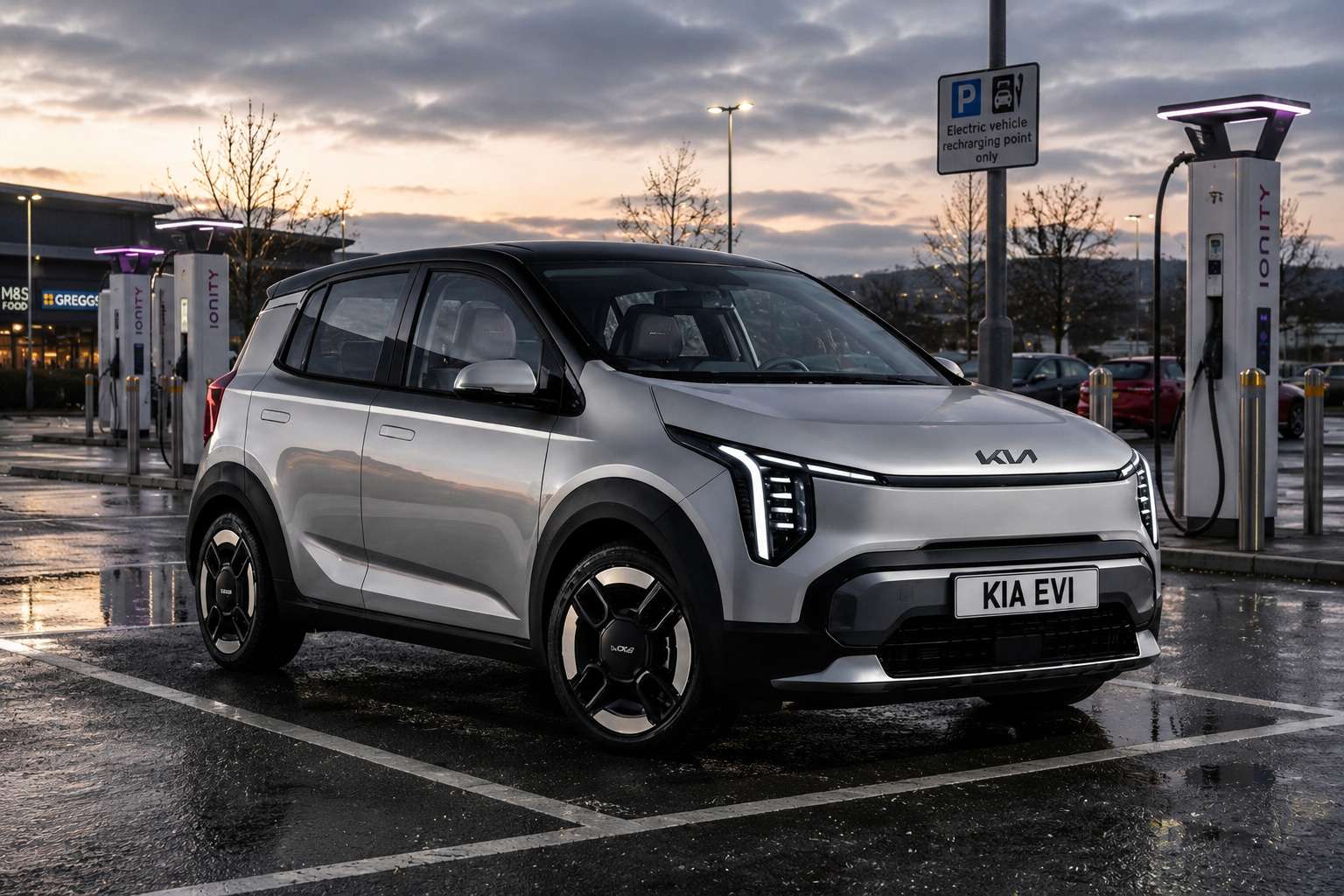
The EV1 Shows How Kia Plans to Keep City Cars Alive
The Kia EV1 arrives at a pivotal moment for Europe’s smallest cars. With the long‑running Picanto finally reaching the end of its lifecycle, one of the last petrol city cars on the continent is bowing out. Kia’s decision to replace it with a fully electric model reflects a wider industry shift: emissions rules,…