From Budget EVs to Supercars: Three Chinese Brands to Watch

Chinese carmakers are no longer simply arriving in Europe with a handful of cheap EVs. They are building factories, expanding dealer networks, developing premium sub-brands and, in some cases, moving faster than many established manufacturers can comfortably match.
Three names in particular show just how varied that expansion has become. BYD brings enormous scale, battery expertise and an increasingly broad range stretching from affordable hatchbacks to Yangwang hypercars. Leapmotor is growing at remarkable speed with Stellantis behind its international push, while MG has transformed from a struggling British marque into one of China’s most established automotive exports.

Europe is now a major focus. BYD’s first European passenger-car factory in Szeged, Hungary, is due to begin production in late 2026, initially building the Dolphin Surf. The company is already looking for a second European assembly site, as it shifts from being primarily a Chinese exporter towards a genuinely global manufacturer.
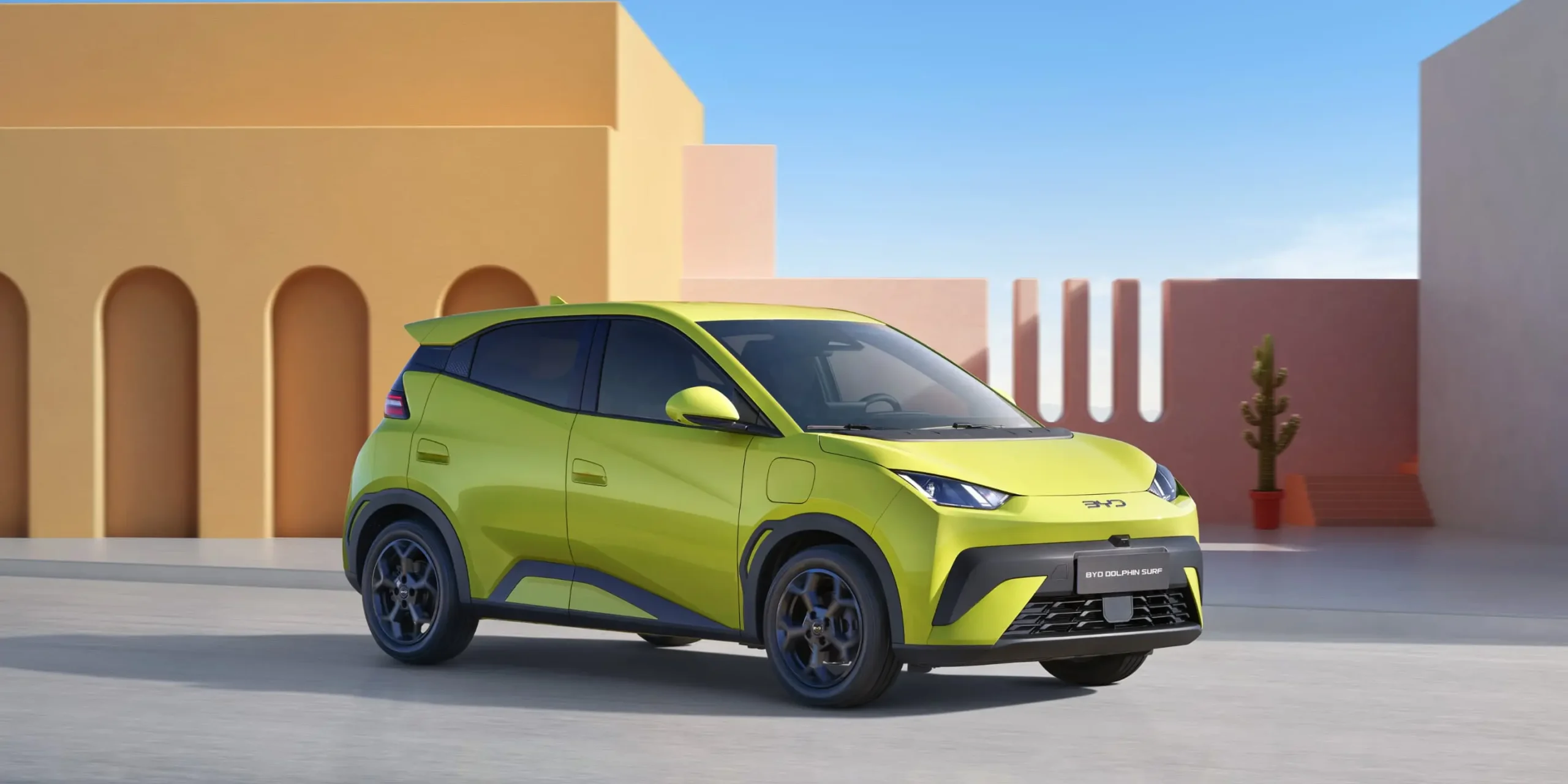
Its £18,675 list price is already competitive, but lightly used and pre-registered examples have appeared for under £14,000, making it particularly interesting on value.
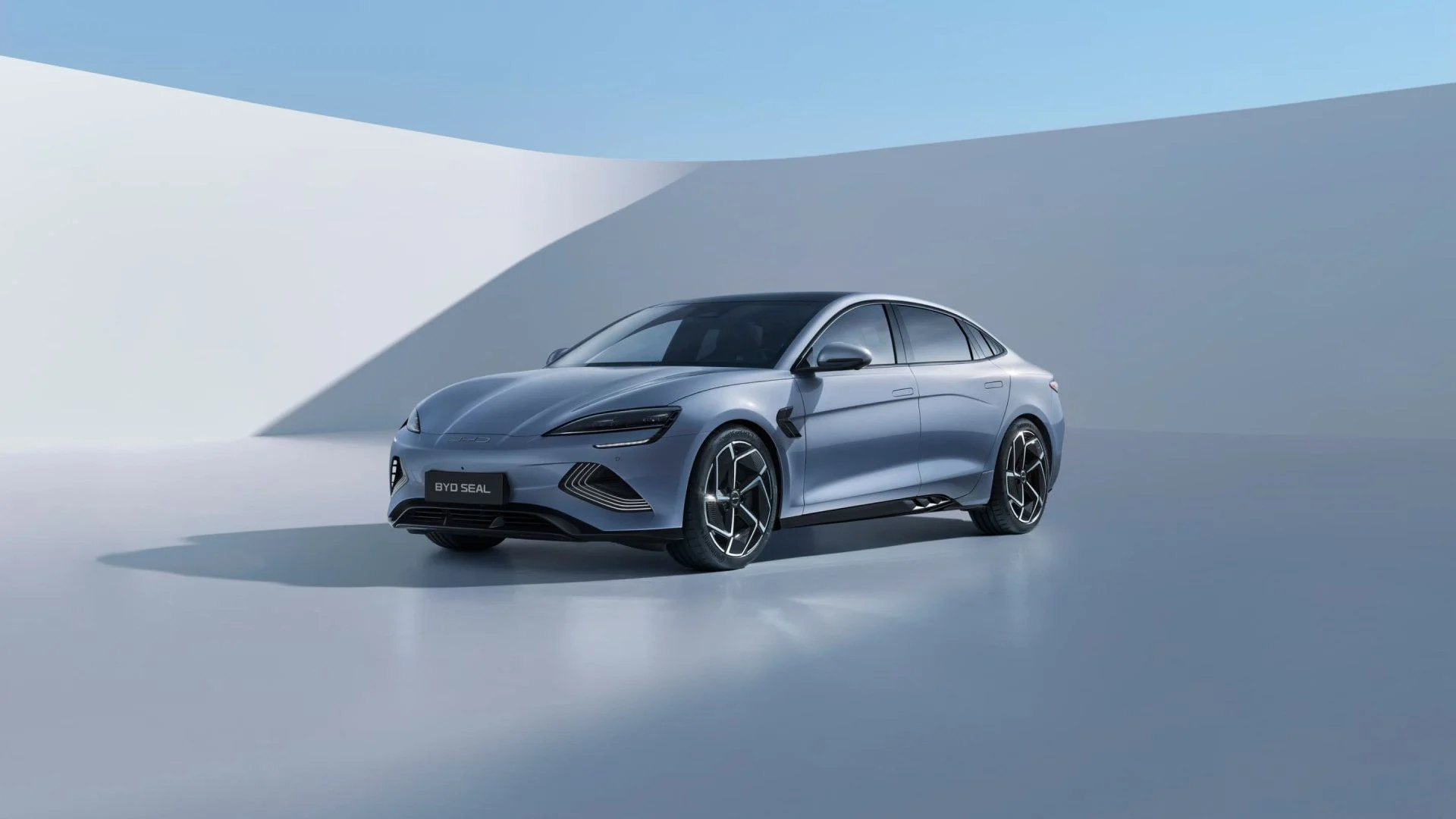
The BYD Seal is probably the clearest proof that the brand can do more than value-focused EVs. It is a genuine Tesla Model 3 rival, with sleek proportions, a notably high-quality interior and plenty of performance.
The rear-wheel-drive Design model uses an 82.5kWh Blade Battery, produces 308bhp, reaches 62mph in 5.9 seconds and offers up to 354 miles of WLTP range. Step up to the Excellence AWD and power jumps to 523bhp, cutting 0–62mph to 3.8 seconds, while range remains a useful 323 miles.
Both versions are generously equipped, with features such as a panoramic roof, heat pump, heated and ventilated front seats and a substantial suite of driver-assistance technology. Combined with the Seal’s clean cabin design and solid material quality, that helps it feel much closer to an established premium saloon than a newcomer.
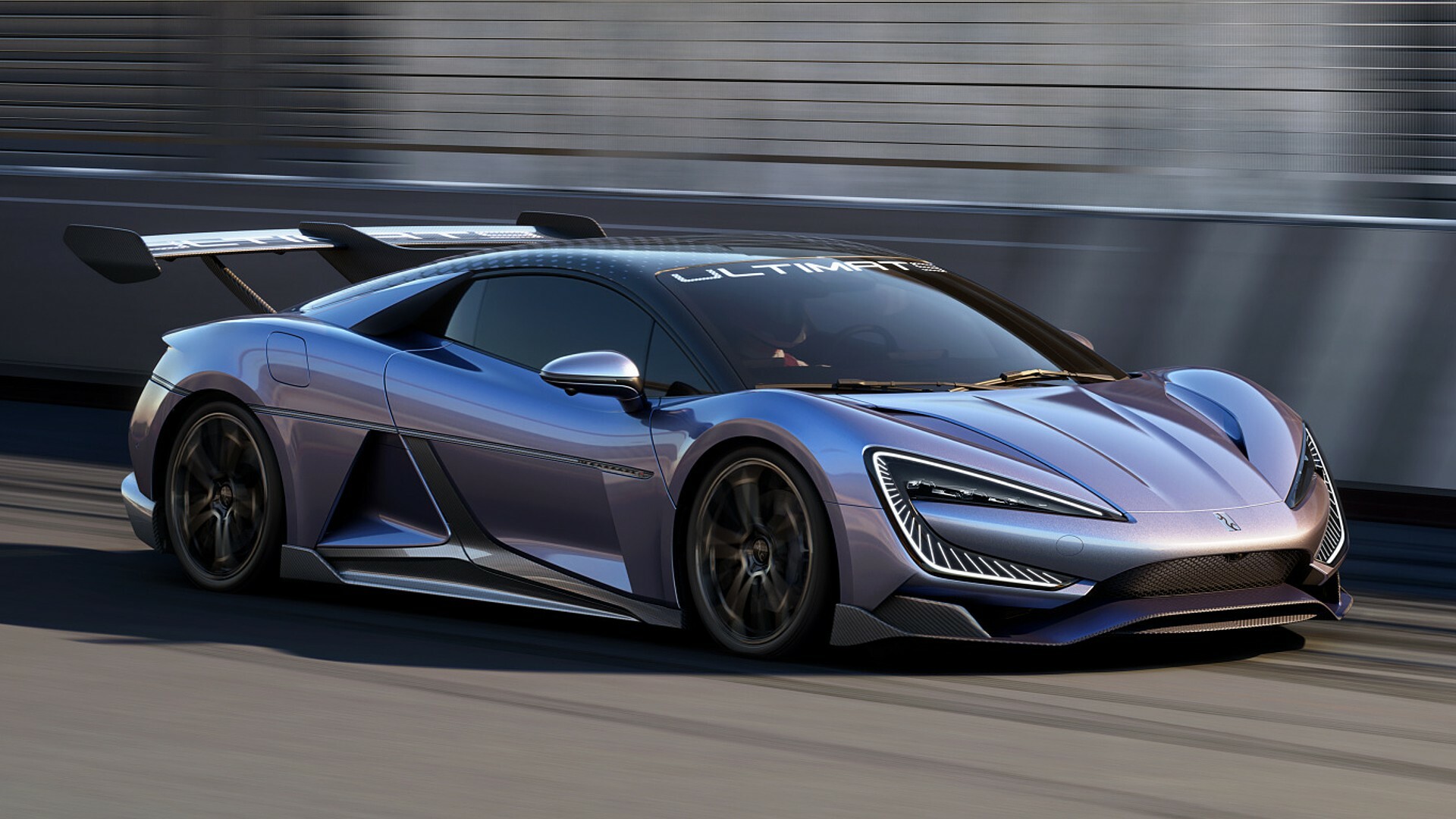
But BYD’s ambitions extend well beyond its mainstream range. Sitting above the core brand is Denza, positioned as a more premium, technology-led marque, while Yangwang occupies the very top of the group as its ultra-luxury and high-performance division.
Denza is already expanding into Europe, while Yangwang remains more exclusive, acting as a showcase for some of BYD’s most advanced engineering. Together, they give BYD a route from affordable hatchbacks right through to six-figure luxury cars and hypercars.
The Yangwang U9 Xtreme is unlikely to trouble UK order books, but it shows just how far BYD’s engineering ambitions now stretch. Based on the U9 hypercar, the Xtreme uses a 1,200V electrical architecture and four independent motors producing more than 3,000PS, with BYD limiting production to just 30 cars.
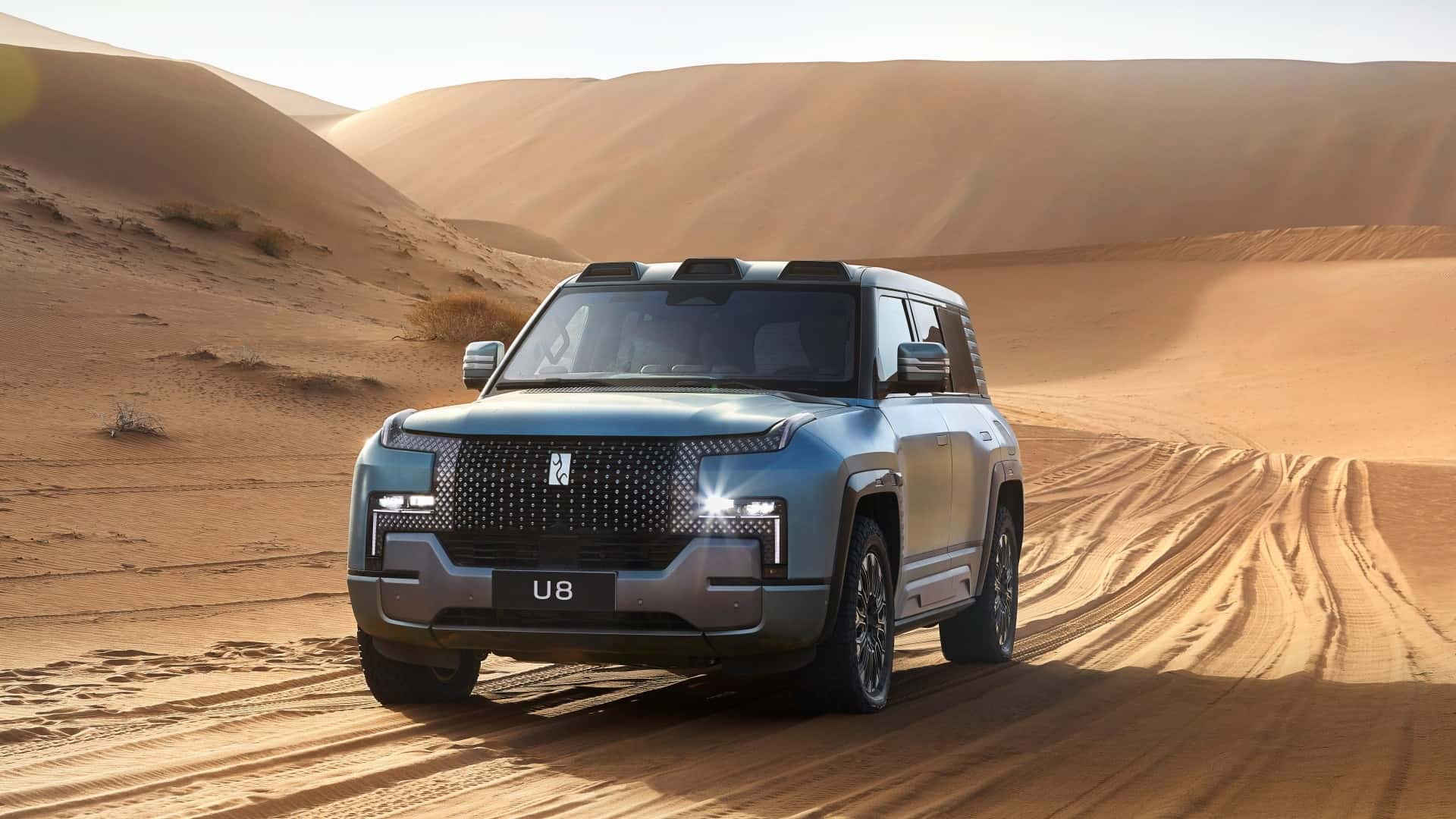
UK sales are not yet confirmed, but BYD brought the larger U8L to the 2026 Goodwood Festival of Speed alongside the U9 Xtreme and U7, complete with a dedicated Yangwang VIP area. It suggests BYD is already testing how the marque could sit above Denza in Britain.

That footprint is already growing: the C10 and B10 are now assembled in Gurun, Malaysia, while European production plans include the B10 at Zaragoza, Spain, with further Leapmotor models intended for Stellantis’ Madrid plant.
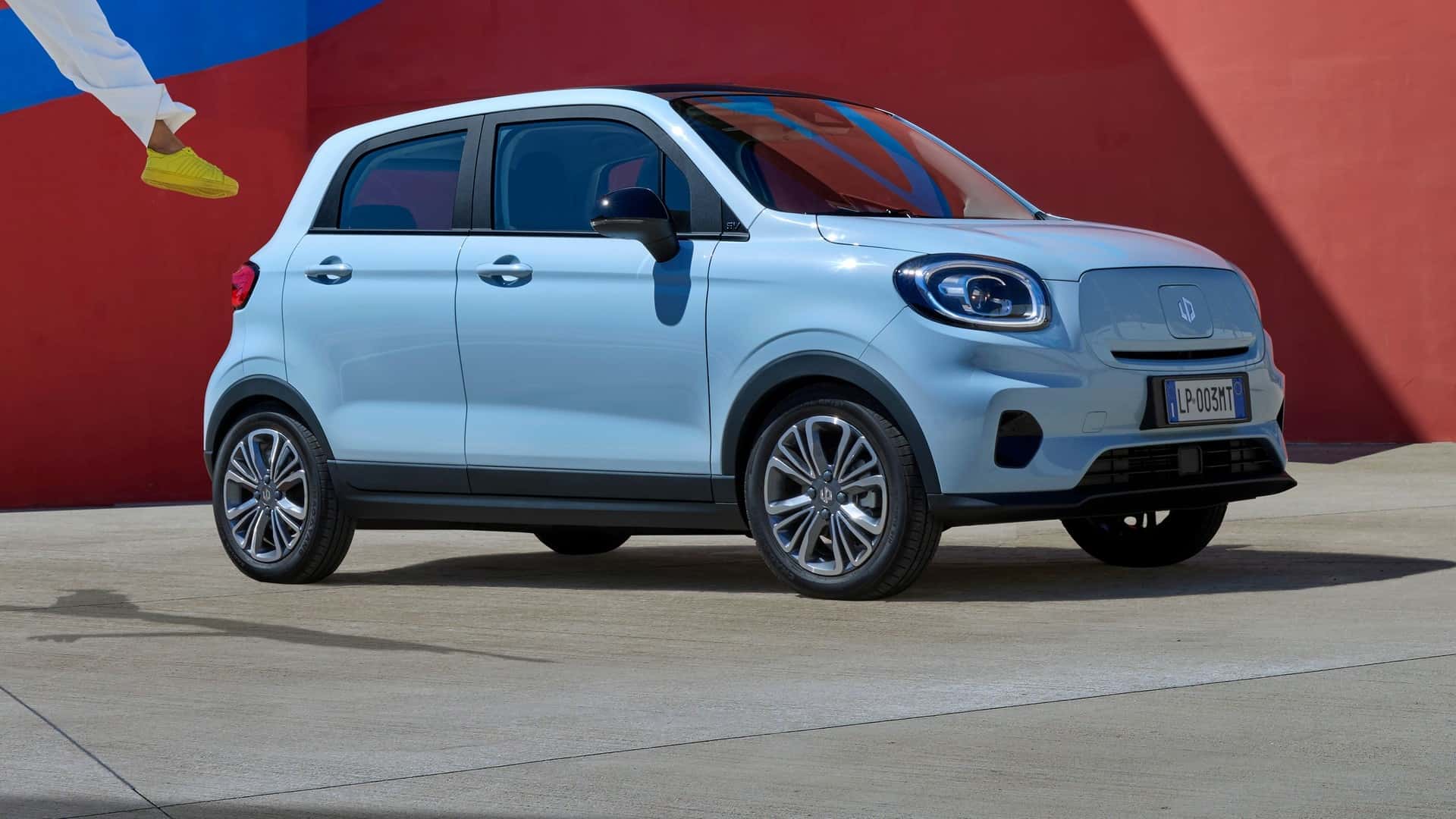
Standard kit includes a 10.1-inch touchscreen, panoramic glass roof, climate control, reversing camera and a broad suite of driver-assistance systems. Its 37.3kWh LFP battery is another strong point. Lithium iron phosphate chemistry is valued for durability, thermal stability and strong cycle life, making it well suited to an everyday EV. It provides up to 165 miles of WLTP range, while the motor produces 94bhp.
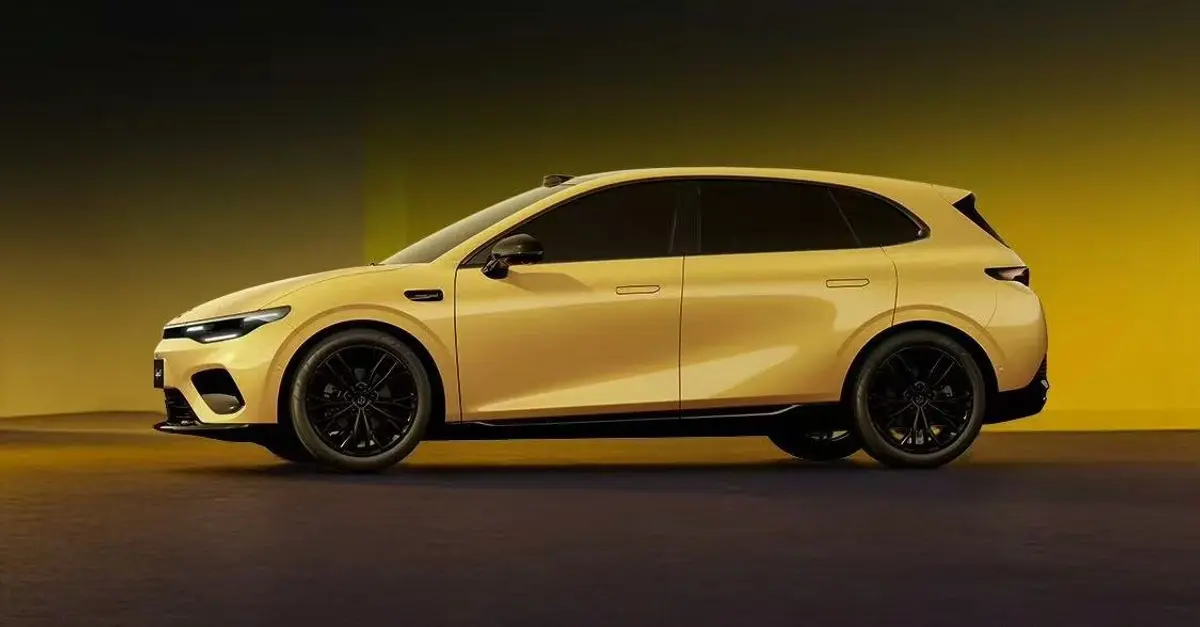
It uses a 67.1kWh LFP battery, offers up to 300 miles of WLTP range, and sends 215bhp to the rear wheels. Launch Control helps it reach 62mph in 6.7 seconds, while 174kW rapid charging can add around 150 miles of WLTP-rated range in 17 minutes.
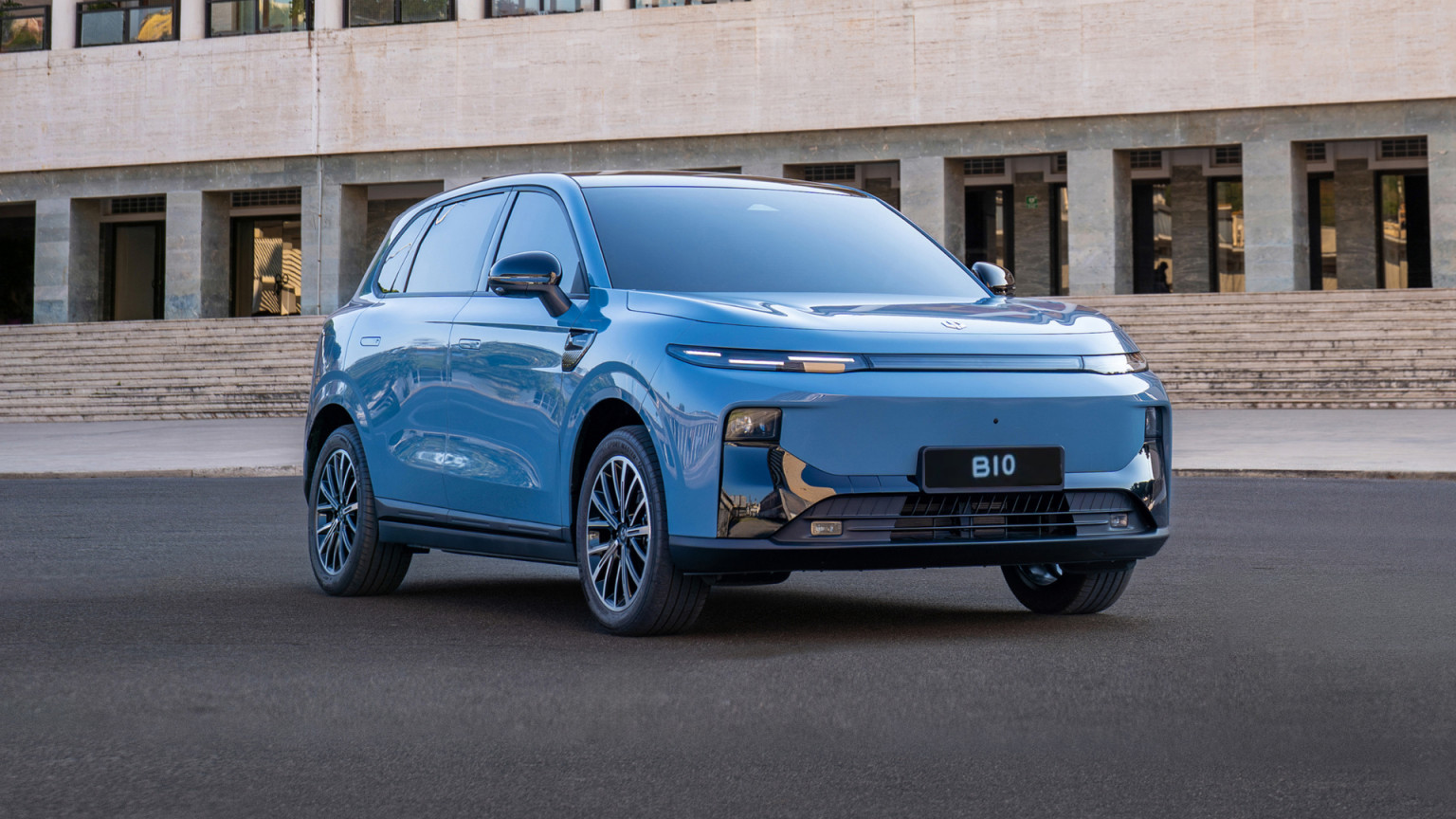
Standard equipment is generous, including a panoramic roof, heated and ventilated electric front seats, heated steering wheel, 360-degree camera, 12-speaker audio system, heat pump and V2L capability. The pure-electric version uses a 67.1kWh LFP battery, offers up to 270 miles of WLTP range and produces 215bhp.
More unusual is the UK-available REEV, which can travel around 50 miles on battery power alone — enough to cover many daily journeys without using petrol. On longer trips, a 1.5-litre petrol engine acts purely as a generator, extending combined range to around 559 miles while the wheels remain electrically driven.
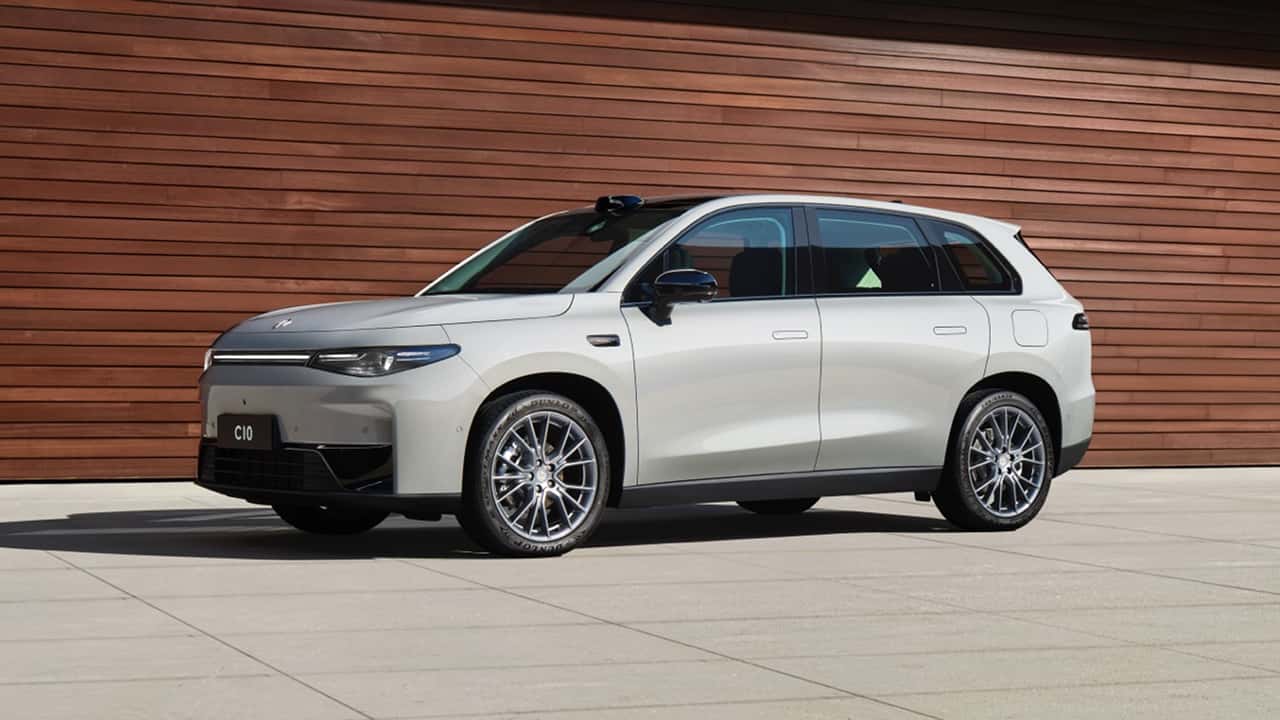
Buyers can choose between a pure-electric version with up to 263 miles of WLTP range or the REEV, which combines a 28.4kWh battery with a 1.5-litre petrol generator for 94 miles of electric-only range and 602 miles overall.
New prices start from £32,750, but pre-registered examples are now appearing around the £27,000 mark. For something this large, spacious and well equipped, that is an enormous amount of car for the money.
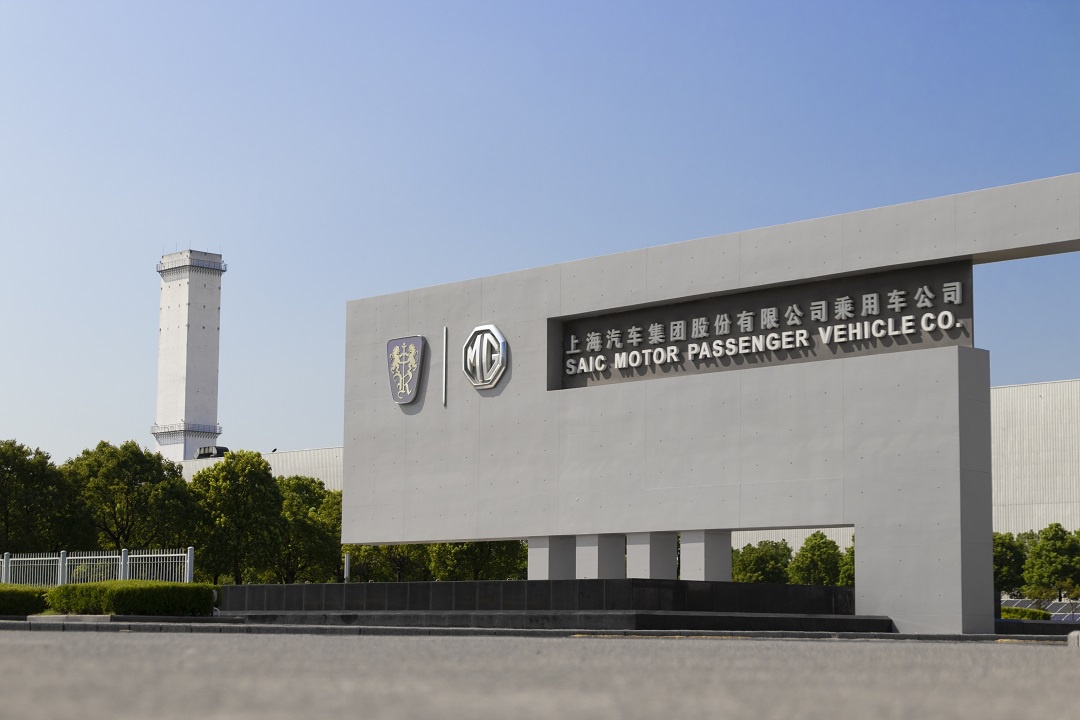
Its parent company also gives it far greater scale than the old MG ever had, with MAXUS covering vans and commercial vehicles alongside passenger cars. What was once a brand fighting for survival is now part of one of China’s largest automotive groups — and one of the most established Chinese names in Europe.
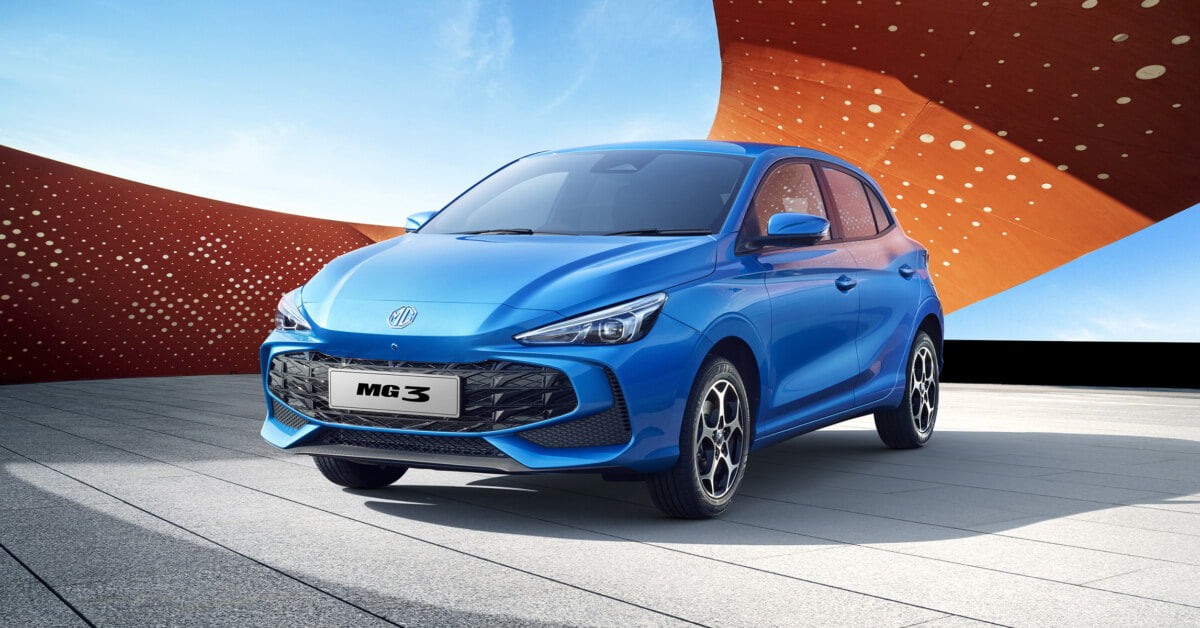
The regular petrol version uses a 1.5-litre four-cylinder producing around 113bhp, while the Hybrid+ combines a 1.5-litre engine with a much stronger electric motor for around 192bhp combined, 0–62mph in 8.0 seconds and economy of roughly 64mpg.
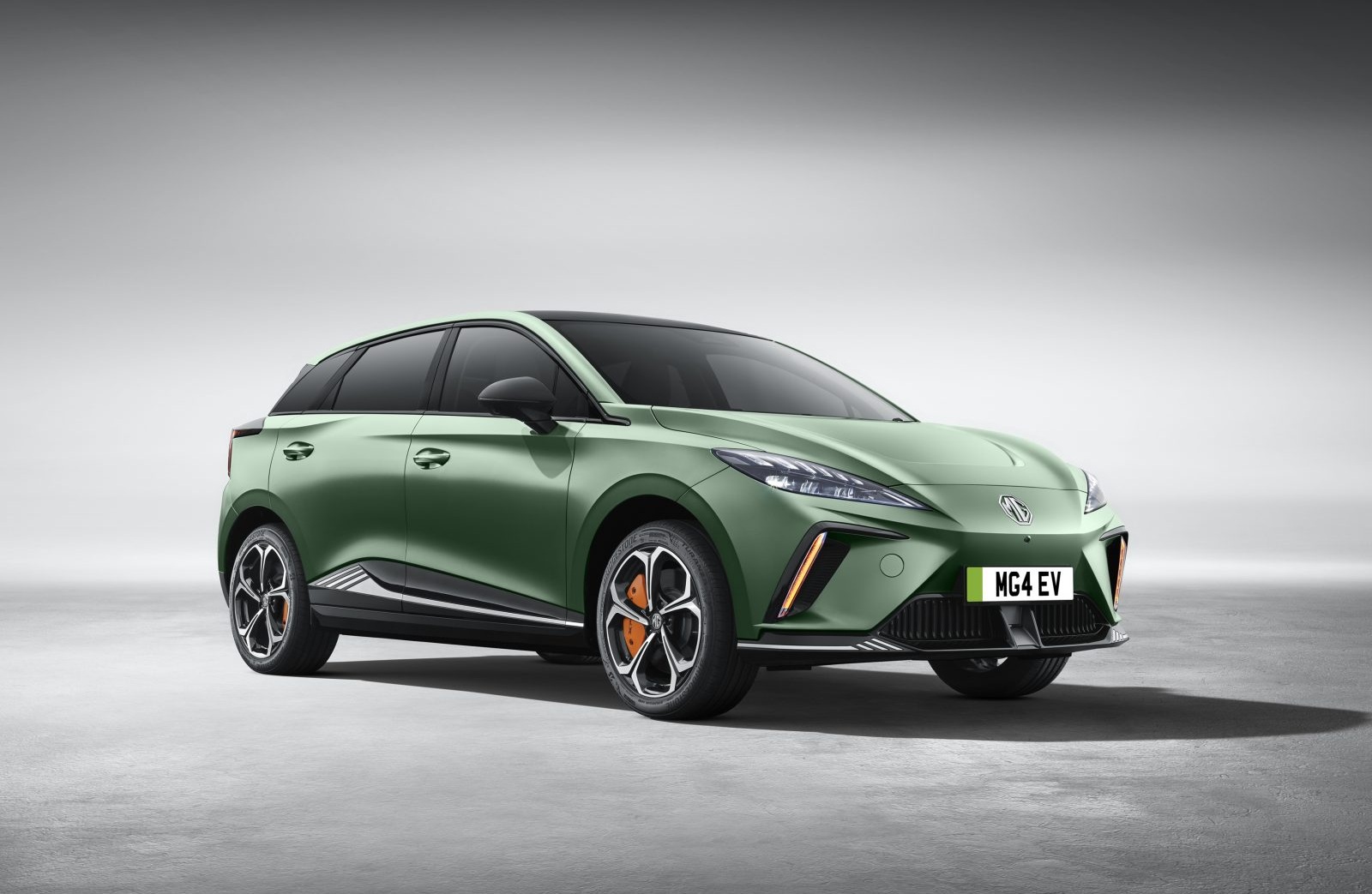
The MG4 XPOWER is where MG’s value argument becomes almost absurd. Its dual-motor, all-wheel-drive setup produces around 429bhp and 600Nm, launching the family hatchback from 0–62mph in just 3.8 seconds — fractionally quicker than a current Mercedes-AMG A45 S.
It still uses a practical five-door hatchback body and a 64kWh battery, with official range around 239 miles.
What really makes it stand out is price. New XPOWERs now list from around £33,995, while pre-registered cars can be found comfortably below £30,000. That puts genuine super-hatch performance into a car costing roughly half as much as an A45 S, which starts at around £65,000.
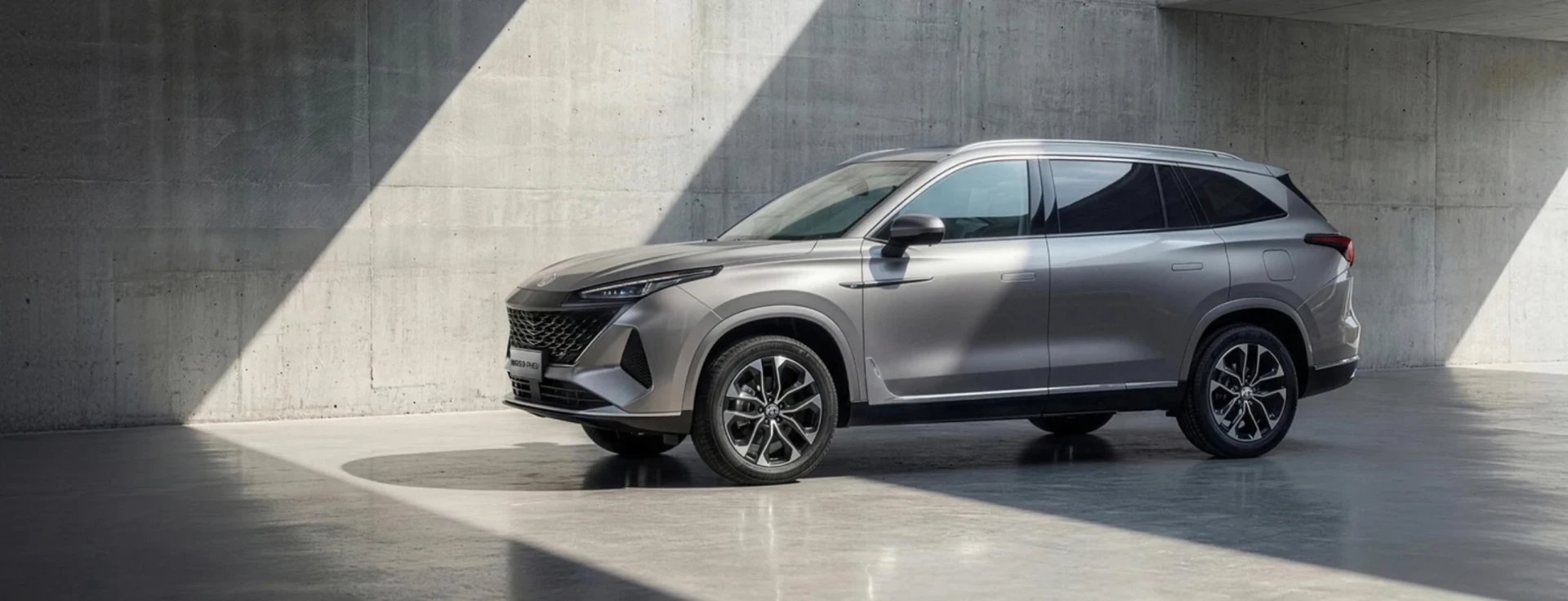
Its plug-in hybrid system combines a 1.5-litre turbo petrol engine with a 24.7kWh battery, producing around 295bhp and offering up to 62 miles of electric-only range. It can also tow up to 2,000kg. Standard equipment includes a panoramic roof, heated front seats, tri-zone climate control, 360-degree camera and electric tailgate.
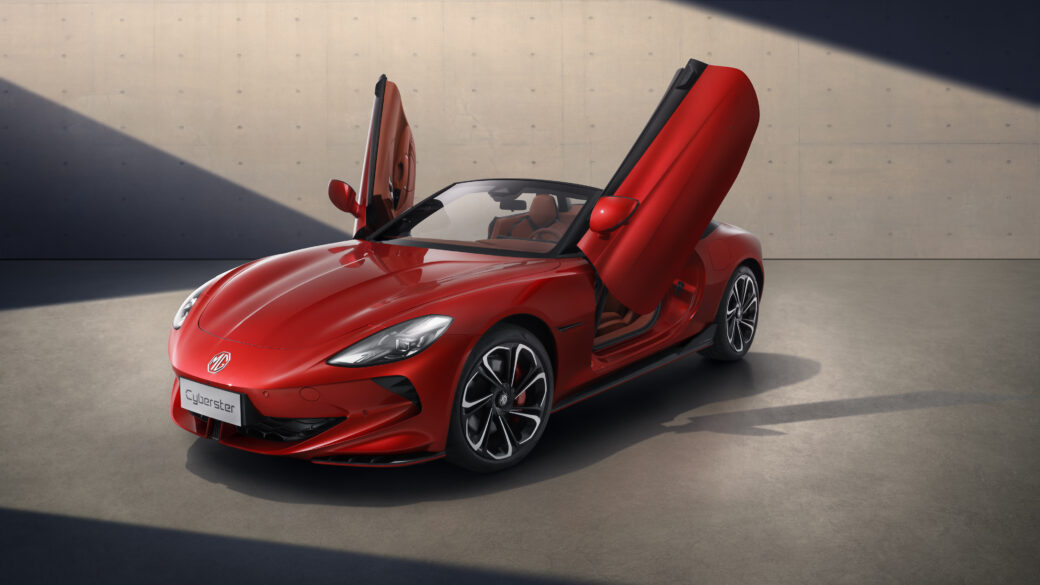
At £55,245, the Cyberster is expensive by MG standards, but still strong value for something with this level of performance, drama and rarity.
That breadth is what makes modern MG so interesting. From the £13,500 MG3 and 429bhp MG4 XPOWER to seven-seat SUVs and an electric roadster, it has managed to keep value at the centre of the brand while expanding far beyond basic budget cars.
— What makes BYD, Leapmotor and MG so interesting is that they are no longer competing on price alone. BYD now has the scale, technology and brand structure to compete from affordable city cars right through to luxury SUVs and record-breaking hypercars. Leapmotor is using Stellantis to accelerate its international growth, pairing aggressive pricing with REEV technology and a rapidly expanding model range. MG, meanwhile, has already proved that a Chinese-owned brand can become firmly established in Britain while still offering genuine value.
All three are taking different routes, but the direction is similar: more models, more local production, stronger technology and increasingly ambitious products. The result is a market that is moving faster, becoming more competitive and giving buyers far more choice than even a few years ago.
These are already important brands in 2026 — and their next phase of growth could make them far harder for established manufacturers to ignore. (Image Credits: BYD, Leapmotor and MG.)
You should also read:
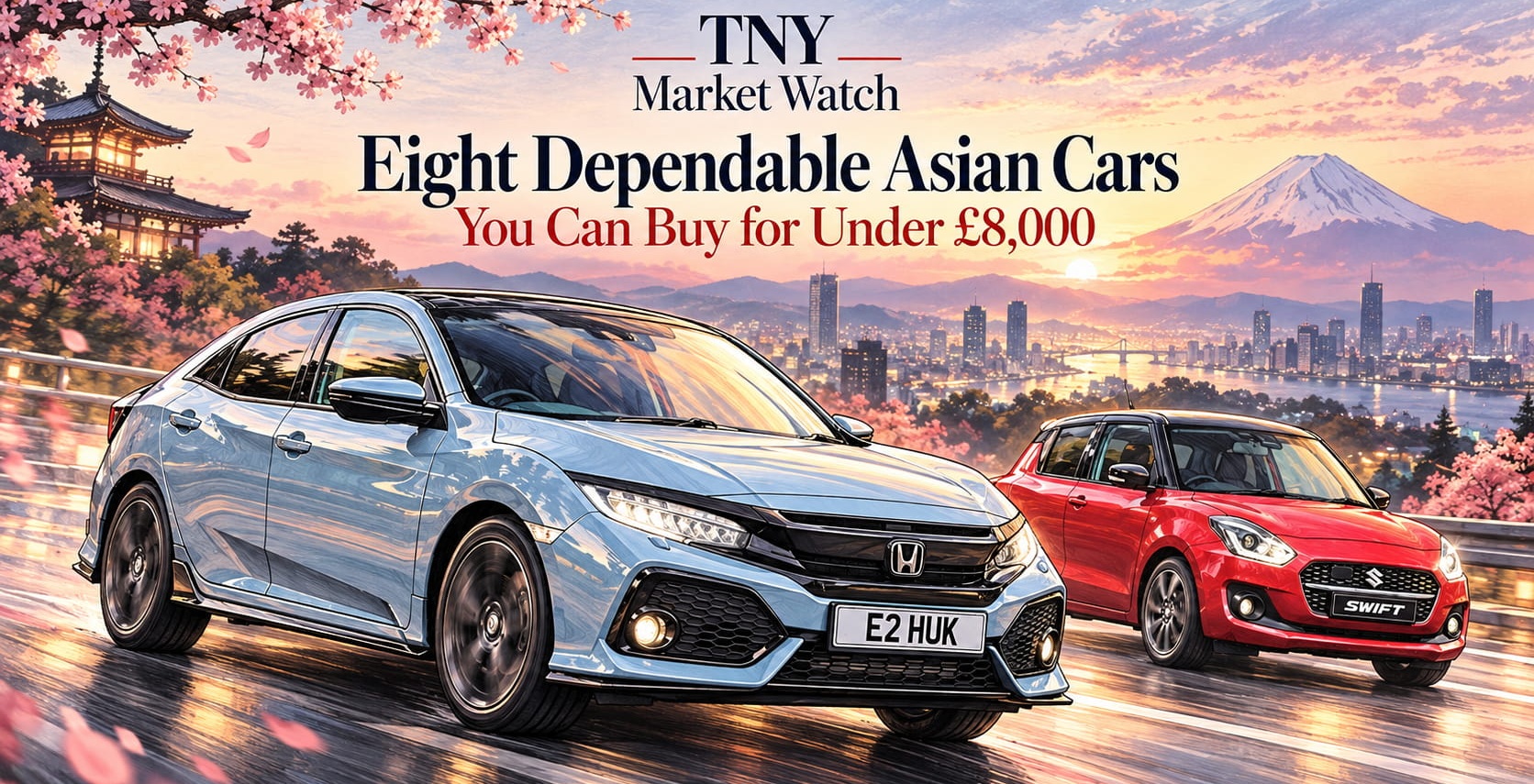
TNY Market Watch — Eight Dependable Asian Cars You Can Buy for Under £8,000
Buying a dependable used car doesn't have to mean spending a fortune or settling for something dull. With a budget of £8,000, there's an increasingly varied selection of affordable, economical cars available, including models that would have cost considerably more just a few years ago. Asian manufacturers have long enjoyed strong reputations…
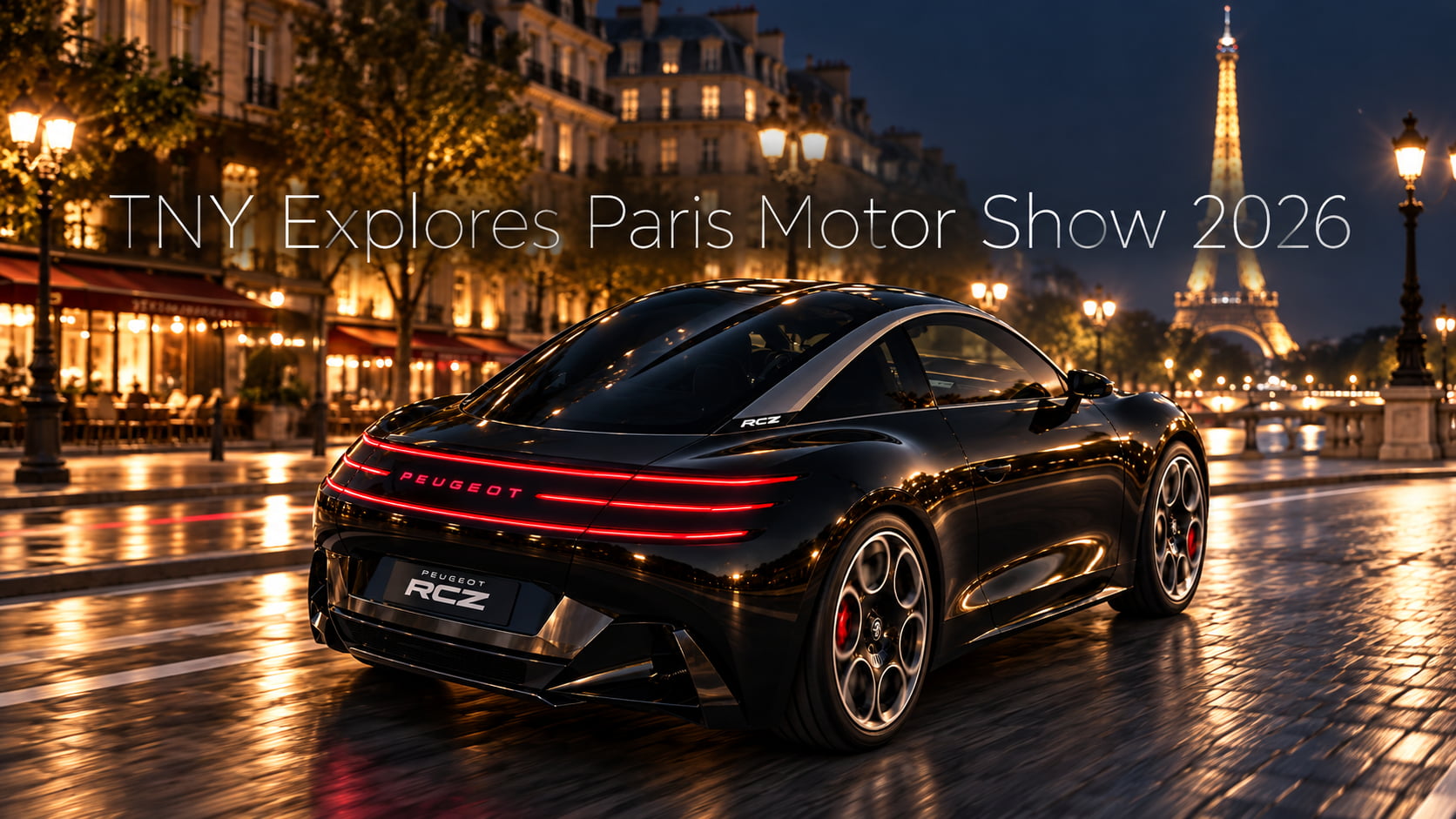
Paris Motor Show 2026: TNY Explores the Biggest Reveals from Day One
The 2026 Paris Motor Show has opened its doors, bringing one of Europe's biggest motoring events back into the spotlight. With more than 100 exhibitors, nearly 60 vehicle manufacturers and dozens of new models and concepts, this year's show promises plenty to explore. Beyond the spectacular concept cars and elaborate displays, Paris…

TNY Market Watch: Nine Family Car Bargains with Savings Up to £11,000
Buying a practical family car doesn't have to mean spending £30,000 or more. While new-car prices have climbed considerably in recent years, pre-registered vehicles and discounted new-stock clearance offers continue to provide some remarkable bargains, often with thousands of pounds knocked off the original list price. From compact crossovers and spacious family…
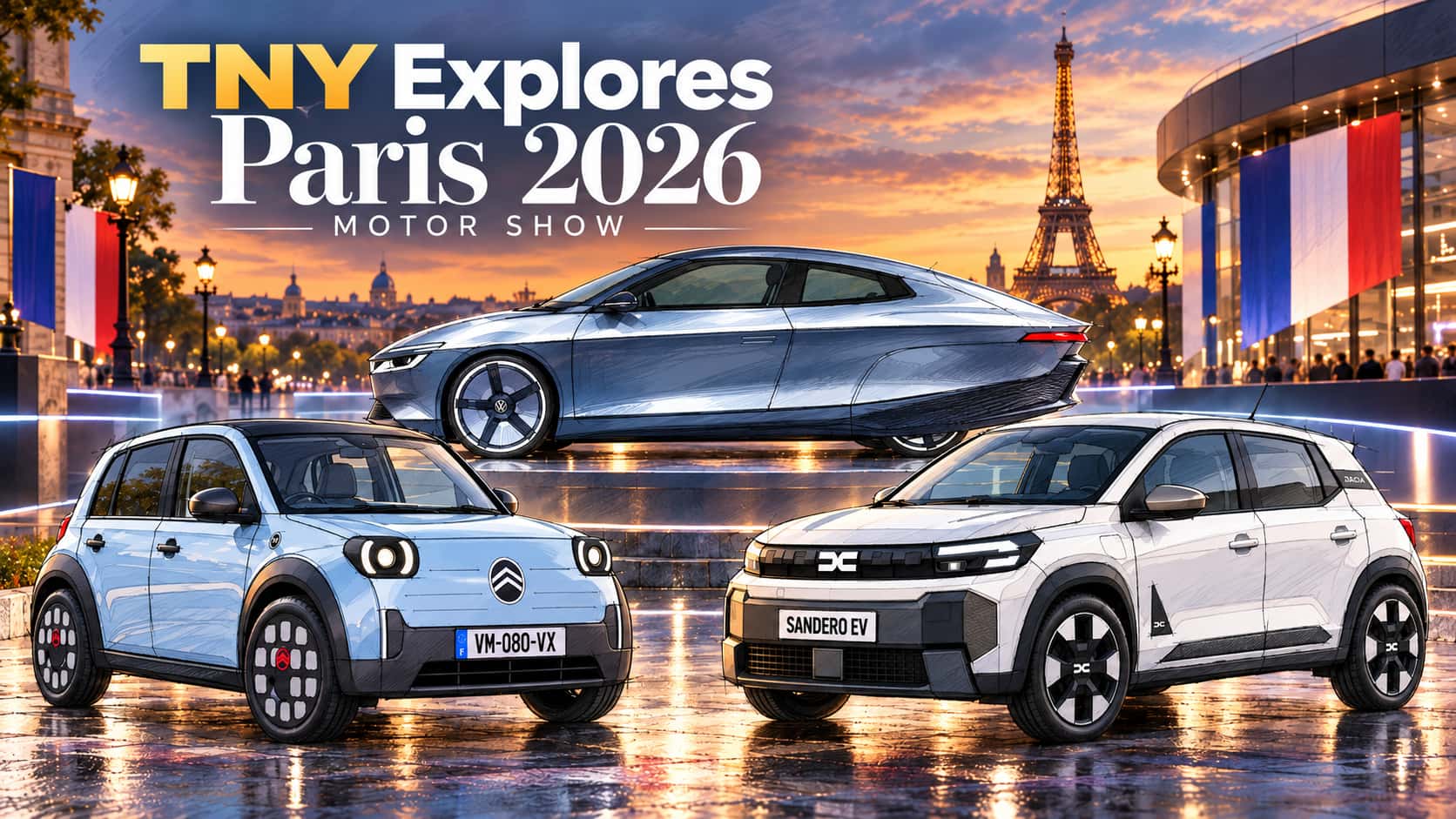
Paris Motor Show 2026: TNY’s Complete Preview of the Cars and Concepts to Watch
The Paris Motor Show is back with one of its most ambitious line-ups in years — and 2026 could prove to be one of the most revealing shows yet for where the global car industry is heading. Europe’s biggest manufacturers are arriving with new electric cars, hybrids, concepts and major design previews,…
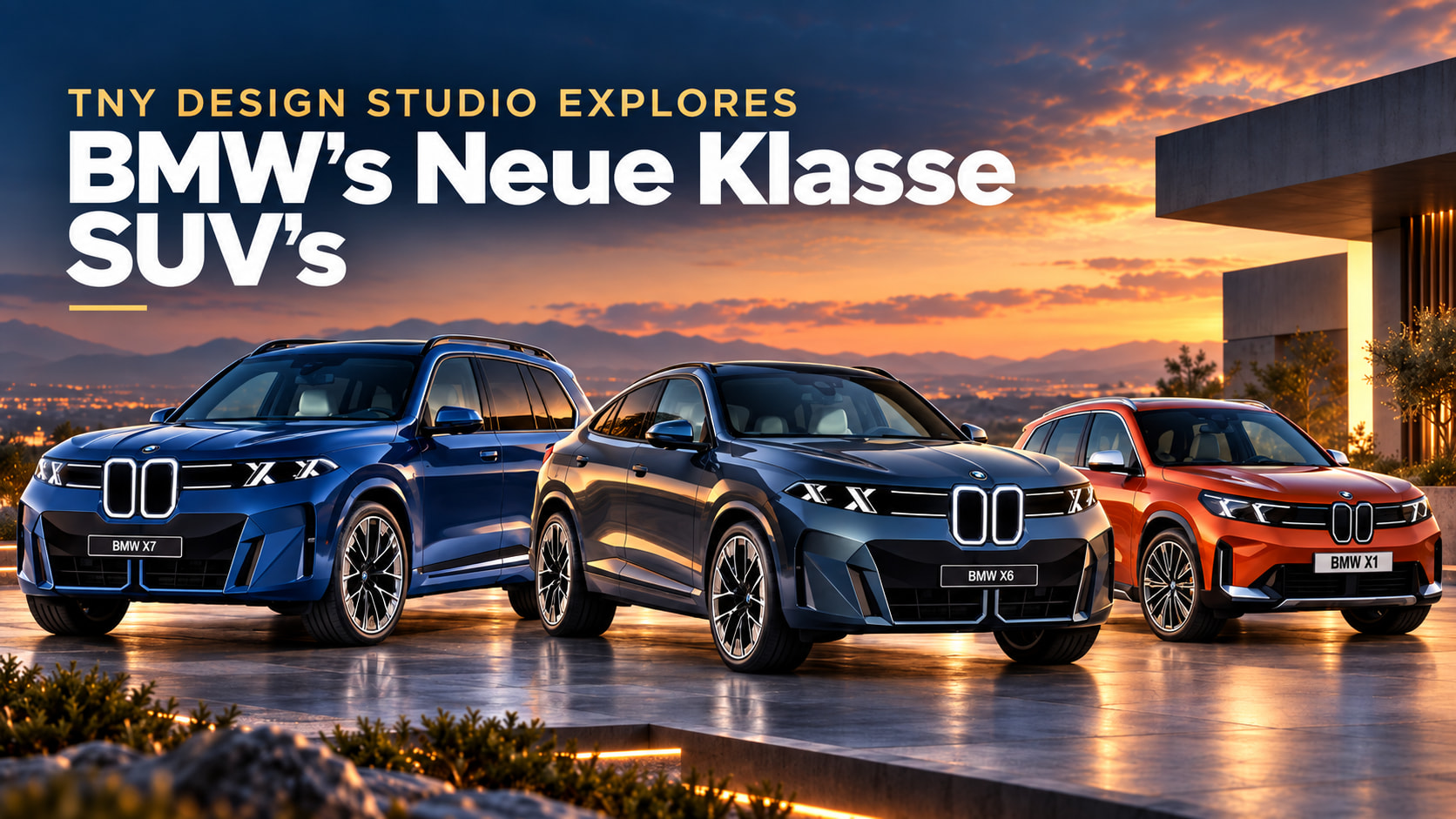
TNY Design Studio Explores BMW’s Next SUV Generation — From X1 to X8
BMW is entering one of the most significant design transitions in its recent history. The arrival of Neue Klasse isn't simply about introducing a new generation of electric cars; its technology and dramatically simplified design language are beginning to influence BMW's entire range. For the company's SUVs, that creates an especially interesting…

MAXUS Pre-Reg Watch: Five Big Discounts Worth Knowing About
MAXUS has become one of the more interesting value brands in the UK commercial vehicle market, with a range that now stretches from diesel and electric vans to pickups and large MPVs. Backed by SAIC Motor, it has steadily built its case around equipment, electrification and aggressive pricing. That value argument becomes…
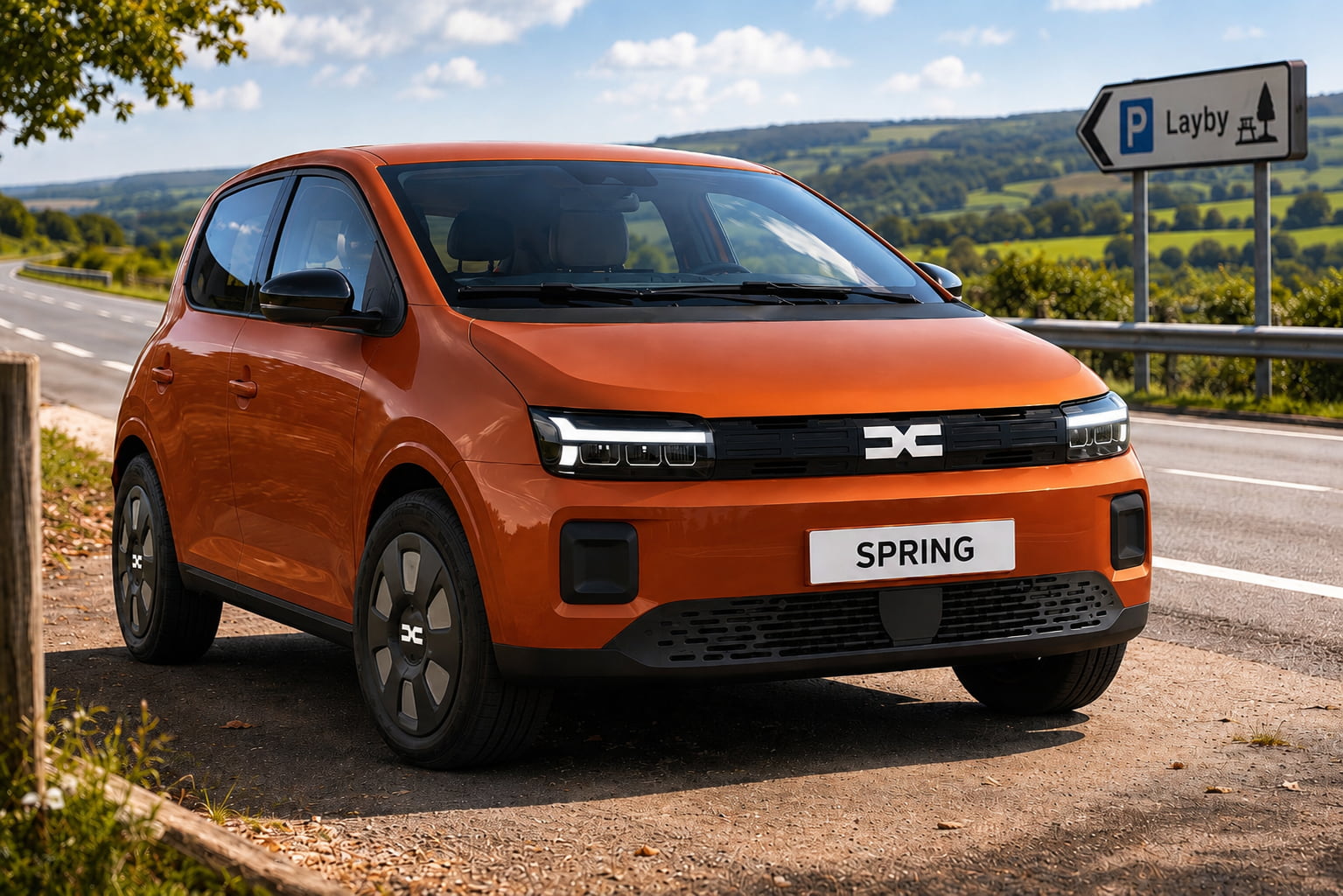
Dacia Spring: Design Studio Explores Three Ways Forward
The Dacia Spring has become one of Europe’s most important affordable EVs, proving that electric cars do not need huge batteries, enormous power outputs or premium prices to make sense. But deciding what replaces it could be considerably more complicated. Dacia now has the striking Hipster concept exploring an even smaller, more…
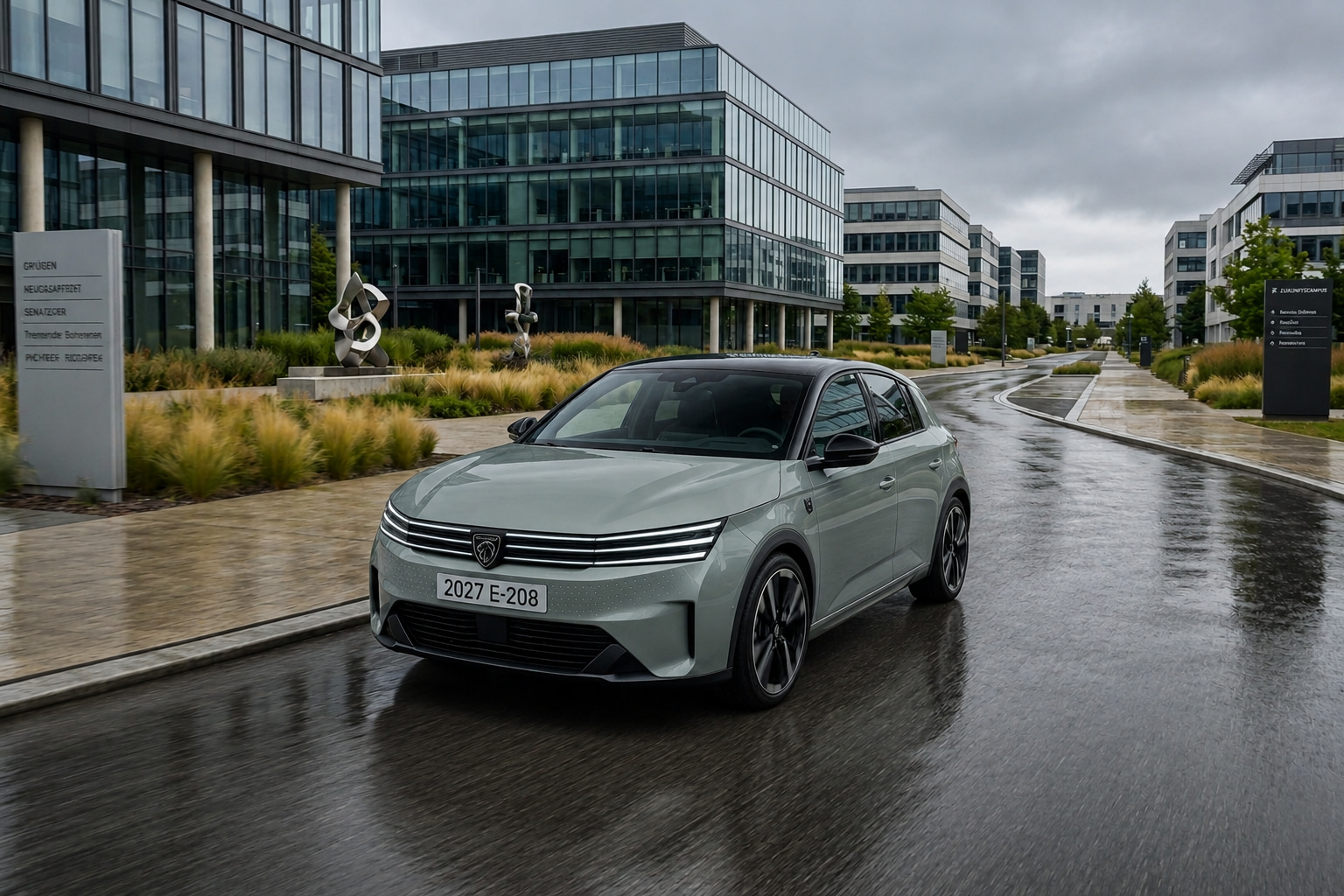
Three Cars, One Mission: Peugeot's Bold New Premium Small Car Strategy
Twenty years ago, Peugeot offered one of Europe's broadest B-segment line-ups, with hatchbacks, estates, convertibles, people carriers and overlapping generations all competing for buyers. Today, just the 208 and 2008 remain. However, that could soon change. Growing evidence from Peugeot's product roadmap and Stellantis' wider platform strategy suggests the French manufacturer could…