Škoda's Small Car Future: Cheaper EVs and a New Life for the Scala
The incoming Epiq is an important step, offering generous practicality in a compact electric SUV. Yet with rivals increasingly offering capable EVs for under £20,000, its £25,000 starting price leaves plenty of room below.
With Volkswagen Group developing a new generation of affordable electric platforms, TNY Design Studio explores how a Fabia EV, reborn Citigo and even a tiny crossover could strengthen Škoda's range, alongside a refreshed, hybrid-powered Scala.
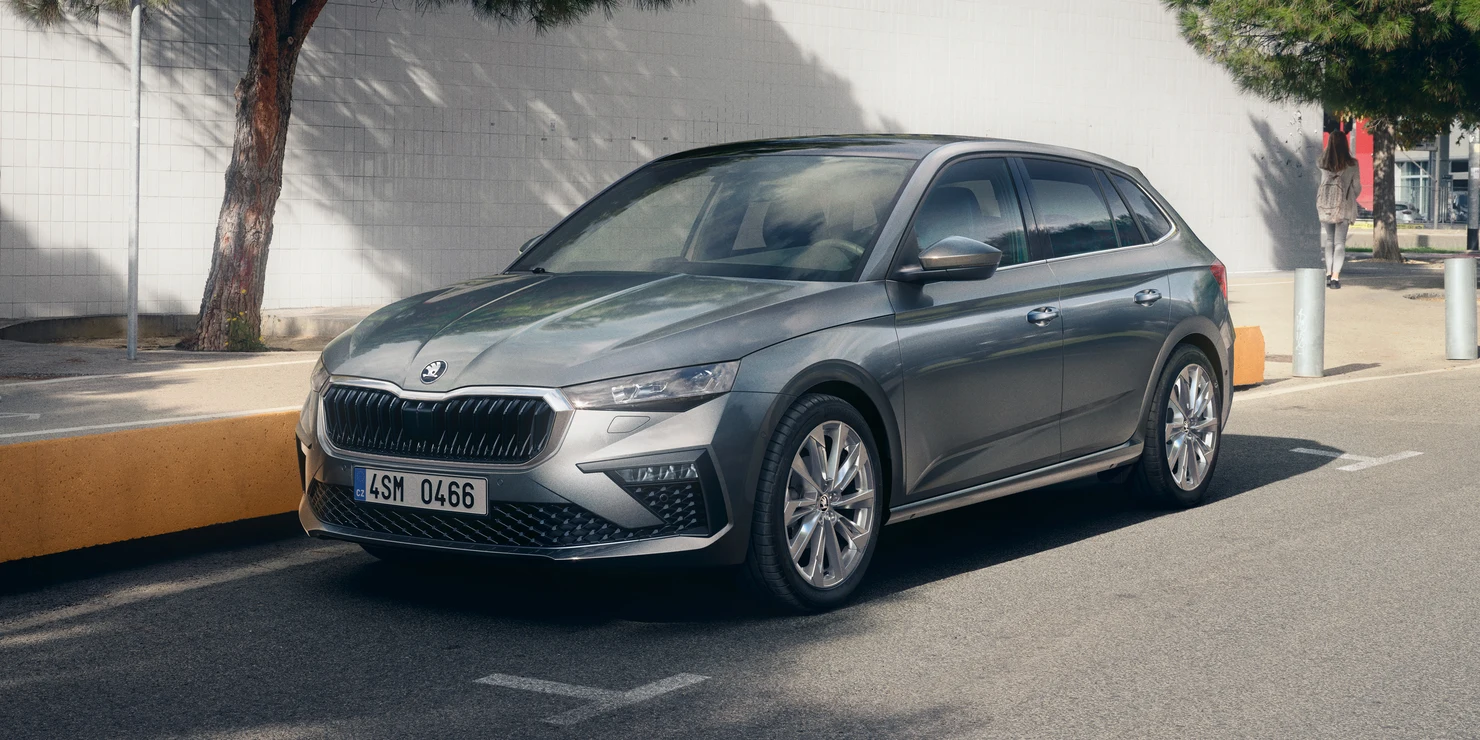
Its generous 467-litre boot is another highlight, offering the sort of luggage capacity that makes everyday family life considerably easier. Even the entry-level SE Edition includes LED headlights, a reversing camera, digital instruments and metallic paint, while economical petrol engines help keep running costs manageable.
The Scala might lack the Yaris's full-hybrid technology, but in terms of outright space and practicality for the money, it's an exceptionally appealing proposition.
This is what Škoda has traditionally done so well: delivering more car than buyers might expect for their money. The question now is whether it can bring that same philosophy to affordable electric motoring. (Image Credit: Škoda)
Fiat's distinctive Grande Panda Electric starts at around £21,500, while the stylish Renault 5 is available from £21,495 including the UK Government Electric Car Grant. Both demonstrate that affordable EVs can offer practicality and personality without breaking the bank.
Volkswagen's new ID. Polo starts at £23,945, sharing its MEB+ platform with the Epiq. Could Škoda use this engineering to develop a simpler, more affordable sister model?
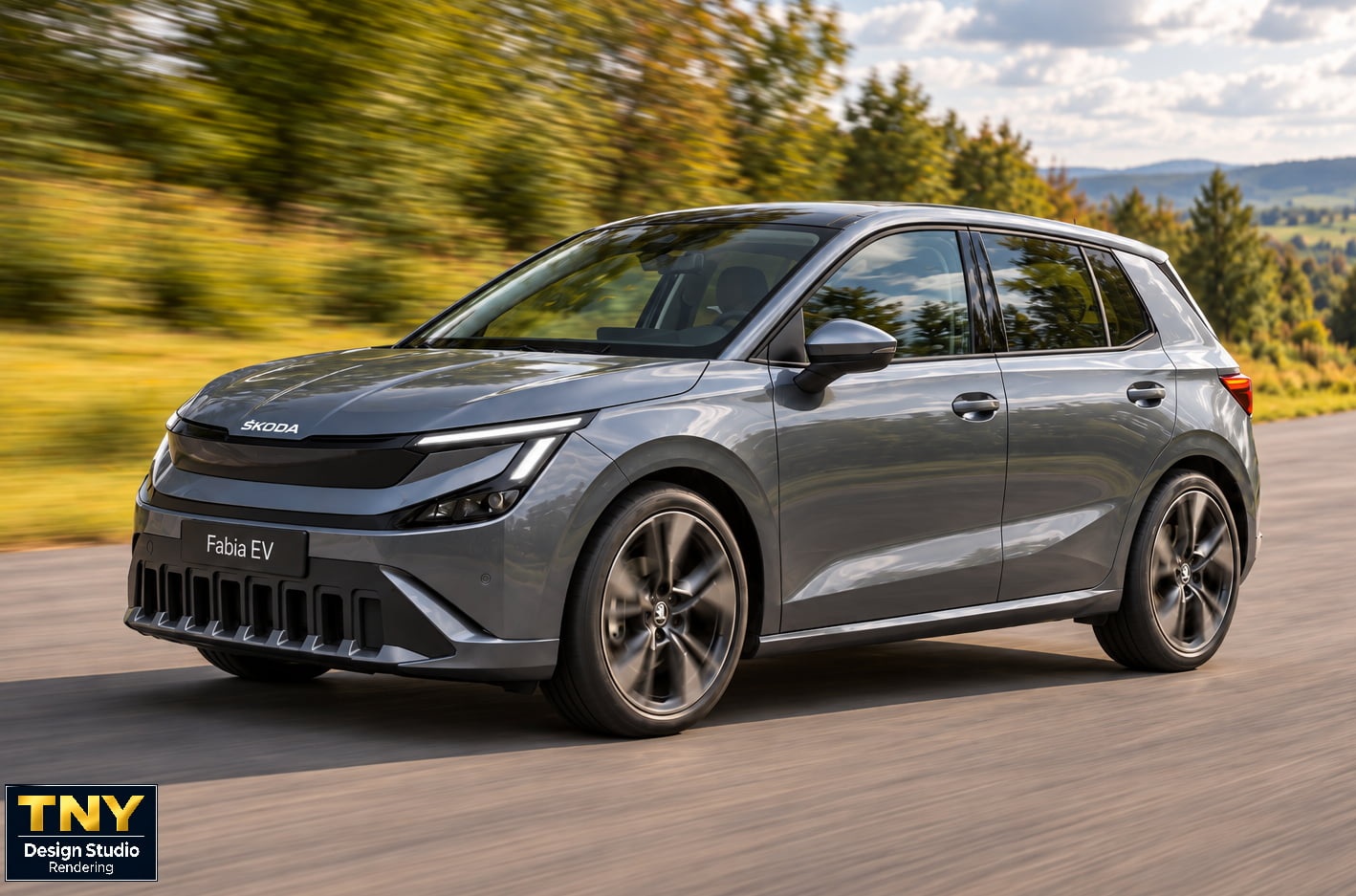
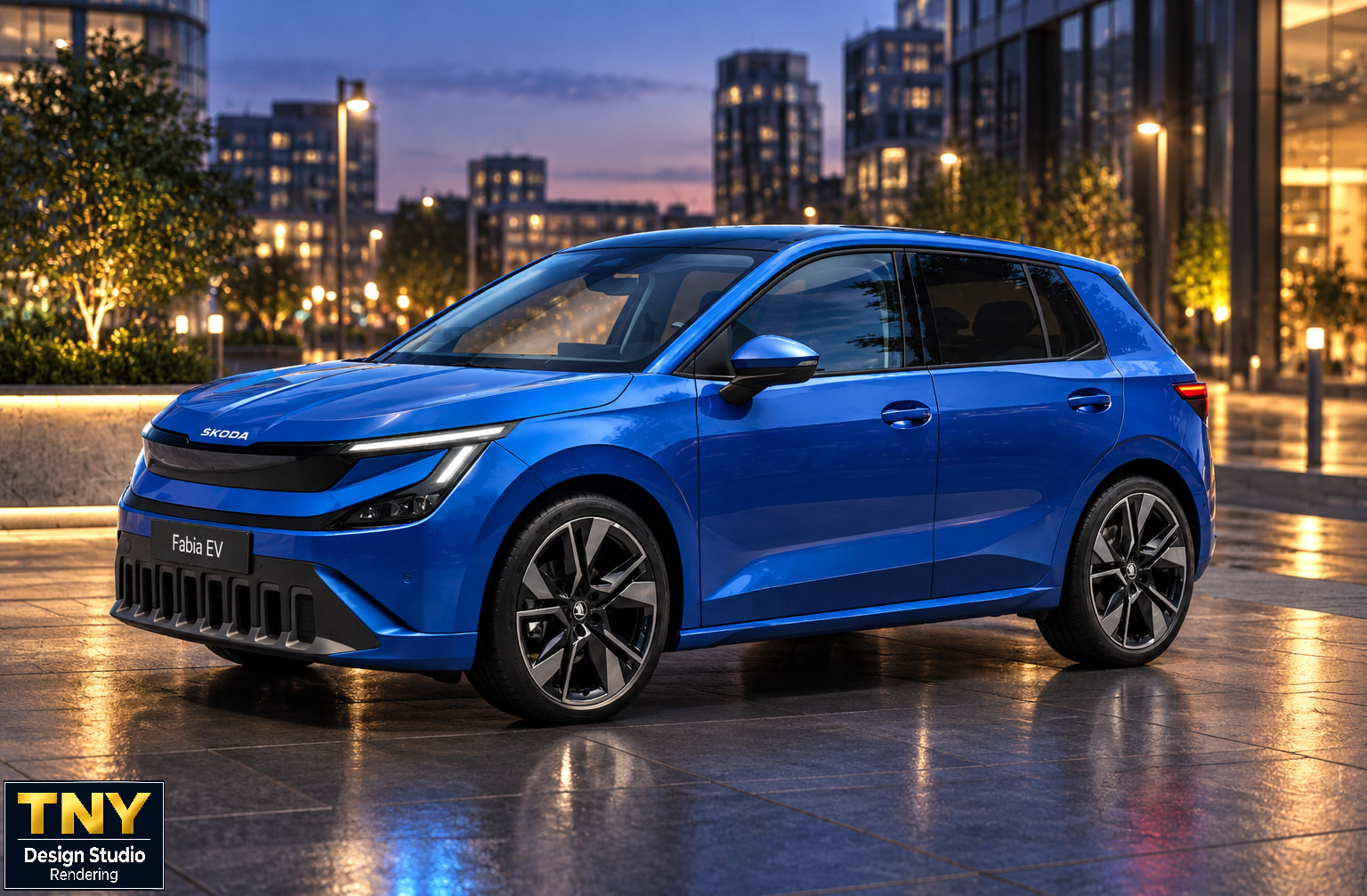
TNY Design Studio imagines a Fabia EV, combining Škoda's latest Modern Solid styling with familiar supermini proportions and a target price of around £20,000.
Achieving that price would require careful cost-saving, but a practical, stylish electric Fabia could bring Škoda's traditional value philosophy to a new generation of buyers.
Volkswagen is already preparing its next-generation electric city car, previewed by the ID. EVERY1 concept. Arriving in 2027, it targets a European starting price of around €20,000, potentially translating to approximately £18,000 in Britain.
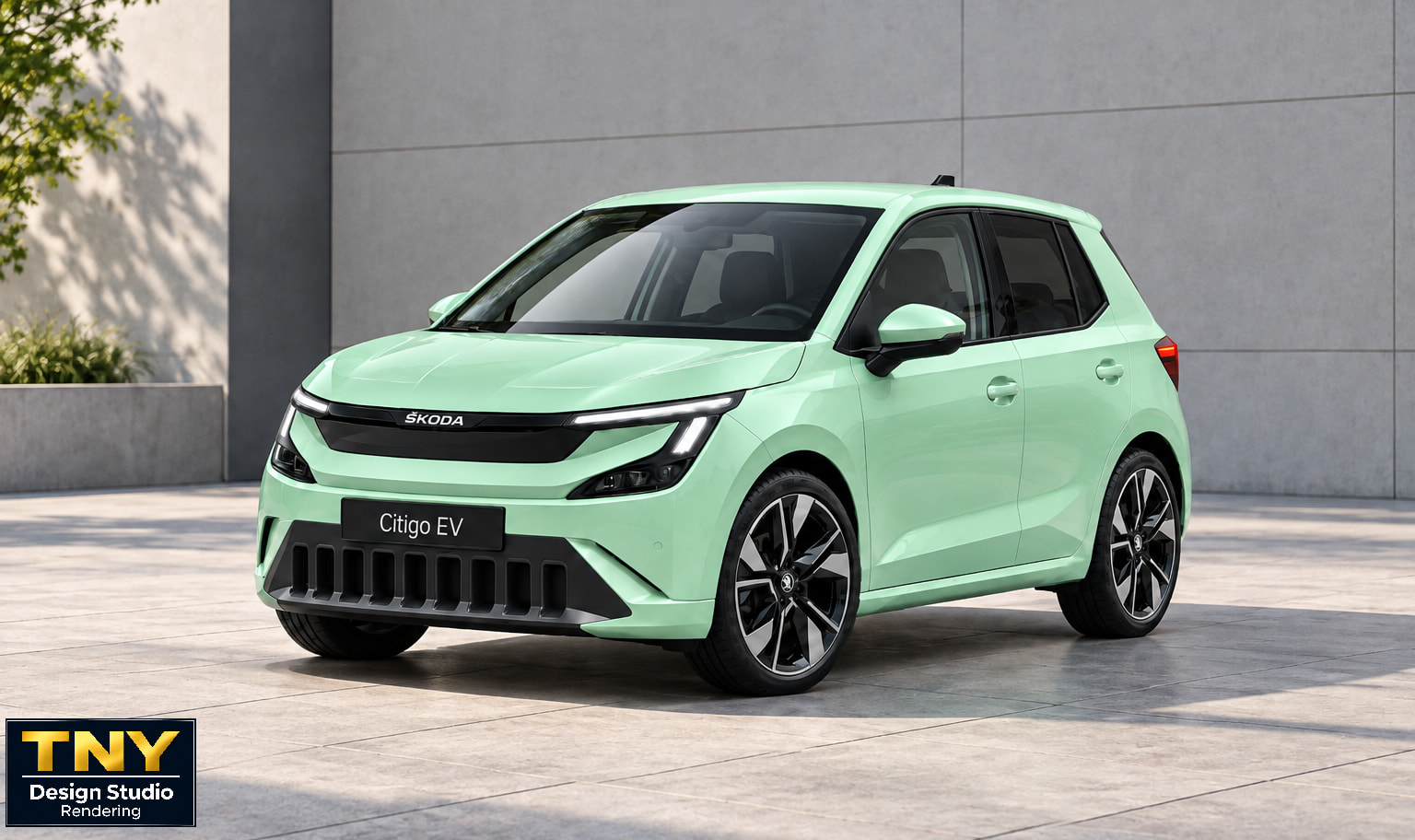
Could Škoda take this affordable platform even further? TNY Design Studio imagines a reborn Citigo EV that could undercut its Volkswagen sibling, potentially becoming the Volkswagen Group's cheapest electric car.
Competition would be fierce. The new Renault Twingo is targeting a sub-£20,000 price, while the Leapmotor T03 and Dacia Spring already demonstrate just how affordable electric motoring can become.
A modern, practical Citigo EV could give Škoda a genuine entry-level electric car, positioned comfortably below the Fabia EV and Epiq.
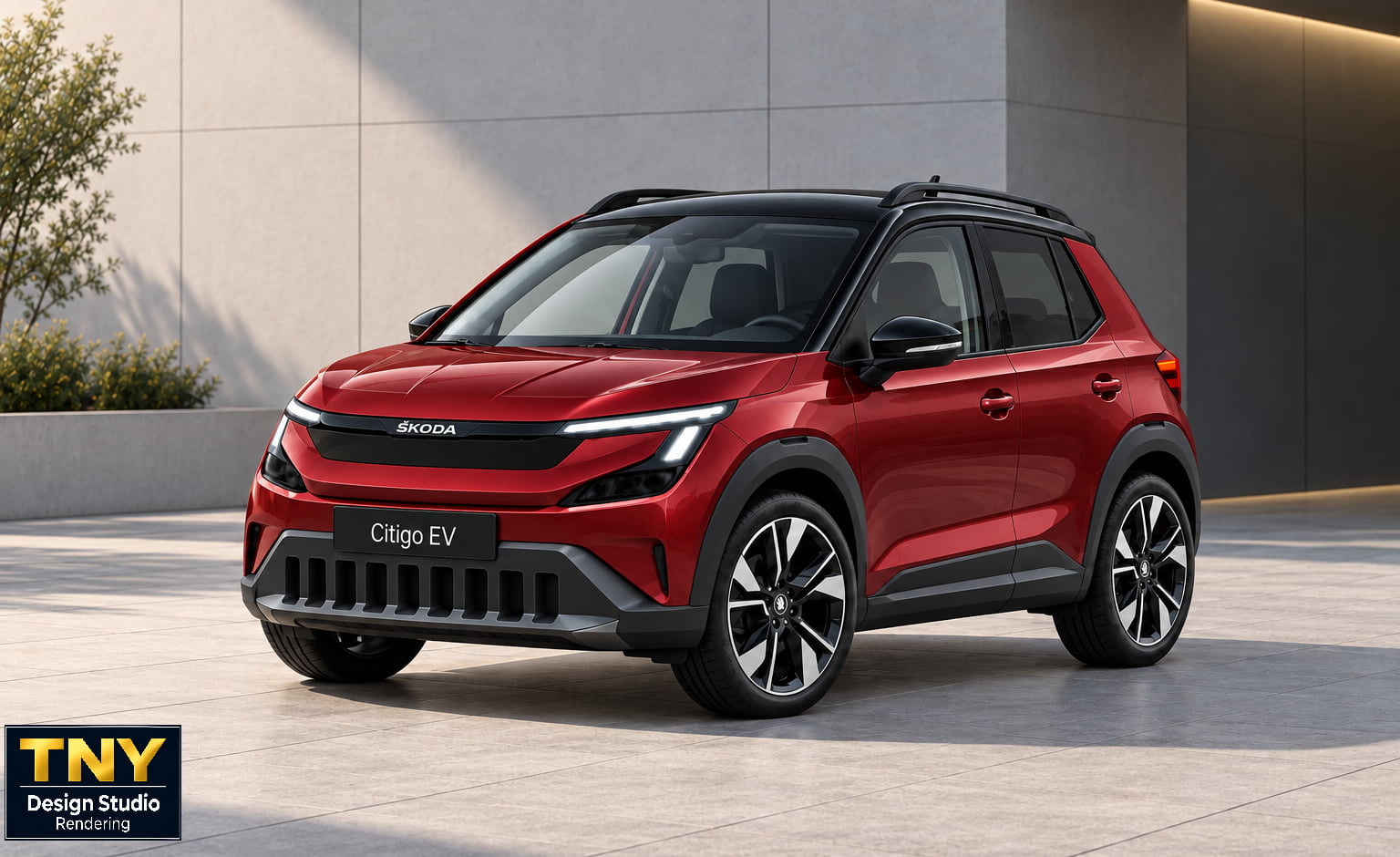
TNY Design Studio imagines a Citigo Cross, combining the affordable engineering of our proposed Citigo EV with raised suspension, protective body cladding and more adventurous styling.
Sharing much of its engineering with the standard Citigo could help control costs, while a starting price under £20,000 would position it comfortably below the larger Epiq.
Could a tiny, affordable electric SUV help Škoda attract an entirely new group of buyers?
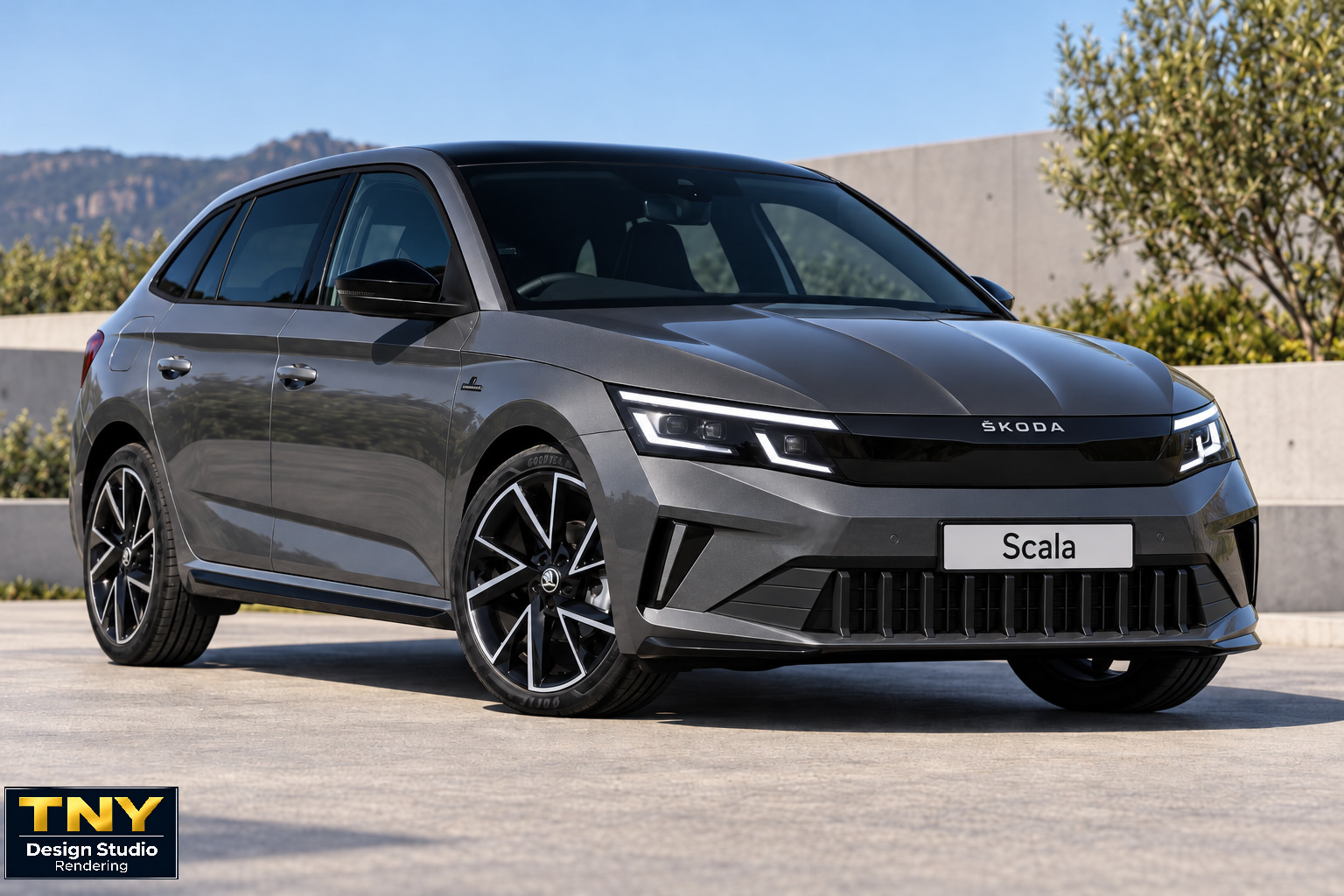
Keeping prices around £24,000 would preserve its appeal while comfortably undercutting the larger Octavia.
There's a longer-term consideration, too. Škoda is exploring whether a single future model could replace both the Octavia and Superb, potentially leaving a substantial gap between the Fabia and its next larger non-SUV.
Not everybody wants a crossover. A refreshed, economical Scala could remain the spacious, affordable family hatchback that Škoda's range needs.
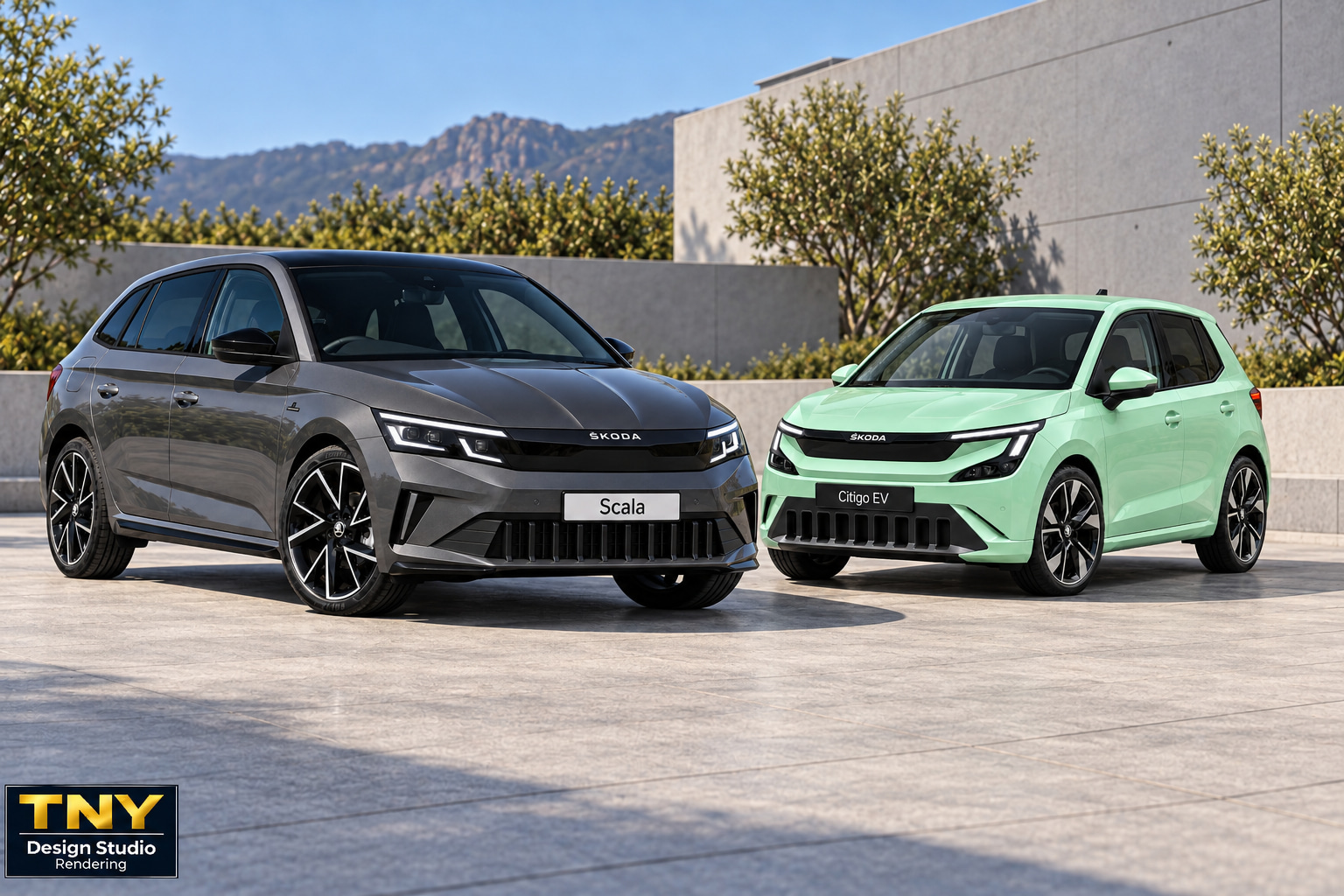
The Epiq is a promising starting point, but a £20,000 Fabia EV, an even cheaper Citigo and a compact crossover alternative could help Škoda compete with the growing number of affordable electric rivals.
Meanwhile, keeping the Scala fresh and competitively priced would ensure that buyers seeking a practical, traditional family hatchback aren't forgotten.
These are possibilities rather than confirmed plans, but the opportunity is clear: Škoda doesn't need to reinvent its identity for the electric age. It simply needs to keep doing what it has always done best — offering genuinely good value.
You should also read:
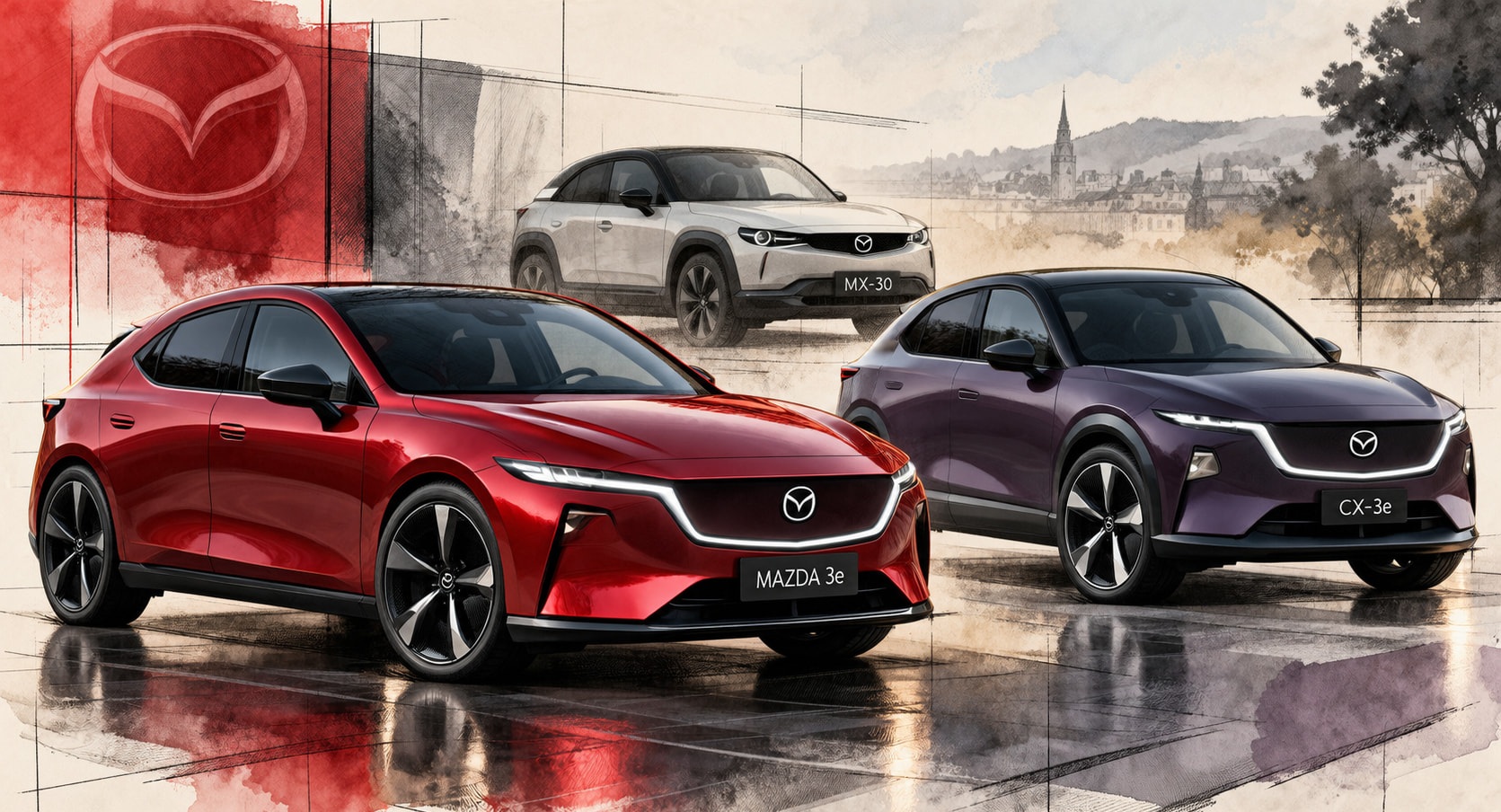
Mazda 3e: Why Mazda Should Take Another Shot at the Small EV
Mazda has already taken one shot at the compact electric car. The MX-30 brought distinctive styling and some genuinely interesting ideas, but its limited electric range and unconventional packaging left it struggling to compete as the EV market rapidly moved forward. That increasingly left Mazda in a difficult position. Its continued reliance…
Three Cars, One Mission: Peugeot's Bold New Premium Small Car Strategy
Twenty years ago, Peugeot offered one of Europe's broadest B-segment line-ups, with hatchbacks, estates, convertibles, people carriers and overlapping generations all competing for buyers. Today, just the 208 and 2008 remain. However, that could soon change. Growing evidence from Peugeot's product roadmap and Stellantis' wider platform strategy suggests the French manufacturer could…
Small, Smart Again? Why Smart May Be Heading Back to its Urban Roots
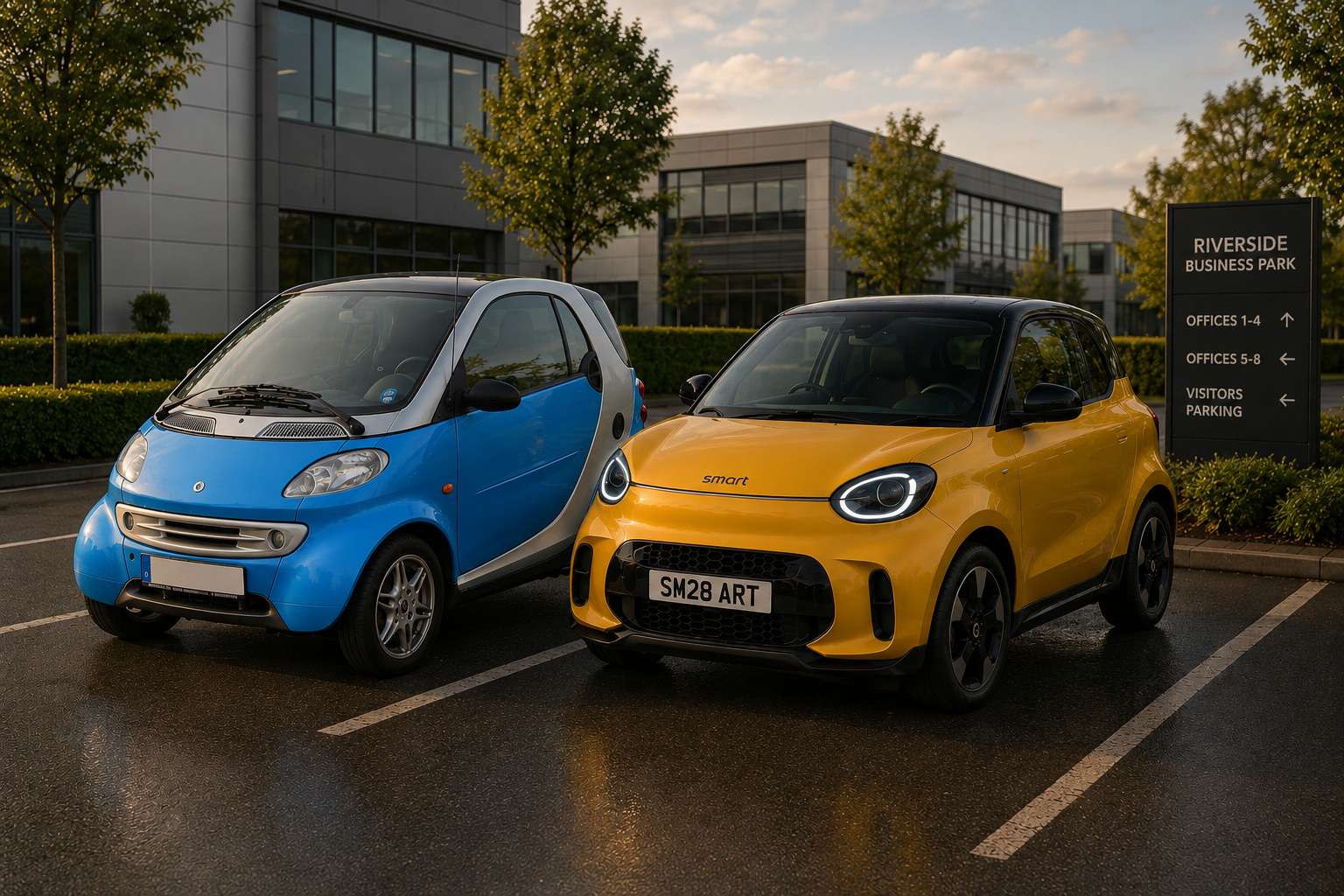
For most of its history, Smart built its reputation around doing one thing exceptionally well. Our exclusive image compares the original Smart Fortwo and our "next generation" interpretation. Tiny dimensions, clever packaging and a focus on urban mobility made the original Fortwo one of the most recognisable city cars ever produced. Yet…