Rebuilding Nissan: The Cars That Could Fix Its Confusing European Line-Up
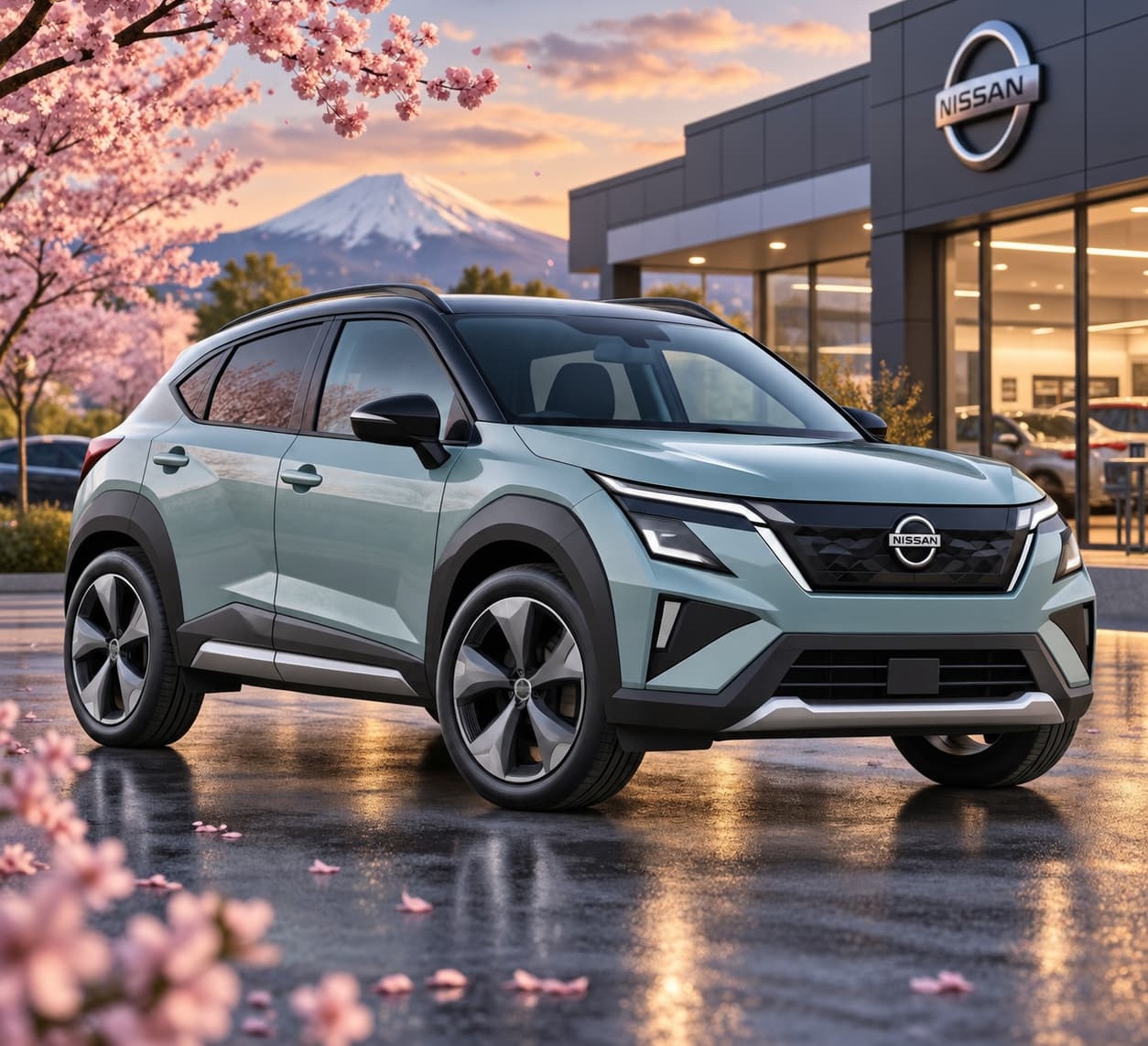
Around 20 years ago, Nissan changed the shape of the mainstream car market. The Qashqai replaced the dependable but forgettable Almera and helped turn the crossover into a family-car staple. The Juke followed, proving equally disruptive, while in 2010 the Leaf brought electric motoring to the masses.
All three were game-changing cars - and each proved more successful than Nissan initially anticipated. Today, however, the headlines are very different: financial pressure, shrinking model ranges and, most recently, reports of plans for an electric Qashqai being dropped. So, what could turn things around?
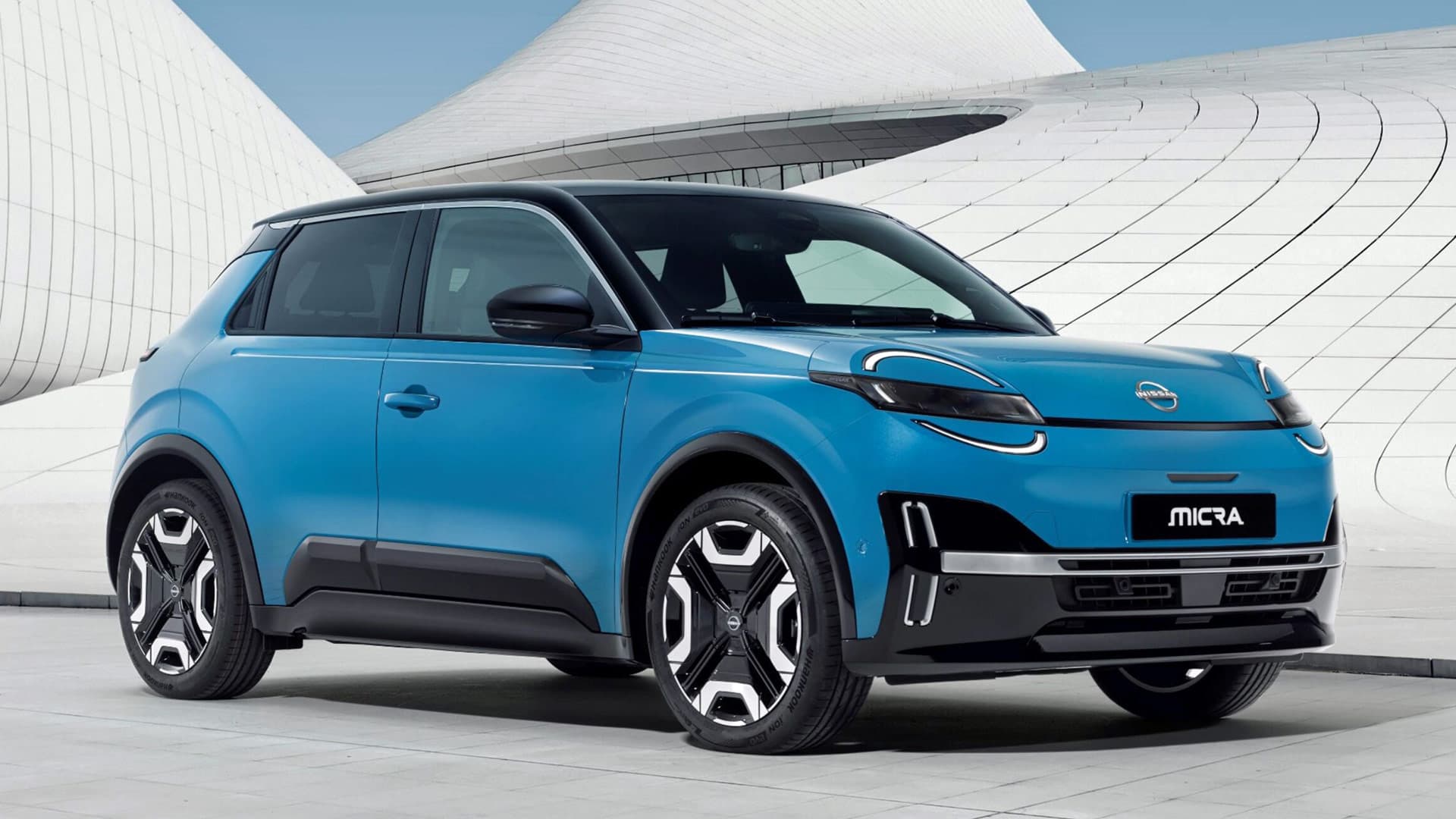
It also introduces an oddity in Nissan’s hierarchy. The Micra offers 1,106 litres of luggage capacity with its seats folded, versus 1,052 litres in the considerably larger Leaf. The Leaf remains stylish, exceptionally efficient and technically impressive, but its slippery shape comes at a price. Nissan’s smallest EV unexpectedly highlights why clearer roles further up the range are needed. Photo credit: Nissan
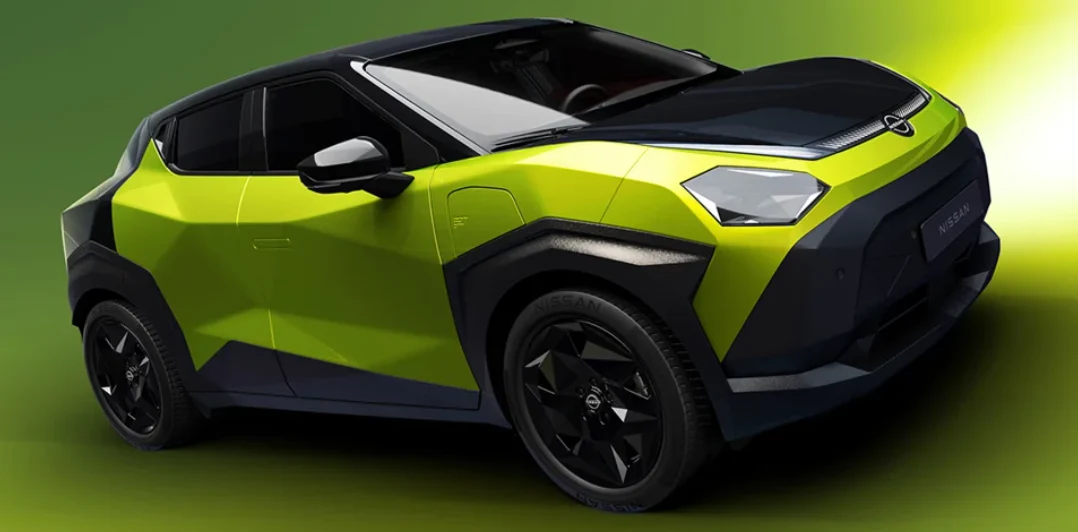
Alongside the cheaper Micra, it means Nissan could soon have two EVs beneath the £28,849 Leaf offering more conventional shapes and strong everyday usability. That doesn’t make the Leaf a poor proposition. Its USP is increasingly clear: exceptional efficiency, long range and sleek styling. But those qualities come at a price - financially and in outright versatility - making a clearly defined hierarchy increasingly important. Photo credit: Nissan
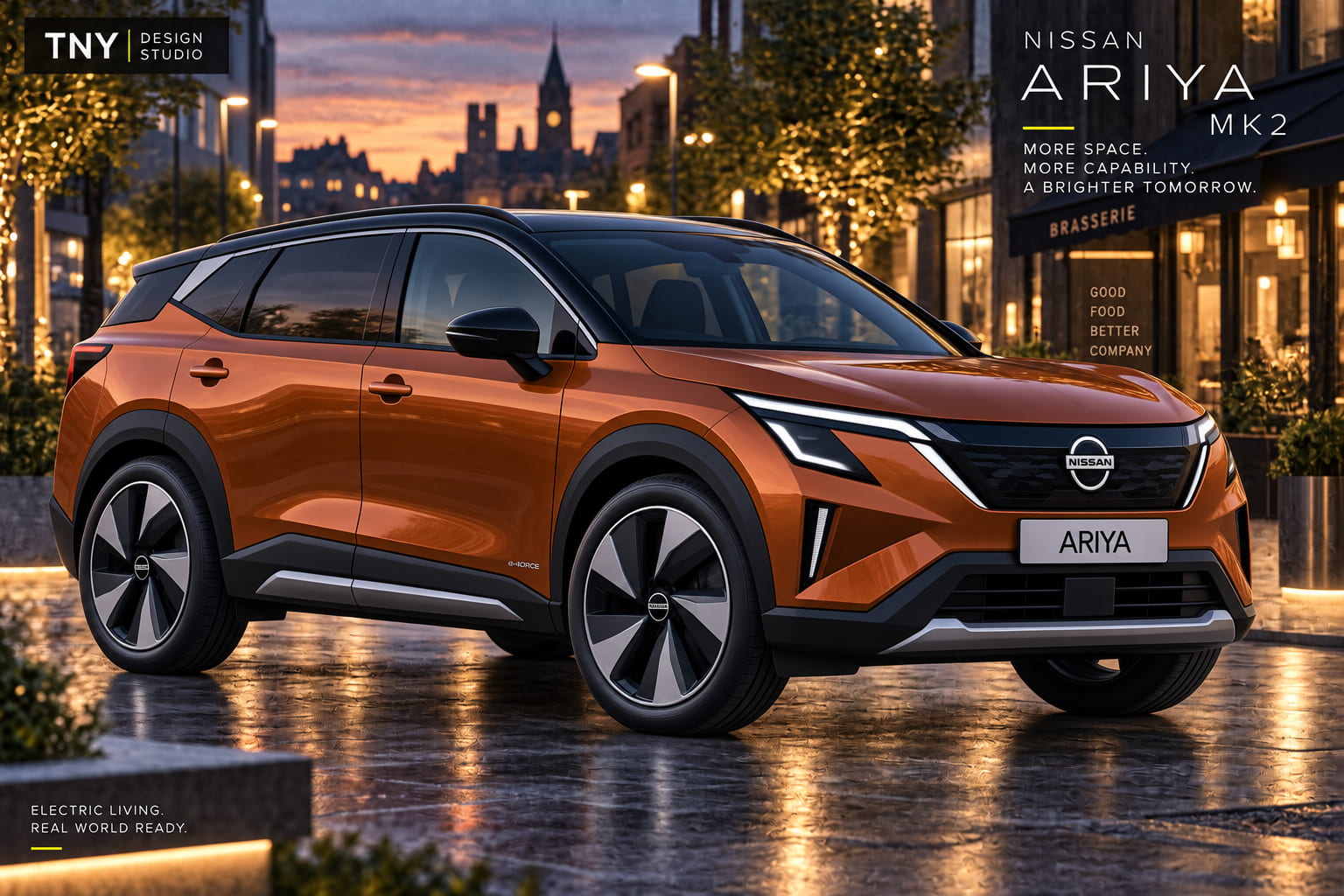
The Ariya remains an appealing, comfortable and distinctive EV, but as Nissan’s electric flagship it simply doesn’t create enough distance from the cars below it. At 4,595mm long, with a 466-litre boot and 1,350 litres with the seats folded, its practicality is relatively modest. Comparable electric SUVs demonstrate what is possible: the 4,650mm Vauxhall Grandland Electric offers 550 litres, expanding to 1,645 litres, while the MG S6 EV provides a huge 674 litres and 1,910 litres respectively.
None of this makes the Ariya a bad car; it simply feels undersized for the role it has inherited. Our second-generation Ariya moves decisively upwards, creating the space and separation a true Nissan flagship deserves. Image credit: TheNewYardstick Design Studio
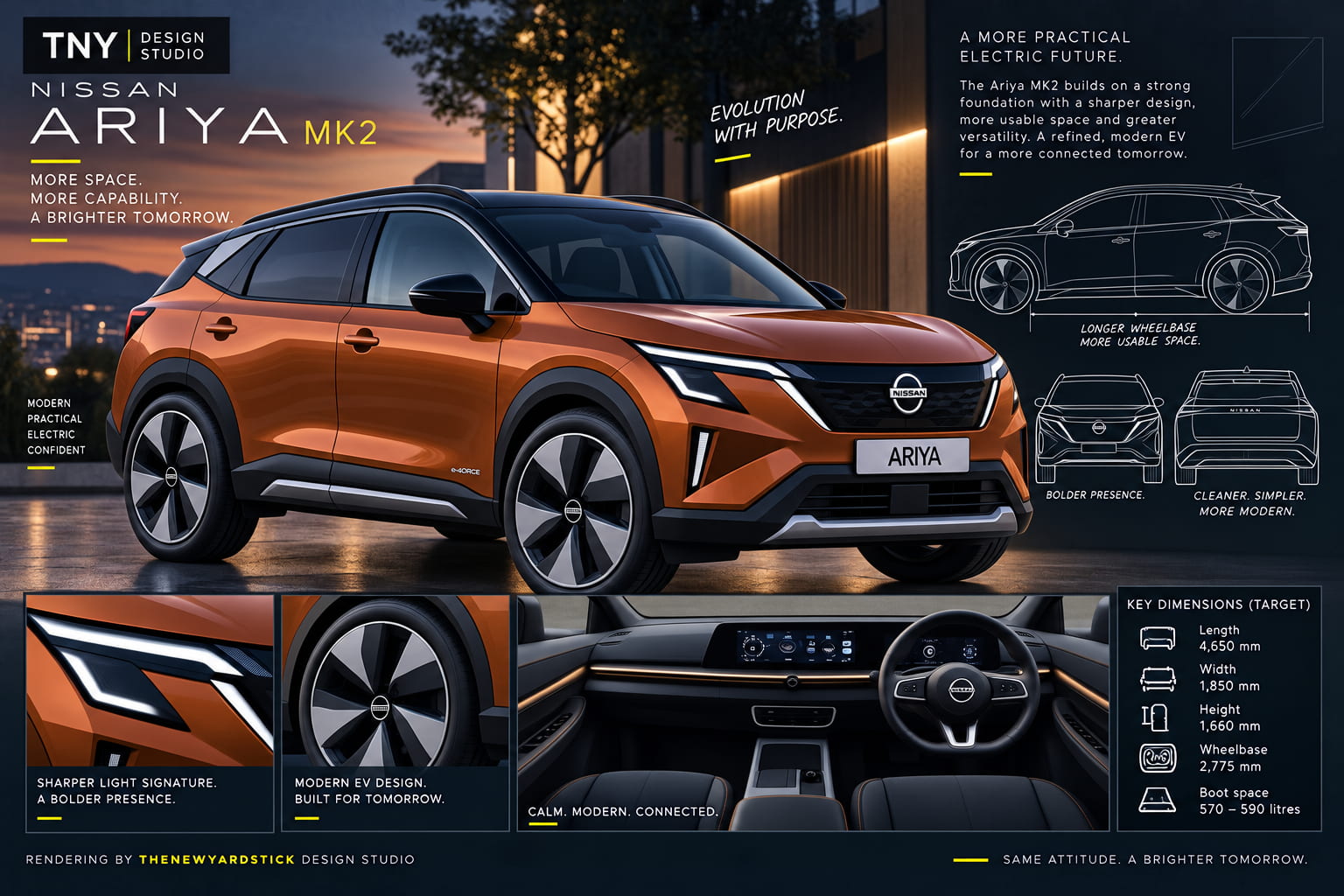
The next generation should offer substantially more space, while keeping pricing competitive enough not to abandon existing Ariya buyers. Nissan has already demonstrated the importance of value, cutting Ariya prices substantially in 2025. Our larger Ariya Mk2 builds on that repositioning: more flagship, rather than simply more expensive. Image credit: TheNewYardstick Design Studio
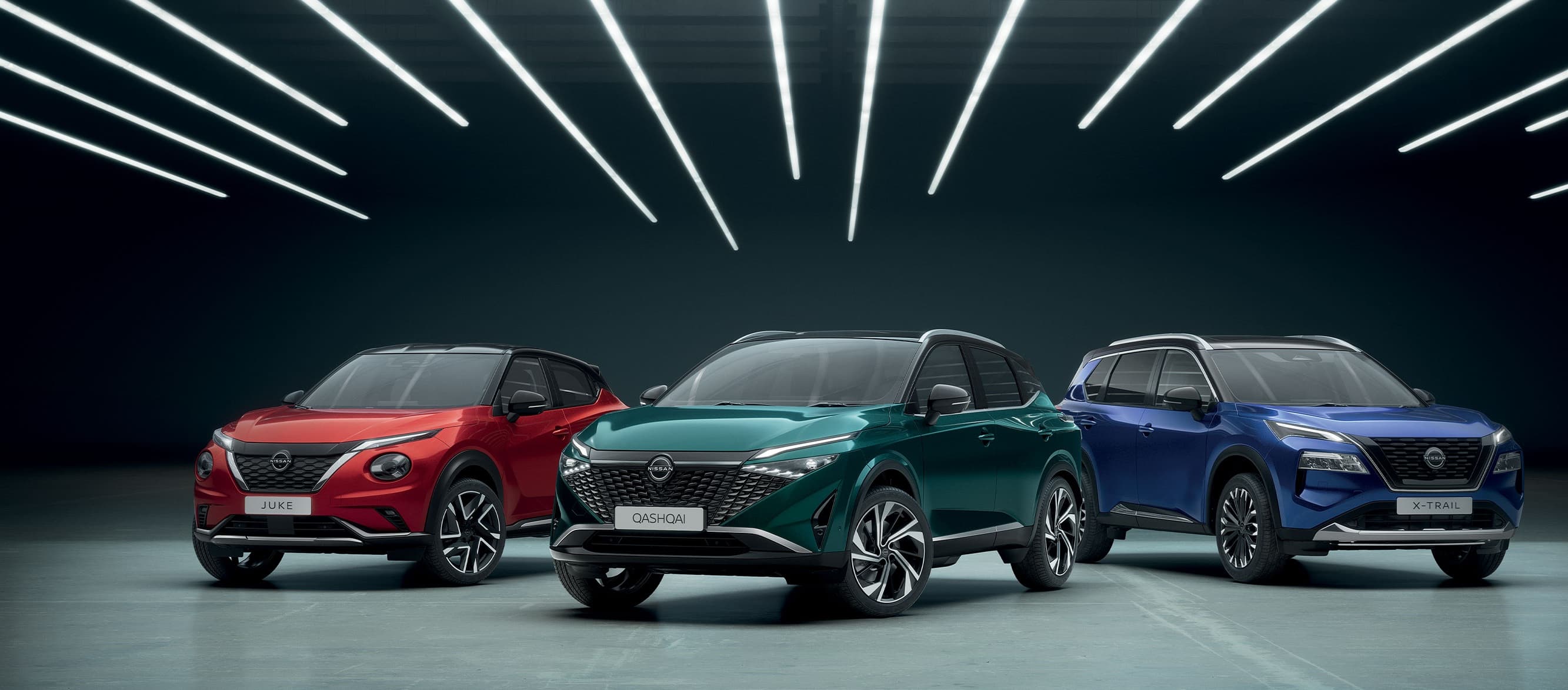
Nissan’s current crossover hierarchy is easy to understand: Juke, Qashqai and X-Trail provide three distinct steps in size and price. But the Juke is now approaching the end of a long life. It remains one of Nissan’s most distinctive designs, yet today’s limited powertrain choice lacks some of the character of earlier generations, when buyers could choose petrol, diesel and even 200hp Nismo derivatives.
With the next-generation Juke moving to electric power, Nissan has an opportunity to rethink what eventually replaces today’s hybrid model. Our solution is Note X: roughly Juke-sized, but more practical, powered by e-POWER technology and priced deliberately below Qashqai. It would preserve an affordable hybrid entry point while allowing the new Juke EV to develop a much clearer identity of its own. Photo credit: Nissan
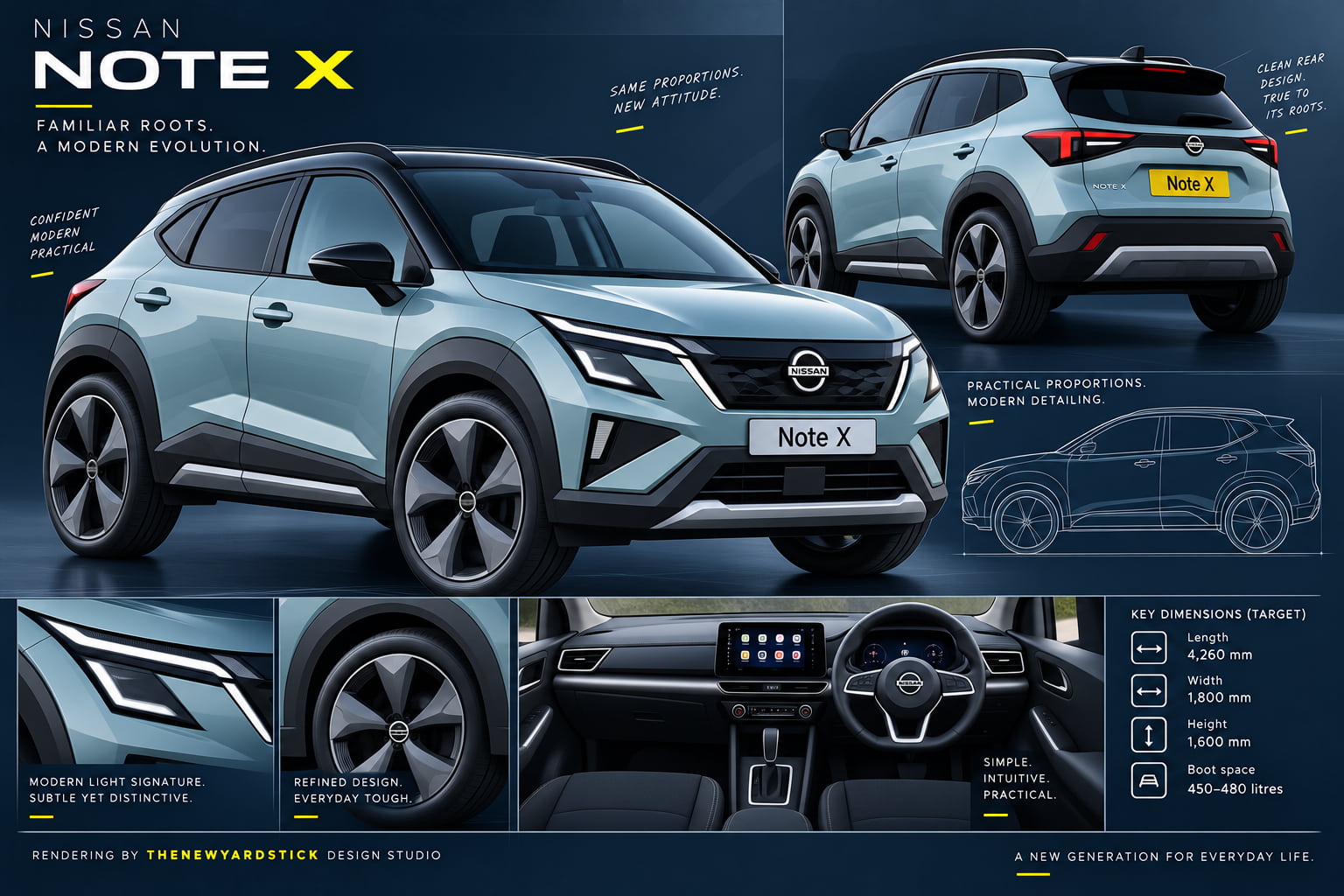
It wouldn’t need to be revolutionary. Affordable, economical and genuinely practical, Note X could simply give Nissan another easy-to-understand family car, while allowing the new Juke to begin its next chapter as an EV.
Nissan already has plenty of good cars. What its European range increasingly lacks is a completely obvious hierarchy. Our solution adds little complexity: Note X provides the practical hybrid entry point, while a larger Ariya becomes the unmistakable flagship. Between them, Nissan’s existing models are free to play to their individual strengths.
Twenty years after Qashqai changed Nissan’s fortunes, perhaps the answer isn’t another revolution - just making every model’s purpose crystal clear. Image credit: TheNewYardstick Design Studio
You should also read:
Beat the 76-Plate Hype: 10 Pre-Reg Cars Under £16,000
With the new 76 registration arriving on 1 September, thousands of buyers will be preparing to collect a brand-new car. But having the latest number plate can come at a considerable cost. Today, the choice of new cars costing less than £16,000 is remarkably limited, with just three models starting below our…
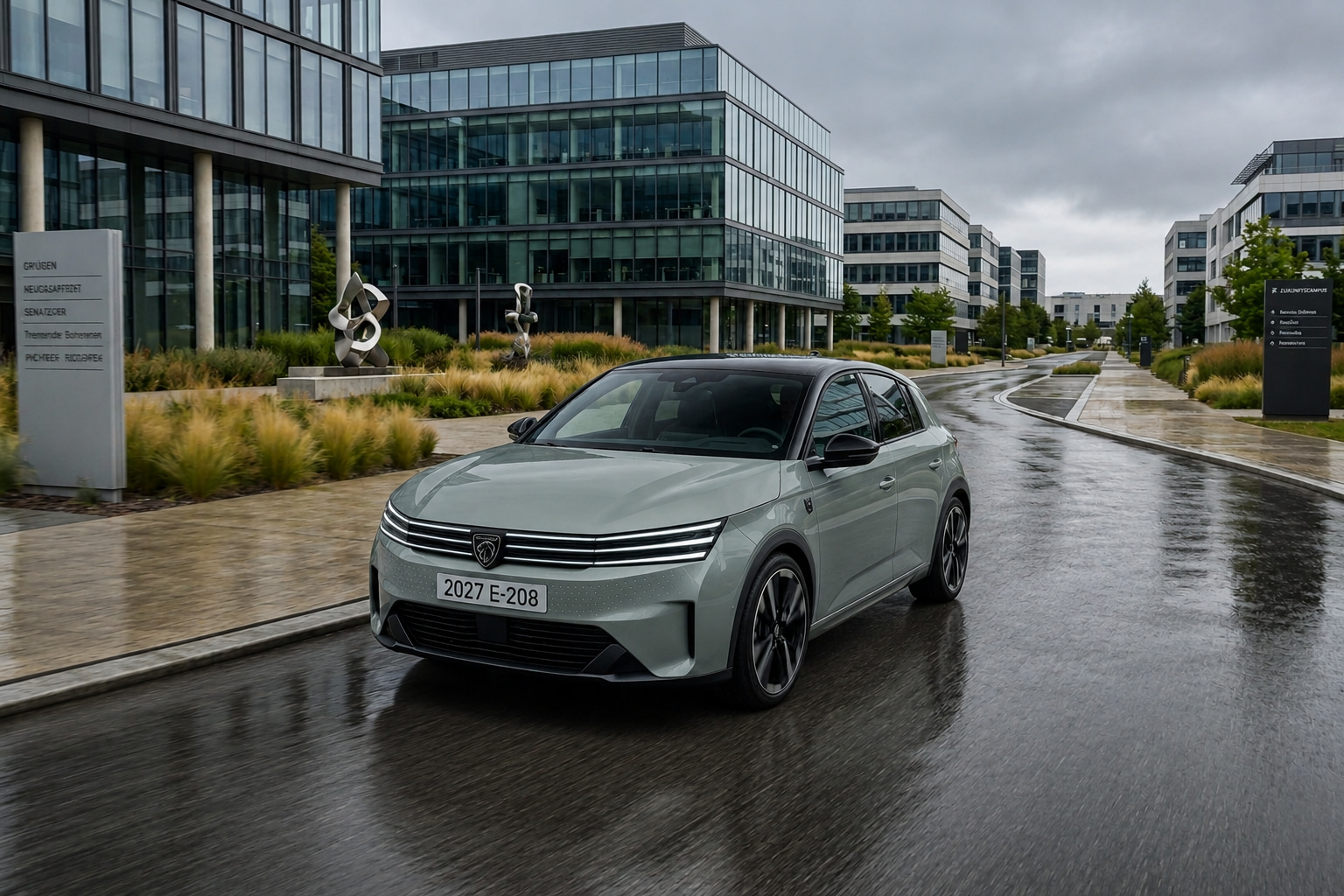
Three Cars, One Mission: Peugeot's Bold New Premium Small Car Strategy
Twenty years ago, Peugeot offered one of Europe's broadest B-segment line-ups, with hatchbacks, estates, convertibles, people carriers and overlapping generations all competing for buyers. Today, just the 208 and 2008 remain. However, that could soon change. Growing evidence from Peugeot's product roadmap and Stellantis' wider platform strategy suggests the French manufacturer could…
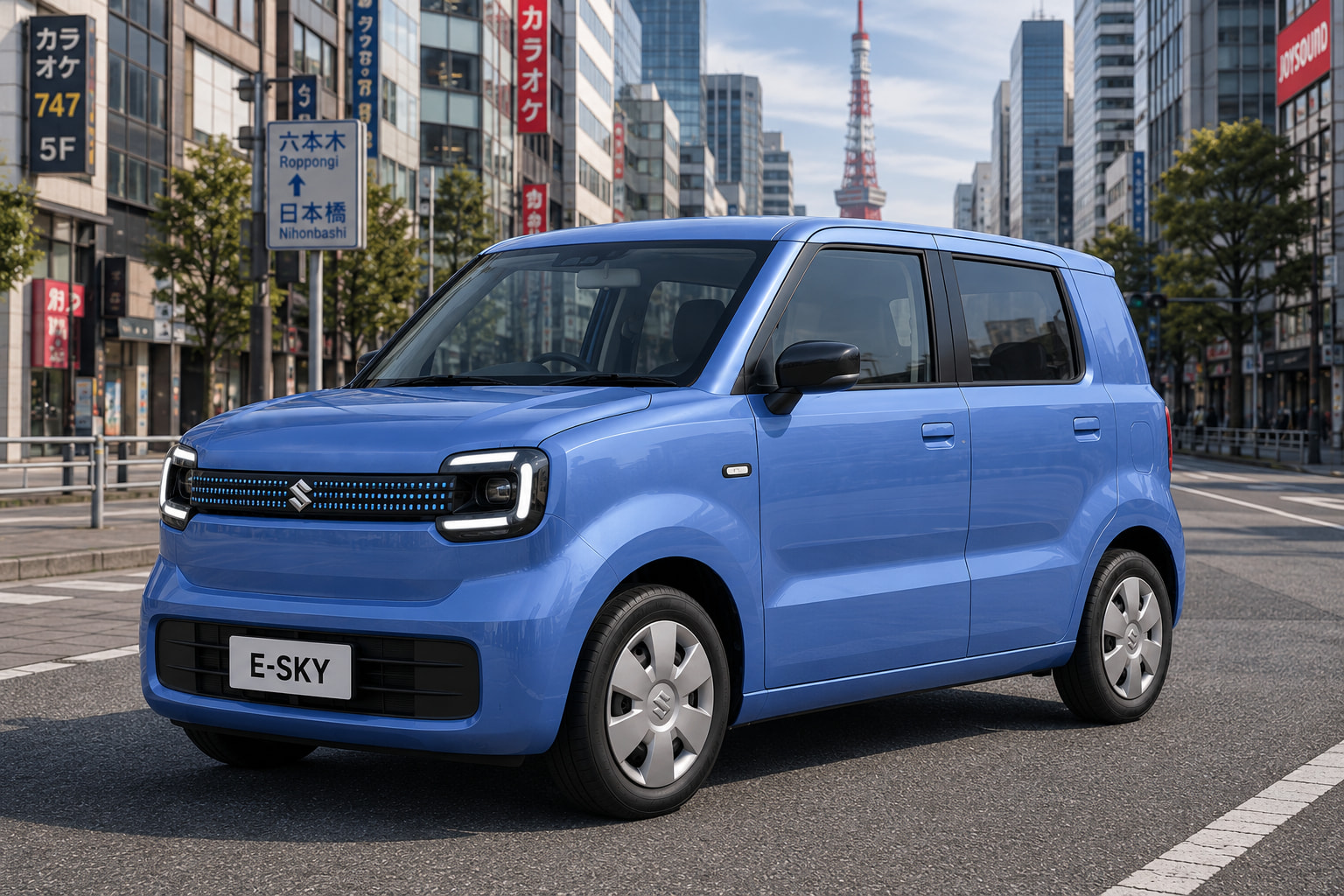
Could These Two Models Complete Suzuki's Future Line-up?
Suzuki's range has become one of the simplest on sale, but two clear opportunities remain. At the bottom sits the biggest omission of all: there's no modern successor to cars like the Alto, Celerio or Ignis. An affordable city car has long been one of Suzuki's greatest strengths, and an electric replacement…
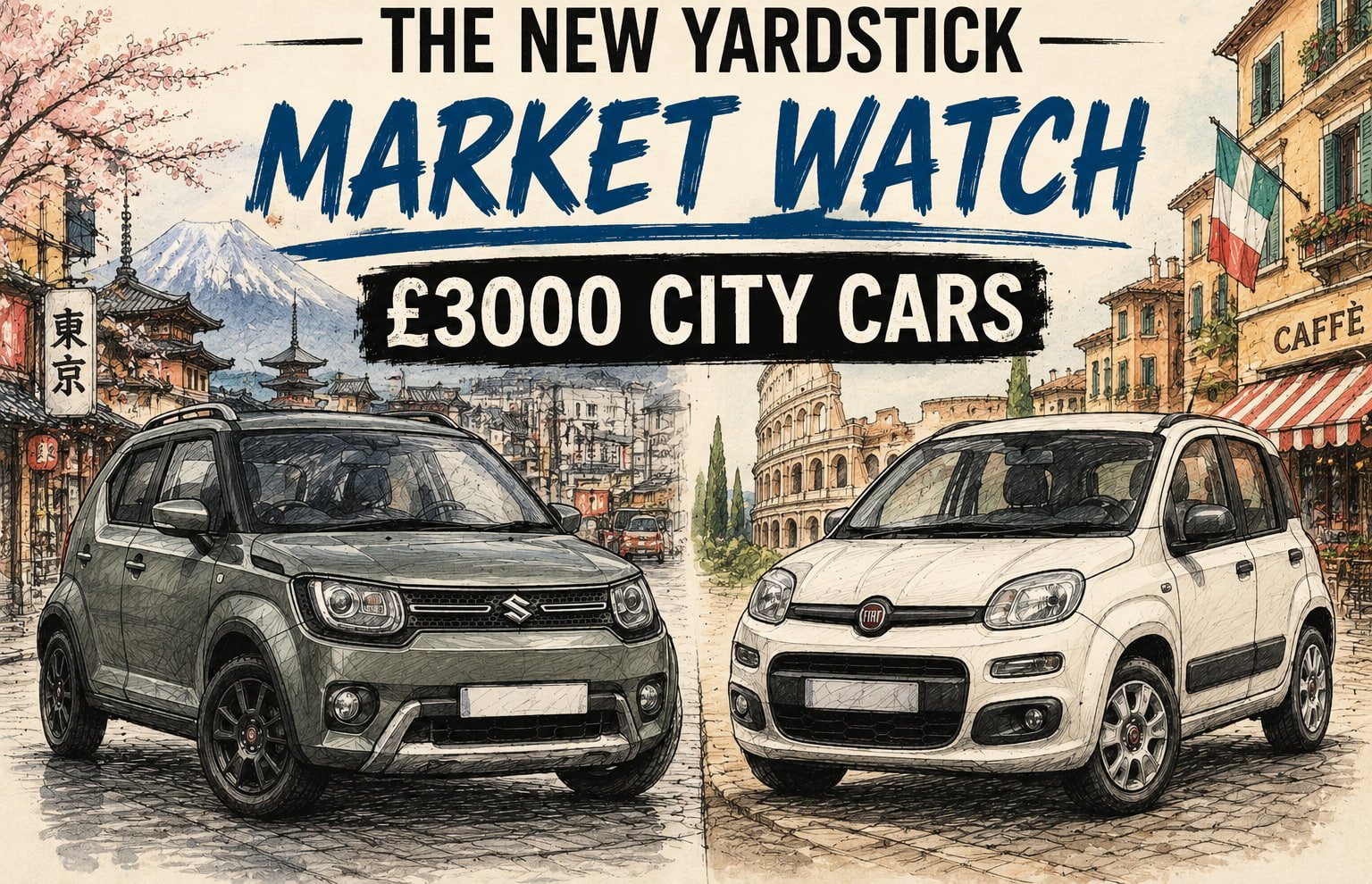
8 Brilliant 50mpg City Cars You Can Buy for Around £3,000
With the average price of a new car now well beyond the reach of many households, a dependable used city car makes more sense than ever. Whether you're looking for an affordable first car, a low-cost commuter or a second vehicle to keep everyday running costs down, spending around £3,000 can still…
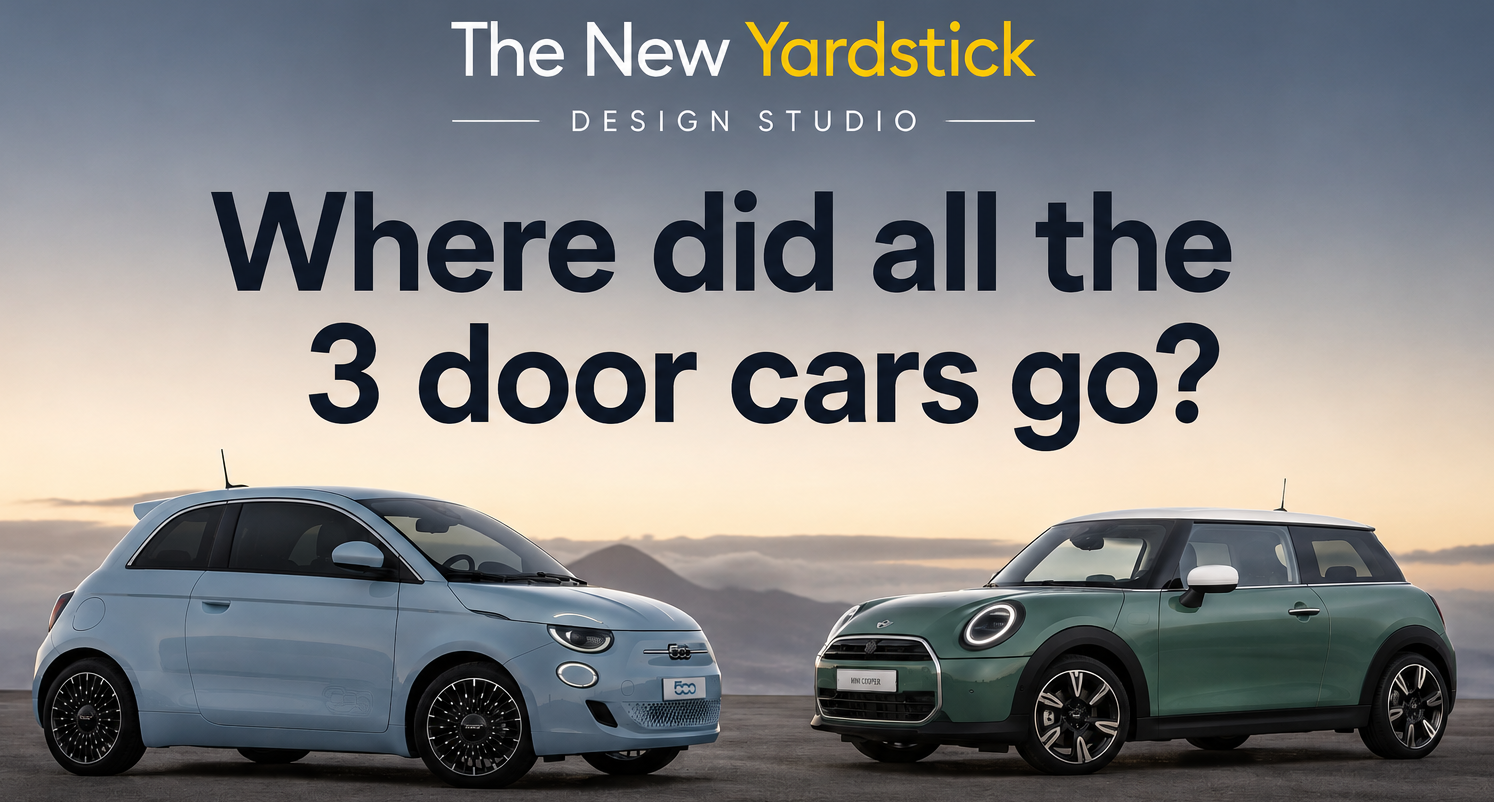
Where did all the 3 door cars go? TNY Design Studio imagines the next generation.
Once the default choice for buyers wanting a sportier-looking hatchback, the three-door has quietly disappeared from Britain's roads. Throughout the 1990s and 2000s, almost every major manufacturer offered one, from affordable city cars to hot hatches and premium compacts. They were often cheaper than their five-door equivalents, lighter on their feet and,…
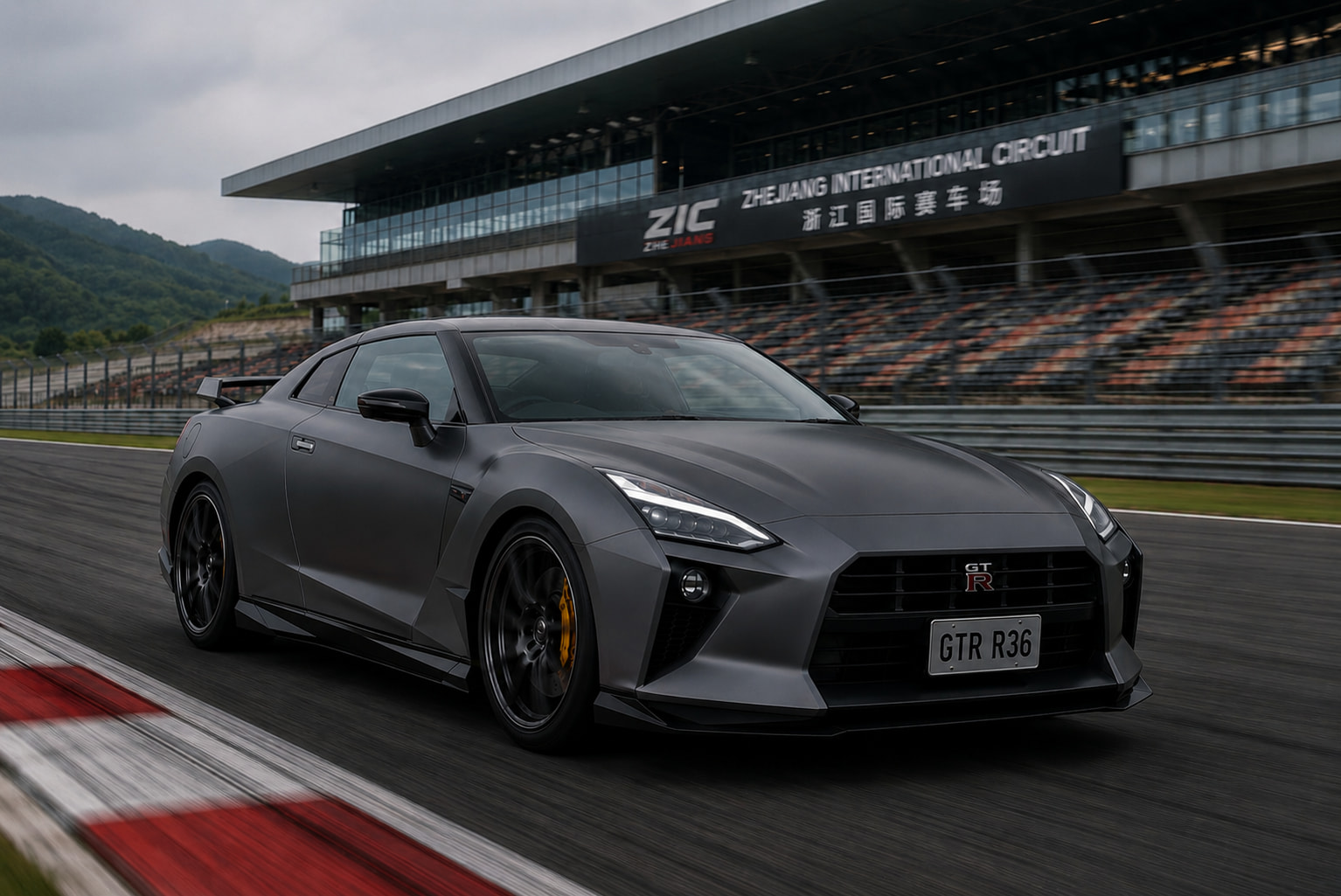
Could Nissan's Next GT-R Spawn an Entire Skyline Family?
Few performance cars have disrupted the supercar establishment quite like the Nissan GT-R. When the R35 arrived in 2007, its hand-built 3.8-litre twin-turbo V6, advanced all-wheel-drive system and everyday usability allowed it to embarrass far more expensive rivals, including Ferrari's 458 Italia, while costing little more than a third of the price.
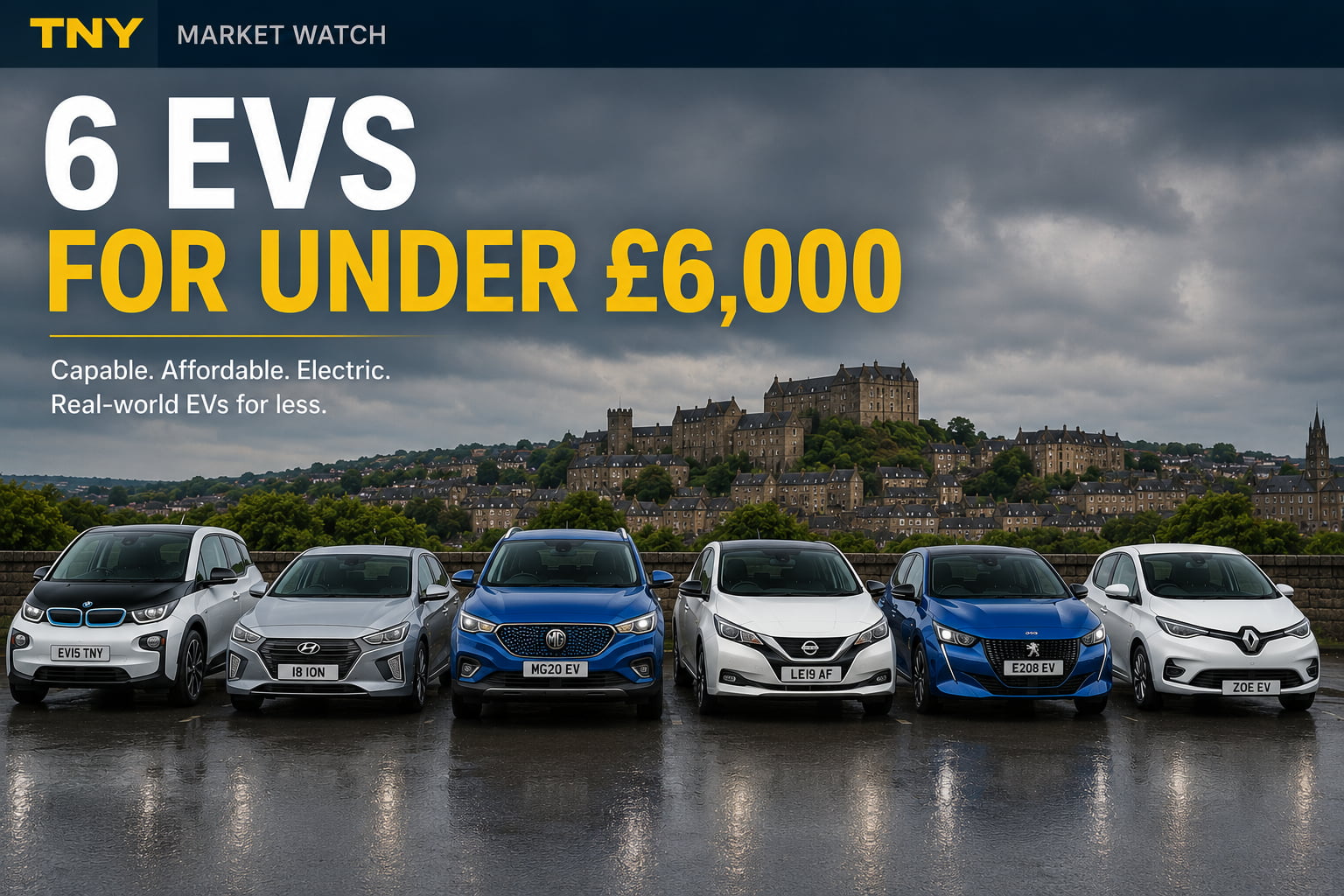
Six Used EVs Under £6,000 That Are Worth Considering
The used electric car market has changed rapidly, with growing choice and falling prices making electric motoring more accessible than ever. For many households, an affordable used EV is now more than capable of handling daily commuting, school runs and weekly shopping trips, all while keeping running costs impressively low. The BMW…
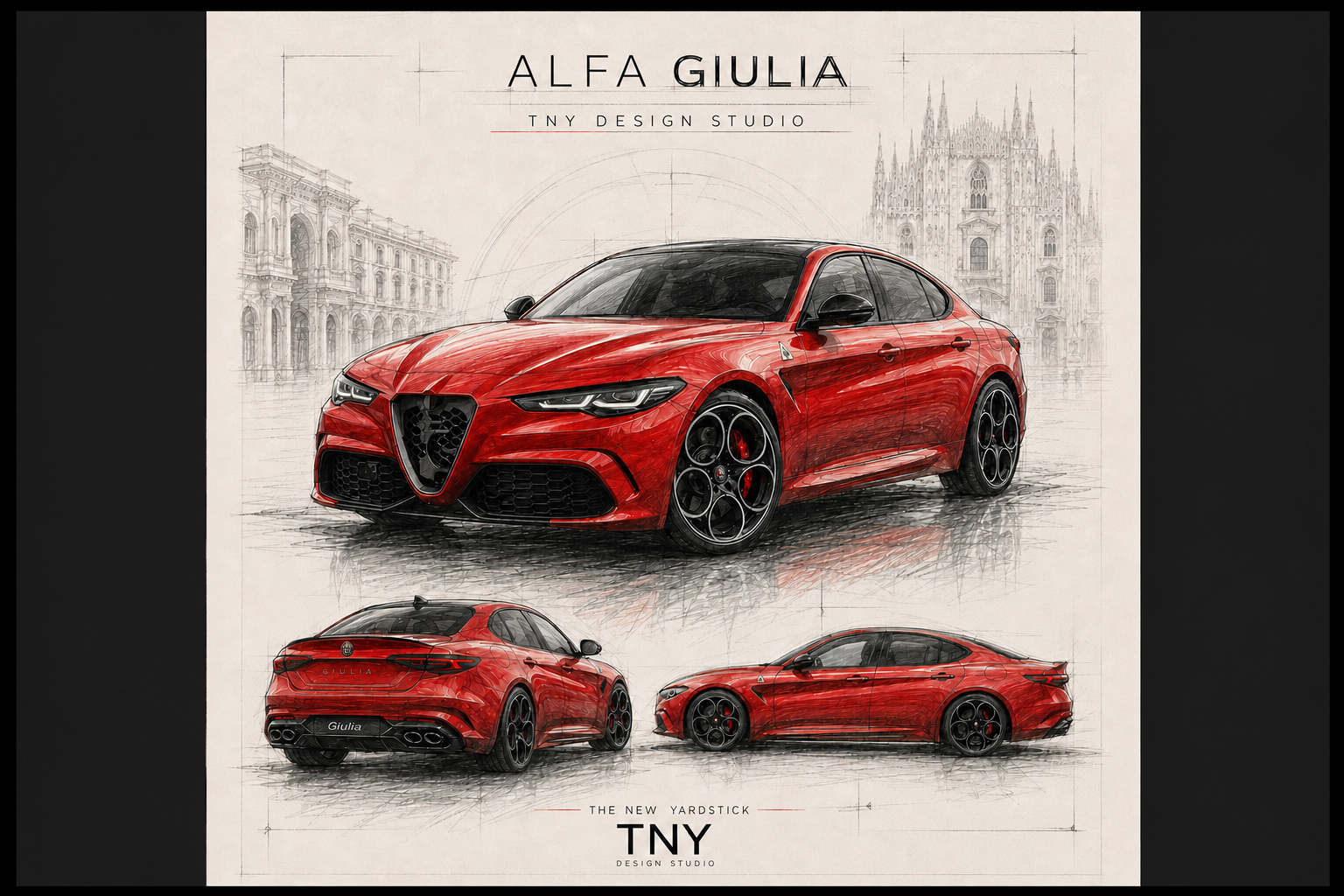
Design Studio: Three Ways Alfa Romeo Could Reinvent the Giulia
Design Studio is where ideas take centre stage, and few future models are more important than the next Alfa Romeo Giulia. With the brand preparing to transition onto Stellantis' STLA Medium platform, the challenge is no longer simply replacing an acclaimed sports saloon – it's deciding what the Giulia should become. Should…