Stellantis Vans 2030: What Comes Next for Europe's Biggest Van Family?
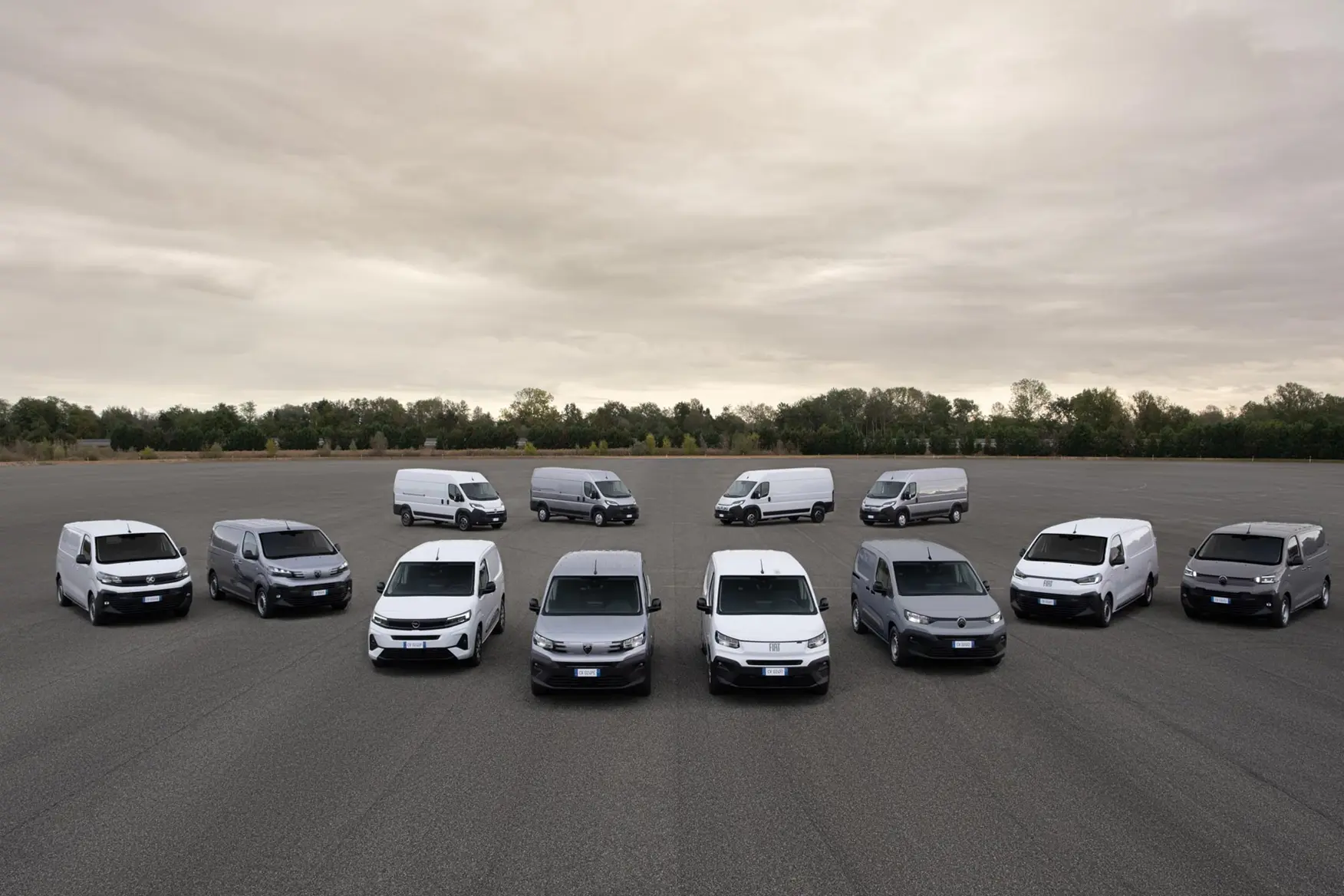
Stellantis has built one of Europe’s biggest commercial vehicle operations, with familiar names from Citroën, Fiat, Peugeot, Opel and Vauxhall covering almost every corner of the van market. But the automotive world is changing faster than the traditionally slow-moving commercial vehicle cycle. Battery technology continues to improve, hybrid powertrains are finding new applications, connected services are becoming increasingly important, and AI and autonomous driving could eventually transform how goods move altogether.
For Stellantis, the challenge isn't simply replacing today's successful vans. It's deciding what actually needs to change, what is already working, and where entirely new types of commercial vehicle could fit in.
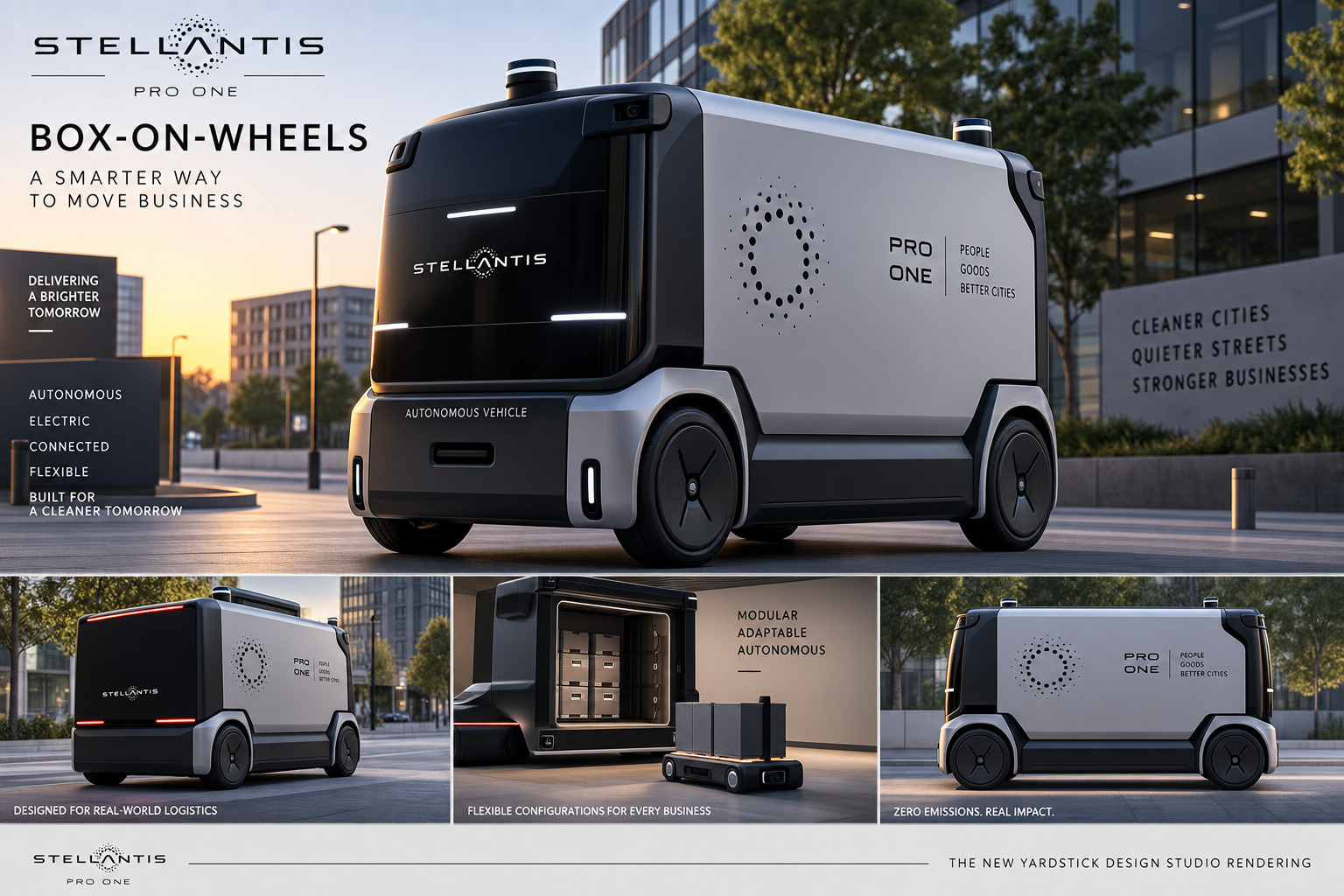
Its importance could extend far beyond the vehicle itself. Connected fleets, AI-assisted logistics and eventually fully autonomous deliveries could allow Pro One to develop into an entire commercial-vehicle ecosystem, ready to expand as legislation catches up with the technology across Europe and further afield.
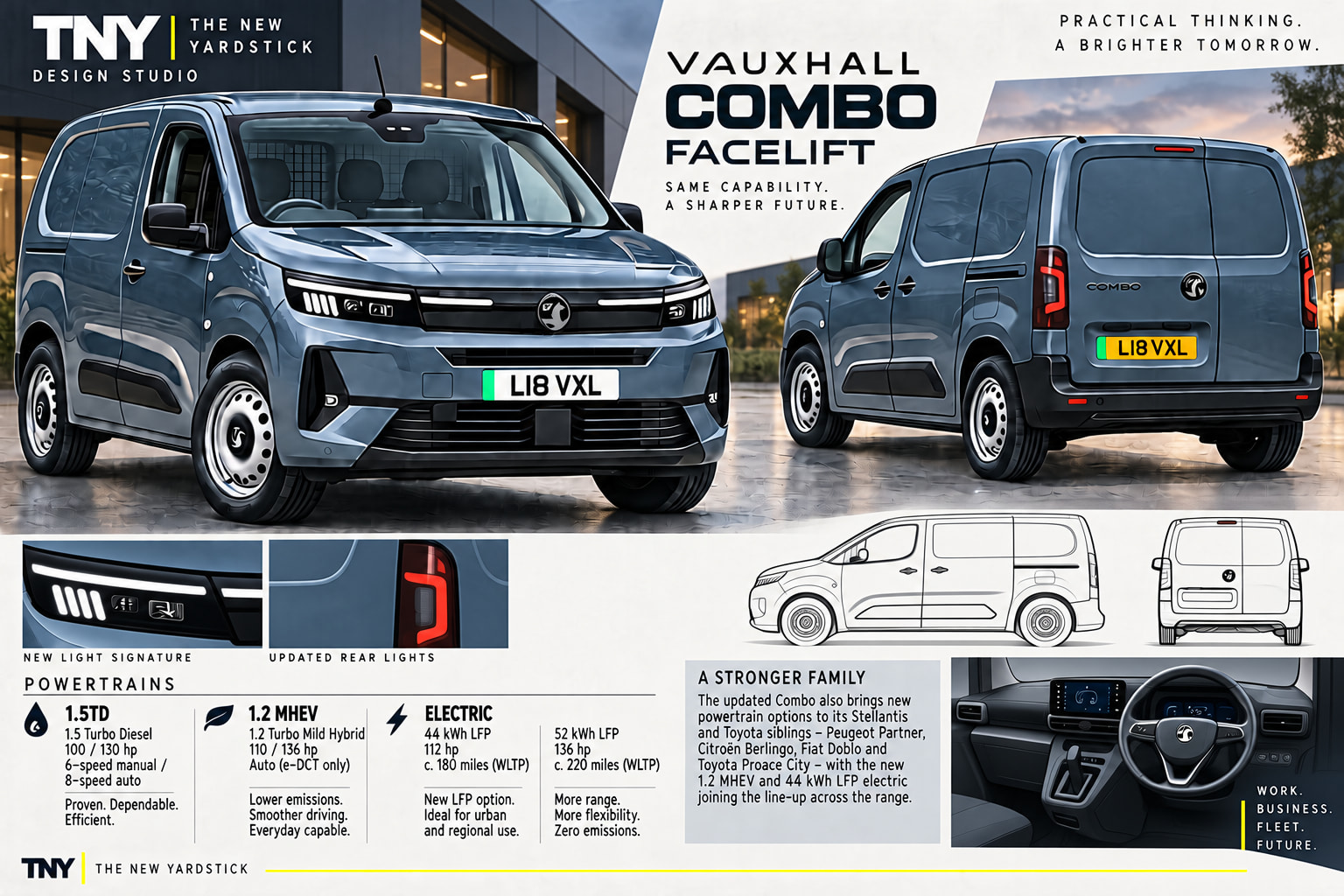
After a substantial facelift in 2024, there seems little reason to start again. Stellantis itself is continuing to develop the existing architecture: its new Smart Compact Van retains the same basic platform and dimensions, while a mild-hybrid powertrain is confirmed for 2027. The wider Pro One plan also confirms new LFP and NMC battery technology, aimed at improving both range and affordability.
Our Combo therefore imagines another substantial facelift rather than an all-new van. Lower-cost battery technology, hybrid power and further improvements to an already versatile package could comfortably keep this generation competitive past 2030.
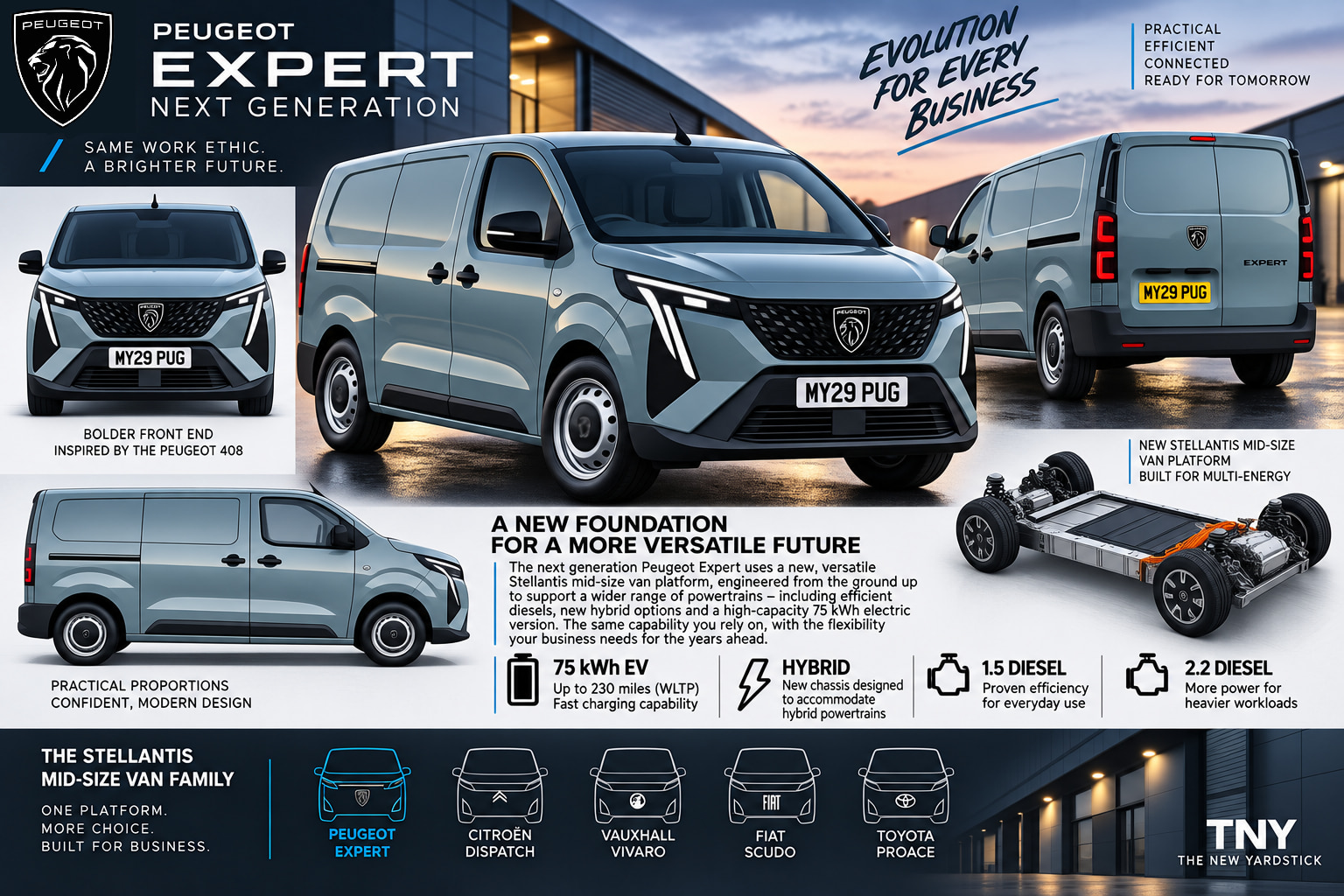
For the next generation, we don't think Stellantis needs to dramatically change what has become a remarkably successful recipe. Today's electric versions already offer competitive range, while remaining relatively affordable compared with many electric van rivals. Stellantis has struck an impressive balance between price, space, versatility and EV capability, wrapped up in a van that feels remarkably car-like on the road.
Diesel isn't disappearing yet, either. Stellantis has only recently introduced a new 2.2-litre diesel across its mid-size van family, producing up to 180hp and 400Nm. While its use in the next generation hasn't been confirmed, such a recent addition makes an evolved version a logical candidate to continue alongside the forthcoming hybrid and electric options.
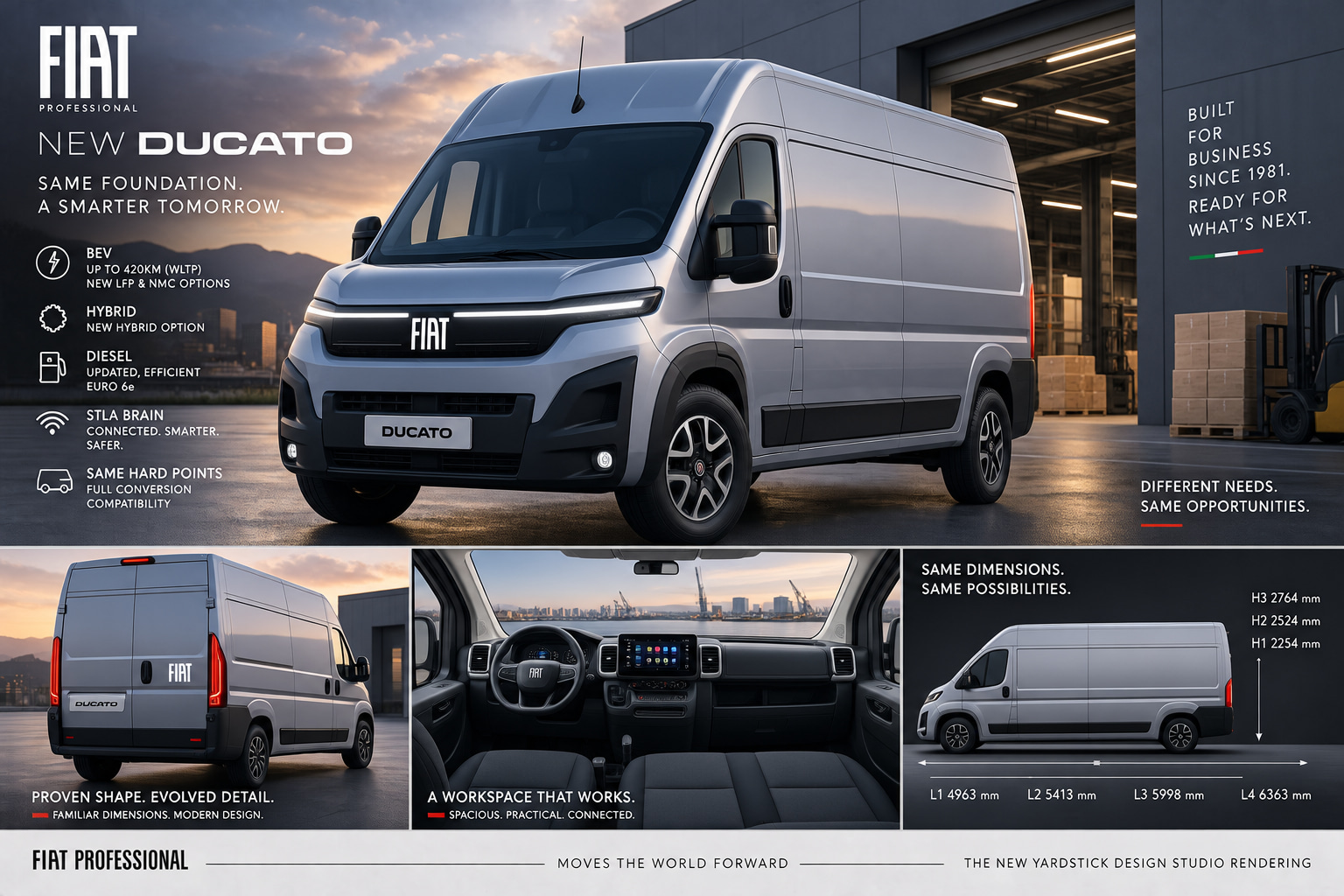
But starting again completely could create problems of its own. Across Europe, a huge conversion industry has grown around the Ducato family's dimensions and hard points, producing everything from motorhomes and ambulances to minibuses and specialist commercial vehicles. Compatibility has become an advantage in itself, and abandoning it unnecessarily could prove risky.
Stellantis has already confirmed that a new large-van architecture is coming, but our next-generation Ducato deliberately retains the familiar basic body shape and proportions. Underneath is where the bigger changes happen, with a modernised chassis and electrical architecture capable of supporting improved 2.2-litre diesels, hybrid power and the next generation of electric drivetrains.
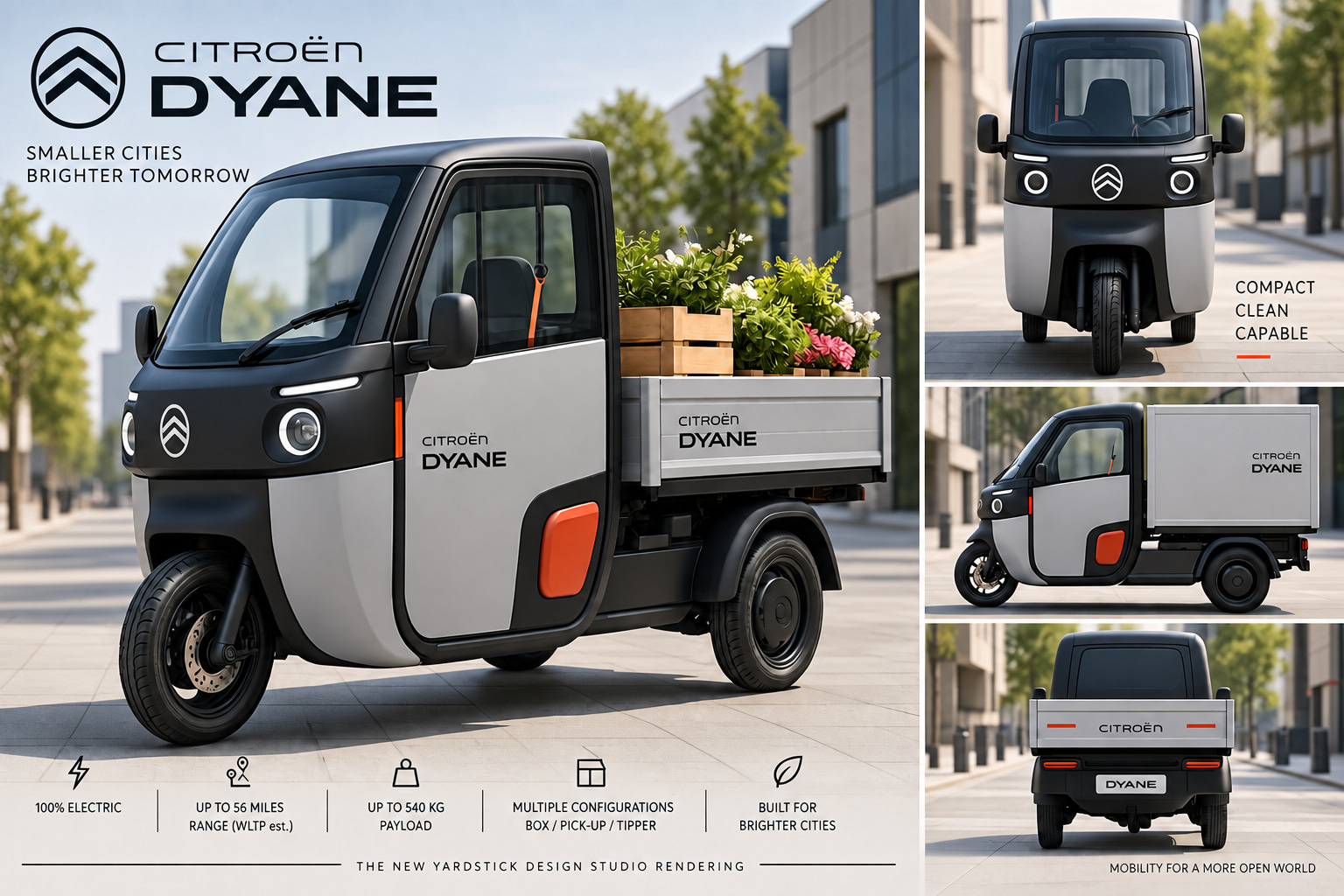
At the other end of the scale, things are getting just as disruptive. The arrival of the Fiat Tris and products such as the Citroën Ami Cargo show how the traditional van is beginning to shrink. Microcars are a growing part of Europe's urban transport landscape, and their commercial equivalents could make even more sense for short-distance deliveries, maintenance work and businesses that simply don't need a conventional van.
Our Citroën Dyane takes the basic philosophy of the Tris and develops it into a more enclosed, car-like commercial vehicle. The name isn't accidental, either. Dyane and Ami once sat alongside each other in Citroën's range, making Dyane a fitting badge for a practical working relative of today's Ami.
With a small LFP battery, modest performance and around 50–60 miles of real-world-focused urban range, the emphasis isn't on impressive headline figures. It's about keeping purchase price, weight and running costs low, while providing enough payload and weather protection to make it genuinely useful.
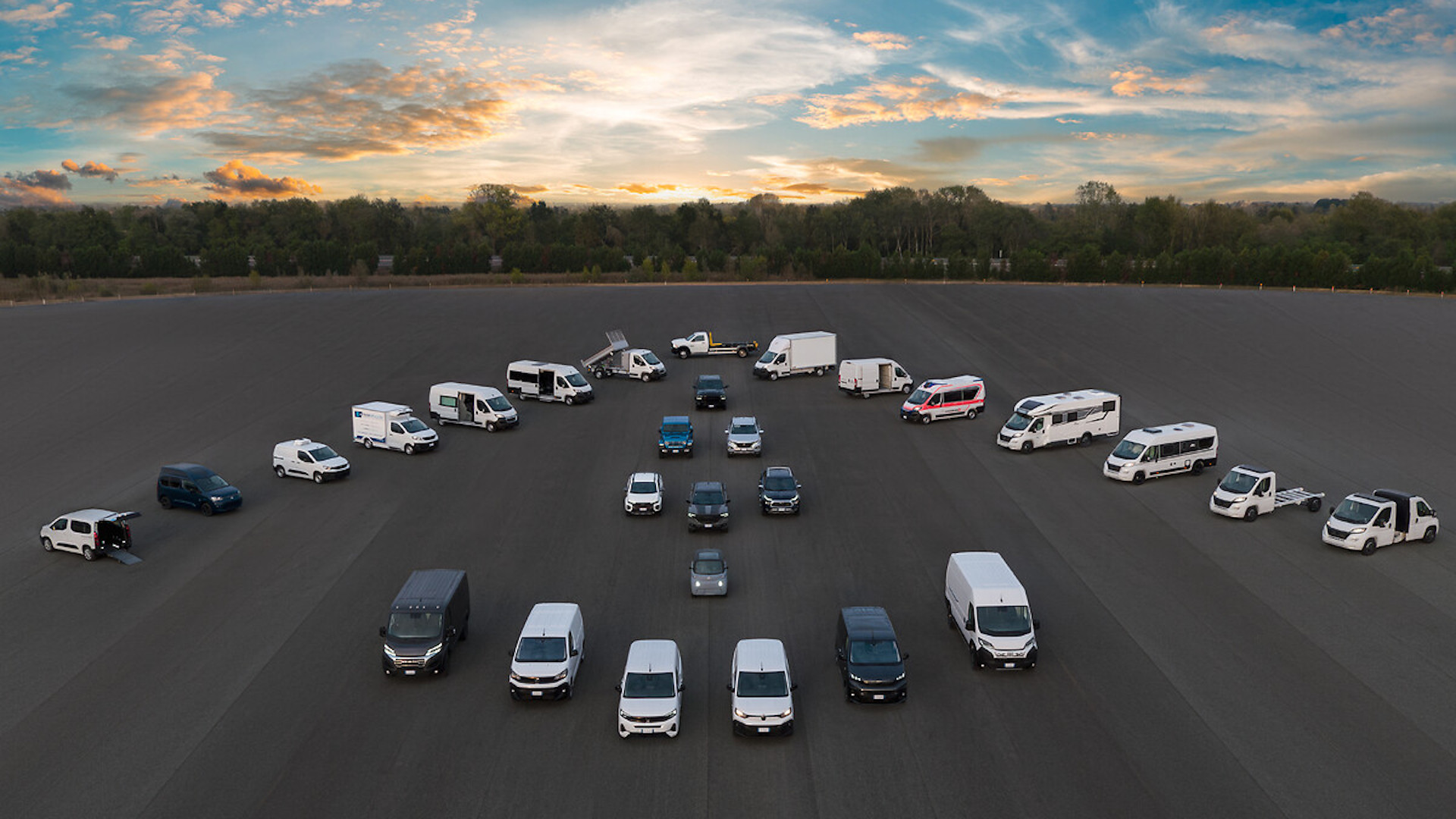
The opportunity is in deciding where to evolve and where to disrupt. Hybrid technology can broaden the appeal of existing vans, improving batteries can make EVs more affordable and capable without simply making them heavier, while vehicles such as the Fiat Tris show there is room to think much smaller.
At the other extreme, autonomous technology could eventually change the definition of a commercial vehicle altogether. Stellantis Pro One's future therefore doesn't need one enormous revolution. It needs to protect what already works, improve what can be better, and be ready for the parts of the commercial vehicle world that really are about to change. Image Credit: Stellantis
You should also read:

The Best Value Pre-Registered Vans on Sale Right Now
Pre-registered vans continue to offer some of the biggest savings anywhere in the UK new vehicle market, with discounts often reaching tens of thousands of pounds compared with official list prices. Whether you're a business owner, sole trader or private buyer, these nearly-new vehicles can deliver exceptional value without the compromises of…
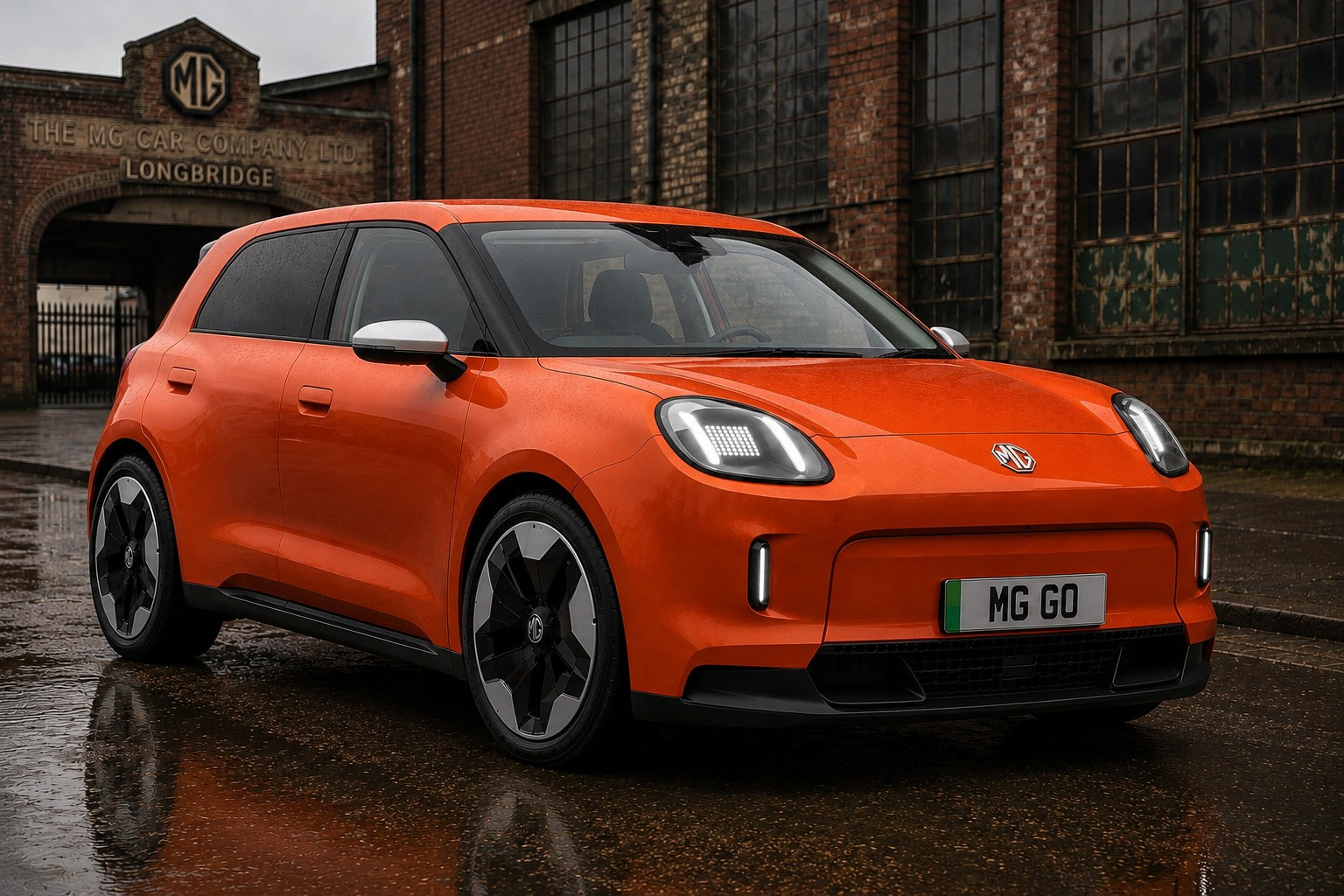
MG GO: Our Vision for Britain's Next Affordable Electric Hatchback
MG has become one of Britain's fastest-growing car brands, but one gap remains in its expanding electric line-up: a compact hatchback sitting below the MG4. In this Design Studio feature, we imagine the MG GO, an affordable electric supermini positioned as the EV sibling to today's MG3. At around four metres long,…
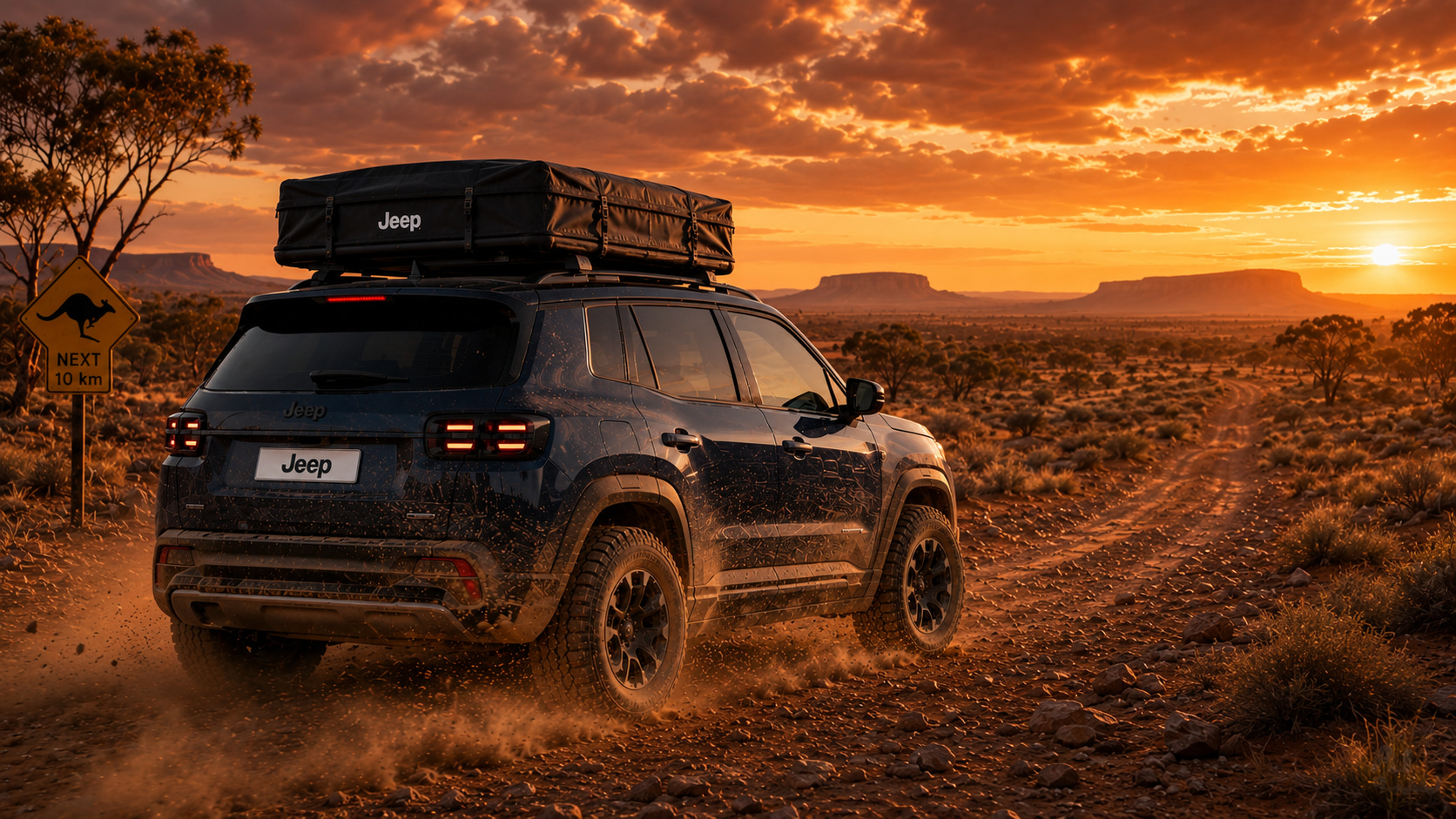
The Next Jeep Renegade: Filling the Gap Between Avenger and Compass
Few new Jeeps have made an impact quite like the Avenger. Blending the footprint of a supermini with the raised driving position and rugged styling buyers increasingly want, it has become one of Europe's most successful compact SUVs. Its popularity has been so strong that Jeep is already preparing an early facelift…
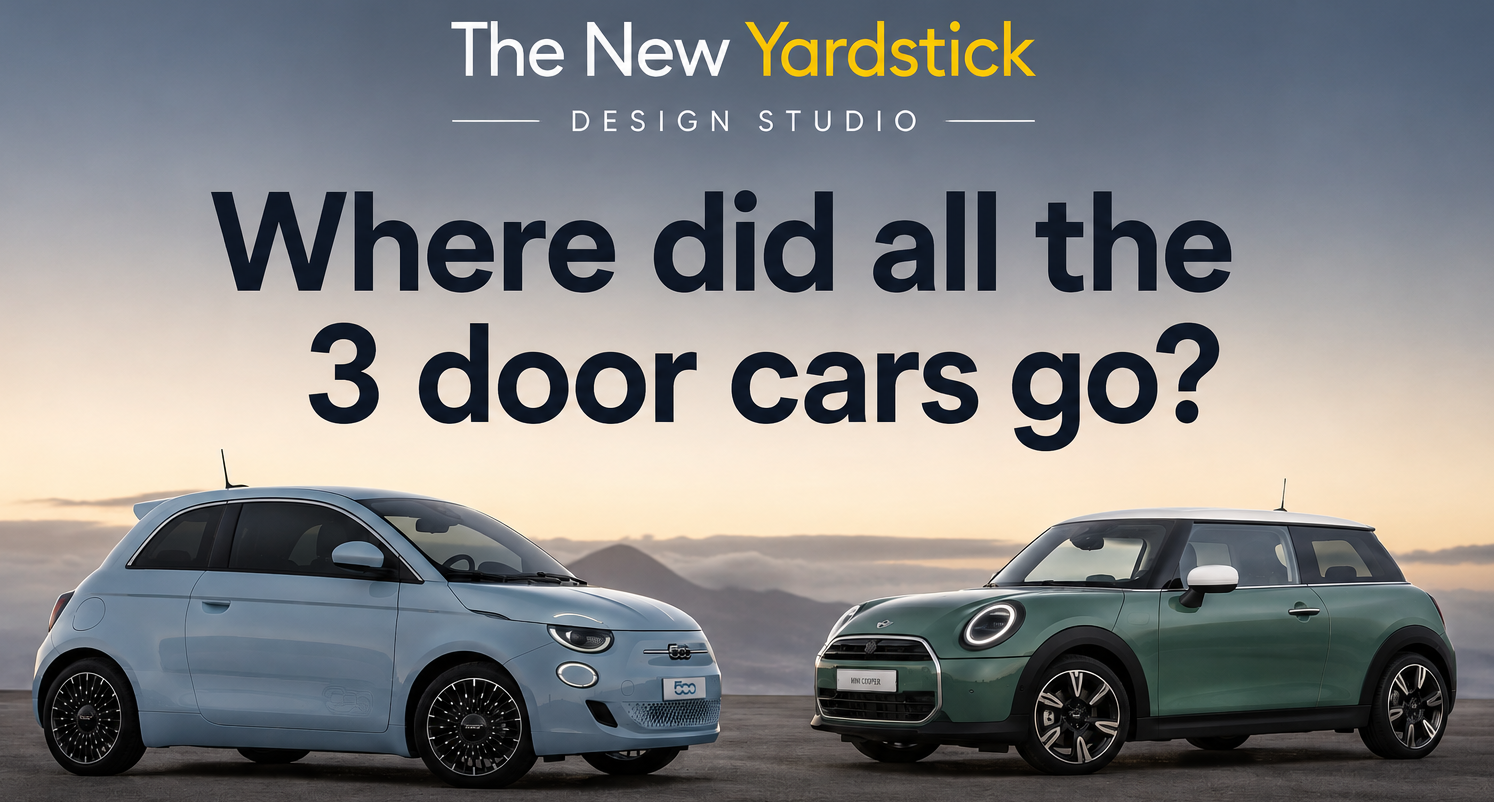
Where did all the 3 door cars go? TNY Design Studio imagines the next generation.
Once the default choice for buyers wanting a sportier-looking hatchback, the three-door has quietly disappeared from Britain's roads. Throughout the 1990s and 2000s, almost every major manufacturer offered one, from affordable city cars to hot hatches and premium compacts. They were often cheaper than their five-door equivalents, lighter on their feet and,…
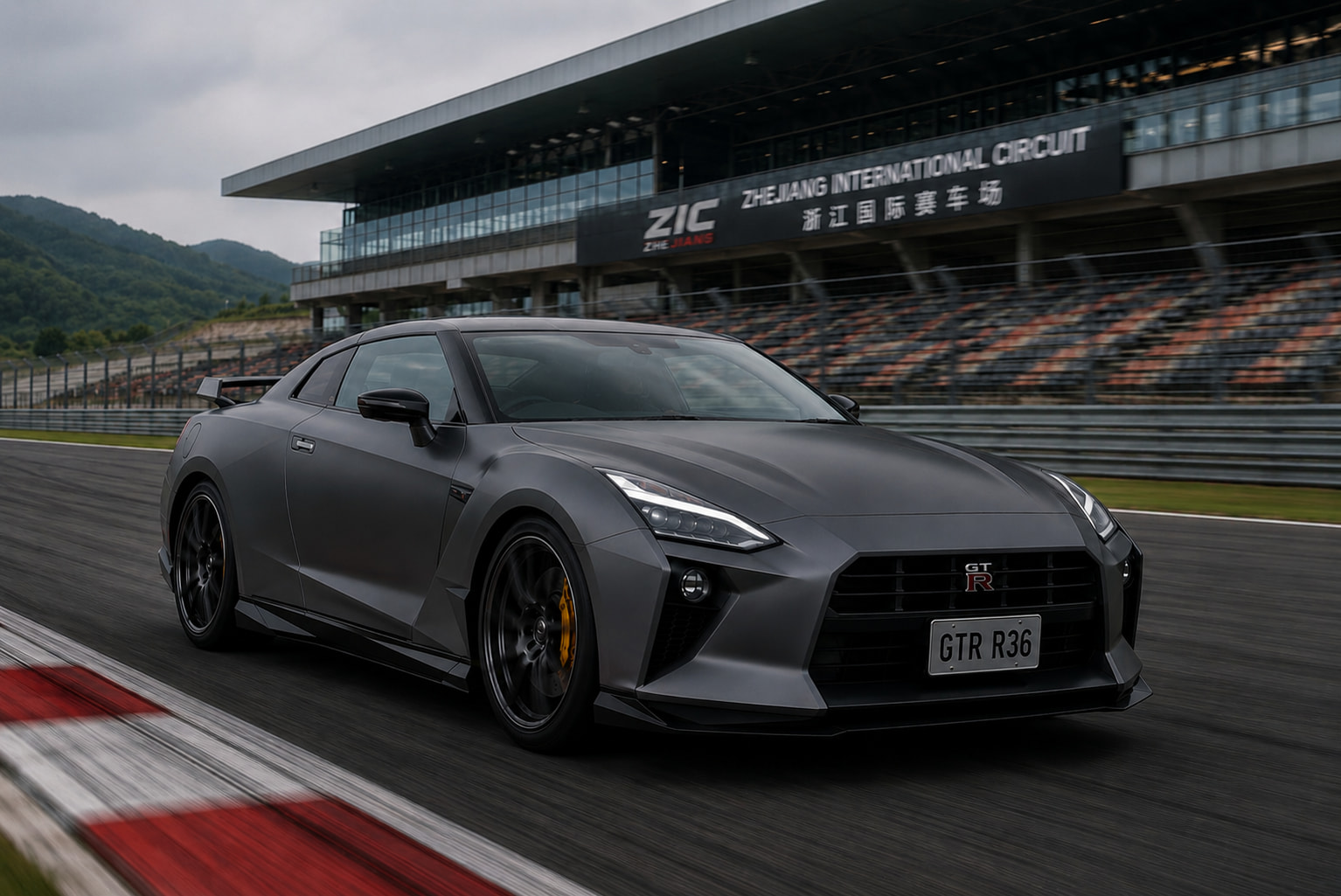
Could Nissan's Next GT-R Spawn an Entire Skyline Family?
Few performance cars have disrupted the supercar establishment quite like the Nissan GT-R. When the R35 arrived in 2007, its hand-built 3.8-litre twin-turbo V6, advanced all-wheel-drive system and everyday usability allowed it to embarrass far more expensive rivals, including Ferrari's 458 Italia, while costing little more than a third of the price.
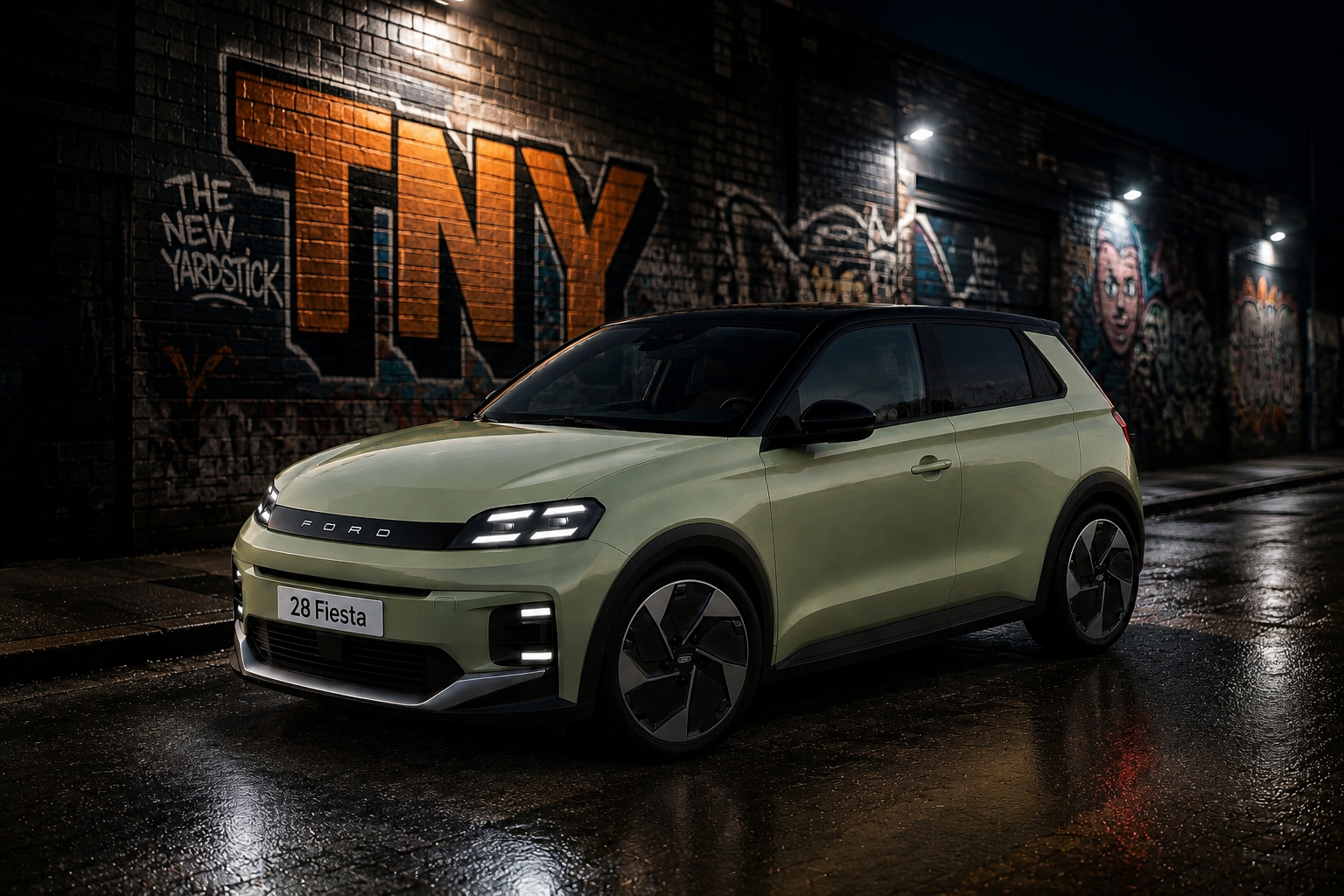
Ford's Next Fiesta and Puma? Renault May Hold the Answer
Ford's European line-up has become increasingly dependent on larger SUVs and electric crossovers, leaving a gap where affordable small cars once defined the brand. With tightening emissions regulations and fierce competition from lower-cost rivals, the company needs a fresh approach if it wants to regain momentum. One solution may already be taking…
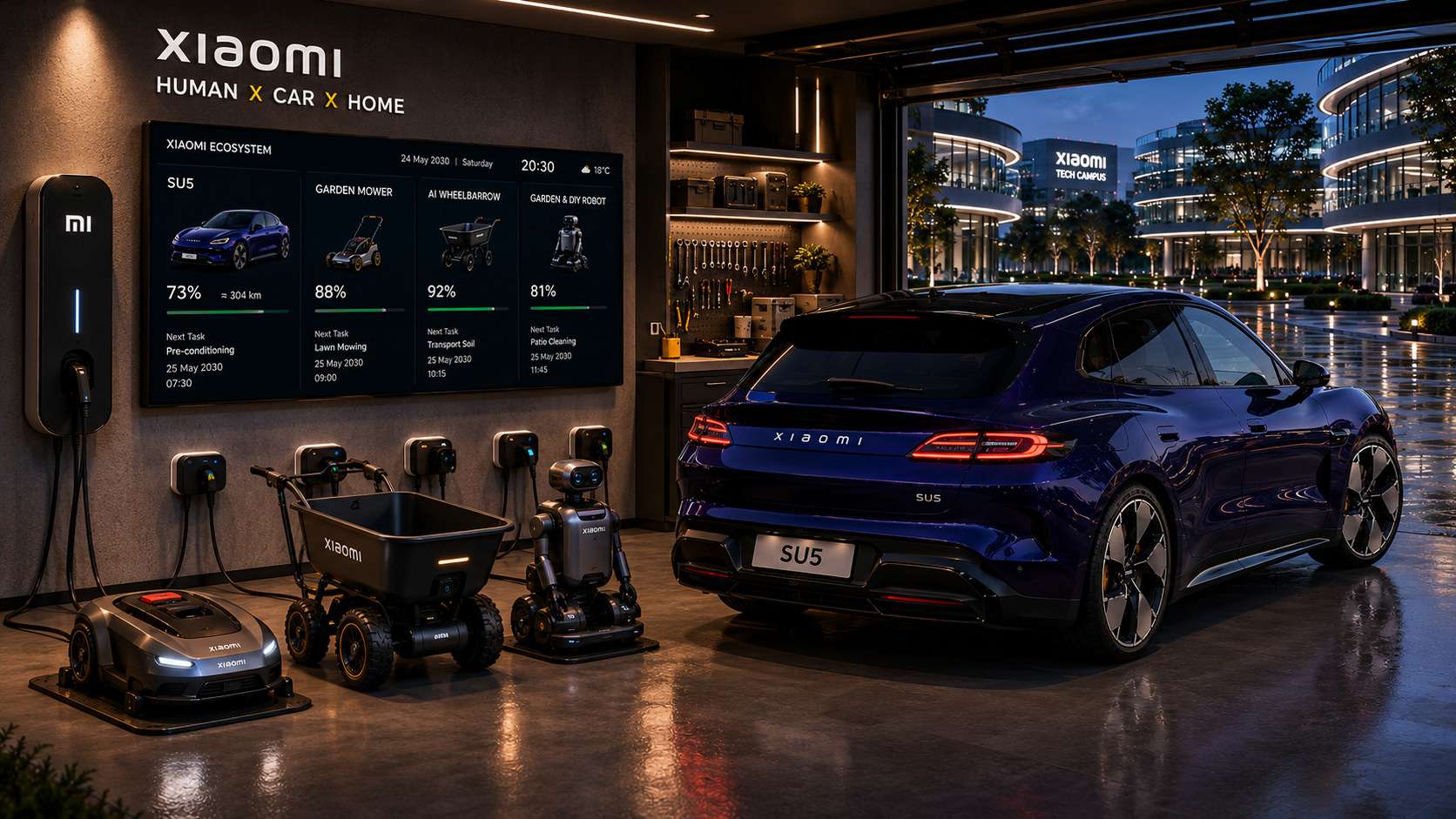
Xiaomi 2030: Human × Car × Home — A Connected Future
Xiaomi’s 2030 vision begins with a simple idea: technology should feel human. The Human × Car × Home philosophy imagines a world where devices, vehicles, and living spaces share one intelligent rhythm. This hero rendering captures that shift - a future where mobility isn’t isolated, but part of a seamless ecosystem. We…
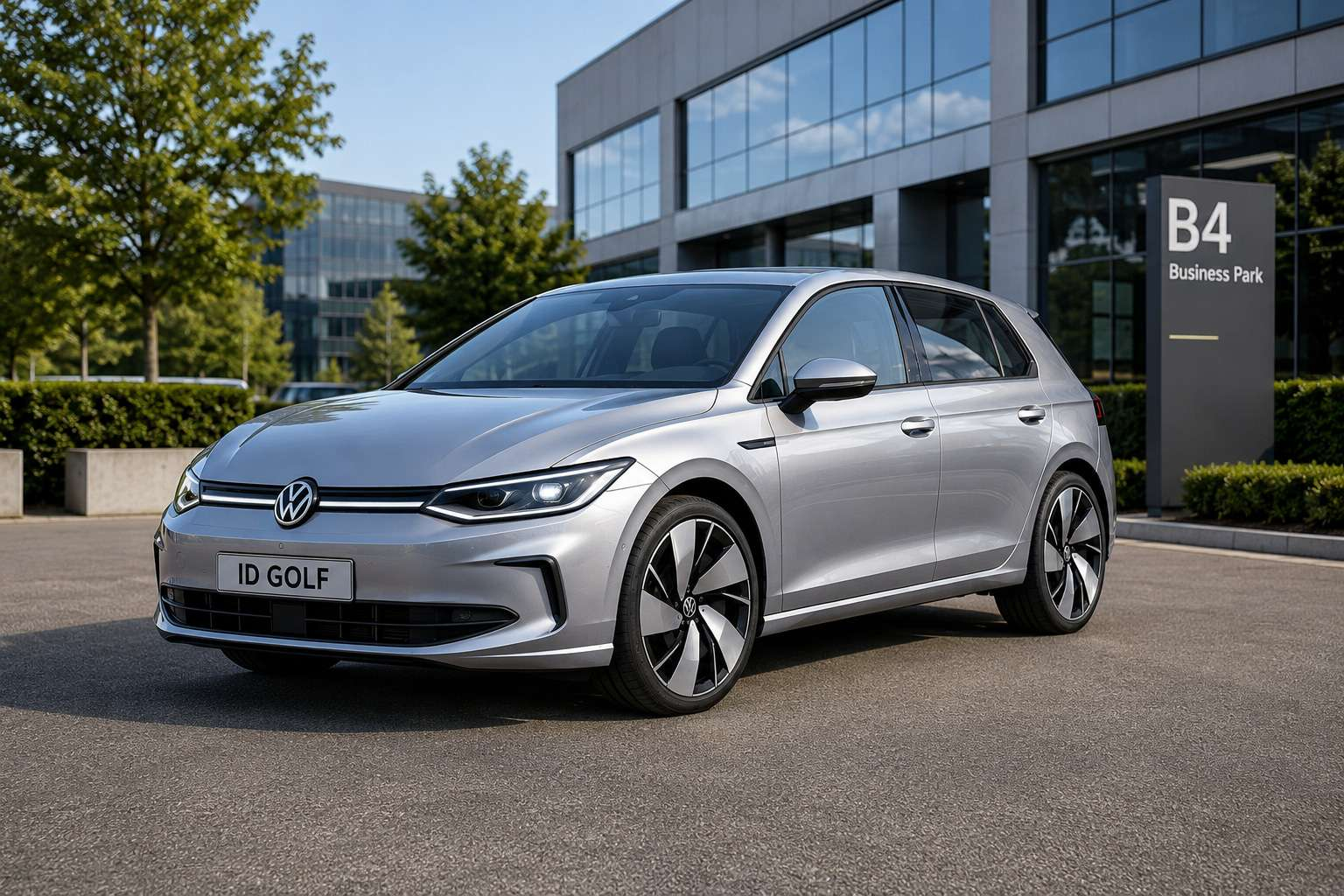
Seven Years Later: Why Volkswagen Group Is Preparing Its Biggest Family Car Refresh in Decades.
In the automotive world, seven years is a long time. It's roughly the point at which manufacturers begin preparing the next generation of their most important products, and across Volkswagen Group, that moment is rapidly approaching. The New Yardstick — Custom Rendering: Our interpretation of Volkswagen Group's next-generation family hatchbacks. While the…