For most British buyers, BYD remains a relatively new name, associated primarily with affordable electric cars and increasingly competitive family SUVs. Yet behind those familiar models sits a much more ambitious operation, one now reaching into territory traditionally occupied by Rolls-Royce.
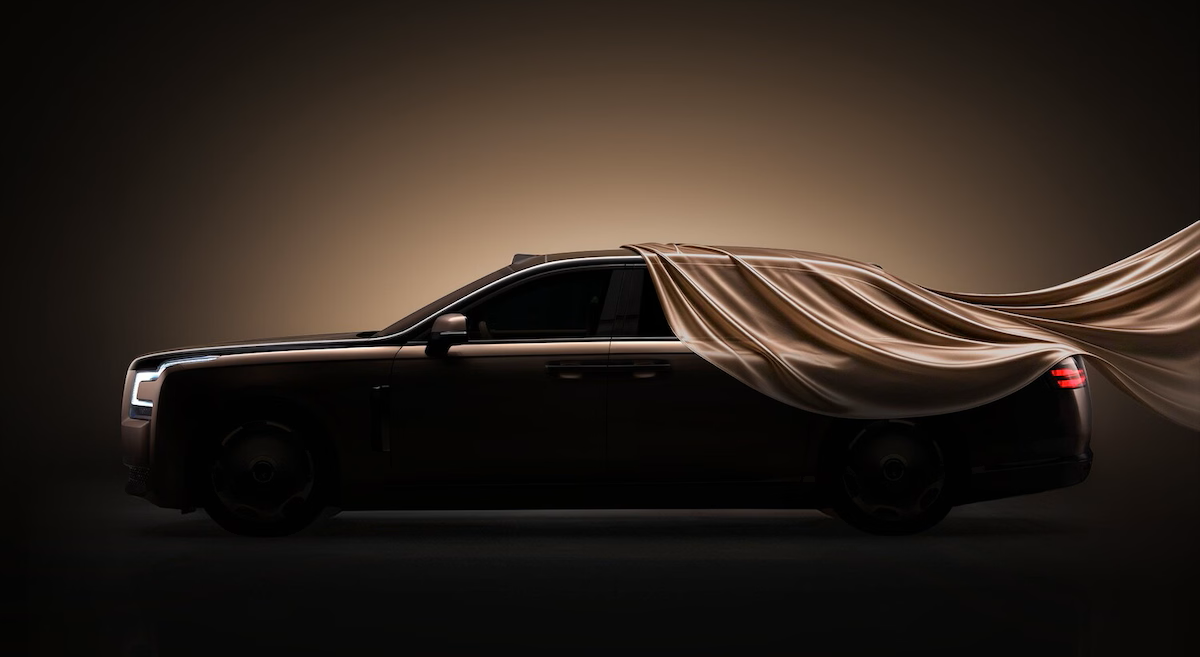
The latest indication is the Yangwang Altior, an imposing new luxury saloon expected to measure approximately 5.5 metres long. With Chinese reports suggesting a price around two million yuan, a hypothetical British price could reach £300,000–£350,000, although neither figure has been officially confirmed.
But the Altior is far from an isolated experiment. Through its premium Denza and ultra-luxury Yangwang brands, BYD is assembling an impressive collection of grand tourers, luxury SUVs and electric supercars. TNY explores this emerging luxury empire.
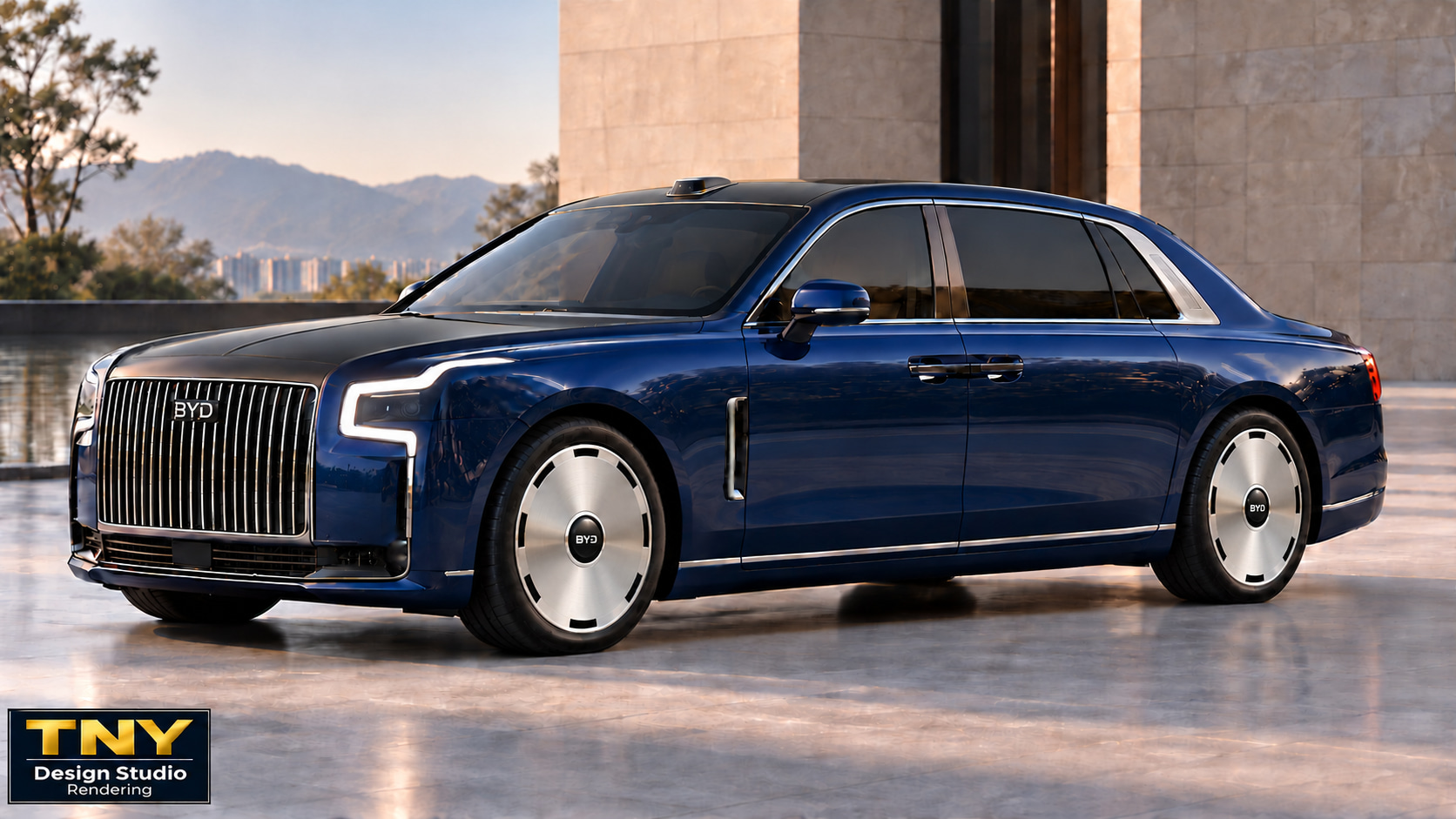
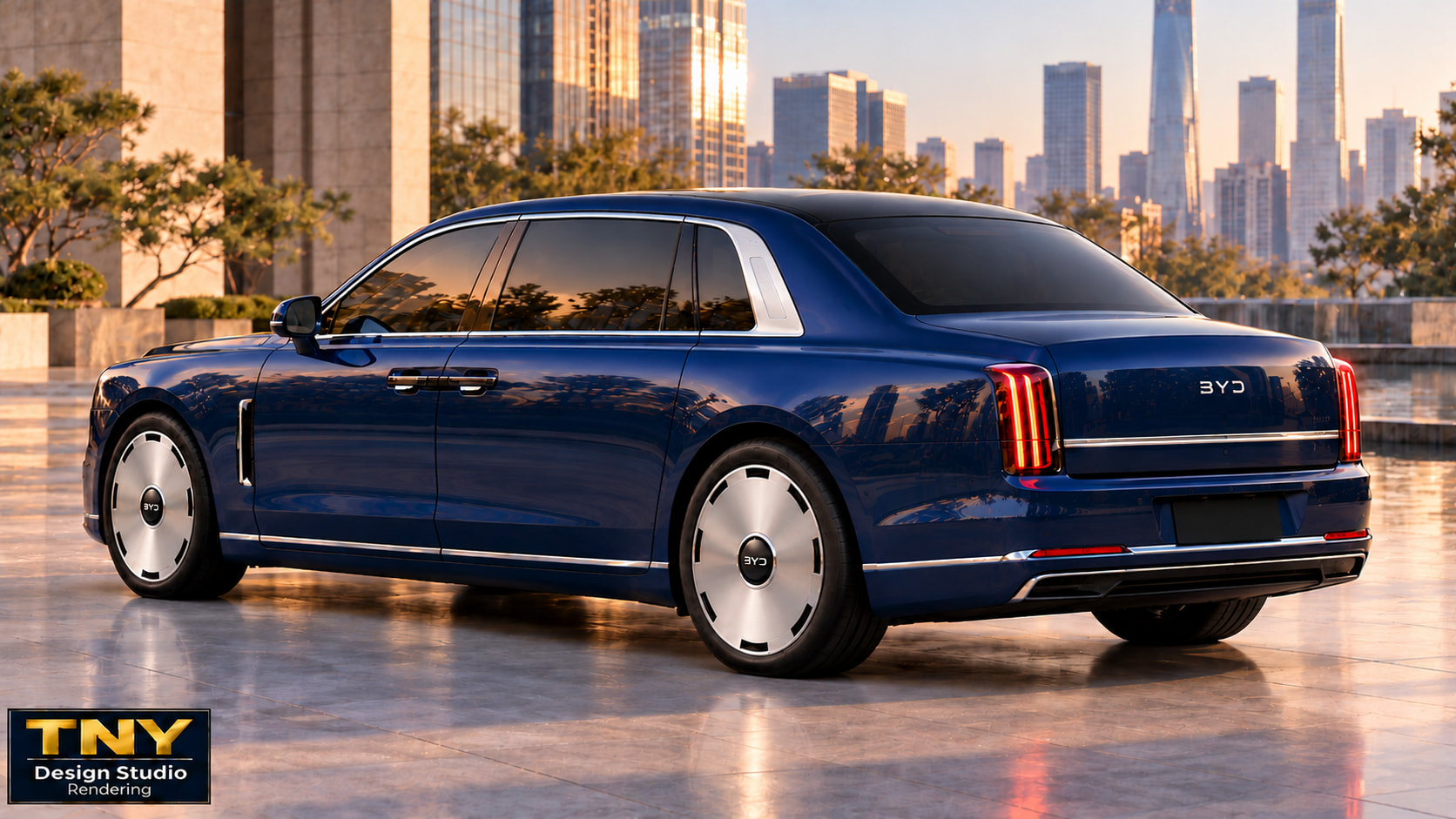
Our interpretation of the Yangwang Altior draws on the limited previews released so far, with an imposing vertical grille, substantial bonnet, rear-hinged doors and unmistakably formal proportions. Although expected to measure approximately 5.5 metres long, almost matching the Rolls-Royce Ghost, its commanding appearance feels closer to the larger Phantom.
Chinese reports suggest a wheelbase of around 3,350mm, promising generous accommodation for rear passengers. Mechanical specifications remain unconfirmed, although Yangwang's existing e⁴ architecture raises the possibility of four independently driven electric motors, potentially accompanied by sophisticated active suspension.
For comparison, the Rolls-Royce Ghost starts at approximately £290,000 in Britain, powered by a 6.75-litre twin-turbocharged V12 producing 571PS. The Yangwang Altior is expected to make its world debut in the UAE in early November, giving BYD its clearest opportunity yet to demonstrate how its vision of ultra-luxury motoring differs from Europe's established marques.
From what we've seen so far, BYD certainly isn't lacking ambition. Whether it can match Rolls-Royce's exceptional refinement and craftsmanship remains another question.
BYD's premium ambitions are already taking shape in Britain. Denza, founded in 2010 as a partnership between BYD and Daimler, now occupies the group's premium tier, while Yangwang sits above it as its ultra-luxury marque.
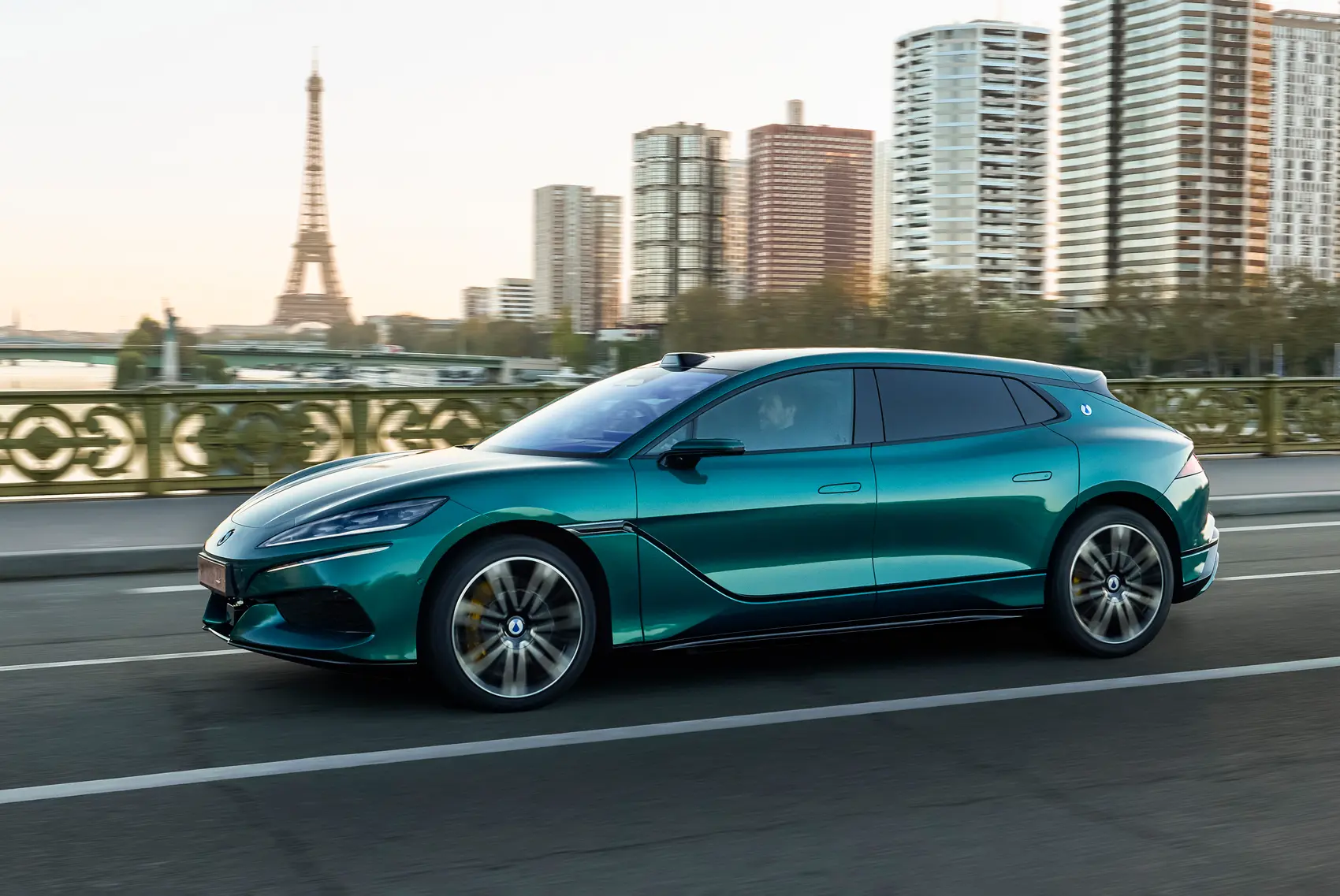
The Z9 GT is leading Denza's British introduction. This striking electric shooting brake enters the same territory as the Polestar 5 and Lotus Emeya, two other Chinese-built grand tourers with established European identities. At £105,000 for the fully electric model, Denza has chosen to compete confidently rather than simply undercut its rivals. A £95,000 plug-in hybrid will follow.
Its headline figures are substantial: three electric motors producing 1,156PS, a 122kWh battery and up to 373 miles of WLTP range. At a compatible FLASH charger, replenishing the battery from 10–70% takes just five minutes.
Perhaps most intriguing is its independently controlled rear-wheel steering, allowing the car to move diagonally, perform a complete 360-degree compass turn and achieve a turning radius of just 5.35 metres.
For a relatively unfamiliar name entering Britain's premium market, that's quite an introduction.
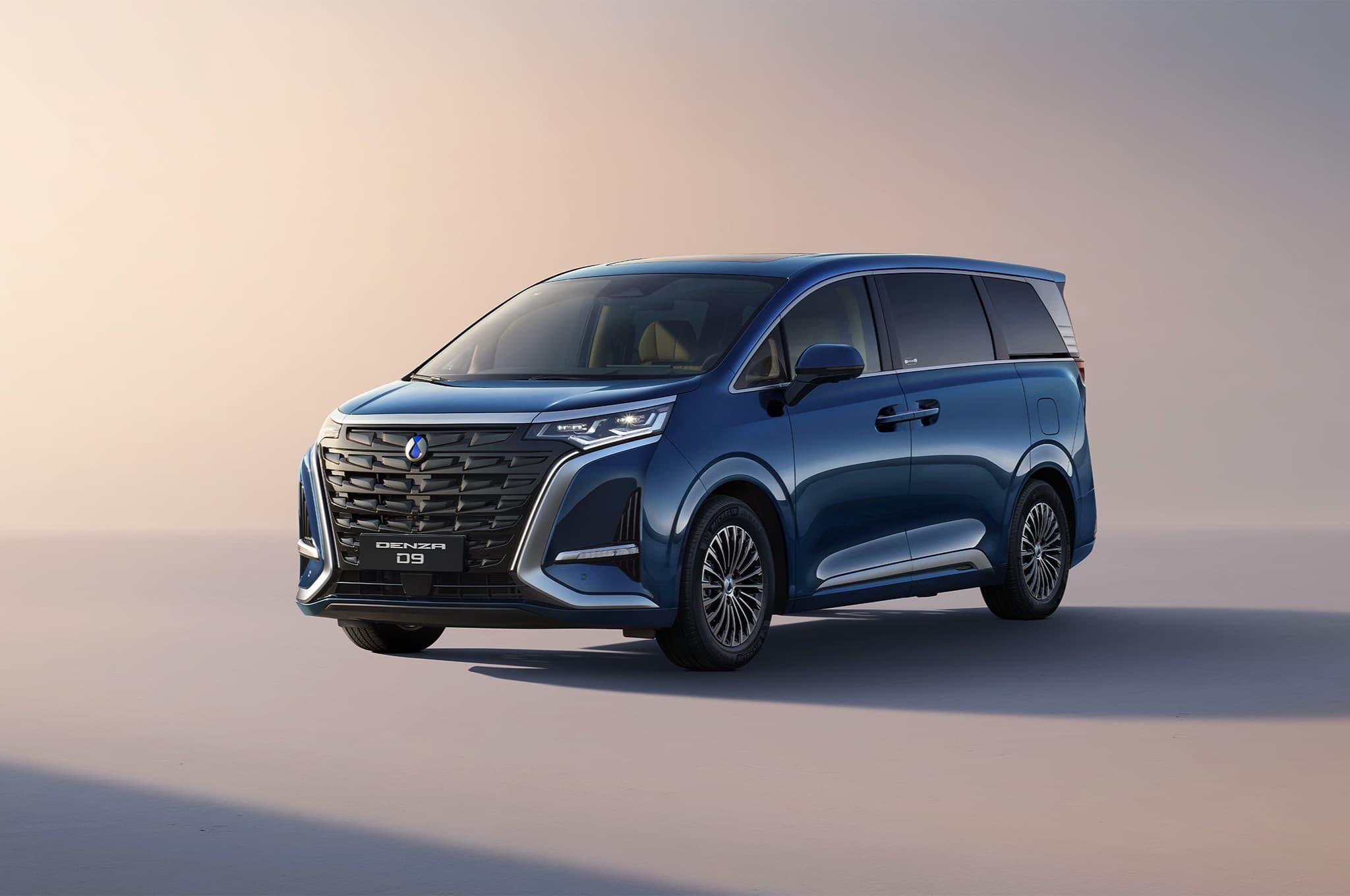
Where the Z9 GT sets out to thrill its driver, the Denza D9 is considerably more concerned with its passengers. This substantial seven-seat luxury MPV takes aim directly at the Lexus LM, combining generous accommodation, powered sliding doors and an interior designed to resemble a first-class lounge.
Denza has confirmed British prices of £75,000 for the Elegance and £85,000 for the Ultimate, comfortably undercutting the Lexus LM, which starts at £97,645.
The flagship D9 features individual second-row entertainment screens and zero-gravity seats with 16-point massage functions, capable of reclining to 152 degrees. The emphasis is firmly on relaxation rather than performance.
Underneath, an all-wheel-drive plug-in hybrid system combines a 1.5-litre petrol engine with two electric motors and a substantial 58.5kWh battery. Denza claims up to 130 miles of electric-only range and 590 miles combined, while compatible FLASH chargers can add approximately 80 miles of electric driving range in just five minutes.
It's a very different expression of premium motoring from the Z9 GT, demonstrating just how broad Denza's ambitions have become.
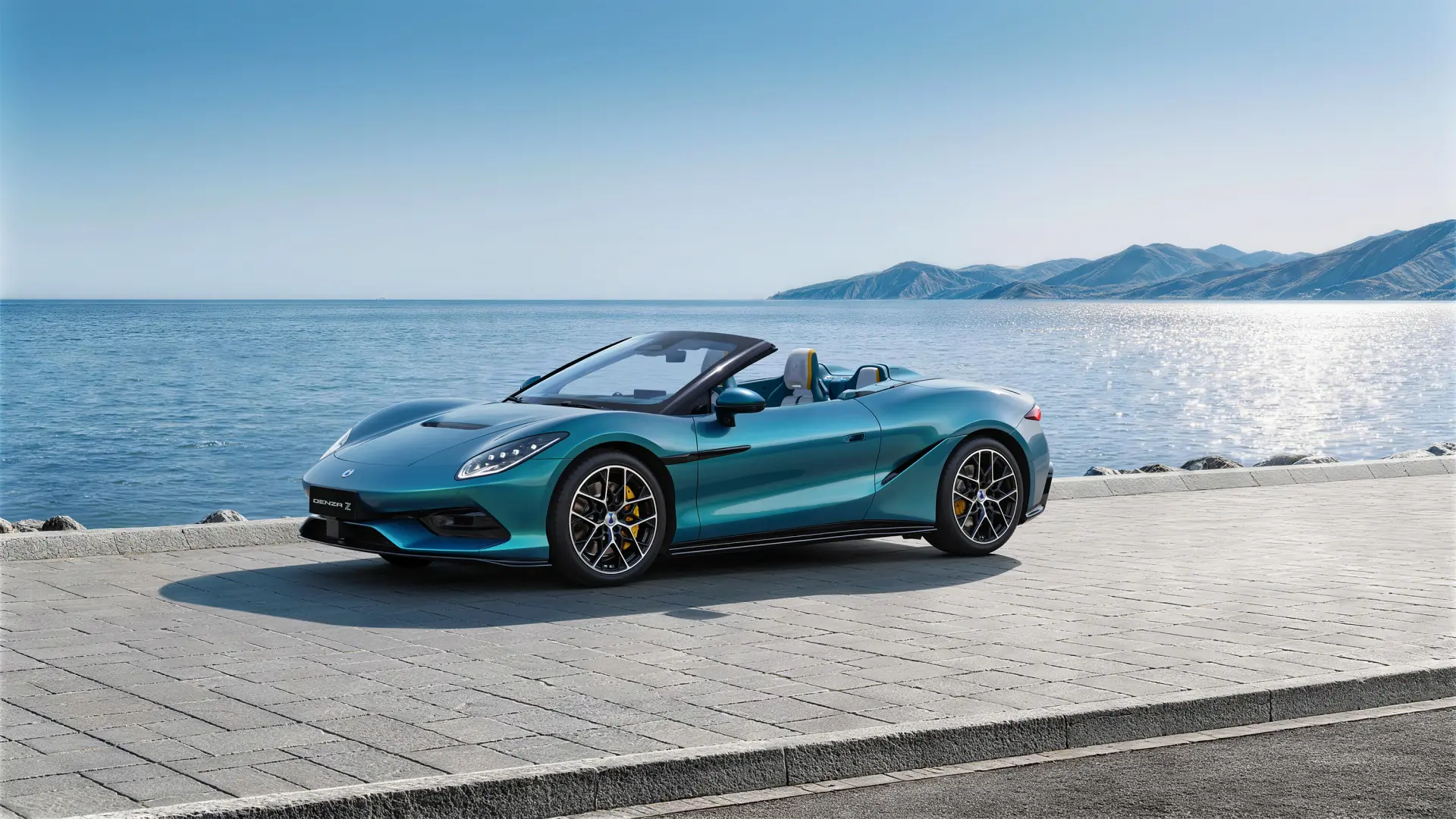
From first-class transport to open-top grand touring, Denza's next offering is considerably more theatrical. The Z is a four-seat electric grand tourer offered in Coupé, Spider and more aggressive Racing versions. Its proportions and character suggest competition with the Maserati GranCabrio and Ferrari's new Amalfi Spider.
Denza has already announced British prices: £142,900 for the Coupé, £159,900 for the Spider and £172,900 for the Racing.
All three feature a 76kWh battery and three electric motors producing 1,604PS. Even the open-top Spider reaches 62mph in just 2.3 seconds, while the Racing version can achieve 1.96 seconds with optional semi-slick tyres.
Carbon-ceramic brakes, sophisticated suspension and a four-seat interior demonstrate the intention to combine serious performance with grand touring comfort, while retaining compatibility with BYD's FLASH Charging technology.
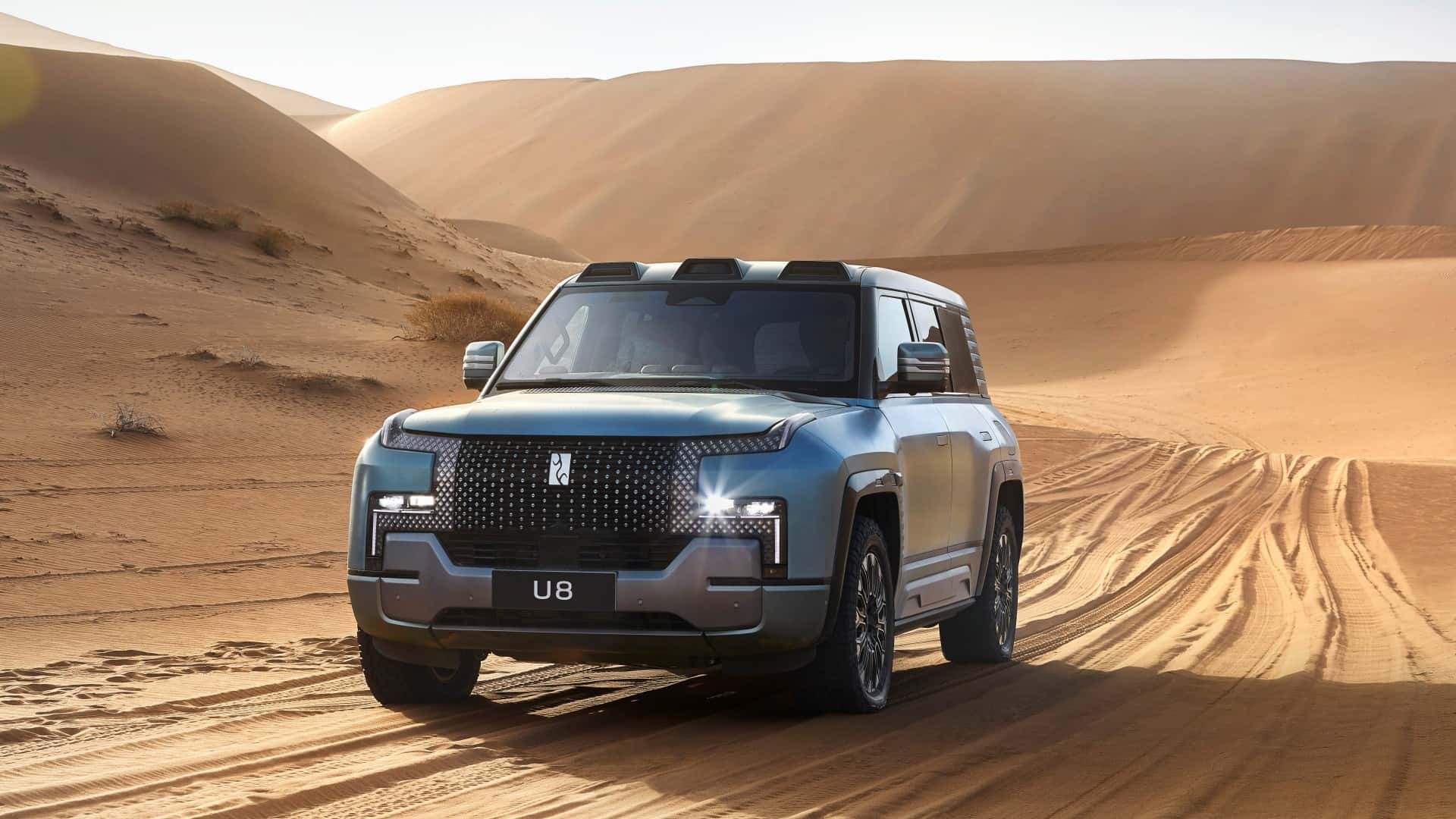
For Denza, it's another ambitious step into territory traditionally dominated by established European marques. Above Denza sits Yangwang, BYD's ultra-luxury division, and the U8 demonstrates its unconventional approach to the Range Rover's territory.
Measuring 5.32 metres long, the U8 combines four independently controlled electric motors producing almost 1,200PS with a petrol range extender. Despite weighing over three tonnes, it reaches 62mph in approximately 3.5 seconds.
Independent wheel control enables a 360-degree tank turn, while emergency flotation allows the vehicle to remain temporarily afloat in deep water. Inside, Nappa leather, advanced suspension and extensive digital displays provide the expected luxury.
The longer U8L adds more rear-passenger space, including an exclusive four-seat configuration. Chinese prices start at approximately £113,000 for the U8 and £146,000 for the U8L. Allowing for UK costs, TNY estimates potential prices of £150,000–£175,000 and £190,000–£225,000 respectively.
The U8L appeared at Goodwood in 2026, with Yangwang planning a British introduction in 2027, although official prices remain unconfirmed.
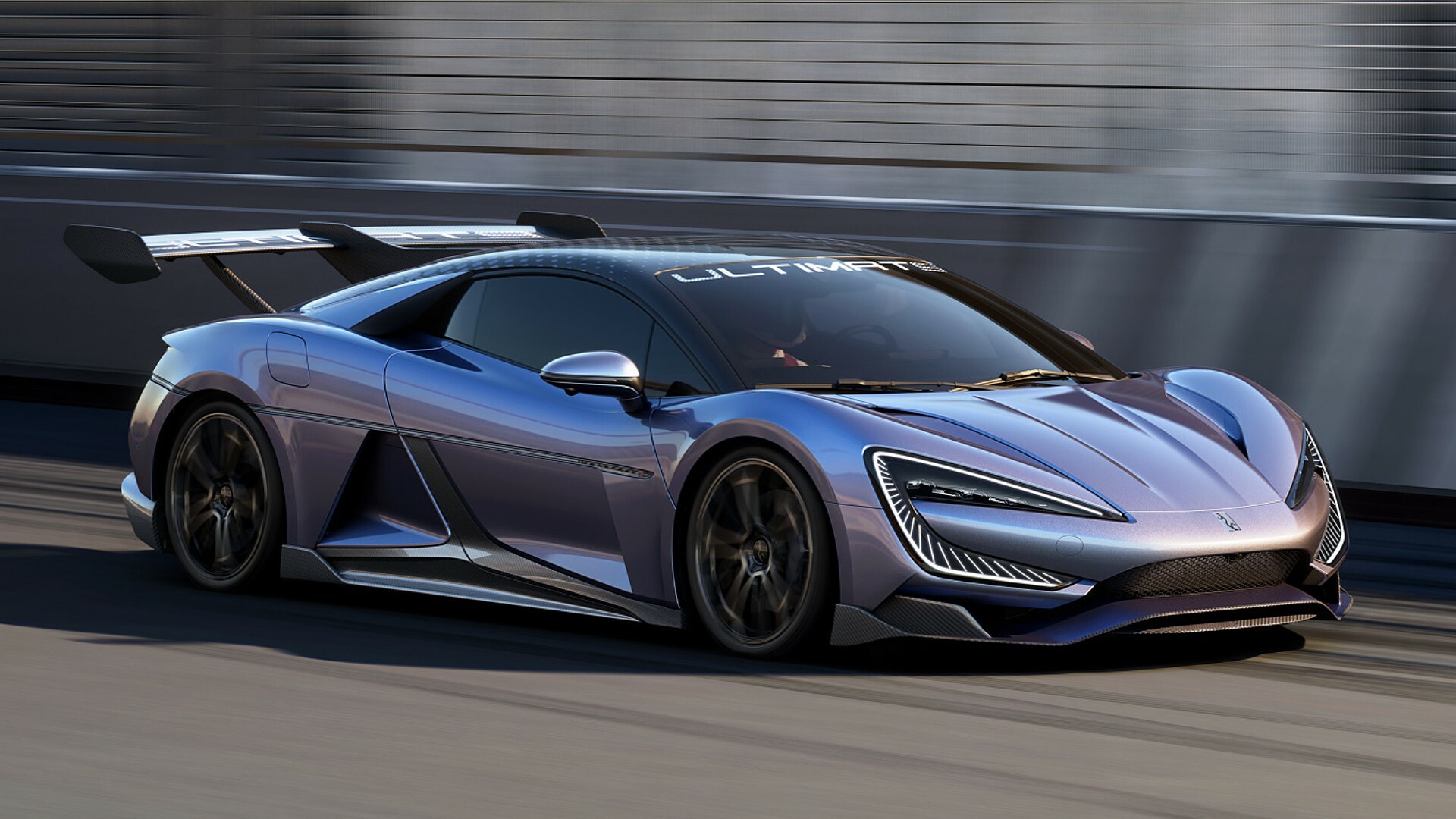
At the top of Yangwang's performance range sits the U9, an electric supercar designed to demonstrate what BYD's engineering can achieve.
Its four electric motors produce approximately 1,300hp, delivering 0–62mph in just 2.36 seconds. The advanced DiSus-X suspension can even make the car jump or perform a controlled dance, something demonstrated at Goodwood in July.
The U9 Xtreme takes things considerably further. Producing over 3,000PS from four motors, it reached 308.3mph in September 2025, setting a production-car speed record. It also completed the Nürburgring Nordschleife in just 6 minutes 59.157 seconds. Production is limited to 30 examples, with European availability confirmed.
The U9 is Yangwang's halo car, demonstrating the technology and engineering capabilities behind the badge.
Alongside the U8's versatility and Denza's expanding luxury range, these achievements give the forthcoming Altior considerable promise. BYD has already demonstrated its engineering ability; the next challenge is matching the craftsmanship, comfort and refinement expected at the very top of the luxury market.
The Yangwang Altior could become the clearest expression yet of BYD's ambitions at the very top of the automotive market. Our final rendering imagines a substantial, elegantly proportioned luxury saloon, although the production car's appearance and specifications remain to be confirmed.
What makes the project particularly interesting is the strength of the wider group behind it. Denza is already preparing to compete with established premium manufacturers in Britain, while Yangwang has demonstrated engineering capabilities that extend from sophisticated luxury SUVs to record-breaking electric hypercars.
Yet competing with Rolls-Royce presents a different challenge. Beyond performance and technology, buyers expect exceptional craftsmanship, refinement, personalisation and an ownership experience developed over generations.
BYD has the financial resources, engineering expertise and growing international presence to make a serious attempt. Whether it can establish the same desirability and prestige as Europe's most established luxury manufacturers remains to be seen.
The question is no longer whether BYD can build expensive cars, but whether it can create a luxury brand that customers genuinely aspire to own.
Mercedes-Benz helped shape the premium SUV market long before BMW joined the party. The original M-Class arrived in 1997, two years ahead of the first BMW X5, at a time when the Range Rover was still the established benchmark for luxury off-roaders. Originally known as the M-Class or ML, the model became…
The Kia EV1 arrives at a pivotal moment for Europe’s smallest cars. With the long‑running Picanto finally reaching the end of its lifecycle, one of the last petrol city cars on the continent is bowing out. Kia’s decision to replace it with a fully electric model reflects a wider industry shift: emissions rules,…