Three Cars, One Mission: Peugeot's Bold New Premium Small Car Strategy
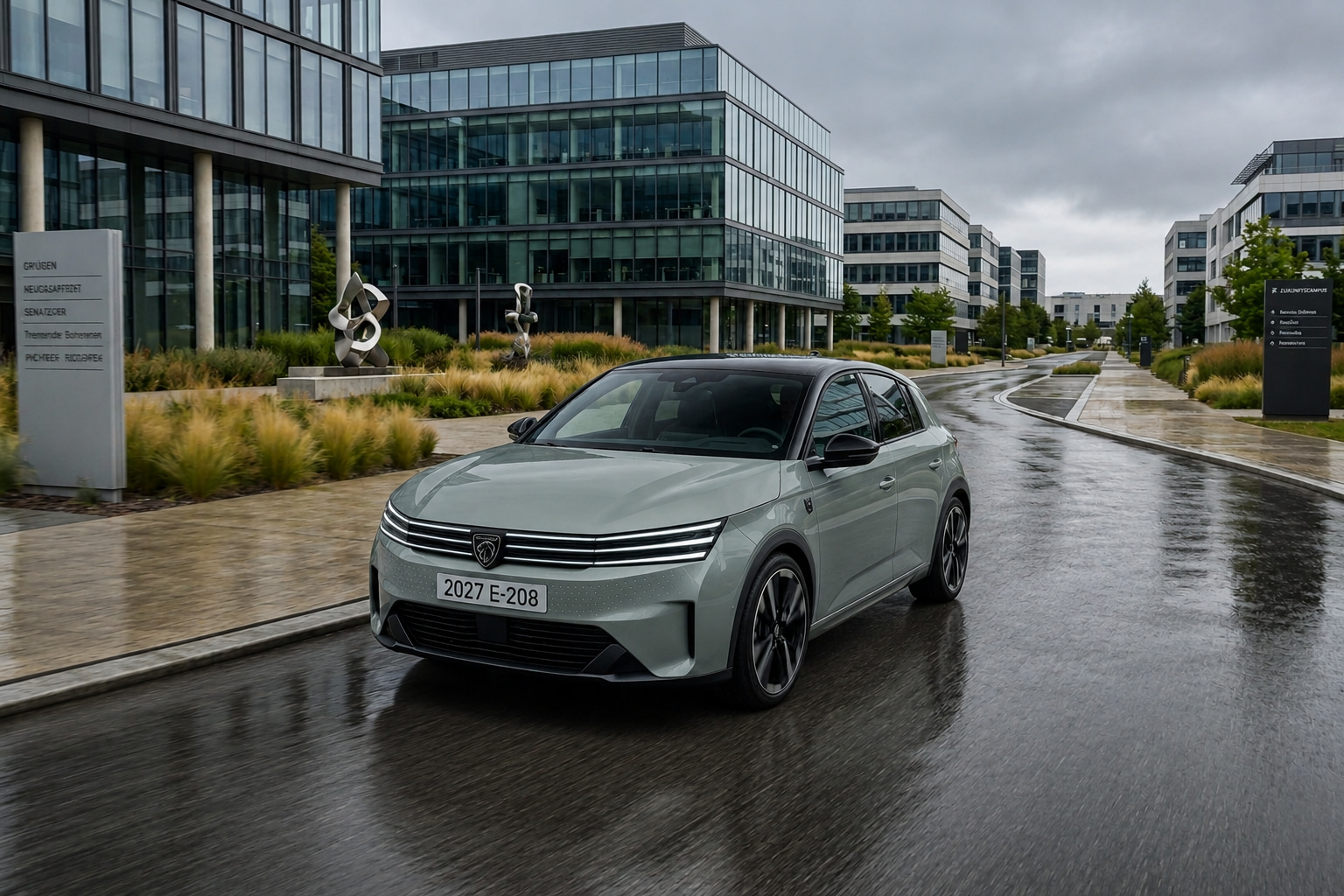
Growing evidence from Peugeot's product roadmap and Stellantis' wider platform strategy suggests the French manufacturer could adopt a three-car approach, introducing an all-new electric 208 alongside second-facelift versions of today's 208 and 2008.
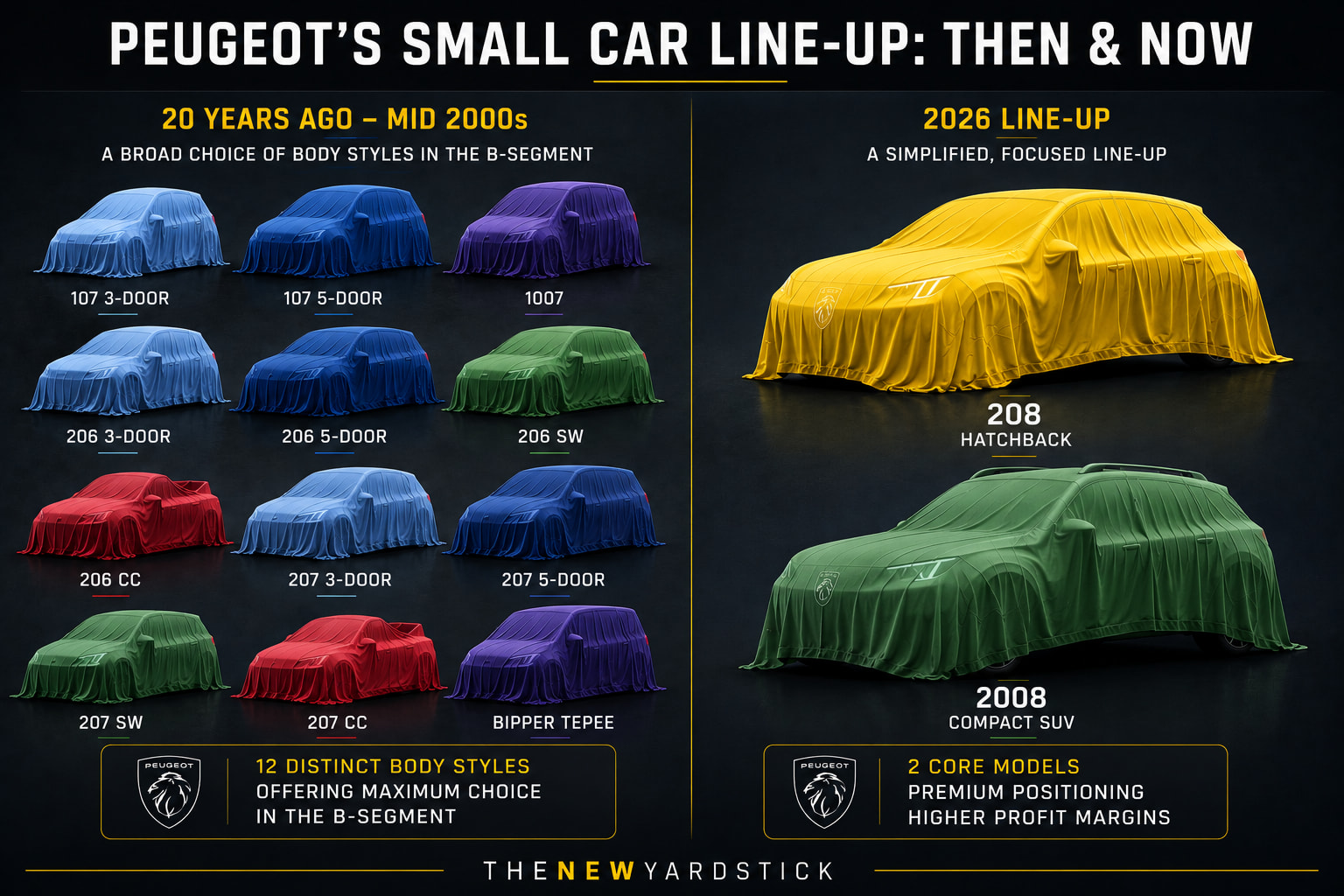
Rather than replacing every model at once, the French manufacturer could instead offer one of Europe's broadest premium small car ranges while giving buyers greater choice
across petrol, hybrid and electric powertrains.
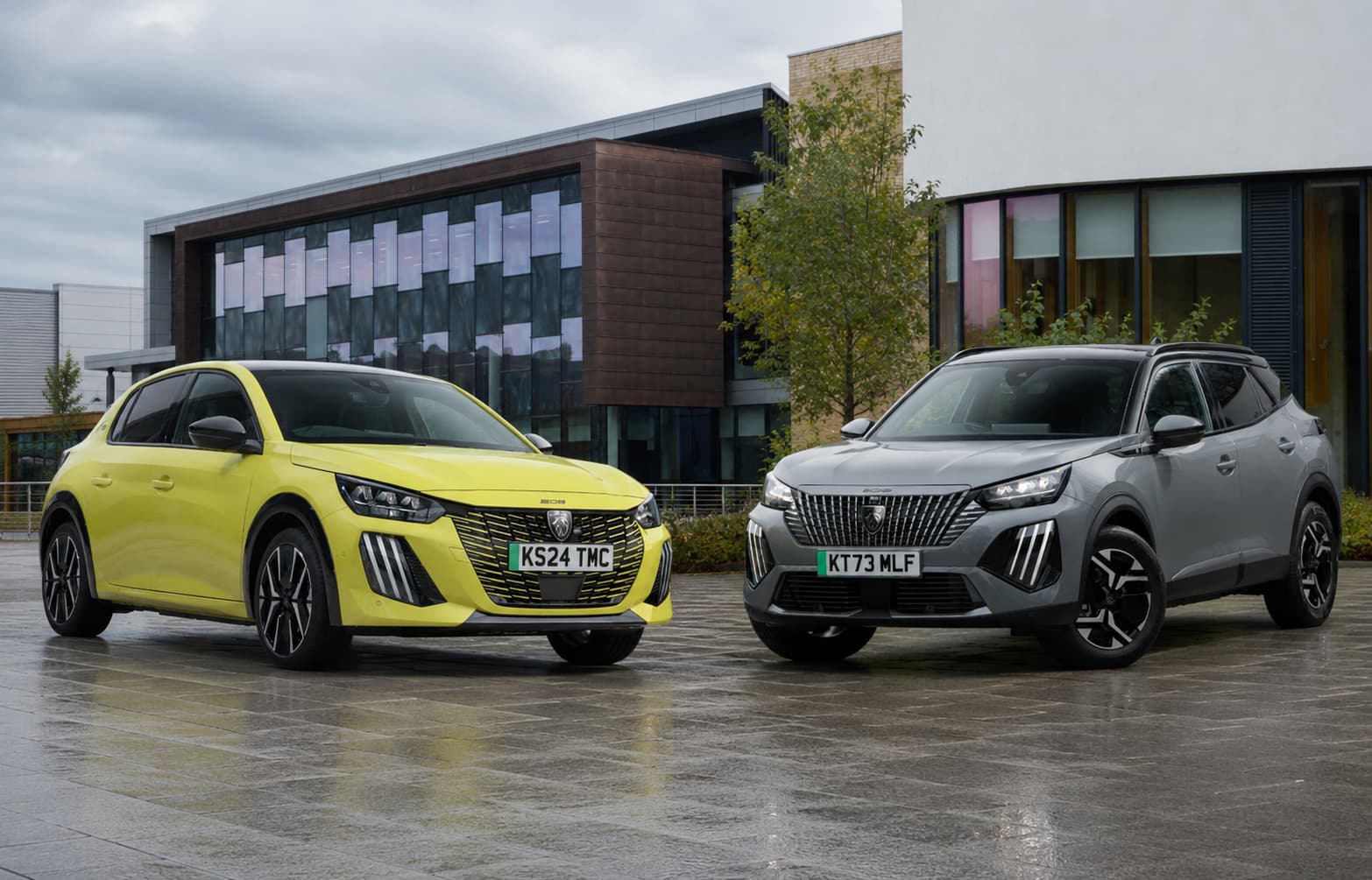
Replacing diesel with efficient 48-volt hybrid powertrains has helped keep the range competitive as buyer preferences have evolved. At the same time, Peugeot's 2023 updates introduced refreshed styling, upgraded technology and improved electric powertrains, with WLTP ranges for both the E-208 and E-2008 increasing to around 260 miles.
Combined with increasingly premium interiors, stronger pricing and the manufacturing efficiencies available through Stellantis, Peugeot now finds itself in a far stronger financial position than it did during the early 2010s. That raises an interesting question: rather than replacing both models outright, could Peugeot now afford to expand choice once again?
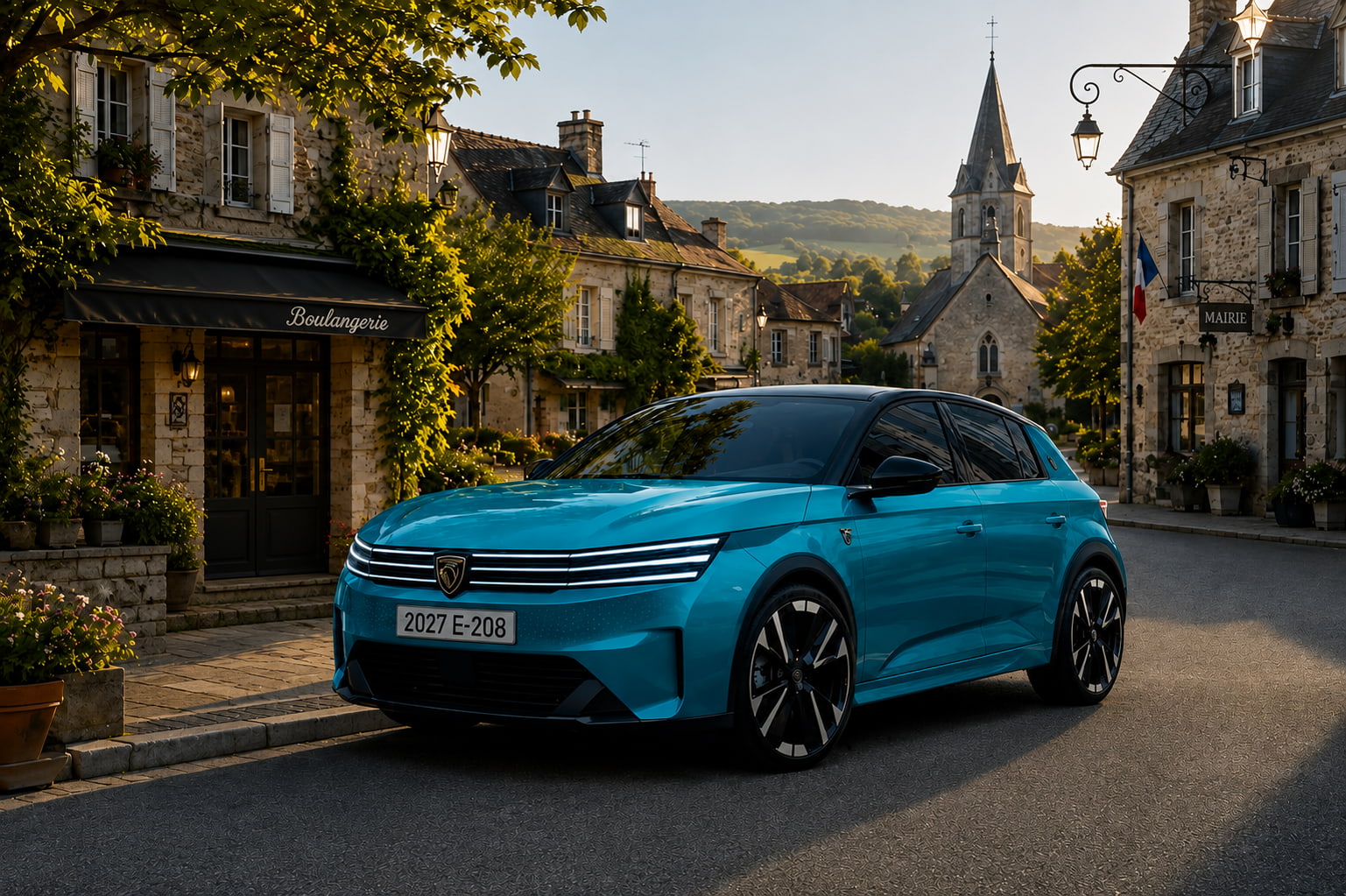
Rather than chasing outright class records, Peugeot is likely to position the E-208 just below the limits of what STLA Small can offer. A line-up centred around approximately 58kWh and 73kWh usable battery options would comfortably cover everything from everyday commuting to long-distance family use, with flagship versions capable of around 350 miles of WLTP range while remaining competitively priced. Above it, Alfa Romeo and DS Automobiles would still have room to justify larger batteries, more powerful drivetrains and additional luxury features.
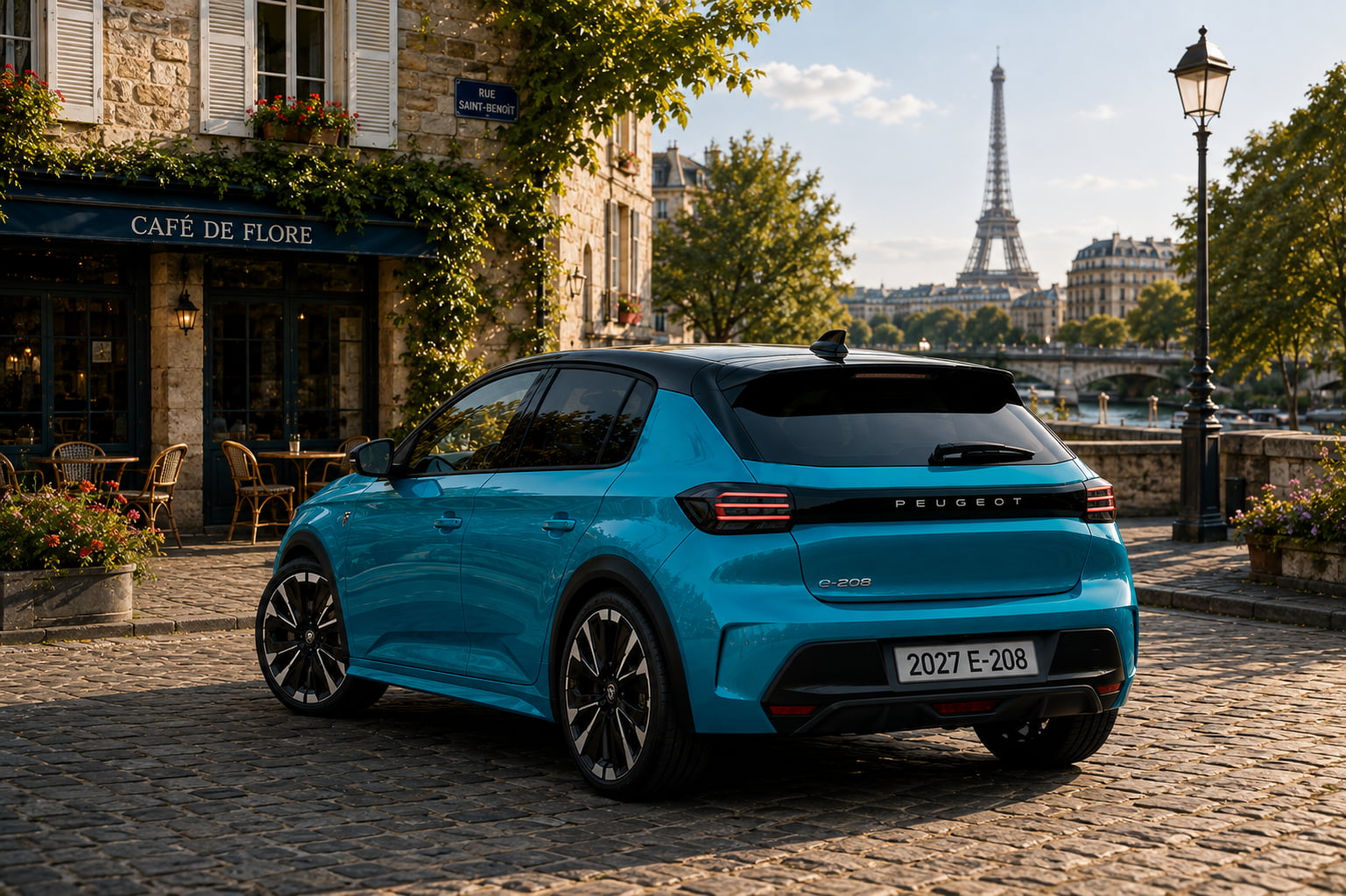
The result should be a small car that continues Peugeot's journey further upmarket. A new-generation i-Cockpit, faster infotainment, improved driver assistance systems and styling inspired by Peugeot's striking Polygon concept would build on the strengths of today's model, reinforcing the brand's increasingly premium positioning without abandoning the value that has helped make the current 208 one of Europe's best-selling superminis.
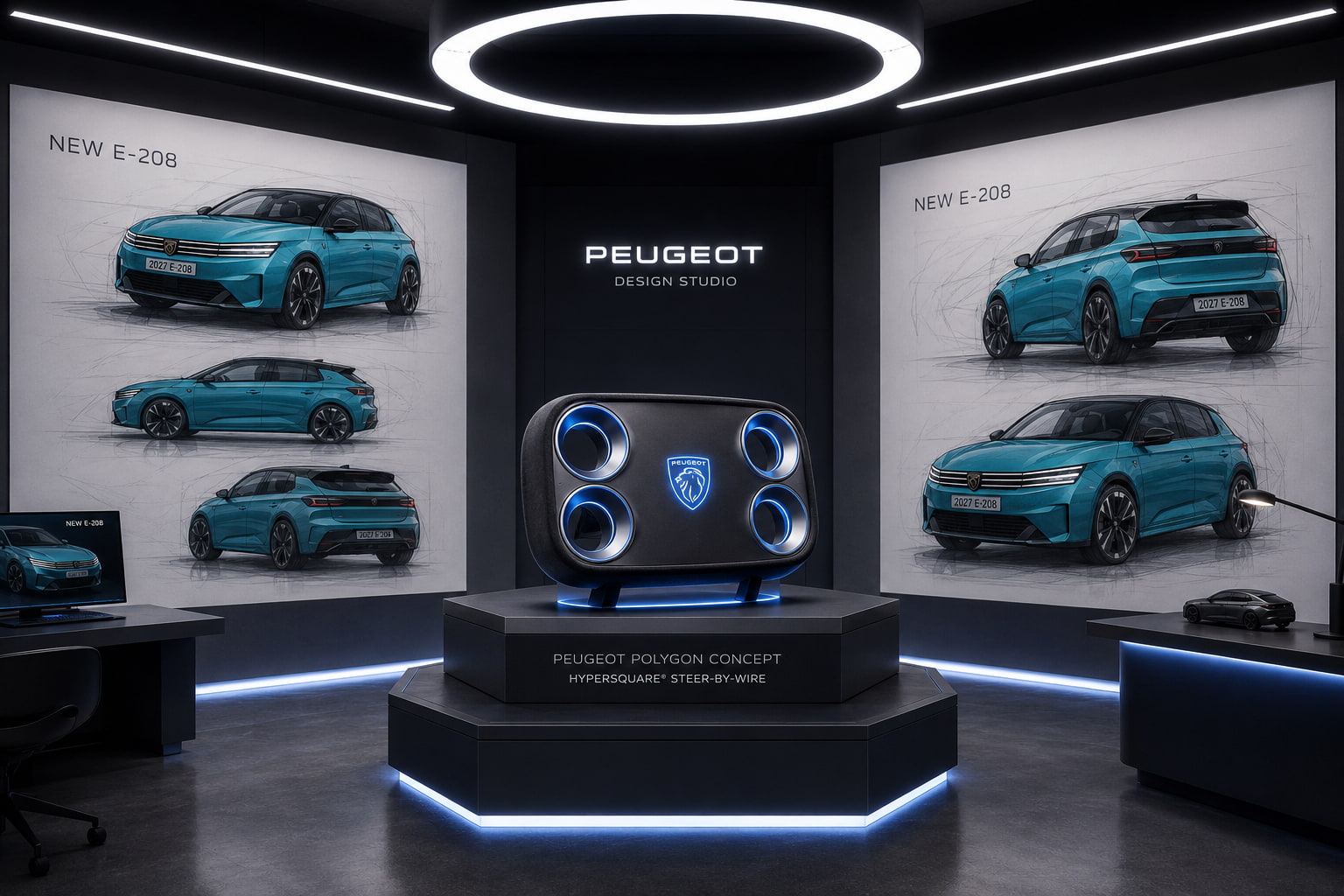
The next-generation E-208 won't just introduce a new electric platform – it could also mark the beginning of Peugeot's most radical interior evolution yet. Building on the success of the award-winning i-Cockpit, the new model is expected to adopt the brand's latest digital architecture, centred around the futuristic Hypersquare steer-by-wire controller.
Removing the mechanical connection between steering wheel and front wheels allows a more compact driving position, greater cabin flexibility and a cleaner dashboard design. Combined with faster software, richer graphics and improved driver assistance technology, the next E-208 could push Peugeot's premium ambitions even further while showcasing the innovation Stellantis is investing in its next generation of electric vehicles.
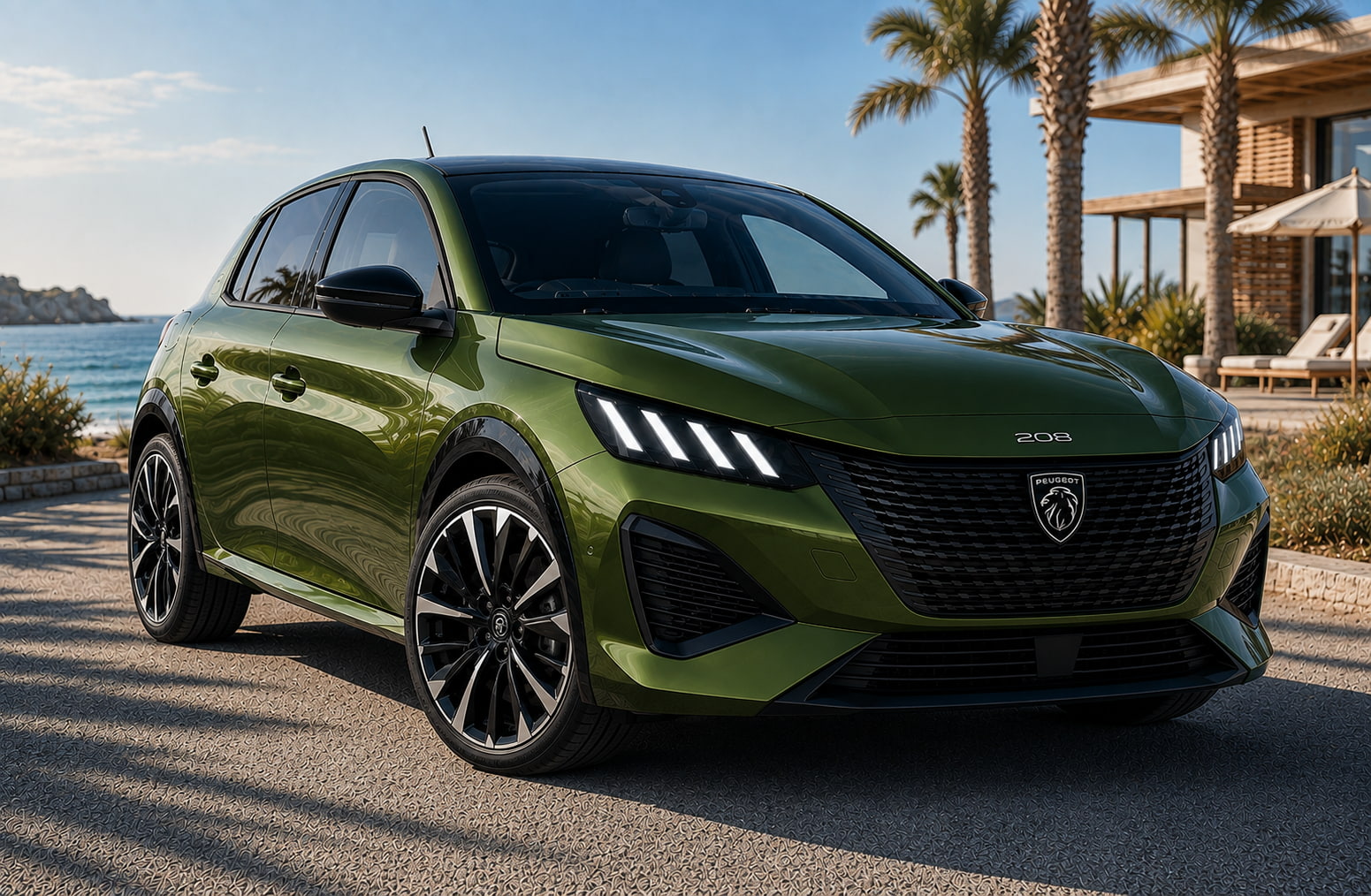
While an all-new electric E-208 could become Peugeot's technological flagship, the current-generation 208 still has plenty to offer. Remaining one of Europe's best-selling superminis around six years after its UK launch, the model continues to prove that strong design, impressive quality and well-judged engineering can extend a vehicle's lifespan far beyond the industry norm.
Rather than replacing a winning formula, Peugeot could instead allow the current car to continue alongside its electric successor, giving buyers the choice of efficient petrol and hybrid power without the compromises often associated with multi-energy platforms.
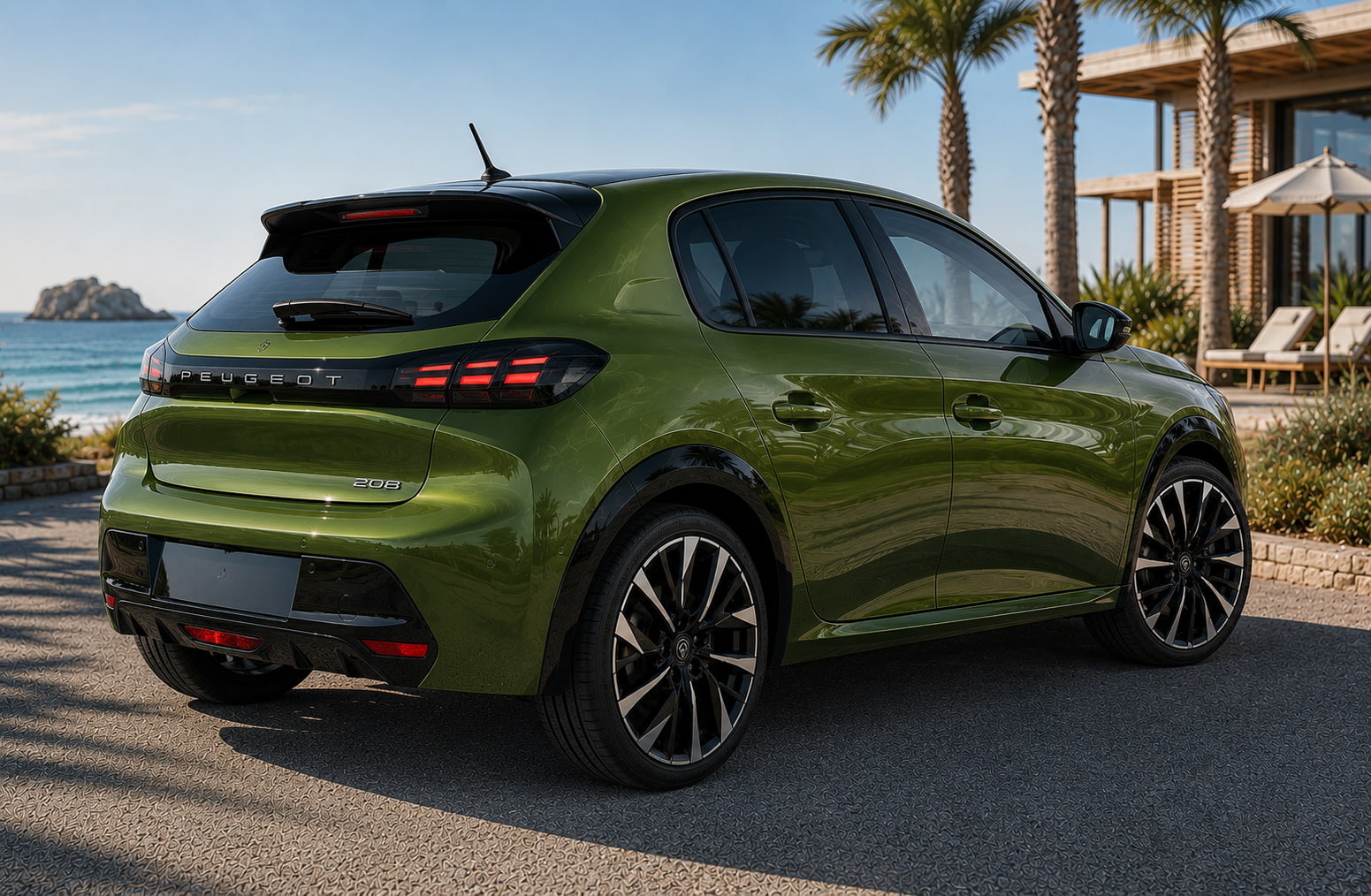
Under the bonnet, Peugeot would have little reason to reinvent the recipe. The latest 110hp and 145hp 48-volt Hybrid powertrains already rank among the strongest in the class, combining brisk performance with excellent fuel economy and lower emissions. Entry-level versions are also expected to benefit from Stellantis' updated 98hp 1.2-litre petrol engine, replacing the earlier wet timing belt with the more durable timing chain design already adopted by the hybrid models.
Combined with a second exterior facelift, subtle cabin improvements and continued competitive pricing, the 208 could remain one of Europe's strongest premium small cars while complementing, rather than competing with, the all-new STLA Small E-208.
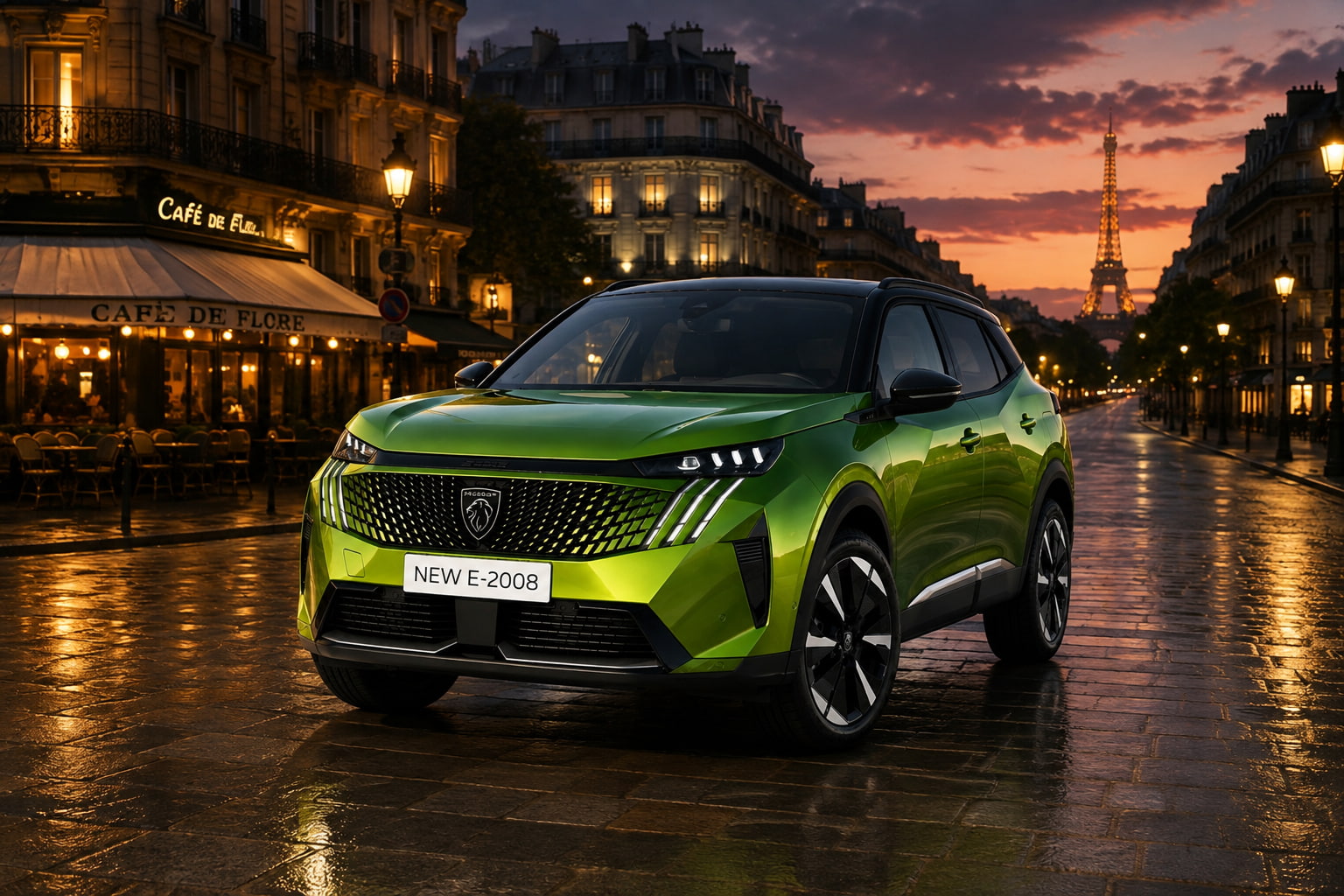
The 2008 has quietly become one of Peugeot's biggest success stories. Combining SUV styling with family-friendly practicality, a high-quality interior and competitive pricing, it continues to attract buyers across Europe despite approaching the latter half of its lifecycle.
With no immediate replacement expected, a second facelift would allow Peugeot to keep one of its strongest-selling models fresh while continuing to offer buyers the choice of efficient petrol, hybrid and electric powertrains within a proven package.
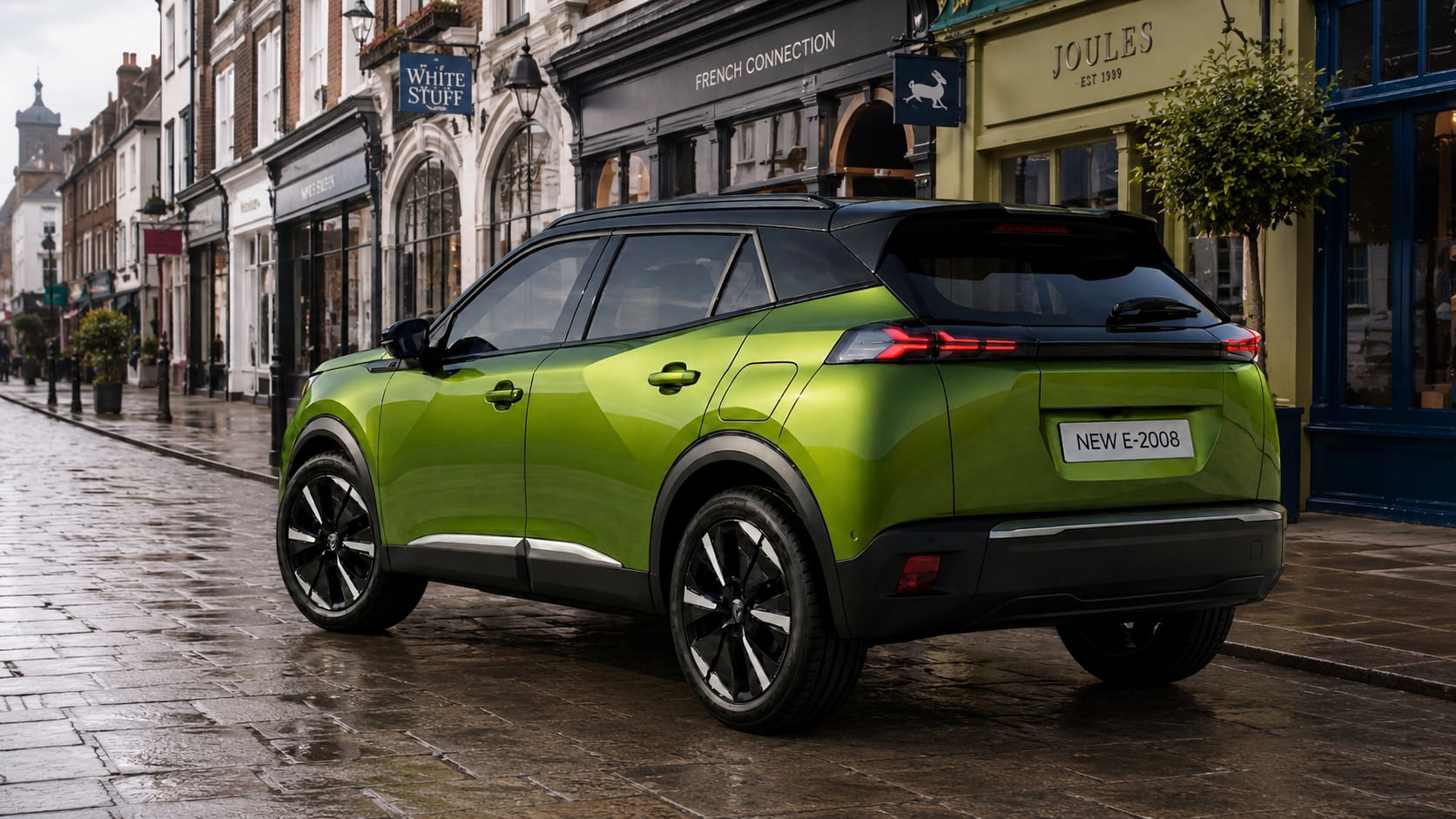
Buyers needing greater electric range can simply step up to the larger 3008, where 73kWh and 98kWh battery options deliver up to 440 miles of WLTP range, leaving the 2008 free to continue focusing on affordability, efficiency and everyday usability.
If Peugeot does adopt this three-car strategy, it wouldn't be expanding its line-up for the sake of it. Instead, each model would have a clearly defined role, allowing the brand to offer greater choice while building on the success of three already highly competitive products.
Image credits: The New Yardstick concept renderings, created using original digital artwork inspired by Peugeot design language. Peugeot trademarks and badges remain the property of Peugeot / Stellantis and are used for illustrative editorial purposes only.
You should also read:
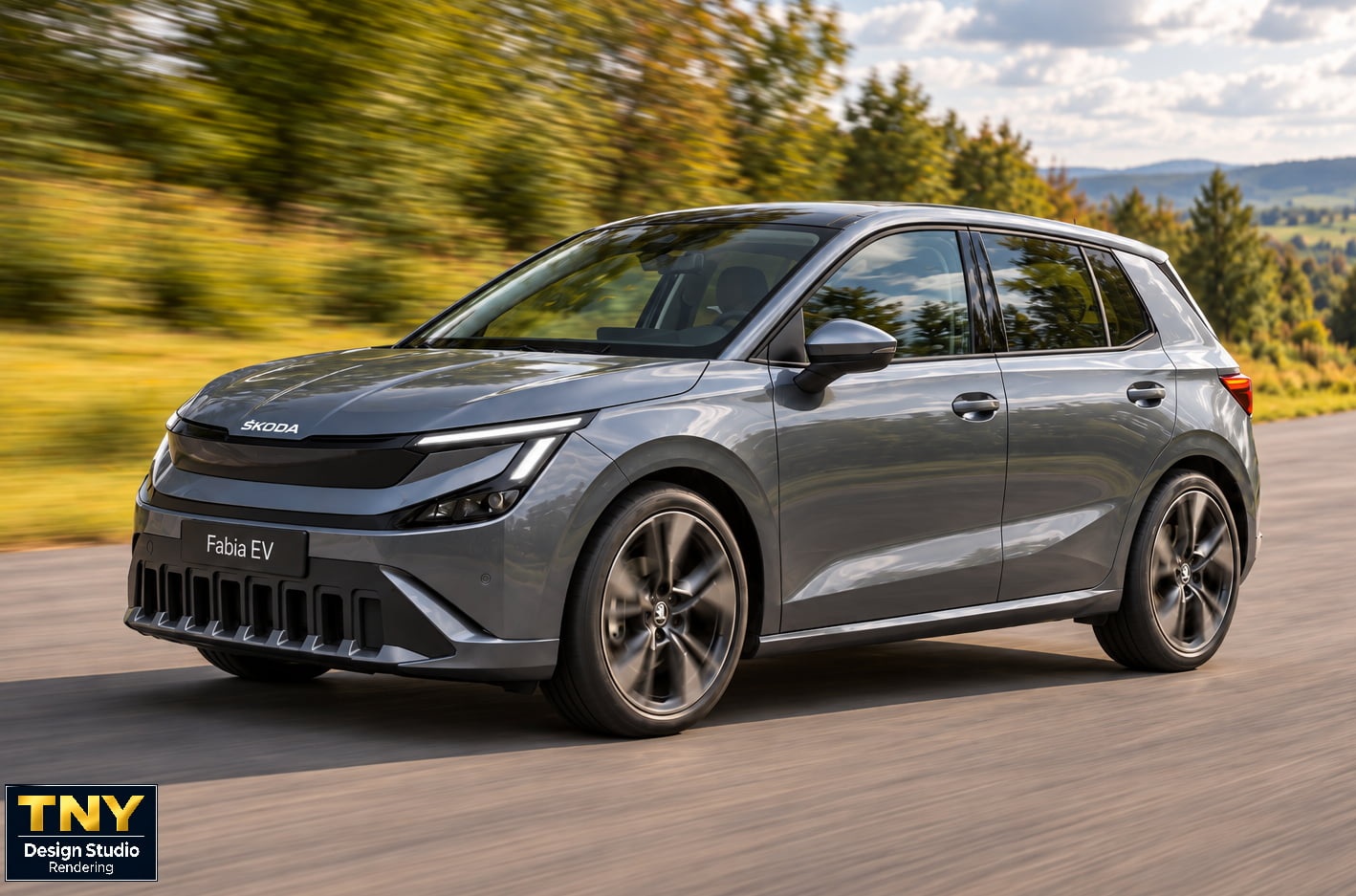
Škoda's Small Car Future: Cheaper EVs and a New Life for the Scala
Škoda has built its reputation on delivering practical, spacious cars at sensible prices. Models like the Scala demonstrate just how much car the Czech manufacturer can offer for the money, but as the industry moves towards electrification, can Škoda bring that same value to its smallest electric models? The incoming Epiq is…
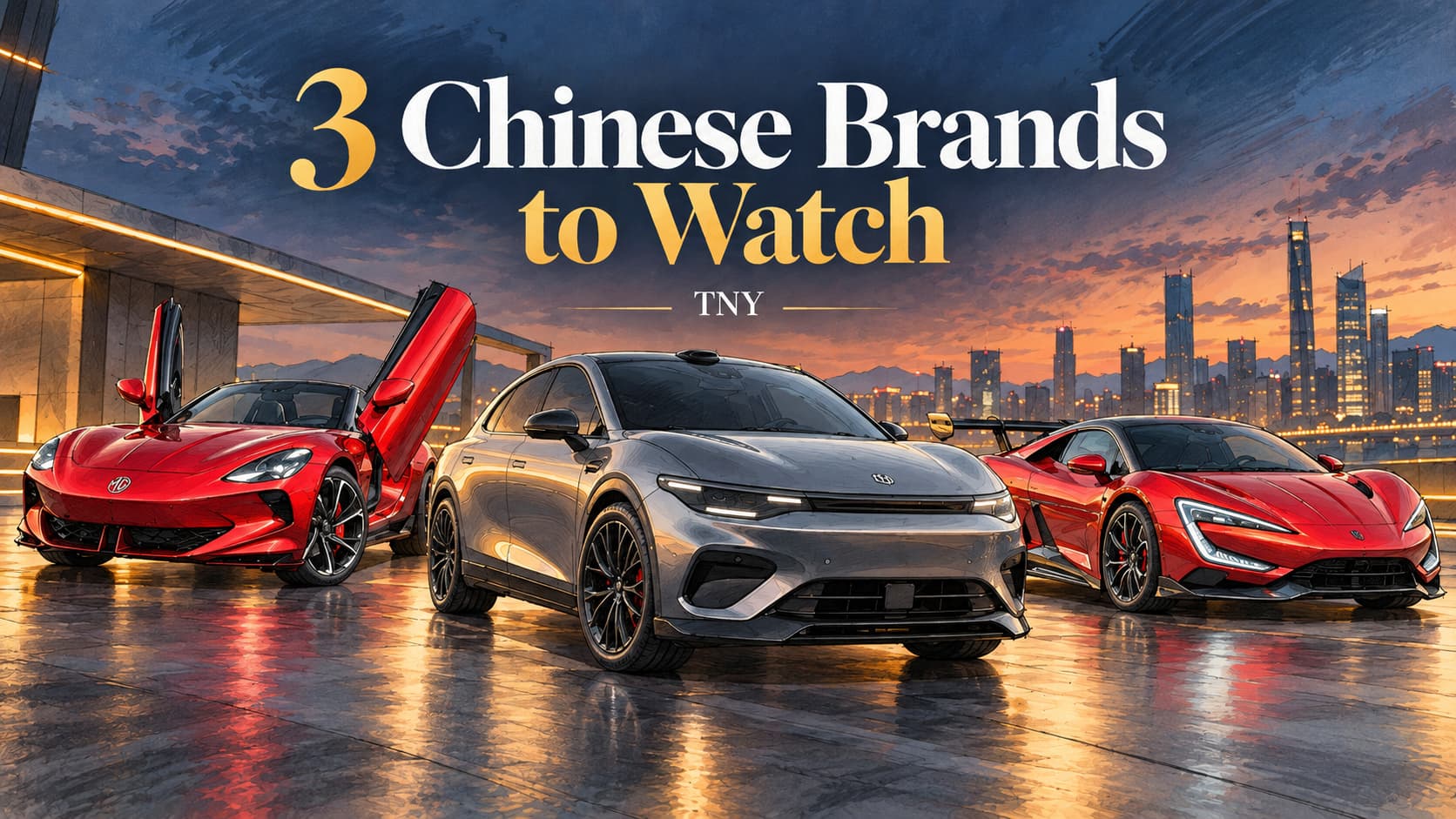
From Budget EVs to Supercars: Three Chinese Brands to Watch
Chinese carmakers are no longer simply arriving in Europe with a handful of cheap EVs. They are building factories, expanding dealer networks, developing premium sub-brands and, in some cases, moving faster than many established manufacturers can comfortably match. Three names in particular show just how varied that expansion has become. BYD brings…
Mazda 3e: Why Mazda Should Take Another Shot at the Small EV
Mazda has already taken one shot at the compact electric car. The MX-30 brought distinctive styling and some genuinely interesting ideas, but its limited electric range and unconventional packaging left it struggling to compete as the EV market rapidly moved forward. That increasingly left Mazda in a difficult position. Its continued reliance…
Dacia Spring: Design Studio Explores Three Ways Forward
The Dacia Spring has become one of Europe’s most important affordable EVs, proving that electric cars do not need huge batteries, enormous power outputs or premium prices to make sense. But deciding what replaces it could be considerably more complicated. Dacia now has the striking Hipster concept exploring an even smaller, more…
BMW and Mercedes Are Reinventing the Premium Hatchback - But Not in the Same Way
The premium hatchback market is approaching a major turning point. By around 2028, both the BMW 1 Series and Mercedes-Benz A-Class are expected to enter a new generation, but with two very different strategies. BMW is likely to split its compact range in two, a new generation of petrol and hybrid 1…
Design Studio: Three Ways Alfa Romeo Could Reinvent the Giulia
Design Studio is where ideas take centre stage, and few future models are more important than the next Alfa Romeo Giulia. With the brand preparing to transition onto Stellantis' STLA Medium platform, the challenge is no longer simply replacing an acclaimed sports saloon – it's deciding what the Giulia should become. Should…
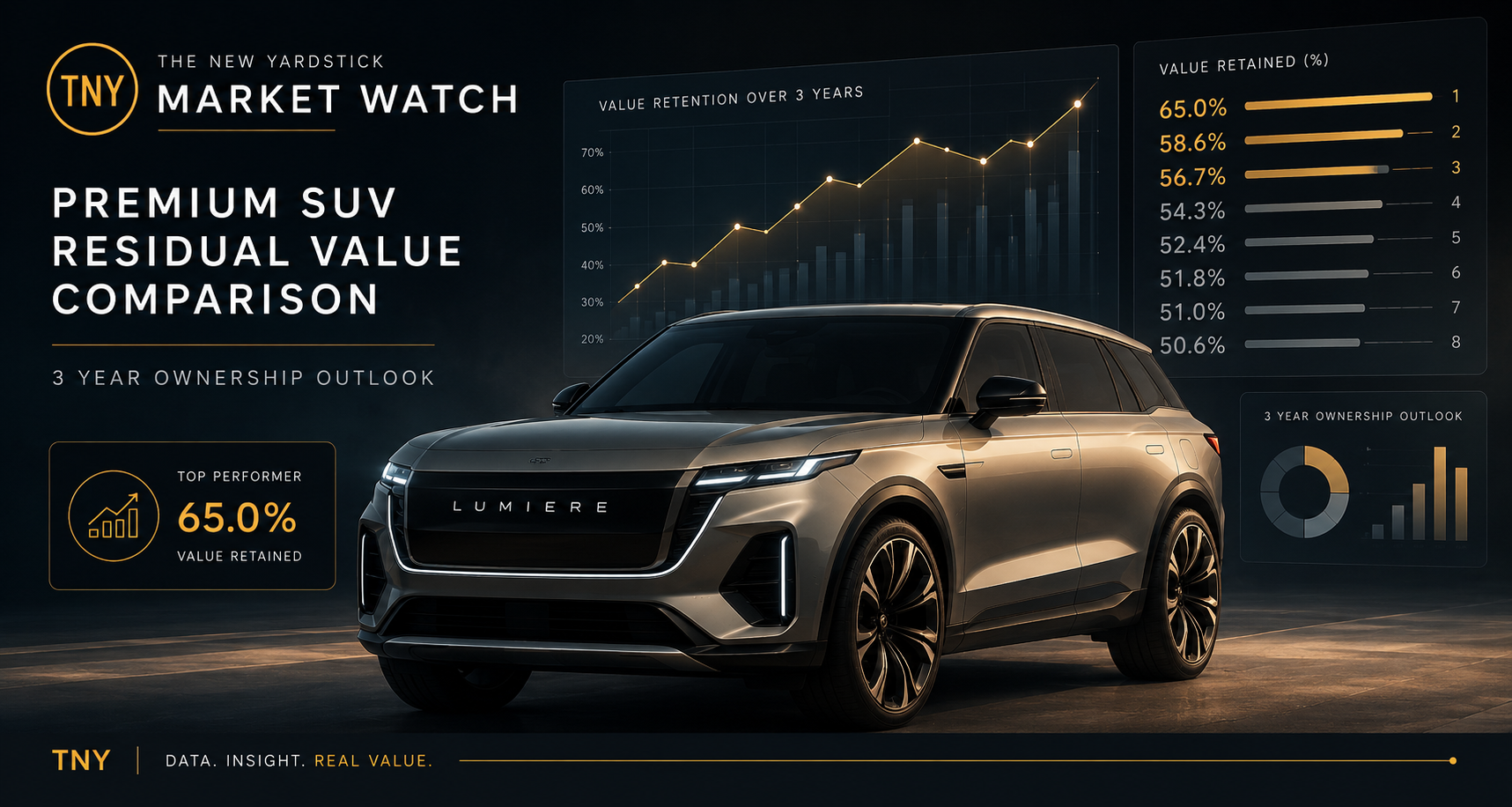
Premium SUV Residual Values: The New Yardstick Market Watch
Buying a premium SUV is a significant investment, but the list price is only part of the story. To discover which models best protect owners' money, The New Yardstick Market Watch compared eight premium SUVs using identical Auto Trader search criteria. Every vehicle is registered from 2023 onwards, has covered no more…
Small, Smart Again? Why Smart May Be Heading Back to its Urban Roots
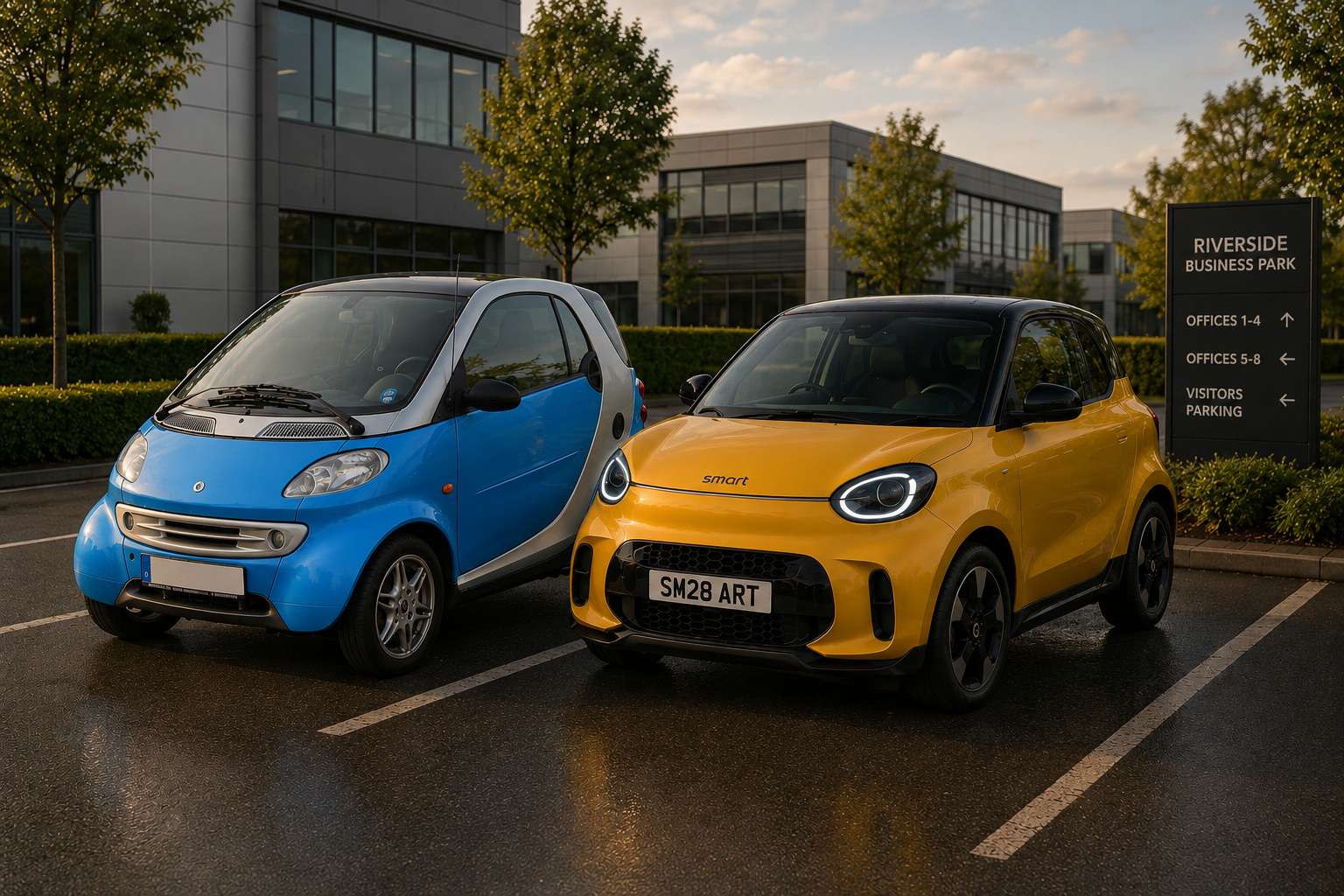
For most of its history, Smart built its reputation around doing one thing exceptionally well. Our exclusive image compares the original Smart Fortwo and our "next generation" interpretation. Tiny dimensions, clever packaging and a focus on urban mobility made the original Fortwo one of the most recognisable city cars ever produced. Yet…