Paris Motor Show 2026: TNY Explores the Biggest Reveals from Day One
Beyond the spectacular concept cars and elaborate displays, Paris offers an important glimpse of what could be arriving on European roads over the next few years, including models that British buyers may soon be able to order.
Following our extensive pre-show preview, TNY now explores the actual reveals, unexpected surprises and most significant developments from Paris 2026.
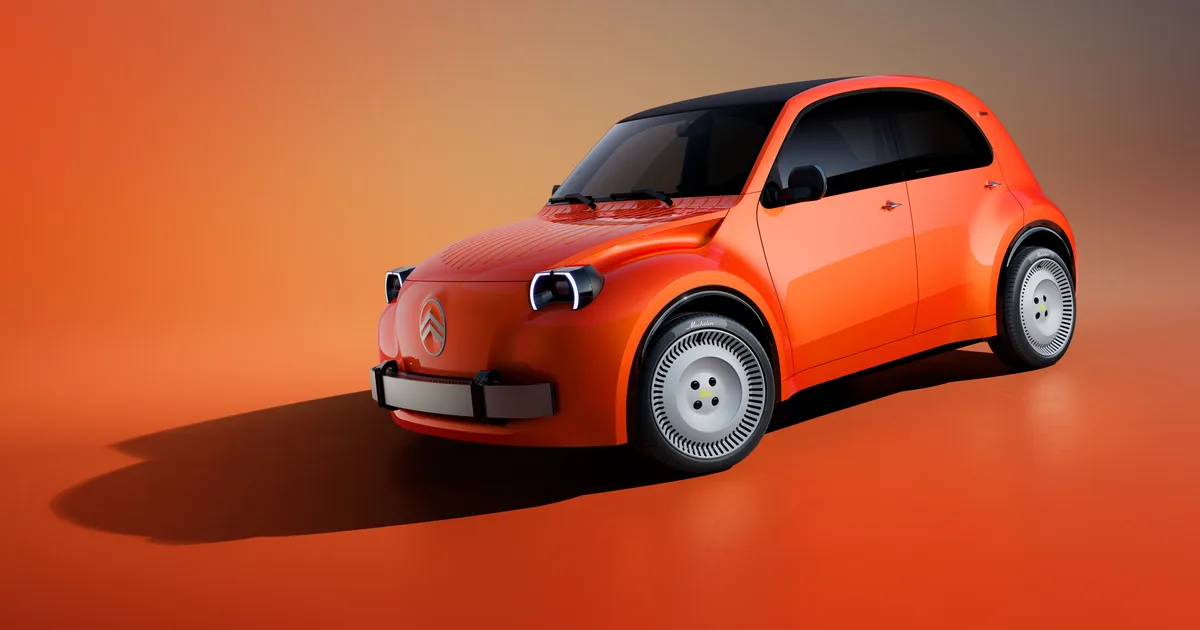
We kick off this roundup with the Citroën 2CV, one of the most eagerly anticipated concepts at this year's Paris Motor Show. Measuring just 3.76 metres long, the electric reinterpretation brings the original's distinctive rounded headlights, simple proportions and playful character into the modern era, while promising a practical and spacious interior.
More importantly, Citroën is looking beyond nostalgia. The company is targeting a starting price of around €15,000, with European production planned for 2028. The proposed M1E category could help make such an affordable electric car commercially viable, filling the substantial gap between today's Ami quadricycle and ë-C3 supermini.
For Citroën, this could mark a welcome return to the affordable, unconventional motoring that made the original 2CV famous.
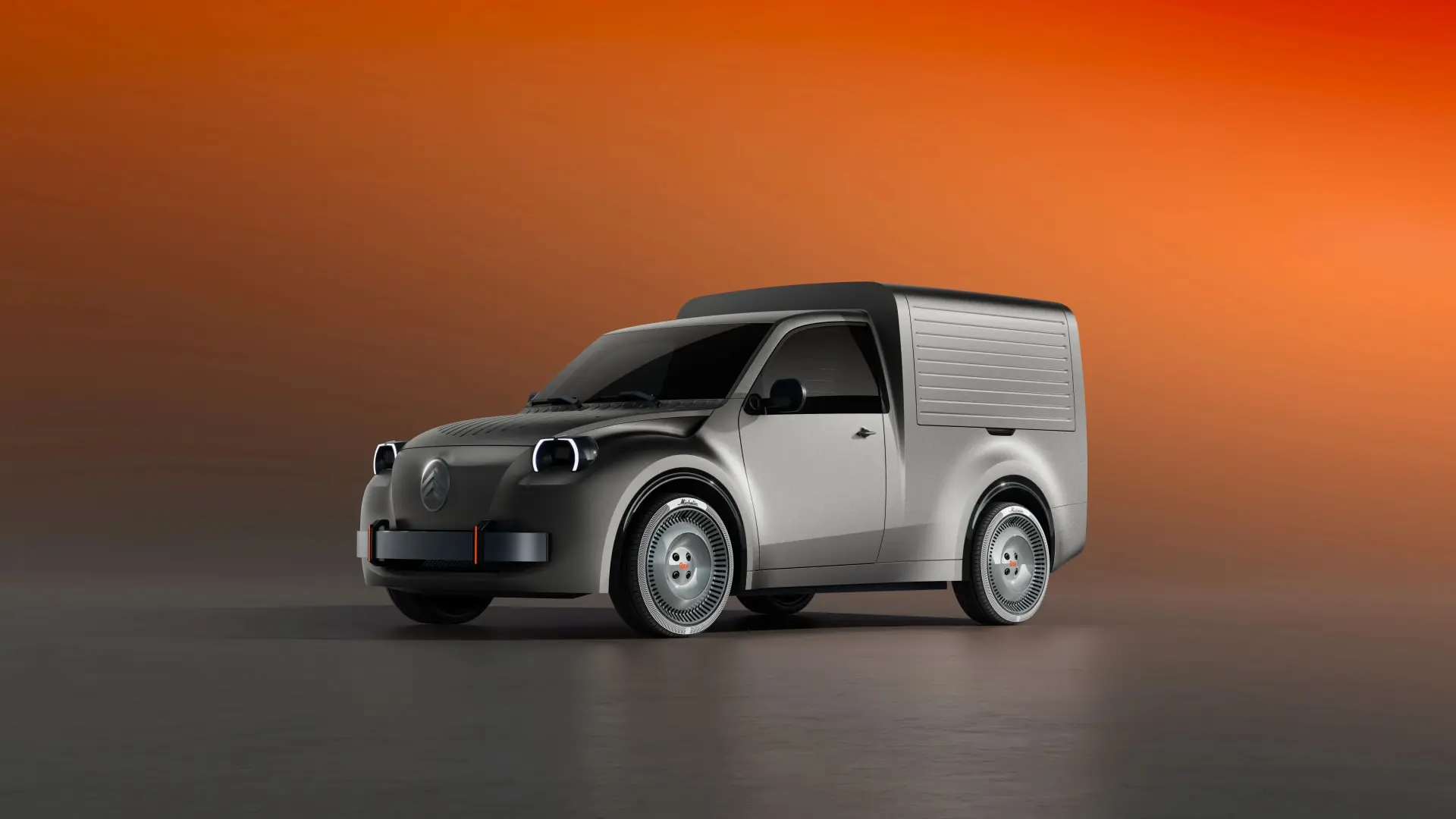
While the return of the 2CV was widely anticipated, Citroën had another surprise waiting in Paris: the electric 2CV Fourgonnette. Inspired by the original 1950s delivery van, the concept combines the revived 2CV's distinctive styling with a practical, boxy rear body designed for carrying goods.
Should it reach production, the Fourgonnette could become a spiritual successor to the much-loved C15 and later Nemo, offering affordable, no-nonsense transport for small businesses. Positioned between the Ami Cargo and ë-C3 Van, with the larger ë-Berlingo above, it could give Citroën four compact electric commercial vehicles, and six electric vans overall when including the ë-Dispatch and ë-Relay.
For now, the Fourgonnette remains a design study, but its combination of character, practicality and potentially low running costs makes a convincing case for production.
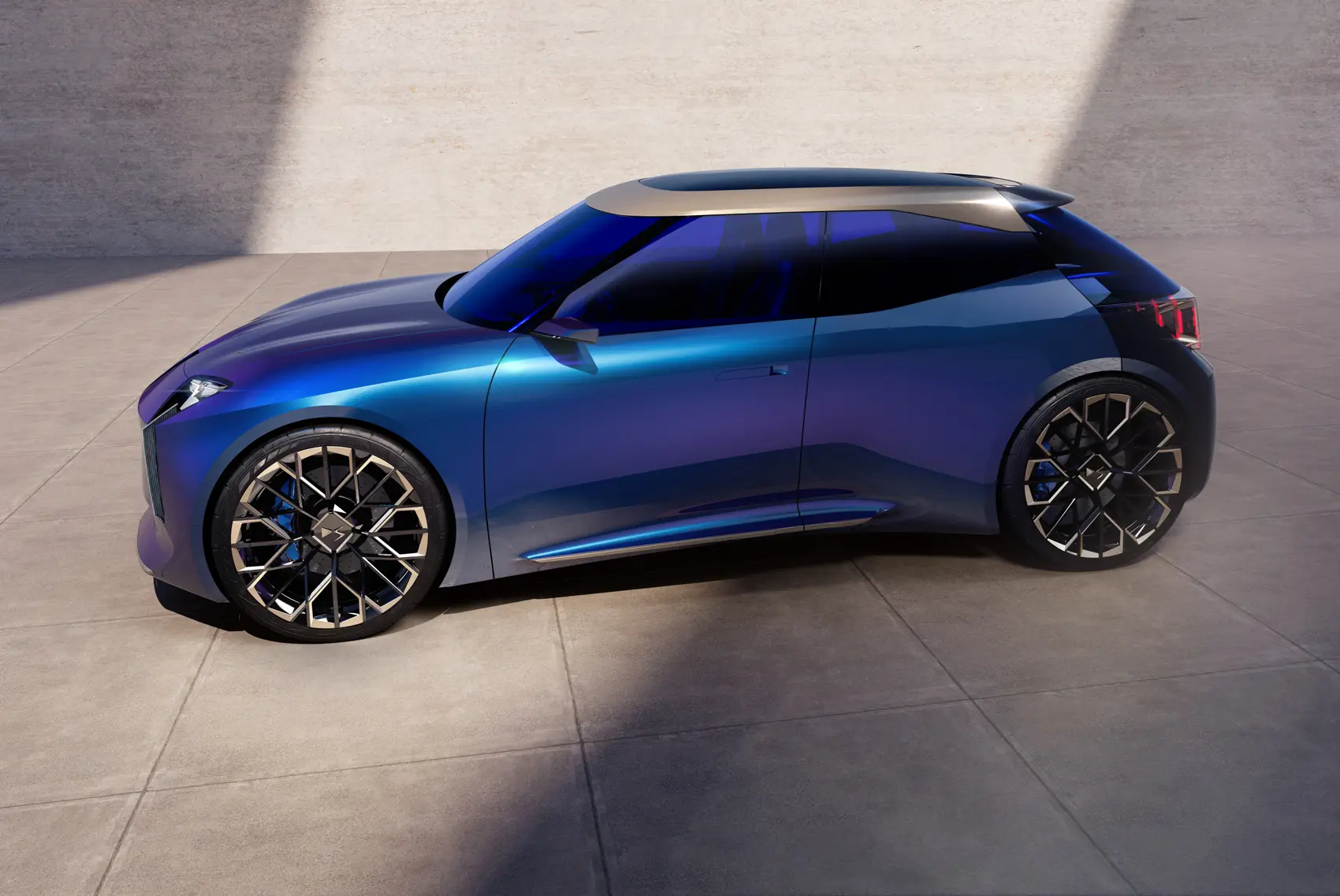
DS has unveiled the striking F3VER concept in Paris, previewing a welcome change of direction for its smallest model. Rather than continuing with the crossover formula of today's DS 3, the French premium brand appears ready to return to the traditional hatchback proportions that made the original DS 3 so distinctive.
Measuring 4.19 metres long, the electric concept combines dramatic lighting, sculpted bodywork and a more athletic stance with the promise of greater everyday practicality.
Expected to influence the next-generation DS N°3, the F3VER could represent a much-needed return to the compact, stylish hatchback that first established DS as a standalone premium contender.
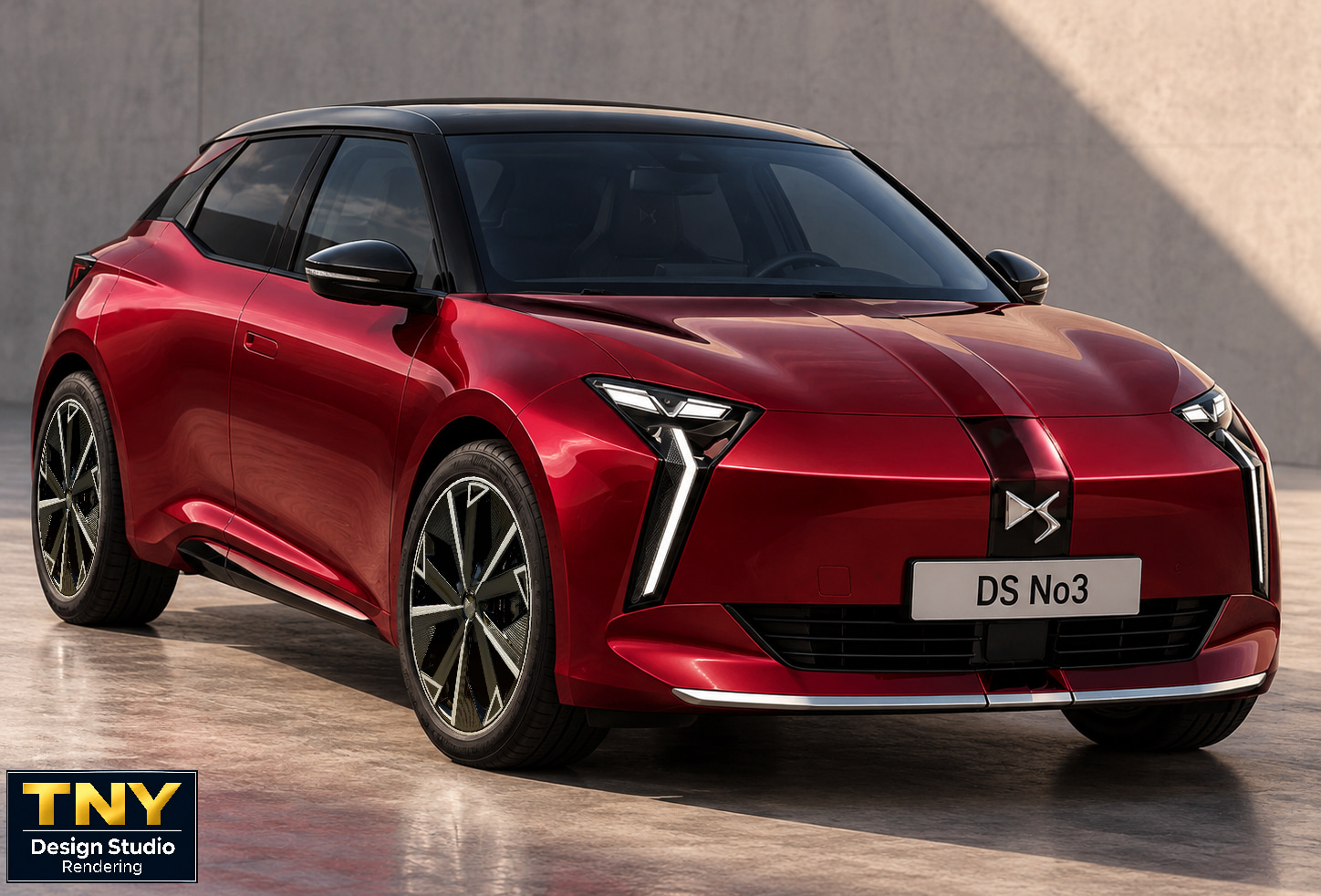
TNY Design Studio imagines how the F3VER could evolve into a showroom-ready DS N°3, retaining its distinctive styling with more conventional production details. Expected around 2028, the electric hatchback would sit above the Peugeot e-208 in Stellantis's hierarchy, potentially sharing the forthcoming STLA Small architecture with the next-generation 208 and Corsa.
DS is targeting at least 310 miles of range, potentially reaching 342 miles, although battery capacities and power outputs remain unconfirmed. The N°3 would provide a stylish, more accessible entry point to DS ownership, complementing the relatively new N°4, N°7 and N°8 to complete a refreshed four-model family.
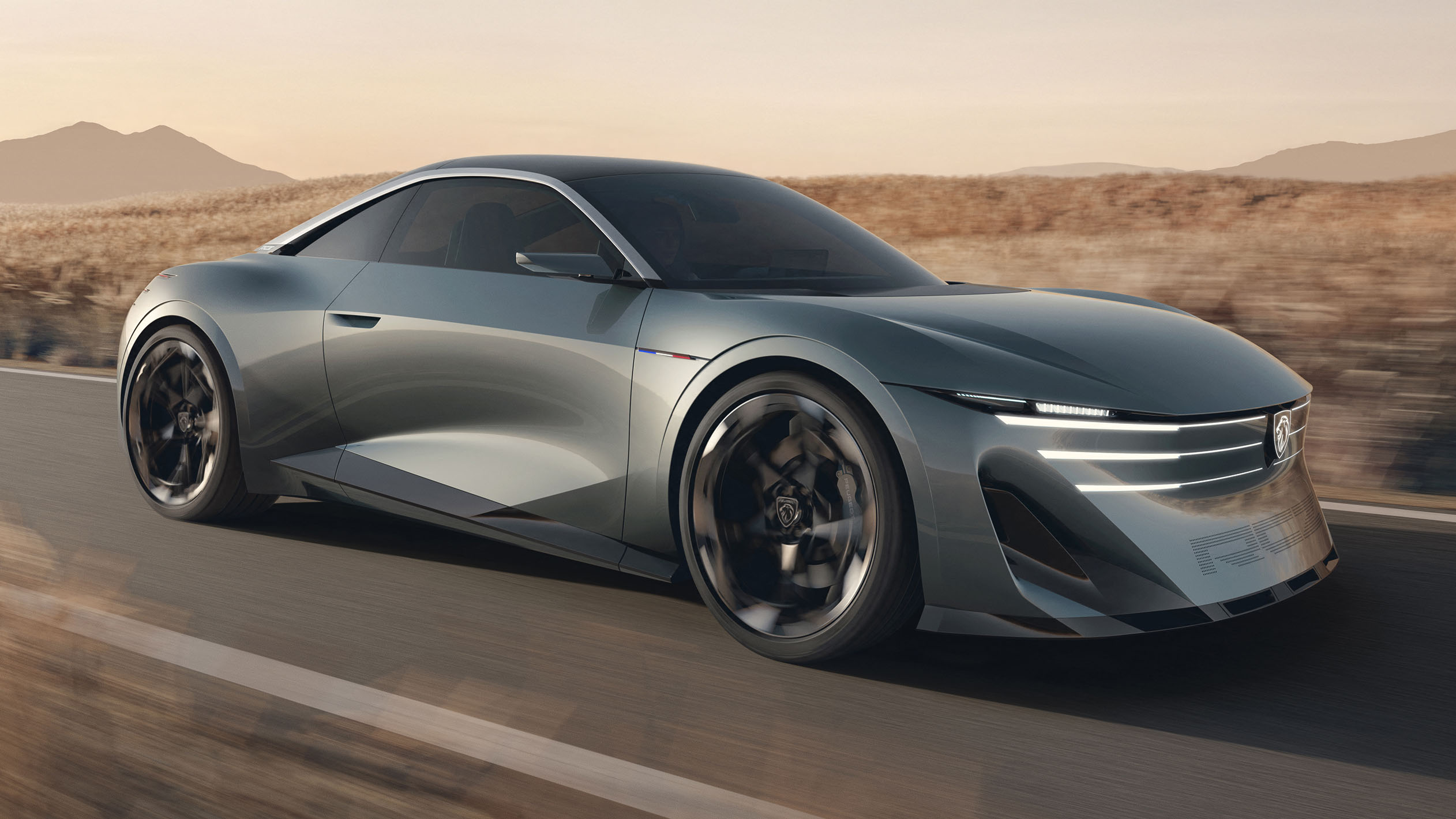
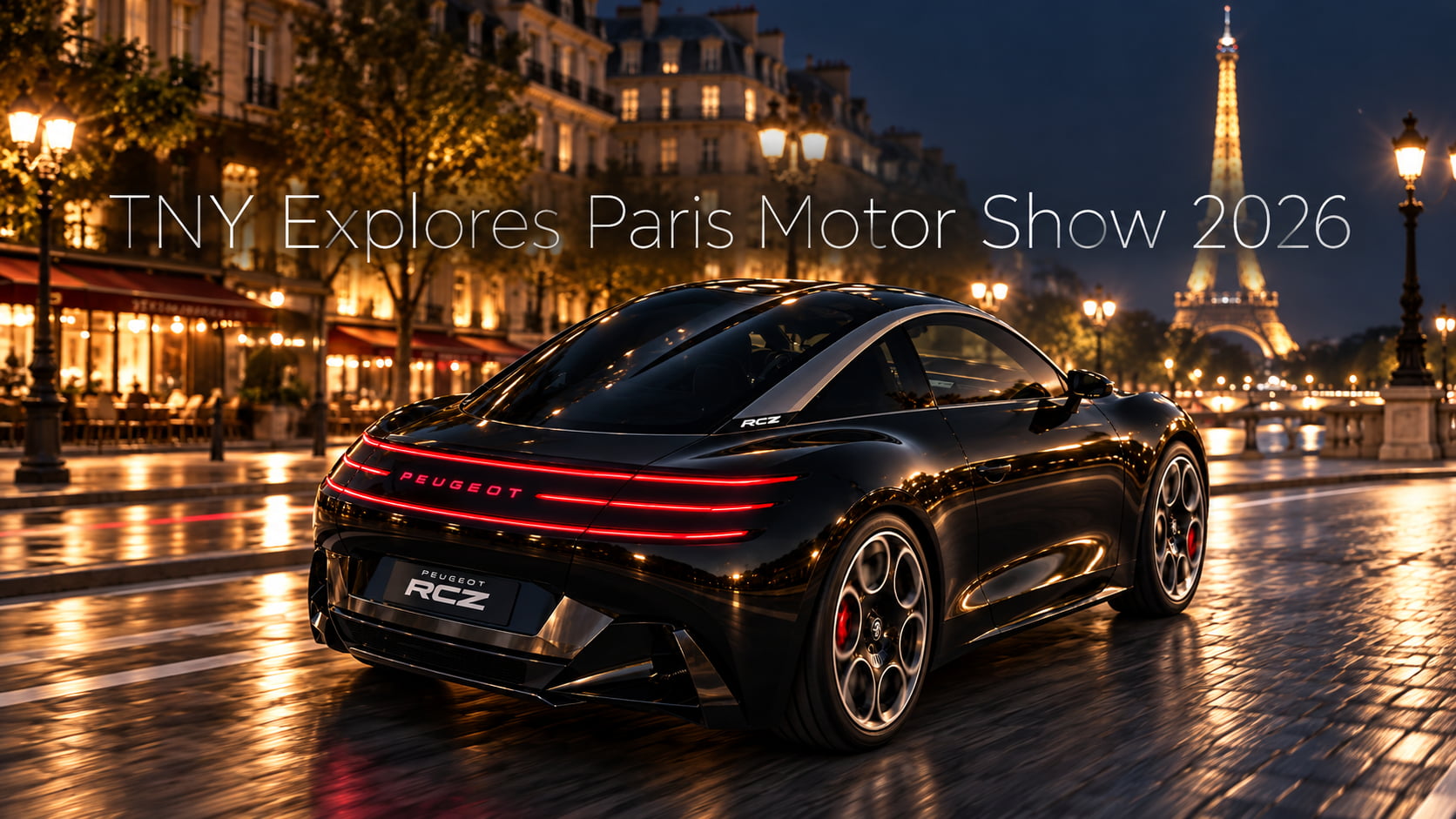
Peugeot has brought back one of its most distinctive names with the RCZ Vision, a striking electric coupé unveiled at the Paris Motor Show. Inspired by the original RCZ, the concept introduces Peugeot's new Feline Future design language, combining muscular proportions with sharp, futuristic detailing.
Beneath the dramatic bodywork lies equally ambitious technology, including a 500bhp electric powertrain, a solid-state battery and 1,000V architecture. Peugeot claims up to 372 miles of range and 10–80% charging in under ten minutes.
Although production remains unconfirmed, the RCZ Vision offers an exciting glimpse of how Peugeot could revive its sporting coupé heritage.
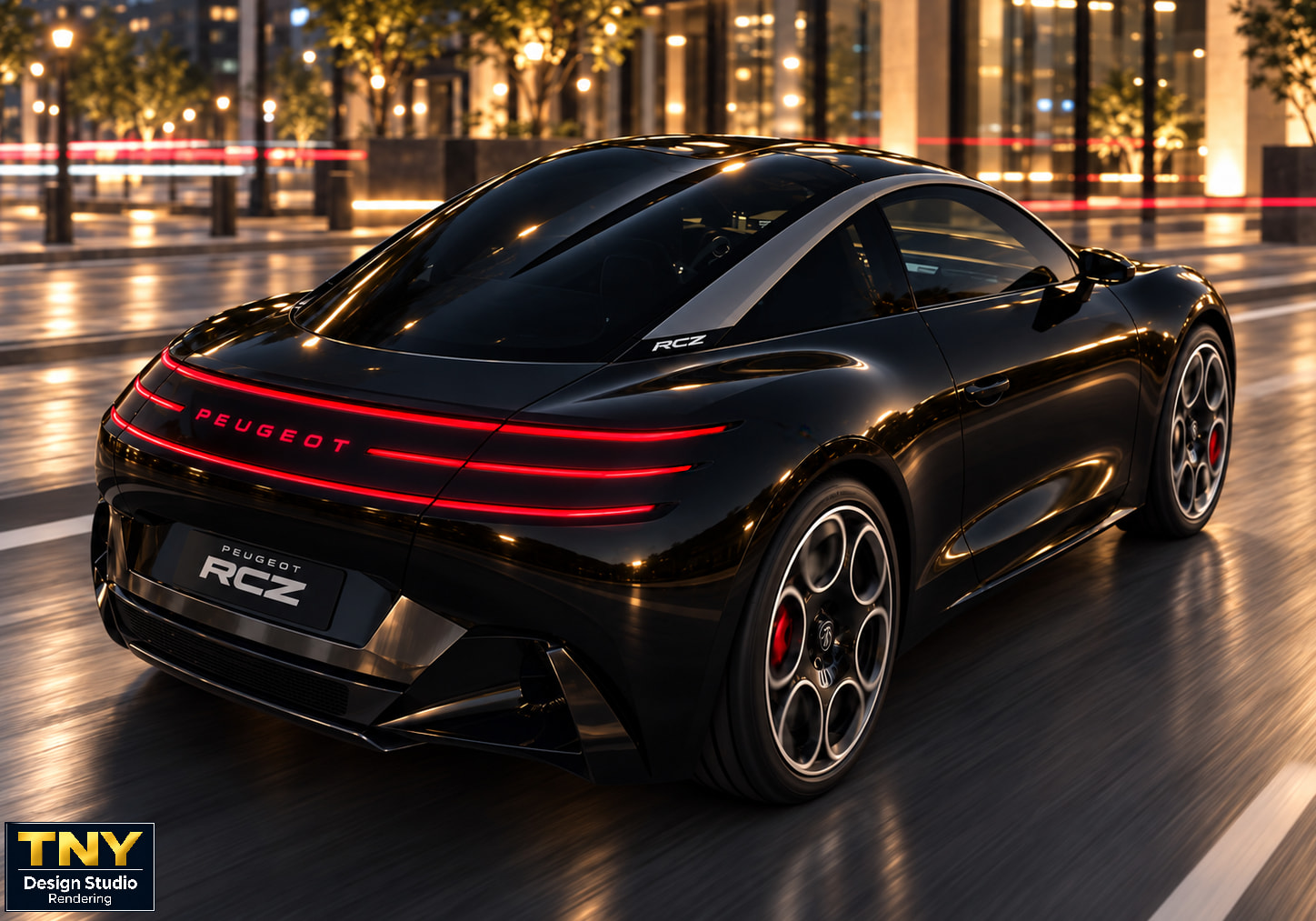
TNY Design Studio takes the RCZ Vision a step further, imagining how Peugeot's dramatic electric coupé could look as a production model. The original RCZ surprised many when Peugeot turned its striking concept into a showroom reality, proving that ambitious designs needn't remain motor-show fantasies.
From the RCZ to the elegant 508 and today's unconventional 408, Peugeot has a history of producing distinctive alternatives to conventional cars. A revived electric RCZ alongside the 408 could give the brand two aspirational non-SUV flagships.
Peugeot has arrived in Paris with an impressive collection of new concepts this year, suggesting its designers are feeling particularly adventurous.
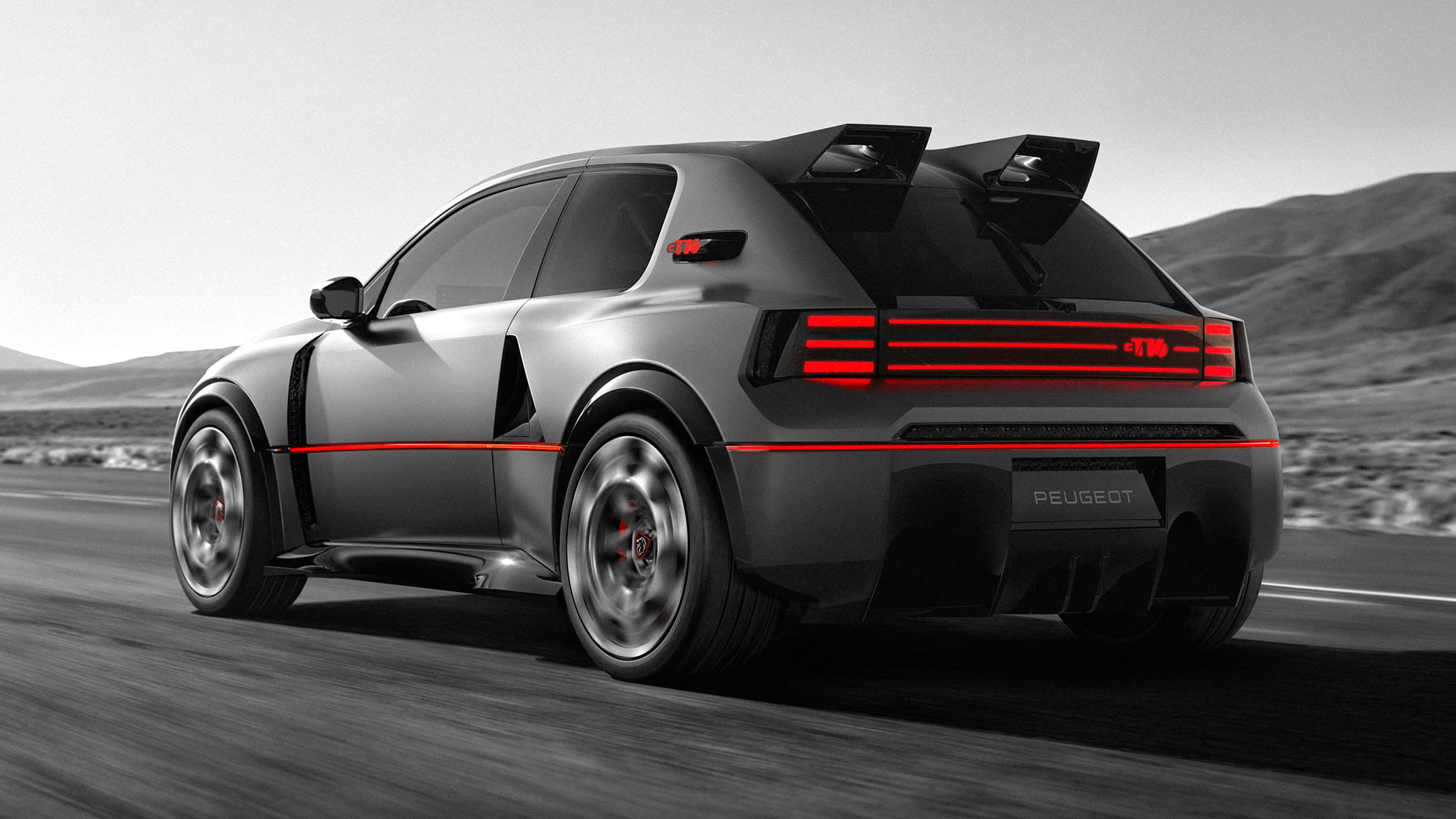
Alongside the RCZ Vision, Peugeot has unveiled the extraordinary E-T16 Concept, a wild electric tribute to the legendary 205 Turbo 16 rally car. Developed with Peugeot Sport, the 816hp hyperhatch promises astonishing performance, accelerating from 0–186mph in just 16 seconds, while offering styling clues for the next-generation e-208.
Peugeot's third concept at Paris is the previously revealed Polygon, showcasing the brand's radical Hypersquare steering control and future design language.
Elsewhere, Peugeot is displaying its 9X8 endurance racing car and the iconic 205 GTi, alongside its complete production range. Together, they demonstrate Peugeot's renewed focus on distinctive design, technology and driving enjoyment.
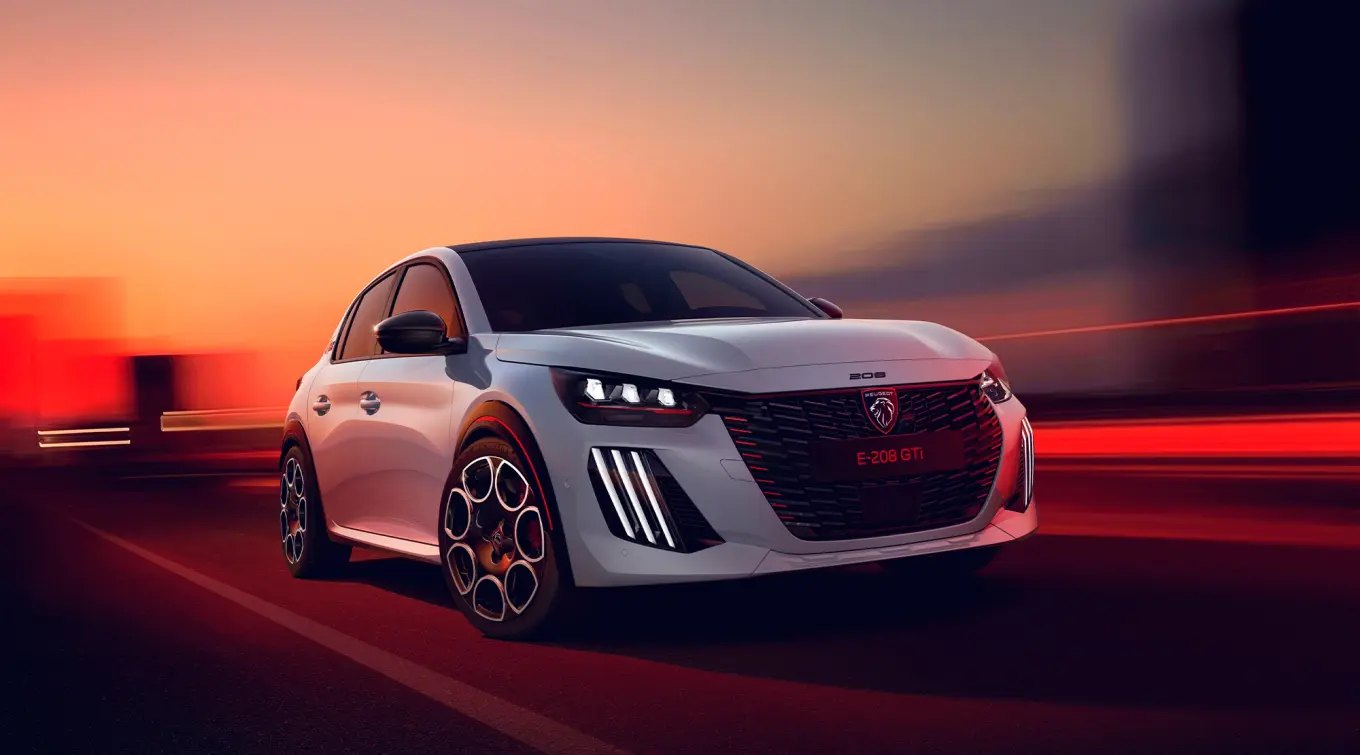
Not everything Peugeot has brought to Paris is a futuristic concept. The French manufacturer is also showcasing its latest production model, the E-208 GTi, marking the long-awaited return of the legendary GTi badge.
Developed by Peugeot Sport, the electric hot hatch produces 281bhp and 345Nm of torque, reaching 62mph in just 5.5 seconds. Its 54kWh battery delivers up to 233 miles of WLTP range, while a lowered suspension, widened track and mechanical limited-slip differential promise genuine hot-hatch handling. UK prices start at £34,995.
And this isn't the end of Peugeot's Paris surprises, with the manufacturer promising another exclusive reveal on 18 October, the show's final day.
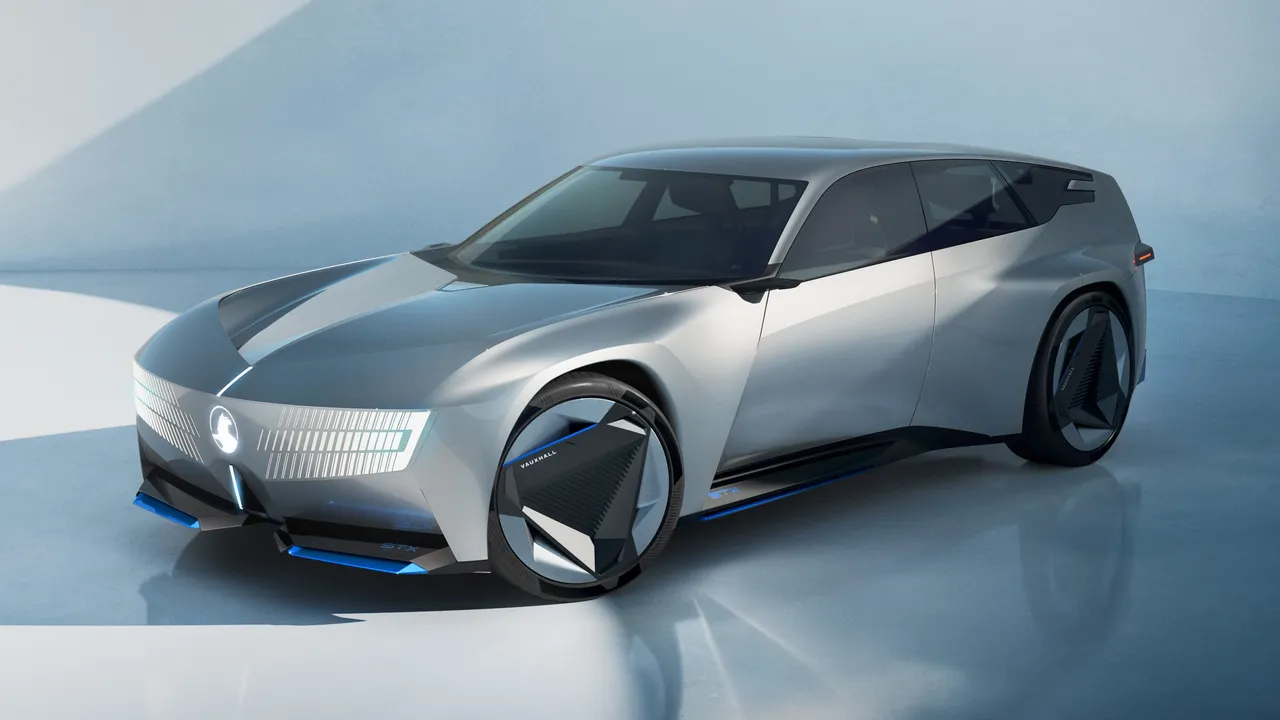
Vauxhall and Opel have unveiled the striking STX (Sports Tourer eXperimental) concept in Paris, offering a glimpse of the next generation of estate cars and the brand's evolving design language. Its sleek proportions, dramatic lighting and aerodynamic detailing introduce a more sophisticated interpretation of the familiar Vizor front end.
The STX also debuts Vauxhall's redesigned Griffin emblem, which loses its traditional flag for the first time.
Although not officially confirmed as the next Astra, the concept provides some intriguing clues about how a future Astra Sports Tourer could look, while introducing styling elements expected to influence Vauxhall's wider range from 2027.
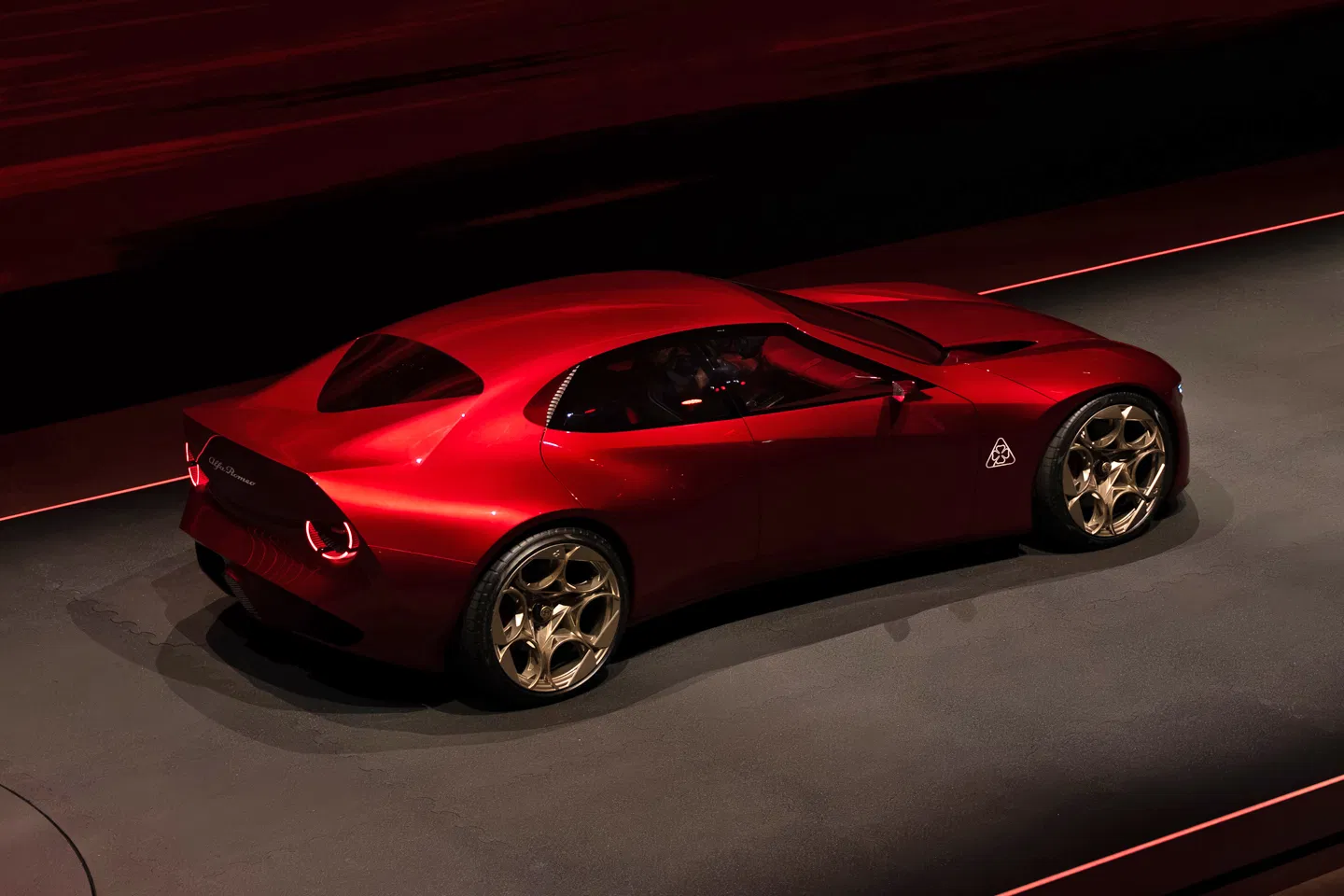
Alfa Romeo has brought a particularly dramatic design statement to Paris with the Cuorerosso, a 4.7-metre, four-seat coupé intended to shape the brand's future rather than preview one specific production model. Its low silhouette, illuminated triangular grille and distinctive truncated rear reinterpret familiar Alfa Romeo styling, while rear-hinged doors add an unexpected touch of practicality.
Although the concept itself isn't destined for showrooms, Alfa Romeo says its design could influence future models across several segments. The manufacturer is also keeping its powertrain options open, from fully electric to hybrid, even imagining a 2.9-litre V6 full hybrid with Q4 all-wheel drive for future Quadrifoglio models.
It's an encouraging reminder that Alfa Romeo still considers distinctive styling and driving pleasure central to its identity.
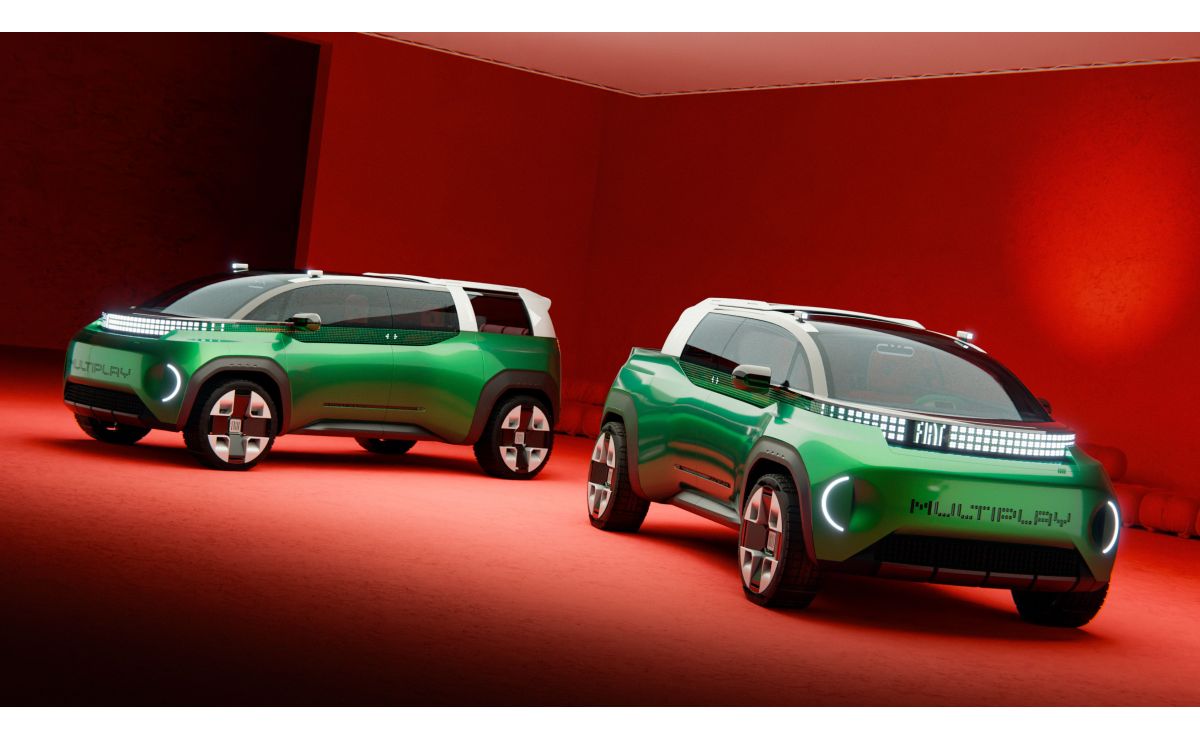
Continuing through Stellantis's Italian brands, Fiat has brought something rather unusual to Paris with the Multiplay concept. Measuring 4.45 metres long, this versatile family vehicle can transform from a spacious six-seat MPV into a four-seat pickup, thanks to an ingenious sliding rear body section.
Inspired by Fiat's history of clever, affordable family transport, the Multiplay explores how one vehicle could serve several different purposes, combining everyday practicality with unconventional design.
Although production remains unconfirmed, the concept offers a fascinating glimpse of Fiat's future direction. It joins the existing Grande Panda and the newly introduced Grizzly and Grizzly Fastback at Paris, demonstrating the manufacturer's ambition to build a broader family of practical, affordable vehicles.
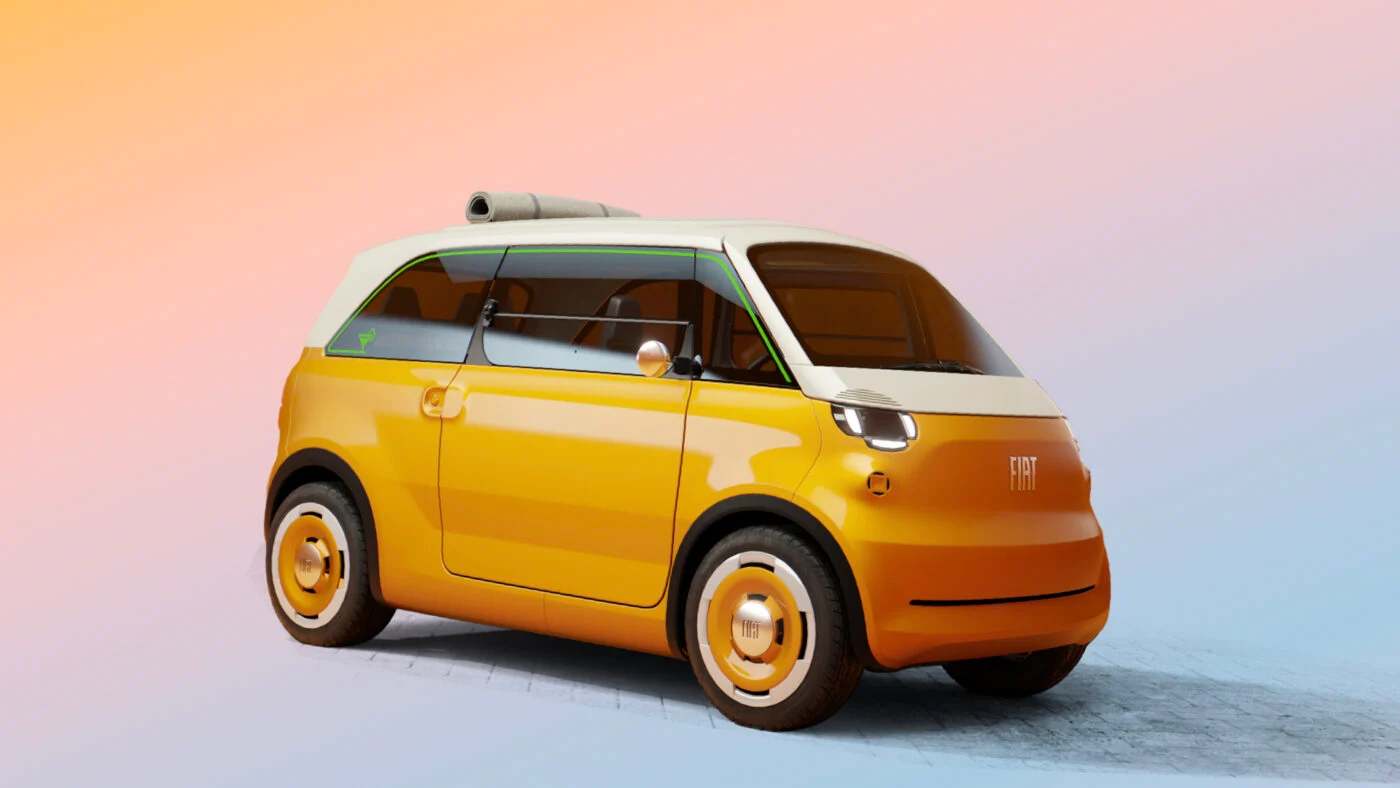
Fiat has also surprised Paris visitors with the much smaller Multiplina, a four-seat electric quadricycle inspired by the original 600 Multipla. Positioned between the tiny Topolino and conventional Fiat 500, it could offer an affordable, practical solution for urban families, with production reportedly being considered for 2028.
Just two years ago, Fiat's electric passenger-car range relied heavily on the 500e and 600e. Today, the Grande Panda, Grizzly family and expanding microcar line-up paint a very different picture, giving the Italian manufacturer an increasingly comprehensive range of small and medium-sized vehicles.
That concludes our look at Stellantis, whose remarkable collection of production launches, unexpected concepts and revived historic names has made it one of the dominant forces at this year's Paris Motor Show.
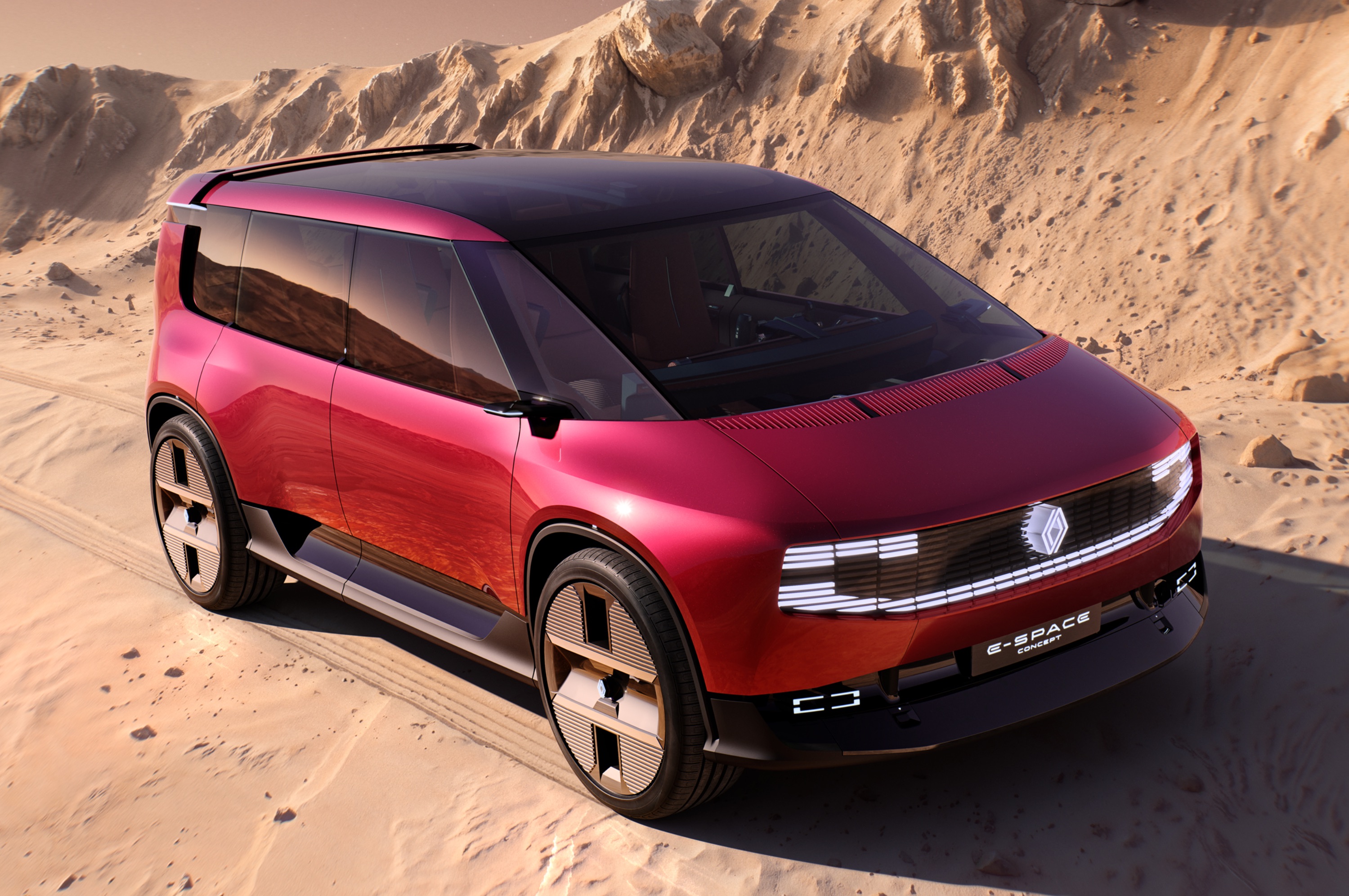
Moving on from Stellantis, we turn to Renault Group, another major presence at this year's Paris Motor Show. Between Renault, Dacia and Alpine, the French manufacturer has brought an impressive selection of new models, electric concepts and reinterpretations of familiar names.
Leading Renault's display is the striking E-Space Concept, a modern electric tribute to the original 1984 Espace. Measuring 4.7 metres long, it abandons today's SUV-inspired Espace styling in favour of a more traditional MPV silhouette, with enormous windows, six individual seats and a remarkably spacious, flexible interior.
Although Renault has no immediate plans to put it into production, the E-Space demonstrates that the company hasn't forgotten its pioneering approach to family transport.
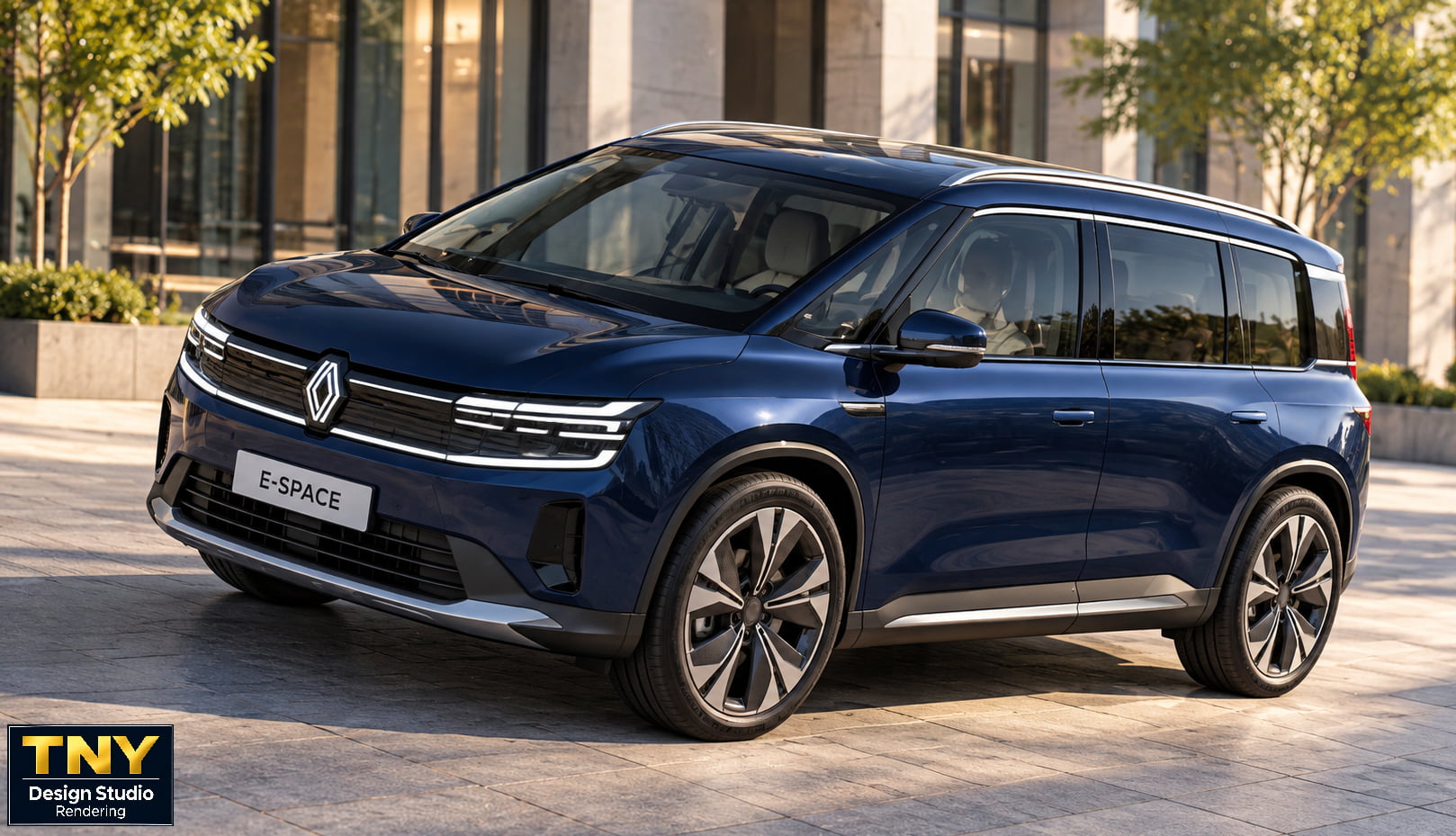
TNY Design Studio explores how the E-Space could evolve into a production-ready seventh-generation Renault Espace, bringing the famous name back to its original purpose.
Rather than continuing down the SUV route, our interpretation imagines a more realistic electric MPV, preserving the concept's airy cabin, generous glass area and strong sense of space while adopting more conventional mirrors, lighting and body detailing.
Such a model would mark a clear return to the values that made the original Espace so influential: practicality, comfort and family-friendly versatility. In an SUV-dominated market, a revived Espace MPV could offer Renault a genuinely distinctive flagship once again.
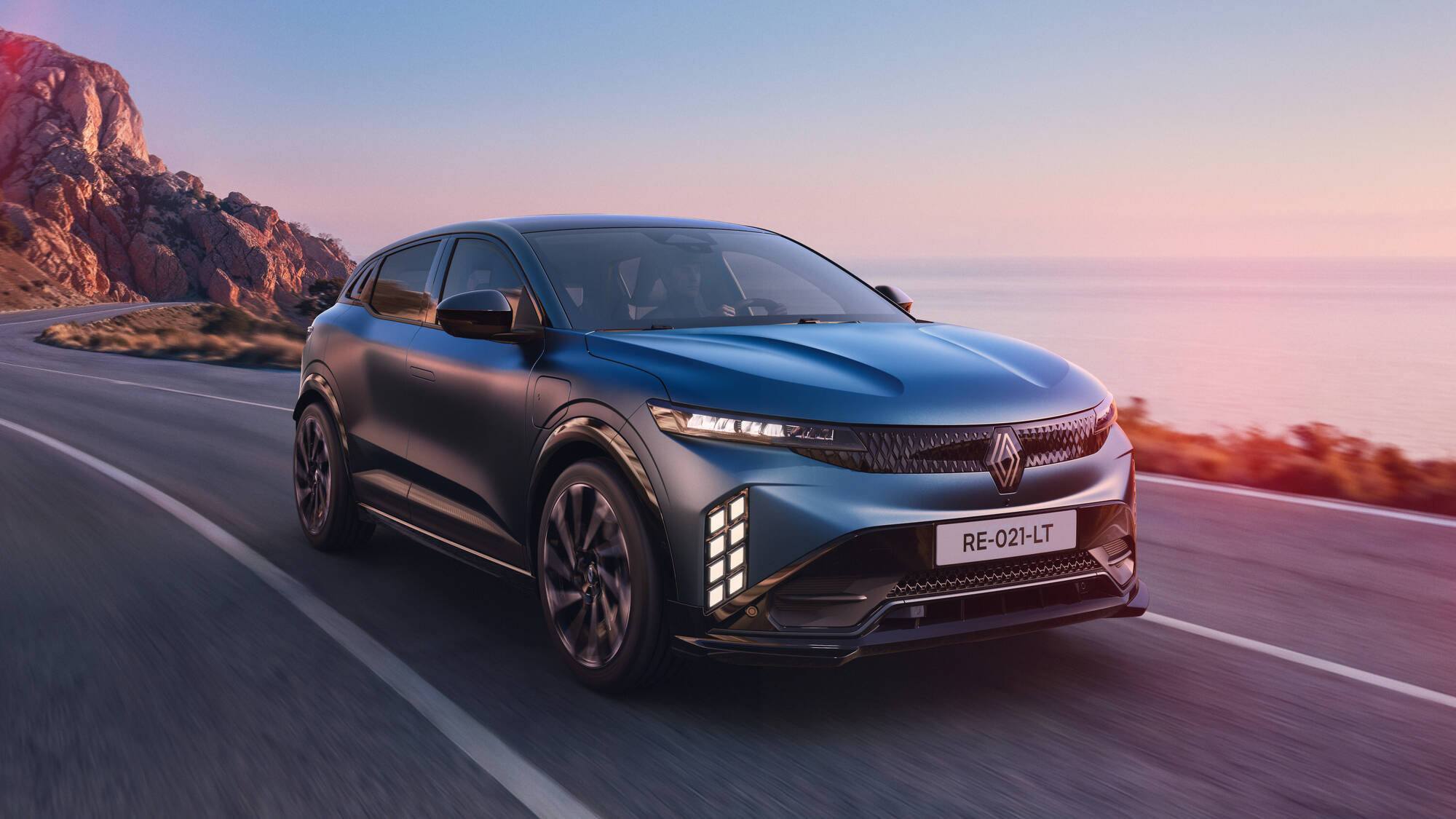
Renault has brought its updated Mégane E-Tech Electric to Paris, featuring refreshed styling and improved technology. A new 67kWh LFP battery replaces the previous 60kWh unit, increasing WLTP range to 306 miles, while 15–80% charging takes just 24 minutes. Power remains at 220bhp, with UK prices starting at £28,245 after the full £3,750 Government Electric Car Grant.
The larger Scénic E-Tech has received similar attention, gaining an 89kWh battery offering up to 392 miles of WLTP range, with 15–80% charging in 28 minutes. A more affordable 67kWh LFP version is also planned for Europe, promising around 290 miles and faster charging.
With UK prices for the updated long-range Scénic starting at £33,245 after the Government grant, Renault's electric family-car range is looking increasingly competitive.
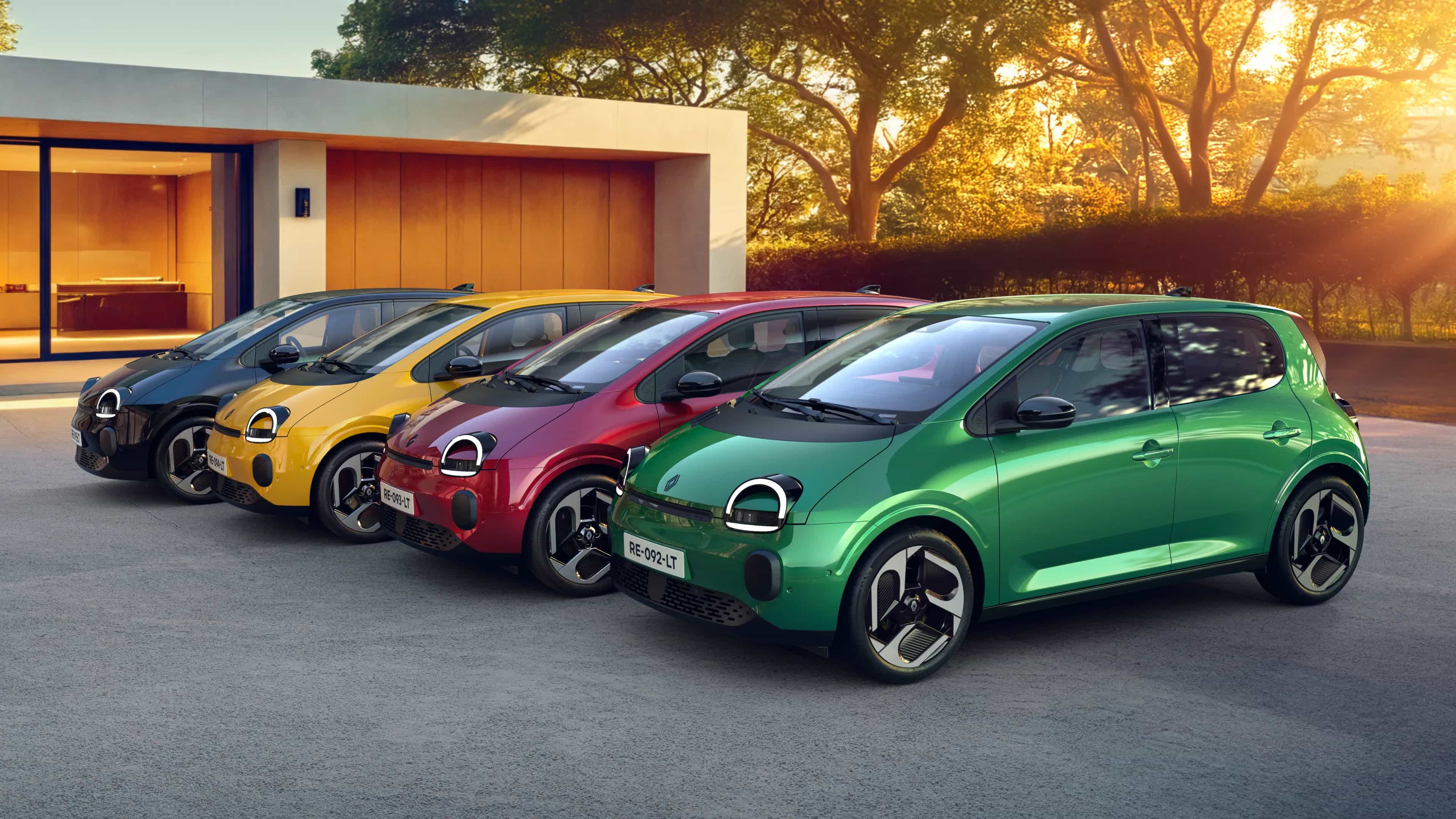
At the smaller end of Renault's electric range, the new Twingo E-Tech is making a big impression at Paris. The affordable city car combines an 80bhp motor with a 27.5kWh LFP battery, delivering up to 163 miles of WLTP range, while retaining the original Twingo's emphasis on clever interior packaging and everyday practicality.
The popular Renault 5 is also receiving important updates, including a new entry-level Five model with a 36.5kWh LFP battery, 110bhp motor and up to 190 miles of range. Existing 40kWh and 52kWh versions gain efficiency improvements too.
From the little Twingo through to the Mégane and Scénic, Renault's electric range is undergoing a substantial transformation, with improved technology, greater affordability and more choice across almost every segment.
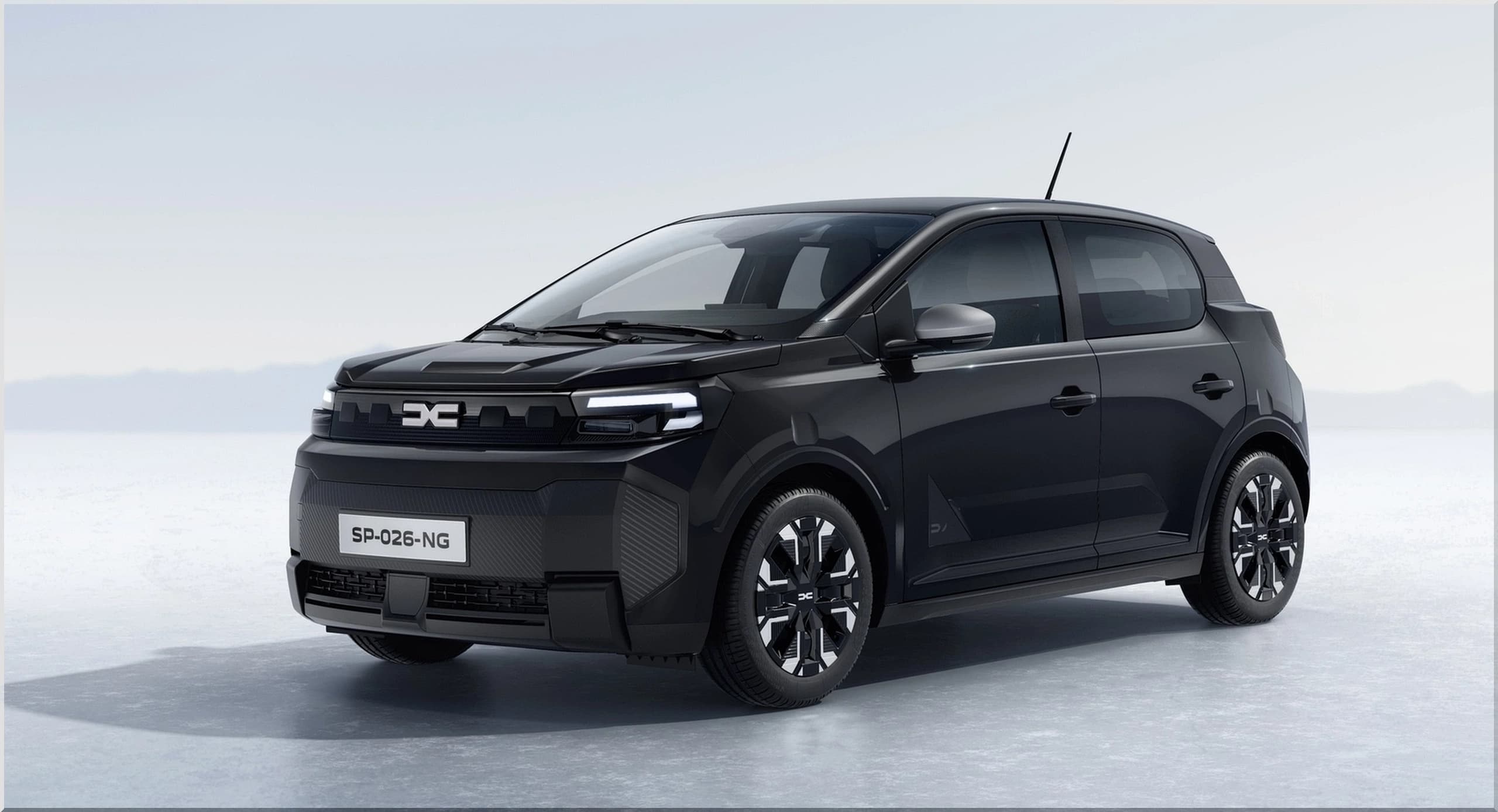
Dacia is also using Paris to underline how rapidly its electric range is evolving. The new-generation Spring, now closely related to the just-revealed Renault Twingo E-Tech, promises a more mature and more competitive interpretation of the budget EV formula, while retaining the straightforward, affordable character that has made the model such a success.
Alongside it, Dacia is also previewing the larger Striker, broadening the brand's future line-up beyond the small cars. Together with its existing petrol, hybrid and bi-fuel models, the Spring and Striker show that Dacia is no longer approaching electrification cautiously. Instead, Paris makes clear that the brand is preparing a much wider and more confident next chapter.
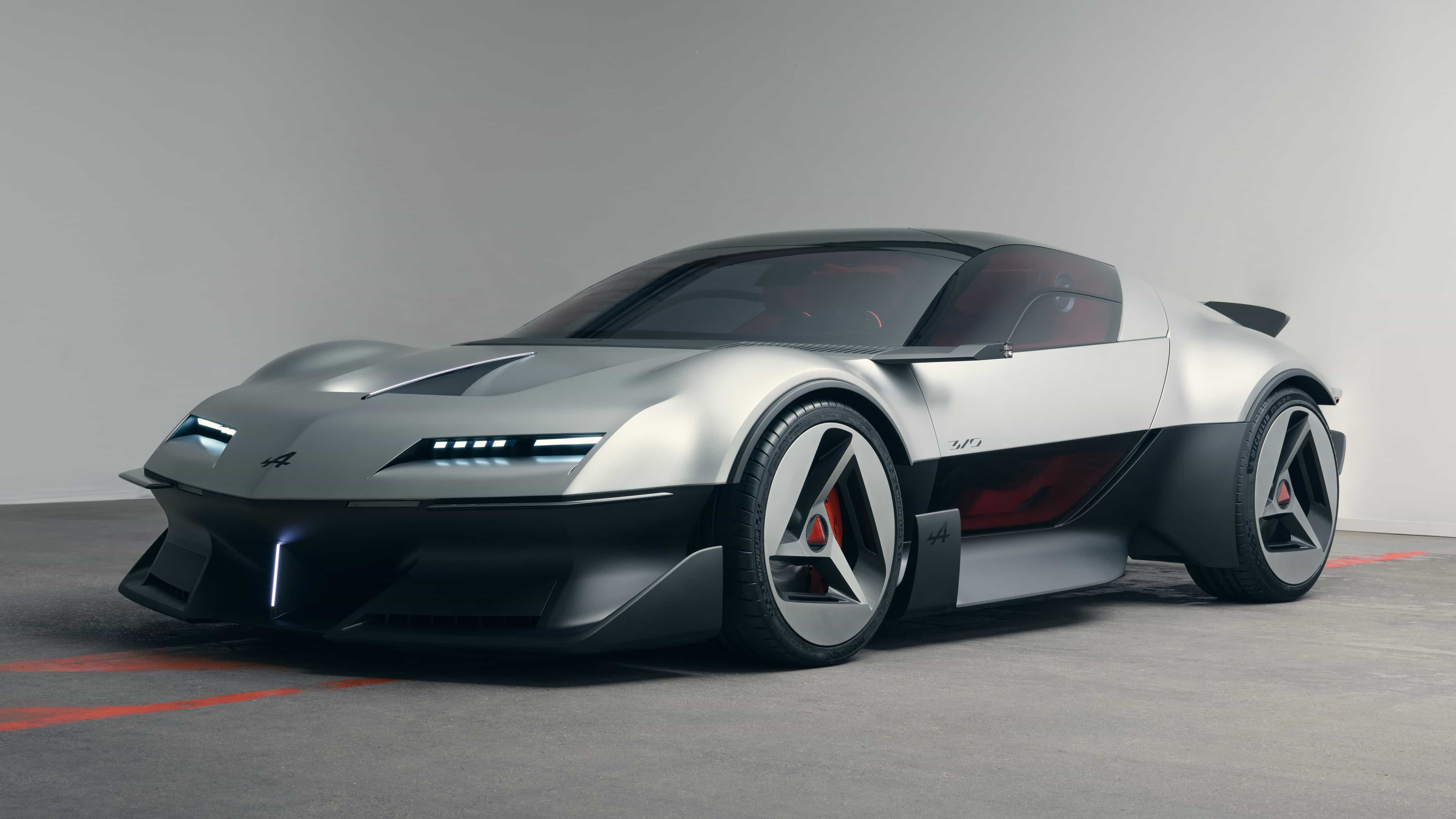
At the other end of Renault Group's range, Alpine has unveiled the striking A310 Vision, a futuristic tribute to its distinctive 1970s sports coupé. Measuring 4.55 metres long and just 1.18 metres tall, the dramatic concept celebrates 55 years since the original four-cylinder A310 appeared, while exploring the design possibilities of Alpine's new Performance Platform.
Although not intended for production, it offers an intriguing glimpse of the brand's sporting future.
Elsewhere, Alpine is displaying a sculpture previewing the next-generation electric A110, alongside the A290 hot hatch in its new Collection specification. The larger A390 sports fastback also receives new personalisation options, colours and finishes, demonstrating Alpine's growing ambitions beyond traditional two-seat sports cars.
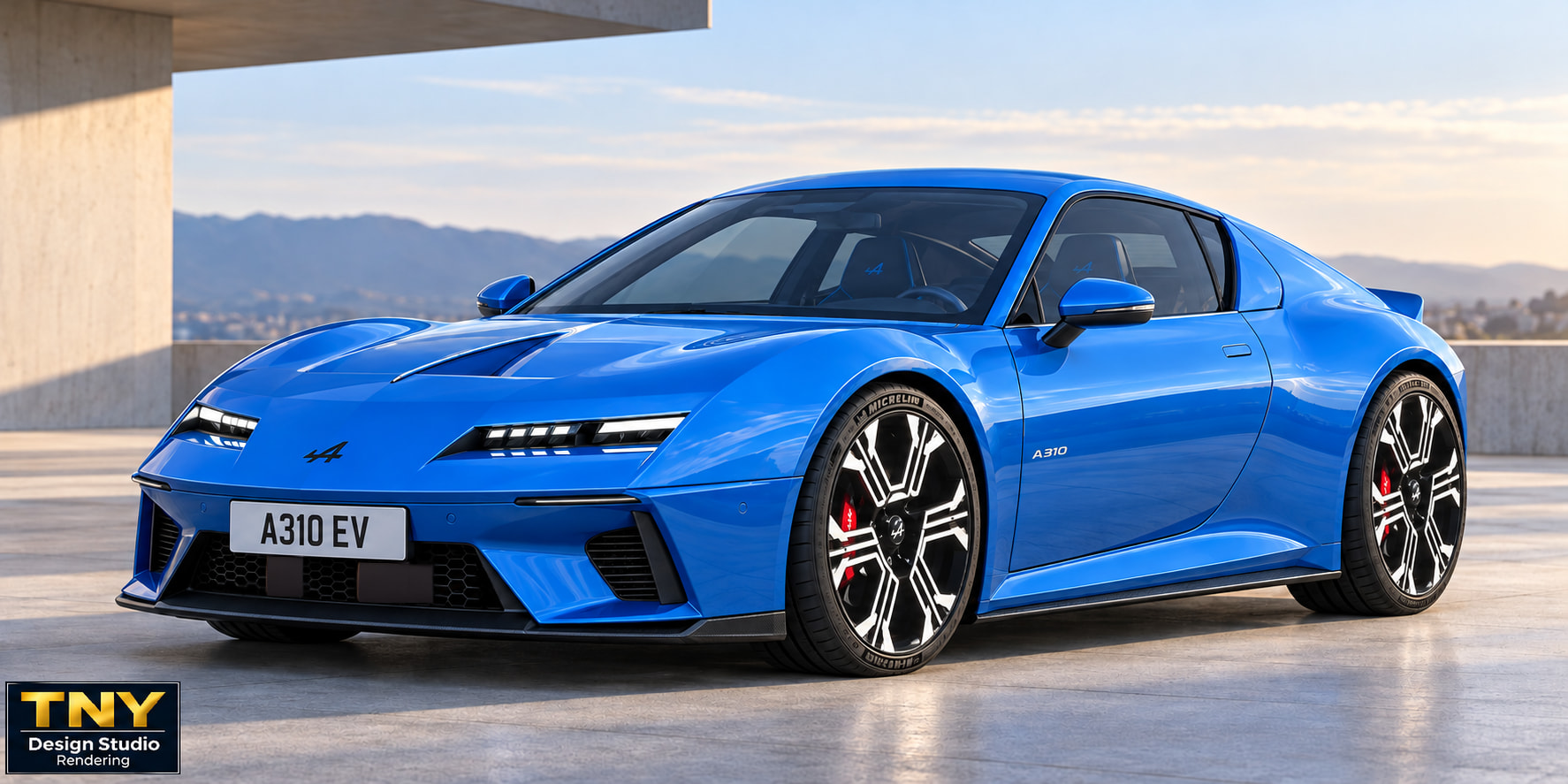
TNY Design Studio explores how Alpine's dramatic A310 Vision could evolve into a production-ready halo sports car, sitting above the upcoming electric A110. In this form, the A310 EV would bridge the gap between Alpine's lightweight, agile sports coupé and the larger, longer-range A390 fastback, giving the brand a more complete performance line-up.
Such a model could combine greater practicality and touring ability than the A110 with a more focused, emotional character than the A390. That would allow Alpine to offer something distinctive in the middle: a true grand touring sports coupé, designed to broaden the brand's appeal without losing its emphasis on style, performance and driver engagement.
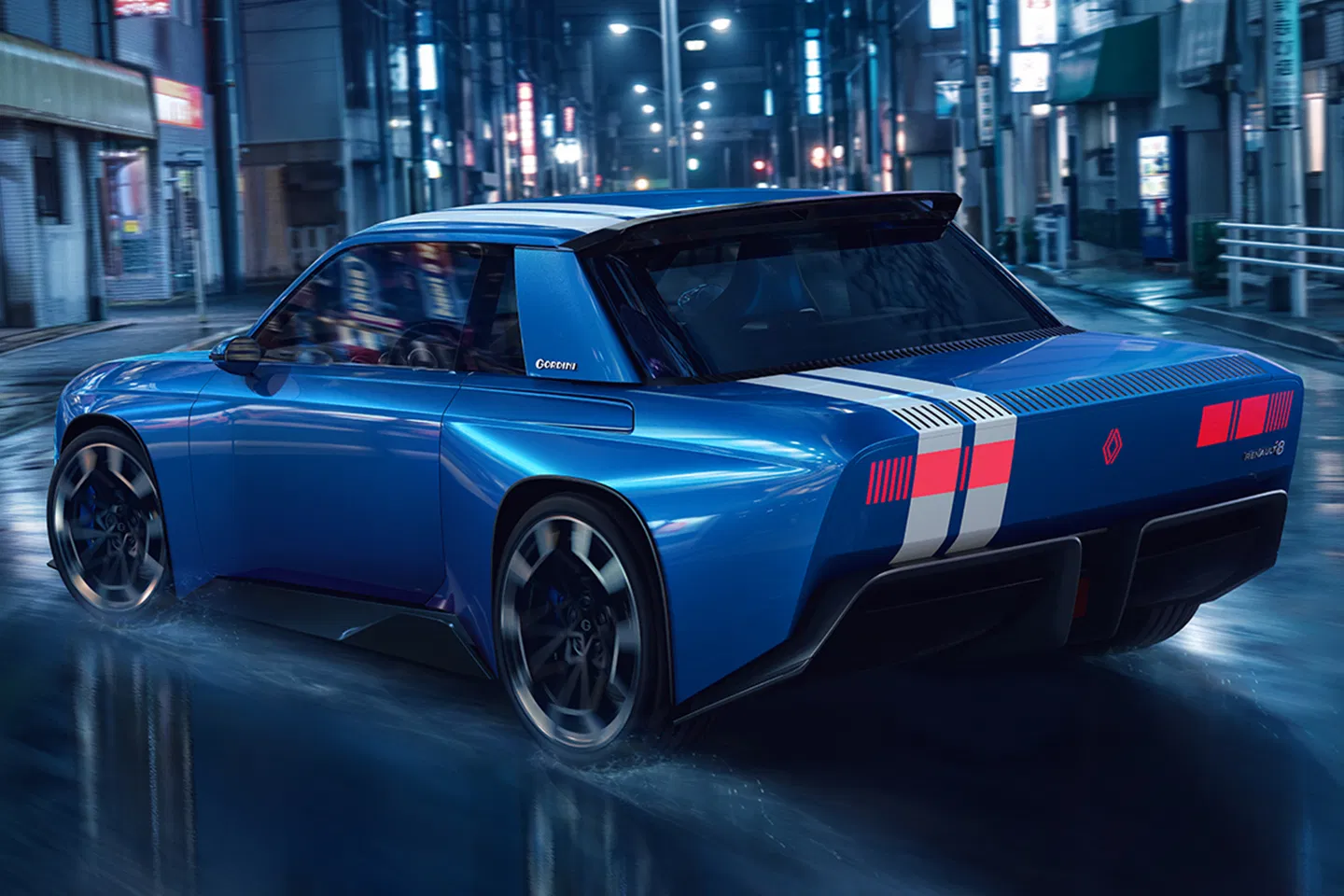
Alpine isn't the only Renault Group brand bringing sporting excitement to Paris. Renault itself is displaying the striking 8 Gordini Concept, a modern electric tribute to its legendary 1960s performance saloon. Reimagined as a low, wide two-seat coupé, it combines rear-wheel drive and 270bhp with the original's unmistakable blue paintwork and twin white stripes.
Its minimalist, motorsport-inspired design shares a similar philosophy with the extraordinary Renault 5 Turbo 3E, also appearing at Paris with 555bhp and limited production planned from 2027. Unlike the Turbo 3E, however, the Gordini remains a one-off design exercise.
From affordable electric city cars to spacious family vehicles and ambitious performance concepts, Renault Group has delivered one of the show's most varied and interesting displays.
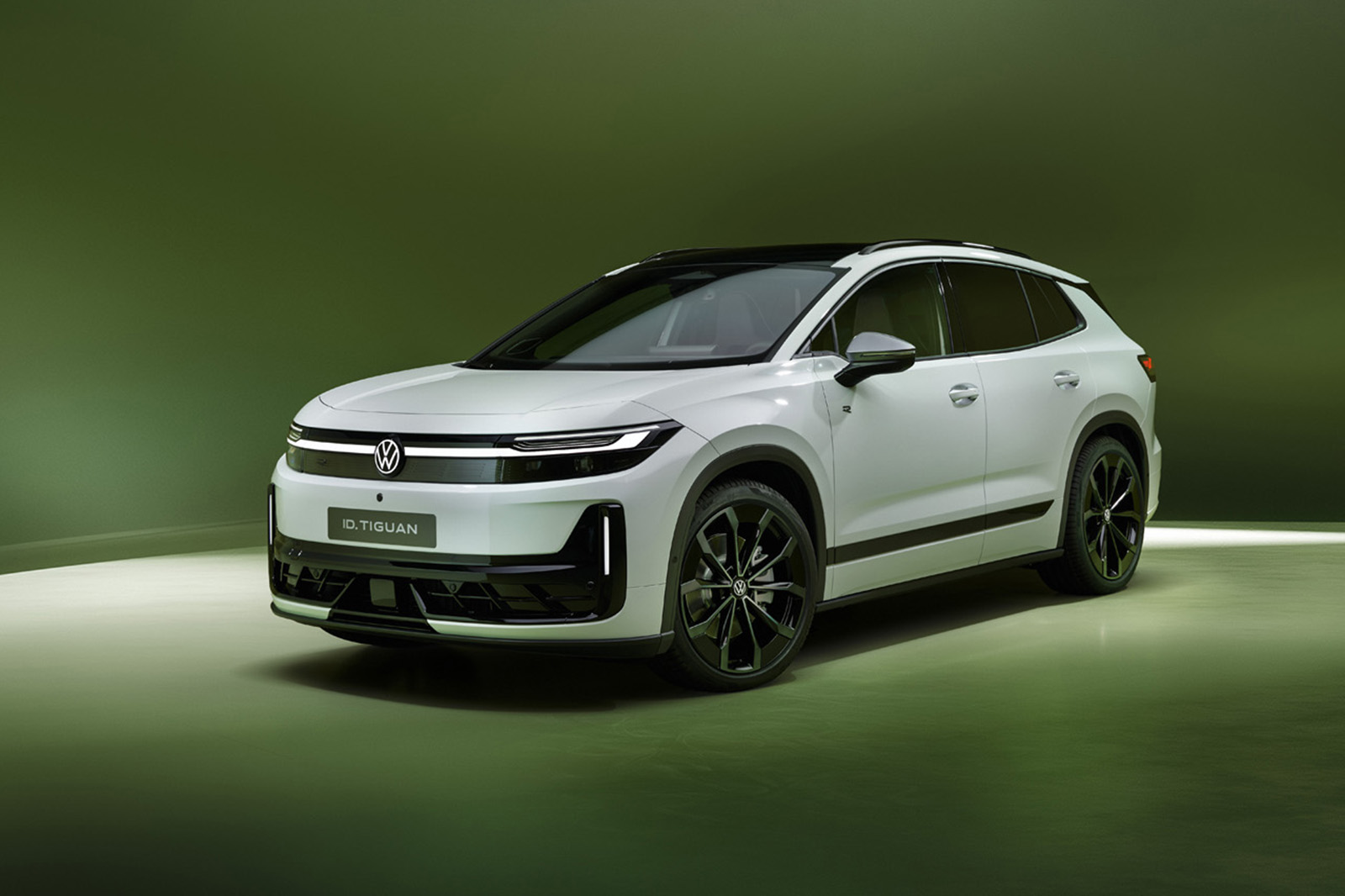
Volkswagen's biggest Paris attraction is the new ID. Tiguan, a substantial overhaul of the ID.4 that introduces a more familiar name. Featuring refreshed styling, an improved interior and up to 372 miles of WLTP range, it replaces both the ID.4 and coupé-styled ID.5 from early 2027, bringing the latter's production run to an end.
Elsewhere, Volkswagen is displaying the new ID. Polo GTI, producing 223 bhp featuring adaptive suspension, an electronically controlled limited-slip differential and sportier styling promise a more engaging driving experience.
Volkswagen is also showcasing the ID. Cross, updated ID.3 Neo and new 322bhp ID.3 GTI. Together, the displays highlight Volkswagen's increasingly broad electric range.
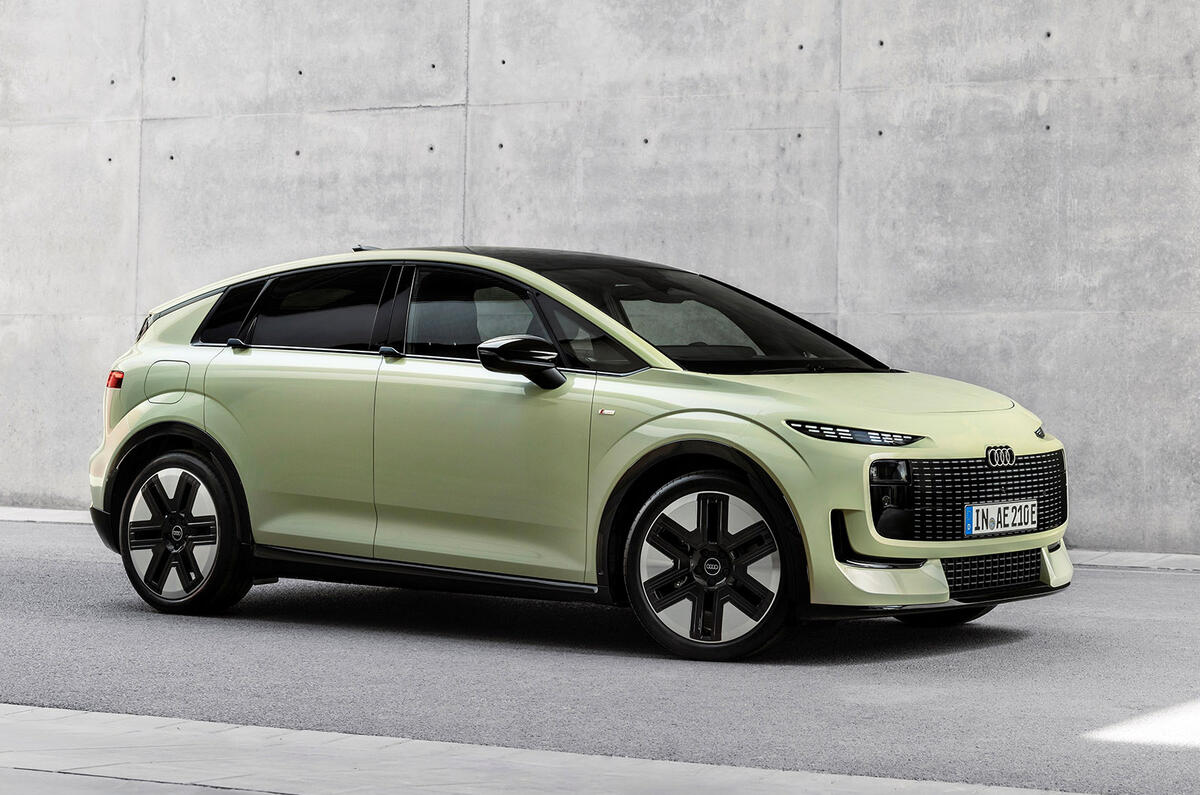
Audi has brought its new A2 e-tron to Paris, marking the return of a name last seen in 2005. Closely related to the Volkswagen ID.3 Neo, the compact electric hatchback starts at £30,700 after the £1,500 UK Government Electric Car Grant, giving Audi two hatchbacks around £30,000 alongside the petrol-powered A3.
The entry-level A2 produces 167bhp and offers 262 miles of WLTP range, while larger batteries extend this to an impressive 397 miles. Its aerodynamic design achieves a drag coefficient of just 0.24, with a practical 396-litre boot.
With the A1 and Q2 leaving production, the A2 represents an important new entry point into Audi ownership, prioritising efficiency, practicality and affordability over traditional premium-car dimensions.
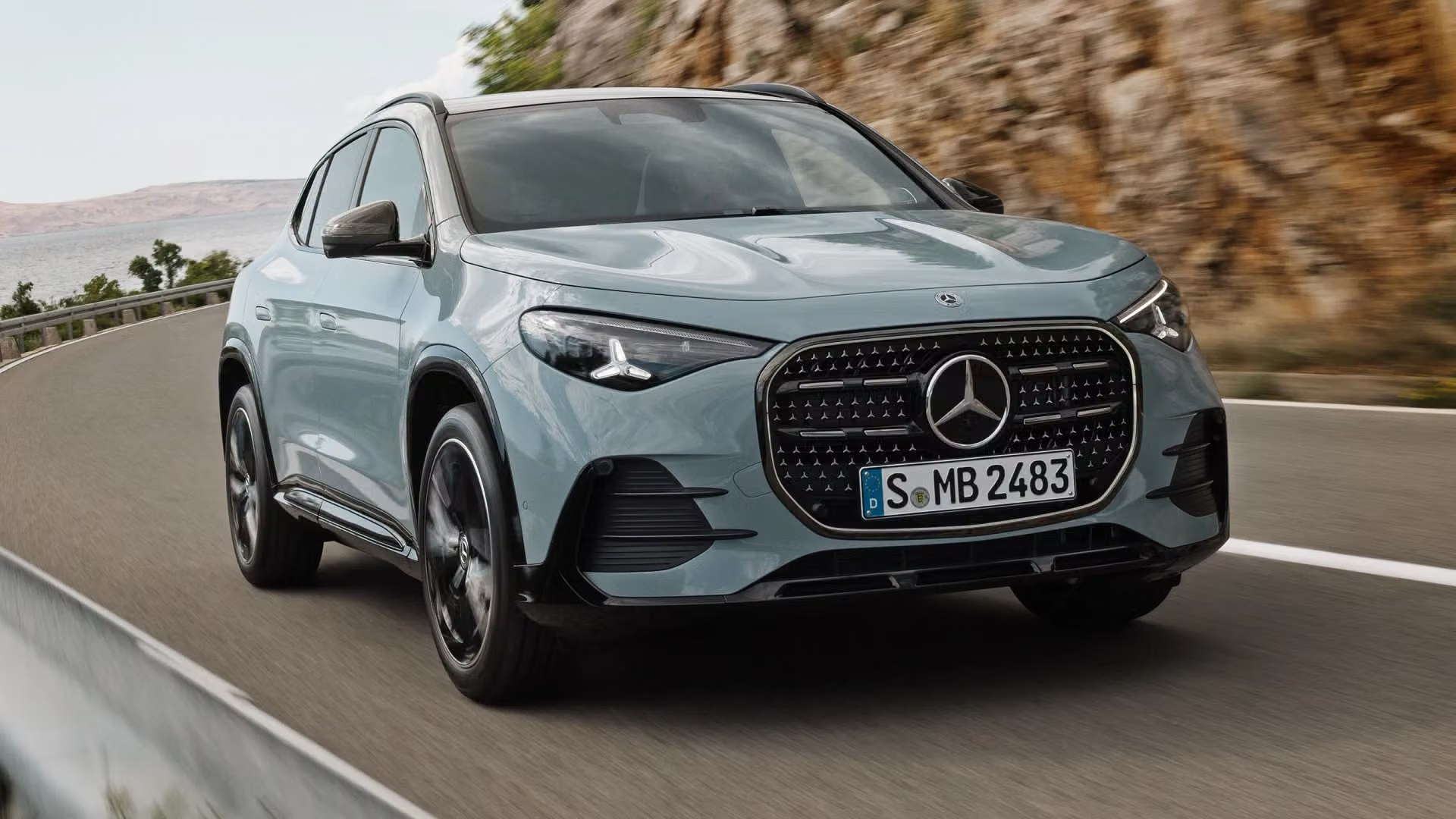
Moving across Germany, Mercedes-Benz has brought another compact electric newcomer to Paris with the all-new GLA. Featuring an 85kWh battery, the GLA 250+ offers up to 406 miles of WLTP range, while its 800V electrical architecture enables charging at up to 320kW, adding approximately 168 miles in just ten minutes. A smaller 58kWh LFP version and a more powerful 4MATIC model broaden the range.
Mercedes is also showcasing the extraordinary electric AMG CLA 45, producing 671bhp from three electric motors. With all-wheel drive, 0–62mph takes just three seconds, while its 94kWh battery delivers up to 406 miles of range.
Together, they demonstrate how Mercedes is bringing impressive range, rapid charging and serious performance into its smaller electric models.
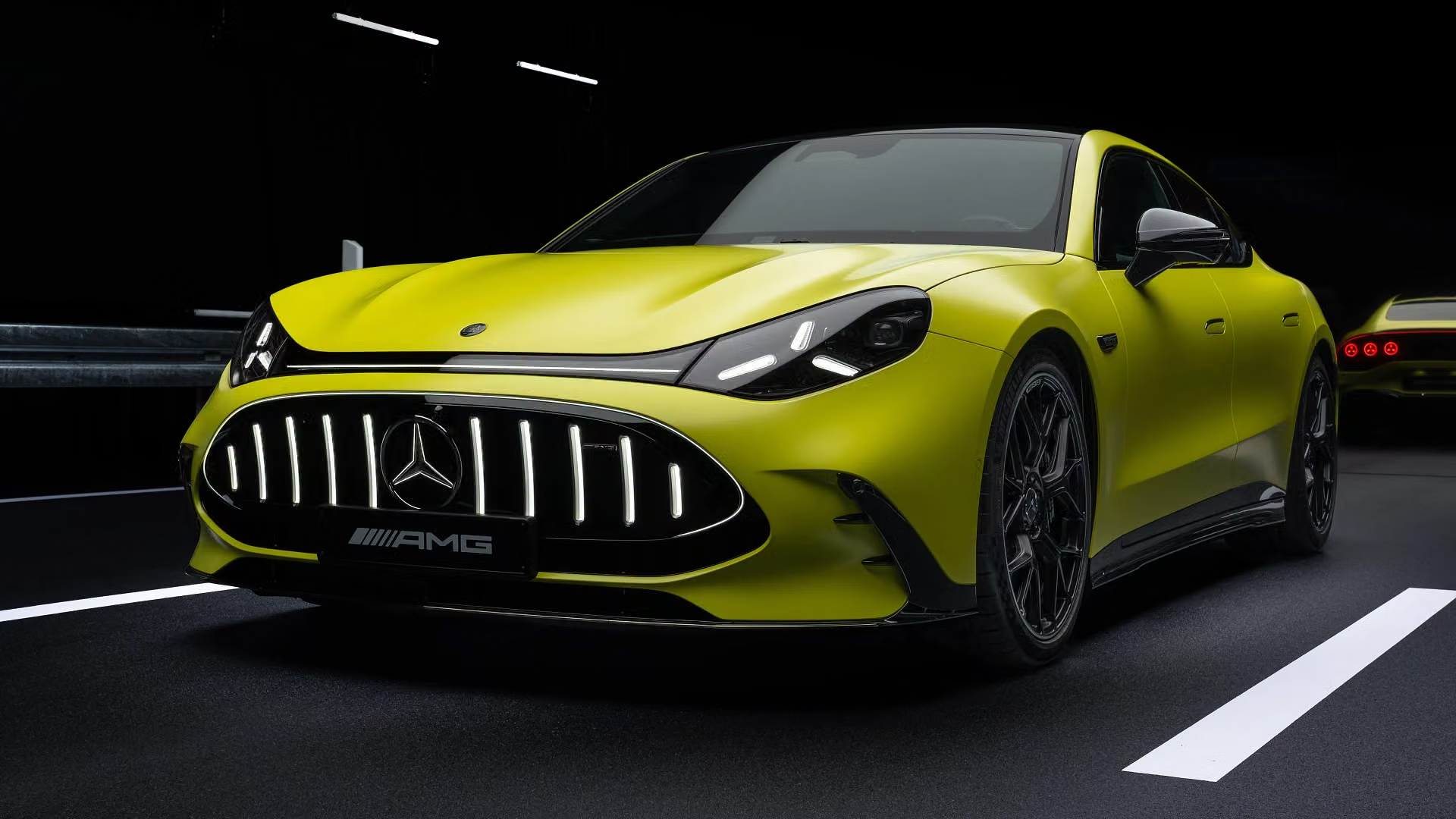
At the opposite end of Mercedes-Benz's electric range sits the extraordinary new AMG GT 4-Door Coupé, making its Paris show debut. Built around a dedicated electric performance platform, the flagship produces up to 1,153bhp, while the more restrained GT 53 offers 536bhp, a 106kWh battery and up to 503 miles of WLTP range. Charging at up to 600kW could add over 330 miles in just ten minutes.
Elsewhere, Mercedes is showcasing the electric VLE people carrier, new electric C-Class and GLC, alongside updated GLE and S-Class models.
Together with Audi and Volkswagen's launches, Mercedes rounds off an impressive German showing in Paris, demonstrating how the country's manufacturers are expanding their electric ranges from affordable hatchbacks to luxury flagships and extreme performance cars.
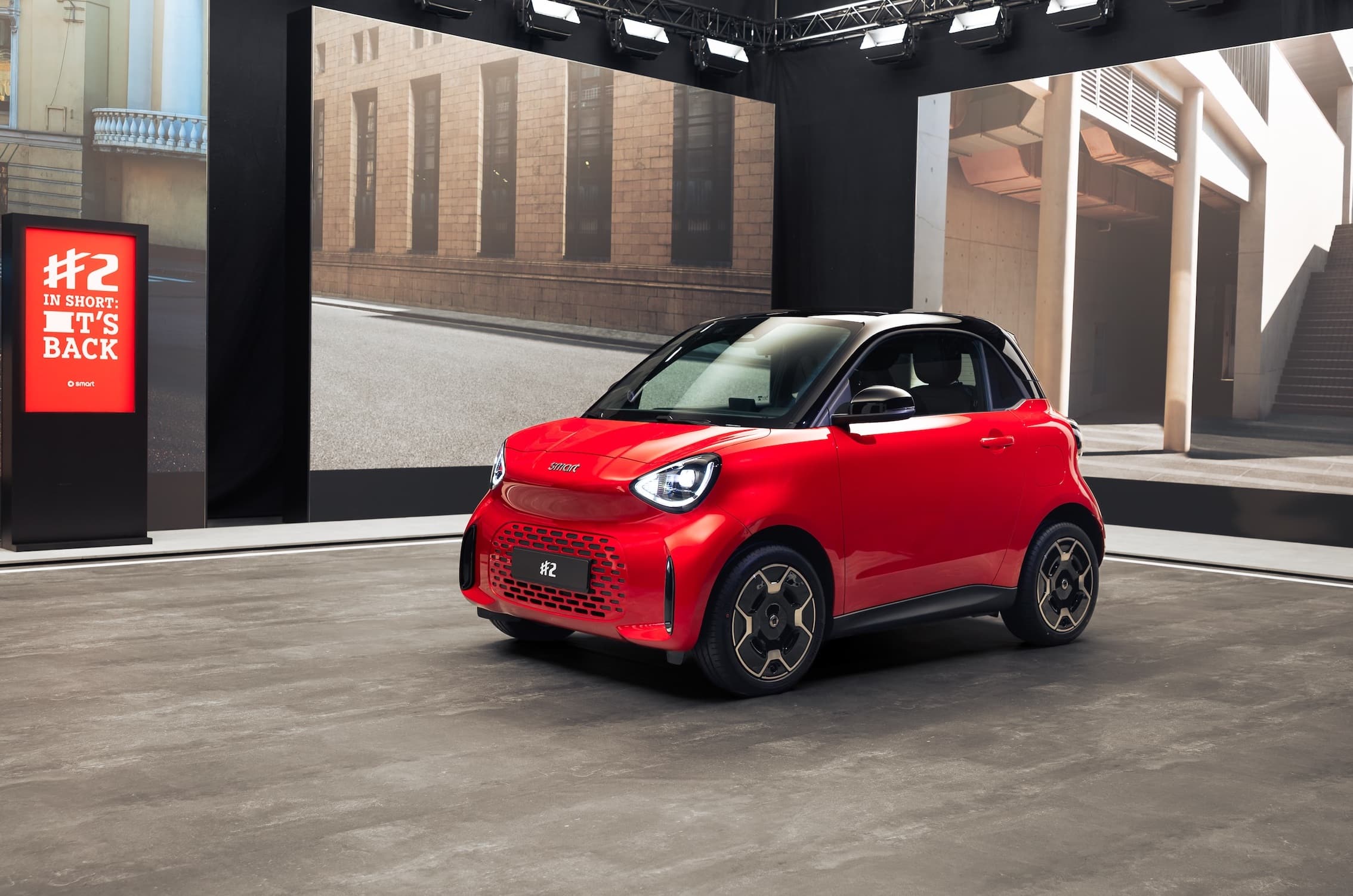
Bridging the gap between Germany and China, Smart has unveiled the new #2 at Paris, marking a welcome return to the tiny two-seat city cars that originally defined the brand. Now jointly owned by Mercedes-Benz and Geely, Smart has spent recent years expanding into larger electric SUVs, making the #2 something of a return to its roots.
Measuring just 2.75 metres long, the rear-wheel-drive newcomer produces 80bhp, with a 35.8kWh LFP battery promising up to 180 miles of WLTP range. Charging from 10–80% takes approximately 20 minutes.
Of course, this isn't Smart's first tiny electric two-seater. The original Fortwo Electric Drive arrived in 2007, eventually evolving into the EQ Fortwo, which remained in production until 2024.
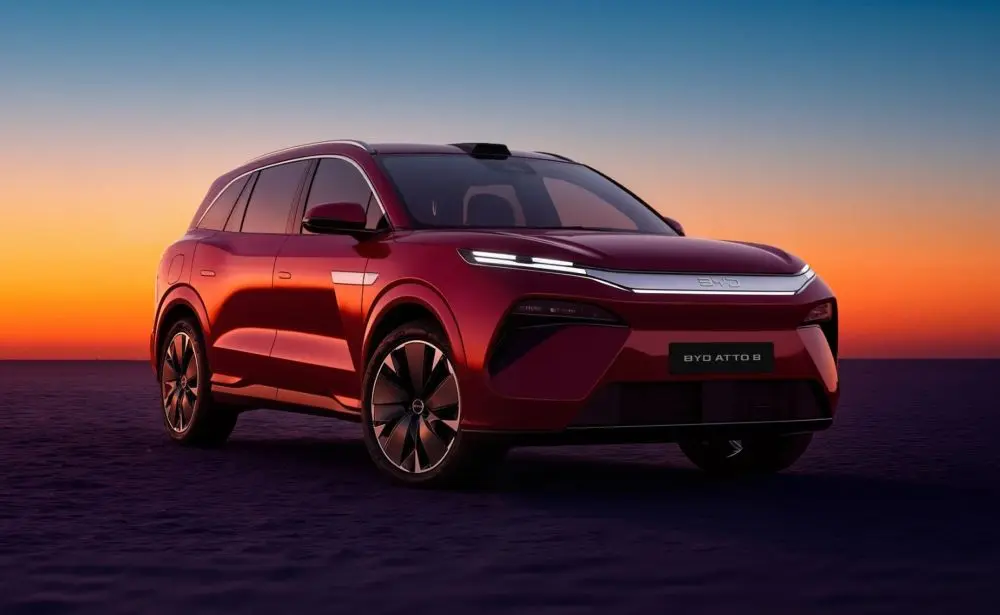
Moving into China's increasingly ambitious Paris display, BYD has unveiled the Atto 8, its new seven-seat electric flagship. Measuring 5.04 metres long, the SUV introduces a 115kWh second-generation Blade Battery, delivering up to 405 miles of WLTP range in rear-wheel-drive form.
The extraordinary headline is FLASH Charging: BYD claims a 10–97% recharge in just nine minutes, using its dedicated ultra-rapid charging equipment.
The range-topping Excellence AWD produces 764bhp and reaches 62mph in 4.6 seconds, while still offering up to 374 miles of range. Inside, heated, ventilated and massaging seats across the first two rows underline its luxury ambitions, alongside a useful 136-litre front boot.
European sales begin in early 2027, although UK prices remain unconfirmed.
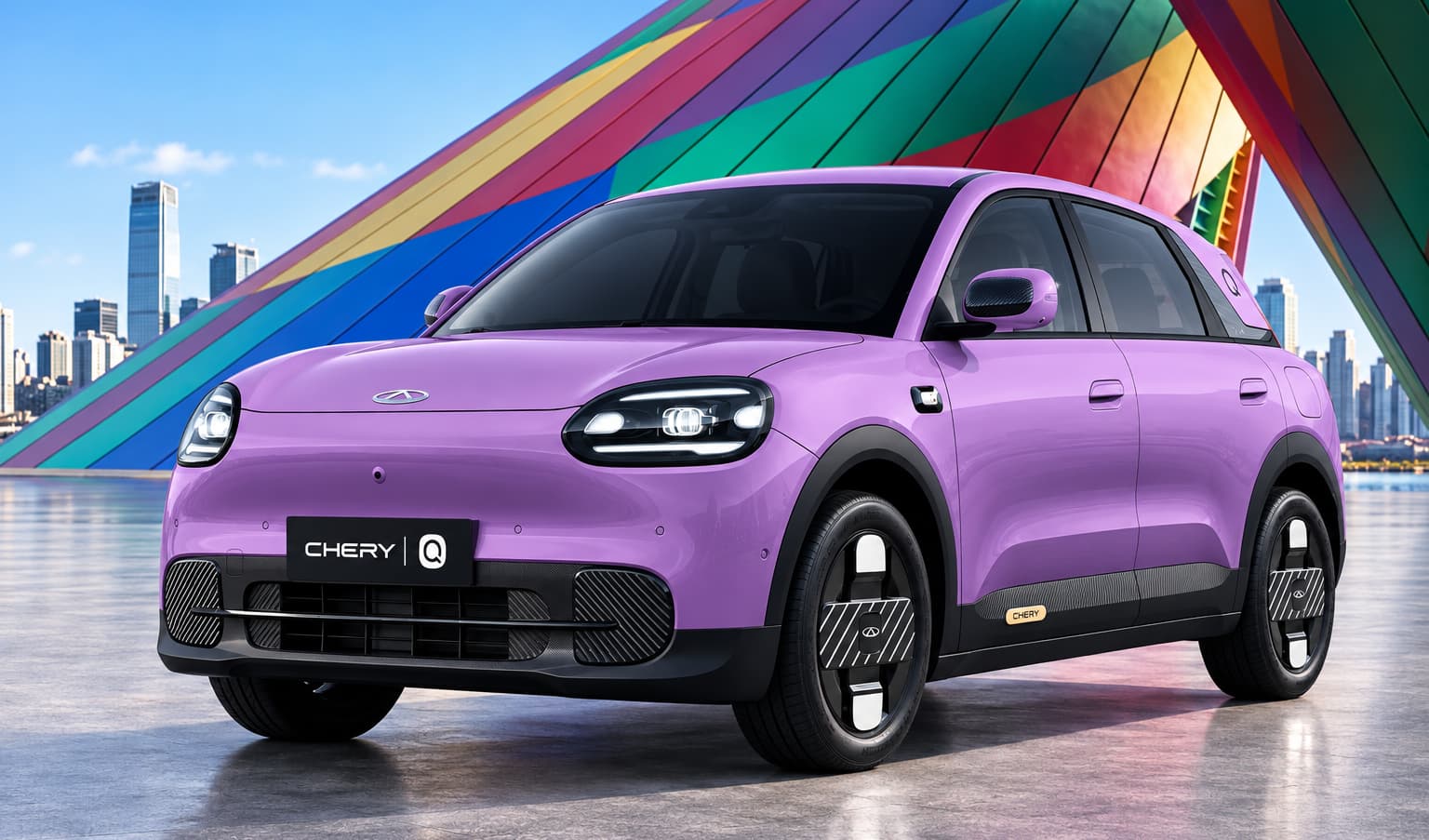
China's growing collection of electric superminis has gained another contender at Paris, where Chery is presenting the Q to European audiences for the first time. Despite its playful, rounded styling, it's a substantial 4.19 metres long, with a 2.70-metre wheelbase and a generous 375-litre boot, supplemented by a 70-litre front compartment.
A 119bhp electric motor is paired with a 41kWh battery, while 30–80% charging takes less than 17 minutes. Chery claims 249 miles of range, although this uses the older NEDC test rather than Europe's WLTP standard.
The Q demonstrates how Chinese manufacturers are increasingly challenging established European brands with affordable, practical electric hatchbacks. However, European pricing and UK availability remain unconfirmed.
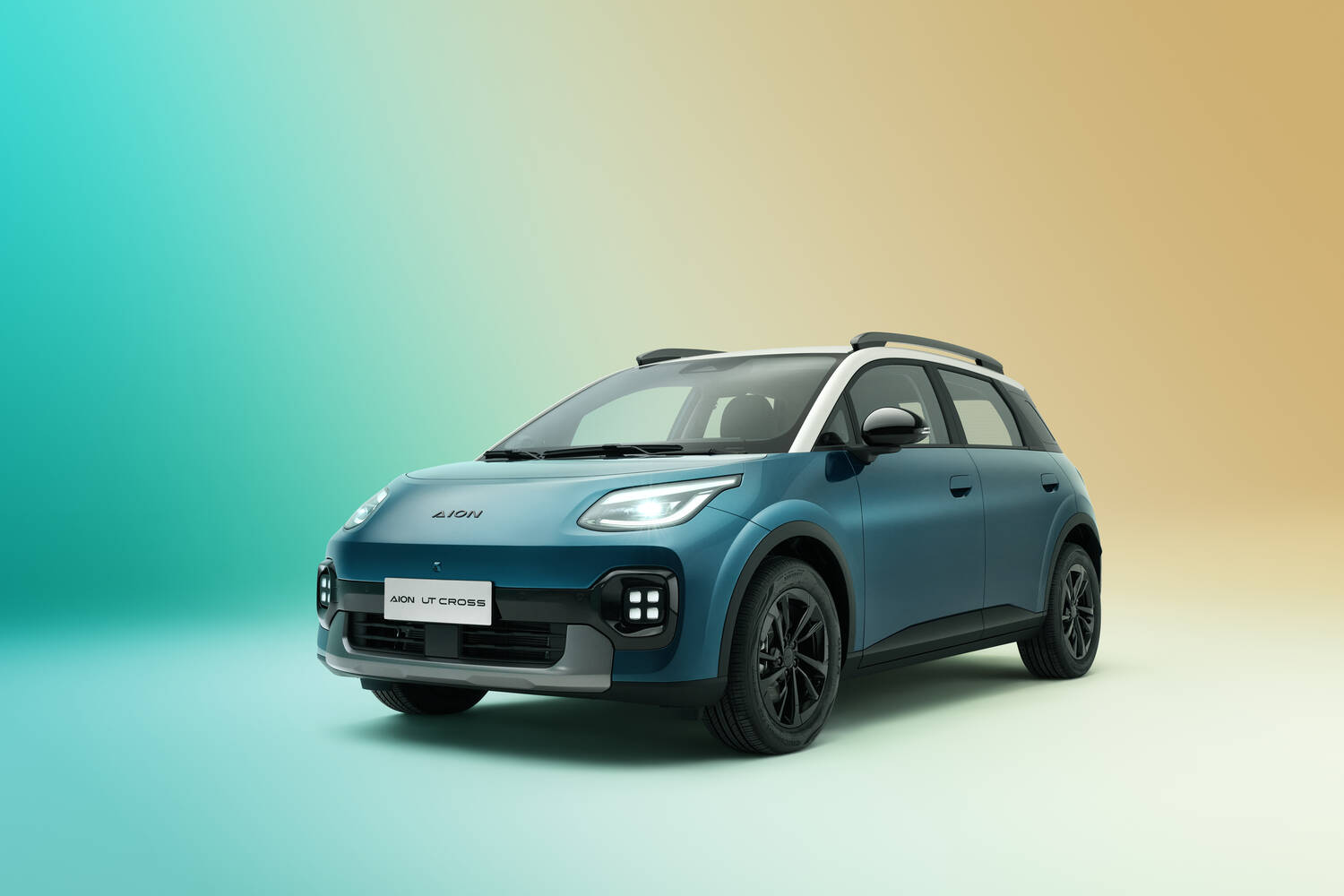
Another small Chinese EV making its debut in Paris is the Aion UT Cross, a crossover-inspired version of the recently launched UT hatchback, itself a direct rival to the Chery Q we've just explored.
Developed at GAC's Milan design centre, the Cross sits 20mm higher than the standard UT, gaining rugged wheel arches, roof rails and wider tyres. Beneath the styling lies the same 60kWh LFP battery and 201bhp electric motor, while a generous 440-litre boot promises impressive practicality.
The regular UT offers 268 miles of WLTP range, although figures for the Cross remain unconfirmed. UK sales begin in early 2027, adding another affordable-looking contender to Europe's increasingly crowded small electric crossover market, with pricing still to be announced.
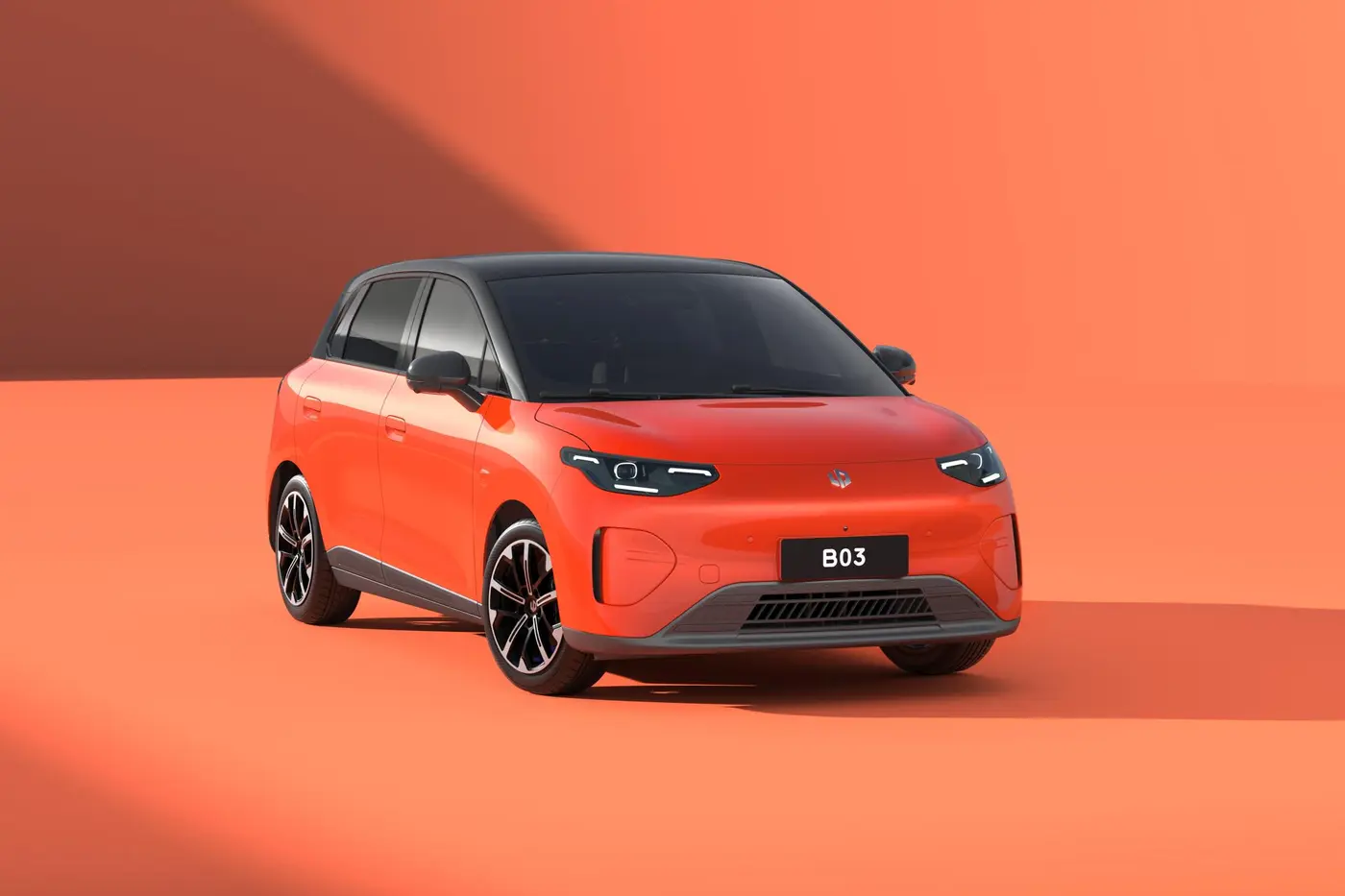
Continuing the growing selection of Chinese electric superminis, Leapmotor has brought its new B03 hatchback to Paris. Measuring 4.18 metres long, it's a direct rival to the Chery Q and promises impressive practicality, including a 405-litre boot and an additional 90-litre washable storage compartment.
A 53kWh LFP battery delivers up to 242 miles of WLTP range, while its 194bhp motor provides 0–62mph acceleration in 7.6 seconds. Rapid charging at up to 133kW allows a 10–80% recharge in just 21 minutes, with UK sales expected in early 2027.
Elsewhere, Leapmotor is showcasing its luxurious six- or seven-seat D19 flagship, alongside the B03X, B05, B10, C10 and T03. The company has also confirmed that European production of the B10 has begun in Spain, demonstrating its growing commitment to the European market.
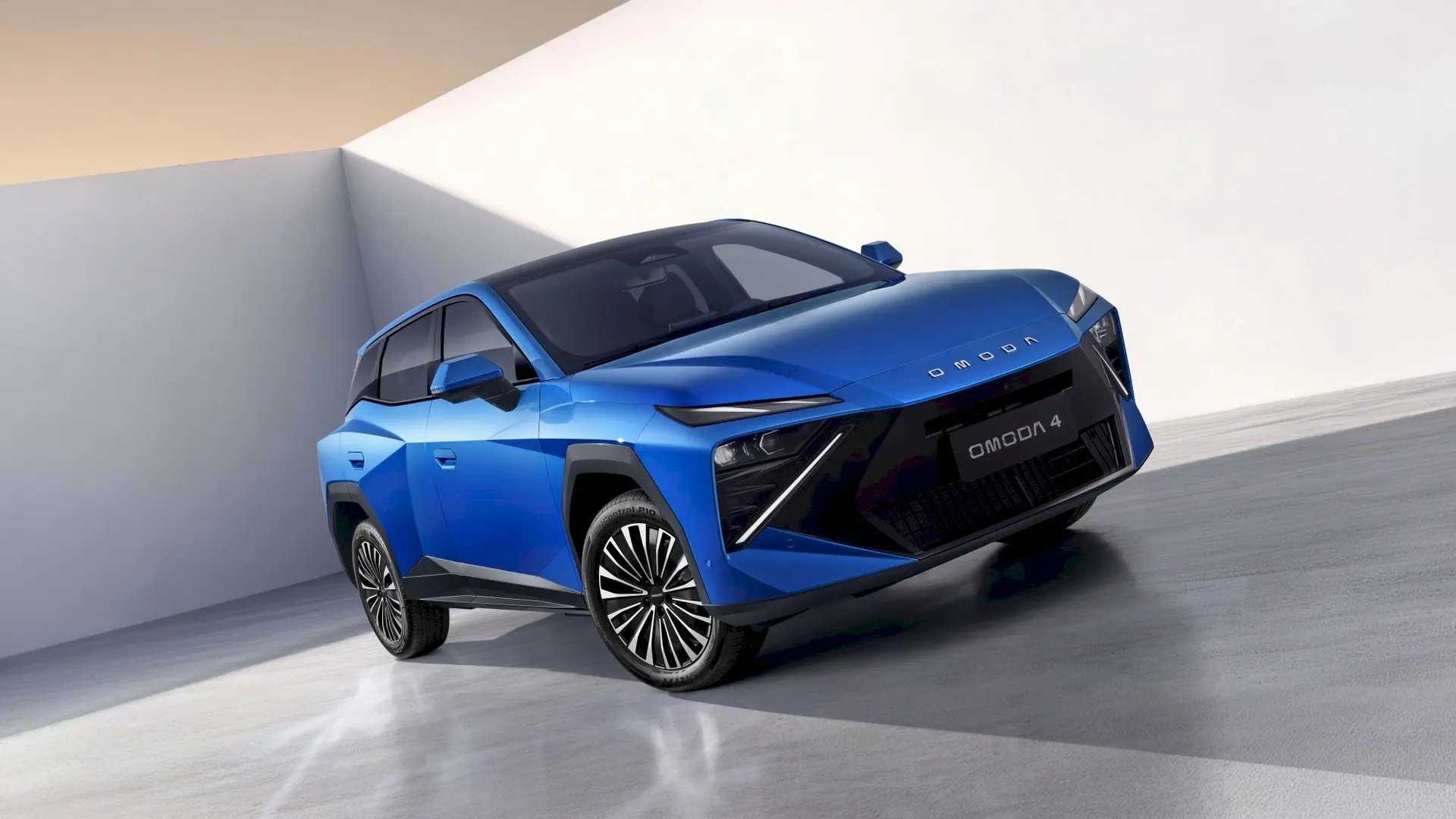
Rounding off our look at China's growing presence in Paris, Omoda has brought its new entry-level 4 crossover to European audiences. Sitting beneath the Omoda 5, the sharply styled newcomer measures 4.42 metres long and offers a practical 402-litre boot.
Unlike the electric hatchbacks we've just explored, the Omoda 4 initially uses a 1.5-litre turbocharged full-hybrid powertrain, producing 221bhp and 295Nm of torque. A 1.83kWh battery supports the electric motor, while a fully electric version is also planned. UK sales are expected in 2027.
Together, the Chery Q, Aion UT Cross, Leapmotor B03 and Omoda 4 demonstrate the growing wave of smaller Chinese cars heading towards Europe. Yet Paris also showcases the other end of China's ambitions, with larger, increasingly luxurious models such as the BYD Atto 8, Leapmotor D19 and Zeekr 9X demonstrating how rapidly these manufacturers are expanding into premium territory.
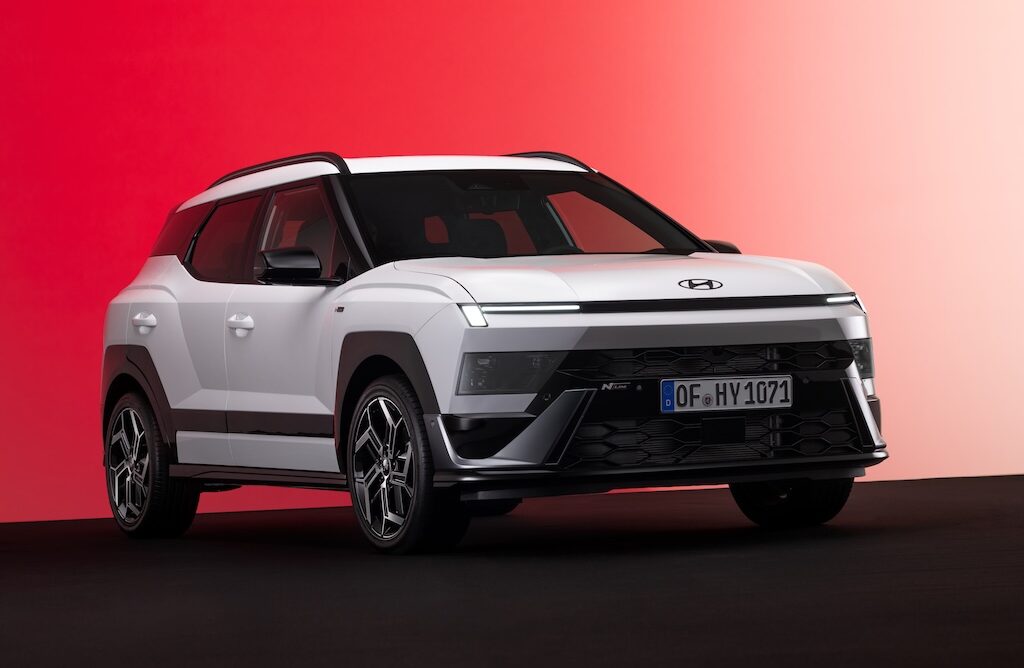
South Korea's Hyundai has unveiled the second-generation Bayon at Paris, bringing a more substantial SUV design and improved practicality to its smallest crossover. Now measuring 4.25 metres long, it offers a generous 440-litre boot, alongside new technology including dual 12.3-inch displays. Initially available with 89bhp and 113bhp petrol engines, a 136bhp full hybrid will follow in 2027, broadening its appeal against increasingly competitive European rivals.
Elsewhere, Hyundai is showcasing the all-new Tucson and sportier N Line variant, alongside the electric Staria Cargo and recently introduced Ioniq 3 hatchback.
Sister brand Kia has brought the new Seltos Hybrid, featuring available electric all-wheel drive, alongside the K4 Hybrid hatchback and estate. Its expanding electric GT performance family and versatile PV5 passenger and commercial vehicles complete the display.
Together, Hyundai and Kia demonstrate an increasingly comprehensive range, combining affordable family transport, efficient hybrids and an expanding electric line-up.
Moving on to Japan, the country's manufacturers have a noticeably smaller presence in Paris this year. While Honda, Subaru and Toyota are attending, familiar names including Nissan, Mazda, Mitsubishi and Suzuki are absent.
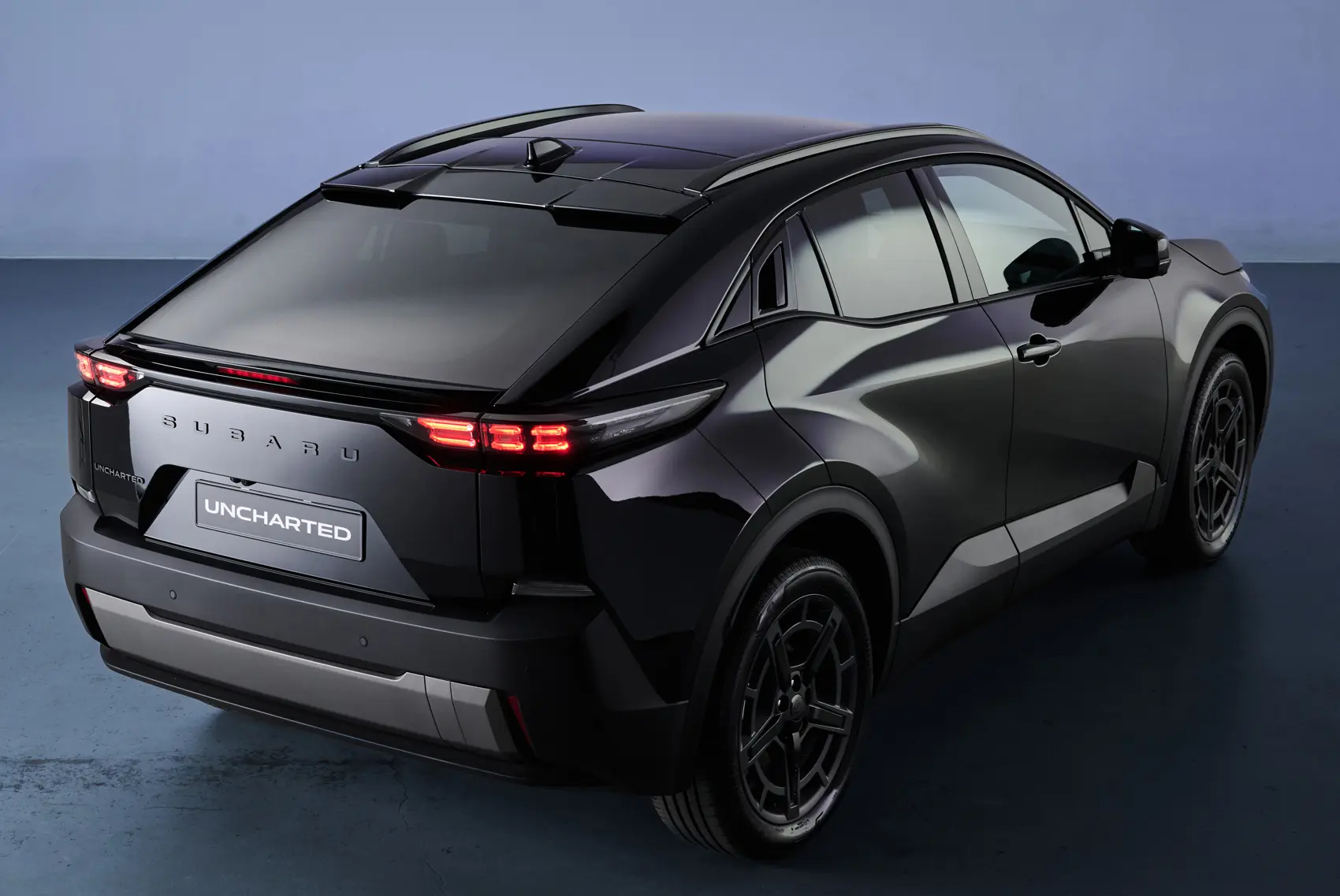
Subaru is showcasing its new Uncharted electric SUV, a close relative of the Toyota C-HR+, sharing much of its underlying technology. Measuring 4.52 metres long, the Uncharted offers front-wheel-drive and all-wheel-drive configurations, with up to 365 miles of WLTP range. The flagship dual-motor version produces 333bhp, reaching 62mph in approximately five seconds.
Paris also introduces the rally-inspired Uncharted ST-E edition, featuring gold alloy wheels and distinctive Impreza-inspired detailing. Alongside the larger electric E-Outback, it demonstrates Subaru's growing commitment to electric vehicles without abandoning its adventurous identity.
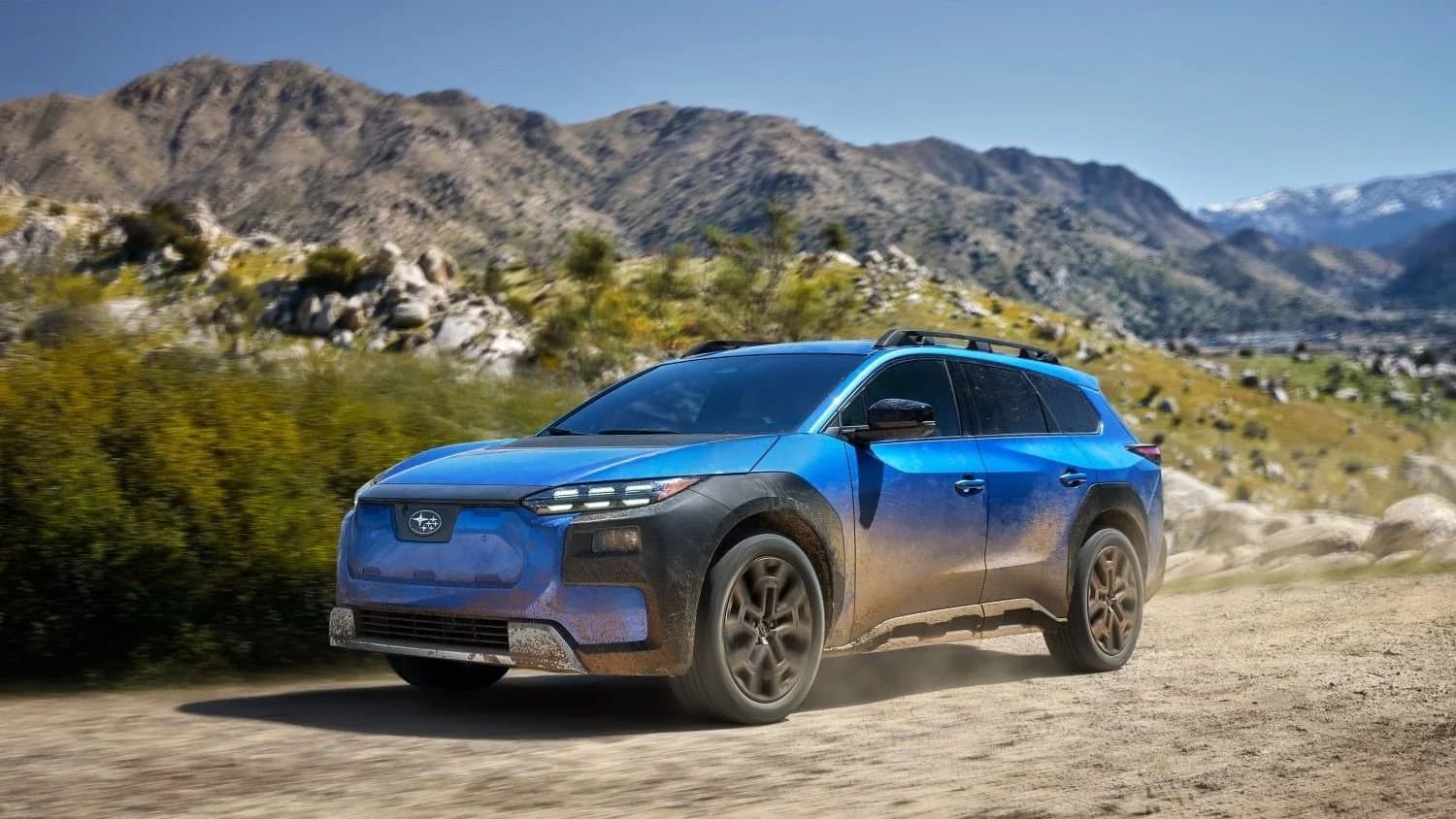
Subaru's second Paris exhibit is the E-Outback, an electric reinvention of its long-running raised estate. Closely related to the Toyota bZ4X Touring, it retains the Outback's adventurous character, combining a 633-litre boot, 211mm of ground clearance and a 1,500kg towing capacity.
Its dual electric motors produce 376bhp, delivering permanent all-wheel drive and 0–62mph acceleration in 4.5 seconds. A 74.7kWh battery provides up to 327 miles of WLTP range, with 10–80% charging taking approximately 28 minutes. Subaru's X-MODE off-road technology further distinguishes it from conventional electric family cars.
That concludes our look at Asia's contributions to Paris. Japan has maintained a relatively modest presence, while Hyundai and Kia demonstrate South Korea's increasingly comprehensive range of hybrids and electric vehicles. China, however, has arguably made the biggest impression, bringing an extraordinary variety of affordable electric hatchbacks, compact crossovers, luxurious SUVs and increasingly sophisticated technology. Europe's established manufacturers face competition from almost every direction.
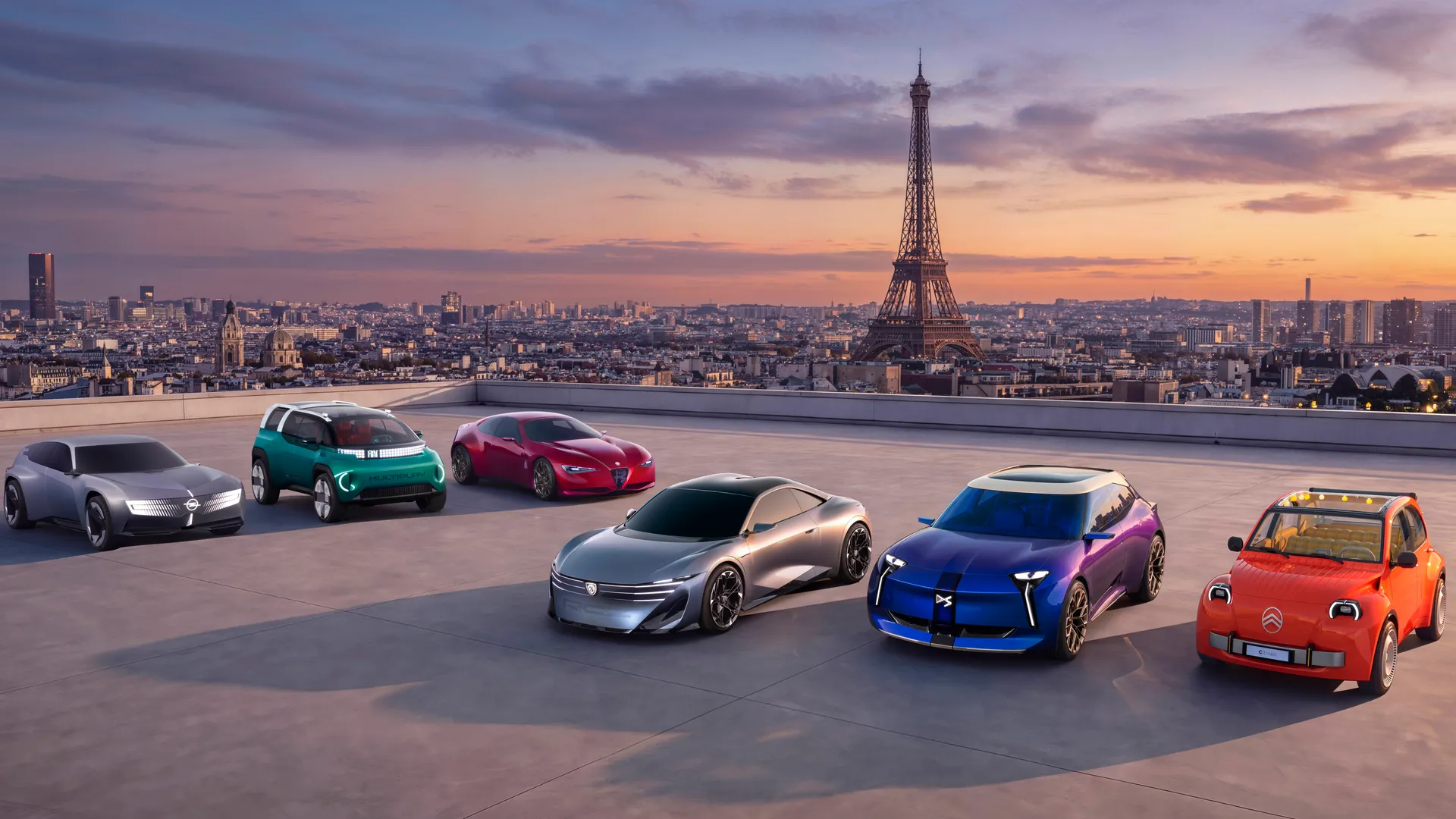
The 2026 Paris Motor Show has demonstrated just how rapidly the automotive industry is evolving, with an impressive mixture of production-ready newcomers, ambitious concepts and familiar names making unexpected returns.
Stellantis and Renault Group have undoubtedly been among the show's biggest attractions, showcasing everything from affordable electric city cars to practical family vehicles and dramatic performance concepts. Their extensive displays also underline the importance of France's domestic manufacturers to one of Europe's most significant motoring events.
Yet the growing presence of Chinese manufacturers has been equally fascinating. With increasingly competitive small cars, sophisticated technology and ambitious luxury models, they're bringing fresh competition to nearly every corner of the European market.
For British buyers, the coming years promise greater choice, particularly as affordable electric cars finally begin receiving the attention they deserve.
With so many exciting developments still to come, Paris 2026 has provided plenty of reasons to look forward to the next generation of cars.
All specifications, prices, availability and future product information were correct to the best of our knowledge at the time of research and publication (October 2026). Details may change, and proposed models, production plans and launch dates remain subject to manufacturer confirmation.

Official press images, trademarks and manufacturer logos remain the property of their respective rights holders and are reproduced for editorial purposes.

Images labelled TNY Design Studio are independent, speculative digital renderings created for The New Yardstick. They are not official manufacturer material and should not be interpreted as confirmed production designs. The New Yardstick is an independent automotive publication and is not affiliated with or endorsed by the manufacturers featured.
You should also read:
Paris Motor Show 2026: TNY’s Complete Preview of the Cars and Concepts to Watch
The Paris Motor Show is back with one of its most ambitious line-ups in years — and 2026 could prove to be one of the most revealing shows yet for where the global car industry is heading. Europe’s biggest manufacturers are arriving with new electric cars, hybrids, concepts and major design previews,…
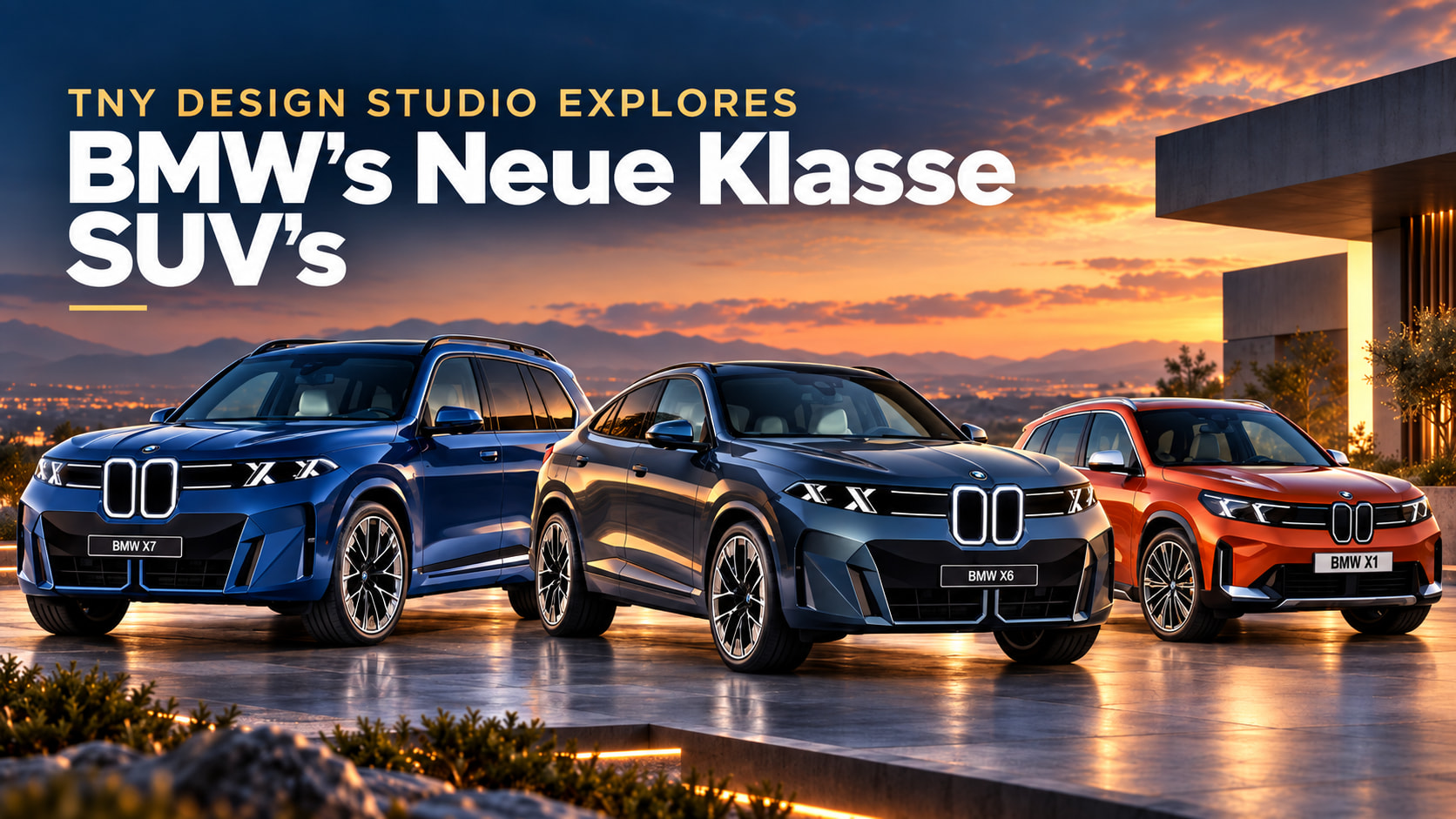
TNY Design Studio Explores BMW’s Next SUV Generation — From X1 to X8
BMW is entering one of the most significant design transitions in its recent history. The arrival of Neue Klasse isn't simply about introducing a new generation of electric cars; its technology and dramatically simplified design language are beginning to influence BMW's entire range. For the company's SUVs, that creates an especially interesting…
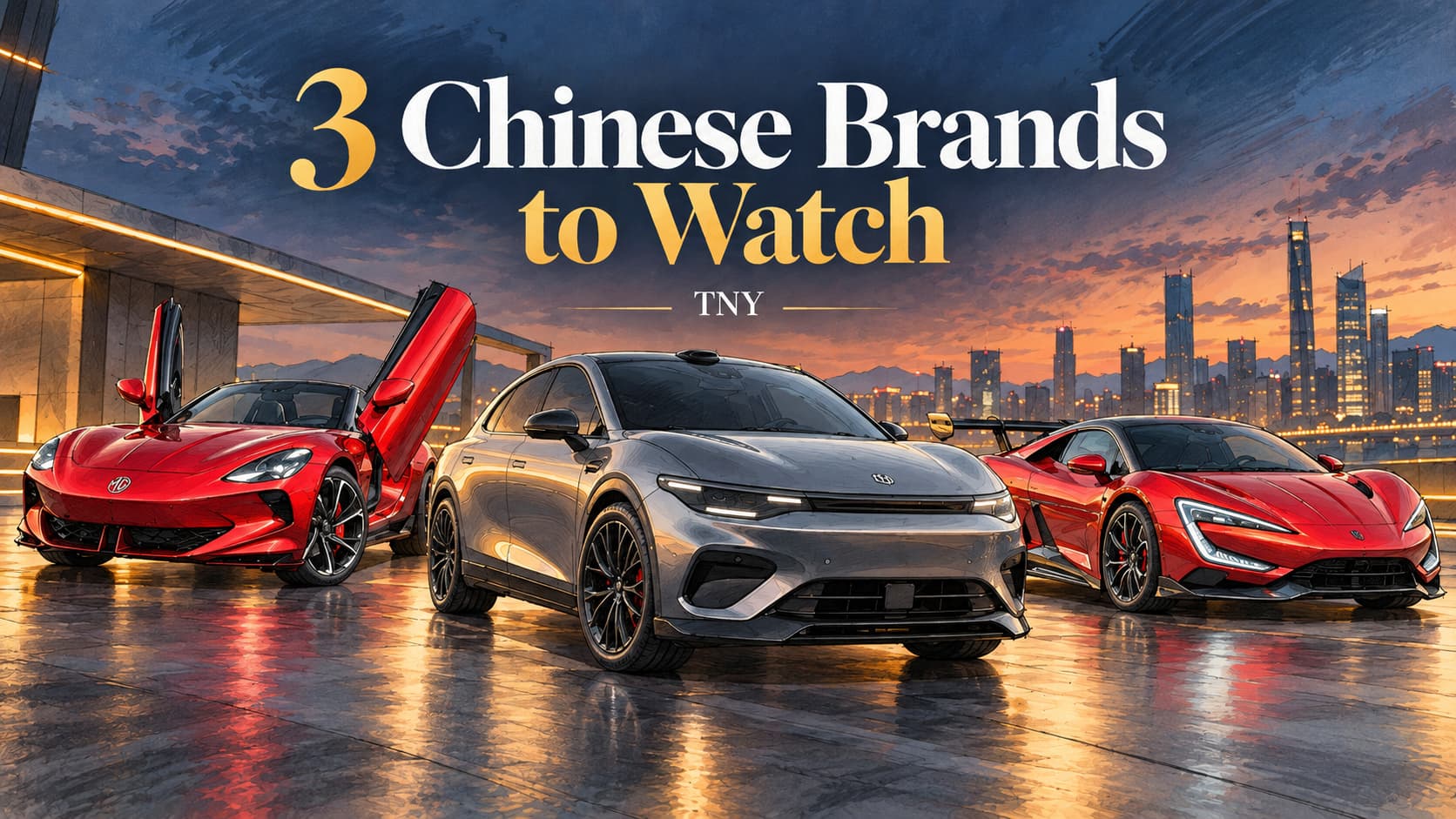
From Budget EVs to Supercars: Three Chinese Brands to Watch
Chinese carmakers are no longer simply arriving in Europe with a handful of cheap EVs. They are building factories, expanding dealer networks, developing premium sub-brands and, in some cases, moving faster than many established manufacturers can comfortably match. Three names in particular show just how varied that expansion has become. BYD brings…
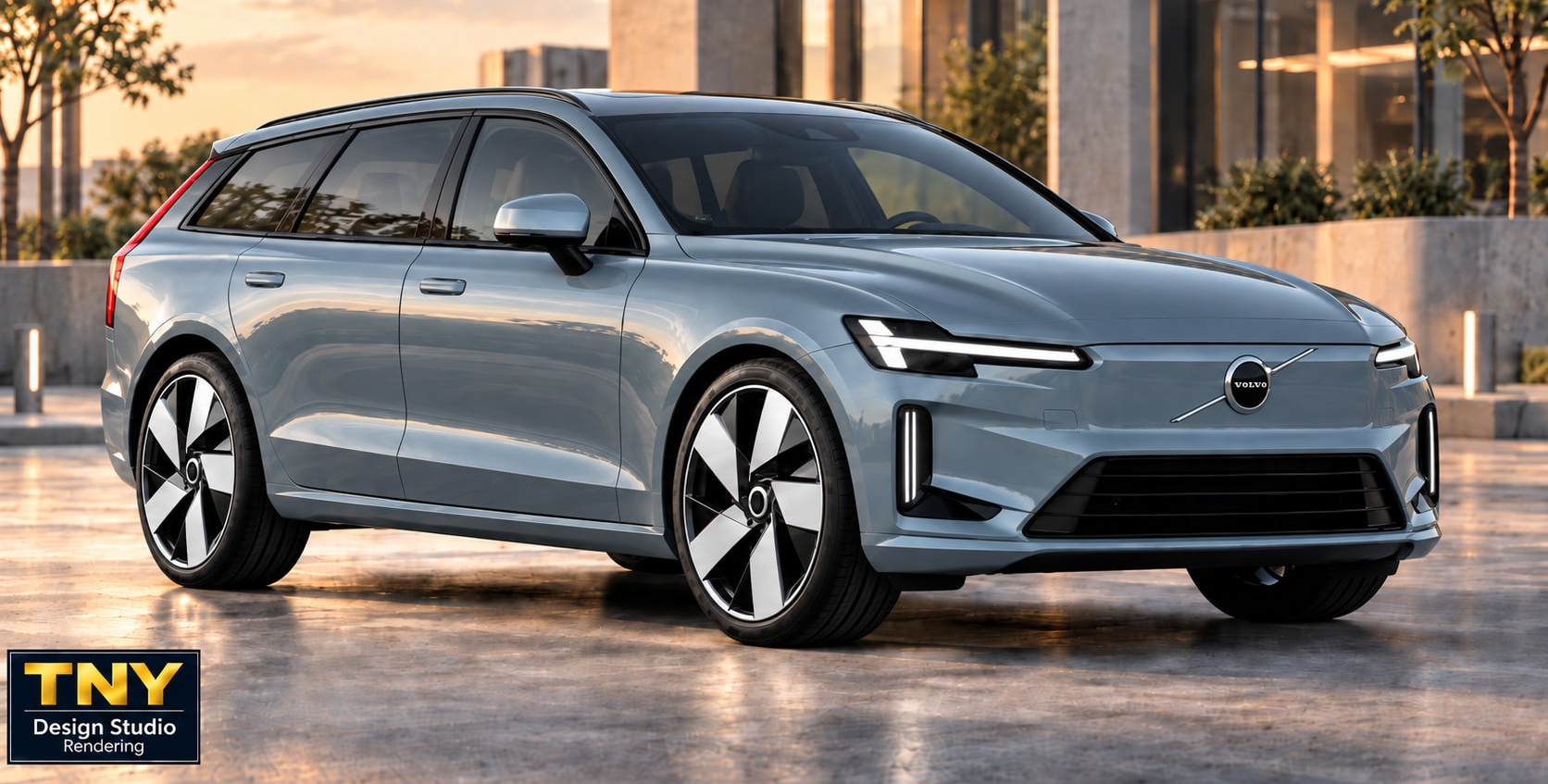
Volvo’s 13-Car Plan — Design Studio Explores the New Range
Volvo has changed dramatically under Geely ownership. What was already a respected premium brand has gained the investment, technology and global scale needed to compete far more directly with the likes of BMW and Mercedes-Benz. That is a significant shift from the Ford era, when Volvo produced some excellent cars but often…
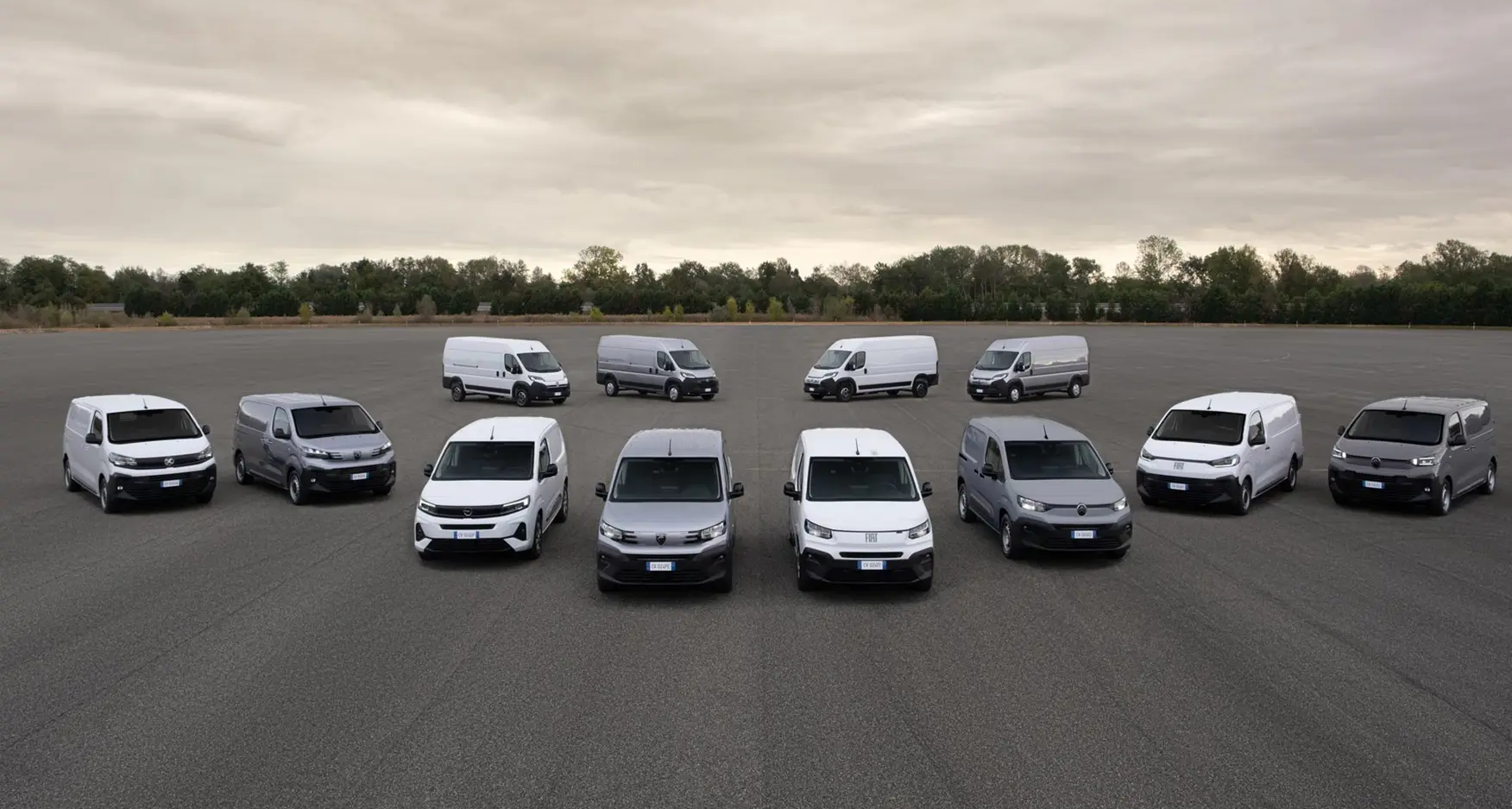
Stellantis Vans 2030: What Comes Next for Europe's Biggest Van Family?
Stellantis has built one of Europe’s biggest commercial vehicle operations, with familiar names from Citroën, Fiat, Peugeot, Opel and Vauxhall covering almost every corner of the van market. But the automotive world is changing faster than the traditionally slow-moving commercial vehicle cycle. Battery technology continues to improve, hybrid powertrains are finding new…
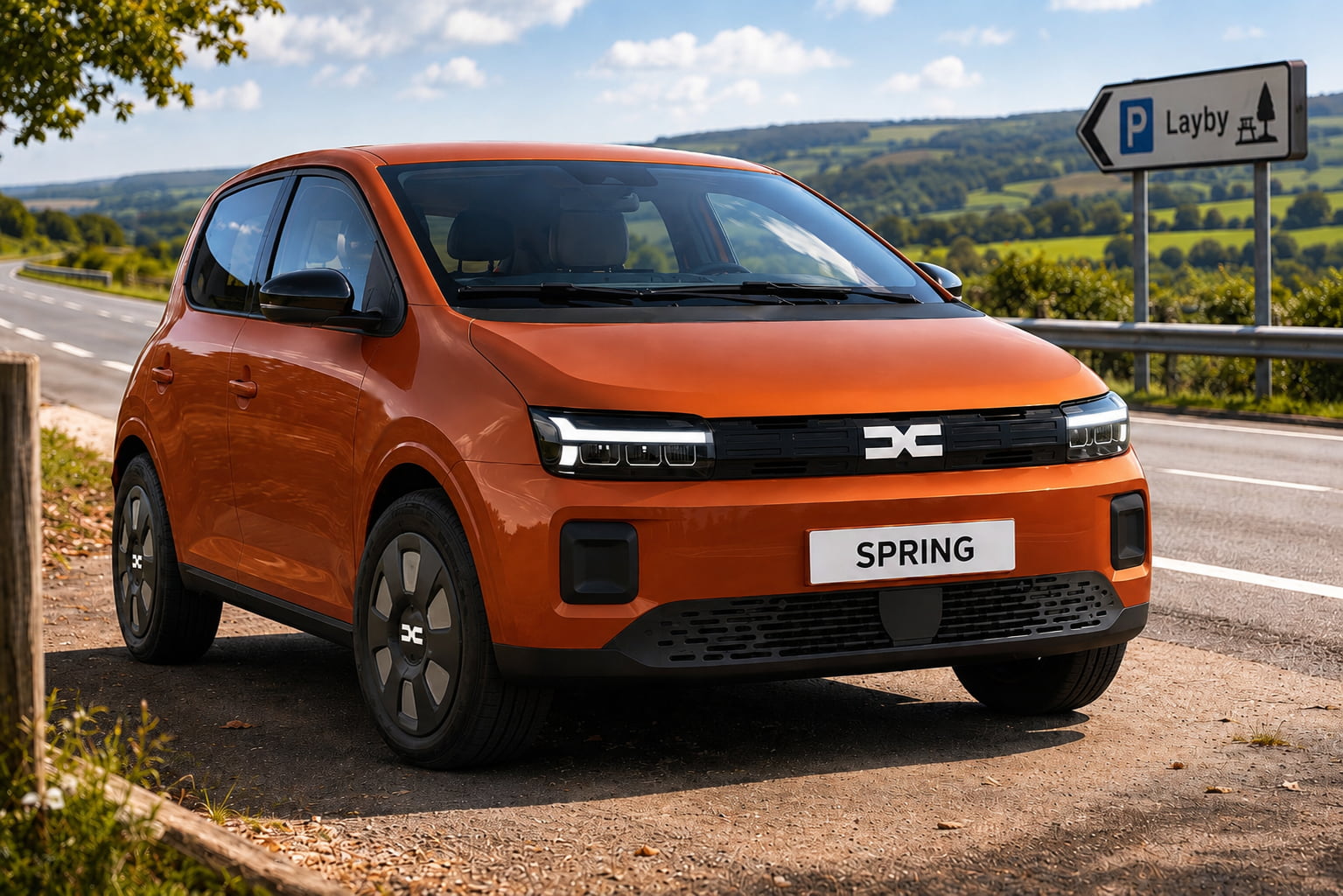
Dacia Spring: Design Studio Explores Three Ways Forward
The Dacia Spring has become one of Europe’s most important affordable EVs, proving that electric cars do not need huge batteries, enormous power outputs or premium prices to make sense. But deciding what replaces it could be considerably more complicated. Dacia now has the striking Hipster concept exploring an even smaller, more…
The New Yardstick Deal Tracker - July 2026: 12 Pre-Reg Car Deals Worth Your Attention
New car prices may be rising, but significant savings are still available for buyers willing to look beyond the showroom. This month's Deal Tracker focuses on pre-registered vehicles: nearly-new cars with delivery mileage, manufacturer warranty cover and discounts that can run into the thousands. All 12 models featured here are pre-registered 2025…
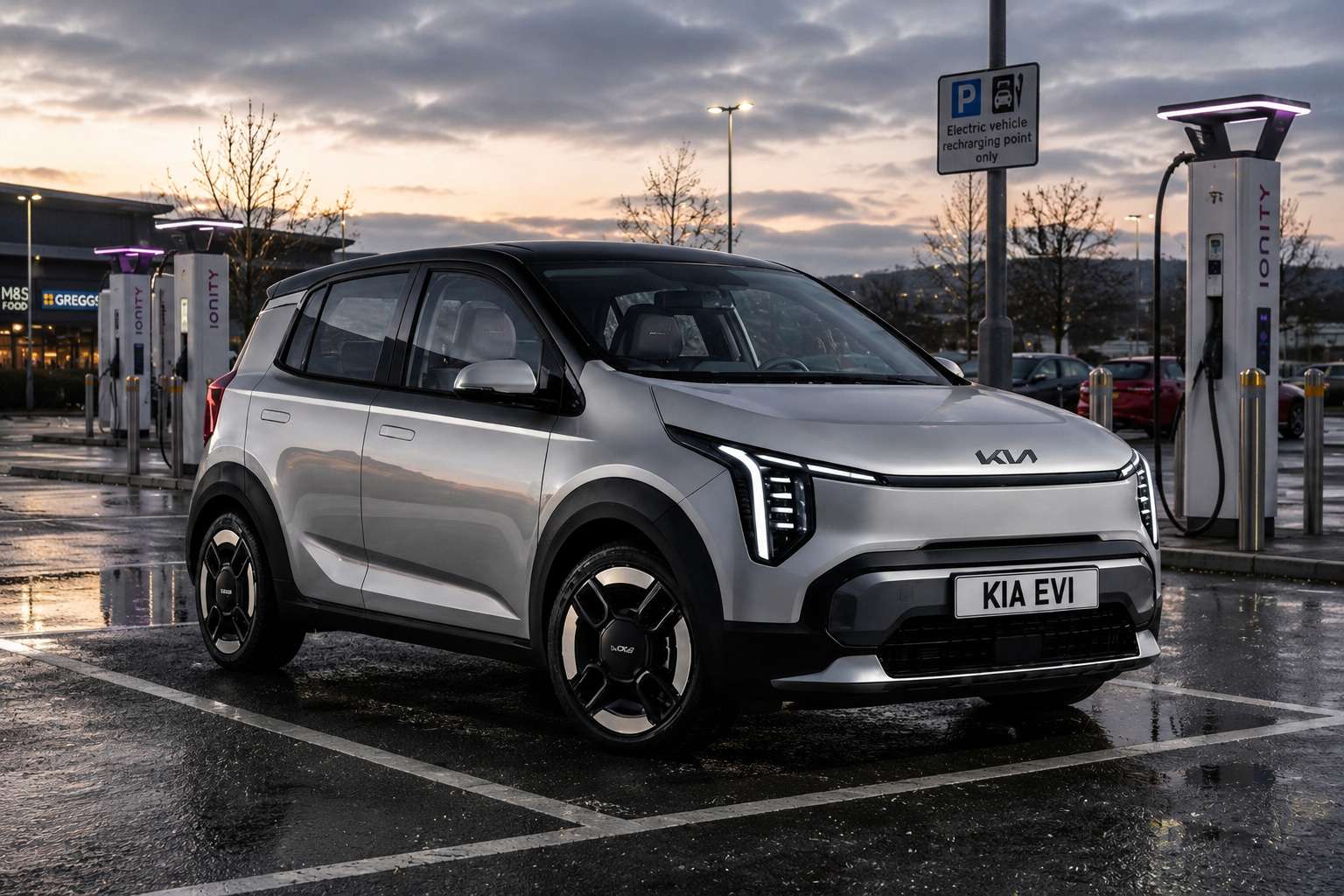
The EV1 Shows How Kia Plans to Keep City Cars Alive
The Kia EV1 arrives at a pivotal moment for Europe’s smallest cars. With the long‑running Picanto finally reaching the end of its lifecycle, one of the last petrol city cars on the continent is bowing out. Kia’s decision to replace it with a fully electric model reflects a wider industry shift: emissions rules,…