Mazda 3e: Why Mazda Should Take Another Shot at the Small EV
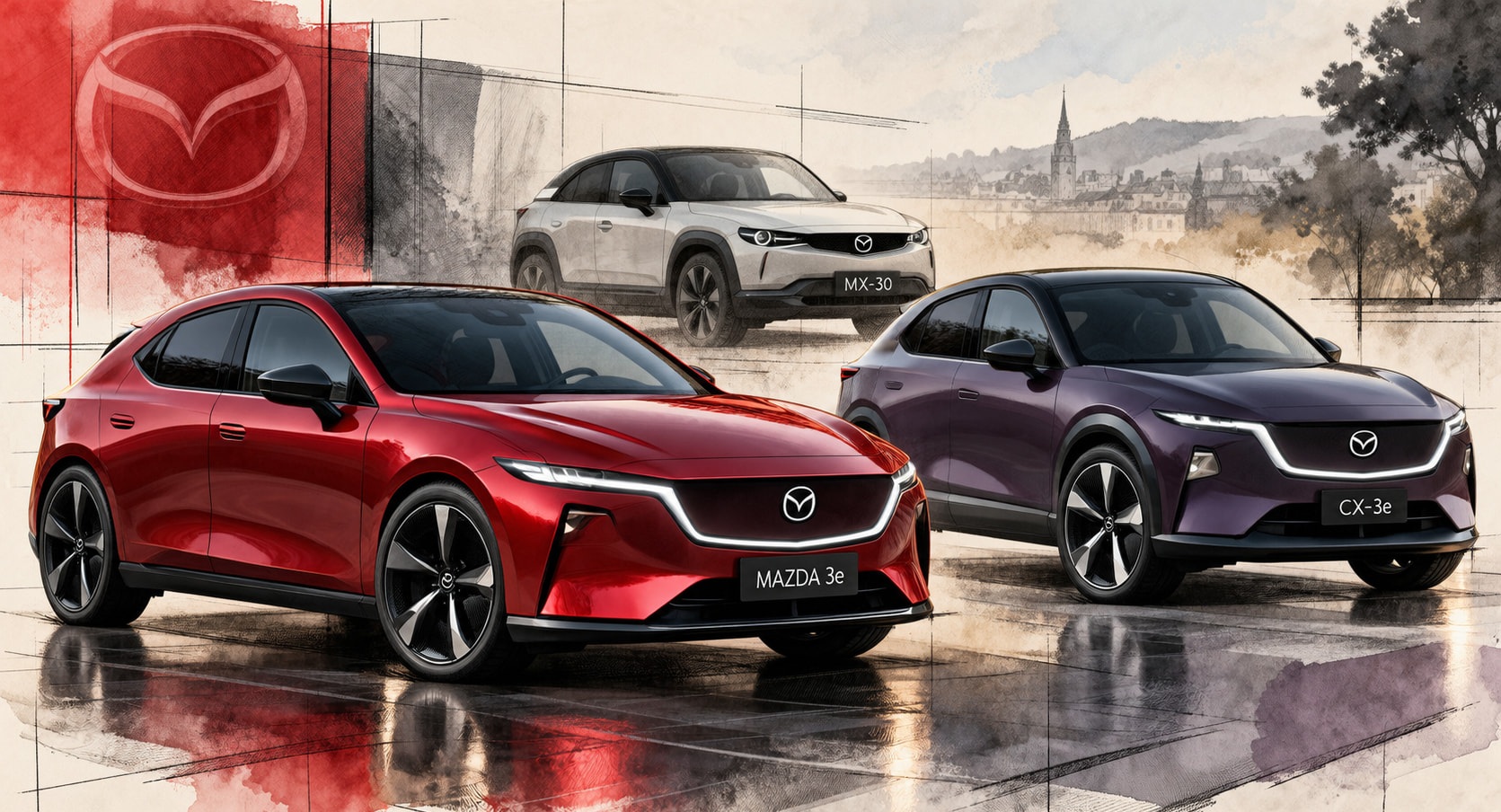
That increasingly left Mazda in a difficult position. Its continued reliance on petrol engines and limited range of electrified models put growing pressure on the brand as European emissions rules tightened and manufacturers faced increasingly demanding EV sales targets.
But Mazda’s position now looks very different. A new generation of electric models is beginning to arrive, bringing substantially more competitive technology, range and pricing. TNY Design Studio asks whether Mazda should take the next logical step — and bring that new EV formula back down into the heart of the European market.
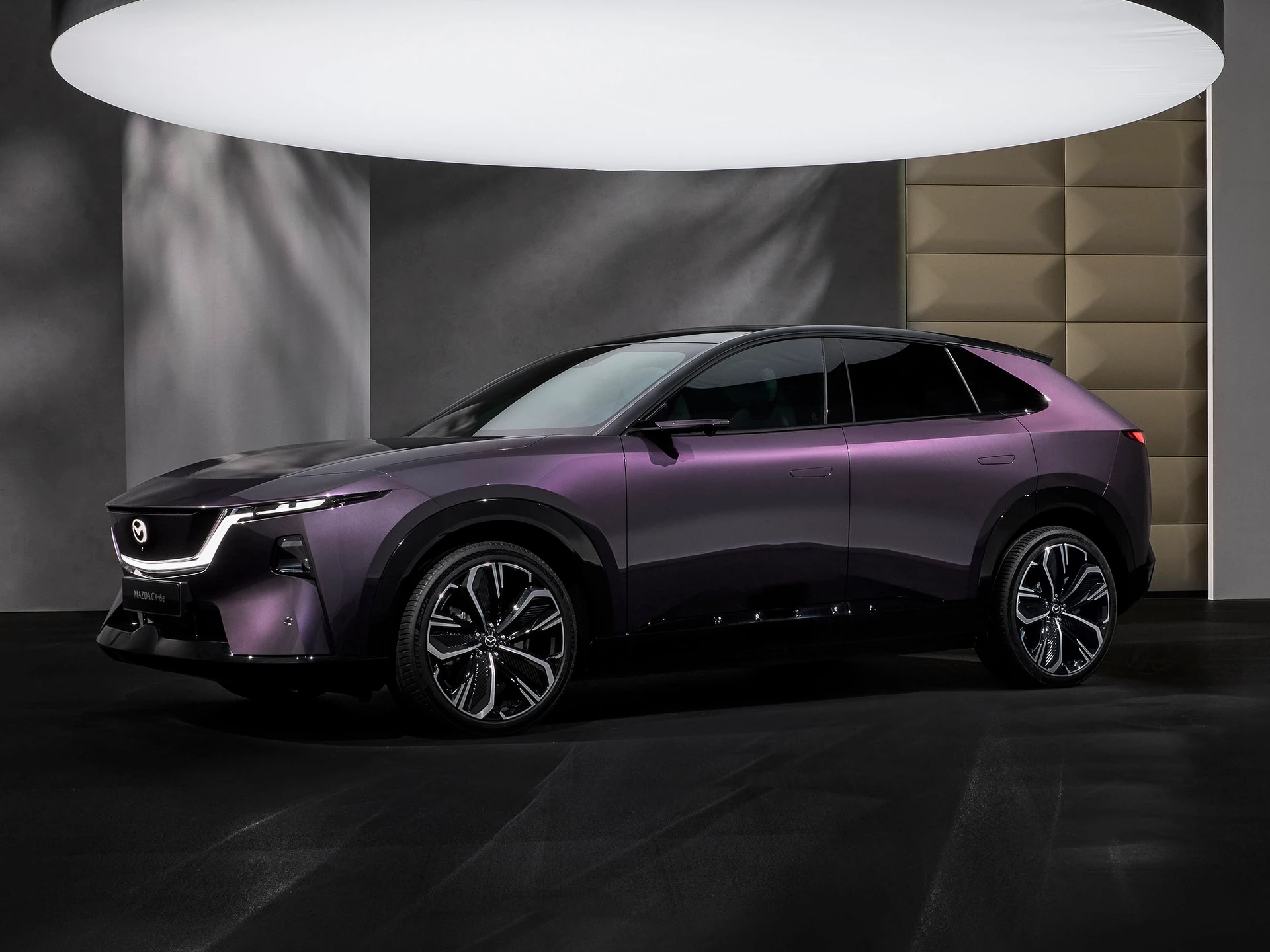
Mazda’s EV story has changed dramatically over the past year. The 6e marked the first major step, combining long-range electric powertrains and significantly more technology with the traditional proportions of a large, low-slung saloon. Just as importantly, Mazda has managed to price it competitively, giving the brand a far more convincing electric proposition than before.
Now the CX-6e takes that formula into the SUV market. Its exterior feels distinctly Mazda, while inside, the wide digital dashboard and clean layout give it a striking, modern character without losing the sense of quality expected from one of the brand’s larger models.
Together, the 6e and CX-6e represent a considerable reset. The question now is whether Mazda can take the same ingredients and successfully bring them further down the range. (Image credit: Mazda)
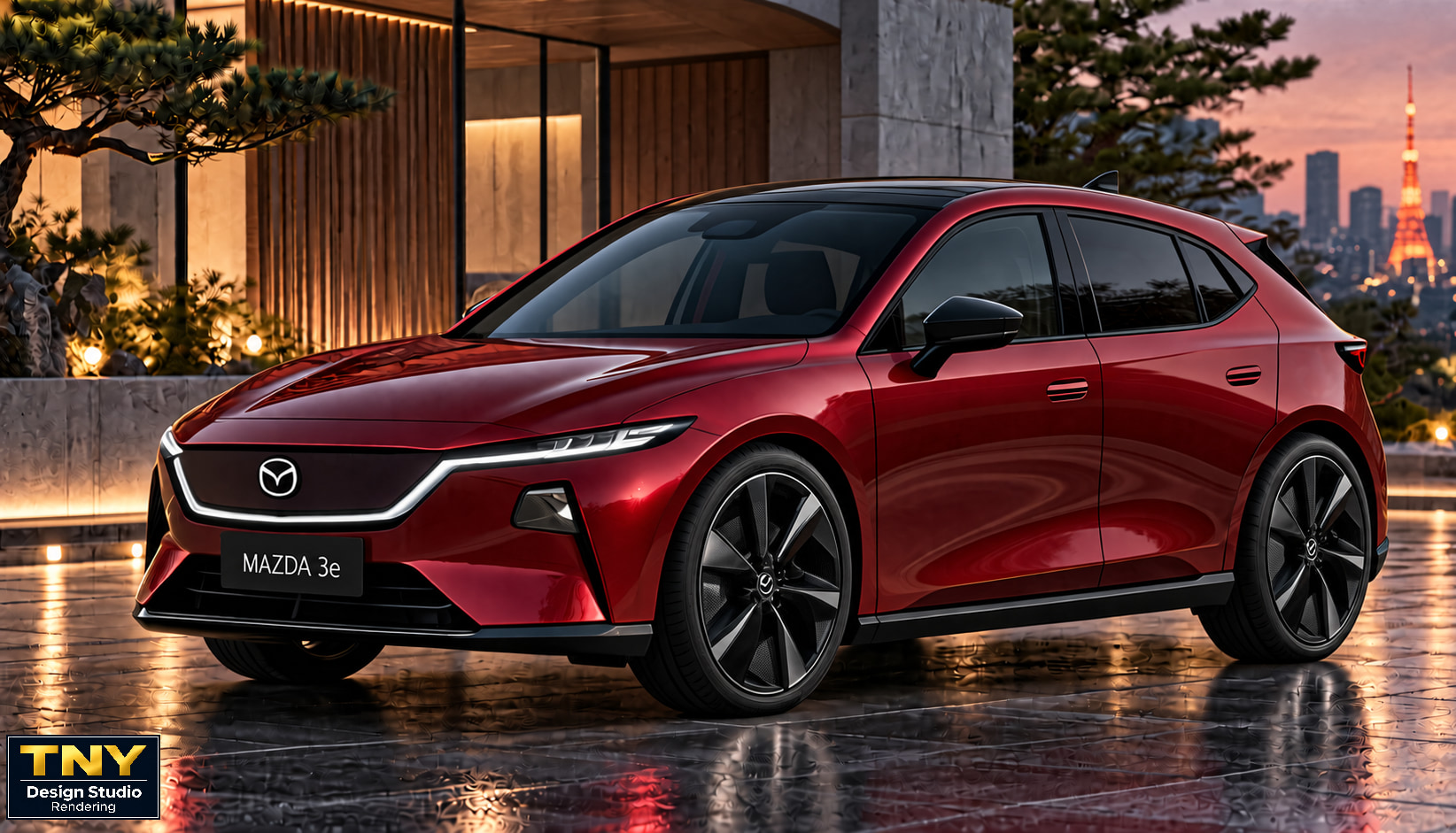
The Mazda3 has been one of the most important cars in Mazda’s European range for more than two decades, combining distinctive design and a more upmarket feel with the dimensions and usability expected of a conventional family hatchback. Keeping that position relevant as the market moves towards EVs could increasingly require more than efficient combustion engines and hybrids.
Our Mazda 3e rendering explores one possible answer: effectively bringing the thinking behind the 6e into a smaller, roughly 4.4-metre hatchback. It retains Mazda’s familiar proportions and sporting character, but combines them with the cleaner surfaces and EV-focused details of its newest models.
Done properly, a smaller 6e could give Mazda a credible rival to the growing number of electric hatchbacks now competing at the heart of the European market.
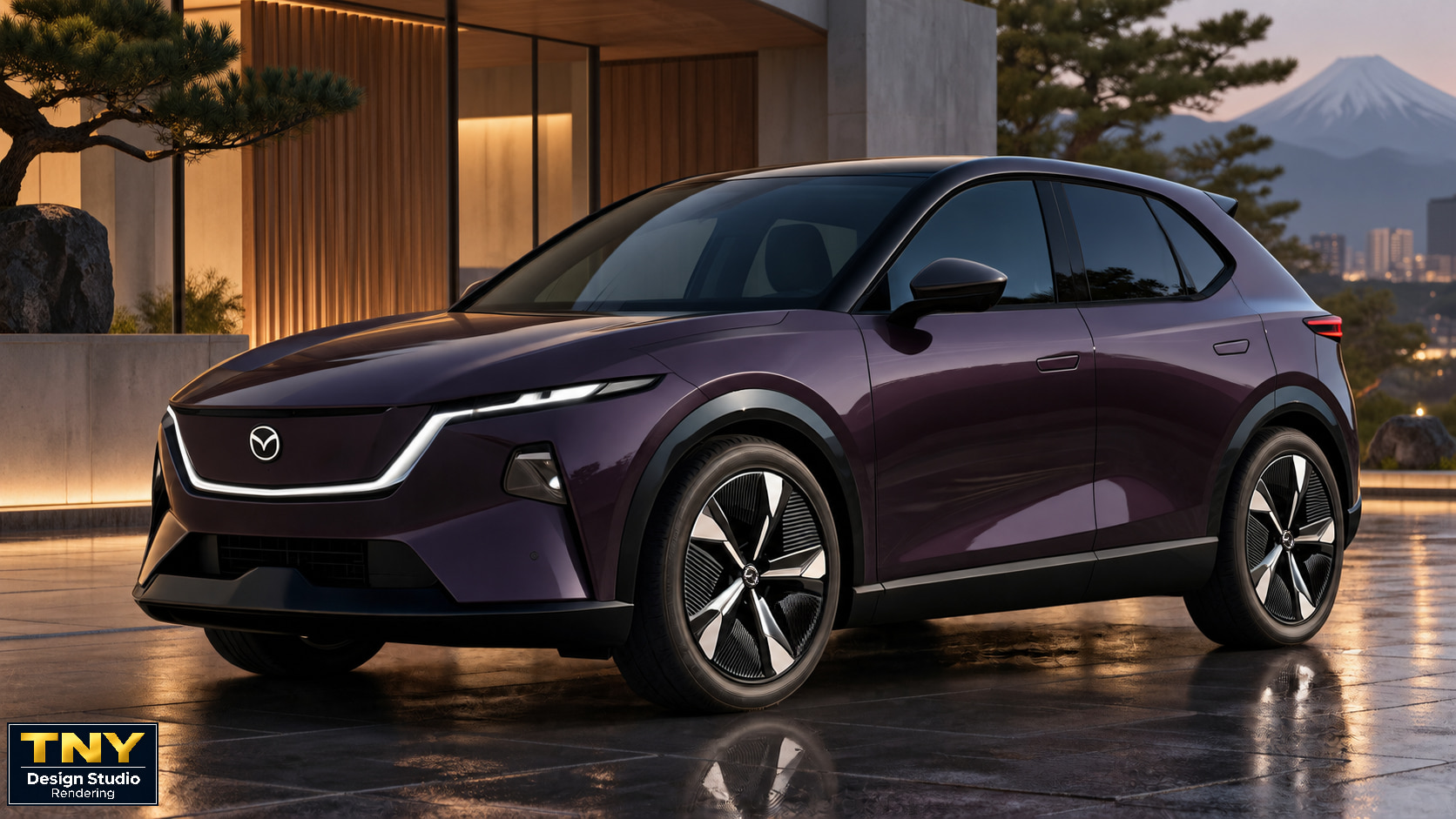
Mazda has already shown that it understands the appeal of a compact SUV. The CX-3 and CX-30 have both given the brand attractive, relatively small family crossovers, but combustion-powered models alone do little to solve the emissions challenge Mazda faces in Europe. With European fleet CO₂ requirements tightening, higher-volume electric models could become particularly valuable to Mazda.
Our CX-3e rendering explores what happens if Mazda applies its new EV formula to this part of the market. Smaller and more affordable than the CX-6e, it could combine the design character of Mazda’s latest SUVs with a fully electric powertrain in one of Europe’s most important segments.
Alongside a 3e hatchback, it could give Mazda two genuinely useful volume EVs rather than relying primarily on larger, more expensive models.
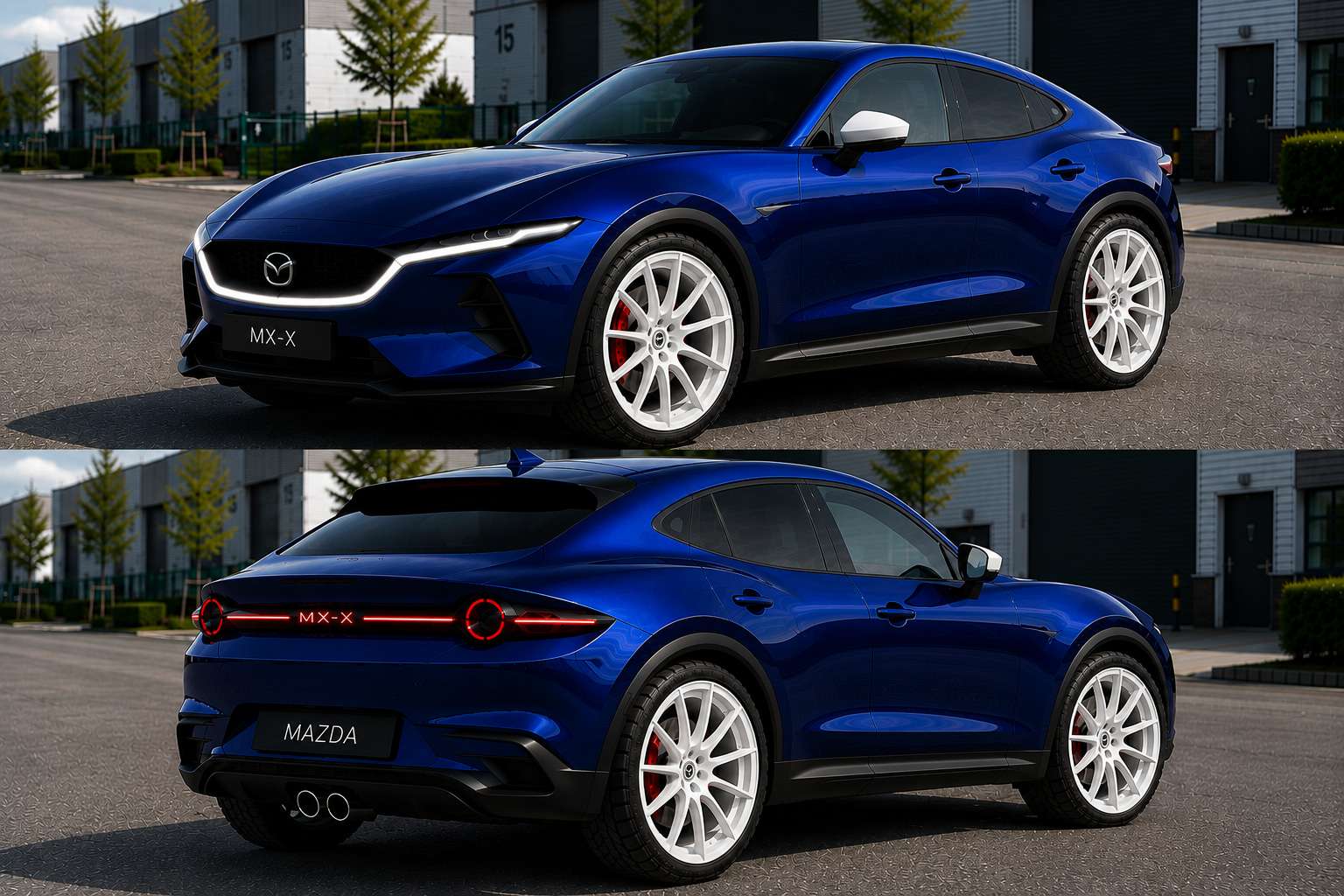
This is not the first time TNY Design Studio has explored what could come next for Mazda. In our earlier look at the brand’s future, we imagined the MX-X — a compact Mazda3-sized saloon with a cleaner, more sporting interpretation of Mazda’s evolving design language.
That rendering was originally imagined with a combustion engine, right down to its twin exhausts, but the basic design could translate particularly well into an EV. Remove those exhausts, optimise the proportions around an electric platform and introduce some of the detailing now seen on the 6e, and the result could offer another direction for a future Mazda3 family.
It also shows that going electric does not have to mean abandoning the simple, elegant shapes that have helped distinguish Mazda from its rivals. (Image credit: TNY Design Studio)
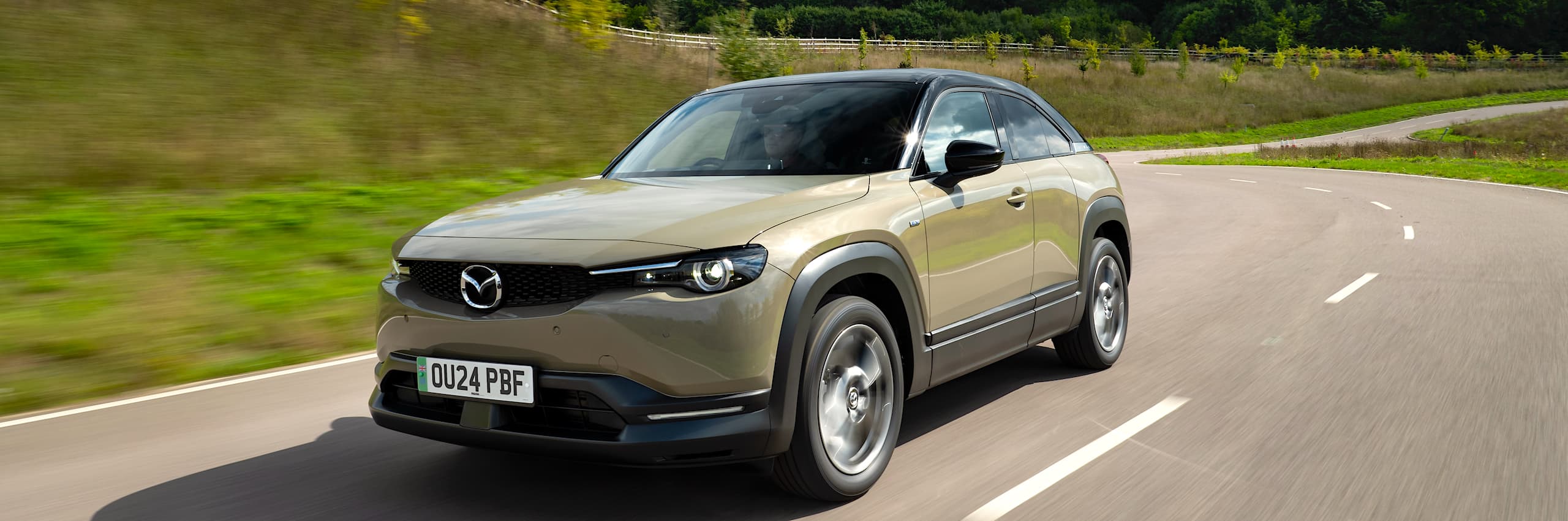
The MX-30 ultimately showed that distinctive design alone was not enough to make a competitive electric Mazda. Limited range, an unconventional body and relatively high pricing restricted its appeal at a time when the wider EV market was moving quickly.
Mazda now has an opportunity to approach the smaller end of the market very differently.
The 6e and CX-6e demonstrate how access to new technology and partnerships can sit alongside recognisable Mazda design, while delivering the range, equipment and value increasingly expected from an EV.
A 3e could bring that formula into the heart of the European hatchback market, while a CX-3e could give Mazda the electric small SUV capable of generating meaningful volume.
Neither exists today, but Mazda has already shown it is prepared to rethink its EV strategy. This time, going smaller could be every bit as important as going further. (Image credit: Mazda)
You should also read:
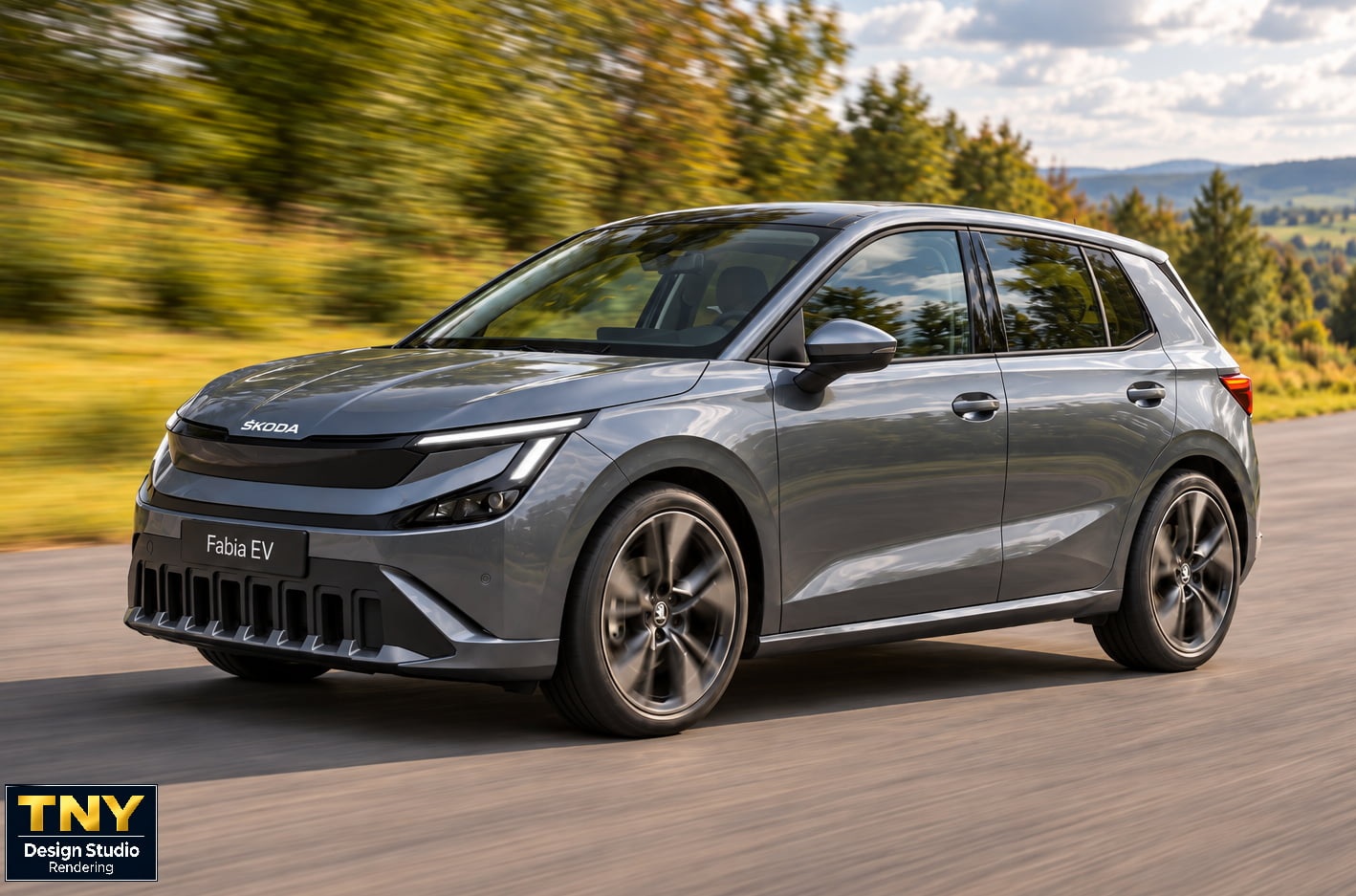
Škoda's Small Car Future: Cheaper EVs and a New Life for the Scala
Škoda has built its reputation on delivering practical, spacious cars at sensible prices. Models like the Scala demonstrate just how much car the Czech manufacturer can offer for the money, but as the industry moves towards electrification, can Škoda bring that same value to its smallest electric models? The incoming Epiq is…
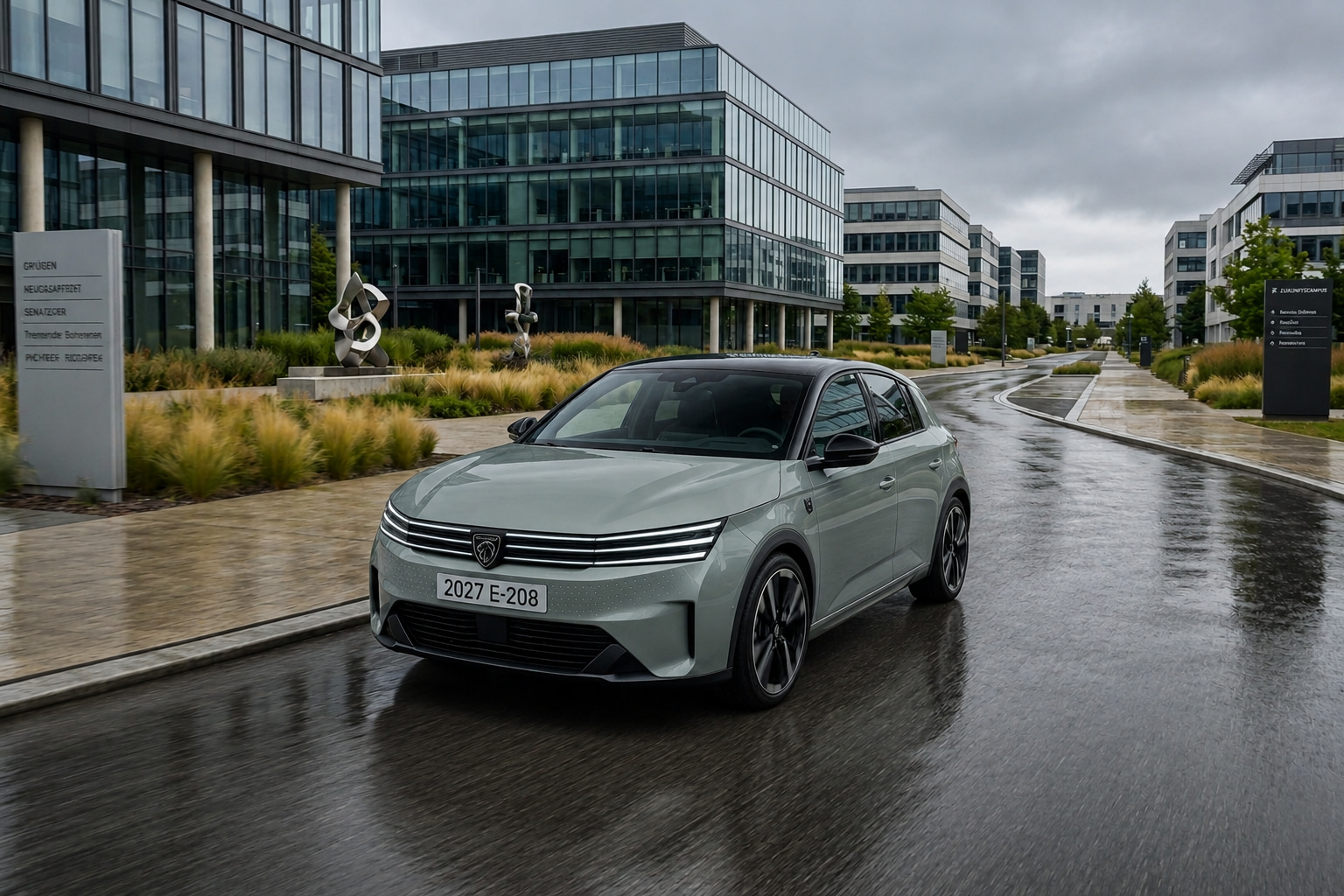
Three Cars, One Mission: Peugeot's Bold New Premium Small Car Strategy
Twenty years ago, Peugeot offered one of Europe's broadest B-segment line-ups, with hatchbacks, estates, convertibles, people carriers and overlapping generations all competing for buyers. Today, just the 208 and 2008 remain. However, that could soon change. Growing evidence from Peugeot's product roadmap and Stellantis' wider platform strategy suggests the French manufacturer could…
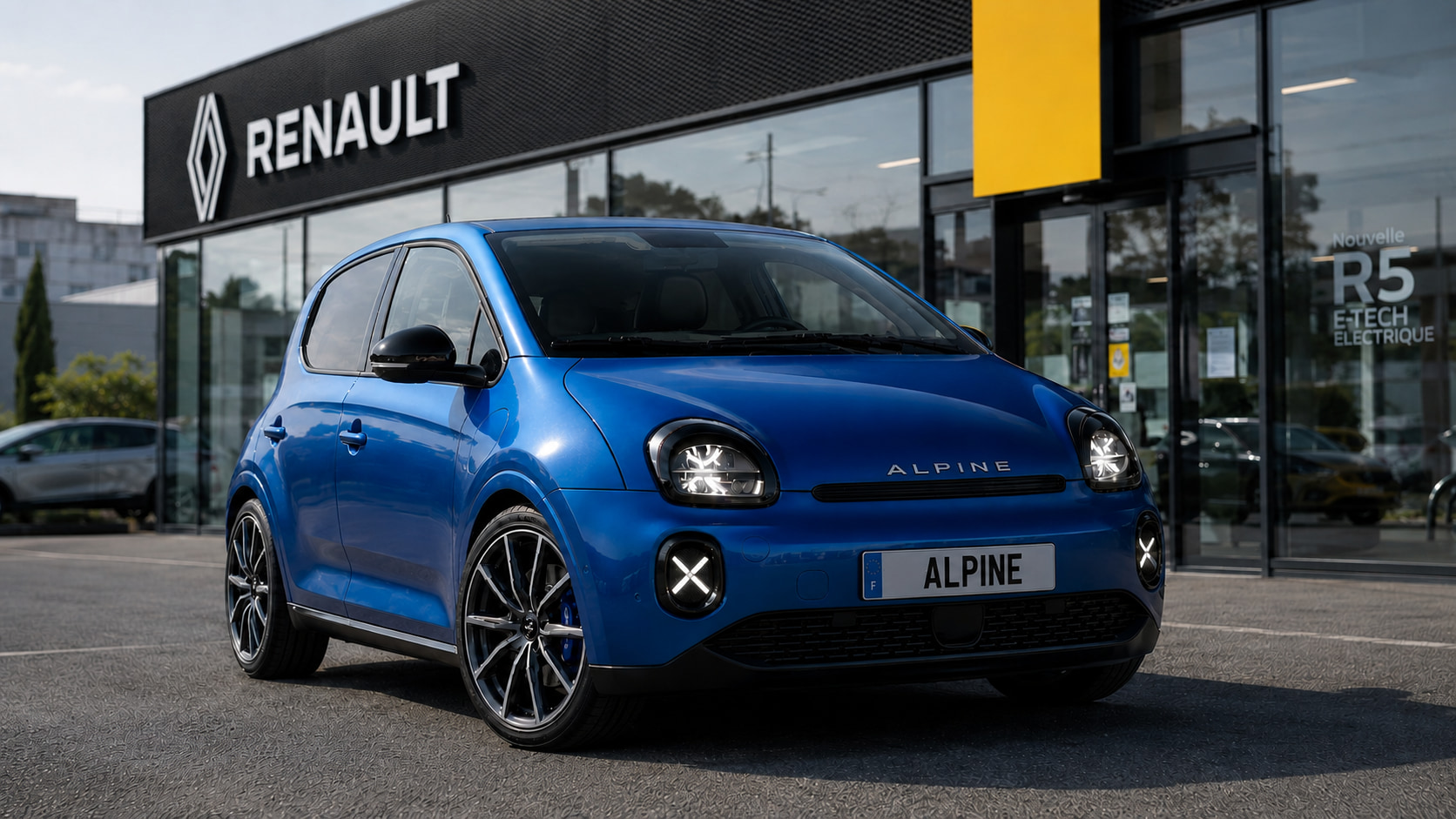
Alpine A190: The Affordable Electric Hot Hatch Alpine Should Build
Few brands have reinvented themselves as successfully as Alpine. The A290 has already shown that an electric hot hatch can be genuinely exciting, but there may still be room for something even smaller. In this Design Studio feature, we imagine the Alpine A190: a compact performance EV based on the Renault Twingo…
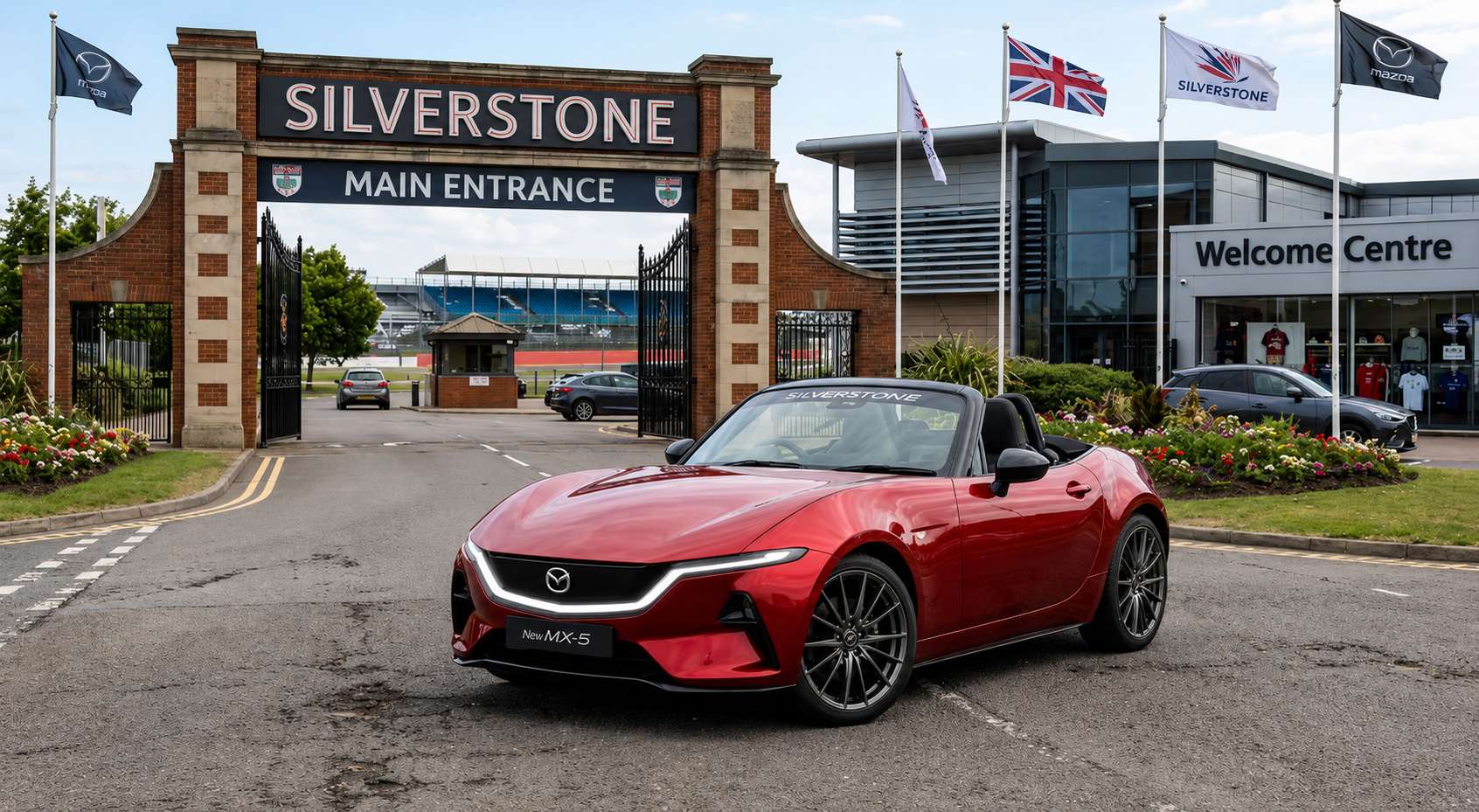
Mazda MX‑5: Designing the Fifth Generation
Few cars have earned global affection quite like the Mazda MX‑5 — known as the Miata in North America and the Eunos Roadster in Japan. As the world’s best‑selling two‑seat convertible, it has defined accessible sports‑car joy for over four generations since its debut in 1989. The current ND generation, now eleven…
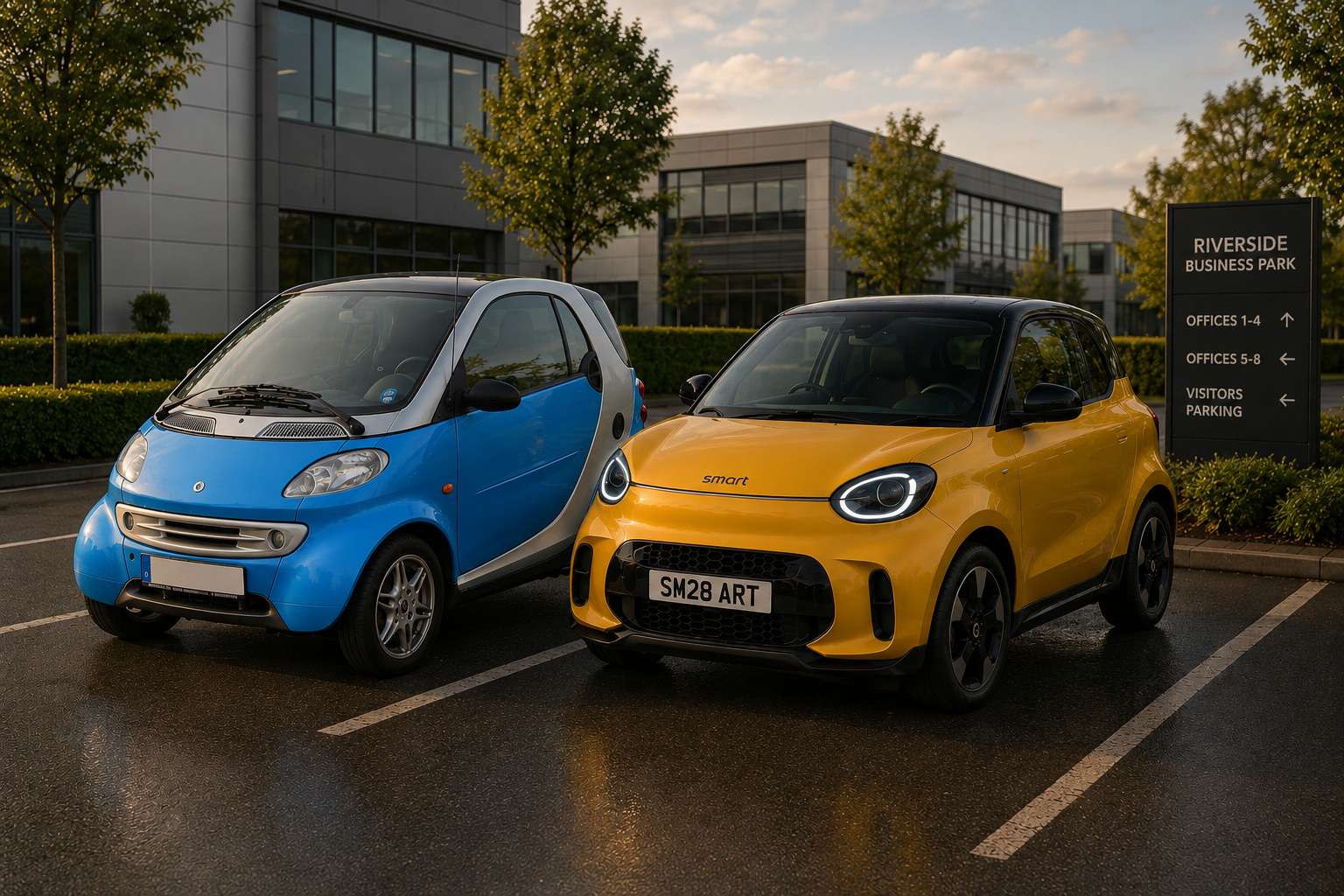
Small, Smart Again? Why Smart May Be Heading Back to its Urban Roots
For most of its history, Smart built its reputation around doing one thing exceptionally well. Our exclusive image compares the original Smart Fortwo and our "next generation" interpretation. Tiny dimensions, clever packaging and a focus on urban mobility made the original Fortwo one of the most recognisable city cars ever produced. Yet…