Mazda MX‑5: Designing the Fifth Generation
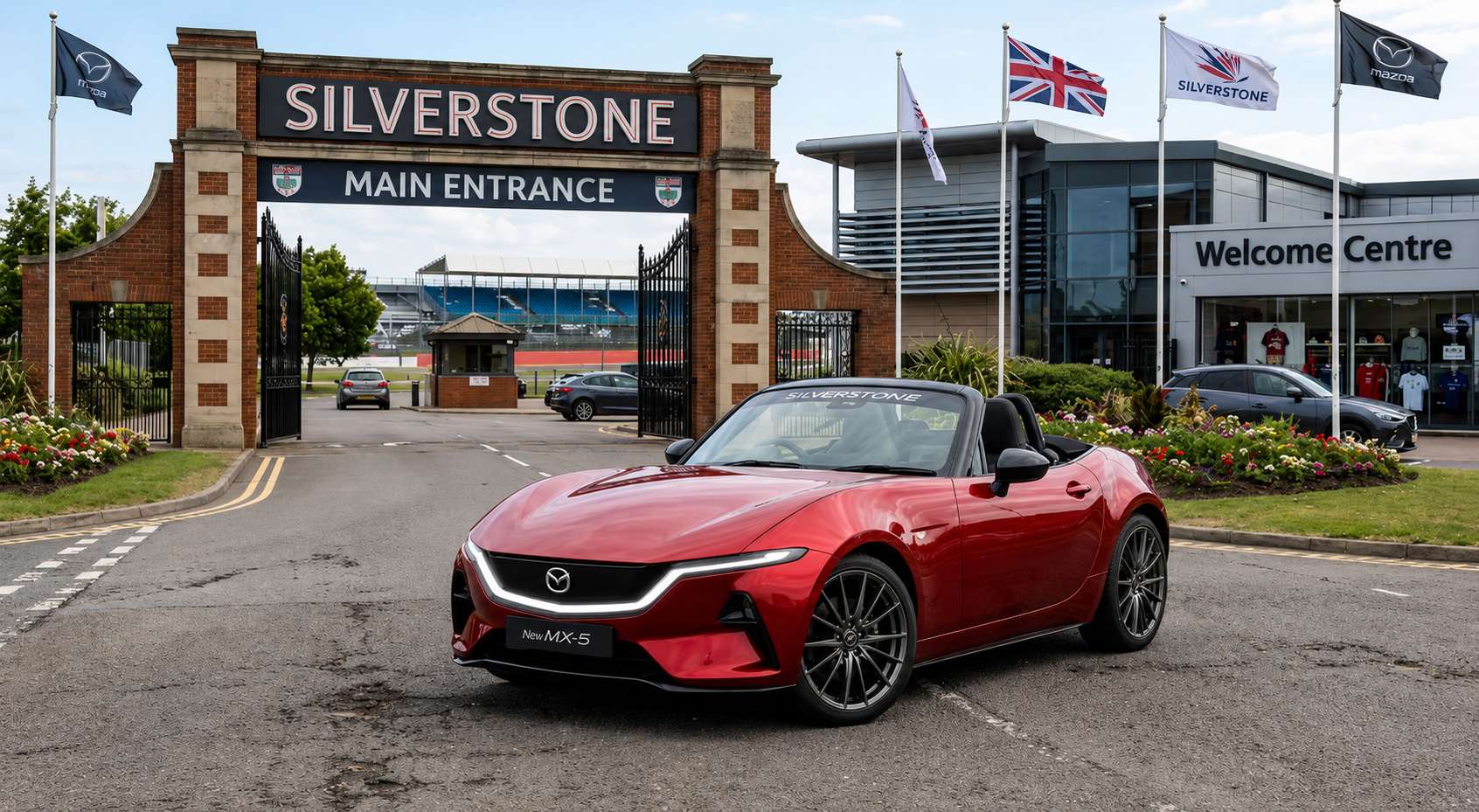
Few cars have earned global affection quite like the Mazda MX‑5 — known as the Miata in North America and the Eunos Roadster in Japan. As the world’s best‑selling two‑seat convertible, it has defined accessible sports‑car joy for over four generations since its debut in 1989.
The current ND generation, now eleven years into its run, is the longest‑serving MX‑5 yet, a testament to its enduring appeal and engineering purity. But the world it was born into has changed dramatically. As Mazda prepares the next chapter, the MX‑5 must navigate a new geopolitical landscape, shifting regulations, and evolving consumer expectations.
Our study explores how the next generation could look — and the challenges it must overcome to remain a global icon.
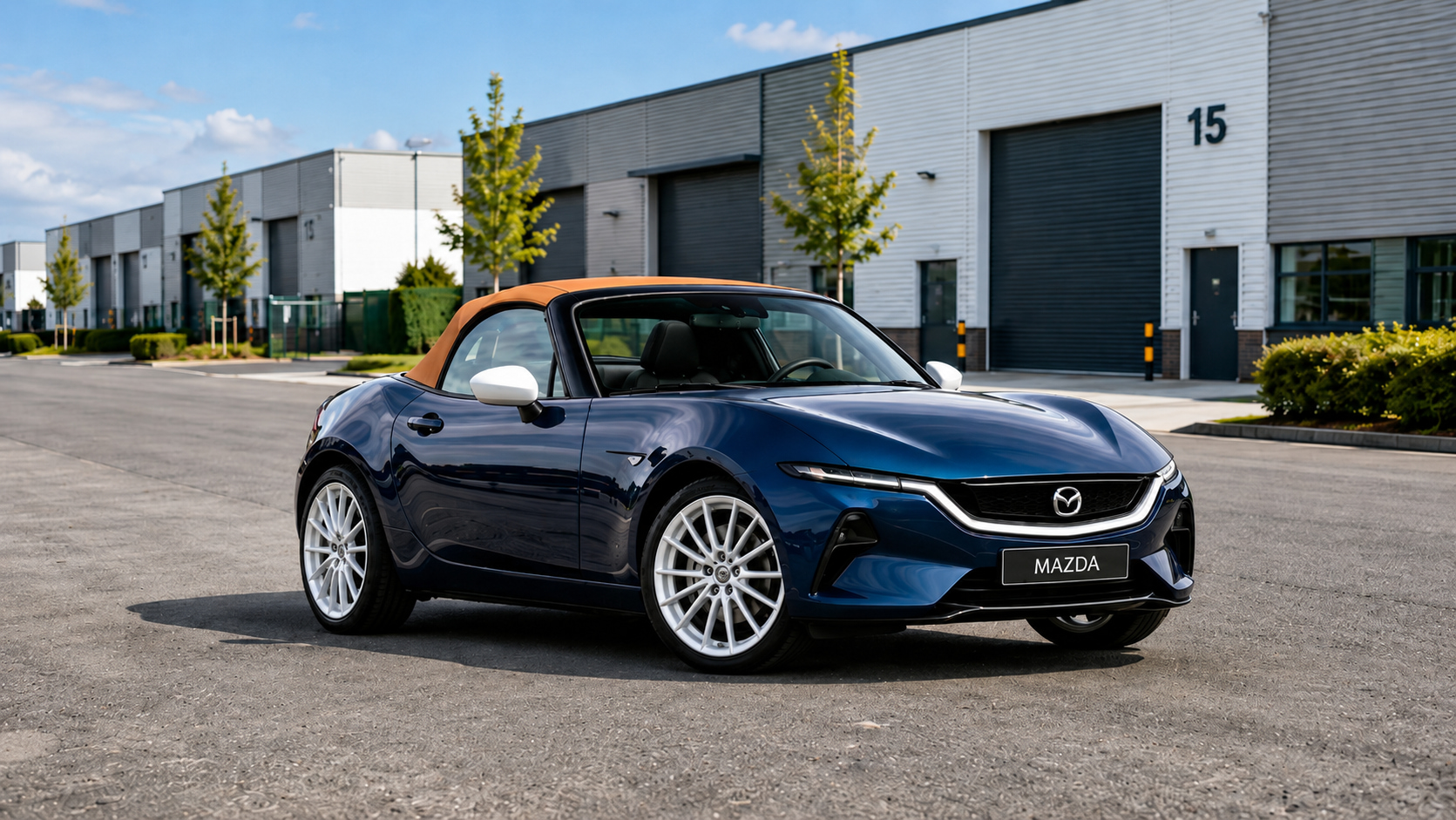
In the UK, the Mazda MX‑5 has long enjoyed a loyal following, helped by the fact it no longer competes directly with former rivals like MG or Toyota in the lightweight roadster segment. Its simple formula — manual gearbox, rear‑wheel drive, naturally aspirated engine, and low weight — has earned it cult‑car status among enthusiasts who value purity over power.
The original MX‑5 famously drew inspiration from classic British convertibles, and that lineage still resonates today. For many UK drivers, it represents the return of a driving style Britain pioneered, refined through Mazda’s reliability and engineering focus.
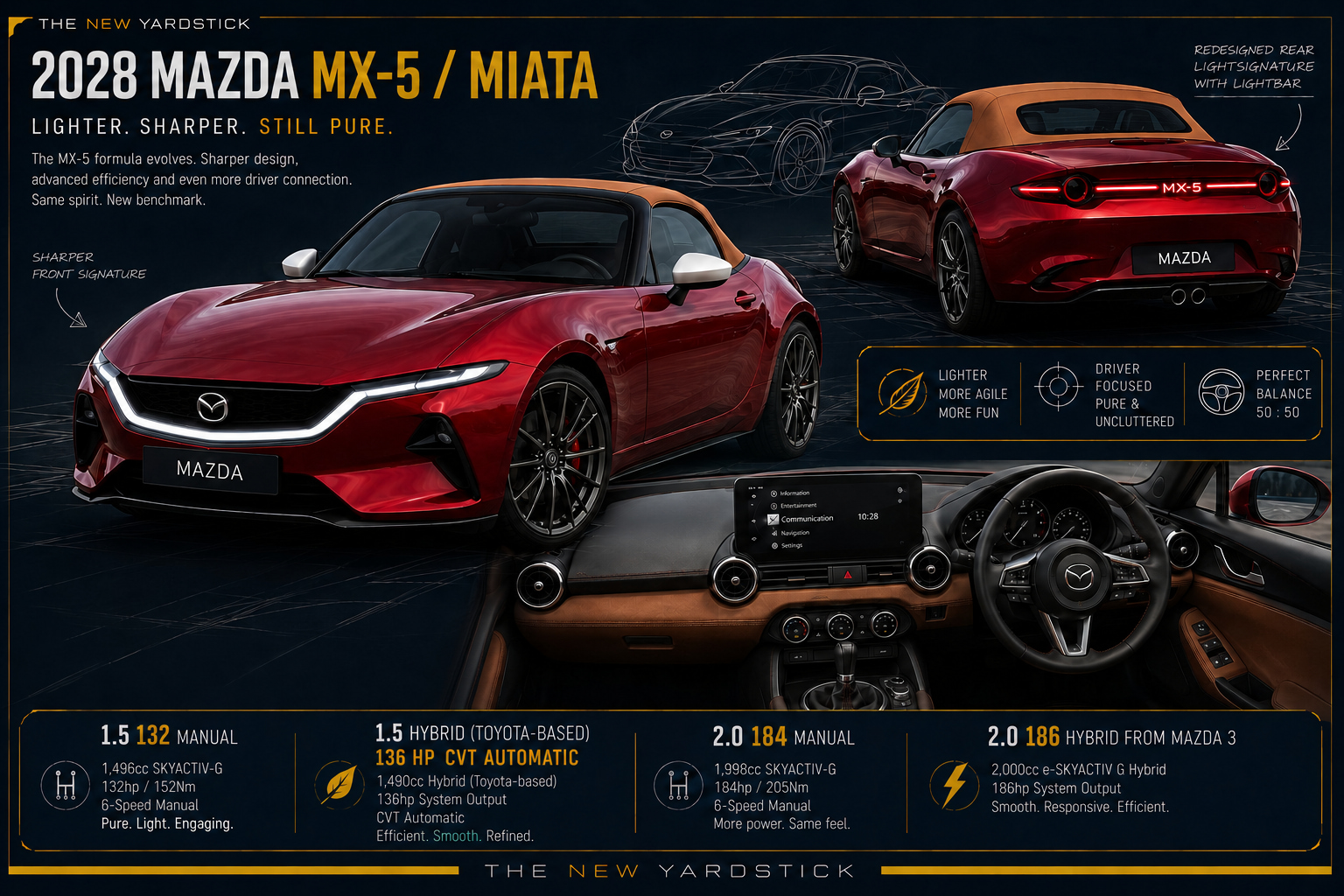
For the MX‑5 to remain viable in Europe, Mazda faces a difficult crossroads. The brand must either reshape its wider European lineup to prioritise low‑CO₂ and EV models, or electrify the MX‑5 itself to avoid heavy fines for missing EU fleet‑average emissions targets.
Mazda has repeatedly stated it won’t make the next‑generation MX‑5 heavy or fully electric, strongly suggesting that a lightweight hybrid is the most realistic path forward — with a naturally aspirated engine almost guaranteed. Depending on how Mazda structures its European range, this decision could determine whether the MX‑5 can continue to be sold as an N/A sports car, or even be sold at all.
Borrowing Toyota’s compact 1.5‑litre hybrid — already used in the Mazda 2 — could allow Mazda to build a nimble, efficient roadster, as our design study shows when compared with existing engines and Mazda’s own 2.0 hybrid setup.
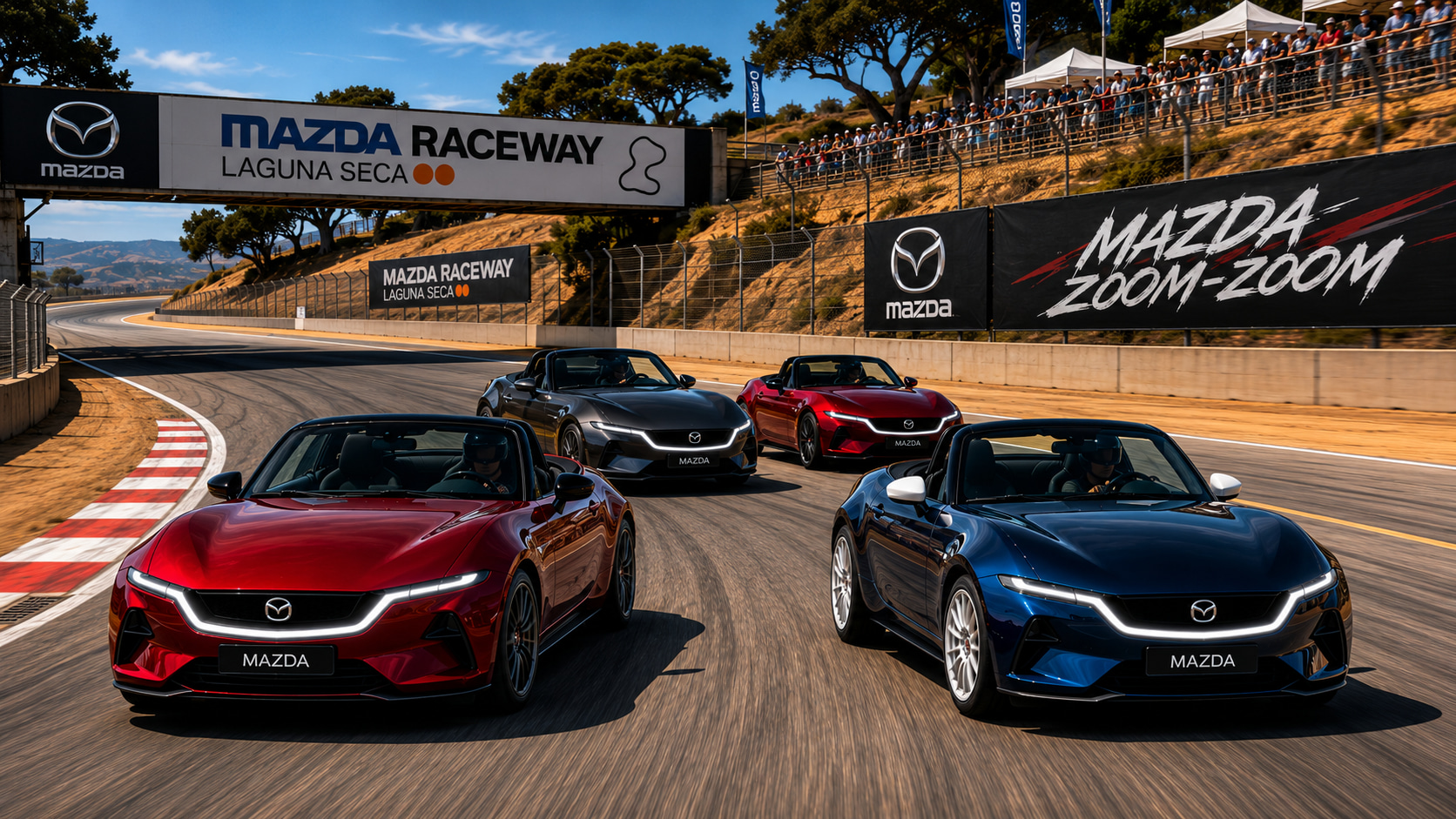
Mazda may be walking a tightrope as it tries to keep the MX‑5 a truly global model, but the outlook isn’t uniformly tough. While Europe presents regulatory hurdles, the United States has become an unexpected bright spot for the roadster. Despite new tariffs on imported vehicles, MX‑5 sales have surged, helped by its status as one of the cheapest sports cars available even after tariff costs are applied.
The model’s long‑standing cult following in America — strengthened by its deep connection to iconic circuits like Laguna Seca — has insulated it from the financial pressures that have challenged other brands.
As rivals struggle to balance pricing, supply chains, and shifting trade rules, the MX‑5 has carved out fresh momentum in the U.S., proving that lightweight driving joy still resonates strongly with American buyers.
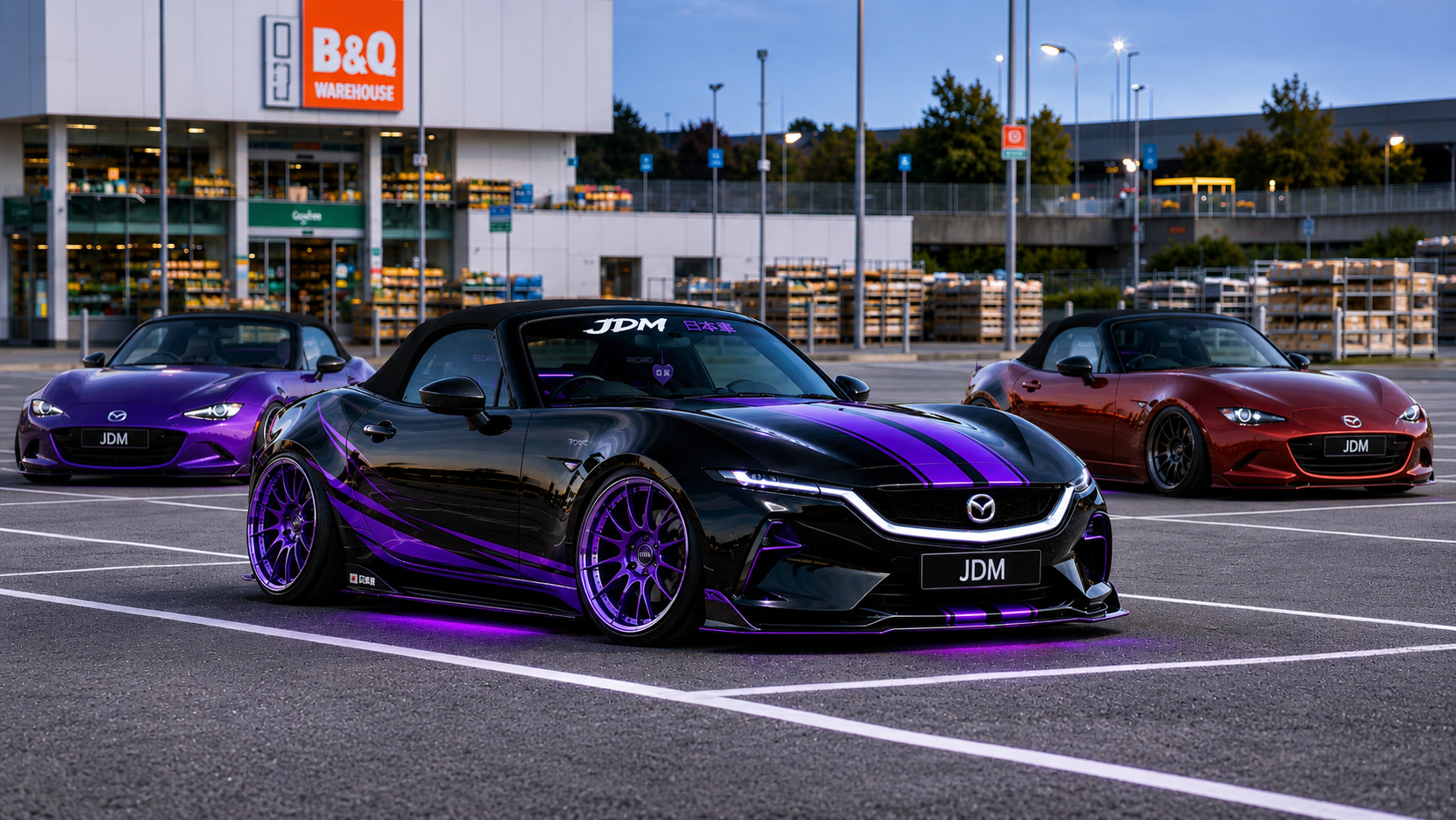
The tuning scene has always embraced the MX‑5, and that passion isn’t slowing down. Its simple layout, light weight, and huge aftermarket support make it one of the most modifiable sports cars on the planet. Even if future regulations limit European availability, JDM enthusiasts will import it regardless, keeping demand alive through specialist dealers and private buyers.
For many modifiers, the MX‑5 isn’t just a car — it’s a blank canvas, and every new generation becomes an opportunity to build something unique.
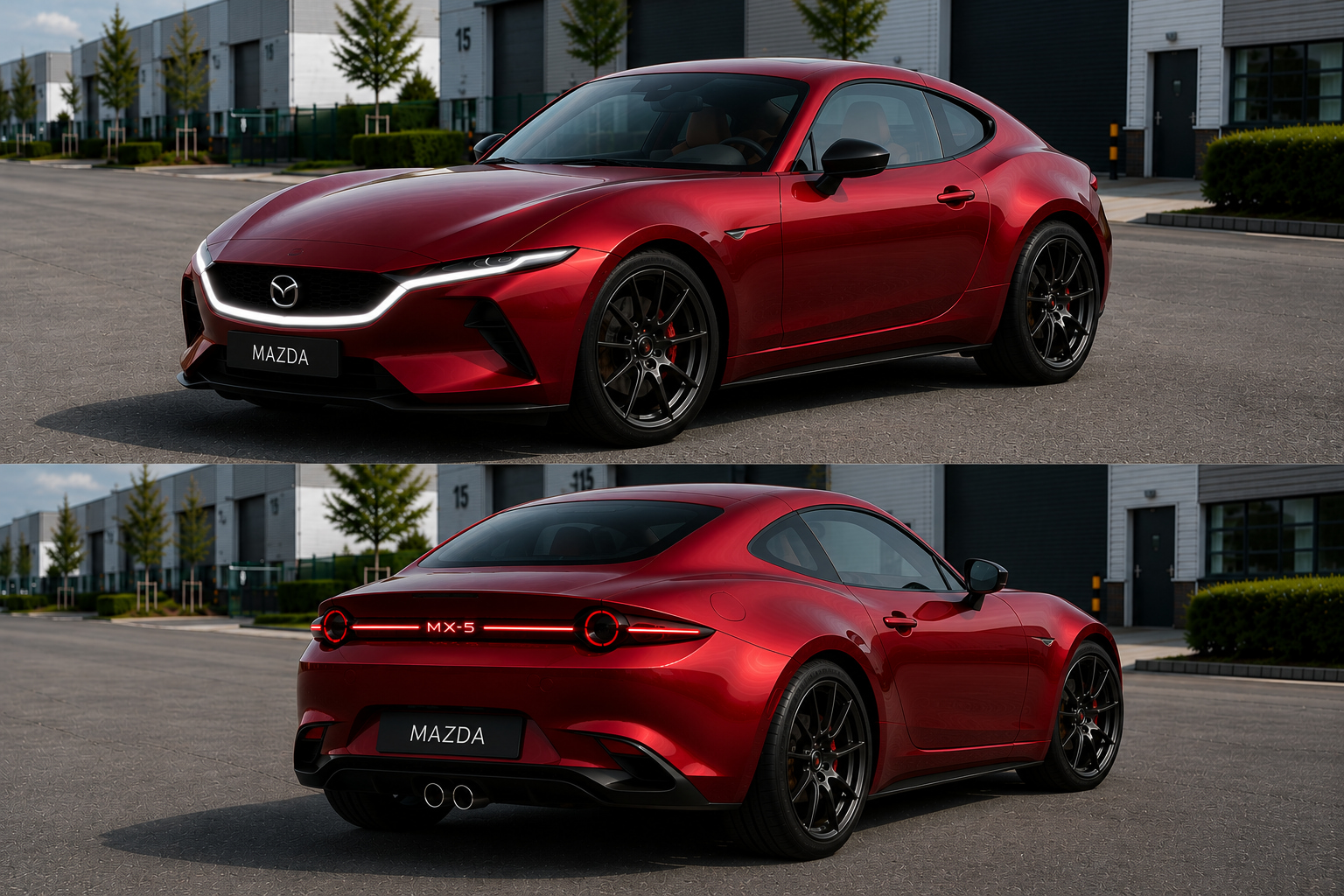
Another path Mazda could explore is increasing production volume by broadening the MX‑5’s appeal. One option would be evolving the MX‑5 RF into a compact four‑seat model, retaining the proportions and spirit of the roadster while adding everyday usability.
Our rendering imagines how the RF’s fastback silhouette could stretch just enough to accommodate rear passengers without losing the car’s lightweight character. A more flexible layout could help Mazda tap into a wider market, improve economies of scale, and create a bridge between pure sports‑car fans and buyers who want style and practicality in one package.
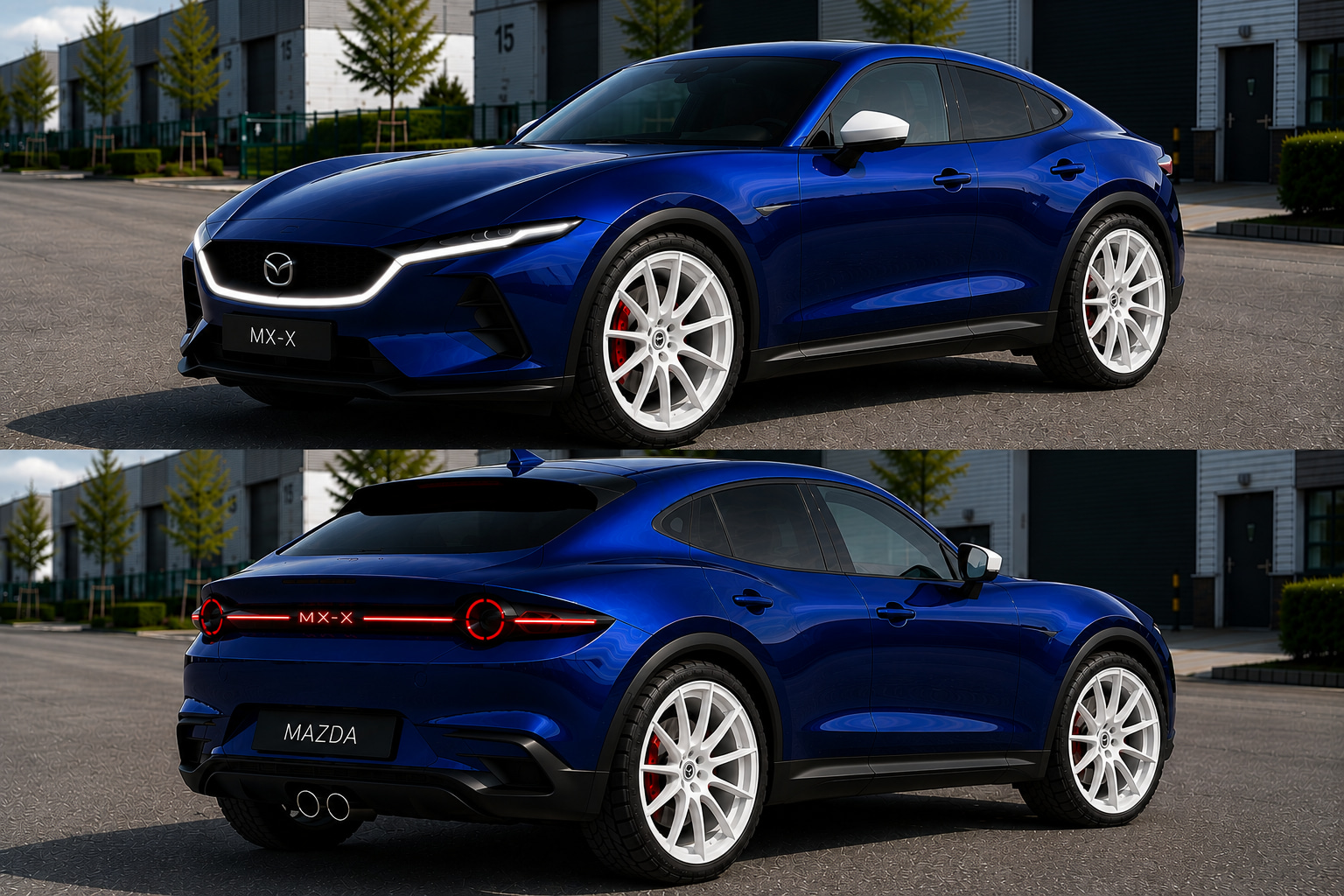
While the MX‑5 remains a best‑seller in its niche, Mazda may need a broader MX‑family if it wants meaningful growth. A sports‑focused SUV could be the safest expansion route, offering the brand a way to capture new buyers without abandoning the MX‑5’s spirit. Our rendering imagines a compact performance SUV built on Mazda 3 hard points, giving it familiar proportions while allowing for a more assertive stance and premium positioning.
Crucially, it could use the Mazda 3’s established hybrid drivetrains, avoiding the pitfalls of the MX‑30 — a model held back by its small battery and rotary‑based PHEV system that many customers were hesitant to adopt. A more traditional, efficient setup could give this concept the credibility and practicality needed to succeed, while still carrying the MX identity forward.
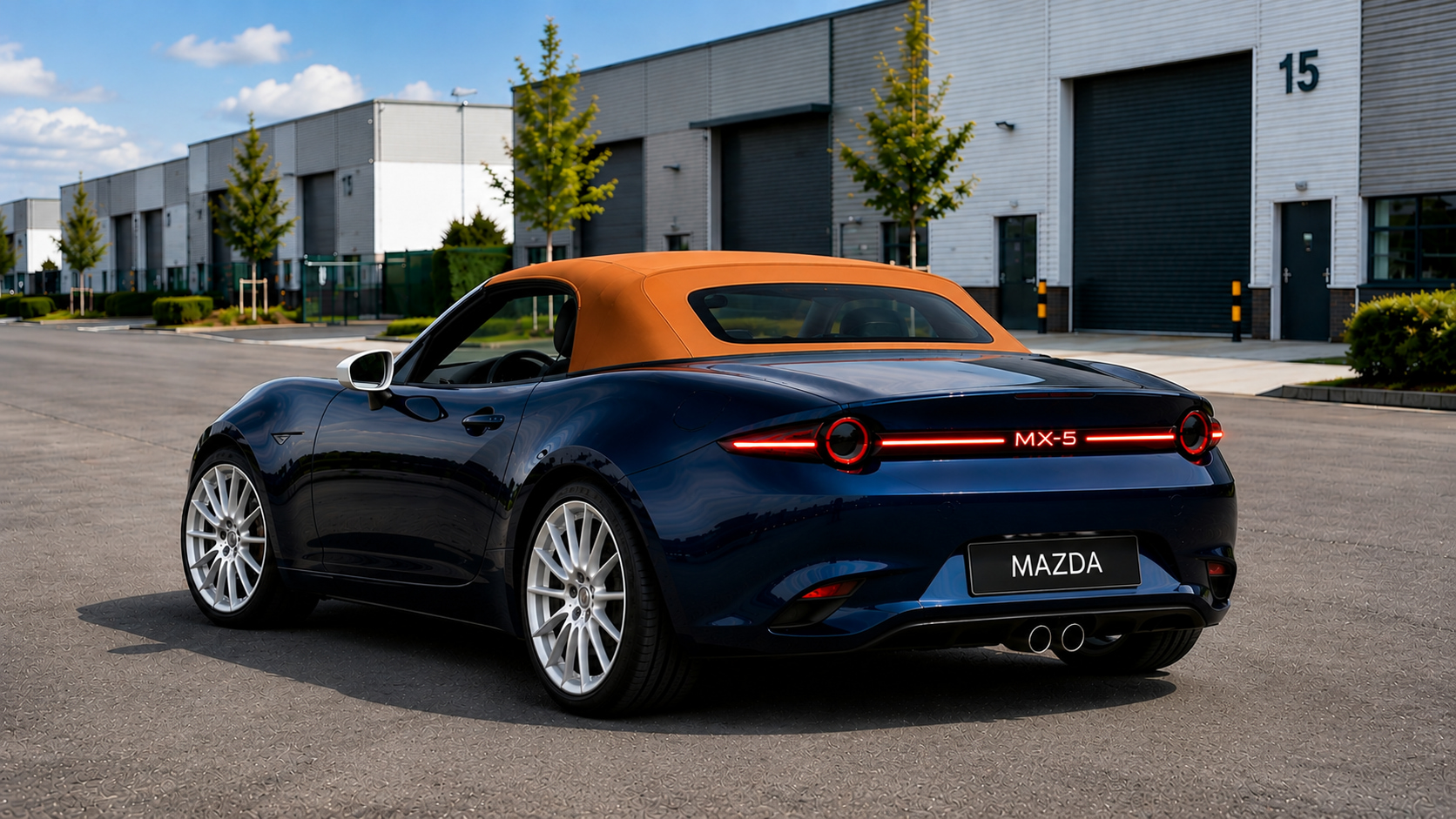
If one thing is certain, it’s that a car as universally loved as the MX‑5 will not disappear. Its timeless proportions and joyful driving feel almost guarantee another generation.
The real question is whether Mazda continues the MX‑5 as a global model, or evolves it into a broader MX sub‑brand with multiple body styles to suit different markets and regulations. Either path feels possible as Mazda navigates a changing automotive landscape.
What’s clear is that MX‑5 fans shouldn’t have long to wait before the first clues about the next chapter begin to emerge.
(Image Credits: The New Yardstick)
You should also read:

TNY Design Studio Explores BMW’s Next SUV Generation — From X1 to X8
BMW is entering one of the most significant design transitions in its recent history. The arrival of Neue Klasse isn't simply about introducing a new generation of electric cars; its technology and dramatically simplified design language are beginning to influence BMW's entire range. For the company's SUVs, that creates an especially interesting…
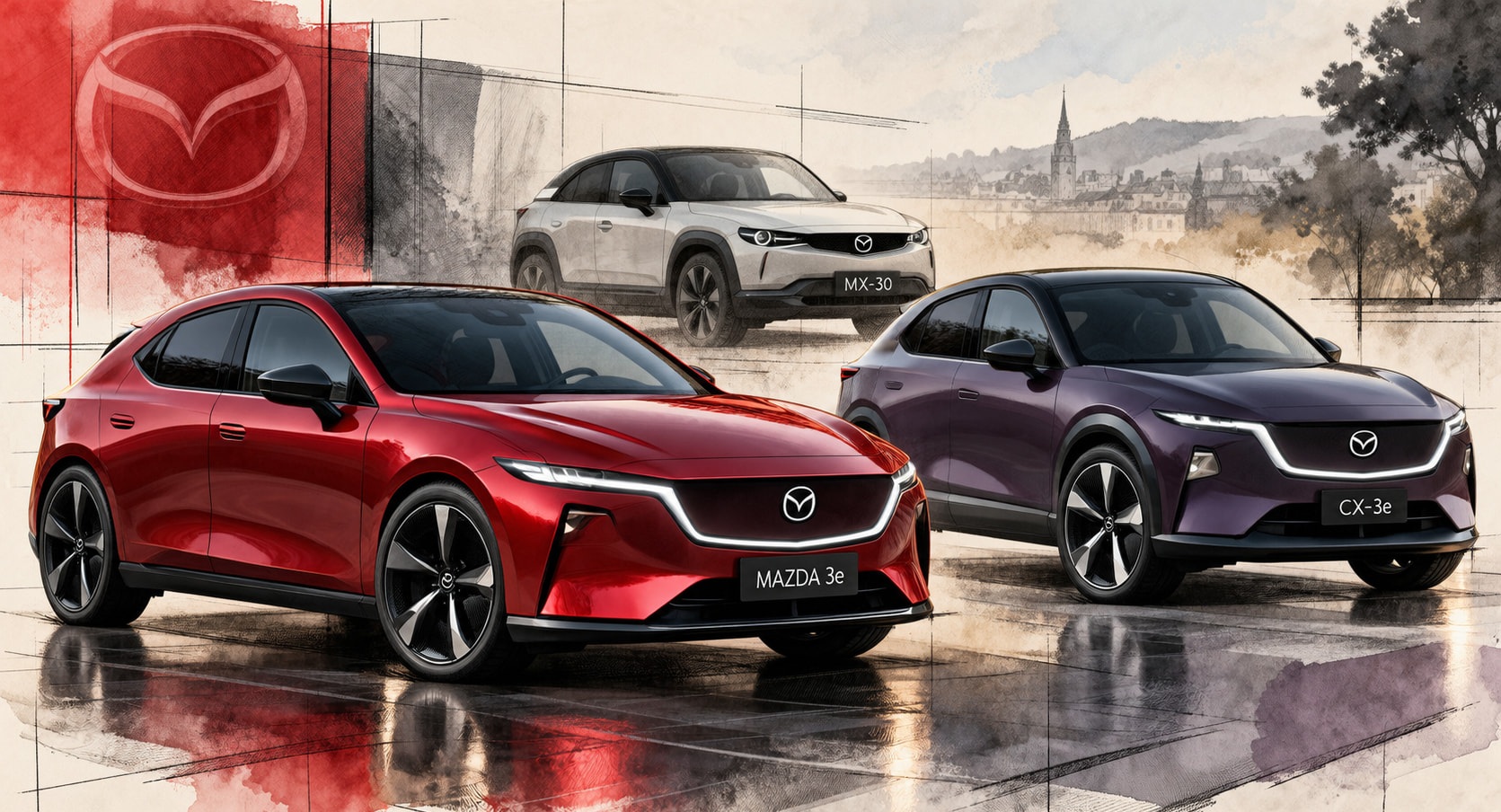
Mazda 3e: Why Mazda Should Take Another Shot at the Small EV
Mazda has already taken one shot at the compact electric car. The MX-30 brought distinctive styling and some genuinely interesting ideas, but its limited electric range and unconventional packaging left it struggling to compete as the EV market rapidly moved forward. That increasingly left Mazda in a difficult position. Its continued reliance…

Where did all the 3 door cars go? TNY Design Studio imagines the next generation.
Once the default choice for buyers wanting a sportier-looking hatchback, the three-door has quietly disappeared from Britain's roads. Throughout the 1990s and 2000s, almost every major manufacturer offered one, from affordable city cars to hot hatches and premium compacts. They were often cheaper than their five-door equivalents, lighter on their feet and,…