Fast Estates Through the Ages – 16 Cars That Defined a Generation
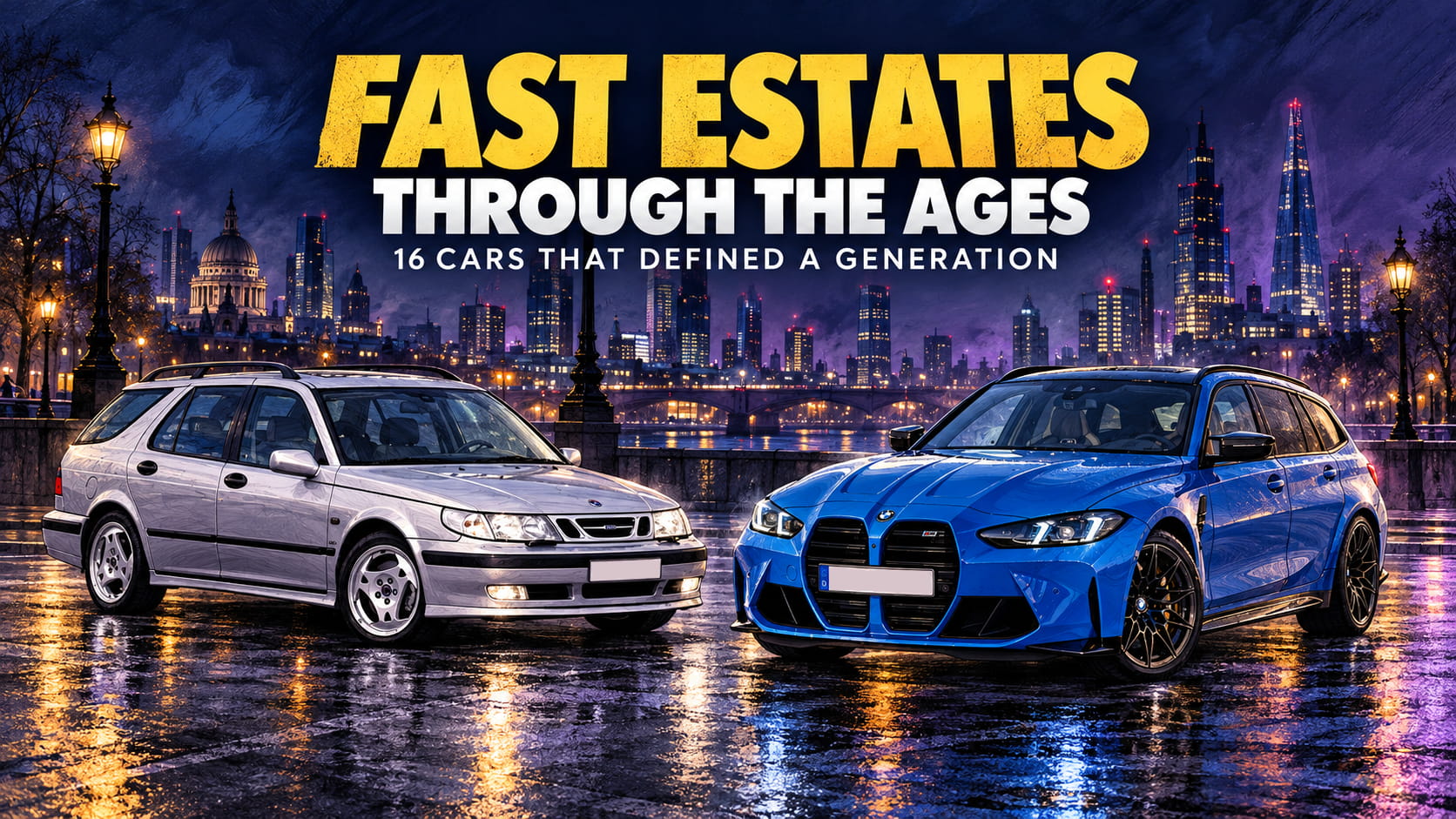
In 1981, Volvo transformed its famously boxy 245 into a turbocharged performance car. What followed was remarkably varied: all-wheel-drive Japanese wagons, understated Swedish sleepers, outrageous American V8s, rare British performance cars and some genuinely ambitious French engineering. Some were relatively affordable when new; others cost as much as an exotic sports car.
To explore this fascinating history, TNY has selected 16 of the most interesting performance estates, beginning with the Volvo 245 Turbo and finishing with the BMW M3 Touring. Along the way, we'll look beyond acceleration figures to examine the engineering, practicality, original prices and today's used values, discovering what made each car special and how the performance estate evolved over four decades.
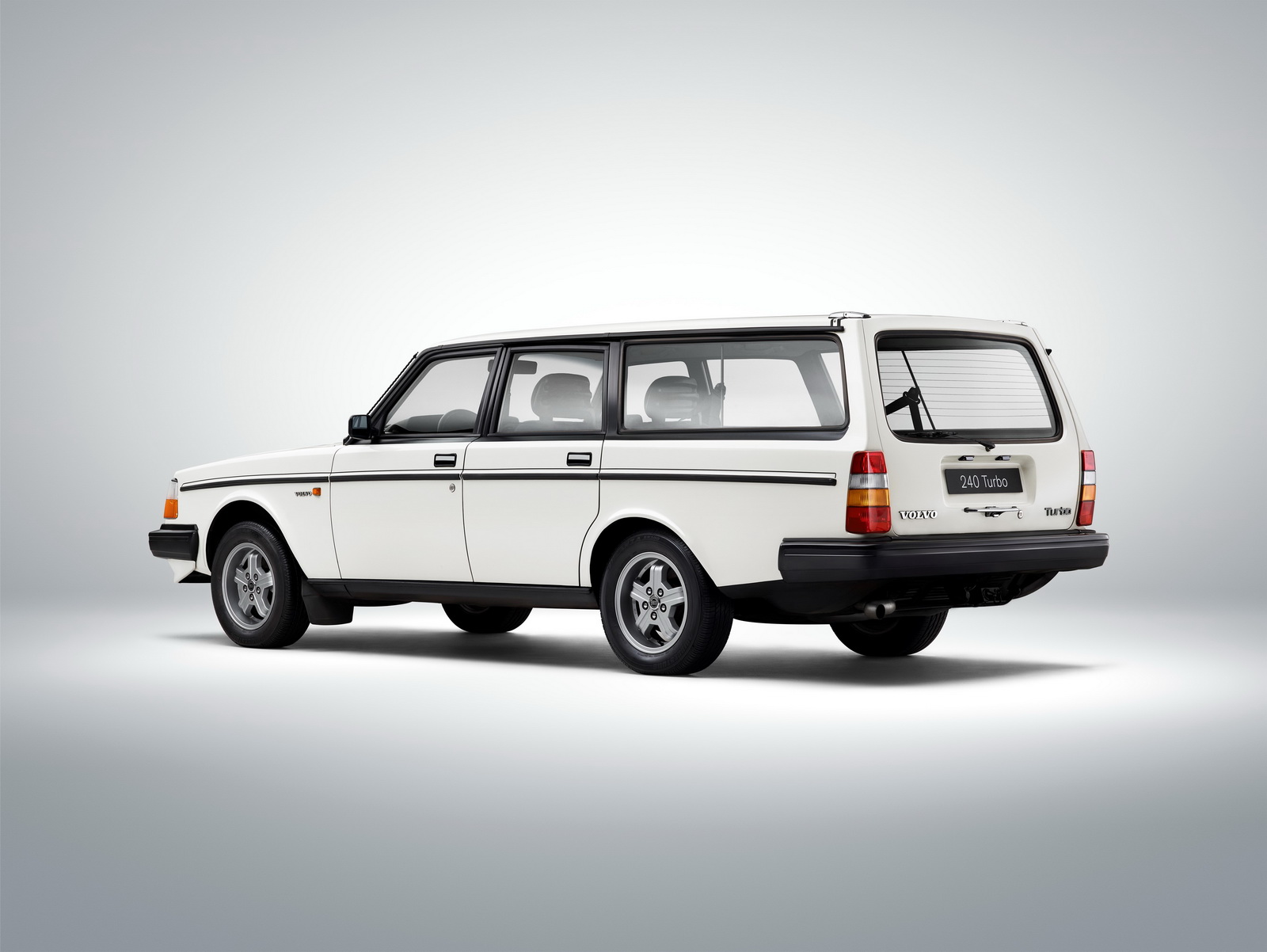
Volvo 245 Turbo
The Volvo 245 Turbo was introduced in 1981 and changed what an estate car could be. Volvo had already mastered practical family transport, but adding a turbocharger created the world's fastest estate car at the time.
Its 2.1-litre four-cylinder engine produced 155hp and 240Nm, driving the rear wheels through a four-speed manual gearbox with electric overdrive. Acceleration from 0–62mph took approximately nine seconds, with a top speed of 121mph — impressive figures for a boxy family car in the early 1980s.
Practicality remained exceptional. Volvo quoted 1,200 litres of luggage space, expanding to 2,150 litres with the rear seats folded, measured to roof height. The load floor stretched an impressive 1.88 metres.
American examples started at roughly $17,000 when new, equivalent to around £43,000 in today's money. European examples now typically command £7,000–£14,000, with restoration projects available for less.
Never officially sold in Britain, the 245 Turbo established a performance tradition Volvo would continue through the Volvo 740 Turbo, 850 T-5R and V70 R.
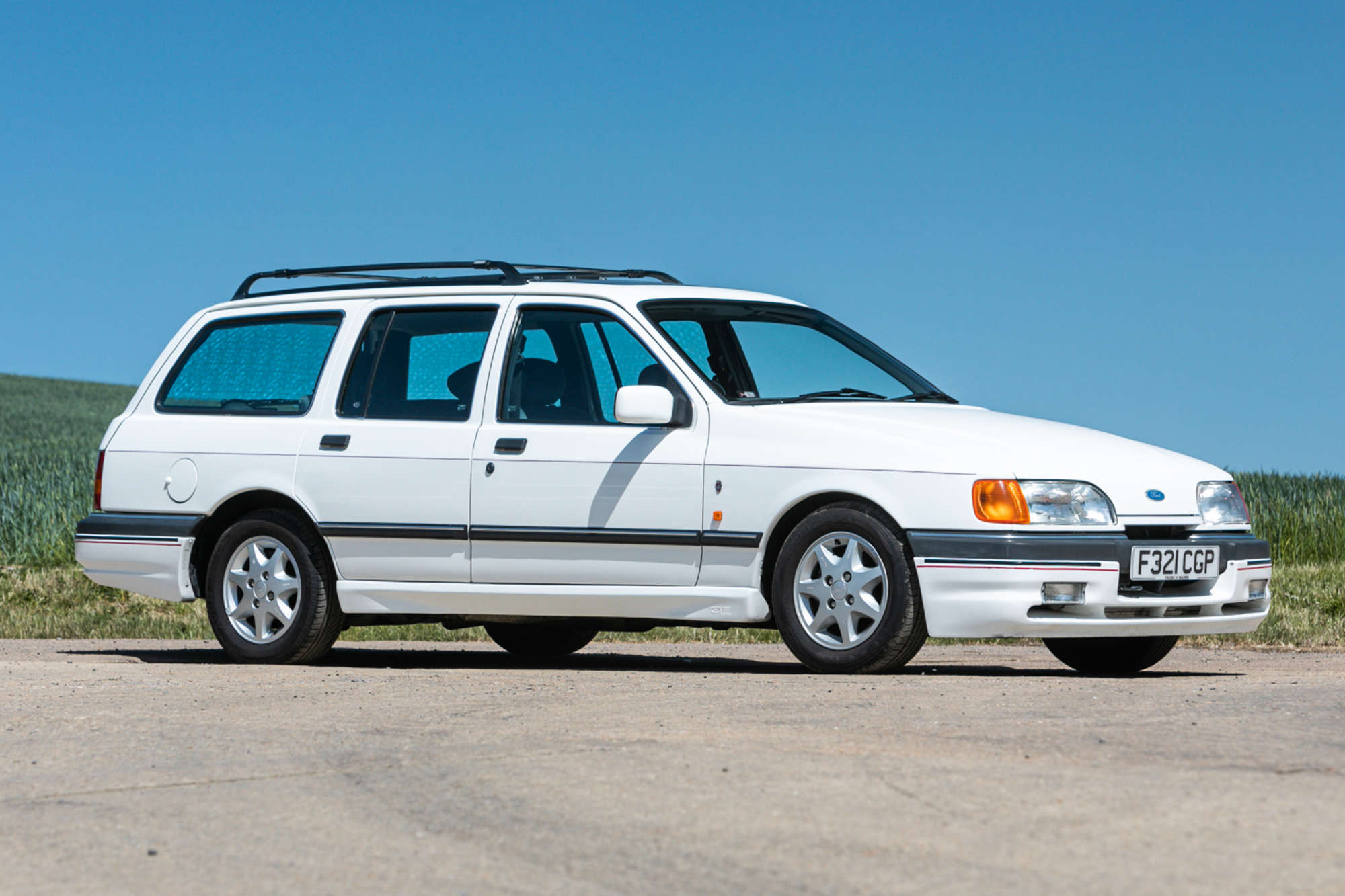
Ford Sierra 2.8i Ghia 4x4 Estate
When Ford introduced the Sierra in 1982, its rounded, aerodynamic bodywork looked revolutionary beside the boxy Cortina it replaced. Four years later, that distinctive design gained an unlikely performance derivative: the 2.8i Ghia 4x4 Estate.
Although it borrowed its mechanicals from the sporting XR4x4, Ford deliberately gave the estate more discreet Ghia badging. Its fuel-injected 2.8-litre V6 produced 150bhp, driving all four wheels through a five-speed manual gearbox and a rear-biased four-wheel-drive system.
Ford quoted 0–60mph in 9.2 seconds and a top speed of 124mph, respectable performance for a family estate in 1986.
The appeal extended beyond straight-line speed. Its aerodynamic styling, reassuring all-weather handling, self-levelling rear suspension and generous luggage compartment made it an unusually versatile performance car.
New examples started at approximately £14,000, equivalent to around £44,000 today. Survivors are now exceptionally rare, with recent UK auction results suggesting £6,000–£8,000 as a reasonable buying guide, depending on condition.
Understated, capable and distinctly British, the Sierra demonstrated that performance estates didn't need aggressive styling to be desirable.
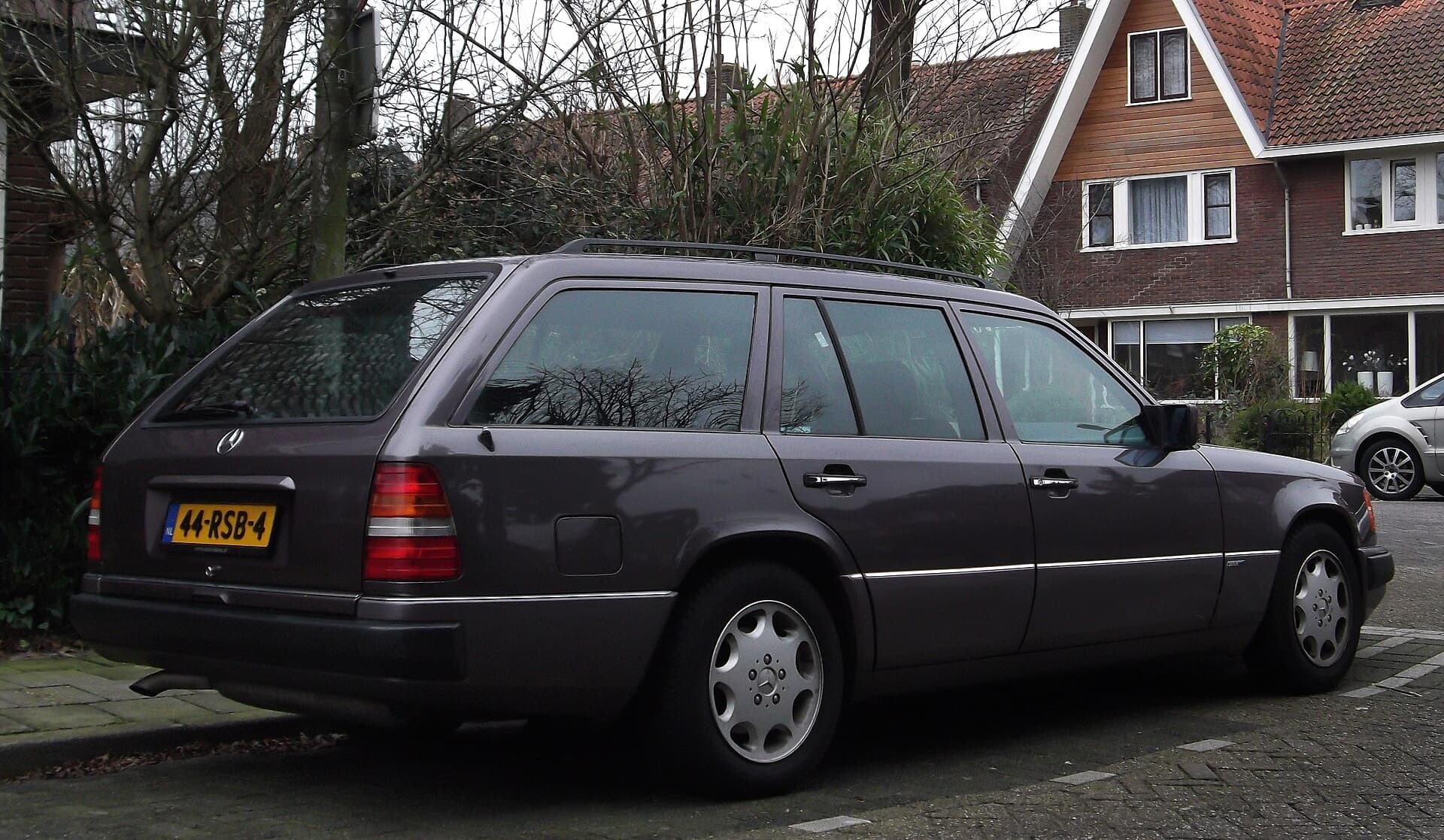
Mercedes-Benz 300TE-24
By 1989, the fast estate was becoming something rather special. Mercedes-Benz demonstrated that practicality, luxury and impressive performance could coexist with the introduction of the 300TE-24, the flagship six-cylinder version of its W124 estate.
Underneath its understated styling sat a naturally aspirated 3.0-litre, 24-valve straight-six producing 220PS and 265Nm of torque. Power went to the rear wheels, with 0–62mph taking approximately 8.2 seconds and a top speed of 135mph.
Practicality remained exceptional. The enormous load area offered 530 litres of space, expanding to 1,770 litres with the rear seats folded. An optional rear-facing bench provided seating for seven, while self-levelling rear suspension helped maintain composure when heavily loaded.
Heavily optioned examples could approach £40,000 when new, equivalent to almost £100,000 today. Surviving cars can now be found for around £4,000–£9,000, although exceptional examples can exceed £12,000.
Just 6,282 examples were produced between 1989 and 1992, making the 300TE-24 a surprisingly rare machine and an important chapter in the development of the high-performance luxury estate. Photo: Dennis Elzinga / CC BY 2.0 (cropped).
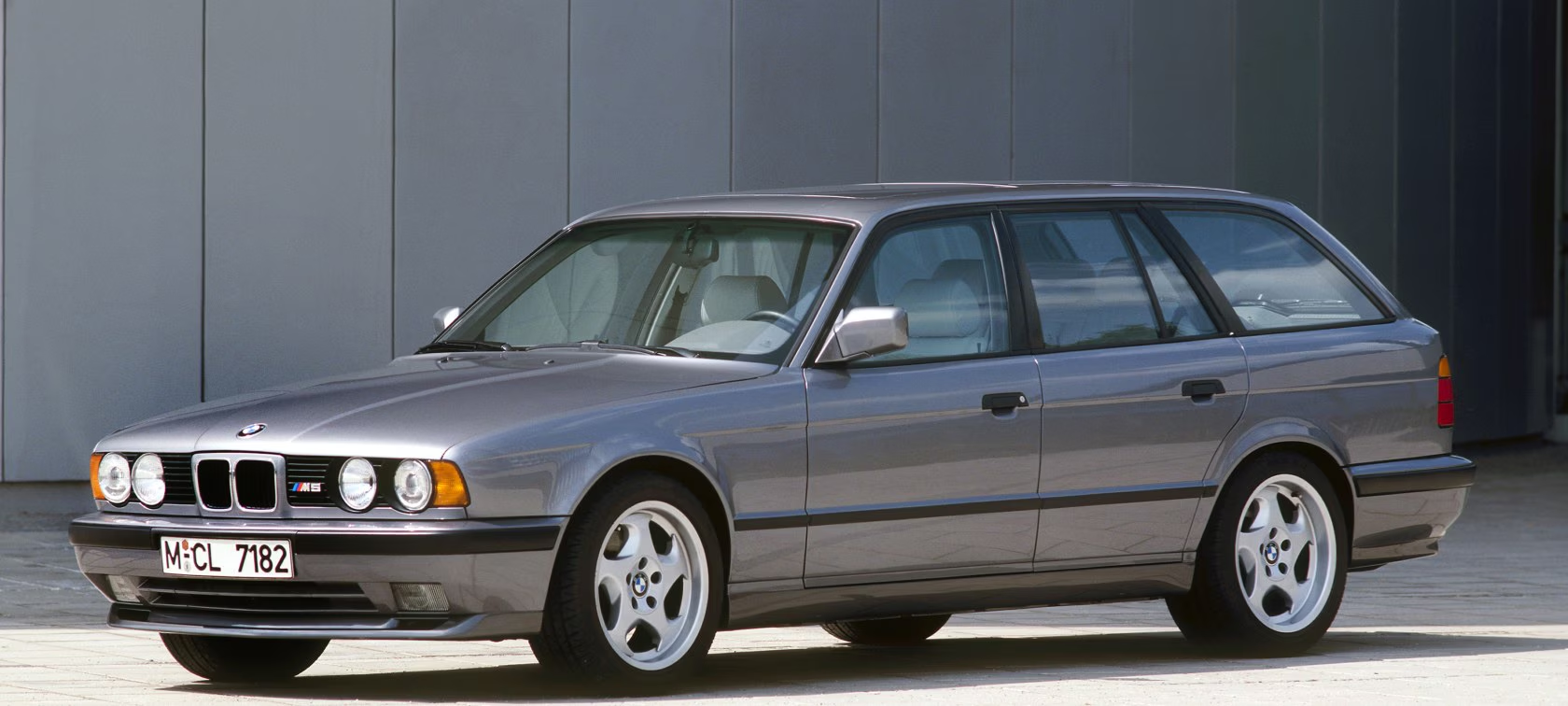
BMW E34 M5 Touring
BMW's first proper M estate arrived in 1992, combining the E34 Touring's family-car practicality with the performance of its M5 saloon. Largely hand-finished at BMW Motorsport's Garching facility, it was a costly, low-volume proposition from the outset.
Its naturally aspirated 3.8-litre straight-six produced 340PS and 400Nm, driving the rear wheels through a five-speed manual gearbox. A six-speed arrived in 1994. Acceleration from 0–62mph took approximately 5.9 seconds, while top speed was electronically limited to 155mph — a remarkable leap in estate-car performance, bringing genuine sports-car pace to a practical family vehicle.
Practicality was equally impressive, with a 460-litre boot expanding to 1,450 litres, and separately opening rear glass making smaller items easier to load.
Originally priced at DM123,000 in Germany, approximately £45,000 at contemporary exchange rates, the M5 Touring would cost around £100,000 in today's money. Surviving examples now command roughly £35,000–£65,000, with exceptional cars fetching more.
Just 891 were produced between 1992 and 1995, all left-hand drive. Never officially sold in Britain, this exceptionally rare estate established a formula BMW's M division would return to in later generations.
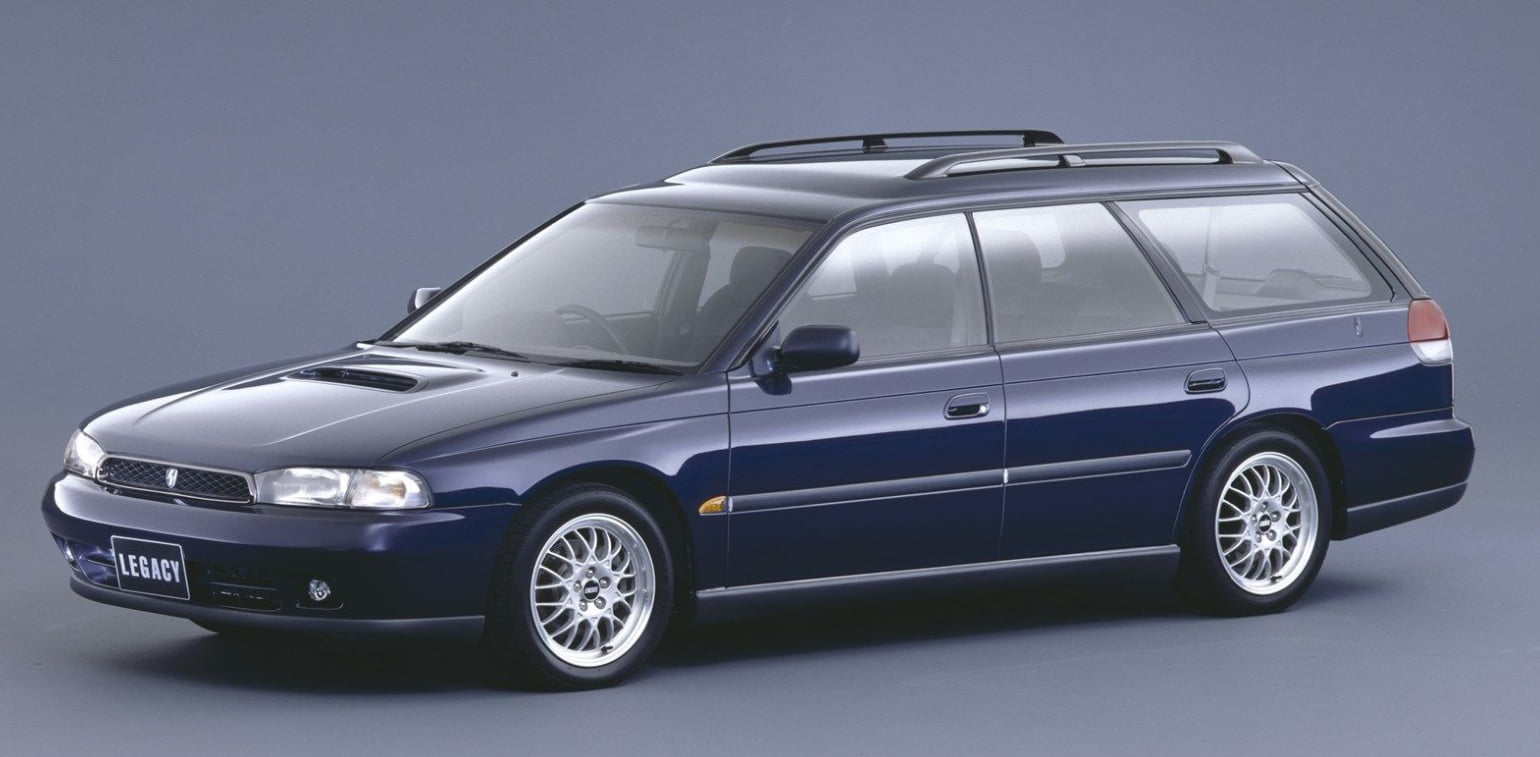
Subaru Legacy GT Wagon
Subaru was building fast estates earlier than many enthusiasts realise. Its original turbocharged Legacy GT Wagon arrived in Japan in 1989 with 200PS, but the second generation, launched in 1993, pushed the formula considerably further.
Its 2.0-litre flat-four employed sequential twin turbochargers, producing 250PS and 309Nm. Permanent all-wheel drive and a choice of manual or automatic transmissions delivered serious performance, without sacrificing five-seat practicality or a generous load area.
Subaru even demonstrated the car's capabilities at Bonneville in September 1993, setting an officially recognised production-estate speed record of 249.981km/h (155mph).
The story continued with the smaller Impreza WRX Sport Wagon, offering 220PS in 1993, while the 1996 Legacy GT-B reached 280PS with its manual gearbox and introduced Bilstein suspension.
Originally priced from approximately ¥2.74 million in Japan, equivalent to around £16,000 at the time or £36,000 today, surviving twin-turbo Legacys can now cost roughly £3,000–£10,000 in Britain. Often overshadowed by Subaru's rallying achievements, the Legacy deserves recognition for helping establish the affordable, all-wheel-drive performance estate.
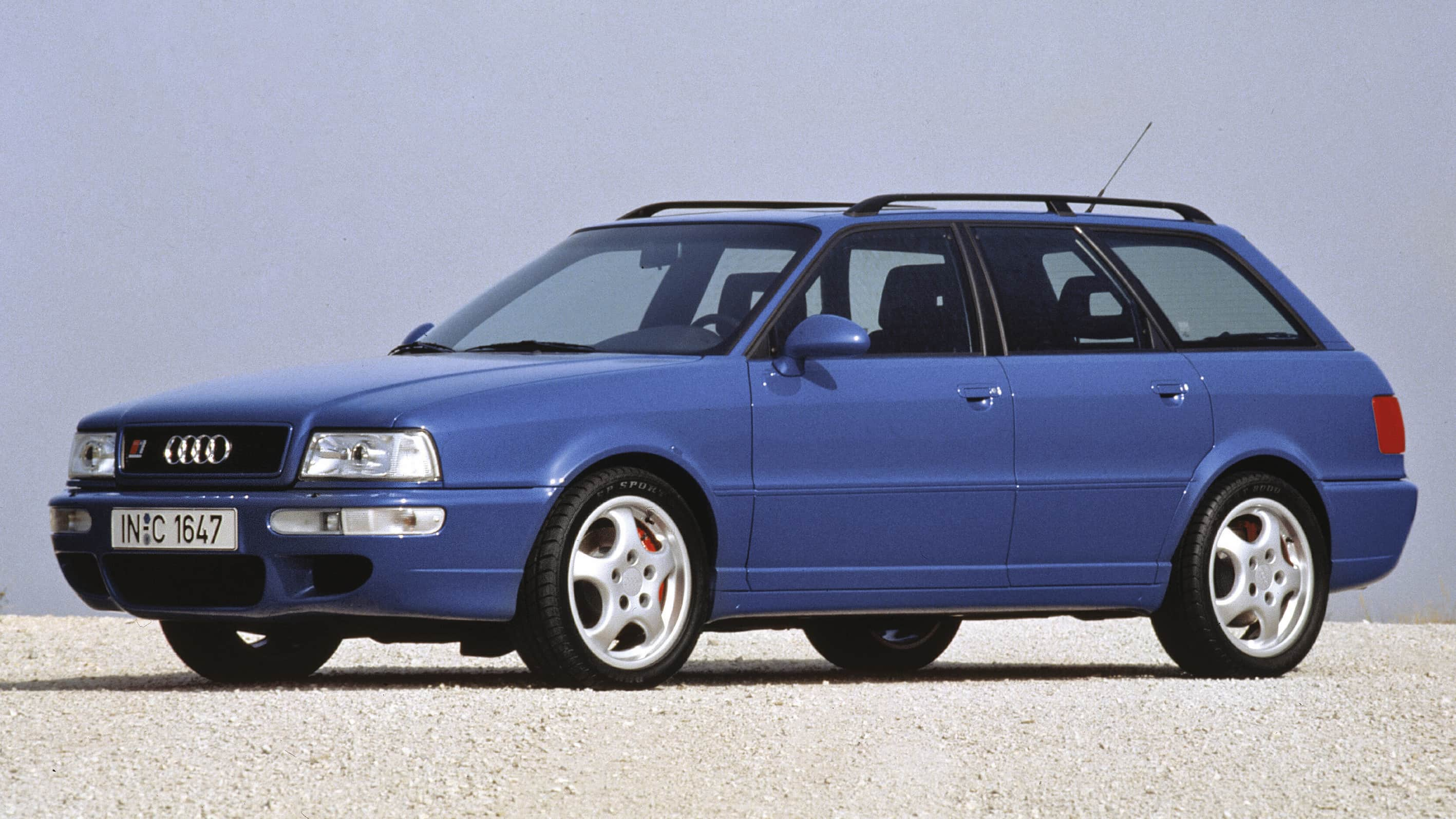
Audi RS2 Avant
By 1994, fast estates were already serious performance cars. Audi's contribution was the RS2 Avant, developed with Porsche and the first model to wear the now-familiar RS badge.
Its turbocharged 2.2-litre five-cylinder produced 315PS and 410Nm, delivered through a six-speed manual gearbox and quattro all-wheel drive. Acceleration from 0–62mph took 5.4 seconds, with a top speed of 163mph. Porsche helped develop the brakes and suspension, contributed its distinctive Cup alloy wheels and mirrors, and assembled the RS2 at Zuffenhausen.
Despite its performance, the RS2 remained a genuine family estate, seating five and offering 370 litres of boot space, expanding to 1,200 litres with the rear seats folded.
The UK launch price was £45,705, equivalent to roughly £100,000 today. Surviving examples now command approximately £40,000–£60,000, with exceptional cars fetching considerably more.
Just under 3,000 were produced between 1994 and 1995, including around 180 right-hand-drive examples for Britain. Its lasting significance was establishing Audi's RS lineage, bringing Porsche-influenced engineering to a practical, understated estate car.
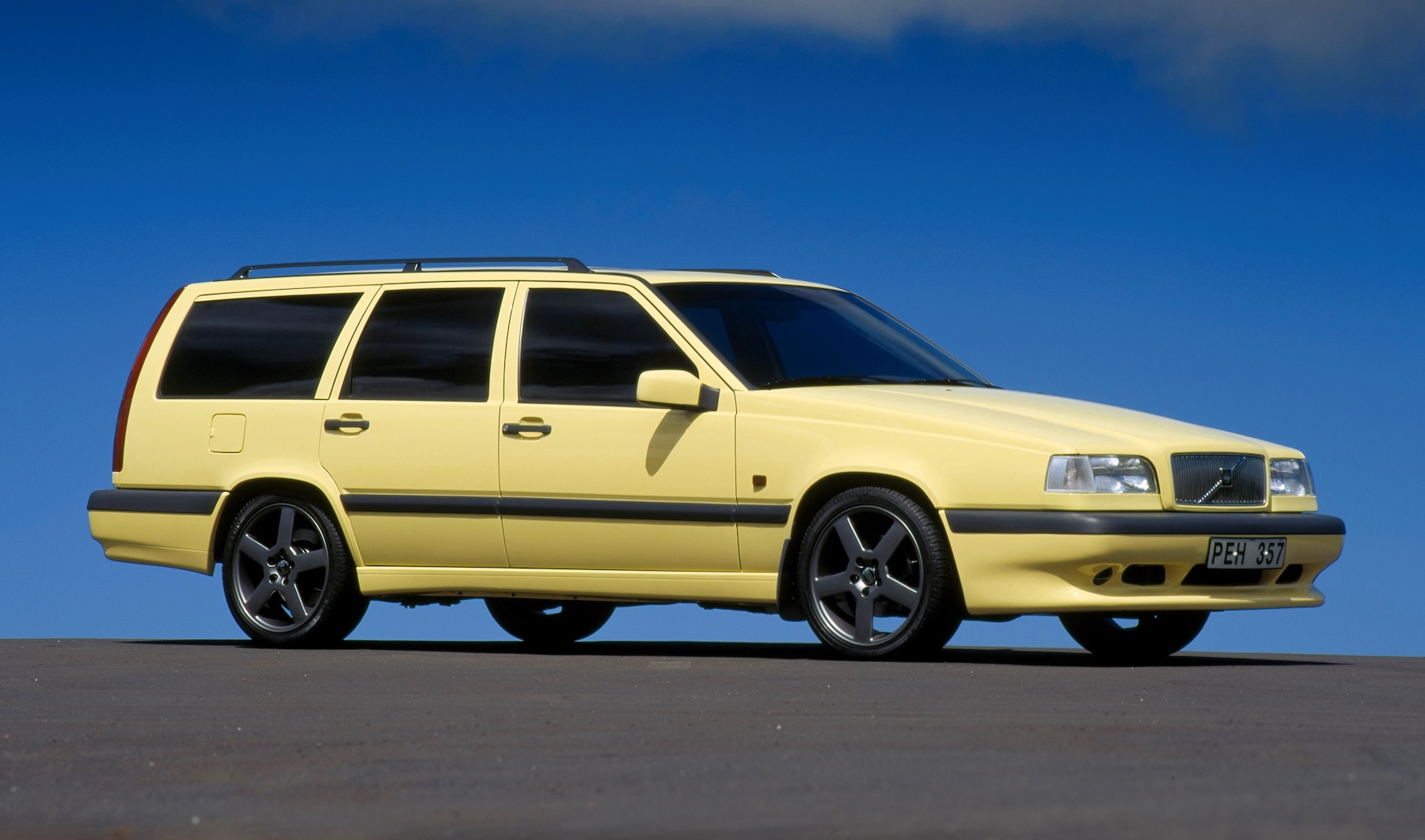
Volvo 850 T-5R
Volvo had built fast estates before, but the 850 T-5R gave the concept a more extrovert personality. Launched in 1995, following the memorable appearance of the 850 estate in the 1994 British Touring Car Championship, its cream-yellow paint, deep front spoiler and graphite Titan wheels were impossible to miss.
Its turbocharged 2.3-litre five-cylinder produced 240bhp, aided by a short-duration overboost system. Power went to the front wheels through a five-speed manual or four-speed automatic gearbox. Volvo quoted 0–62mph in 7.0 seconds for the estate and an electronically limited 155mph top speed.
Practicality remained thoroughly Volvo. The square load area offered approximately 420 litres, growing to 1,580 litres with the rear seats folded. Five seats, side-impact protection and an integrated child booster made it a remarkably versatile family car.
The UK launch price was £28,840, equivalent to approximately £62,000 today. Surviving examples typically fetch £8,000–£18,000, although outstanding cream-yellow estates can command more.
Following the earlier 245 Turbo, the T-5R helped define a new generation of performance Volvos, paving the way for the 850 R and later V70 R.
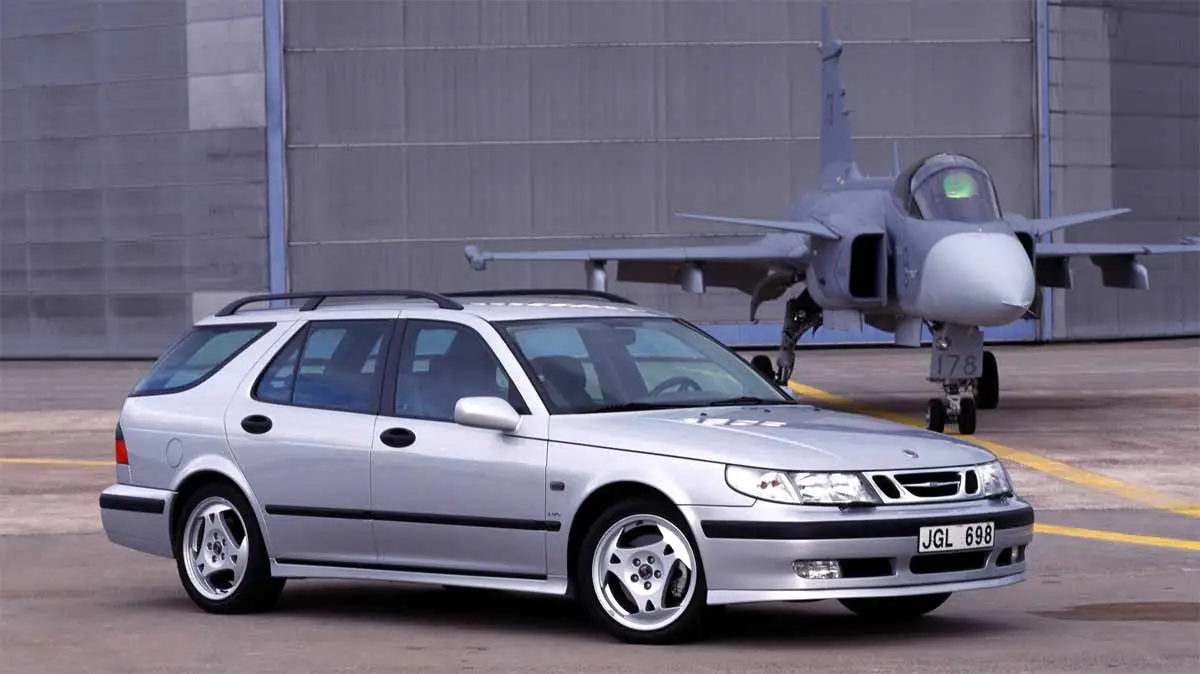
Saab 9-5 Aero SportWagon
Saab's 9-5 Estate arrived in 1998, but the Aero followed in 1999, returning the Swedish manufacturer to the fast-estate market after a long absence. It approached performance in unmistakably Saab fashion: understated styling, impressive mid-range acceleration and turbocharged power rather than a large engine.
Its 2.3-litre turbocharged four-cylinder produced 230bhp, driving the front wheels through a five-speed manual or optional automatic gearbox. The manual estate managed 0–62mph in approximately 7.3 seconds and a top speed of 149mph. A 2001 facelift increased output to 250bhp, delivering stronger performance.
Practicality remained a priority, with 416 litres of boot space expanding to 1,490 litres. Clever floor-mounted cargo rails helped secure luggage, while an optional sliding load floor made loading particularly easy.
Around 2000, the Aero Estate cost approximately £29,000 new, equivalent to roughly £57,500 today. Used examples now typically cost £2,500–£6,000, although particularly well-preserved cars can exceed £8,000.
The Aero demonstrated that a fast estate could combine genuine performance with comfort, individuality and thoughtful Scandinavian engineering.
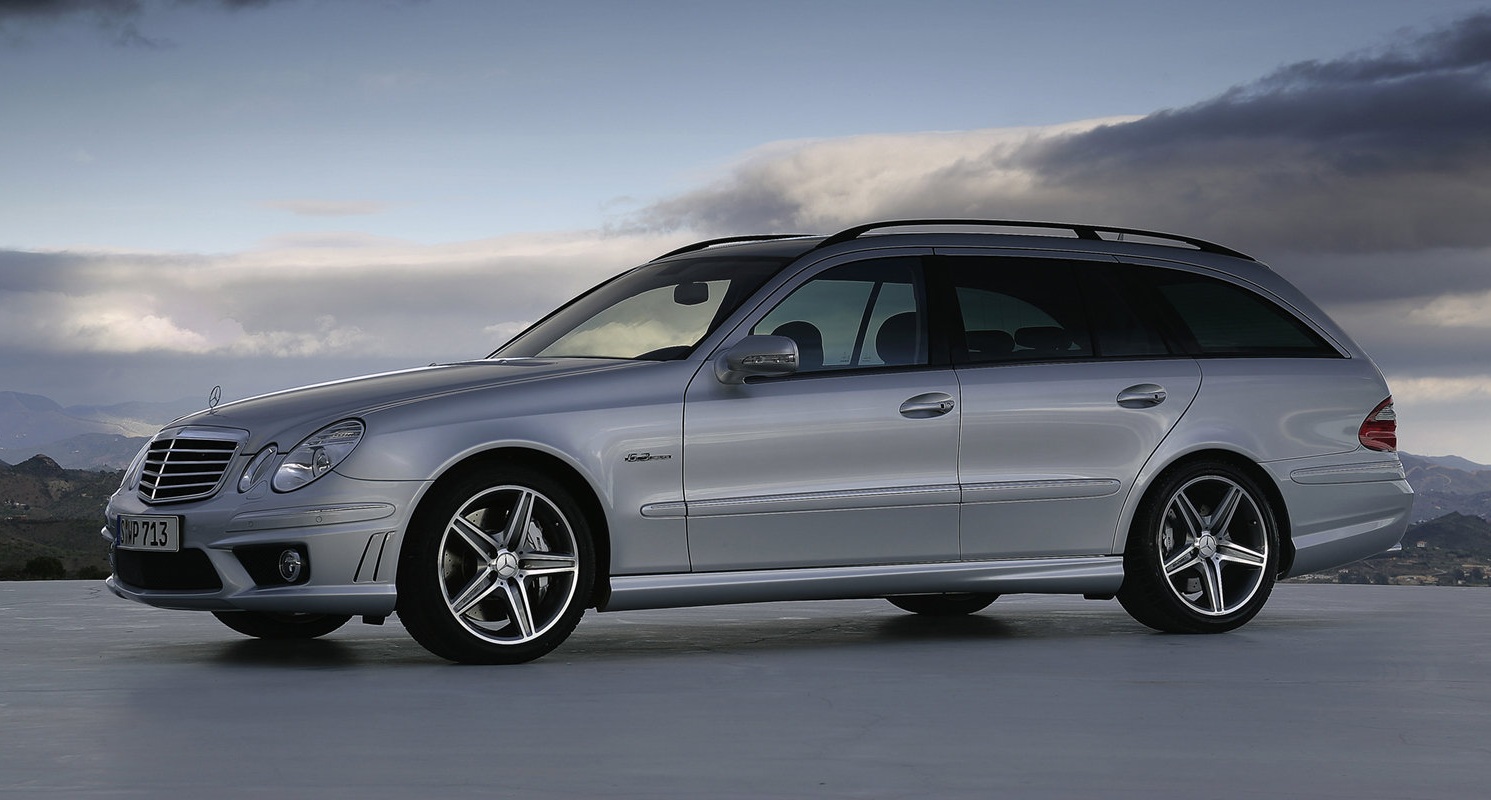
Mercedes-AMG E63 Estate
Mercedes-Benz had a long history of powerful estate cars, but the E63 AMG introduced in 2006 represented another significant development. Replacing the supercharged E55, it introduced an entirely new engine developed independently by AMG, rather than a modified Mercedes-Benz unit.
That hand-built, naturally aspirated 6.2-litre V8, badged as a 6.3, produced 507bhp and 630Nm of torque. A seven-speed automatic sent power to the rear wheels, delivering 0–62mph in just 4.6 seconds and an electronically limited top speed of 155mph.
Yet it retained the qualities that made the E-Class estate so appealing. Its enormous 690-litre boot expanded to 1,950 litres with the rear seats folded, while self-levelling air suspension helped maintain comfort even when heavily loaded.
British buyers paid approximately £68,000 new, equivalent to around £123,000 today. Surviving examples can now cost £13,000–£22,000, although maintaining the sophisticated suspension and high-performance V8 can make ownership considerably more expensive than the purchase price suggests.
BMW's 2007 M5 Touring offered a fascinating alternative, with a 507PS, 5.0-litre V10 and 0–62mph in 4.8 seconds, against the E63's 4.6. Both were remarkably quick, but the real choice was character — the Mercedes' deep, thunderous V8 or the BMW's distinctive, high-revving V10 soundtrack.
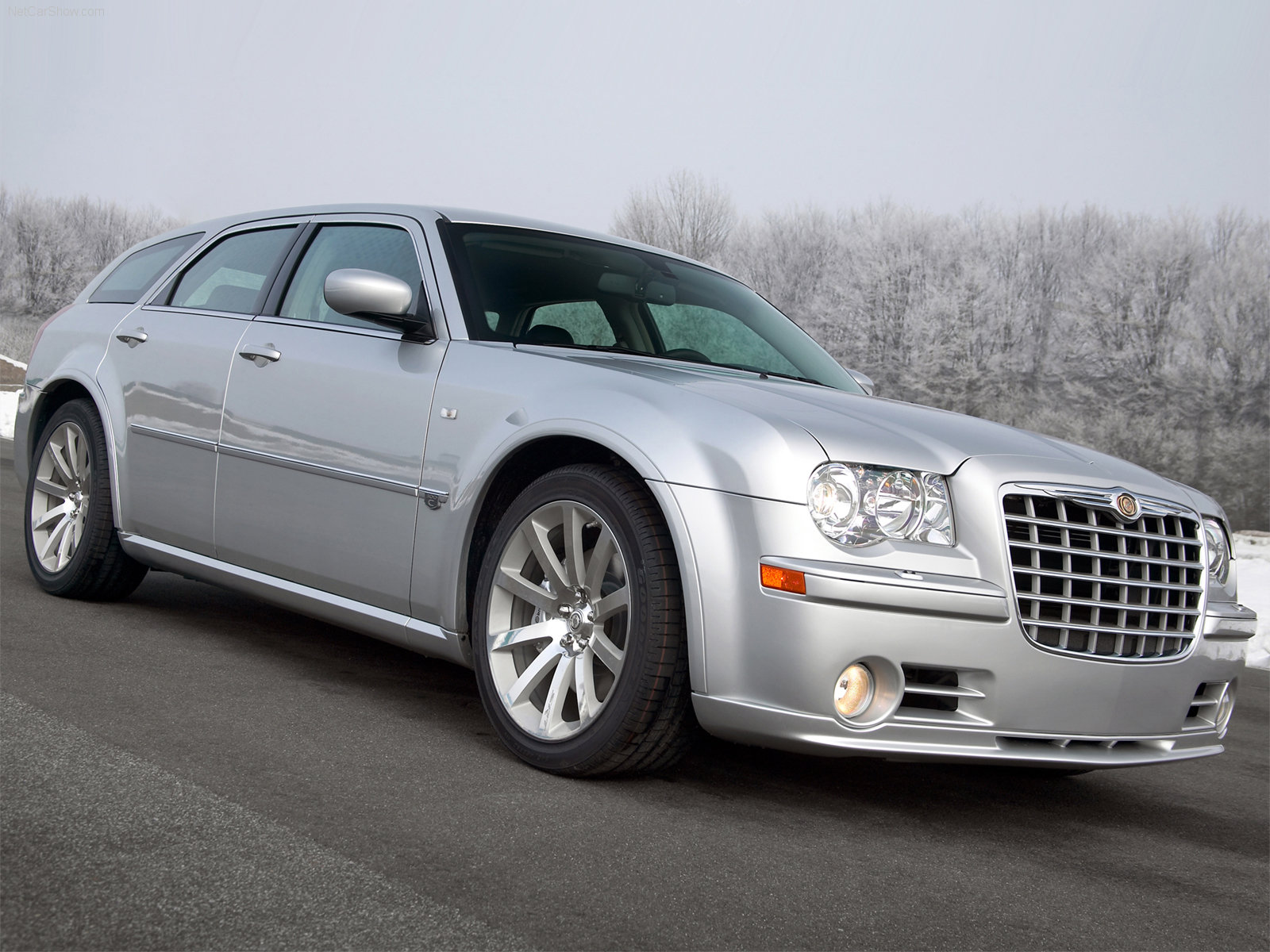
Chrysler 300C SRT8
The Chrysler 300C was already turning heads in Britain long before the SRT-8 arrived. Its imposing chrome grille, high waistline, enormous proportions and unmistakably American styling made it stand out amongst European executive cars. The Touring estate was arguably even more distinctive, combining that bold appearance with a vast, practical rear end.
But in 2007, the SRT-8 Touring took things considerably further, introducing a 6.1-litre HEMI V8 producing 425bhp and 569Nm of torque. Driving the rear wheels through a five-speed automatic, it could reach 60mph in approximately five seconds and continue to 168mph.
There was an interesting German connection, too. Developed during the DaimlerChrysler era, the 300C incorporated Mercedes-derived suspension engineering and other components related to the E-Class, although it wasn't simply a rebodied Mercedes. The estate was also closely related to America's Dodge Magnum.
At approximately £41,000 new, the SRT-8 Touring considerably undercut German performance estates, including the £67,000 BMW M5 Touring. Practicality remained impressive, with a 630-litre boot expanding to around 1,600 litres.
Today, genuine SRT-8 estates are particularly scarce in Britain, although examples occasionally appear around £10,000 - £12,000. It wasn't subtle, economical or particularly sophisticated, but few estates offered quite so much presence, power and character for the money.
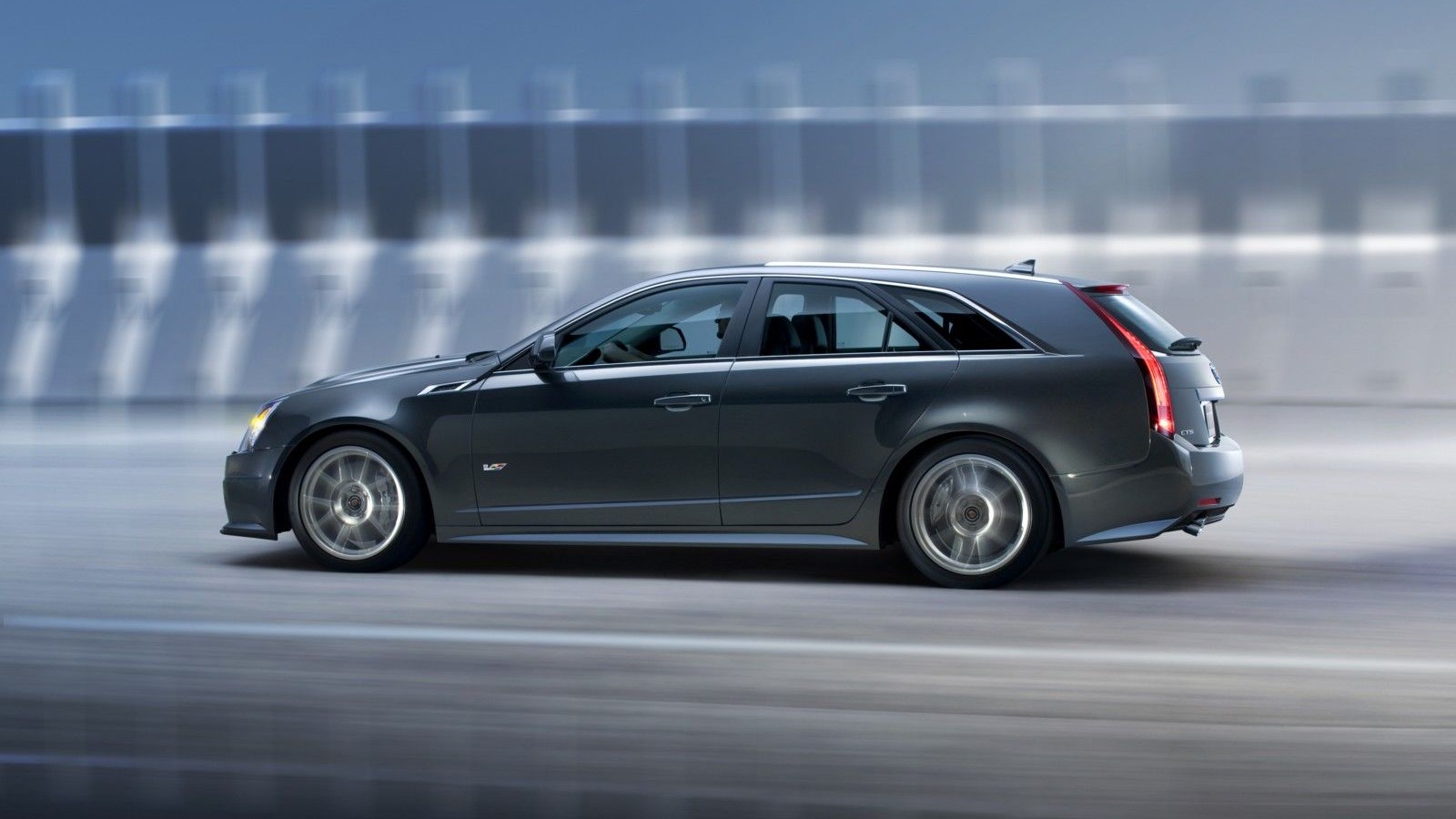
Cadillac CTS-V Sport Wagon
Introduced in America in 2011, the Cadillac CTS-V Sport Wagon was one of the great performance estates Britain never officially received. Its sharp, angular bodywork, distinctive vertical rear lights and purposeful stance gave it an unmistakably American identity, yet it remains relatively unknown to British enthusiasts.
Underneath sat a supercharged 6.2-litre LSA V8 producing an extraordinary 556bhp and 747Nm of torque. Power reached the rear wheels through either a six-speed manual or automatic transmission, with Cadillac quoting 0–60mph in just 4.0 seconds.
The CTS-V offered considerably more than straight-line performance. Magnetic Ride Control suspension and Brembo brakes helped manage its enormous power, while the estate body provided 720 litres of luggage capacity, expanding to 1,642 litres with the rear seats folded, using American measurements.
American prices started at approximately $63,000, equivalent to around $93,000 today. Surviving examples now regularly command $50,000–$80,000, with desirable manual versions particularly sought after. British buyers face the additional challenge of sourcing and importing a left-hand-drive example.
With fewer than 1,800 produced between 2011 and 2014, the CTS-V Sport Wagon remains exceptionally rare. Its combination of supercharged V8 power, genuine practicality and an available manual gearbox makes it one of America's most remarkable performance estates.
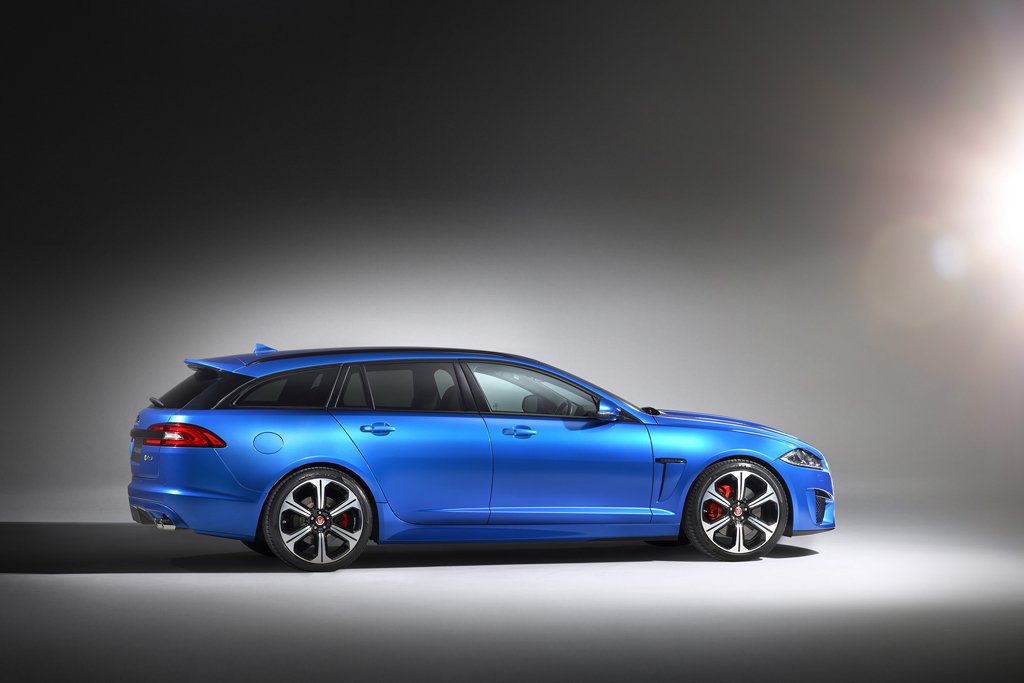
Jaguar XFR-S Sportbrake
Jaguar had been producing powerful sporting saloons for decades, but it wasn't until 2014 that the British manufacturer introduced its first true high-performance estate. Based on the formidable XFR-S saloon, the Sportbrake combined elegant proportions with enlarged air intakes, 20-inch alloys and a prominent roof spoiler. Particularly in striking Ultra Blue, it was anything but discreet.
Underneath sat Jaguar's magnificent 5.0-litre supercharged V8, producing 542bhp and 680Nm of torque. An eight-speed automatic drove the rear wheels, delivering 0–60mph in 4.6 seconds and an electronically limited top speed of 186mph.
Despite its aggressive character, the Jaguar retained a practical 550-litre boot, expanding to 1,675 litres with the rear seats folded. Revised rear suspension, adaptive dampers and an electronic differential helped control its considerable performance.
British prices started at £82,495, equivalent to approximately £115,000 today. Recent auction sales have ranged from around £25,000 to £37,000, although exceptional examples could command considerably more.
The XFR-S Sportbrake was also extraordinarily rare, with reportedly just 61 examples produced worldwide. Its combination of British design, supercharged V8 power and genuine estate practicality makes it a fascinating, often overlooked chapter in Jaguar's history.
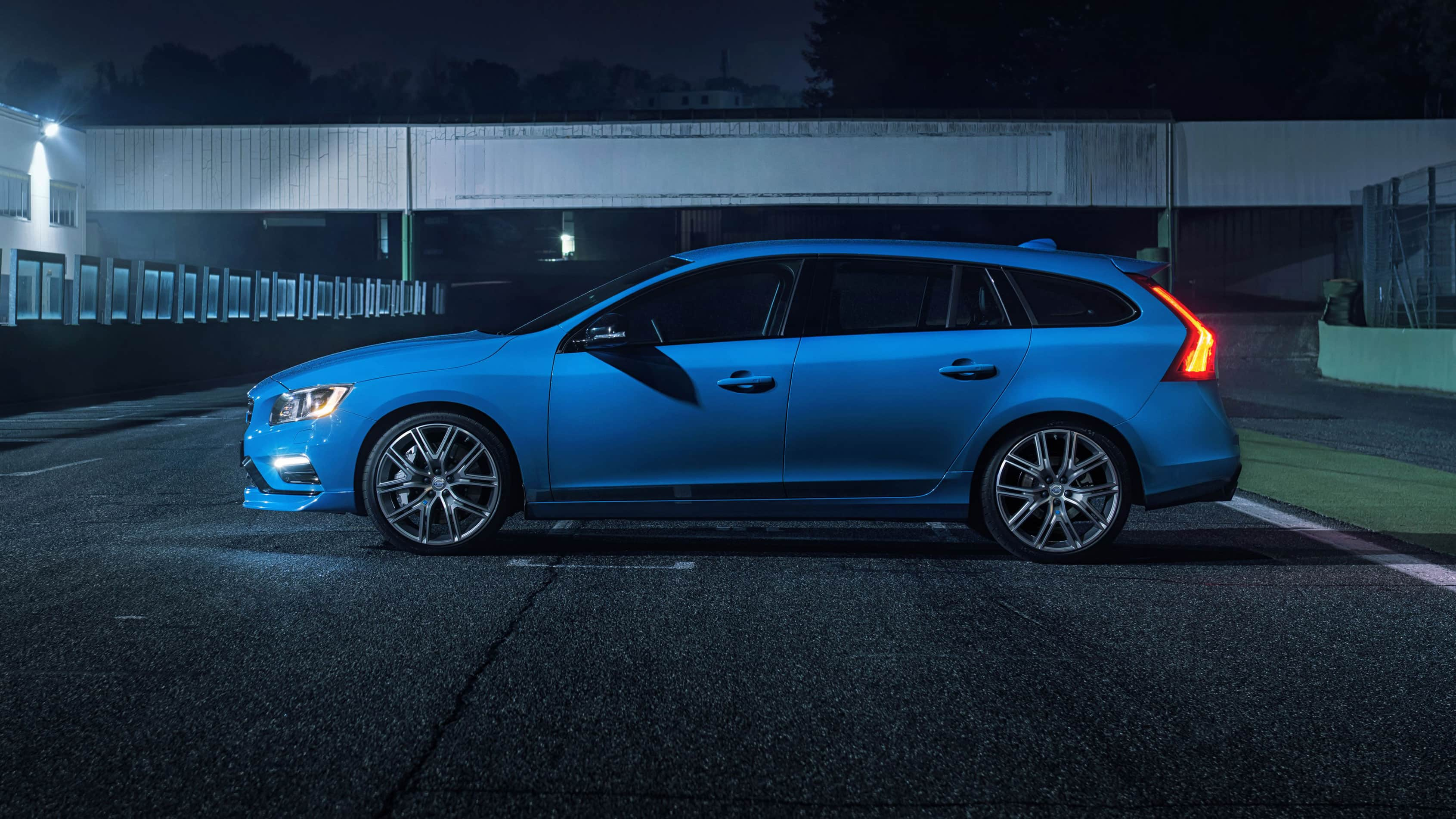
Volvo V60 Polestar
Another performance estate that attracted attention through more than speed and practicality was the Volvo V60 Polestar. Its striking Rebel Blue paint offered a refreshing splash of colour when so many performance cars appeared in greys, silvers and blacks.
Developed with Volvo's motorsport partner Polestar, its 3.0-litre turbocharged straight-six produced 350PS and 500Nm of torque. All-wheel drive and a six-speed automatic delivered 0–62mph in five seconds, with an electronically limited 155mph top speed.
The engineering extended to adjustable Öhlins dampers, substantially stiffer springs and powerful Brembo brakes. Practicality remained respectable, with 430 litres of luggage space beneath the window line, expanding to 1,241 litres with the rear seats folded.
Priced at £49,775 new, approximately £70,000 in today's money, the original V60 Polestar was also genuinely exclusive. Just 125 examples were allocated to the UK in 2014, each generously equipped.
Today, examples typically command around £23,000–£30,000. A later 2.0-litre four-cylinder version increased output to 367PS, but the original six-cylinder retains its own appeal. Interestingly, the original 3.0-litre straight-six also had a Welsh connection, having been manufactured at Ford's Bridgend engine plant.
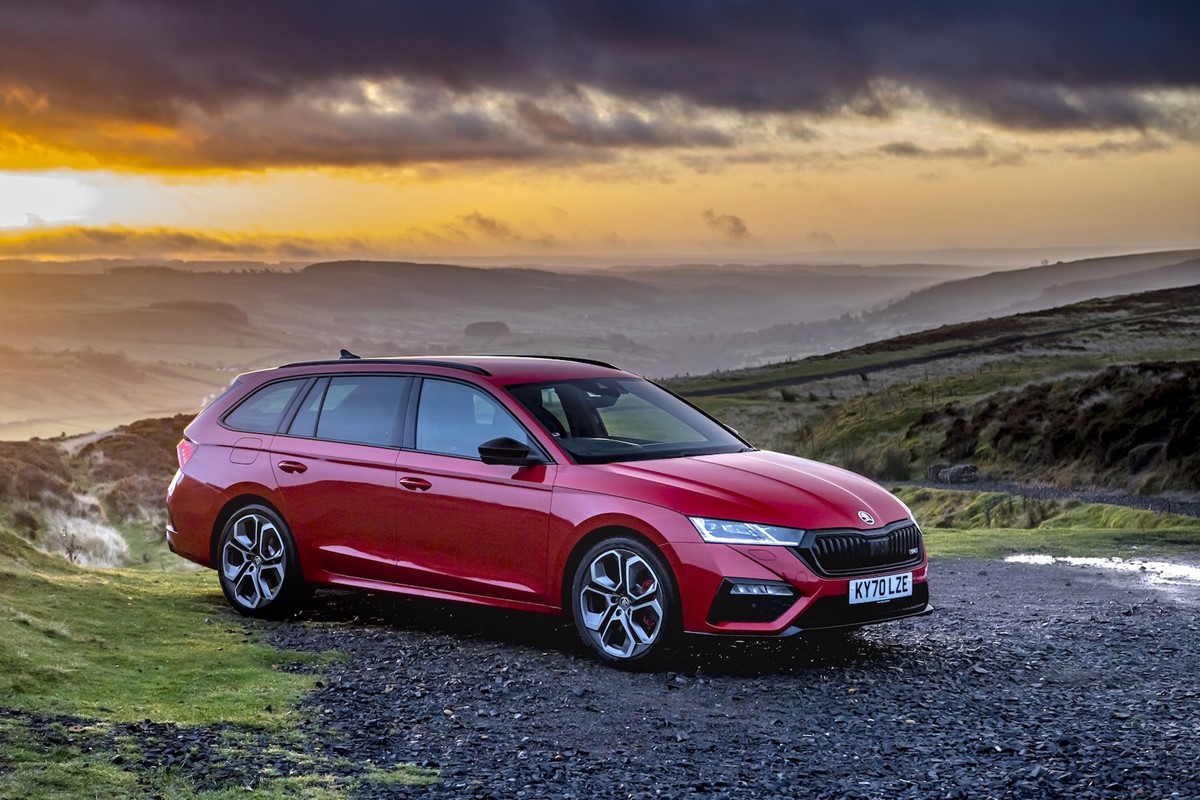
Škoda Octavia vRS Estate
The fourth-generation Octavia vRS appeared in 2020, continuing Škoda's tradition of combining performance with everyday practicality. Sharper styling, lowered suspension and distinctive vRS detailing gave the spacious family estate a sporting character without sacrificing its versatility.
Initially, the 2.0-litre turbocharged petrol engine produced 245PS and 370Nm, driving the front wheels through a seven-speed DSG automatic. It reached 62mph in 6.7 seconds, while the 2024 facelift increased power to 265PS, reducing that time to 6.5 seconds.
Today, a new Octavia vRS Estate starts at £41,765, while early fourth-generation petrol examples can be found used from approximately £18,000. That makes it one of the more accessible modern performance estates.
Sharing Volkswagen Group engineering with the Golf R Estate and CUPRA Leon Sportstourer, the Škoda offers slightly better fuel efficiency. However, the contemporary 320PS Golf R Estate featured all-wheel drive and reached 62mph in just 4.9 seconds, making it 1.8 seconds quicker than the original Octavia.
Practicality remains the Škoda's strongest advantage, with 640 litres of luggage capacity expanding to 1,700 litres with the rear seats folded. That's more than the Golf R Estate's respective 611 and 1,642 litres.
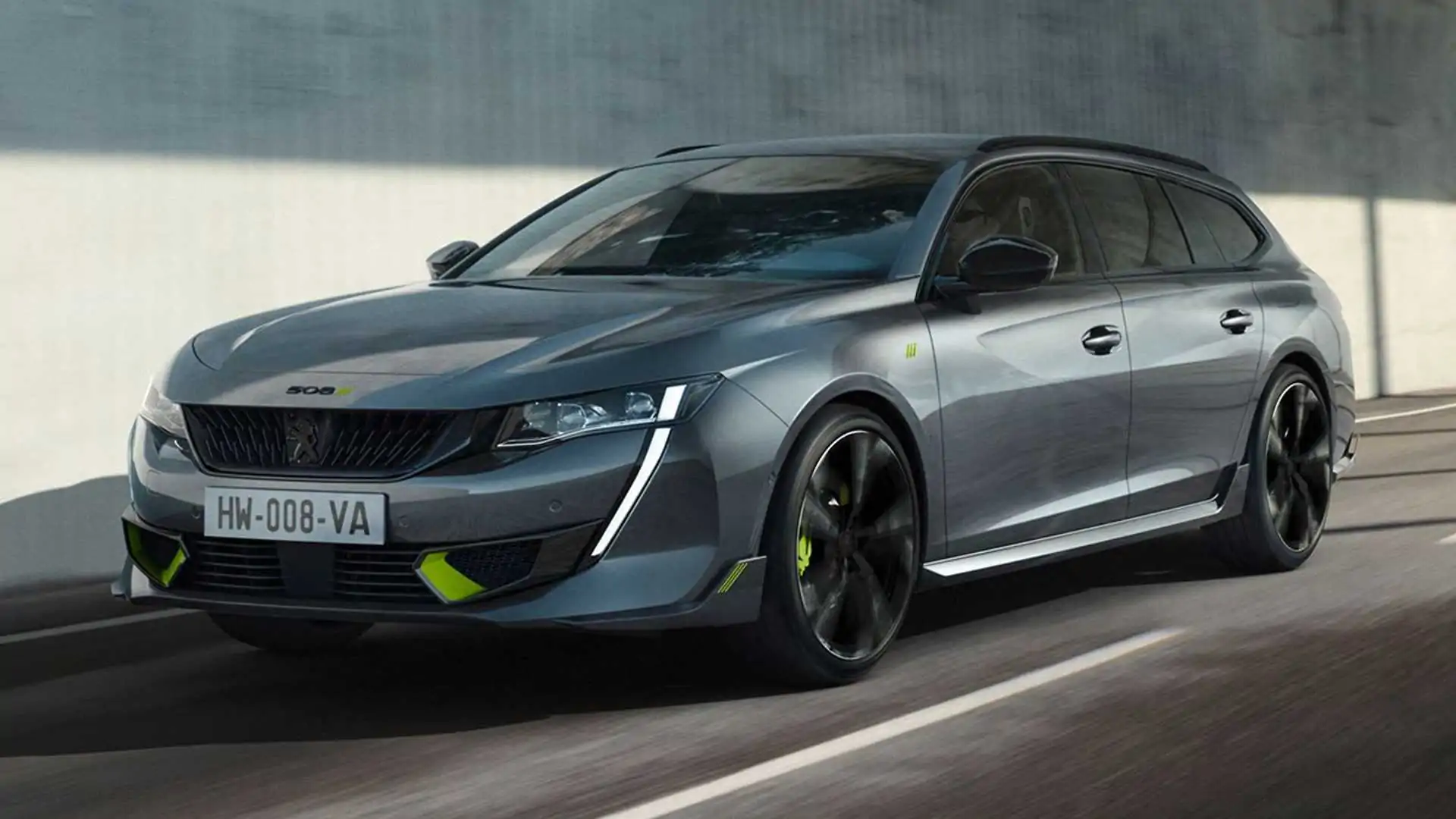
Peugeot 508 PSE SW
Introduced to Britain in 2021, the Peugeot 508 Sport Engineered SW was a distinctive French alternative to the conventional performance estate. Its low roofline, wide stance, dramatic aerodynamic detailing and frameless door glass gave it remarkable road presence.
Inside, Peugeot's impressive i-Cockpit combined a compact steering wheel with digital instruments, sculpted controls and richly trimmed sports seats. It felt special even before the engine started.
A turbocharged 1.6-litre petrol engine worked alongside two electric motors, producing a combined 360PS and 520Nm. Four-wheel drive and an eight-speed automatic helped it reach 62mph in just 5.2 seconds, making it Peugeot's most powerful production car at launch.
Practicality remained impressive, with 530 litres of luggage space, expanding to 1,780 litres. The plug-in hybrid system also offered up to 26 miles of electric driving, making everyday journeys surprisingly economical when regularly charged.
Originally priced at £55,795 in Britain, the PSE was an expensive proposition. Today, used examples can be found from around £19,000, making this unusual, beautifully designed French performance estate considerably more accessible.
BMW M3 Touring
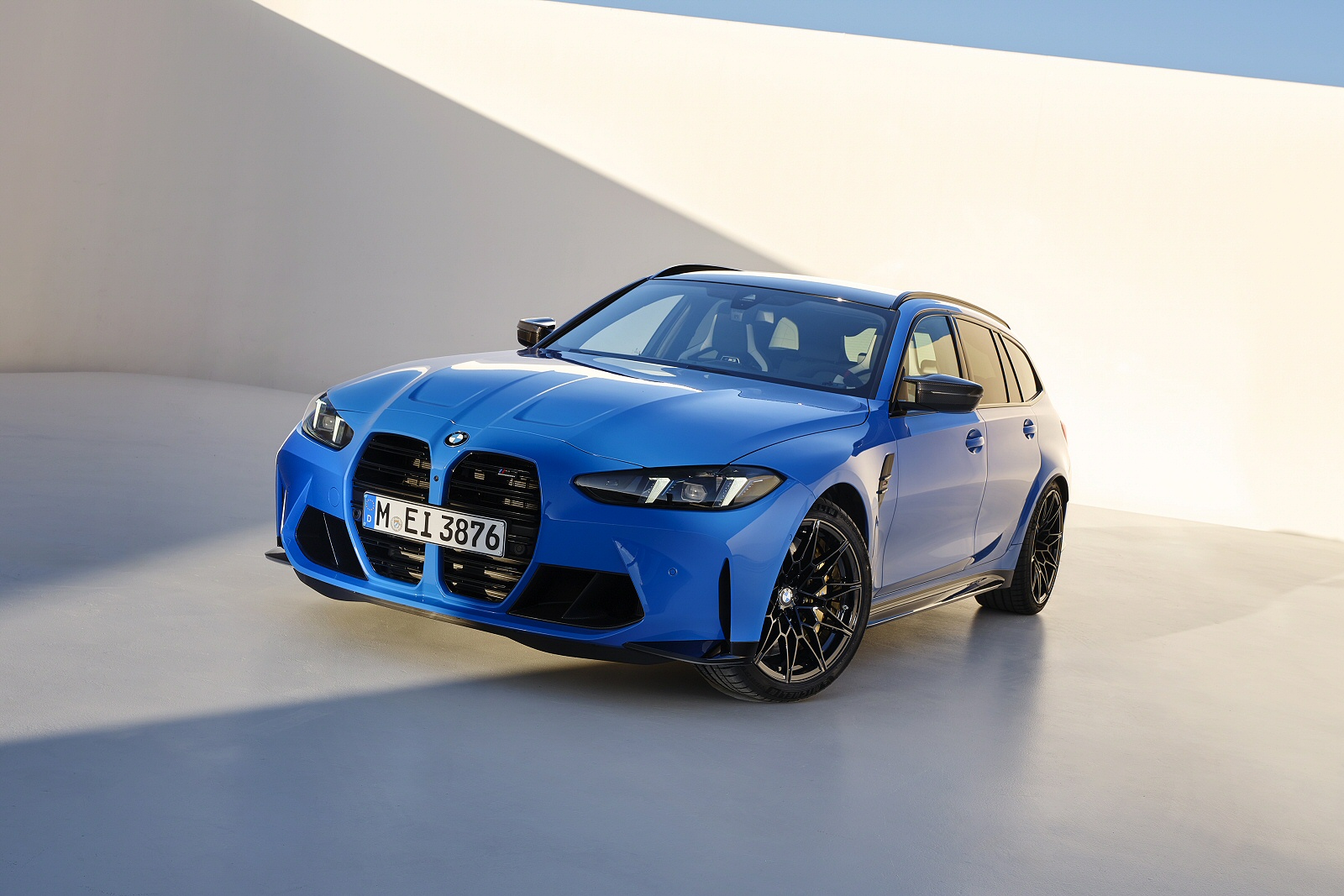
BMW had built its first M5 Touring 30 years earlier, but an M3 estate remained conspicuously absent. That changed in 2022, when the G81 M3 Touring made its debut at Goodwood, finally bringing the celebrated M3 formula to a practical five-door body.
Offered exclusively as a Competition xDrive, its twin-turbocharged 3.0-litre straight-six produced 510PS and 650Nm. An eight-speed automatic and all-wheel drive delivered 0–62mph in just 3.6 seconds, with a limited top speed of 155mph, or 174mph with the optional M Driver's Package.
A 2024 update subsequently increased output to 530PS, although the official 0–62mph time remained unchanged at 3.6 seconds. Despite its extraordinary performance, practicality remained intact. The 500-litre boot expanded to 1,510 litres, while the separately opening rear window made smaller items easier to load.
British prices started at £80,550, while early used examples can now be found from around £59,000, usually with higher mileages. Flared wheel arches, aggressive bumpers and four exhaust pipes ensured it looked every bit as serious as its performance suggested.
Four decades after the Volvo 245 Turbo, the M3 Touring demonstrated just how far the performance estate had evolved, while remaining faithful to the original idea.
From Volvo's pioneering turbocharged estates to Subaru's all-wheel-drive wagons, Saab's understated Aero and Jaguar's supercharged V8, the history of the fast estate has never belonged to one manufacturer or country. Chrysler and Cadillac contributed American muscle, while Peugeot demonstrated how hybrid technology could combine performance with efficiency.
Now electrification is taking the concept further. BMW's plug-in hybrid M5 Touring produces 727PS and reaches 62mph in 3.6 seconds, while Porsche's fully electric Taycan Turbo S Sport Turismo manages the same sprint in just 2.4 seconds.
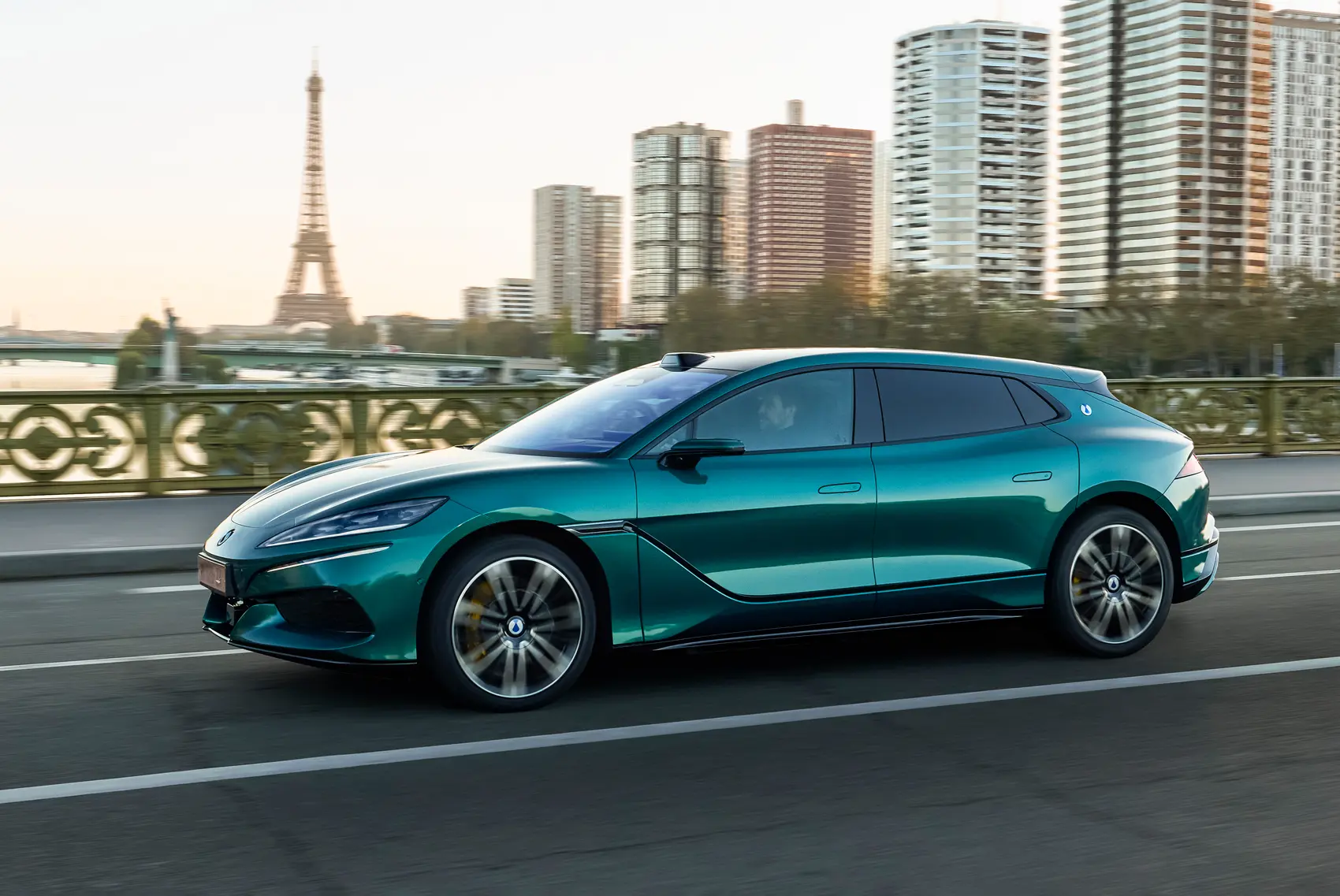
And a new generation of Chinese manufacturers is joining the competition. Denza's Z9GT offers 0–62mph in just 2.7 seconds, while the Zeekr 7GT manages 3.3 seconds. Avatr's striking 06T estate promises even stronger acceleration at 2.78 seconds, with European sales planned for 2027.
More than four decades after the Volvo 245 Turbo, the technology may be changing, but the appeal remains remarkably familiar. Whether powered by a turbocharged four-cylinder, a thunderous V8, a plug-in hybrid or electricity alone, the best fast estates combine everyday practicality with the simple enjoyment of driving.
Legal notice & image credits

The New Yardstick is an independent automotive publication and is not affiliated with the manufacturers featured. Specifications, historical prices, inflation-adjusted values and used-car estimates are approximate and may vary by market, model year and condition.

Images remain the copyright of their respective manufacturers, photographers and rights holders. Mercedes-Benz 300TE-24 photograph: Dennis Elzinga, licensed under CC BY 2.0 (cropped). All vehicle names and trademarks remain the property of their respective owners.
You should also read:
What Are the Best Fun Cars You Can Buy for £6,000?
A £6,000 budget opens the door to a surprisingly varied selection of interesting used cars. Rather than simply chasing the newest or lowest-mileage option, this is the point where buyers can start looking for something with real character. That might mean a proper rear-wheel-drive coupé, a lightweight hot hatch, a rare premium…
Paris Motor Show 2026: TNY’s Complete Preview of the Cars and Concepts to Watch
The Paris Motor Show is back with one of its most ambitious line-ups in years — and 2026 could prove to be one of the most revealing shows yet for where the global car industry is heading. Europe’s biggest manufacturers are arriving with new electric cars, hybrids, concepts and major design previews,…

TNY Design Studio Explores BMW’s Next SUV Generation — From X1 to X8
BMW is entering one of the most significant design transitions in its recent history. The arrival of Neue Klasse isn't simply about introducing a new generation of electric cars; its technology and dramatically simplified design language are beginning to influence BMW's entire range. For the company's SUVs, that creates an especially interesting…

From Budget EVs to Supercars: Three Chinese Brands to Watch
Chinese carmakers are no longer simply arriving in Europe with a handful of cheap EVs. They are building factories, expanding dealer networks, developing premium sub-brands and, in some cases, moving faster than many established manufacturers can comfortably match. Three names in particular show just how varied that expansion has become. BYD brings…
What Does £1,500 Buy in 2026? Eight Used Cars We’d Look At
Cheap cars do not automatically have to mean bad cars. At the bottom end of the used market, £1,500 will inevitably involve compromises — higher mileage, older interiors and the odd cosmetic scar — but there are still plenty of genuinely useful, dependable cars available for the money. The trick is looking…
Hyundai's 100-Car Plan: What Comes Next for One of the World's Fastest-Changing Car Makers?
Twenty years ago, Hyundai was still fighting to prove that it could match the established European and Japanese brands. Today, that description feels almost unrecognisable. Hyundai has become a genuinely global manufacturer, producing everything from affordable small cars to sophisticated EVs, large SUVs and increasingly serious performance models. Now it wants to…
Rebuilding Nissan: The Cars That Could Fix Its Confusing European Line-Up
Around 20 years ago, Nissan changed the shape of the mainstream car market. The Qashqai replaced the dependable but forgettable Almera and helped turn the crossover into a family-car staple. The Juke followed, proving equally disruptive, while in 2010 the Leaf brought electric motoring to the masses. All three were game-changing cars…

Beat the 76-Plate Hype: 10 Pre-Reg Cars Under £16,000
With the new 76 registration arriving on 1 September, thousands of buyers will be preparing to collect a brand-new car. But having the latest number plate can come at a considerable cost. Today, the choice of new cars costing less than £16,000 is remarkably limited, with just three models starting below our…