TNY Design Studio Explores BMW’s Next SUV Generation — From X1 to X8
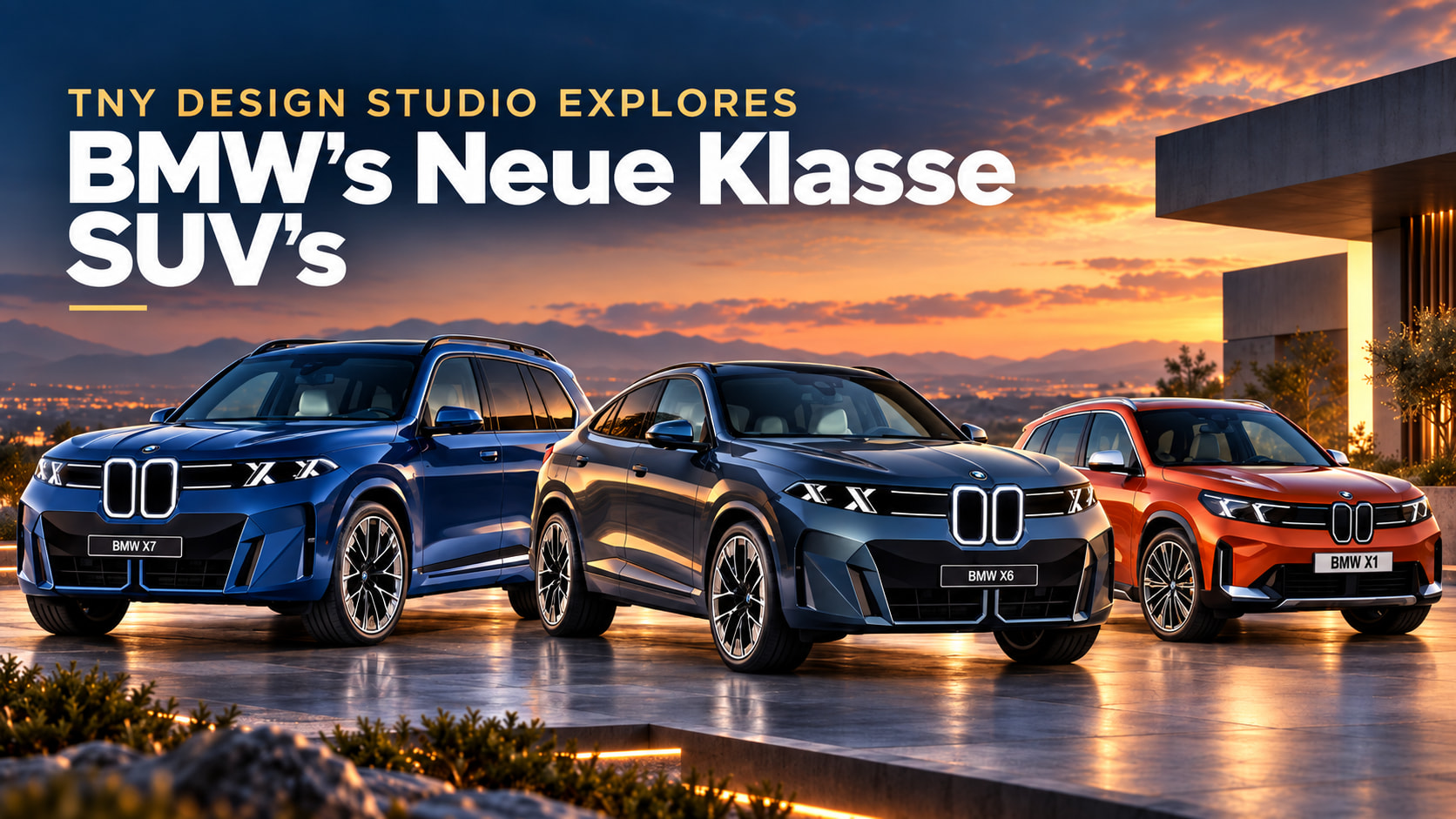
BMW is entering one of the most significant design transitions in its recent history. The arrival of Neue Klasse isn't simply about introducing a new generation of electric cars; its technology and dramatically simplified design language are beginning to influence BMW's entire range.
For the company's SUVs, that creates an especially interesting few years. Some models can be developed around this new philosophy from the outset, while others must evolve existing shapes that were designed before Neue Klasse arrived. At the same time, BMW isn't committing itself to a single powertrain solution, with combustion engines, plug-in hybrids, battery-electric models and even hydrogen all forming part of its plans.
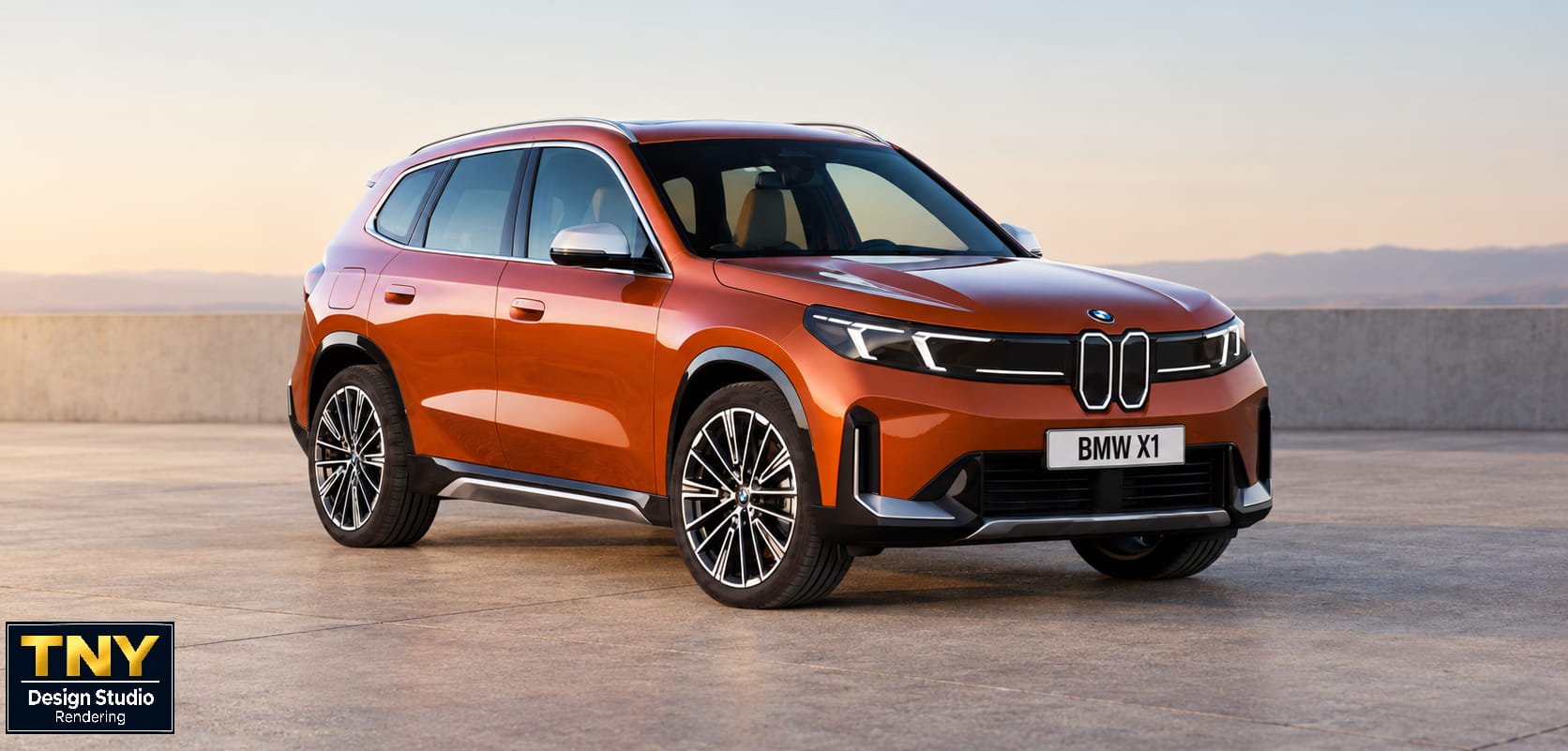
The current third-generation X1 only arrived in 2022, meaning a complete replacement of the combustion model remains some way off. Yet BMW's new design language is spreading rapidly across the range, leaving one of its smallest SUVs unable to simply wait for another full model cycle.
Instead, the existing X1 will have to evolve. Prototypes already show BMW testing a heavily revised front end, combining the current U11's familiar roofline, doors and proportions with slimmer lighting and a much cleaner Neue Klasse-inspired face. Unlike the clean-sheet iX3 — or newer models designed around BMW's latest thinking from the outset — the challenge is making that new identity look convincing on a shape created earlier.
We should see the result during 2027, with current reports pointing towards production around the middle of the year. Intriguingly, the electric iX1 may take a different route altogether: prototypes suggest BMW is preparing a completely new Neue Klasse-based successor rather than simply applying the X1's facelift to today's electric model.
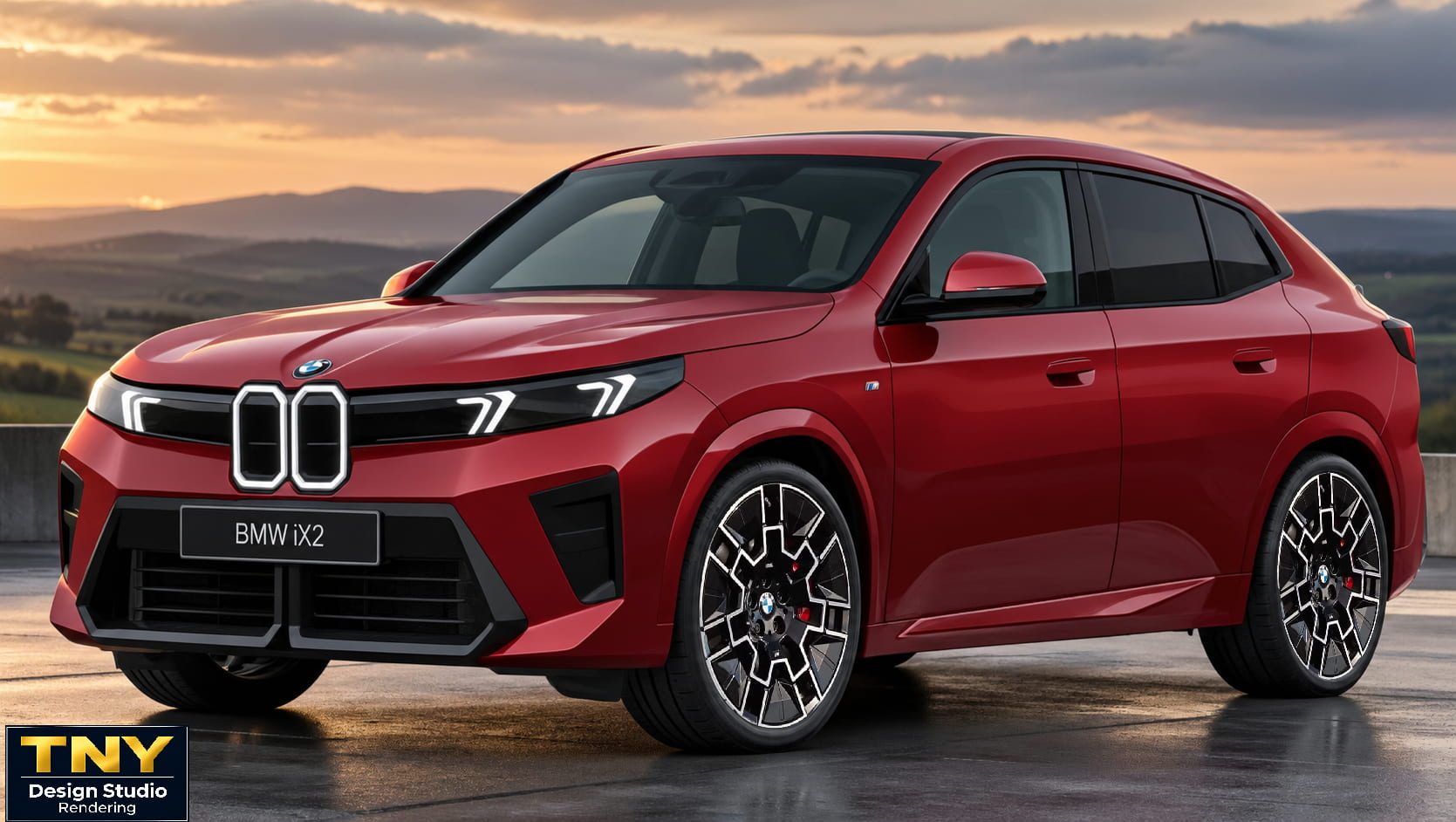
TNY Design Studio explores the same challenge as with the X1: rather than designing a Neue Klasse SUV from a clean sheet, BMW must make its dramatically simpler new face work with an existing shape.
Our X2 keeps today's roofline, doors and proportions, but introduces slimmer lighting and the new vertical kidney treatment. The future of the iX2 is less certain, particularly as its iX1 sibling is reportedly moving to a dedicated Neue Klasse successor.
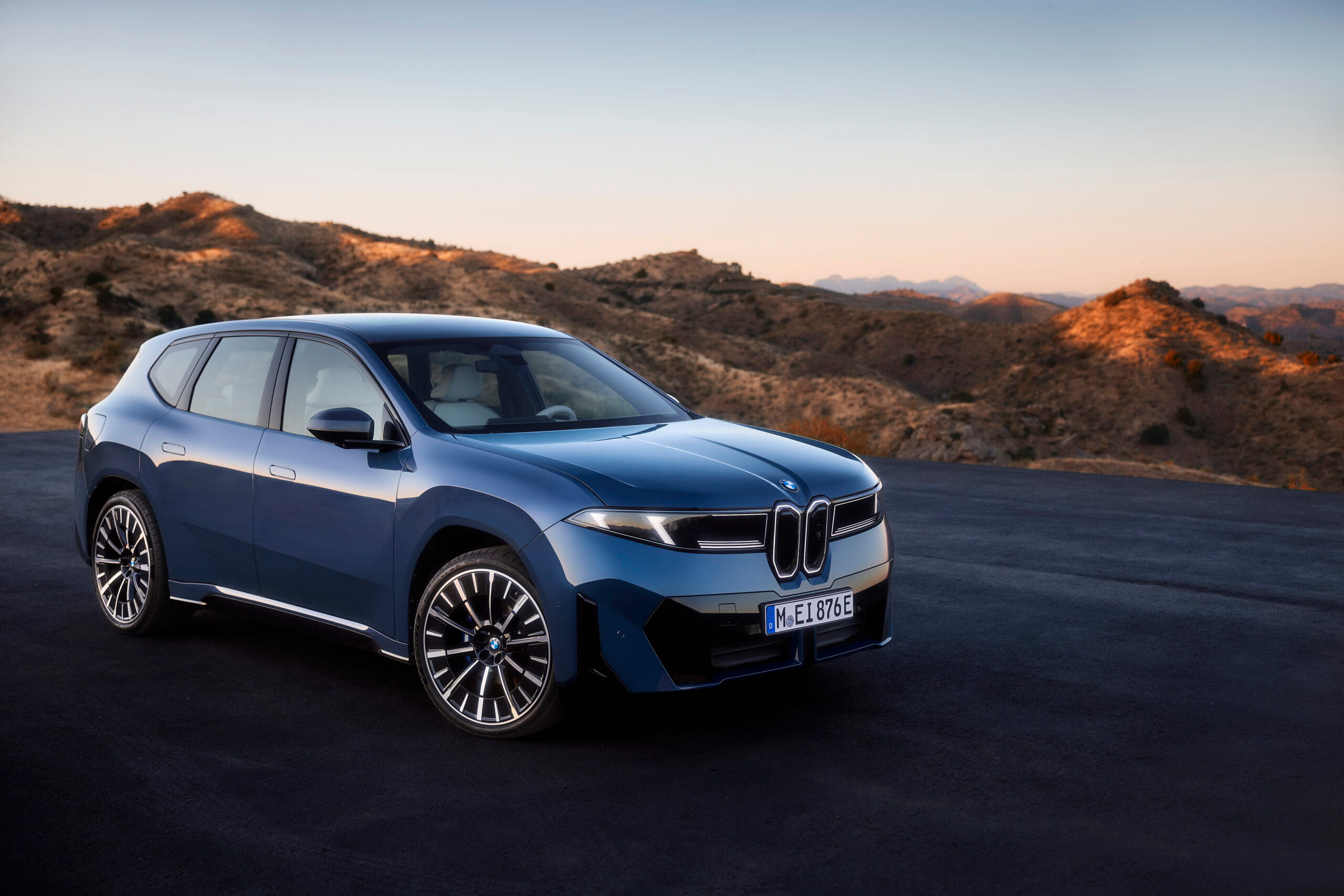
Those numbers put BMW firmly back among the EV technology leaders, as European premium brands face increasingly capable competition from Tesla and fast-moving Chinese manufacturers.
Early reviews have been similarly positive, particularly around efficiency, technology and driving dynamics. The iX3 therefore gives BMW a remarkably strong foundation on which to rebuild the rest of its SUV range. (Image Credit: BMW)
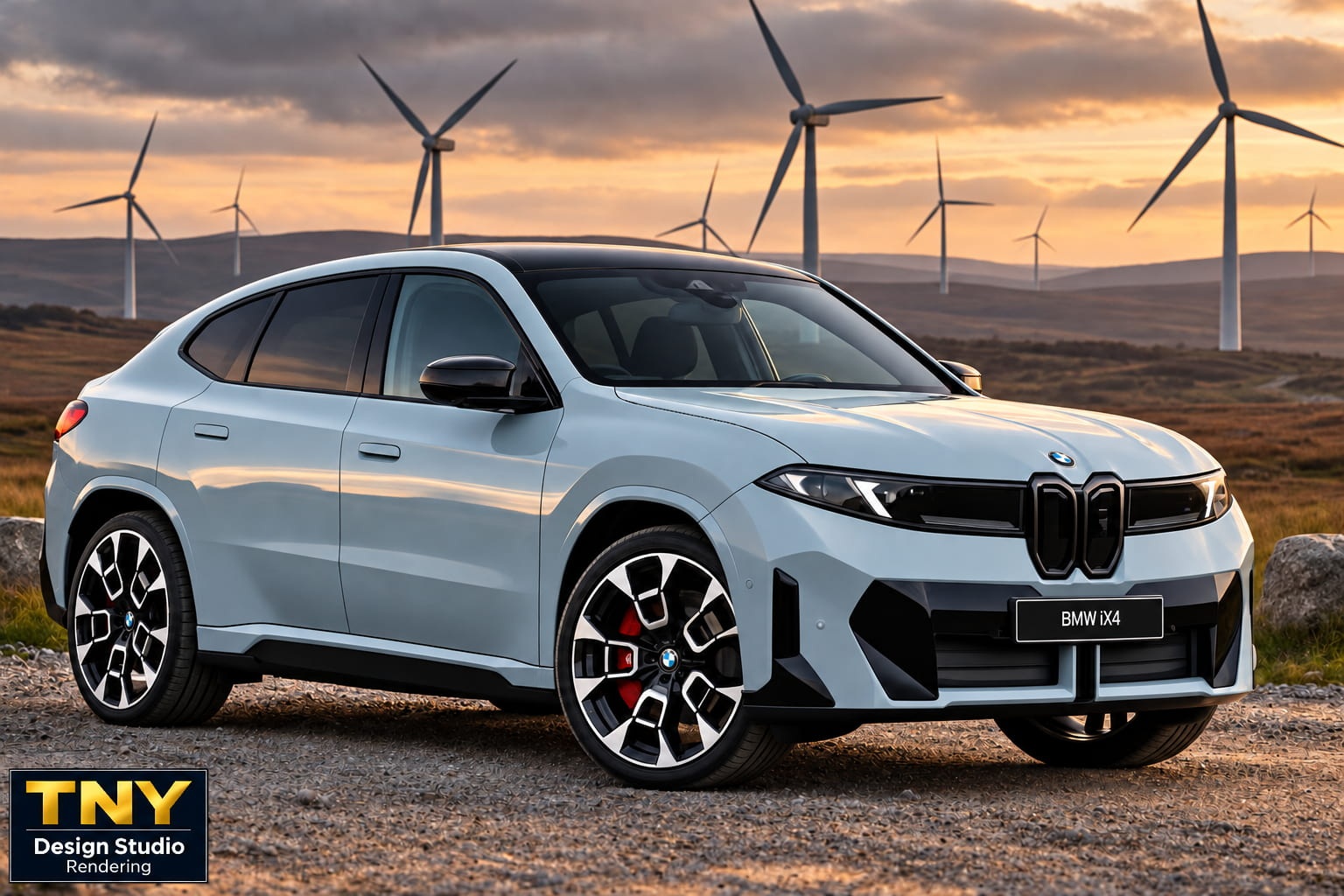
Yet the X4 has now disappeared: production of the second generation ended in November 2025, with no direct combustion replacement. Instead, the space it occupied is set to be filled by the electric iX4, a close Neue Klasse relative of the iX3.
Prototypes already show a much lower, more dramatically sloping roofline wrapped around familiar iX3 ingredients, while reports point to the same 800V architecture, Gen6 batteries and up to 400kW charging. Production is expected to begin in November 2026, making this one of the Neue Klasse BMWs we shouldn't have long to wait for. Our rendering explores how the production iX4 could combine the iX3's new face with a much sportier silhouette.
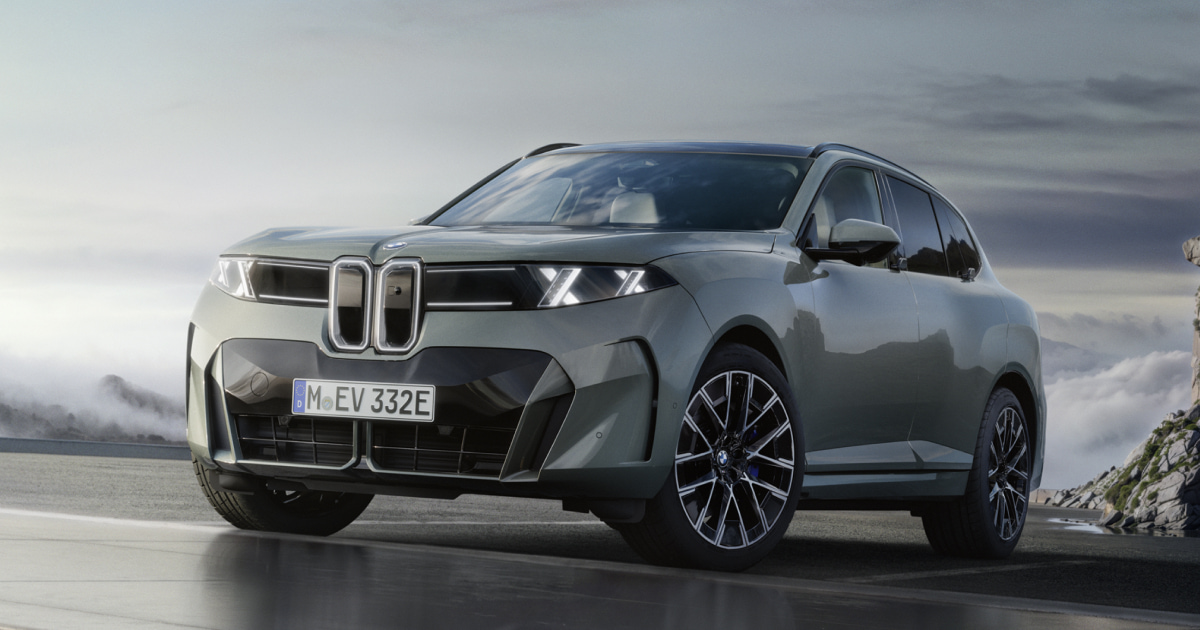
The electric iX5 60 xDrive is particularly ambitious, combining an 800V architecture with BMW's Gen6 battery technology, up to 525 miles WLTP and 460kW charging. At a sufficiently powerful charger, BMW says it can charge from 10–80% in 23 minutes.
Hydrogen is perhaps the most intriguing addition. From 2028, the iX5 Hydrogen is targeting up to 466 miles (750km) of range, with refuelling taking only a few minutes. Its third-generation fuel-cell system has been developed with Toyota, making the X5 a particularly interesting test of BMW's belief that the future of larger vehicles may not belong exclusively to batteries. (Image Credit: BMW)
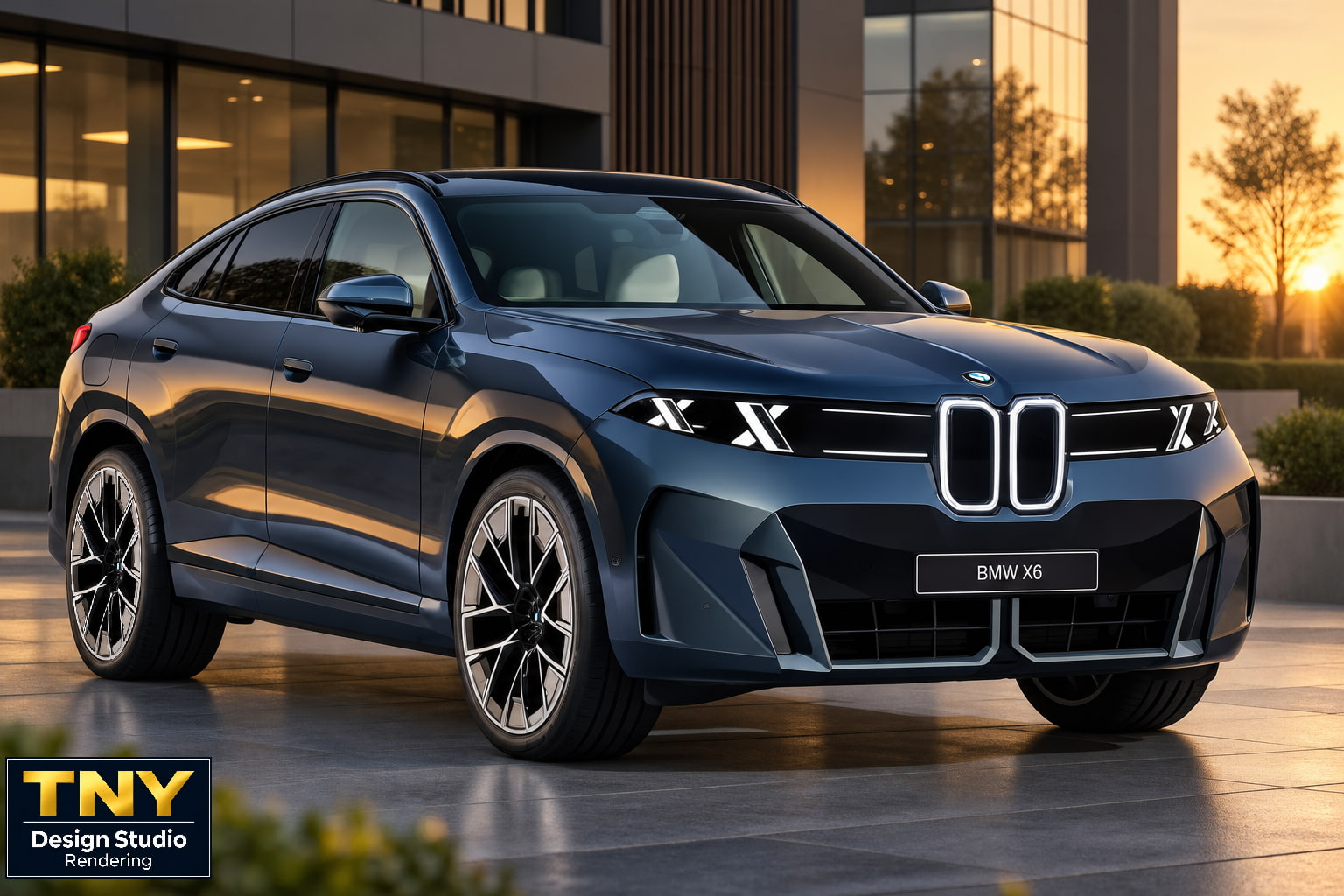
Like previous generations, the next X6 is expected to be closely related to the new X5, bringing much of the same technology beneath a lower, more sporting body. Reports suggest petrol, diesel and high-performance combustion versions alongside a new iX6, sharing the iX5's Gen6 electric hardware and 800V architecture.
Its sleeker aerodynamics could potentially give the iX6 a range advantage over the 525-mile iX5, although BMW has not yet published figures, so we wouldn't put a number on it. TNY Design Studio explores how that formula could look: the new X5's Neue Klasse-era identity transformed into its more dramatic coupé-SUV sibling.
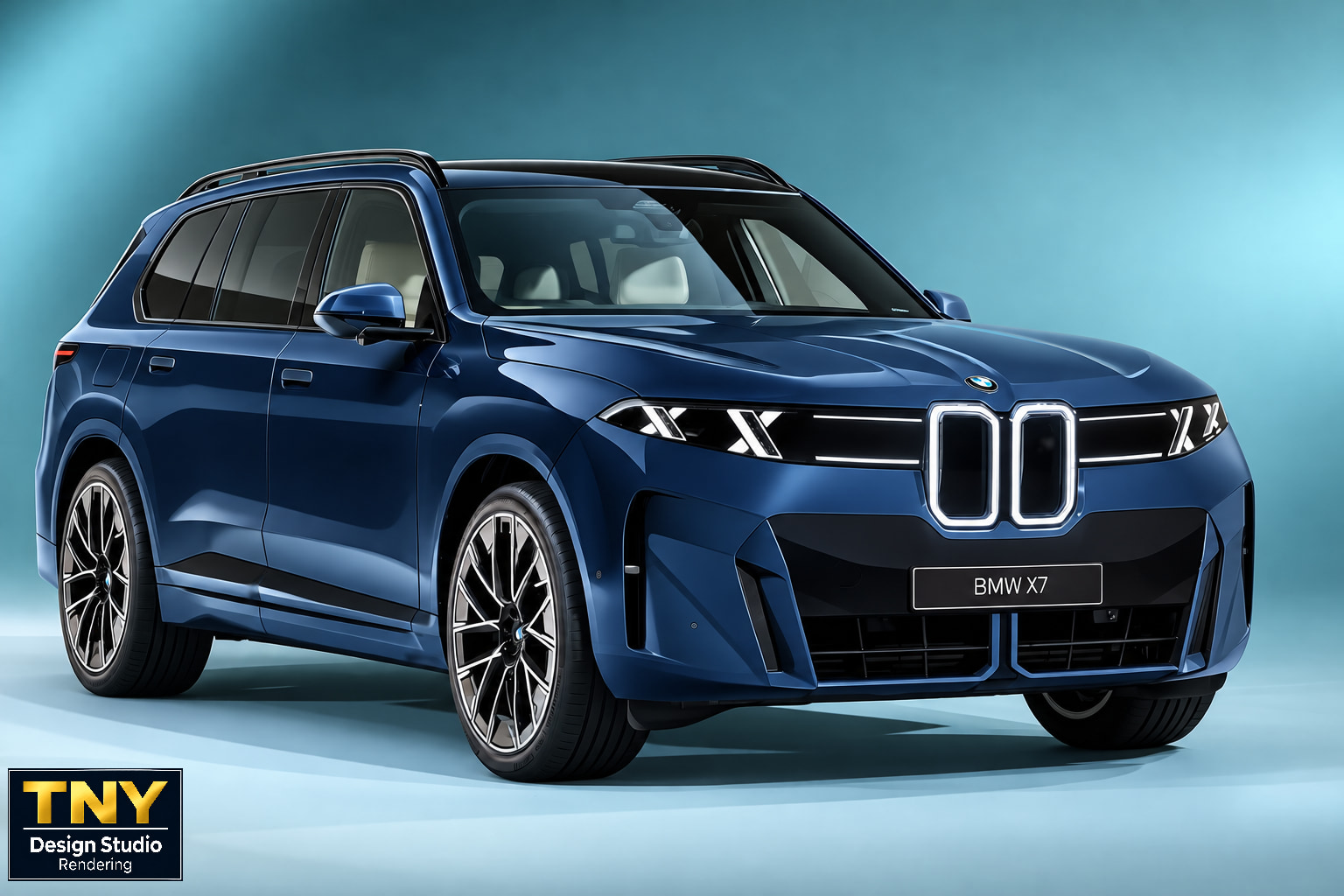
Hydrogen is the intriguing possibility. BMW's first series-production hydrogen model arrives in 2028, although BMW has not confirmed an X7 version. If the technology subsequently reaches the X7 — and Britain receives it — it could create the unusual prospect of a hydrogen-powered luxury seven-seater alongside petrol, diesel and battery-electric alternatives.
TNY Design Studio explores how BMW's biggest SUV could adopt its Neue Klasse-era identity while retaining the imposing proportions and more traditional powertrain choice expected of the X7.
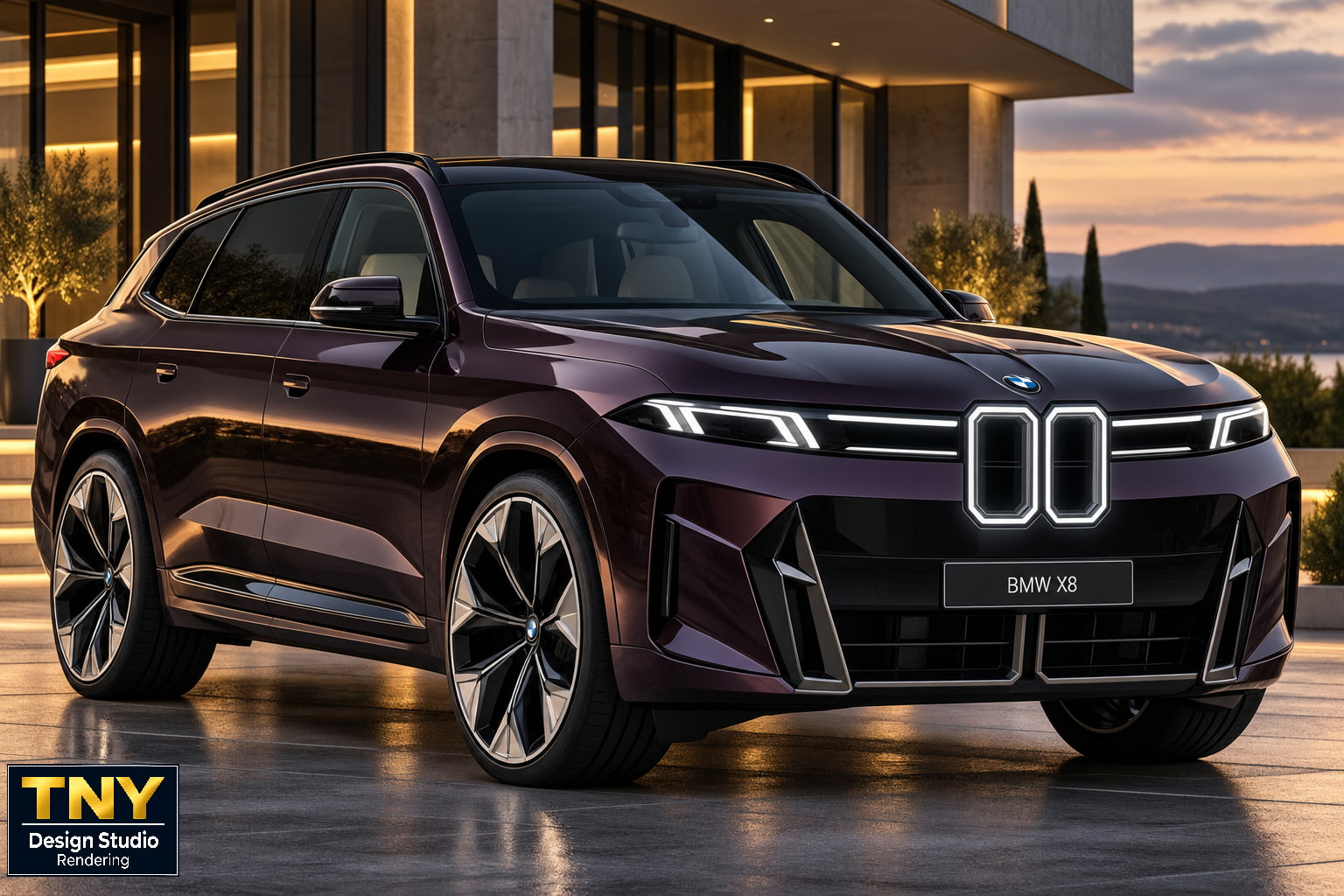
Its position remains intriguing. With the XM's future uncertain and reports of a future electric iXM, this could replace one, both, or simply create another flagship. A larger, more luxurious BMW could target models such as the Aston Martin DBX and Lamborghini Urus, while narrowing some of the gap between BMW and Rolls-Royce.
Our X8 explores how such a flagship could look in BMW's new design language. And if BMW is prepared to expand its range at this level, could the announcement eventually open the door for an 8 Series revival — perhaps as a coupé and sporting luxury saloon?
— BMW's SUV range is entering one of its biggest periods of change yet. Neue Klasse begins with clean-sheet models such as the iX3, but its influence will quickly spread from heavily updated existing cars like the X1 and X2 to an increasingly diverse range of electric, combustion and even hydrogen-powered SUVs.
By the end of the decade, BMW could offer everything from a compact Neue Klasse iX1 to a 500-mile-plus iX5, an electric seven-seat iX7 and potentially an entirely new flagship above it. The technology is changing dramatically, but BMW's challenge will be making this increasingly varied family look and feel like one coherent new generation.
You should also read:
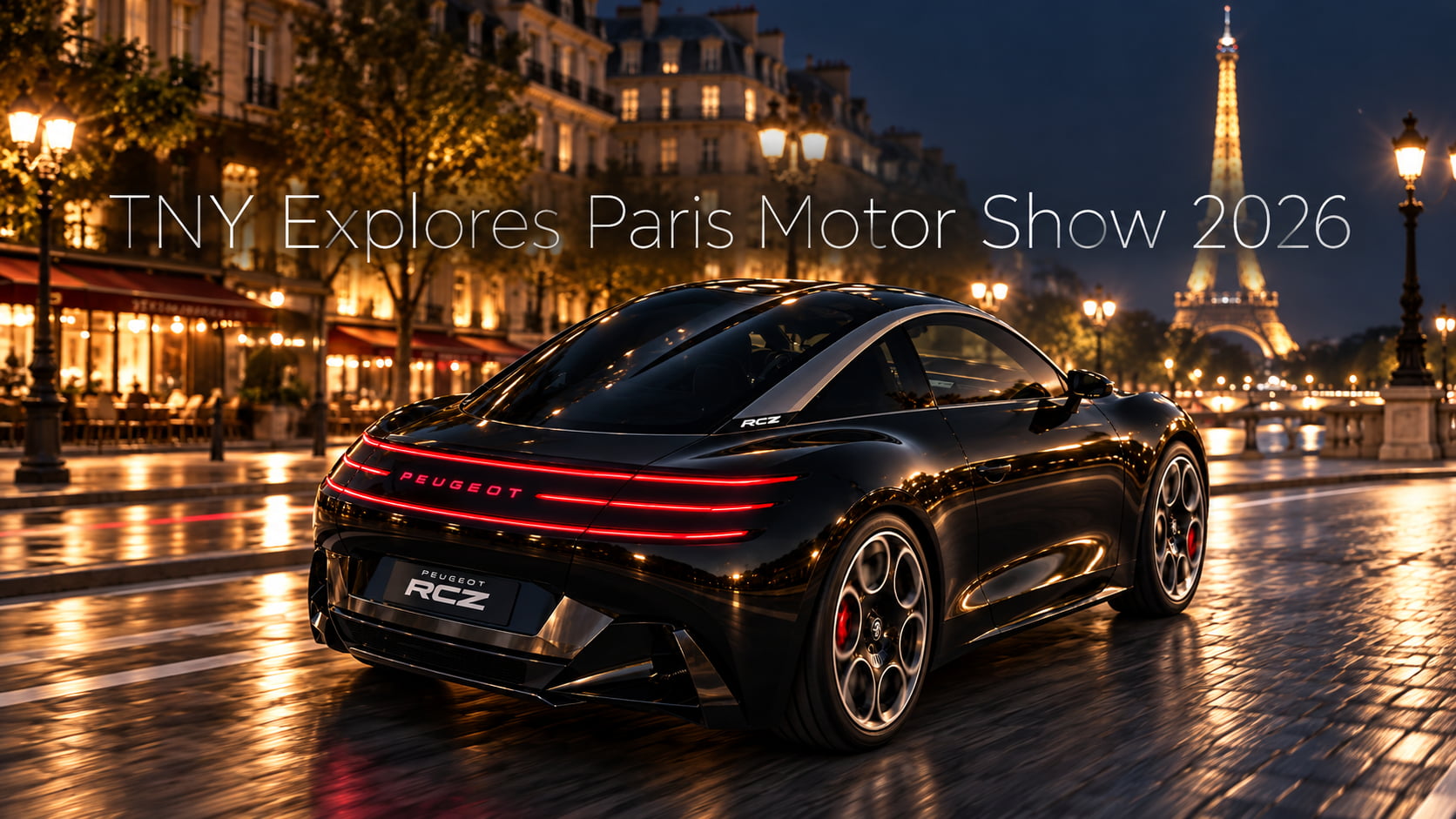
Paris Motor Show 2026: TNY Explores the Biggest Reveals from Day One
The 2026 Paris Motor Show has opened its doors, bringing one of Europe's biggest motoring events back into the spotlight. With more than 100 exhibitors, nearly 60 vehicle manufacturers and dozens of new models and concepts, this year's show promises plenty to explore. Beyond the spectacular concept cars and elaborate displays, Paris…

From Budget EVs to Supercars: Three Chinese Brands to Watch
Chinese carmakers are no longer simply arriving in Europe with a handful of cheap EVs. They are building factories, expanding dealer networks, developing premium sub-brands and, in some cases, moving faster than many established manufacturers can comfortably match. Three names in particular show just how varied that expansion has become. BYD brings…
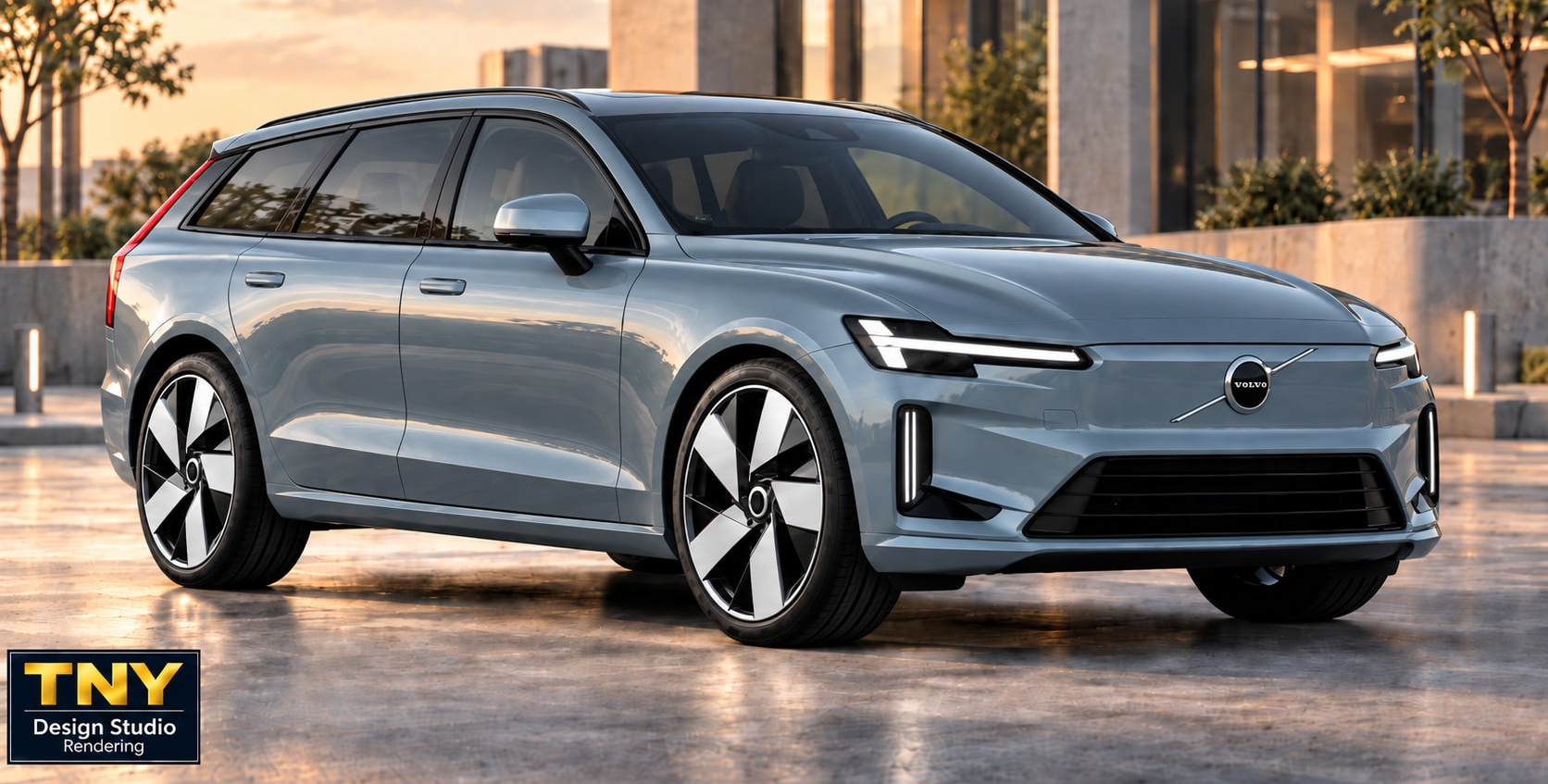
Volvo’s 13-Car Plan — Design Studio Explores the New Range
Volvo has changed dramatically under Geely ownership. What was already a respected premium brand has gained the investment, technology and global scale needed to compete far more directly with the likes of BMW and Mercedes-Benz. That is a significant shift from the Ford era, when Volvo produced some excellent cars but often…
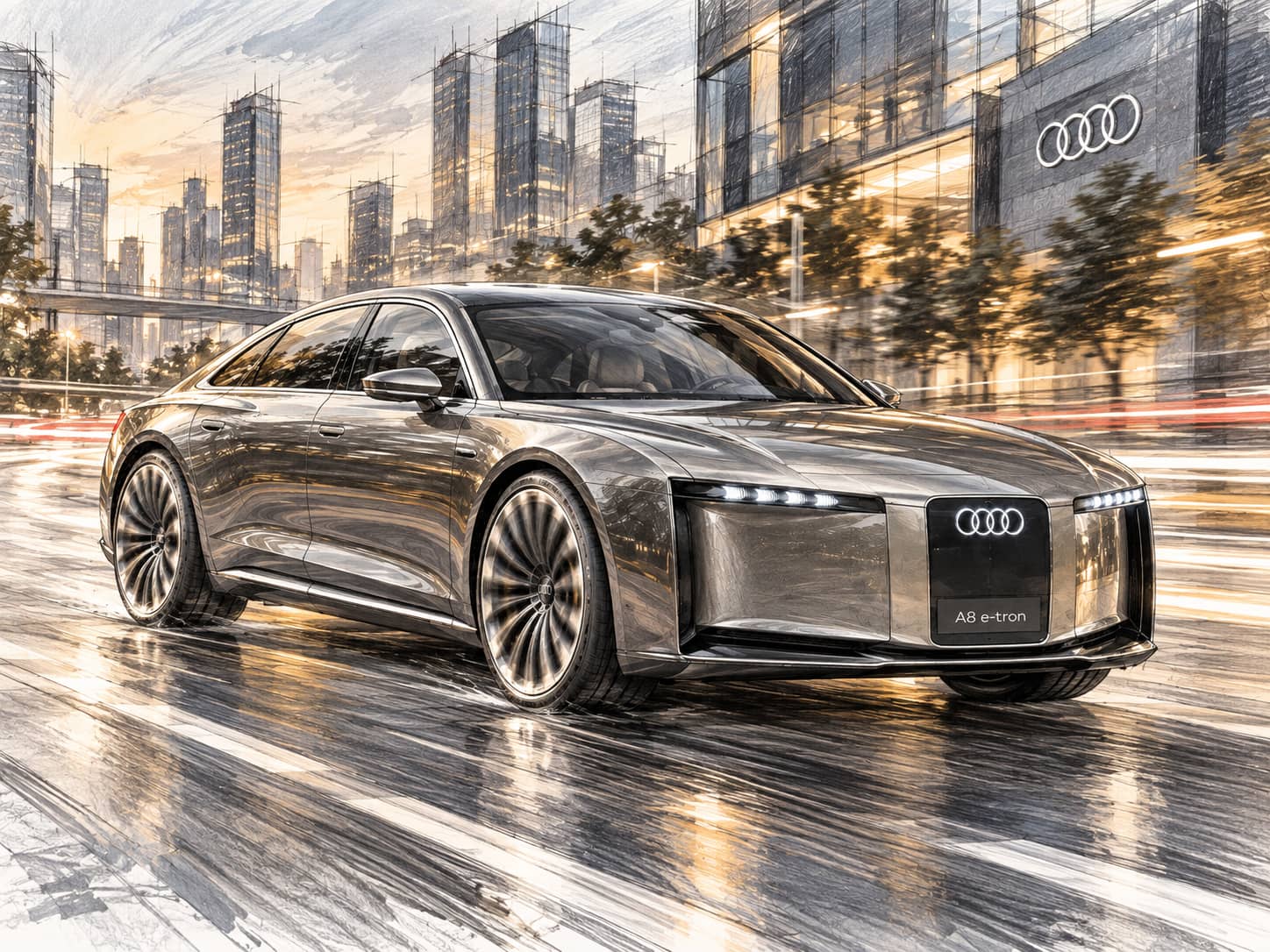
Audi’s Next Chapter: A2, E5 and a New Push Upmarket
Audi wants to move upmarket, but its product strategy is starting to pull in two very different directions. In China, the new E5 Sportback shows just how far the brand can go, combining 800V charging, advanced software and a new generation of digital architecture developed with SAIC. In Europe, meanwhile, Audi is…
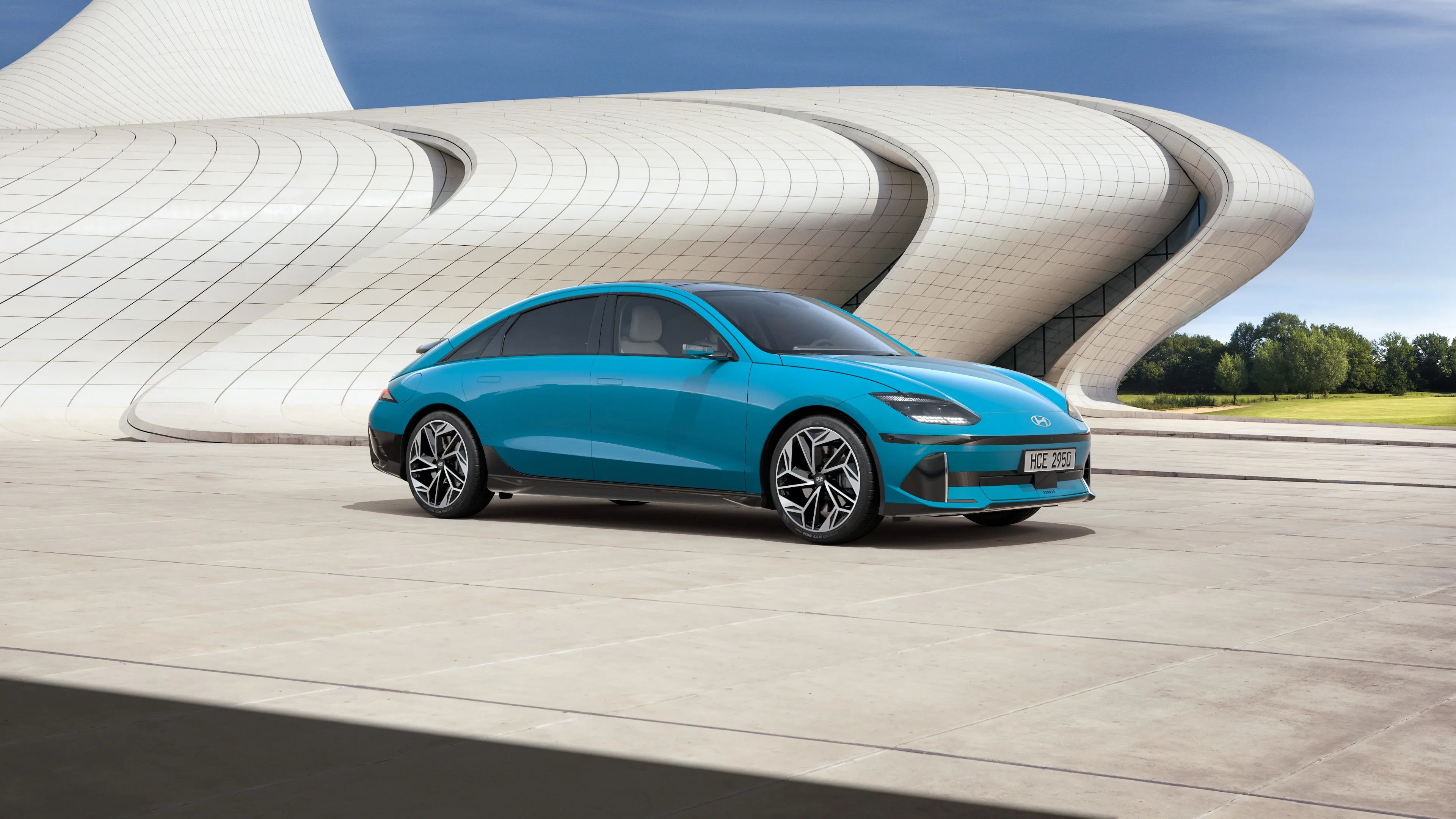
Hyundai's 100-Car Plan: What Comes Next for One of the World's Fastest-Changing Car Makers?
Twenty years ago, Hyundai was still fighting to prove that it could match the established European and Japanese brands. Today, that description feels almost unrecognisable. Hyundai has become a genuinely global manufacturer, producing everything from affordable small cars to sophisticated EVs, large SUVs and increasingly serious performance models. Now it wants to…
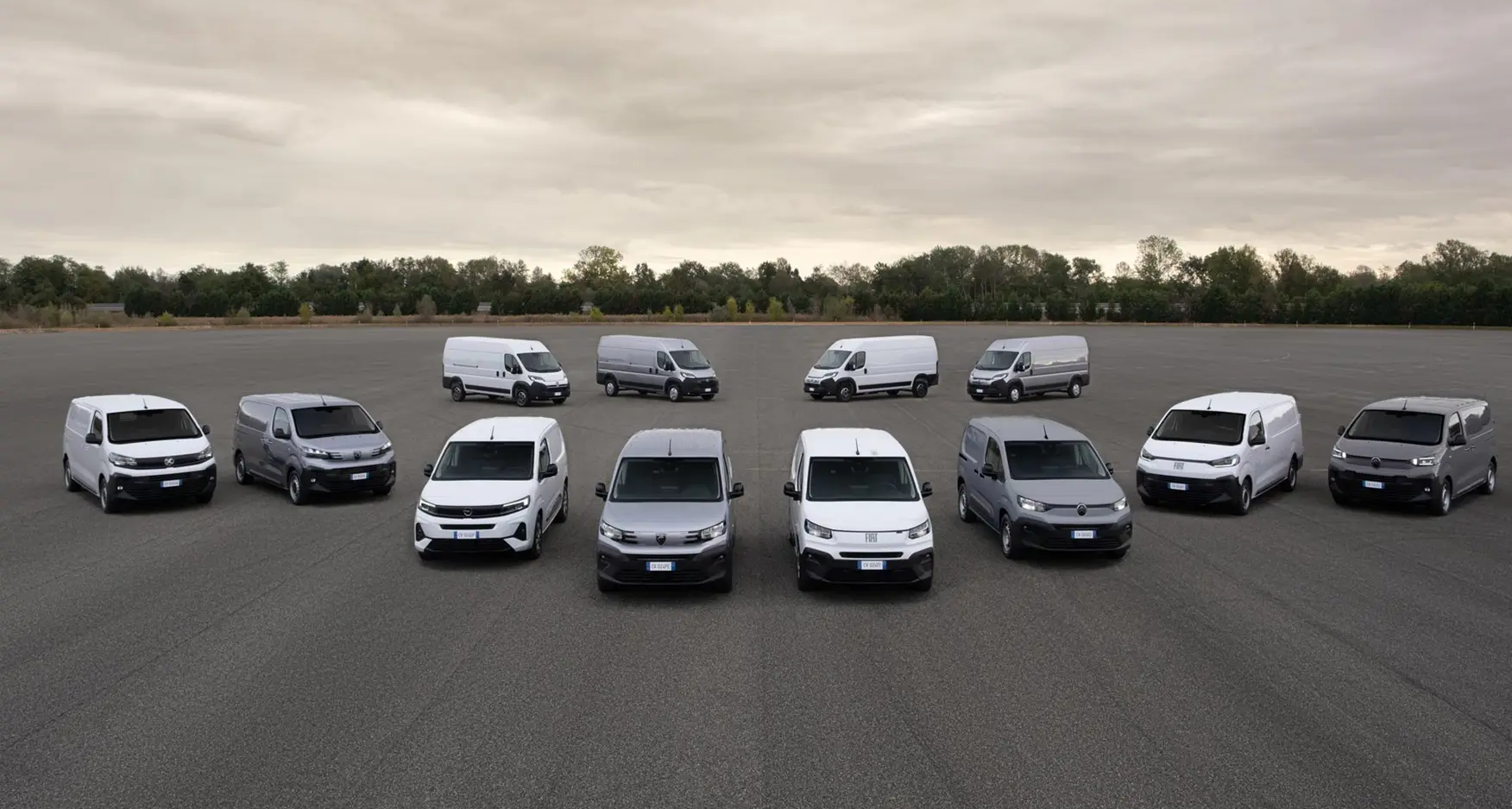
Stellantis Vans 2030: What Comes Next for Europe's Biggest Van Family?
Stellantis has built one of Europe’s biggest commercial vehicle operations, with familiar names from Citroën, Fiat, Peugeot, Opel and Vauxhall covering almost every corner of the van market. But the automotive world is changing faster than the traditionally slow-moving commercial vehicle cycle. Battery technology continues to improve, hybrid powertrains are finding new…
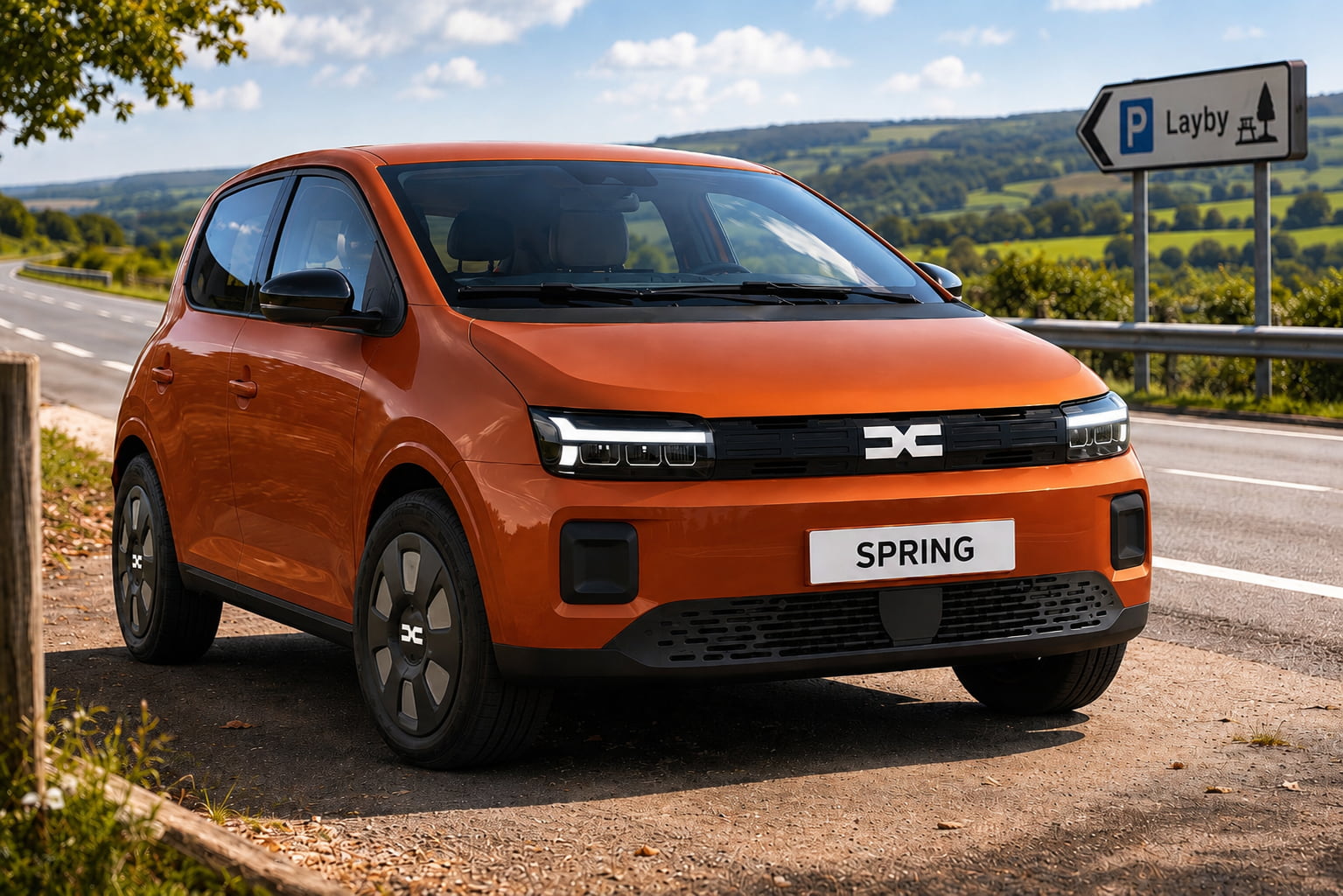
Dacia Spring: Design Studio Explores Three Ways Forward
The Dacia Spring has become one of Europe’s most important affordable EVs, proving that electric cars do not need huge batteries, enormous power outputs or premium prices to make sense. But deciding what replaces it could be considerably more complicated. Dacia now has the striking Hipster concept exploring an even smaller, more…
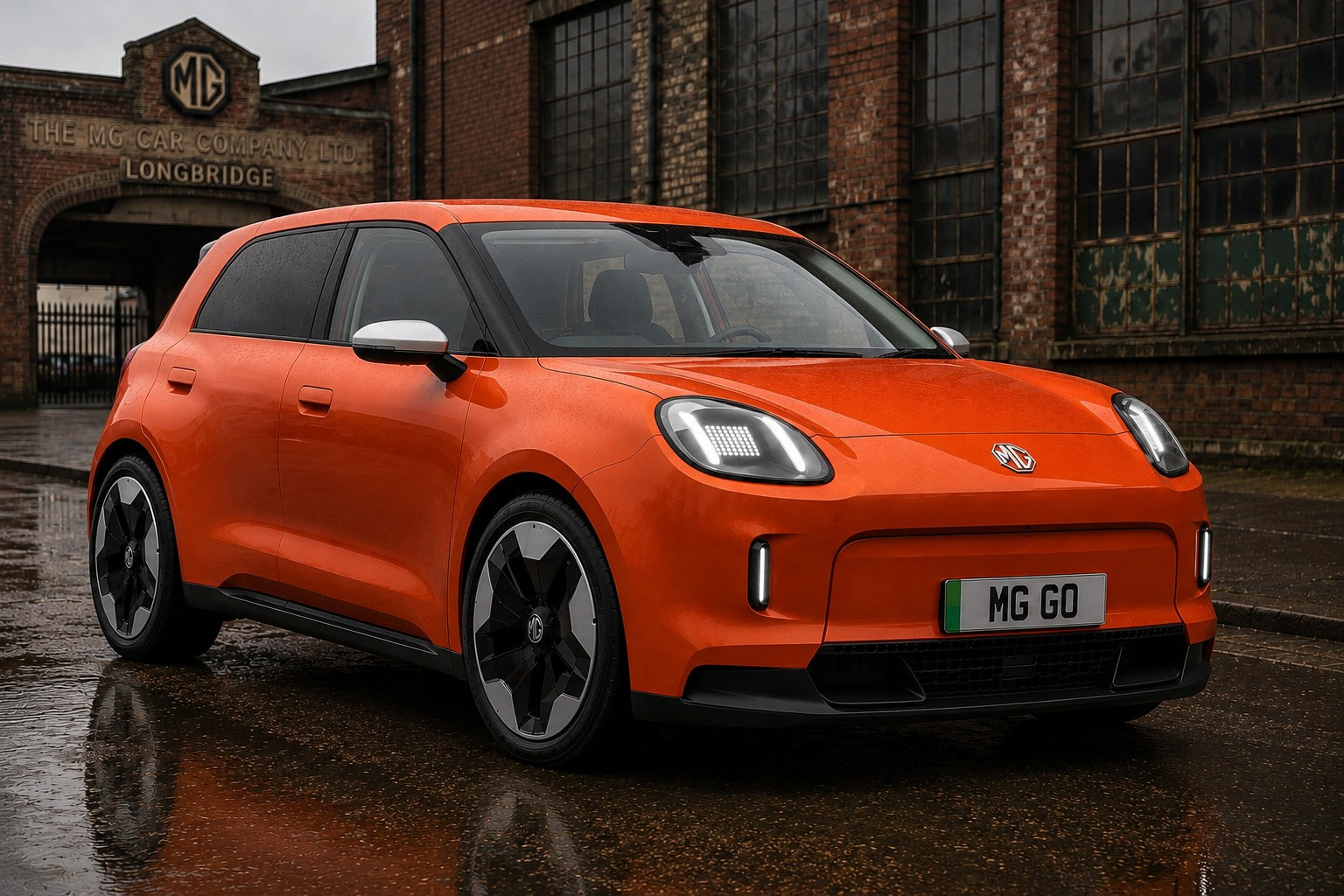
MG GO: Our Vision for Britain's Next Affordable Electric Hatchback
MG has become one of Britain's fastest-growing car brands, but one gap remains in its expanding electric line-up: a compact hatchback sitting below the MG4. In this Design Studio feature, we imagine the MG GO, an affordable electric supermini positioned as the EV sibling to today's MG3. At around four metres long,…