Dacia Sandero EV – Reimagining Britain's Favourite Budget Car
Could Dacia be better placed than most to solve that problem?
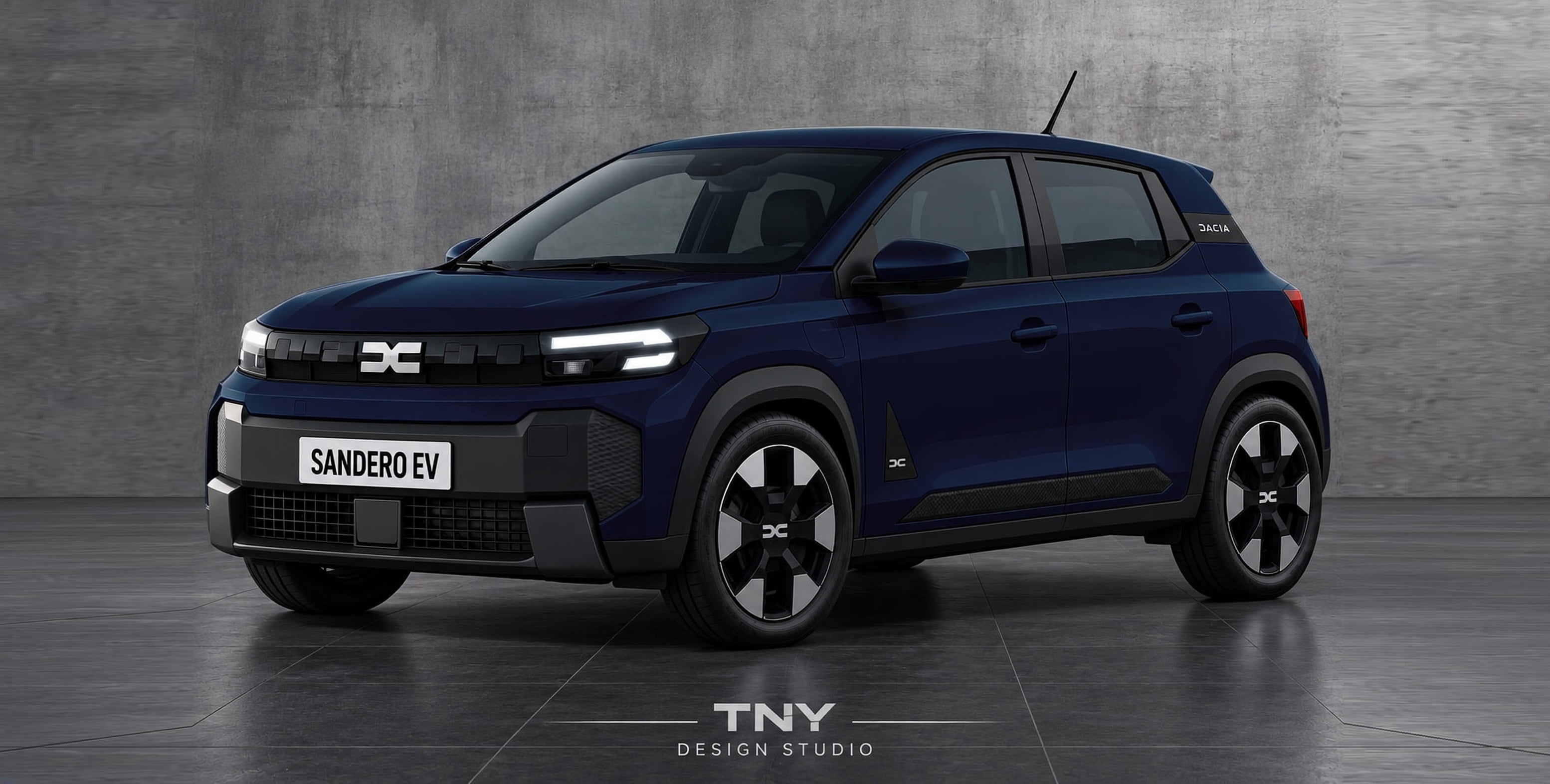
With Renault Group's electric-car technology already providing a foundation, we explore how a battery-powered Sandero could take shape, from a well-equipped mainstream supermini to a much simpler entry-level model designed to bring electric motoring within reach of more people.
When Dacia arrived in Britain, it was the Sandero that led the charge, offering motorists something increasingly difficult to find: straightforward, attainable new-car ownership without unnecessary complications.
More than a decade later, the Romanian brand has grown into a six-model line-up, stretching from the compact Spring and Sandero to the more adventurous Sandero Stepway, Duster, Jogger and flagship Bigster, with the forthcoming Striker set to broaden its appeal further.
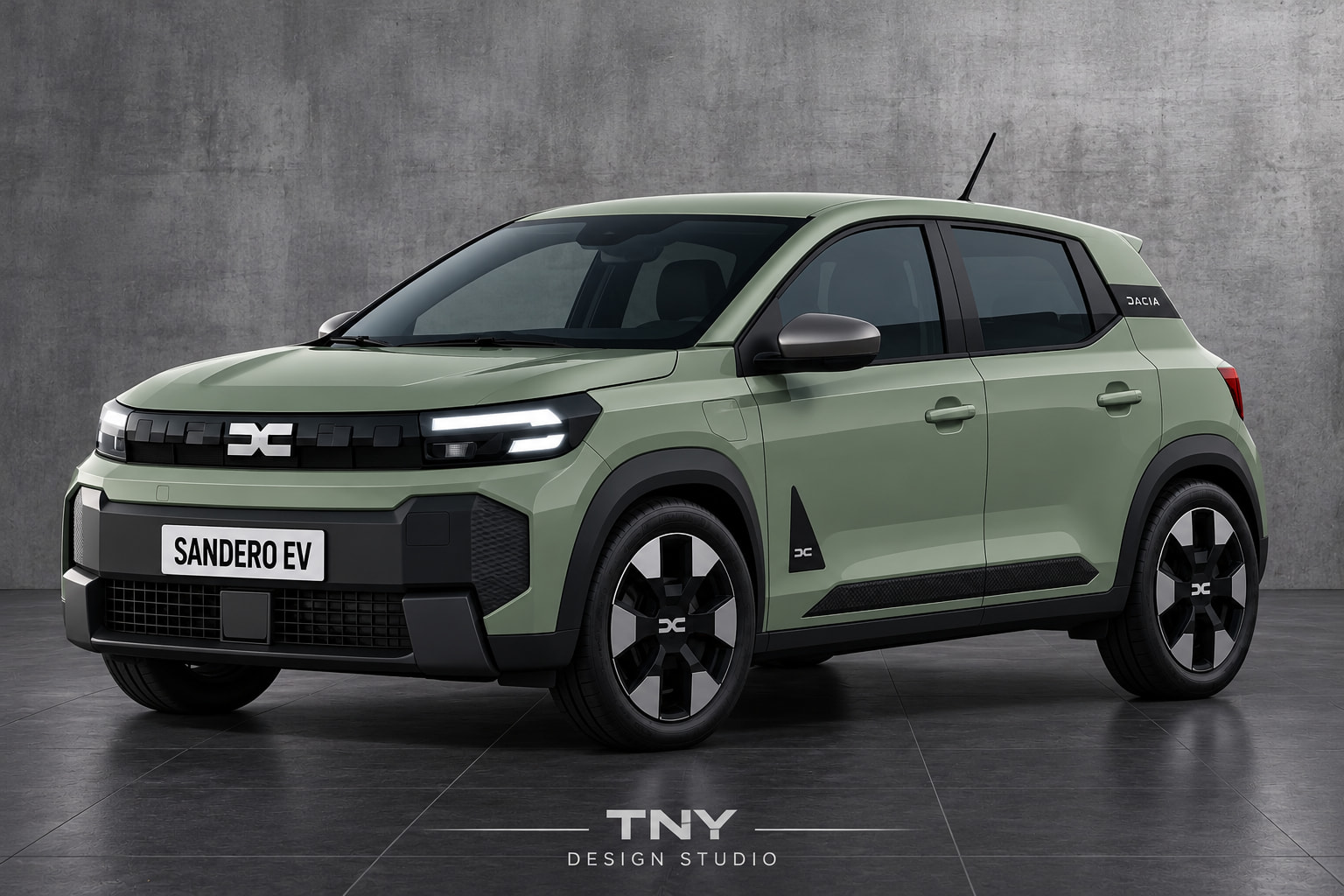
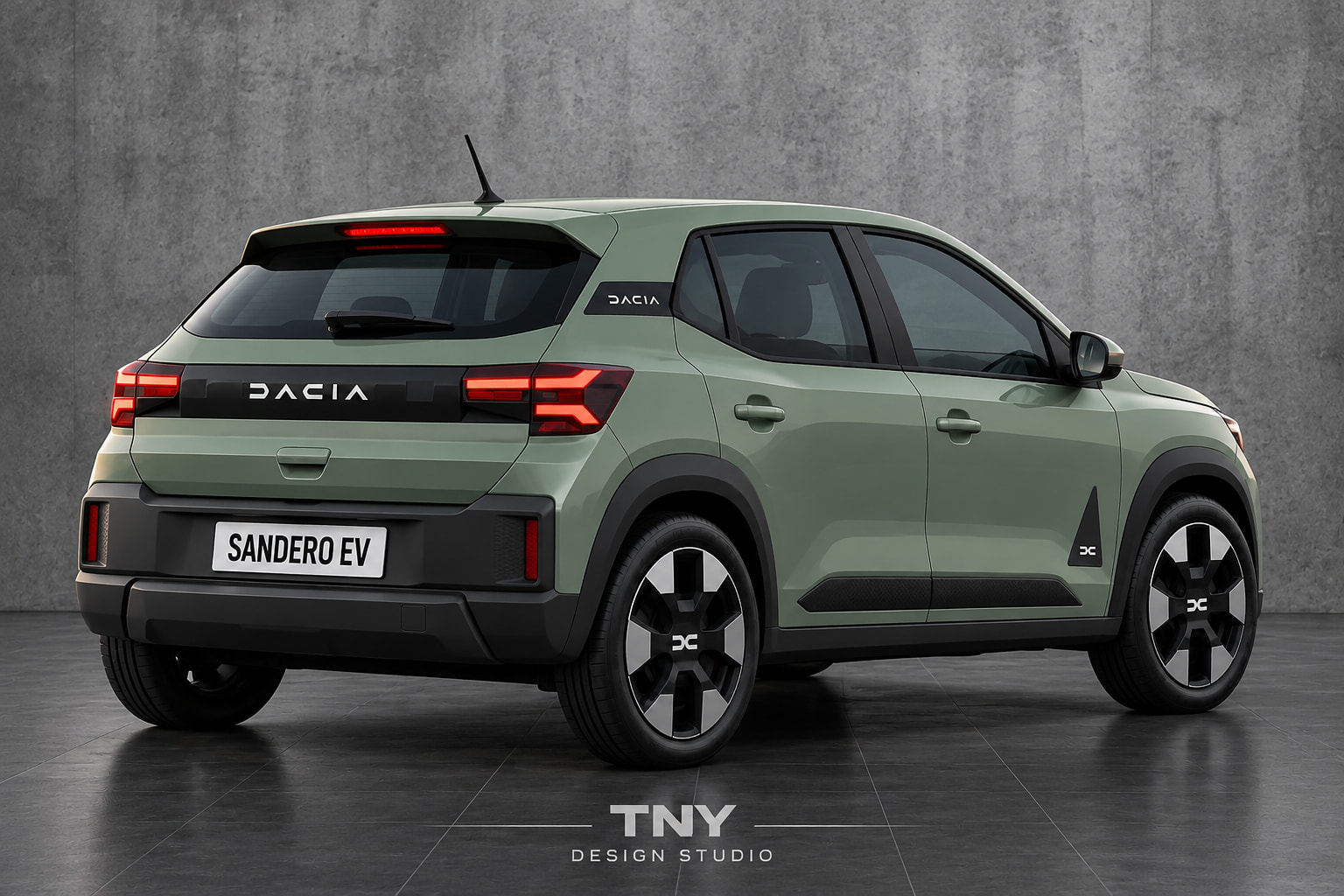
Dacia has built a loyal following by concentrating on everyday usability, value and honest motoring, rather than chasing premium aspirations. Now, as the industry moves towards electrification, we imagine how the Sandero could evolve into an accessible electric supermini.
Our vision retains the familiar no-nonsense character, but introduces a sharper, more contemporary design that could help bring affordable electric motoring to an even wider audience.
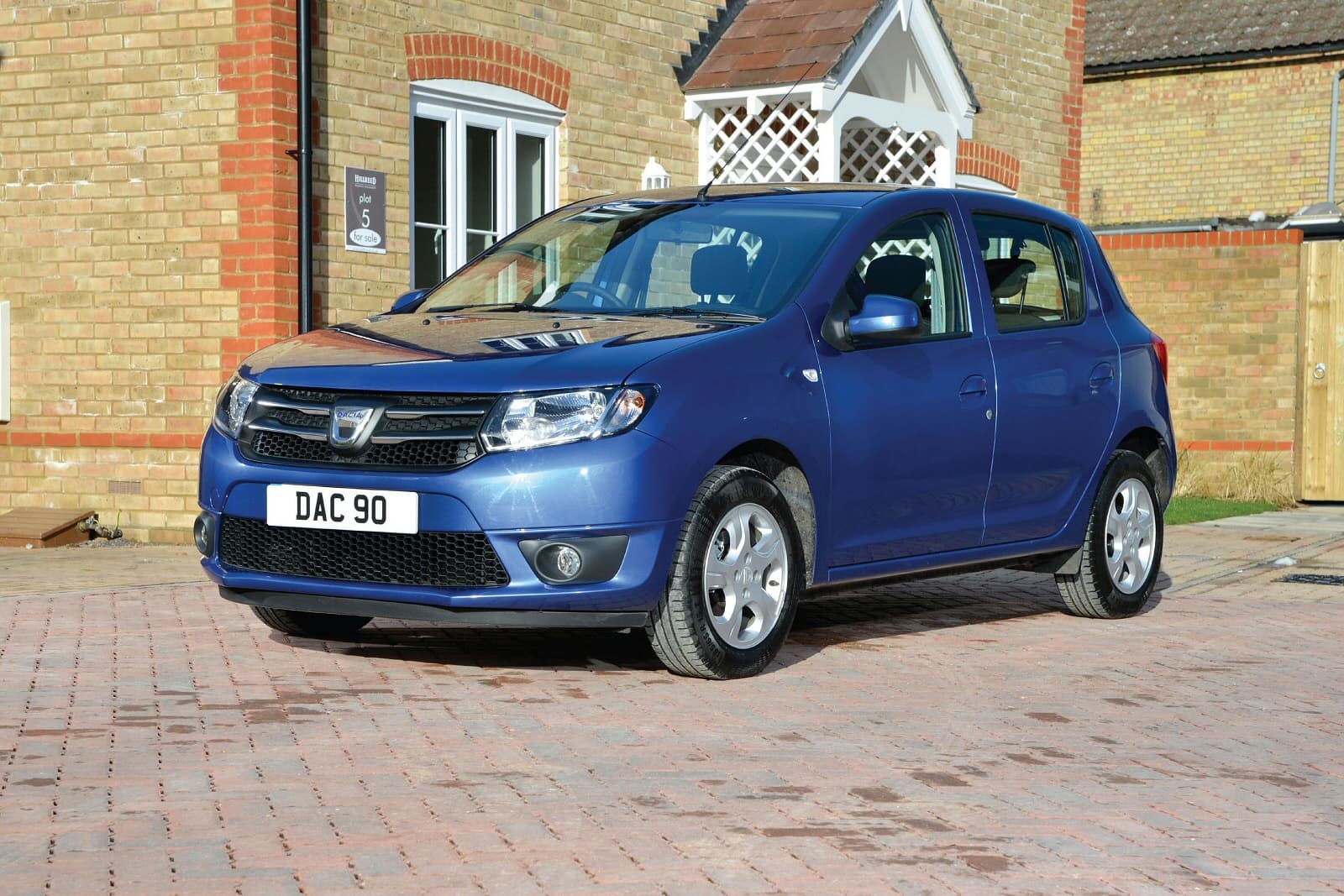
When the second-generation Sandero arrived in Britain in 2013, its headline price was just £5,995 in basic specification. That was a remarkable proposition, but the economics of building small, affordable cars have become considerably more challenging.
Inflation is only part of the story: increasingly demanding safety requirements, emissions legislation and the technology expected by modern buyers have all added costs, with smaller cars having far less room to absorb them. Today's Sandero starts at £14,765, while Dacia's Spring electric car undercuts it at £11,990.
The Spring offers another advantage for Renault Group, too. Its zero-emission registrations contribute towards manufacturer ZEV targets, with compliance mechanisms allowing credits and overperformance to be shared or traded.
In an increasingly regulated market, a small, relatively simple electric car could prove valuable both commercially and strategically.
There may be another opportunity for Dacia in Renault Group's developing electric-car architecture. The proposed European M1E category for smaller, value-led electric vehicles could eventually provide additional regulatory incentives, although its final rules and eligibility requirements remain important.
Dacia has already shown interest in the idea through its Hipster concept. For the Sandero, however, the bigger opportunity could be adapting existing Renault Group technology without inheriting all the expense of a more sophisticated electric model.
A smaller 27.5kWh LFP battery, as used in the Twingo, could create a genuinely city-focused entry-level version. The 36.5kWh LFP pack introduced in the entry-level Renault 5 in some European markets offers a more substantial alternative.
Alternatively, the reported 44kWh battery could provide considerably more versatility. With careful specification and cost control, Dacia could offer several levels of electric Sandero without losing sight of its central promise: affordable motoring.
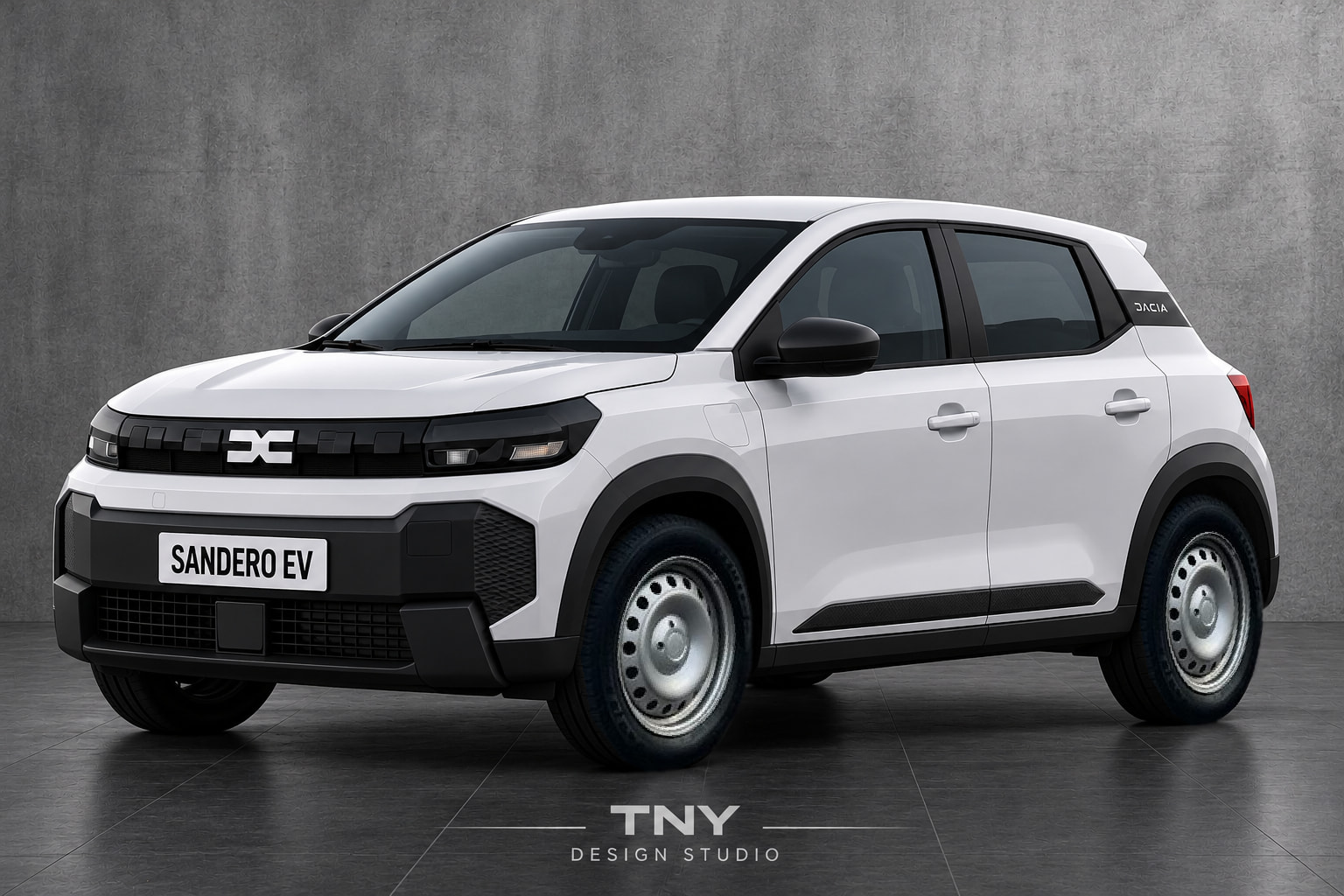
We have also imagined how Dacia could recreate the spirit of the original Sandero Access for the electric age. Rather than filling the cabin with increasingly expensive screens and technology, our entry-level proposal takes a simpler approach.
Basic steel wheels, unpainted plastic mirror caps, conventional physical controls and a smartphone-based infotainment system could remove considerable hardware and cost. Owners would use their own devices for navigation, music and connectivity, rather than paying for a large touchscreen and associated electronics.
The Twingo's 80hp electric motor would also be more than adequate for a lightweight, city-focused Sandero, with a smaller battery helping keep the purchase price under control.
The objective would be to create a genuinely affordable alternative to the increasingly fashionable, technology-heavy Renault 5, bringing the original Sandero's accessible approach to a new generation of buyers.
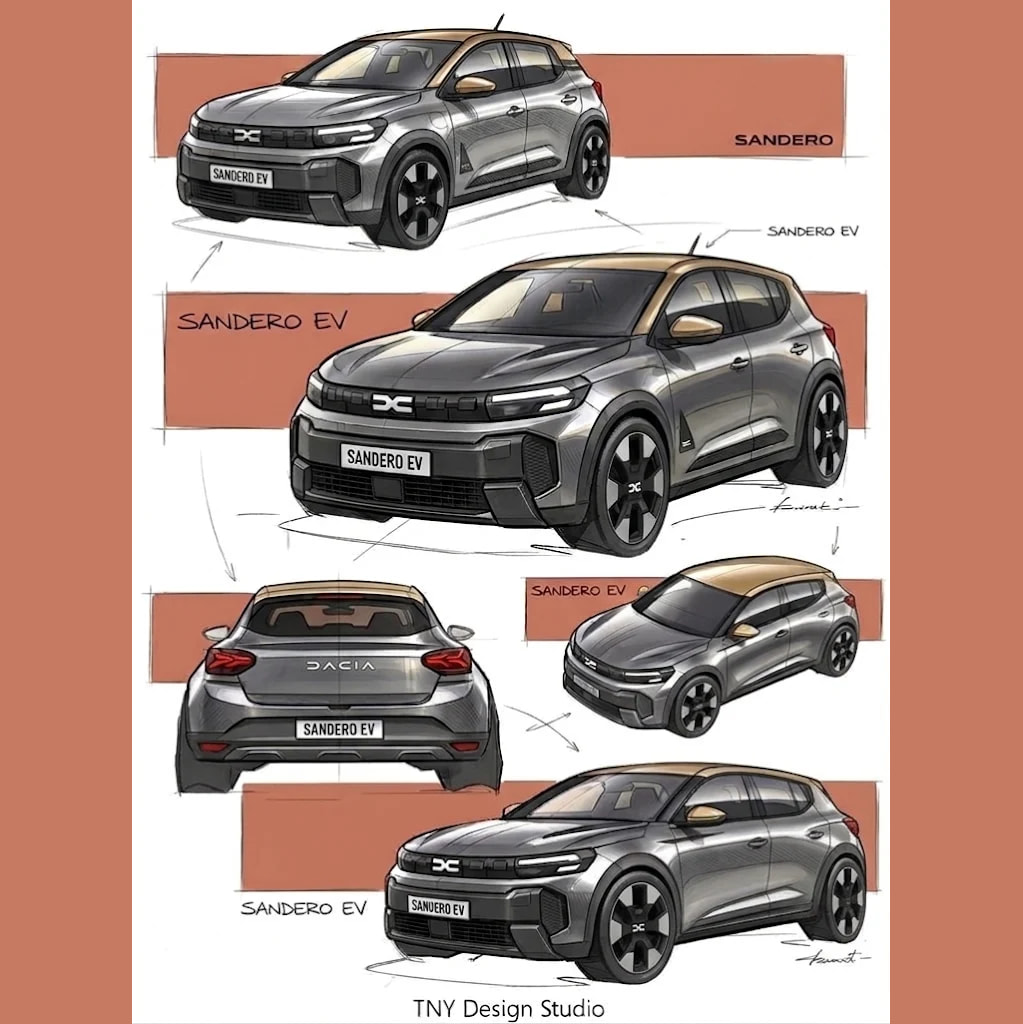
Dacia has demonstrated that it can challenge larger manufacturers at the upper end of the affordable market, with well-considered models such as the Bigster and forthcoming Striker expanding its appeal without abandoning its value-led philosophy.
But perhaps its greatest opportunity lies at the opposite end of the scale. The Spring has opened the door to electric motoring at a lower price, although its compact dimensions inevitably limit its appeal for some buyers.
The Sandero could occupy that crucial middle ground, offering the space, practicality and everyday usability that made the original such a success, while bringing electric power within reach of a much wider audience.
It was the Sandero that helped establish Dacia's reputation in Britain. As Renault Group continues expanding its electric ambitions, perhaps it is also the Sandero that can help secure the brand's next chapter.
Disclaimer: Dacia photography is credited to Dacia. All speculative vehicle renderings and design concepts are original creations by The New Yardstick's Design Studio and do not represent official Dacia products or confirmed future models. Specifications, prices and other details are correct to the best of our knowledge as of November 2026 and may be subject to change. All proposed designs and technical configurations are illustrative.
You should also read:
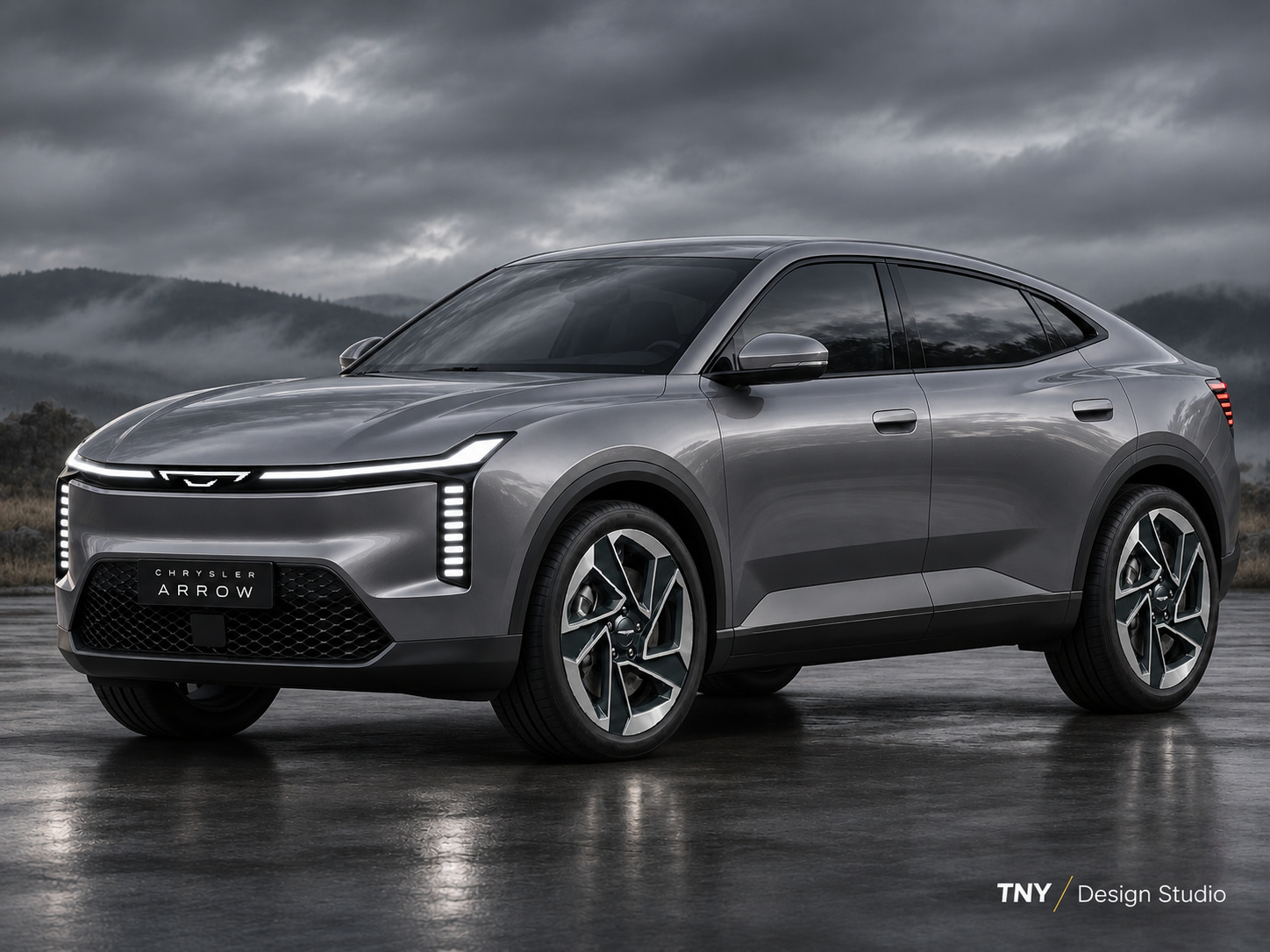
Reimagining Chrysler: Building the Next Generation of an American Icon
For over a century, Chrysler has been one of America's most recognisable automotive brands. Founded in 1925, the company built its reputation on engineering innovation, affordable luxury and distinctive American design. From the groundbreaking Airflow of the 1930s to the imposing 300 saloons and generations of family vehicles, Chrysler has helped shape…
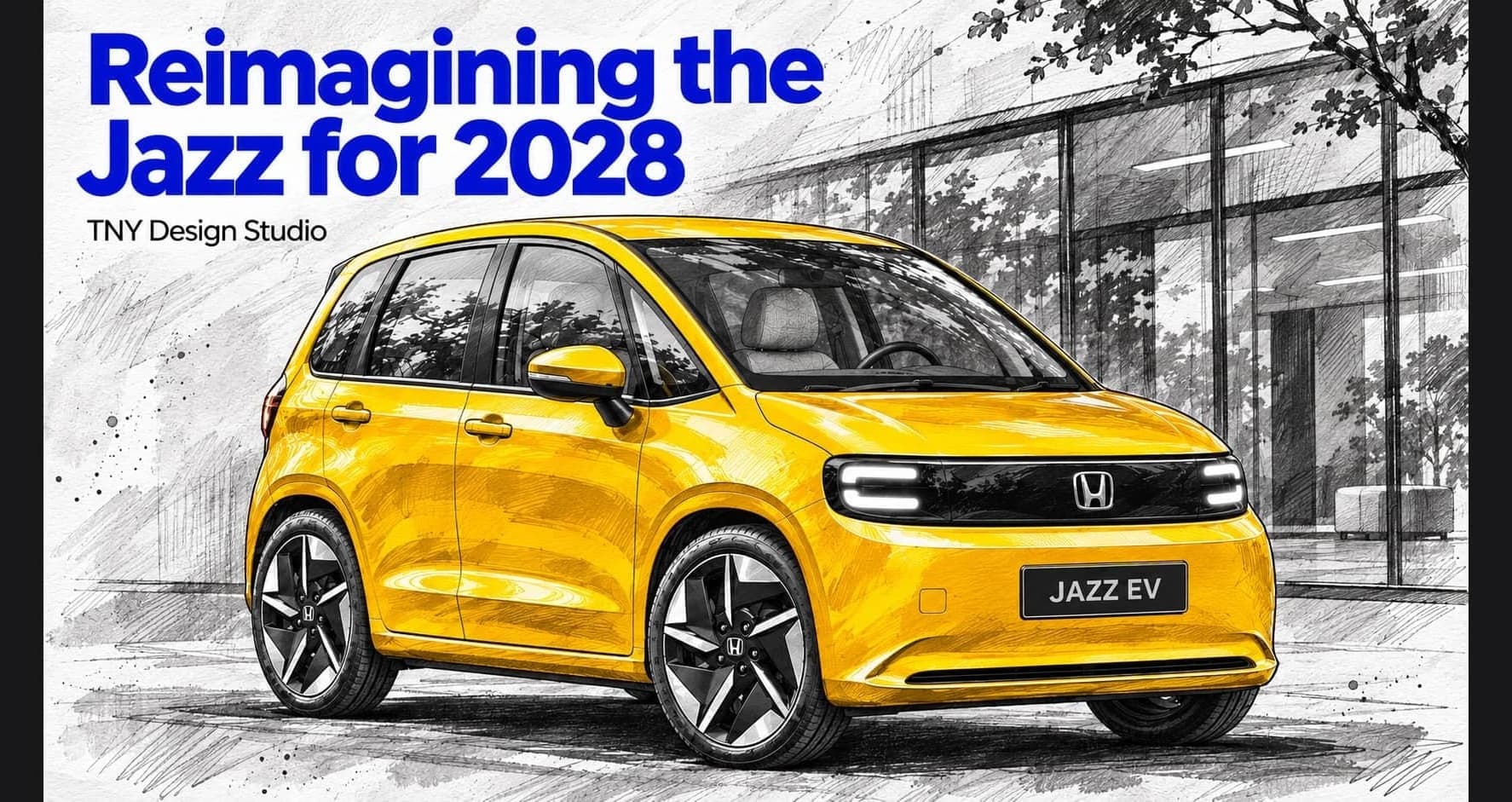
Honda's Missing EV? Reimagining the Jazz for 2028
For more than two decades, the Honda Jazz has earned a loyal following in Britain, combining compact dimensions with the space and practicality of a larger car. Yet as Honda develops a new generation of electric vehicles, its familiar supermini faces an intriguing question: could the next Jazz go fully electric? Britain's…
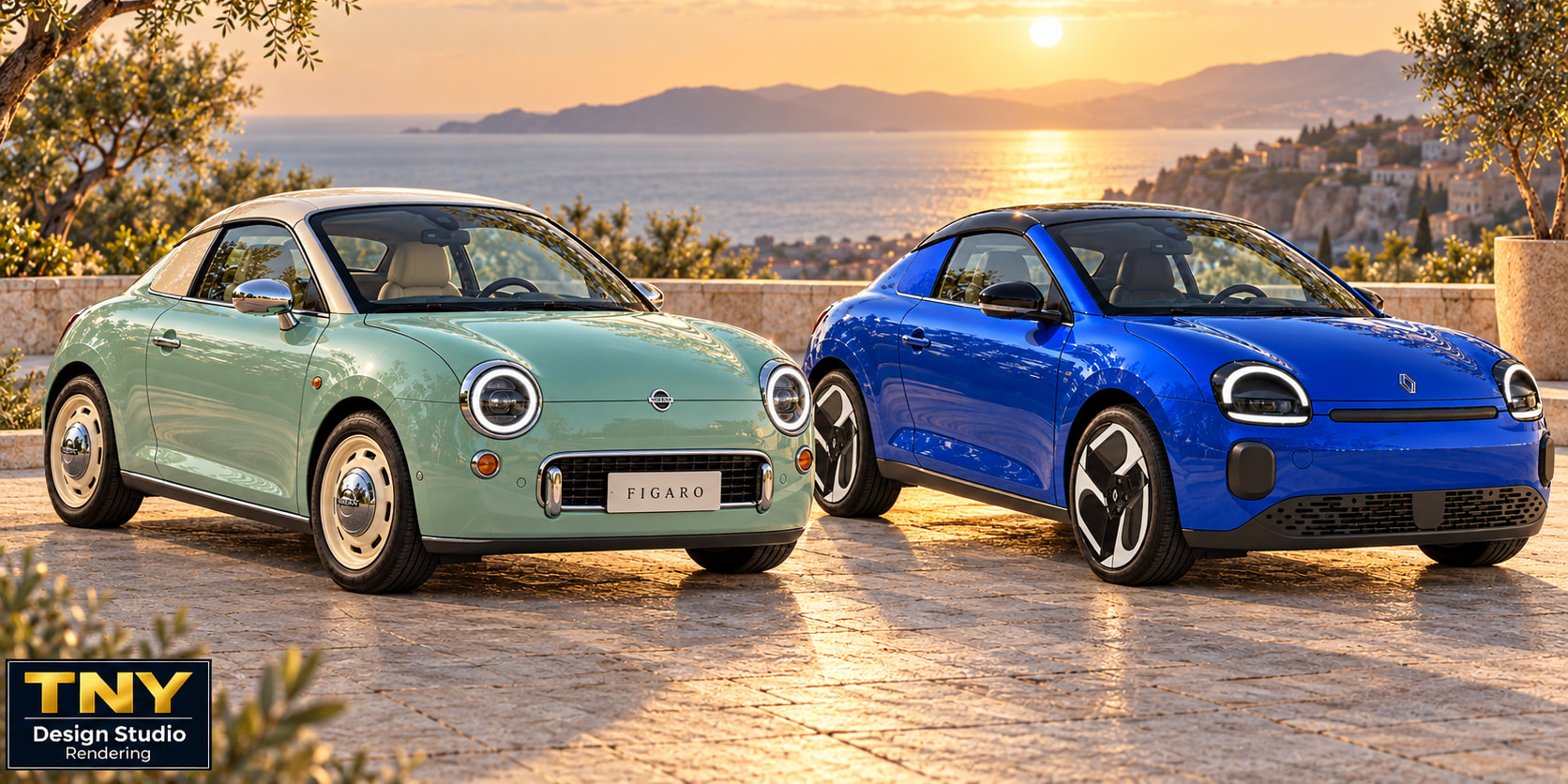
Two Forgotten Names, One Electric Future – Reimagining the Nissan Figaro and Renault Wind
Small electric cars are finally becoming affordable, but that doesn't mean they all need to follow the same formula. Renault's new Twingo E-Tech demonstrates what can be achieved with compact, cost-effective electric engineering, raising an intriguing question about what else those foundations could support. For TNY Design Studio, two names immediately spring to…
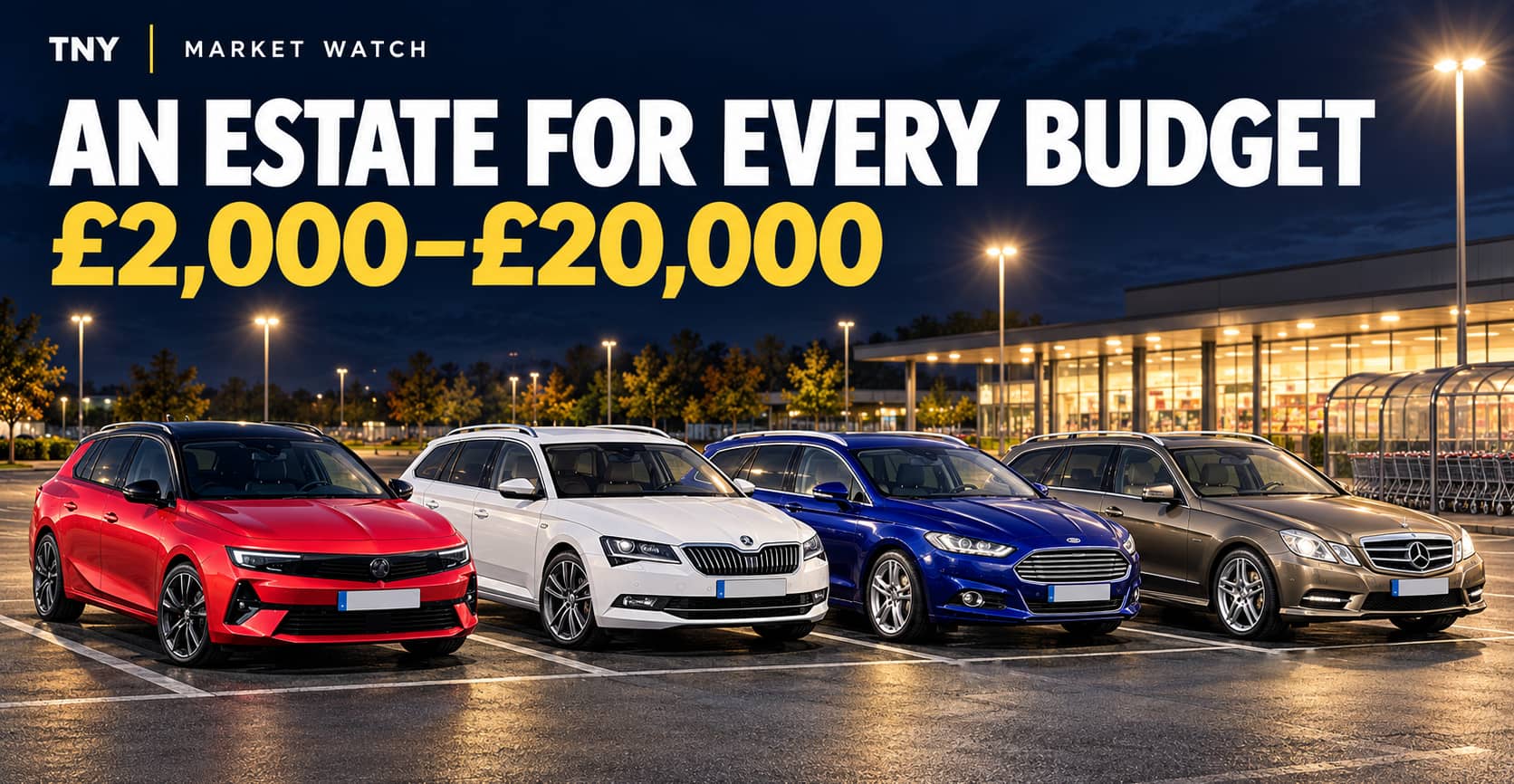
An Estate for Every Budget – 12 of the Best from £2,000 to £20,000
Estate cars have long been among the most sensible vehicles on the road, but today's used market offers some particularly extraordinary value. From dependable family transport costing little more than £2,000 to enormous executive estates with almost 700 litres of luggage space, there's something here for virtually every budget. Spend a little…
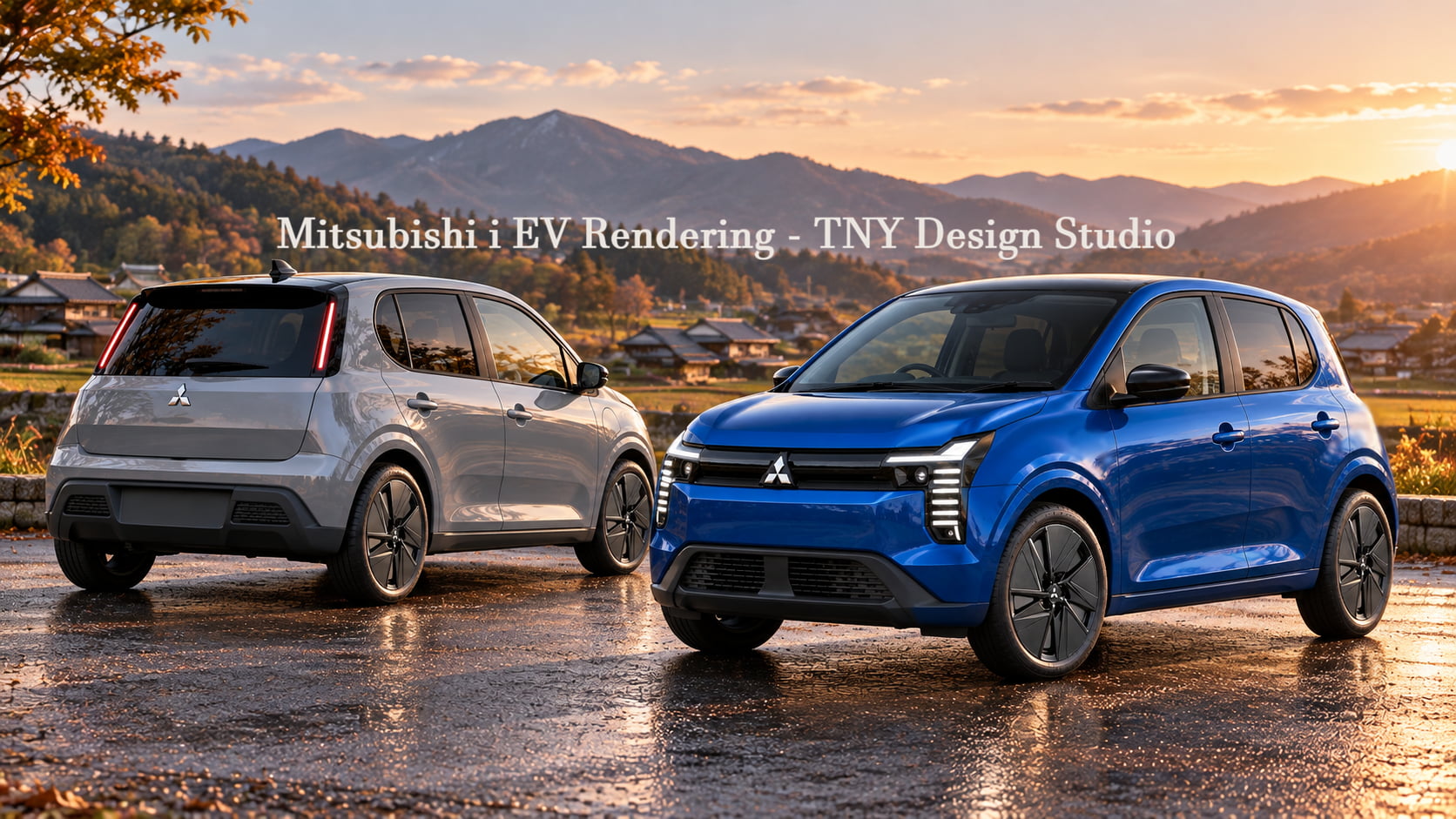
Back to the Future – Reimagining the Mitsubishi i for Europe
Few small cars have been as quietly ambitious as the Mitsubishi i. Launched in Japan with a rear-mounted petrol engine, it later became the i-MiEV, one of the earliest mass-produced electric cars. Two decades on, Mitsubishi is again leaning heavily on partnerships, with Renault-derived models underpinning much of its European range. Yet…
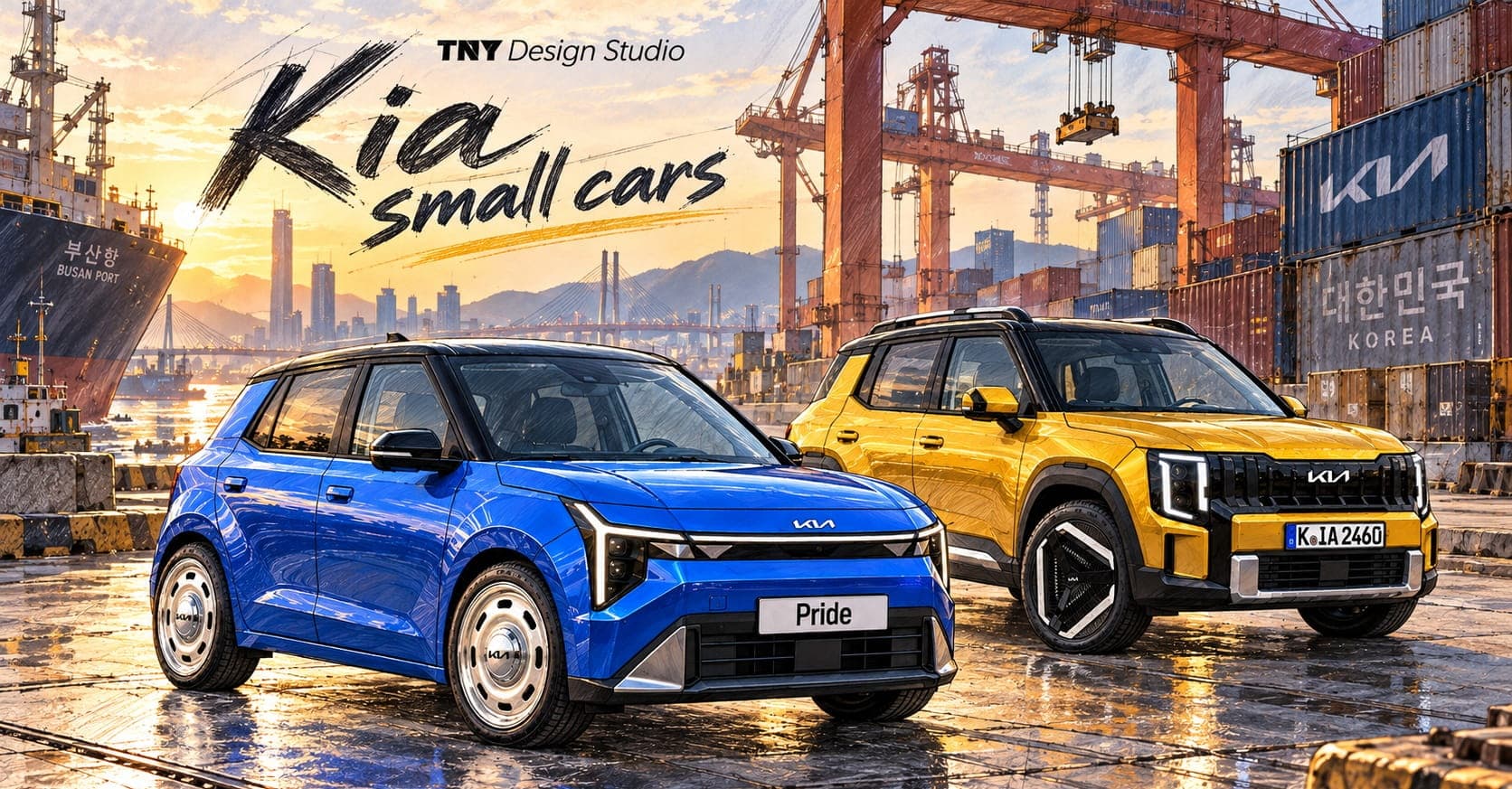
Taking Pride in the Little Things – Reimagining Kia’s Small Cars
Over the past 20 years, Kia has transformed itself from a budget alternative into one of the world's most successful and increasingly desirable car manufacturers. The humble Picanto has played an important part in that journey, offering affordable, practical motoring to generations of buyers. Yet its future looks increasingly uncertain, with tightening…
From Budget EVs to Supercars: Three Chinese Brands to Watch
Chinese carmakers are no longer simply arriving in Europe with a handful of cheap EVs. They are building factories, expanding dealer networks, developing premium sub-brands and, in some cases, moving faster than many established manufacturers can comfortably match. Three names in particular show just how varied that expansion has become. BYD brings…
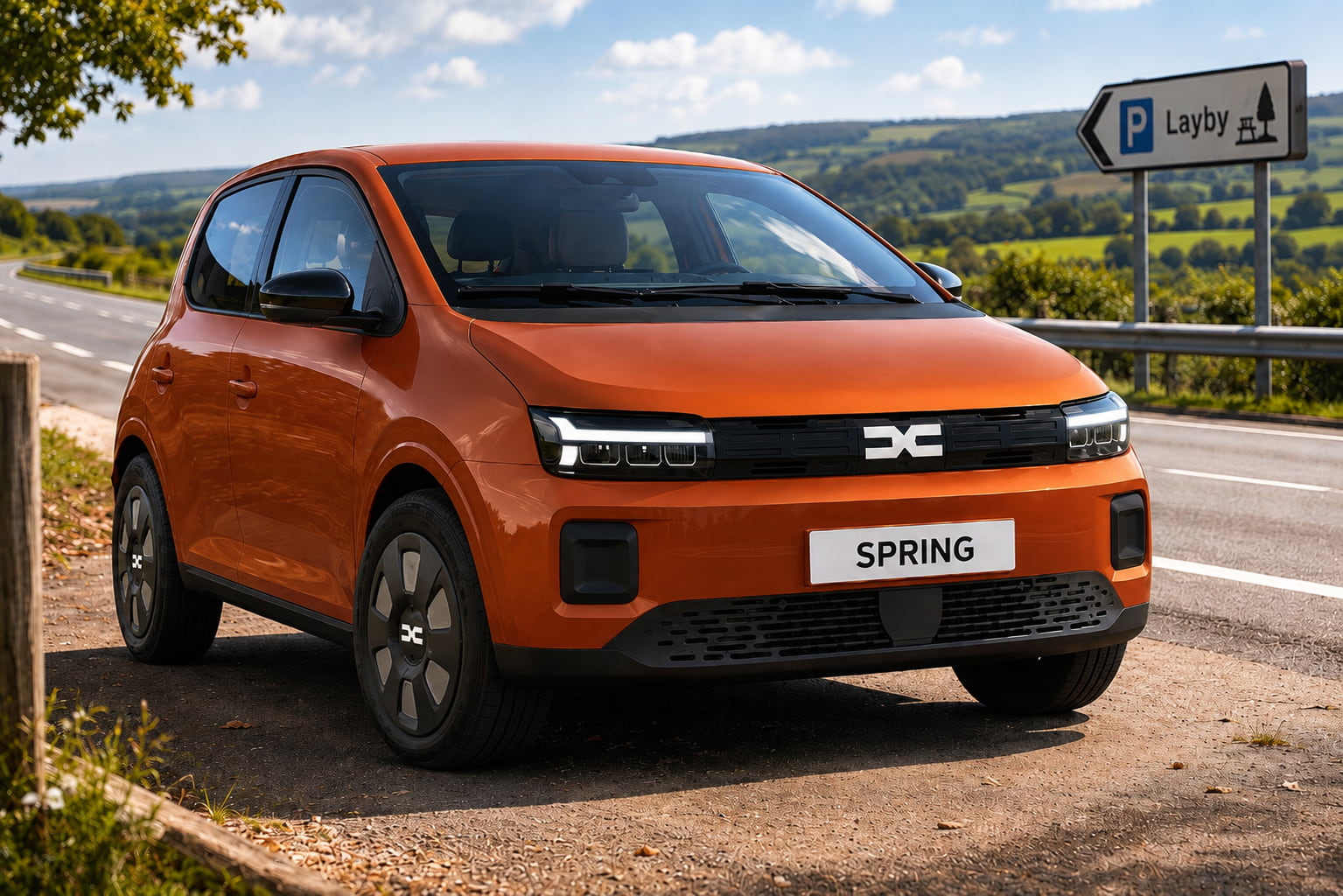
Dacia Spring: Design Studio Explores Three Ways Forward
The Dacia Spring has become one of Europe’s most important affordable EVs, proving that electric cars do not need huge batteries, enormous power outputs or premium prices to make sense. But deciding what replaces it could be considerably more complicated. Dacia now has the striking Hipster concept exploring an even smaller, more…