Honda's Missing EV? Reimagining the Jazz for 2028
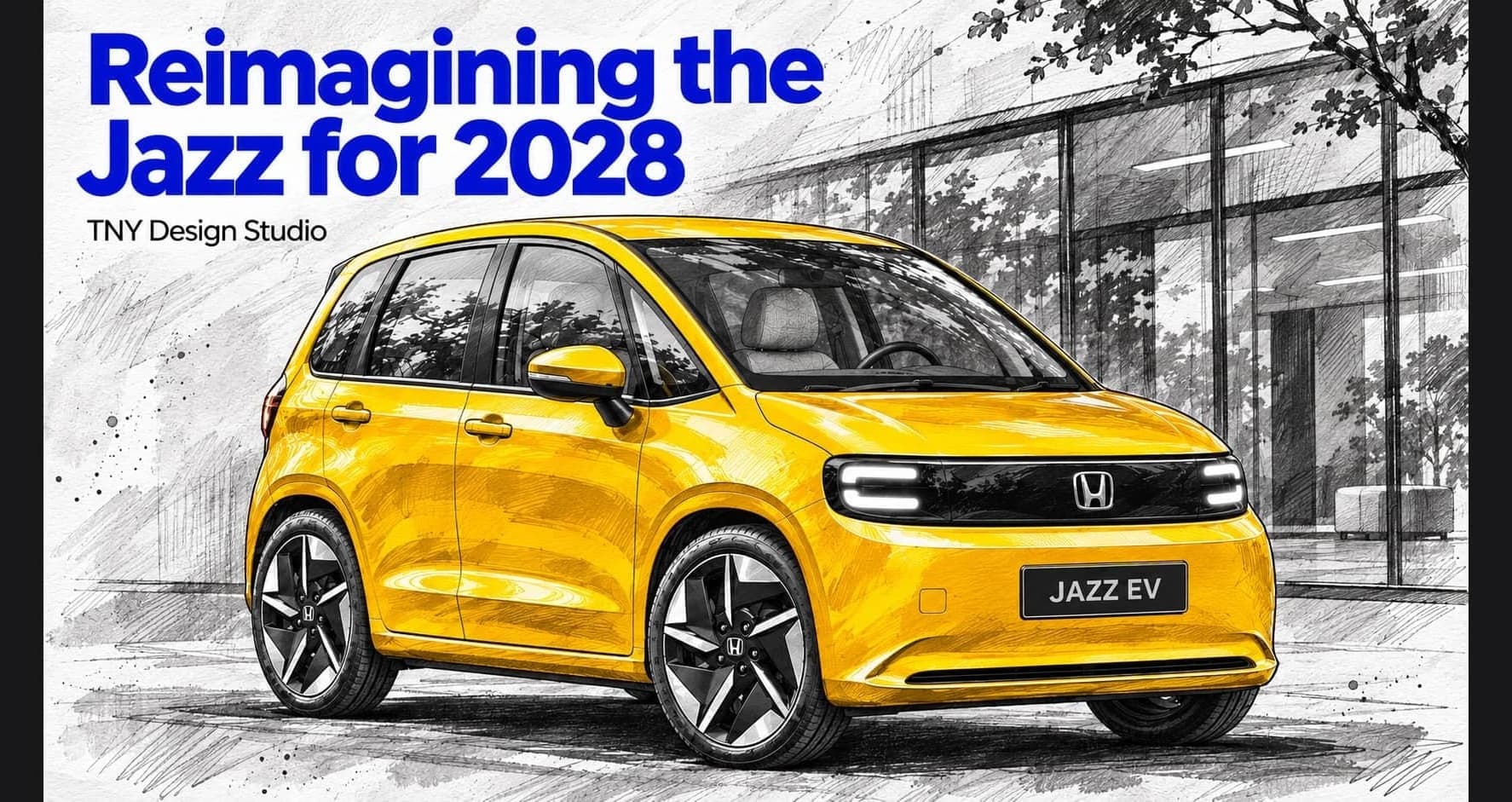
Britain's zero-emission vehicle target rises to 52% in 2028, increasing pressure on manufacturers to expand their electric ranges. Honda's forthcoming ALPHA SUV could provide an interesting starting point, with a shortened version of its electric architecture potentially underpinning a fifth-generation Jazz.
Nothing has been confirmed, but we're imagining how one of Honda's most successful European models could embrace an electric future without losing its character.
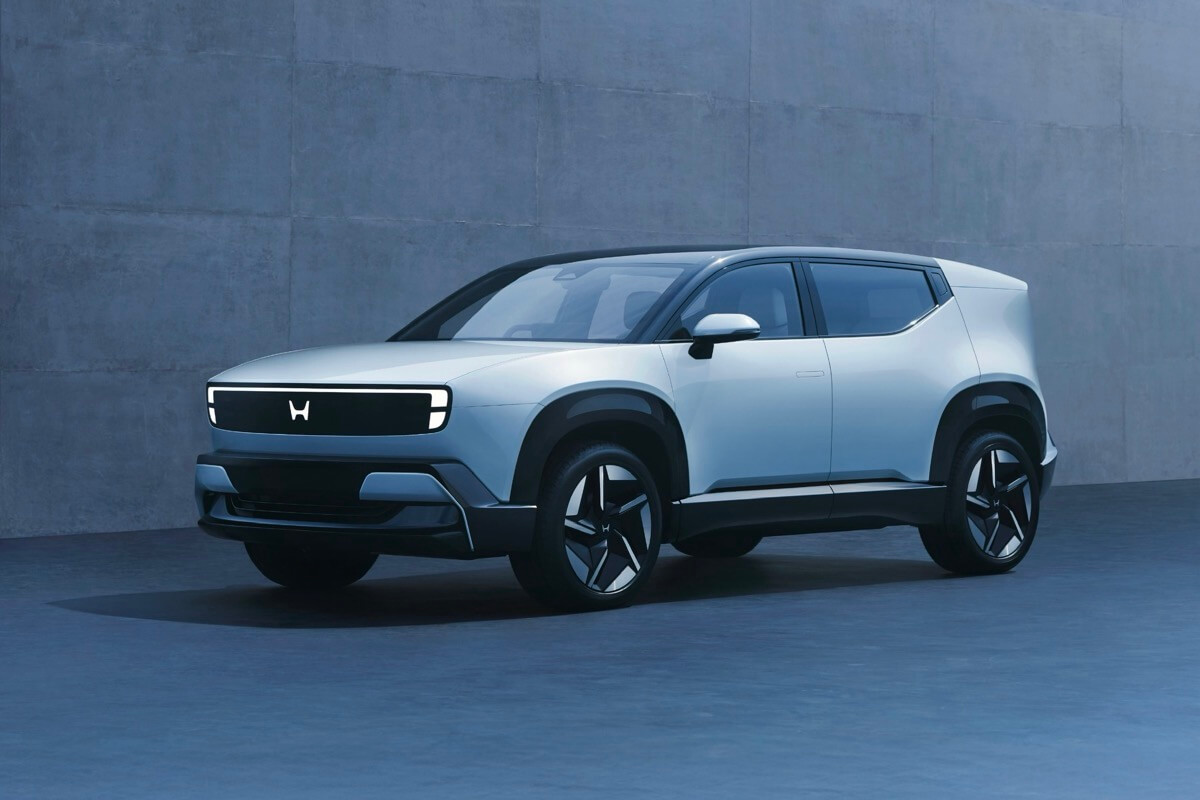
Honda's next major electric arrival is the ALPHA, a compact SUV first previewed at the 2025 Japan Mobility Show. Built in India for global markets, its production version is scheduled to make its debut on 2 December 2026, with sales planned for 2027, initially focusing on India and Japan.
Official specifications remain under wraps, although a length of approximately 4.3–4.4 metres, front-wheel drive and battery options potentially ranging from 65–75kWh are anticipated.
For the Jazz, the ALPHA presents an intriguing possibility. If its electric architecture proves flexible enough, could Honda develop a shorter derivative for its established European supermini? Reducing the overall length to around 4.1 metres and introducing smaller 44–55kWh batteries could create an appealing alternative to the Renault 4.
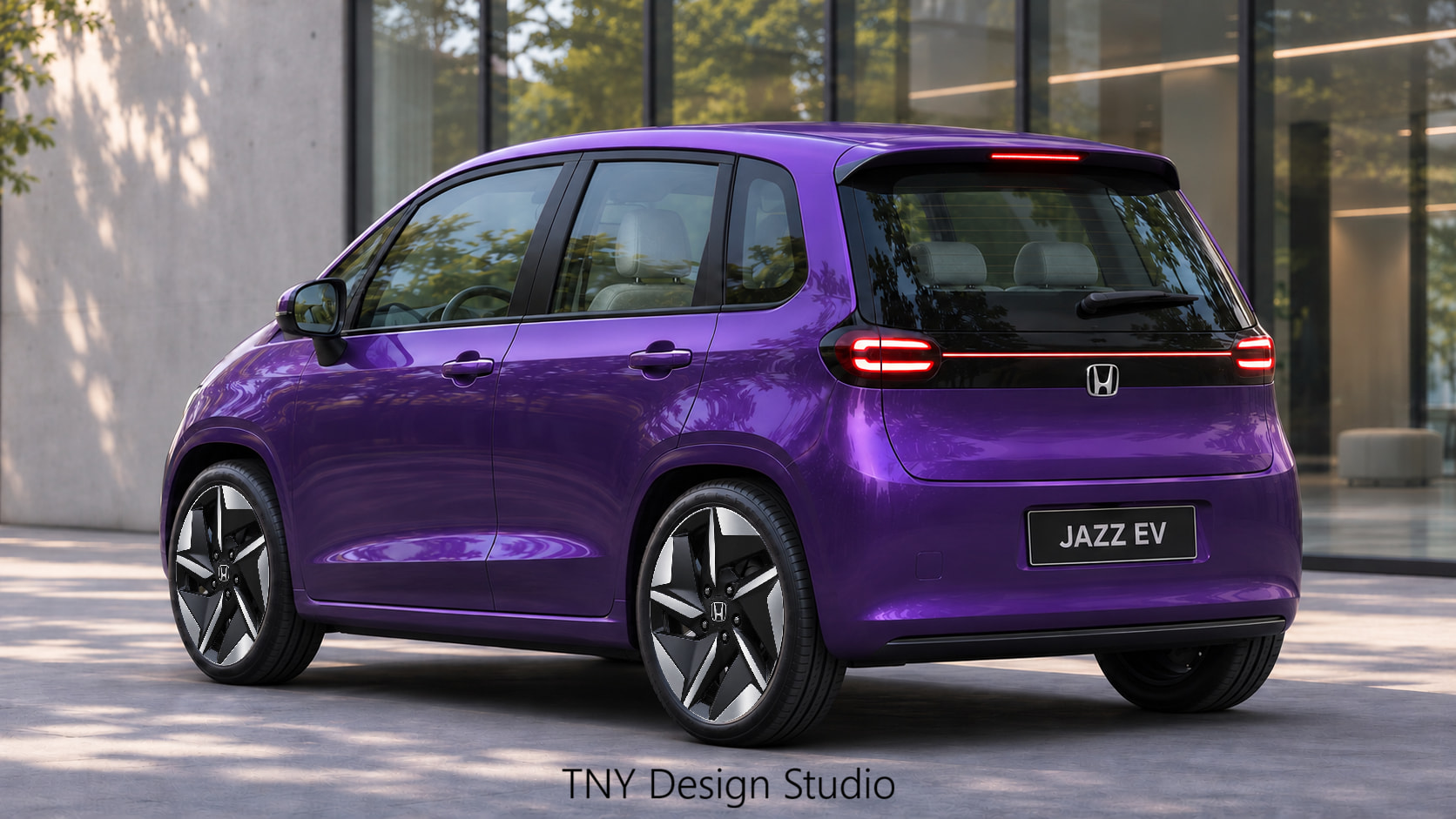
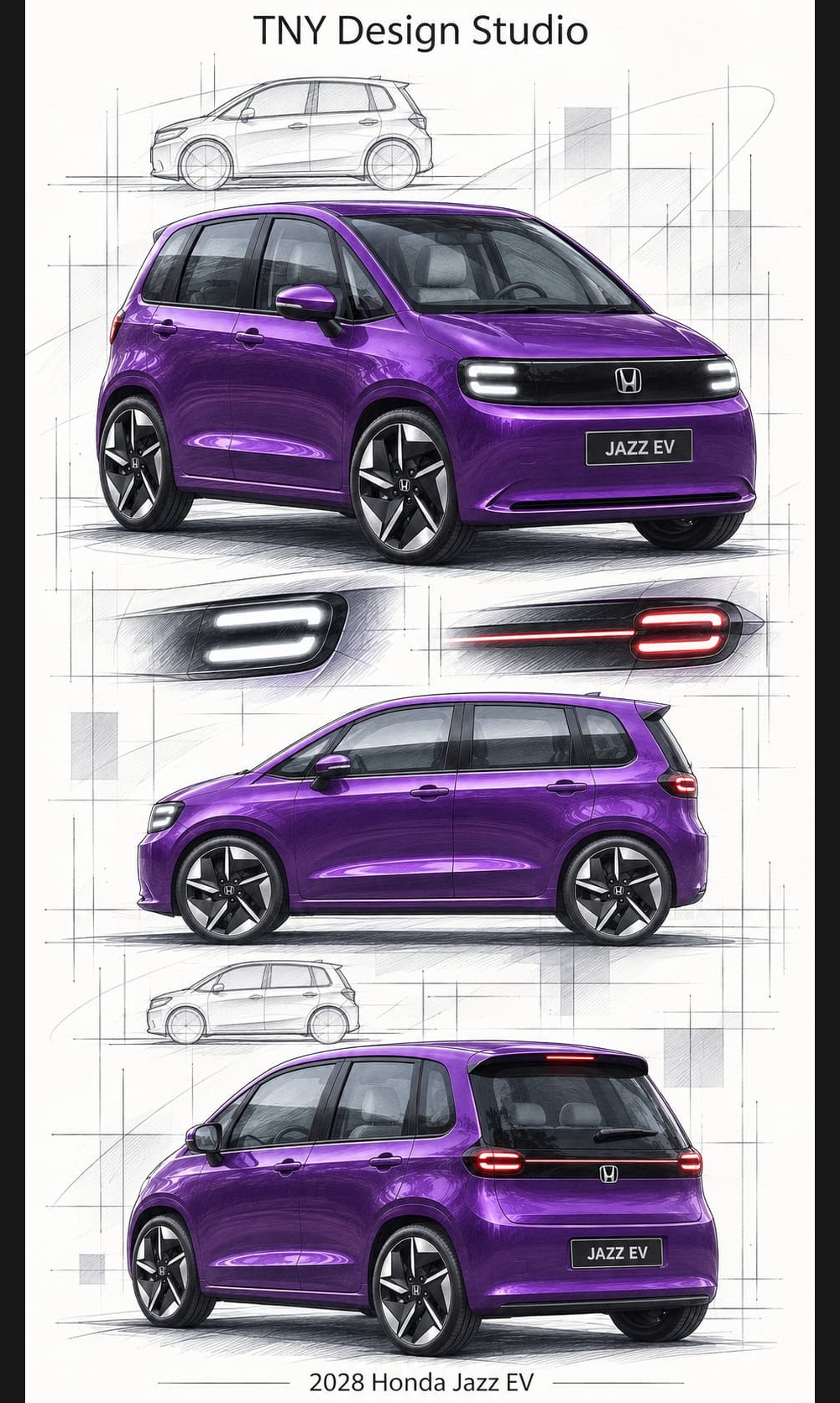
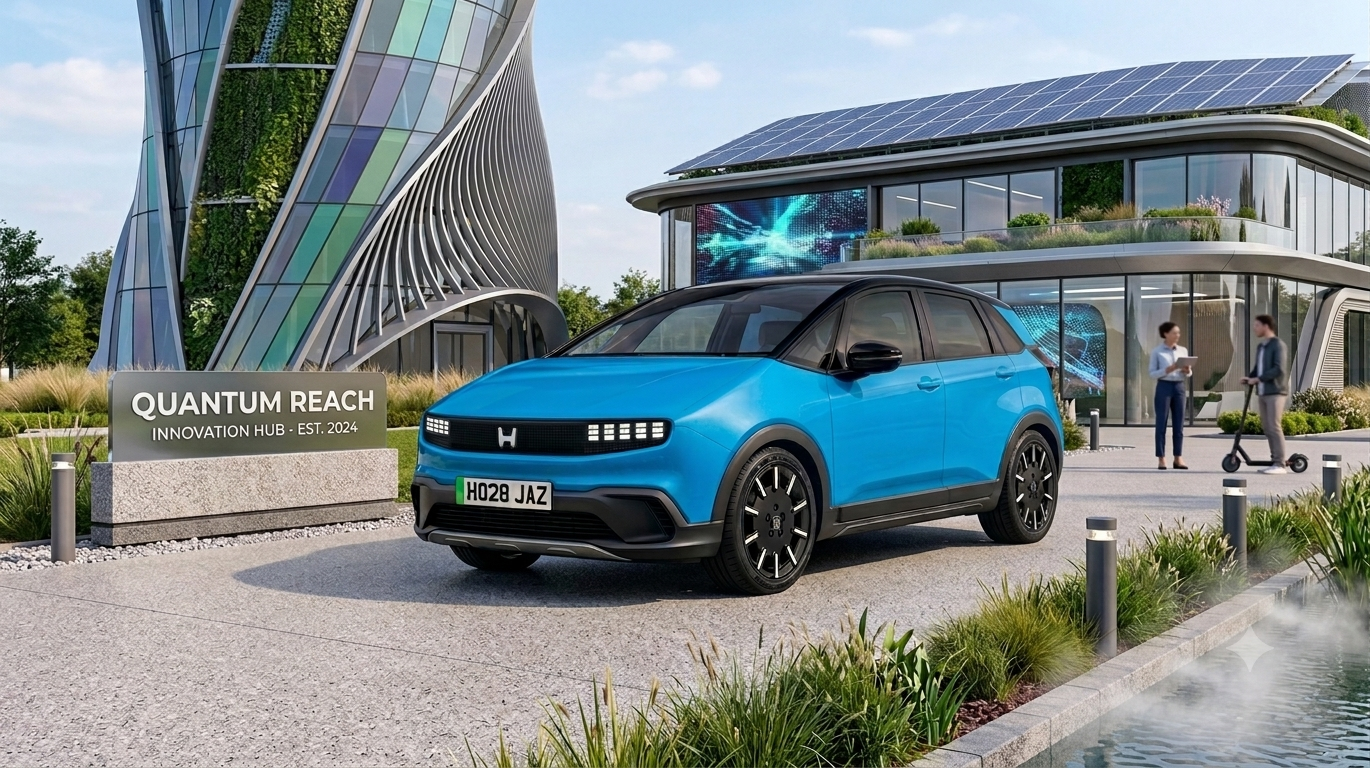
With this in mind, TNY Design Studio has imagined how a fifth-generation Honda Jazz EV might look in 2028, combining familiar practicality with styling inspired by Honda's latest electric models.
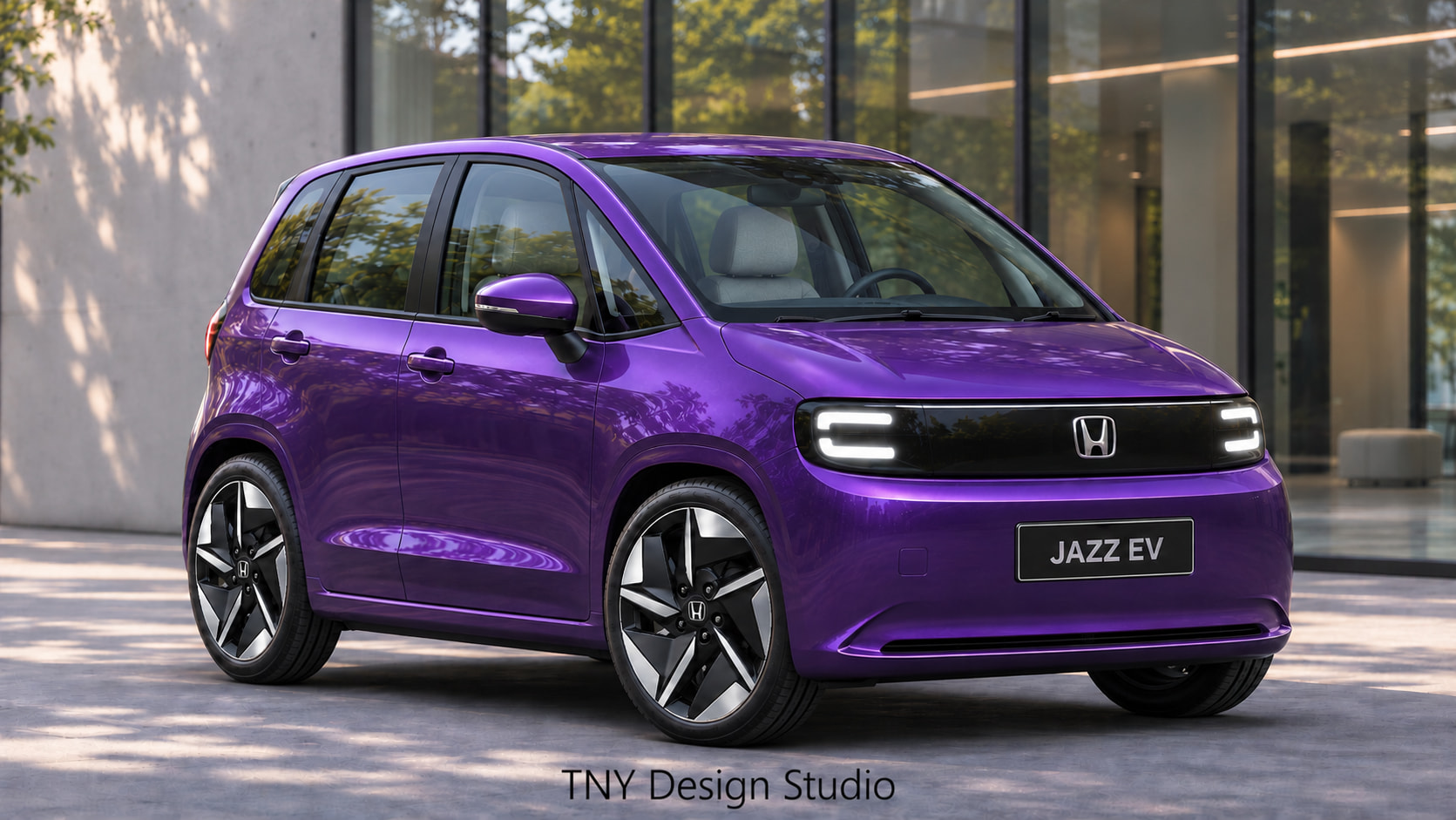
Our imagined Jazz EV deliberately avoids the increasingly fashionable crossover look. At approximately 4.1 metres long, it retains the Jazz's upright silhouette, generous glass area and short bonnet, making the most of its compact footprint. A simple, modern front end introduces a little of Honda's Japanese kei-car character, without turning the Jazz into a miniature SUV.
That emphasis on practicality has always been part of the Jazz's appeal, and electrification needn't change it. We also see little reason to abandon the existing Jazz e:HEV immediately. An electric model could initially sit alongside today's efficient hybrid, giving customers two compact, genuinely practical Hondas to suit different lifestyles.
The challenge would be preserving the flexible seating, easy access and clever interior packaging that have made the Jazz such an enduring favourite. With so many small EVs chasing style, there's certainly room for one that puts space first.
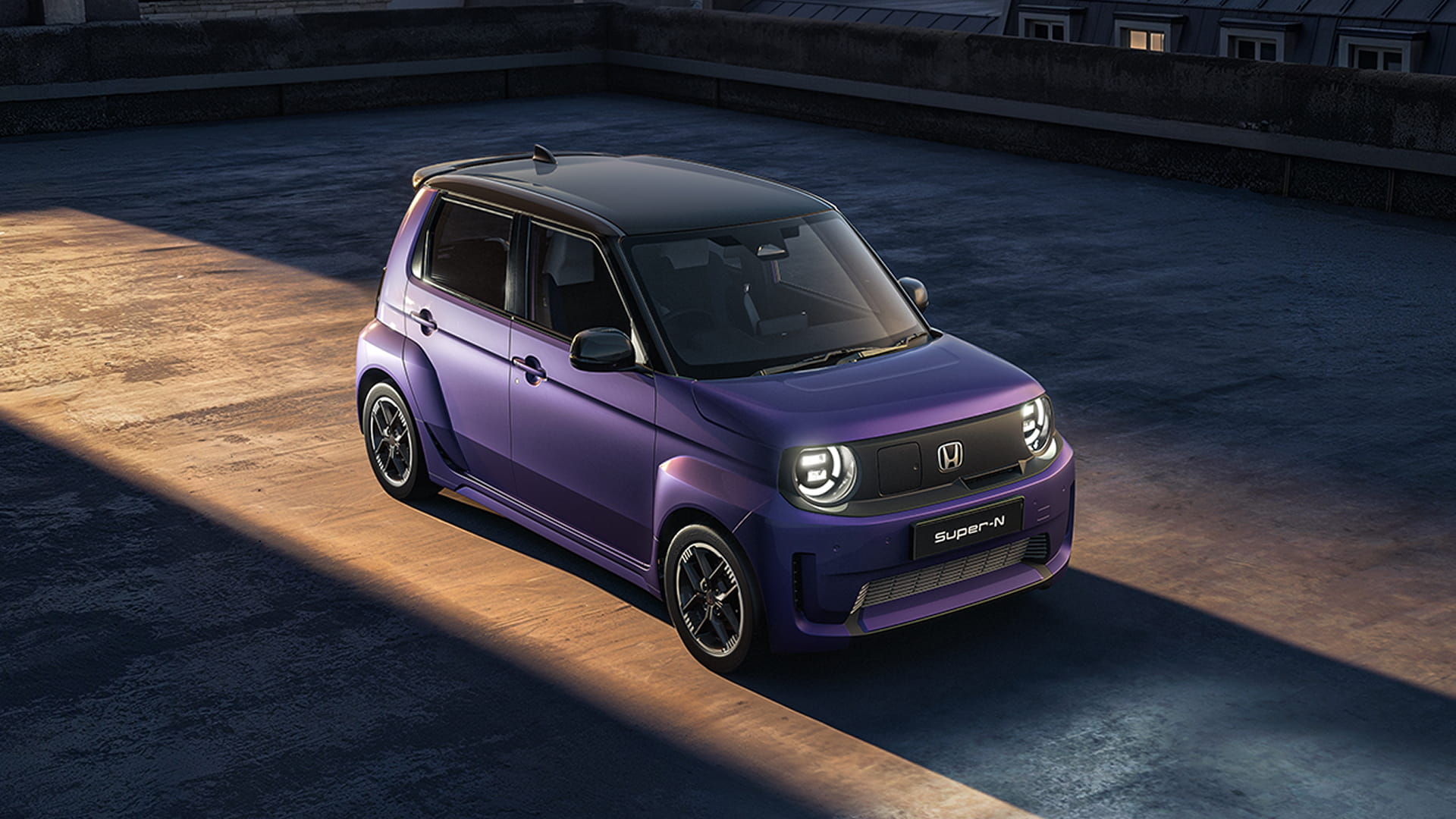
Honda's new Super-N demonstrates just how much practicality can be squeezed into a tiny electric car. Measuring only 3.6 metres long, the Japanese kei-inspired hatchback accommodates four adults, features Honda's ingenious Magic Seats and offers remarkable versatility for its size.
Starting at £18,995, it isn't outrageously expensive either, particularly considering its generous equipment and distinctive character. Nevertheless, its 29.6kWh battery provides just 128 miles of WLTP combined range. That's perfectly reasonable for urban commuting or use as a second car, but considerably limits its appeal to drivers needing one vehicle for everything.
Competition is increasingly difficult to ignore, too. The Leapmotor T03 offers 165 miles of range for just £12,995. Meanwhile, larger electric alternatives offer considerably more space and range for around the same money.
This is precisely where an electric Jazz could make sense, combining Honda's clever approach to interior packaging with the space, battery capacity and range needed for everyday family motoring.
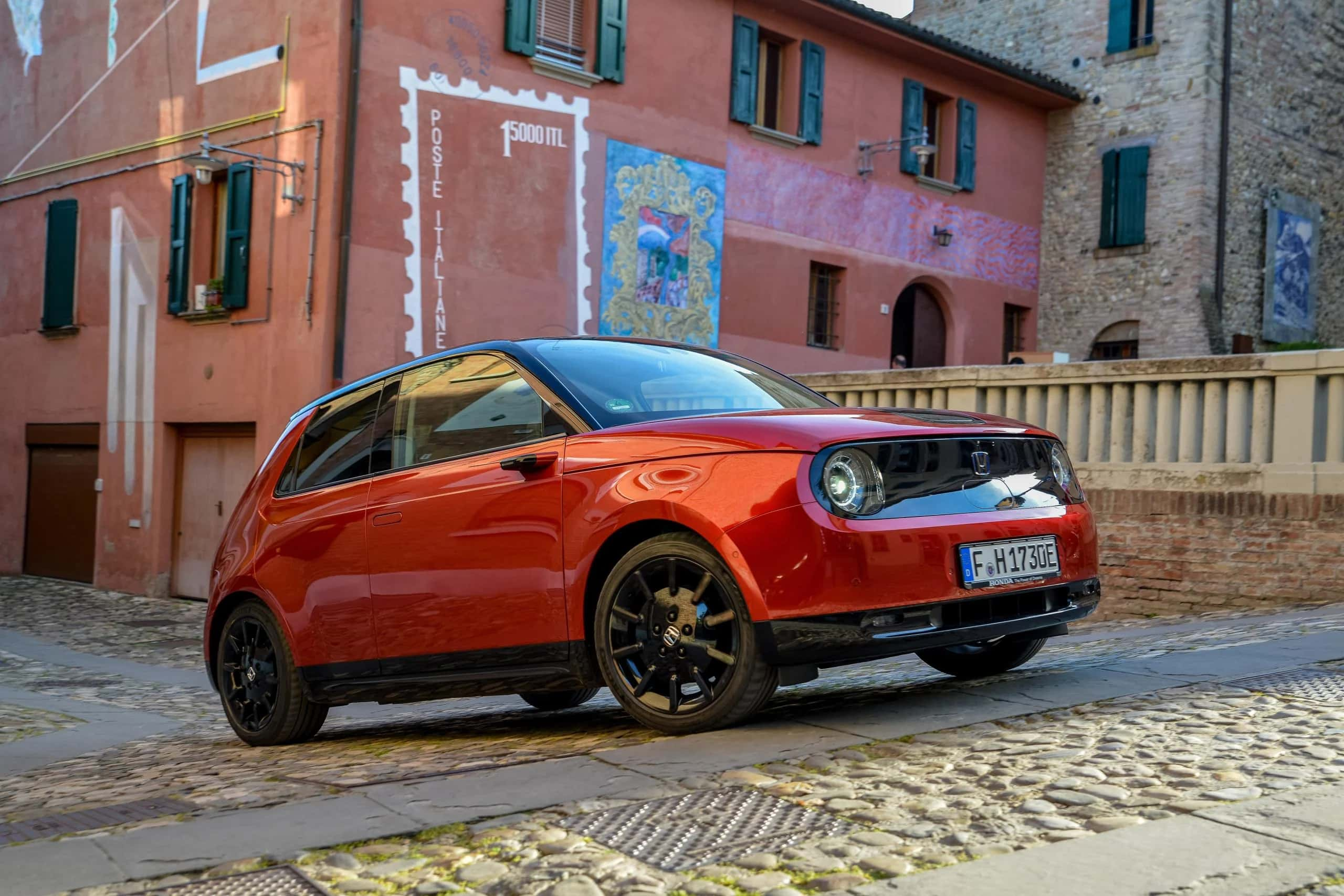
Honda's recent electric ventures haven't quite managed to replicate the success of its established hybrid models. The charming Honda e certainly looked the part, but its premium pricing and modest 137-mile WLTP range limited its appeal. The subsequent e:Ny1 SUV offered greater practicality, but with a launch price of £44,995 and a 256-mile range, it struggled to stand out against competitive European alternatives.
Honda closed UK orders for the e:Ny1 earlier in 2026, leaving the new Super-N as its only currently available electric passenger car in Britain.
That creates an increasingly difficult situation. The UK's zero-emission vehicle target rises from 38% in 2027 to 52% in 2028, before climbing to 66% in 2029. Meeting the 2028 target entirely through vehicle sales would require Honda to register more EVs than petrol and hybrid cars combined.
Manufacturers can purchase credits and use other regulatory flexibilities, but Honda faces an important decision: continue relying on such mechanisms or develop a broader electric range capable of attracting British and European buyers.
An electric Jazz, potentially joined by the ALPHA, could provide part of that answer.
The Civic has long been regarded as one of Honda's defining models, but British sales figures tell a surprisingly different story.
Since the Jazz arrived in 2002, approximately 460,000 examples have been registered in the UK through to the end of 2025. Over exactly the same period, the Civic managed around 483,000, just 5% more. In fact, the Jazz has outsold its more celebrated stablemate every year since 2009.
Across four generations, the Jazz has quietly become one of Honda's most important European nameplates, winning buyers through practicality, reliability and an ability to feel much bigger inside than its dimensions suggest. The Civic might attract more headlines, particularly in performance form, but the Jazz has played an equally important role in building Honda's loyal customer base.
Its future therefore deserves serious consideration, and an electric version could help ensure this remarkably successful little car remains relevant for another generation.
Editorial & Legal Notice: This article features an independent, speculative 2028 Honda Jazz EV concept created by The New Yardstick's TNY Design Studio. Honda has not confirmed an electric Jazz, its proposed specifications or any platform-sharing arrangement with the ALPHA. All predictions and renderings are for editorial and illustrative purposes only. The New Yardstick is not affiliated with or endorsed by Honda.

Image Credits: Honda ALPHA, Super-N and Honda e press photography: Honda Motor Co., Ltd., Honda Cars India and Honda Motor Europe, as applicable. Honda Jazz EV concept renderings and design artwork: The New Yardstick / TNY Design Studio. All manufacturer trademarks remain the property of their respective owners.
You should also read:
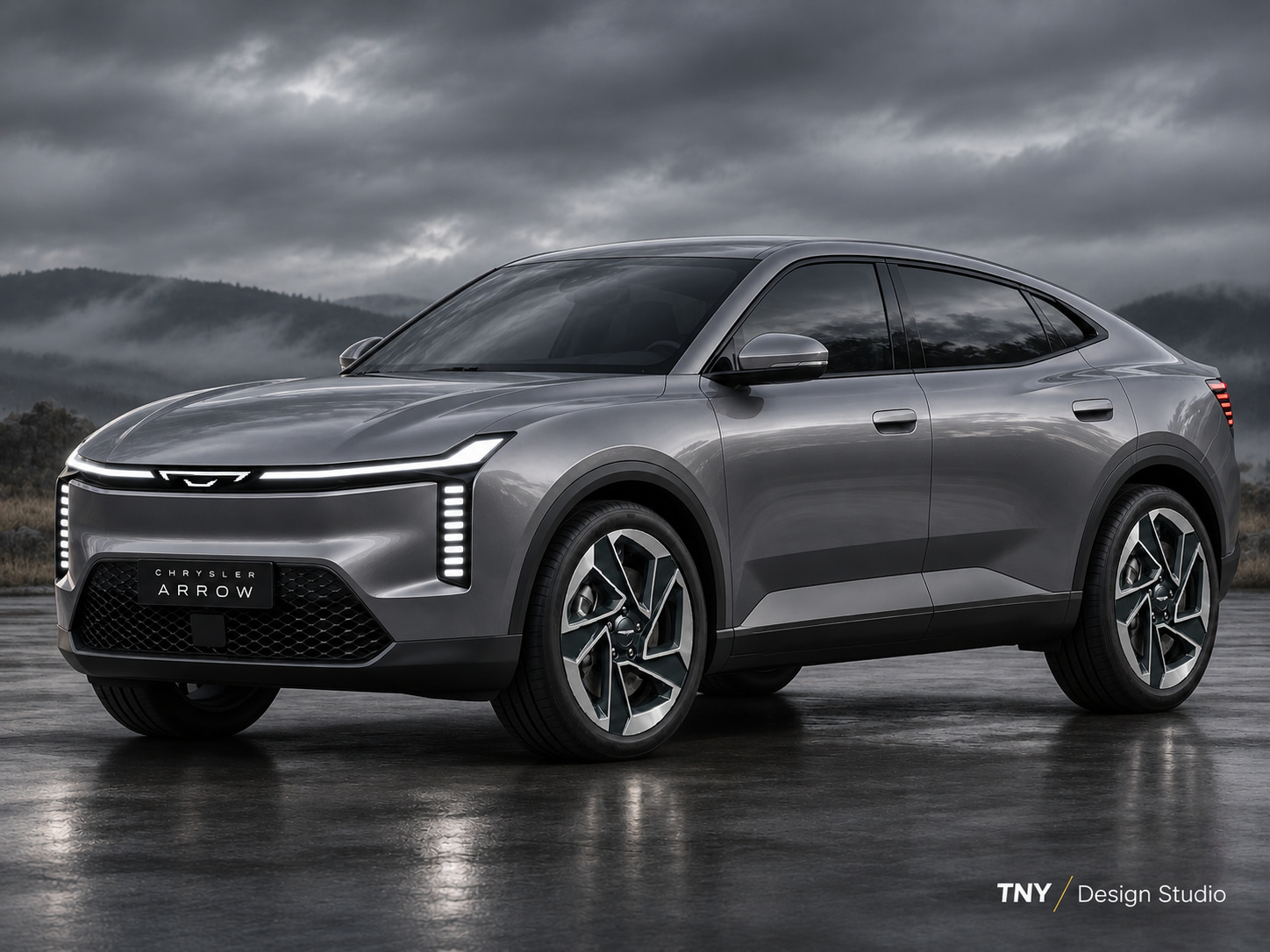
Reimagining Chrysler: Building the Next Generation of an American Icon
For over a century, Chrysler has been one of America's most recognisable automotive brands. Founded in 1925, the company built its reputation on engineering innovation, affordable luxury and distinctive American design. From the groundbreaking Airflow of the 1930s to the imposing 300 saloons and generations of family vehicles, Chrysler has helped shape…
Two Forgotten Names, One Electric Future – Reimagining the Nissan Figaro and Renault Wind
Small electric cars are finally becoming affordable, but that doesn't mean they all need to follow the same formula. Renault's new Twingo E-Tech demonstrates what can be achieved with compact, cost-effective electric engineering, raising an intriguing question about what else those foundations could support. For TNY Design Studio, two names immediately spring to…
Back to the Future – Reimagining the Mitsubishi i for Europe
Few small cars have been as quietly ambitious as the Mitsubishi i. Launched in Japan with a rear-mounted petrol engine, it later became the i-MiEV, one of the earliest mass-produced electric cars. Two decades on, Mitsubishi is again leaning heavily on partnerships, with Renault-derived models underpinning much of its European range. Yet…
Taking Pride in the Little Things – Reimagining Kia’s Small Cars
Over the past 20 years, Kia has transformed itself from a budget alternative into one of the world's most successful and increasingly desirable car manufacturers. The humble Picanto has played an important part in that journey, offering affordable, practical motoring to generations of buyers. Yet its future looks increasingly uncertain, with tightening…
Finding the Magic in Jazz: The Case for a Renault-Based Honda EV
Honda doesn't have an engineering problem. Long before hybrids became mainstream, the original Insight arrived with its aerodynamic bodywork and lightweight engineering, becoming one of the world's first mass-produced hybrid cars. Honda spent decades building a reputation for clever packaging and innovative powertrains. Its problem is Europe. Our exclusive rendering explores how…