The Estates That Never Were – Eight Cars That Deserved More Space
From executive saloons to sporting flagships, there have been countless models that might have made rather convincing estates, had their manufacturers been willing to take the gamble. Some could have challenged established favourites, while others might have carved out an entirely new niche.
For this latest Design Studio exploration, The New Yardstick imagines eight cars that never received a full-production estate counterpart, bringing some intriguing automotive what-ifs to life.
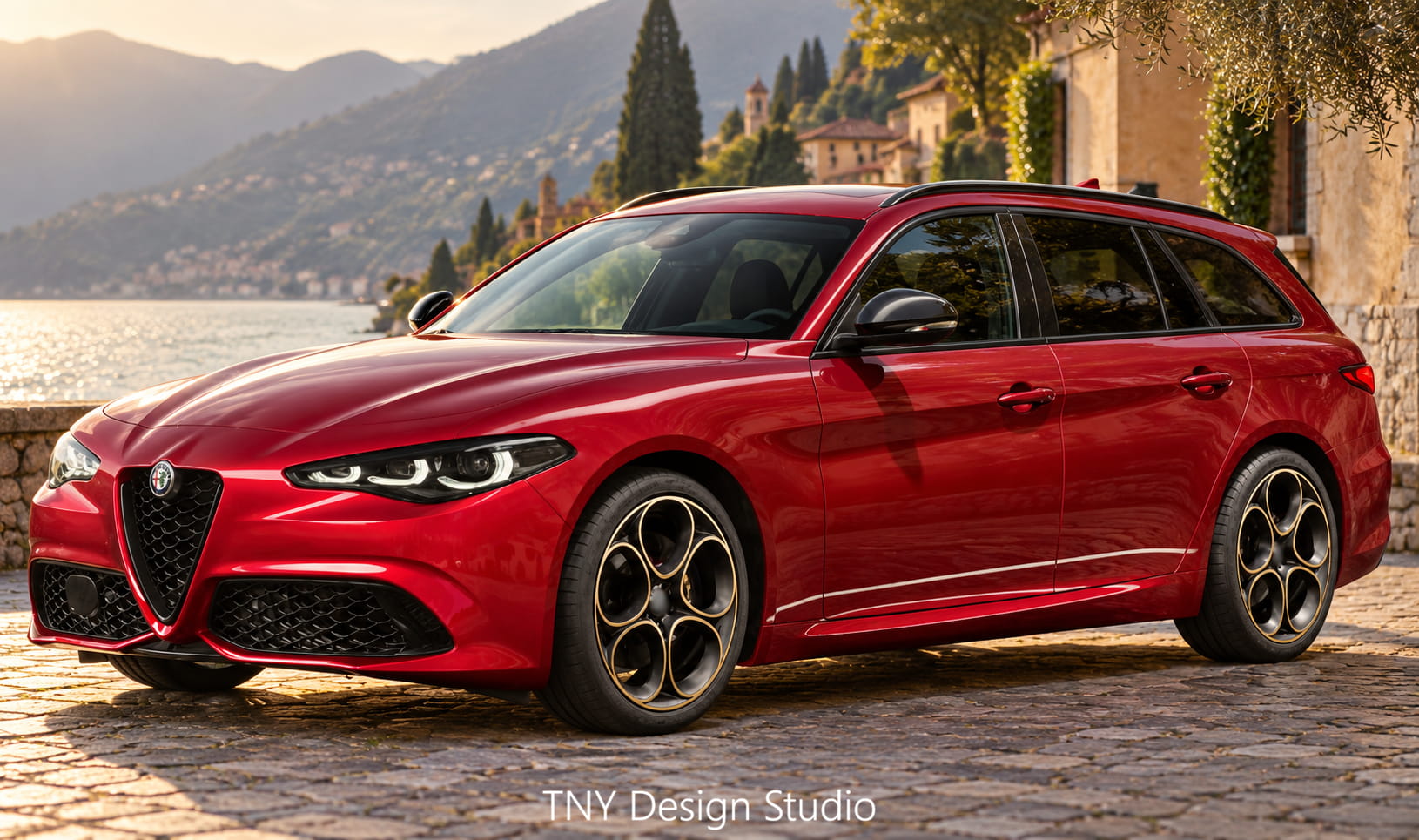
Few modern Alfa Romeos have inspired quite as much enthusiasm as the Giulia, yet one glaring omission has frustrated enthusiasts since its arrival in 2016: the absence of an estate version. With the much-loved 159 Sportwagon disappearing in 2011, many hoped the Giulia would eventually revive Alfa Romeo's tradition of elegant, sporting estates.
Instead, Alfa Romeo followed the market towards SUVs, introducing the Stelvio in 2017. While commercially understandable, the decision left a gap in the range, particularly for buyers seeking something more distinctive than the established German alternatives.
Our Giulia Sportwagon rendering imagines what might have been, retaining the saloon's beautiful proportions and sporting character while introducing a longer roofline and more practical rear. With Alfa Romeo's celebrated driving dynamics, it could have been one of the most desirable estates of its generation.
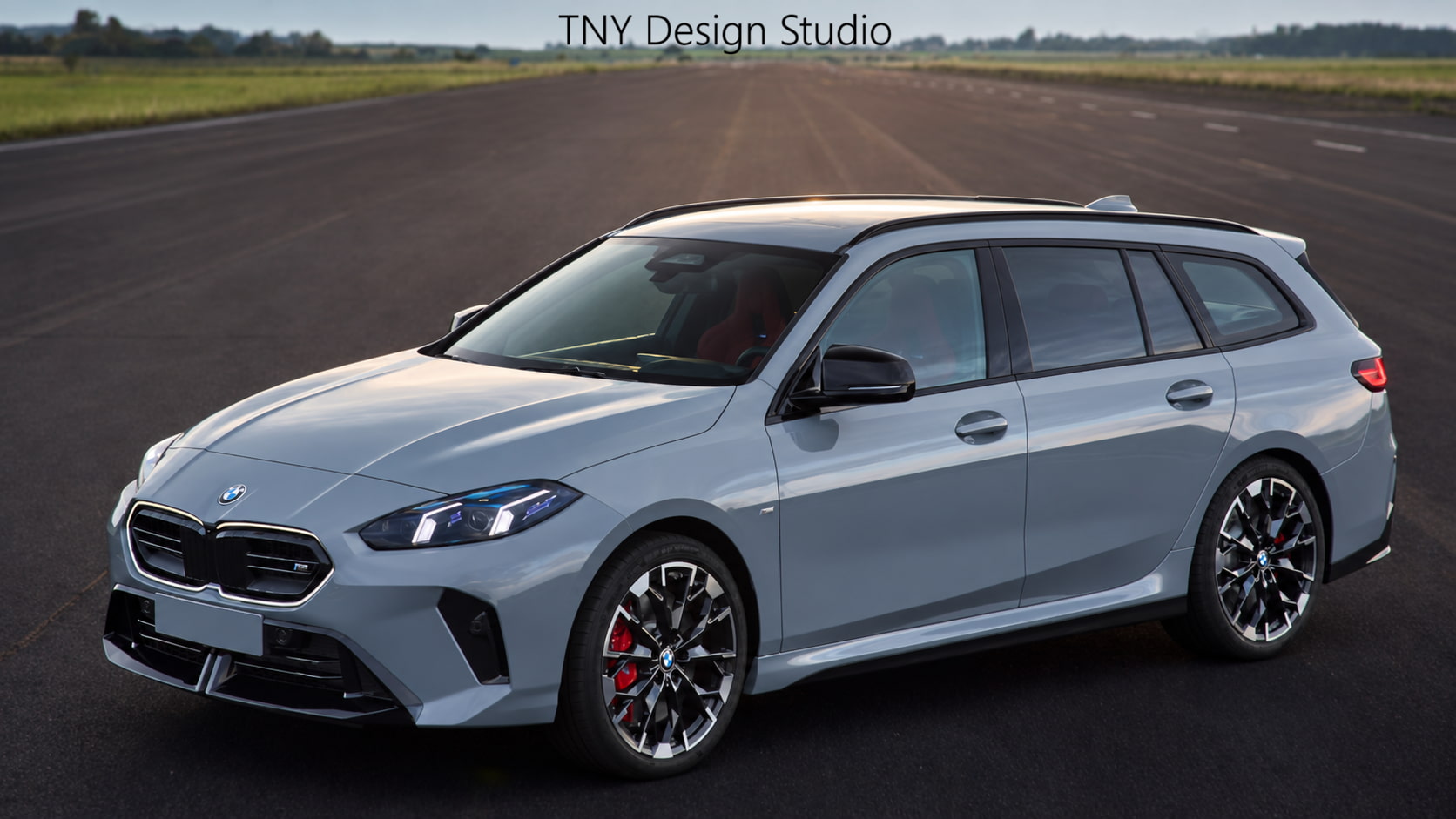
BMW has taken the 2 Series name in several directions, offering everything from a traditional rear-wheel-drive coupé to a front-wheel-drive Gran Coupé saloon and the practical Active Tourer MPV. The latter has never quite won over BMW purists, despite its undeniable everyday versatility.
Yet one body style remains conspicuously absent: a conventional estate. With the MINI Clubman sharing BMW Group's front-wheel-drive architecture, the foundations for a compact 2 Series Touring were already available, potentially reducing development costs.
Such a model could have combined the Clubman's practicality with BMW's more premium image, offering an appealing alternative to compact SUVs and larger estates. Our rendering explores what might have been, raising the question of whether BMW overlooked an opportunity to create a genuinely desirable small premium estate.
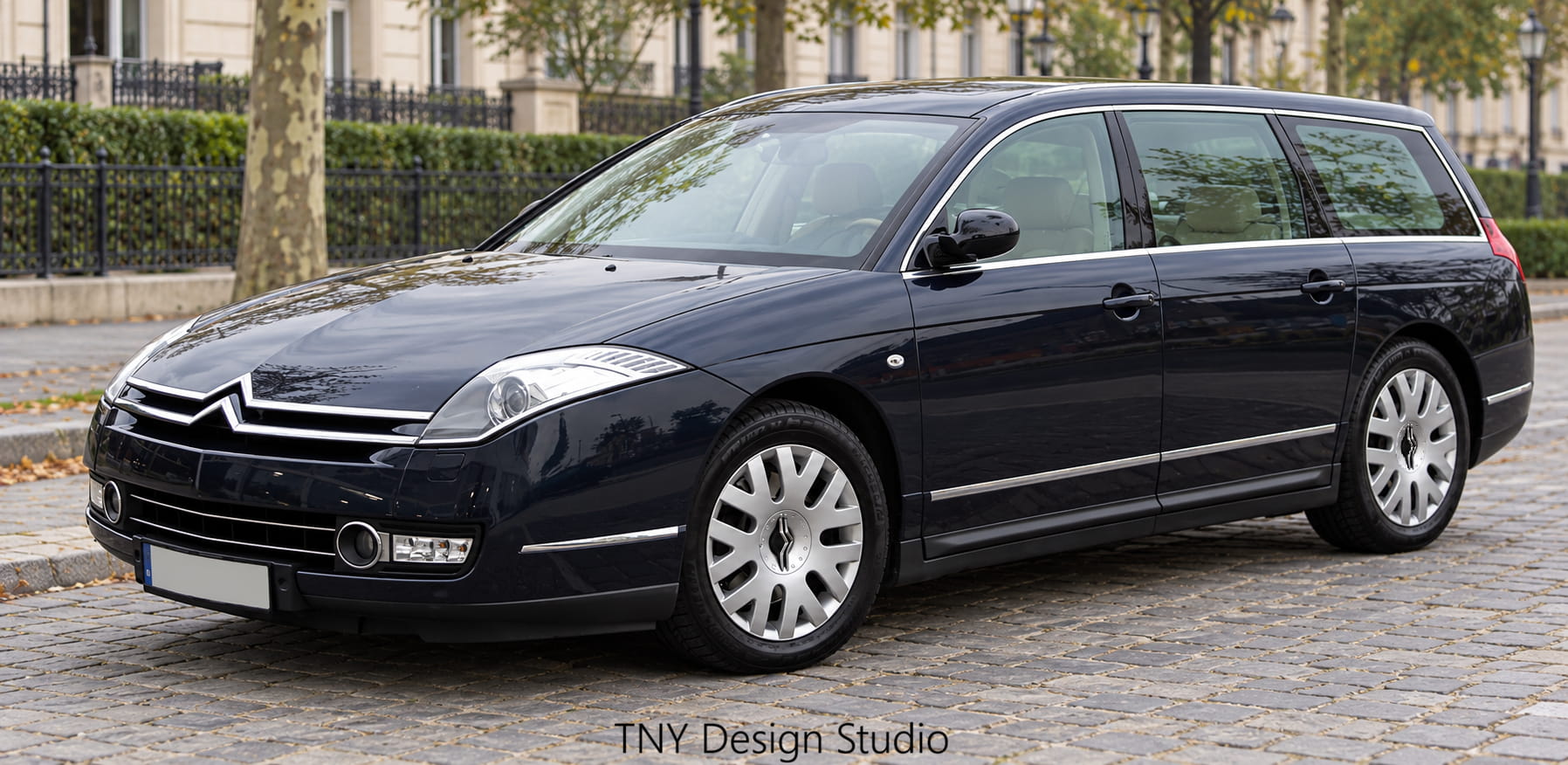
Few cars embodied traditional French luxury quite like the Citroën C6. Launched in 2005, this imposing executive saloon combined distinctive styling, exceptional ride comfort and powerful diesel engines, making it an accomplished long-distance cruiser and a capable towing vehicle.
An estate version would have been a natural continuation of Citroën's heritage, following in the footsteps of the legendary DS Safari, CX Safari and XM and Xantia estates. With its generous proportions, sophisticated suspension and effortless motorway manners, a C6 estate could have been a wonderfully unconventional alternative to German executive wagons.
Two decades after its introduction, C6 values are already showing signs of strengthening, suggesting its future-classic status is arriving remarkably quickly. Our rendering imagines the grand French estate Citroën never built, combining unmistakable C6 elegance with the practicality of its celebrated predecessors.
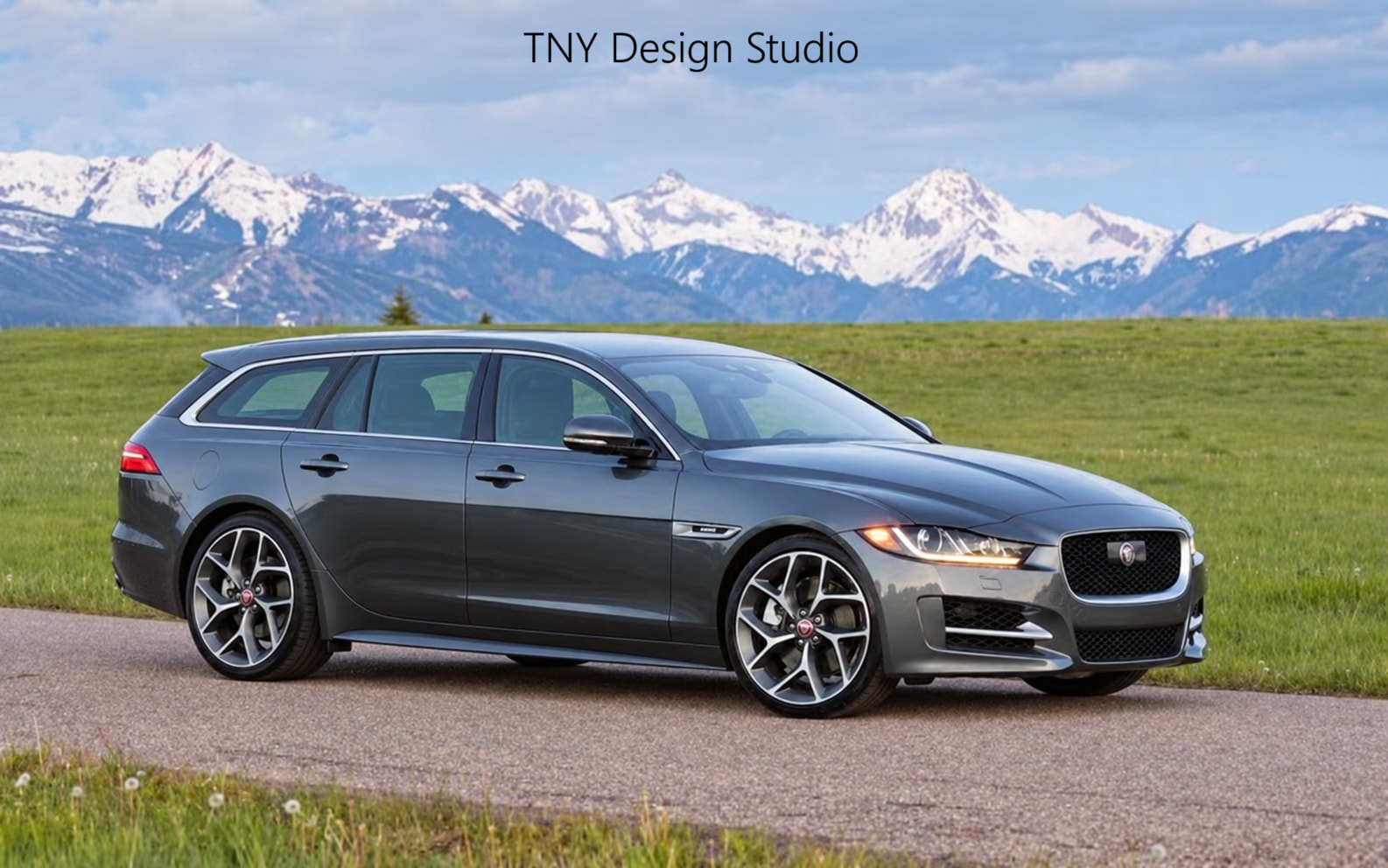
When Jaguar introduced the XE in 2015, it seemed the perfect opportunity to revive the compact executive estate, a market the British manufacturer had previously explored with the X-Type Estate. Unfortunately, a practical XE Sportbrake never materialised, leaving Jaguar without a direct rival to the BMW 3 Series Touring.
The larger XF Sportbrake had already demonstrated Jaguar's ability to combine elegant styling, premium interiors and genuine everyday practicality, making the absence of an XE equivalent particularly disappointing.
Despite well-documented reliability concerns surrounding certain Ingenium engines, the XE itself was an accomplished package, offering excellent handling, attractive proportions and a genuinely engaging driving experience.
Our rendering imagines the missing XE Sportbrake, a compact British estate that could have brought some welcome individuality to a competitive segment.
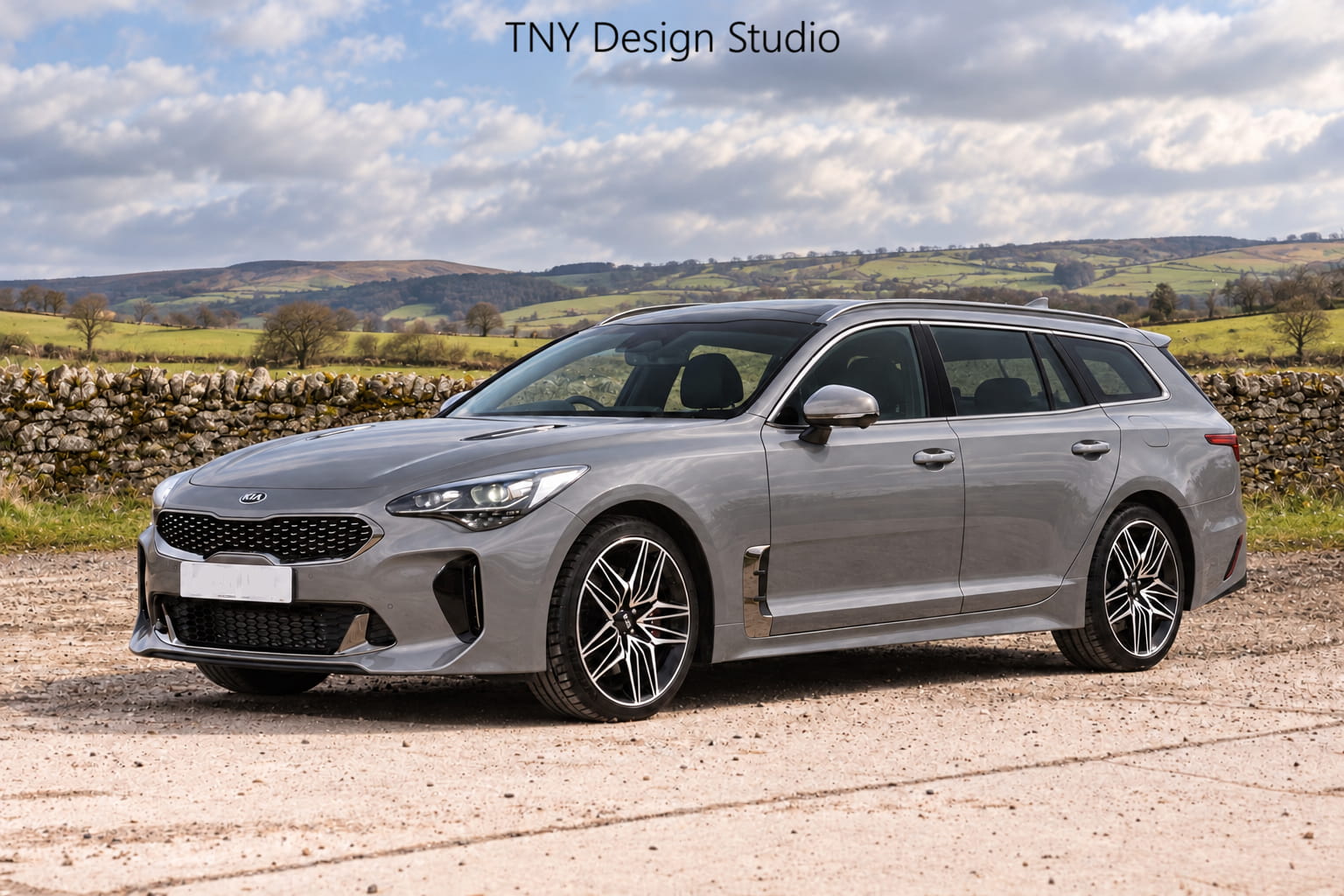
The Kia Stinger was something of an anomaly in the Korean manufacturer's history. Arriving in 2017 without a direct predecessor, and departing without a true successor, it represented Kia's ambitious attempt to challenge established European performance saloons.
Yet while Kia has offered estate versions of more humble models, including the Ceed and Optima, the flagship Stinger never received the same treatment.
Our rendering imagines a Stinger Sportswagon, combining the original's muscular proportions and distinctive styling with a more versatile estate body. It could have provided an intriguing alternative to expensive German performance estates, bringing something genuinely different to a traditionally conservative segment.
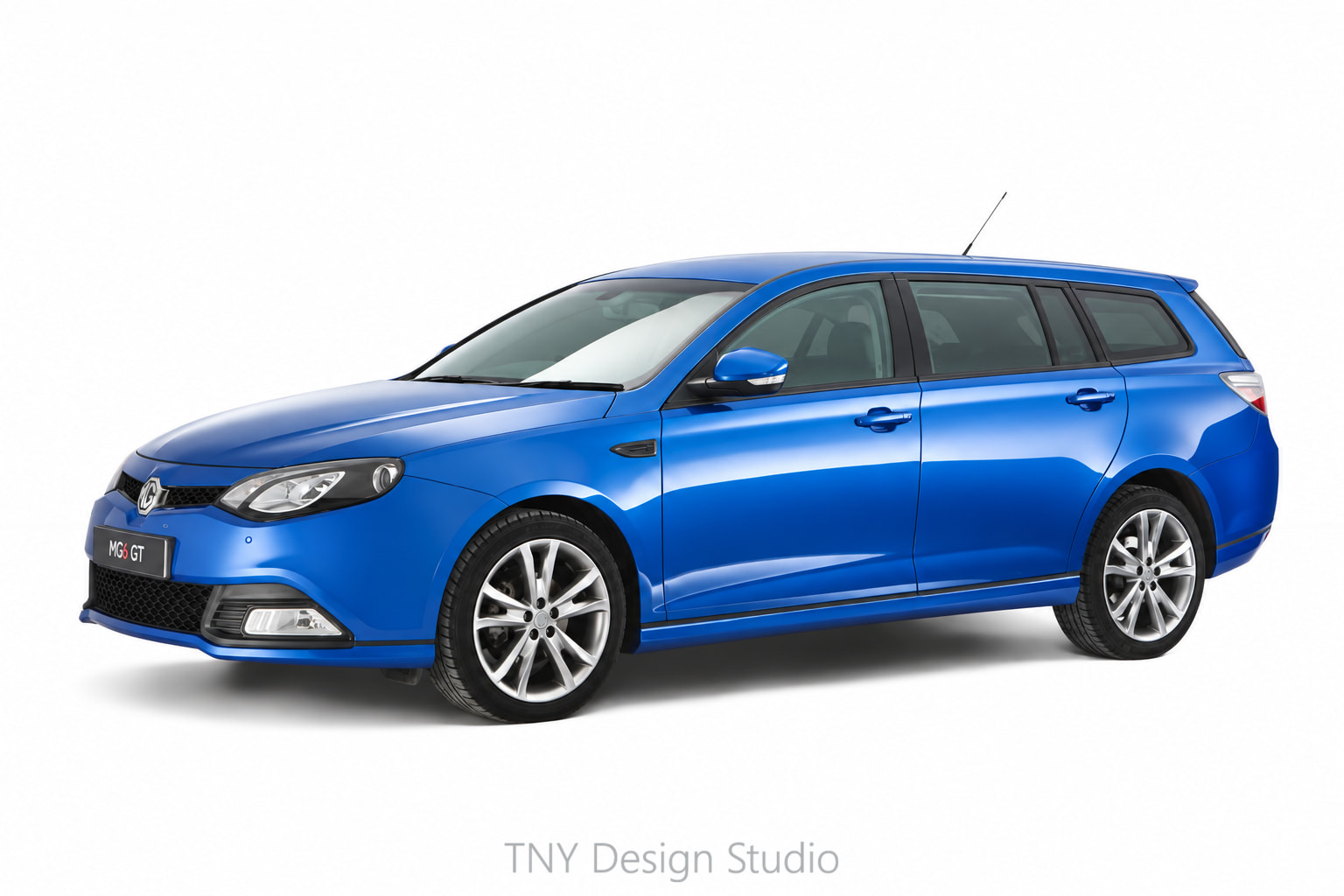
When the MG6 arrived in Britain in 2011, it marked an important chapter in the brand's revival under Chinese ownership. Available in fastback hatchback and, in some markets, saloon forms, the MG6 offered an affordable alternative to established family cars, but an estate version was conspicuously absent.
This was particularly surprising given MG's history with practical performance cars, including the imposing MG ZT-T estate. Years later, MG would become the first manufacturer to introduce a fully electric estate car to the UK market with the MG5 EV, demonstrating that practicality remained part of its appeal.
Our rendering imagines an MG6 Tourer, combining generous luggage space, affordable pricing and distinctive styling. At a time when MG was working to re-establish itself in Britain, could a practical estate have helped the brand find a wider audience?
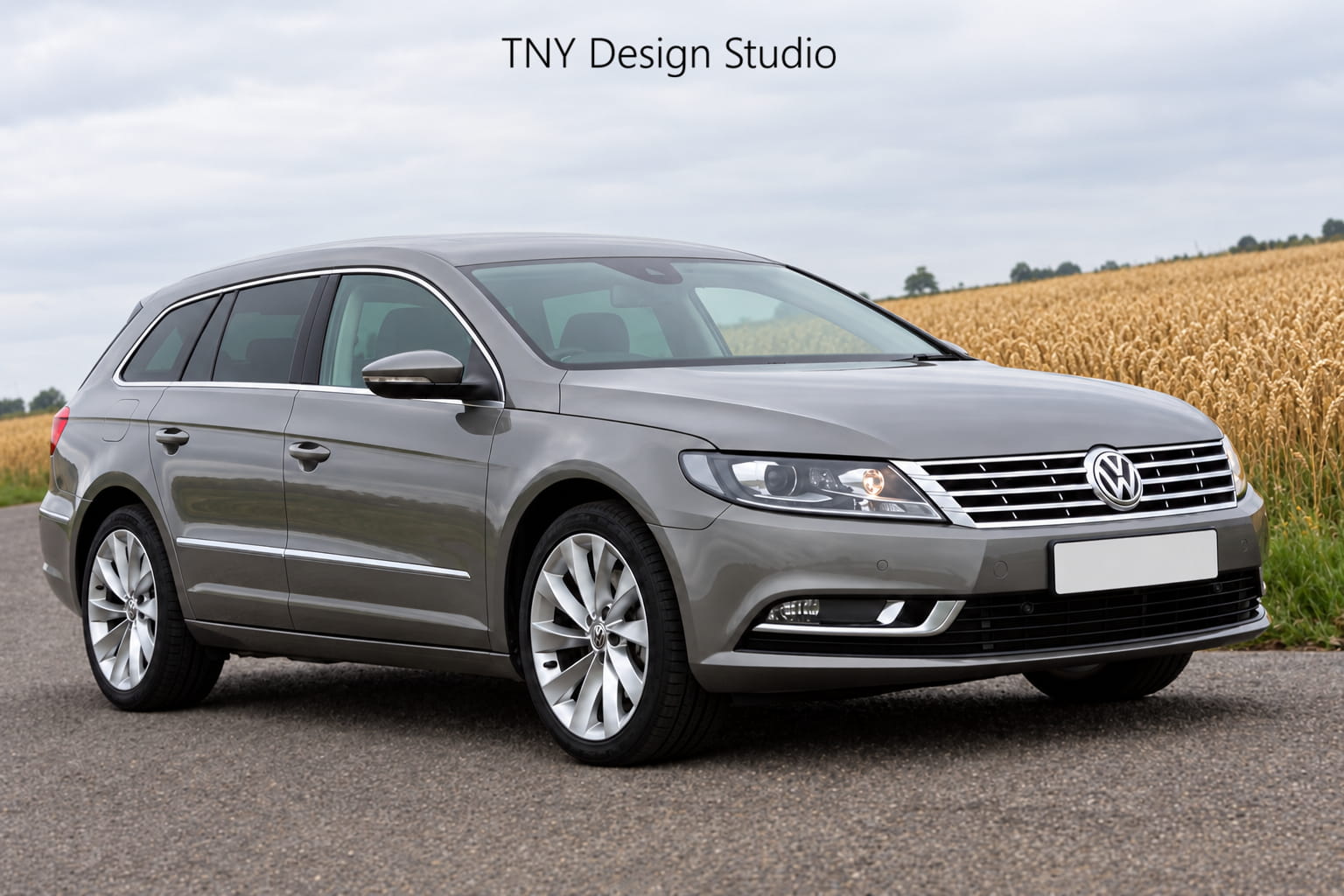
When Volkswagen introduced the Passat CC in 2008, it brought a welcome dose of elegance to the otherwise rather conservative Passat range. With its sweeping roofline, frameless doors and more sophisticated appearance, the CC offered a stylish alternative to traditional executive saloons without the premium price tag.
Yet despite Volkswagen's long history of building successful estates, the CC never received a more practical counterpart. A sleek shooting brake could have combined the standard Passat Estate's versatility with the CC's distinctive styling, creating something considerably more desirable.
With Mercedes-Benz later demonstrating the appeal of stylish estate models through its CLA Shooting Brake, Volkswagen arguably missed an opportunity to challenge premium manufacturers on their own terms.
Our rendering imagines a Passat CC Shooting Brake, blending understated German elegance with everyday practicality.
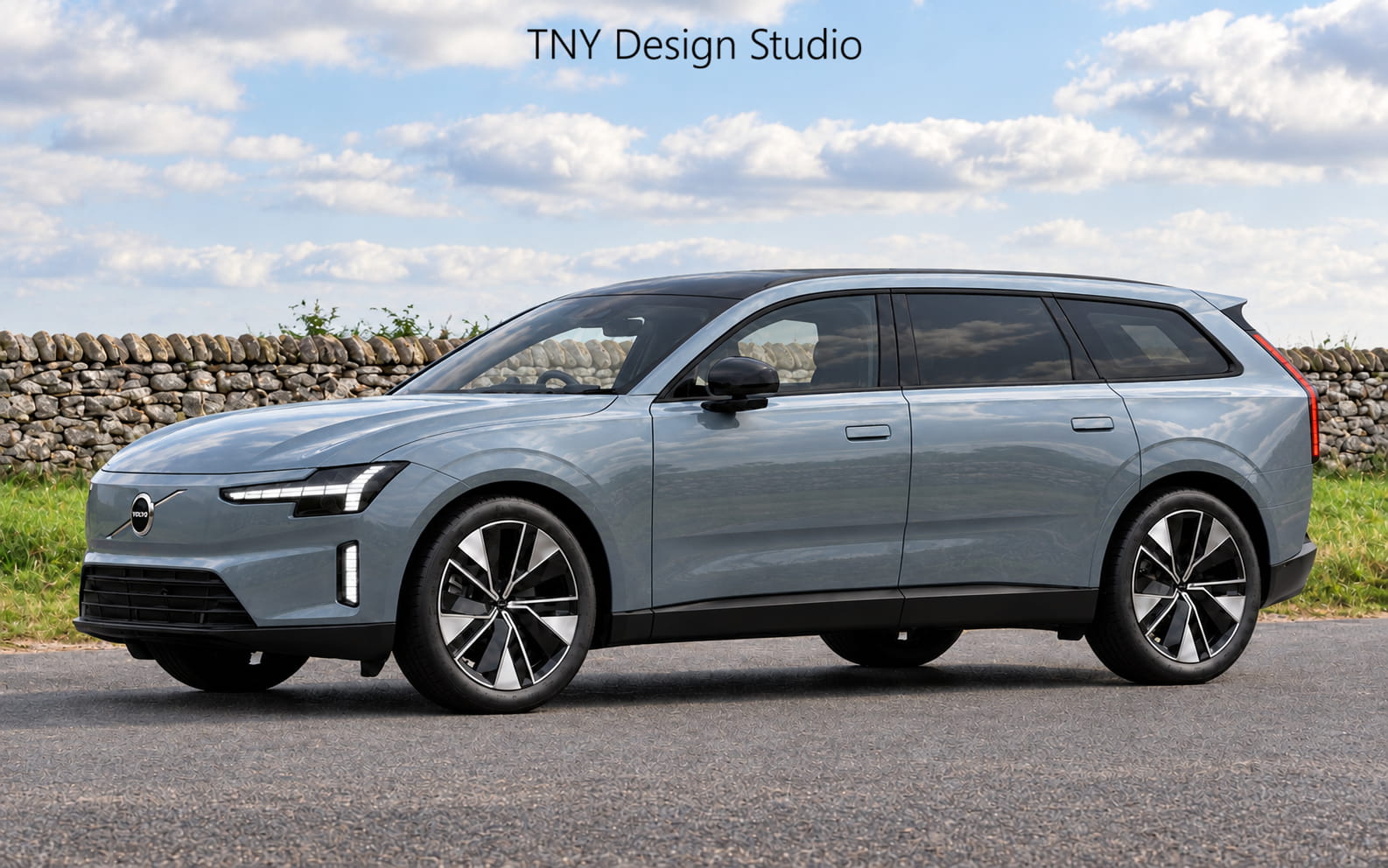
Few manufacturers are as closely associated with estate cars as Volvo, yet the Swedish brand's relationship with the body style has become increasingly uncertain. After withdrawing its estates from the UK market, only to reverse the decision, the V90 has now been discontinued without a direct successor, while the smaller V60's long-term future remains unclear.
Volvo's impressive new ES90 offers cutting-edge electric technology, exceptional refinement and distinctive Scandinavian design, but occupies a slightly unusual position in the market. Despite its generous dimensions and hatchback-style tailgate, its sleek silhouette compromises some of the practicality traditionally associated with Volvo's largest estates.
Our EV90 rendering imagines a more versatile alternative, combining the ES90's sophisticated electric foundations with the generous luggage space and elegant proportions that once made Volvo estates a household favourite.
Saab 9-5 SportCombi – The Estate We Almost Had
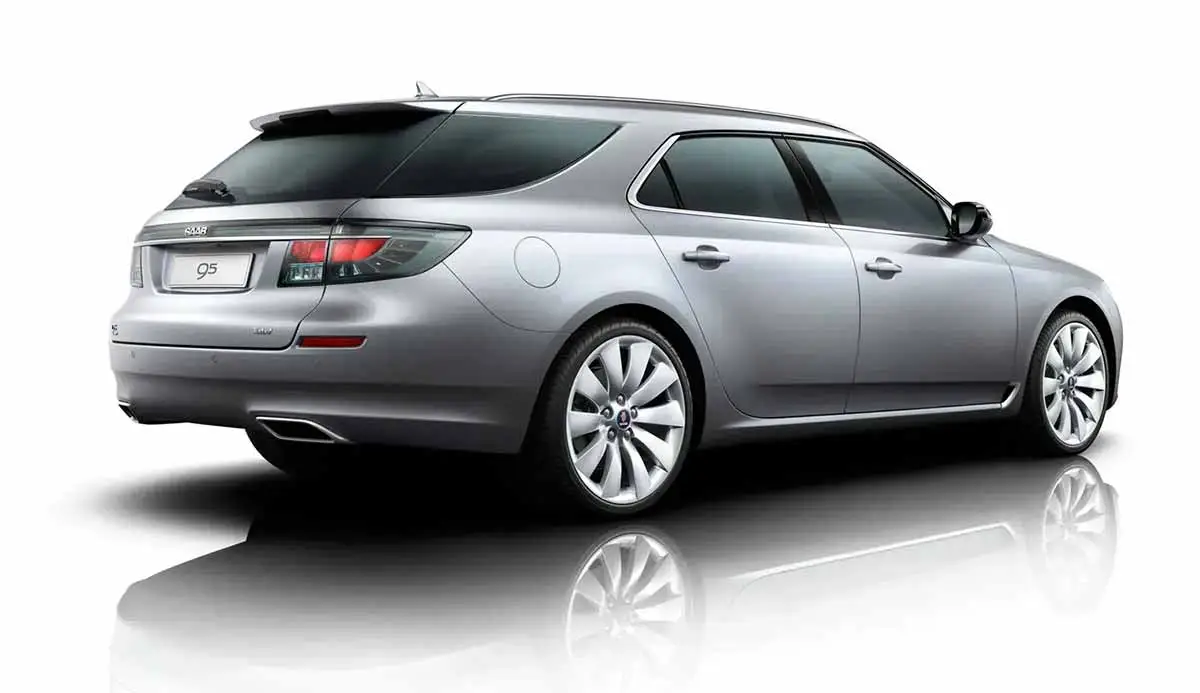
Few automotive endings were as heartbreaking as Saab's collapse in 2011, particularly with the striking second-generation 9-5 SportCombi so close to production. Combining Scandinavian elegance, generous proportions and sophisticated technology, it promised to be a worthy successor to Saab's celebrated estates.
Powertrains included the muscular 190bhp 2.0-litre twin-turbo diesel, while available equipment included a head-up display, adaptive suspension and panoramic roof.
Just 37 examples were assembled, including four German-built test cars, with enthusiasts believing only 27 survive today. Remarkably, individual cars are meticulously documented, with just nine roadworthy examples changing hands since the original bankruptcy auctions. Reported transactions have reached beyond €130,000, demonstrating their extraordinary collectability.
Unlike our other imagined estates, this one needed no redesign. The 9-5 SportCombi was ready to become reality, making its disappearance alongside Saab itself all the more tragic.
Disclaimer & Image Credits

All estate car renderings featured in this article are original, independently created illustrations by The New Yardstick and are not official manufacturer designs or confirmed production models. Vehicle names and trademarks remain the property of their respective owners.

Saab 9-5 SportCombi image: manufacturer press photography, reproduced for editorial and illustrative purposes. All rights remain with the original copyright holder.
You should also read:
TNY Market Watch — Eight Dependable Asian Cars You Can Buy for Under £8,000
Buying a dependable used car doesn't have to mean spending a fortune or settling for something dull. With a budget of £8,000, there's an increasingly varied selection of affordable, economical cars available, including models that would have cost considerably more just a few years ago. Asian manufacturers have long enjoyed strong reputations…
What Are the Best Fun Cars You Can Buy for £6,000?
A £6,000 budget opens the door to a surprisingly varied selection of interesting used cars. Rather than simply chasing the newest or lowest-mileage option, this is the point where buyers can start looking for something with real character. That might mean a proper rear-wheel-drive coupé, a lightweight hot hatch, a rare premium…
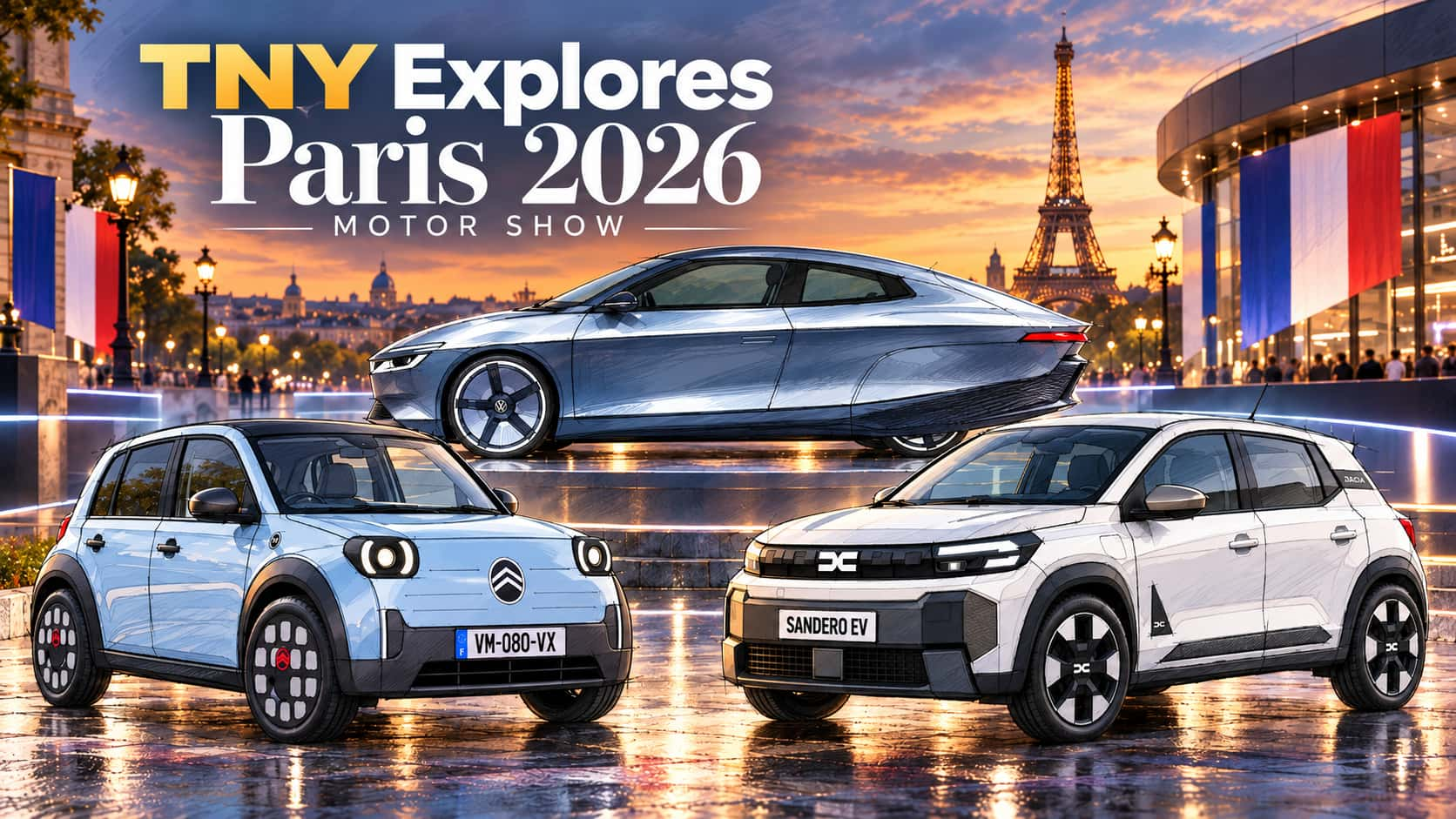
Paris Motor Show 2026: TNY’s Complete Preview of the Cars and Concepts to Watch
The Paris Motor Show is back with one of its most ambitious line-ups in years — and 2026 could prove to be one of the most revealing shows yet for where the global car industry is heading. Europe’s biggest manufacturers are arriving with new electric cars, hybrids, concepts and major design previews,…

From Budget EVs to Supercars: Three Chinese Brands to Watch
Chinese carmakers are no longer simply arriving in Europe with a handful of cheap EVs. They are building factories, expanding dealer networks, developing premium sub-brands and, in some cases, moving faster than many established manufacturers can comfortably match. Three names in particular show just how varied that expansion has become. BYD brings…
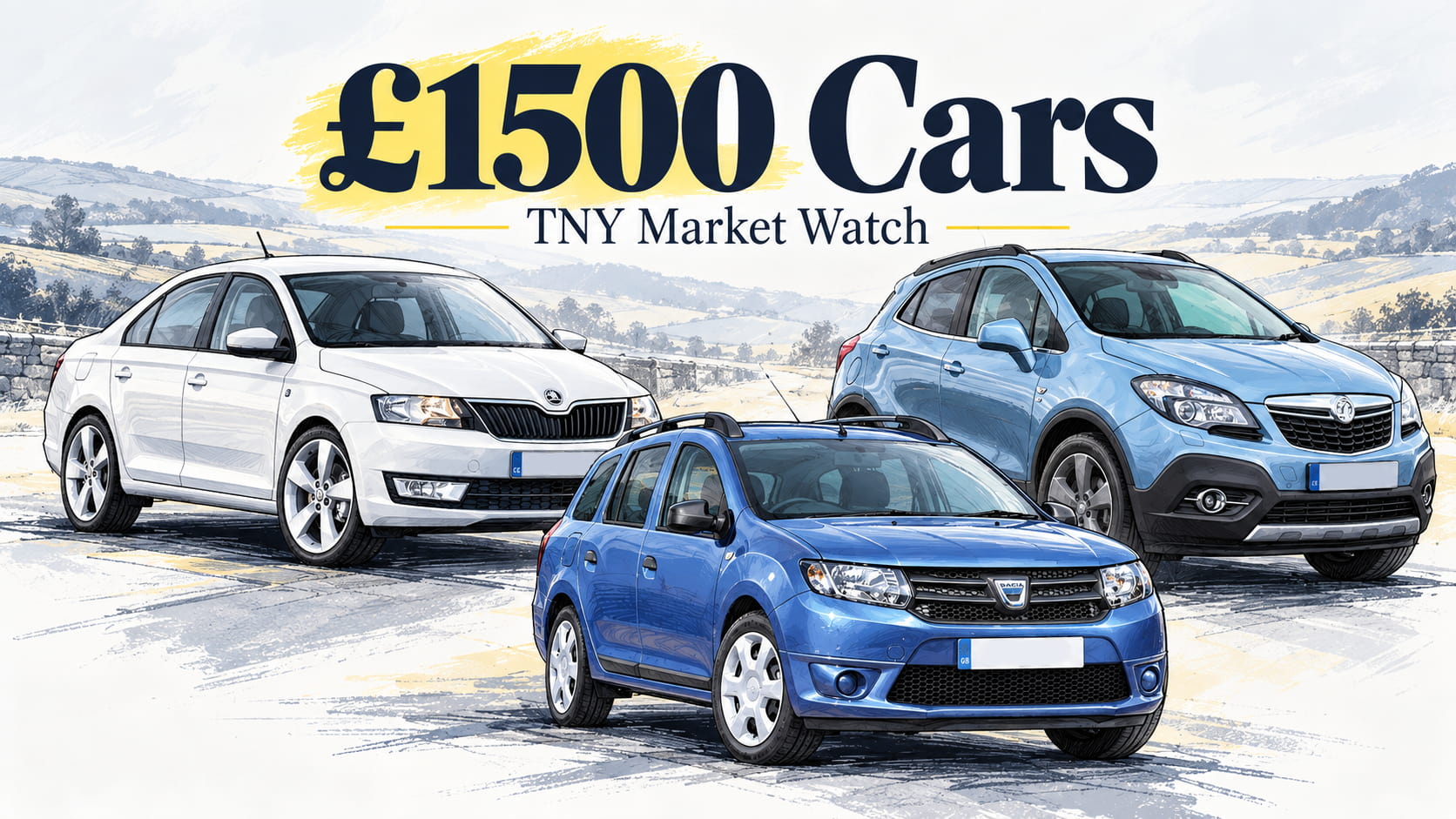
What Does £1,500 Buy in 2026? Eight Used Cars We’d Look At
Cheap cars do not automatically have to mean bad cars. At the bottom end of the used market, £1,500 will inevitably involve compromises — higher mileage, older interiors and the odd cosmetic scar — but there are still plenty of genuinely useful, dependable cars available for the money. The trick is looking…
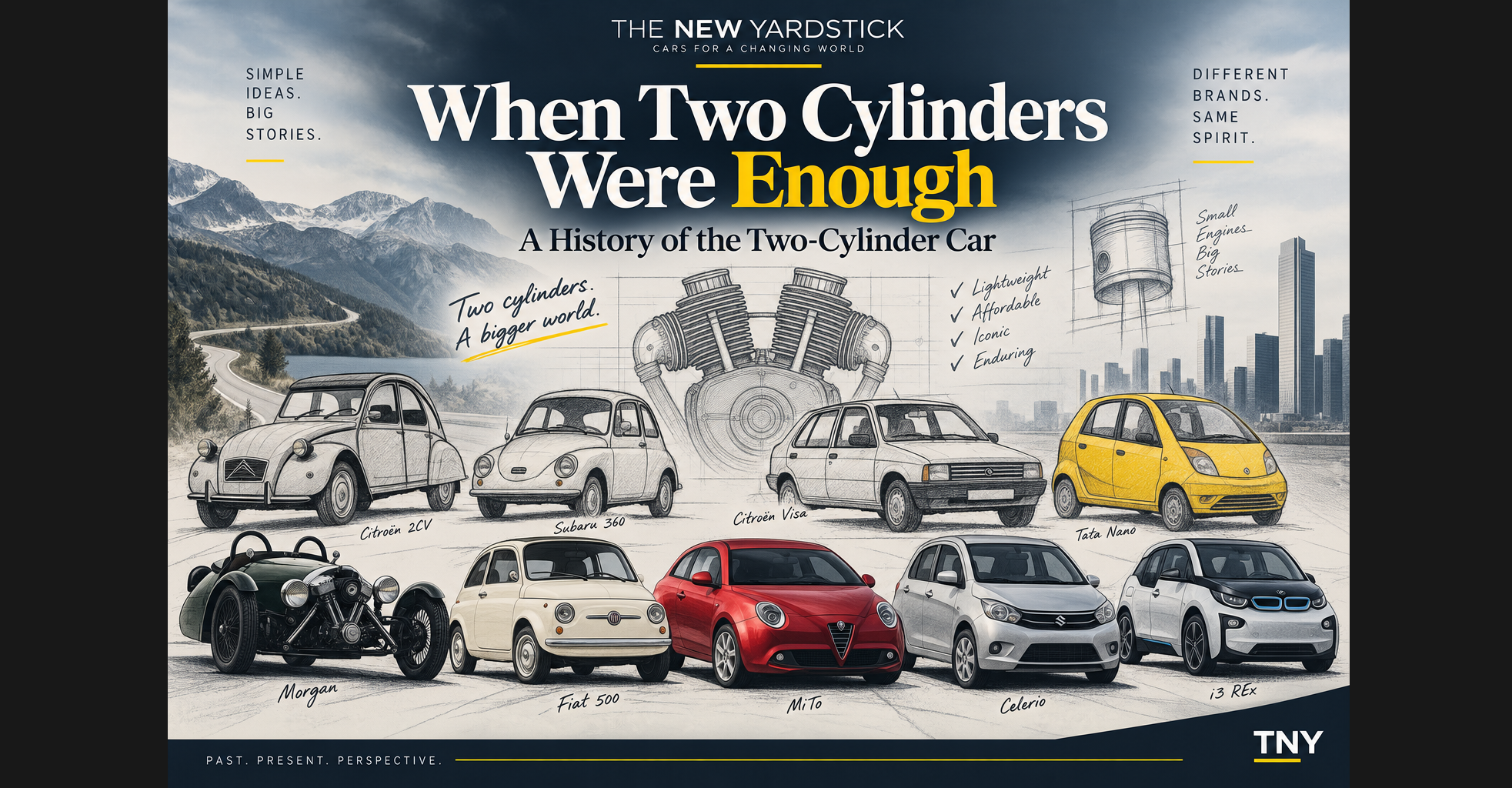
Two Cylinders Were Once Enough: The Rise and Fall of the Two-Cylinder Car
For much of the car's history, two cylinders were enough. Small, light and relatively simple, twin-cylinder engines powered everything from basic family transport to some of the world's most distinctive small cars. The Citroën 2CV, Fiat 500 and Subaru 360 helped mobilise millions, while later examples showed just how far the idea…
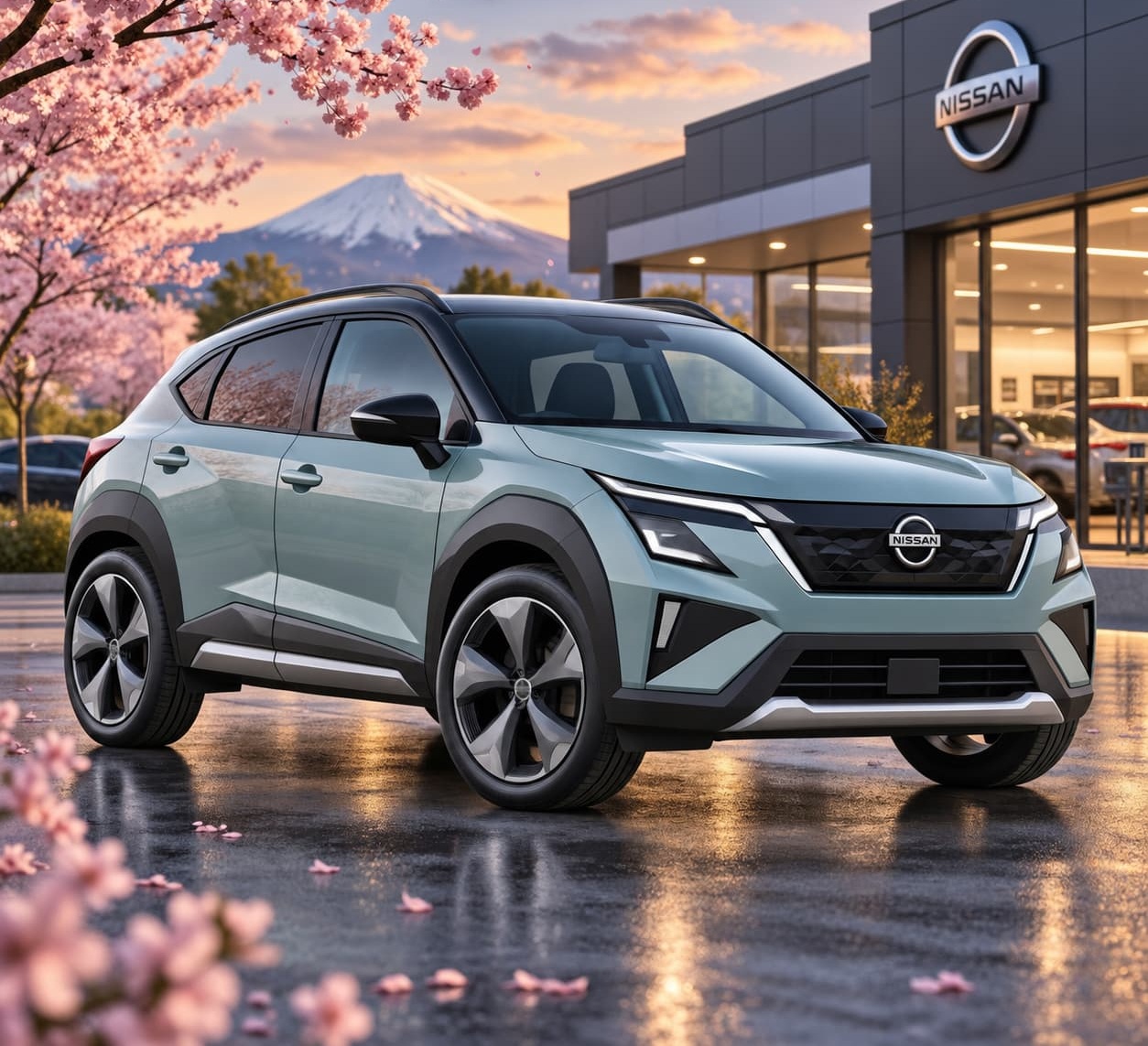
Rebuilding Nissan: The Cars That Could Fix Its Confusing European Line-Up
Around 20 years ago, Nissan changed the shape of the mainstream car market. The Qashqai replaced the dependable but forgettable Almera and helped turn the crossover into a family-car staple. The Juke followed, proving equally disruptive, while in 2010 the Leaf brought electric motoring to the masses. All three were game-changing cars…

Beat the 76-Plate Hype: 10 Pre-Reg Cars Under £16,000
With the new 76 registration arriving on 1 September, thousands of buyers will be preparing to collect a brand-new car. But having the latest number plate can come at a considerable cost. Today, the choice of new cars costing less than £16,000 is remarkably limited, with just three models starting below our…