Two Cylinders Were Once Enough: The Rise and Fall of the Two-Cylinder Car
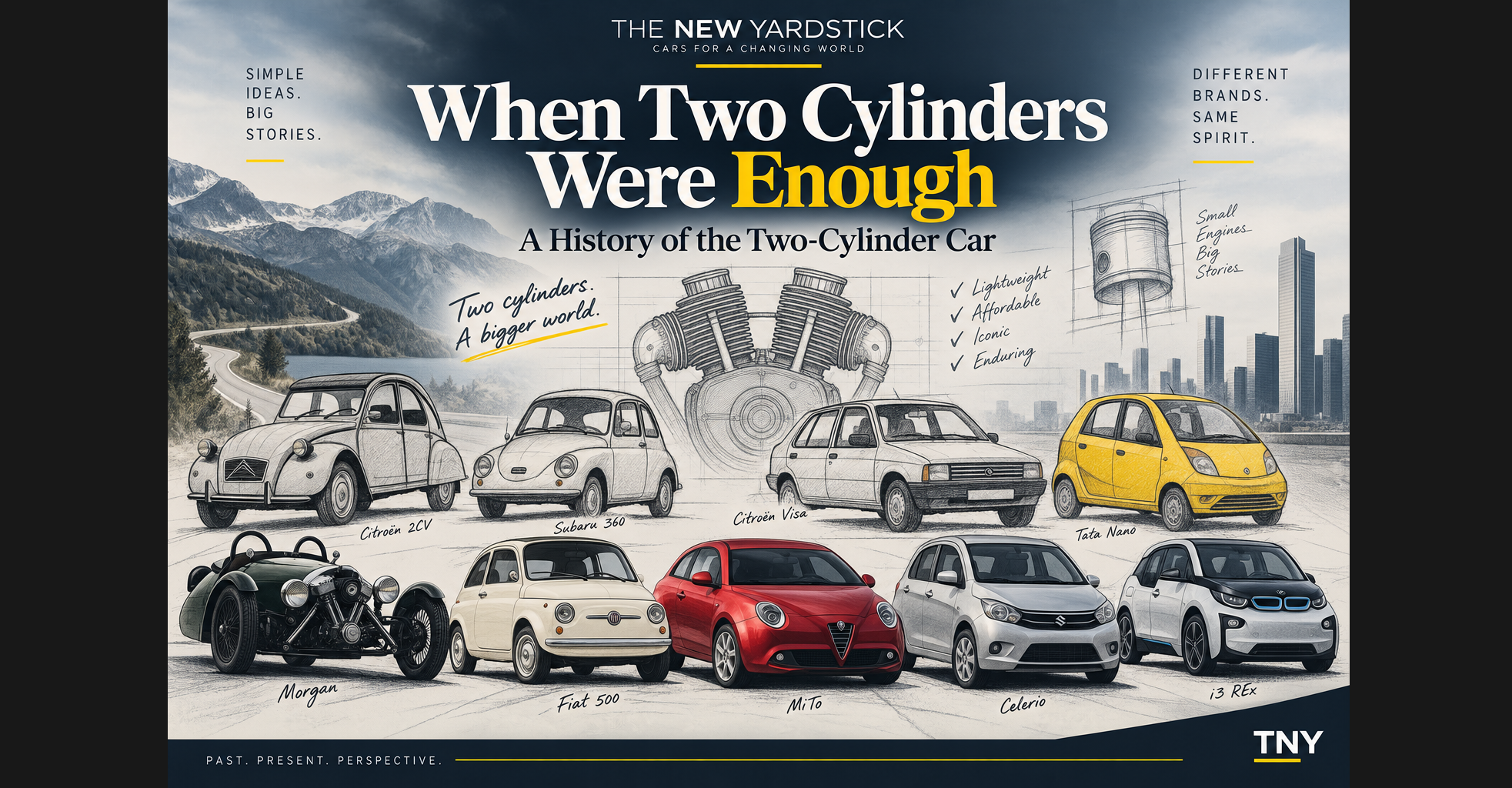
Even in the 2010s, manufacturers were still experimenting: Fiat turbocharged the concept, Suzuki built a tiny diesel, BMW used one as a range extender and Morgan embraced two cylinders largely for character.
Yet despite modern technology making these engines more capable than ever, the two-cylinder car has virtually disappeared. Here's how such a small engine played such a surprisingly big role in motoring history.
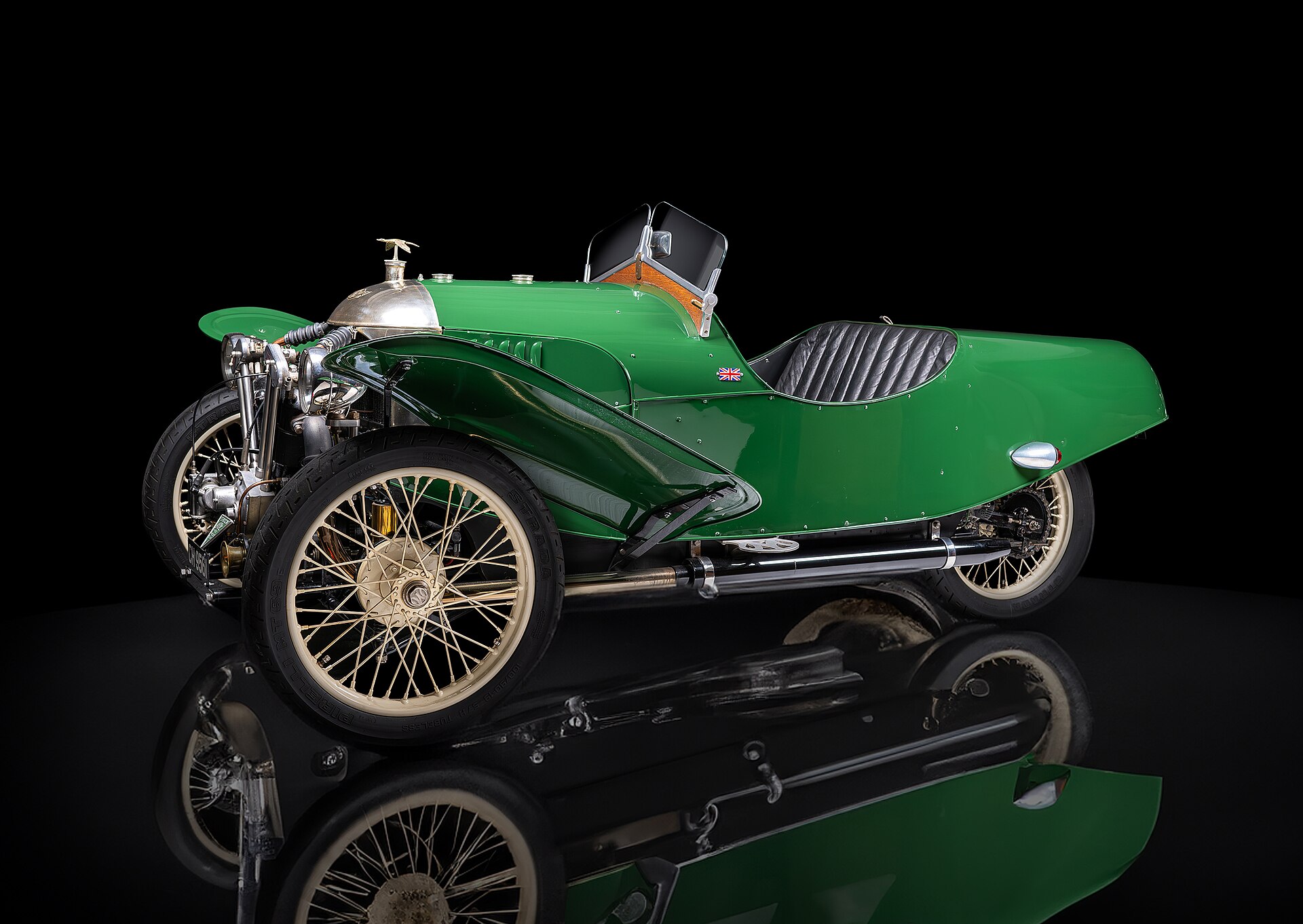
Morgan Three Wheeler
Low weight allowed modest engines to provide surprisingly lively performance, while favourable taxation helped make three-wheelers an affordable alternative to conventional cars. Morgan developed the idea considerably, producing practical models alongside sporting versions such as the Aero and Super Sports.
By the 1930s, these V-twin Morgans had become successful competition machines too, demonstrating just how much performance could be extracted from two cylinders. Image Credits: JP Landsdale / Wikimedia Commons (CC0)
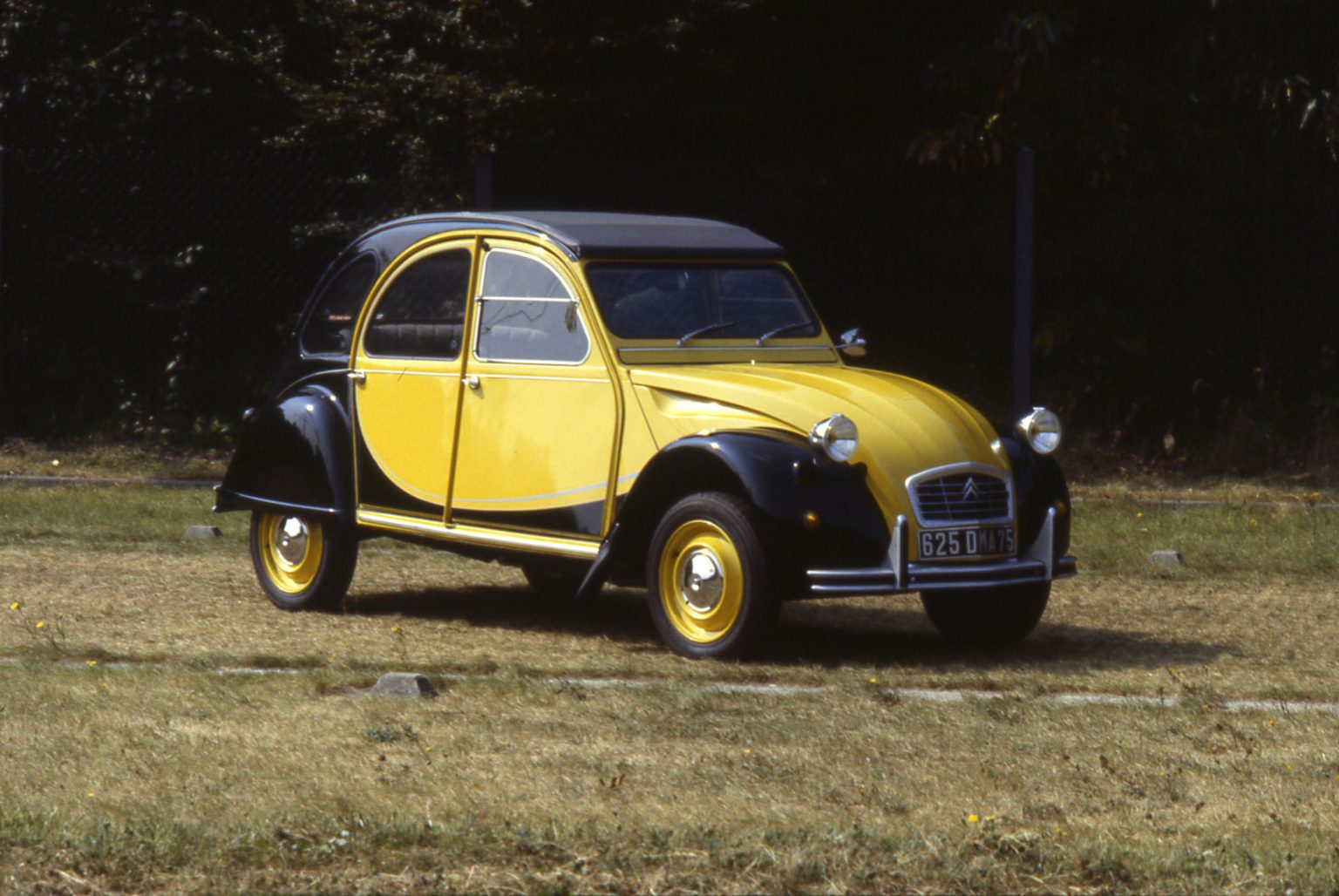
Citroën 2CV
Few cars are more closely associated with two cylinders than the Citroën 2CV. Launched in 1948, it was designed as simple, inexpensive transport for rural France, combining an air-cooled flat-twin engine with exceptionally soft suspension and a lightweight body. Early cars produced just 9 hp from 375cc, but the engine gradually grew in capacity and power, eventually reaching 602cc in later versions.
Production continued until 1990, by which point more than five million 2CVs and closely related derivatives had been built. What began as basic post-war transport had become one of the defining people's cars of the 20th century — and perhaps the most famous two-cylinder car of all. Image: Citroën / Stellantis
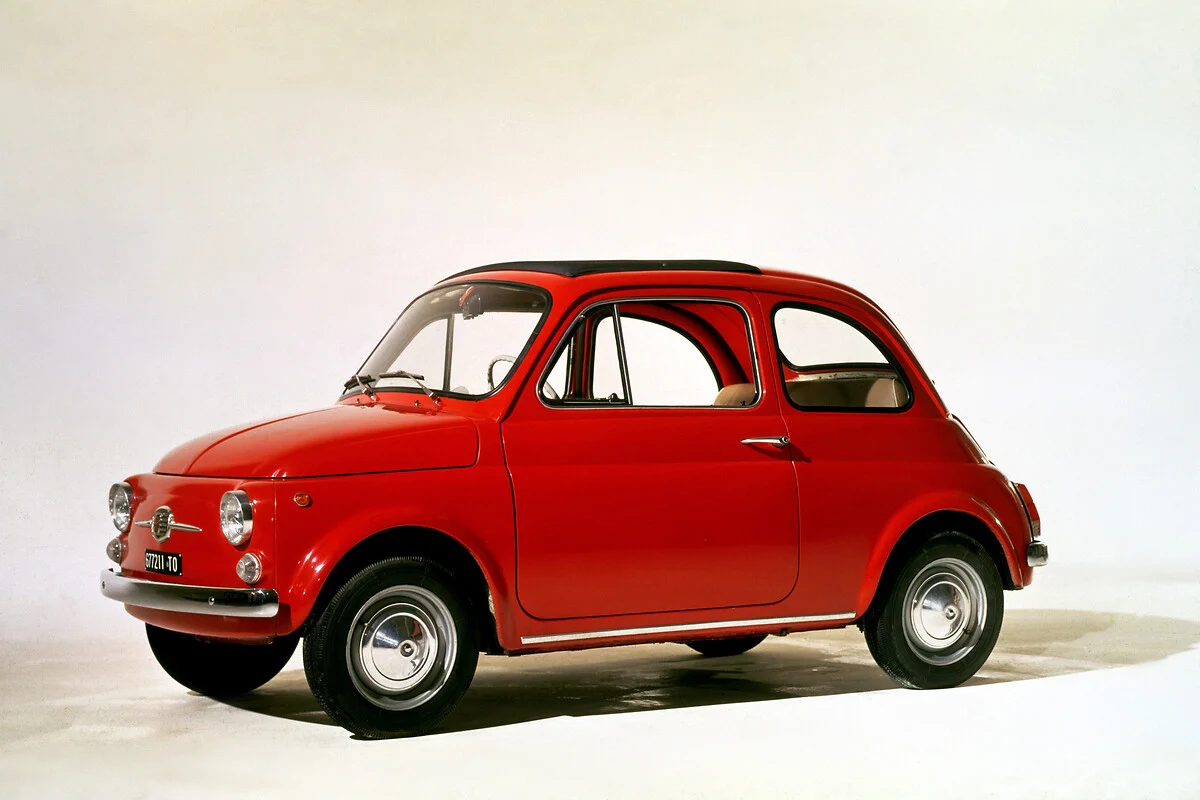
Fiat 500
Launched in 1957, the Fiat Nuova 500 approached affordable motoring from a very different direction to the 2CV. At barely three metres long, it was designed to squeeze families and everyday transport into the crowded streets of post-war Italy.
Behind the rear seats sat a tiny air-cooled two-cylinder engine. The original 479cc unit produced just 13 hp, but low weight and extraordinary simplicity made outright power far less important. Later versions gained larger and more powerful engines while retaining the basic twin-cylinder layout.
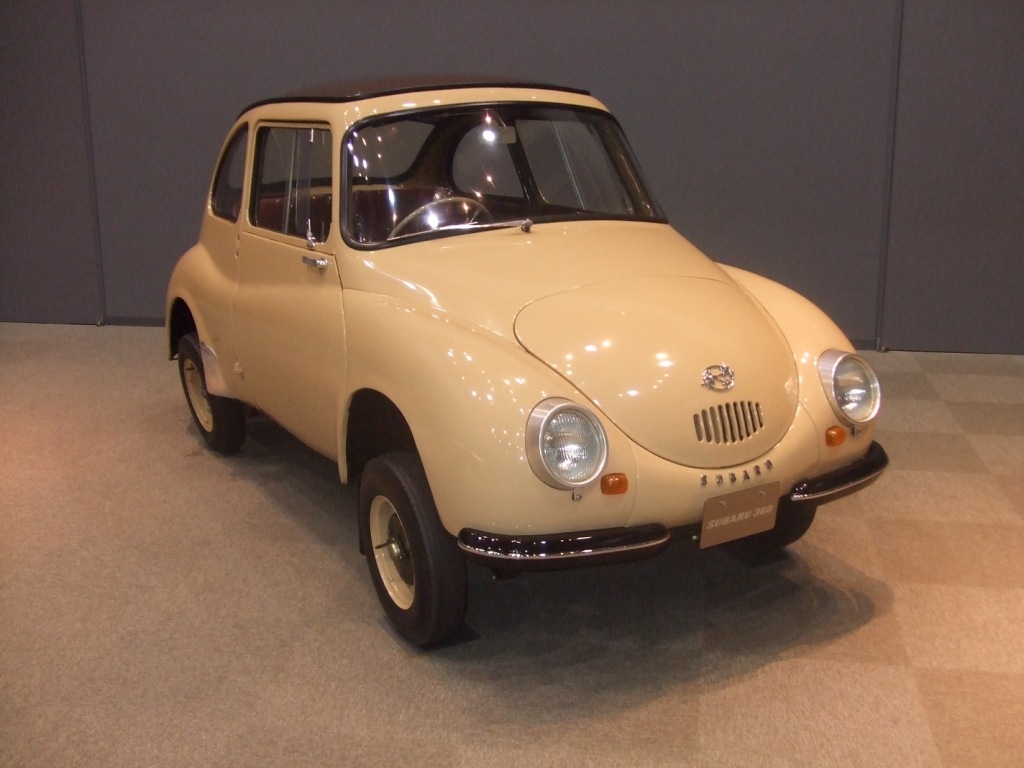
Subaru 360
Launched in 1958, the Subaru 360 brought the two-cylinder formula to Japan's rapidly developing car market. Built to comply with Japan's kei-car regulations, it measured less than three metres long yet was designed to accommodate four adults — an impressive piece of packaging for the period.
Its rear-mounted 356cc two-cylinder, two-stroke engine kept the mechanical package compact, while lightweight monocoque construction drew on Subaru's aircraft-engineering heritage. Its rounded shape also earned it the affectionate Japanese nickname “Ladybug.”
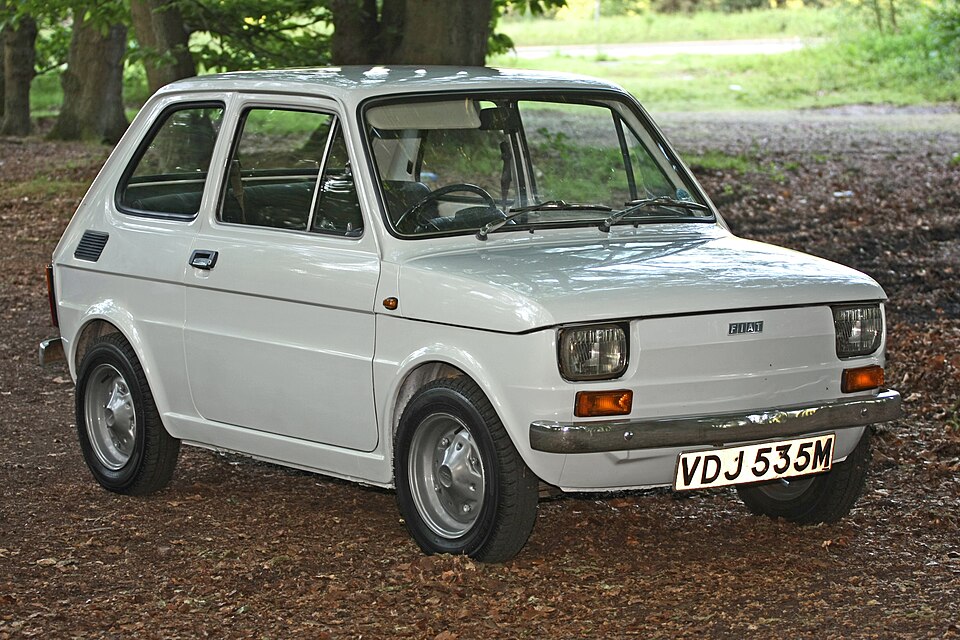
Fiat 126
Launched in 1972 as the successor to the 500, the Fiat 126 carried the company's two-cylinder formula into a new generation. Its squarer body looked considerably more modern, but underneath remained the familiar rear-engined, air-cooled twin-cylinder layout that had helped make its predecessor so accessible.
Early cars used a 594cc engine, later growing to 652cc, while Polish production transformed the 126 into an important people's car in its own right. More than 3.3 million were eventually produced in Poland, where it became affectionately known as the Maluch, or “little one.”
Remarkably, production continued until 2000. The 126 therefore kept the traditional two-cylinder people's car alive a full decade after the Citroën 2CV had disappeared. Image: Tony Harrison / Wikimedia Commons (CC BY-SA 2.0)
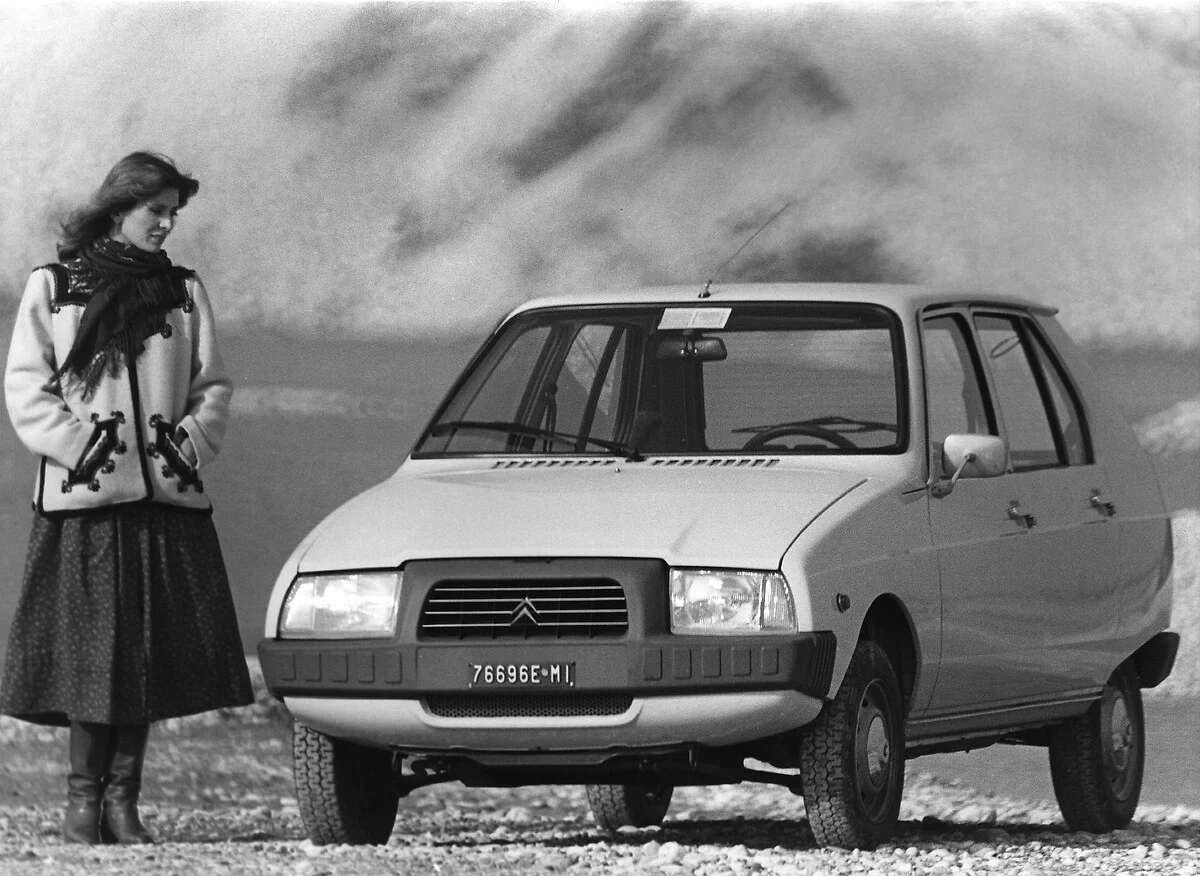
Citroën Visa
By the time the Citroën Visa arrived in 1978, the company's air-cooled flat-twin had already powered generations of affordable cars. Alongside the 2CV, variants of the engine had appeared in the Ami and Dyane, making two cylinders a familiar part of Citroën's identity.
The Visa was a much more modern proposition, sharing its basic platform with the Peugeot 104. Entry-level Spécial and Club versions nevertheless retained a 652cc evolution of Citroën's flat-twin, while more powerful Visas adopted four-cylinder engines.
It proved to be one of the twin's final appearances in a new Citroën design. The two-cylinder Visa disappeared during the 1980s, remarkably leaving the much older 2CV to carry the flat-twin into 1990 — more than four decades after its introduction. Image: Citroën / Stellantis
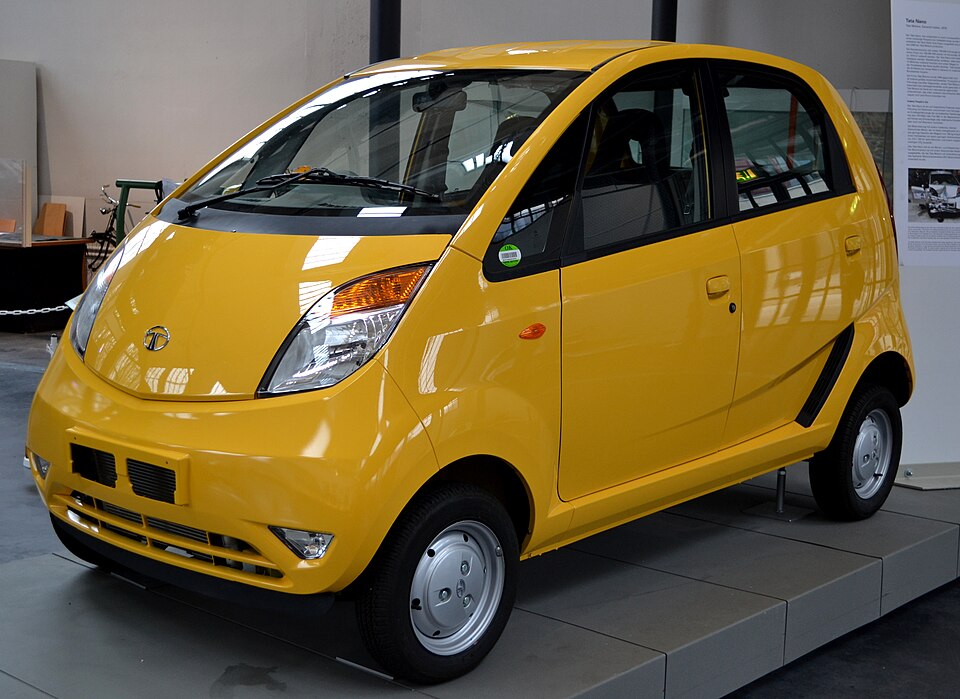
Tata Nano
When the Tata Nano reached production in 2009, two cylinders returned for a purpose that would have been familiar decades earlier: making car ownership more accessible. Developed for India, the Nano was conceived as an affordable alternative for families relying on motorcycles and scooters.
Its rear-mounted 624cc petrol engine produced around 35 bhp, driving through a four-speed manual gearbox. Combined with a lightweight body and tiny dimensions, the simple two-cylinder layout helped Tata keep manufacturing costs, weight and fuel consumption down.
The Nano never achieved the huge sales originally envisaged, and production ended in 2018. Nevertheless, it remains a fascinating modern echo of earlier people's cars: a genuinely new vehicle using two cylinders primarily because simplicity and affordability still mattered. Image: Tata Nano — High Contrast / Wikimedia Commons (CC BY 3.0 DE)
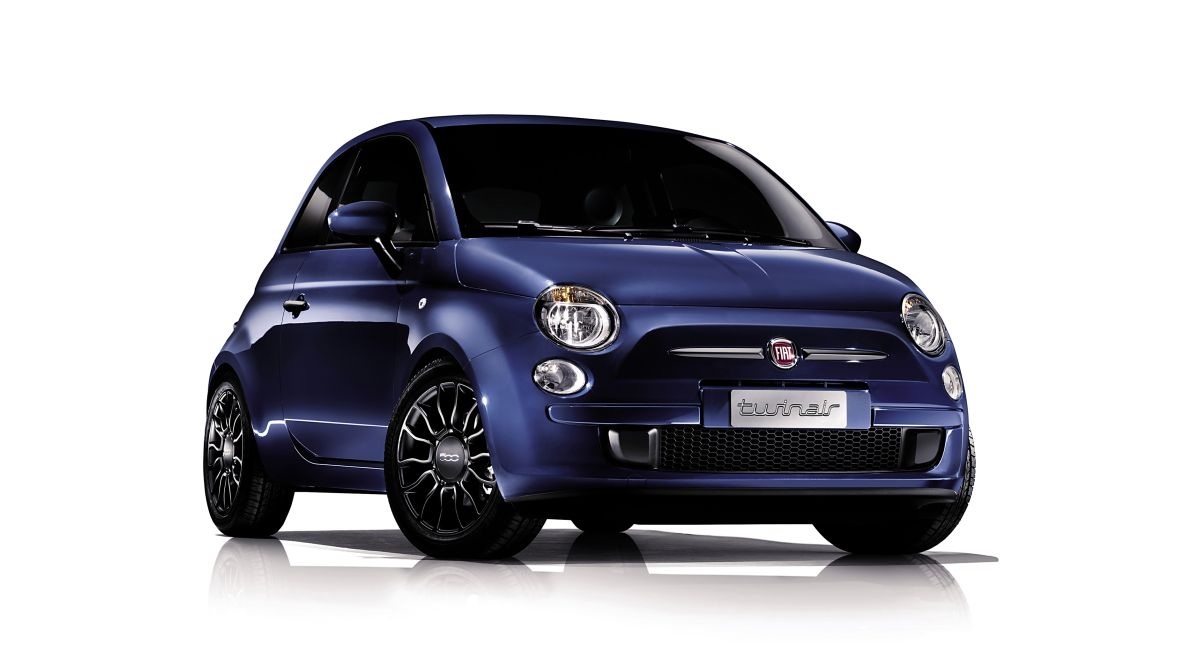
Fiat 500 TwinAir
In 2010, Fiat returned the two-cylinder engine to mainstream European motoring with the 500 TwinAir. Rather than chasing absolute simplicity, this time the idea was downsizing: using turbocharging and modern engine management to extract useful performance from a tiny engine.
The 875cc turbocharged TwinAir initially produced 85 hp, but Fiat later pushed the tiny engine to 105 hp in the 500. That was remarkable output from just two cylinders, while its distinctive offbeat soundtrack became part of the appeal. Fiat promoted strong official economy and CO₂ figures as major advantages of the compact design.
TwinAir later appeared in several Fiat Group models, but the 500 was its natural home. It demonstrated how sophisticated the two-cylinder engine had become, although real-world economy could fall short of the remarkable official figures. Image: FIAT / Stellantis
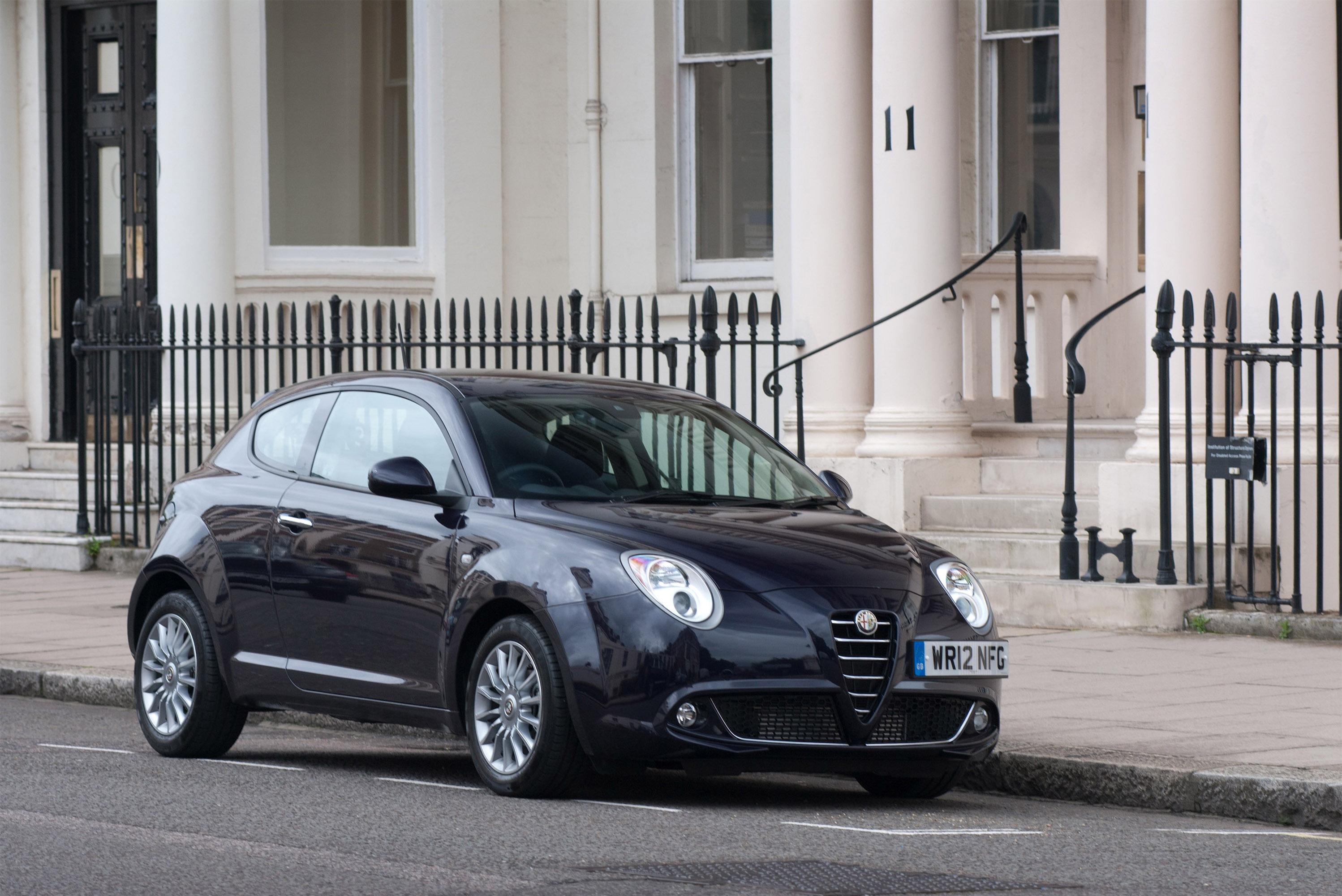
Alfa Romeo MiTo TwinAir
If the Fiat 500 was a natural home for the TwinAir engine, the Alfa Romeo MiTo pushed the two-cylinder idea into relatively upmarket territory. Introduced to the UK in 2012, it combined Alfa styling and premium-supermini ambitions with Fiat Group's tiny 875cc turbocharged twin.
What made the MiTo interesting was the contrast. Two-cylinder engines had traditionally belonged to basic cars built around low cost, yet here one appeared in an Alfa Romeo competing with increasingly sophisticated European superminis. Buyers could specify leather, upgraded technology and distinctive styling around one of the smallest engines available.
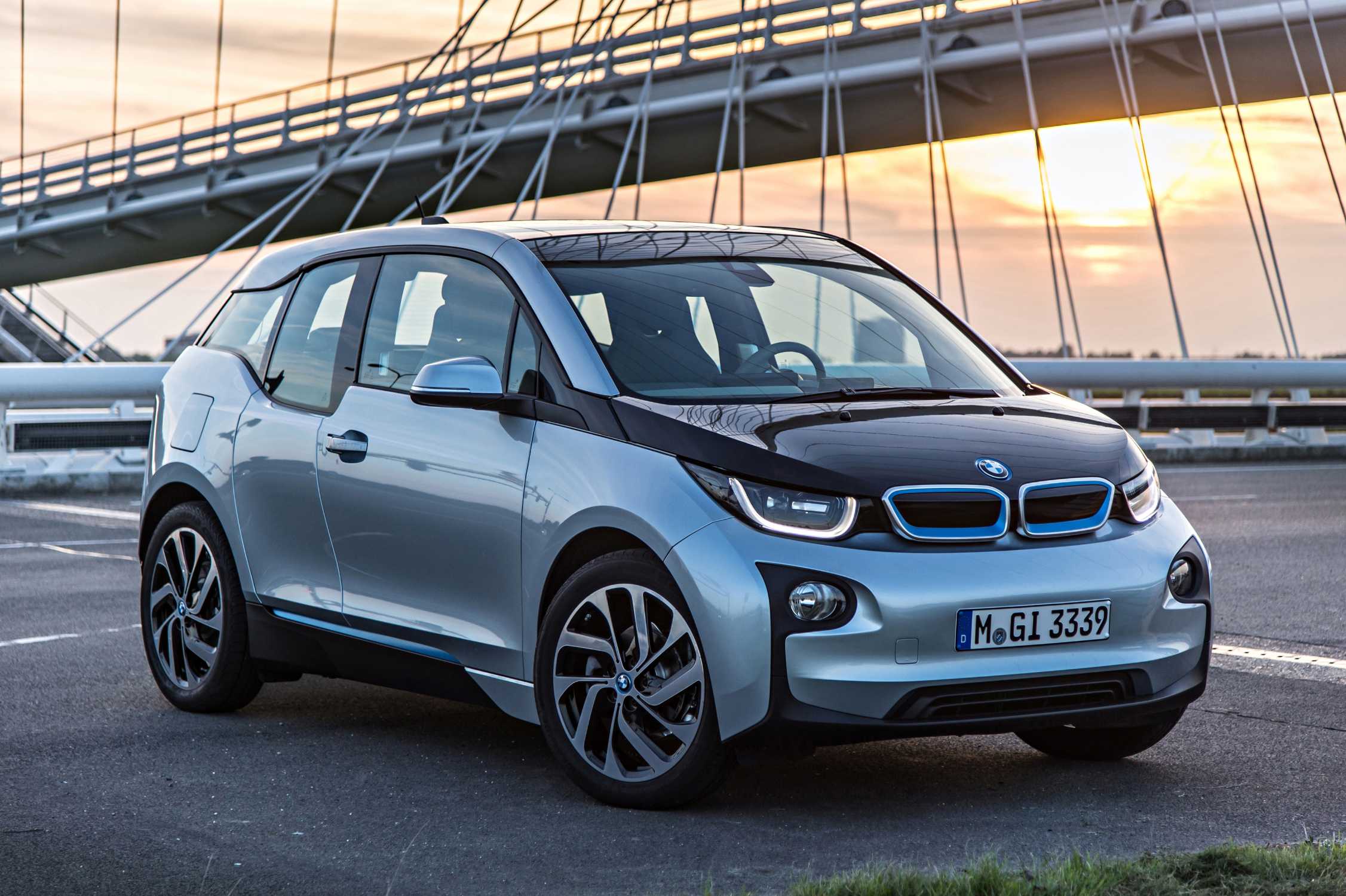
BMW i3 REx
The BMW i3 took the two-cylinder engine somewhere entirely new. Launched in 2013, the innovative electric hatchback could be ordered as a Range Extender, adding a compact 647cc two-cylinder petrol engine derived from BMW's C 650 GT maxi-scooter.
Unlike a conventional hybrid, the engine never drove the wheels. Instead, it acted as a generator, producing electricity when the battery became depleted. This allowed BMW to extend the i3's usable range while retaining electric propulsion, easing range anxiety when public charging infrastructure was still developing.
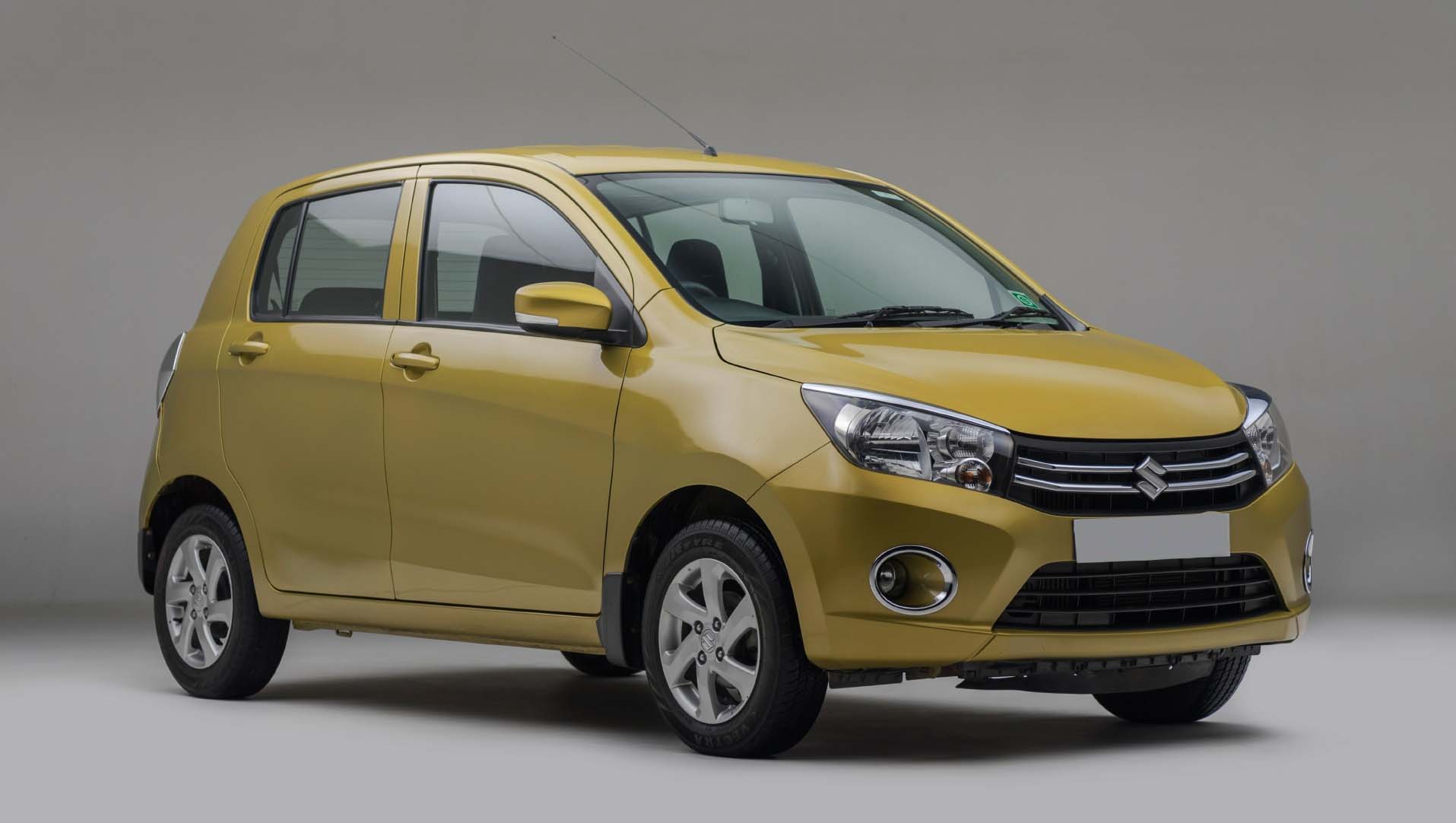
Suzuki Celerio
Morgan 3 Wheeler
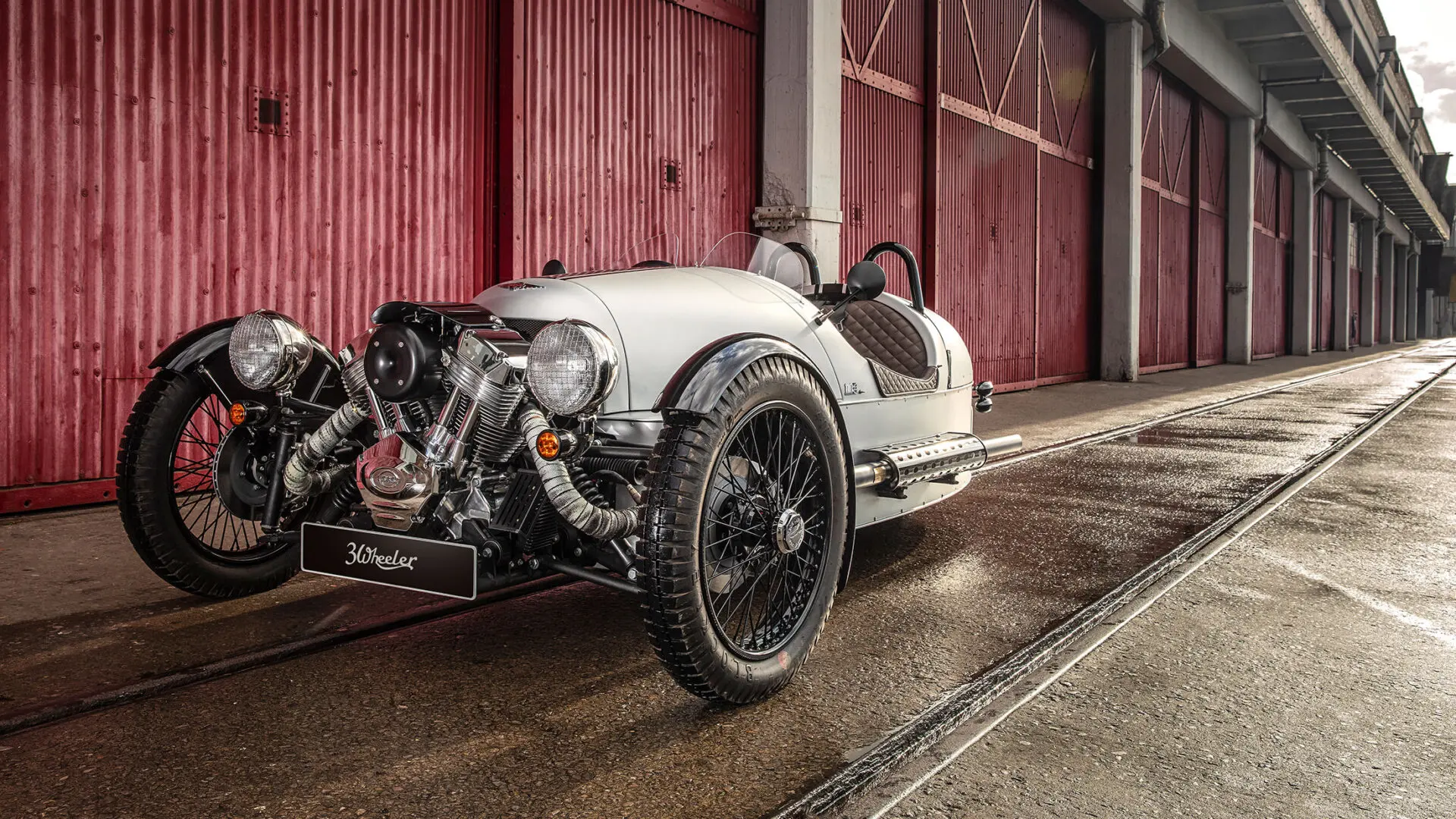
More than a century after H.F.S. Morgan built his first three-wheeler, the company returned to the same basic idea in 2011. The modern Morgan 3 Wheeler placed a large S&S V-twin prominently ahead of the front axle, immediately recalling the machines that had established Morgan's reputation.
This time, however, two cylinders had little to do with making transport affordable. The exposed engine was deliberately theatrical, contributing vibration, noise and mechanical character to a car designed primarily to make ordinary journeys feel special. Its unusual layout became central to the experience.
Production ended in 2021, and its successor, the Super 3, adopted a Ford three-cylinder engine. It was a fitting final flourish for the two-cylinder car: returning to its earliest roots purely for enjoyment. Image: Morgan Motor Company
Conclusion
Two-cylinder cars probably aren't coming back. Modern emissions requirements, refinement expectations and electrification leave increasingly little reason to accept their inherent compromises.
Yet their influence is enormous. From inexpensive transport for post-war families to turbocharged Fiats, an electrified BMW and a deliberately eccentric Morgan, two cylinders repeatedly proved capable of far more than their size suggested. Their disappearance closes one of motoring's most distinctive engineering chapters.
Important Information

This article is intended for editorial and historical reference. Dates, production figures, engine specifications and other technical information have been checked against manufacturer, archive and reputable historical sources where reasonably available. Specifications may vary by model year, market and individual version.

Image Credits: Vehicle photography remains the property of the respective manufacturers, photographers and copyright holders unless otherwise stated. Manufacturer imagery is used for editorial and informational purposes. Wikimedia Commons images are used under their respective licences, with individual attribution provided alongside the relevant image.
All trademarks, manufacturer names and model names remain the property of their respective owners.
You should also read:
Paris Motor Show 2026: TNY’s Complete Preview of the Cars and Concepts to Watch
The Paris Motor Show is back with one of its most ambitious line-ups in years — and 2026 could prove to be one of the most revealing shows yet for where the global car industry is heading. Europe’s biggest manufacturers are arriving with new electric cars, hybrids, concepts and major design previews,…
2027 Lexus UX Concept: More Space, More Choice, Same Lexus Quality
The current Lexus UX has been one of the brand's most distinctive models, combining premium quality, refined hybrid power and Lexus' renowned reliability in a compact SUV. However, having been on sale in the UK since 2019, it is now the oldest passenger car in the Lexus range, and its age is…
The New Shape of McLaren — P47 Concept
The McLaren P47 represents the boldest departure in the brand’s history: its first SUV, engineered as a new pillar for the marque under the stewardship of Bahrain’s Mumtalakat and Abu Dhabi’s CYVN Holdings. As McLaren broadens its product range, the challenge is to preserve the performance‑first DNA that has defined every model…