Audi’s Next Chapter: A2, E5 and a New Push Upmarket
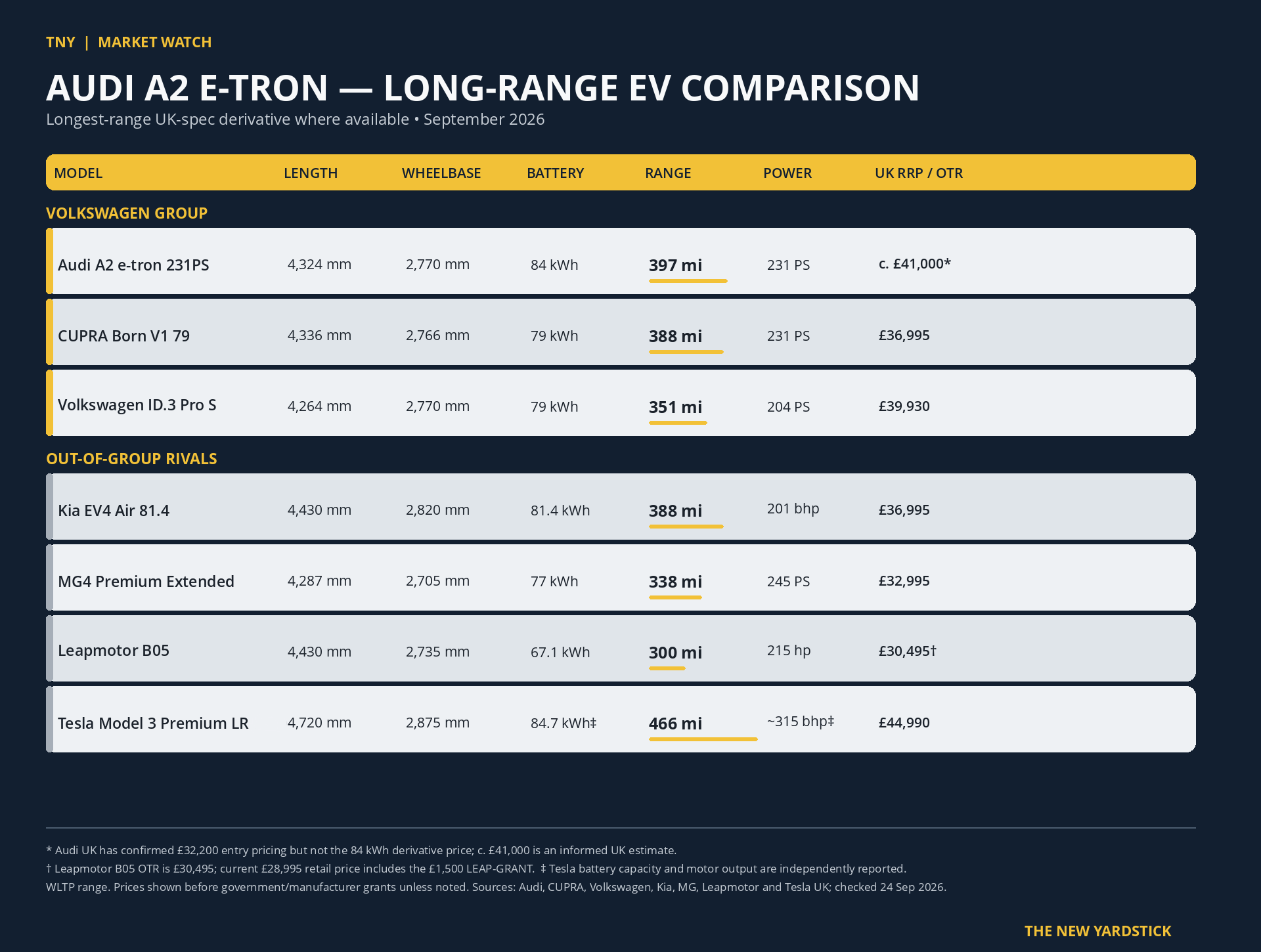
In Europe, meanwhile, Audi is preparing the A2 e-tron — an efficient, appealing compact EV, but one that enters an increasingly crowded space alongside its Volkswagen ID.3 and Cupra Born siblings, as well as a growing number of better-value Asian rivals.
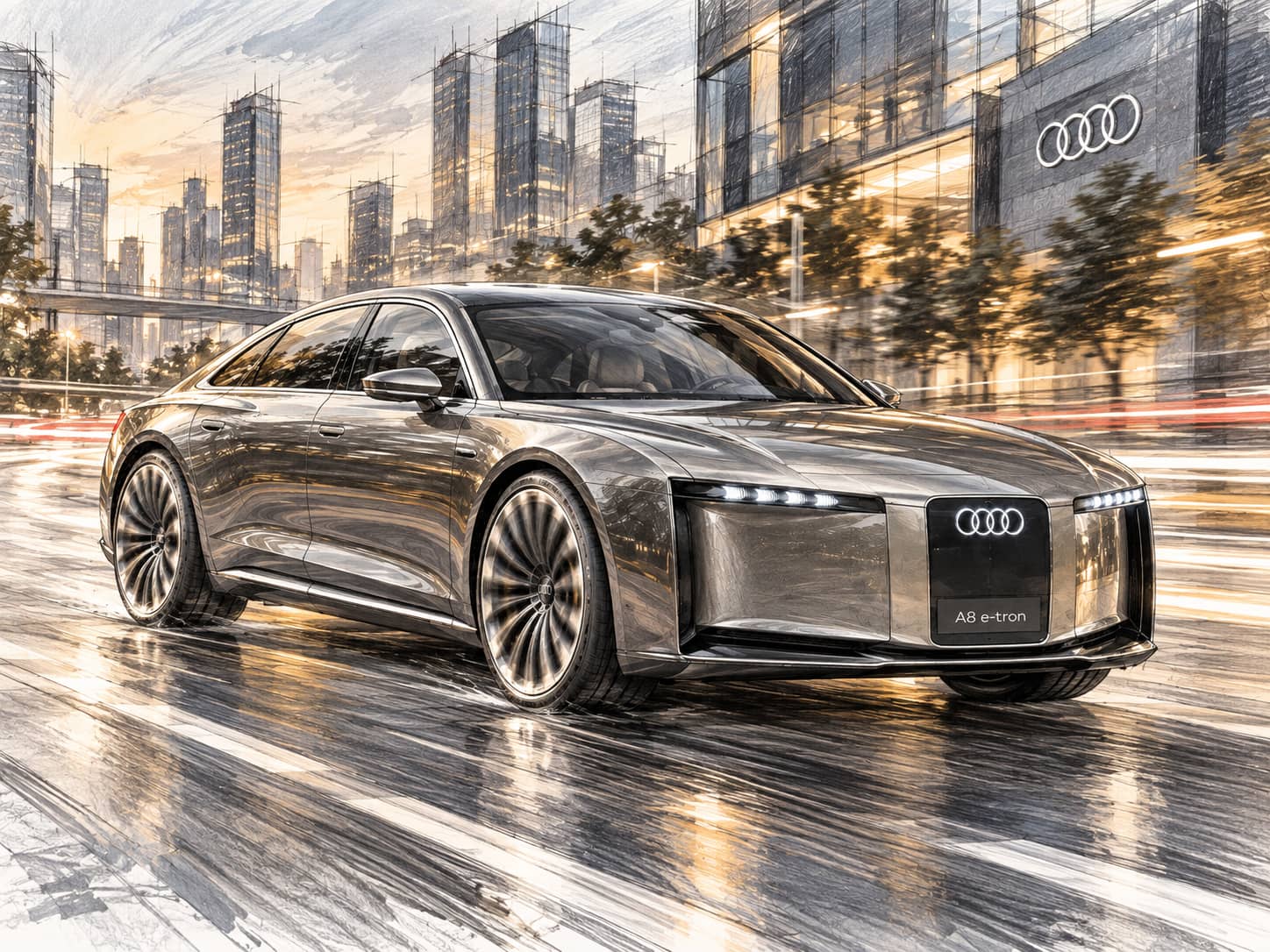
If Audi really wants to create more distance between itself and the rest of the Volkswagen Group, the answer may lie further up the range — with a new A7, A8 and Q8. (Image Credit: TNY Design Studio)
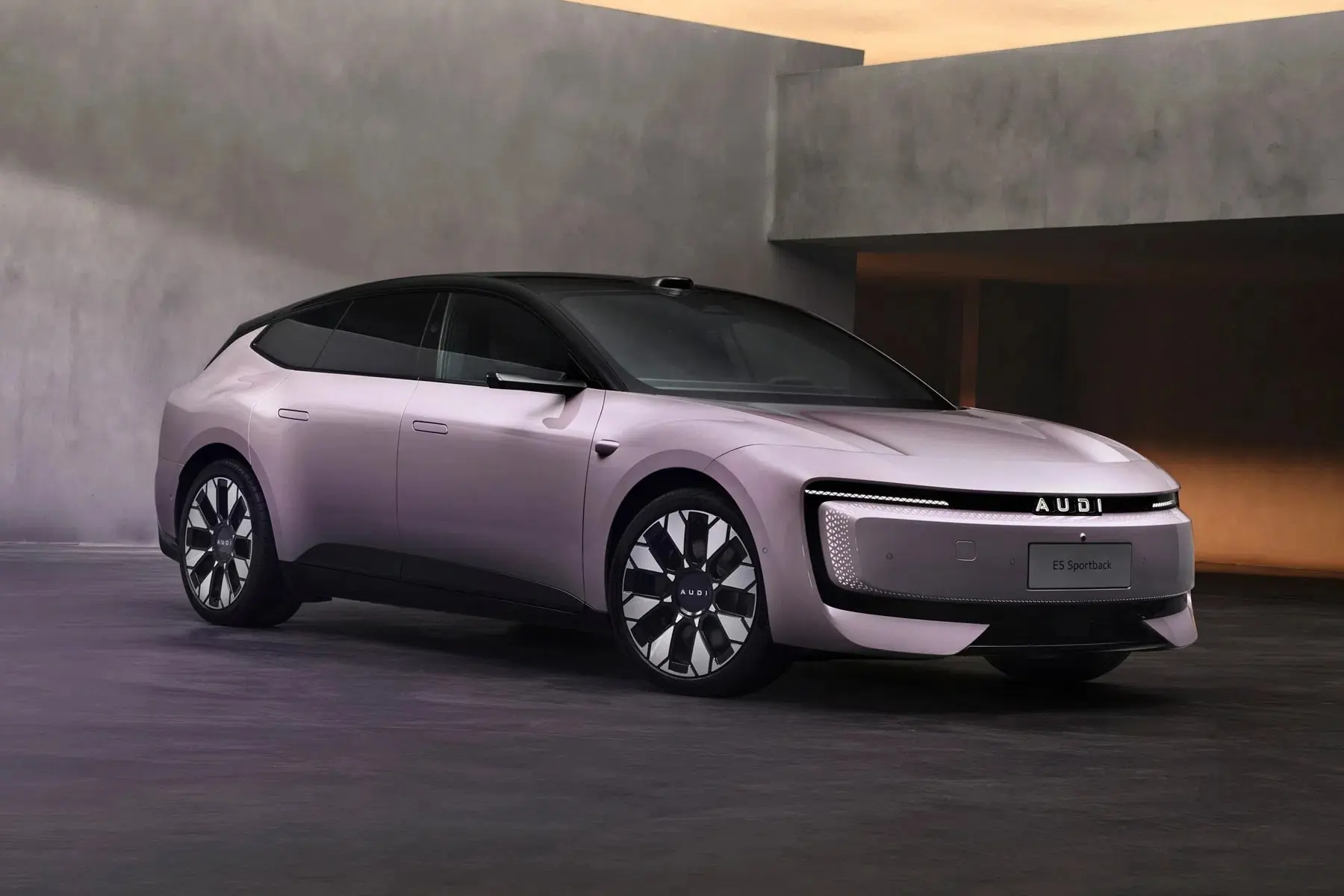
The long-range A6 e-tron also uses a 100kWh battery and 800V architecture, yet charging peaks at 270kW. The E5 is therefore not simply a cheaper Audi developed for China; in some important technical areas, it is already ahead of Audi’s European range. If Audi genuinely wants to move further upmarket, SAIC could help bring that faster development and more advanced EV technology west.
It is particularly telling that the E5 not only charges faster than Audi’s halo e-tron GT, but also brings a more advanced software architecture. And that technology is not entirely confined to China: SAIC already offers similar hardware in Britain through the MG IM5 and IM6, with 800V systems and 100kWh versions capable of charging from 10–80% in around 17 minutes. The IM5 Long Range also reaches up to 441 miles WLTP. (Image Credit: Audi)
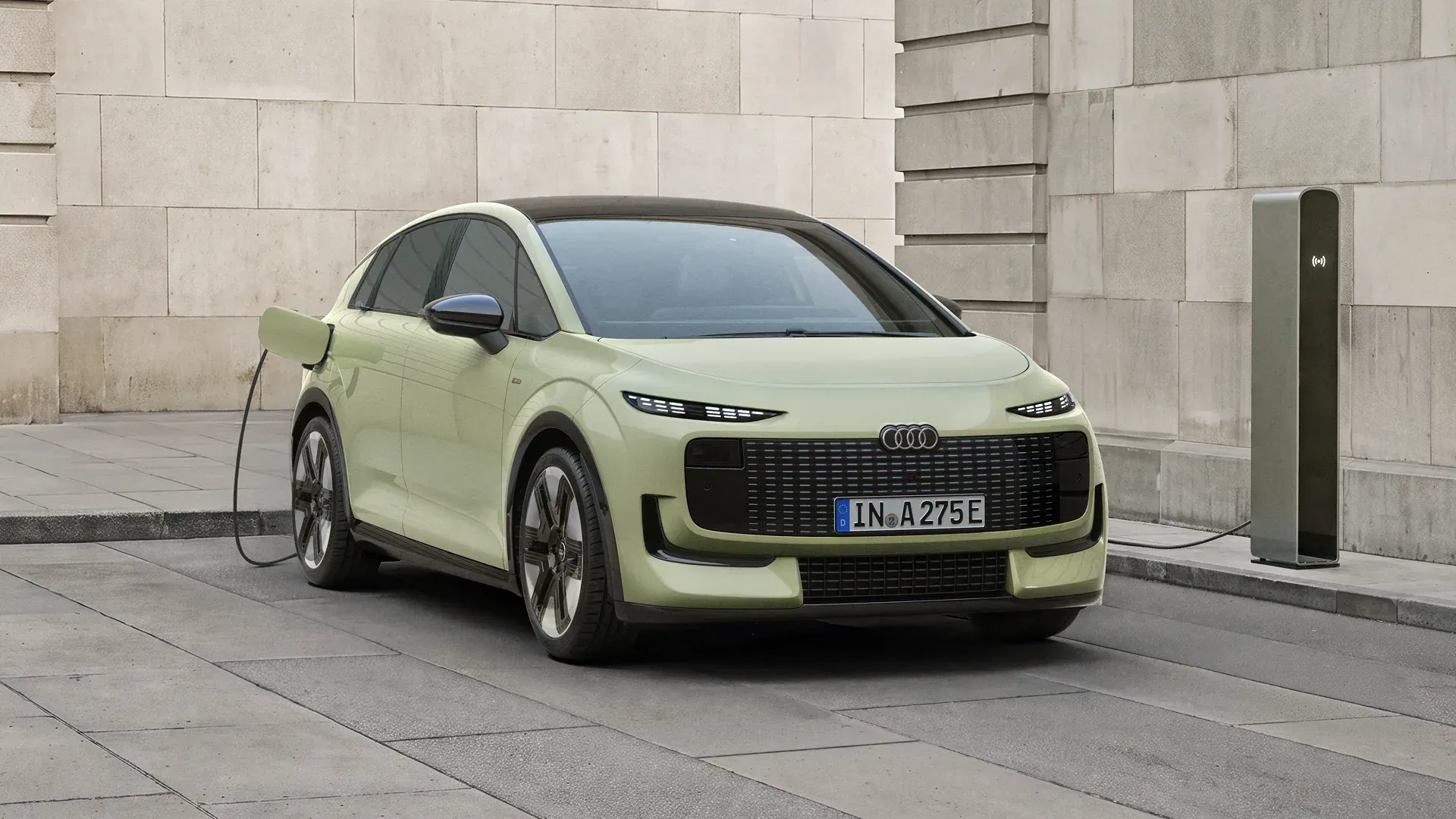
The problem is strategic. Does Audi, while talking about moving further upmarket, really need another £30,000-something hatchback sharing its foundations with its Volkswagen Group siblings?
You could almost argue that the A2 makes more sense as the electric car that could have saved SEAT. If Volkswagen Group genuinely believed there was still room for a value-focused mainstream brand, a practical, efficient and relatively affordable EV like this feels closer to SEAT's historical role than Audi's future ambitions.
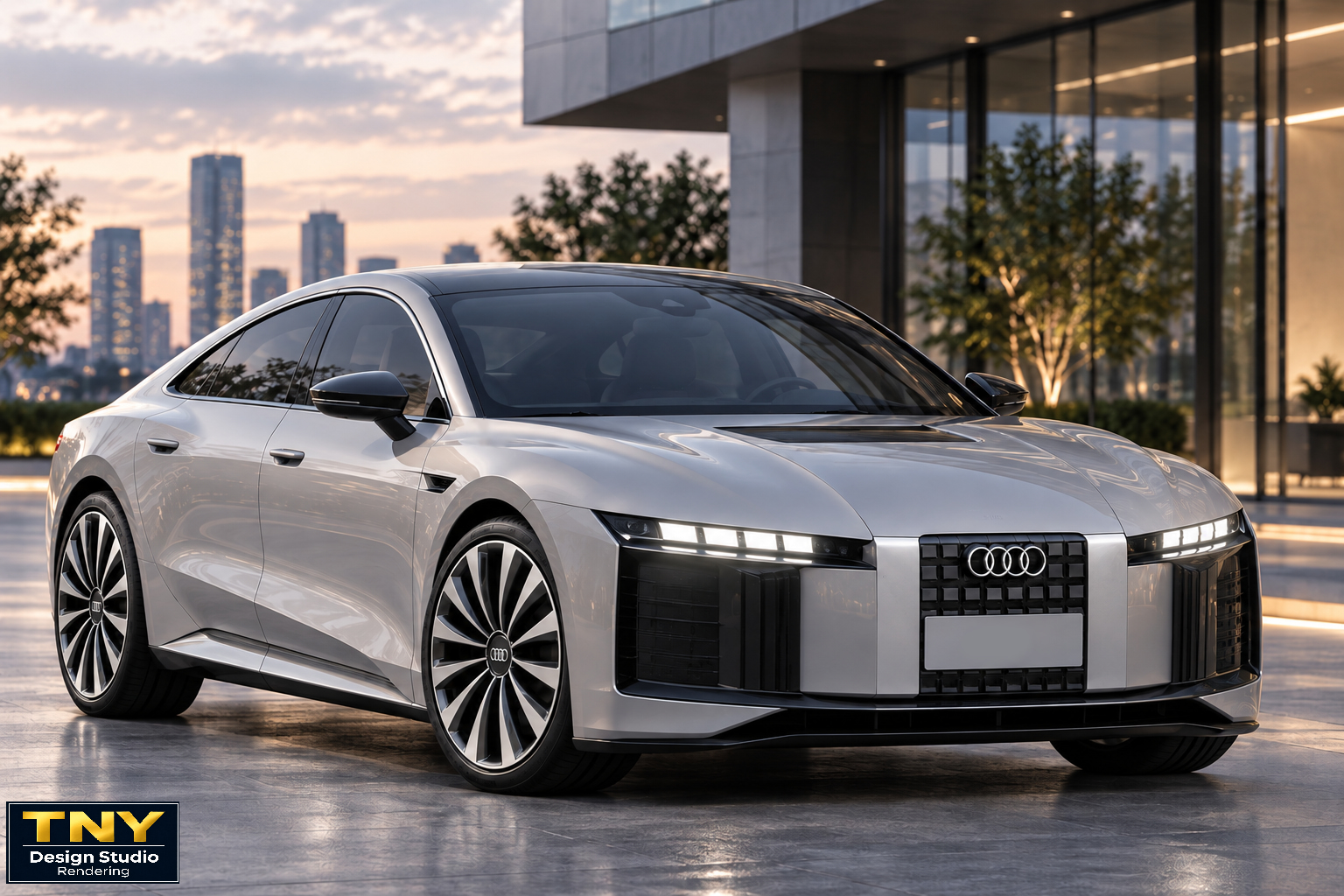
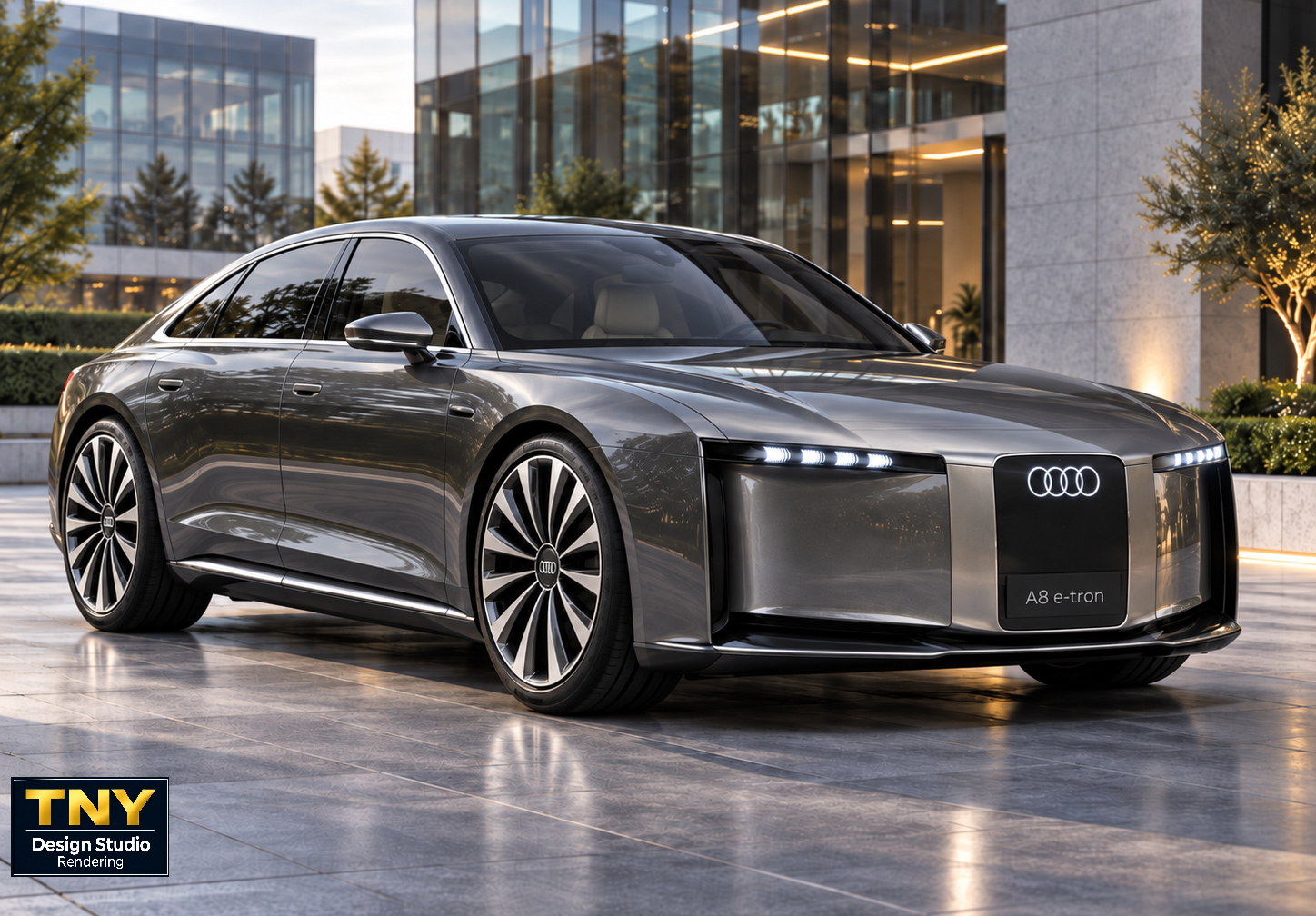
A suitably flexible A8 architecture could potentially underpin a future electric Bentley saloon too — keeping Crewe’s range from becoming overly SUV-focused while spreading the cost of another high-end electric platform across two premium brands.
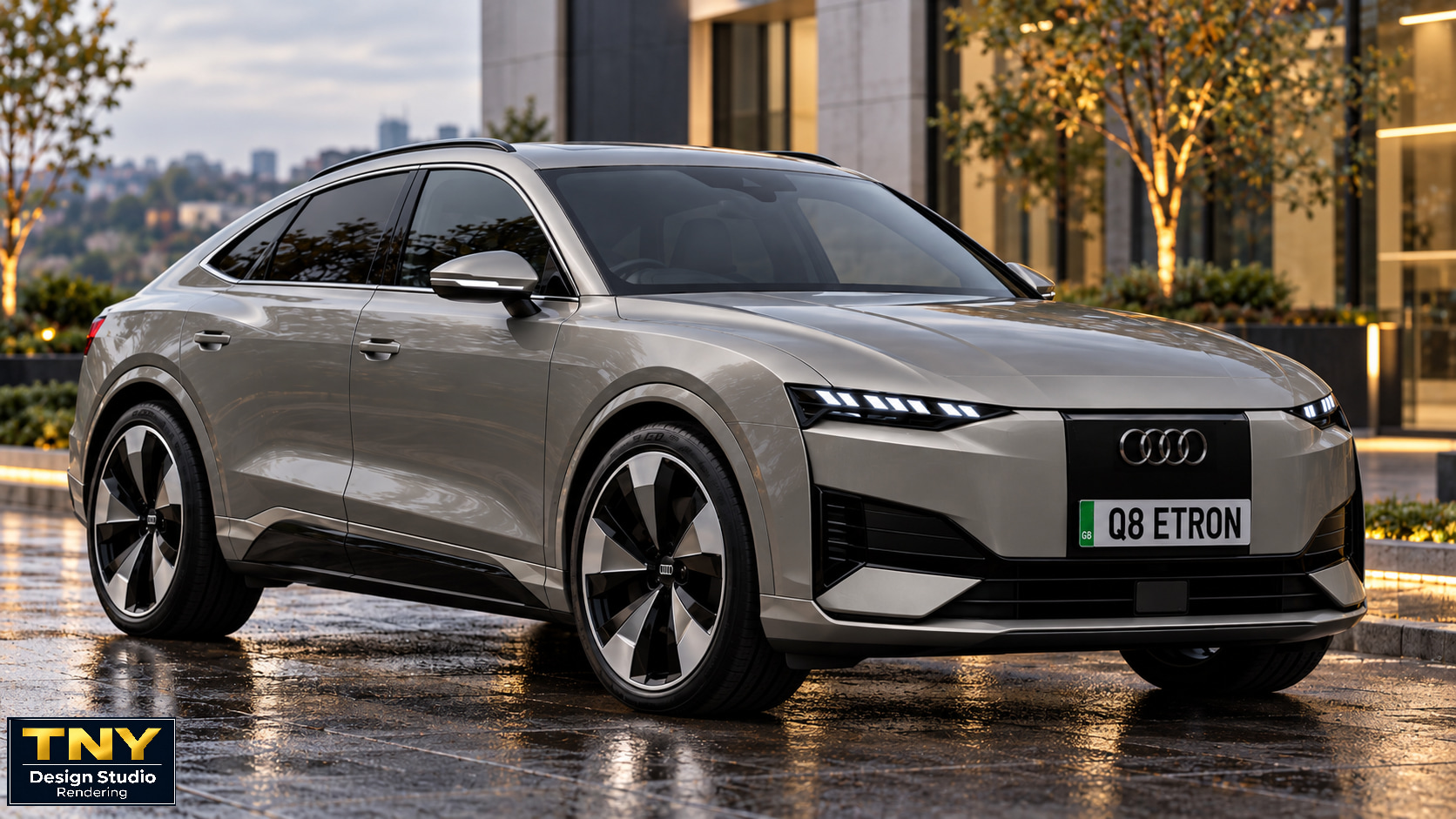
The Q8 gives Audi another route upmarket without abandoning the SUV buyers that now dominate the premium market. Positioned as the sportier, more design-led counterpart to the Q7 and beneath the larger Q9, it can act as Audi’s halo performance SUV rather than another family-focused seven-seater.
Importantly, the Q8’s future has recently been secured. Audi CEO Gernot Döllner revealed that when he joined Audi there was no decision to replace it, but that the company has since reversed course and approved a next-generation Q8.
Our rendering imagines that successor using Audi’s new design language, while keeping the lower, more dramatic stance that gives the Q8 a distinct role alongside the Q7 and Q9.
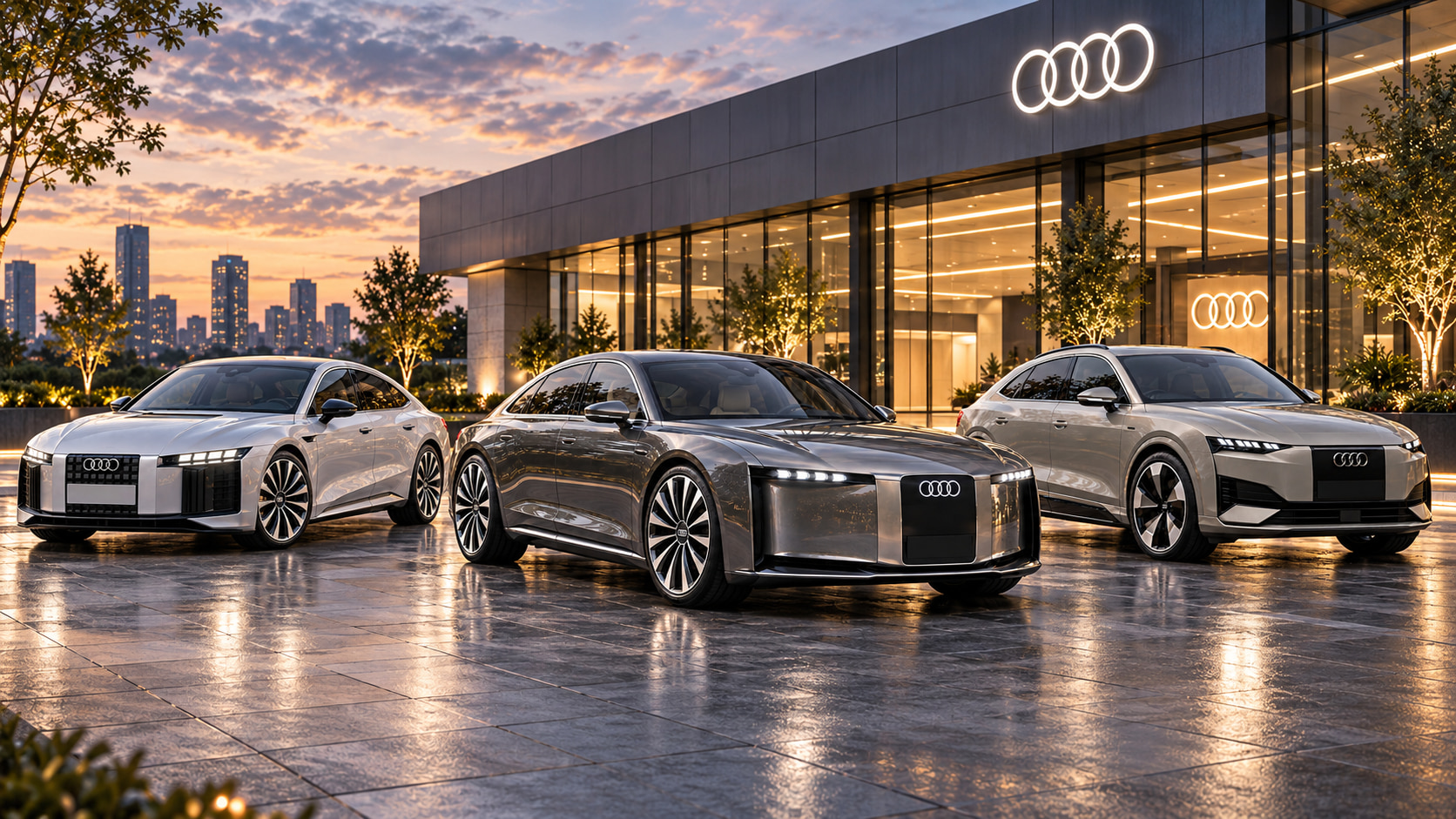
Audi’s challenge now is not a lack of technology, but deciding where that technology should take the brand next. The A2 e-tron may be a strong small EV, yet the bigger opportunity arguably lies further up the range, where Audi can create more space between itself and its Volkswagen Group relatives while better justifying premium pricing.
The E5 has already shown what Audi and SAIC can achieve together. And with SAIC already bringing similar technology to Britain through MG, the question becomes harder to ignore: why couldn’t more of it find its way into Audi’s European range?
If Audi can bring those lessons into a new generation of A7, A8 and Q8 models, it may finally have the foundations for a more clearly defined and genuinely more upmarket future. (Image Credit: TNY Design Studio)
You should also read:
TNY Design Studio Explores BMW’s Next SUV Generation — From X1 to X8
BMW is entering one of the most significant design transitions in its recent history. The arrival of Neue Klasse isn't simply about introducing a new generation of electric cars; its technology and dramatically simplified design language are beginning to influence BMW's entire range. For the company's SUVs, that creates an especially interesting…
Lucid’s UK Push – Cosmos, Earth and a Much Bigger Plan
Lucid is in an unusual position. The American EV maker regularly attracts headlines about losses, cash burn and funding requirements, yet at the same time it is expanding its manufacturing footprint, attracting major strategic partners and preparing an entirely new lower-cost vehicle family for markets including Britain. Its current cars already demonstrate…
Hyundai's 100-Car Plan: What Comes Next for One of the World's Fastest-Changing Car Makers?
Twenty years ago, Hyundai was still fighting to prove that it could match the established European and Japanese brands. Today, that description feels almost unrecognisable. Hyundai has become a genuinely global manufacturer, producing everything from affordable small cars to sophisticated EVs, large SUVs and increasingly serious performance models. Now it wants to…
Stellantis Vans 2030: What Comes Next for Europe's Biggest Van Family?
Stellantis has built one of Europe’s biggest commercial vehicle operations, with familiar names from Citroën, Fiat, Peugeot, Opel and Vauxhall covering almost every corner of the van market. But the automotive world is changing faster than the traditionally slow-moving commercial vehicle cycle. Battery technology continues to improve, hybrid powertrains are finding new…
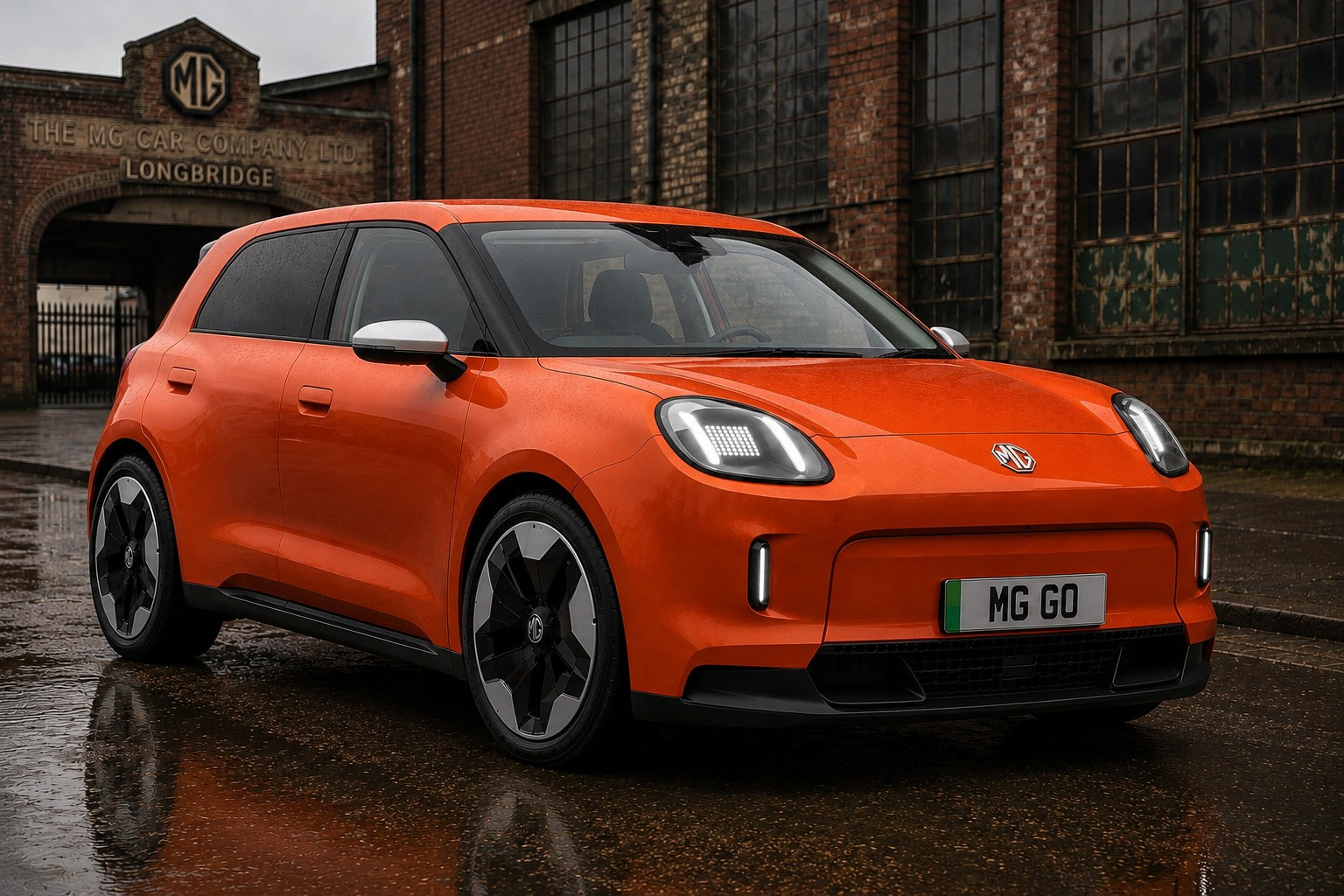
MG GO: Our Vision for Britain's Next Affordable Electric Hatchback
MG has become one of Britain's fastest-growing car brands, but one gap remains in its expanding electric line-up: a compact hatchback sitting below the MG4. In this Design Studio feature, we imagine the MG GO, an affordable electric supermini positioned as the EV sibling to today's MG3. At around four metres long,…
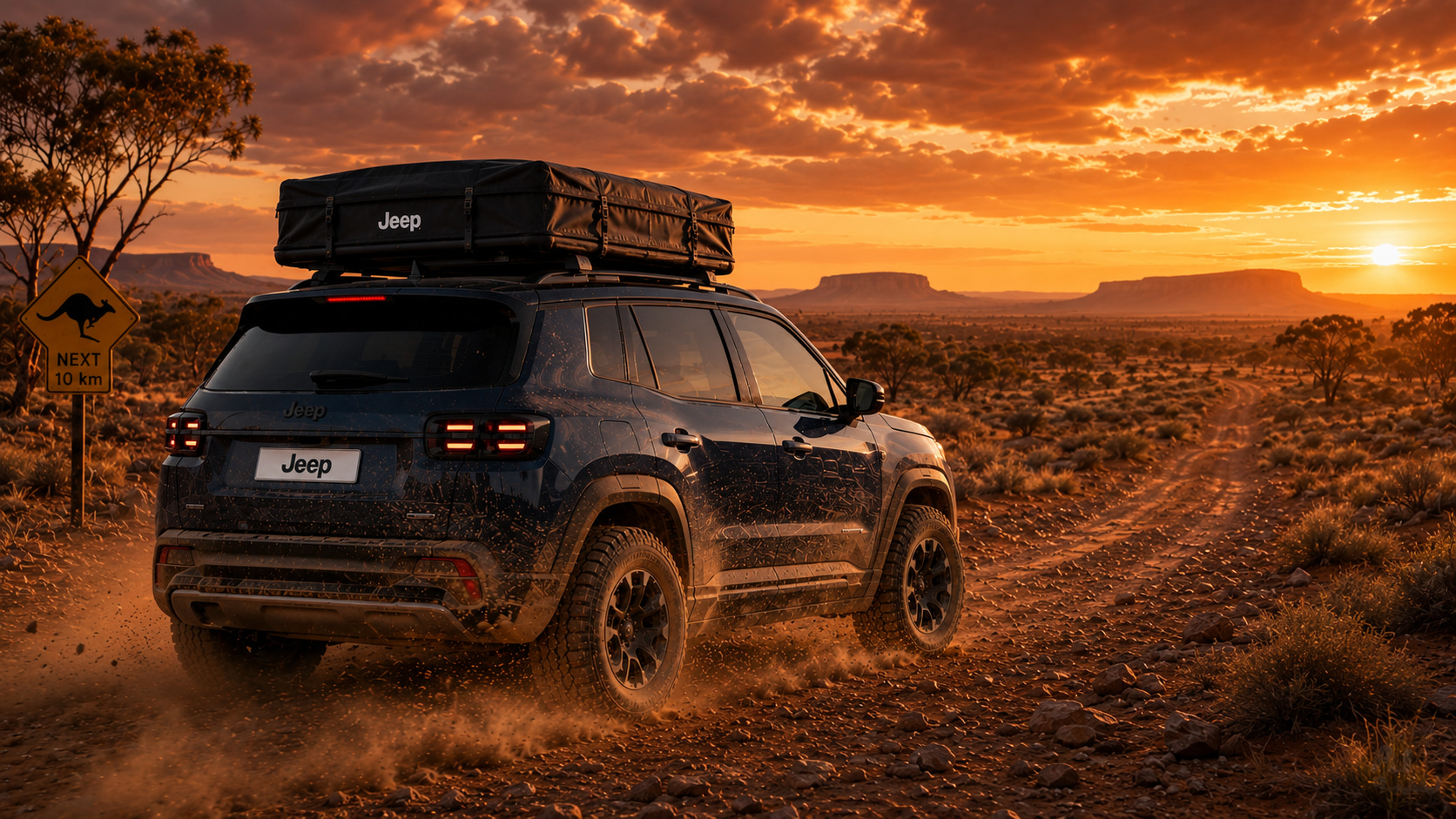
The Next Jeep Renegade: Filling the Gap Between Avenger and Compass
Few new Jeeps have made an impact quite like the Avenger. Blending the footprint of a supermini with the raised driving position and rugged styling buyers increasingly want, it has become one of Europe's most successful compact SUVs. Its popularity has been so strong that Jeep is already preparing an early facelift…
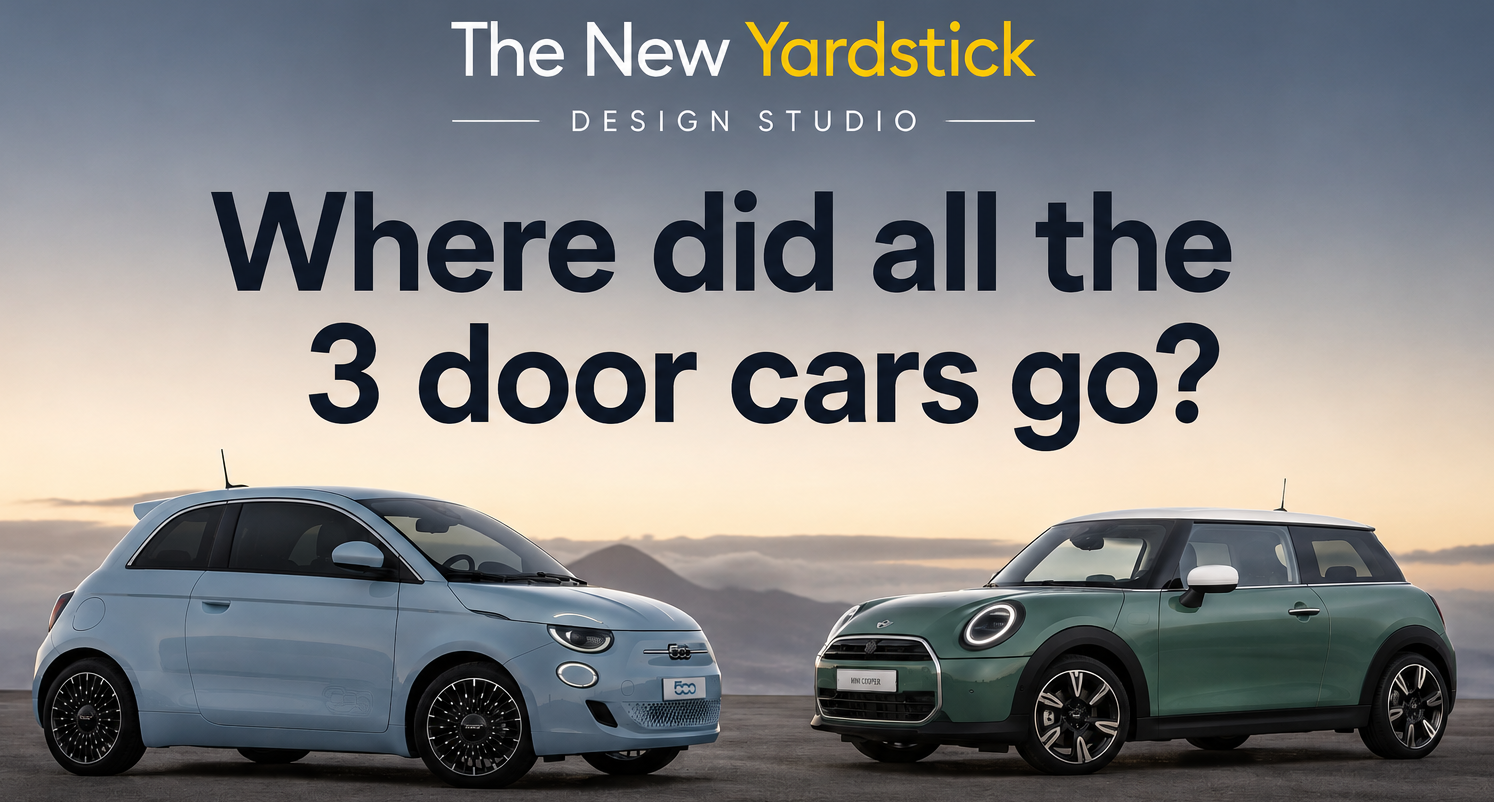
Where did all the 3 door cars go? TNY Design Studio imagines the next generation.
Once the default choice for buyers wanting a sportier-looking hatchback, the three-door has quietly disappeared from Britain's roads. Throughout the 1990s and 2000s, almost every major manufacturer offered one, from affordable city cars to hot hatches and premium compacts. They were often cheaper than their five-door equivalents, lighter on their feet and,…
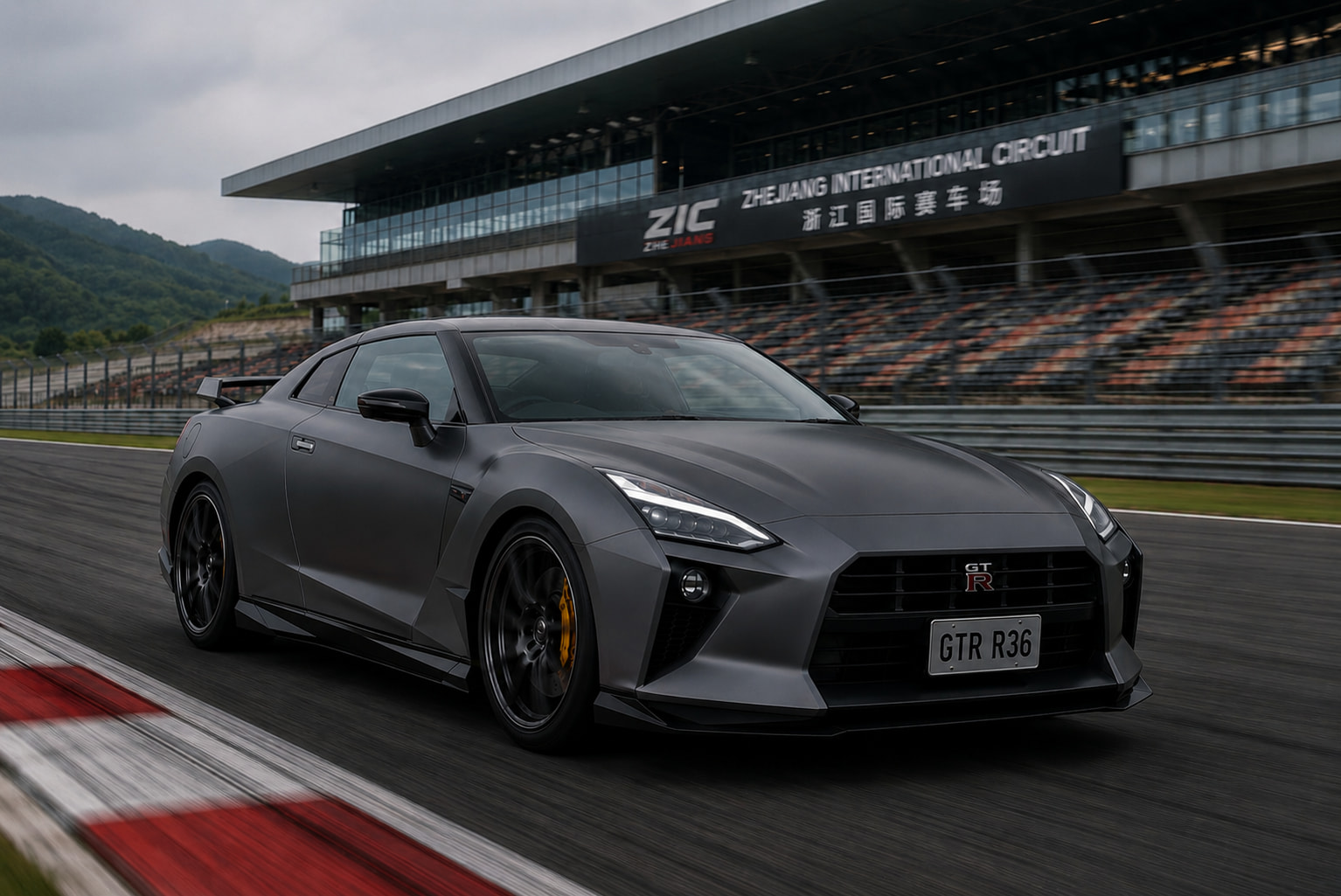
Could Nissan's Next GT-R Spawn an Entire Skyline Family?
Few performance cars have disrupted the supercar establishment quite like the Nissan GT-R. When the R35 arrived in 2007, its hand-built 3.8-litre twin-turbo V6, advanced all-wheel-drive system and everyday usability allowed it to embarrass far more expensive rivals, including Ferrari's 458 Italia, while costing little more than a third of the price.