Where did all the 3 door cars go? TNY Design Studio imagines the next generation.
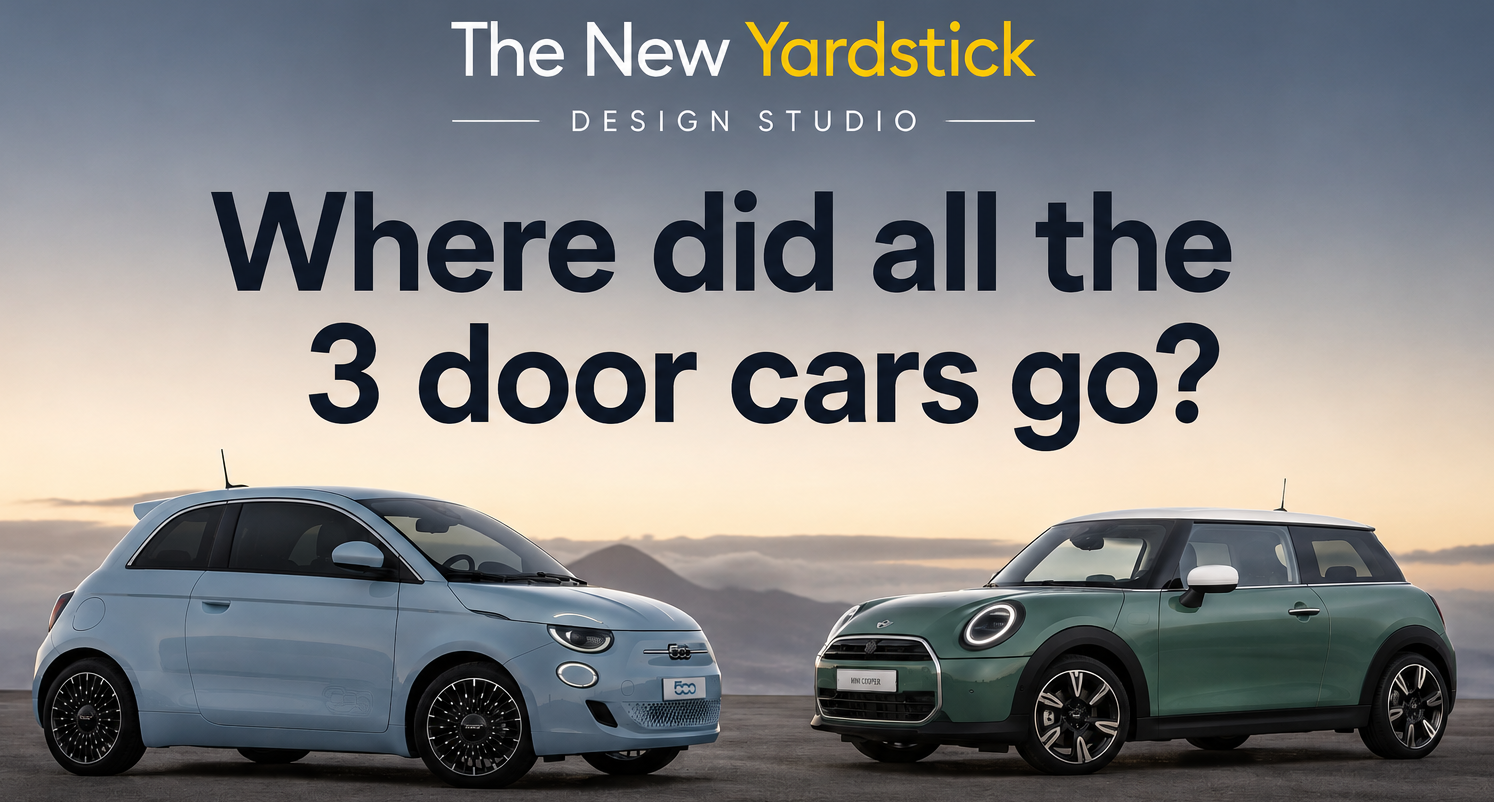
Once the default choice for buyers wanting a sportier-looking hatchback, the three-door has quietly disappeared from Britain's roads. Throughout the 1990s and 2000s, almost every major manufacturer offered one, from affordable city cars to hot hatches and premium compacts.
They were often cheaper than their five-door equivalents, lighter on their feet and, for many enthusiasts, simply better looking. Yet changing buyer preferences, rising development costs and a drive to simplify model ranges have seen the body style almost vanish. The scale of that change is remarkable.
In 2006, UK buyers could choose from 45 different mainstream three-door passenger cars across 26 brands. Today, that choice has effectively dwindled to just two mainstream three-door hatchback designs: the MINI Cooper and the Fiat 500, the latter also continuing in high-performance Abarth form.
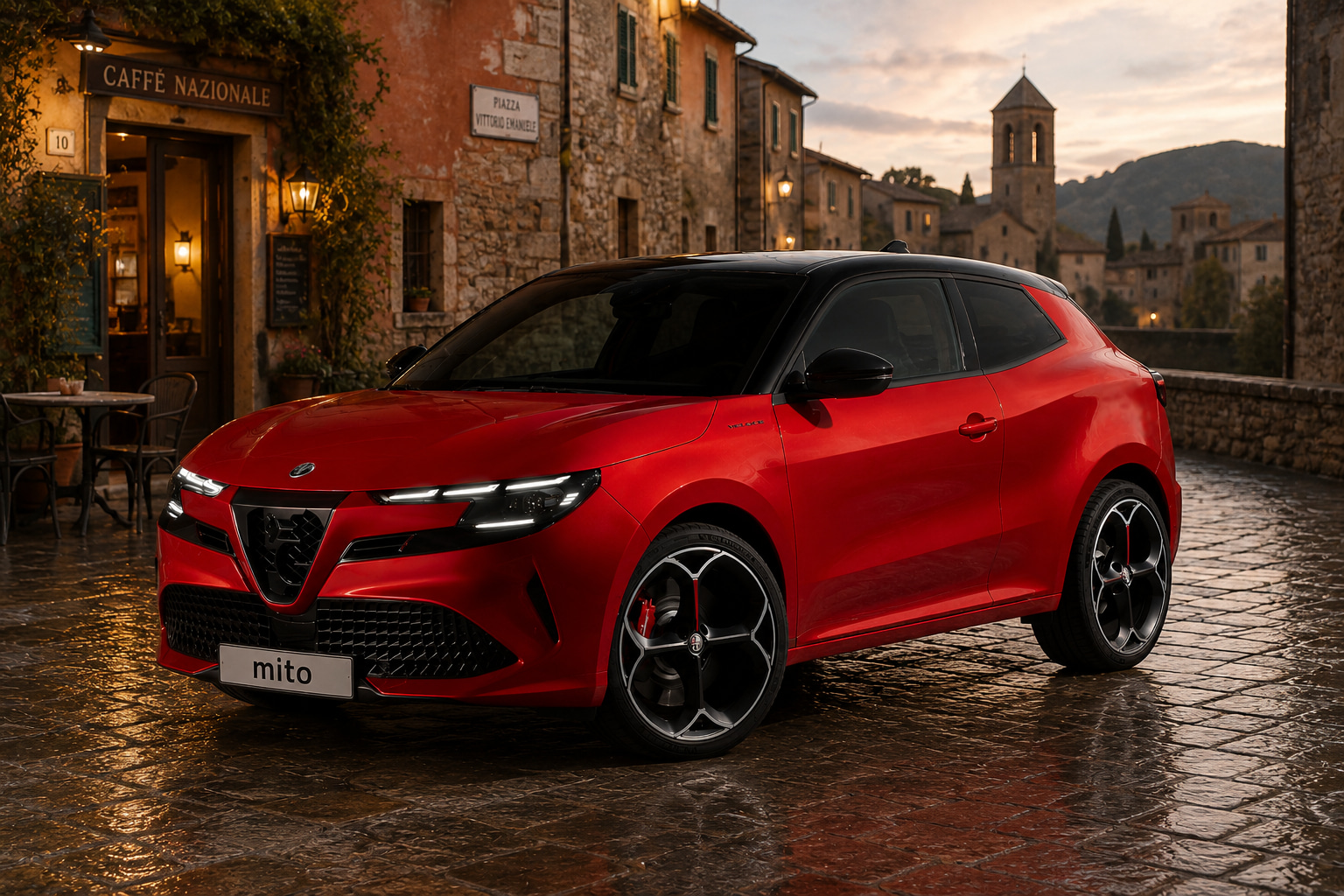
Although the MiTo wouldn't arrive until 2008, Alfa Romeo did offer buyers a three-door hatchback in 2006 – the charismatic 147. Today, Alfa's smallest model is the new Junior, a B-segment SUV that borrows some of the brand's latest styling cues.
We like its design, particularly the cleverly concealed rear door handles that give it a cleaner, almost three-door appearance. But for us, it still isn't a true successor to the MiTo. This Design Studio concept imagines what Alfa's smallest car might look like had the iconic three-door hatchback lived on into the electric era.
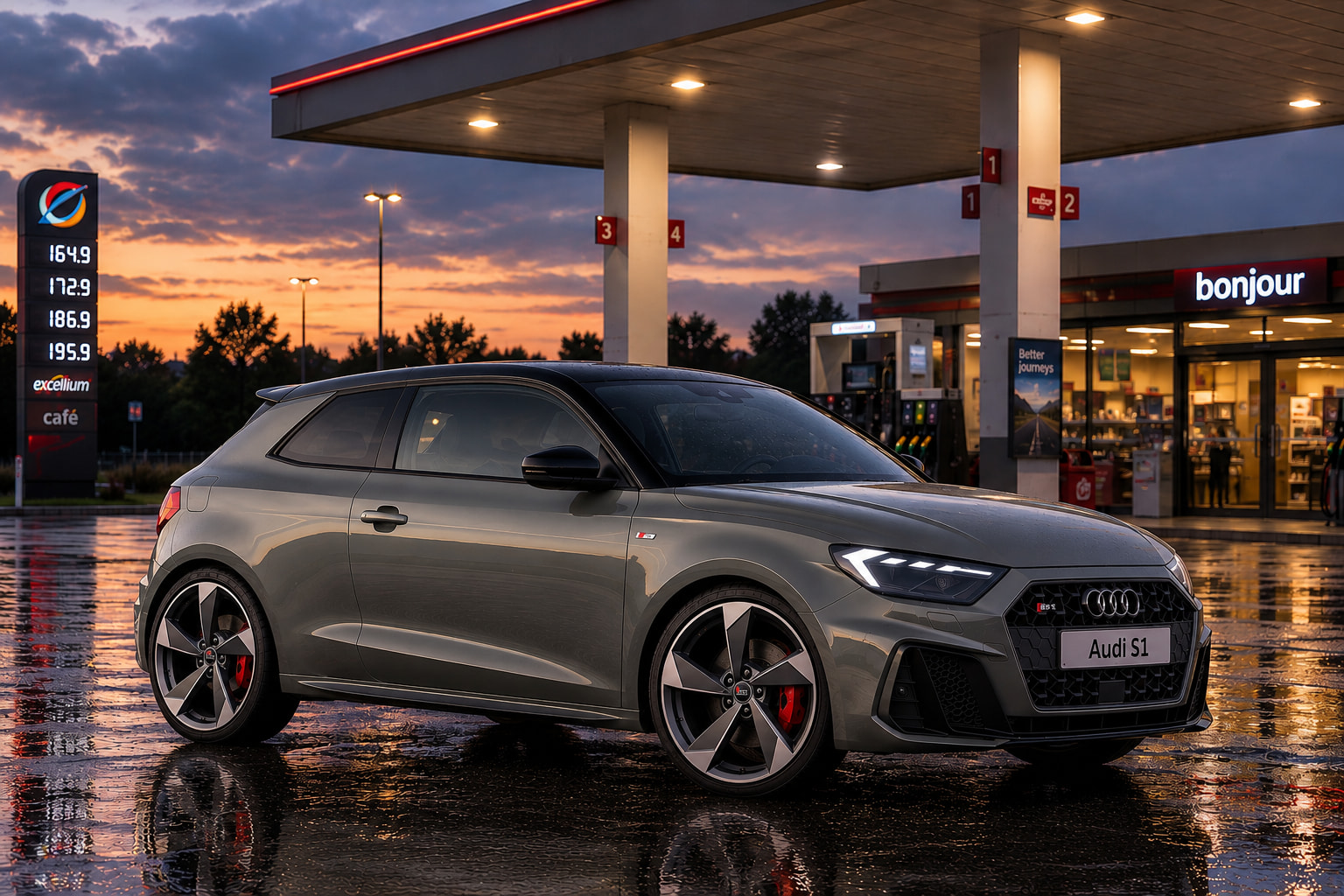
When the original Audi A1 launched in 2010, it arrived exclusively as a three-door model, taking the fight directly to rivals such as the MINI Hatch and Citroën DS3. A five-door Sportback soon followed, but when the second-generation A1 arrived in 2018, the three-door body style disappeared altogether.
The performance-focused S1 was lost with it. Our Design Studio rendering imagines what a modern-day Audi S1 could look like had Audi continued to build a compact three-door hot hatch, retaining the clean proportions and sporty character that made the original so appealing.
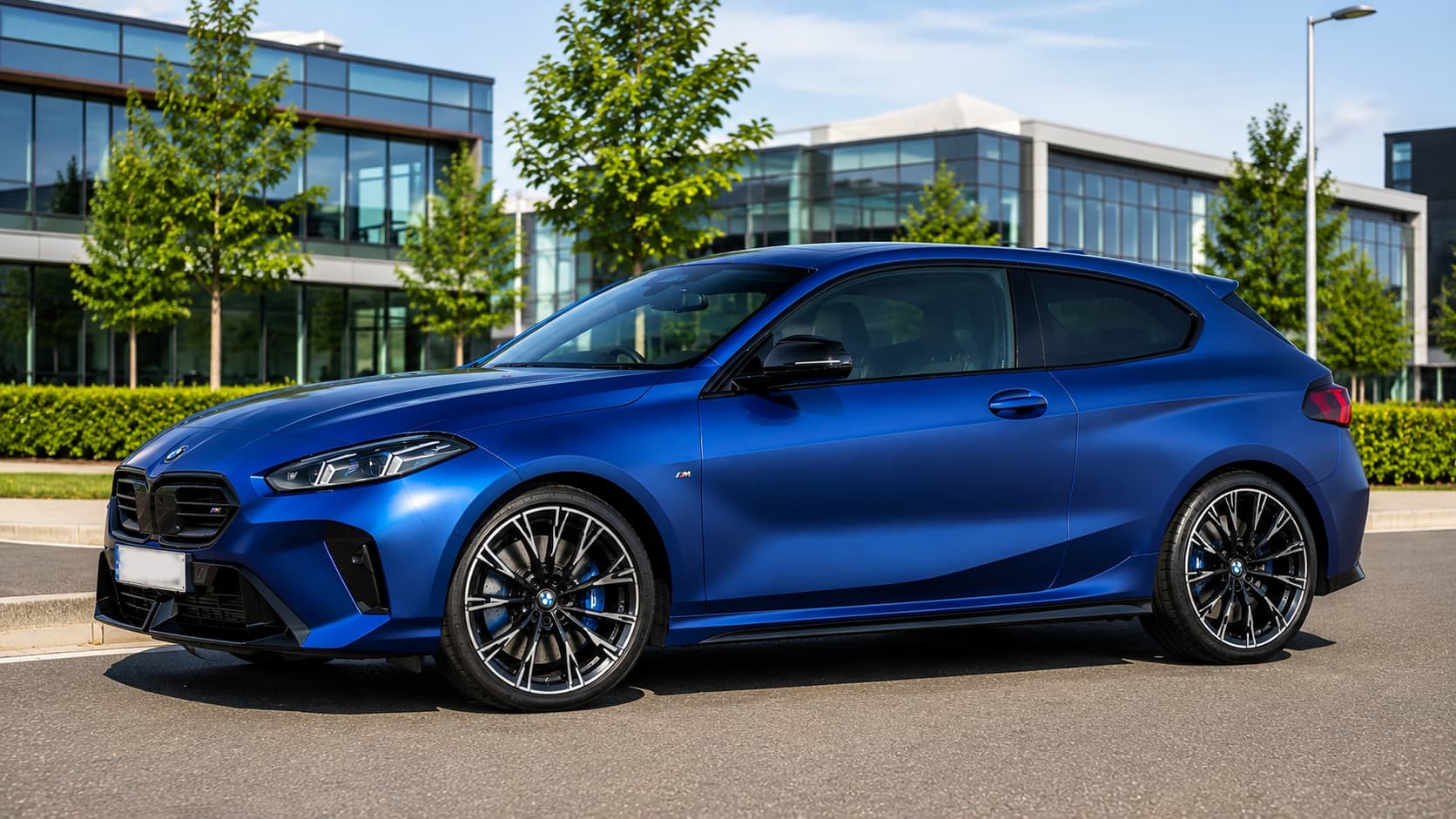
BMW's compact sporting model has almost come full circle. The quirky 3 Series Compact gave way to the first-generation 1 Series in 2004, with BMW offering buyers both three and five-door hatchbacks. For enthusiasts, the shorter, cleaner proportions of the three-door suited the brand's rear-wheel-drive character perfectly.
However, later generations dropped the three-door body style altogether, while the role of BMW's compact two-door model shifted back towards the coupe with the arrival of the 2 Series.
Our Design Studio rendering imagines the path not taken – a modern three-door 1 Series that carries BMW's latest design language while staying true to one of the brand's most distinctive hatchback traditions.
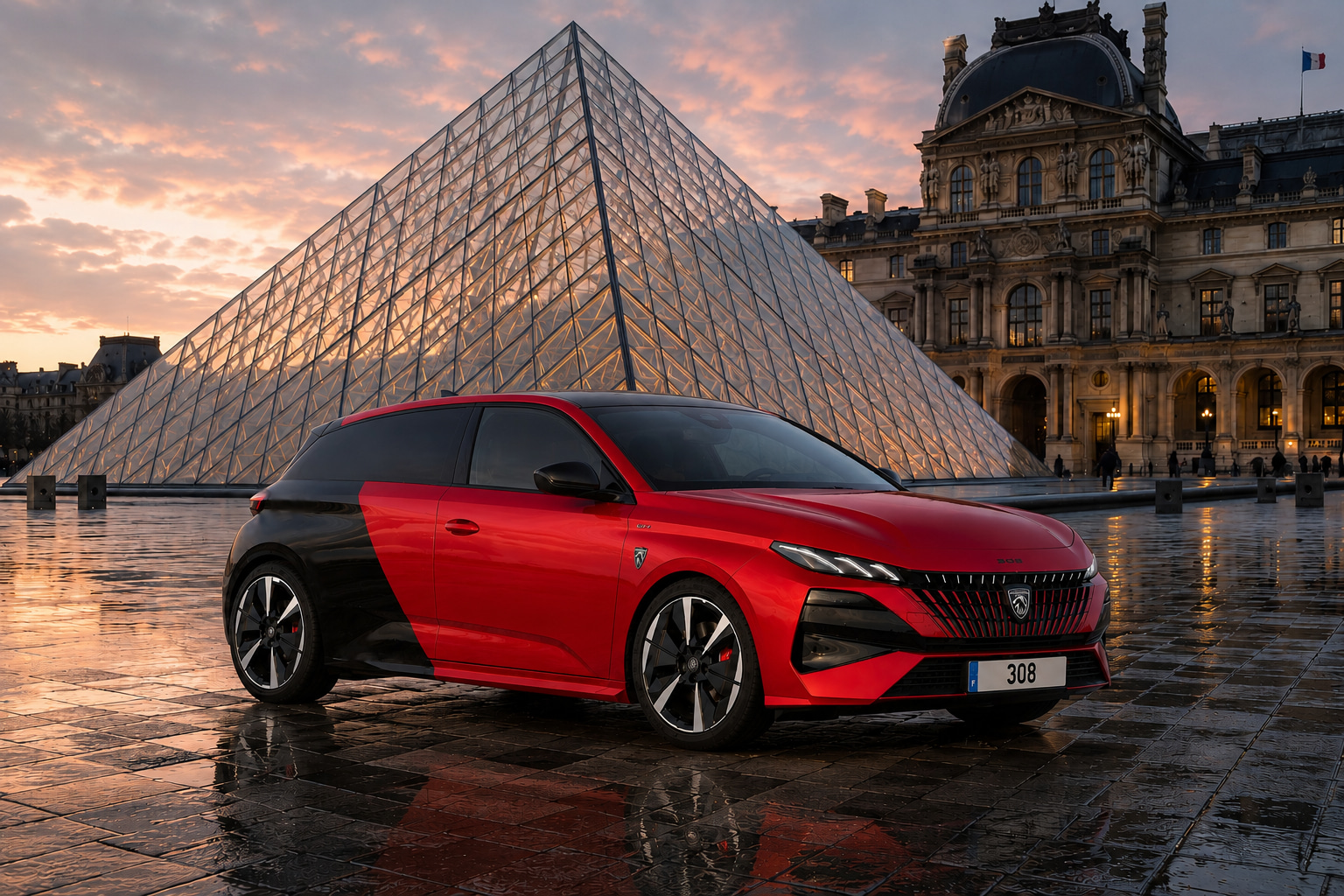
In 2006, you could walk into a Peugeot dealership and choose between five different three-door hatchbacks: the 107, 1007, 206, 207 and 307.
Today, there isn't a single one. It's a remarkable shift for a brand that once offered one of the broadest ranges of sporty-looking small cars on the market. Few of them were more desirable than the later 308 GTi, especially in its iconic Coupe Franche red-and-black paint finish.
The latest facelifted 308 already has the long bonnet, low roofline and wide stance to suit a three-door body perfectly. Our Design Studio rendering imagines how Peugeot's flagship hatchback could have evolved had the company kept the body style alive into 2026.
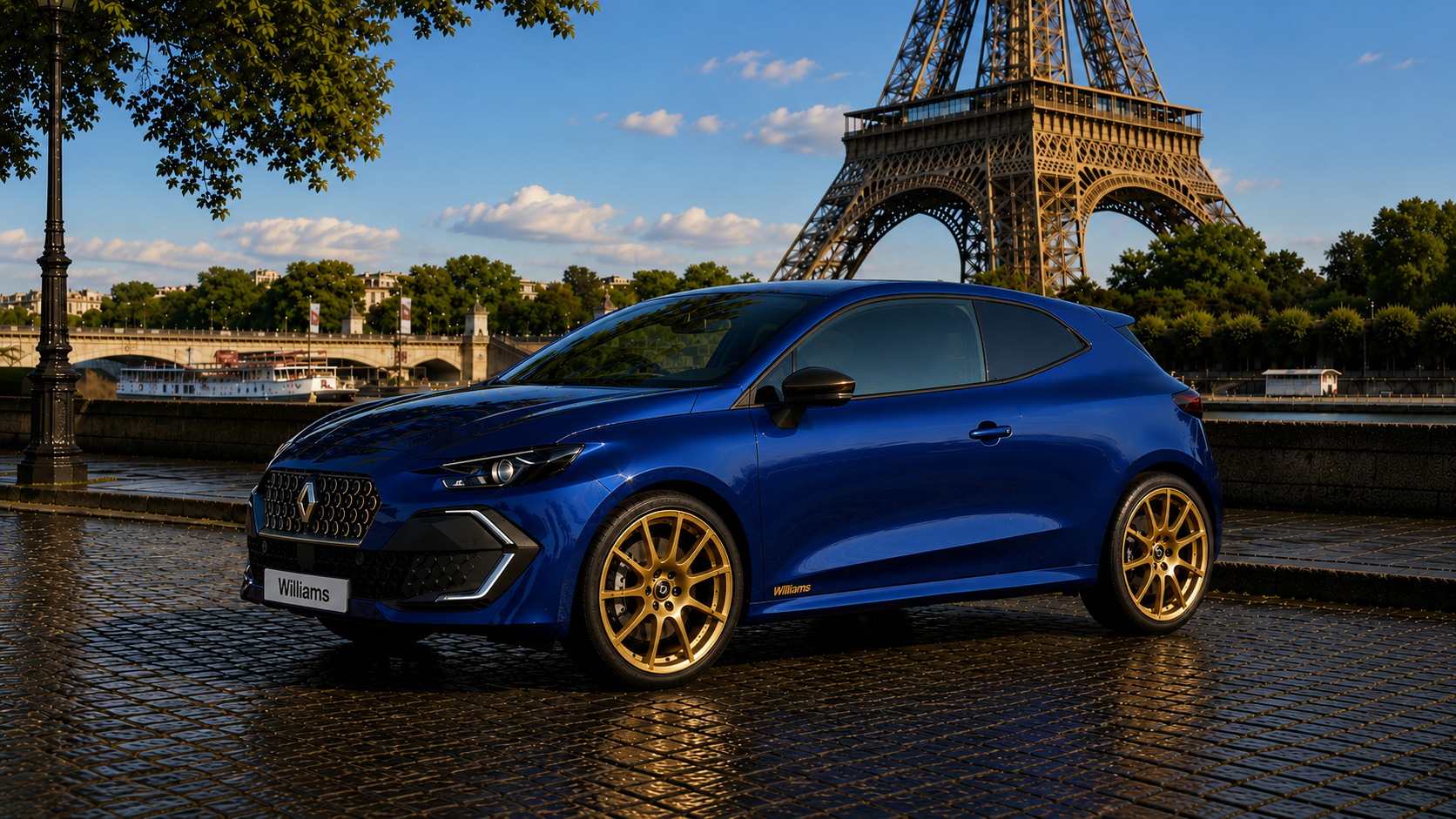
The latest Renault Clio remains one of the smartest-looking superminis on sale, helped in no small part by its neatly concealed rear door handles, which preserve some of the clean styling once associated with a true three-door hatchback.
But for many enthusiasts, nothing quite replaces the compact proportions of the three-door Clios that defined the 1990s and 2000s. Our Design Studio rendering imagines how a 2026 Clio three-door might have looked, finished as a modern interpretation of the legendary Clio Williams.
The iconic combination of vivid blue paint and gold alloy wheels returns, paying tribute to one of Renault's most celebrated hot hatches while bringing it firmly into the modern era.
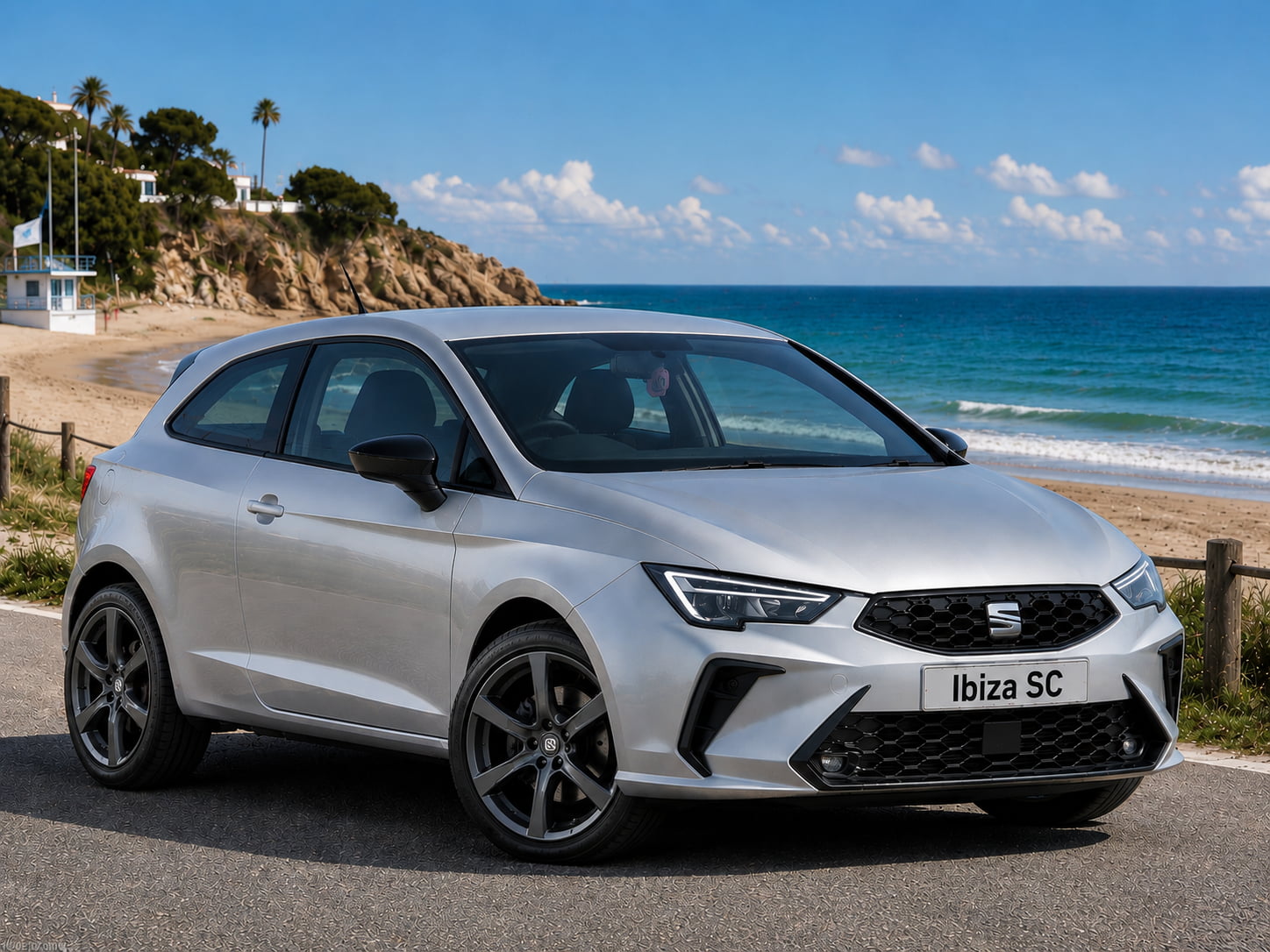
Often overlooked today as the current model enters the latter stages of its life, the SEAT Ibiza was once one of the most desirable superminis on the market. Its sharp styling, sporty image and affordable pricing made it a favourite among younger buyers, particularly in three-door SC form. While today's Ibiza remains a handsome hatchback, the three-door body style disappeared years ago.
Our Design Studio rendering combines the clean proportions and distinctive silhouette of the original Ibiza SC with the updated front-end styling of the current generation, imagining how SEAT's popular supermini might have evolved had the three-door remained part of the range
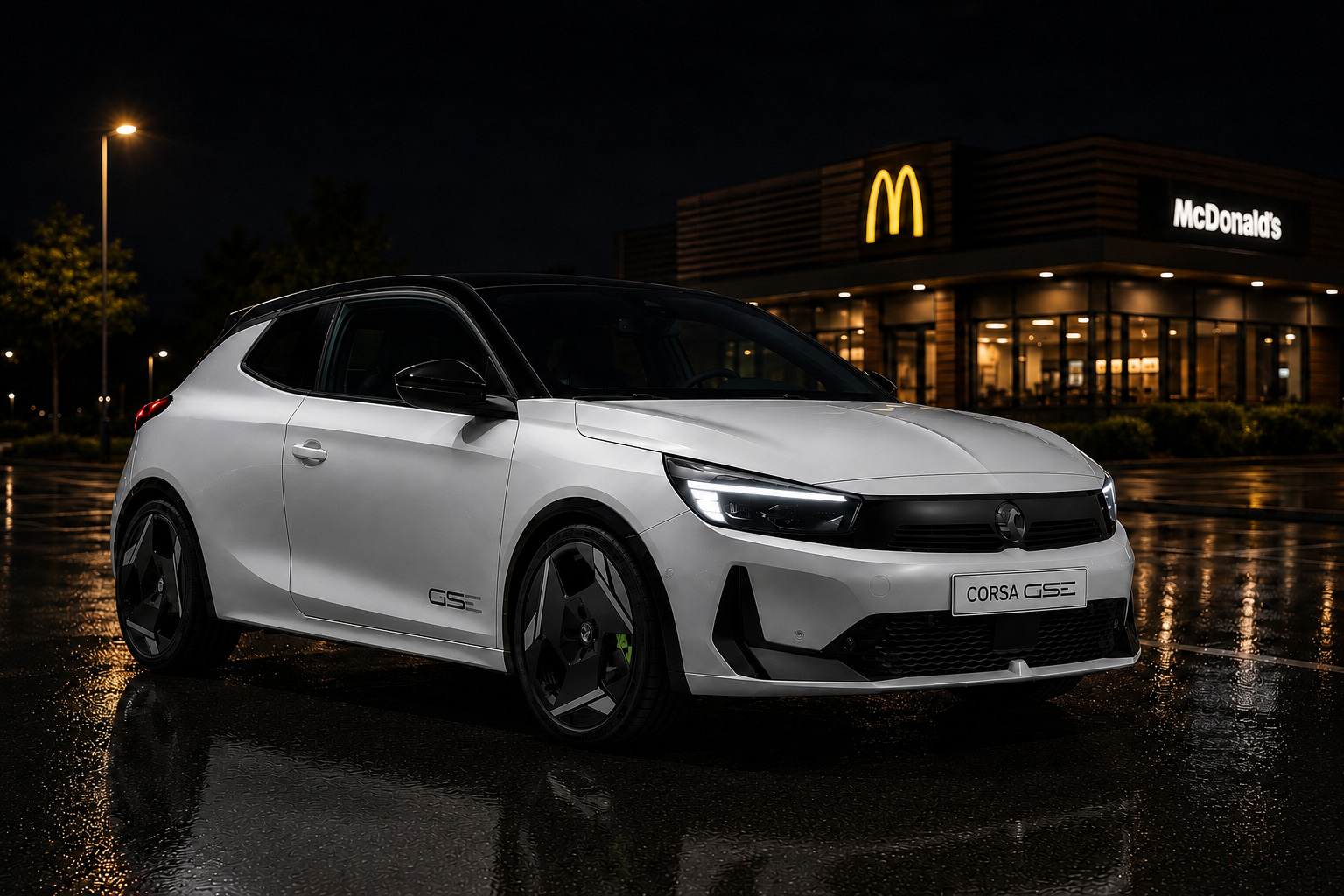
Vauxhall's 280hp electric Corsa GSe proves there's still a future for the compact hot hatchback, even as the industry transitions to electric power. The current five-door Corsa already looks remarkably tidy, with its bold Vizor front end, large alloy wheels and clean, purposeful proportions.
Those same design cues translate beautifully into a three-door body style, giving the car an even sportier stance. Our Design Studio rendering imagines what could have been, reviving memories of the much-loved three-door Corsa VXR while showing that a modern electric performance hatch doesn't have to abandon the styling that made its predecessors so appealing.
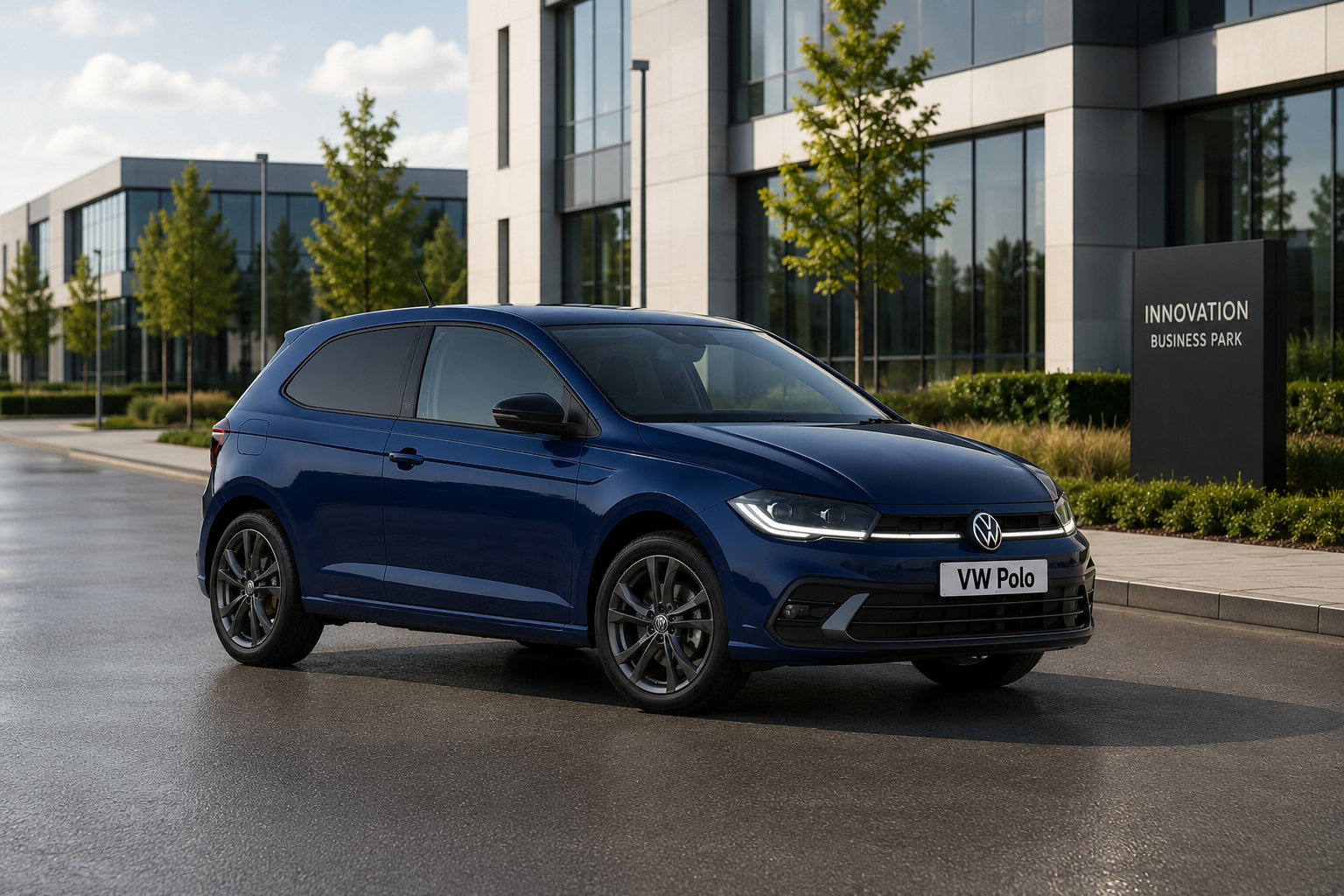
With the all-electric ID.Polo now arriving in Volkswagen showrooms, attention is naturally shifting away from the long-serving petrol-powered Polo. Yet despite its age, the current model remains one of the smartest-looking superminis on sale, with crisp lines and timeless proportions. Like many of its rivals, however, it quietly lost its three-door option as buyer demand faded.
Our Design Studio rendering imagines how Volkswagen's compact ICE supermini might have evolved had it retained the tidy, sporting three-door body style, combining the familiar Mk6 Polo design with the cleaner silhouette that once made small Volkswagens so appealing.
The three-door hatchback wasn't the only casualty. Car-derived vans have almost disappeared from Britain's roads – and they're every bit as worthy of remembering.
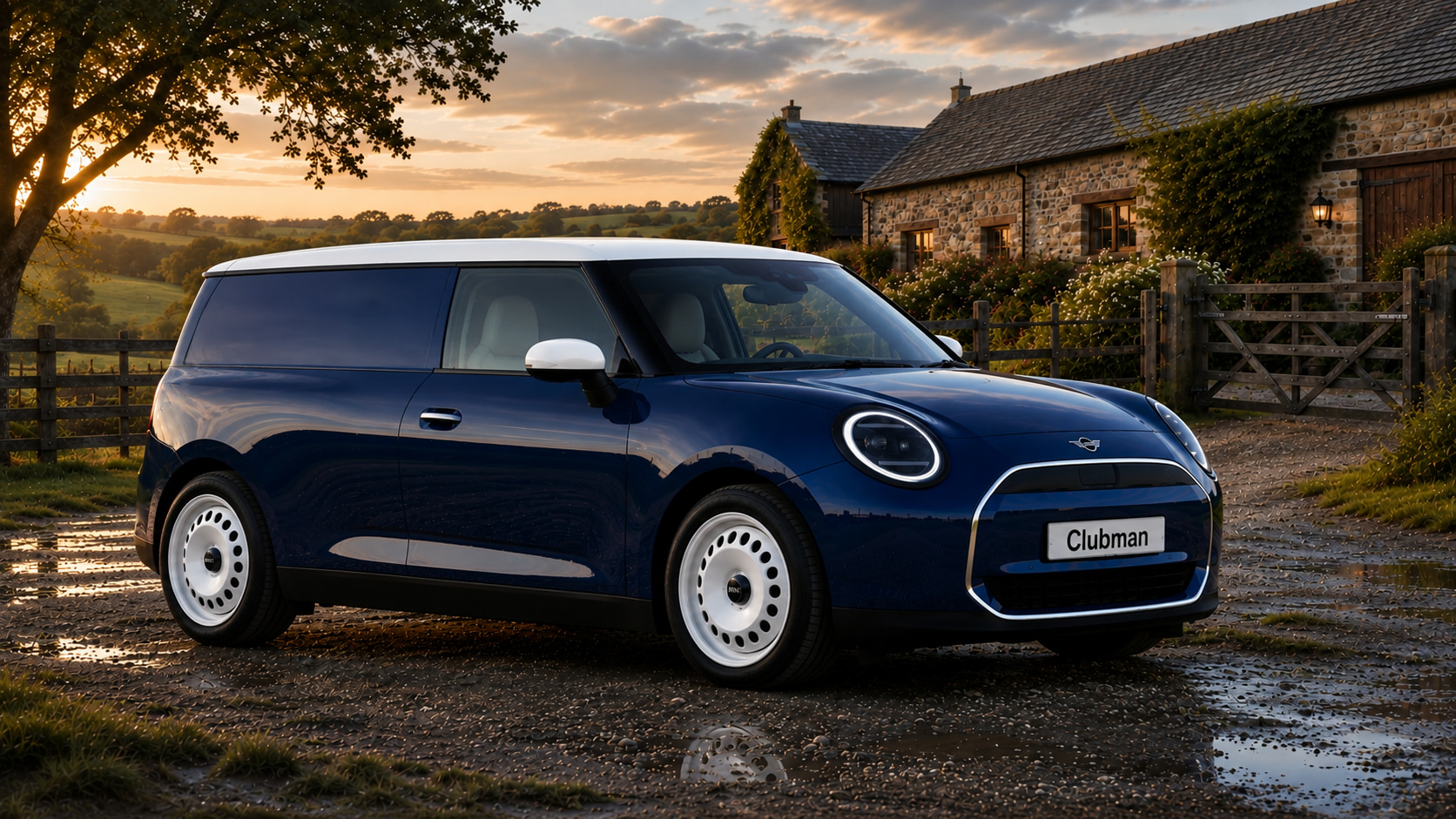
While compact EVs such as the Leapmotor T03, Dacia Spring and Citroën ë-C3 have opened the door to a new generation of small car-derived vans, and Toyota continues to offer a Corolla Commercial based on its estate, today's choice is only a fraction of what it once was.
Few models summed up the appeal better than the MINI Clubman. With its distinctive split rear doors, compact dimensions and unmistakable MINI styling, it became the must-have accessory for boutique businesses, florists and independent retailers alike. Our Design Studio concept imagines the return of this much-missed little commercial icon, proving that practicality and personality don't have to be mutually exclusive.
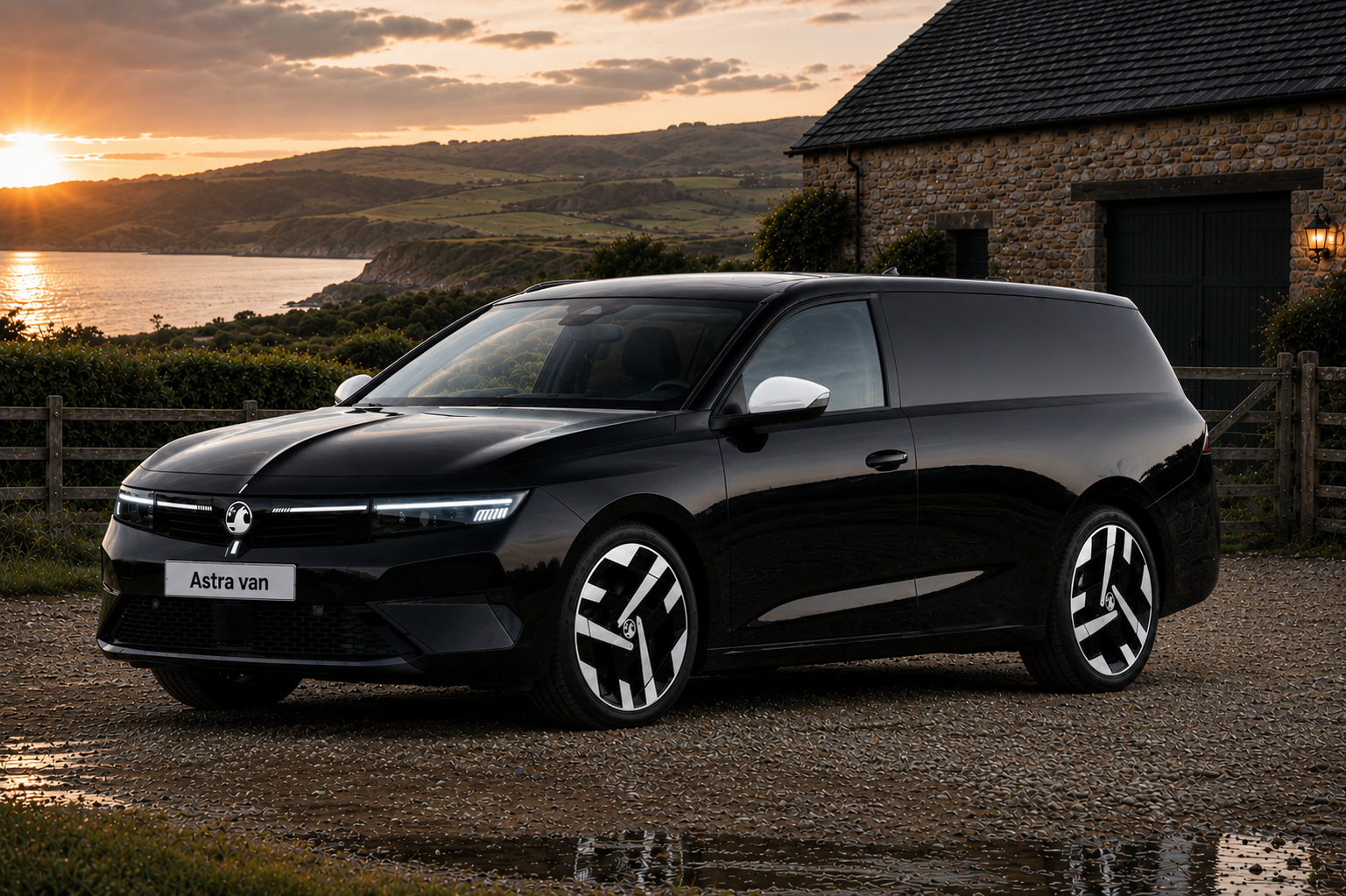
For many British businesses, the Astravan was once as familiar as a white Transit is today. If the Combo was bought purely to maximise cargo space, the Astravan was chosen because it offered something more.
Based on the Astra Estate, it combined tidy handling, motorway refinement and a genuinely sporting image with the practicality and durability needed for everyday work.
While a MINI Clubman van might have been lovingly maintained outside a boutique or artisan bakery, an Astravan was a tradesman's tool – driven hard in the motorway fast lane, loaded with muddy boots, tools and building materials, then ready to do it all again the next morning.
It offered the best of both worlds, and like the three-door hatchback, it's another quietly brilliant body style that's been left behind.
Manufacturers haven't stopped building great cars; they've simply built fewer body styles. Streamlined model ranges have improved profitability and reflected changing buyer habits, but they've also reduced the variety that once made walking into a showroom so exciting.
Perhaps the three-door hatchback won't return as a mainstream choice, but if these renderings prove anything, it's that many of today's best-looking cars would still wear the body style remarkably well.
(Image Credits: The New Yardstick Design Studio)
You should also read:
Audi’s Next Chapter: A2, E5 and a New Push Upmarket
Audi wants to move upmarket, but its product strategy is starting to pull in two very different directions. In China, the new E5 Sportback shows just how far the brand can go, combining 800V charging, advanced software and a new generation of digital architecture developed with SAIC. In Europe, meanwhile, Audi is…
Hyundai's 100-Car Plan: What Comes Next for One of the World's Fastest-Changing Car Makers?
Twenty years ago, Hyundai was still fighting to prove that it could match the established European and Japanese brands. Today, that description feels almost unrecognisable. Hyundai has become a genuinely global manufacturer, producing everything from affordable small cars to sophisticated EVs, large SUVs and increasingly serious performance models. Now it wants to…
Stellantis Vans 2030: What Comes Next for Europe's Biggest Van Family?
Stellantis has built one of Europe’s biggest commercial vehicle operations, with familiar names from Citroën, Fiat, Peugeot, Opel and Vauxhall covering almost every corner of the van market. But the automotive world is changing faster than the traditionally slow-moving commercial vehicle cycle. Battery technology continues to improve, hybrid powertrains are finding new…
Rebuilding Nissan: The Cars That Could Fix Its Confusing European Line-Up
Around 20 years ago, Nissan changed the shape of the mainstream car market. The Qashqai replaced the dependable but forgettable Almera and helped turn the crossover into a family-car staple. The Juke followed, proving equally disruptive, while in 2010 the Leaf brought electric motoring to the masses. All three were game-changing cars…

Beat the 76-Plate Hype: 10 Pre-Reg Cars Under £16,000
With the new 76 registration arriving on 1 September, thousands of buyers will be preparing to collect a brand-new car. But having the latest number plate can come at a considerable cost. Today, the choice of new cars costing less than £16,000 is remarkably limited, with just three models starting below our…
Dacia Spring: Design Studio Explores Three Ways Forward
The Dacia Spring has become one of Europe’s most important affordable EVs, proving that electric cars do not need huge batteries, enormous power outputs or premium prices to make sense. But deciding what replaces it could be considerably more complicated. Dacia now has the striking Hipster concept exploring an even smaller, more…
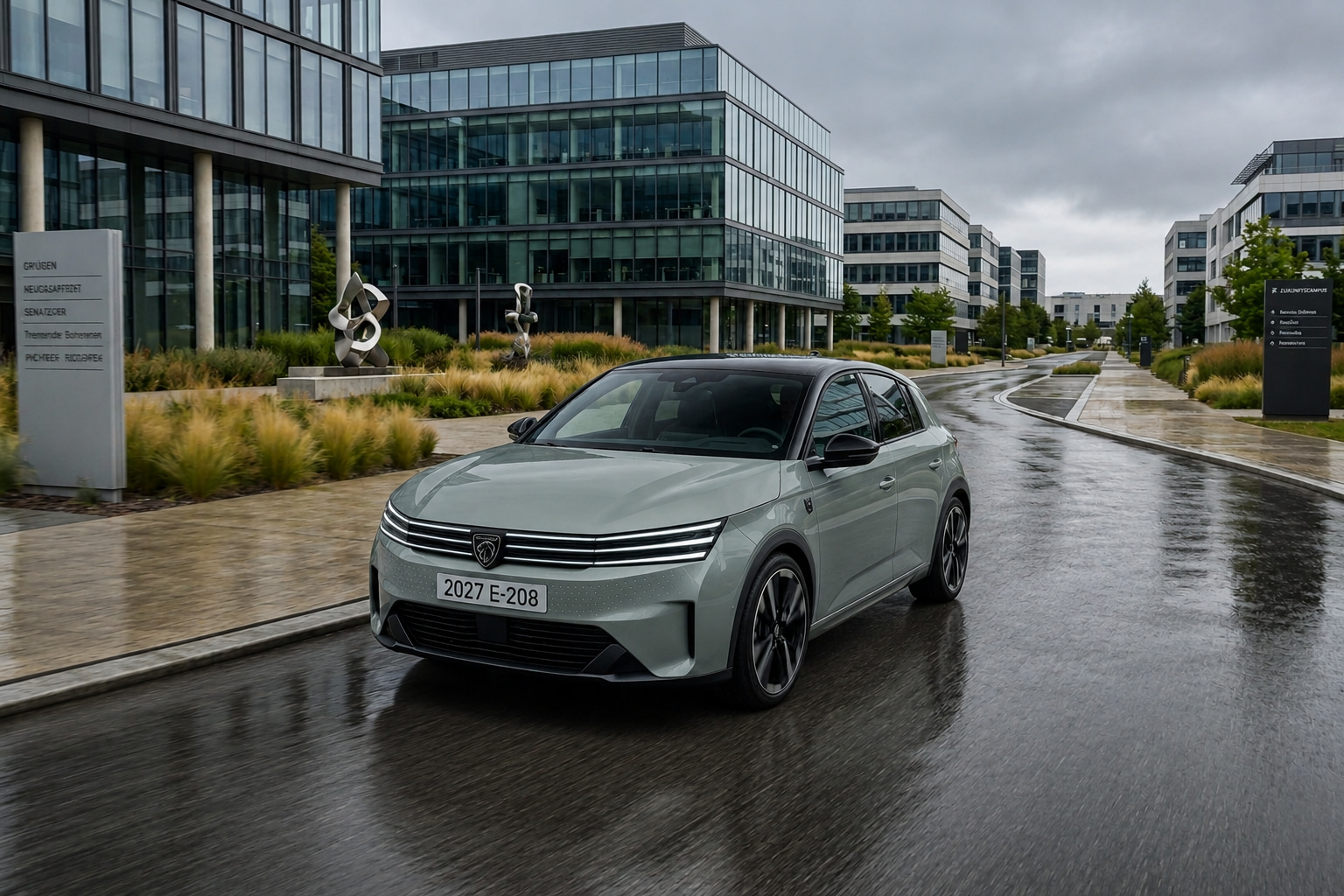
Three Cars, One Mission: Peugeot's Bold New Premium Small Car Strategy
Twenty years ago, Peugeot offered one of Europe's broadest B-segment line-ups, with hatchbacks, estates, convertibles, people carriers and overlapping generations all competing for buyers. Today, just the 208 and 2008 remain. However, that could soon change. Growing evidence from Peugeot's product roadmap and Stellantis' wider platform strategy suggests the French manufacturer could…
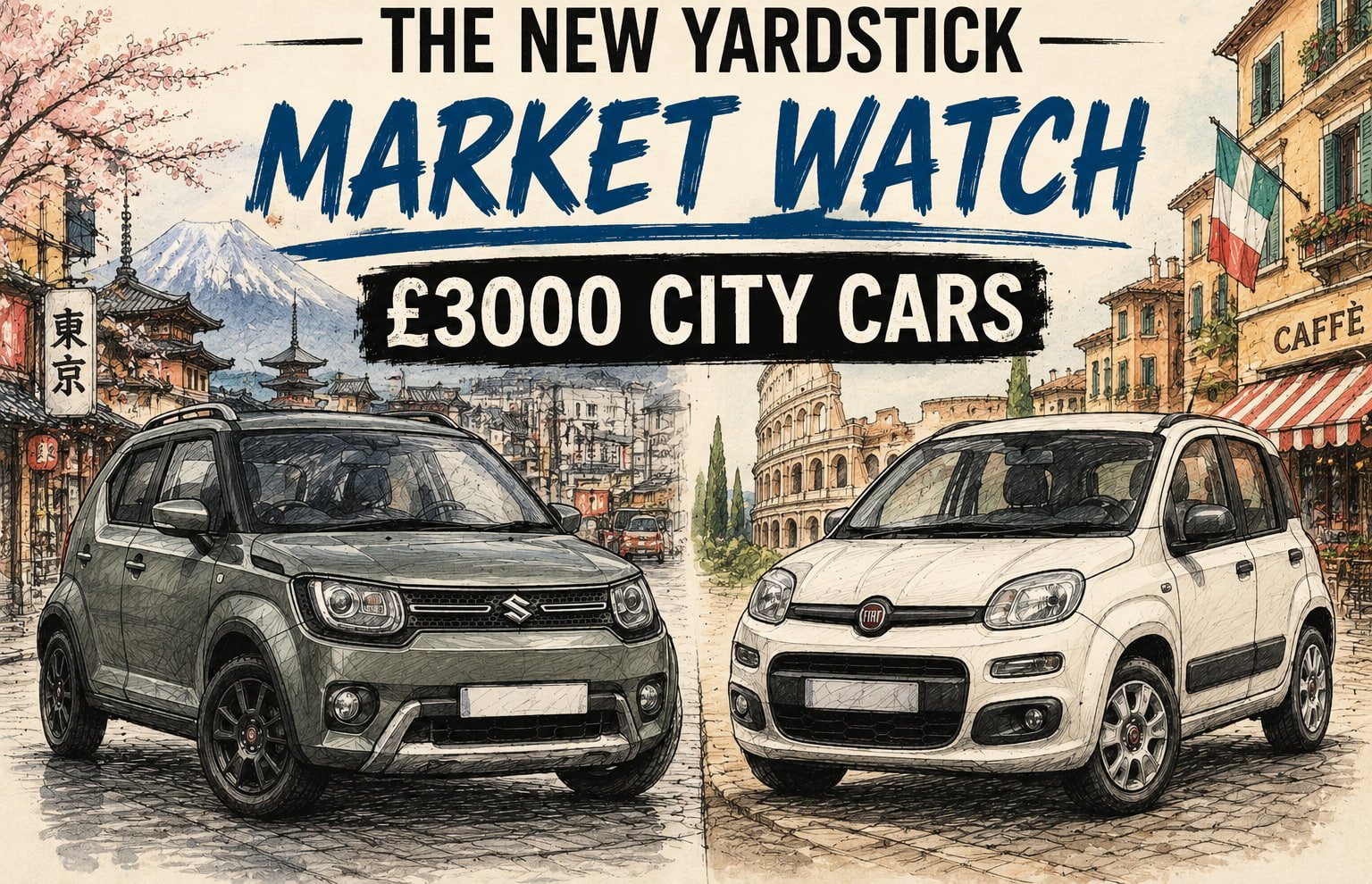
8 Brilliant 50mpg City Cars You Can Buy for Around £3,000
With the average price of a new car now well beyond the reach of many households, a dependable used city car makes more sense than ever. Whether you're looking for an affordable first car, a low-cost commuter or a second vehicle to keep everyday running costs down, spending around £3,000 can still…