Ford's Next Fiesta and Puma? Renault May Hold the Answer
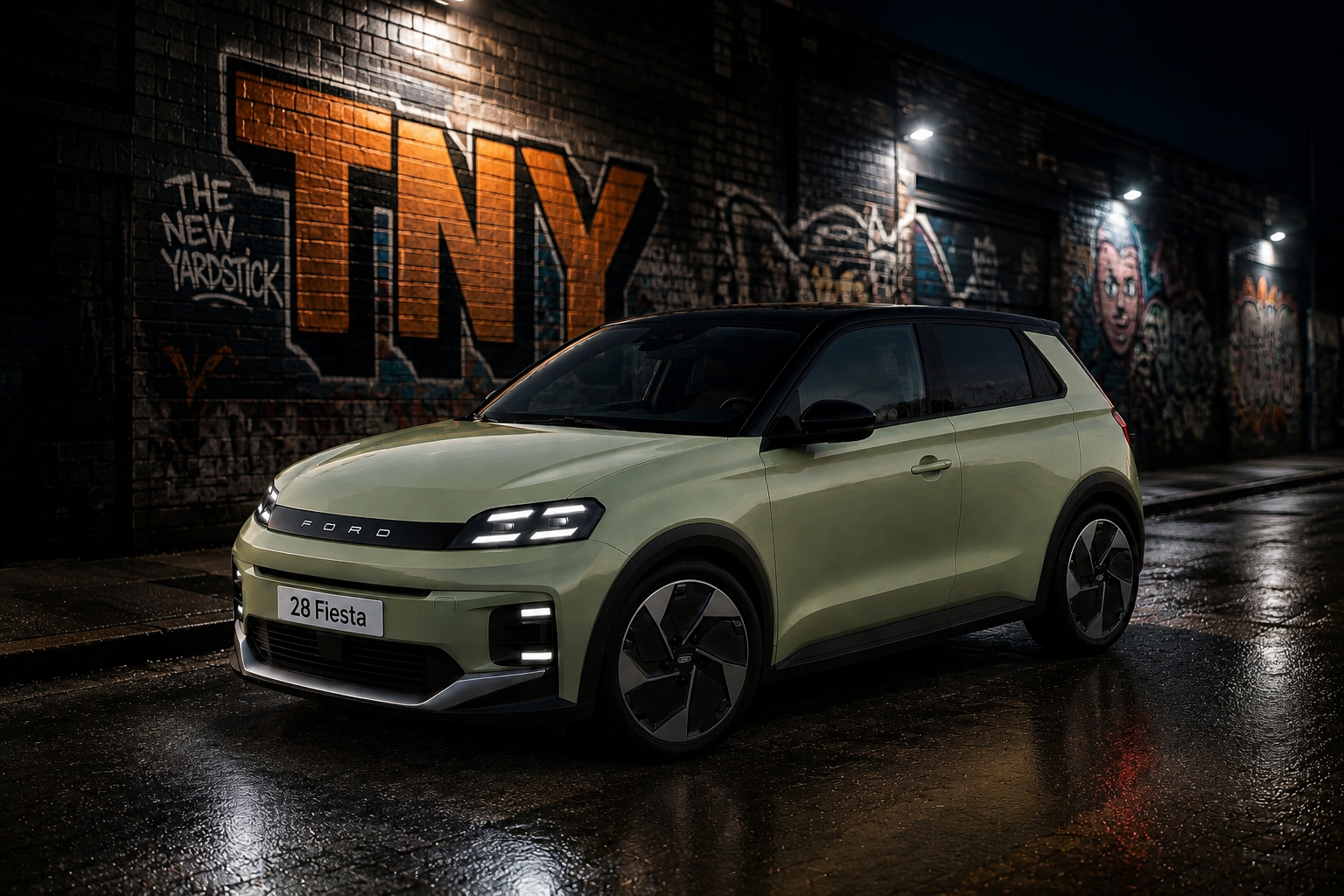
Ford's European line-up has become increasingly dependent on larger SUVs and electric crossovers, leaving a gap where affordable small cars once defined the brand. With tightening emissions regulations and fierce competition from lower-cost rivals, the company needs a fresh approach if it wants to regain momentum.
One solution may already be taking shape. Ford and Renault have announced plans to expand their technology partnership, opening the door for future models to share platforms and engineering.
These renderings imagine what that could look like: a next-generation Fiesta based on the Renault 5's AmpR Small architecture, alongside a larger Puma built around the Renault 4.
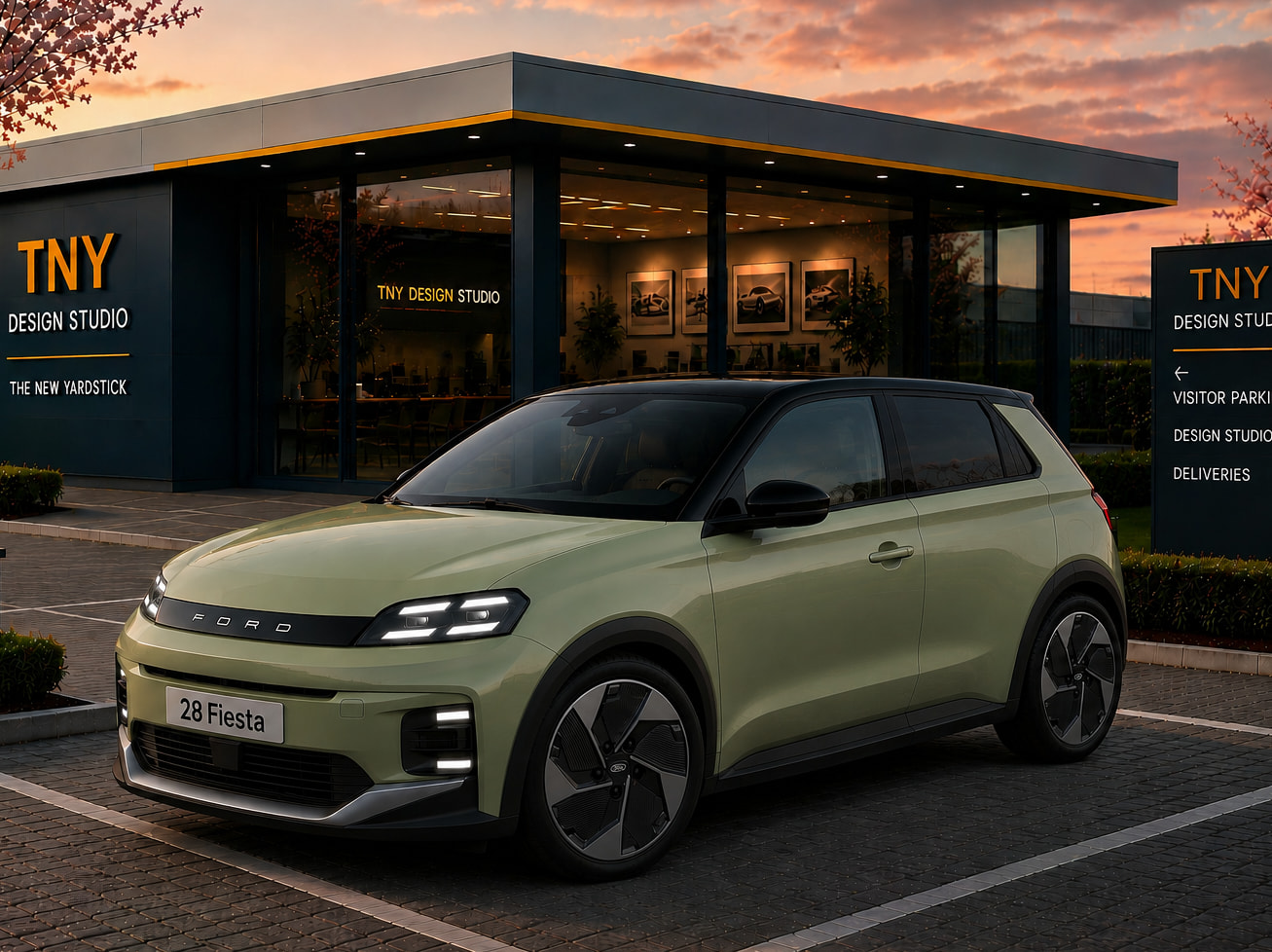
A Renault 5-based Ford Fiesta could give the Blue Oval something it has been missing for years: a genuinely competitive, affordable supermini. By sharing batteries, motors and core engineering with Renault, Ford could dramatically reduce development costs while concentrating on what it does best - creating a car with its own styling, chassis tuning and unmistakable Fiesta character.
The result could feel every bit a Ford, despite its French underpinnings. Looking further ahead, the performance potential is just as exciting. An electric Fiesta ST sharing technology with the Alpine A290 could deliver the sharp handling and strong performance that made previous ST models so popular.
Moving the Fiesta to a pure-electric platform would undoubtedly be a gamble, but starting with Renault's proven architecture would give Ford a solid foundation on which to rebuild one of its most iconic nameplates.
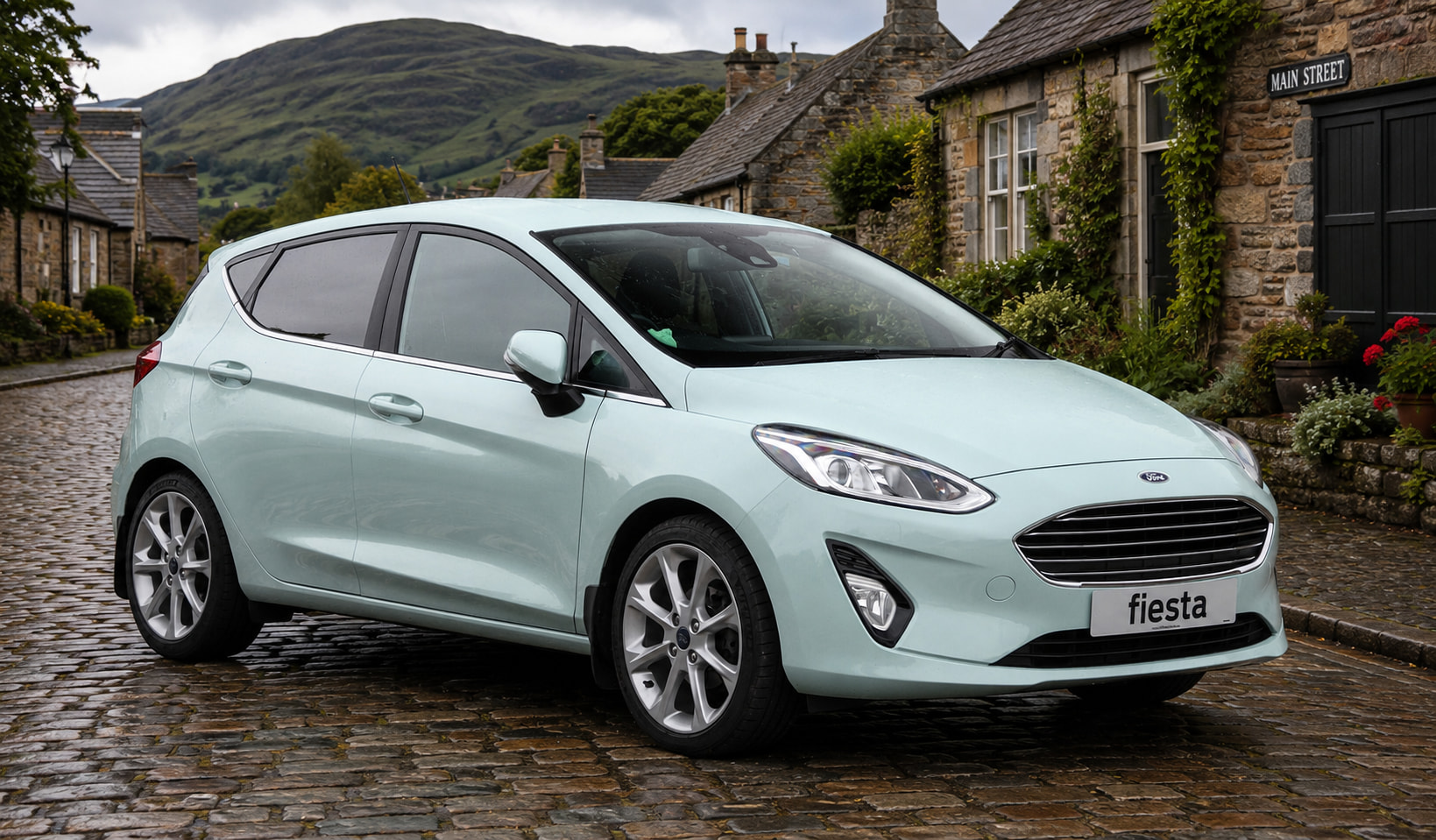
It is rare for a manufacturer to discontinue one of its most successful models without a direct replacement already in the pipeline. Yet that is exactly what happened when Ford ended Fiesta production in 2023. For years it wasn't just Ford's best-selling car, it was Britain's best-selling new car - the decision ultimately came down to profitability.
Small hatchbacks generate relatively slim margins, while increasingly stringent European CO₂ regulations encouraged Ford to prioritise higher-margin SUVs and invest heavily in electric vehicles instead. In hindsight, that left a sizeable gap in Ford's European line-up that has yet to be filled.
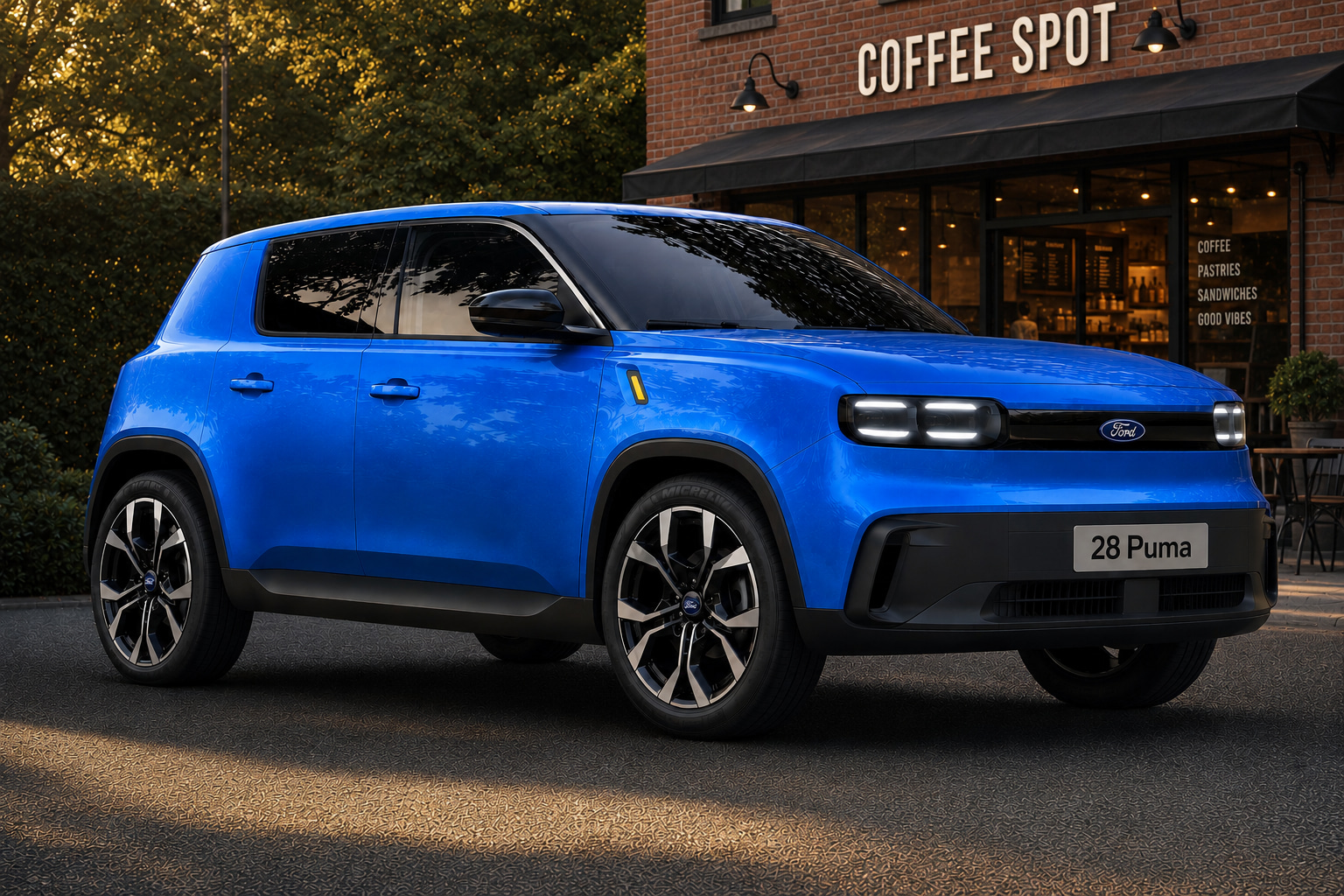
Unlike the Fiesta, the Puma remains one of Ford Europe's biggest success stories. Its clever packaging, generous boot space, engaging driving dynamics and consistently competitive finance deals have made it a favourite with both private buyers and fleet customers.
However, 2026 has exposed a growing challenge.
While the mild-hybrid Puma continues to sell strongly, the electric Puma Gen-E has struggled to match the appeal of newer rivals from Renault, Stellantis and fast-growing Chinese brands. Even with the UK's £3,750 Electric Car Grant, its relatively modest battery and range leave it at a disadvantage in an increasingly competitive market.
That presents Ford with a difficult balancing act. If petrol-powered models continue to significantly outsell the EV, meeting tightening European fleet CO₂ targets and the UK's Zero Emission Vehicle mandate will become increasingly difficult, strengthening the case for a more competitive next-generation electric Puma.
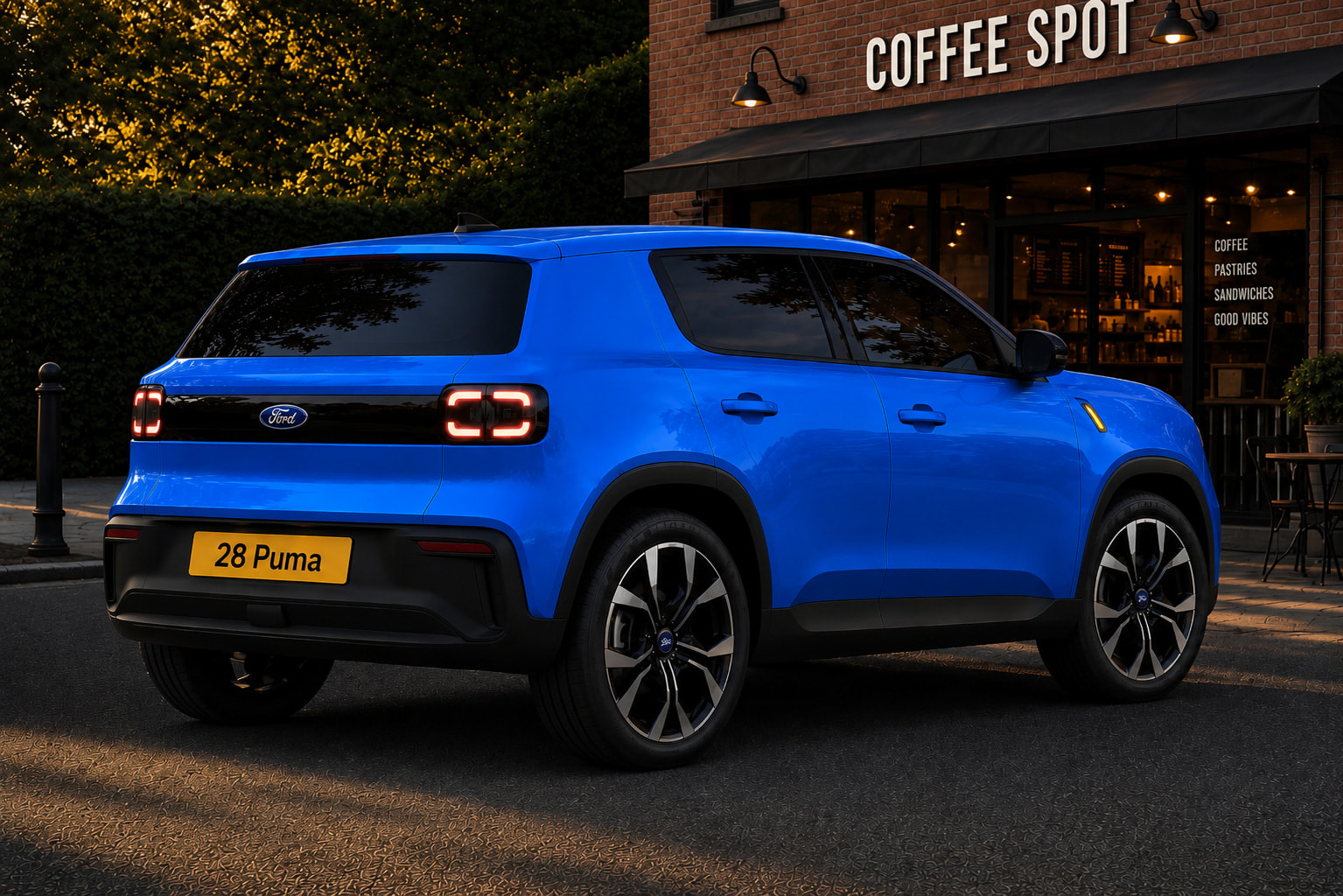
The Puma Gen-E remains arguably Ford's strongest electric product in Europe, but that says as much about the company's wider EV line-up as it does the car itself.
The Mustang Mach-E occupies a higher price bracket and is simply too large for many European buyers, while the Explorer and Capri have received mixed reviews. Critics question pricing, touch-sensitive cabin controls and a chassis that offers neither class-leading handling nor particularly supple ride comfort - Ford cannot afford to fall behind the competion.
For Ford, the Puma isn't just another crossover - it's the model that could rebuild confidence in the brand's European future.
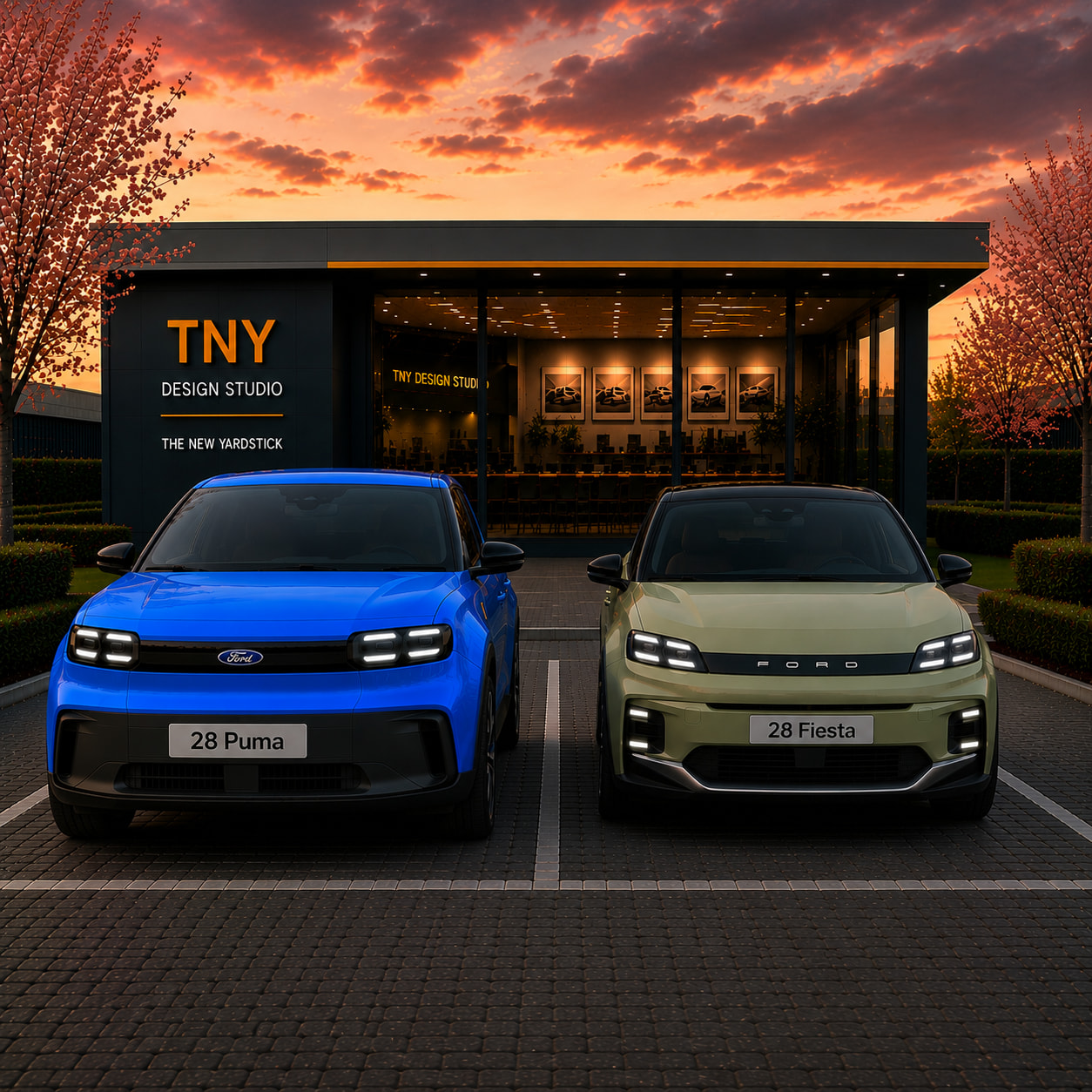
Ford has never lacked the ability to build excellent small cars. The challenge today is doing so profitably while meeting increasingly demanding emissions regulations and competing with manufacturers that have dramatically lowered the cost of electric vehicles.
A deeper partnership with Renault could provide exactly that opportunity. By sharing proven platforms, batteries and electric drivetrains while retaining Ford's own design, chassis tuning and brand identity, the Blue Oval could once again offer affordable cars that feel unmistakably Ford.
A Renault 5-based Fiesta and Renault 4-based Puma won't appeal to everyone, but they would give Ford something it desperately needs: competitive products in two of Europe's most important market segments.
If executed well, this partnership wouldn't dilute the Ford brand - it could become the foundation for its next generation of successful European cars.
(Image Credits: The New Yardstick)
You should also read:
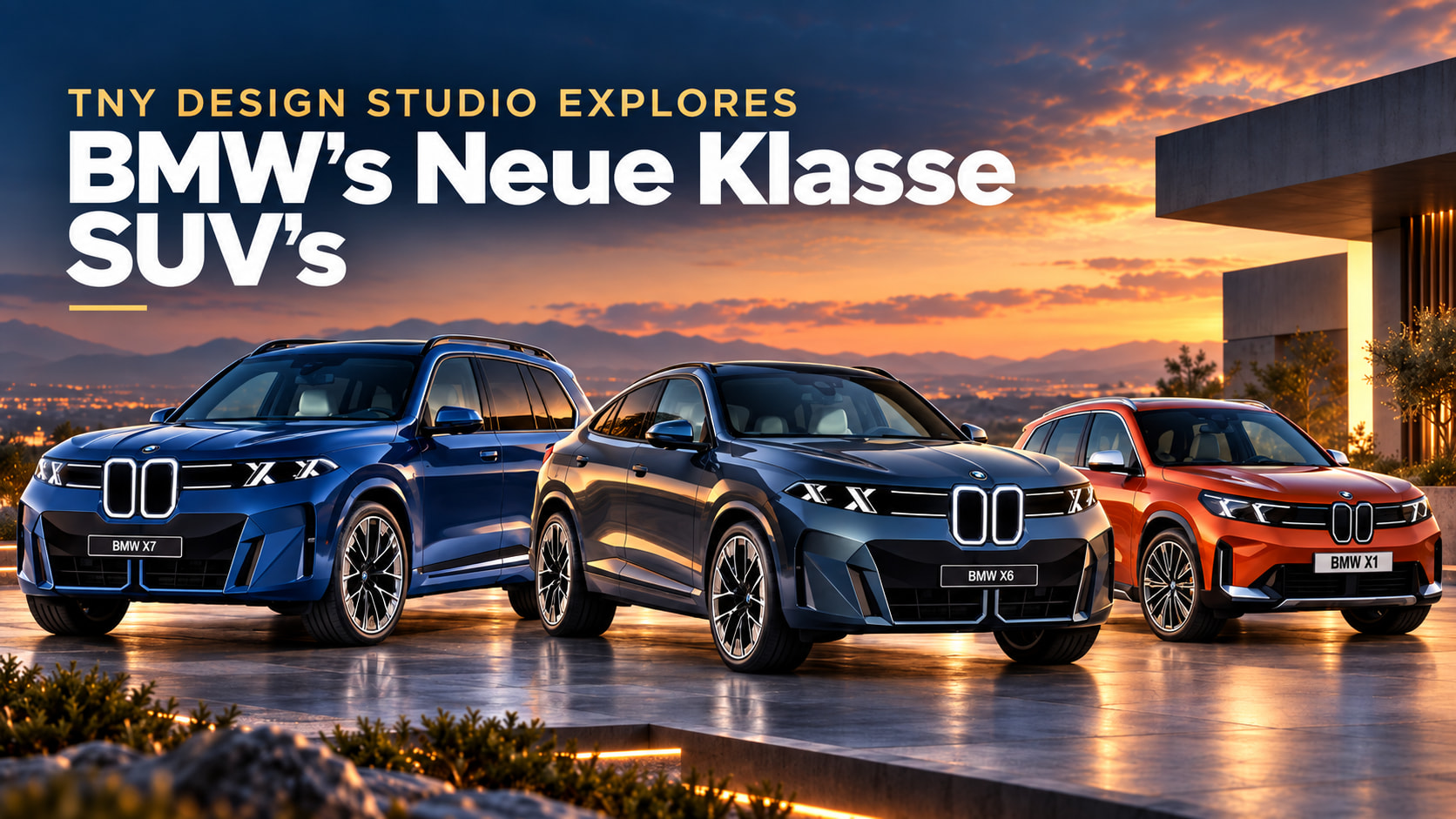
TNY Design Studio Explores BMW’s Next SUV Generation — From X1 to X8
BMW is entering one of the most significant design transitions in its recent history. The arrival of Neue Klasse isn't simply about introducing a new generation of electric cars; its technology and dramatically simplified design language are beginning to influence BMW's entire range. For the company's SUVs, that creates an especially interesting…
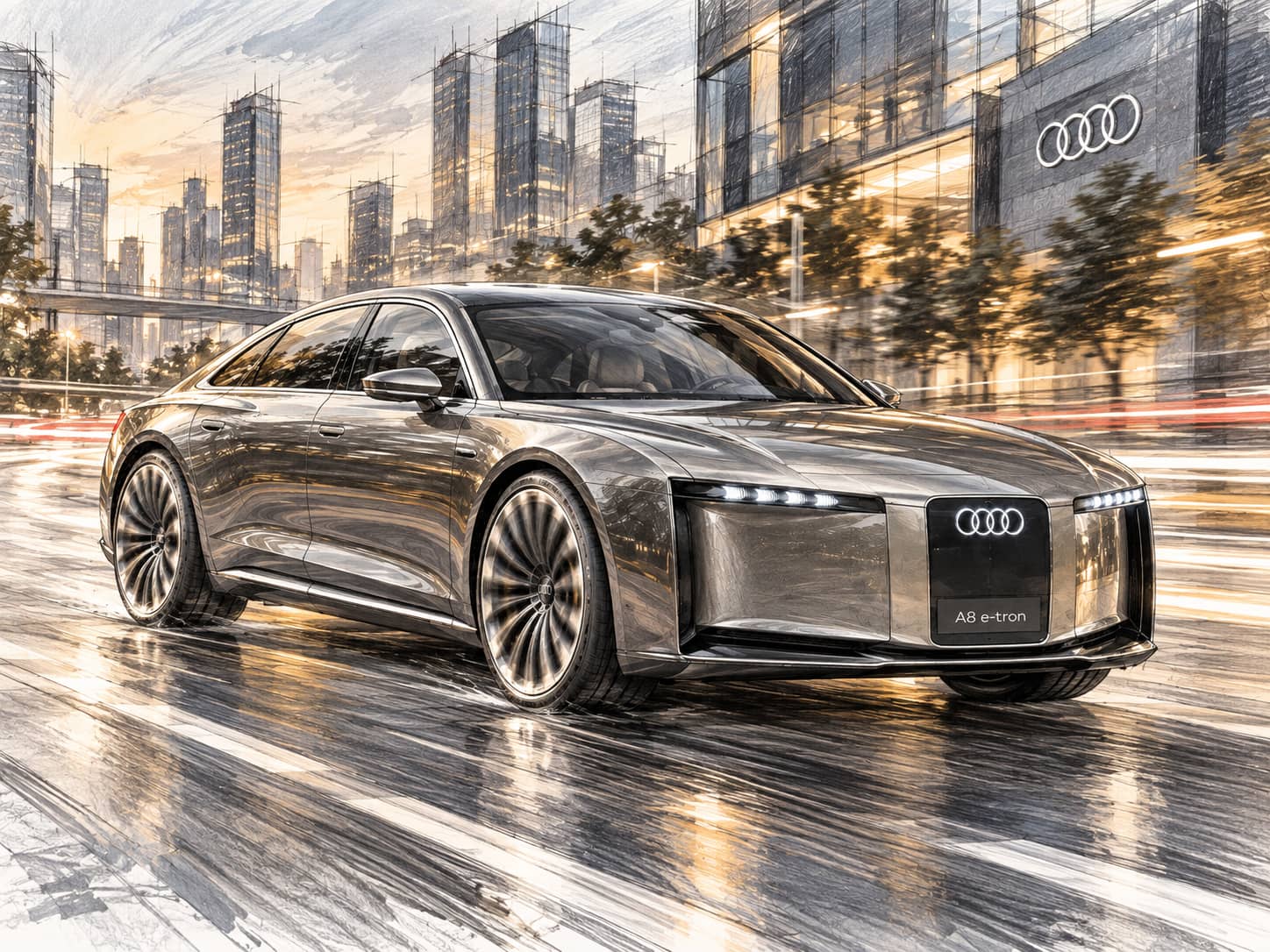
Audi’s Next Chapter: A2, E5 and a New Push Upmarket
Audi wants to move upmarket, but its product strategy is starting to pull in two very different directions. In China, the new E5 Sportback shows just how far the brand can go, combining 800V charging, advanced software and a new generation of digital architecture developed with SAIC. In Europe, meanwhile, Audi is…
Hyundai's 100-Car Plan: What Comes Next for One of the World's Fastest-Changing Car Makers?
Twenty years ago, Hyundai was still fighting to prove that it could match the established European and Japanese brands. Today, that description feels almost unrecognisable. Hyundai has become a genuinely global manufacturer, producing everything from affordable small cars to sophisticated EVs, large SUVs and increasingly serious performance models. Now it wants to…
Stellantis Vans 2030: What Comes Next for Europe's Biggest Van Family?
Stellantis has built one of Europe’s biggest commercial vehicle operations, with familiar names from Citroën, Fiat, Peugeot, Opel and Vauxhall covering almost every corner of the van market. But the automotive world is changing faster than the traditionally slow-moving commercial vehicle cycle. Battery technology continues to improve, hybrid powertrains are finding new…
MG GO: Our Vision for Britain's Next Affordable Electric Hatchback
MG has become one of Britain's fastest-growing car brands, but one gap remains in its expanding electric line-up: a compact hatchback sitting below the MG4. In this Design Studio feature, we imagine the MG GO, an affordable electric supermini positioned as the EV sibling to today's MG3. At around four metres long,…
The Next Jeep Renegade: Filling the Gap Between Avenger and Compass
Few new Jeeps have made an impact quite like the Avenger. Blending the footprint of a supermini with the raised driving position and rugged styling buyers increasingly want, it has become one of Europe's most successful compact SUVs. Its popularity has been so strong that Jeep is already preparing an early facelift…
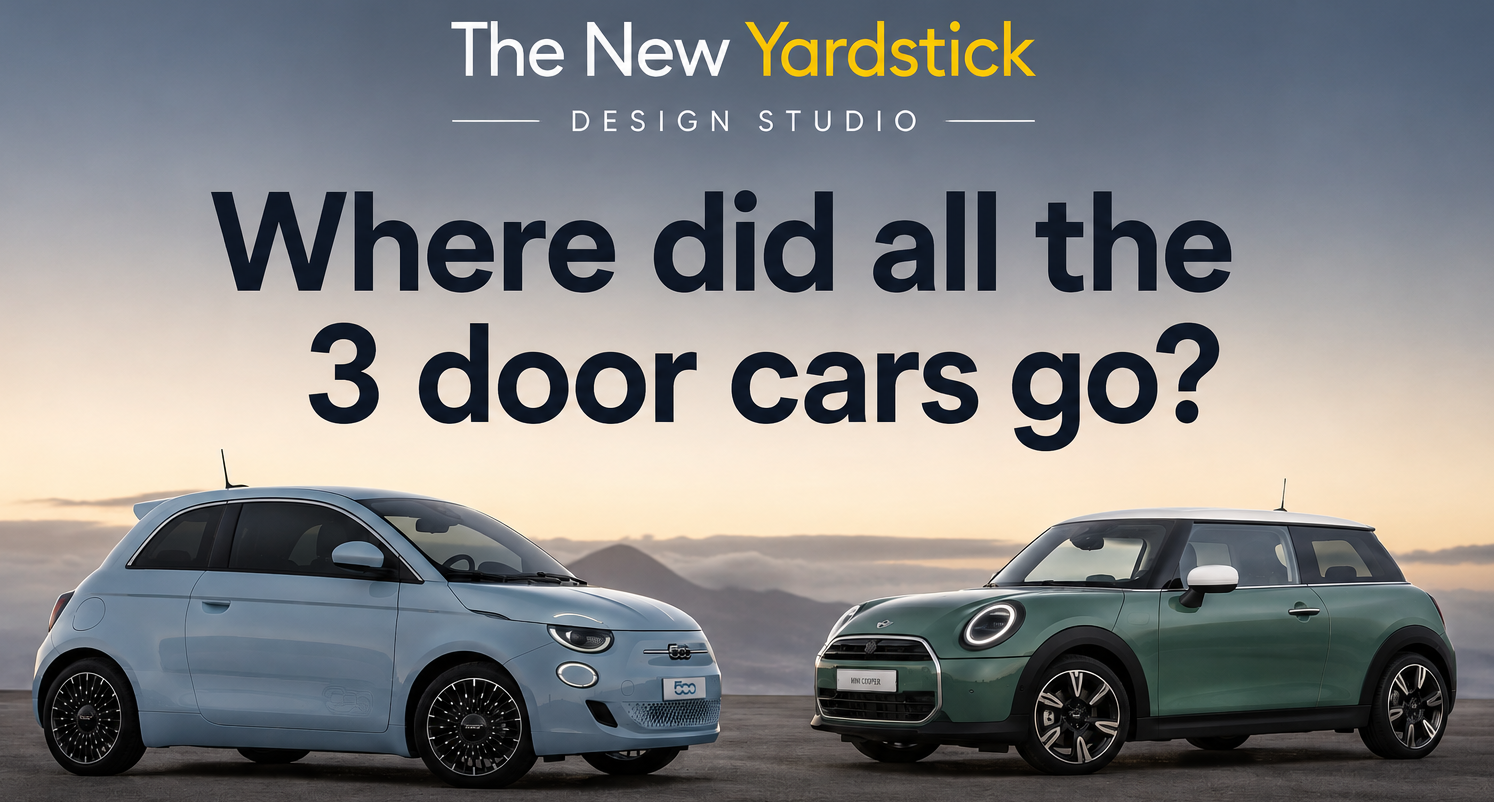
Where did all the 3 door cars go? TNY Design Studio imagines the next generation.
Once the default choice for buyers wanting a sportier-looking hatchback, the three-door has quietly disappeared from Britain's roads. Throughout the 1990s and 2000s, almost every major manufacturer offered one, from affordable city cars to hot hatches and premium compacts. They were often cheaper than their five-door equivalents, lighter on their feet and,…
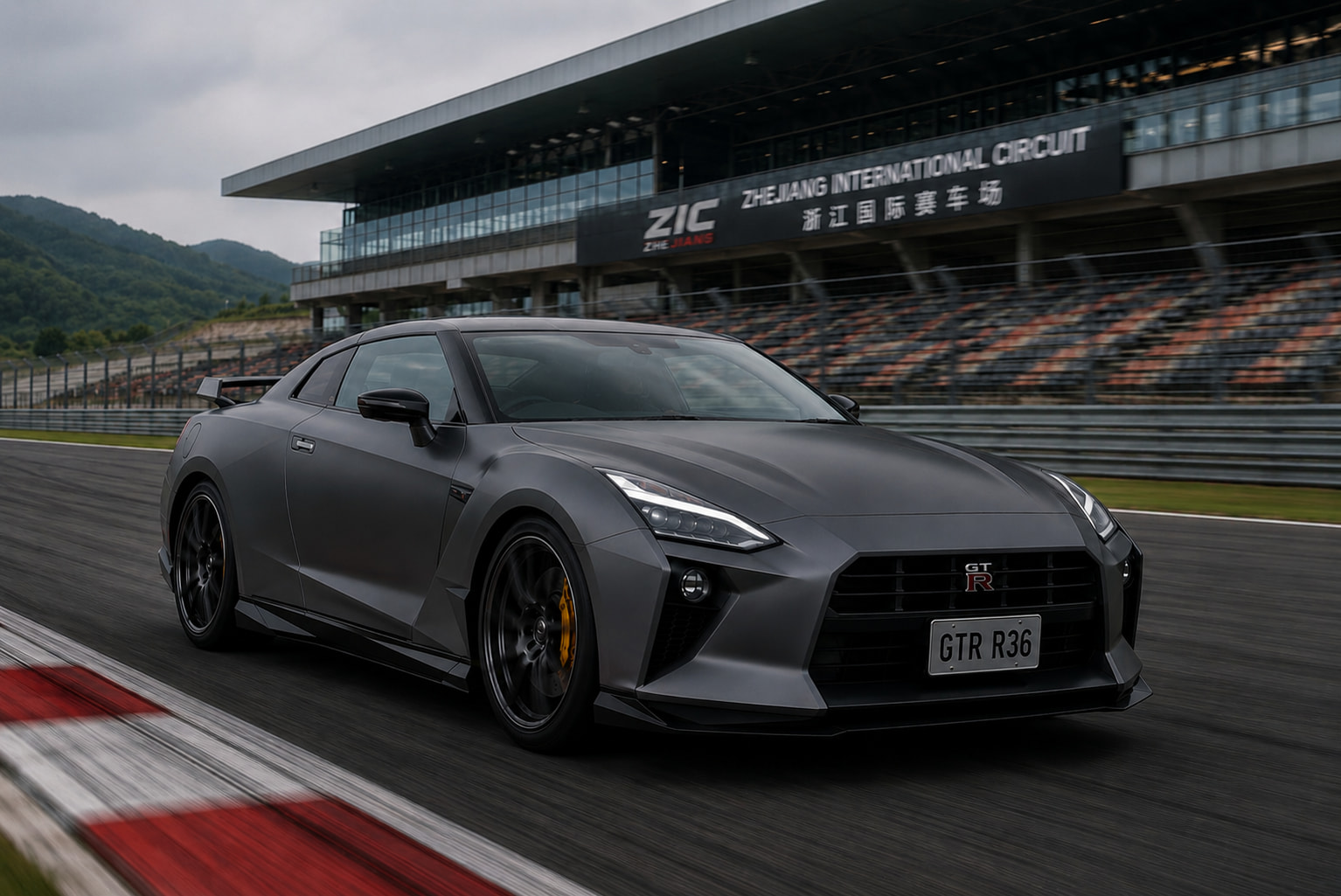
Could Nissan's Next GT-R Spawn an Entire Skyline Family?
Few performance cars have disrupted the supercar establishment quite like the Nissan GT-R. When the R35 arrived in 2007, its hand-built 3.8-litre twin-turbo V6, advanced all-wheel-drive system and everyday usability allowed it to embarrass far more expensive rivals, including Ferrari's 458 Italia, while costing little more than a third of the price.