Taking Pride in the Little Things – Reimagining Kia’s Small Cars
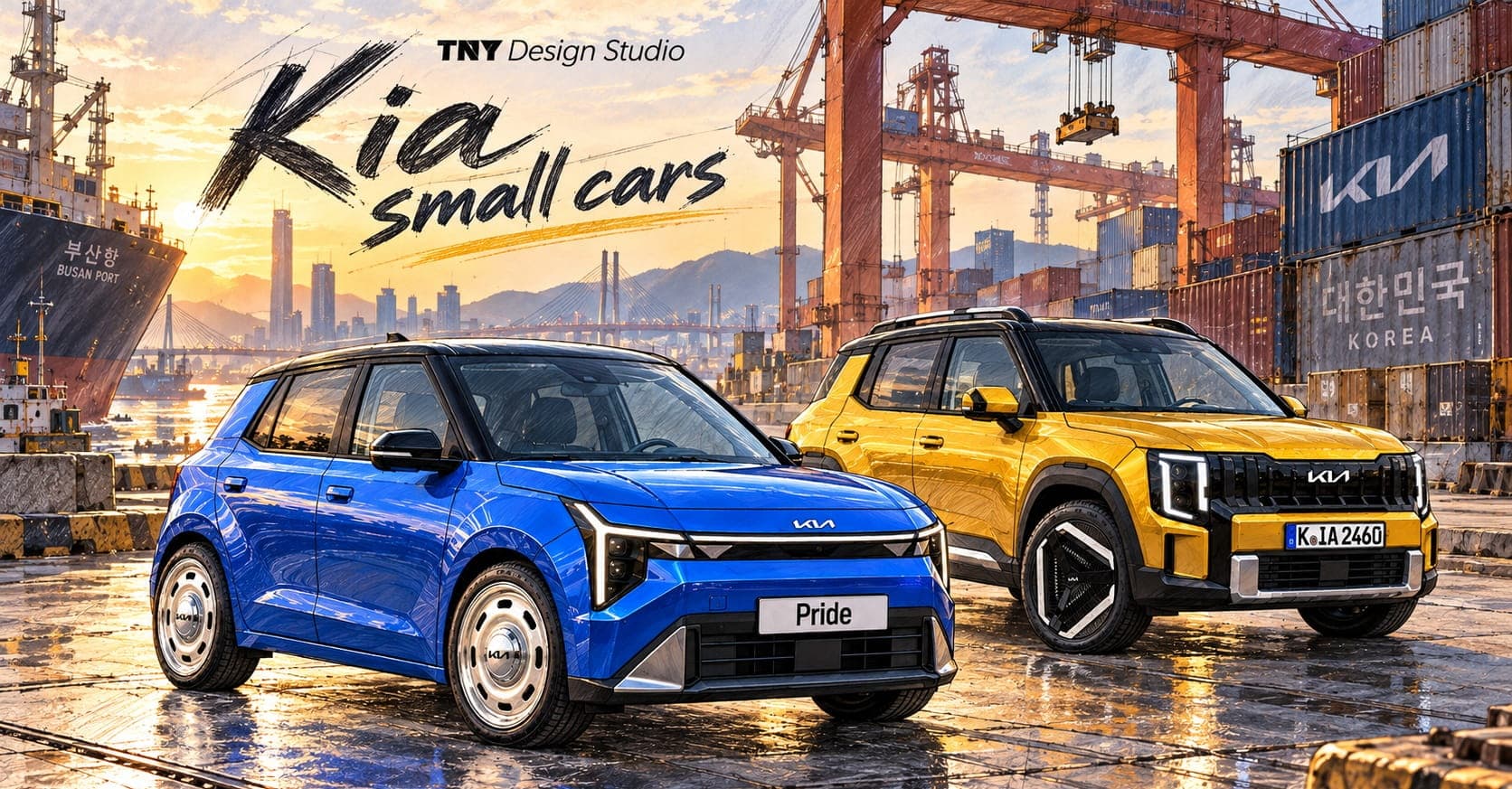
Yet its future looks increasingly uncertain, with tightening emissions regulations and the cost of electrification raising questions about whether a similarly affordable replacement is viable.
The new EV2 goes some way towards filling that gap, but there's room for Kia to think smaller, and broader. Today, TNY Design Studio explores what a complete new generation of Kia's smallest cars could look like.
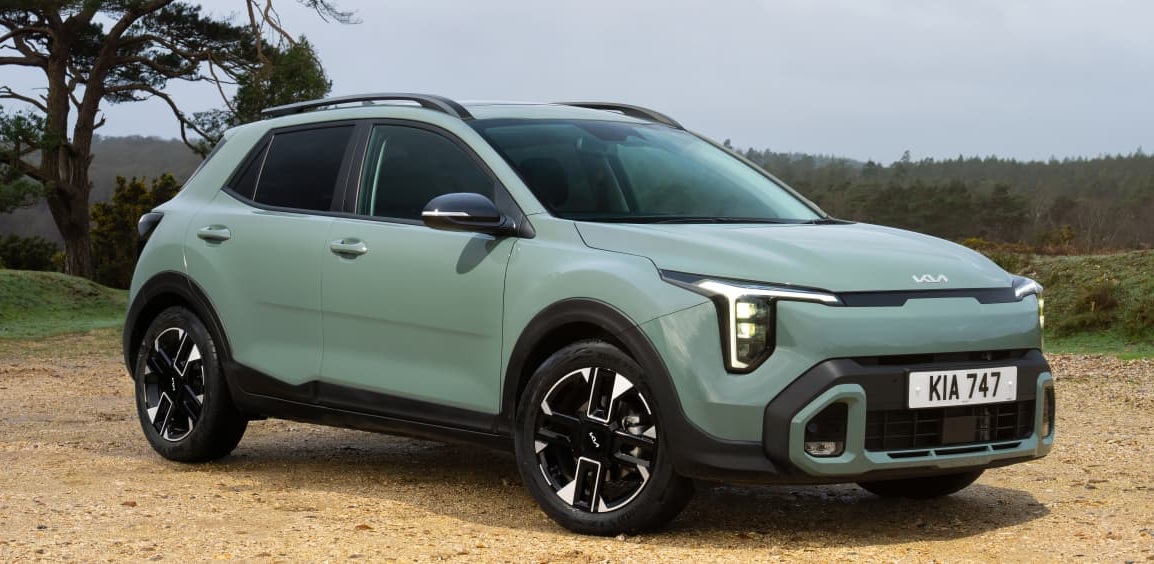
The Kia Stonic has effectively taken over from the discontinued Rio as Kia's affordable small-car offering, but beneath its recently refreshed styling lies a platform dating back to 2017.
Now more than nine years old, the Stonic is surely nearing the end of its current generation. Hyundai unveiled an entirely new Bayon at the 2026 Paris Motor Show, raising the question of how long Kia's closely related crossover can continue without a proper replacement.
With the EV2 establishing Kia's electric ambitions in this segment, TNY Design Studio imagines how a new-generation Stonic could bring fresh appeal to the petrol and hybrid market. (Image credit: Kia)
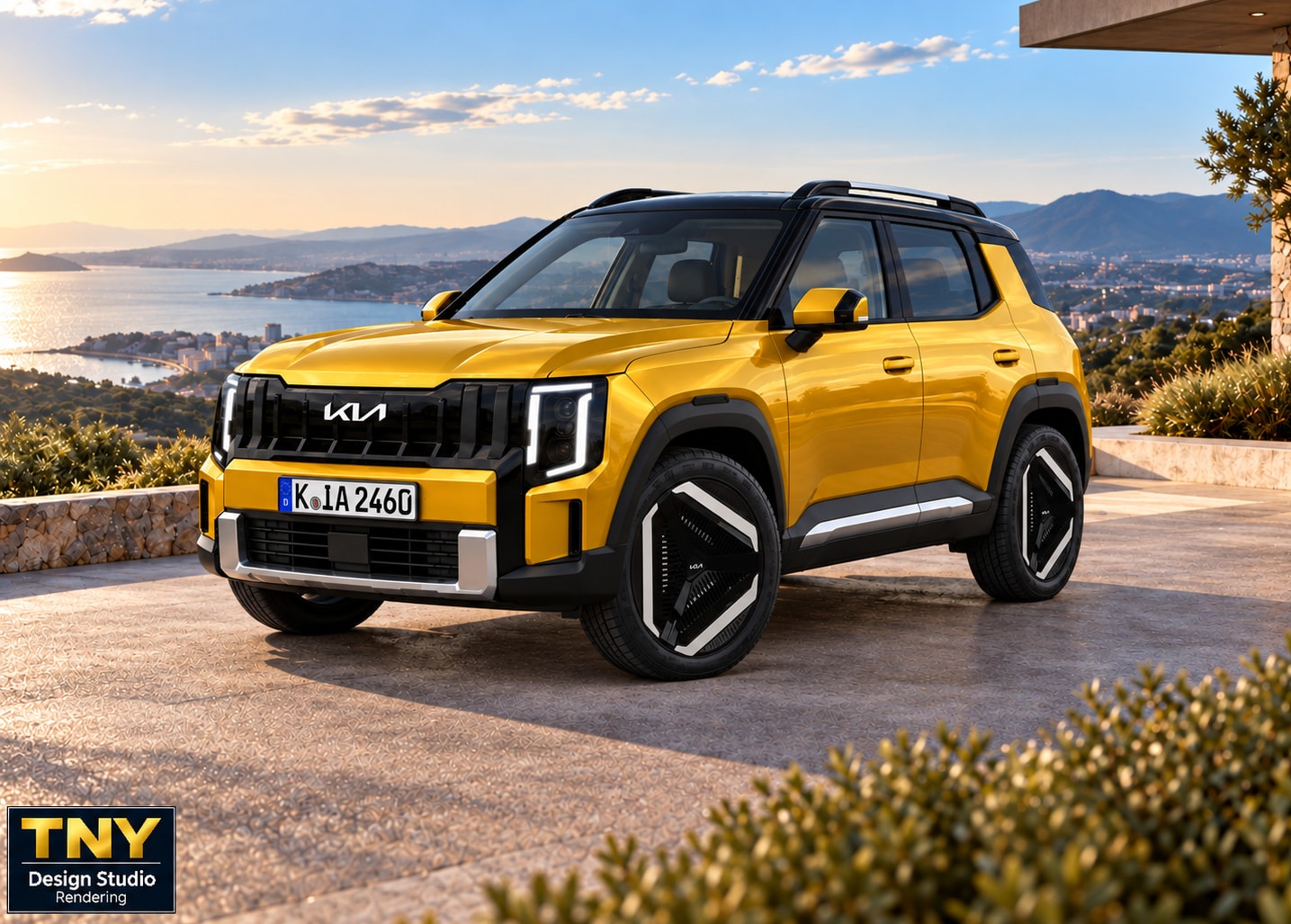
Hyundai's new Bayon has grown by 65mm to 4,245mm, and our imagined Stonic follows a similar direction. Stretching from today's 4,165mm to around 4,250mm, our rendering adopts a bolder, more substantial mini-SUV design, with stronger proportions and the confident styling increasingly expected of modern Kia crossovers.
That growth would also create more breathing room beneath the Stonic in Kia's range, opening the door for smaller, more affordable models. With the new Bayon set to introduce a full-hybrid powertrain, we would expect its Kia sister model to benefit from similar technology, alongside conventional petrol options.
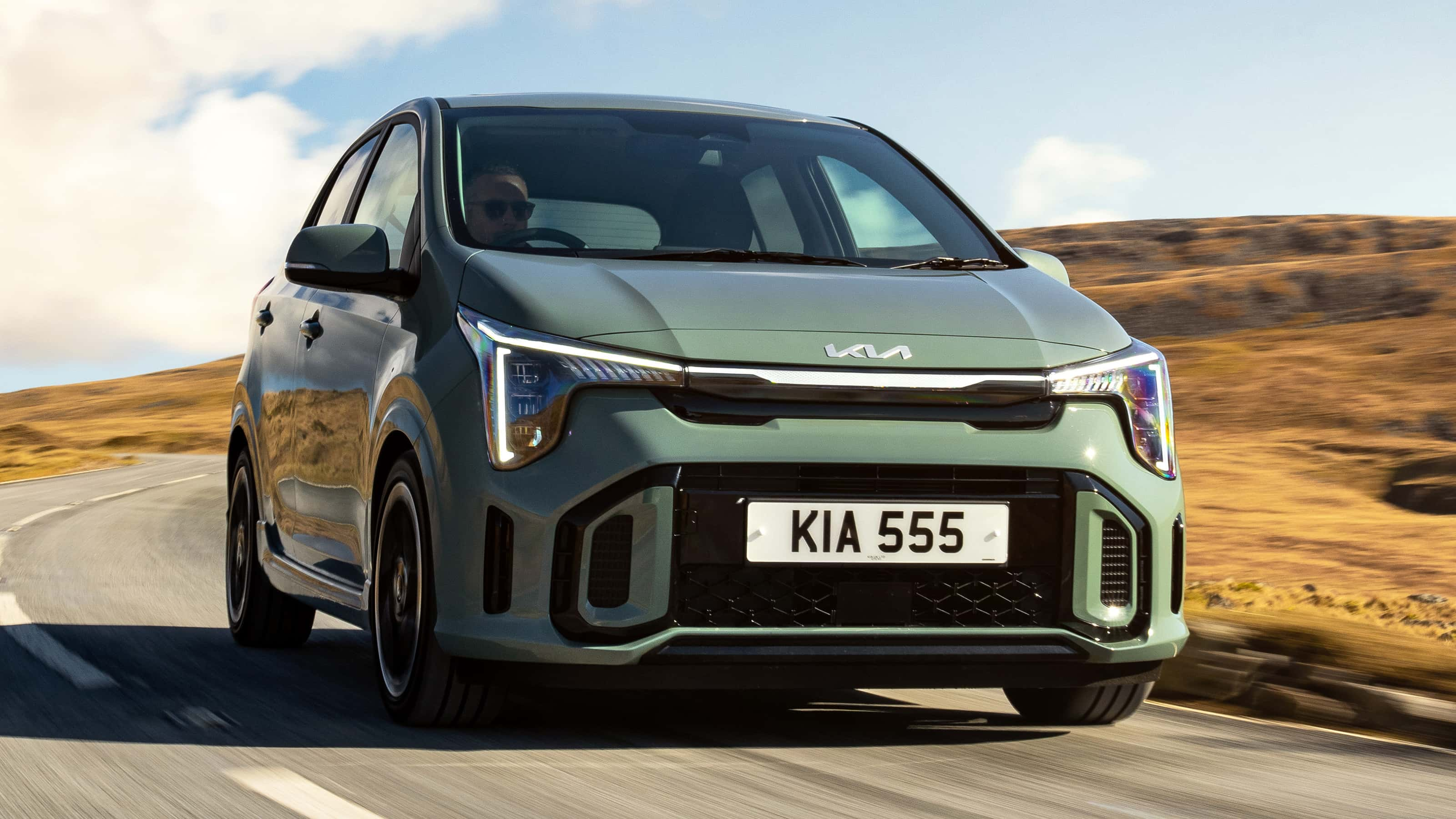
Since arriving in 2004, the Kia Picanto has become a cornerstone of affordable motoring, accumulating almost 280,000 UK registrations across three generations. Still one of Britain's cheapest new cars, it remains surprisingly popular, with over 13,000 registered last year alone.
Yet its future is uncertain. With sister model Hyundai i10 leaving Europe and increasingly demanding emissions regulations threatening the Picanto's survival, could an electric successor provide the answer? (Image credit: Kia)
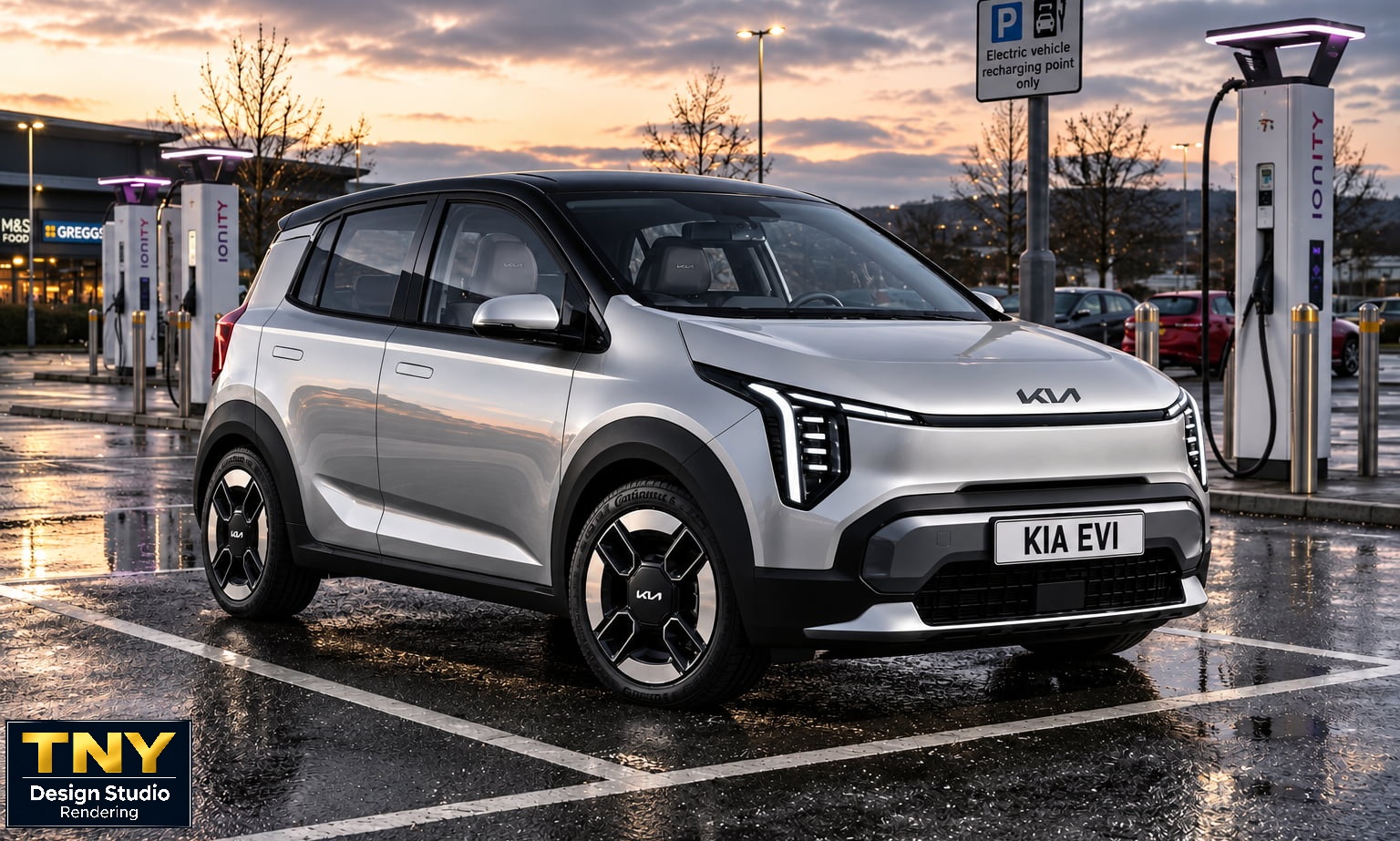
Back in July, TNY Design Studio explored the possibility of a Kia EV1, imagining a compact, slightly raised electric city car positioned beneath the new EV2.
Our original rendering combined practical, space-efficient proportions with Kia's increasingly distinctive design language, exploring how the brand could approach a value-focused electric city car.
Although Kia has yet to reveal the car officially, reports suggest a dedicated platform developed alongside Hyundai, a possible 2028 arrival and a target price of around £17,000. With competition in the affordable electric city-car market intensifying, the EV1 could prove crucial to keeping genuinely small, accessible models in Kia's European showrooms.
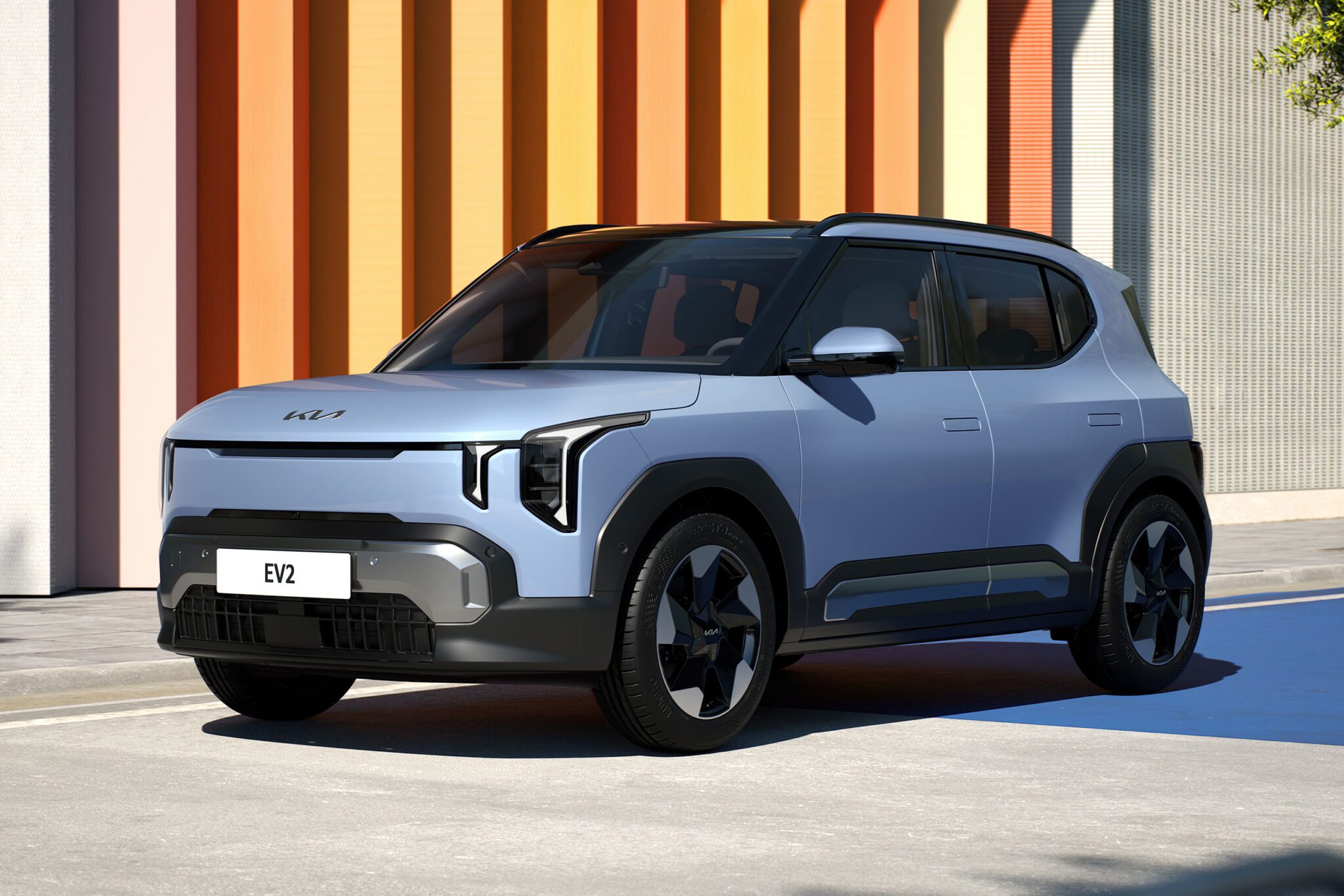
Kia already offers six models measuring between 4,150mm and 4,500mm: the Stonic, EV3, XCeed, Niro, EV4 hatchback and K4. Yet beneath them, the arrival of the 4,060mm EV2 highlights just how much room remains for smaller cars.
Even with our proposed Stonic growing to 4,250mm, Kia could comfortably accommodate three distinct models below 4,150mm. The rumoured EV1 would provide an affordable electric city car, while the EV2 covers the fast-growing compact SUV market.
But what about a more conventional supermini, offering a lower, sportier alternative to the Suzuki Swift and Vauxhall Corsa, just as the Rio once did? (Image credit: Kia)
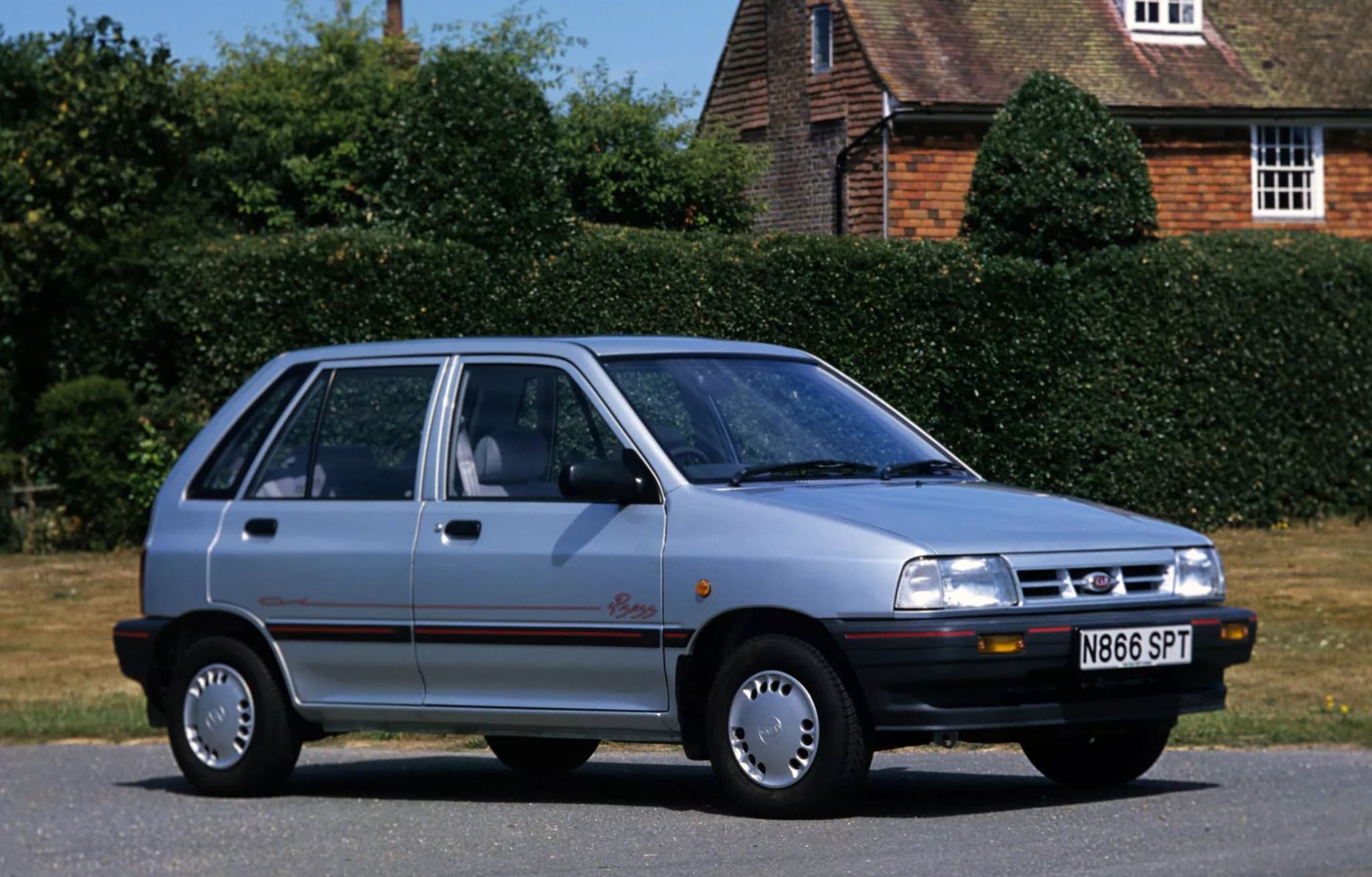
The original Kia Pride holds a special place in the company's history, introducing British buyers to the brand in 1991. Developed by Mazda for Ford, and also sold as the Festiva and Mazda 121, it had surprisingly international roots.
Its budget pricing and sometimes cheap finishes made it feel rather low-rent at the time, but its clean, straight-edged design has aged remarkably well.
Kia hasn't forgotten its humble beginnings either. In 2024, the company celebrated its 80th anniversary with a one-off electric Pride, developed alongside British specialists Electrogenic. Could this overlooked little hatchback provide inspiration for Kia's next affordable supermini? (Image credit: Kia)
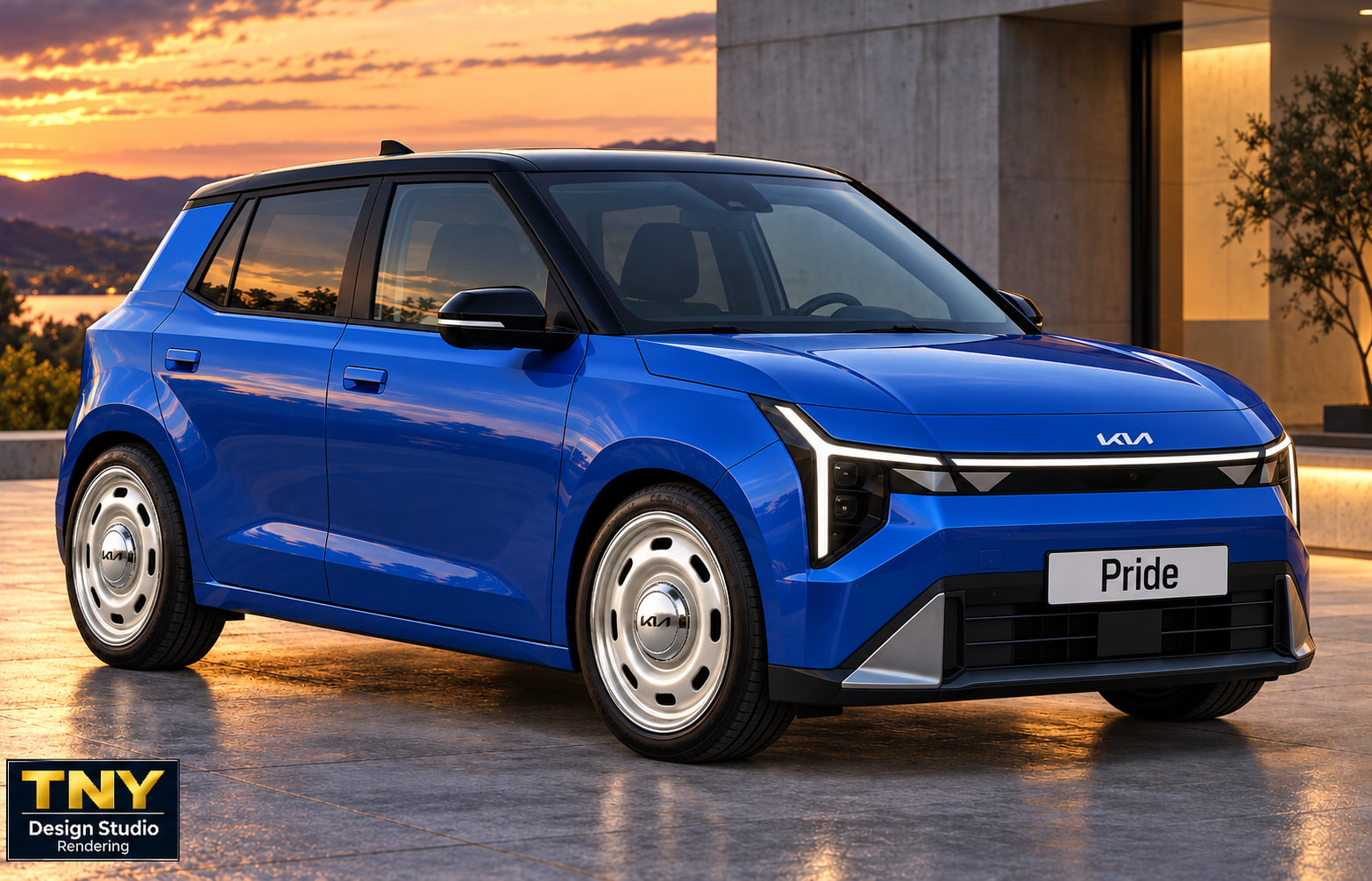
Interestingly, Kia has already confirmed plans for a new electric B-segment hatchback for Europe, suggesting the traditional supermini isn't entirely forgotten. Although its name and appearance remain a mystery, it presents an intriguing opportunity.
Our imagined Pride revival adopts a deliberately simple, retro-inspired design, following the approach taken by the Renault 5 and Fiat Grande Panda. Straight edges, squared-off proportions and clean detailing revisit the original Pride's character without appearing old-fashioned.
Compact, practical and potentially affordable, a modern Pride could restore something increasingly absent from Kia's European range: a conventional, desirable little hatchback without the bulk of an SUV.
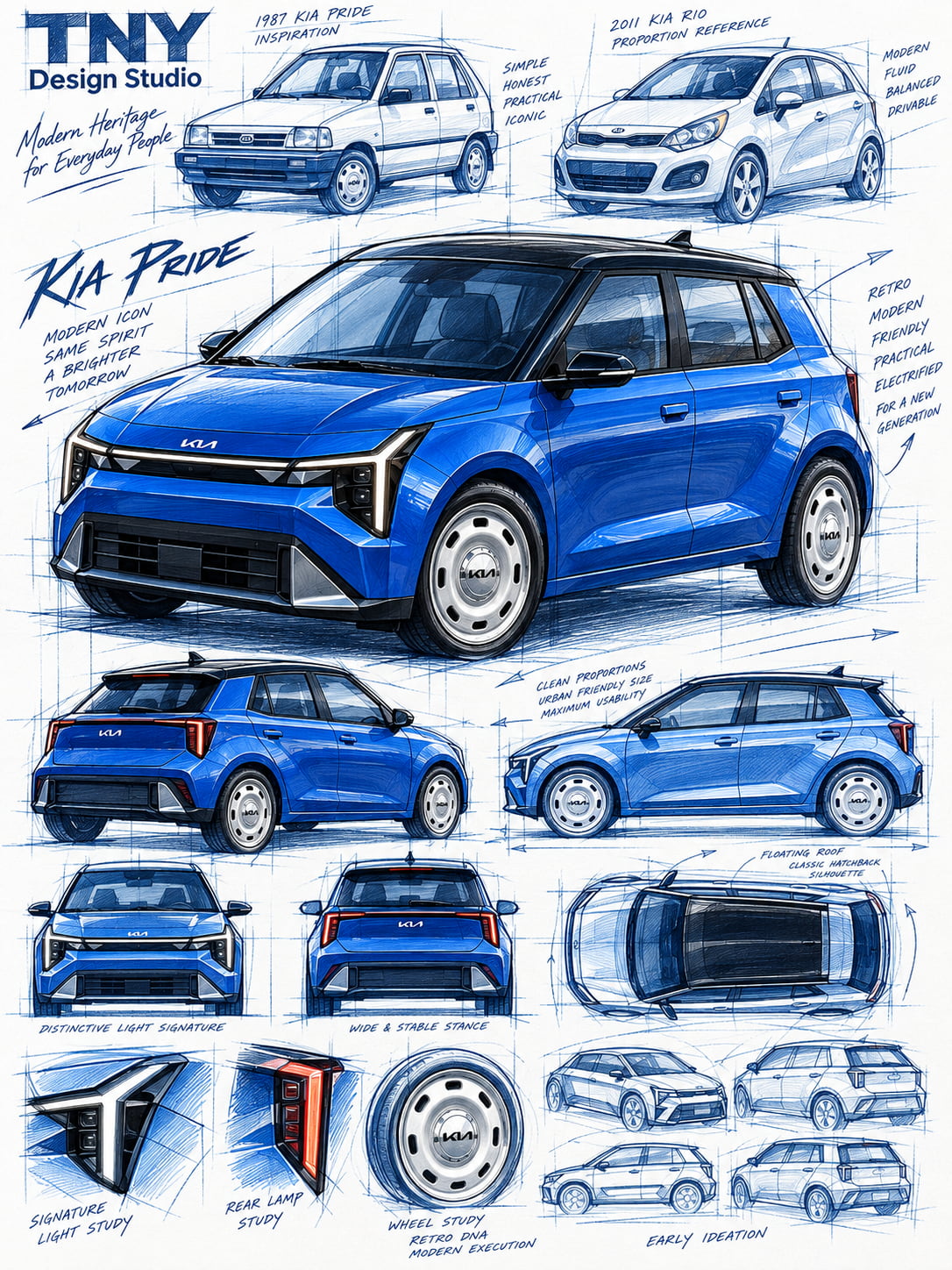
Kia's small hatchback heritage stretches back 35 years in Britain, from the humble Pride through several generations of Rio, each reflecting the company's remarkable transformation. With a new generation of electric supermini now promised, the question is what direction Kia will take.
Will it embrace the sharp, futuristic styling of its latest electric models, or rediscover some of the simplicity and character of its earlier cars? Our design sketches explore the latter, bringing together elements of Kia's small-car history to imagine something familiar, yet thoroughly modern.
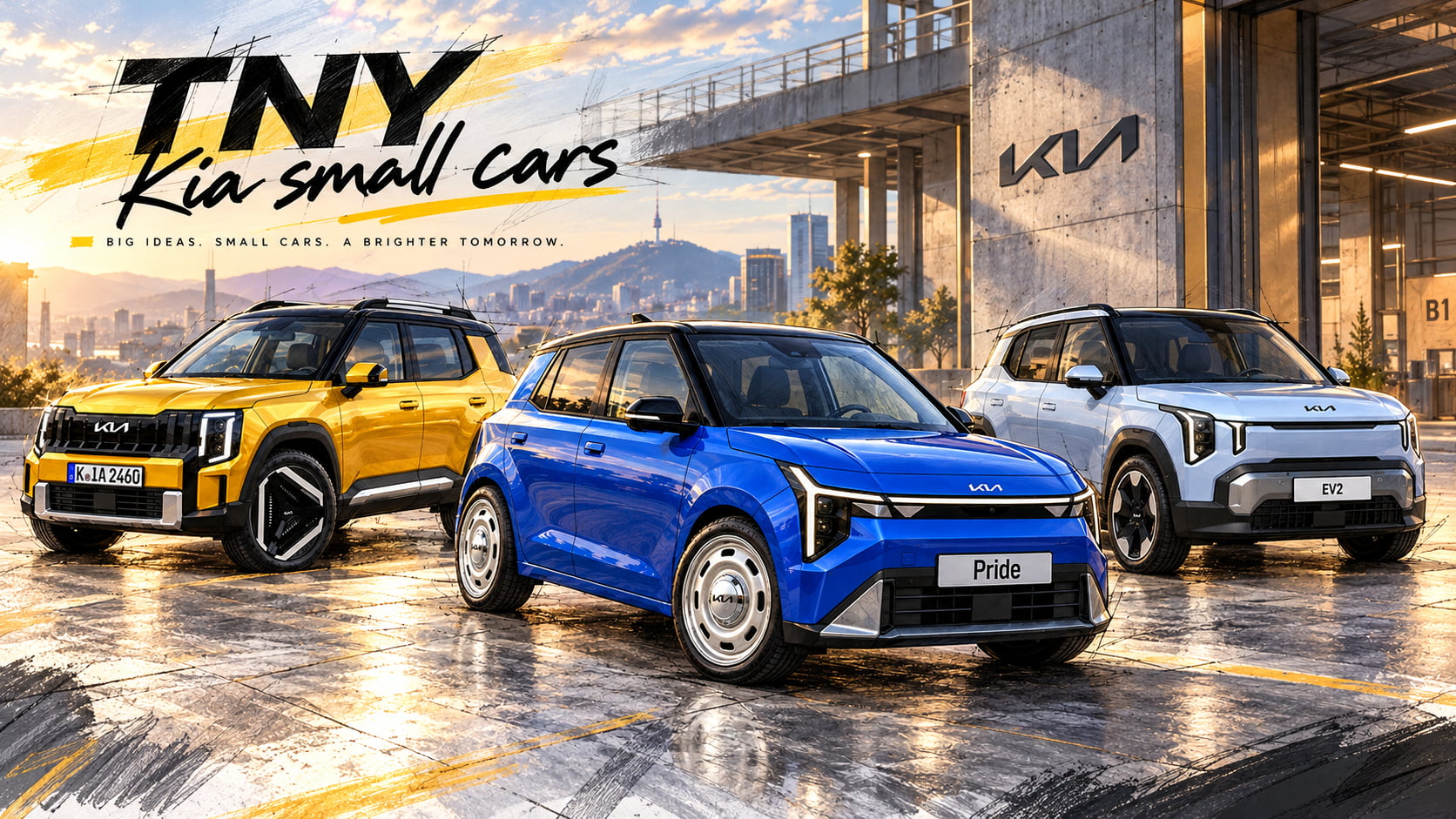
Kia has come a remarkably long way from the days when the Pride offered little more than entry-level, basic transport. Today, the brand has the design confidence, technology and increasingly strong reputation to make small cars genuinely desirable.
With the EV2 arriving, a smaller EV1 rumoured and a new electric hatchback already promised, the foundations of a comprehensive small-car family are beginning to take shape.
Our imagined Stonic, EV1 and Pride demonstrate how Kia could give each model its own identity, offering buyers a choice between practicality, affordability and character. As many manufacturers move upmarket, Kia has a rare opportunity to reconnect with the values that helped build its reputation: practical, desirable small cars that remain within reach of ordinary buyers
You should also read:
Wet Belts: The Problems, the Prices and the Cars Worth Considering
As manufacturers faced increasingly demanding emissions targets, even tiny improvements in engine efficiency became valuable. Compact three-cylinder engines spread from city cars into family hatchbacks, SUVs and even commercial vehicles, helped by turbocharging and increasingly sophisticated engineering. One of the technologies adopted to reduce friction and mechanical noise was the wet timing…

TNY Market Watch — Eight Dependable Asian Cars You Can Buy for Under £8,000
Buying a dependable used car doesn't have to mean spending a fortune or settling for something dull. With a budget of £8,000, there's an increasingly varied selection of affordable, economical cars available, including models that would have cost considerably more just a few years ago. Asian manufacturers have long enjoyed strong reputations…
Škoda's Small Car Future: Cheaper EVs and a New Life for the Scala
Škoda has built its reputation on delivering practical, spacious cars at sensible prices. Models like the Scala demonstrate just how much car the Czech manufacturer can offer for the money, but as the industry moves towards electrification, can Škoda bring that same value to its smallest electric models? The incoming Epiq is…

What Are the Best Fun Cars You Can Buy for £6,000?
A £6,000 budget opens the door to a surprisingly varied selection of interesting used cars. Rather than simply chasing the newest or lowest-mileage option, this is the point where buyers can start looking for something with real character. That might mean a proper rear-wheel-drive coupé, a lightweight hot hatch, a rare premium…
Paris Motor Show 2026: TNY’s Complete Preview of the Cars and Concepts to Watch
The Paris Motor Show is back with one of its most ambitious line-ups in years — and 2026 could prove to be one of the most revealing shows yet for where the global car industry is heading. Europe’s biggest manufacturers are arriving with new electric cars, hybrids, concepts and major design previews,…

From Budget EVs to Supercars: Three Chinese Brands to Watch
Chinese carmakers are no longer simply arriving in Europe with a handful of cheap EVs. They are building factories, expanding dealer networks, developing premium sub-brands and, in some cases, moving faster than many established manufacturers can comfortably match. Three names in particular show just how varied that expansion has become. BYD brings…

What Does £1,500 Buy in 2026? Eight Used Cars We’d Look At
Cheap cars do not automatically have to mean bad cars. At the bottom end of the used market, £1,500 will inevitably involve compromises — higher mileage, older interiors and the odd cosmetic scar — but there are still plenty of genuinely useful, dependable cars available for the money. The trick is looking…
Mazda 3e: Why Mazda Should Take Another Shot at the Small EV
Mazda has already taken one shot at the compact electric car. The MX-30 brought distinctive styling and some genuinely interesting ideas, but its limited electric range and unconventional packaging left it struggling to compete as the EV market rapidly moved forward. That increasingly left Mazda in a difficult position. Its continued reliance…