Ditch the Diesel: 10 Fuel-Efficient Petrol Cars for £2,000
Fortunately, petrol cars have come a long way, and you don't need to spend a fortune to find something capable of returning around 50mpg.
In this edition of TNY Market Watch, we've selected ten fuel-efficient petrol-powered cars available for around £2,000, offering affordable everyday motoring without the potential headaches of an ageing diesel.
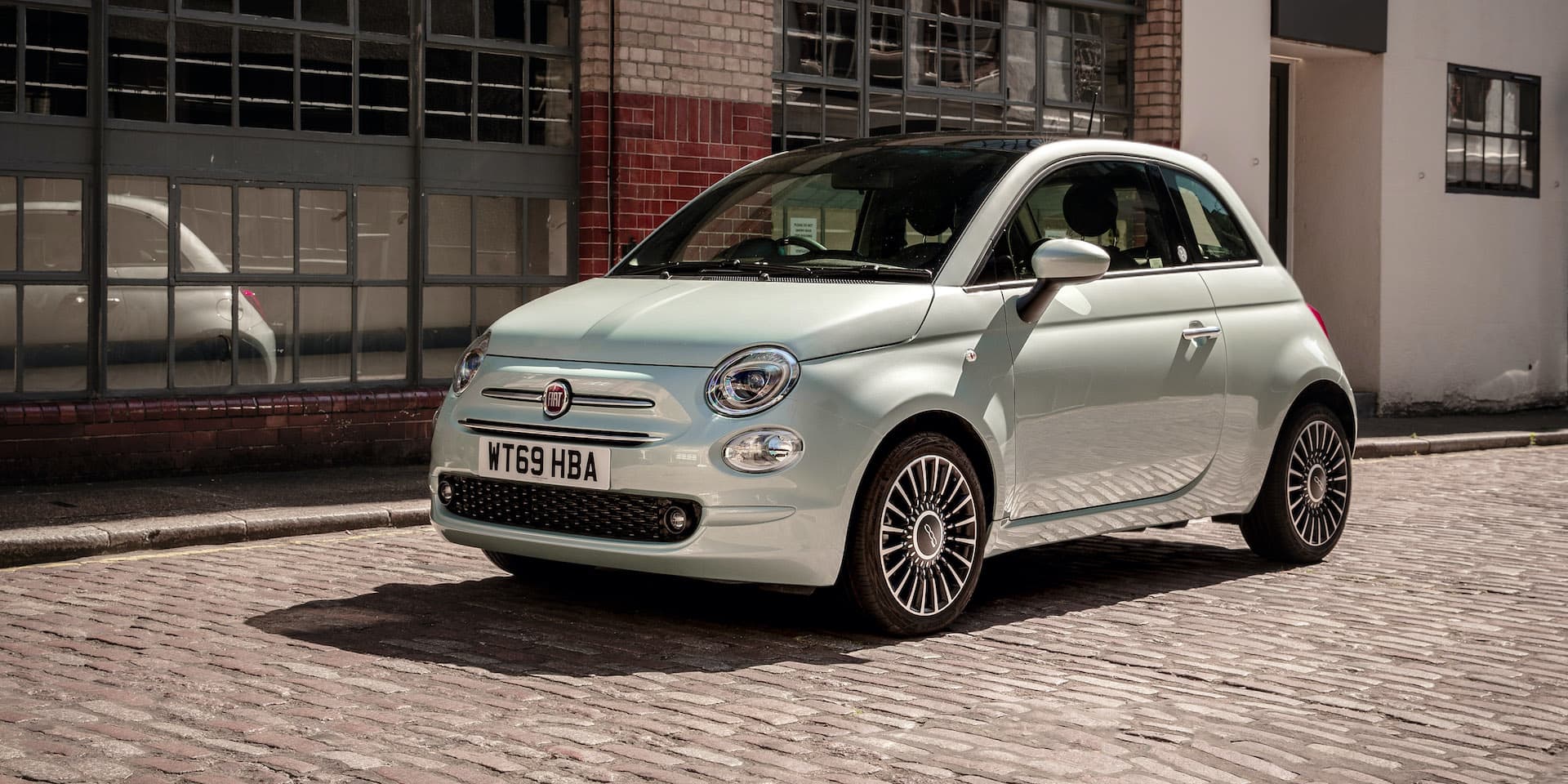
Of course, it won't suit everyone. There are only four seats, a tiny boot and limited rear passenger space, but for everyday commuting and town driving, there's plenty to like.
The dependable 1.2-litre petrol is our pick, with numerous examples available for under £2,000. That budget should comfortably secure a tidy pre-facelift example, potentially with around 100,000 miles on the clock, while the updated 2015 facelift is beginning to creep tantalisingly close to our price ceiling.
Around 50mpg is achievable in ordinary driving, and although the 1.3 MultiJet diesel can squeeze out a few more miles per gallon, higher diesel prices and potentially greater maintenance costs make the petrol particularly appealing.
Petrol power also suits the 500's lightweight, city-friendly character. The alternative 0.9-litre TwinAir is entertaining, with a surprisingly eager personality, but its real-world economy can tumble when you start enjoying the extra performance, something the characterful little engine actively encourages you to do.
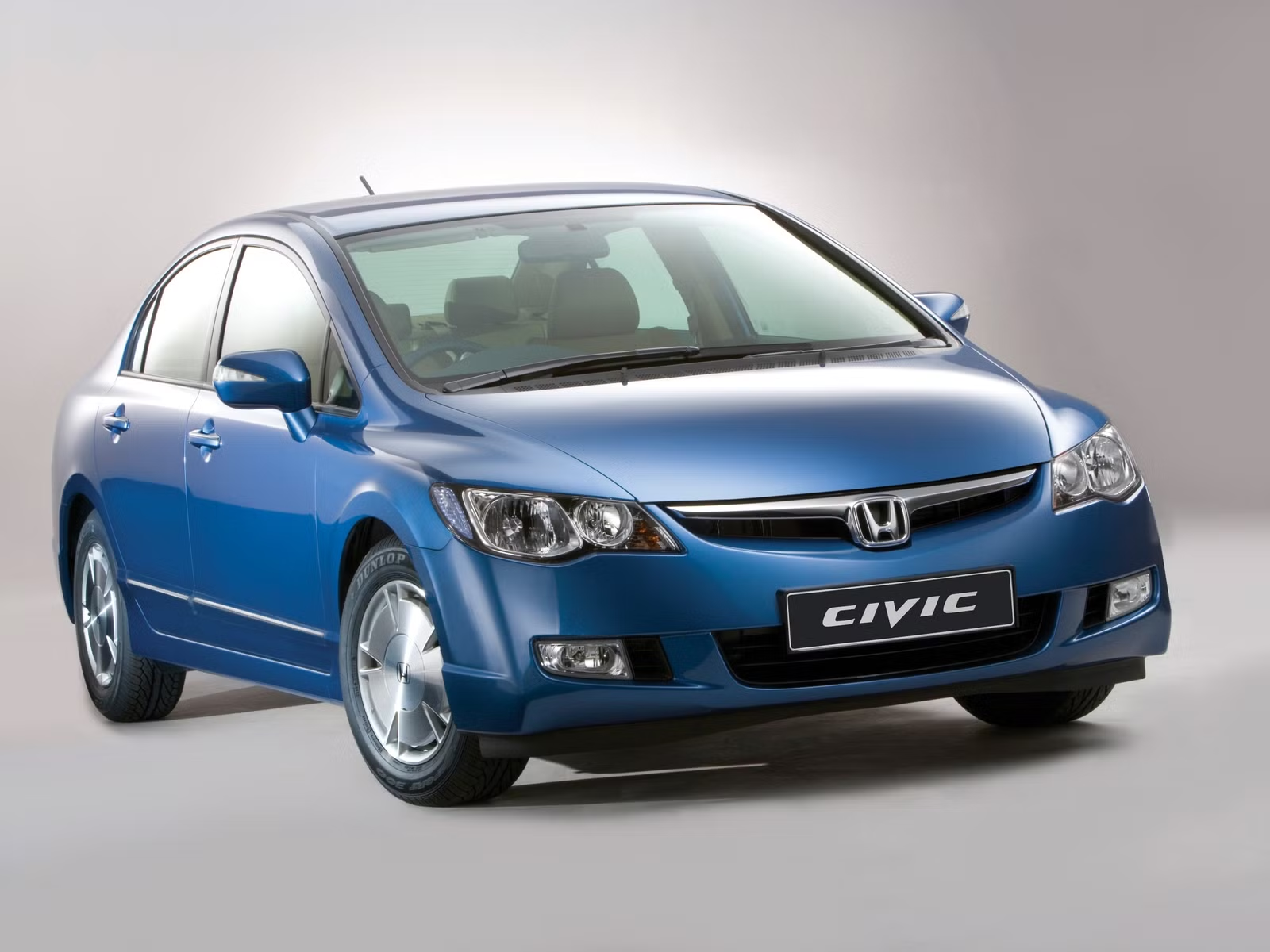
That's good news for today's budget-conscious buyers, because the Civic Hybrid offers an appealing combination of family-friendly space, automatic transmission and impressive fuel economy.
Unlike the familiar Civic hatchback, the IMA came exclusively as a four-door saloon, with generous passenger accommodation, although its fixed rear seats make the boot less versatile. Its 1.3-litre petrol engine works alongside a small electric motor, delivering smooth, relaxed performance through a CVT automatic gearbox.
Our £2,000 budget should secure a 2008 example with over 100,000 miles, with around 50mpg achievable in favourable everyday driving. The biggest consideration is the ageing hybrid battery, which should be checked carefully before purchase, alongside the gearbox and service history.
The later Honda Insight arguably looks sharper and offers a more practical hatchback, but decent examples are harder to find within budget. Stretch to around £3,000, however, and you could even consider the distinctive CR-Z sports coupé, combining Honda's hybrid technology with a considerably more entertaining character.
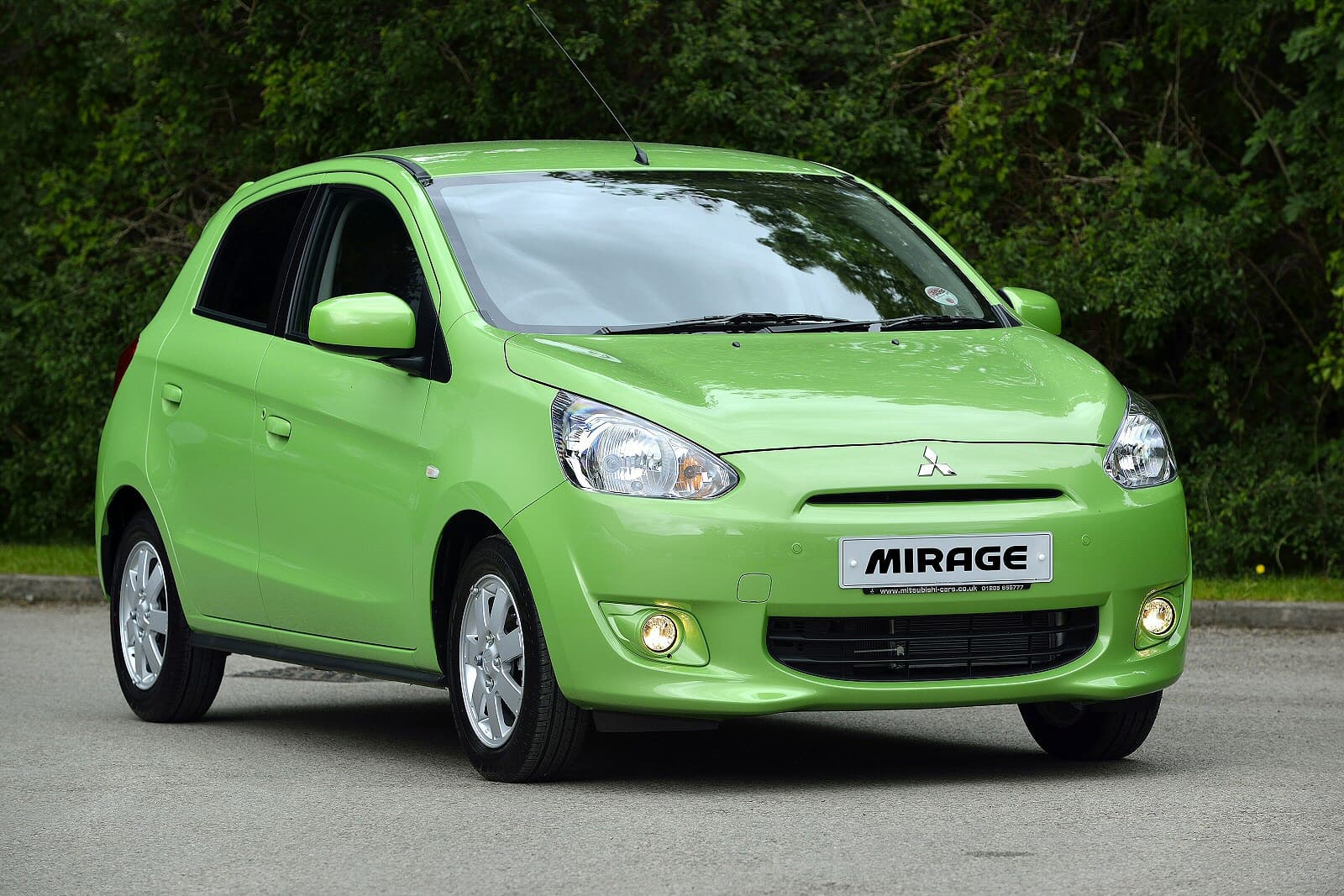
Yet time has been surprisingly kind to the little Mitsubishi. Its simple interior might have looked outdated when new, but there's relatively little technology to become obsolete or expensive to repair. More importantly, its dependable mechanicals and remarkably low running costs have aged considerably better than its original reviews might suggest.
The lightweight Mirage is exceptionally economical, with around 55mpg easily achievable in everyday driving from the 1.0-litre three-cylinder petrol engine. There's also more interior space than its compact dimensions suggest, with five doors, seating for five and reasonable practicality for such a small car.
Our £2,000 budget should secure a respectable example with around 80,000 miles, while higher-mileage cars can be found from approximately £1,000.
It might never win any awards for excitement, but as straightforward, dependable transport that costs very little to fuel, the Mirage makes considerably more sense today than its original reception suggested.
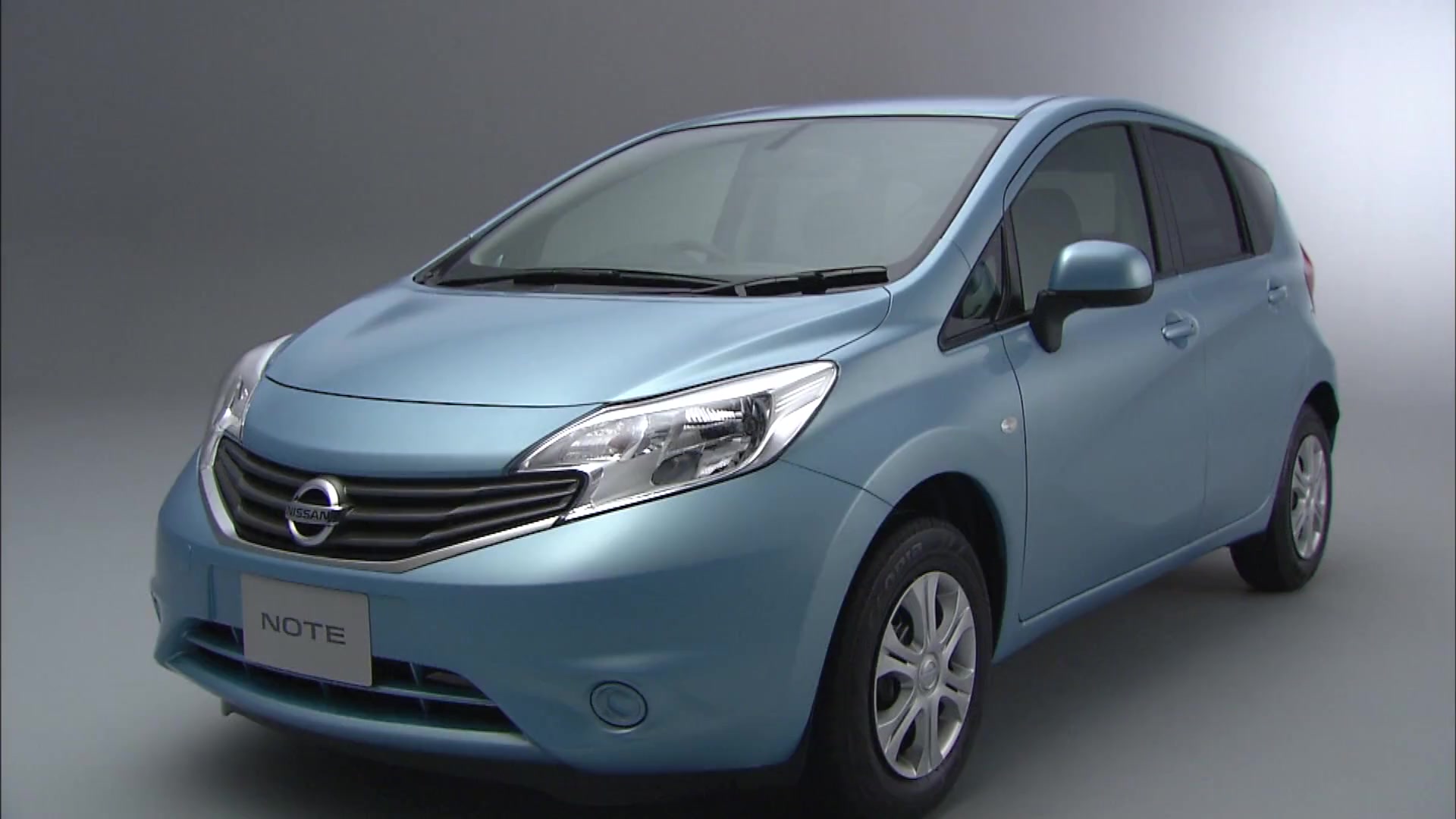
Despite being barely larger than a conventional supermini, the Note offers generous rear legroom, excellent visibility and a useful 325-litre boot. Better-equipped versions even feature a sliding rear bench, allowing luggage capacity to expand to 411 litres when extra passenger space isn't needed.
Our £2,000 budget should secure a second-generation example from around 2014–2015, potentially with fewer than 100,000 miles on the clock. That's an impressive amount of car for the money, particularly considering how much room and versatility it offers.
The naturally aspirated 1.2-litre three-cylinder petrol is our preferred choice, offering straightforward mechanicals and respectable economy. Around 46 mpg is realistic in everyday driving, with 50mpg achievable on gentler journeys. Performance is modest, but perfectly adequate for ordinary commuting and family duties.
It might lack the charm of the Fiat 500 or the Mitsubishi Mirage's exceptional economy, but for buyers prioritising space, practicality and value, the Note is difficult to overlook.
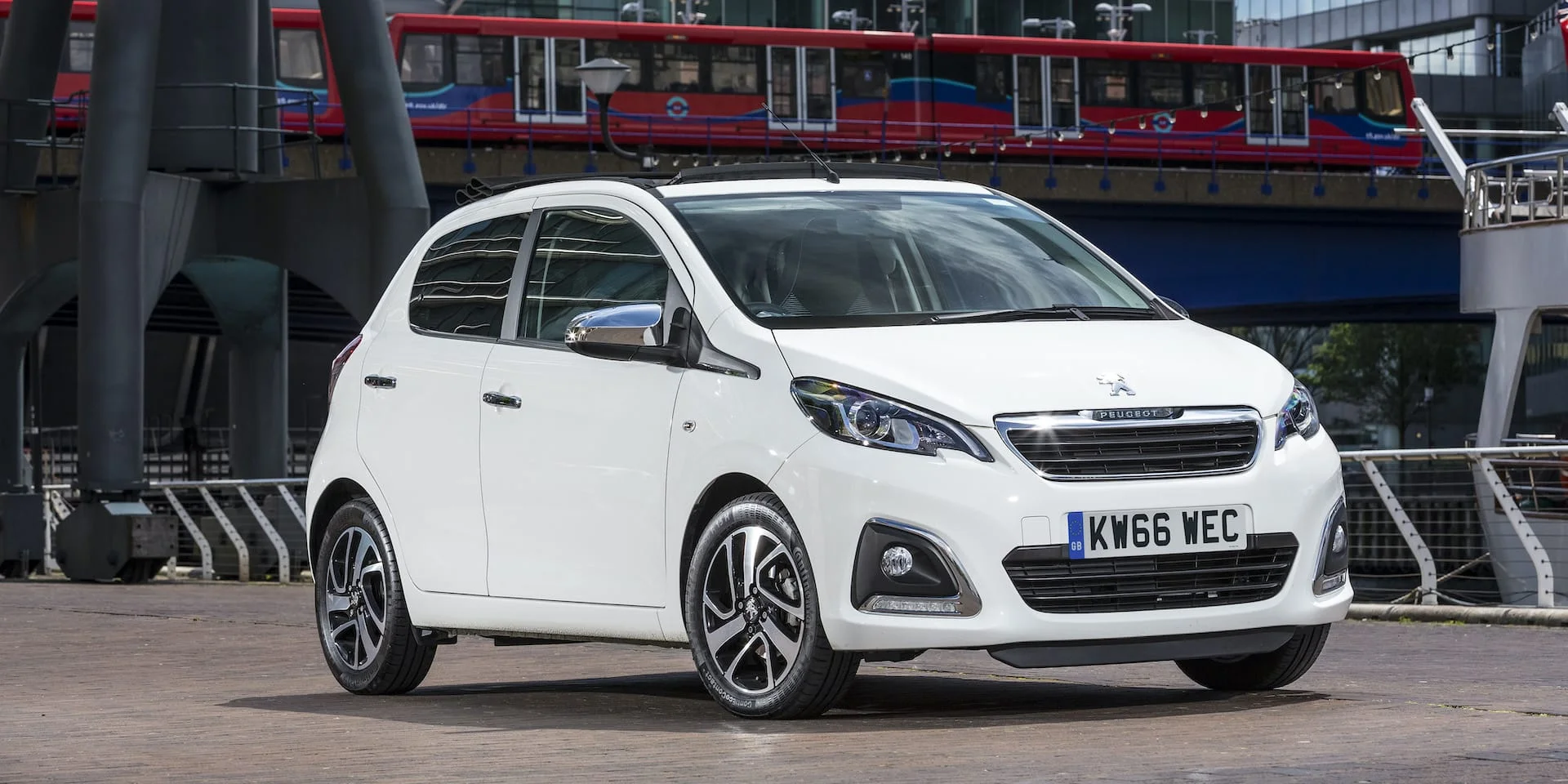
Thanks to its lightweight construction, the 108 is remarkably nimble around town, even with the modest 1.0-litre three-cylinder engine. Around 55mpg is easily achievable, making it one of the most economical conventional petrol cars on our list.
There's also a punchier 1.2-litre PureTech option, offering noticeably stronger performance while still managing around 50mpg in real-world conditions. However, buyers need to be particularly careful with its oil-immersed timing belt, which can cause expensive engine problems if neglected. The Toyota-derived 1.0-litre is a safer bet, with a conventional timing chain and an excellent reputation for reliability.
Our £2,000 budget should secure an early 108 with around 100,000 miles, potentially including one of the better-equipped versions.
For those looking to spend even less, the older Peugeot 107 is every bit as economical, shares the dependable 1.0-litre engine and can be found from around £800. It feels considerably more basic, but represents exceptional value for anyone simply wanting cheap, dependable transport.
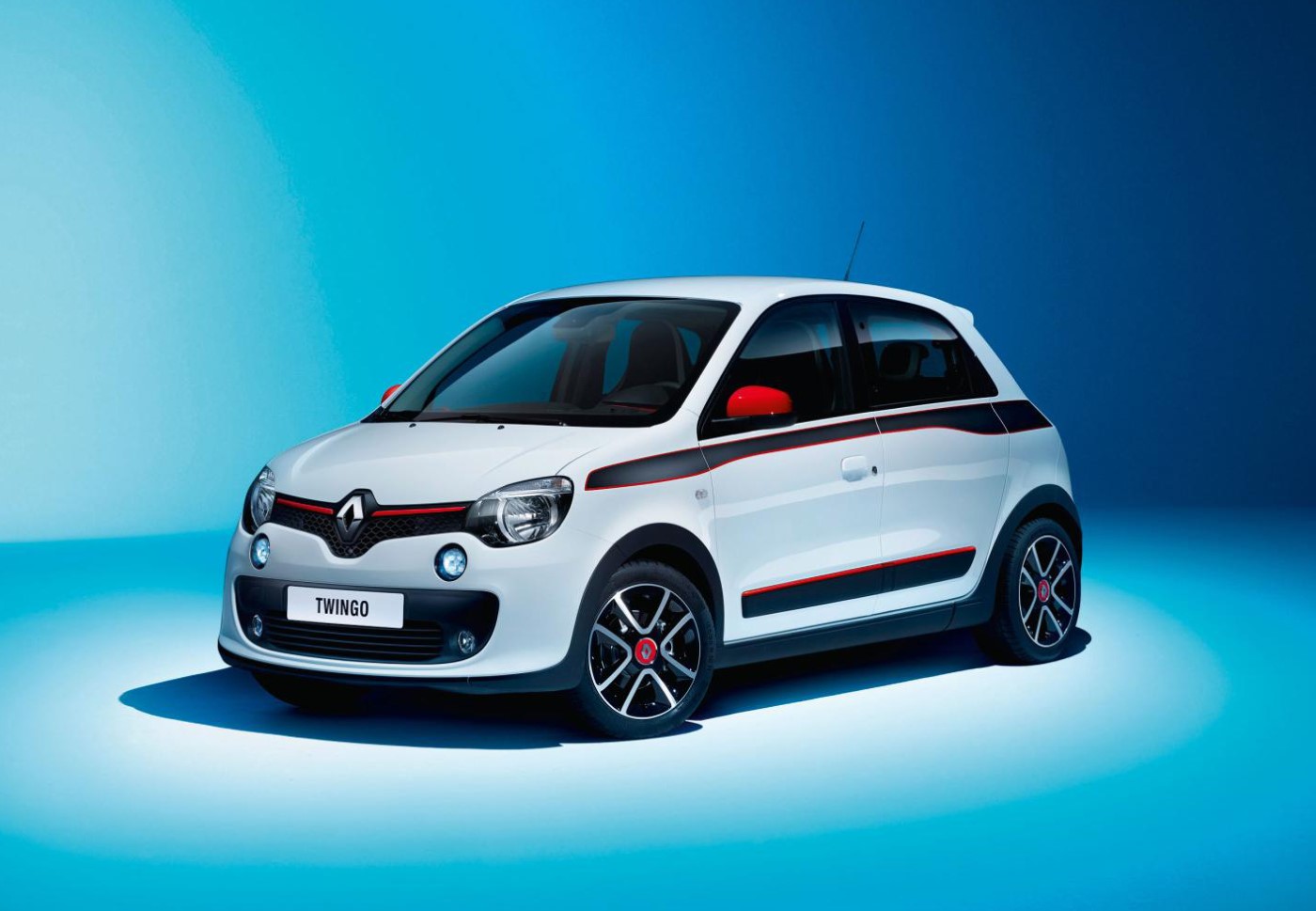
With an exceptionally tight 8.6-metre turning circle, the Twingo is brilliant around town, making narrow streets, awkward parking spaces and tight U-turns remarkably easy to negotiate. Unlike previous generations, this Twingo came exclusively with five doors, offering much better access to its surprisingly spacious cabin, although seating is limited to four.
The naturally aspirated 1.0-litre petrol is our economical choice, capable of returning around 50–55mpg in everyday driving. Performance isn't particularly exciting, but the Twingo's lightweight construction, compact dimensions and rear-wheel-drive layout make it an entertaining little companion.
Our £2,000 budget should secure a 2015 example with fewer than 90,000 miles, offering plenty of character for very little money. The more powerful 0.9-litre turbocharged version comes close to our budget, and its additional performance makes the Twingo feel particularly lively. However, real-world economy stands closer to 48mpg.
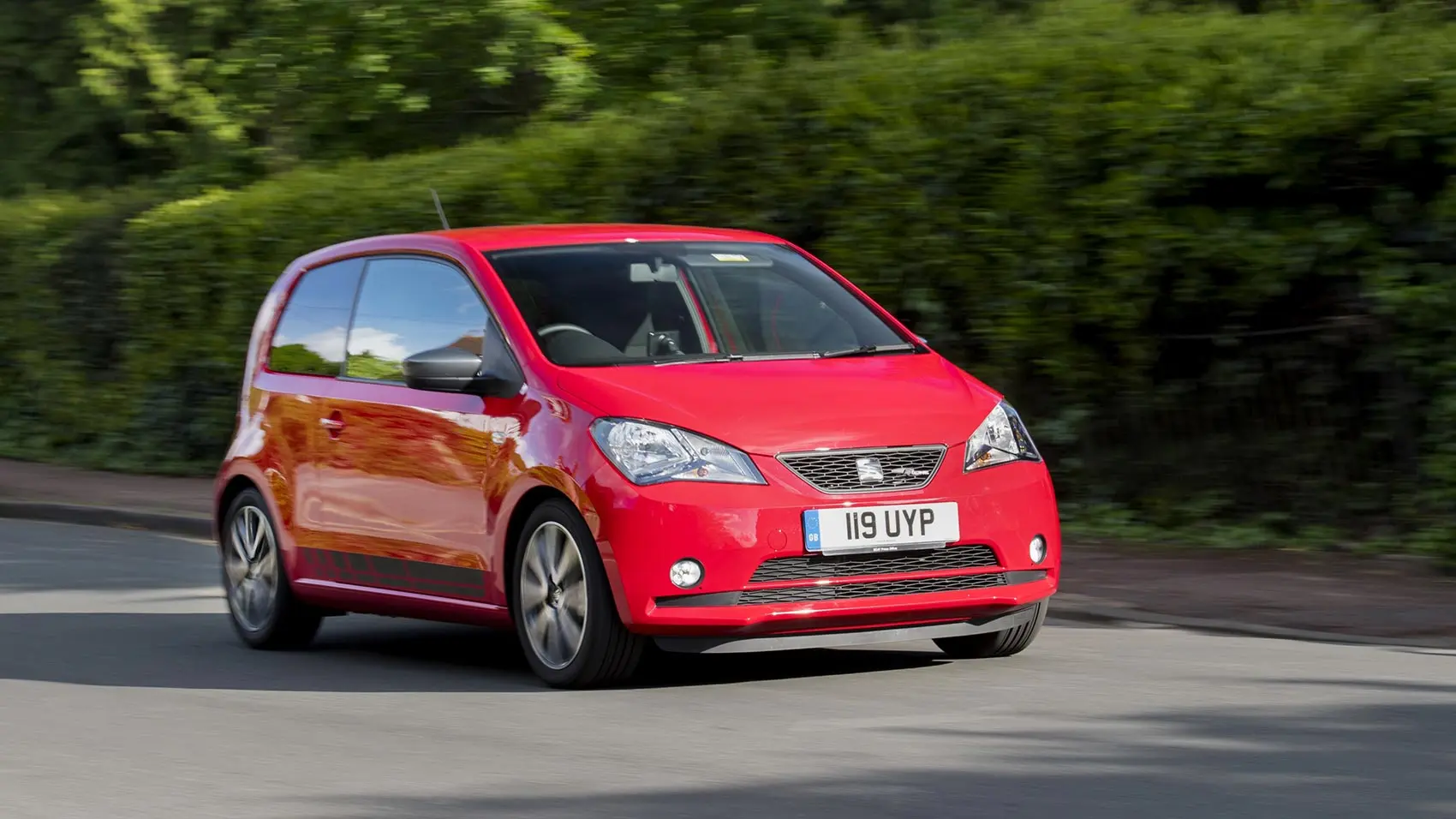
The SEAT Mii offers a sharper-looking alternative to the Volkswagen Up, sharing its mechanicals and efficiency while adding a little Spanish character. With SEAT's future now looking uncertain, it's easy to forget just how extensive the brand's range once was. When the Mii arrived, SEAT offered everything from conventional hatchbacks and estates to MPVs and even the Exeo saloon. The little Mii sat at the bottom of that range, providing compact, affordable transport.
Its 1.0-litre three-cylinder petrol engine came with either 60PS or 75PS, both offering respectable performance thanks to the car's lightweight construction. Around 50mpg is achievable with careful everyday driving, making the Mii a particularly economical choice for motorists looking to minimise their fuel bills.
Despite its compact dimensions, the Mii feels surprisingly mature on the road, with decent refinement, a well-built interior and reasonable passenger space, although it's strictly a four-seater.
Our £2,000 budget can secure an early example from around 2013–2014, with both three-door and more practical five-door versions worth considering. We'd favour the manual gearbox over the rather clumsy automated alternative.
The Mii enjoyed a relatively long production life and even became an electric car in 2019. Remarkably, the Mii Electric remains SEAT's only series-production battery-electric car. For anyone wanting dependable, economical motoring with a slightly more distinctive appearance than its Volkswagen sibling, the Mii is an excellent little car.
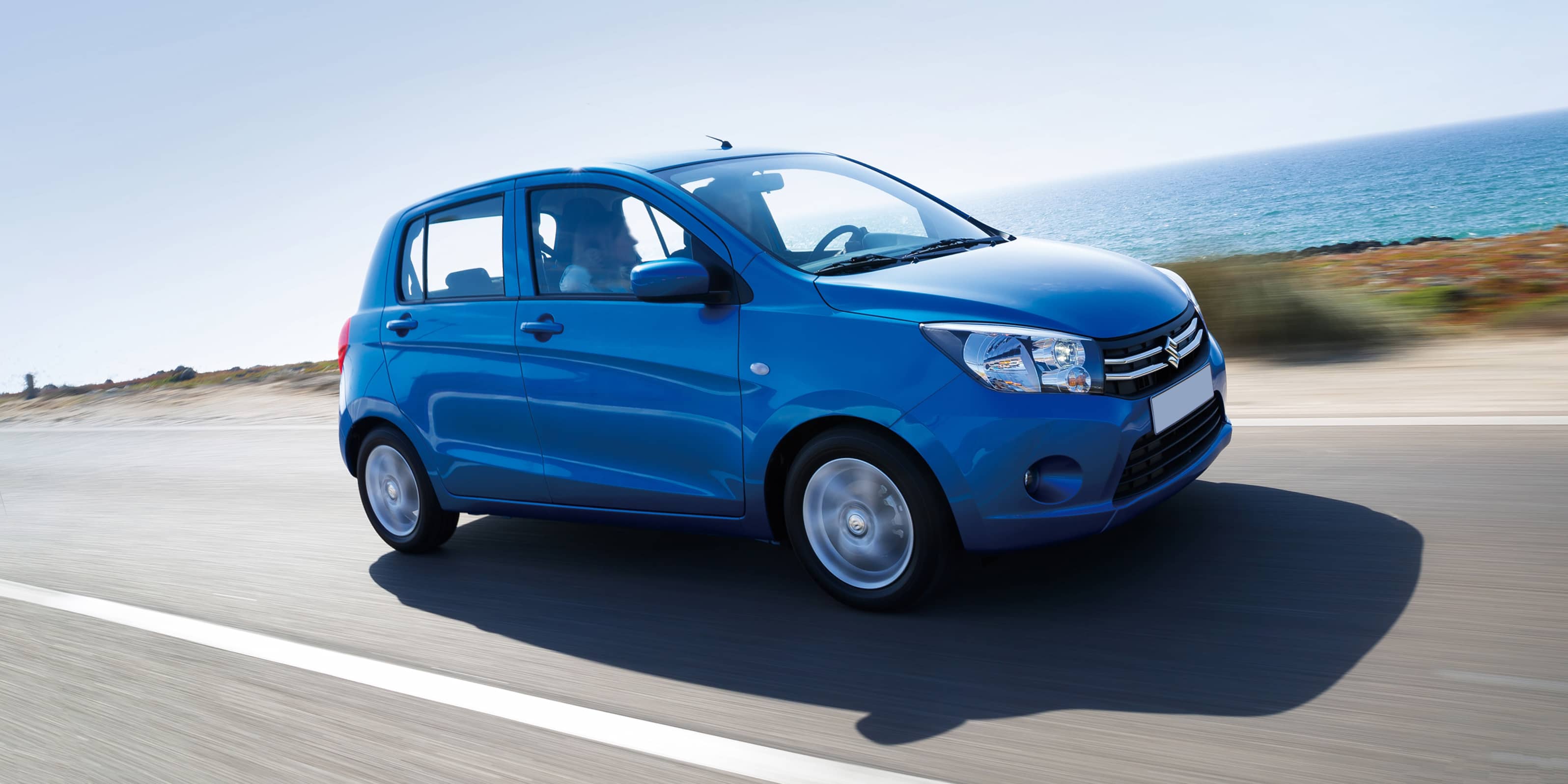
Its tall roofline, five-door body and surprisingly generous rear accommodation make it more versatile than many city cars, while the 254-litre boot is particularly impressive for something just 3.6 metres long. The interior is undeniably basic, but everything feels straightforward and designed to last.
However, fuel economy is where the Celerio really shines. Its lightweight construction and simple 1.0-litre three-cylinder petrol engine make it one of the most economical non-hybrid petrol cars of its generation. Around 50–55mpg is realistic from the standard engine, while the clever Dualjet version can achieve 60mpg with careful driving, without relying on expensive hybrid technology.
The Dualjet uses two fuel injectors per cylinder to improve efficiency, while retaining the simplicity of a naturally aspirated petrol engine. Both versions also benefit from timing chains rather than belts.
Our £2,000 budget can now secure an early example with fewer than 100,000 miles. It might not be the most exciting car in our selection, but for sheer economy, reliability and interior space, the Celerio is remarkably difficult to beat.
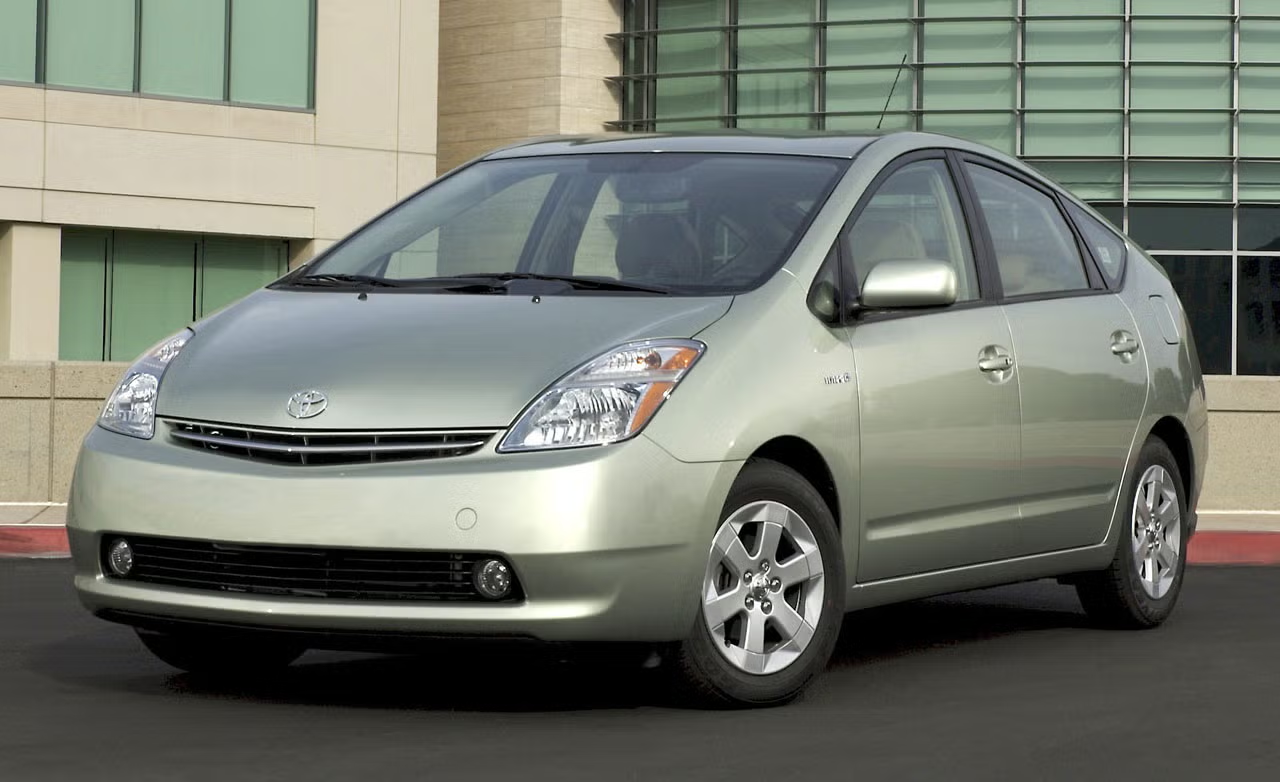
Its 1.5-litre petrol-electric hybrid powertrain has proven exceptionally dependable, with examples covering more than 400,000 miles demonstrating just how durable these cars can be. Around 55mpg is achievable with careful driving, with even better results possible in favourable urban conditions.
Unlike many of our smaller choices, the Prius is a genuinely spacious family car, offering five seats, a generous hatchback boot and a smooth, effortless automatic driving experience. It's particularly well suited to stop-start traffic, where its hybrid technology can make the biggest difference.
Our £2,000 budget should secure a second-generation example with around 160,000 miles, a figure that needn't be particularly concerning for a well-maintained Prius. However, the ageing hybrid battery deserves careful attention, especially on cheaper examples, where replacement costs could easily exceed the car's value.
For anyone wanting economical family transport without sacrificing space, comfort or automatic convenience, the Prius offers an extraordinary amount of car for £2,000.
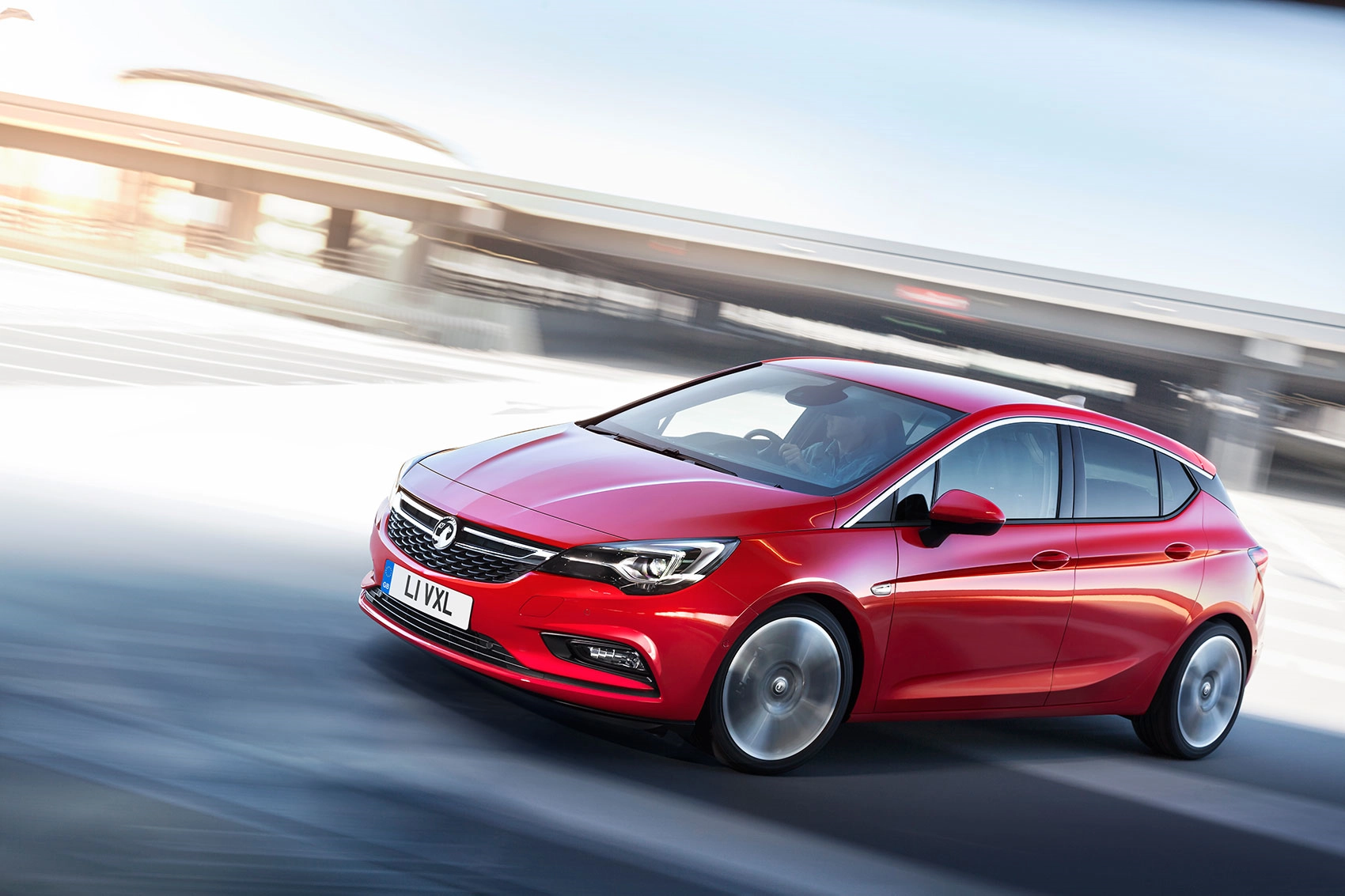
Much of that efficiency comes from General Motors' clever lightweight engineering. The Astra K shed up to 200kg compared with its predecessor, despite offering more interior space. The result was effectively Ford Focus practicality with a kerb weight approaching that of a Ford Fiesta, allowing its modest 105PS engine to deliver surprisingly capable performance.
Our £2,000 budget can secure a 2016 example with around 100,000–130,000 miles. These cars still look neat and modern, with comfortable interiors, respectable equipment levels and considerably better motorway refinement than many of the smaller city cars featured here.
The Astra is also available as a Sports Tourer estate, offering a generous 540-litre boot, expanding to 1,630 litres with the rear seats folded. However, equivalent 1.0-litre petrol estates generally start north of £3,000, putting them beyond our budget.
For buyers covering longer distances or regularly carrying passengers, the Astra makes a compelling case. It offers genuine family-car comfort, space and motorway ability while returning fuel economy that would once have been associated with a much smaller petrol car.
With diesel costing £2 a litre, our fuel cost comparison highlights just how competitive an economical petrol car can be. Even a petrol model returning 50mpg costs less to fuel than a diesel achieving the same figure, while coming surprisingly close to one managing 60mpg.
Our ten choices demonstrate that economical motoring doesn't have to mean sacrificing practicality, comfort or character. From tiny city cars to spacious family hatchbacks and hybrids, £2,000 can still buy a remarkably capable car.
Condition and maintenance history remain essential at this price, but with careful buying, ditching the diesel could make financial sense without compromising everyday usability.
Legal Disclaimer

All vehicle prices, mileage examples and fuel economy figures are indicative and were correct to the best of our knowledge at the time of research (October 2026). Used vehicle prices vary according to condition, mileage, specification, location and availability.

Real-world fuel economy figures are estimates and will vary with driving conditions and individual vehicles. Fuel cost comparisons use illustrative prices of £1.73 per litre for petrol and £2.00 per litre for diesel. Reliability assessments are general guidance and do not guarantee the condition of individual cars. Buyers should check service histories, MOT records and mechanical condition before purchasing.

Image Credits

Vehicle photography features models from Fiat, Honda, Mitsubishi, Nissan, Peugeot, Renault, SEAT, Suzuki, Toyota and Vauxhall. Manufacturer press photographs, where used, remain the copyright of their respective rights holders. Other photographs remain the property of their original copyright owners. The TNY Market Watch hero illustration is AI-assisted editorial artwork created for The New Yardstick using a Honda Civic reference photograph.

The New Yardstick is an independent automotive publication and is not affiliated with or endorsed by the manufacturers featured.
You should also read:

An Estate for Every Budget – 12 of the Best from £2,000 to £20,000
Estate cars have long been among the most sensible vehicles on the road, but today's used market offers some particularly extraordinary value. From dependable family transport costing little more than £2,000 to enormous executive estates with almost 700 litres of luggage space, there's something here for virtually every budget. Spend a little…

The Next Microcar Generation – Six Little Cars with Big Ambitions
Microcars might occupy a small corner of Europe's automotive market, but their appeal is difficult to ignore. In 2025, France registered 24,919 new light quadricycles, while Italy recorded 17,989 light and heavy quadricycles, more than 72% of them electric. Their appeal lies in simplicity. Compact dimensions, low energy consumption and modest running…
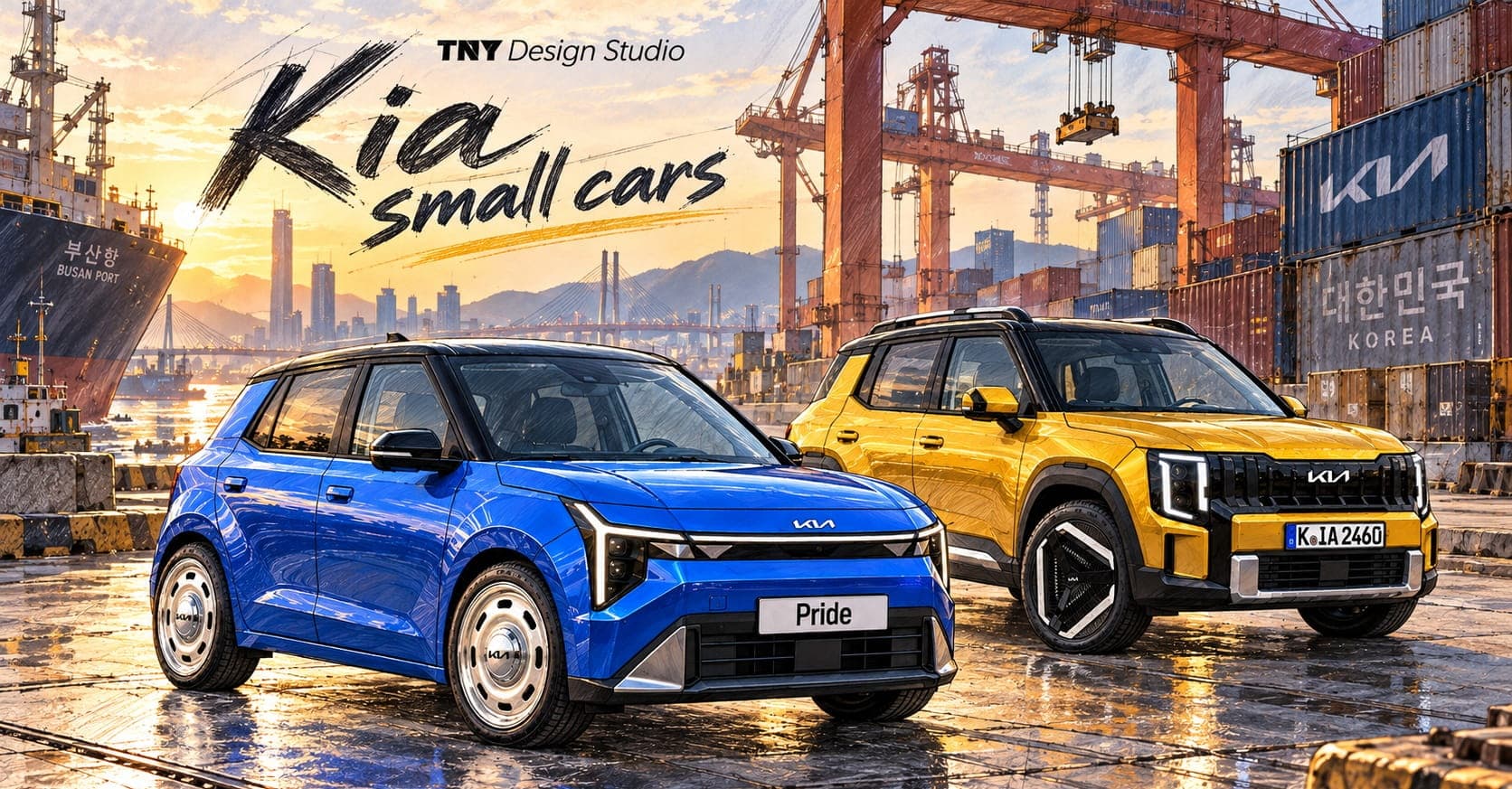
Taking Pride in the Little Things – Reimagining Kia’s Small Cars
Over the past 20 years, Kia has transformed itself from a budget alternative into one of the world's most successful and increasingly desirable car manufacturers. The humble Picanto has played an important part in that journey, offering affordable, practical motoring to generations of buyers. Yet its future looks increasingly uncertain, with tightening…

Wet Belts: The Problems, the Prices and the Cars Worth Considering
As manufacturers faced increasingly demanding emissions targets, even tiny improvements in engine efficiency became valuable. Compact three-cylinder engines spread from city cars into family hatchbacks, SUVs and even commercial vehicles, helped by turbocharging and increasingly sophisticated engineering. One of the technologies adopted to reduce friction and mechanical noise was the wet timing…

TNY Market Watch — Eight Dependable Asian Cars You Can Buy for Under £8,000
Buying a dependable used car doesn't have to mean spending a fortune or settling for something dull. With a budget of £8,000, there's an increasingly varied selection of affordable, economical cars available, including models that would have cost considerably more just a few years ago. Asian manufacturers have long enjoyed strong reputations…

What Are the Best Fun Cars You Can Buy for £6,000?
A £6,000 budget opens the door to a surprisingly varied selection of interesting used cars. Rather than simply chasing the newest or lowest-mileage option, this is the point where buyers can start looking for something with real character. That might mean a proper rear-wheel-drive coupé, a lightweight hot hatch, a rare premium…

Paris Motor Show 2026: TNY’s Complete Preview of the Cars and Concepts to Watch
The Paris Motor Show is back with one of its most ambitious line-ups in years — and 2026 could prove to be one of the most revealing shows yet for where the global car industry is heading. Europe’s biggest manufacturers are arriving with new electric cars, hybrids, concepts and major design previews,…

From Budget EVs to Supercars: Three Chinese Brands to Watch
Chinese carmakers are no longer simply arriving in Europe with a handful of cheap EVs. They are building factories, expanding dealer networks, developing premium sub-brands and, in some cases, moving faster than many established manufacturers can comfortably match. Three names in particular show just how varied that expansion has become. BYD brings…