Wet Belts: The Problems, the Prices and the Cars Worth Considering

One of the technologies adopted to reduce friction and mechanical noise was the wet timing belt, which runs inside the engine oil rather than outside it. It offered genuine advantages, but years later, some owners discovered that those small efficiency gains could come with an expensive maintenance liability.
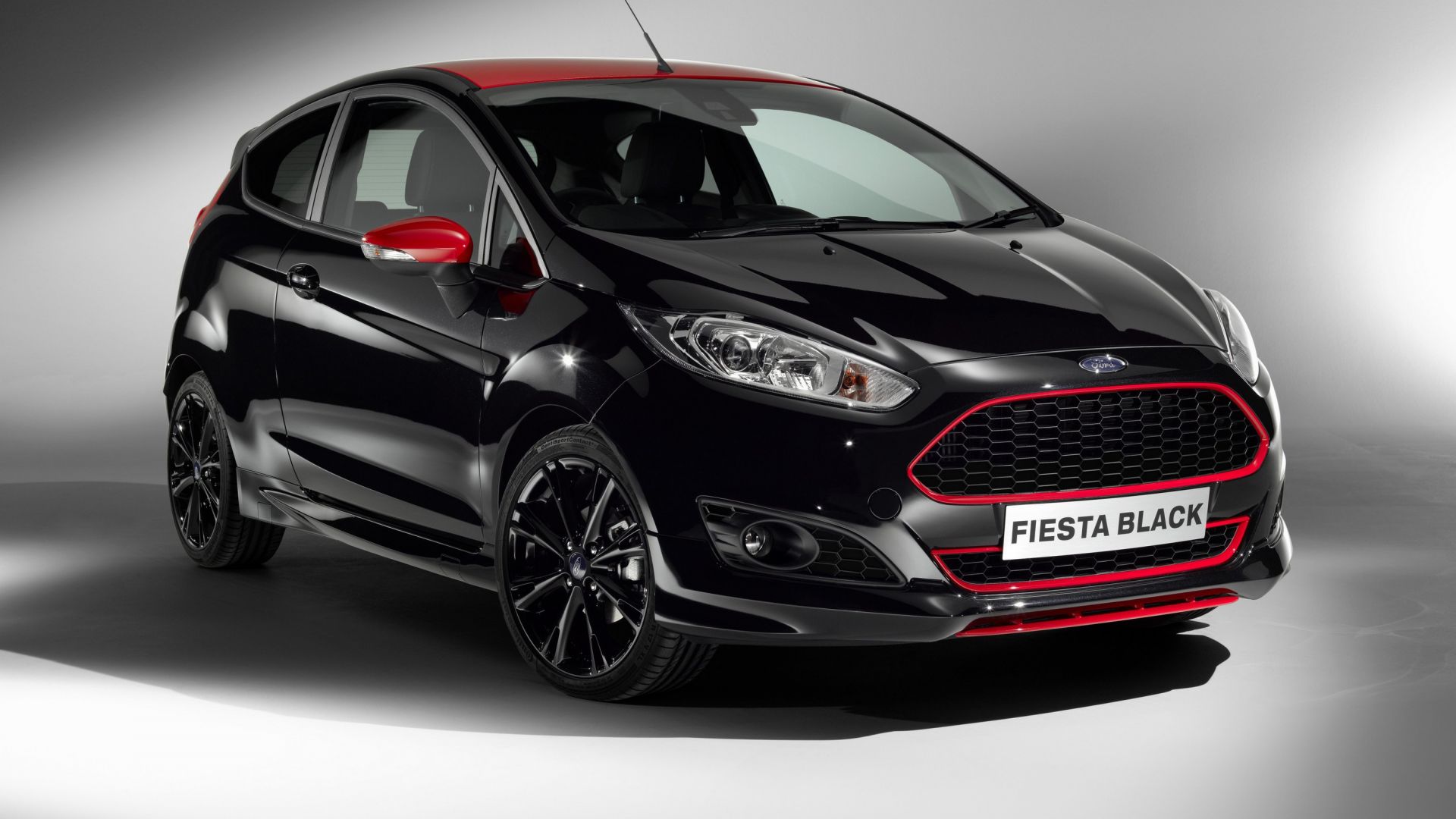
Ford's 1.0-litre EcoBoost was an impressive piece of engineering when it arrived in 2012. Despite having just three cylinders and a tiny displacement, it offered lively performance, with outputs eventually reaching 138bhp in the Fiesta.
Official economy figures could approach 65mpg, although achieving anything close to this in everyday driving proved difficult. This wasn't a wet-belt problem, but rather a familiar characteristic of small turbocharged petrol engines, which became increasingly common across Europe.
Unfortunately, the EcoBoost's reputation would eventually become dominated by its oil-immersed timing belt. Designed to reduce friction and mechanical noise, the belt could deteriorate over time, particularly when exposed to degraded or unsuitable engine oil. Fragments of rubber could then accumulate around the oil-pump pickup, restricting lubrication and potentially causing serious engine damage.
For some owners, the consequences were expensive, with failures resulting in damaged turbochargers or even complete engine replacements. The problem became sufficiently well known that the once-celebrated EcoBoost developed an unfortunate reputation among used-car buyers.
Less obviously, the later Fiesta's naturally aspirated 1.1-litre Ti-VCT petrol also used a wet timing belt, meaning avoiding the turbocharged EcoBoost didn't necessarily mean avoiding the technology.
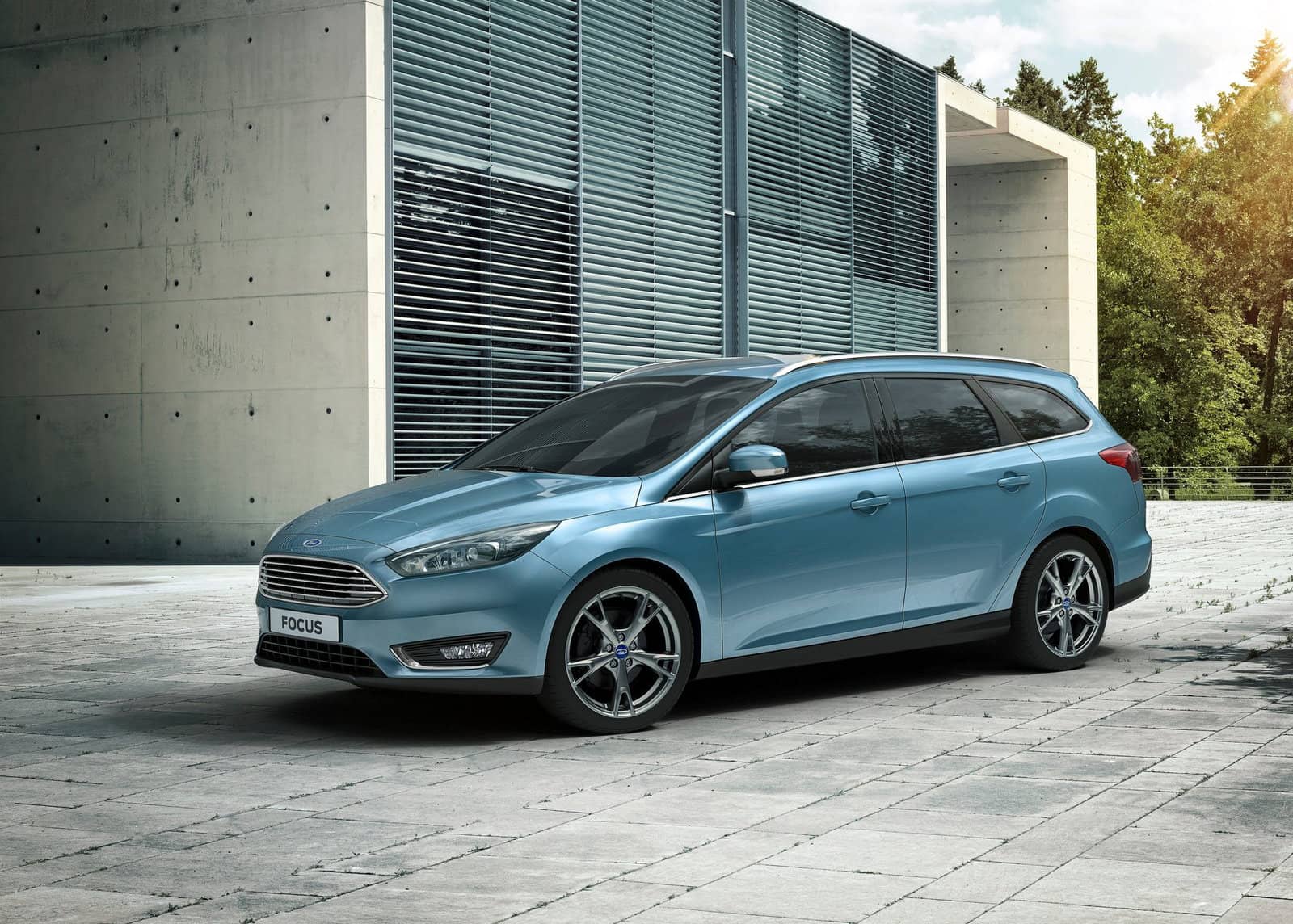
The 1.0 EcoBoost wasn't confined to the Fiesta. Ford fitted it to considerably larger models, including the Focus, Mondeo, C-Max and B-Max, alongside the EcoSport SUV and Transit Courier. That gave buyers the economy and relatively low emissions of a small petrol engine without necessarily sacrificing the practicality of a family car.
Fortunately, preventative wet-belt replacement isn't always as expensive as its reputation suggests. We've found independent garages across Britain advertising replacements for around £600, with some quoting even lower starting prices. Comprehensive packages can include both belts, fresh oil and filter, and oil-system cleaning. Owners should confirm exactly what's included before accepting a quote.
The EcoBoost's reputation has also created an interesting opportunity in the used-car market. We've found several 2013 Fiesta 1.0 EcoBoost examples with around 100,000 miles advertised for approximately £2,000, including the desirable 125PS version. That's a tempting price for a car with excellent road manners, a 0–62mph time of just 9.4 seconds and the potential to approach 50mpg with careful driving.
Many pre-April 2017 EcoBoost Fiestas also qualify for annual road tax of just £20. For buyers prepared to check the service history and budget for preventative maintenance, a well-kept example could represent considerably better value than its reputation might suggest.
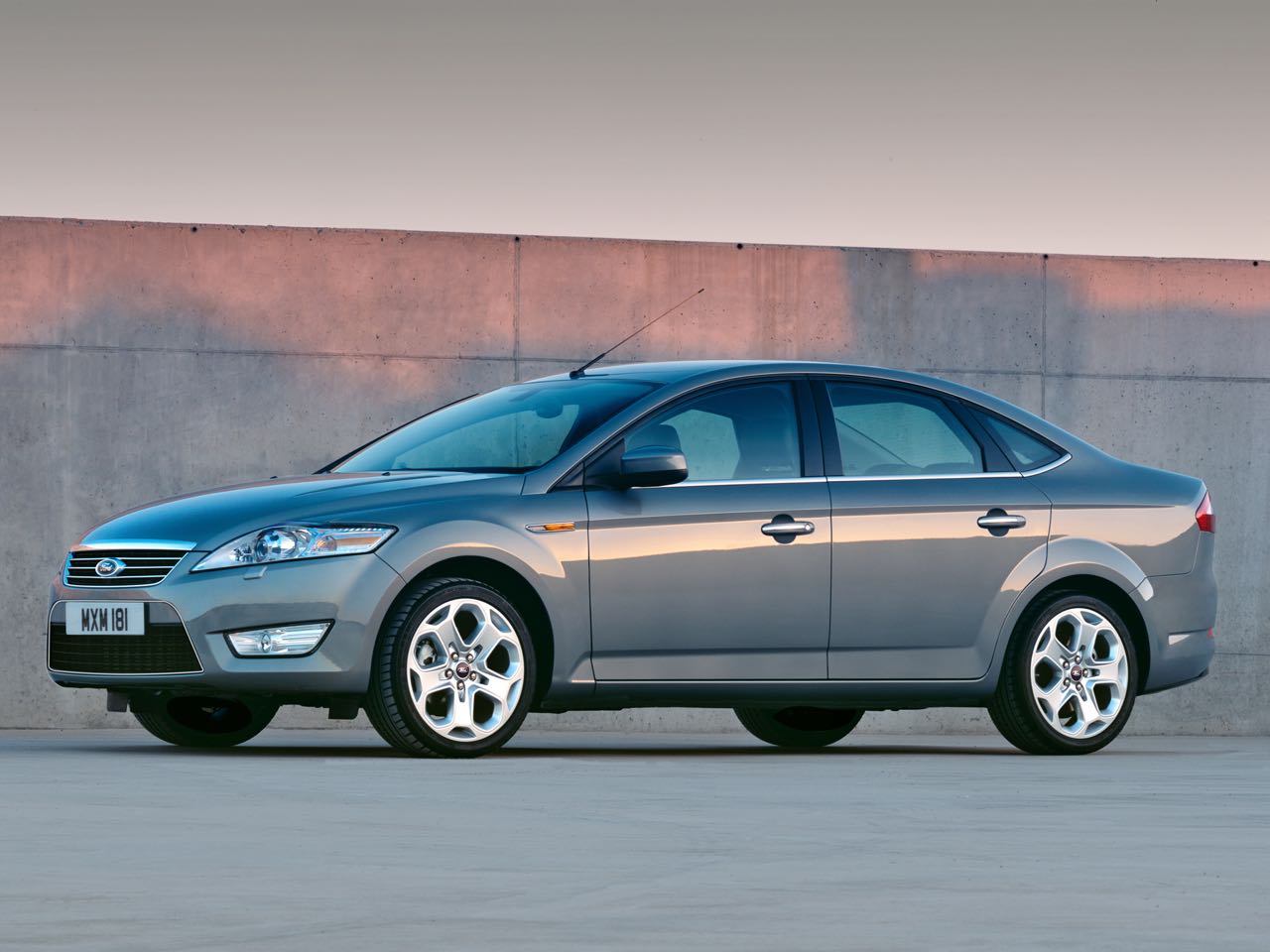
The engine appeared in the Focus, C-Max, Mondeo, S-Max and Galaxy, offering a useful middle ground between Ford's smaller 1.6 and more powerful 2.0-litre diesels. Often overlooked, the 125bhp Mondeo 1.8 TDCi offered respectable performance and real-world economy approaching 45–50mpg.
Unlike the later EcoBoost, the 1.8 retained a conventional dry camshaft timing belt, with its oil-immersed belt driving the injection pump instead.
Ford has since moved its revised 1.0 EcoBoost to chain-driven camshafts, including conventional petrol and mild-hybrid applications. Some versions still retain a wet oil-pump belt, however, meaning the transition away from the technology isn't quite as straightforward as it first appears.
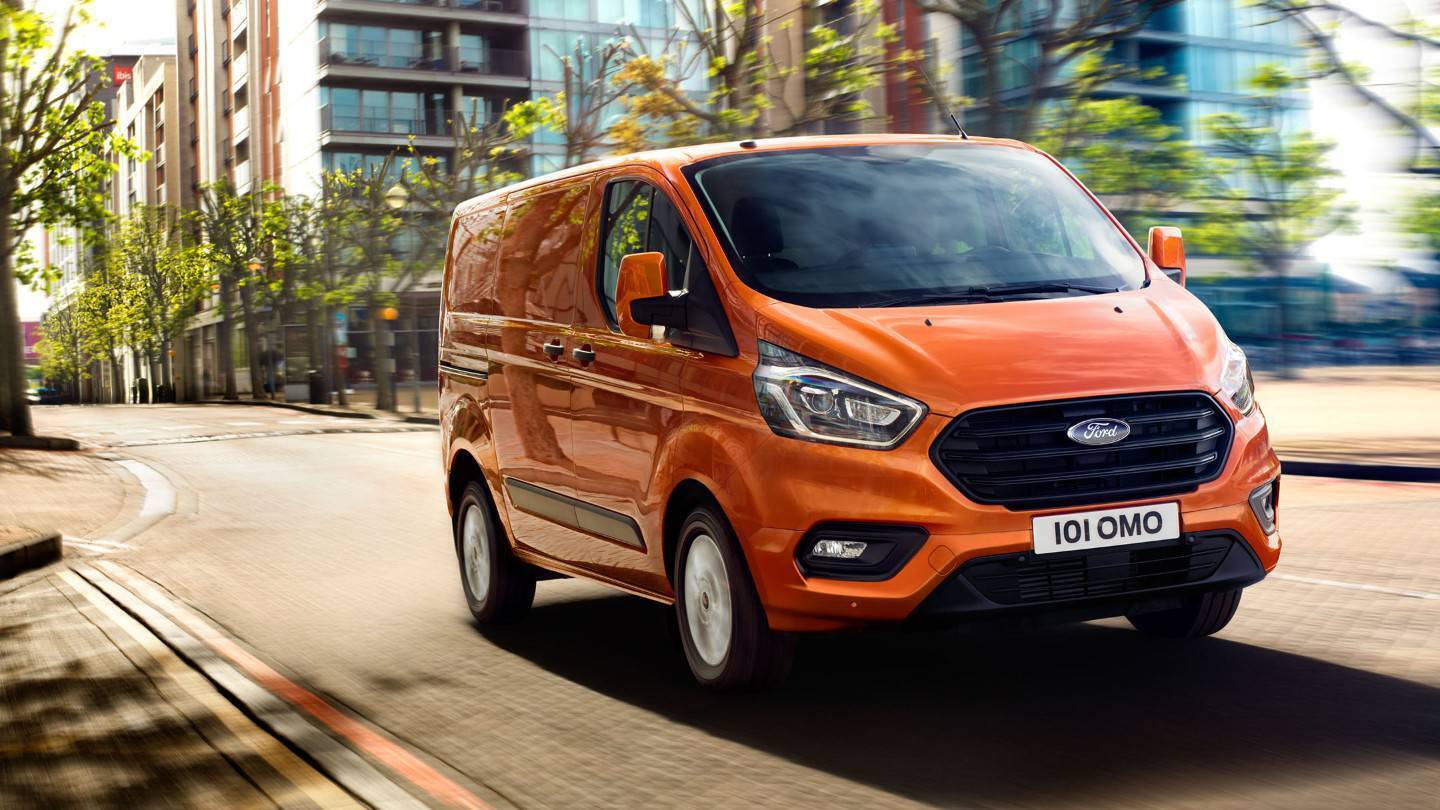
Unlike the tiny EcoBoost, the EcoBlue was developed with commercial use in mind, where high mileages, heavy loads and long working days are commonplace. Despite these tougher demands, Ford continued using an oil-immersed timing belt, alongside a separate wet belt driving the oil pump.
The consequences of deterioration can be particularly serious for commercial operators, with restricted oil flow potentially causing extensive engine damage and leaving a working vehicle off the road.
Replacement is also a more involved procedure. Access requires substantial dismantling, while the timing cover and sump must be carefully resealed. Some specialists allow a two-day turnaround to give the sealant sufficient curing time, adding to the inconvenience for businesses relying on their vehicles.
While wet-belt problems have become familiar territory for Ford owners, the technology also found its way into less obvious corners of the three-cylinder petrol market, including models from manufacturers with very different reputations for reliability.
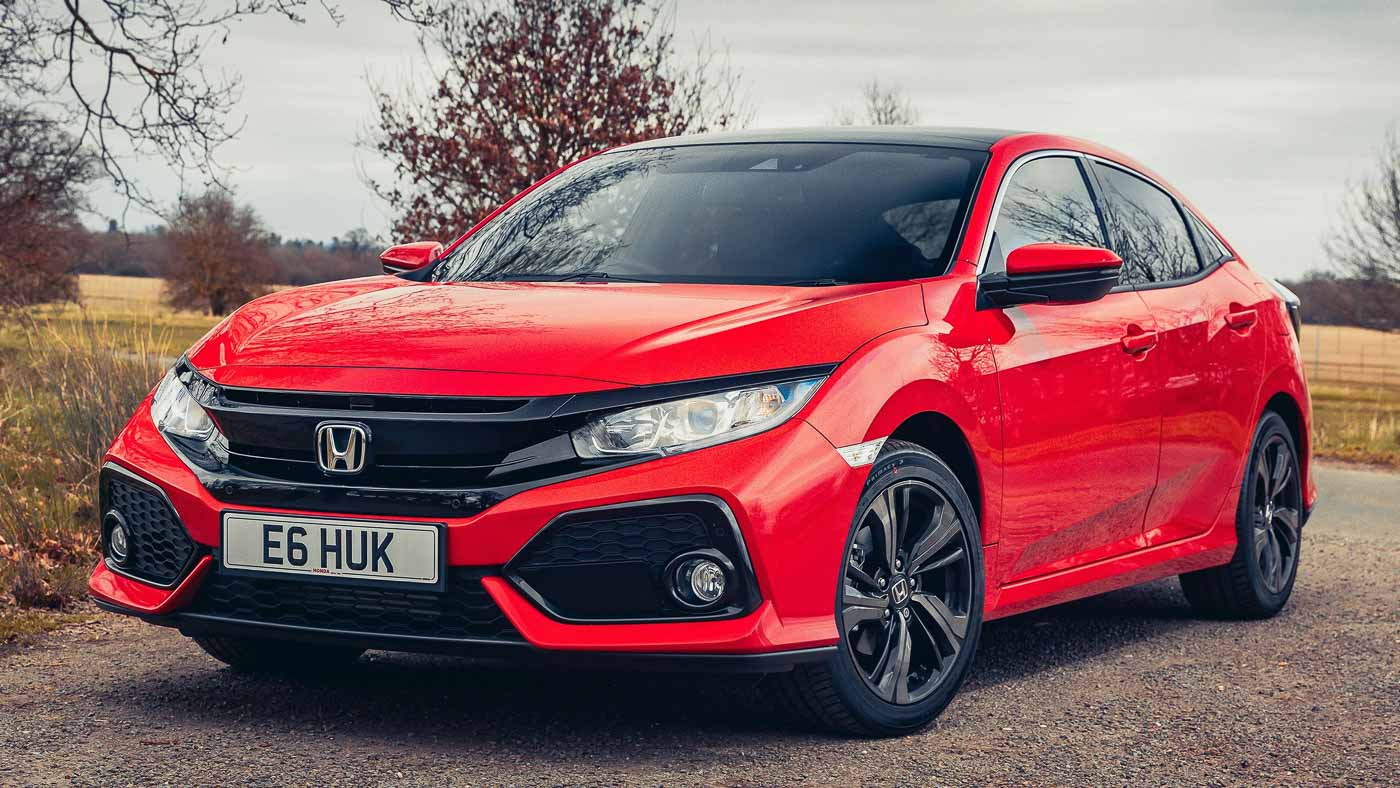
Honda is a manufacturer traditionally associated with dependable engineering, and the tenth-generation Civic was no exception in many respects. Introduced in 2017, its entry-level 1.0-litre VTEC Turbo delivered 129PS, respectable performance and impressive fuel economy, making it an appealing alternative to the increasingly common small turbocharged engines from European manufacturers.
However, Honda also adopted an oil-immersed timing belt, introducing a potential weakness into an otherwise accomplished family hatchback. As with Ford's EcoBoost, belt deterioration can lead to restricted oil flow and potentially serious engine damage, making correct servicing and preventative replacement particularly important.
Unlike Ford, Honda fitted this engine to just one generation of the Civic in the UK, with a considerably smaller number of vehicles on the road. Reports of wet-belt failures do exist, but finding widespread owner complaints on the scale associated with Ford or Stellantis is considerably more difficult.
That doesn't necessarily make Honda's design more dependable. With a much smaller population of affected vehicles, there are fewer owners reporting their experiences, making meaningful comparisons difficult.
Honda ultimately discontinued the 1.0 VTEC Turbo when the eleventh-generation Civic arrived in 2022, replacing the petrol range with its e:HEV hybrid powertrain and leaving the wet timing belt behind.
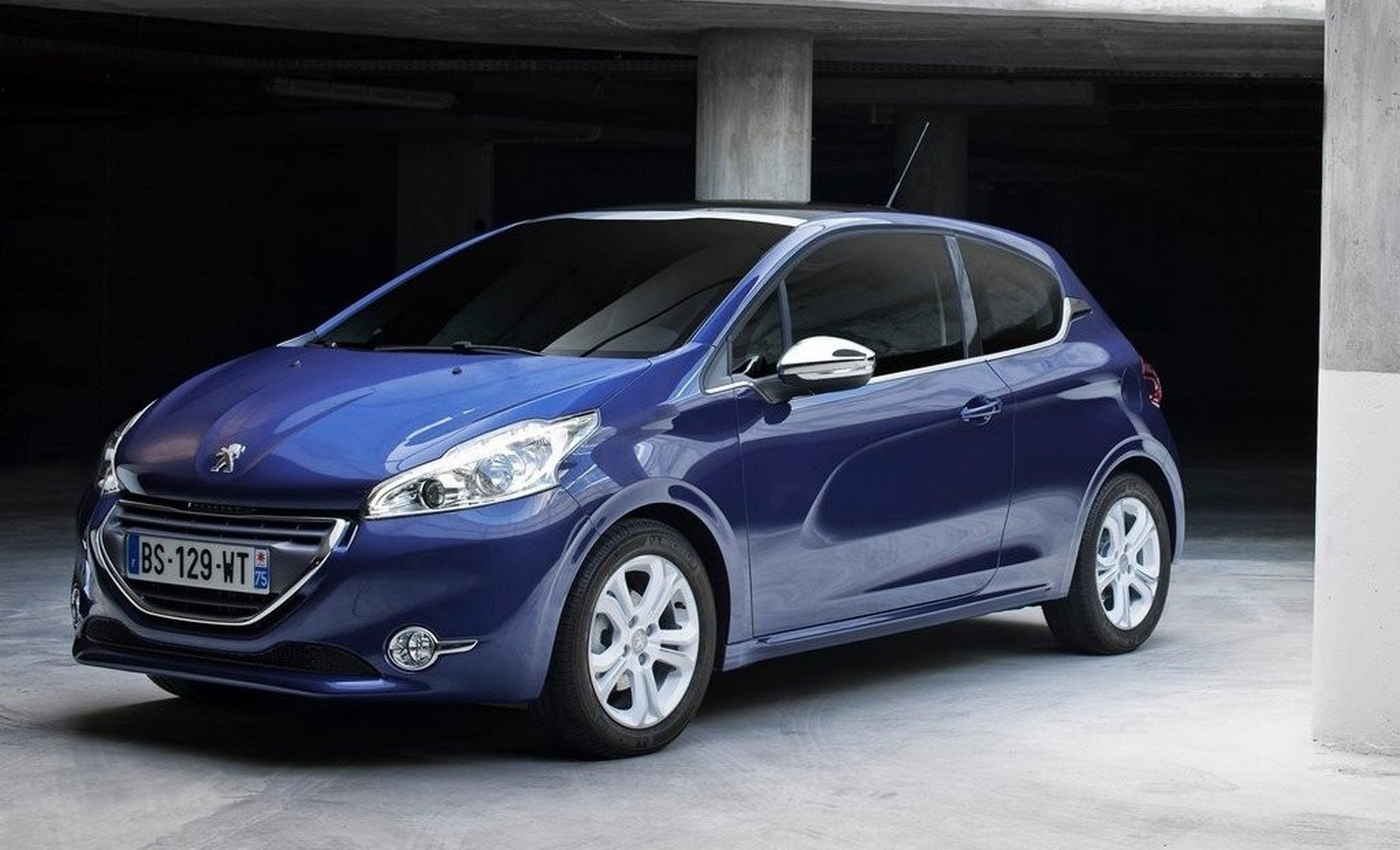
While Honda's use of wet timing belts was limited to a single generation of the Civic, Stellantis took the technology considerably further. Its 1.2-litre PureTech three-cylinder petrol engine appeared across an enormous range of vehicles, initially from Peugeot and Citroën, before spreading to other brands within the expanding Stellantis group, including DS, Vauxhall and Jeep, exposing a wider range of buyers to the same potential problems.
At 1,199cc, the PureTech was also around 20% larger than Ford's 1.0 EcoBoost and many rival three-cylinder petrol engines. This extra capacity gave it an advantage in everyday driving, particularly in heavier vehicles where smaller turbocharged engines could struggle to match their impressive official economy figures. In many applications, the PureTech offered a convincing combination of performance, refinement and real-world fuel economy.
Unfortunately, the engine developed a reputation for premature wet-belt deterioration, with debris potentially restricting oil circulation and causing expensive mechanical damage. However, that doesn't make every PureTech a bad engine or every affected car a poor purchase.
As with the Ford, buyers should pay particular attention to servicing history, correct oil specifications and evidence of belt inspection or replacement. A neglected example could quickly become an expensive mistake, regardless of how attractive its asking price might appear.
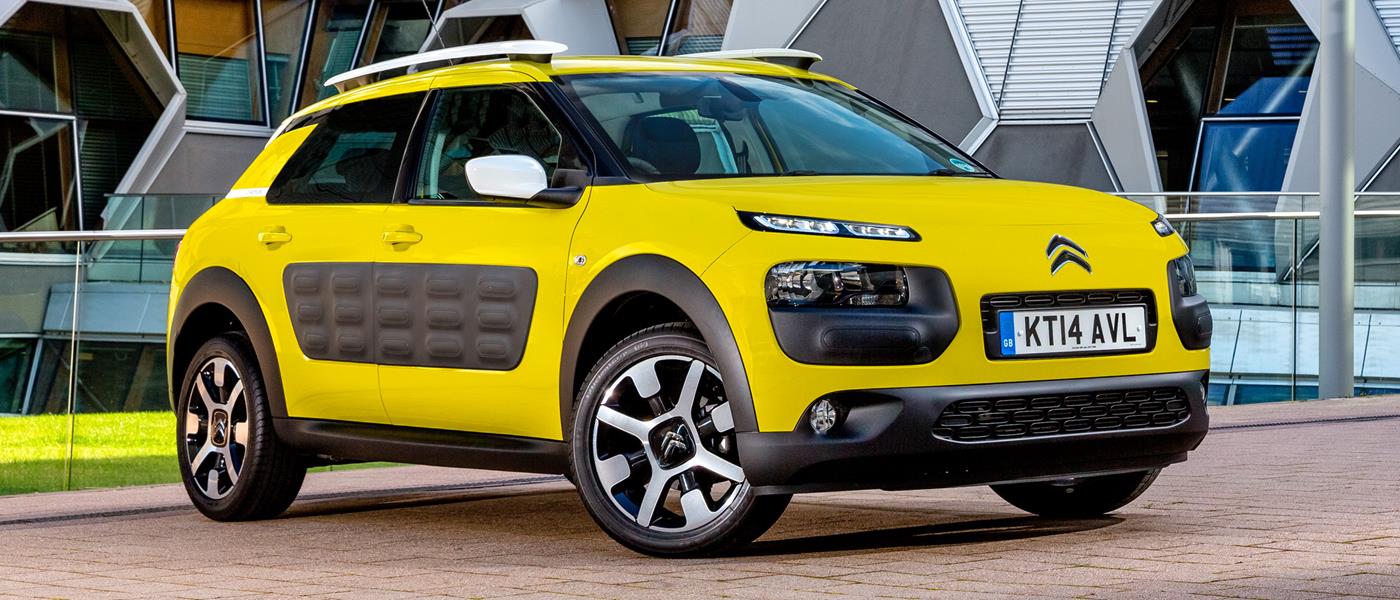
As with Ford's EcoBoost, the PureTech's reputation has created some tempting opportunities in the used-car market. A well-maintained example can offer plenty of car for remarkably little money, and the Citroën C4 Cactus is a particularly good example.
We've found 2014–2015 Cactus 1.2 PureTech 110 models with fewer than 100,000 miles advertised for around £2,000. Weighing little more than a tonne, the Citroën offers lively performance, reaching 62mph in approximately 9.3 seconds, while potentially achieving 50mpg in everyday driving.
Maintenance needn't be expensive, either. Garages across the UK advertise wet-belt replacements for under £600, with some starting at £350, including parts, labour, oil and filter. This makes cheaper used examples more appealing, provided buyers check what's included.
The Cactus demonstrates what made the PureTech attractive: a lightweight, practical family car combining performance with economy. With a good service history and appropriate belt maintenance, its damaged reputation could make it a genuine used-car bargain.
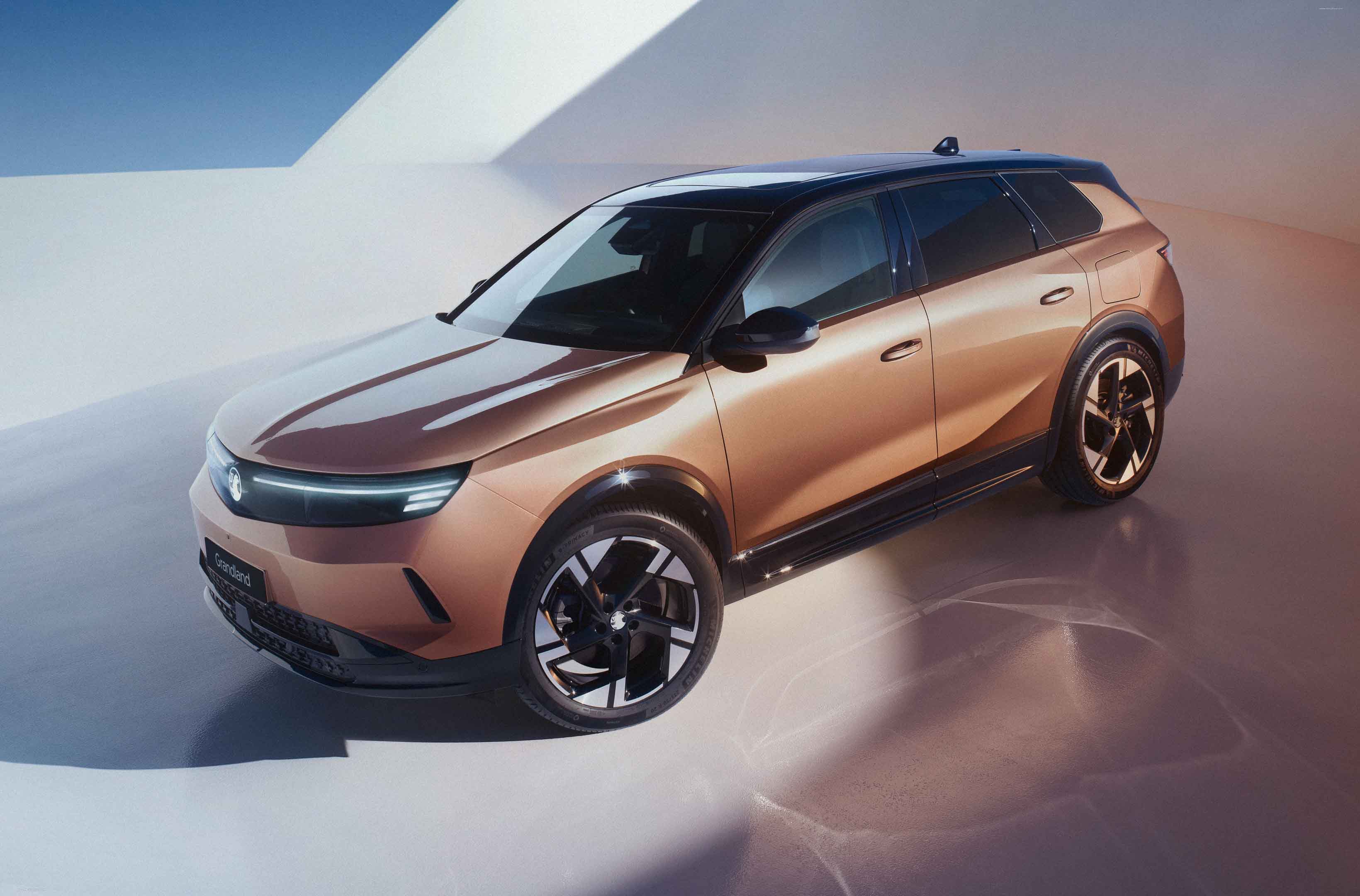
Stellantis has, however, been gradually moving away from wet timing belts. Since 2023, the group has introduced a newer generation of its 1.2-litre three-cylinder petrol engine with a timing chain, progressively replacing the older PureTech design across its brands. The 1.2-litre 48V mild-hybrid powertrain has used a timing chain from the outset, combining the petrol engine with electric assistance and an automatic dual-clutch gearbox.
The transition hasn't happened overnight. Some conventional petrol models continued using wet belts alongside newer chain-driven versions, making it important for used-car buyers to check the exact engine rather than relying on registration year alone.
The arrival of STLA Medium-based models, including the latest Peugeot 3008 and Vauxhall Grandland, further illustrates the group's changing direction. Their newer hybrid and electric powertrains leave the original wet-belt PureTech arrangement behind.
After more than a decade of widespread use, wet timing belts are increasingly confined to older Stellantis engine generations and remaining applications. Yet millions of these vehicles will remain on the road for years, and for buyers willing to understand their maintenance requirements, some could still represent excellent value.
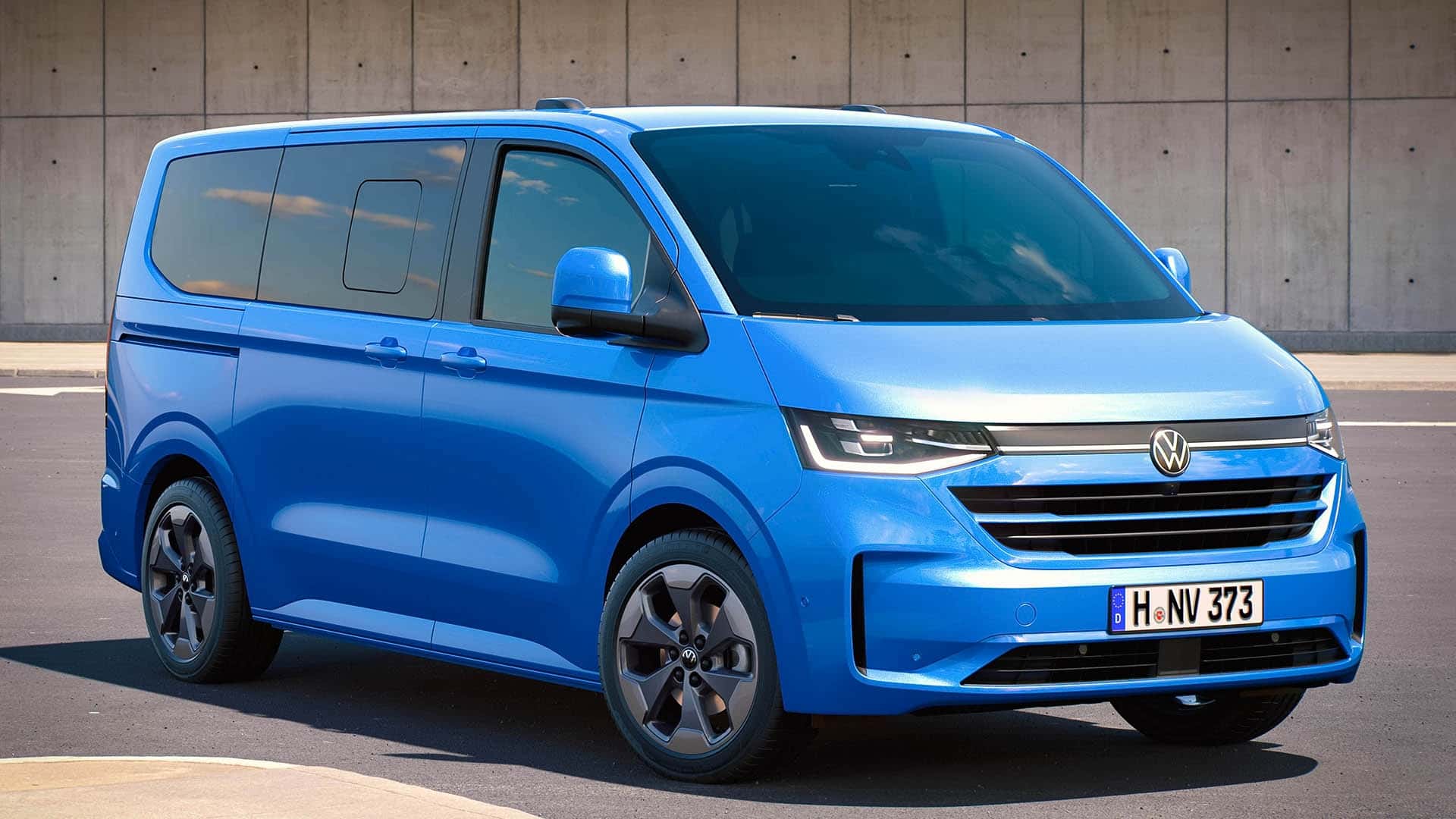
Volkswagen is another manufacturer with an interesting connection to wet belts. While the company has previously used oil-immersed belts to drive oil pumps in some of its diesel engines, its newer Ford-developed commercial vehicles have brought wet camshaft timing belts into the range.
The partnership began taking shape in 2020, with the second-generation Amarok arriving in 2023, followed by the latest Transporter in 2025. Both are Ford-based vehicles, with their 2.0-litre diesel models using Ford's EcoBlue engine and its wet timing belt.
For owners facing a wet-belt replacement, however, there's a potentially useful way to reduce the cost. We've found independent Ford specialists advertising comprehensive EcoBlue wet-belt replacements from around £800, approximately £200 less than advertised Volkswagen-specific services. Owners should confirm that the specialist accepts their Volkswagen model and that the quoted work is equivalent.
The Ford connection could also help owners save on other shared mechanical maintenance, rather than automatically turning to Volkswagen specialists for every repair.
It's an unusual arrangement that demonstrates how closely related modern vehicles can be beneath their badges. For existing Transporter and Amarok owners, understanding what's under the bonnet could make an expensive maintenance job considerably more affordable.
Wet timing belts were introduced with good intentions. By running the belt inside engine oil, manufacturers reduced friction, mechanical noise and, crucially, emissions at a time when every gram of CO₂ mattered. Unfortunately, real-world experience showed that the technology could be highly sensitive to servicing standards and oil quality.
Yet that doesn't mean every wet-belt car should be avoided. Millions remain on the road, and many have covered high mileages without issue. For used-car buyers willing to budget for preventative maintenance and verify a strong service history, some wet-belt-equipped cars now represent exceptional value.
Understanding the risks is ultimately more important than fearing the technology itself.
Disclaimer: Prices, specifications and vehicle information are provided for general guidance and may change. Wet-belt applications and maintenance requirements vary by engine and production date. Buyers should verify service histories, confirm manufacturer recommendations and obtain written repair quotations before making decisions. TNY cannot guarantee vehicle reliability or future repair costs.

Image credits: Manufacturer press imagery, where applicable, courtesy of Ford, Honda, Peugeot, Citroën, Vauxhall and Volkswagen. Additional illustrations and artwork by TNY. All third-party image rights remain with their respective owners.
You should also read:

TNY Market Watch — Eight Dependable Asian Cars You Can Buy for Under £8,000
Buying a dependable used car doesn't have to mean spending a fortune or settling for something dull. With a budget of £8,000, there's an increasingly varied selection of affordable, economical cars available, including models that would have cost considerably more just a few years ago. Asian manufacturers have long enjoyed strong reputations…

What Are the Best Fun Cars You Can Buy for £6,000?
A £6,000 budget opens the door to a surprisingly varied selection of interesting used cars. Rather than simply chasing the newest or lowest-mileage option, this is the point where buyers can start looking for something with real character. That might mean a proper rear-wheel-drive coupé, a lightweight hot hatch, a rare premium…

Paris Motor Show 2026: TNY’s Complete Preview of the Cars and Concepts to Watch
The Paris Motor Show is back with one of its most ambitious line-ups in years — and 2026 could prove to be one of the most revealing shows yet for where the global car industry is heading. Europe’s biggest manufacturers are arriving with new electric cars, hybrids, concepts and major design previews,…

From Budget EVs to Supercars: Three Chinese Brands to Watch
Chinese carmakers are no longer simply arriving in Europe with a handful of cheap EVs. They are building factories, expanding dealer networks, developing premium sub-brands and, in some cases, moving faster than many established manufacturers can comfortably match. Three names in particular show just how varied that expansion has become. BYD brings…

What Does £1,500 Buy in 2026? Eight Used Cars We’d Look At
Cheap cars do not automatically have to mean bad cars. At the bottom end of the used market, £1,500 will inevitably involve compromises — higher mileage, older interiors and the odd cosmetic scar — but there are still plenty of genuinely useful, dependable cars available for the money. The trick is looking…

MAXUS Pre-Reg Watch: Five Big Discounts Worth Knowing About
MAXUS has become one of the more interesting value brands in the UK commercial vehicle market, with a range that now stretches from diesel and electric vans to pickups and large MPVs. Backed by SAIC Motor, it has steadily built its case around equipment, electrification and aggressive pricing. That value argument becomes…
Rebuilding Nissan: The Cars That Could Fix Its Confusing European Line-Up
Around 20 years ago, Nissan changed the shape of the mainstream car market. The Qashqai replaced the dependable but forgettable Almera and helped turn the crossover into a family-car staple. The Juke followed, proving equally disruptive, while in 2010 the Leaf brought electric motoring to the masses. All three were game-changing cars…

Beat the 76-Plate Hype: 10 Pre-Reg Cars Under £16,000
With the new 76 registration arriving on 1 September, thousands of buyers will be preparing to collect a brand-new car. But having the latest number plate can come at a considerable cost. Today, the choice of new cars costing less than £16,000 is remarkably limited, with just three models starting below our…