The Art of Thinking Small – Europe's M1E Revolution Explored
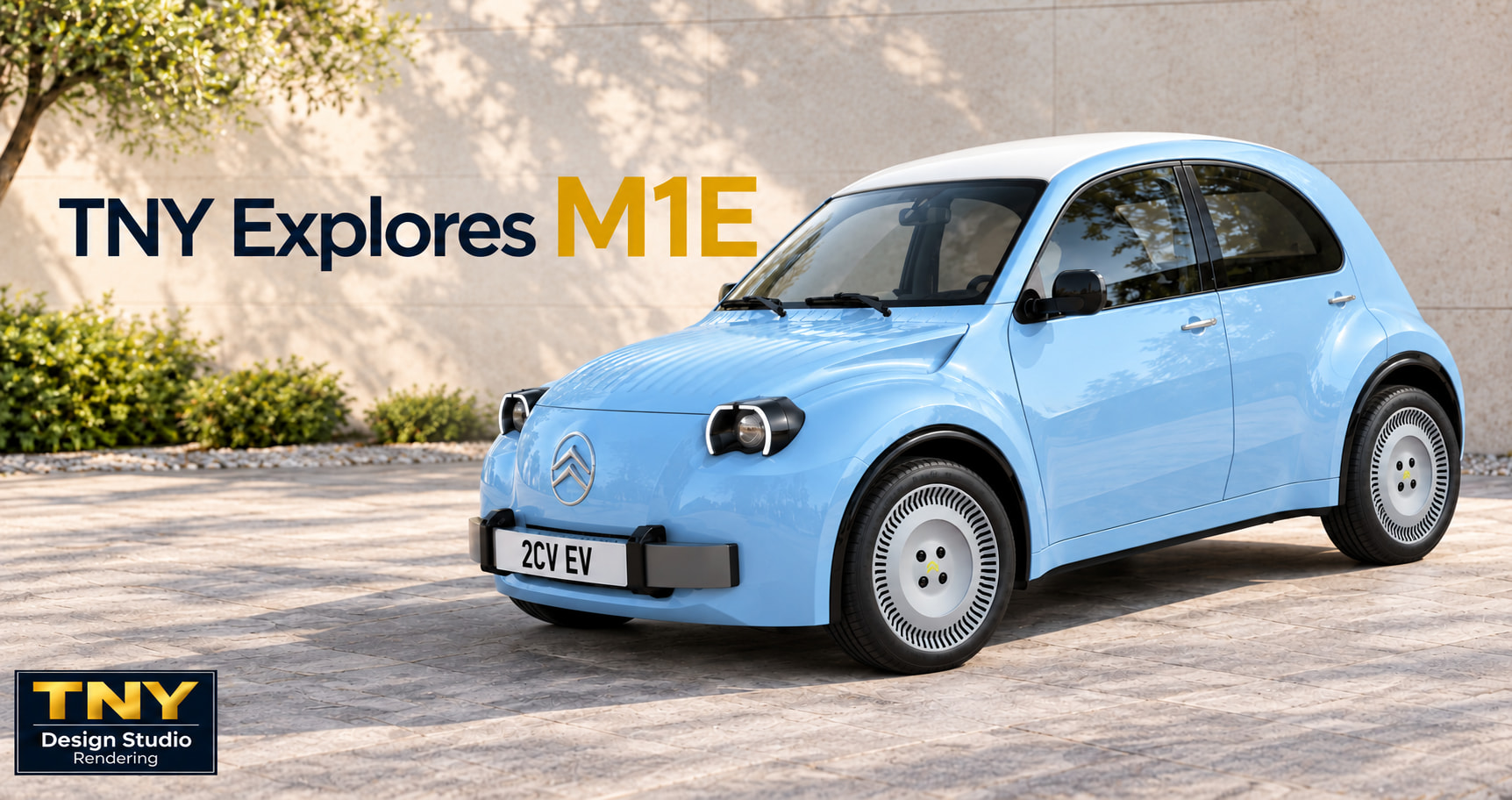
Behind that vision sits M1E, a proposed European classification for electric passenger cars measuring no more than 4.2 metres. With the promise of simpler development and greater regulatory stability, it could help make small cars commercially viable again, without sacrificing quality, personality or practicality.
But the opportunity extends far beyond Citroën. From affordable city cars to more imaginative, even premium interpretations, TNY explores how M1E could reshape Europe's automotive landscape.
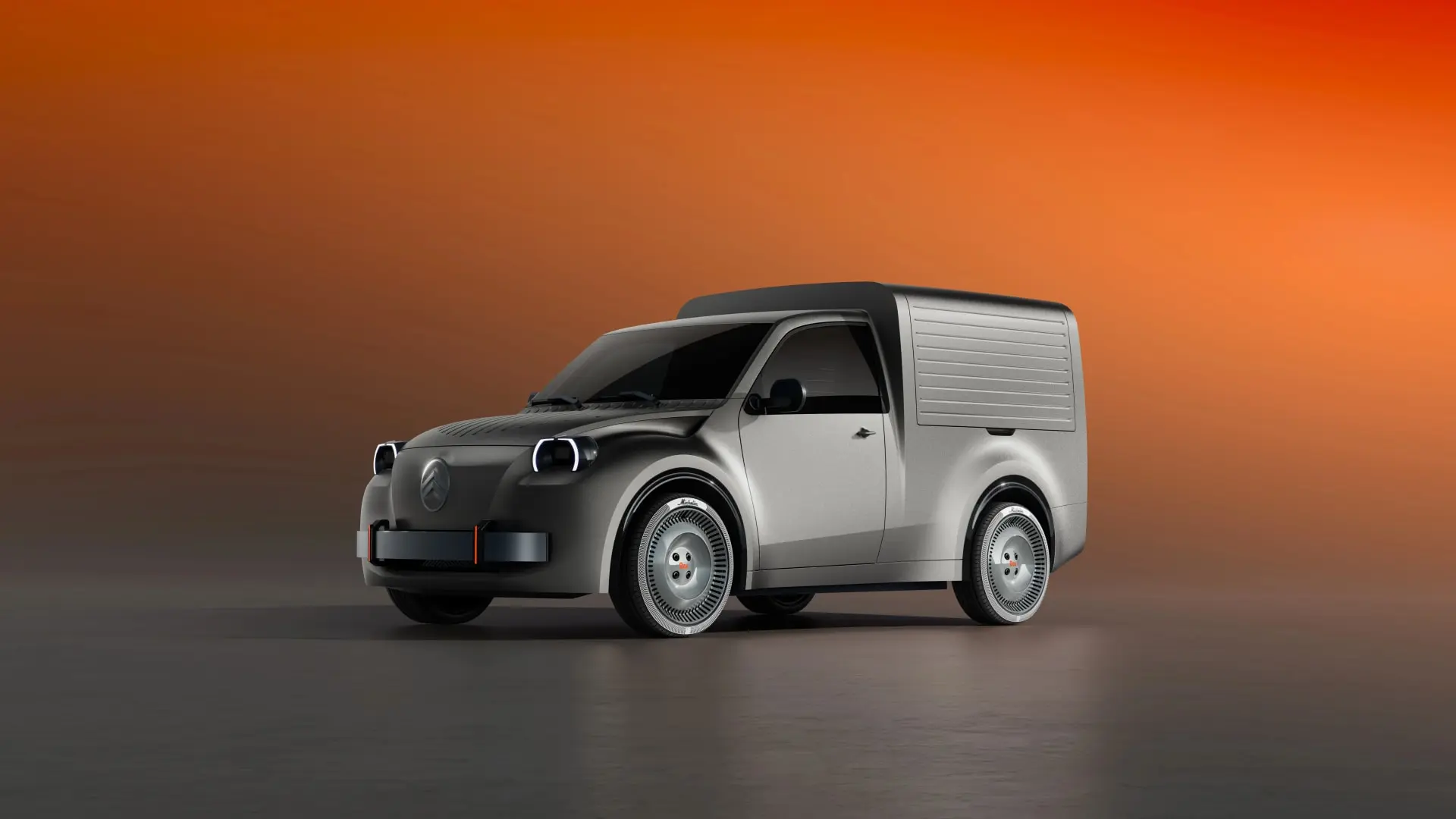
Citroën didn't stop at the passenger car. Alongside the 2CV, Paris brought the wonderfully boxy 2CV Fourgonnette Concept, a modern interpretation of the little delivery van that once served shopkeepers, farmers and tradespeople across Europe.
It offers an intriguing glimpse of how the affordable electric-car movement could eventually extend into commercial vehicles. A small, lightweight electric van with modest running costs could make enormous sense for local businesses.
There is one important distinction. The proposed M1E classification applies to passenger cars rather than commercial vehicles, and Citroën describes the Fourgonnette as a design study rather than a confirmed production model.
Nevertheless, the principle seems too sensible to overlook. If Europe can rediscover the affordable small car, perhaps the affordable little van could follow.
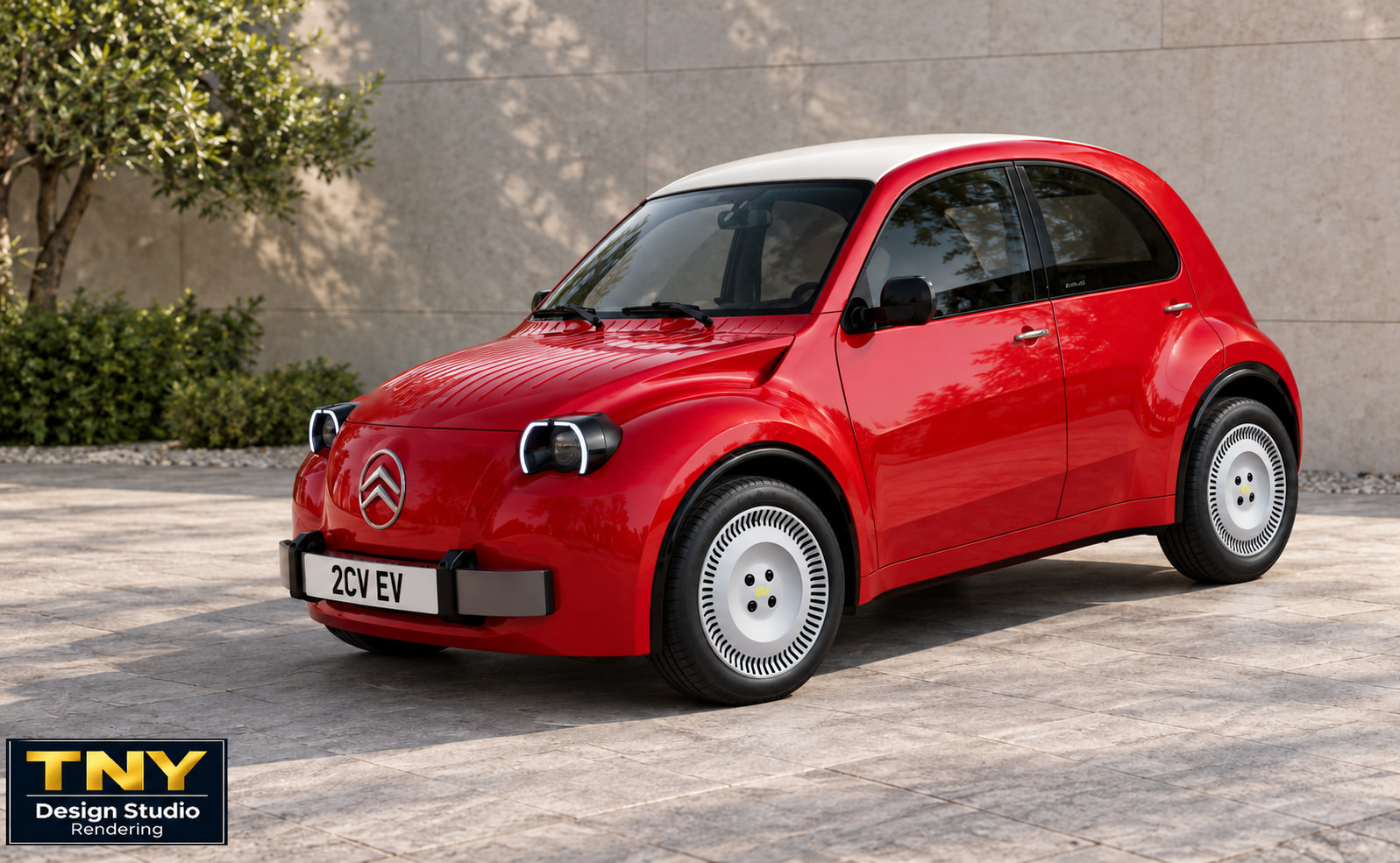
Our TNY rendering imagines how Citroën’s 2CV concept might evolve into a production-ready car for 2028. The original, unveiled in 1948, remained in production until 1990, with more than five million examples built across the 2CV family. Its appeal came from comfort, simplicity, practicality and a character rarely found in inexpensive cars.
Citroën has made affordable city cars work more recently. Built from 2005 to 2022, the C1 shared its development and Czech production line with the Peugeot 107/108 and Toyota Aygo, spreading costs across three brands. When it disappeared, Citroën was left with a sizeable gap between the Ami quadricycle and the larger C3.
At just 3.76 metres long, the new 2CV could fill that space. Citroën is targeting around €15,000, an ambitious figure when the ë-C3 starts at £18,495 in Britain after a £1,500 government grant, itself great value in the small car market. Making it affordable is one challenge; making it desirable is where the 2CV name could shine.
Few manufacturers understand the appeal of a small car quite like Fiat. The original 500 helped put post-war Italy on wheels, while the Panda of 1980 turned minimalism into something ingenious. The Cinquecento and Seicento carried that tradition into the 1990s, proving that affordable needn't mean forgettable.
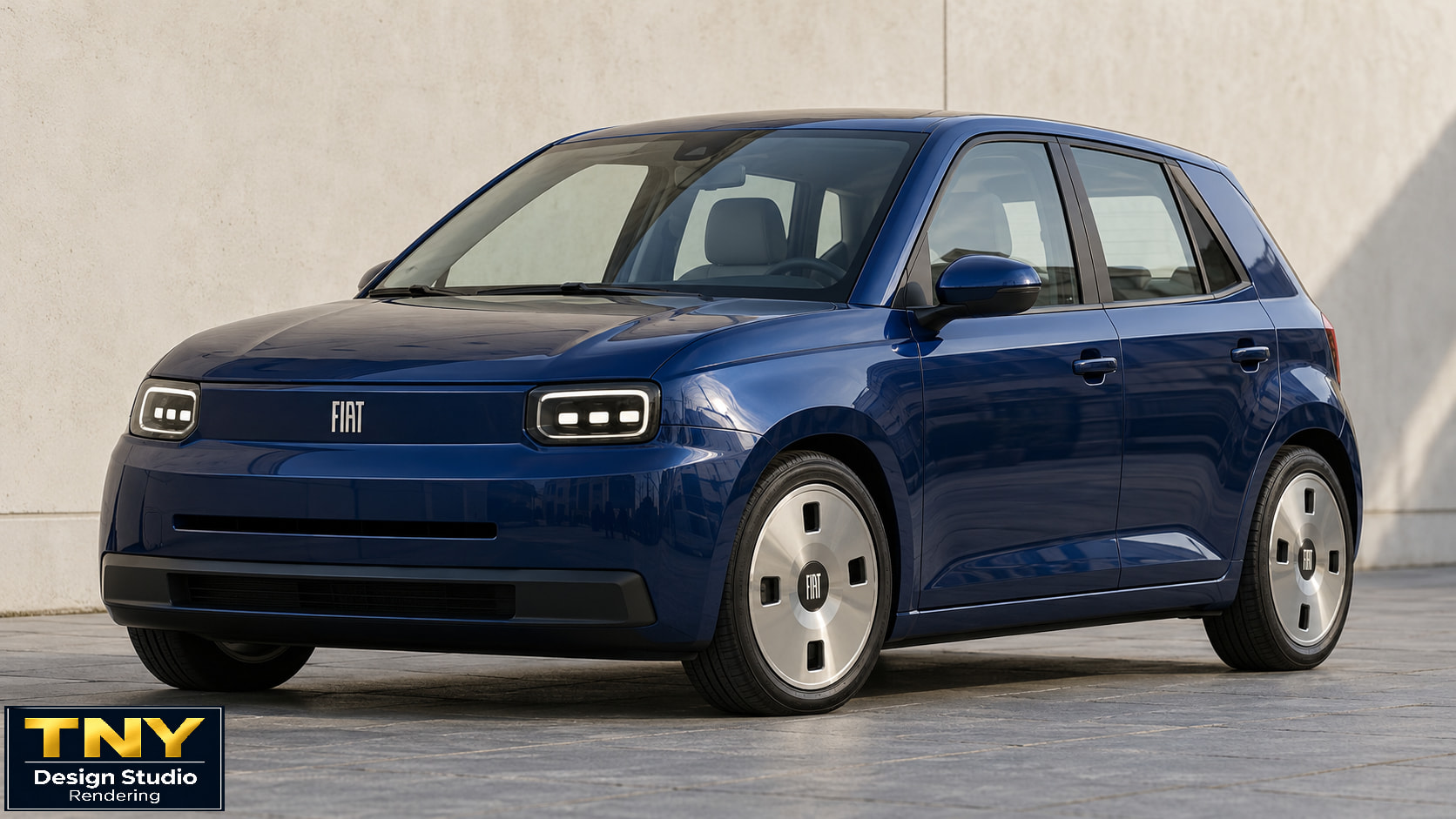
Our TNY Koala imagines the next chapter: a friendly, compact electric Fiat taking inspiration from the Panda without simply recreating the past. It would give Fiat a useful step between the Topolino quadricycle and today's 500 and Grande Panda, combining proper small-car versatility with a genuinely compact footprint.
UK pricing makes the possibility especially interesting. The Topolino starts at £8,995, the electric 500e at £17,245 after a £3,750 government grant, and the Grande Panda Hybrid at £19,995.
If the future Koala arrived below £20,000, Fiat could offer four distinct entry-level models under that threshold — an increasingly unusual breadth of affordable small cars.
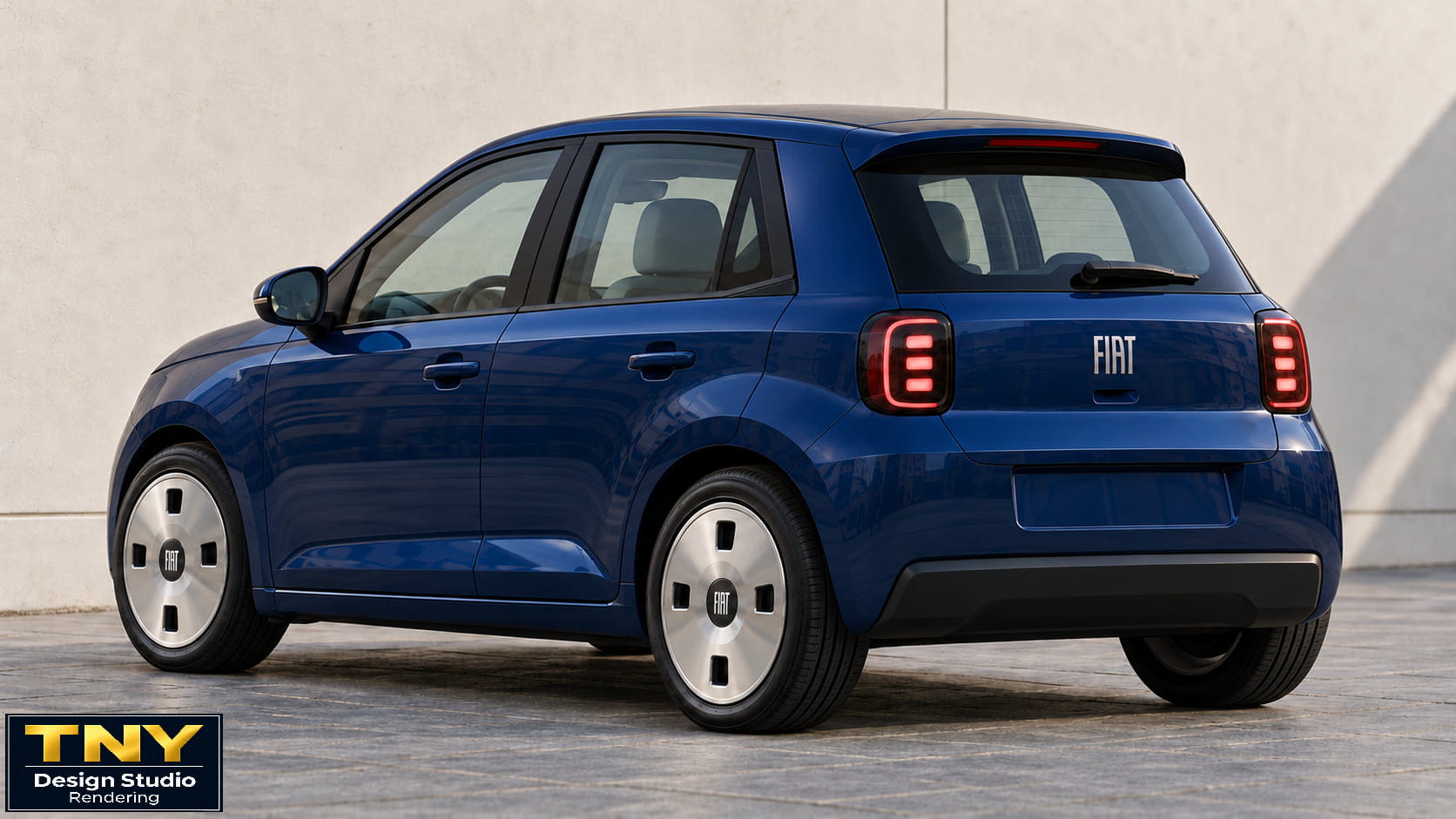
Our rear three-quarter rendering keeps the Koala's design pleasingly straightforward, with a practical tailgate and simple, distinctive lighting. It is the sort of car that could remain attractive without a complete redesign every few years.
While the styling and Koala name remain speculative, Fiat's forthcoming small EV is expected to share Stellantis's new E-Car architecture with the Citroën 2CV. Production of the first E-Car models is planned for Italy in 2028, allowing development costs to be spread across different brands.
That scale becomes particularly important under the proposed M1E framework. Eligible small electric cars built in the EU could count as 1.3 vehicles towards manufacturers' fleet CO₂ calculations until 2034. The European Commission also hopes to limit new regulatory requirements over a ten-year period.
Neither measure guarantees a low purchase price, and existing safety standards remain, but both could encourage longer production runs, modest facelifts and better-finished affordable cars.
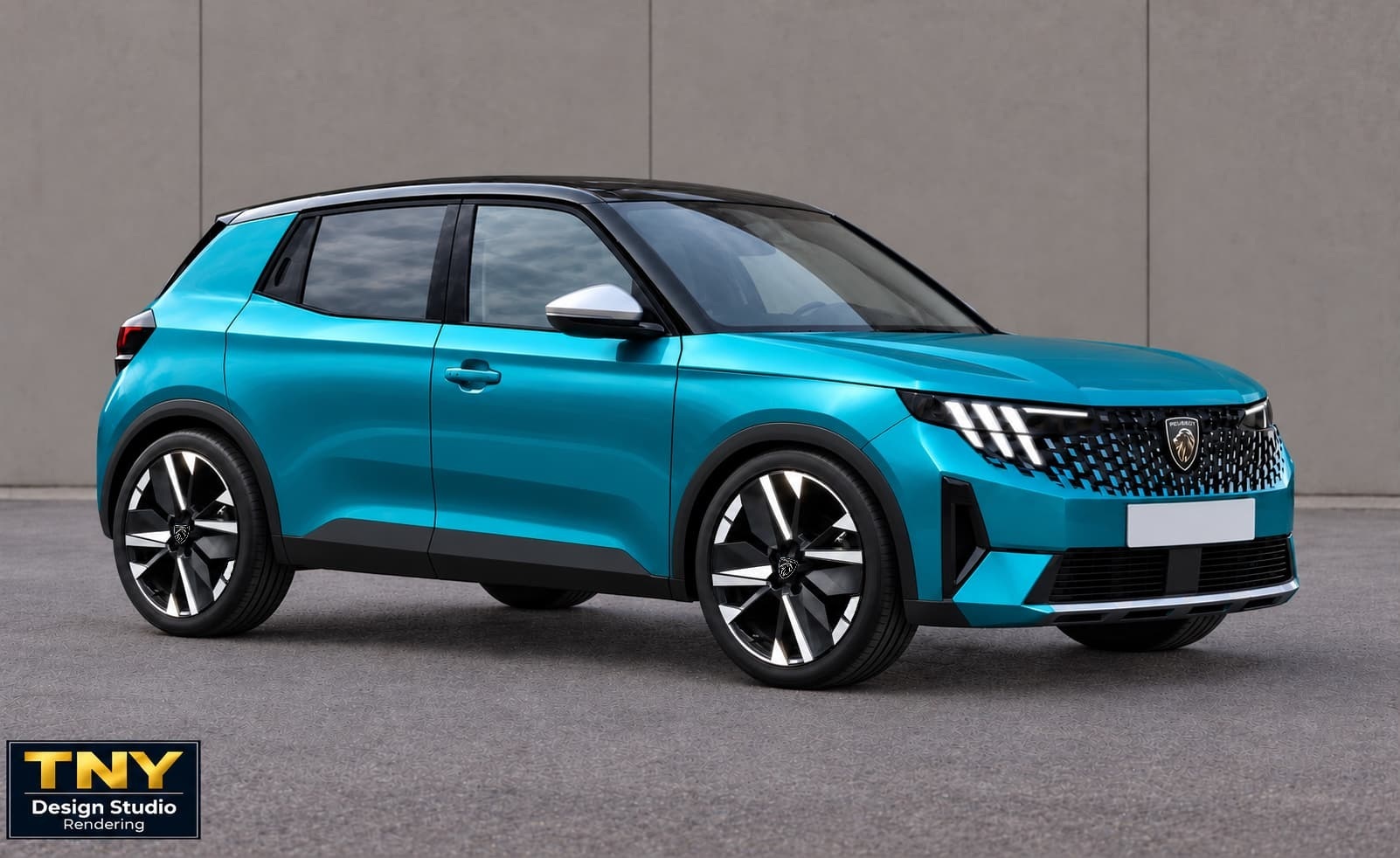
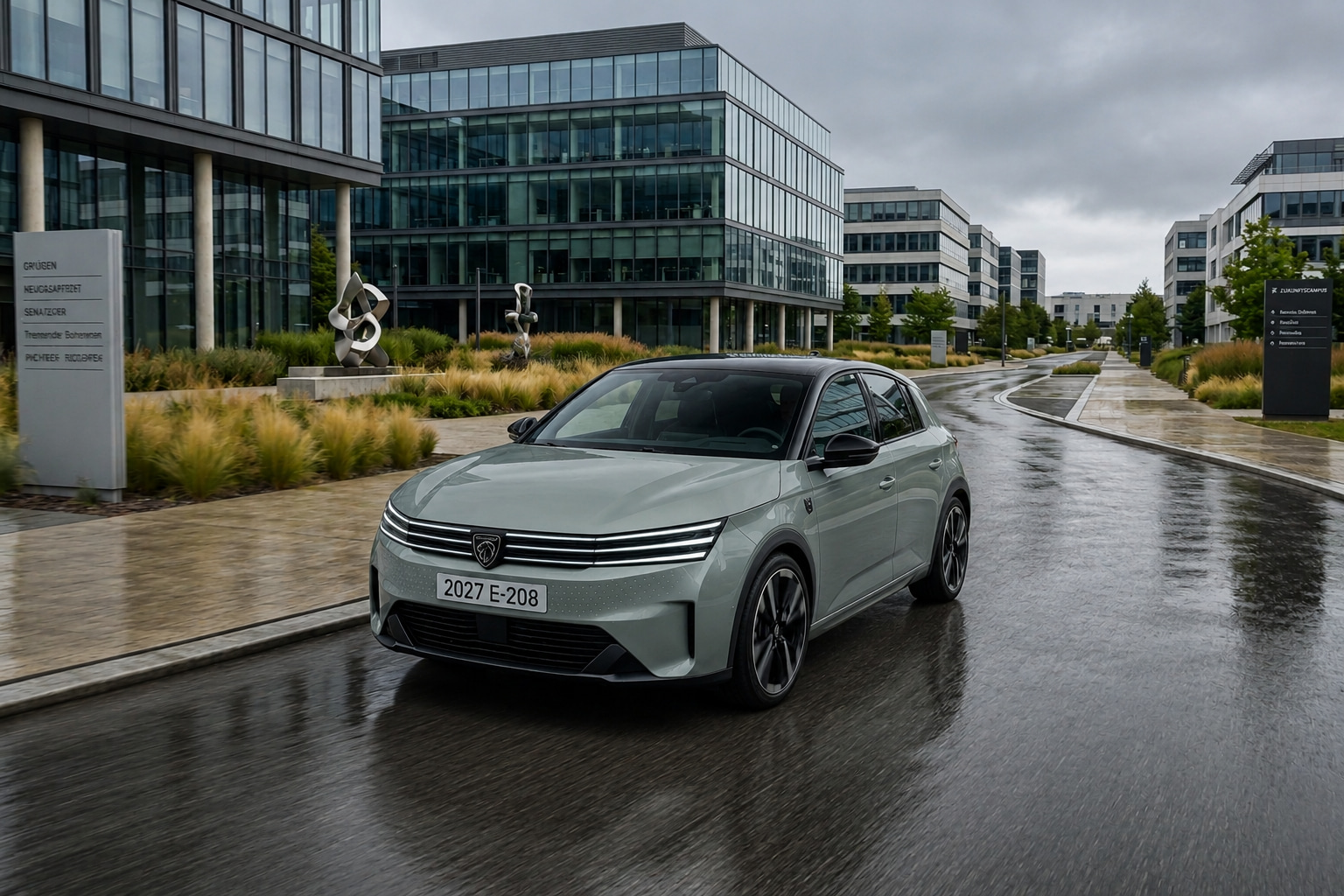
Peugeot has an obvious opportunity within this emerging family of small electric cars. The original 108 disappeared in 2022, leaving the larger 208 as Peugeot's smallest conventional passenger car. Our TNY rendering imagines its return as a 4-metre electric supermini, combining Peugeot's latest design language with the affordable engineering developed for Citroën and Fiat.
But why stop at three brands? Stellantis has already confirmed that its E-Car programme is intended to support multiple manufacturers, spreading development costs across greater production volumes.
Peugeot could offer something sharper and sportier, while Opel and Vauxhall could develop their own interpretations for continental European and British customers. Each could share the same fundamental engineering while retaining a distinct appearance and personality.
Although additional models remain unconfirmed, the potential is considerable. With an expensive new platform already under development, expanding the family across Stellantis could make affordable electric cars considerably more viable.
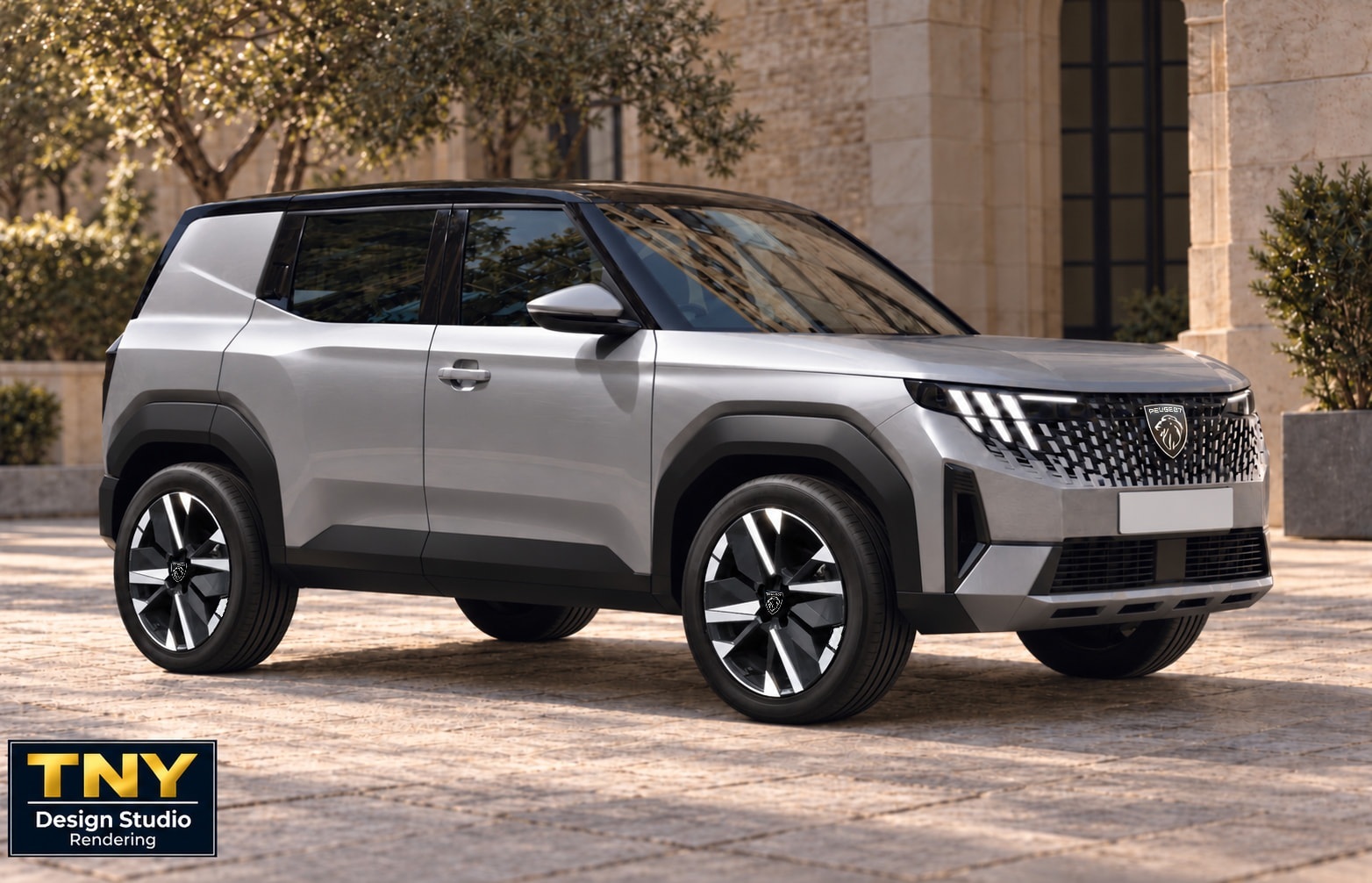
If the 108 represents the return of the affordable city car, our Peugeot 1008 explores a different opportunity. Roughly four metres long, with an upright crossover stance and the assertive face of Peugeot's latest electric models, this TNY concept sits beneath the 2008 but aims to feel substantial, refined and desirable.
M1E is often discussed as a route to €15,000 EVs. Yet the proposed rules define the category by being fully electric and no longer than 4.2 metres; they set no price ceiling or power limit. What if Peugeot used the same shared Stellantis foundations to build something genuinely upmarket?
Our hypothetical brief imagines around 150hp, a 250-mile WLTP target and a price close to £27,000, with particular attention paid to ride comfort, sound insulation, interior materials and long-term durability. These are TNY ambitions, not confirmed specifications or capabilities of the E-Car platform.
The Commission's proposed ten-year period of regulatory stability could strengthen that business case, letting Peugeot invest in a carefully finished small car and keep it attractive through a long production life, with restrained facelifts and evolving technology. M1E needn't only make small cars cheaper; it could make them better.
Renault Group may have an even clearer opportunity to make M1E work. Its all-new Dacia Spring provides a compelling starting point: now built in Slovenia, measuring 3.85 metres long and priced from €17,900 in France before incentives.
Underneath sits Renault Group's cost-conscious RG-EV Small architecture, developed to deliver modern electric motoring without unnecessary expense.
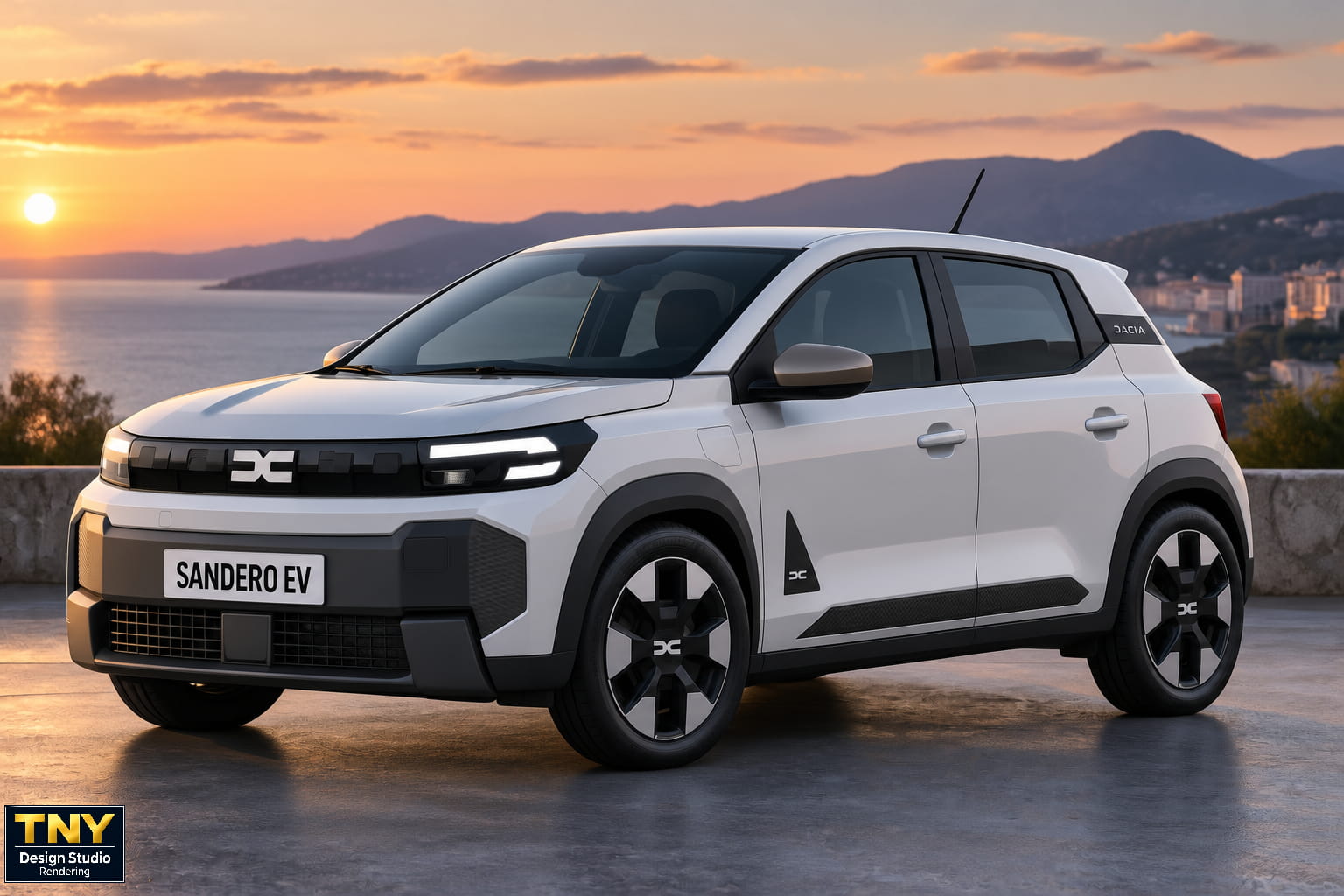
Our TNY Sandero EV imagines that thinking applied to something more substantial. Taking inspiration from the new Spring's upright stance, protective cladding and crisp lighting, we've developed a five-door hatchback with the passenger space and luggage capacity expected of a Sandero. It would be a genuinely useful everyday car, rather than a purely urban runabout.
At around 4.1 metres, it would remain comfortably within M1E's proposed limit. Today's petrol Sandero starts at £14,765 in Britain, setting an understandably demanding benchmark for any electric successor.
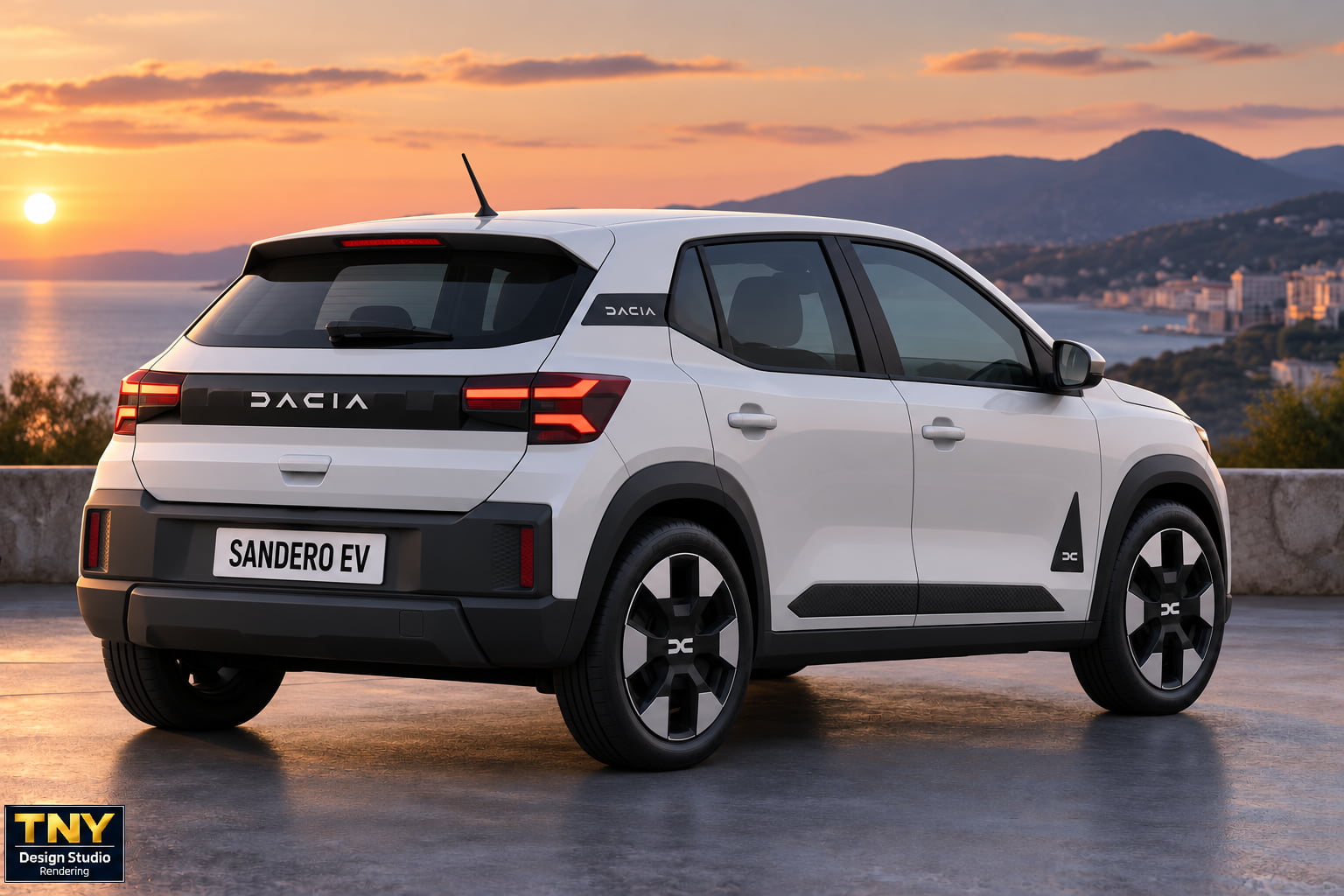
From behind, our Sandero EV retains Dacia's practical priorities: an upright tailgate, robust bumper and useful proportions rather than a fashionable sloping roofline. Yet its greater size is also why it needn't be the cheapest Renault Group electric car.
The Spring and Twingo are compact four-seaters; a five-seat Sandero offering more boot space, potentially a larger battery and greater all-round versatility would naturally occupy a different position.
The real challenge is staying below the Renault 5 E-Tech, which currently starts at £21,495 in Britain after a £1,500 government grant. A Sandero EV needn't undercut the smaller Spring or Twingo to make sense. With shared LFP technology, simplified components and the prospect of M1E regulatory stability, Renault Group could produce a spacious, lower-cost alternative to the Renault 5.
European manufacturing could bring additional proposed CO₂ incentives, too, although neither a production Sandero EV nor its specification or price has been confirmed.
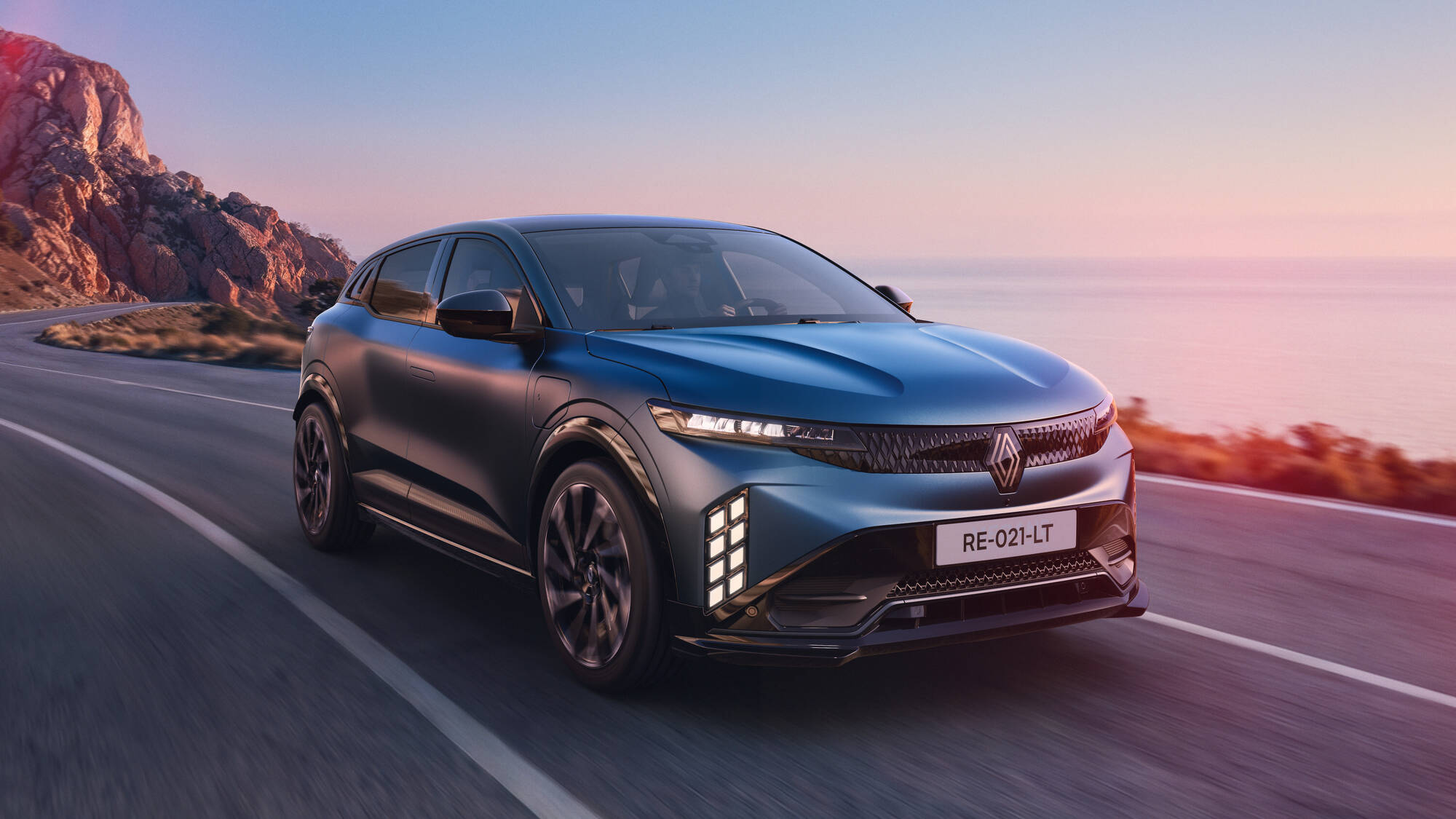
Dacia looks ideally placed to exploit M1E, but Renault itself has considerably less room for another small electric car. The new Twingo E-Tech provides an accessible entry point, with the Renault 5 and 4 already covering the ground above. Add an all-new Clio, arriving in Britain in 2027 with petrol and hybrid powertrains, and Renault's smaller-car range looks unusually complete, modern and competitively priced.
Even the refreshed Mégane E-Tech almost straddles the M1E boundary. At 4,199mm long, it sits just 1mm below the proposed 4.2-metre limit.
Its latest version starts at £28,245 in Britain after the £3,750 government Electric Car Grant, bringing a 67kWh LFP battery, 220hp, up to 306 miles of WLTP range and 165kW rapid charging. That's a remarkably strong package for the money, without needing another model squeezed into the range.
For now, the clearest Renault Group opportunity to broaden affordable electric motoring may therefore sit with Dacia.
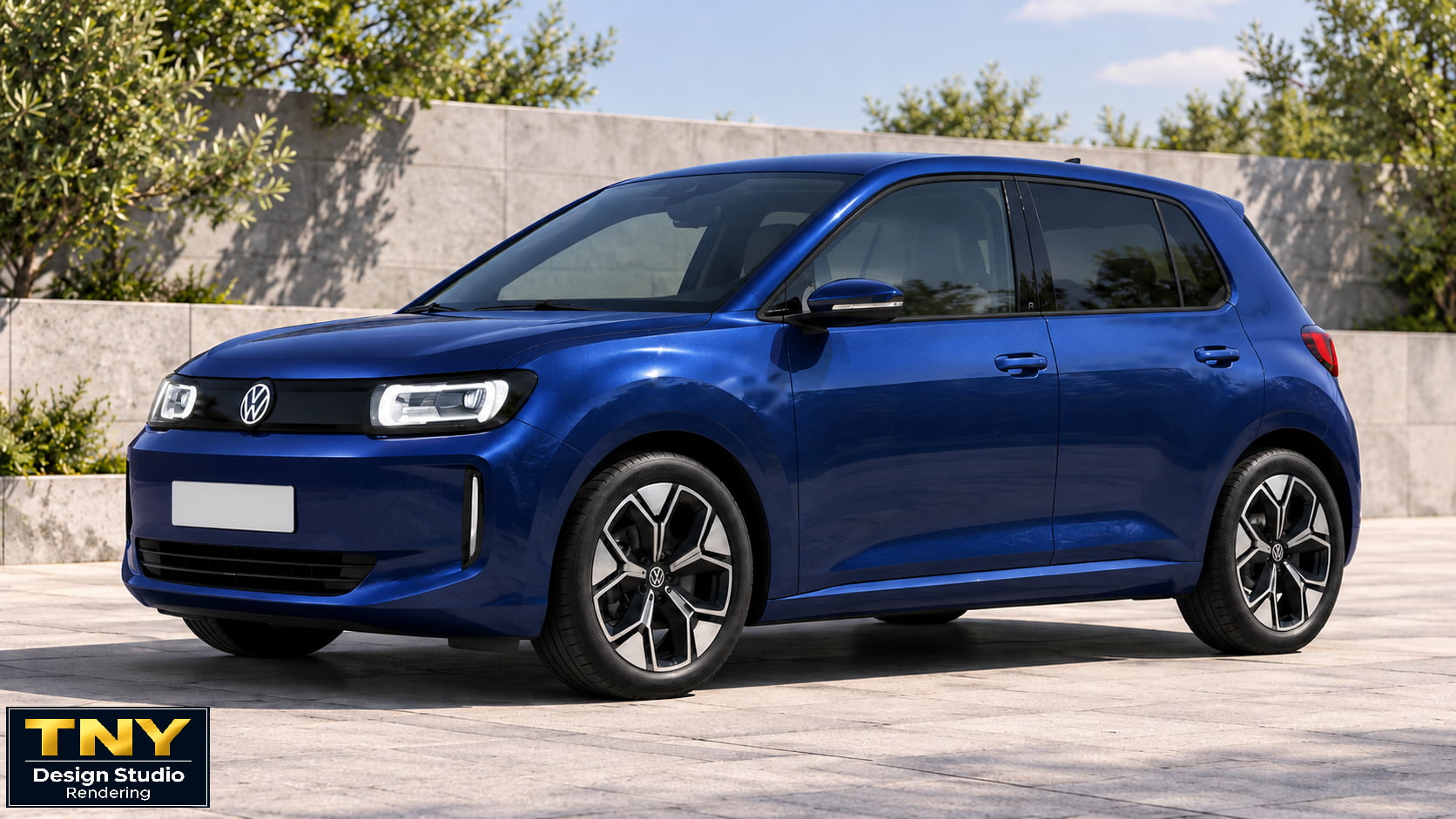
Volkswagen revealed the ID.EVERY1 concept in March 2025, previewing a 3.88-metre electric car scheduled for production in 2027 and targeting around €20,000. Our TNY ID.Lupo rendering imagines how that concept might evolve into a production Volkswagen, reviving one of the brand's familiar small-car names.
Its timing could prove fortunate. M1E remains a proposal, but the intended 4.2-metre ceiling means the ID.EVERY1 is already the right size.
Volkswagen could engineer the car around the expected framework from day one, rather than face significant revisions later. Whether it receives the proposed benefits will depend on the final regulations and where the vehicle is manufactured.
The ID. Polo now starts at £22,445 in Britain after the £1,500 government grant. Yet Volkswagen still needs a smaller electric car capable of bringing its entry price closer to £15,000–£20,000, and the ID.Lupo could be vital to keeping the brand competitive.
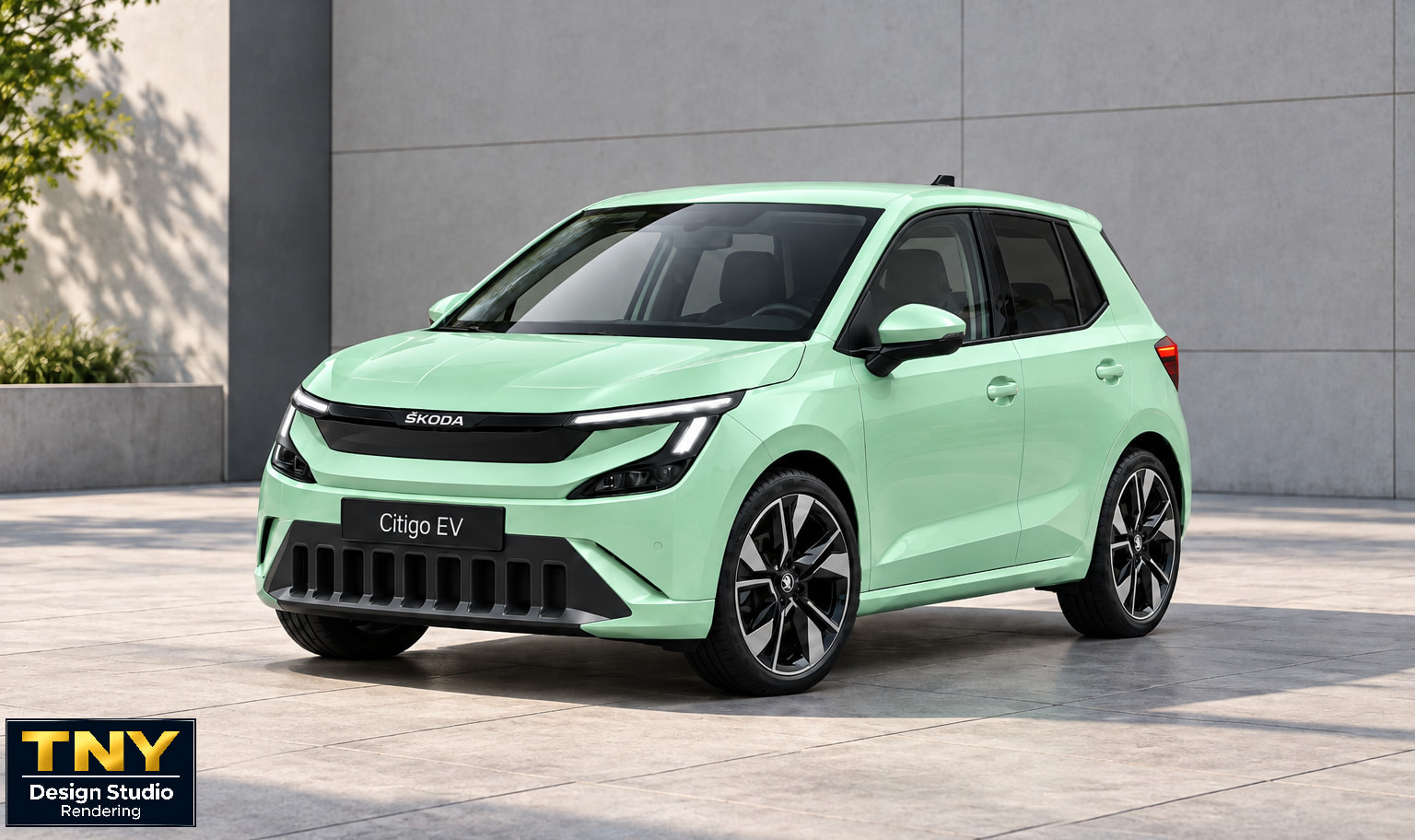
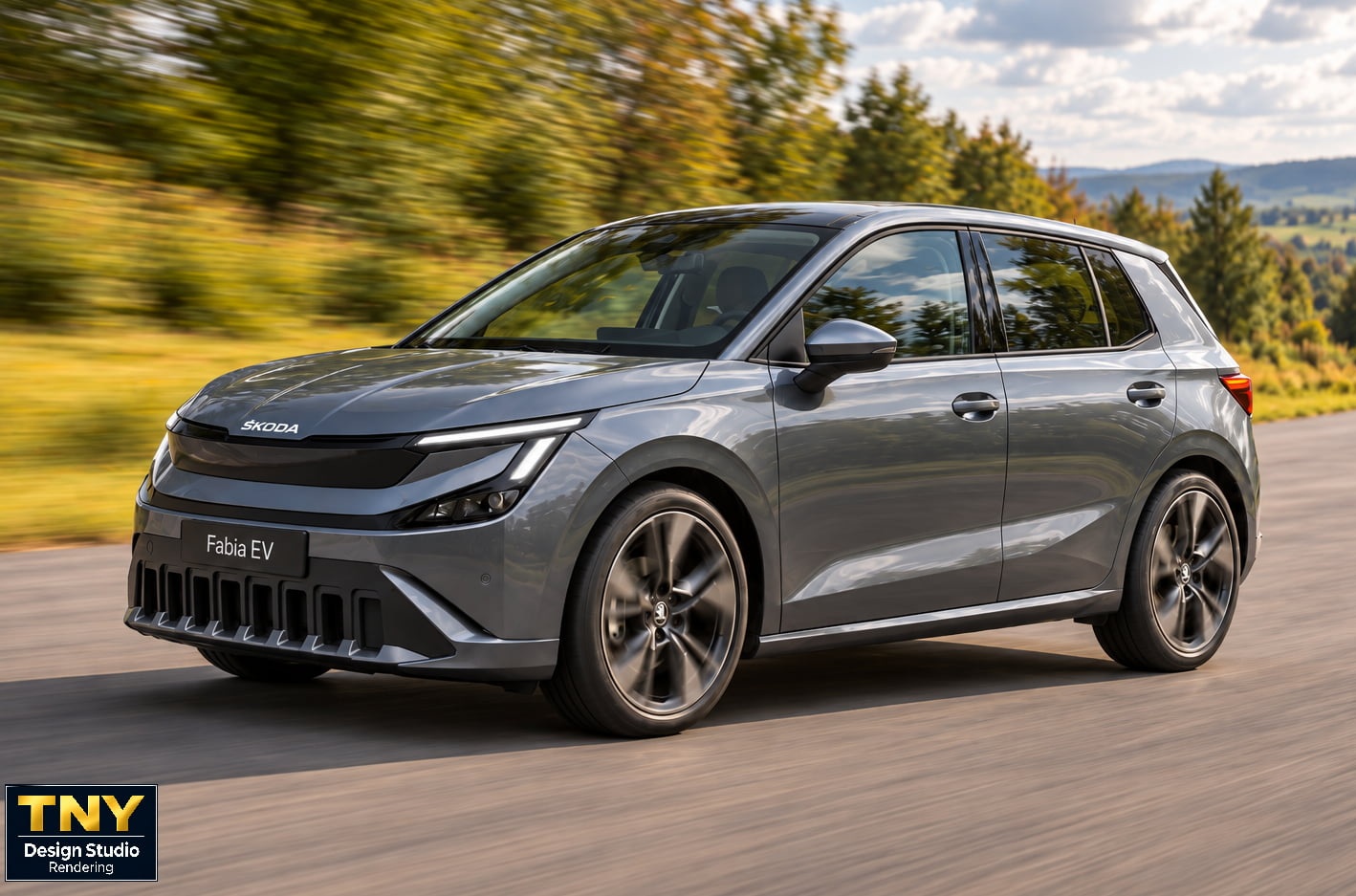
Škoda has already demonstrated the value of sharing small-car engineering. Its original Citigo was closely related to the Volkswagen up! and SEAT Mii, while the electric Citigo-e iV arrived in 2019. Our TNY rendering imagines a modern successor, sharing its foundations with Volkswagen's forthcoming entry-level EV.
The Fabia and Scala demonstrate Škoda's ability to deliver generous space and practicality for modest money, while the new Epiq brings that philosophy to electric crossovers. However, with prices starting at £24,950, the Epiq retains a relatively high entry price in an increasingly competitive small-EV market. A smaller, more affordable Citigo EV could therefore fill an important gap, giving this value-conscious brand a genuinely accessible electric city car.
Volkswagen Group already shares development costs across the ID.Polo, ID.Cross, Cupra Raval and Škoda Epiq. Extending that approach to smaller models could make M1E particularly attractive.
From Stellantis to Renault Group and Volkswagen Group, Europe's established manufacturers have the brands, experience and industrial capacity to embrace this opportunity. But affordable electric motoring needn't remain exclusively European territory. Chinese manufacturers willing to establish production within the EU could also benefit, potentially bringing fresh competition to Europe's smallest-car market.
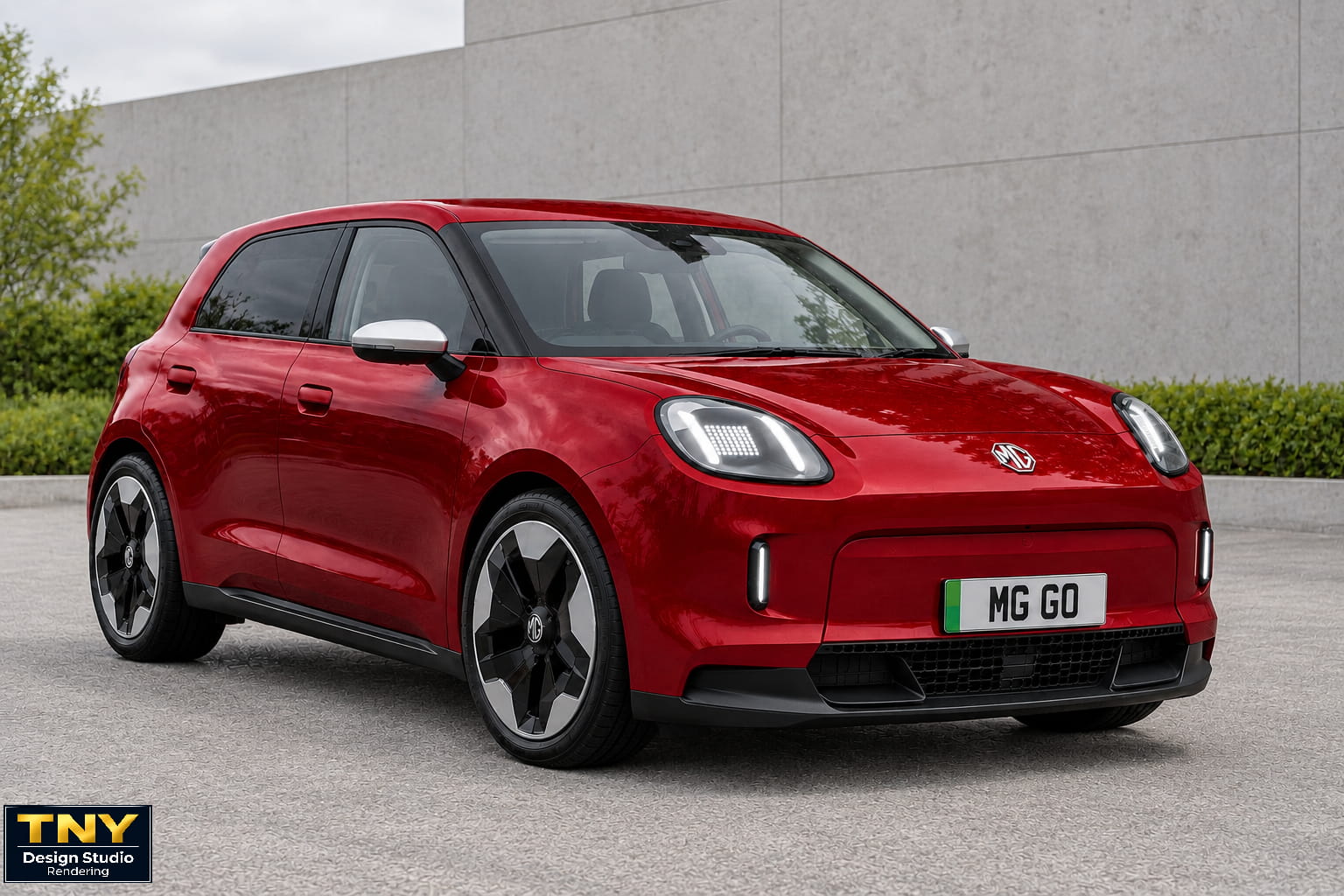
MG could become one of the most interesting beneficiaries of M1E. Its petrol and Hybrid+ MG3, alongside the electric MG4 and newer MG4 EV Urban, have helped establish the Chinese-owned British marque as a serious contender across Europe. Yet there remains an opportunity for something smaller and more affordable.
Our TNY MG GO, previously explored in Design Studio, imagines a practical five-door electric hatchback measuring approximately four metres long. With a target price below £20,000, it could give MG an appealing entry point into electric ownership, complementing its increasingly comprehensive small-car range.
Crucially, MG has announced a €200 million manufacturing facility in Galicia, Spain, with production scheduled for 2028 and capacity for 120,000 vehicles annually.
Under the proposed European rules, Chinese ownership would not necessarily prevent M1E eligibility. However, EU assembly alone would be insufficient: vehicles would also need to satisfy European component or battery-origin requirements.
Whether MG would manufacture such a small car in Spain remains speculative, but the opportunity is certainly there.
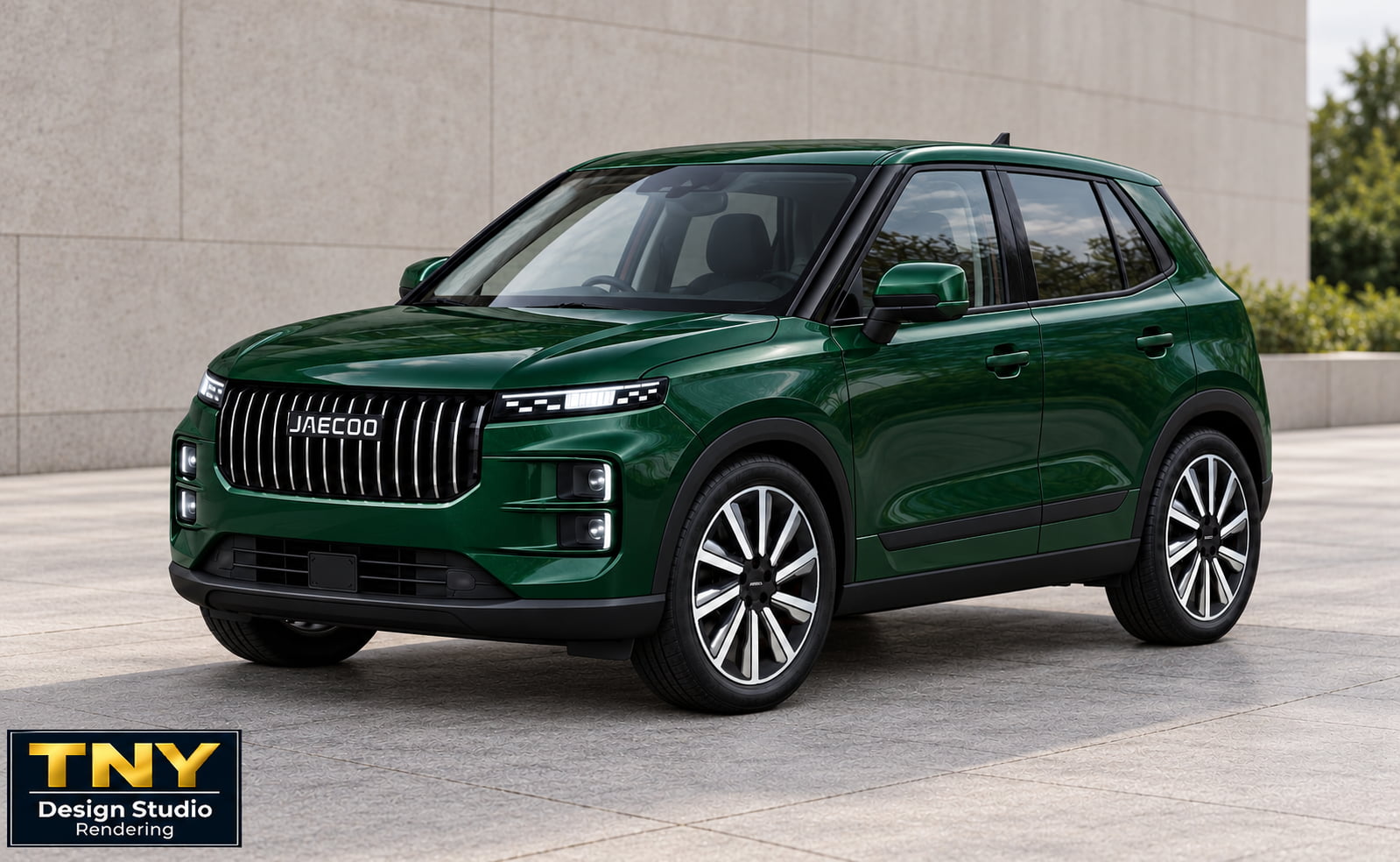
Chery is already thinking smaller. In April 2026, its head of engineering, Peter Matkin, confirmed development of a new architecture for cars measuring less than four metres, opening opportunities beyond the group's predominantly SUV-focused range.
TNY recently explored that possibility with our Jaecoo 2 rendering: a distinctive 3.9-metre hatchback, with an estimated £19,000 starting price. An electric version would comfortably satisfy M1E's proposed dimensional requirements, although the model and its specifications remain entirely speculative.
Chery also has a growing European manufacturing presence. Through its partnership with Spanish manufacturer EBRO, the company is expanding production at Nissan's former Barcelona factory. Pre-production Jaecoo 5 models are expected by December 2026, with series production targeted for early 2027.
There is no confirmed plan to manufacture a Jaecoo 2 in Spain. However, a small electric model built there, incorporating sufficient European-sourced components or batteries, could potentially qualify for M1E's proposed incentives.
For Chery, European manufacturing and a new small-car platform could prove an exceptionally useful combination.
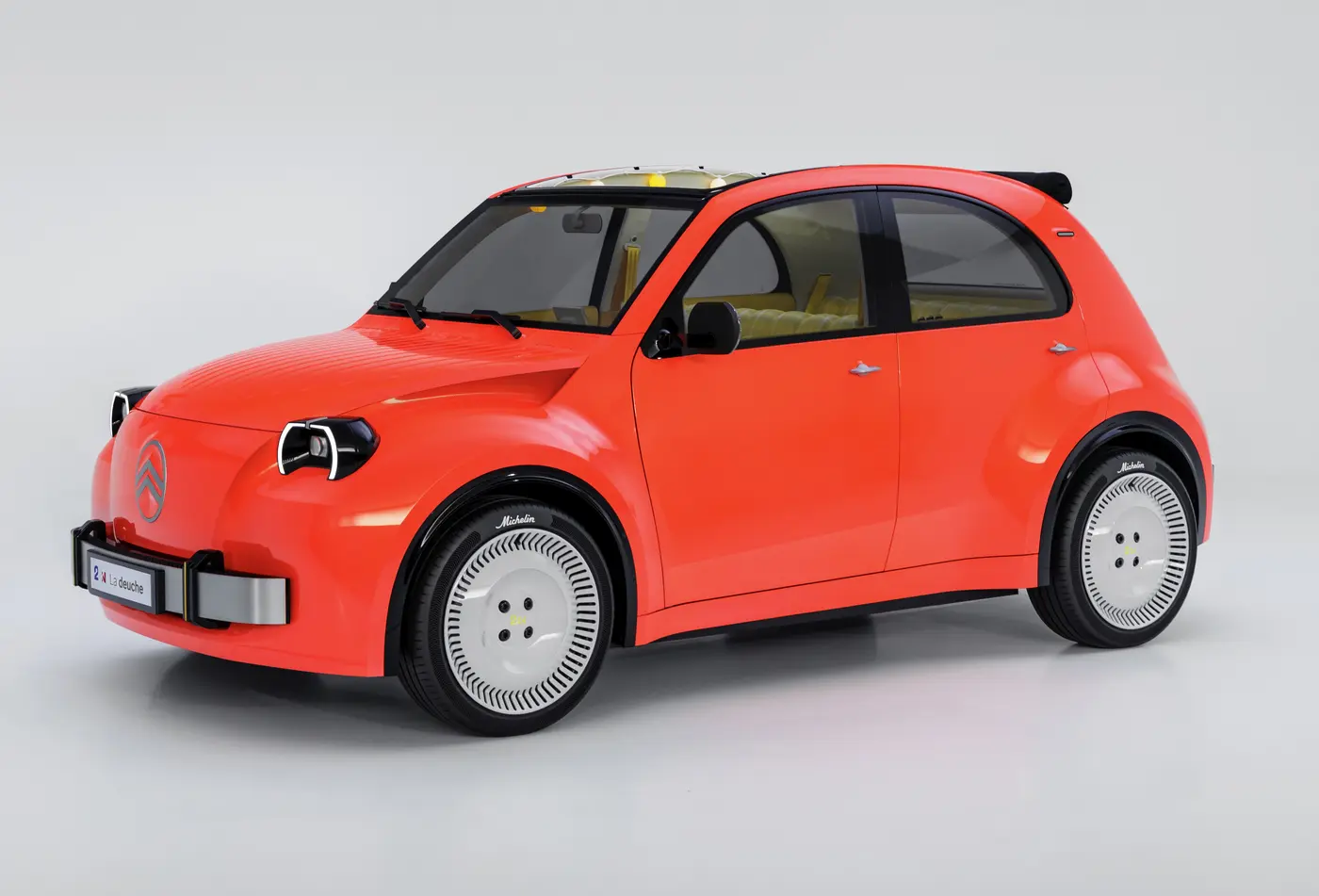
Perhaps it is fitting to finish where we began. The original 2CV demonstrated that affordable motoring could be practical, comfortable and full of character. Nearly eight decades after its introduction, those qualities remain just as relevant.
M1E will not transform Europe's small-car market overnight. The regulations remain proposals, batteries are still expensive, and manufacturers must find ways to make European production commercially competitive.
Yet the possibilities are considerable. From a €15,000 Citroën to a more sophisticated Peugeot, an affordable Dacia or even a Chinese-designed car manufactured in Europe, there needn't be one formula for success.
Above all, greater regulatory stability could encourage manufacturers to invest properly in their smallest cars, creating designs worth keeping in production for years rather than constantly replacing them.
If M1E succeeds, its greatest achievement may not simply be making small cars cheaper. It could make them genuinely desirable again.
TNY Design Studio renderings are independent, speculative illustrations and do not represent confirmed manufacturer designs or production plans. All proposed specifications and prices are estimates unless otherwise stated. M1E legislation remains subject to approval and amendment.

Image credits: Original renderings – The New Yardstick. Official press photography – Citroën and Renault. All manufacturer names, logos and trademarks remain the property of their respective owners.
You should also read:
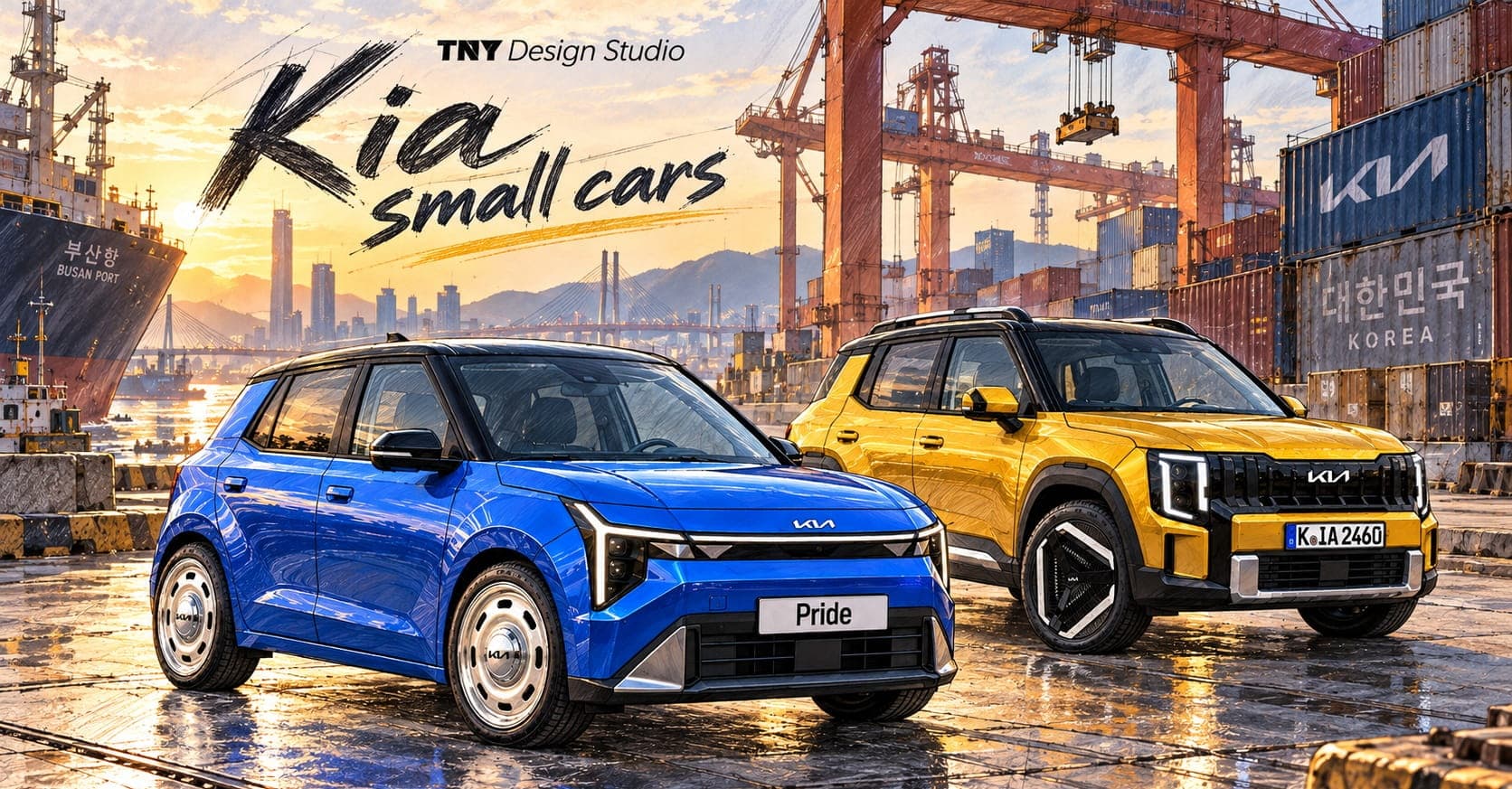
Taking Pride in the Little Things – Reimagining Kia’s Small Cars
Over the past 20 years, Kia has transformed itself from a budget alternative into one of the world's most successful and increasingly desirable car manufacturers. The humble Picanto has played an important part in that journey, offering affordable, practical motoring to generations of buyers. Yet its future looks increasingly uncertain, with tightening…
Škoda's Small Car Future: Cheaper EVs and a New Life for the Scala
Škoda has built its reputation on delivering practical, spacious cars at sensible prices. Models like the Scala demonstrate just how much car the Czech manufacturer can offer for the money, but as the industry moves towards electrification, can Škoda bring that same value to its smallest electric models? The incoming Epiq is…
Mazda 3e: Why Mazda Should Take Another Shot at the Small EV
Mazda has already taken one shot at the compact electric car. The MX-30 brought distinctive styling and some genuinely interesting ideas, but its limited electric range and unconventional packaging left it struggling to compete as the EV market rapidly moved forward. That increasingly left Mazda in a difficult position. Its continued reliance…
Three Cars, One Mission: Peugeot's Bold New Premium Small Car Strategy
Twenty years ago, Peugeot offered one of Europe's broadest B-segment line-ups, with hatchbacks, estates, convertibles, people carriers and overlapping generations all competing for buyers. Today, just the 208 and 2008 remain. However, that could soon change. Growing evidence from Peugeot's product roadmap and Stellantis' wider platform strategy suggests the French manufacturer could…
The New Yardstick: Rethinking Urban Motion
Imagine a city where movement feels effortless — where quiet, electric microcars glide through neighbourhoods, connecting homes, cafés, and workplaces with zero fuss and zero emissions. This isn’t a distant dream; it’s the next chapter in urban life. Microcars are redefining what mobility means. They take up half the space, cost a…
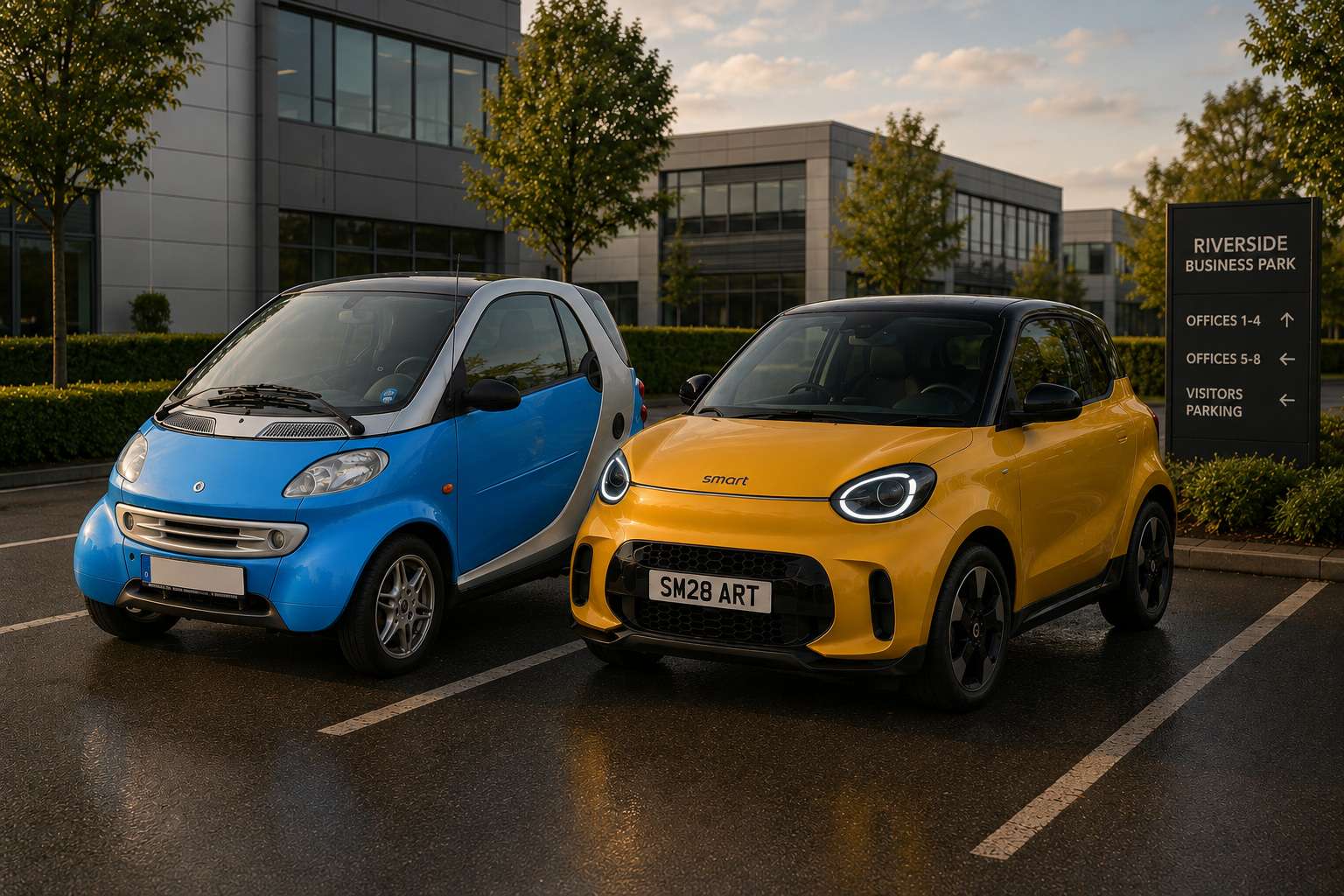
Small, Smart Again? Why Smart May Be Heading Back to its Urban Roots
For most of its history, Smart built its reputation around doing one thing exceptionally well. Our exclusive image compares the original Smart Fortwo and our "next generation" interpretation. Tiny dimensions, clever packaging and a focus on urban mobility made the original Fortwo one of the most recognisable city cars ever produced. Yet…