DS N°3: A New Chapter for the Car That Helped Define DS
Its successor took a very different approach. The DS 3 Crossback arrived in 2019 as a compact premium SUV, entering an increasingly crowded market where its relatively high price and limited interior space made life difficult against more practical rivals.
Now DS is preparing to reinvent the model once again. The forthcoming DS N°3 is expected to return to a lower, hatchback-inspired format, bringing the name back towards its original territory while embracing an electric future. We look at what the new model might look like, and just how much it has to live up to.
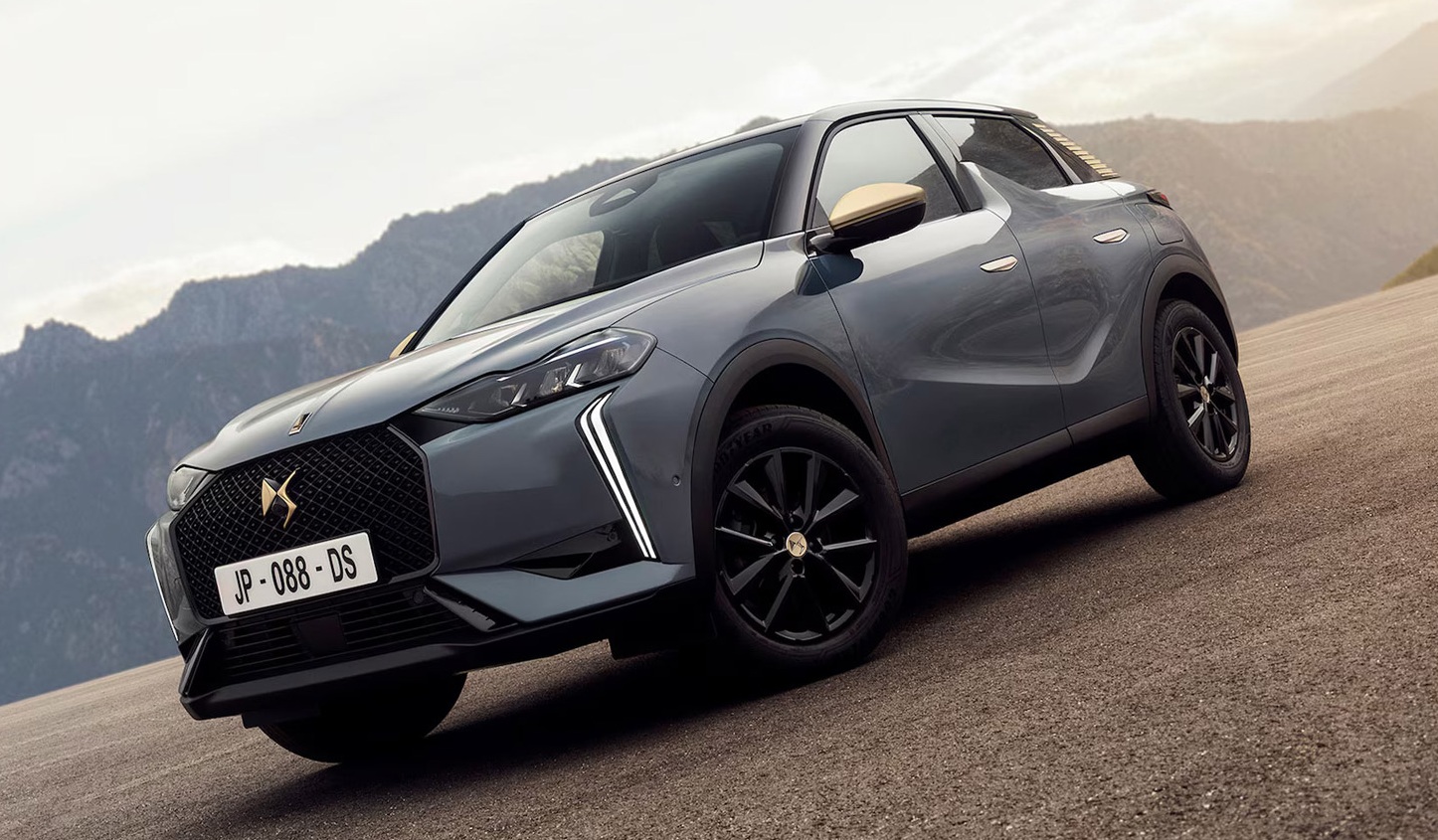
The DS 3 Crossback may have struggled to make the same impact as its predecessor, but there is still plenty to like about it. Its exterior styling remains distinctive, while the cabin is arguably its strongest feature, combining high-quality materials with quirky detailing and a design that stands apart from more conventional premium small SUVs.
It was also an important model for DS, becoming the first in the range to offer a fully electric version. Buyers could initially choose between petrol, diesel and electric power, before the UK range narrowed to hybrid and all-electric options.
With a current RRP starting at £33,385, the DS 3 is not especially cheap, but we have found pre-registered examples advertised for under £20,000. It still has plenty to offer; however, DS needs a truly standout model, and a return to the premium hatchback market looks to be its chosen direction.
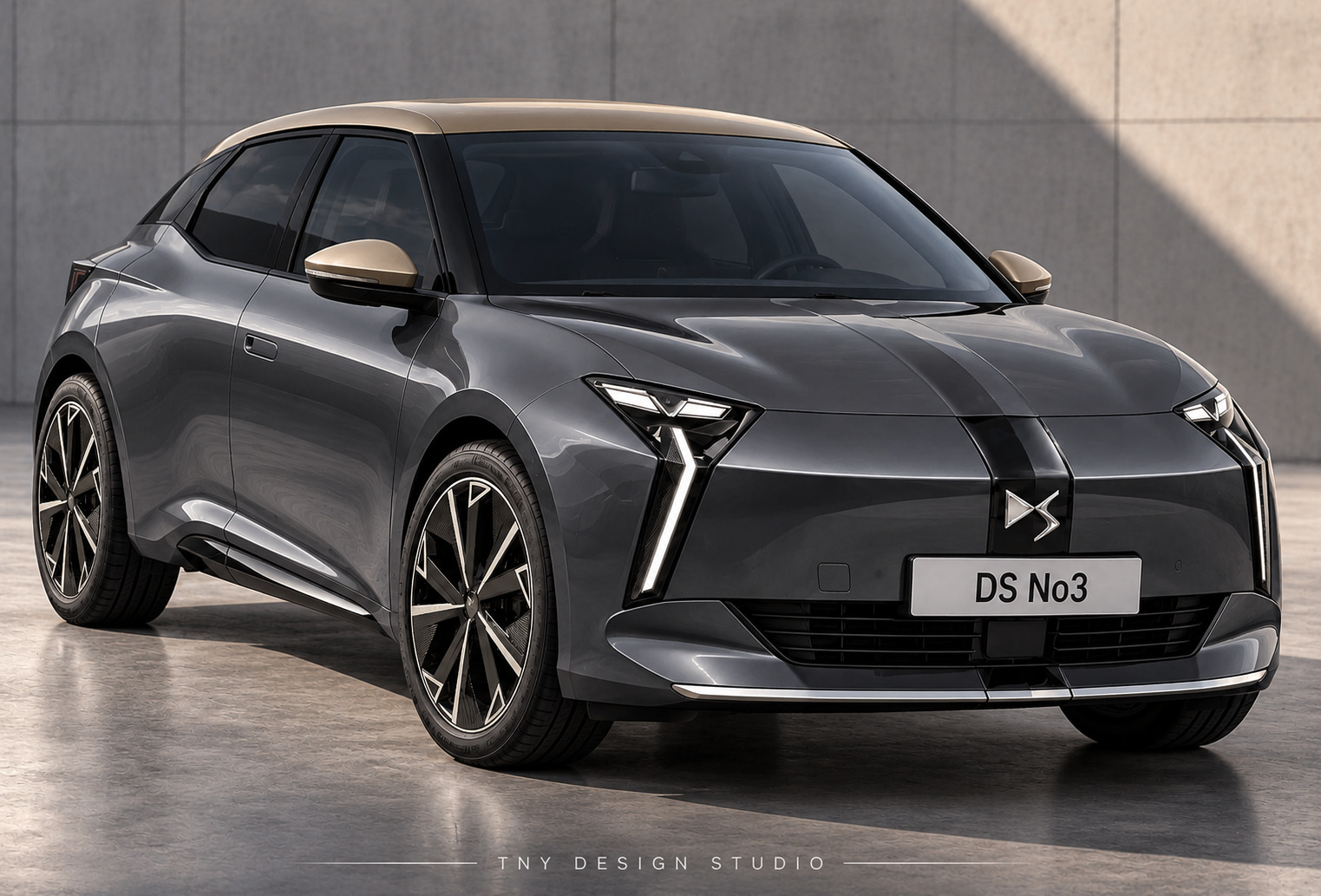
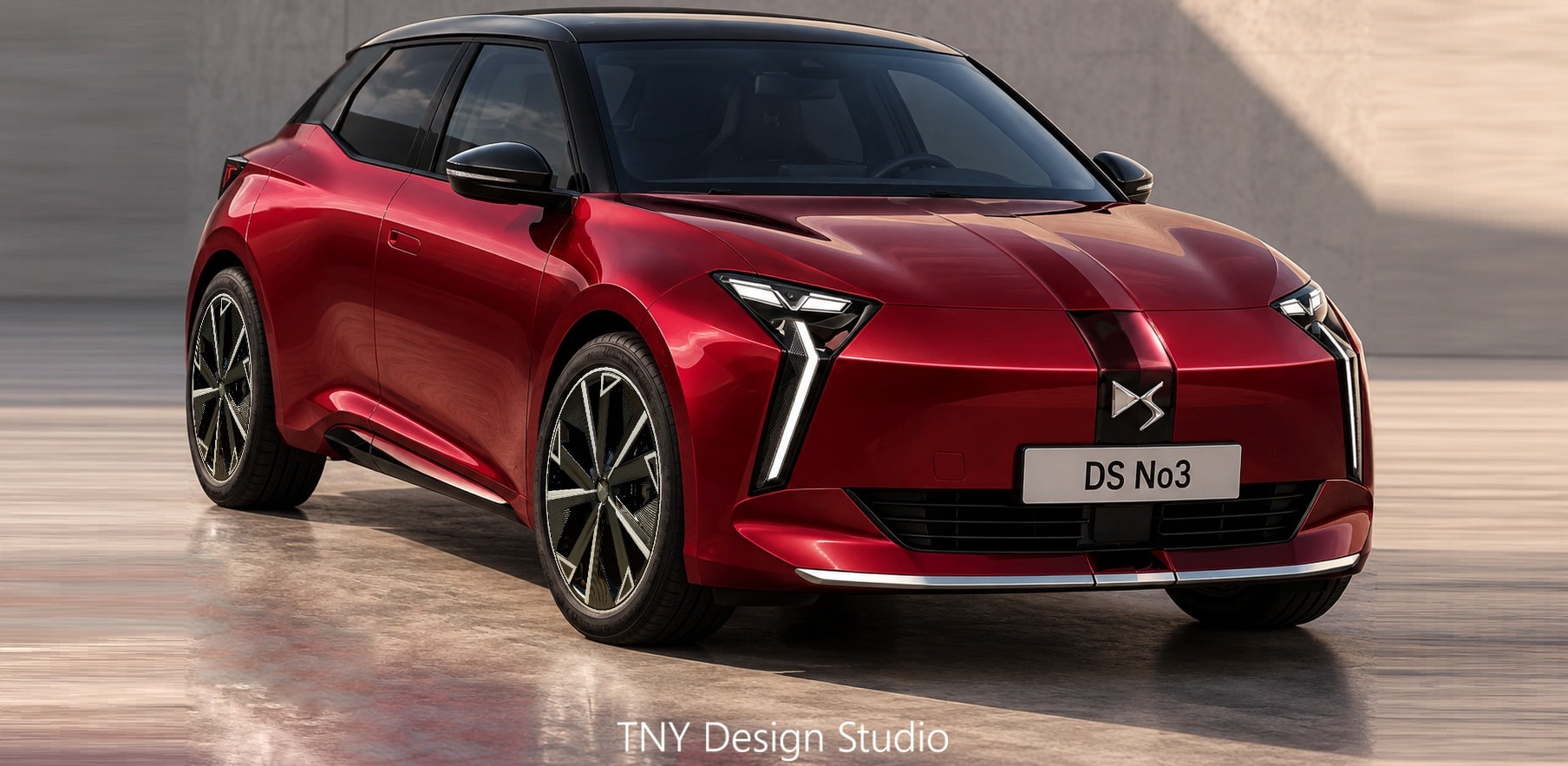
Our interpretation of the DS N°3 builds on the F3VER concept first seen at the Paris Motor Show, translating its design cues into a smartly styled compact hatchback with a distinctly French character.
While its closely related Peugeot e-208 is expected to take a more technology-led approach, introducing steer-by-wire and a new generation of the i-Cockpit, the DS should place greater emphasis on premium materials, craftsmanship and comfort.
Sharing Stellantis' next-generation small-car architecture, the N°3 is expected to benefit from significant advances in electric performance and technology. An all-electric version is confirmed, although whether DS will also offer a hybrid powertrain remains unclear.
Either way, the challenge will be to create something that feels genuinely special, rather than simply a more expensive alternative to its Peugeot relation.
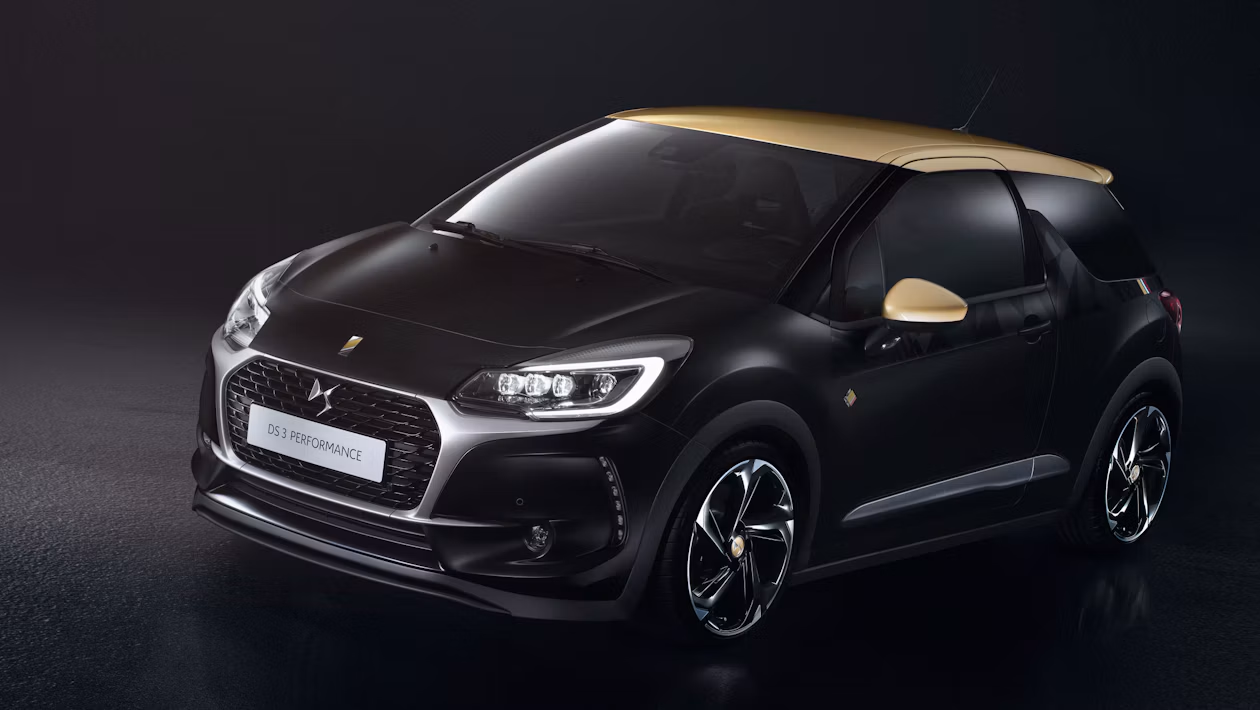
The original DS 3 was a genuine success, with approximately 445,000 examples sold in Europe, compared with around 91,000 of its SUV successor. Its appeal lay in its distinctive styling, huge choice of colour combinations, exceptionally efficient diesel engines and limited-run performance versions producing more than 200bhp.
However, the years since have seen DS become increasingly integrated with Citroën. What began as an attempt to establish a separate premium marque has evolved into a much closer operating relationship, with shared management, design leadership, platforms and components. Stellantis has now formally placed DS among its specialist brands, managed by Citroën, rather than treating it as an entirely independent operation.
This may make commercial sense, allowing DS to benefit from greater economies of scale, but it also raises questions about how distinctive the brand can become. With a new generation of models arriving, DS has an opportunity to establish a clearer identity and demonstrate that it can offer something genuinely different.
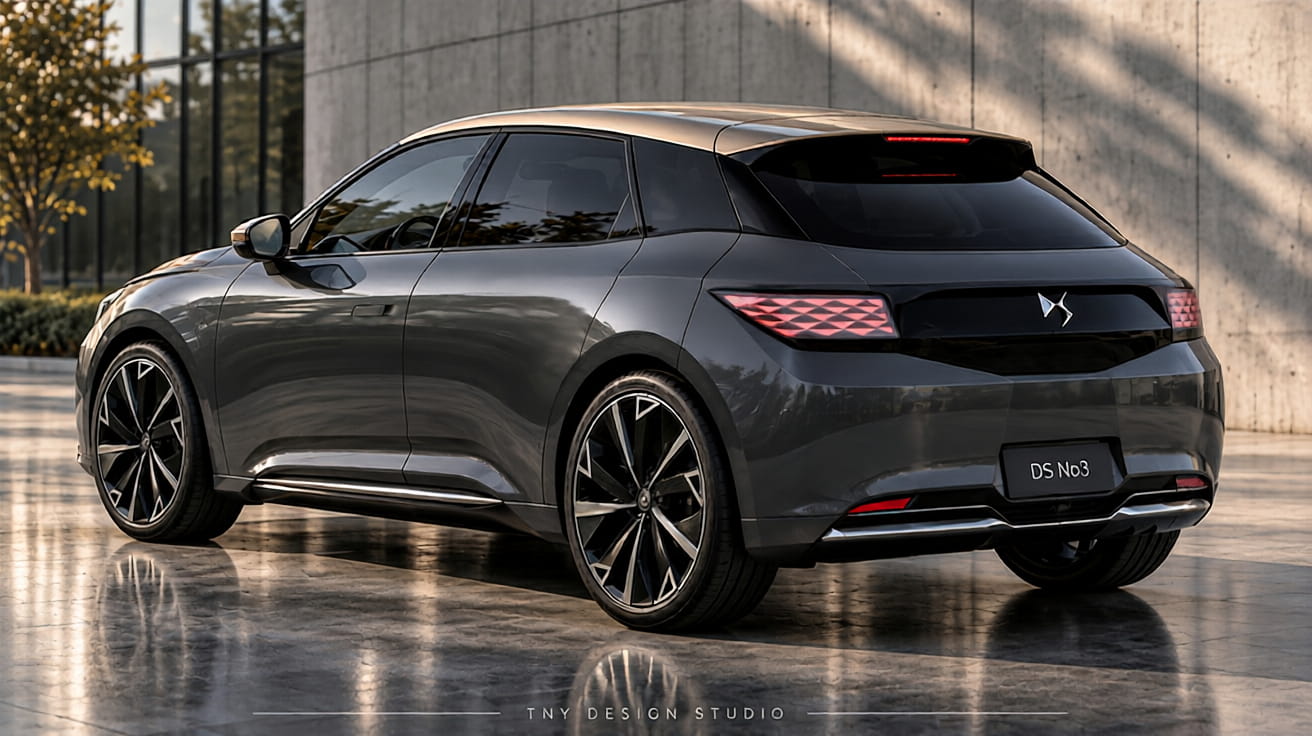
Our DS N°3 rendering offers one possible glimpse of where the brand could go next, but its wider transformation is already taking shape.
Two very different models are leading the way. The new DS N°7 replaces the DS 7, the brand's best-selling model, and looks a promising evolution. Its distinctive styling, upmarket interior and focus on comfort are complemented by a choice of efficient hybrid power or fully electric drive, with the long-range E-TENSE offering up to 460 miles on the WLTP cycle.
Meanwhile, the DS N°8 takes the brand in a more unusual direction. An all-electric flagship with a sleek SUV-coupé silhouette, it offers something rather different from the conventional premium SUV formula.
With its avant-garde design, impressive range and carefully crafted interior, the N°8 demonstrates that DS is prepared to explore new body styles rather than simply follow the established market. Together, they suggest a brand increasingly confident in its own identity.
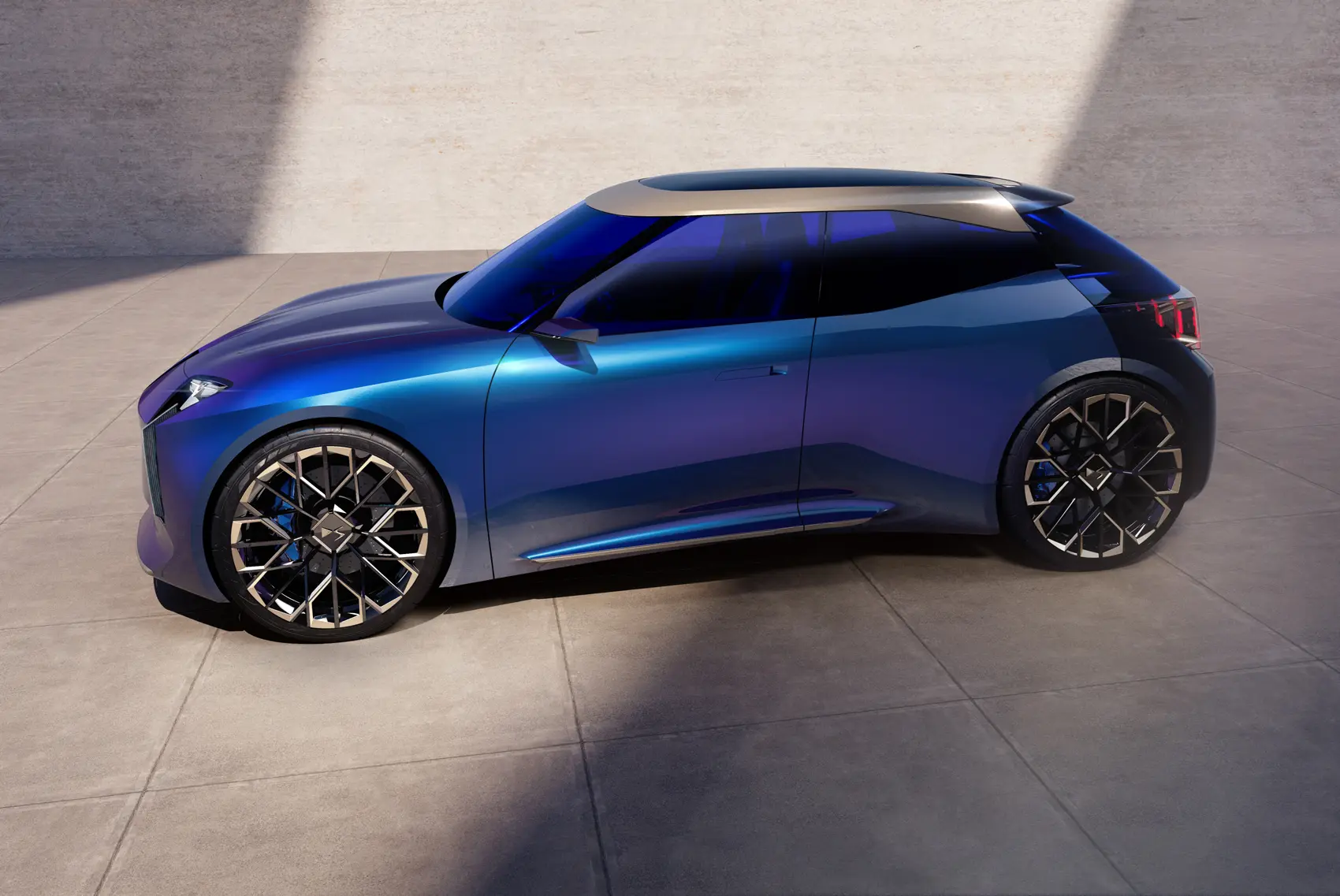
Unveiled at the 2026 Paris Motor Show, the DS F3VER concept offered our clearest indication yet of the brand's future design direction. Although DS has not confirmed it as a direct preview of the production N°3, its compact proportions and hatchback-inspired silhouette make the connection difficult to ignore.
Measuring 4.19 metres long, it combines an unconventional, sculptural exterior with an emphasis on personalisation, including a customisable roof surround, extended two-tone paintwork and an evolving rear lighting signature.
DS also introduced its Design Intelligence philosophy, aiming to create greater visual impact through cleaner surfaces, fewer components and improved perceived quality. The concept is also intended to demonstrate how a compact car can deliver impressive electric range without sacrificing everyday practicality. It is an intriguing direction for a brand looking to rediscover its distinctive French character.
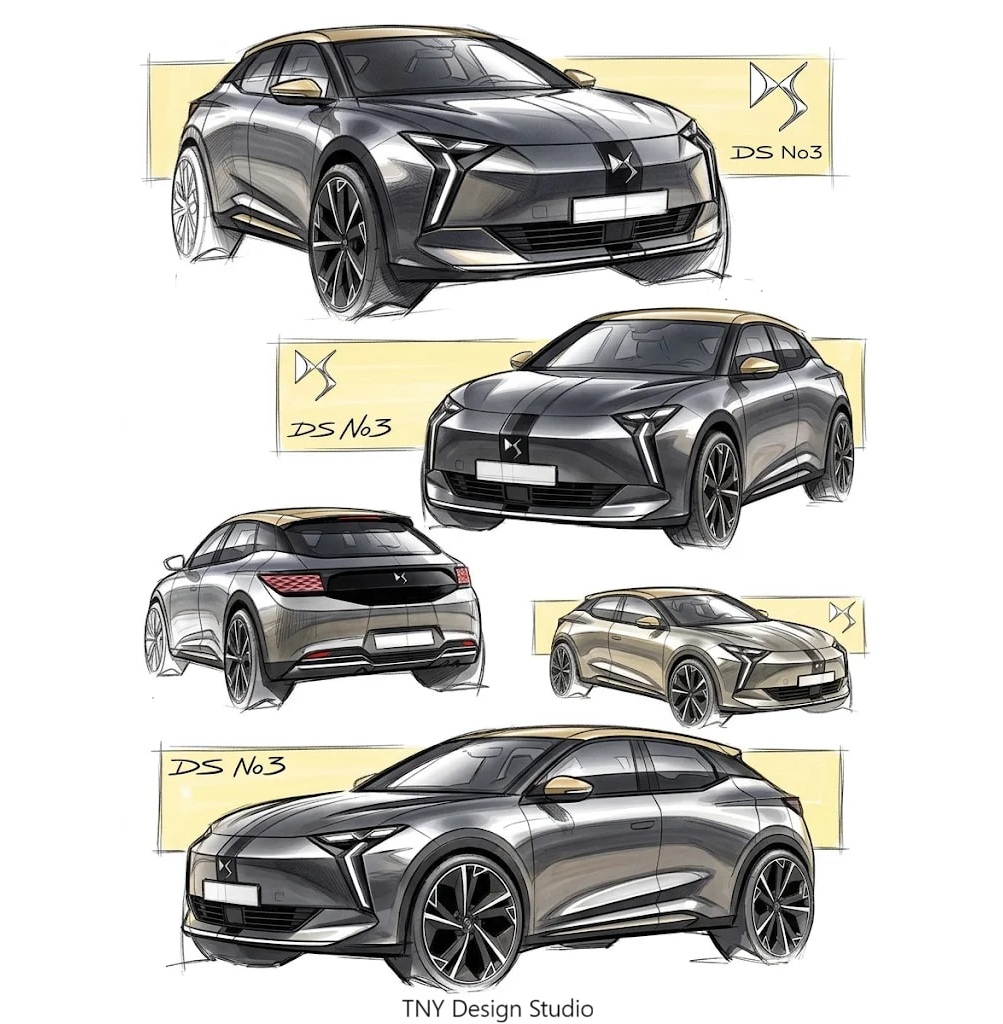
The next DS N°3 has an important role to play in the future of the brand. The original DS 3 proved that a small premium car could stand out through personality, clever personalisation and a little French flair, but its SUV successor never came close to matching that success.
With the N°7 and N°8 establishing a more distinctive direction at the larger end of the range, the opportunity now exists to bring that thinking into a smaller, more accessible package.
Stellantis provides the engineering, technology and economies of scale, but DS needs to offer more than familiar components wrapped in different styling. If the production N°3 can combine genuine individuality with quality, comfort and competitive electric range, it could become the standout model the brand has been missing. The challenge is considerable, but so is the opportunity.
Editorial Note: The DS N°3 renderings and design board featured in this article are speculative digital illustrations created by The New Yardstick for editorial purposes and are not official manufacturer images. This article is an independent review and is not affiliated with, endorsed by, or sponsored by DS Automobiles, Citroën, or Stellantis. Official press imagery courtesy of DS Automobiles / Stellantis. All prices, specifications, and figures quoted were accurate at the time of publication.
You should also read:
The Estates That Never Were – Eight Cars That Deserved More Space
The estate car has long been one of motoring’s most versatile creations, combining the comfort and refinement of a saloon with the practicality of a much larger vehicle. Yet while some manufacturers embraced the estate body style, others stubbornly resisted, leaving several otherwise brilliant cars without a more practical sibling. From executive…

Fast Estates Through the Ages – 16 Cars That Defined a Generation
An estate car is supposed to be sensible. Room for the family, luggage, shopping and the occasional awkward trip to the tip. Yet for more than four decades, manufacturers have questioned why practicality should mean sacrificing performance. In 1981, Volvo transformed its famously boxy 245 into a turbocharged performance car. What followed…
Market Watch: Ten Sensible Classics That Could Save You Money
Classic cars aren't usually associated with sensible motoring. They're often regarded as expensive hobbies, requiring constant attention and substantial maintenance budgets. Yet some of Britain's forgotten family cars could offer a surprisingly affordable alternative to an ordinary used vehicle. For this edition of TNY Market Watch, we're exploring ten practical petrol-powered classics…
Audi’s Next Chapter: A2, E5 and a New Push Upmarket
Audi wants to move upmarket, but its product strategy is starting to pull in two very different directions. In China, the new E5 Sportback shows just how far the brand can go, combining 800V charging, advanced software and a new generation of digital architecture developed with SAIC. In Europe, meanwhile, Audi is…
Rebuilding Nissan: The Cars That Could Fix Its Confusing European Line-Up
Around 20 years ago, Nissan changed the shape of the mainstream car market. The Qashqai replaced the dependable but forgettable Almera and helped turn the crossover into a family-car staple. The Juke followed, proving equally disruptive, while in 2010 the Leaf brought electric motoring to the masses. All three were game-changing cars…
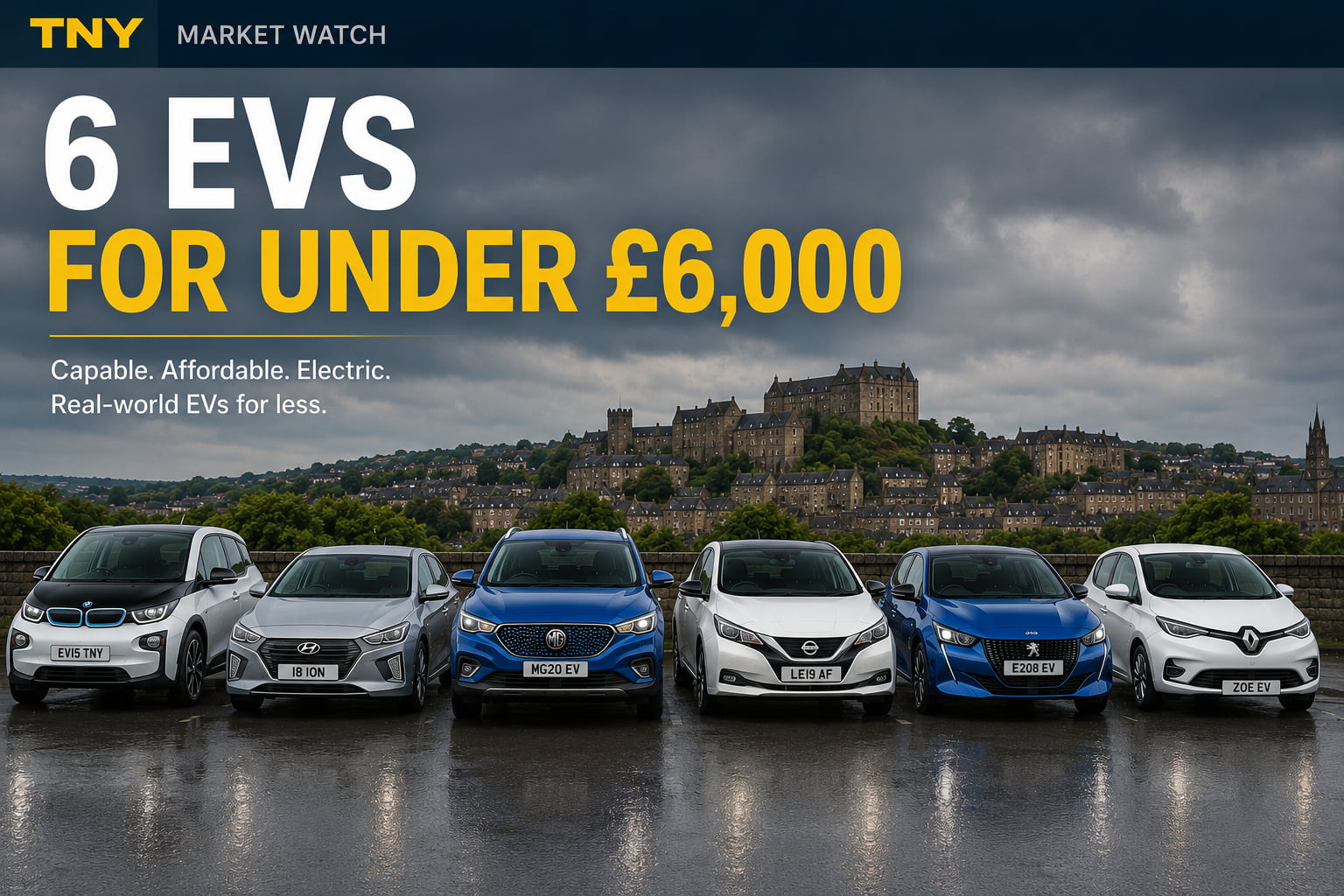
Six Used EVs Under £6,000 That Are Worth Considering
The used electric car market has changed rapidly, with growing choice and falling prices making electric motoring more accessible than ever. For many households, an affordable used EV is now more than capable of handling daily commuting, school runs and weekly shopping trips, all while keeping running costs impressively low. The BMW…

MG: The UK’s Value Champion — Six MGs That Prove It
Across the UK, brand‑new and pre‑reg bargains are increasingly dominated by Stellantis, Renault Group, and a growing wave of new Chinese brands offering aggressive pricing across petrol, hybrid, and EV segments. But when you look at the deals that genuinely move the needle — strong equipment, sensible running costs, and real‑world value…