Back to the Frame: The Mitsubishi Pajero Returns to its Rugged Roots
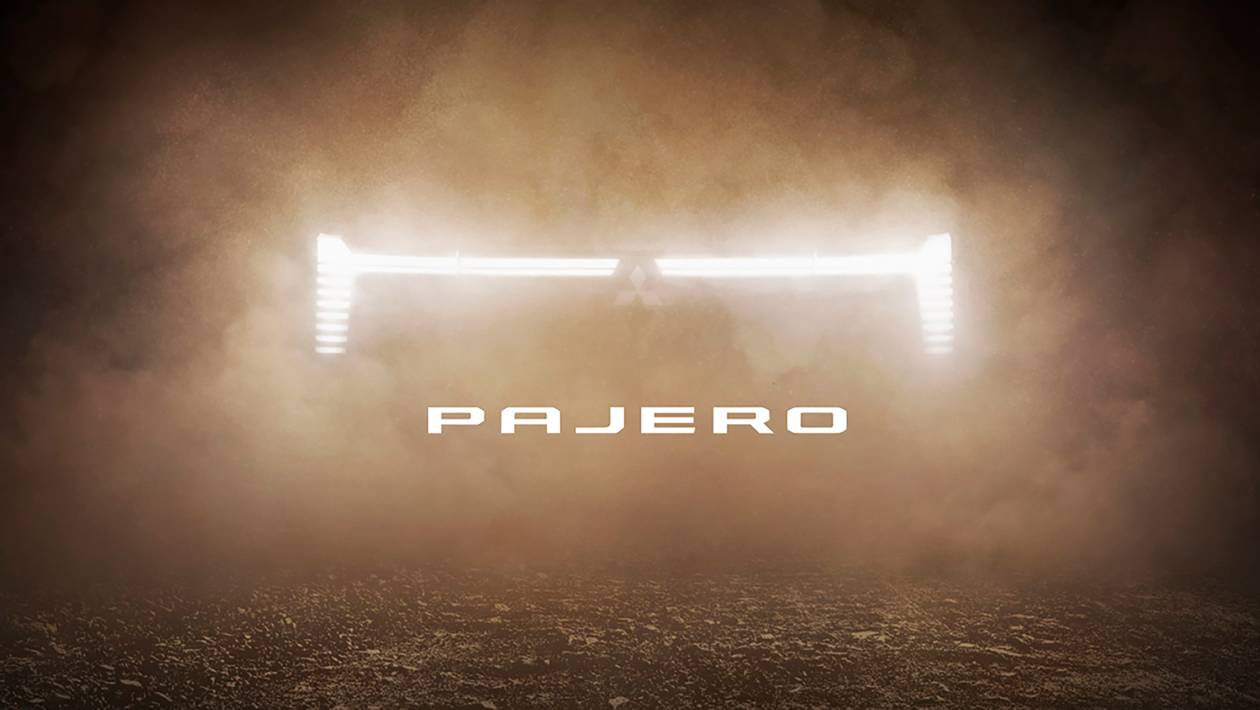
Mitsubishi dropped this teaser image of the new Pajero’s front-end, highlighting that distinctive, full-width LED lightbar on May 29th this year. (Image credit: Mitsubishi Motors)
Mitsubishi has officially confirmed what enthusiasts have been waiting for: the icon is returning. Discarding the soft-roader compromises of the past, this new model embraces its heritage as a true, ladder-frame cross-country vehicle built on the robust underpinnings of the latest Mitsubishi Triton. By returning to this body-on-frame architecture, Mitsubishi is making a clear statement of intent: they aren't just looking to compete in the "lifestyle SUV" segment; they are building a machine engineered to reclaim the crown from the Land Cruiser Prado and the Ford Everest. The icon isn't just back—it’s getting back to basics.
What eventually killed off the Pajero was a market shift that saw more consumers drawn to slightly smaller 'soft roaders' that were cheaper to buy and maintain. With the Outlander becoming Mitsubishi's priority, the company continued production of the fourth-generation Pajero from 2006 to 2021 with only minimal updates, instead focusing its research and development budget on the smaller models generating higher sales volumes.
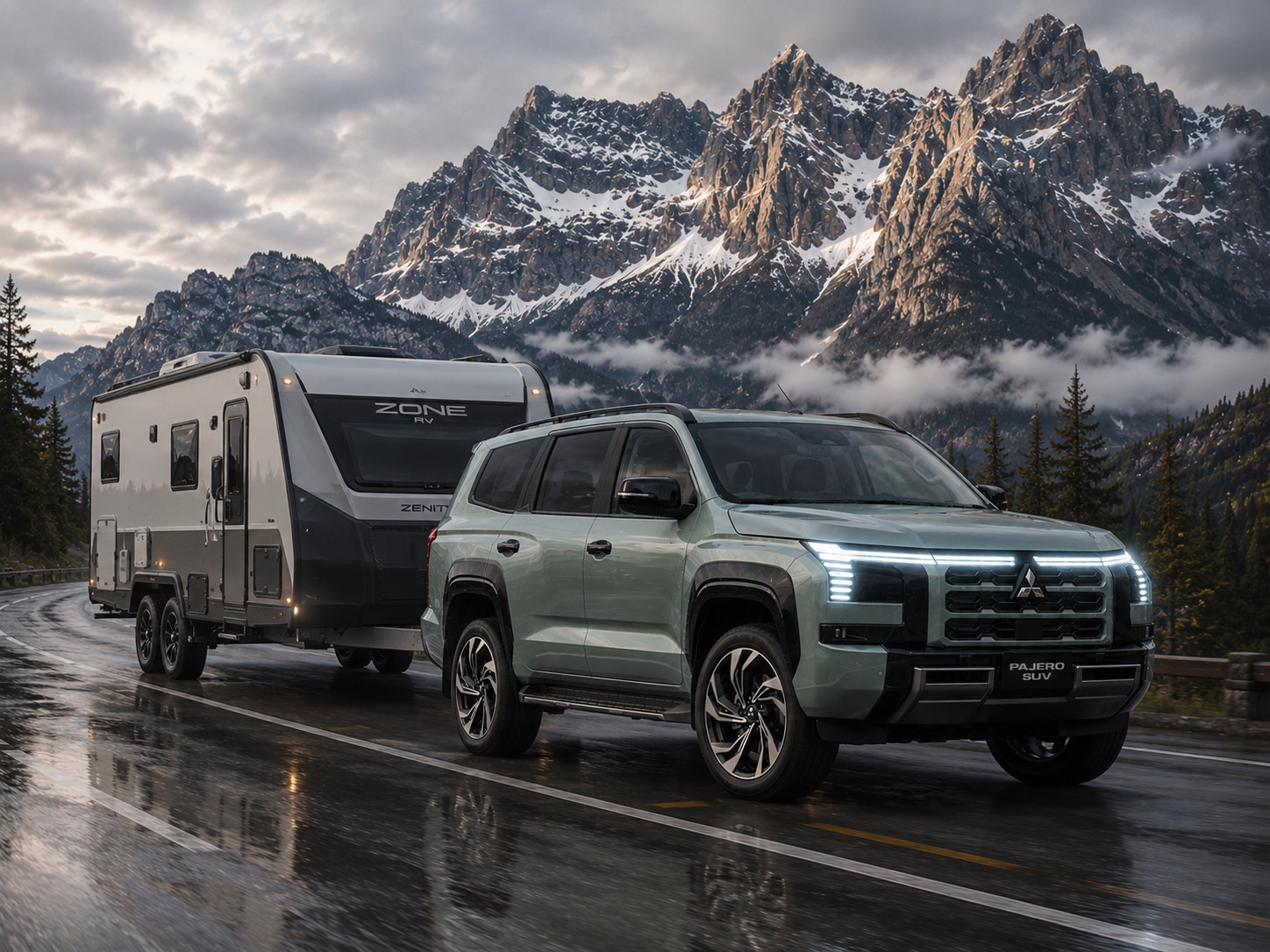
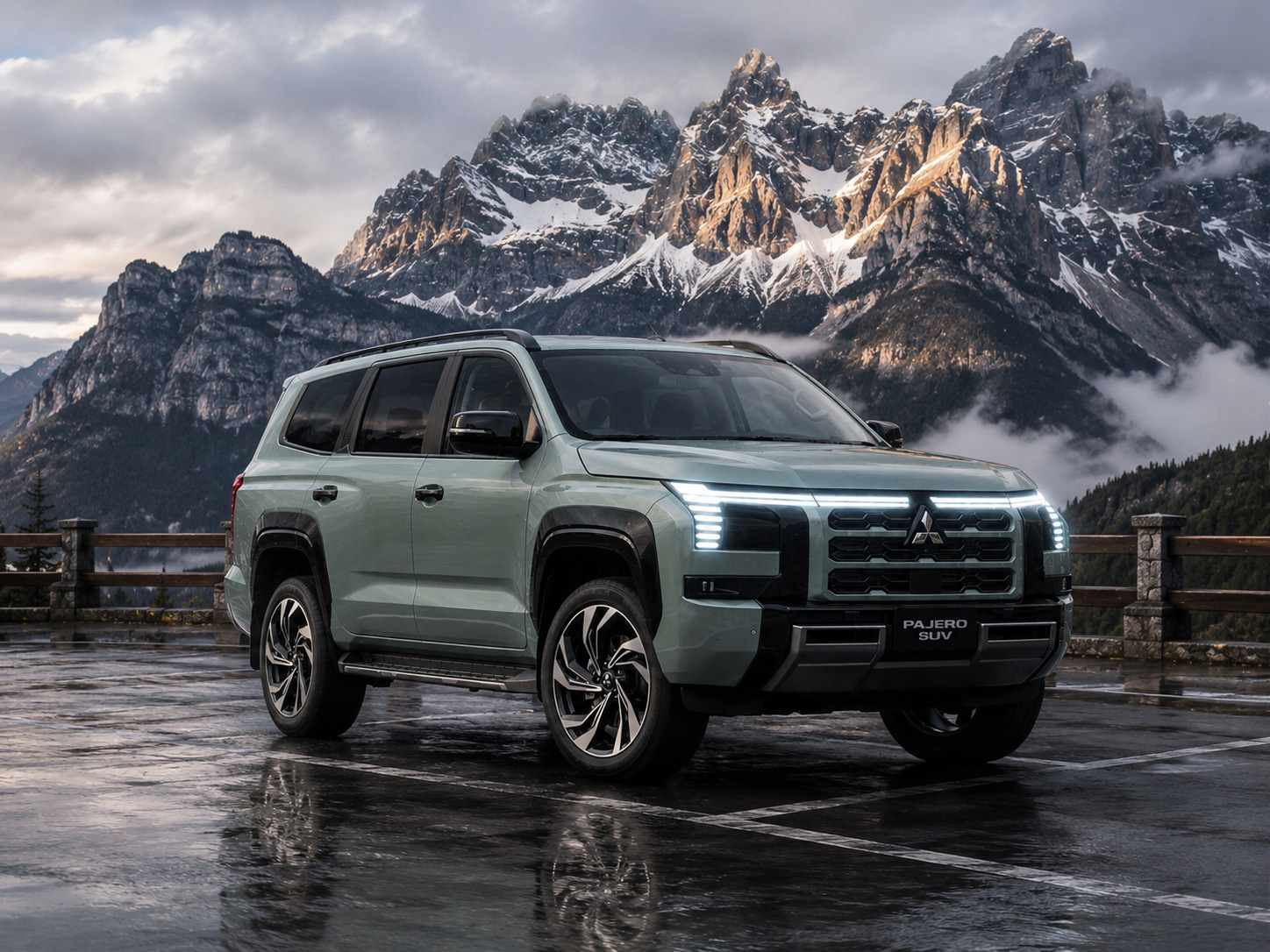
The New Yardstick — Custom Rendering: A visualisation of the upcoming fifth-generation Pajero. Our interpretation combines the confirmed ladder-frame architecture of the new Mitsubishi Triton with design cues from the official manufacturer teaser, capturing how the iconic nameplate is set to evolve.

Ever since the previous-generation Pajero ceased production, potential customers have had to face a compromise when selecting a new Mitsubishi: buy the smaller Pajero Sport, which has a cramped third row of seats and lacks both the badge and curb appeal of a full-size Pajero. The other option was to get a full-size Triton pick-up truck, while sacrificing rear-seat space entirely. While both those options are strong contenders within their respective classes, Mitsubishi's lack of a large three-row SUV hasn't gone unnoticed.
While filling this showroom void is one thing, making that solution viable for a global market is quite another. As Mitsubishi prepares to bring its flagship back to the world stage, it faces a brutal reality check. Can a large, ladder-frame off-road vehicle really function as a modern, global model, or is it destined to be an outlier in a world increasingly shaped by emissions regulations?
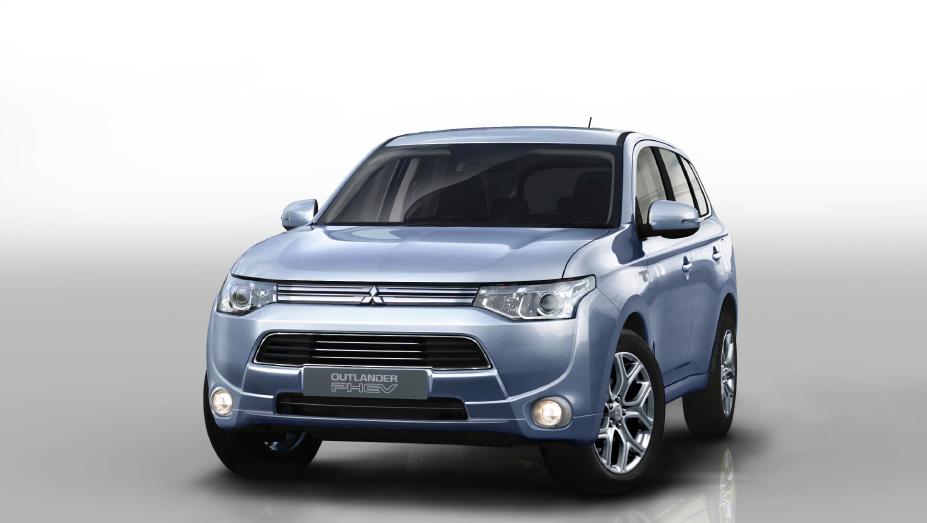
Ten years ago, Mitsubishi regularly topped 'Plug-in' sales charts in Europe with the original Outlander PHEV. While the new Outlander's PHEV system is strong in isolation, its transversely mounted, front-wheel-drive setup was not designed to fit in a Triton-based vehicle. (Image credit: Mitsubishi Motors)
The challenge of meeting strict CO₂ rules for a heavy, body-on-frame SUV is real and immediate. Mitsubishi’s experience with the Outlander PHEV shows the brand can package electrification effectively, but that system’s transverse, front-drive layout wasn’t designed for a longitudinal, ladder-frame chassis. Integrating a PHEV into a Triton-based platform would demand significant re-engineering or a bespoke solution that balances battery capacity, packaging, and thermal management without undermining the Pajero’s off-road DNA.
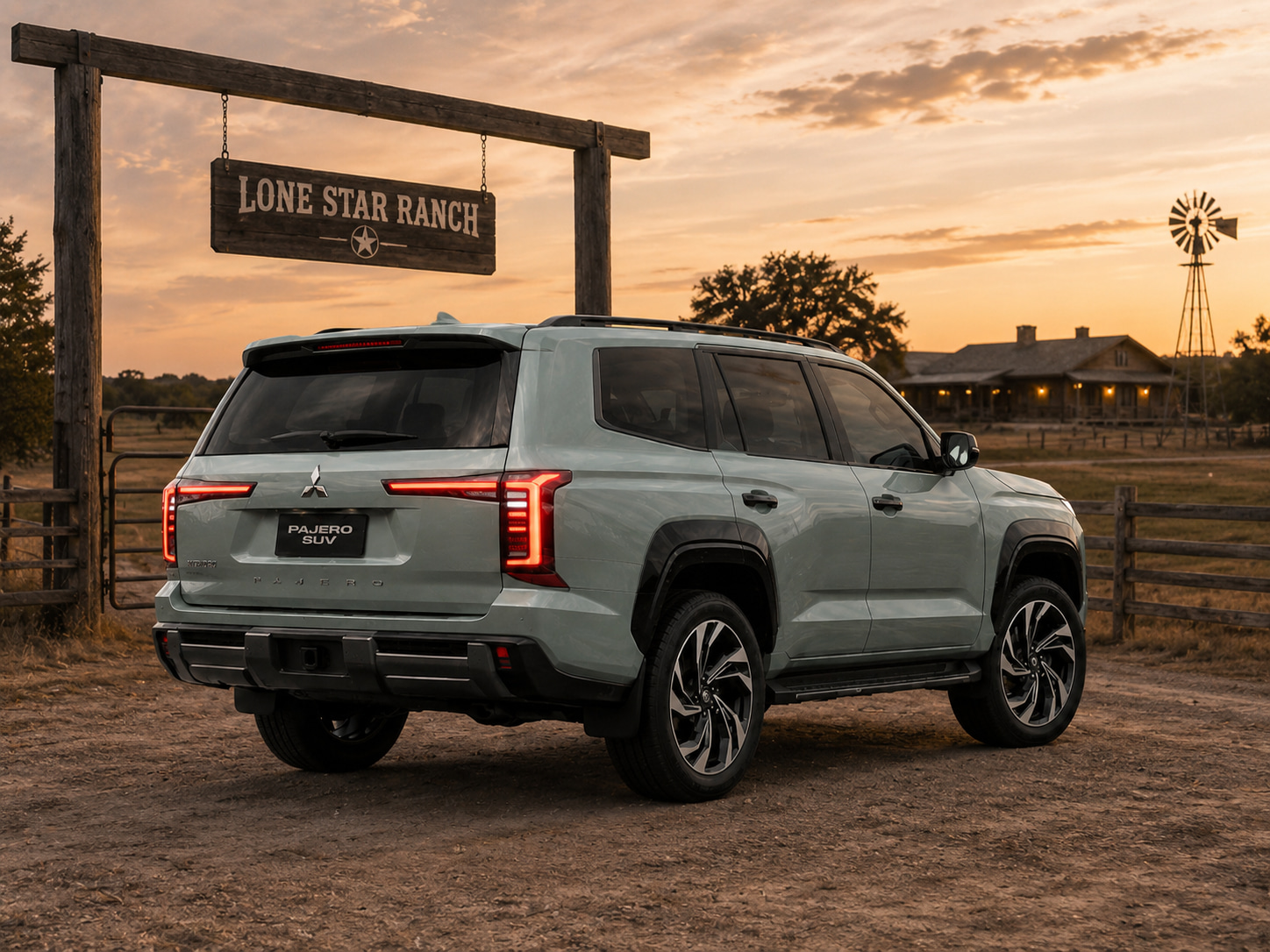
Keeping the Pajero's weight under key regulatory thresholds while preserving its towing and off-road abilities will be a delicate balancing act. A successful outcome would pair an efficient electrified powertrain with the Triton’s proven durability and still allow global homologation; a less successful one could force regional rollouts, heavier compromises, or a focus on markets with more lenient emissions rules. Whether the Pajero returns as a global titan or a restricted-market specialist will depend on one thing: can Mitsubishi prove that a rugged, ladder-frame icon can still have a place in an electrified world?
If Mitsubishi gets the formula right, the fifth-generation Pajero could be the company’s most important launch in years. More than a replacement for a discontinued nameplate, it would prove that traditional body-on-frame SUVs can still be relevant in an electrified market. For a brand forged in deserts, rally stages, and remote trails, a successful return would be the clearest possible statement that rugged capability and modern emissions targets can coexist—provided Mitsubishi can marry the Triton’s durability with an efficient electrified powertrain.
You should also read:
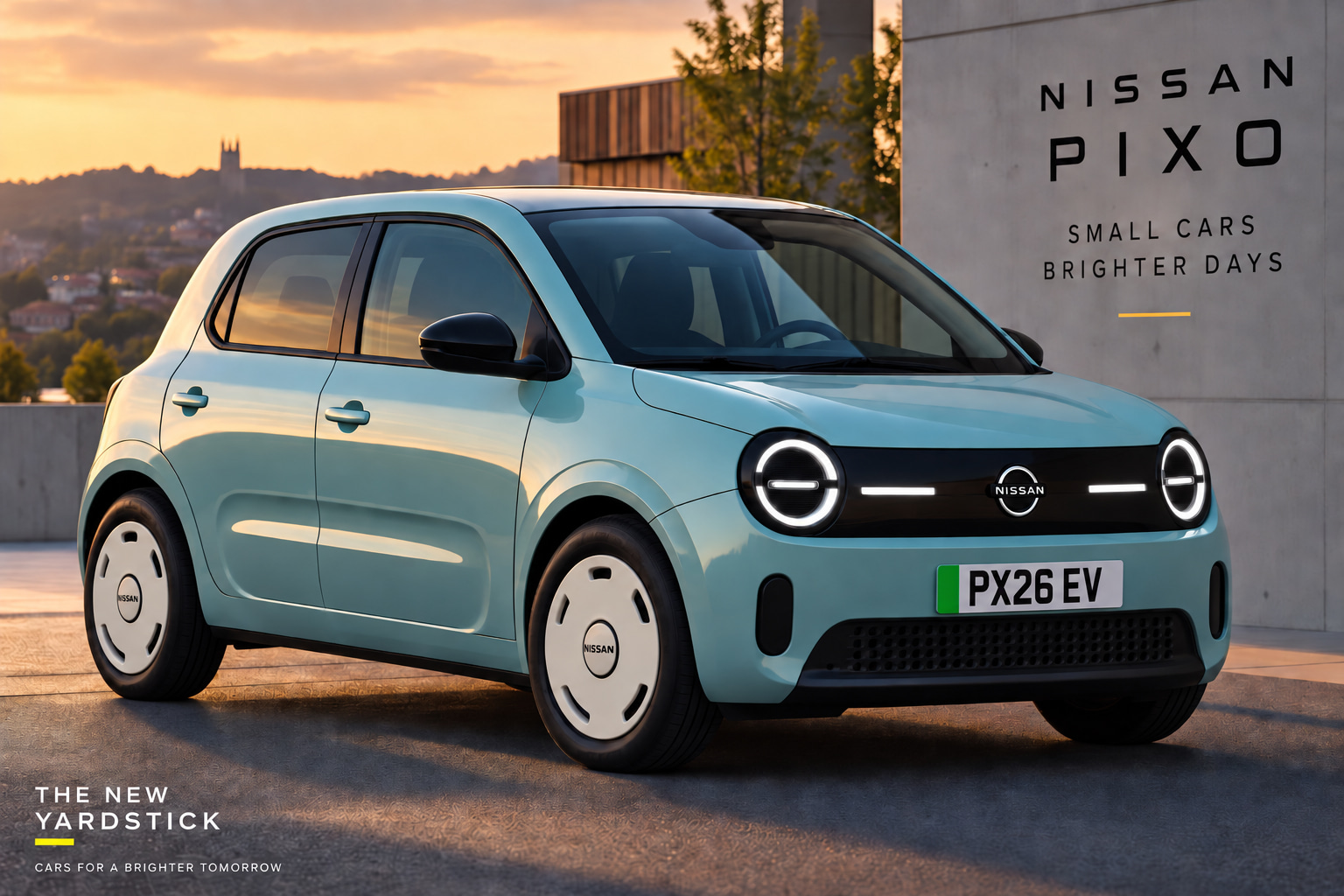
Nissan Pixo: Could Britain's Former Cheapest Car Make an Electric Comeback?
When the Nissan Pixo arrived in the UK in 2009, it quickly established itself at the very bottom of Britain's new-car market. For the majority of its short life, it was Britain's cheapest new car — a position that became an important part of the little Nissan's identity. Then, in 2013, Dacia…
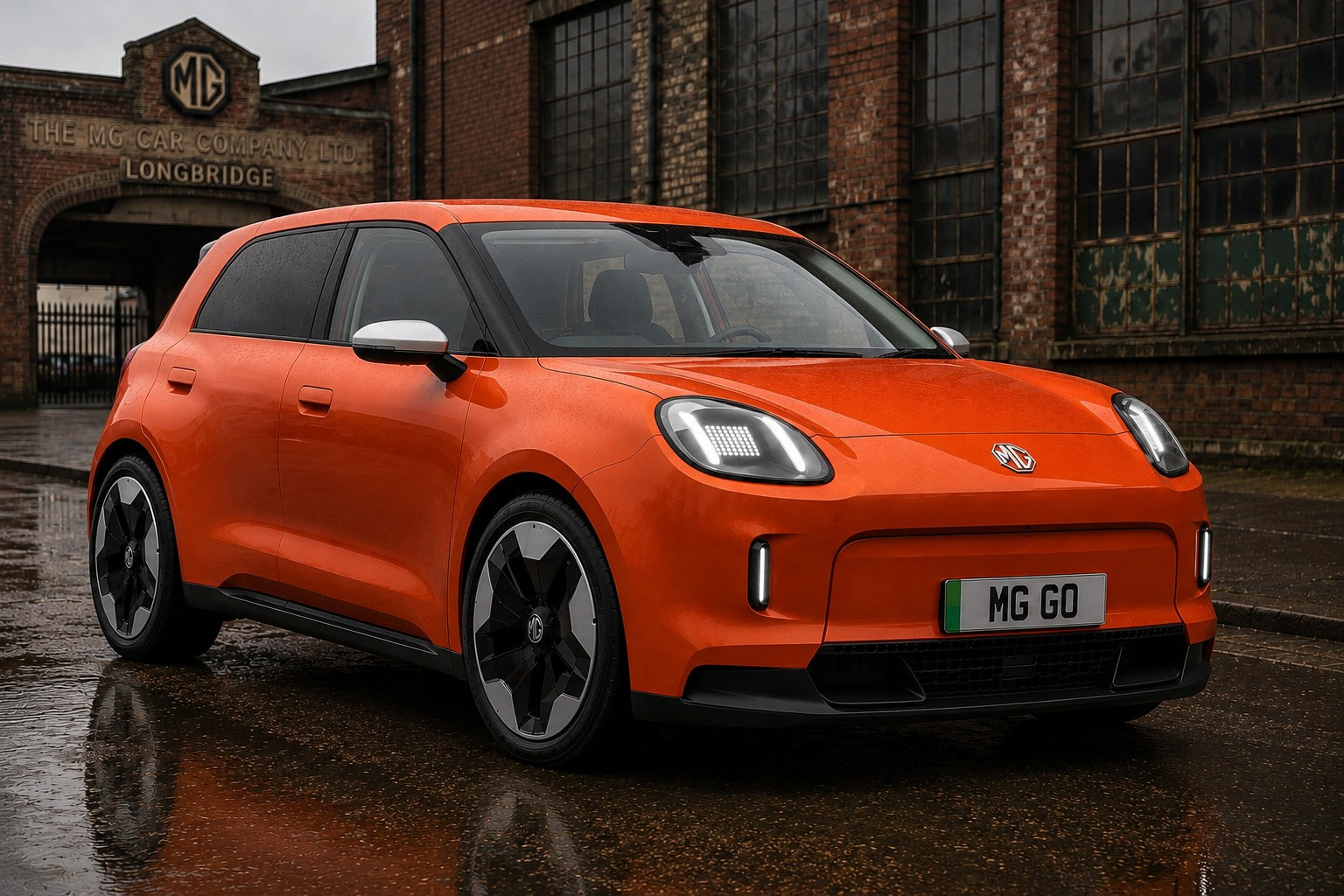
MG GO: Our Vision for Britain's Next Affordable Electric Hatchback
MG has become one of Britain's fastest-growing car brands, but one gap remains in its expanding electric line-up: a compact hatchback sitting below the MG4. In this Design Studio feature, we imagine the MG GO, an affordable electric supermini positioned as the EV sibling to today's MG3. At around four metres long,…
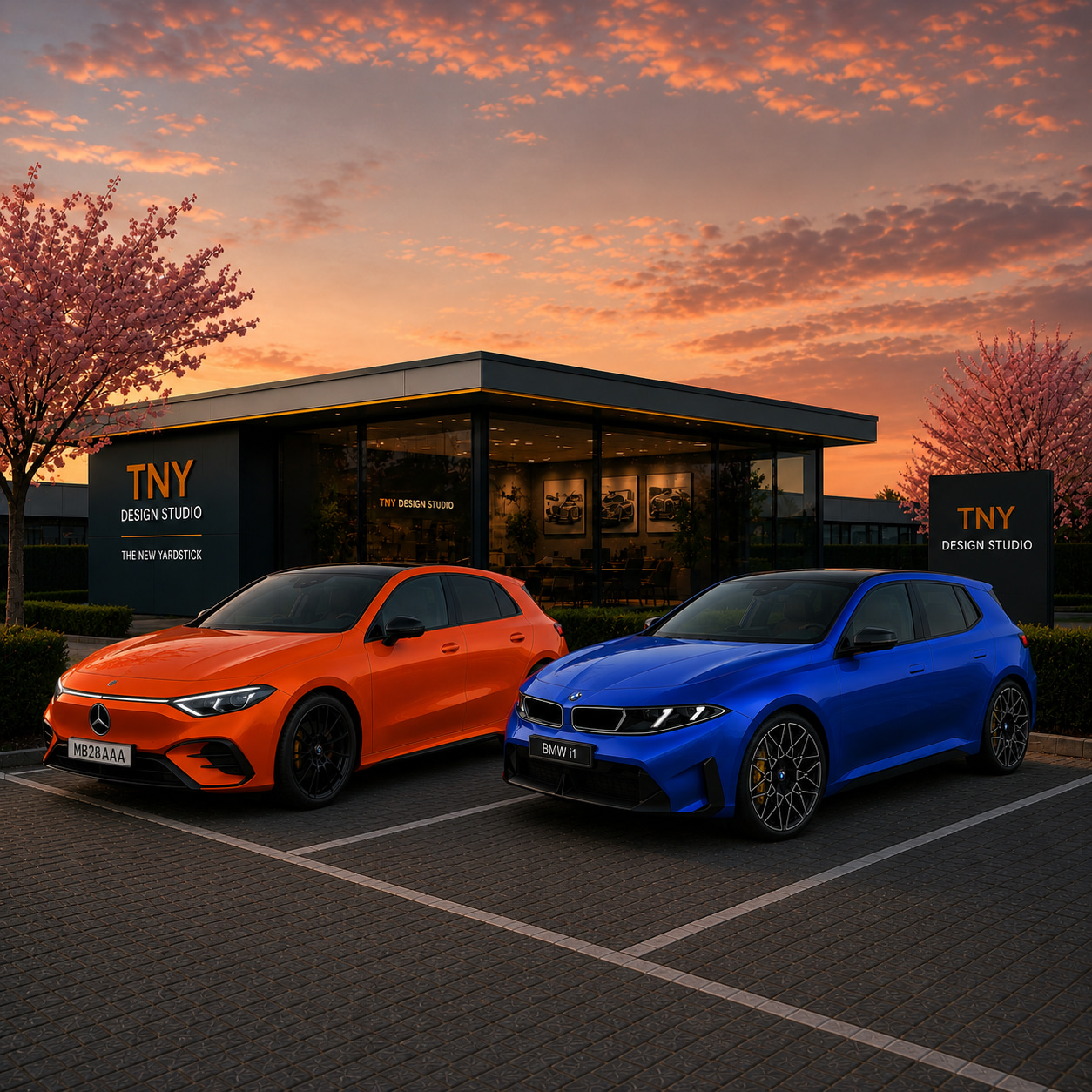
BMW and Mercedes Are Reinventing the Premium Hatchback - But Not in the Same Way
The premium hatchback market is approaching a major turning point. By around 2028, both the BMW 1 Series and Mercedes-Benz A-Class are expected to enter a new generation, but with two very different strategies. BMW is likely to split its compact range in two, a new generation of petrol and hybrid 1…
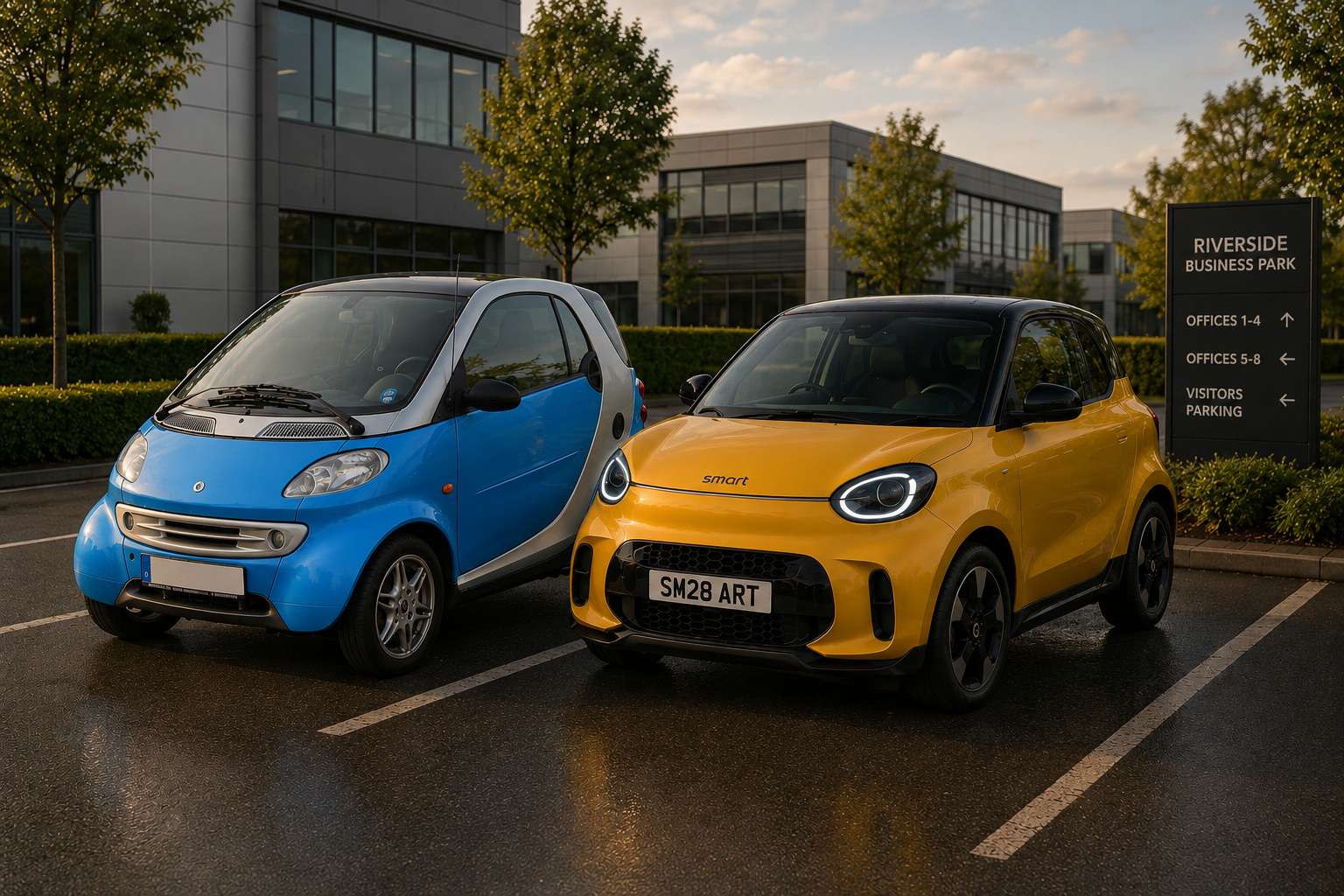
Small, Smart Again? Why Smart May Be Heading Back to its Urban Roots
For most of its history, Smart built its reputation around doing one thing exceptionally well. Our exclusive image compares the original Smart Fortwo and our "next generation" interpretation. Tiny dimensions, clever packaging and a focus on urban mobility made the original Fortwo one of the most recognisable city cars ever produced. Yet…
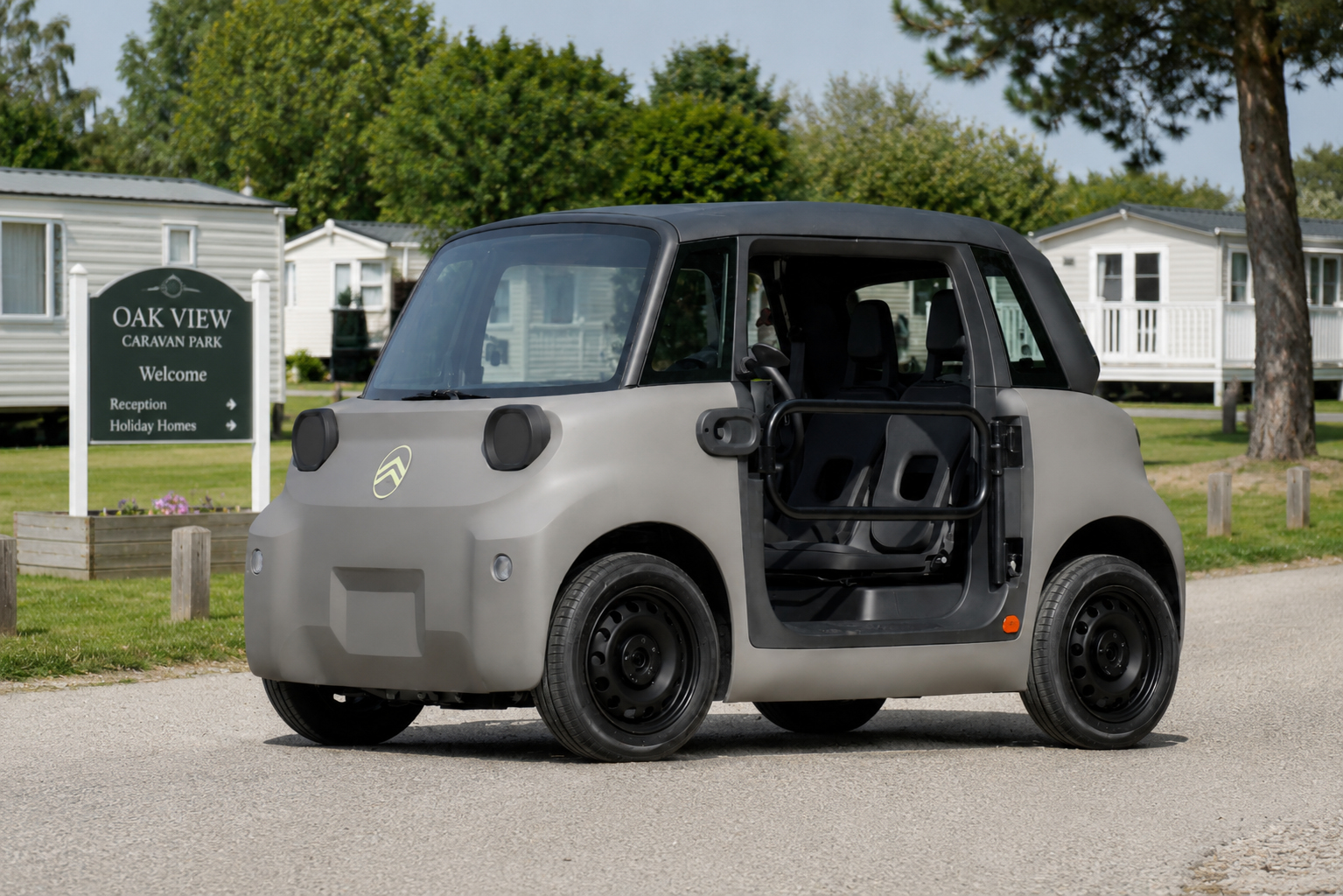
Beyond the Highway: The Case for a Stripped-Back, Industrial Ami
The Citroën Ami is one of the smartest urban vehicles of the modern era. Yet despite its tiny dimensions, minimal battery pack, and quadricycle classification, it still costs around £8,000 in many markets. The reason is simple: it has been engineered to operate on public roads. But what if it didn’t have…