Market Watch: Ten Sensible Classics That Could Save You Money
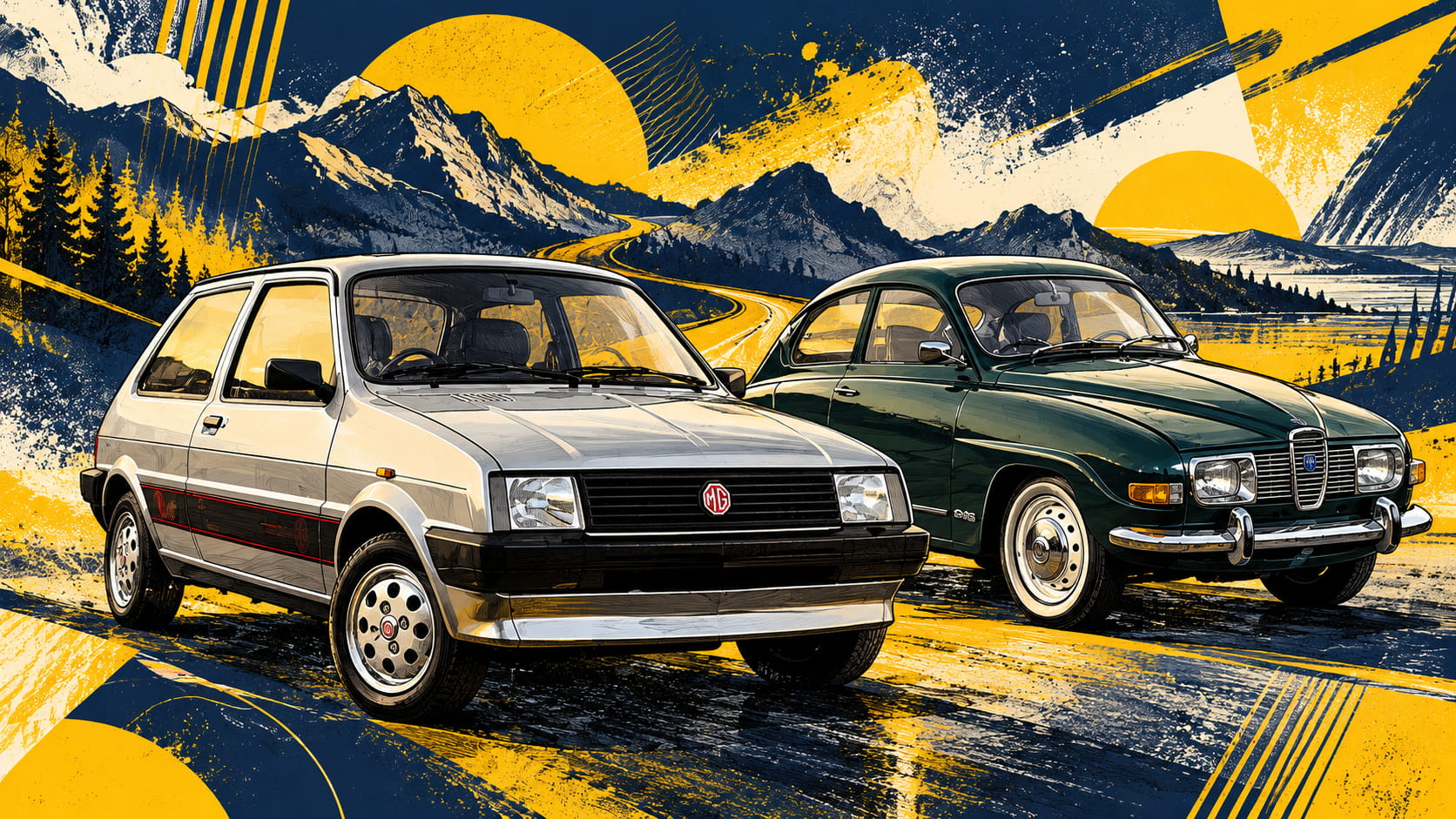
For this edition of TNY Market Watch, we're exploring ten practical petrol-powered classics built before 1986, each potentially available for less than £10,000 and capable of returning at least 30mpg.
The appeal goes beyond nostalgia. Qualifying vehicles benefit from free historic road tax and MOT exemption, while carefully chosen examples could avoid the depreciation associated with newer cars, potentially retaining or even increasing their value.
Of course, ageing mechanical components, corrosion and unexpected repairs remain important considerations. But for someone covering fewer than 5,000 miles annually, could an ordinary classic make more financial sense than another depreciating used car?
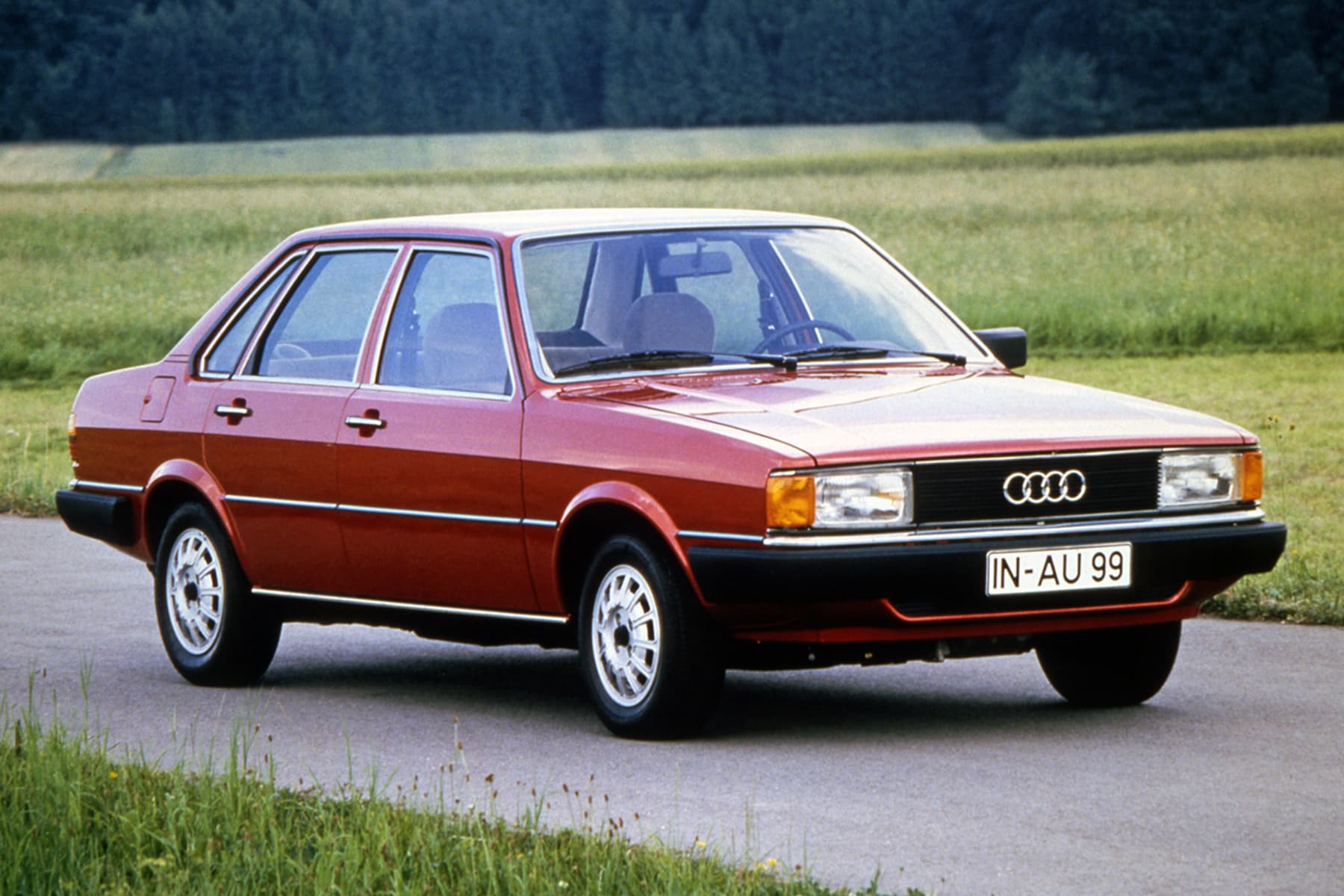
Audi was already establishing its reputation for understated quality when the second-generation 80 arrived in 1978. Its clean, angular styling has aged particularly well, while the spacious interior and conventional four-door saloon layout make it a surprisingly practical classic.
Interestingly, some modern Audis have attracted criticism for excessive glossy plastics and screen-heavy dashboards, occasionally prioritising technology over traditional cabin quality. The B2 represents a different era, when straightforward controls, solid assembly and restrained design were central to Audi's appeal.
The 1.6-litre petrol with a manual gearbox is our preferred choice, offering adequate performance and real-world economy of around 32mpg. It's also mechanically straightforward, sharing various components with contemporary Volkswagen models, particularly the Passat, meaning some replacement parts remain relatively accessible. Corrosion and increasingly scarce model-specific trim and bodywork deserve attention, however.
Buyers should allow £4,000–£6,000 for a presentable example. Unlike newer used Audis, a well-bought B2 has already experienced most of its depreciation, with surviving examples becoming increasingly uncommon.
Choose a qualifying pre-1986 car and historic road tax costs nothing, with MOT exemption another potential saving. For someone covering relatively few miles each year, the Audi 80 offers genuine family-car practicality and the possibility of recovering much of its purchase price when the time comes to sell.
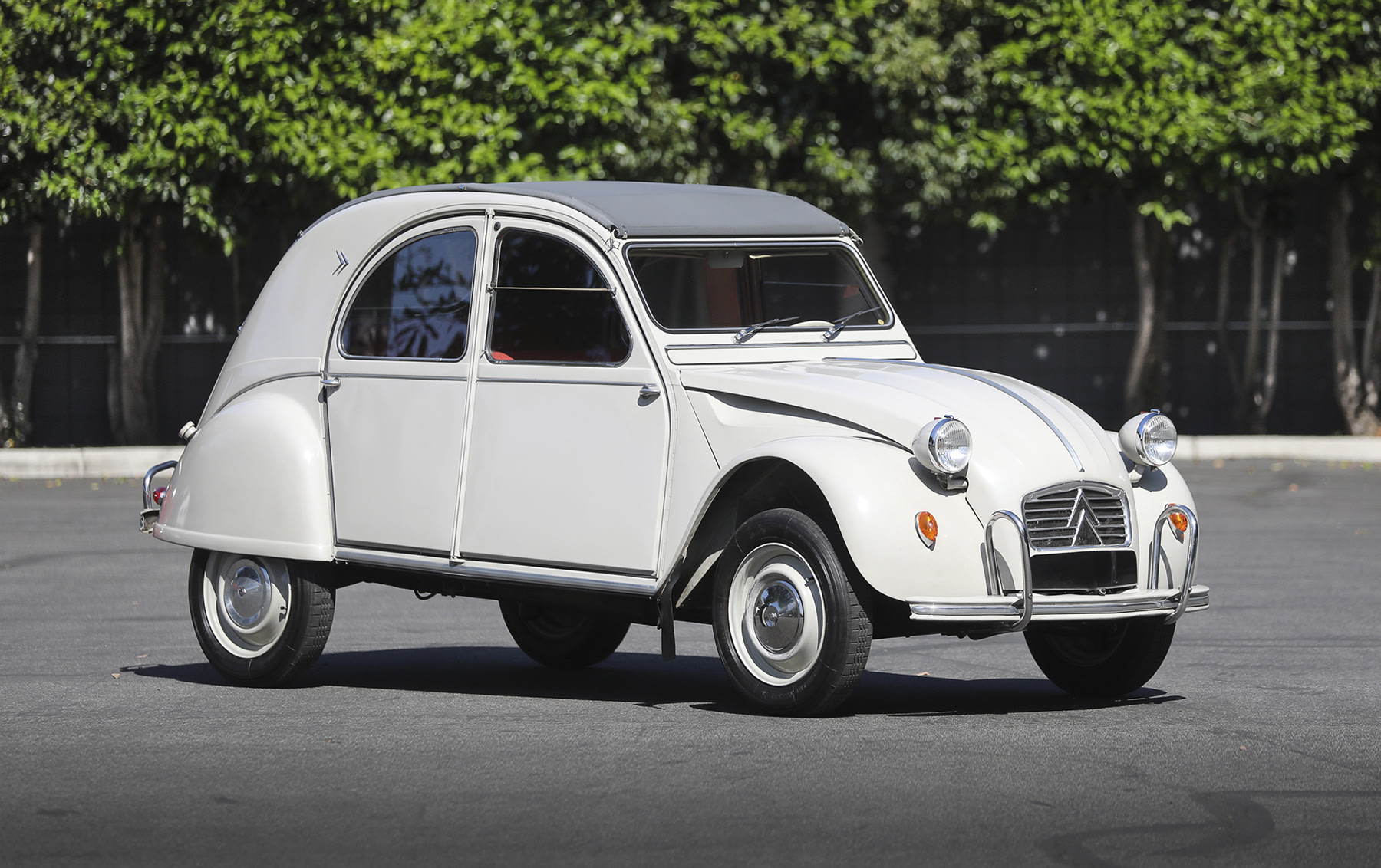
Few cars capture the spirit of affordable motoring quite like the Citroën 2CV. Introduced in 1948, it remained in production until 1990, an extraordinary 42-year career that made it one of France's most recognisable cars.
The later 2CV6 featured a 602cc air-cooled two-cylinder engine, offering a wonderfully characterful driving experience while potentially returning around 44mpg. Its remarkably soft suspension, simple mechanicals and surprisingly practical cabin make it an unusual but appealing classic.
The 2CV's philosophy never really disappeared. Citroën has repeatedly reimagined its combination of simplicity, comfort and unconventional design, from the C3 and C4 Cactus to the electric Ami. Now, an affordable electric successor is planned for 2028, ending a 38-year absence from showrooms.
We've allowed £5,000–£8,000 for a usable example, with a healthy selection of surviving cars and good parts availability through specialists. Rust remains an important consideration, so condition should take priority when choosing an example.
With the majority of 2CVs built before 1986, finding an example eligible for historic vehicle benefits shouldn't be difficult. Its enduring popularity, strong enthusiast following and distinctive character could also help protect against depreciation.
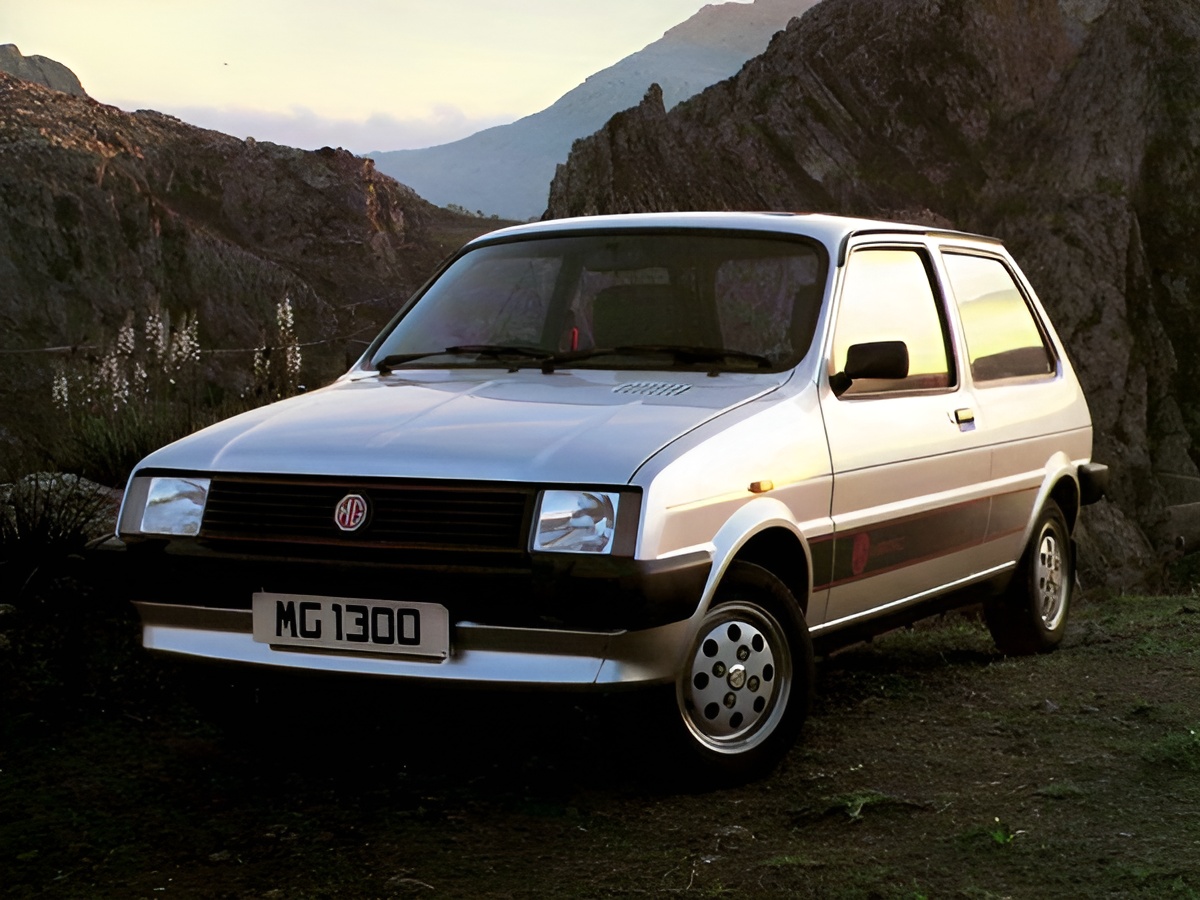
When the Austin Metro arrived in 1980, it was intended to become Britain's new Mini. Ironically, the original Mini would outlive it, remaining in production until 2000. Yet the Metro was a clever little car, combining compact dimensions, excellent packaging and affordable running costs at a time when imported superminis were becoming increasingly popular.
The MG Metro followed in 1982, bringing sportier styling, sharper handling and a lively 72bhp 1.3-litre petrol engine. Despite its performance, real-world economy could reach around 40mpg, making it surprisingly sensible transport.
Four usable seats, a practical hatchback boot and simple mechanicals add to its appeal. Rust and the condition of the Hydragas suspension deserve attention, although specialist support remains available.
We've allowed £4,000–£7,000 for a presentable example. With historic tax and MOT exemptions for qualifying cars, the MG Metro offers an entertaining alternative to conventional classics, with increasing rarity potentially helping to protect its value.
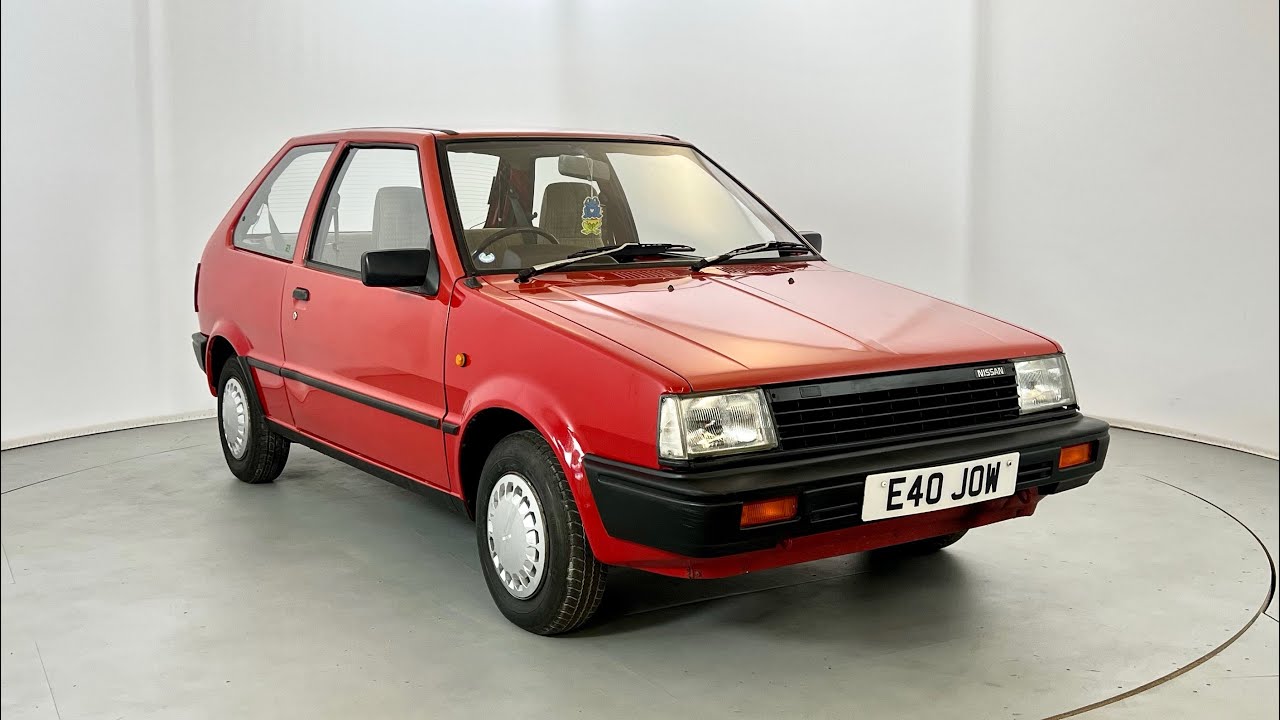
When the original Nissan Micra arrived in Britain in 1983, Japanese manufacturers were increasingly challenging Europe's established small-car favourites. The Micra demonstrated why, offering dependable, economical transport wrapped in a simple but cleverly packaged hatchback.
Its lightweight construction and 1.0-litre petrol engine made it particularly economical, with around 45mpg achievable in everyday driving. Performance was perfectly adequate for its intended purpose, while light controls, good visibility and compact dimensions made the Micra an excellent town car.
Despite its small footprint, the K10 provided usable rear seats and a practical boot. Straightforward mechanicals and Nissan's reputation for reliability add to its appeal, although rust and increasingly scarce bodywork components deserve attention.
We've allowed £3,000–£5,000 for a tidy early example. Qualifying cars benefit from historic road-tax and MOT exemptions, while the growing rarity of original K10s could help preserve their value. It's an unpretentious classic that still makes considerable financial sense.
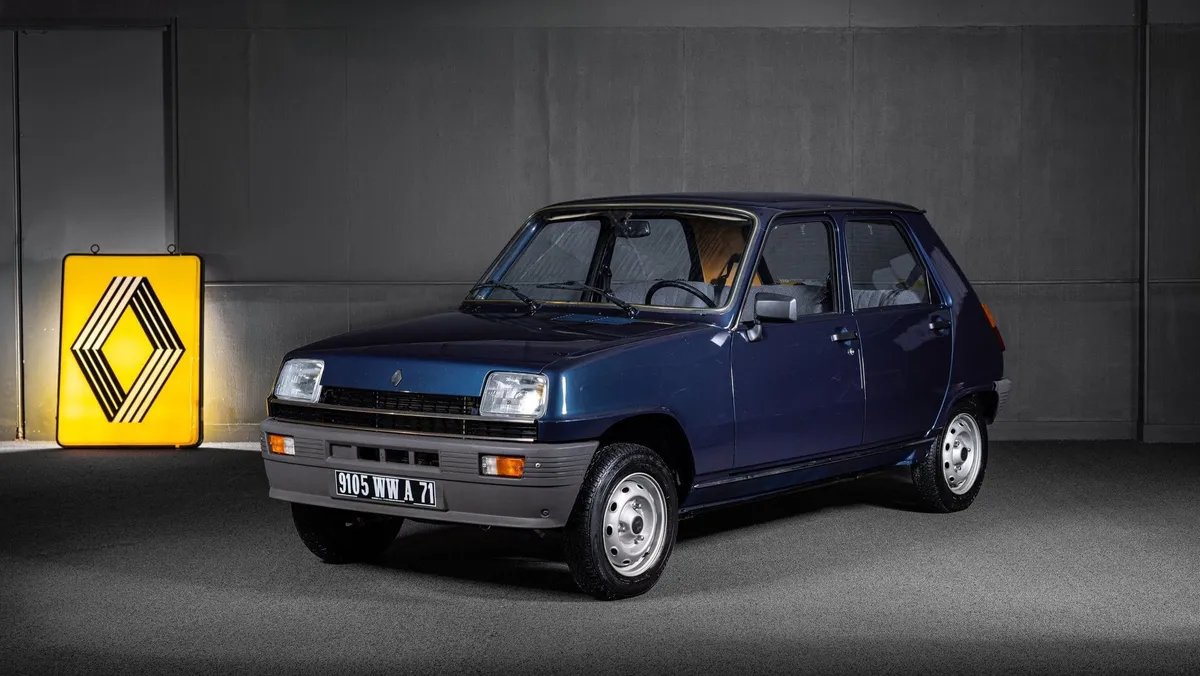
The original Renault 5 was one of Europe's defining small cars, combining distinctive styling, clever packaging and excellent fuel economy. Introduced in 1972, its compact dimensions and comfortable suspension made it particularly well suited to Britain's towns and country roads.
The 1.1-litre is our preferred choice, offering simple mechanicals, usable rear seats and a practical hatchback boot. With real-world economy approaching 45mpg, running costs could be remarkably similar to the Nissan Micra we've just explored.
The relationship between these two small cars has since taken an interesting turn. In the 1980s, the Japanese-built Micra was an imported rival to the Renault 5. Today, their electric successors aren't simply close competitors; they share the same AmpR Small platform, battery options and much of their underlying engineering. Both are even manufactured at Renault's Douai factory in France, making the latest Micra effectively a French-built sister car with distinctive Nissan styling.
We've allowed £4,000–£6,000 for a usable original Renault 5. Rust and ageing bodywork deserve attention, although mechanical simplicity and enthusiast support remain appealing. With renewed interest following the electric revival, a carefully chosen original could also have encouraging prospects for retaining its value.
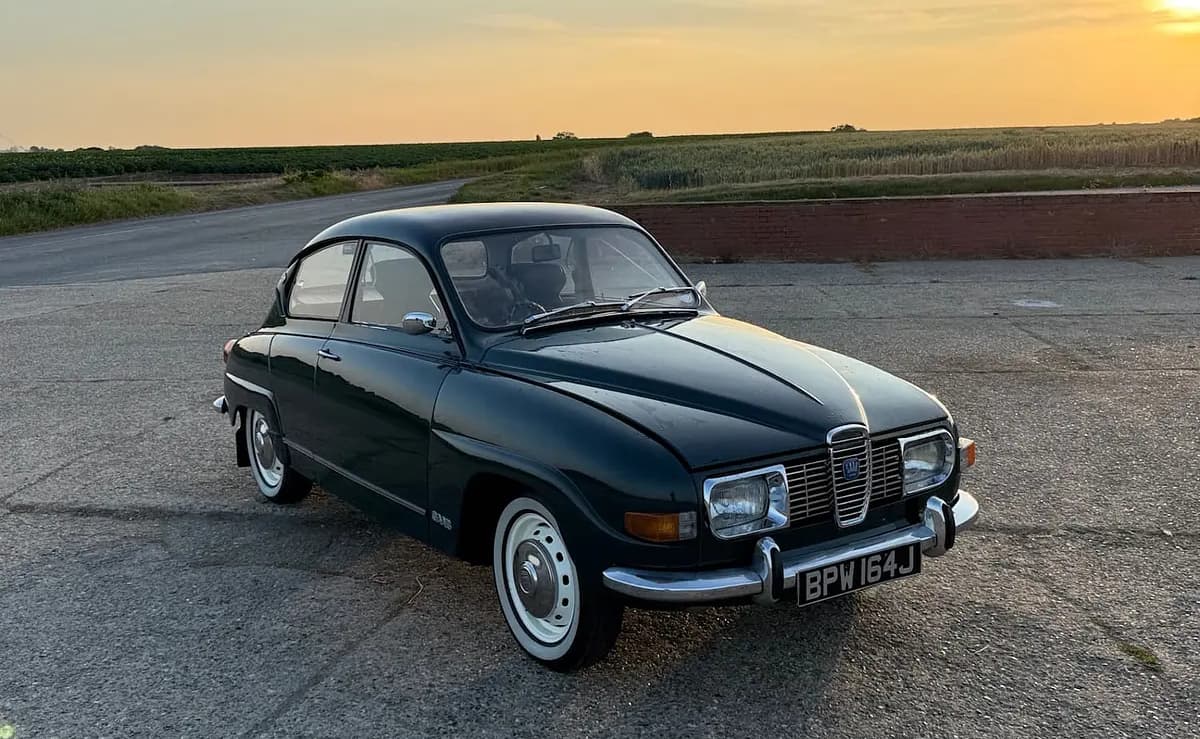
Few classic cars are quite as distinctive as the Saab 96. Its unusual rounded styling, front-wheel-drive layout and reputation for durability helped establish Saab as a manufacturer willing to do things differently. The model also enjoyed considerable success in international rallying, demonstrating its abilities in demanding conditions.
From 1967, the 96 adopted a Ford-derived 1.5-litre V4 petrol engine, replacing the earlier two-stroke unit. Producing around 65bhp, it offered respectable performance for the period, with real-world economy approaching 32mpg.
Despite its unconventional appearance, the Saab is surprisingly practical, providing four seats, a useful boot and excellent winter-weather capability. Its relatively simple engineering is another attraction, although corrosion and the availability of model-specific parts deserve consideration. Specialist support remains available through Saab enthusiasts.
We've allowed £5,000–£8,000 for a presentable example. With production ending in 1980, every surviving Saab 96 is now old enough to qualify for historic vehicle benefits. Its rarity, rallying heritage and unmistakable character could also help protect against depreciation, making it an appealing alternative to more conventional classics.
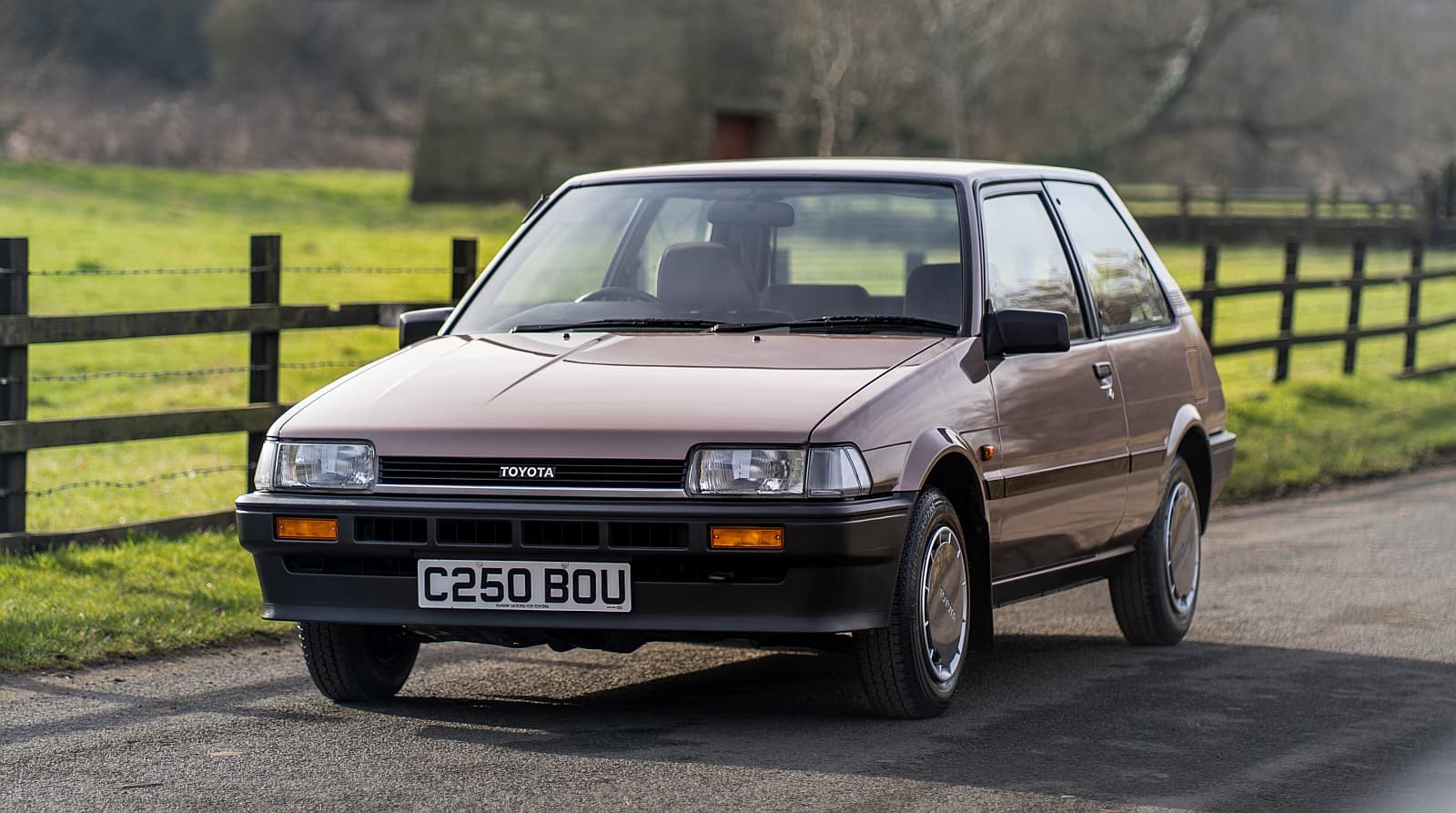
Toyota's reputation for reliability was already firmly established when the fifth-generation Corolla arrived in 1983. With its neat, angular styling, practical interior and straightforward engineering, the E80 offered British buyers a dependable alternative to increasingly sophisticated European family cars.
The move to front-wheel drive brought improved packaging, while the economical 1.3-litre petrol engine offered adequate everyday performance and the potential to return around 40mpg. Comfortable seating, good visibility and useful luggage space make it a surprisingly sensible choice for occasional family transport.
Toyota's reputation for mechanical longevity is reassuring, although decades of use mean individual condition matters far more than the badge. Rust deserves particular attention, while finding replacement body panels and original interior components can be challenging.
We've allowed £6,000–£8,000 for a tidy 1.3-litre example. Early E80 Corollas have become remarkably uncommon in Britain, with many disappearing long before achieving classic status. Their increasing rarity, combined with Toyota's enduring reputation for dependability, could make a well-preserved example a particularly appealing long-term purchase.
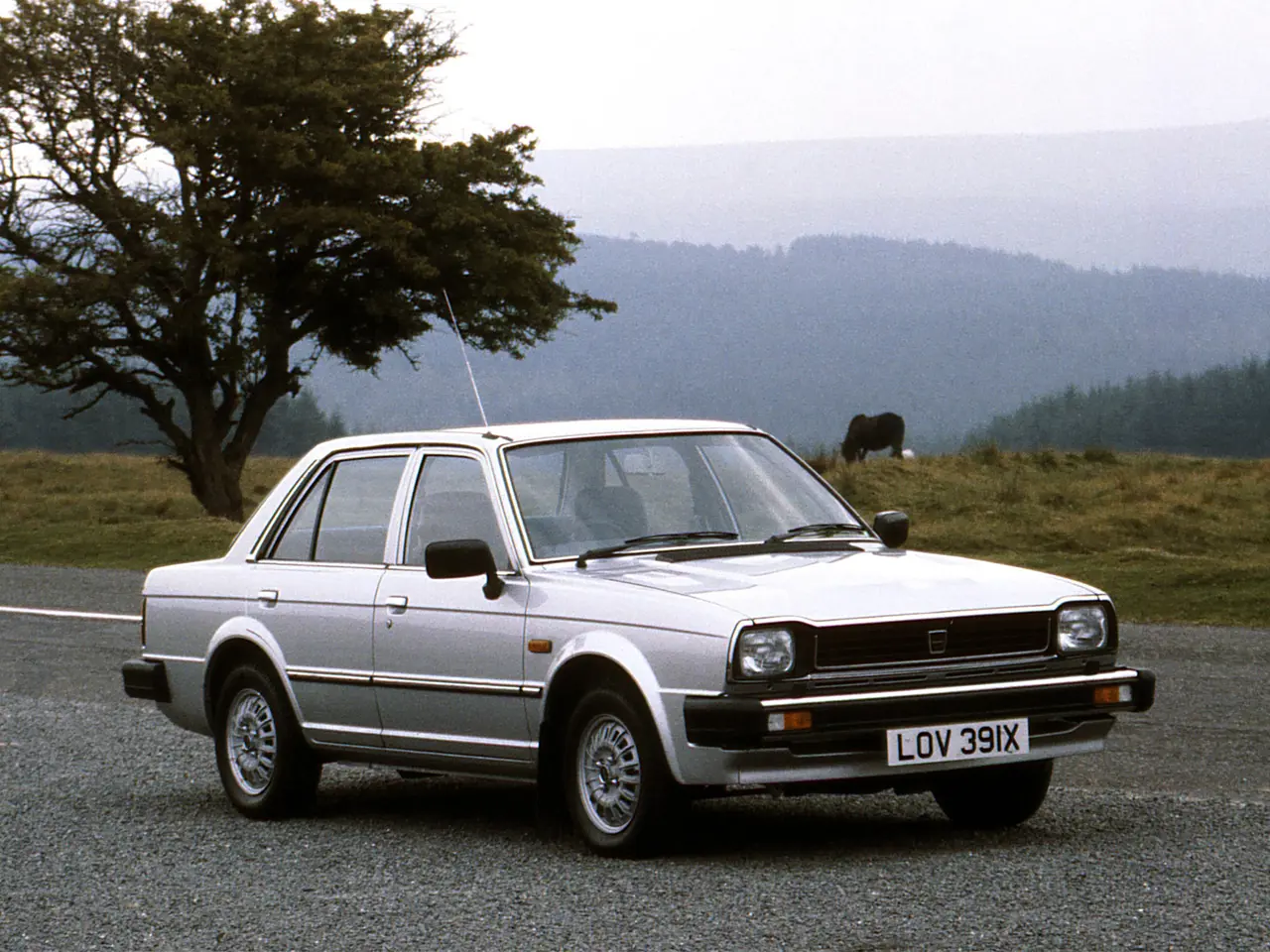
The Triumph Acclaim marked an unusual turning point for Britain's motor industry. Introduced in 1981, it was developed through a partnership between British Leyland and Honda, effectively bringing Japanese engineering to British production. Based on the Honda Ballade, it also became the last car to wear the Triumph badge.
Its 1.3-litre petrol engine produced around 70bhp, delivering respectable performance and real-world economy approaching 36mpg. Unlike many earlier British Leyland products, the Acclaim quickly earned a reputation for dependable engineering and straightforward ownership.
Four doors, comfortable seating and a useful boot make it a practical alternative to smaller classics, while its Honda-derived mechanicals offer reassuring simplicity. Rust and increasingly scarce bodywork and trim components deserve attention, although specialist support remains available.
We've allowed just £2,500–£5,000 for a presentable example, making the Acclaim one of our most affordable choices. Its unusual British-Japanese heritage, growing rarity and status as the final Triumph could help protect against depreciation, particularly as more enthusiasts rediscover this often-overlooked saloon.
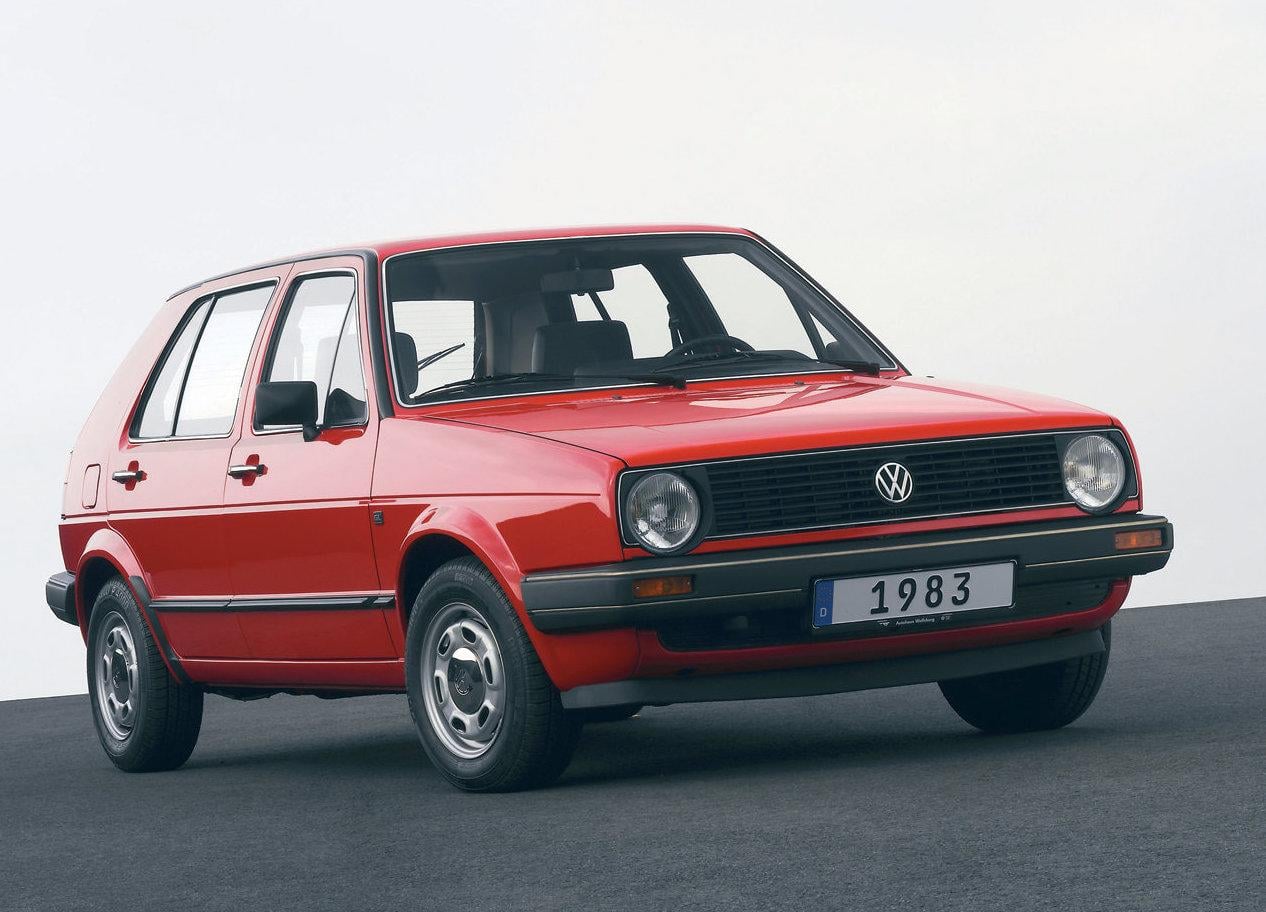
When the second-generation Volkswagen Golf arrived in 1983, it built upon the original's success with a larger body, improved refinement and greater practicality. Its understated styling has aged particularly well, helping make this generation one of the most recognisable everyday classics.
While the GTI attracts much of the attention, the 1.6-litre GL offers a more affordable alternative. With around 75bhp and real-world economy approaching 34mpg, it provides perfectly usable performance, while five seats, a generous hatchback boot and comfortable suspension make it surprisingly suitable for regular journeys.
Mechanical simplicity and excellent parts availability are major attractions, with strong specialist support and a large enthusiast community. Rust and previous repairs deserve attention, particularly on cheaper examples.
We've allowed £3,500–£6,000 for a presentable early GL. With GTI values already firmly established, the more ordinary versions are increasingly attracting interest of their own. A well-preserved example could offer dependable classic motoring without the substantial premium associated with Volkswagen's famous hot hatch.
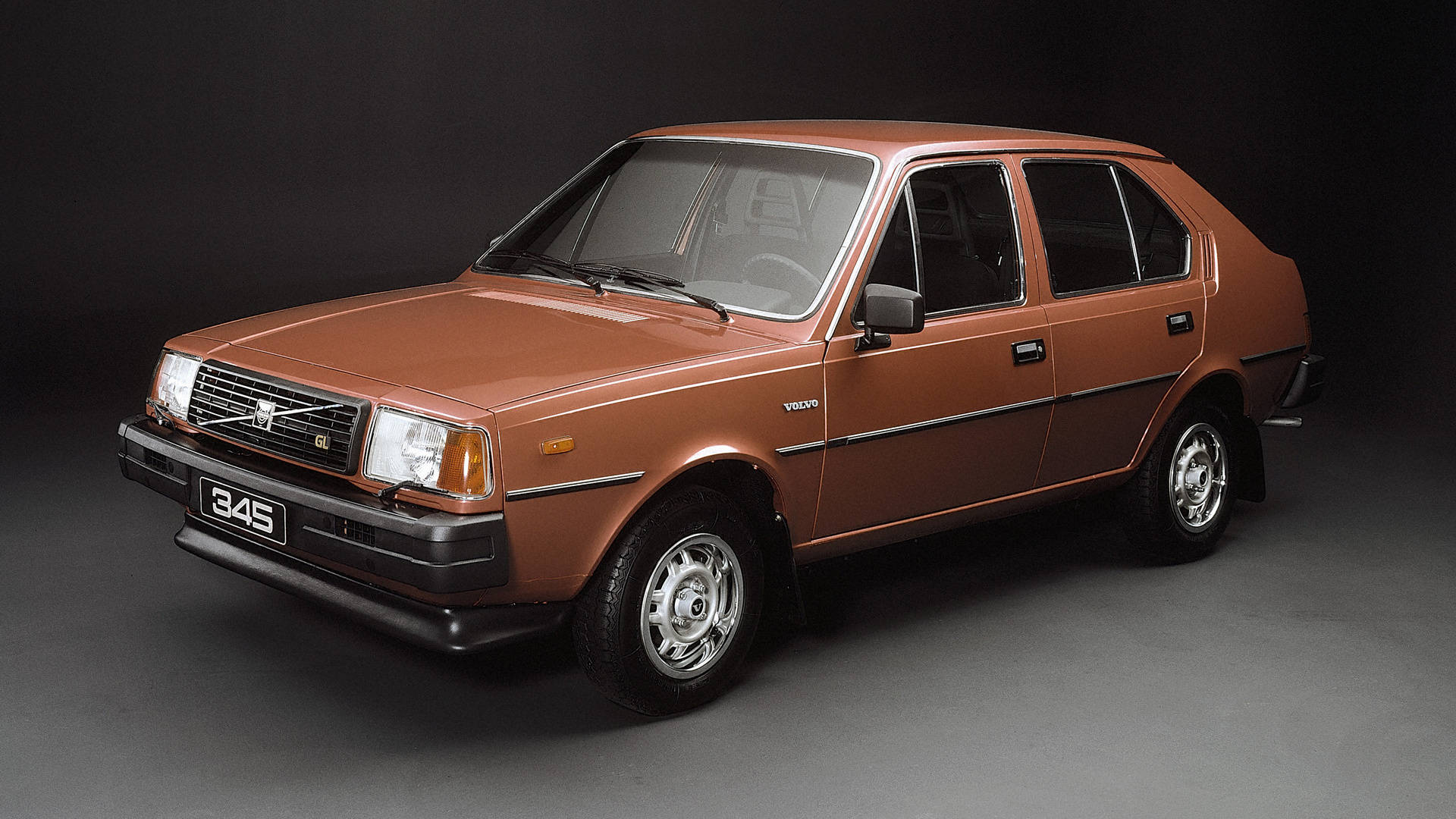
The Volvo 300 Series is one of our more unusual choices. Originally developed from a DAF project, it arrived in 1976 as the three-door 343, with the five-door 345 following in 1979. From 1983, both were sold under the simpler 340 name. Once a familiar sight on British roads, the 300 Series even appeared in the UK's top-ten sales charts during the 1980s.
The Renault-sourced 1.4-litre petrol engine offered straightforward mechanicals and real-world economy of around 34mpg. Unusually for an affordable family hatchback, the 300 Series featured rear-wheel drive, with manual versions positioning the gearbox at the rear for improved weight distribution. We'd choose the manual over the unconventional Variomatic automatic.
Comfortable seats, useful luggage space and reassuringly solid construction make these Volvos surprisingly practical classics. Rust deserves attention, while Renault-derived mechanical components can be easier to source than model-specific bodywork and trim.
We've allowed £3,000–£4,500 for a presentable example. Despite its former popularity, the 300 Series has become an increasingly rare sight, with surviving examples often overlooked in favour of more fashionable classics. That growing rarity could help protect against depreciation, making this unconventional Volvo a fitting conclusion to our ten sensible classics.
– These ten classics demonstrate that affordable motoring doesn't necessarily mean buying something modern. From the economical Nissan Micra to the characterful Saab 96, each offers a different combination of practicality, simplicity and classic appeal.
None is guaranteed to appreciate, and unexpected repairs can quickly outweigh savings on tax or depreciation. However, for motorists covering relatively few miles, choosing a well-maintained classic could provide something increasingly difficult to find in an ordinary used car: enjoyable ownership without the expectation of losing thousands of pounds in value.
Disclaimer: Prices, fuel economy figures and vehicle information are provided for general guidance and may vary. Historic tax and MOT exemptions are subject to eligibility, and all vehicles must remain roadworthy. Classic-car values are not guaranteed, and buyers should inspect vehicles carefully before purchasing.

Image credits: Manufacturer press imagery where applicable, courtesy of Audi, Citroën, MG, Nissan, Renault, Saab, Toyota, Triumph, Volkswagen and Volvo. Additional illustrations by TNY. Third-party image rights remain with their respective owners.
You should also read:
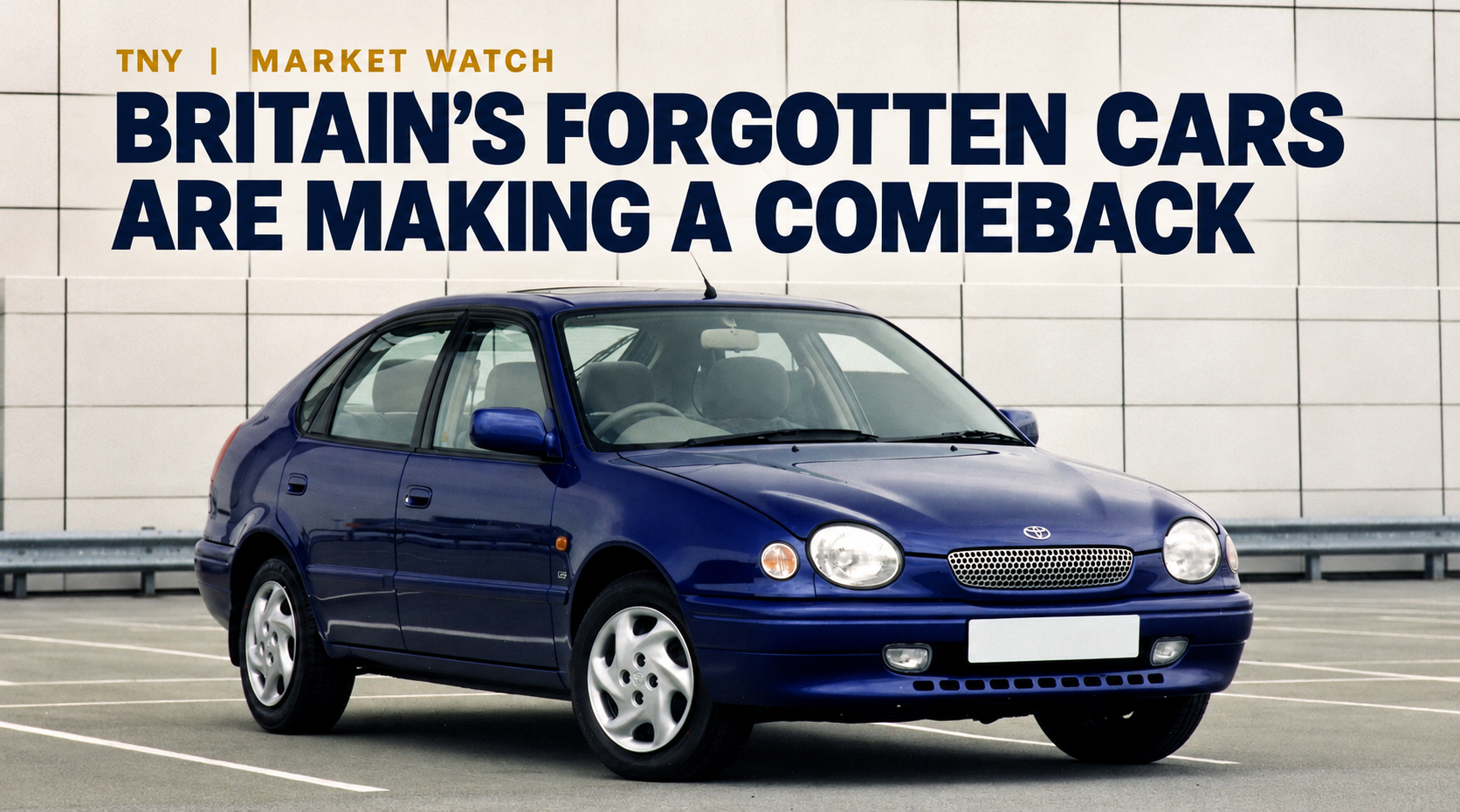
Market Watch: Britain's Forgotten Cars Are Making a Comeback
As The New Yardstick reaches its 75th article and launches its Instagram account, we're taking a moment to look beyond new vehicle launches and future technologies. While exploring Instagram's automotive community, we discovered a surprisingly enthusiastic following for the ordinary cars of the 1990s and 2000s. From dedicated owners to small enthusiast…

Fast Estates Through the Ages – 16 Cars That Defined a Generation
An estate car is supposed to be sensible. Room for the family, luggage, shopping and the occasional awkward trip to the tip. Yet for more than four decades, manufacturers have questioned why practicality should mean sacrificing performance. In 1981, Volvo transformed its famously boxy 245 into a turbocharged performance car. What followed…
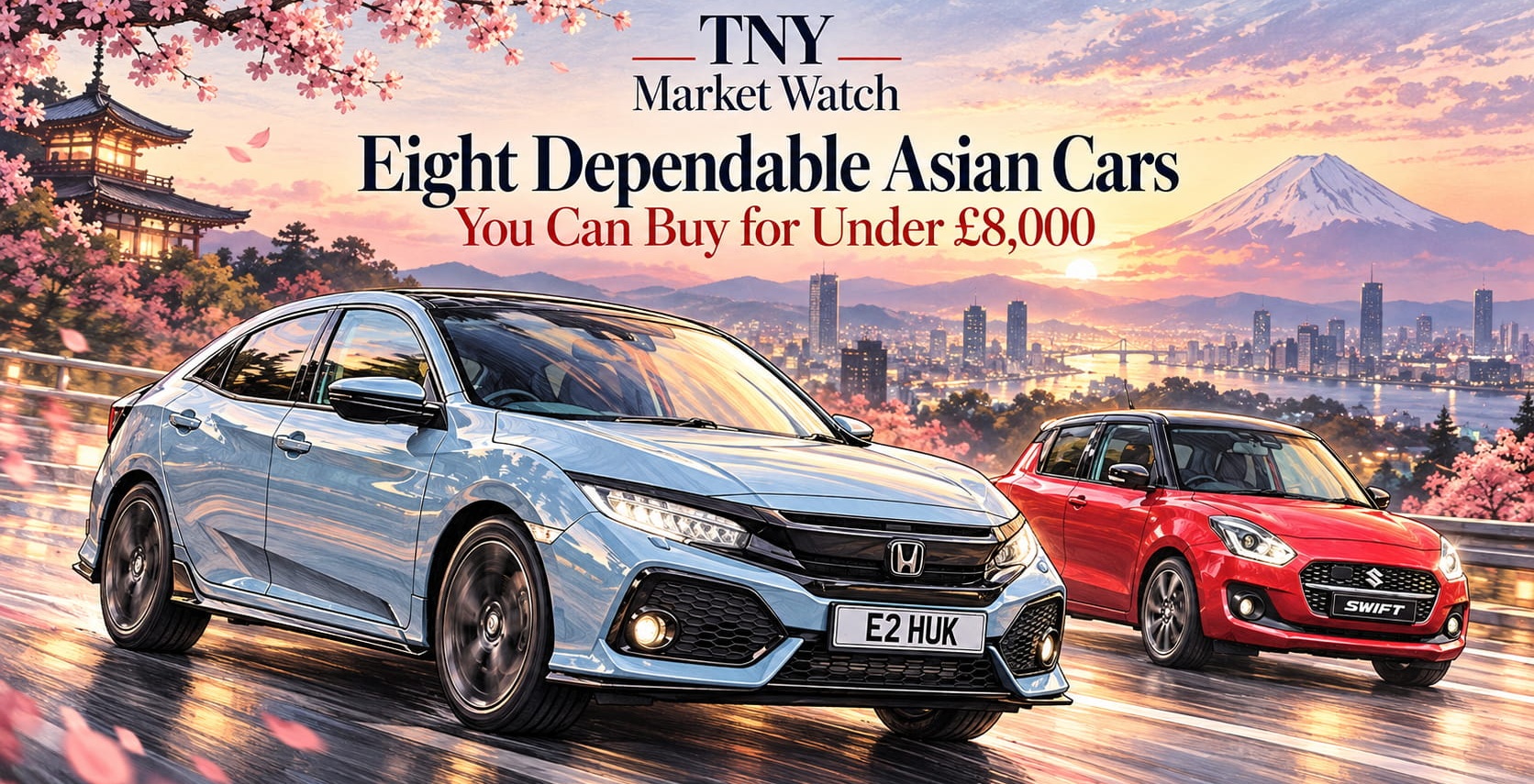
TNY Market Watch — Eight Dependable Asian Cars You Can Buy for Under £8,000
Buying a dependable used car doesn't have to mean spending a fortune or settling for something dull. With a budget of £8,000, there's an increasingly varied selection of affordable, economical cars available, including models that would have cost considerably more just a few years ago. Asian manufacturers have long enjoyed strong reputations…

TNY Market Watch: Nine Family Car Bargains with Savings Up to £11,000
Buying a practical family car doesn't have to mean spending £30,000 or more. While new-car prices have climbed considerably in recent years, pre-registered vehicles and discounted new-stock clearance offers continue to provide some remarkable bargains, often with thousands of pounds knocked off the original list price. From compact crossovers and spacious family…
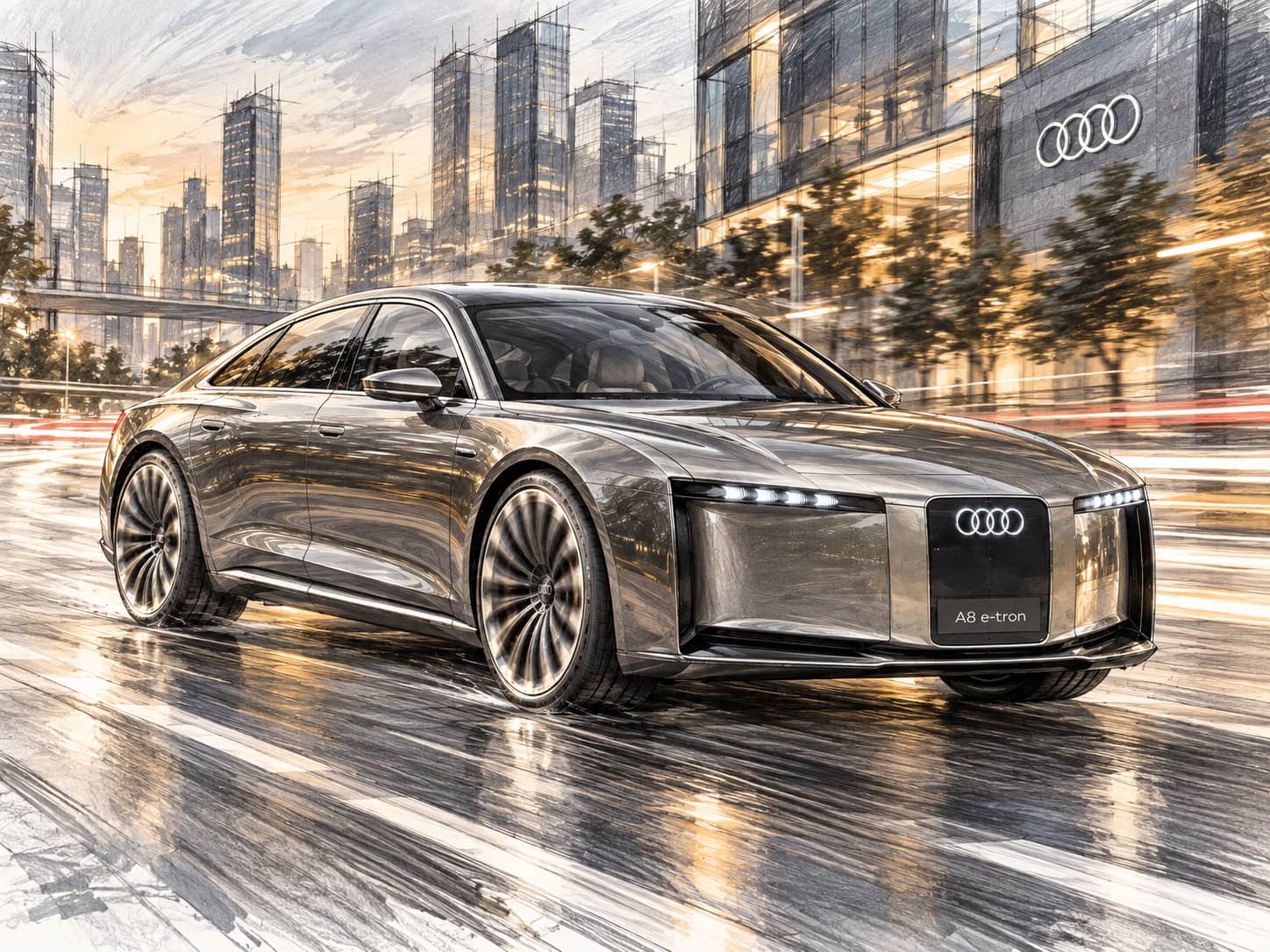
Audi’s Next Chapter: A2, E5 and a New Push Upmarket
Audi wants to move upmarket, but its product strategy is starting to pull in two very different directions. In China, the new E5 Sportback shows just how far the brand can go, combining 800V charging, advanced software and a new generation of digital architecture developed with SAIC. In Europe, meanwhile, Audi is…

MAXUS Pre-Reg Watch: Five Big Discounts Worth Knowing About
MAXUS has become one of the more interesting value brands in the UK commercial vehicle market, with a range that now stretches from diesel and electric vans to pickups and large MPVs. Backed by SAIC Motor, it has steadily built its case around equipment, electrification and aggressive pricing. That value argument becomes…
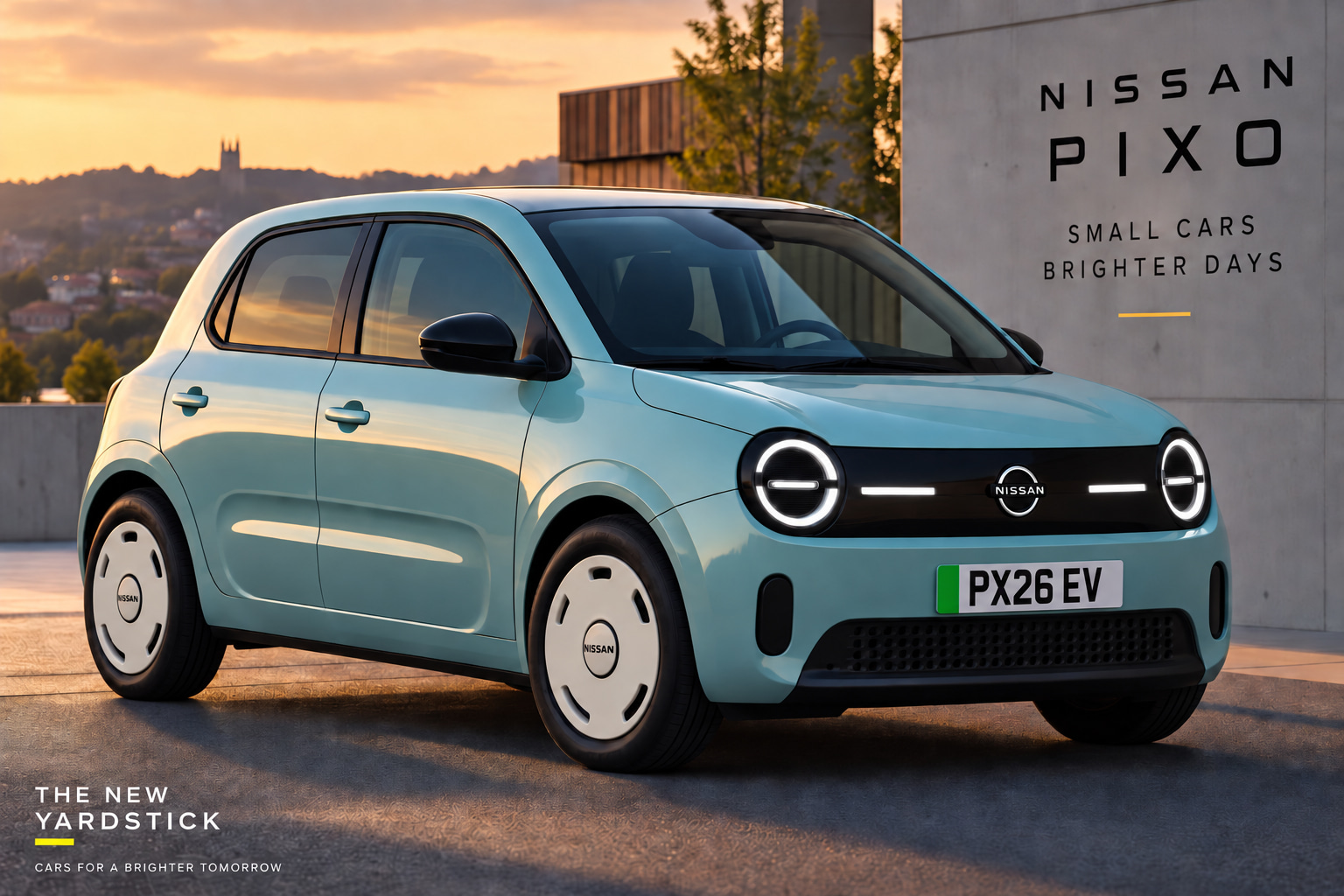
Nissan Pixo: Could Britain's Former Cheapest Car Make an Electric Comeback?
When the Nissan Pixo arrived in the UK in 2009, it quickly established itself at the very bottom of Britain's new-car market. For the majority of its short life, it was Britain's cheapest new car — a position that became an important part of the little Nissan's identity. Then, in 2013, Dacia…
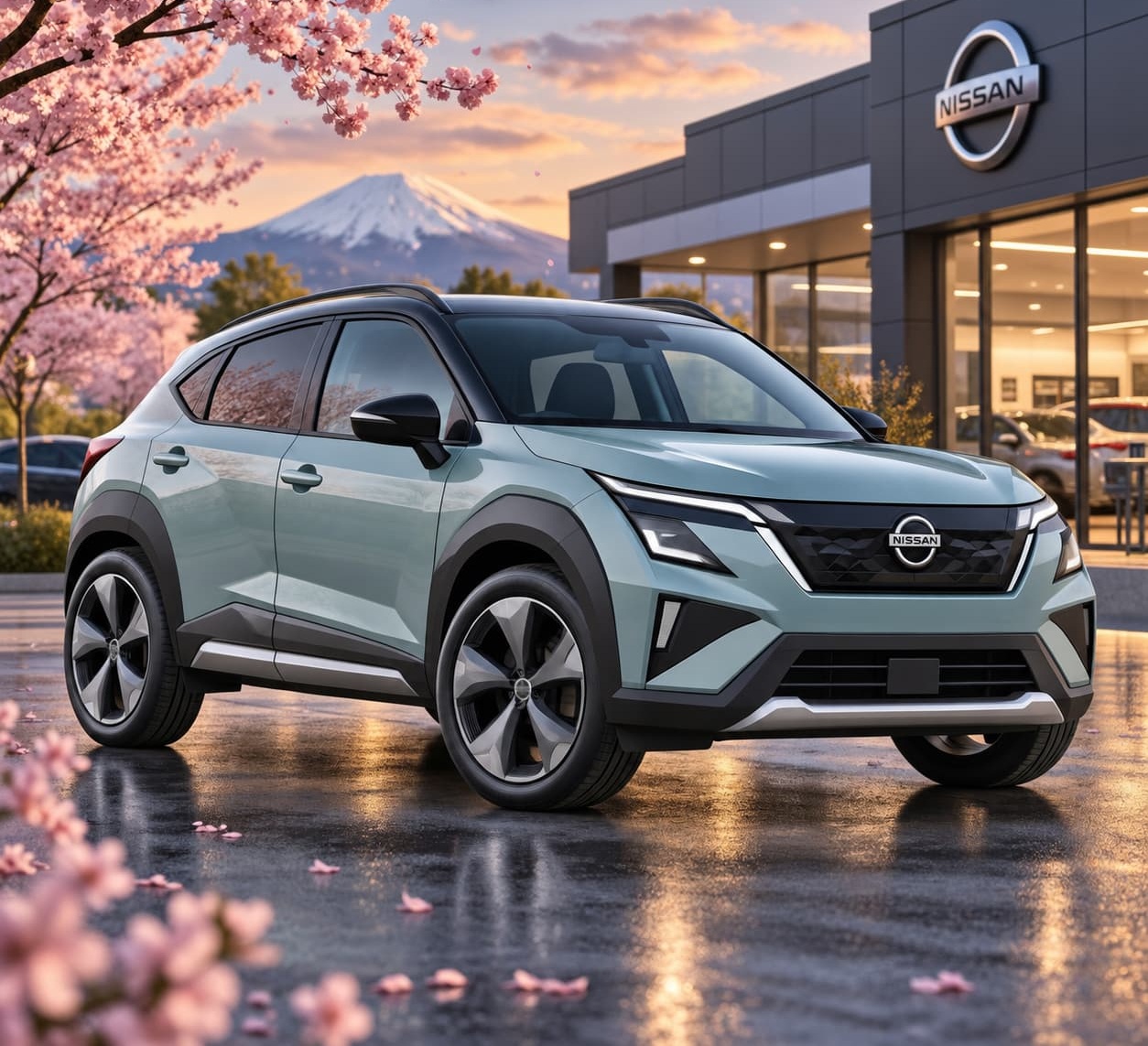
Rebuilding Nissan: The Cars That Could Fix Its Confusing European Line-Up
Around 20 years ago, Nissan changed the shape of the mainstream car market. The Qashqai replaced the dependable but forgettable Almera and helped turn the crossover into a family-car staple. The Juke followed, proving equally disruptive, while in 2010 the Leaf brought electric motoring to the masses. All three were game-changing cars…