Jaguar's £100,000 Gamble: Why Its Reinvention Has No Room for Error
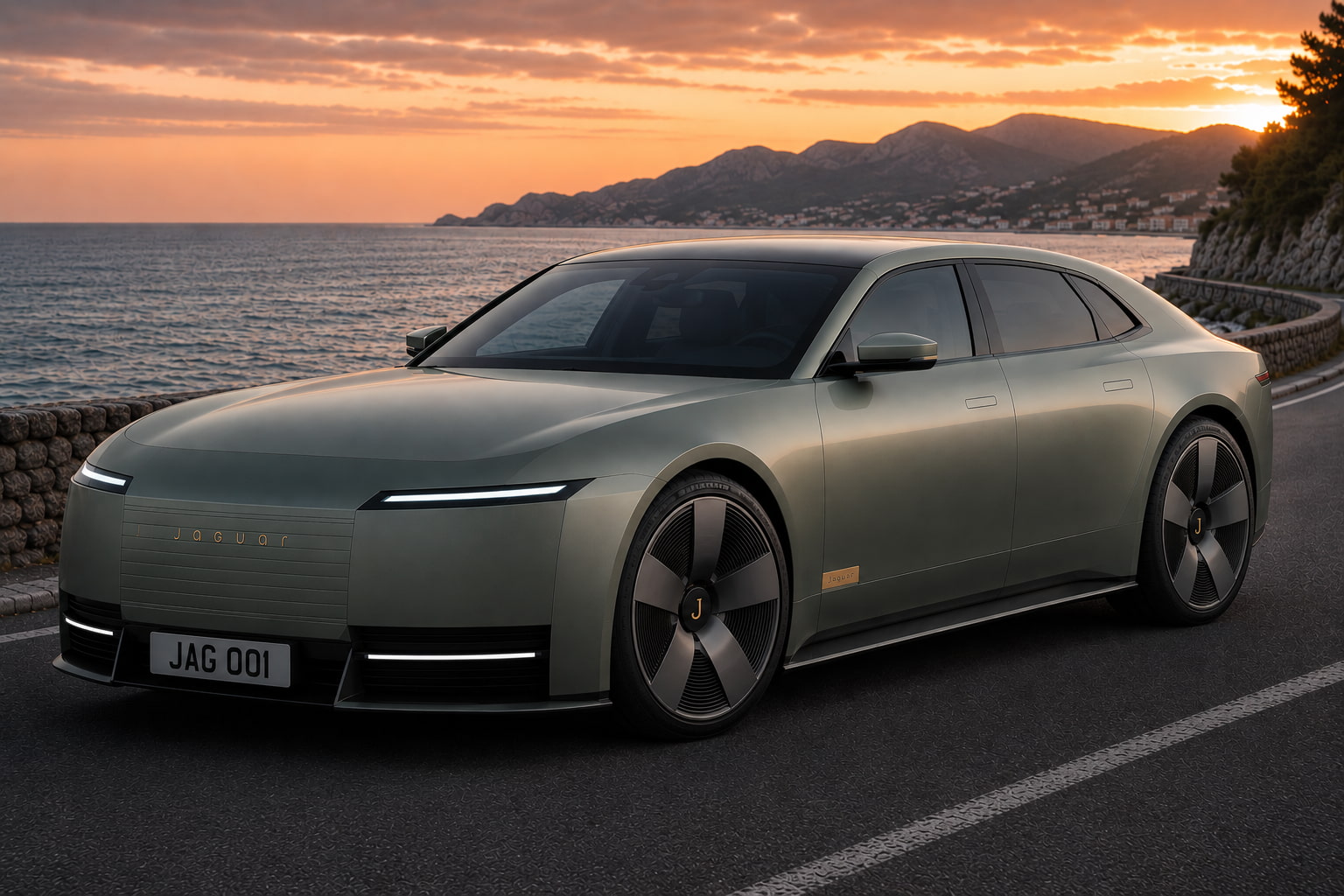
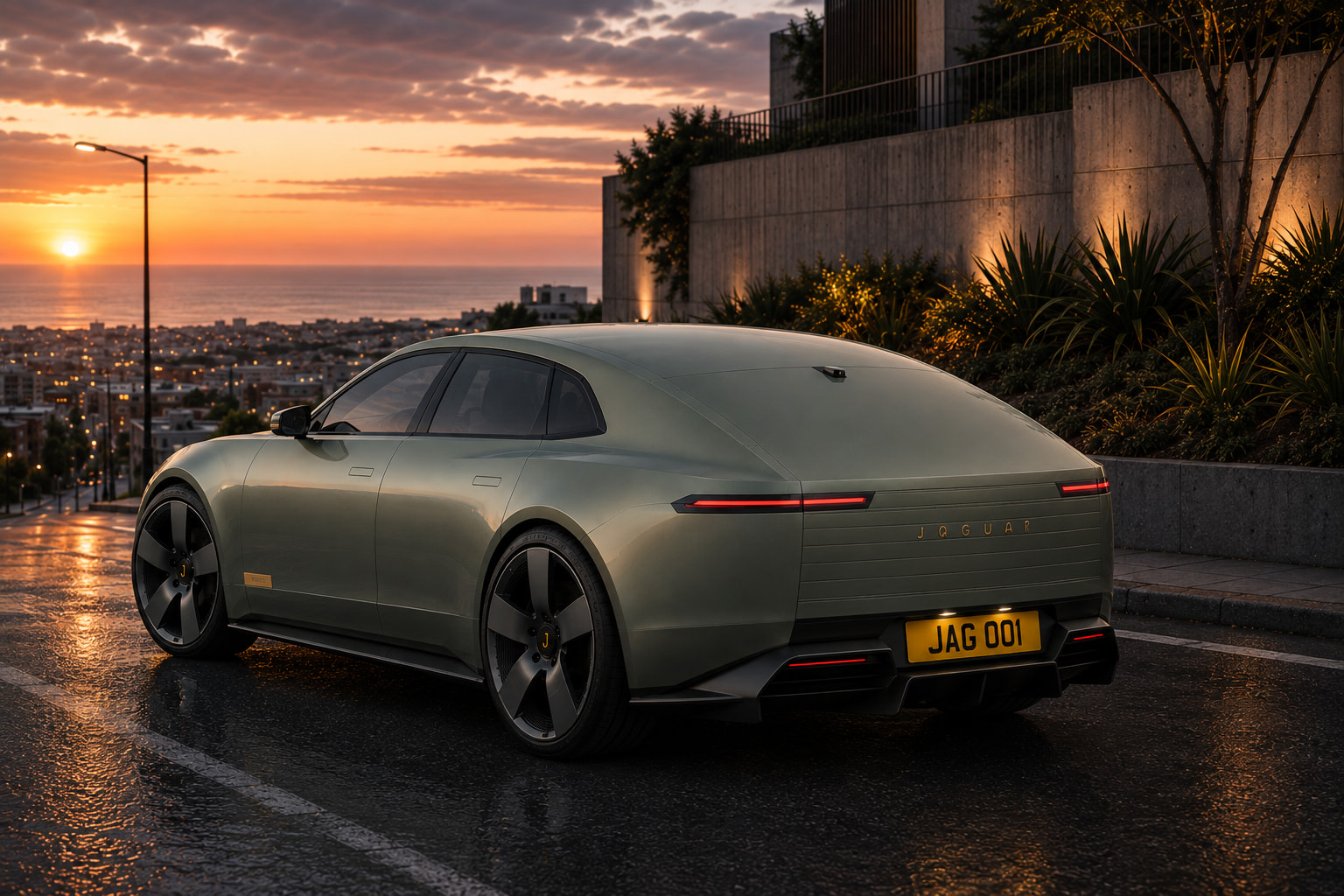
Jaguar is preparing to launch arguably the most important car in its modern history. The production version of the Type 00 concept promises dramatic styling, enormous performance and a completely new direction for a brand that has spent years struggling to win sufficient market share against its premium rivals.
Yet the car itself may prove to be the easy part. Jaguar’s controversial reinvention generated extraordinary attention long before customers had a new model to buy, while its move further upmarket places it increasingly close to Range Rover and Defender territory.
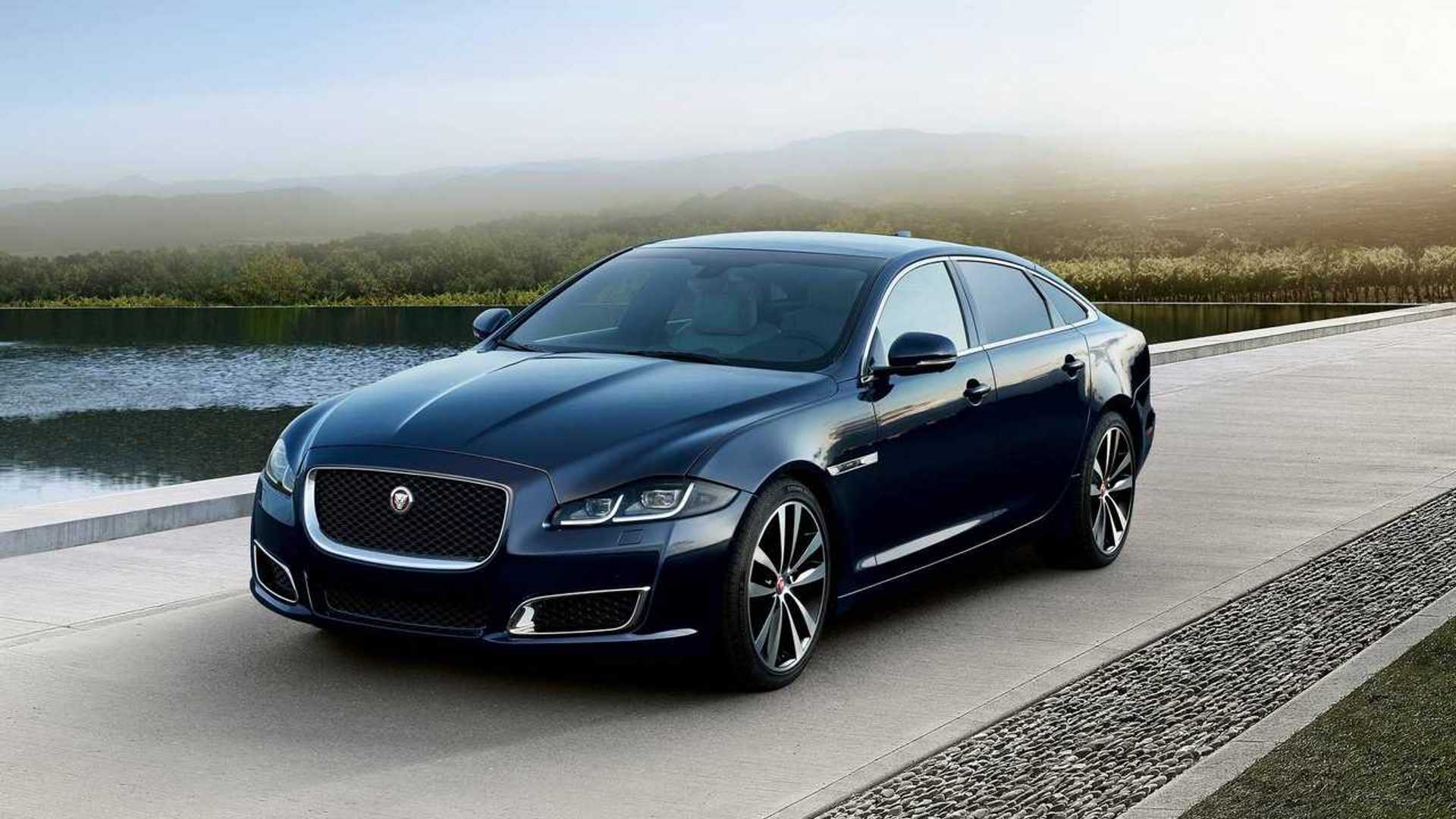
The way Jaguar chose to introduce this new era was considerably harder to admire. Its infamous launch campaign was deliberately provocative, and subsequent surprise at the backlash was never particularly convincing. This was a calculated PR exercise designed to make people talk about Jaguar - and it worked. But deliberately distancing a brand from parts of its existing audience remains an enormous gamble, however successful the publicity.
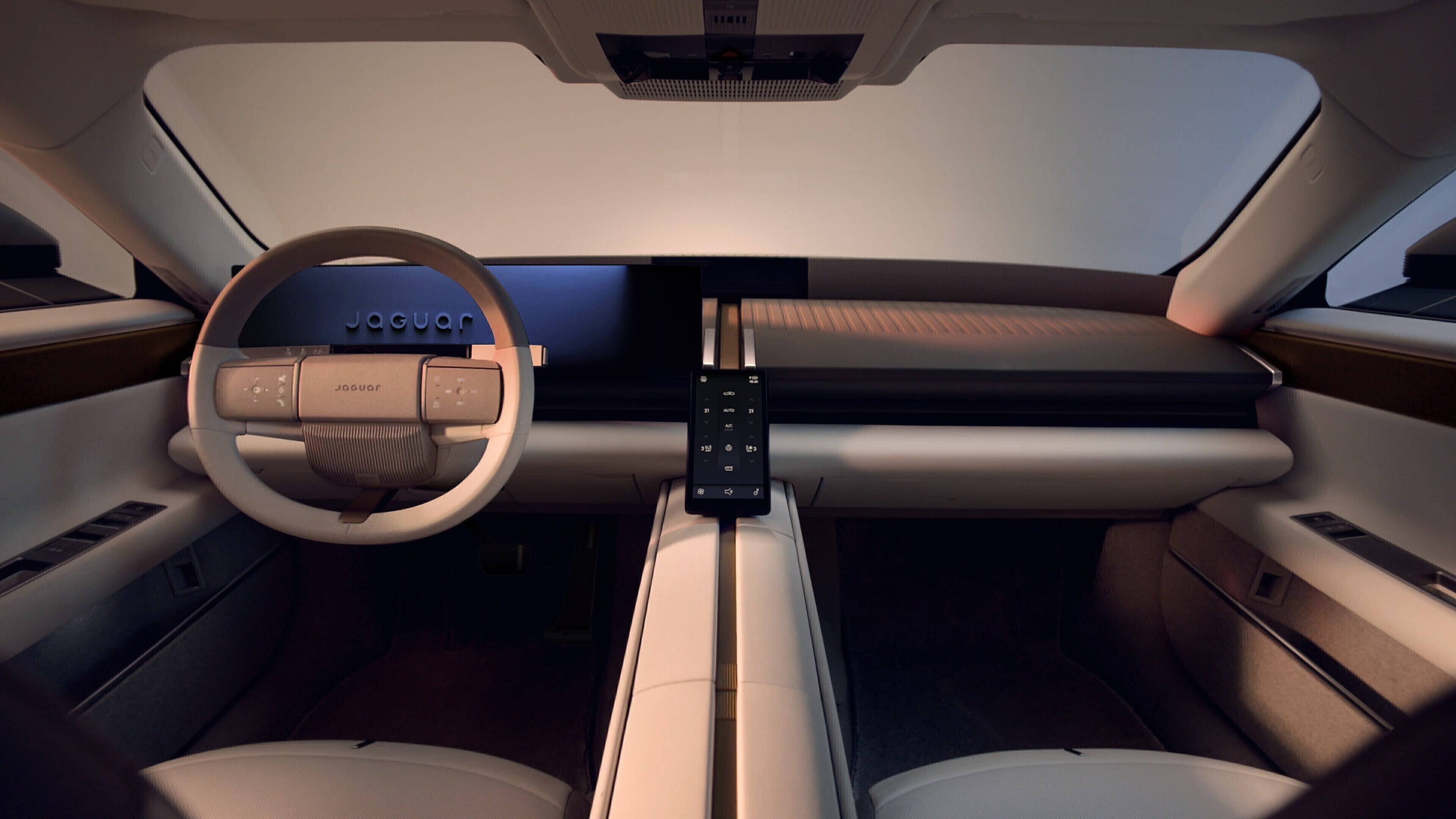
The small central control screen almost resembles a smartphone, but that isn't necessarily a criticism. Smartphones have spent years refining interfaces that millions of us instinctively understand, and Jaguar appears to have embraced that familiarity rather than reinventing it for the sake of being different. The large display behind the steering wheel also looks perfectly positioned within the driver's natural line of sight.
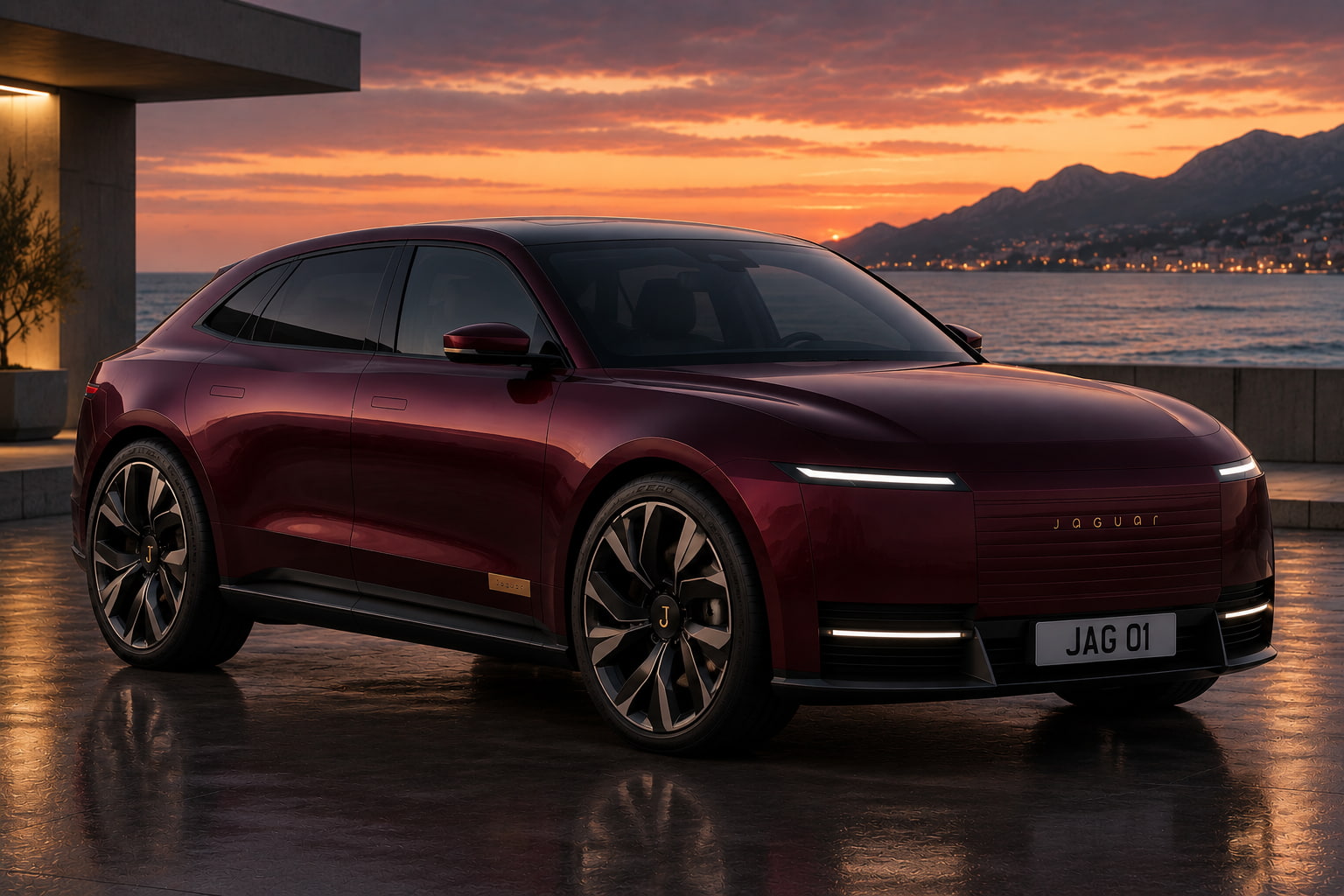
The harder question is where JLR would put it. The old F-Pace occupied relatively straightforward territory below the Range Rover Sport, but a new Jaguar competing around £100,000 would arrive in a considerably more crowded family. Range Rover continues to push further into luxury, while Defender has expanded into an increasingly desirable and expensive brand of its own. Add a new Jaguar crossover and JLR risks winning customers from itself rather than its competitors.
Jaguar isn't the only unresolved part of the House of Brands strategy either. Discovery has now gone a decade without a genuinely new generation, while Defender's success has increasingly occupied territory that once belonged naturally to it. Creating greater separation may require Range Rover and Defender to move further upmarket - potentially squeezing the very space Jaguar now wants to enter.
None of this means Jaguar's reinvention cannot work. In fact, the 001 increasingly looks like it could become one of the most distinctive luxury cars on sale. But building a desirable car and rebuilding a sustainable brand are very different challenges. Jaguar now needs the right balance of performance, range, efficiency, pricing and eventually volume - while JLR must prove that four increasingly ambitious brands can grow alongside one another without simply moving the same customers between badges.
The 001 may show us whether the new Jaguar can build a great car. What comes after it will show whether JLR has built a great strategy.
Image Credits: Jaguar XJ and interior imagery © Jaguar Land Rover (JLR). Concept renderings created by The New Yardstick Design Studio.