Jaguar's Electric Revolution and Land Rover's Luxury Ambitions
But JLR’s plans have moved forward considerably since those articles appeared.
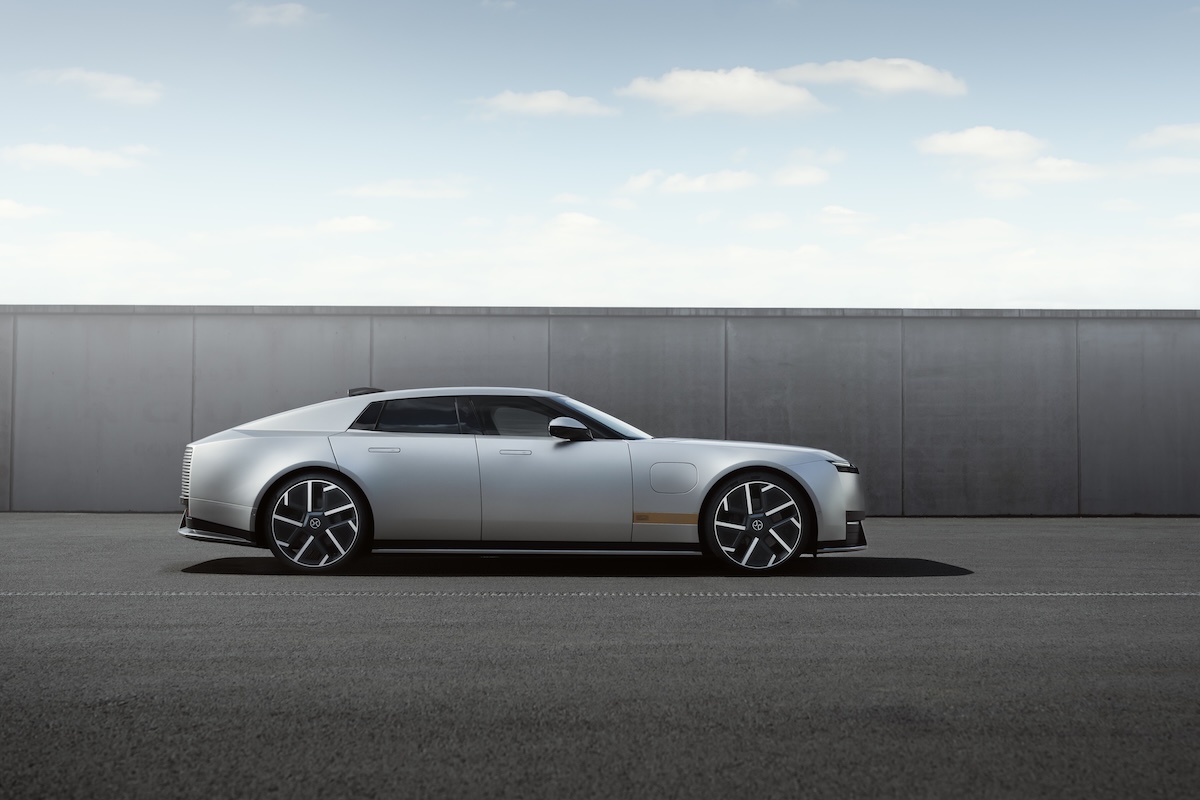
Jaguar has now unveiled its £130,000 Type 01, an all-electric grand tourer that makes the brand’s new ambitions unmistakably clear. Meanwhile, Range Rover is preparing an equally significant change of direction.
Recent confirmation that the Evoque and Velar will not be replaced when production ends signals a retreat from the more affordable end of the premium market. Instead, the emphasis is shifting towards more expensive vehicles, stronger profit margins and exclusivity over outright sales volume.
With four increasingly distinct brands under its control, JLR is entering a fascinating new chapter.

Looking at the wider Land Rover range, the scale of this transformation becomes even clearer. The Range Rover Evoque currently provides the most affordable entry point at £44,855, closely followed by the ageing Discovery Sport at £45,520. The latter is approaching retirement, with production scheduled to end in December 2026.
Without the Evoque and Velar, the cheapest model in today's line-up would be the three-door Defender 90, starting at £58,655. The larger Discovery begins at £69,540, while the Range Rover family increasingly occupies the upper reaches of the luxury market.
It is a remarkable change for a manufacturer once associated with practical, relatively attainable off-road vehicles.
Although smaller electric models could eventually fill some of these gaps, JLR's immediate direction is unmistakable. Much like Jaguar, its SUV brands are moving towards greater exclusivity, higher transaction prices and stronger profit margins.
The question is whether abandoning more affordable models will ultimately strengthen the business or narrow its appeal too far.
THE NEW YARDSTICK
The Rising Price of Entry
How the cost of the most accessible new passenger Land Rover has changed in Britain.
| 1997 Freelander | £14,800 |
| 2007 Freelander 2 | £20,935 |
| 2017 Discovery Sport Pure | £28,355 |
| 2027 Defender 90* | ~£59,000 |
*2027 PREDICTION — NOT A CONFIRMED STARTING PRICE
In 1997, the original Freelander provided an affordable entry into Land Rover ownership, followed by Freelander 2 in 2007 and the Discovery Sport Pure in 2017.
The 2027 figure is a prediction based on the planned withdrawal of the Discovery Sport, Range Rover Evoque and Velar. Assuming no cheaper replacements arrive, the Defender 90, currently priced from £58,655, could become the most affordable remaining model.
The Evoque and Velar are expected to continue through 2027, so this represents a possible future line-up rather than a confirmed 2027 starting price. All figures are approximate UK new-car list prices, excluding commercial variants, and have not been adjusted for inflation.
That is still more than £14,000 below today's cheapest Range Rover Evoque, and over £15,000 less than the Discovery Sport. Should the Defender 90 eventually become the entry point at approximately £59,000, it would represent a remarkable shift in the affordability of Britain's best-known off-road brand.
While the disappearance of Land Rover's more affordable models leaves a considerable gap in the range, one of JLR's most intriguing new arrivals is unlikely to solve that problem.
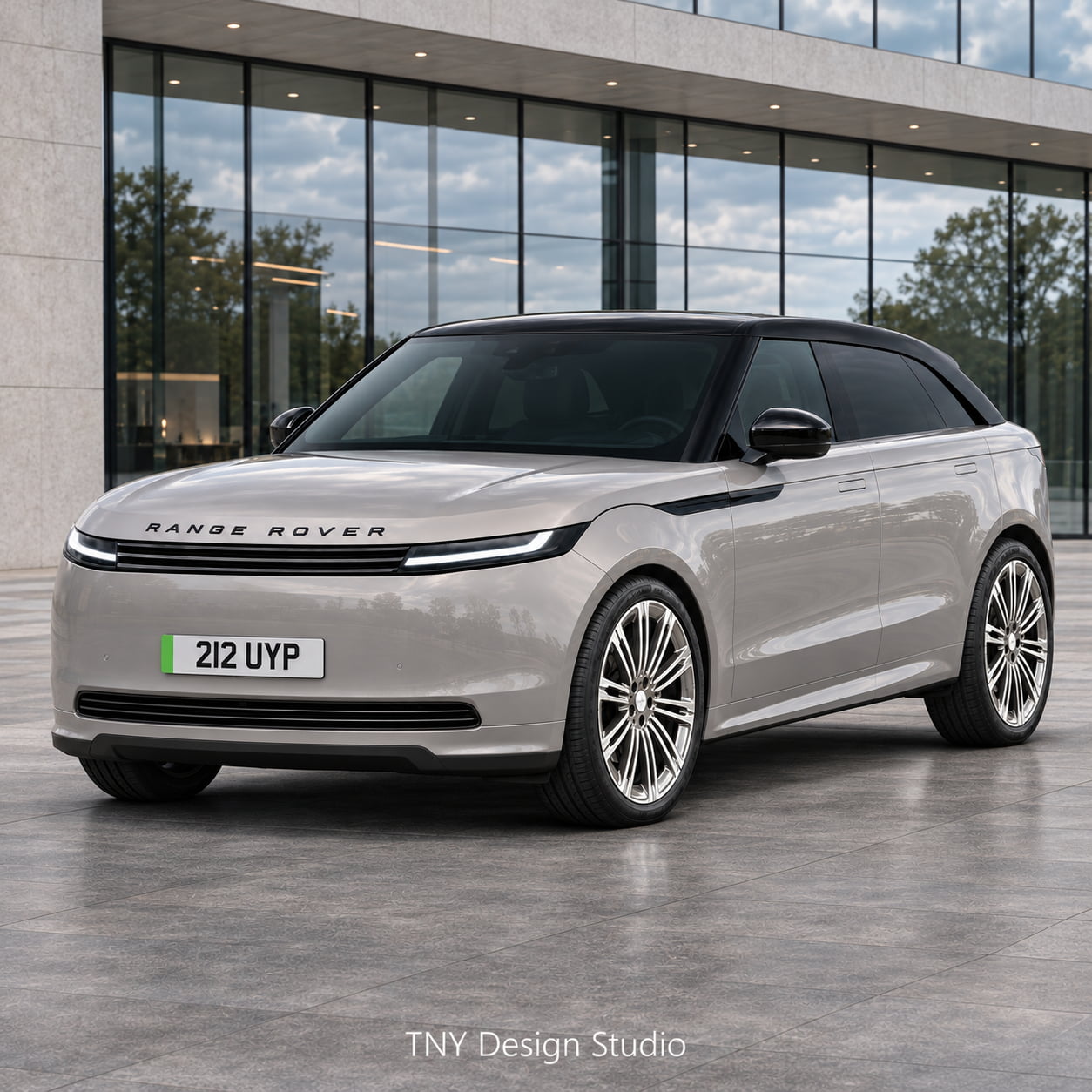
The new Range Rover GT takes an entirely different approach, introducing a sleek, low-slung grand tourer that moves the brand further into luxury territory.
Expected to arrive in early 2027, the GT will be built at JLR's extensively modernised Halewood factory in Merseyside, using the company's new Electrified Modular Architecture (EMA). It will launch exclusively with electric power, although a full-hybrid version is planned for later in its life.
Official technical specifications remain limited, but reports suggest a battery exceeding 100kWh, an 800-volt electrical system and rapid charging potentially approaching 350kW. Some estimates point towards a range approaching 500 miles, although such figures remain unconfirmed.
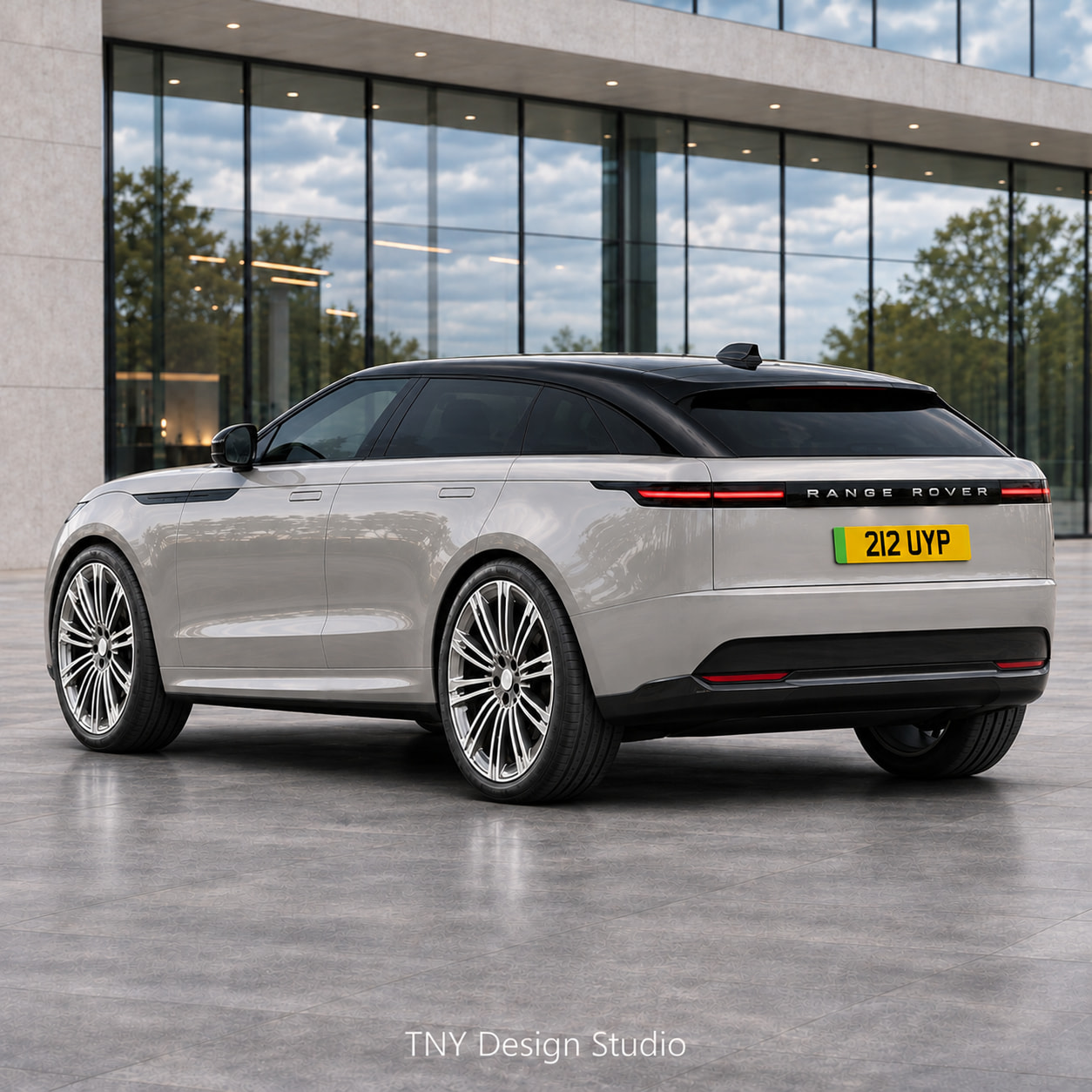
The interior has already been previewed, introducing a minimalist dashboard, discreet air vents, a central touchscreen and generous rear passenger accommodation. Its exterior, meanwhile, promises something closer to a raised luxury saloon than a traditional Range Rover SUV.
Pricing is expected to begin at approximately £100,000 for the electric model, with a subsequent hybrid potentially lowering the entry point towards £90,000.
Despite earlier speculation, the GT is not a direct replacement for the outgoing Velar. Range Rover has confirmed that it was conceived as a separate addition to the family, offering a more road-focused interpretation of the brand.
Our Design Studio renderings explore how this distinctive new direction could translate into its final production appearance.
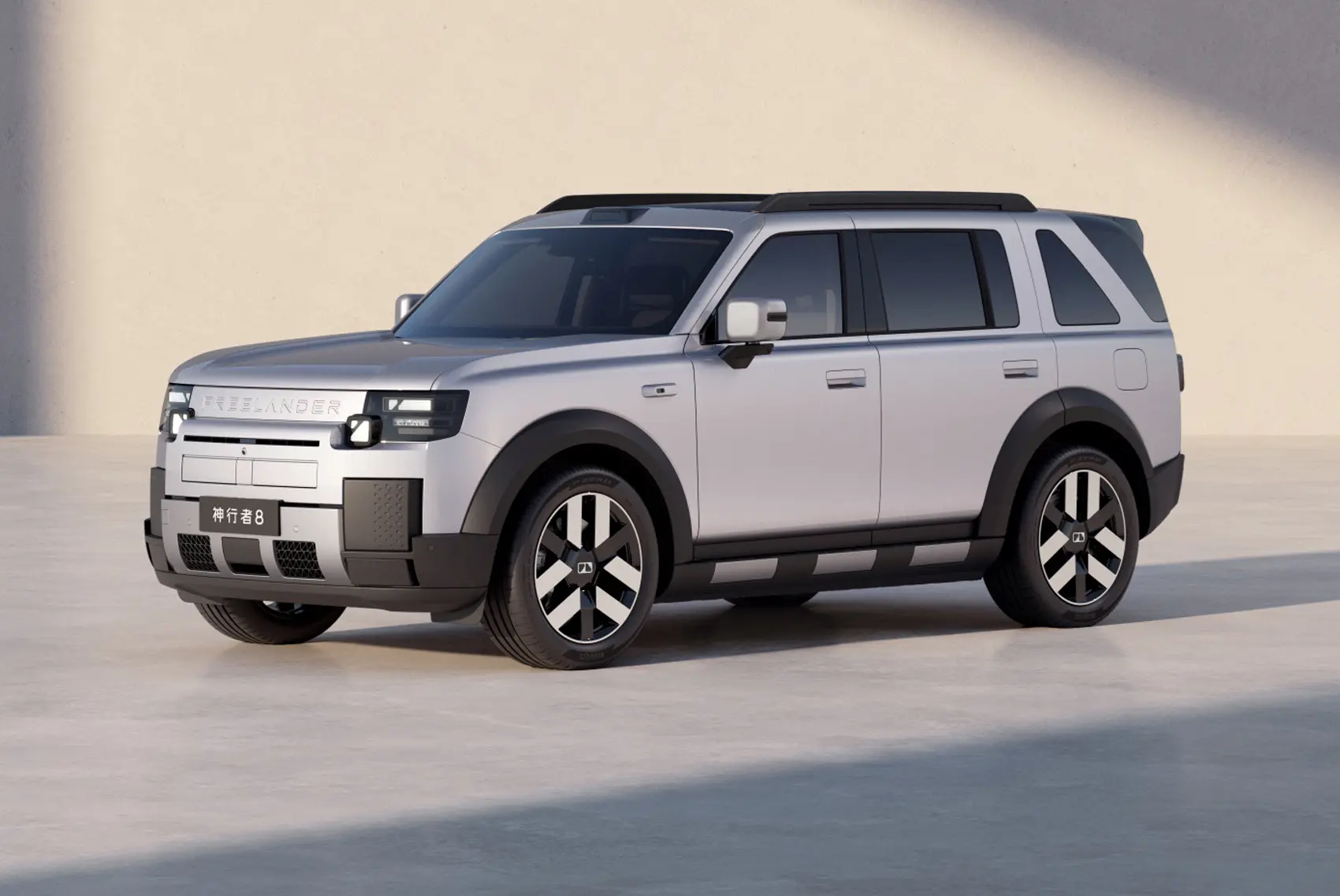
The Freelander name, however, is making an unexpected comeback. JLR has partnered with Chinese manufacturer Chery to revive it as a standalone electrified brand, with the new Freelander 8 already launched in China.
Built using Chery technology with design input from JLR, the revived Freelander operates independently of Range Rover, Defender and Discovery. A UK launch has also been confirmed, although British pricing and an arrival date remain uncertain.
Whether this new generation can recapture the original Freelander's relatively affordable positioning remains to be seen.

If Jaguar is determined to become a £100,000-plus luxury brand, does it really need another SUV, or would a beautiful electric coupé be a more convincing way to reconnect with its past?
Few manufacturers possess a sporting heritage quite like Jaguar. The E-Type's dramatic proportions, the XK's effortless grand-touring elegance and the F-Type's muscular presence have helped define the brand across generations.
An electric successor need not imitate any of them. Instead, a beautifully proportioned two-door could reinterpret that identity for a new era, while occupying a space comfortably removed from Range Rover and Defender.
With the Type 01 already establishing Jaguar's new four-door luxury ambitions, our rendering imagines another possibility: a modern electric coupé that looks confidently towards the future without forgetting what made Jaguar special in the first place.
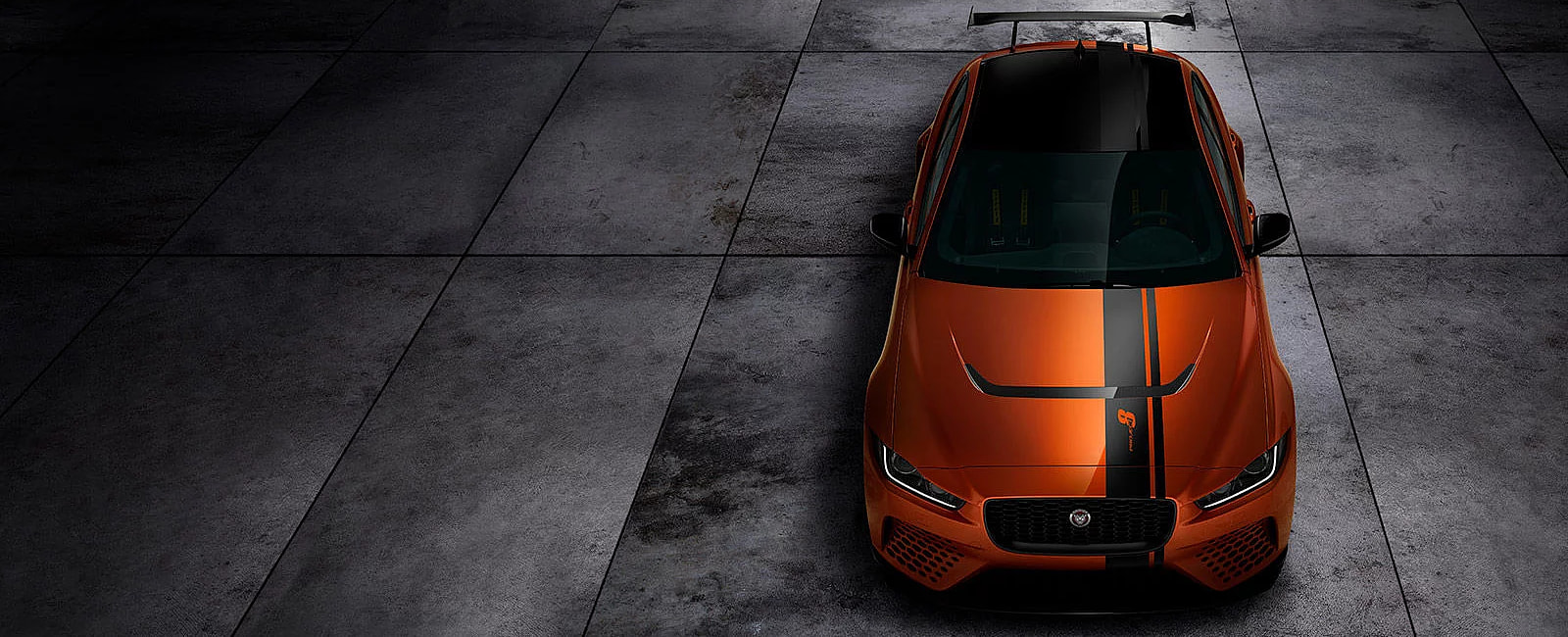
Jaguar knows how to make a limited-edition, high-end model feel genuinely special. The XE SV Project 8 was proof: 600PS from a supercharged V8, just 300 examples worldwide and a price approaching £150,000. It was never about chasing sales volume, but creating something extraordinary.
That is the challenge facing JLR today. Range Rover is becoming more exclusive, Defender and Discovery are being repositioned, and Jaguar is stepping into a world of six-figure electric luxury.
The strategy could bring stronger profit margins, but it also risks distancing the company from customers who helped build its reputation.
Perhaps the answer isn't necessarily to make every brand more affordable, but to give each one a clearer identity. For Jaguar, that might mean embracing the beauty and excitement of a great coupé, rather than following its stablemates into an increasingly crowded luxury SUV market.
Ultimately, JLR's future will depend not simply on how much its cars cost, but whether they offer something genuinely worth paying for.
Disclaimer: This article contains independent editorial commentary and speculative vehicle designs by The New Yardstick. Renderings are unofficial and are not endorsed by Jaguar Land Rover or its associated brands. Prices, specifications and launch dates are based on information available in November 2026 and may change.

Image credits: Original renderings © The New Yardstick. Manufacturer press photography and trademarks remain the property of their respective copyright holders.
You should also read:
The Yaris Goes Electric – Our Vision for Toyota's Next Small Car
Few small cars have earned the trust of British buyers quite like the Toyota Yaris. Its hybrid efficiency and reputation for reliability have made it a familiar sight, yet the electric supermini market is moving on without it. The Renault 5 and Peugeot e-208 already offer battery power, while Toyota's own electric expansion has…
A New Luxury Empire – Inside BYD's Plans to Challenge the Establishment
For most British buyers, BYD remains a relatively new name, associated primarily with affordable electric cars and increasingly competitive family SUVs. Yet behind those familiar models sits a much more ambitious operation, one now reaching into territory traditionally occupied by Rolls-Royce. The latest indication is the Yangwang Altior, an imposing new luxury saloon…
Two Forgotten Names, One Electric Future – Reimagining the Nissan Figaro and Renault Wind
Small electric cars are finally becoming affordable, but that doesn't mean they all need to follow the same formula. Renault's new Twingo E-Tech demonstrates what can be achieved with compact, cost-effective electric engineering, raising an intriguing question about what else those foundations could support. For TNY Design Studio, two names immediately spring to…
The Art of Thinking Small – Europe's M1E Revolution Explored
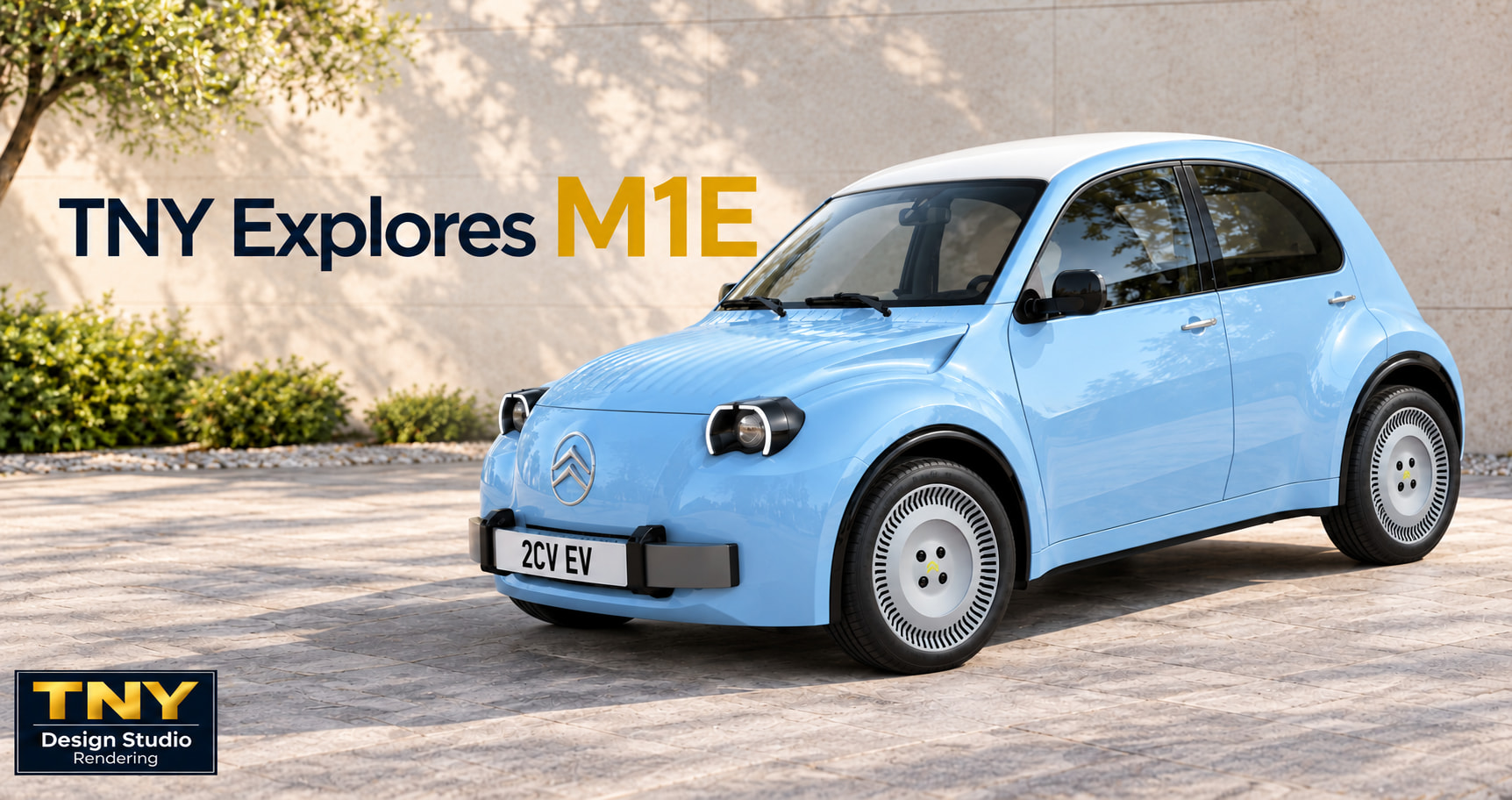
At the 2026 Paris Motor Show, Citroën’s reborn 2CV offered an intriguing glimpse of what Europe’s small-car market could look like from 2028. Compact, electric, full of character and targeting a price of around €15,000, it represents a return to the idea that affordable cars can still be desirable. Behind that vision…
Taking on the X5 – Mercedes' Next Generation of Luxury SUVs
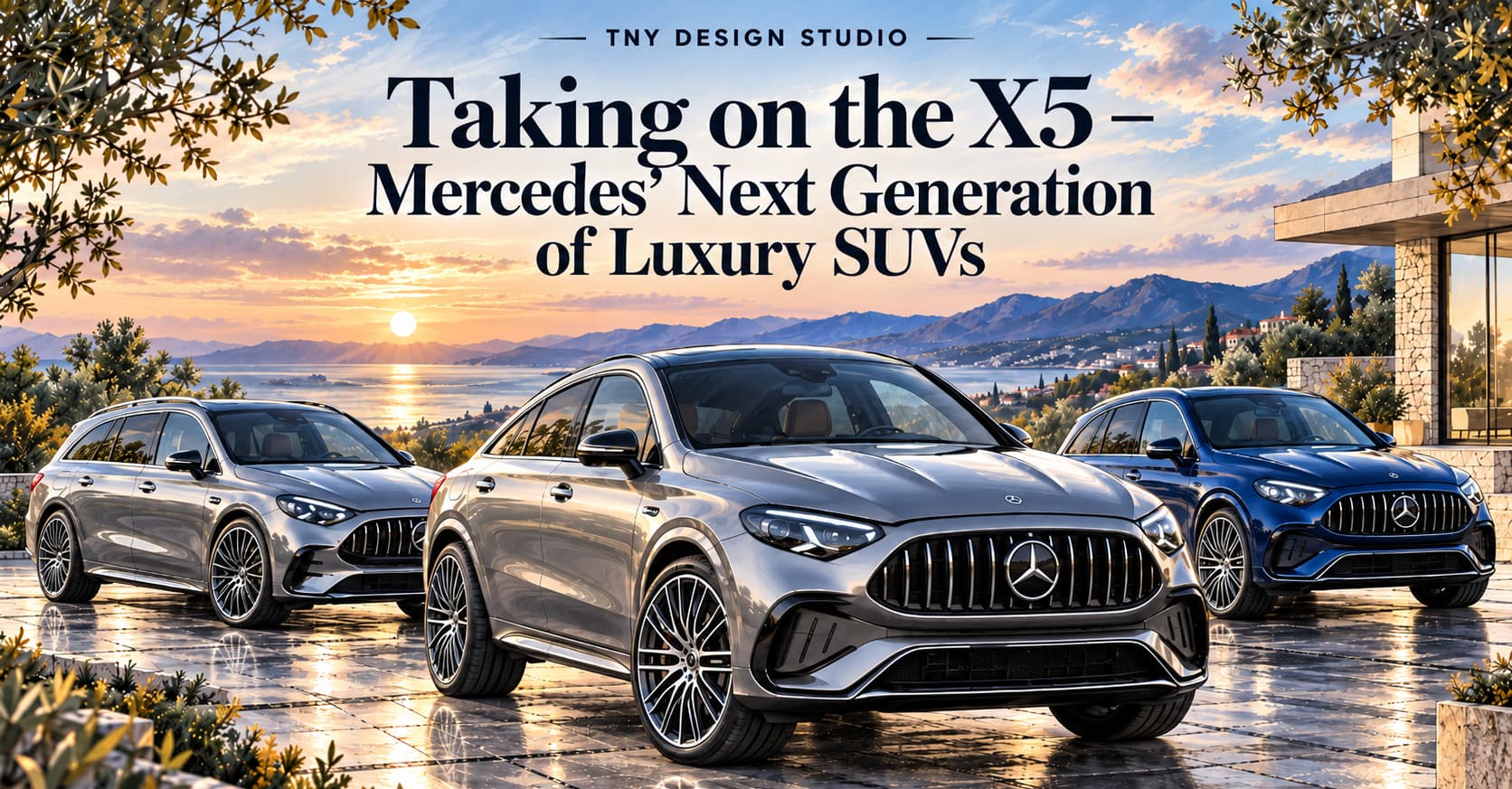
Mercedes-Benz helped shape the premium SUV market long before BMW joined the party. The original M-Class arrived in 1997, two years ahead of the first BMW X5, at a time when the Range Rover was still the established benchmark for luxury off-roaders. Originally known as the M-Class or ML, the model became…

The Next Microcar Generation – Six Little Cars with Big Ambitions
Microcars might occupy a small corner of Europe's automotive market, but their appeal is difficult to ignore. In 2025, France registered 24,919 new light quadricycles, while Italy recorded 17,989 light and heavy quadricycles, more than 72% of them electric. Their appeal lies in simplicity. Compact dimensions, low energy consumption and modest running…
Nissan Pixo: Could Britain's Former Cheapest Car Make an Electric Comeback?
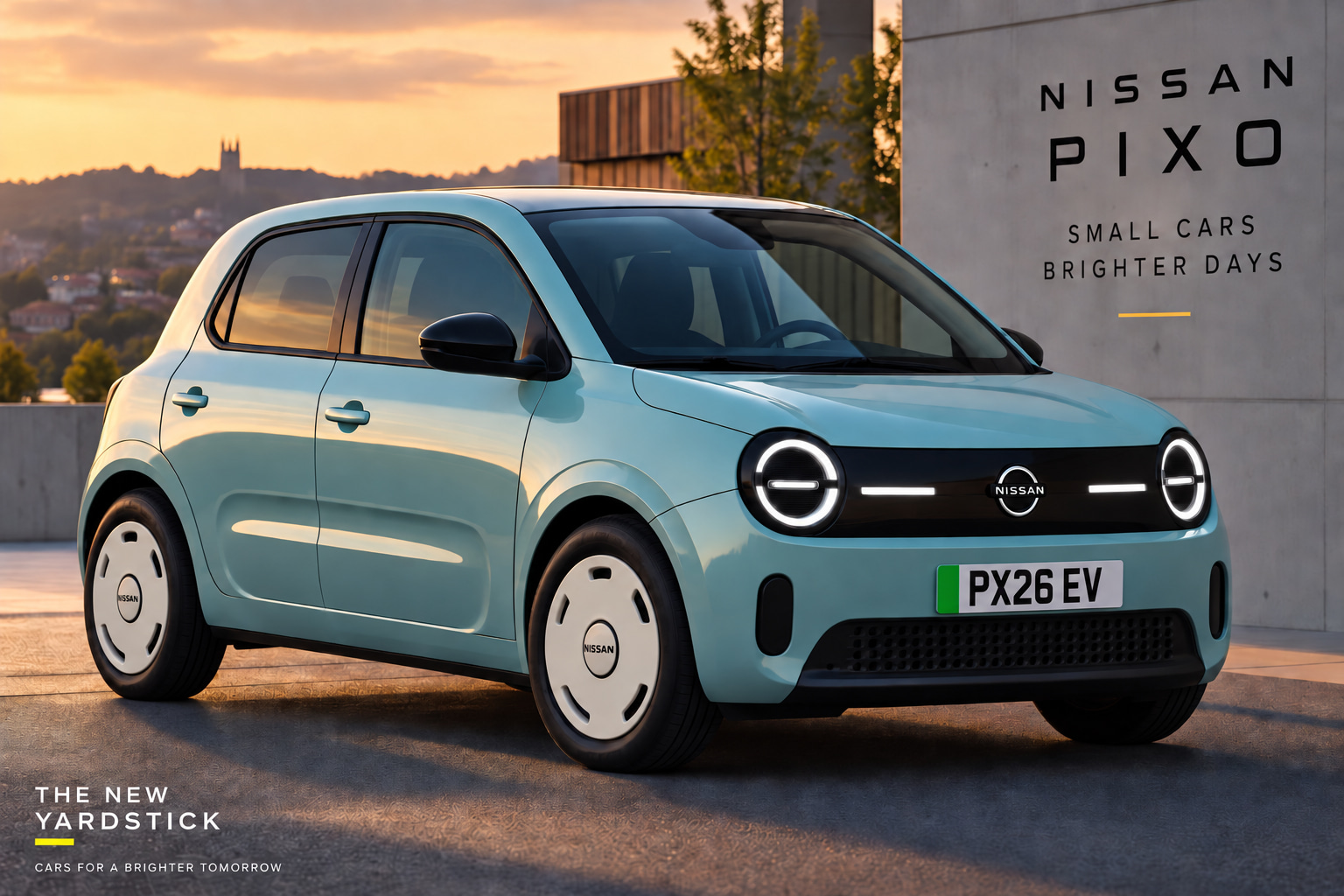
When the Nissan Pixo arrived in the UK in 2009, it quickly established itself at the very bottom of Britain's new-car market. For the majority of its short life, it was Britain's cheapest new car — a position that became an important part of the little Nissan's identity. Then, in 2013, Dacia…
Alpine A190: The Affordable Electric Hot Hatch Alpine Should Build
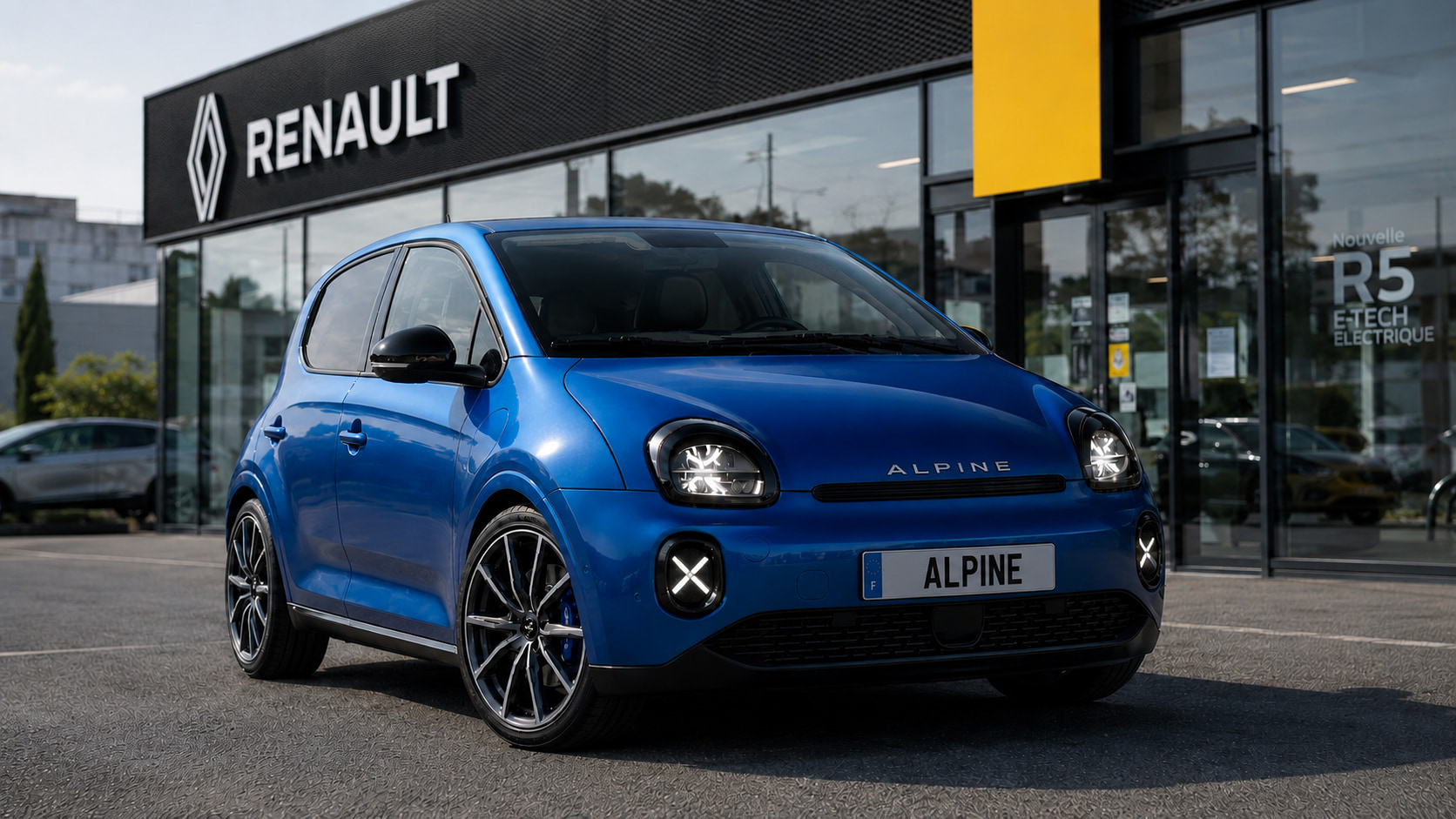
Few brands have reinvented themselves as successfully as Alpine. The A290 has already shown that an electric hot hatch can be genuinely exciting, but there may still be room for something even smaller. In this Design Studio feature, we imagine the Alpine A190: a compact performance EV based on the Renault Twingo…