Hyundai's 100-Car Plan: What Comes Next for One of the World's Fastest-Changing Car Makers?
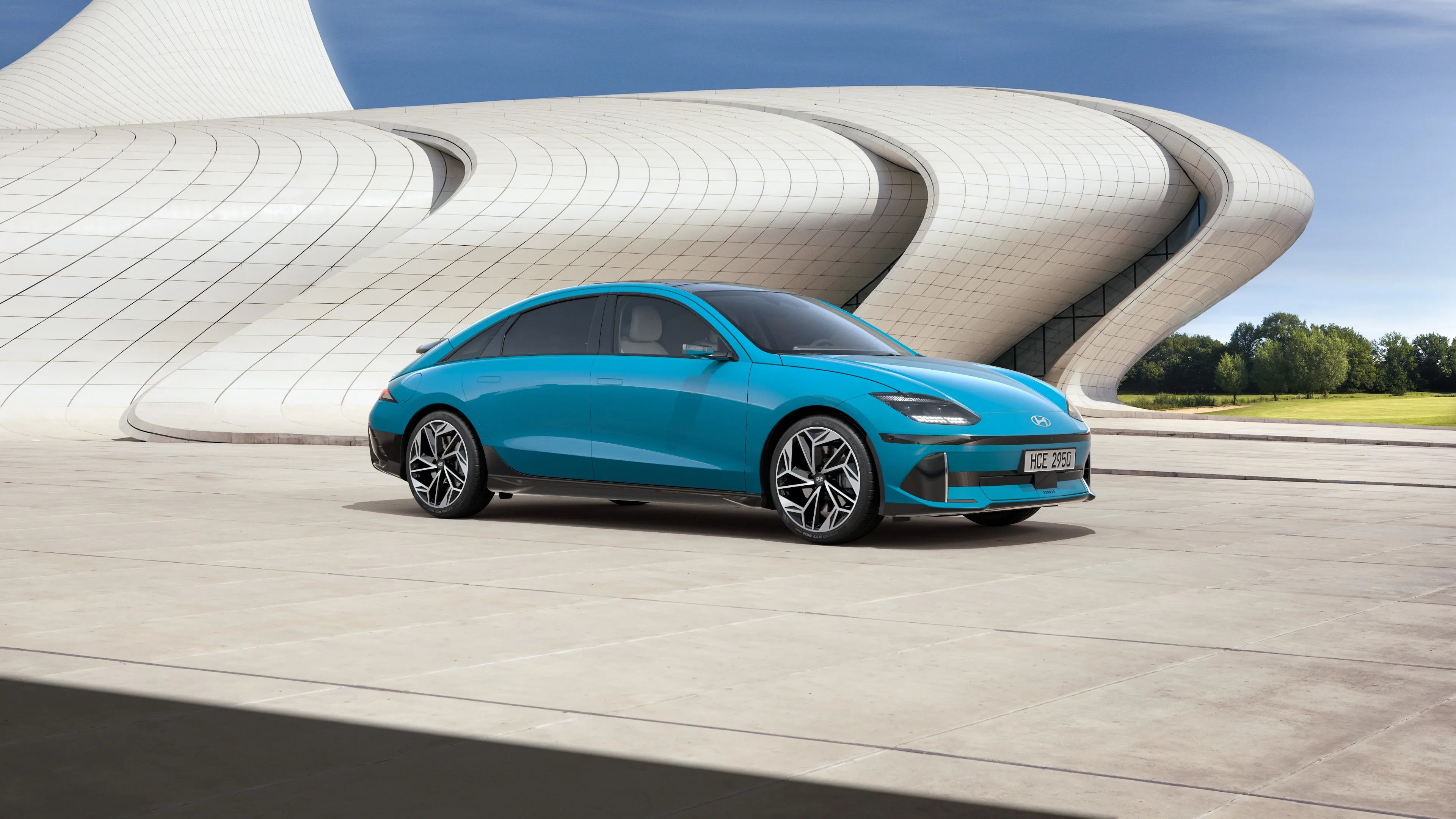
Twenty years ago, Hyundai was still fighting to prove that it could match the established European and Japanese brands. Today, that description feels almost unrecognisable. Hyundai has become a genuinely global manufacturer, producing everything from affordable small cars to sophisticated EVs, large SUVs and increasingly serious performance models.
Now it wants to grow again.
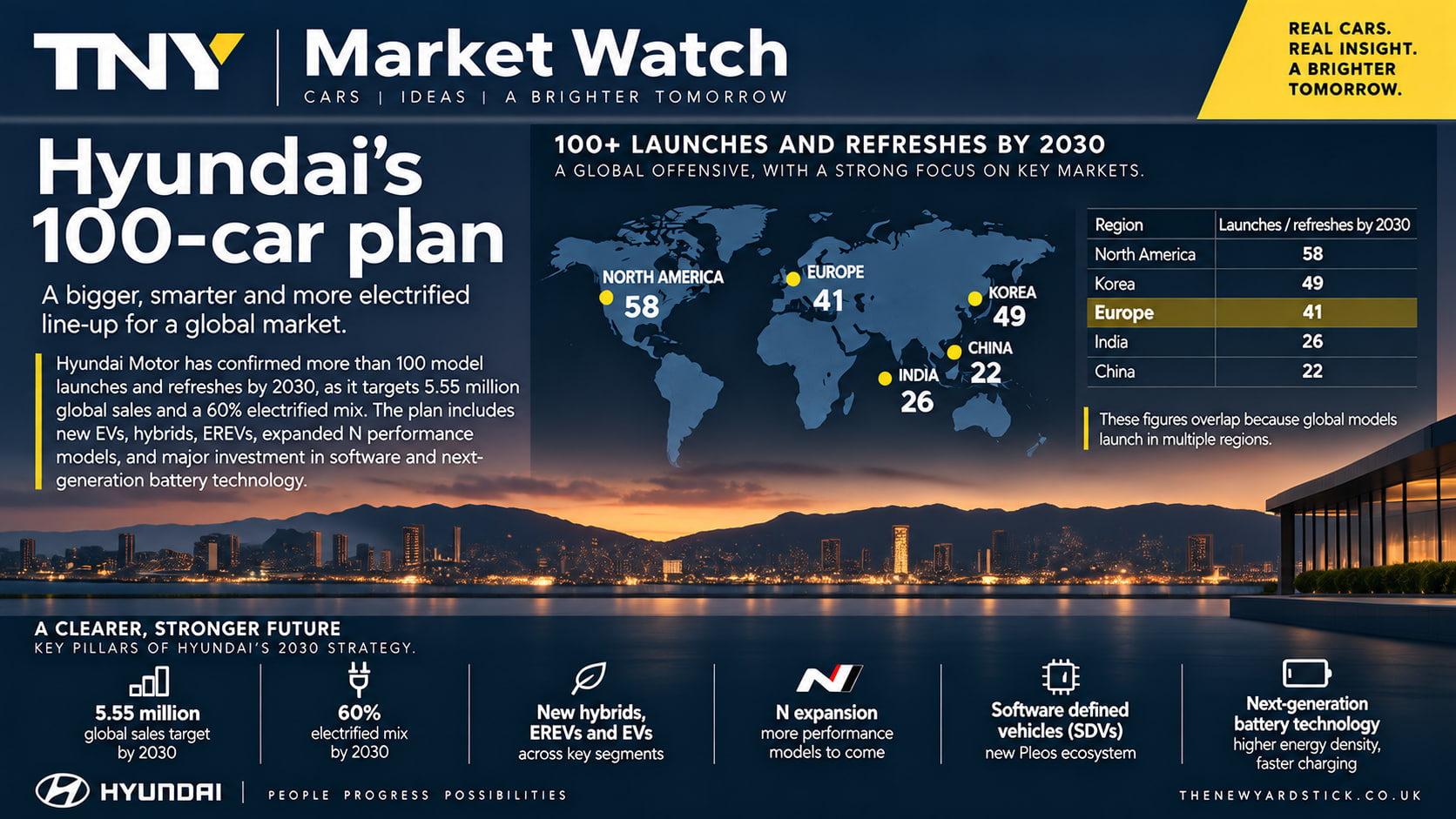
Hyundai has announced plans to launch or substantially refresh more than 100 vehicles globally by 2030, including 58 launches in North America, 49 in Korea and 41 in Europe. More importantly, many won't simply replace existing cars: Hyundai says it intends to enter new segments and target the ‘white spaces’ where its range is currently underrepresented.
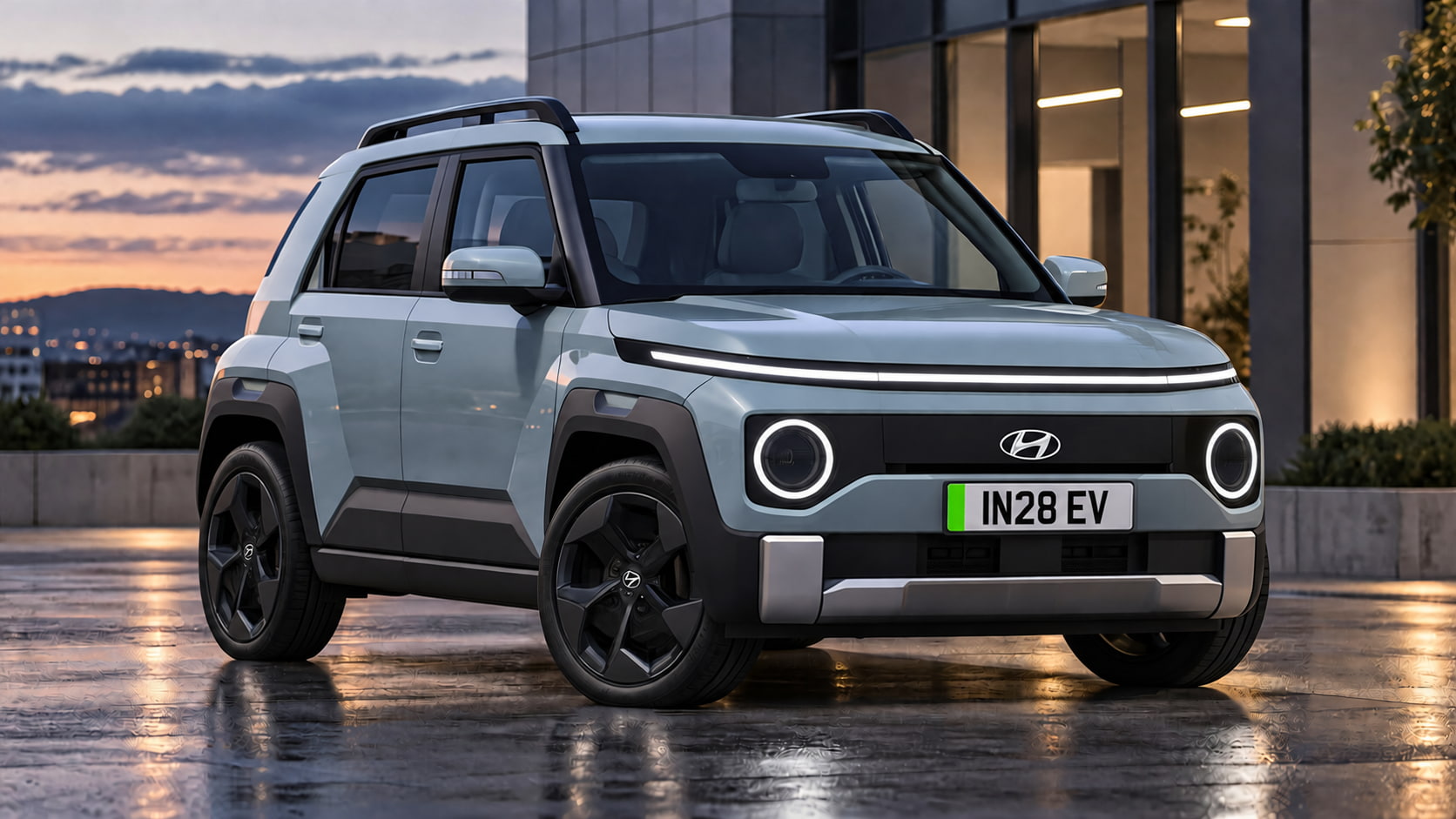
But there is a problem: the Inster isn't particularly cheap for something so small. It evolved from the Korean-market petrol Casper rather than starting life as a clean-sheet European EV, and that becomes increasingly relevant as the competition develops. The larger Citroën ë-C3 and Fiat Grande Panda offer considerably more conventional family-car space, with both being offered with starting prices below that of the Inster.
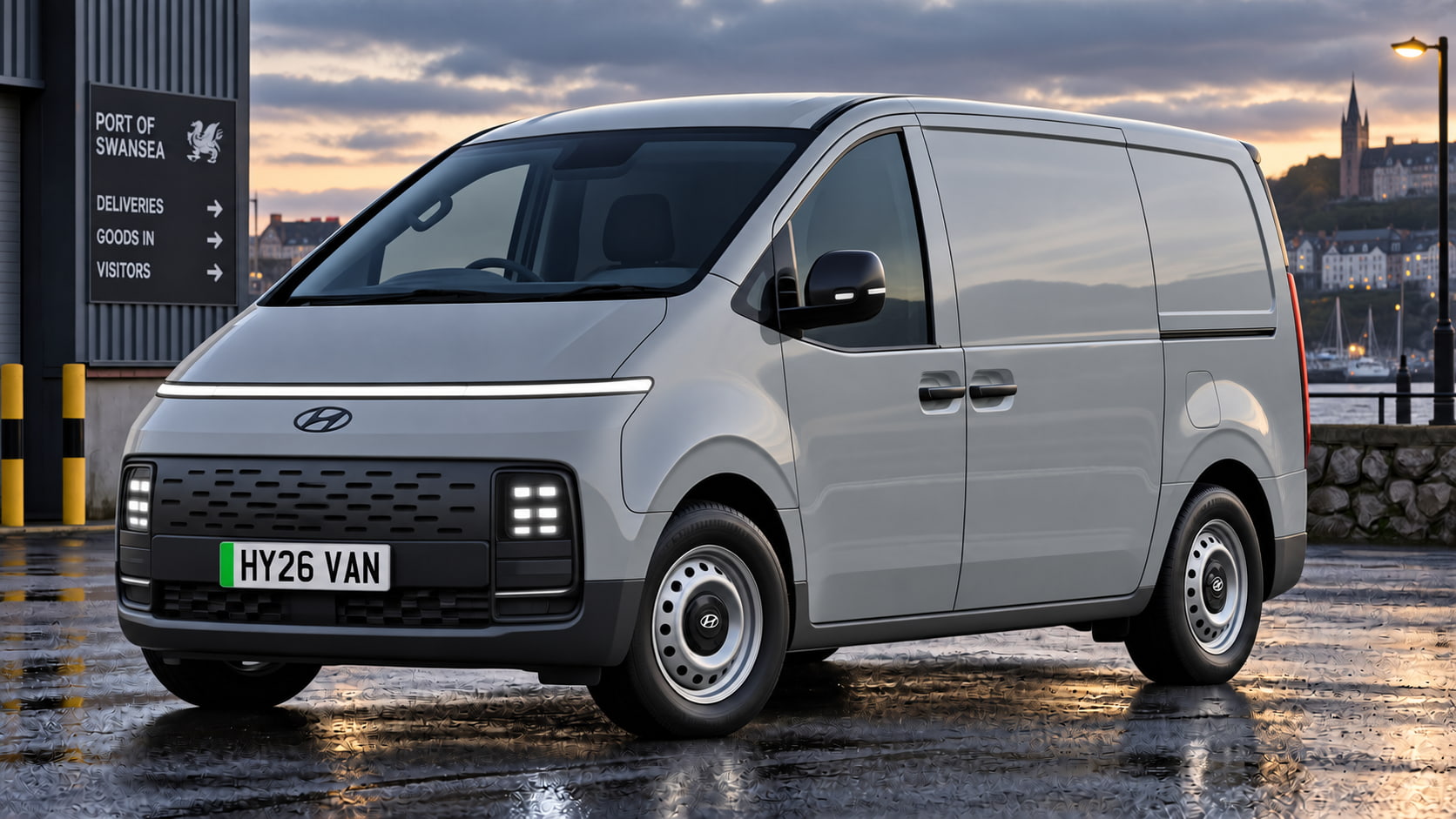
Our Staria-based proposal revisits that idea for a very different Hyundai. A panel van could put the badge back into the commercial market, while a passenger version could provide a genuinely spacious alternative to the SUVs that now dominate Hyundai's range.
There is also a much stronger industrial foundation behind the idea today. Kia's new PV5 already demonstrates what Hyundai Motor Group can do with a modern purpose-developed electric commercial vehicle, offered in both Cargo and Passenger forms.
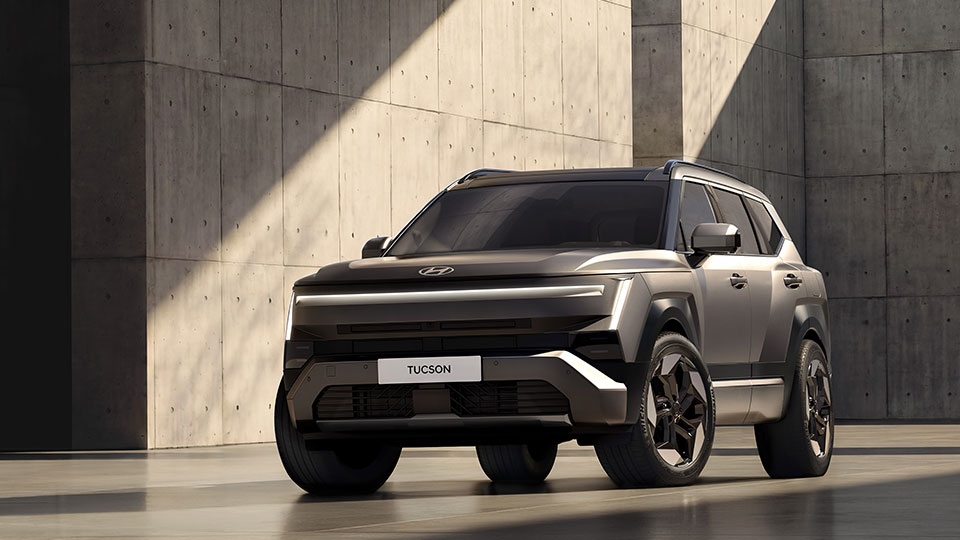
Europe is likely to require a slightly different approach. Hyundai already produces different Tucson dimensions for different global markets, and a European version measuring around 4,600mm would make sense — still representing a meaningful increase over today's car without becoming unnecessarily large for European roads. For now, however, that figure should be treated as our expectation rather than a confirmed specification.
What's particularly striking is that the outgoing Tucson hardly feels old. The current generation only arrived in 2020 and received a substantial facelift for 2024, including an extensively redesigned interior.
Kia demonstrates just how much room there is to work with here. In an even tighter section of the market, it has the XCeed, Niro and Sportage, each approaching the family crossover brief differently rather than simply duplicating one another.
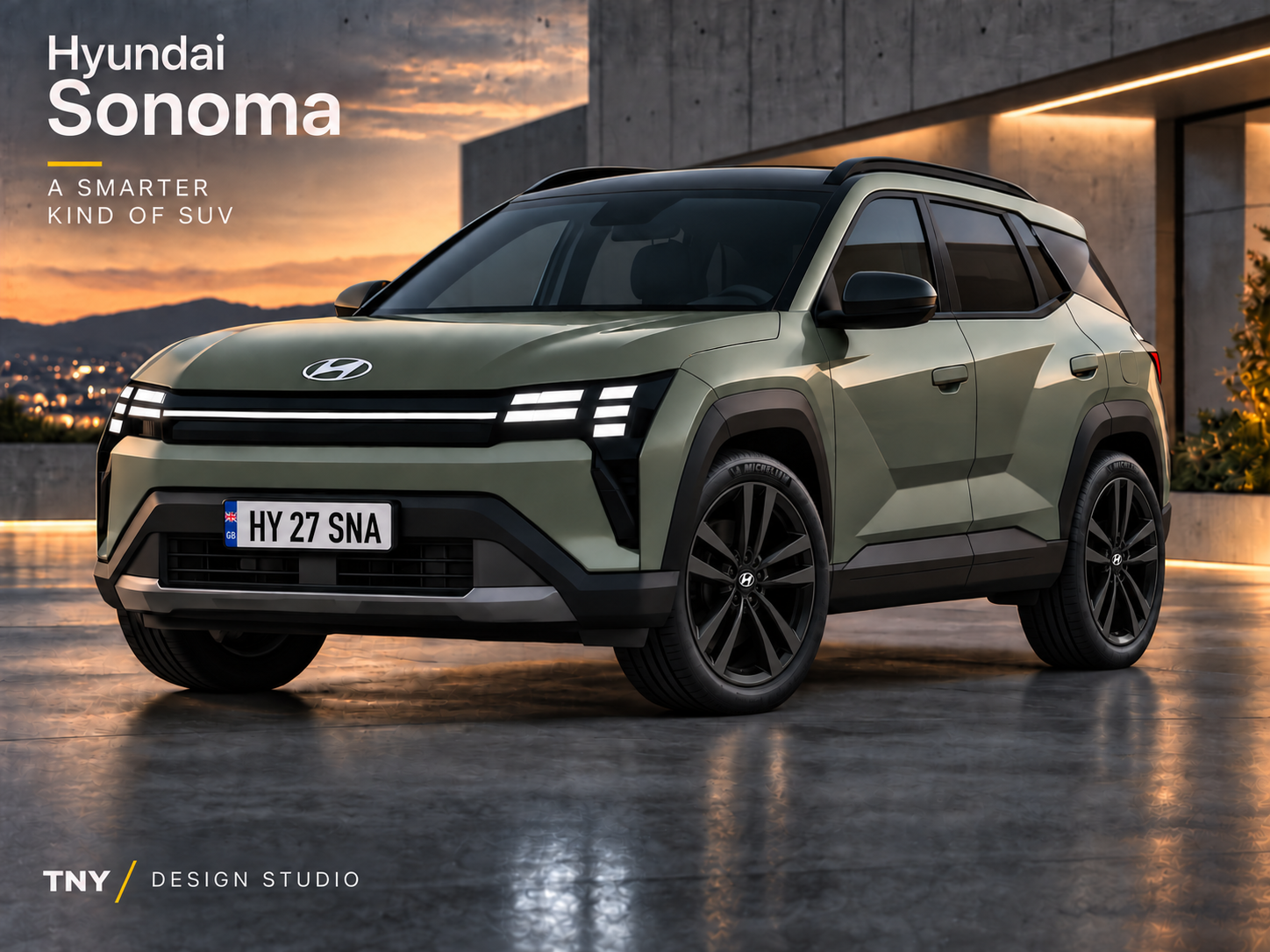
That's where our Hyundai Sonoma comes in. Named after Sonoma, California, it follows the geographic naming convention already established by Kona, Tucson and Santa Fe. But rather than simply adding another SUV to the range, our Sonoma is designed to fill the space Hyundai's existing models are beginning to leave behind.
The Kona would remain the stylish, efficiency-led compact choice, while the incoming Tucson becomes larger, more sophisticated and increasingly upmarket. Sonoma would take the middle ground: a straightforward family SUV around the size of a Renault Austral, with hybrid power, a practical interior, a useful boot and an emphasis on affordability.
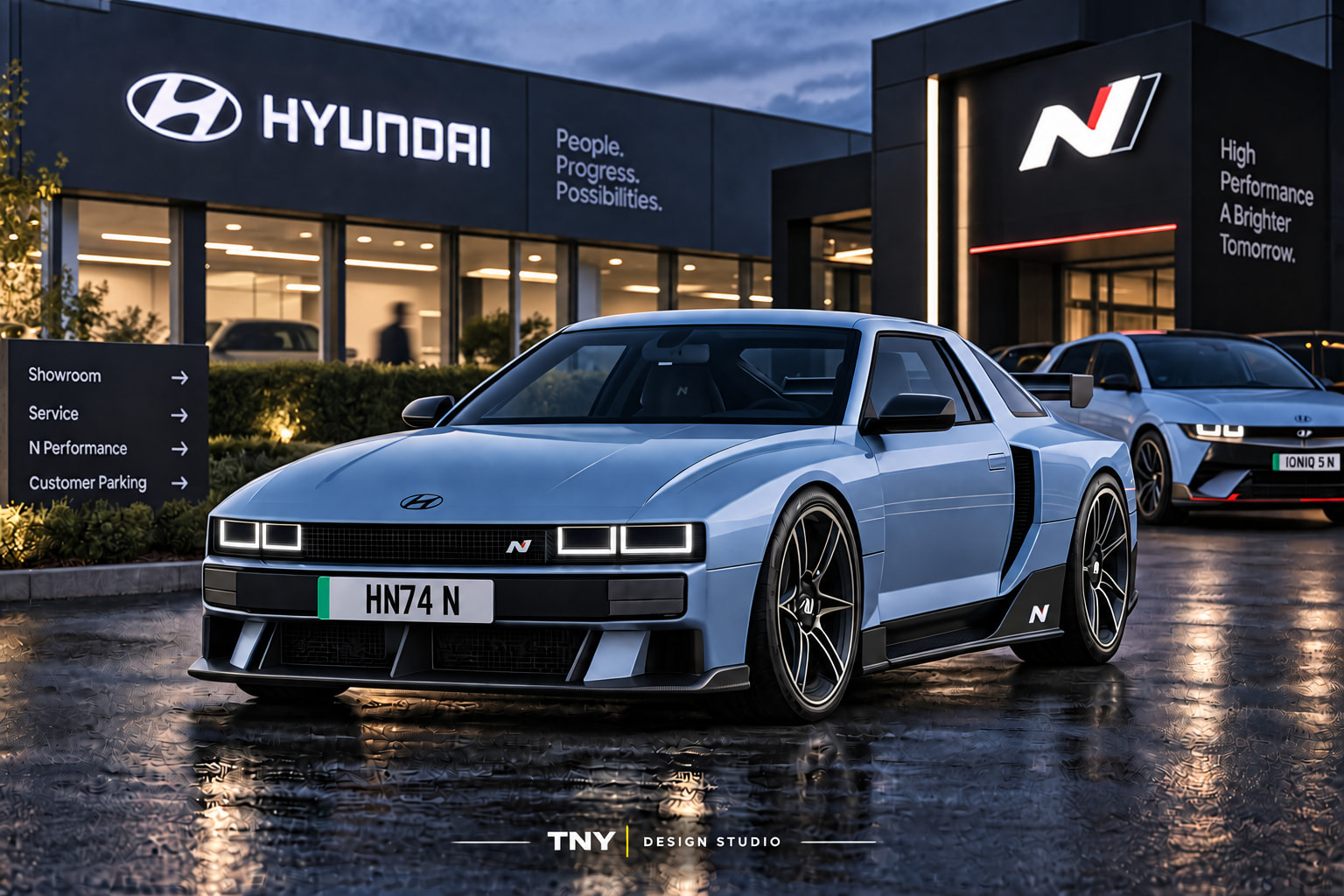
Reaching that scale creates room for N to become much broader. Cars such as the Ioniq 5 N and Ioniq 6 N can provide the volume, while more specialised models could build an identity that isn't entirely dependent on turning existing Hyundai models into faster ones.
Our N74 explores what that could look like. It draws inspiration from the 1974 Hyundai Pony Coupé Concept, the Giorgetto Giugiaro-designed wedge that has become an increasingly important part of Hyundai's design history. Hyundai has already revisited those ideas with the spectacular N Vision 74 concept; our proposal takes the next step, imagining those influences distilled into a production N sports car.
It wouldn't need enormous sales to justify its existence. Its job would be to give N a recognisable halo of its own, while making everything beneath it more desirable.
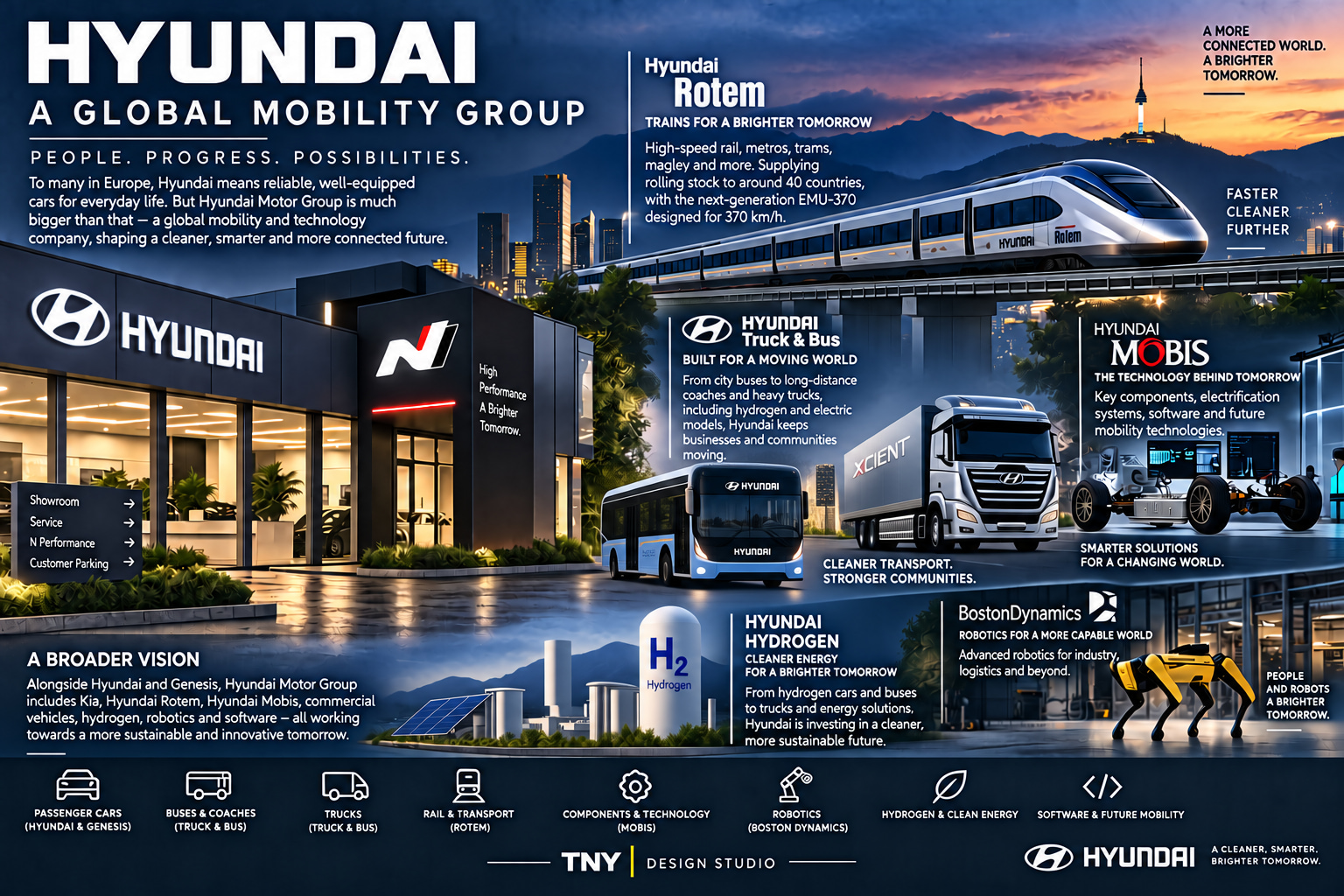
Hyundai sits within a vast industrial and mobility ecosystem. Hyundai Motor Group encompasses Hyundai, Kia and Genesis, but its reach extends far beyond passenger cars. Hyundai Rotem builds trains, metros and high-speed rail technology; Hyundai Mobis develops components, electrification and vehicle technology; Hyundai produces buses and heavy commercial vehicles; and the group has invested heavily in hydrogen, software and future mobility. It also owns a controlling stake in robotics specialist Boston Dynamics.
That wider picture matters when considering Hyundai's 100-car plan. This isn't a relatively small manufacturer suddenly attempting an enormous expansion. Hyundai has access to manufacturing scale, battery and electrification expertise, commercial vehicles, robotics, software, hydrogen technology and an enormous global supply chain.
The transformation of its passenger cars over the past 20 years is impressive, but it represents only one part of what Hyundai has become. Increasingly, this is a global mobility and technology group with the resources to compete across almost every part of transportation.
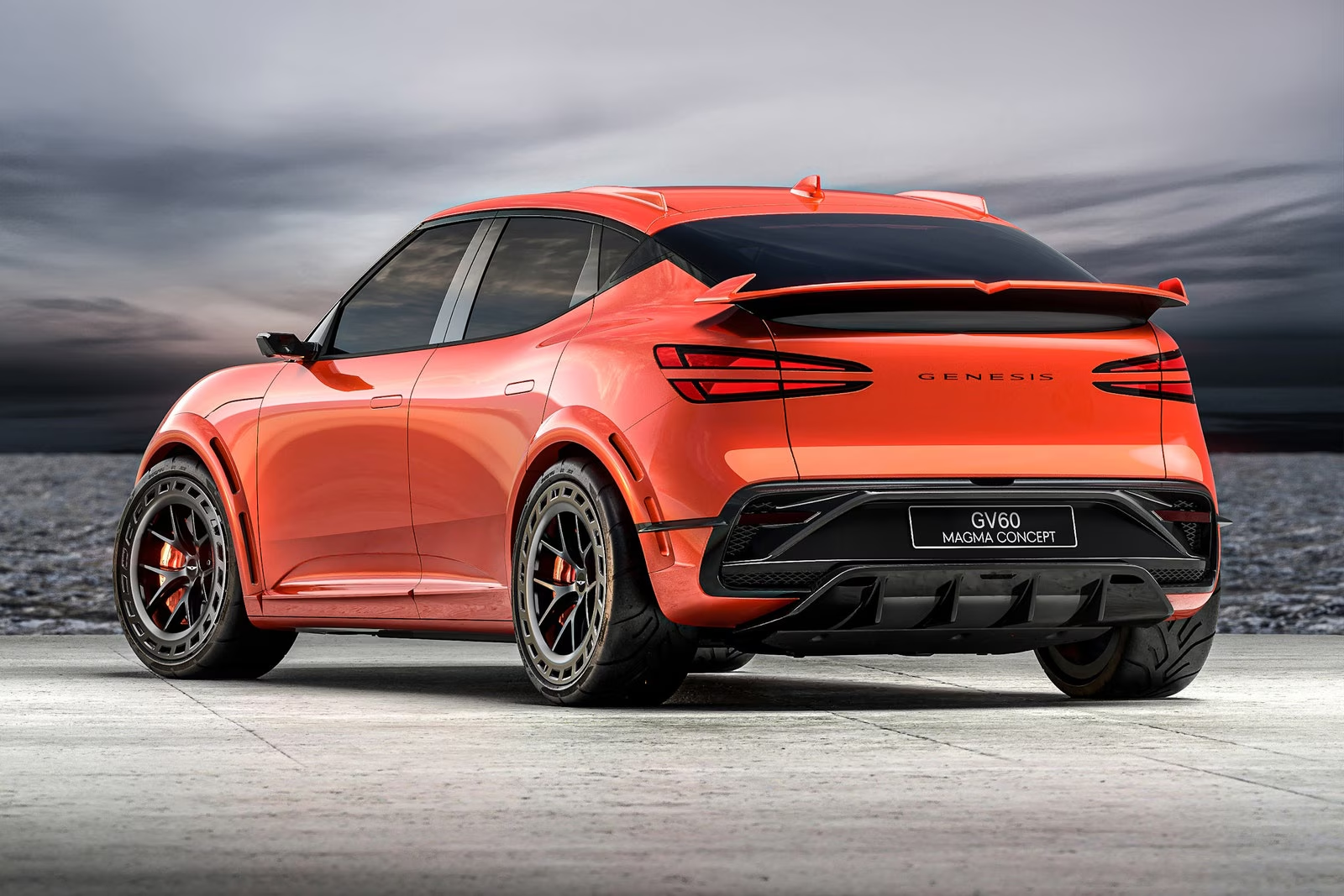
The GV60 demonstrates the problem particularly clearly. It shares its E-GMP foundations with the Hyundai Ioniq 5 and Kia EV6, yet occupies a more expensive premium position. Meanwhile, Hyundai's new Ioniq 3 brings some surprisingly Genesis-like design themes to a much smaller and more affordable EV. The boundaries within the group are becoming increasingly blurred.
The pictured GV60 Magma should provide some separation. Yet even here, the numbers illustrate the challenge. It produces 641bhp and reaches 0–62mph in 3.4 seconds — exactly the same headline power and acceleration figures quoted for the Hyundai Ioniq 6 N.
That doesn't make the Magma a bad proposition; Genesis can differentiate it through materials, refinement, exclusivity and the ownership experience. But when Hyundai itself can produce something equally spectacular on paper, Genesis needs to offer more than additional luxury and a different badge.
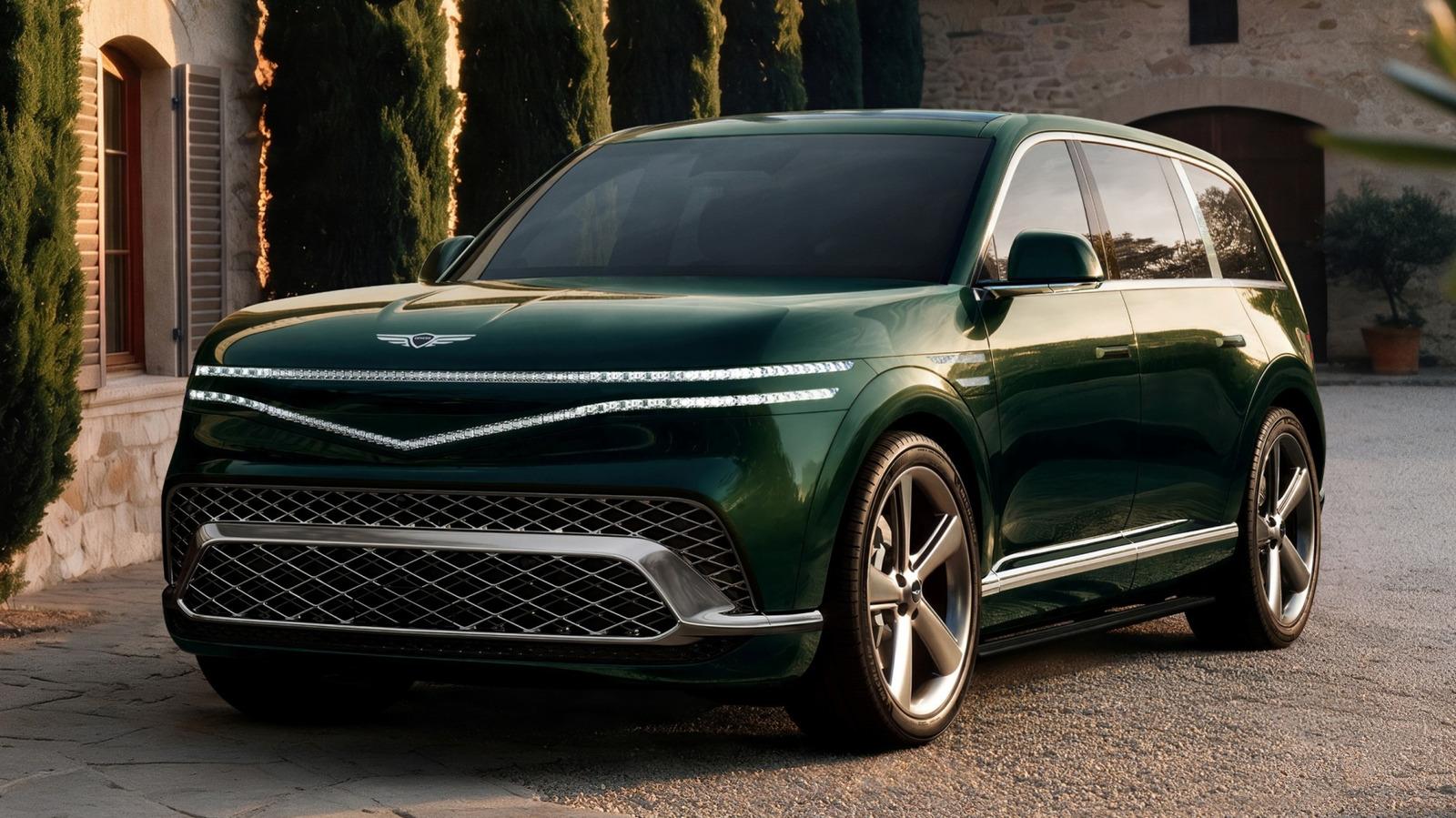
That immediately creates meaningful separation. The Hyundai Ioniq 9 and Kia EV9 are already large three-row electric SUVs, but they remain fundamentally spacious family cars. The GV90 goes considerably further, placing greater emphasis on rear-seat luxury, materials, technology and the sense of occasion expected from a flagship.
The range-topping GV90 Neolun demonstrates just how far Genesis is prepared to take that idea. Its pillarless coach-door arrangement has made the transition from concept to production, creating a huge opening into the cabin without a conventional fixed B-pillar. The standard GV90 retains conventional doors, leaving this deliberately extravagant feature for the flagship version.
This is where Genesis makes considerably more sense. It doesn't need to build a slightly more luxurious alternative to every Hyundai. Instead, it can use the group's enormous engineering resources to create cars that Hyundai and Kia simply don't offer.
An Ioniq 9 can be an excellent large family EV without threatening the GV90, because the two have fundamentally different jobs.
You should also read:
What Are the Best Fun Cars You Can Buy for £6,000?
A £6,000 budget opens the door to a surprisingly varied selection of interesting used cars. Rather than simply chasing the newest or lowest-mileage option, this is the point where buyers can start looking for something with real character. That might mean a proper rear-wheel-drive coupé, a lightweight hot hatch, a rare premium…
TNY Design Studio Explores BMW’s Next SUV Generation — From X1 to X8
BMW is entering one of the most significant design transitions in its recent history. The arrival of Neue Klasse isn't simply about introducing a new generation of electric cars; its technology and dramatically simplified design language are beginning to influence BMW's entire range. For the company's SUVs, that creates an especially interesting…
What Does £1,500 Buy in 2026? Eight Used Cars We’d Look At
Cheap cars do not automatically have to mean bad cars. At the bottom end of the used market, £1,500 will inevitably involve compromises — higher mileage, older interiors and the odd cosmetic scar — but there are still plenty of genuinely useful, dependable cars available for the money. The trick is looking…
Audi’s Next Chapter: A2, E5 and a New Push Upmarket
Audi wants to move upmarket, but its product strategy is starting to pull in two very different directions. In China, the new E5 Sportback shows just how far the brand can go, combining 800V charging, advanced software and a new generation of digital architecture developed with SAIC. In Europe, meanwhile, Audi is…
Stellantis Vans 2030: What Comes Next for Europe's Biggest Van Family?
Stellantis has built one of Europe’s biggest commercial vehicle operations, with familiar names from Citroën, Fiat, Peugeot, Opel and Vauxhall covering almost every corner of the van market. But the automotive world is changing faster than the traditionally slow-moving commercial vehicle cycle. Battery technology continues to improve, hybrid powertrains are finding new…
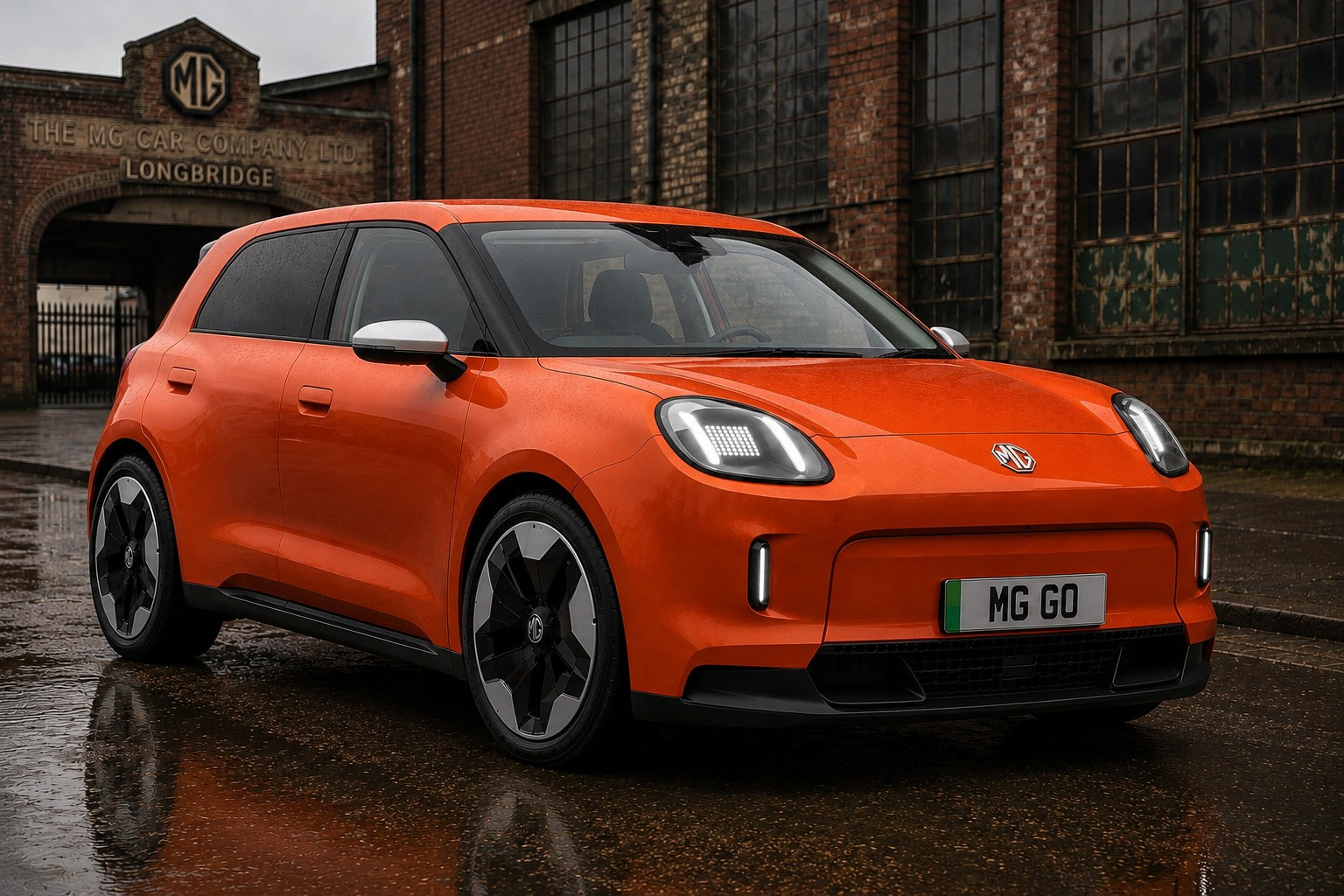
MG GO: Our Vision for Britain's Next Affordable Electric Hatchback
MG has become one of Britain's fastest-growing car brands, but one gap remains in its expanding electric line-up: a compact hatchback sitting below the MG4. In this Design Studio feature, we imagine the MG GO, an affordable electric supermini positioned as the EV sibling to today's MG3. At around four metres long,…
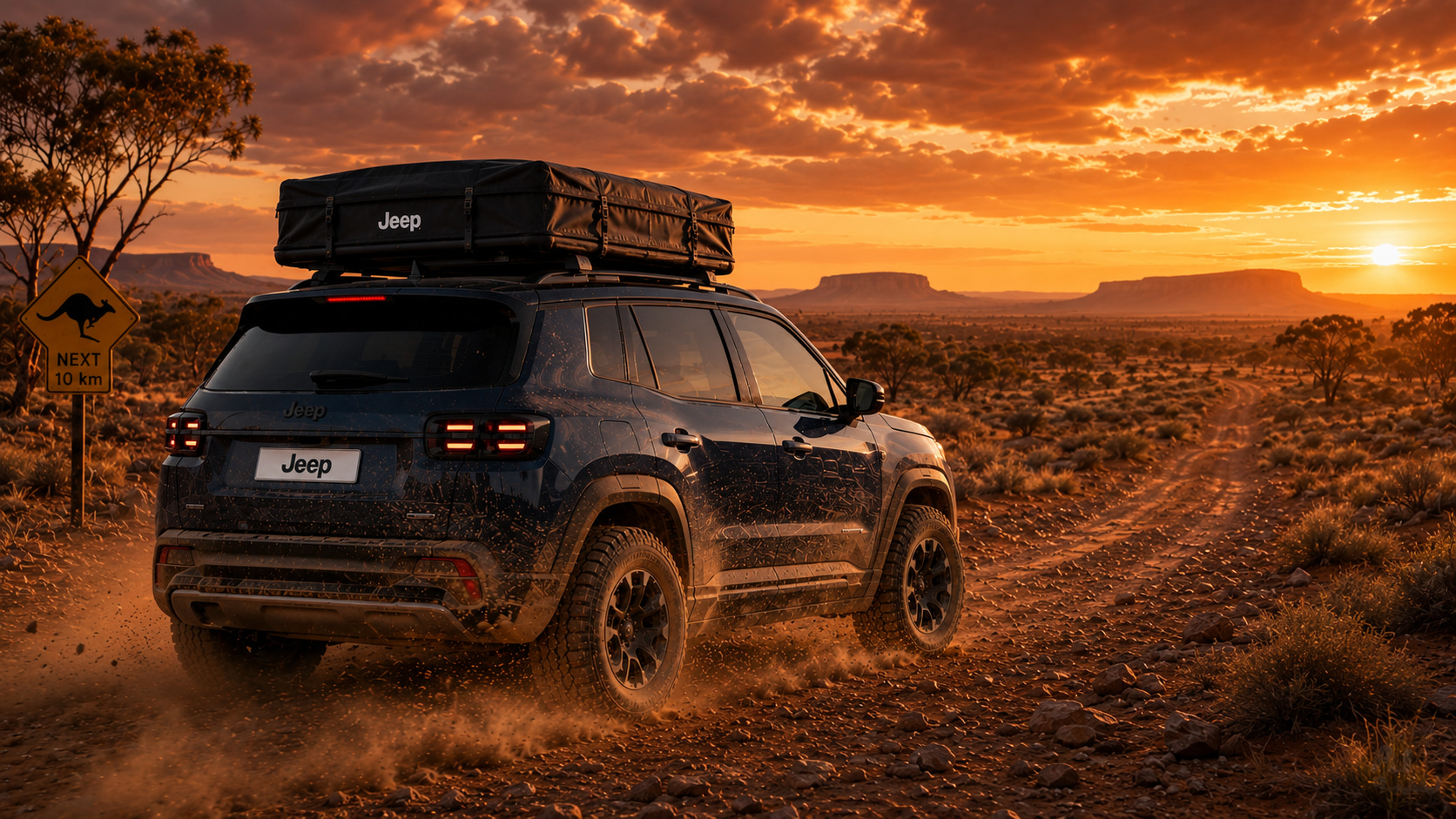
The Next Jeep Renegade: Filling the Gap Between Avenger and Compass
Few new Jeeps have made an impact quite like the Avenger. Blending the footprint of a supermini with the raised driving position and rugged styling buyers increasingly want, it has become one of Europe's most successful compact SUVs. Its popularity has been so strong that Jeep is already preparing an early facelift…
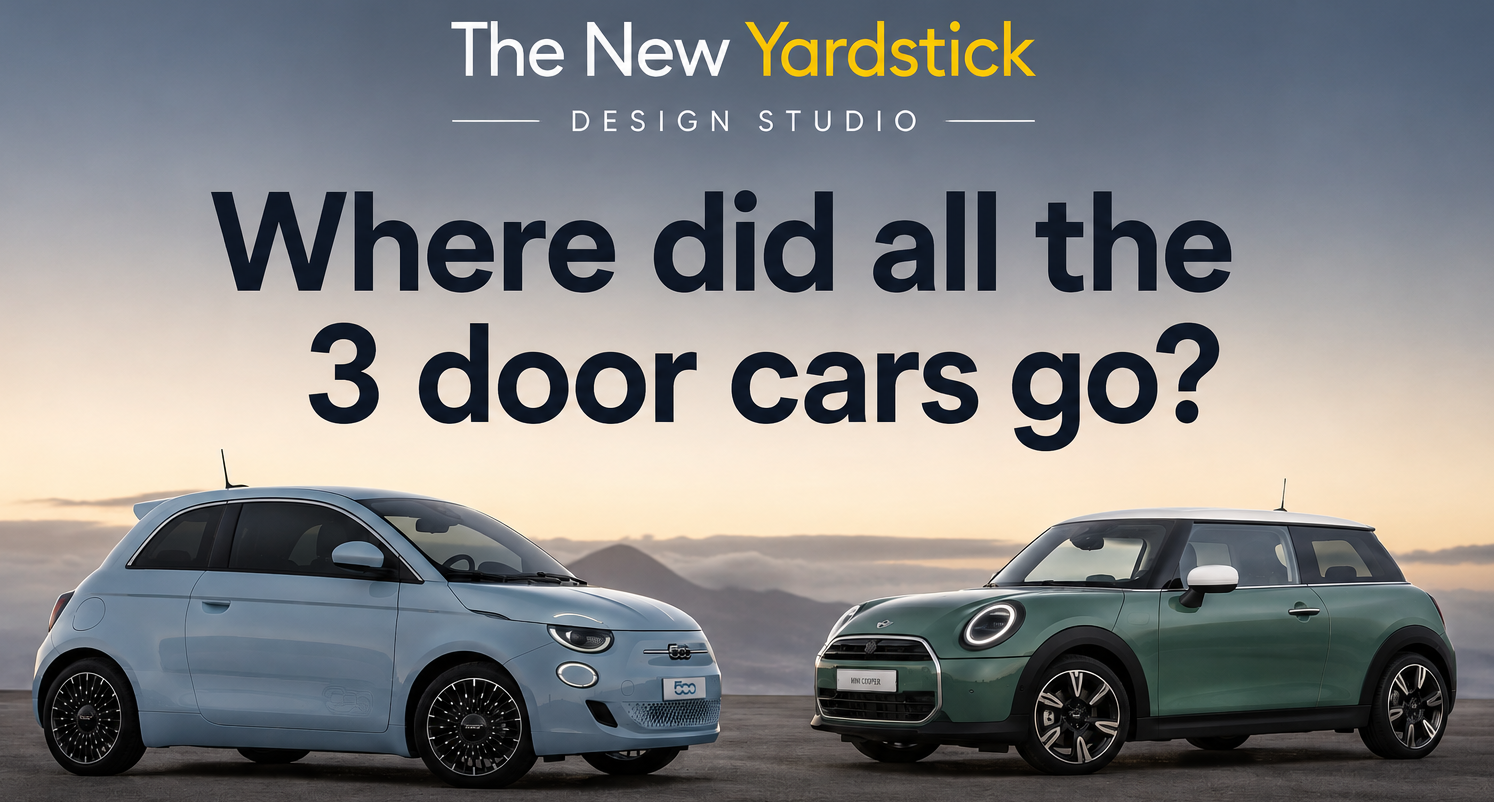
Where did all the 3 door cars go? TNY Design Studio imagines the next generation.
Once the default choice for buyers wanting a sportier-looking hatchback, the three-door has quietly disappeared from Britain's roads. Throughout the 1990s and 2000s, almost every major manufacturer offered one, from affordable city cars to hot hatches and premium compacts. They were often cheaper than their five-door equivalents, lighter on their feet and,…