Ferrari Guide
Ferrari is Italy’s most famous supercar manufacturer and one of the most recognisable automotive brands in the world. Based in Maranello, the company has built road cars since 1947, with its identity shaped by motorsport, high-performance engineering and a long tradition of V8 and V12 engines.
From grand tourers to mid-engined supercars, Ferrari has produced some of the defining performance cars of each generation, including the F40, F50, Enzo and LaFerrari. Today, its range combines traditional naturally aspirated V12 power with turbocharged V8s, plug-in hybrids and, for the first time, a fully electric model.
Current Models
Amalfi (26-)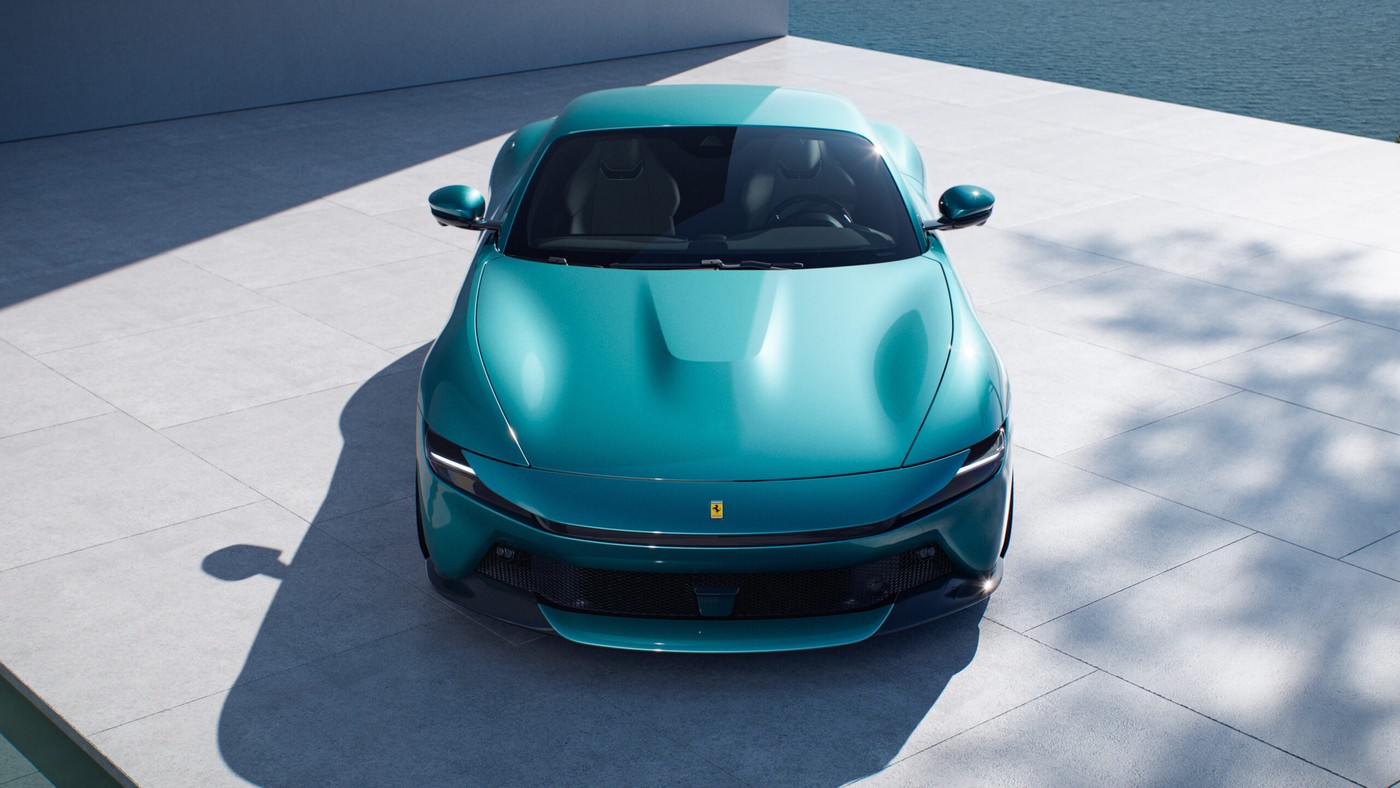 Photo: Ferrari | RRP From : £197,779 |
The Amalfi replaces the Roma as Ferrari’s front-engined V8 grand tourer. It keeps the elegant proportions and occasional rear seats, but adds a more powerful engine, a revised cabin and physical steering-wheel controls. This is the Ferrari to consider for a weekend away rather than a lap-time contest: its useful boot and compact rear bench give it more flexibility than the two-seat mid-engined cars. There is no hybrid system to charge, although 631 bhp and a 3.3-second 0–62mph time make it a very serious performance car.
Amalfi Spider (26-)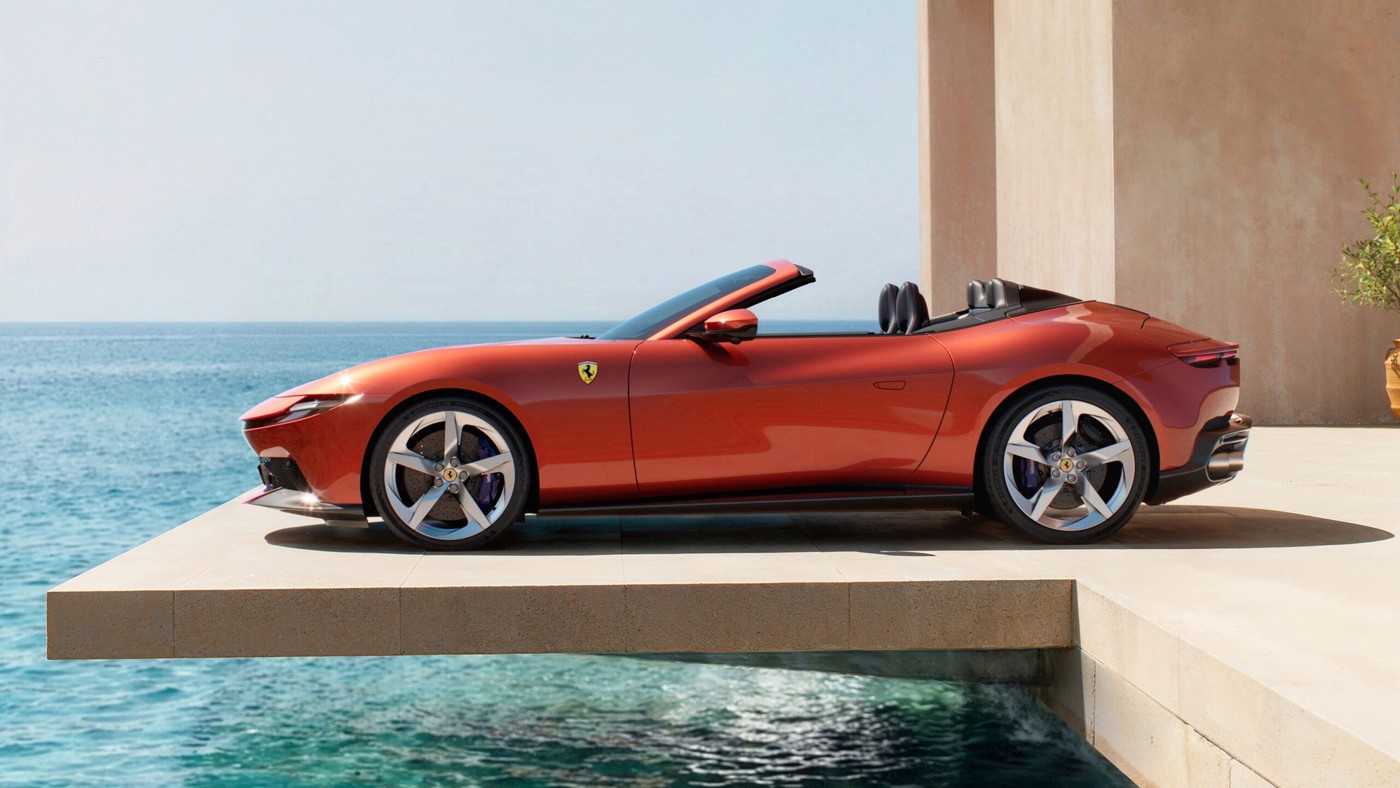 Photo: Ferrari | RRP From : £222,579 |
The Amalfi Spider succeeds the Roma Spider, combining the coupé’s V8 with a folding fabric roof. That roof opens in 13.5 seconds and can operate at speeds up to 37mph, making an unexpected change in the weather less of an event. The rear seats remain occasional accommodation, but they can also take extra luggage when the roof reduces boot space. It is a more relaxed proposition than a 296 GTS, with the engine in front and a cabin designed around touring as well as performance.
296 GTB (22-)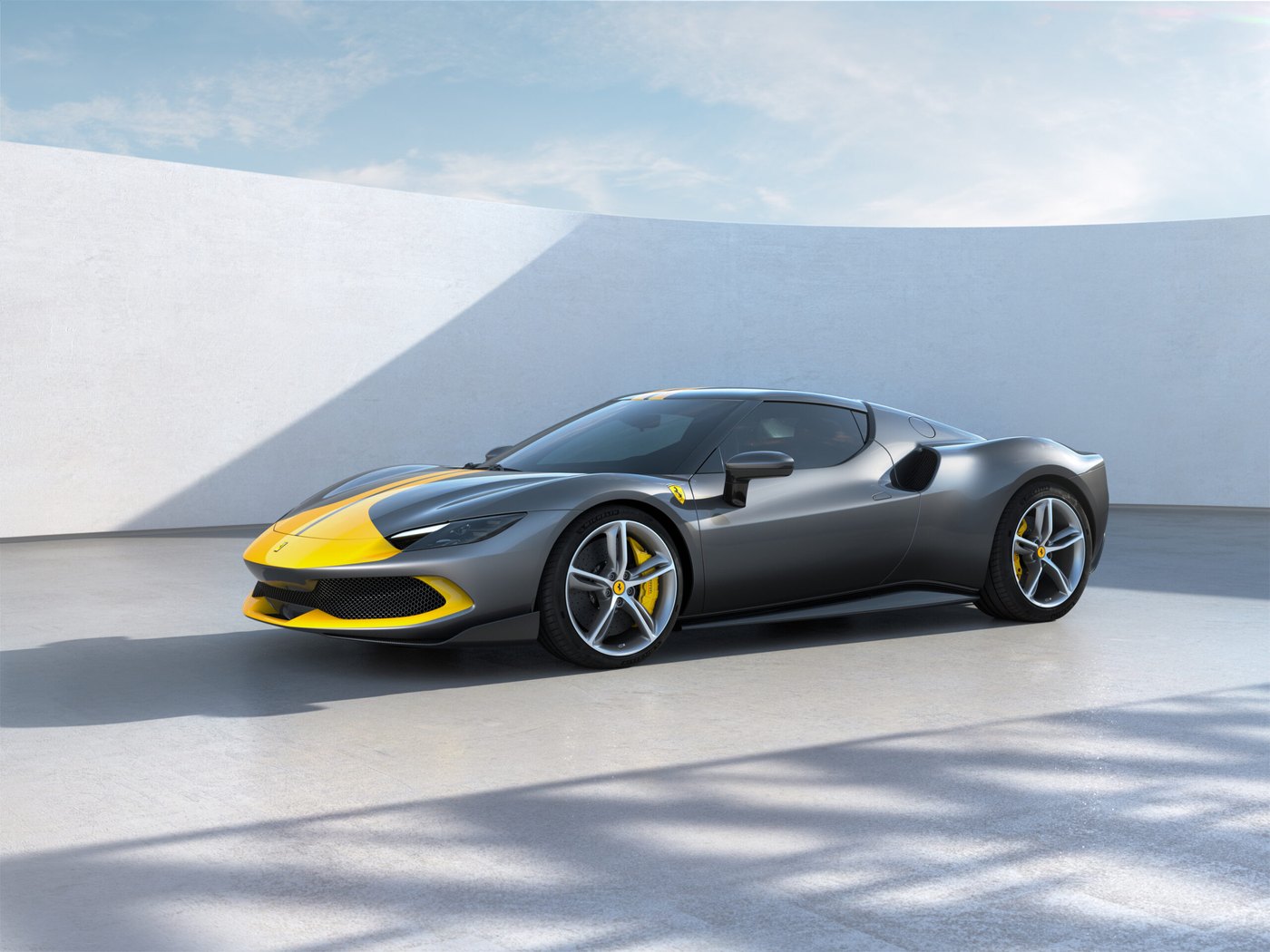 Photo: Ferrari | RRP From : £256,275 |
The 296 GTB is the compact mid-engined Ferrari, combining a turbocharged V6 with an electric motor and an eight-speed dual-clutch gearbox. Its plug-in hybrid system is primarily about response and performance, although Ferrari quotes up to 25km of electric running. The headline 0–62mph time is 2.9 seconds, but the more relevant distinction is its relatively small footprint beside Ferrari’s larger flagship. Assetto Fiorano specification, pictured, adds a more focused setup.
296 GTS (23-)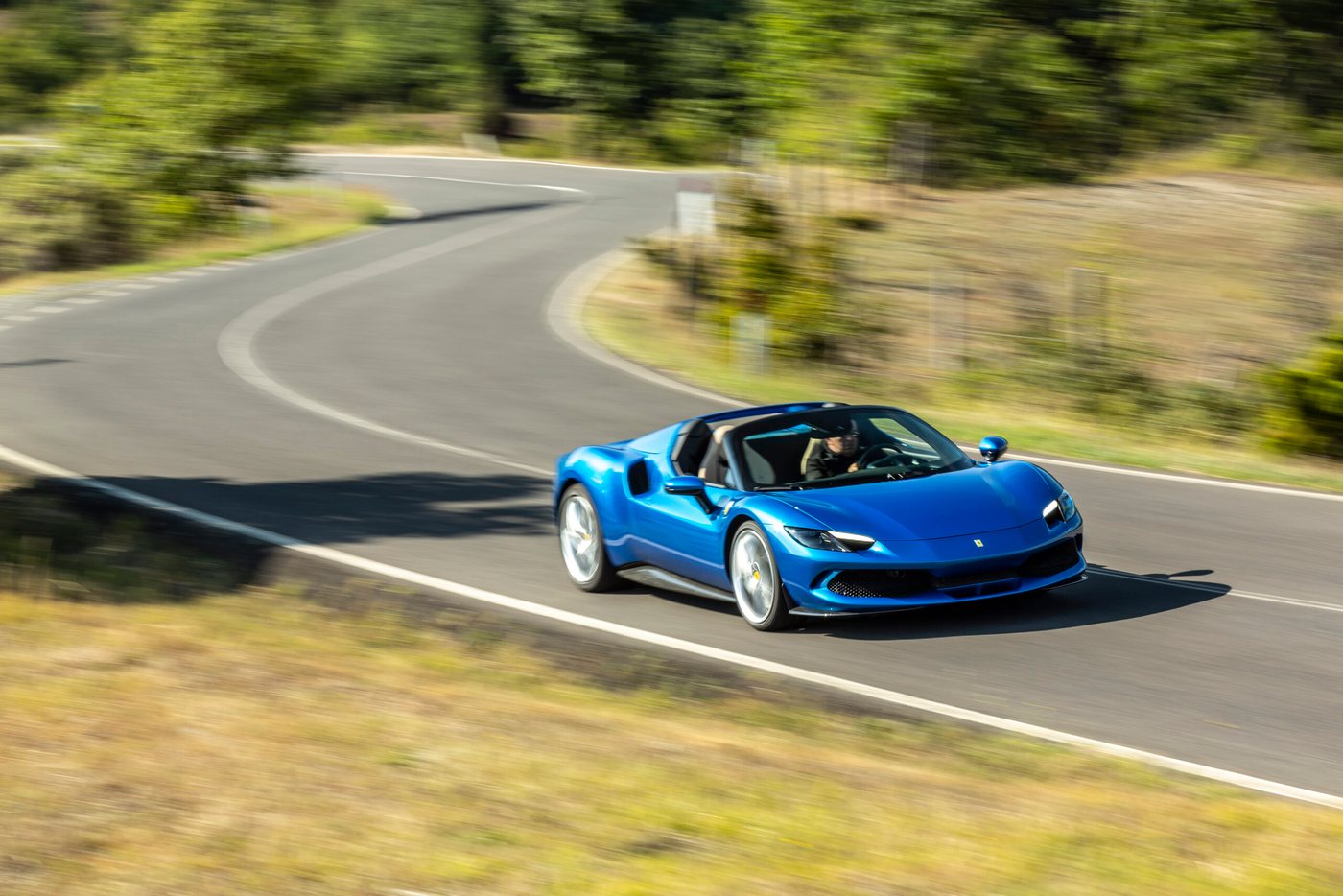 Photo: Ferrari | RRP From : £278,673 |
The GTS gives the 296 a retractable hard roof, bringing more of the V6 soundtrack into the cabin without turning it into a different kind of car. It retains the rear-wheel-drive hybrid layout and the coupé’s 2.9-second 0–62mph claim. The roof and its mechanism add weight, while touring still calls for carefully chosen luggage. For road use, the ability to enjoy a sunny day is likely to matter more than the small differences in ultimate performance.
296 Speciale (26-)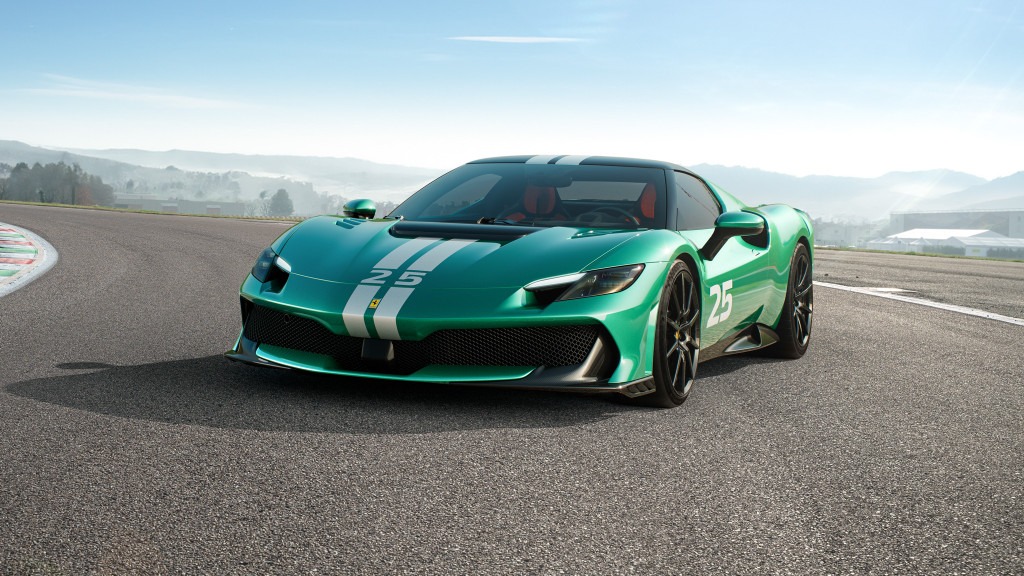 Photo: Ferrari | RRP From : £356,479 |
The Speciale is the more focused development of the 296 GTB, with extra power, less weight and substantially revised aerodynamics. It is aimed at drivers who will value a sharper chassis and greater circuit capability, rather than simply wanting the most comfortable 296. Ferrari quotes 0–62mph in 2.8 seconds and more than 205mph flat out. The more assertive bodywork is functional as well as visual.
296 Speciale A (26-)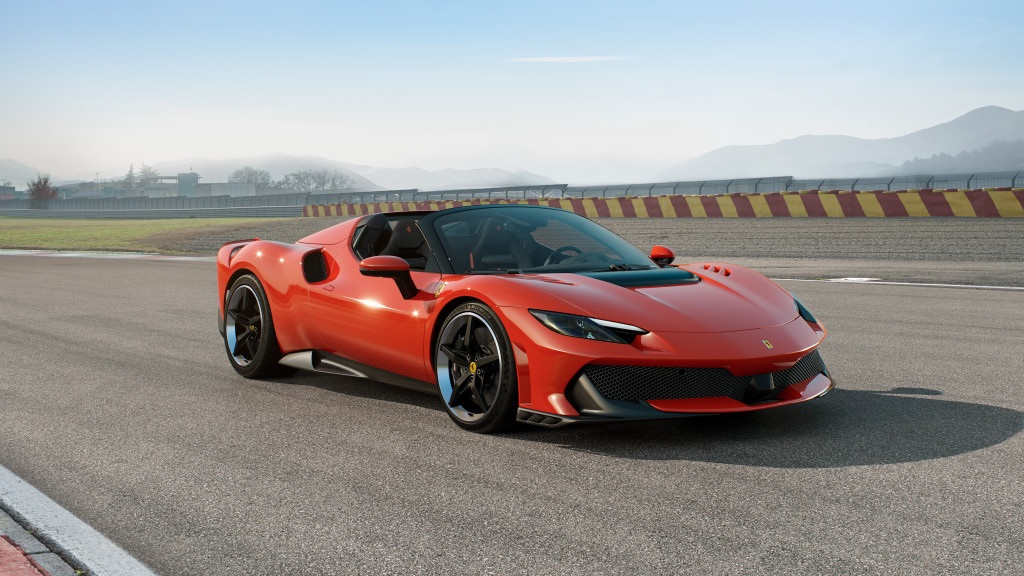 Photo: Ferrari | RRP From : £405,091 |
The A combines the Speciale’s more demanding performance brief with an opening hard roof. It retains the same 868 bhp hybrid output and 2.8-second 0–62mph claim, but makes a stronger case for buyers who want to experience the engine and surroundings on an ordinary road as well as at a circuit. With the roof down on a warm Italian road, it also delivers the kind of open-air theatre that feels entirely in keeping with Ferrari.
12Cilindri (25-)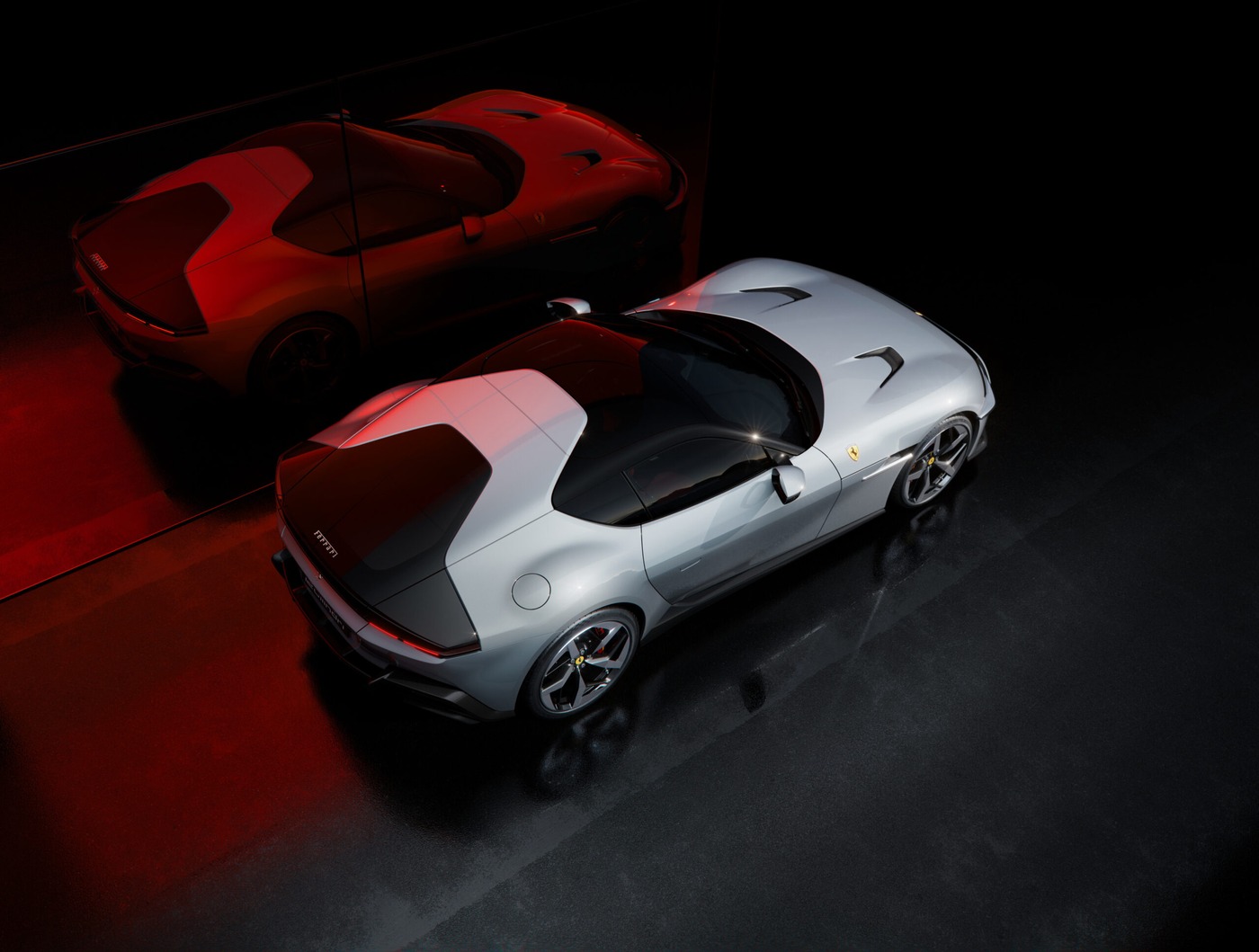 Photo: Ferrari | RRP From : £333,755 |
The name tells you what matters: twelve cylinders, with no turbocharger or hybrid motor between the driver and Ferrari’s high-revving V12 character. The 12Cilindri replaces the 812 in the front-engined two-seat grand-touring role, pairing a 9500rpm engine with modern chassis electronics and a deliberately different design. It offers a useful touring boot, but its width still deserves attention on narrow roads and in garages. The 2.9-second 0–62mph claim is remarkable; the reason to choose it over a hybrid Ferrari is the way the engine delivers its performance.
12Cilindri Spider (25-)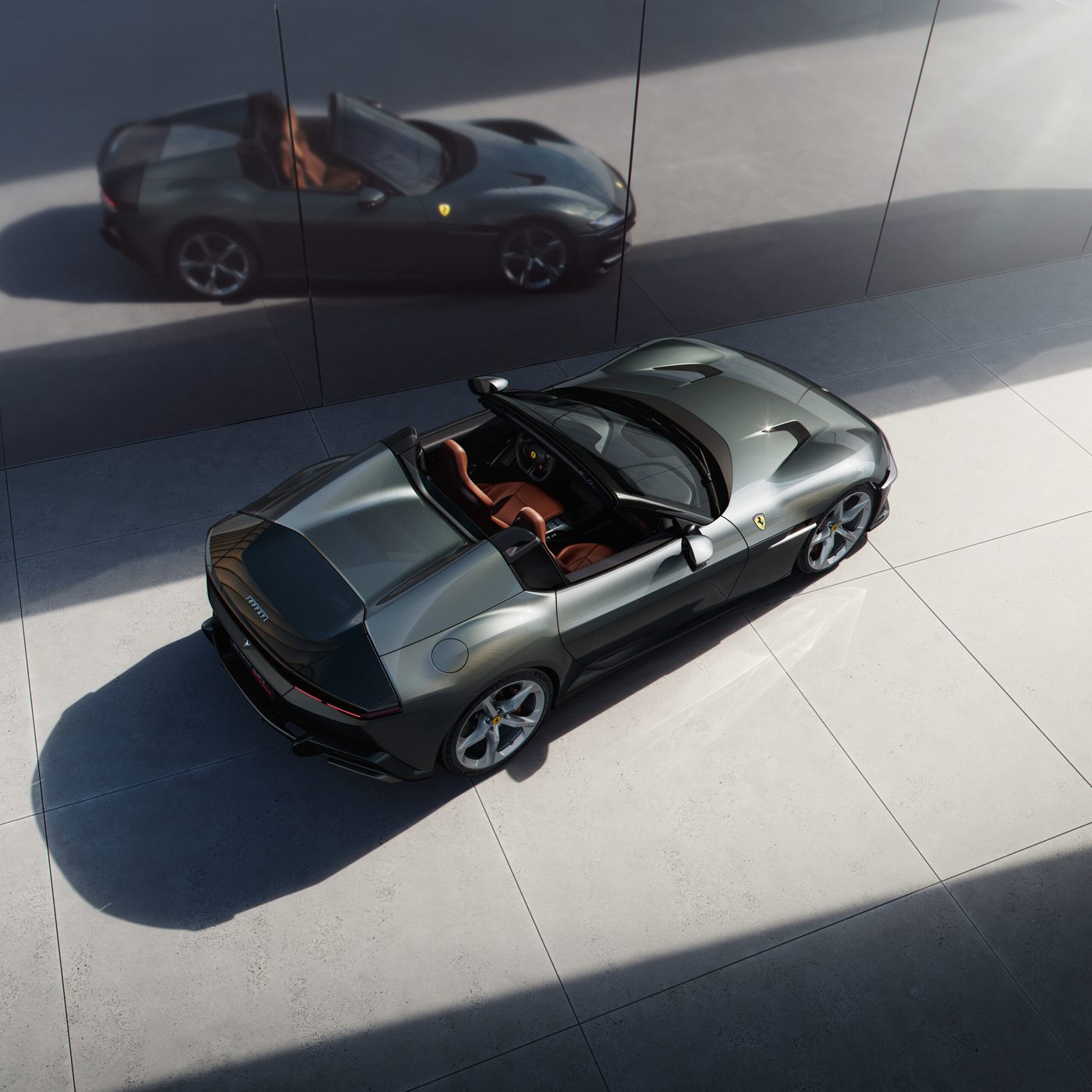 Photo: Ferrari | RRP From : £363,755 |
The Spider adds a retractable hard roof to Ferrari’s V12 grand tourer. With the roof lowered, the engine becomes an even larger part of the occasion, while the cabin still offers the technology expected of a modern long-distance car. Its 200-litre boot is smaller than the coupé’s, so two people travelling for more than a few days will need to pack thoughtfully. This is an expensive way to enjoy open-air motoring, but the combination of two seats, a front-mounted naturally aspirated V12 and a folding roof has very few direct equivalents.
Purosangue (23-)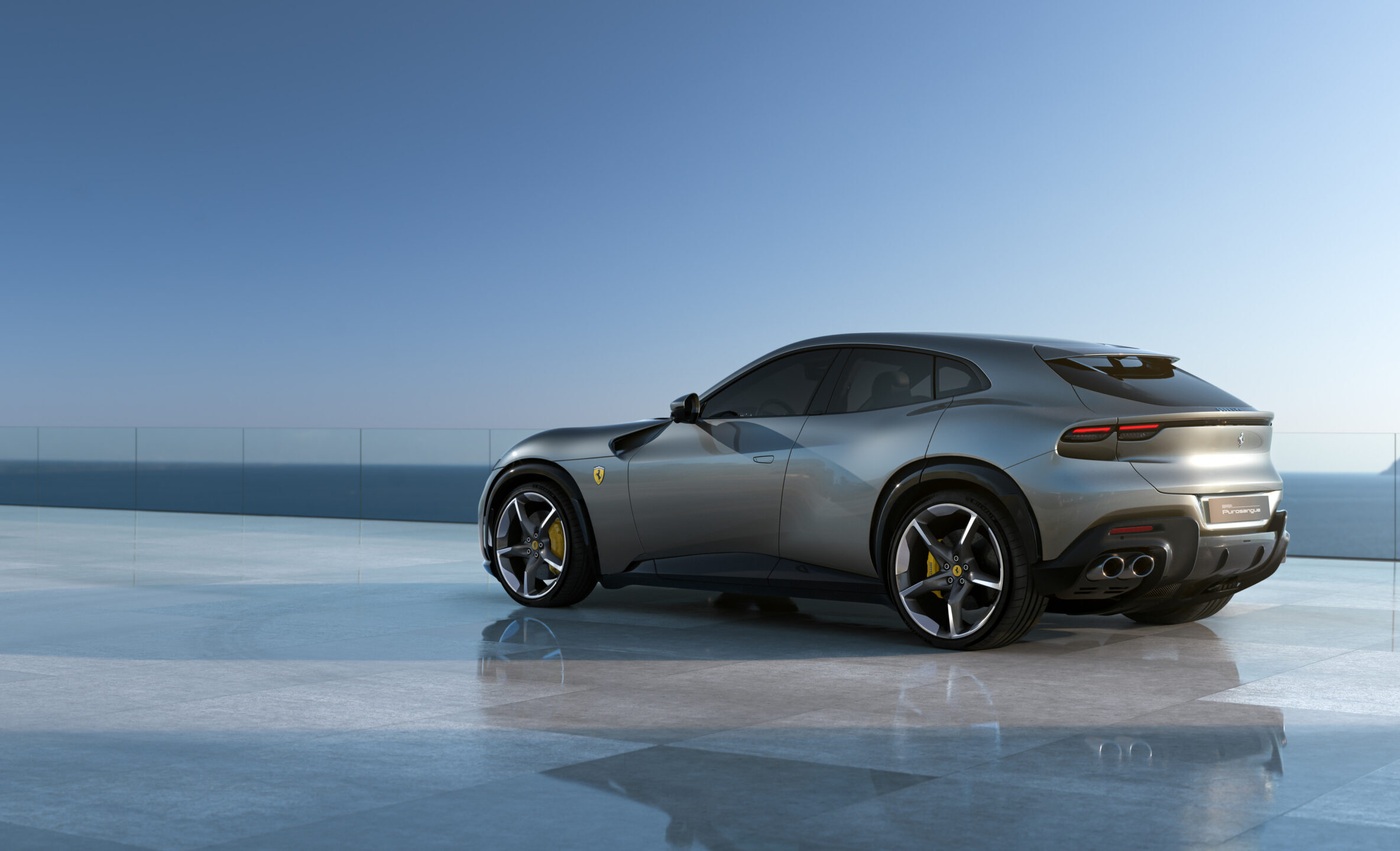 Photo: Ferrari | RRP From : £358,603 |
The Purosangue is the Ferrari that can take four adults and their luggage, with rear-hinged back doors and individual rear seats. Its naturally aspirated V12 and sophisticated active suspension put a different emphasis on the high-performance family-car idea from a conventional luxury SUV. There are only four seats, and the broad body still needs space, but the hatchback boot makes everyday use much more realistic than in Ferrari’s two-door models. The optional Handling Speciale configuration adds a more sporting chassis and response setup.
Luce (27-)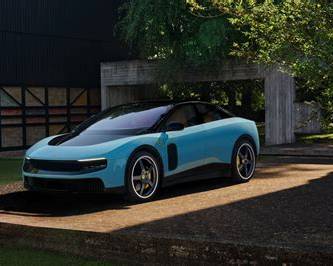 Photo: Ferrari | RRP From : c. £440,000 Powertrains : 122 kWh EV • 1,036 bhp • 329 miles • AWD • four motors • five seats Key rivals : Lucid Air, Mercedes-Maybach EQS SUV 680, Rolls-Royce Spectre |
The Ferrari Luce marks a major departure for the brand as its first fully electric production model, combining four-motor performance with genuine five-seat practicality. Its 122 kWh battery, 1,036 bhp output and advanced all-wheel-drive system place it among the world’s most powerful luxury EVs, while a 329-mile WLTP range gives it credible long-distance ability. Arriving in 2027, the Luce expands Ferrari into new territory without replacing the V8, V12 and hybrid models elsewhere in its range.
849 Testarossa (26-)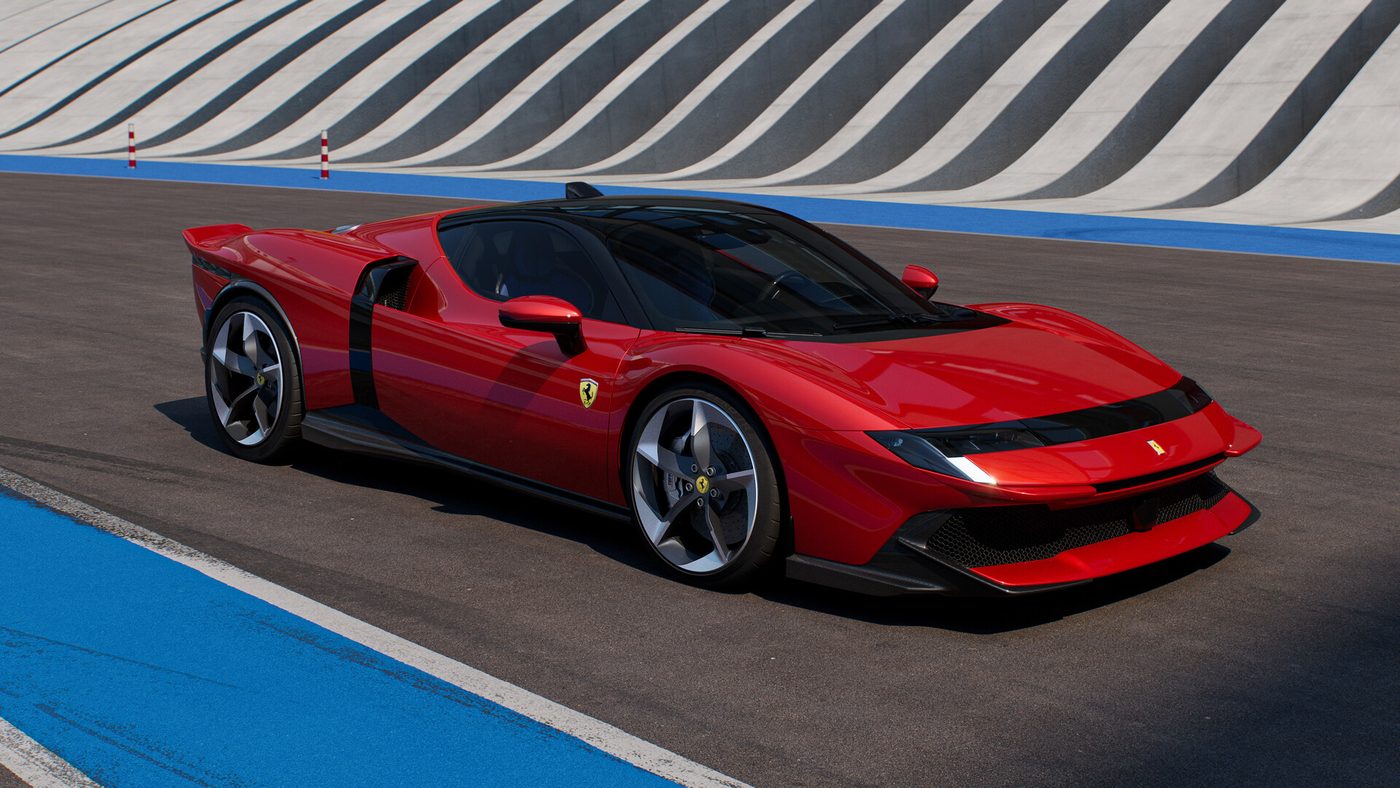 Photo: Ferrari | RRP From : £404,317 |
The 849 Testarossa succeeds the SF90 Stradale as Ferrari’s series-production hybrid flagship. The familiar name accompanies a very modern layout: a V8 and three electric motors, all-wheel drive and more than a thousand horsepower. Ferrari claims less than 2.3 seconds to 62mph, while the small battery provides up to 25km of electric running. The real ownership compromise is packaging: this is a broad two-seater with only a small front luggage compartment. Assetto Fiorano specification offers a more focused setup, while the standard car is the starting point for road use.
849 Testarossa Spider (26-)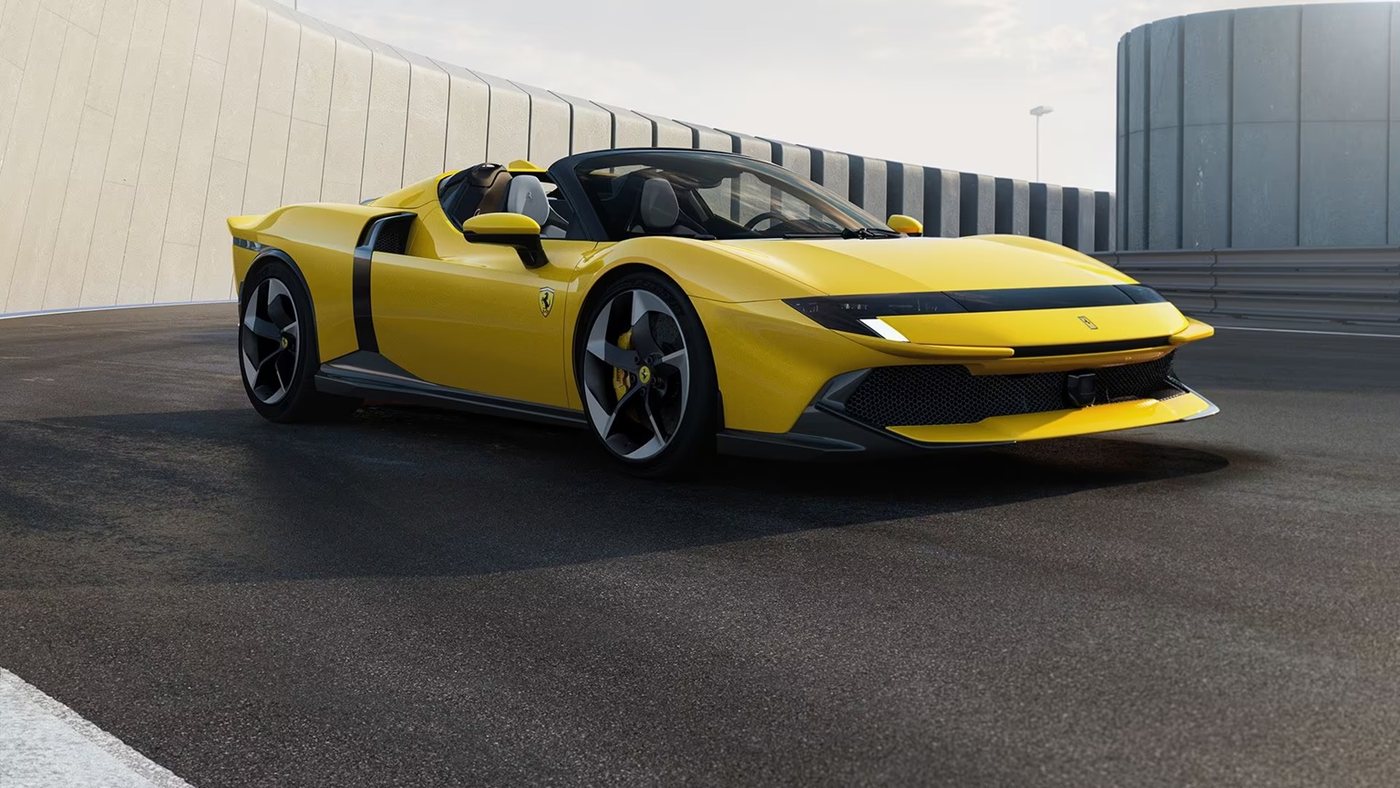 Photo: Ferrari | RRP From : £439,168 |
The Spider applies an opening roof to Ferrari’s most powerful regular-production hybrid formula. It keeps the V8, three-motor system and all-wheel drive, with the extra sensory appeal of driving in the open. This is a different proposition from the V12 Spider: the engine sits behind the occupants and electric assistance is central to its performance. Luggage capacity remains very limited, so a touring trip needs soft bags and a restrained packing list.
F80 (25-)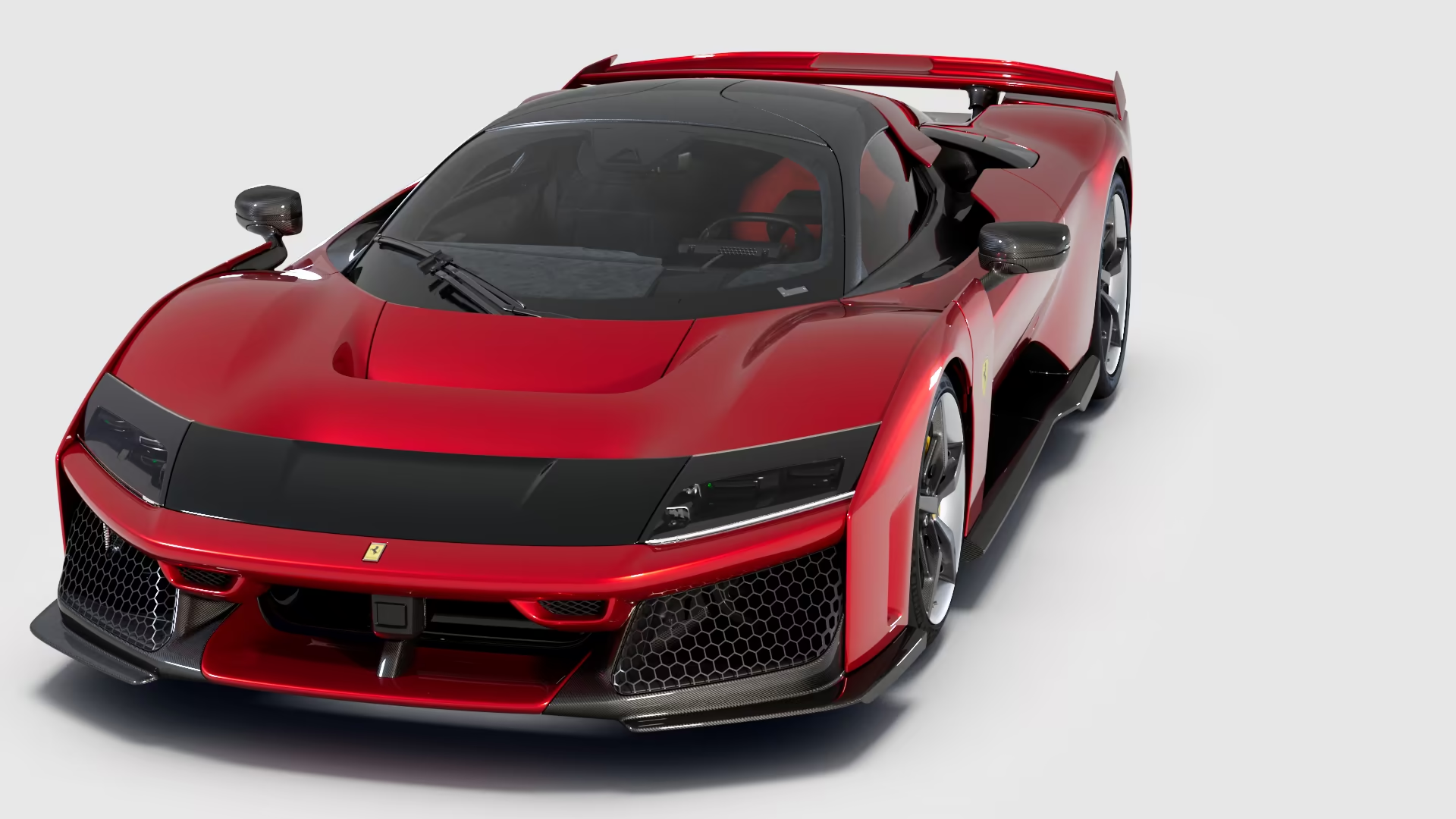 Photo: Ferrari | RRP From : c. £3,100,000 Powertrains : 3.0 twin-turbo V6 hybrid + three motors • 1,184 bhp • 2.28 kWh • AWD • two seats Key rivals : Bugatti Tourbillon, Czinger 21C, McLaren W1, Mercedes-AMG ONE |
The F80 is Ferrari’s latest halo hypercar, following an extraordinary bloodline that includes the 288 GTO, F40, F50, Enzo and LaFerrari. Produced in just 799 examples, it represents the technological peak of the modern Ferrari range. Its 1,184 bhp hybrid powertrain combines a twin-turbo V6 with three electric motors, while advanced aerodynamics and a carbon-fibre structure bring racing technology to the road. Hugely rare, hugely expensive and already allocated, the F80 sits in a different league from regular production Ferraris.
Specifications, dimensions and prices were correct at the time of the latest update. Recommended retail prices are official UK list prices, while pre-registered and used values are approximate UK market figures and may vary depending on specification, mileage, condition and location. Recommended retail prices include any applicable UK Government electric vehicle grant where available but exclude dealer discounts, manufacturer incentives and other retail offers.Dimensions quote vehicle width excluding exterior mirrors unless otherwise stated. Boot capacities are measured or quoted up to the parcel shelf/load cover where applicable, rather than to the roof. For seven-seat vehicles, the listed boot capacity refers to space behind the third row with all seats in use unless otherwise stated.Power outputs are quoted in bhp, with manufacturers' kW, PS or CV figures converted where necessary. Electric driving ranges use WLTP combined figures where available.Unless otherwise stated, vehicle images are manufacturer press photographs provided by Ferrari and remain the copyright of their respective owners.