Big Cats, Small Prices – The Used Jaguars Worth Buying in 2026

But today, some of those same cars are available for remarkably little money. Years of depreciation have brought everything from executive saloons and practical estates to luxury SUVs and powerful grand tourers within reach of buyers on surprisingly modest budgets.
Of course, a cheap Jaguar isn't necessarily a cheap car to own. Maintenance, reliability and careful engine selection all deserve consideration, particularly as these once-expensive vehicles grow older.
For this edition of TNY Market Watch, we've explored the UK used market to uncover ten tempting Jaguar bargains, starting at around £1,000 and working our way through some genuinely impressive performance and luxury machinery.
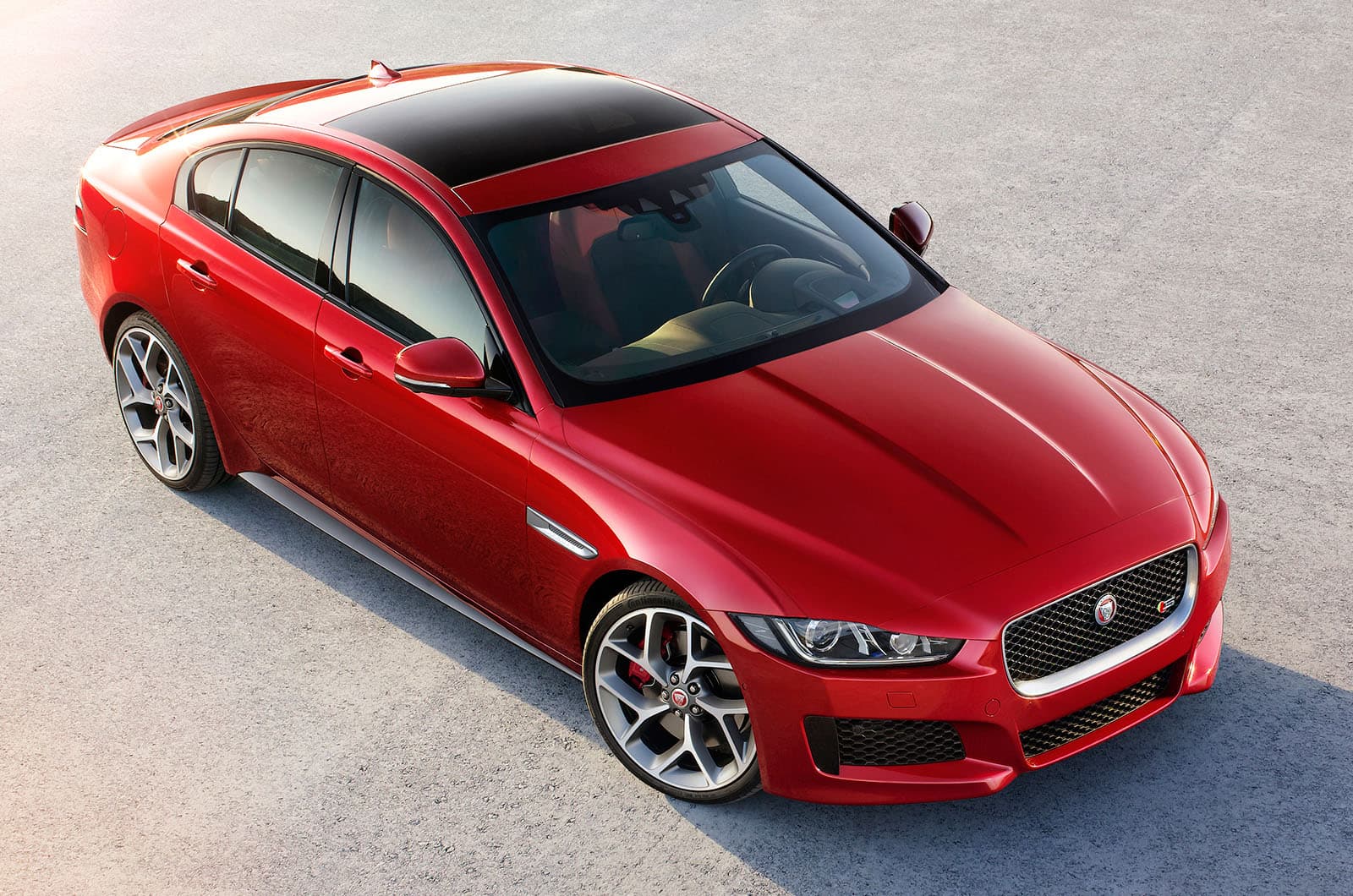
We begin with one of Jaguar's most appealing modern bargains, the XE. Introduced in 2015 to challenge the BMW 3 Series and Mercedes-Benz C-Class, it combined sharp handling, handsome styling and a beautifully balanced rear-wheel-drive chassis.
Our research uncovered early 2.0-litre turbocharged petrol examples producing 240hp for under £6,000. These earlier Ford-derived petrol engines are particularly interesting alternatives to the more common Ingenium diesels, some of which have developed costly timing-chain problems.
The XE isn't perfect. Rear legroom is relatively tight, infotainment can feel dated and servicing costs remain those of a premium car. Nevertheless, for the money, few saloons offer quite the same combination of driving enjoyment and understated British character.
But before the XE, Jaguar had another compact executive saloon, and it's now even cheaper.
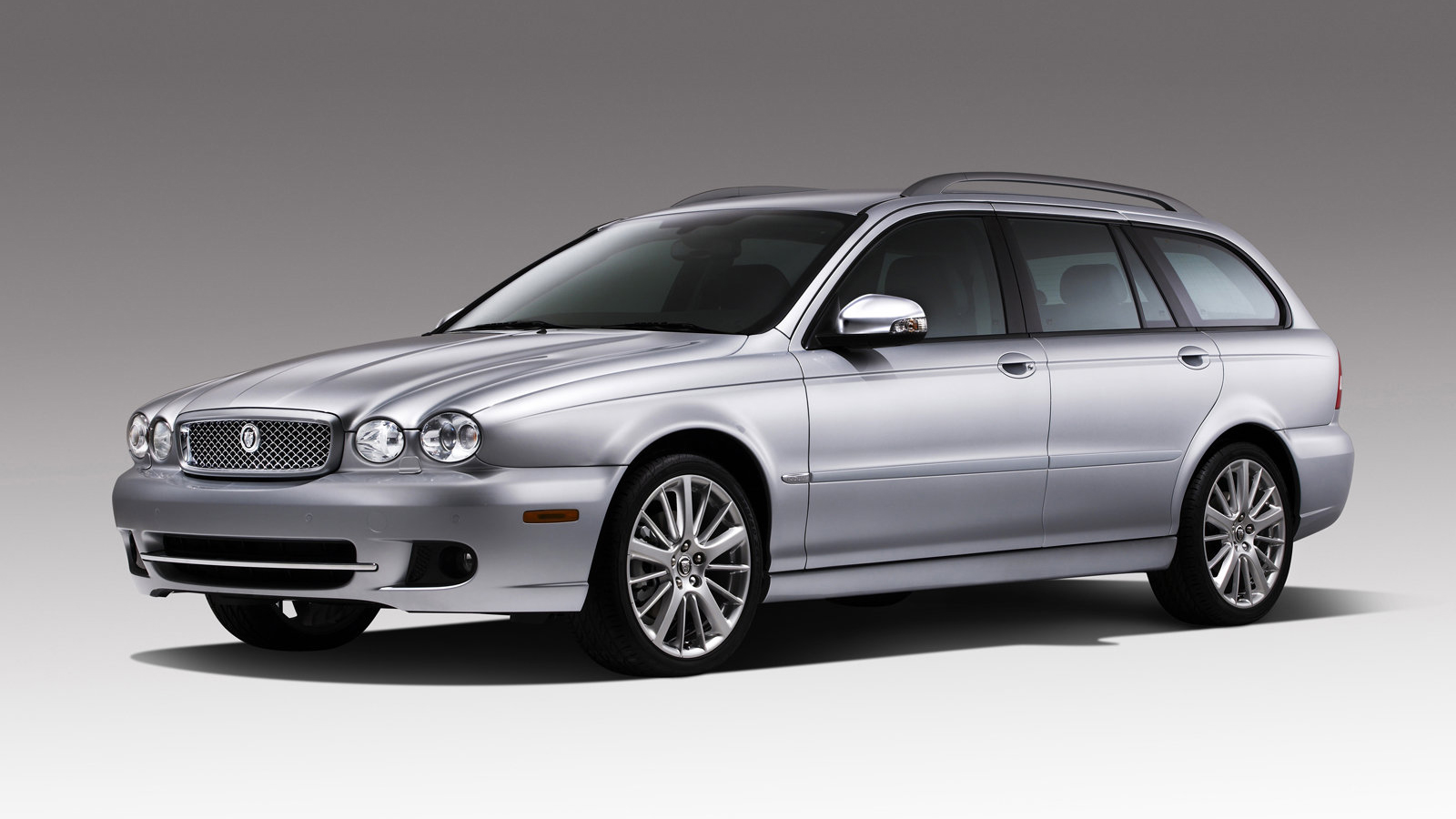
The X-Type arrived in 2001, bringing Jaguar ownership to a much broader audience. Although its Ford Mondeo connections attracted criticism, the X-Type offered attractive styling, comfortable interiors and a genuinely distinctive alternative to its German competitors.
Today, usable saloons can be found around £1,000, while our attention was drawn to the estate, with tidy examples available for under £2,000. Introduced in 2004, it combined Jaguar's traditional character with everyday practicality, making it particularly appealing as an inexpensive family car.
Petrol V6 models offer smooth performance, while diesels can be economical on longer journeys. However, rust around the sills, tired suspension and neglected maintenance deserve careful attention.
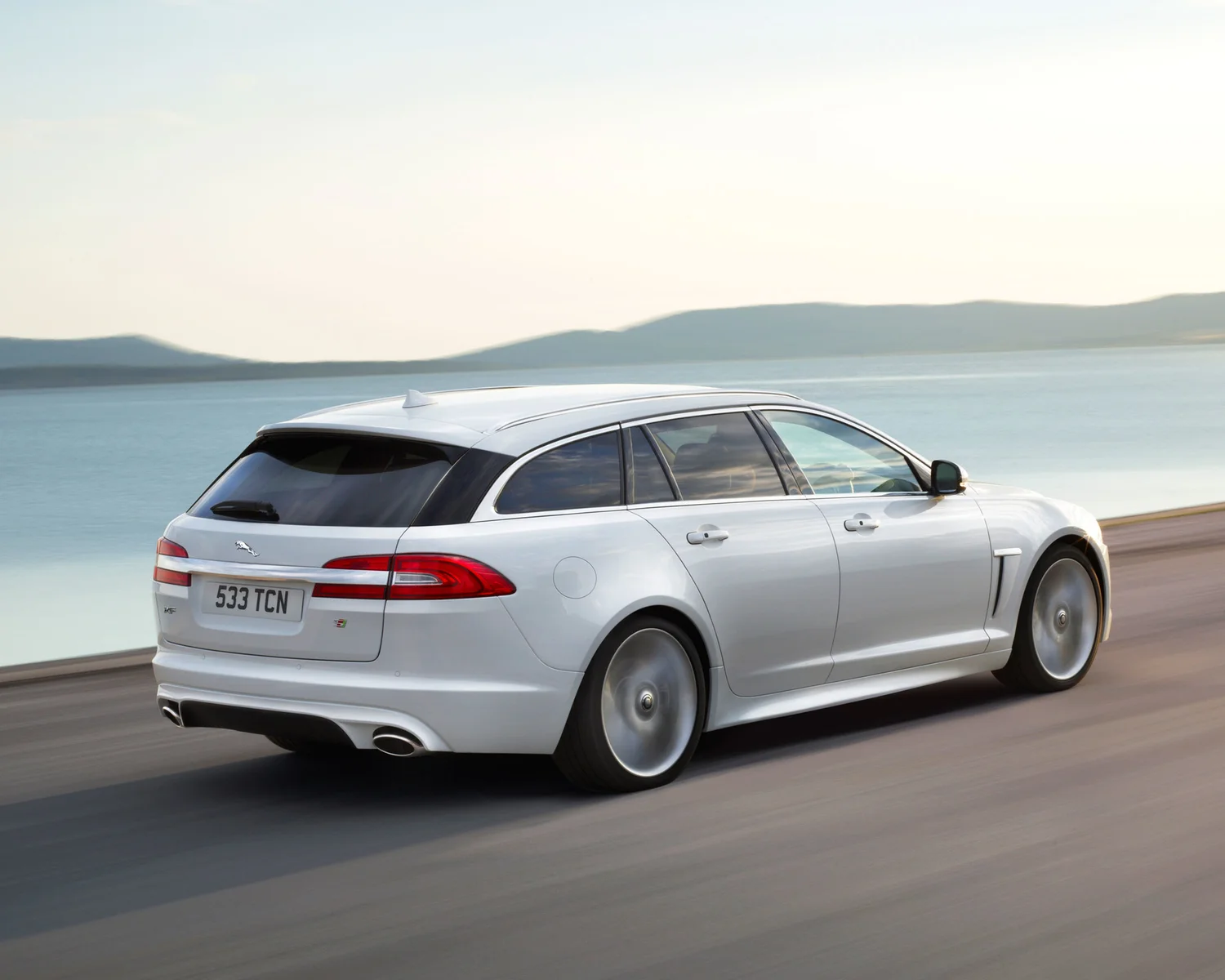
The XF Sportbrake takes the estate formula considerably further. Arriving in 2012, it combined the handsome styling of Jaguar's XF saloon with a spacious luggage compartment, comfortable seating and the sort of motorway refinement expected from a premium executive car.
Remarkably, our research uncovered examples from under £4,000, particularly those equipped with the 2.2-litre diesel engine. These offer a sensible balance of performance and economy, especially for drivers covering substantial annual mileages.
Higher specifications bring leather upholstery, attractive alloy wheels and generous equipment, making the XF feel considerably more expensive than its current asking price.
Buyers should check servicing, cambelt history, diesel particulate filter condition and electrical equipment. The larger V6 diesels offer stronger performance but can bring greater repair risks.
However, even the XF isn't Jaguar's grandest offering. For that, we turn to the flagship XJ.
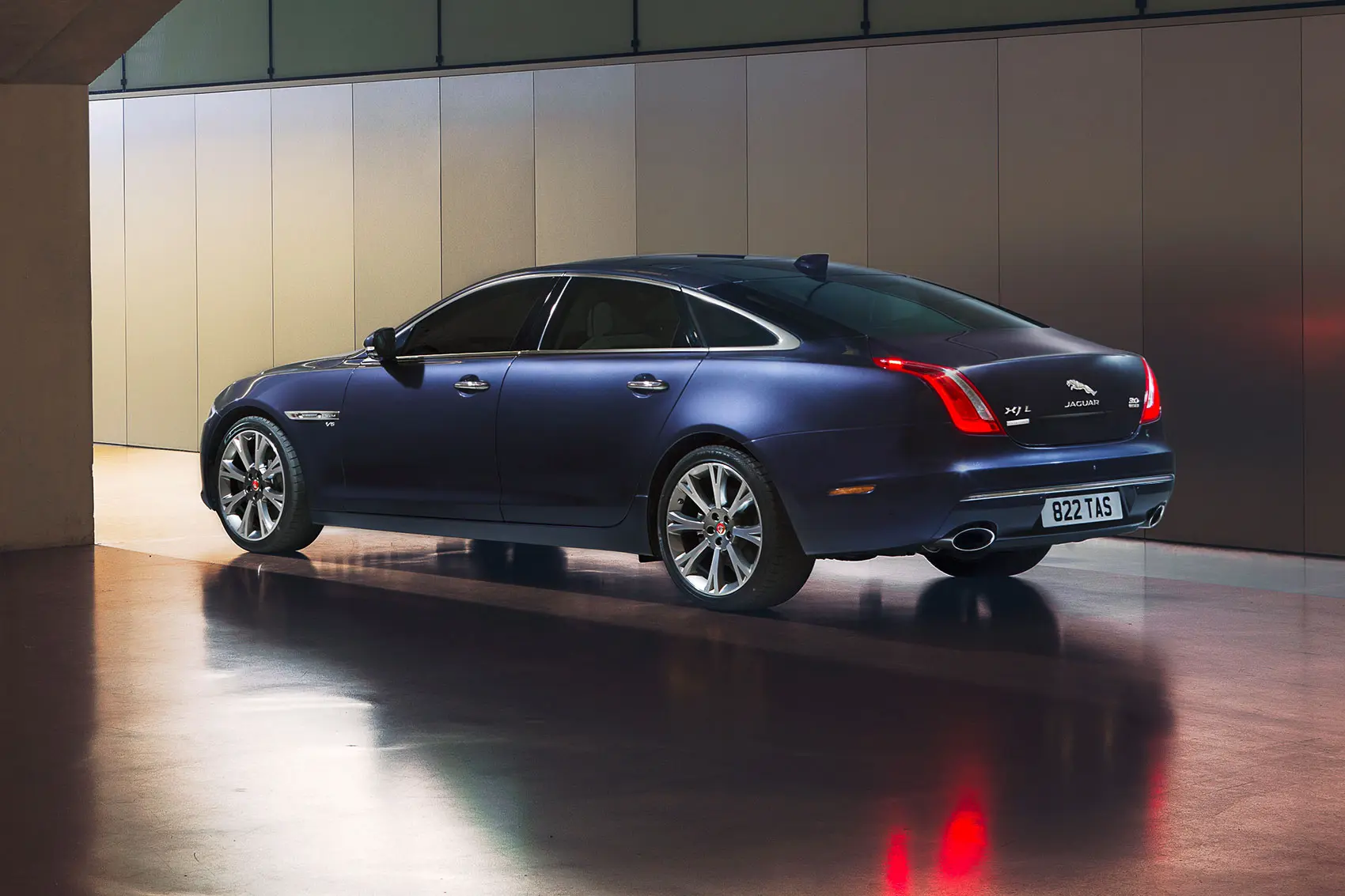
For decades, the XJ represented the very best of Jaguar, combining effortless performance, elegant interiors and limousine-like comfort. Today, depreciation has made several generations surprisingly accessible.
XJs can be found for under £4,000, while examples with V8 power have appeared around £8,000. Our research even uncovered later XJR performance models around £20,000, offering extraordinary power and luxury for the money.
The aluminium-bodied X351 generation, introduced in 2009, marked a major departure from traditional Jaguar styling. Its sweeping dashboard, digital instruments and dramatic exterior brought the flagship firmly into the modern era.
Naturally, air suspension, complex electronics and powerful engines can generate substantial repair bills, so maintenance history is essential.
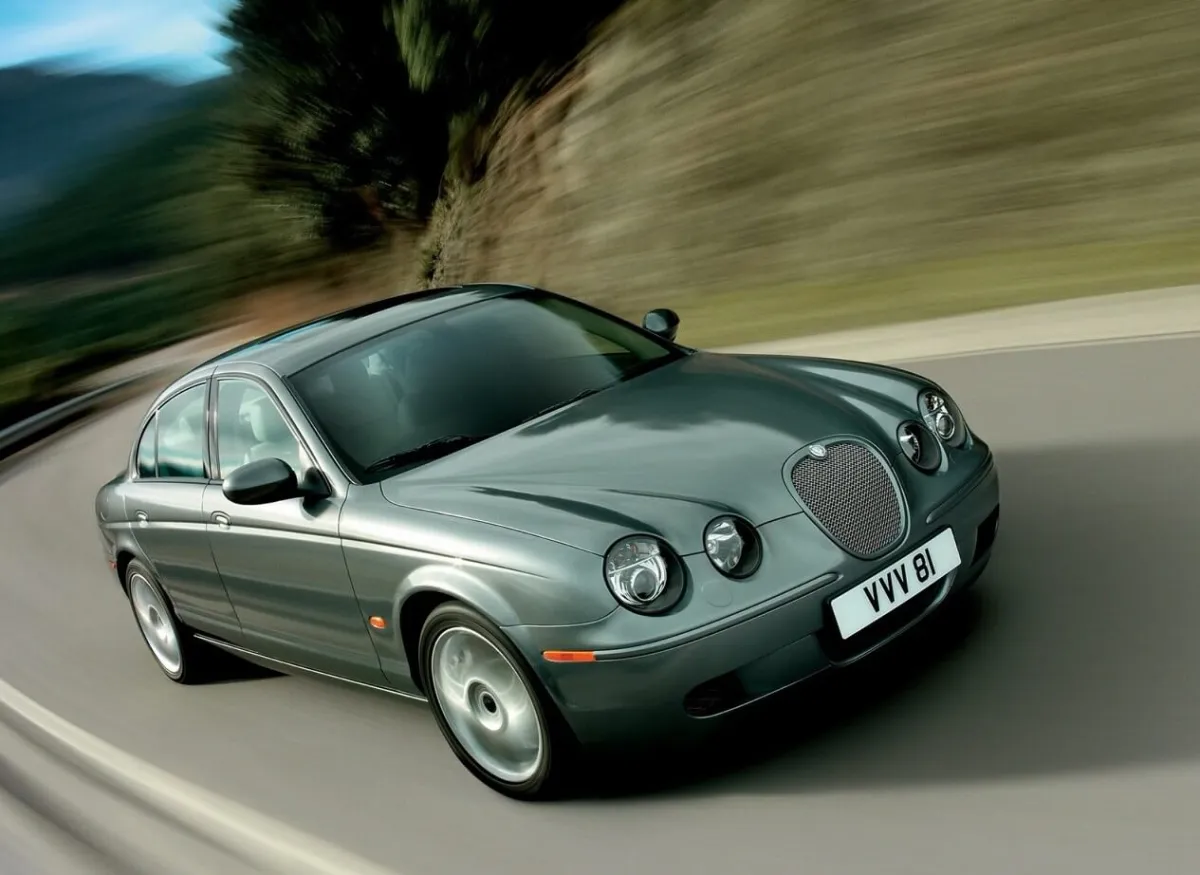
Few modern Jaguars have such distinctive styling as the S-Type. Launched in 1999, its rounded headlights, prominent grille and sweeping bodywork deliberately recalled the original S-Type of the 1960s.
Although controversial when new, that retro appearance has become part of its appeal. Our research found V6 petrol examples for under £2,000, with some V8 models available around £3,000.
Inside, traditional wood veneers, leather upholstery and a comfortable driving position create an atmosphere quite different from most modern executive saloons. The 3.0-litre petrol V6 is particularly appealing, delivering smooth performance without the running costs of the larger V8.
Age-related electrical faults, cooling-system problems and automatic gearbox condition deserve attention, while the 2.7-litre diesel carries additional mechanical risks.
The S-Type represents Jaguar looking proudly backwards. Our next choice is almost the complete opposite: a car that helped push the brand into an entirely electric future.
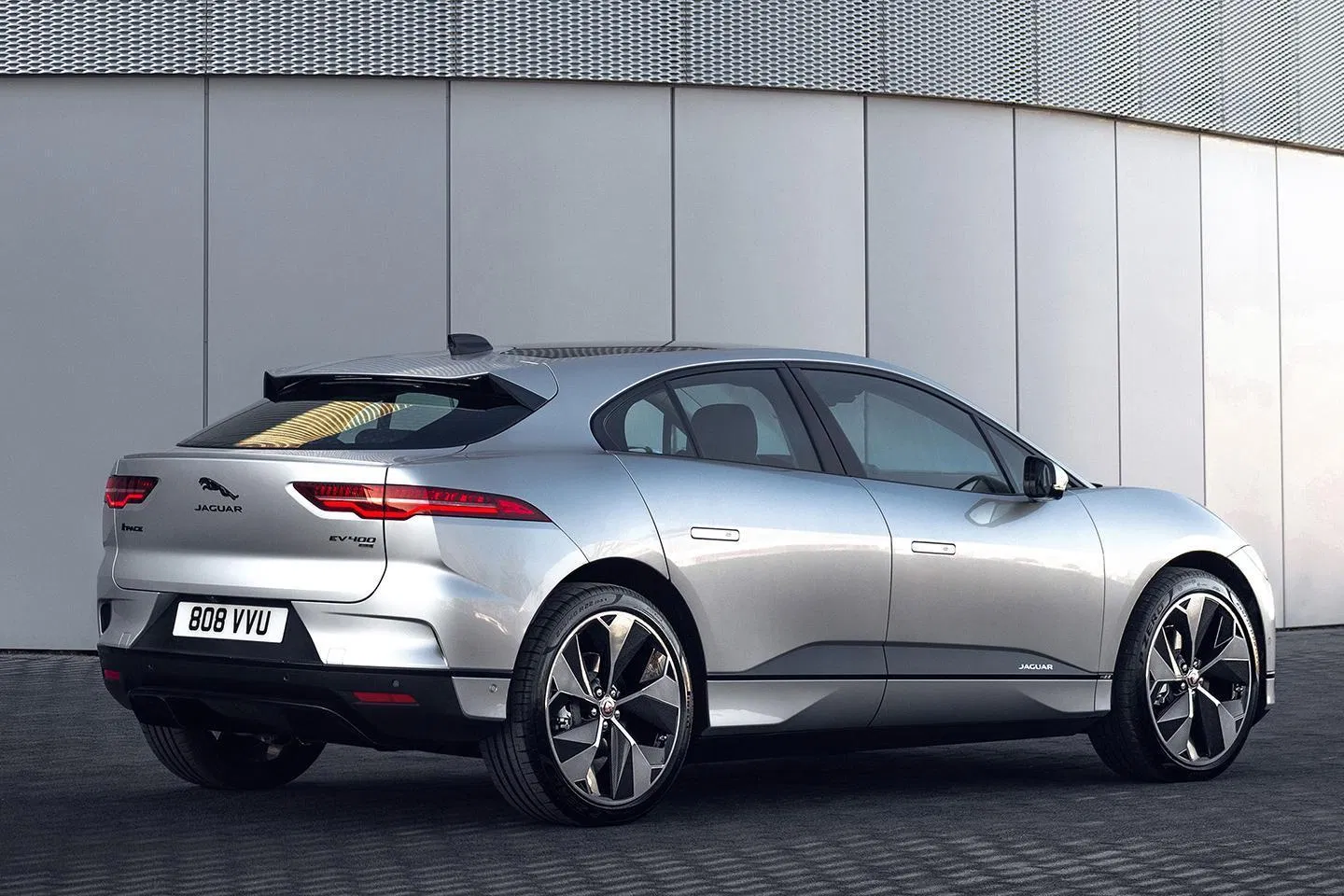
When Jaguar introduced the I-Pace in 2018, it became one of the first established premium manufacturers to offer a dedicated, fully electric performance SUV. Its futuristic styling, advanced electric architecture and remarkable acceleration made it a genuinely pioneering British luxury car.
Originally costing around £60,000, used examples can now be found from approximately £10,000. We identified one particularly interesting example at £10,350 with battery-health information available.
Twin electric motors provide all-wheel drive and 400PS, delivering performance that remains impressive today. The spacious interior, distinctive proportions and quiet driving experience also make it an appealing alternative to conventional premium SUVs.
However, battery condition is crucial. Certain I-Pace models have been affected by serious battery safety recalls, making confirmation of completed remedies and any charging restrictions essential before purchase.
For buyers wanting Jaguar SUV practicality without relying entirely on charging infrastructure, there's another option.
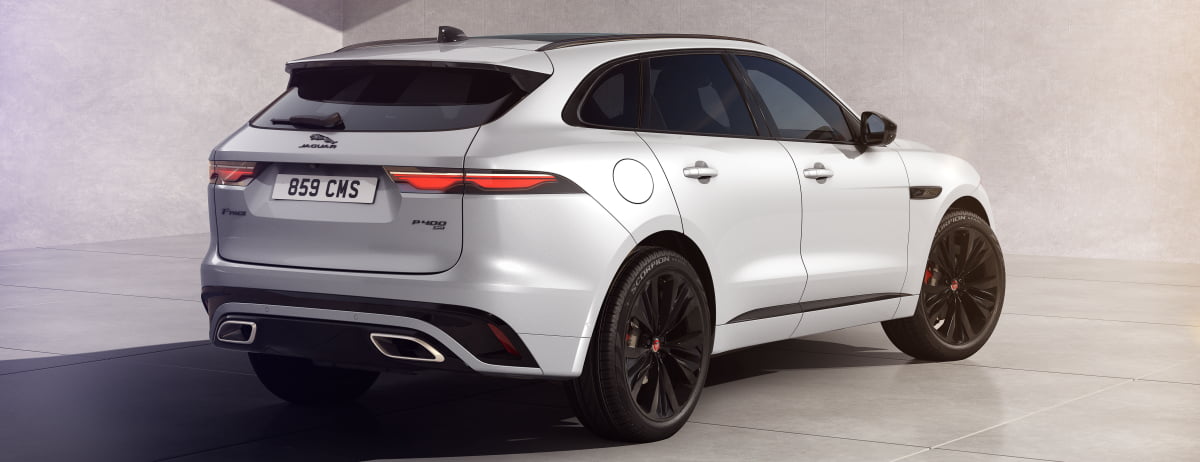
The F-Pace marked Jaguar's arrival in the premium SUV market in 2016, bringing sporting handling, generous interior space and distinctive styling.
Closely related in engineering to the Range Rover Velar, the F-Pace offers much of the appeal of a larger luxury SUV while retaining Jaguar's more driver-focused character.
Our research concentrated on the 3.0-litre supercharged petrol V6, uncovering examples from £12,490. With up to 380PS in higher-output versions, these offer genuinely impressive performance.
Fuel consumption can be substantial, but the V6 avoids the particular timing-chain concerns associated with some four-cylinder Ingenium diesels. Buyers should still inspect the cooling system, transmission, suspension and service records carefully.
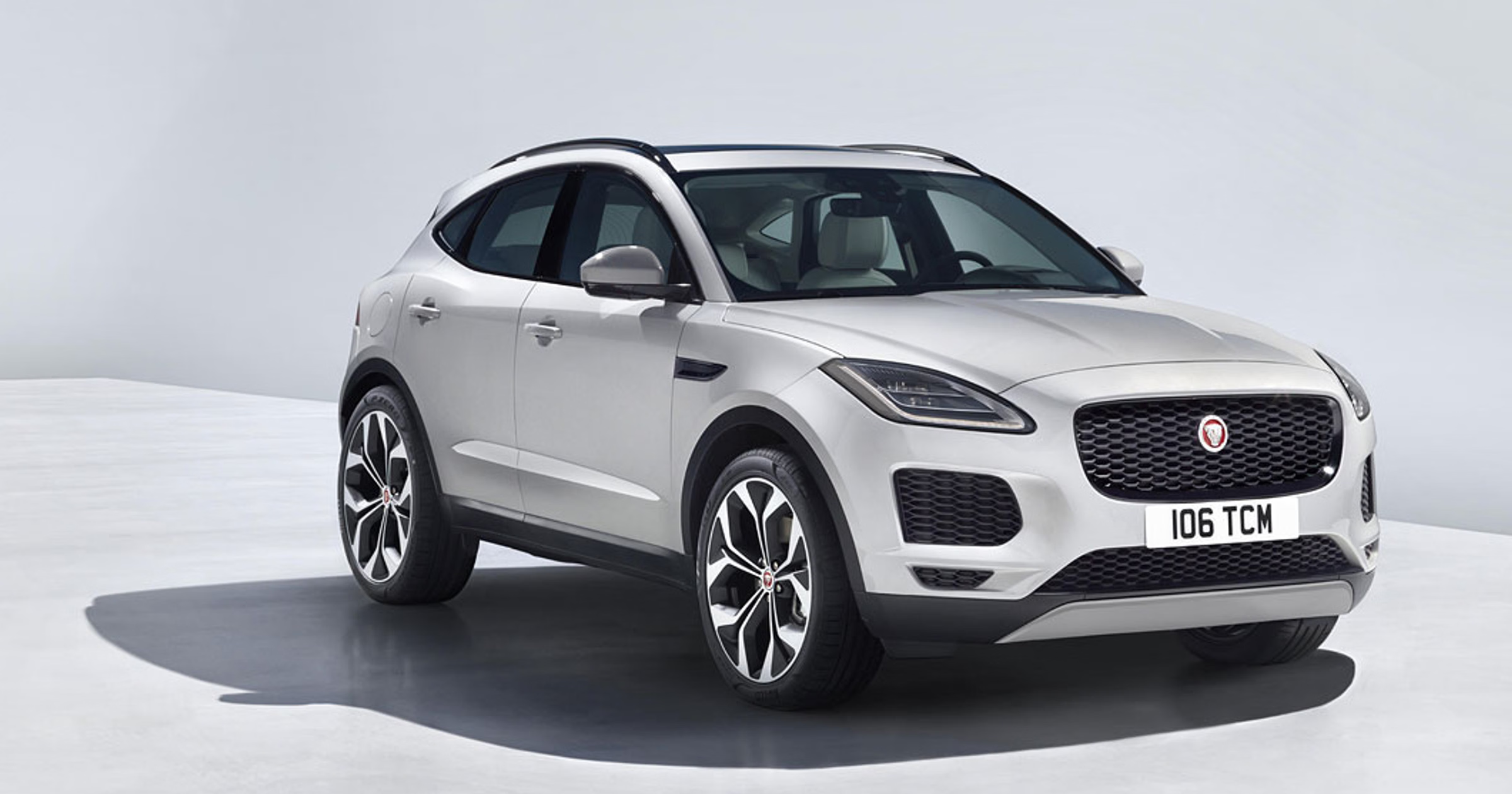
Jaguar's smaller E-Pace arrived in 2017, offering much of the F-Pace's styling in a more manageable package. With a comfortable cabin, attractive proportions and practical five-door layout, it makes an appealing alternative to premium compact SUVs.
Our research uncovered 2.0-litre P250 petrol versions for under £9,000, bringing 250PS performance and all-wheel-drive capability at a particularly attractive price.
However, we were especially interested in the newer P300e plug-in hybrid, with examples appearing around £15,500. Combining a 1.5-litre turbocharged petrol engine with electric rear-wheel drive, it develops 309PS and originally offered up to 34 miles of electric range.
Regular home charging could make shorter journeys particularly inexpensive, although longer petrol-powered trips will be less economical than the headline hybrid figures suggest.
For buyers who don't need SUV practicality, Jaguar's traditional sporting coupés offer an entirely different experience.
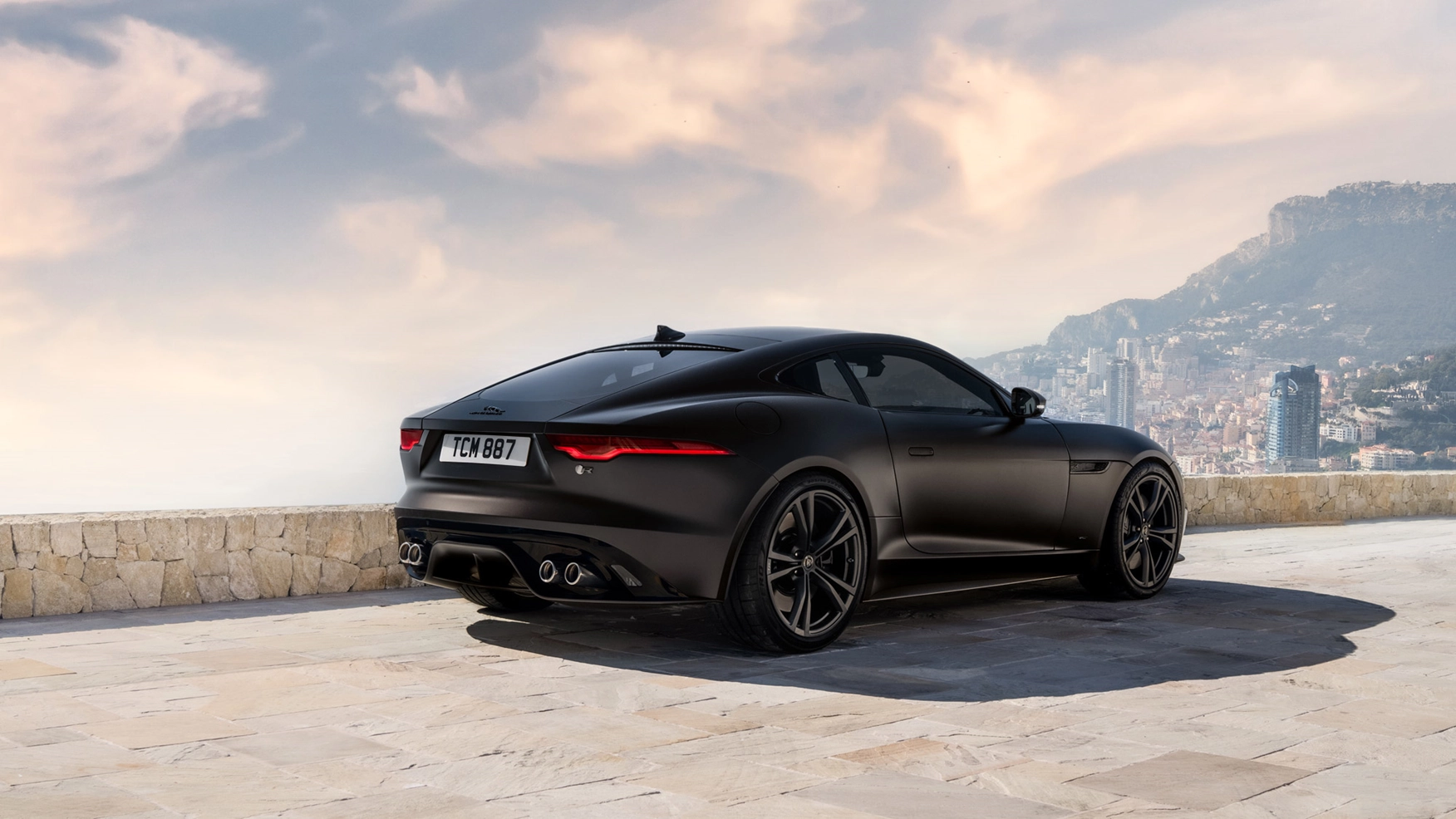
Few cars capture Jaguar's sporting character quite like the F-Type. Introduced in 2013, it combined dramatic styling, a wonderfully purposeful driving position and a range of powerful engines, creating a genuine modern successor to Jaguar's celebrated sports cars.
Our research found early F-Types from approximately £17,000, while the formidable supercharged V8 F-Type R appeared around £24,000. That's remarkable value considering the performance and presence these cars deliver.
The supercharged V6 offers a particularly appealing balance of speed, sound and relative affordability, while the V8 provides an unmistakable soundtrack and extraordinary acceleration.
Running costs shouldn't be underestimated. Tyres, brakes, cooling-system components and specialist servicing can all be expensive, making a thorough inspection particularly worthwhile.
The F-Type delivers muscle, precision and modern sporting drama. However, buyers seeking a more relaxed grand tourer, with a traditional V8 as standard, should look towards its predecessor.
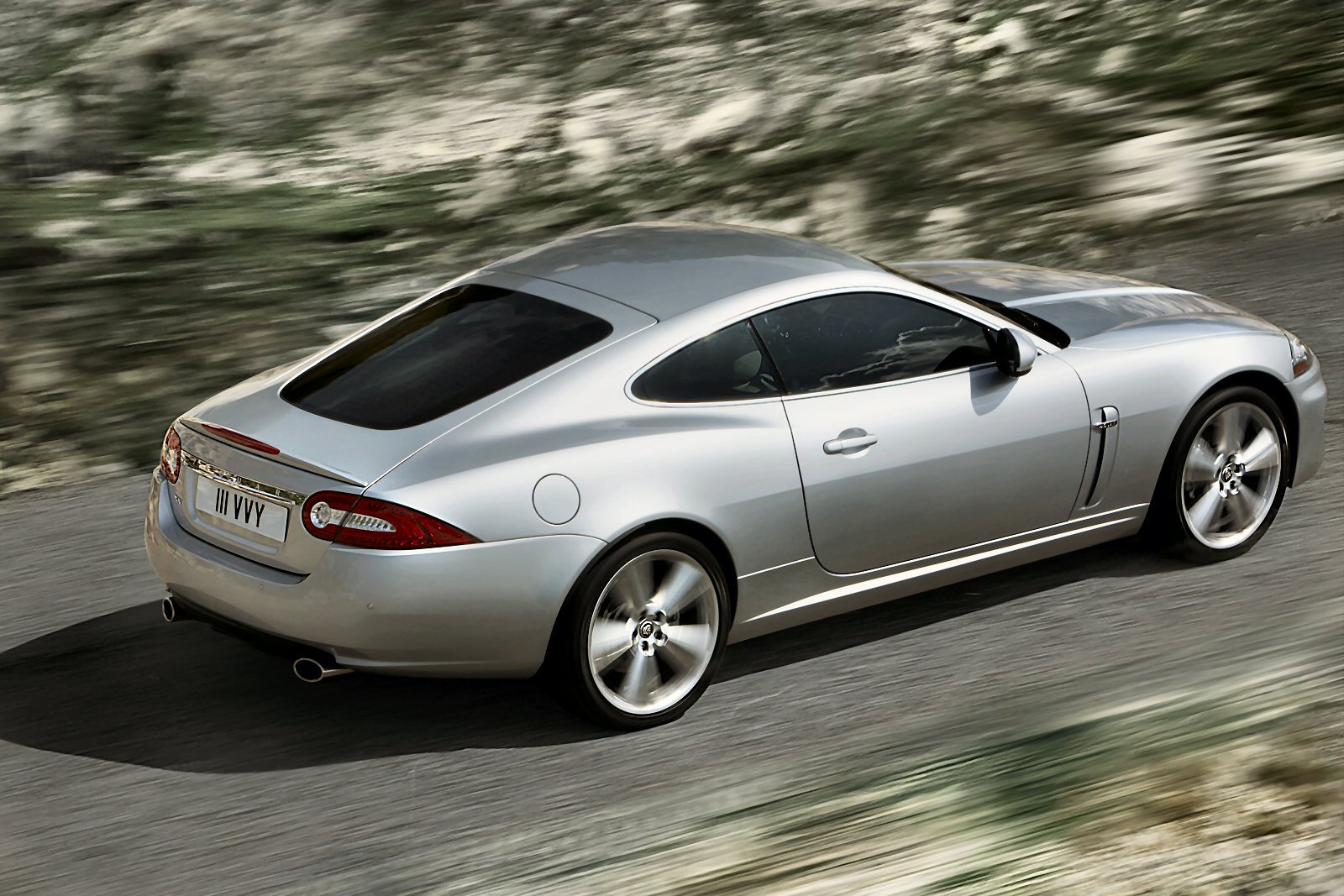
We finish with one of the most tempting Jaguar bargains of all, the second-generation XK. Introduced in 2006, this elegant grand tourer combined an aluminium body, beautifully proportioned styling and a naturally aspirated 4.2-litre V8 producing approximately 300bhp.
Our research uncovered early examples from around £6,000, while later 5.0-litre V8 models appeared closer to £9,000.
Unlike the more focused F-Type, the XK prioritises long-distance comfort, with supportive leather seats, generous front-seat space and a surprisingly practical hatchback-style boot. Certain specifications also offered traditional wood veneers, including burr walnut, a popular luxury-car finish when the model launched.
The rear seats are small, and fuel consumption certainly isn't modest. Buyers should also inspect the cooling system, suspension and electrical equipment.
Nevertheless, the XK delivers an extraordinary combination of V8 performance, comfort and understated elegance for remarkably little money.

From £1,000 X-Types to V8-powered grand tourers and sophisticated electric SUVs, the used Jaguar market offers an extraordinary variety of cars at prices that would once have seemed almost impossible.
Depreciation has undoubtedly created opportunities for buyers, but choosing carefully is essential. Engine selection, maintenance history and the availability of specialist support can make the difference between an enjoyable ownership experience and an expensive mistake.
Our advice is to prioritise condition over specification, budget realistically for maintenance and consider an independent Jaguar specialist inspection before committing to a purchase.
What makes these ten cars particularly interesting is how differently they interpret the Jaguar name. Some offer traditional luxury, others impressive practicality, while the F-Type and XK deliver genuine sports-car character.
For buyers prepared to do their research, a used Jaguar can still offer something special, often for considerably less than its badge and original price might suggest.
Image Credits & Disclaimer

Jaguar vehicle photographs are credited to Jaguar Land Rover (JLR) and their respective copyright holders. Jaguar cat imagery and the article's promotional artwork are AI-generated by The New Yardstick.

All vehicle prices reflect advertised UK used-market examples identified at the time of publication (14 November 2026). Prices, availability, mileage and vehicle condition may vary. Running costs and reliability considerations are provided as general guidance, and buyers should carry out independent checks before purchasing.

The New Yardstick is an independent automotive publication and is not affiliated with or endorsed by Jaguar Land Rover.
You should also read:
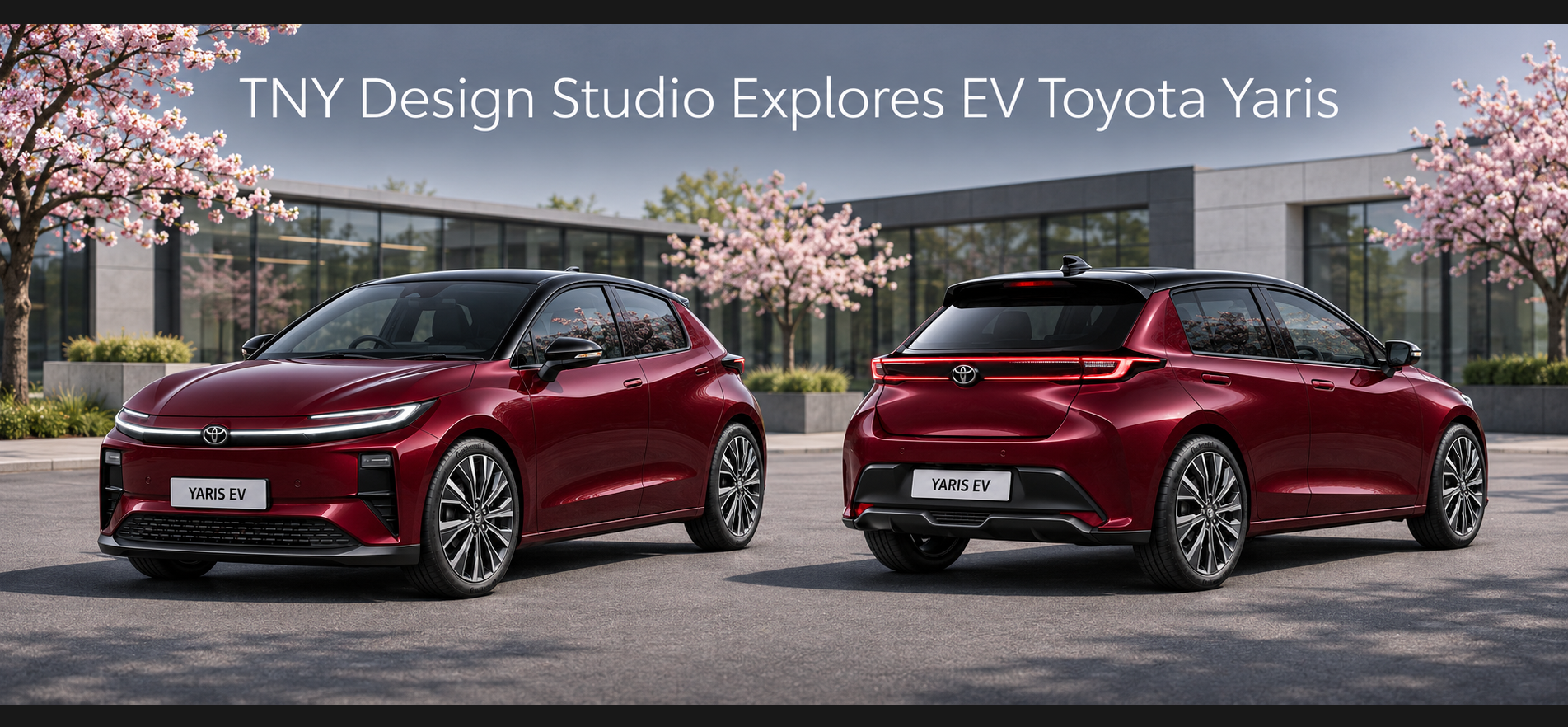
The Yaris Goes Electric – Our Vision for Toyota's Next Small Car
Few small cars have earned the trust of British buyers quite like the Toyota Yaris. Its hybrid efficiency and reputation for reliability have made it a familiar sight, yet the electric supermini market is moving on without it. The Renault 5 and Peugeot e-208 already offer battery power, while Toyota's own electric expansion has…
Market Watch: How Far Does £200 a Month Go in 2026?
In a market where new-car prices seem to climb with every model launch, £200 a month might not sound like enough to get into something fresh from the factory. Yet look beyond the headline offers and there are still some genuinely tempting deals. For this edition of Market Watch, The New Yardstick…
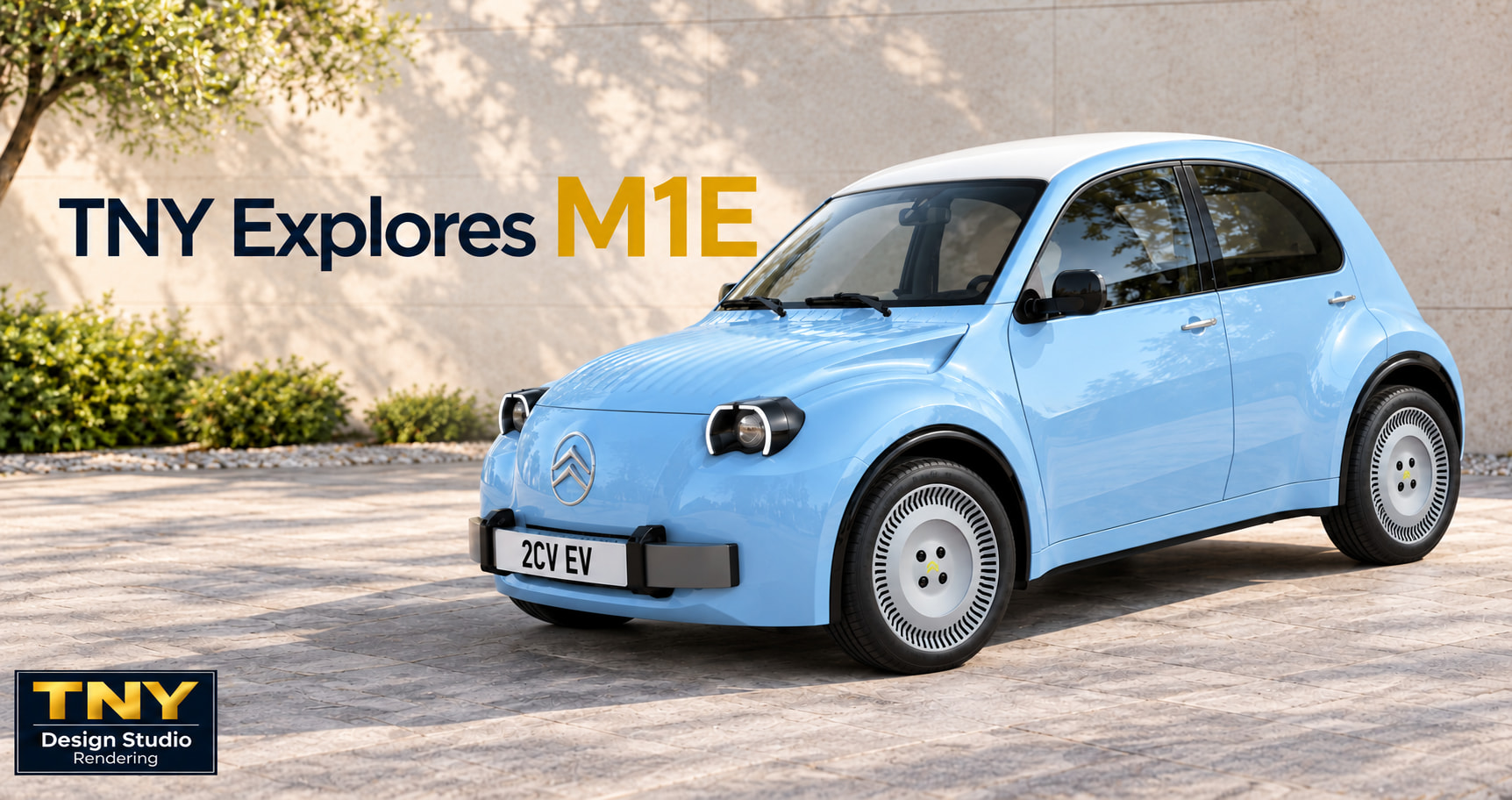
The Art of Thinking Small – Europe's M1E Revolution Explored
At the 2026 Paris Motor Show, Citroën’s reborn 2CV offered an intriguing glimpse of what Europe’s small-car market could look like from 2028. Compact, electric, full of character and targeting a price of around €15,000, it represents a return to the idea that affordable cars can still be desirable. Behind that vision…
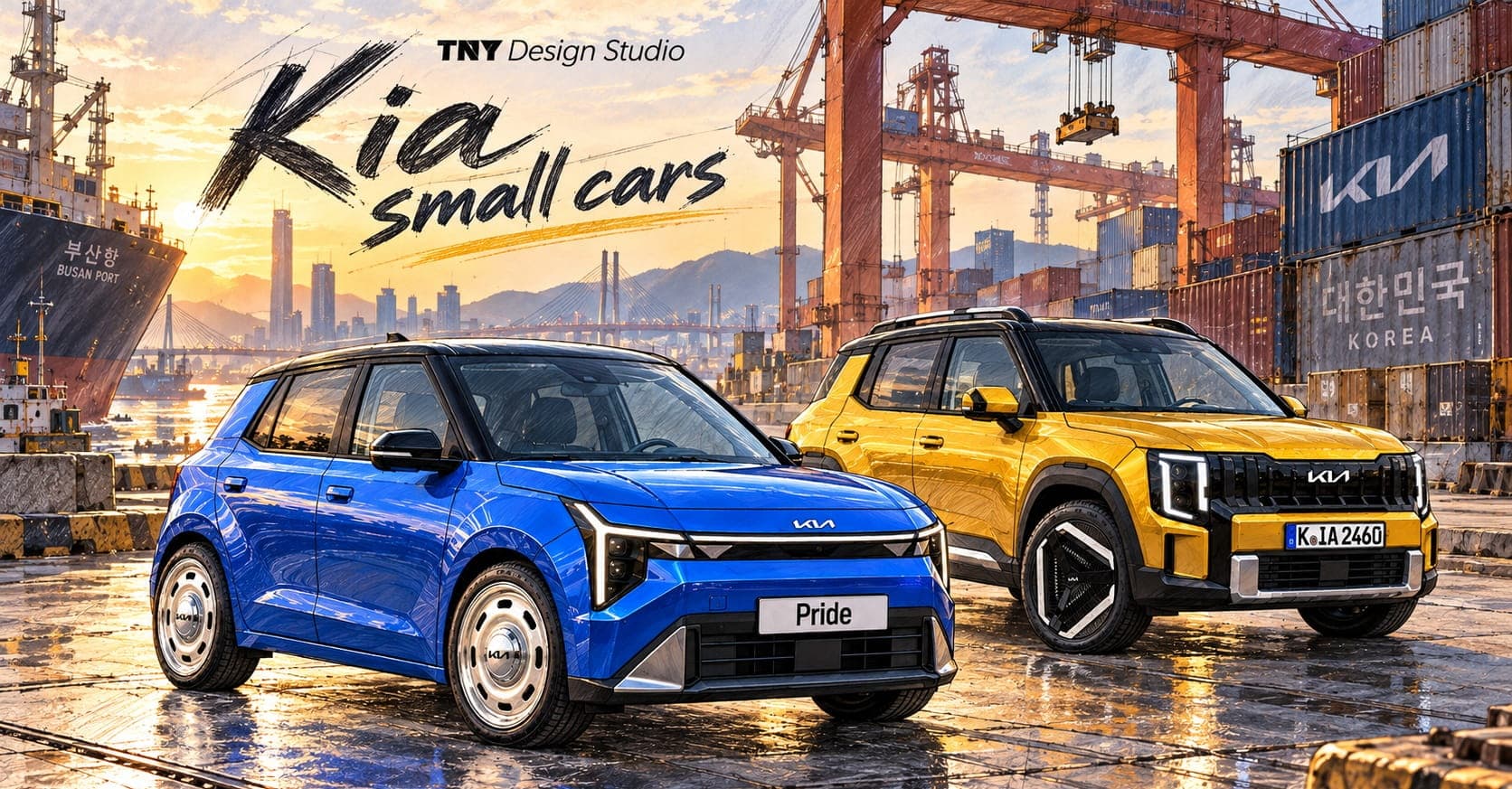
Taking Pride in the Little Things – Reimagining Kia’s Small Cars
Over the past 20 years, Kia has transformed itself from a budget alternative into one of the world's most successful and increasingly desirable car manufacturers. The humble Picanto has played an important part in that journey, offering affordable, practical motoring to generations of buyers. Yet its future looks increasingly uncertain, with tightening…

Wet Belts: The Problems, the Prices and the Cars Worth Considering
As manufacturers faced increasingly demanding emissions targets, even tiny improvements in engine efficiency became valuable. Compact three-cylinder engines spread from city cars into family hatchbacks, SUVs and even commercial vehicles, helped by turbocharging and increasingly sophisticated engineering. One of the technologies adopted to reduce friction and mechanical noise was the wet timing…
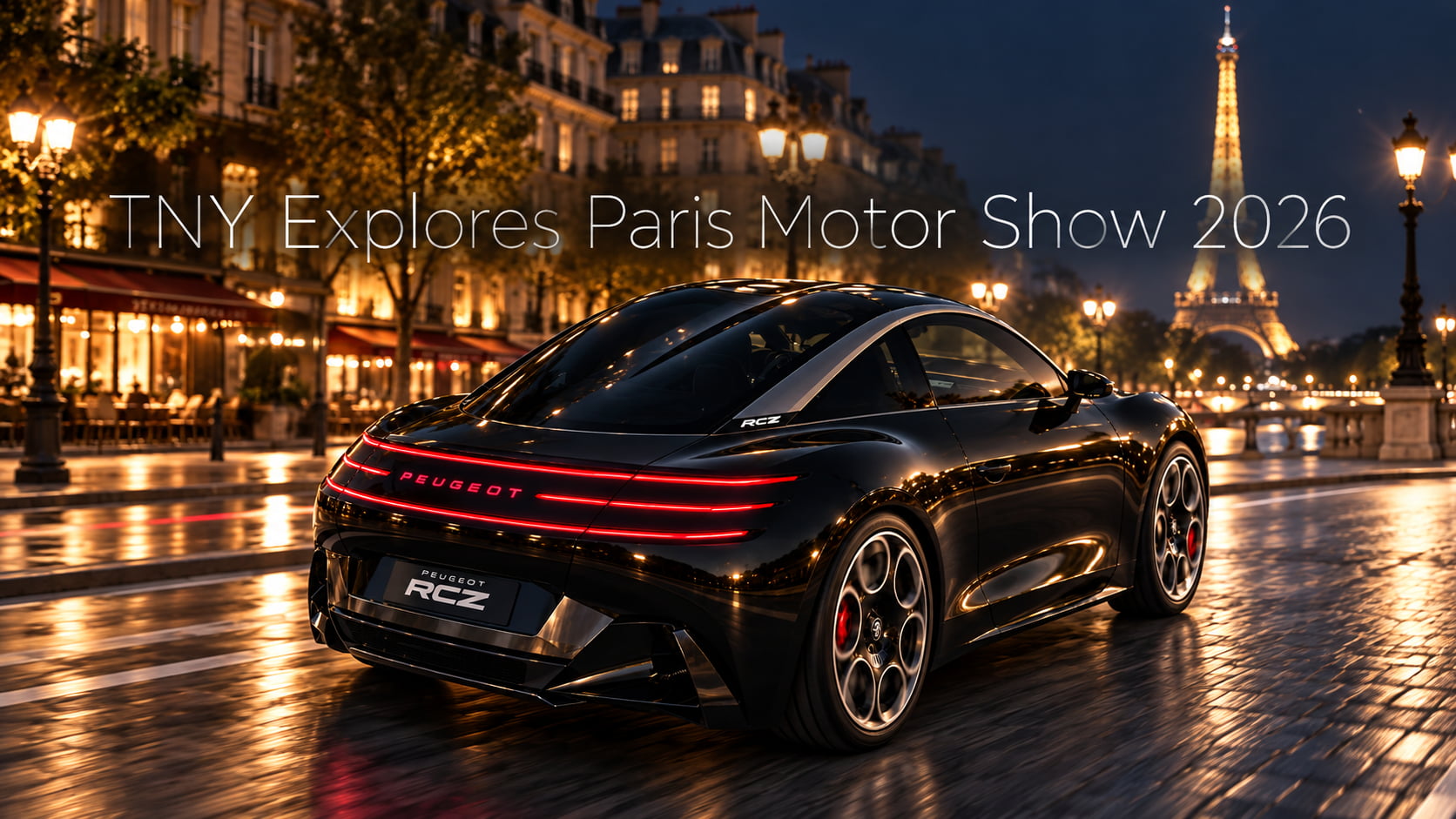
Paris Motor Show 2026: TNY Explores the Biggest Reveals from Day One
The 2026 Paris Motor Show has opened its doors, bringing one of Europe's biggest motoring events back into the spotlight. With more than 100 exhibitors, nearly 60 vehicle manufacturers and dozens of new models and concepts, this year's show promises plenty to explore. Beyond the spectacular concept cars and elaborate displays, Paris…
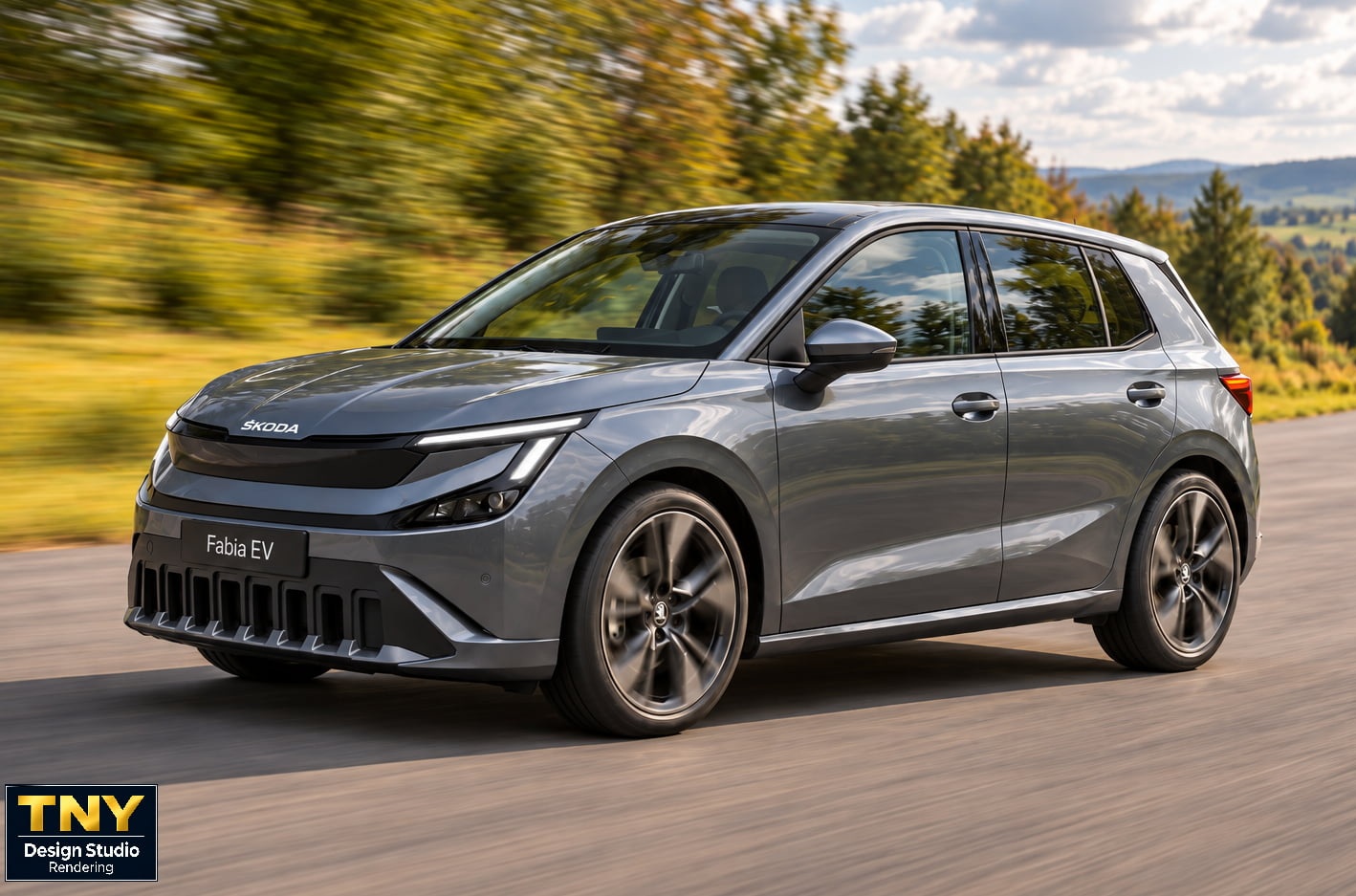
Škoda's Small Car Future: Cheaper EVs and a New Life for the Scala
Škoda has built its reputation on delivering practical, spacious cars at sensible prices. Models like the Scala demonstrate just how much car the Czech manufacturer can offer for the money, but as the industry moves towards electrification, can Škoda bring that same value to its smallest electric models? The incoming Epiq is…
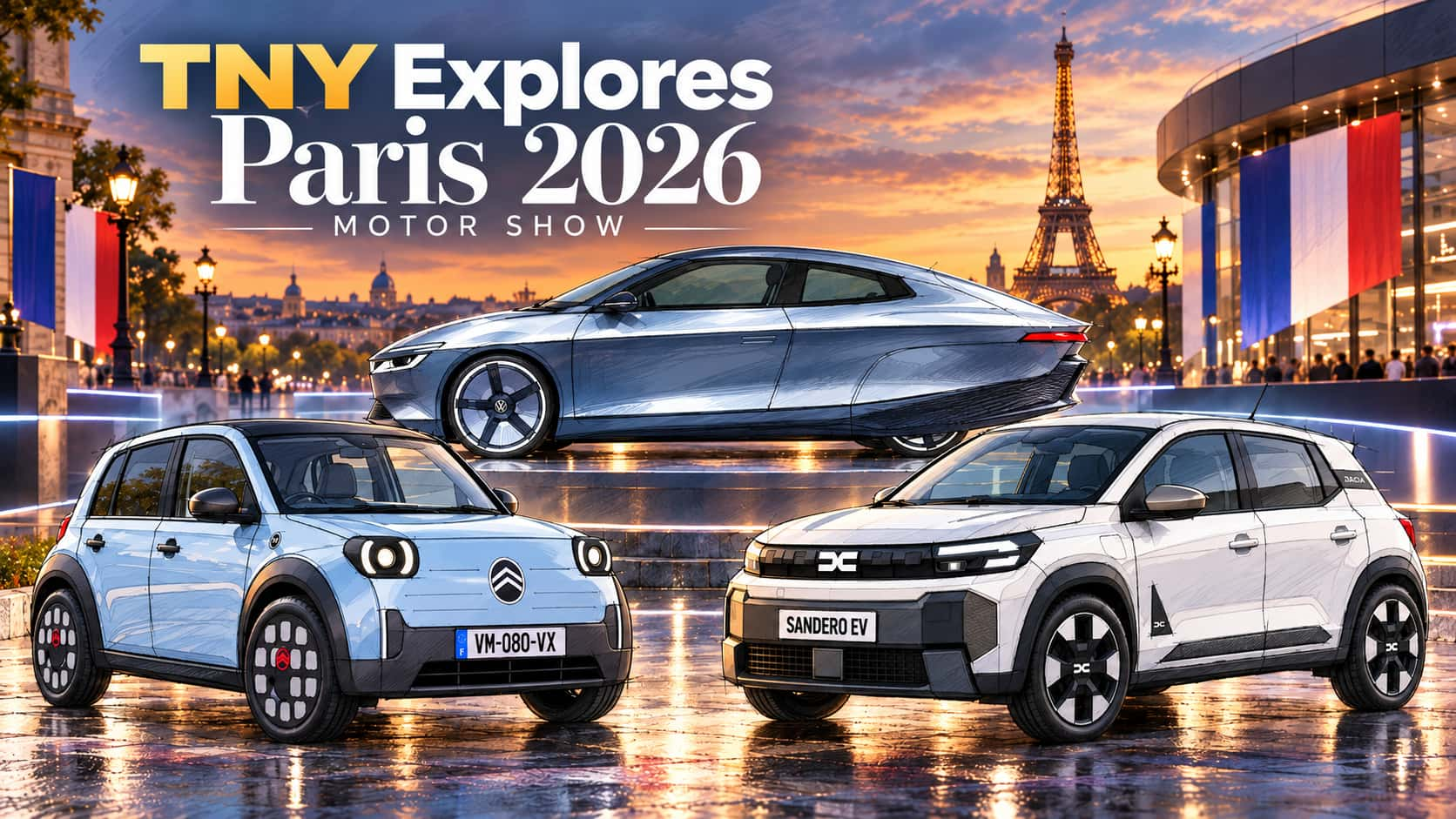
Paris Motor Show 2026: TNY’s Complete Preview of the Cars and Concepts to Watch
The Paris Motor Show is back with one of its most ambitious line-ups in years — and 2026 could prove to be one of the most revealing shows yet for where the global car industry is heading. Europe’s biggest manufacturers are arriving with new electric cars, hybrids, concepts and major design previews,…