Peugeot 6008: The Flagship SUV Nobody Expected
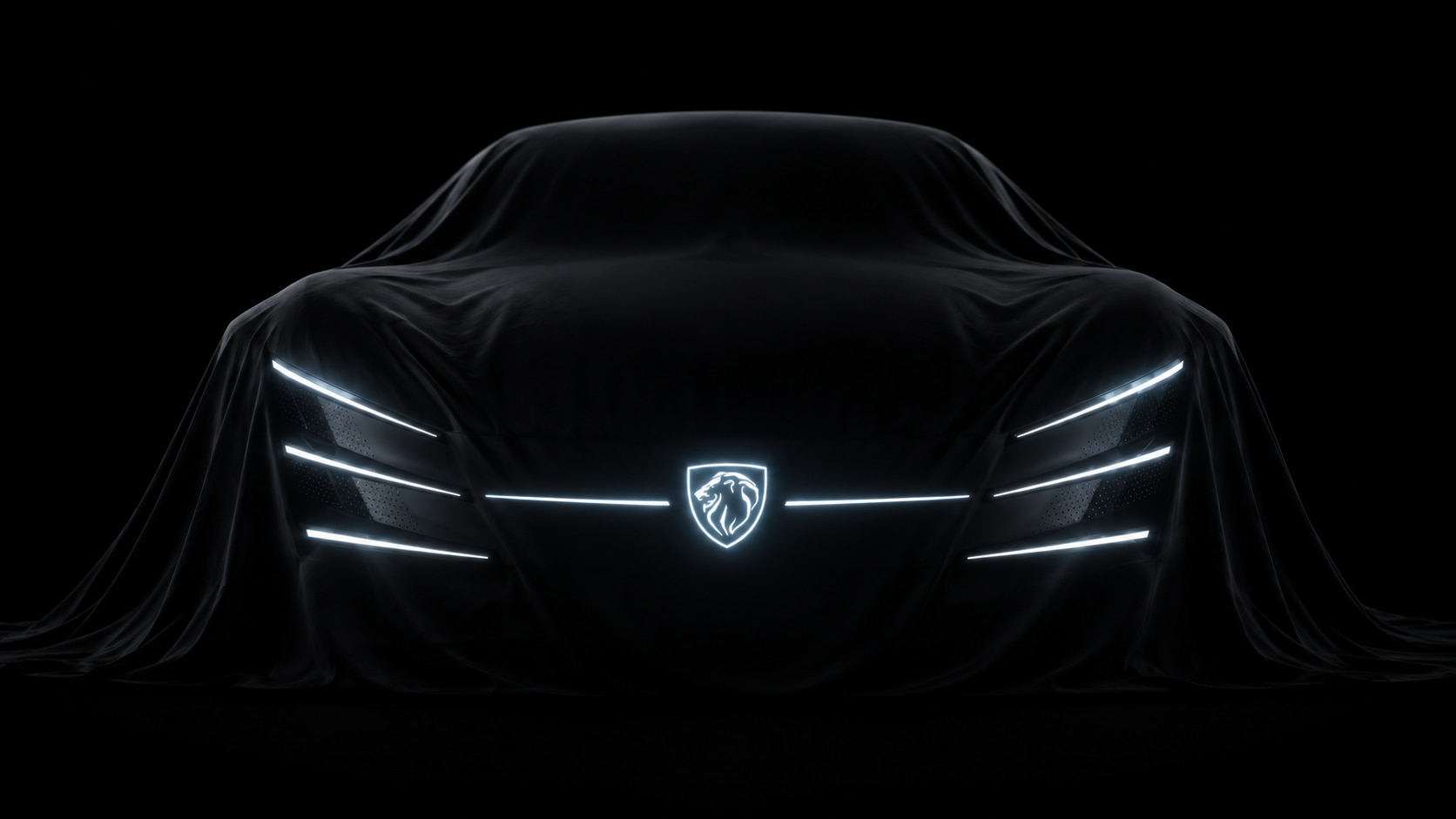
Stellantis’ Chinese story is increasingly dominated by Leapmotor, but another partnership is quietly becoming important again. Dongfeng has worked with Peugeot and Citroën in China for more than three decades, yet that relationship is often overlooked in today’s Stellantis narrative.
Now that partnership has produced two particularly significant Peugeot concepts. Concept 6 previews a sleek, low-slung large car, while Concept 8 points towards a new flagship SUV developed through the Dongfeng-Peugeot partnership. Both are being developed towards production models expected to be built in China from 2027.
Concept 8 may soon become more relevant to Europe. Peugeot had previously indicated that neither Concept 6 nor Concept 8 was intended for the European market, making the latest development particularly curious. French Peugeot specialist Forum-Peugeot now reports that Concept 8 will be brought to France for October’s Paris Motor Show, citing a reliable source.
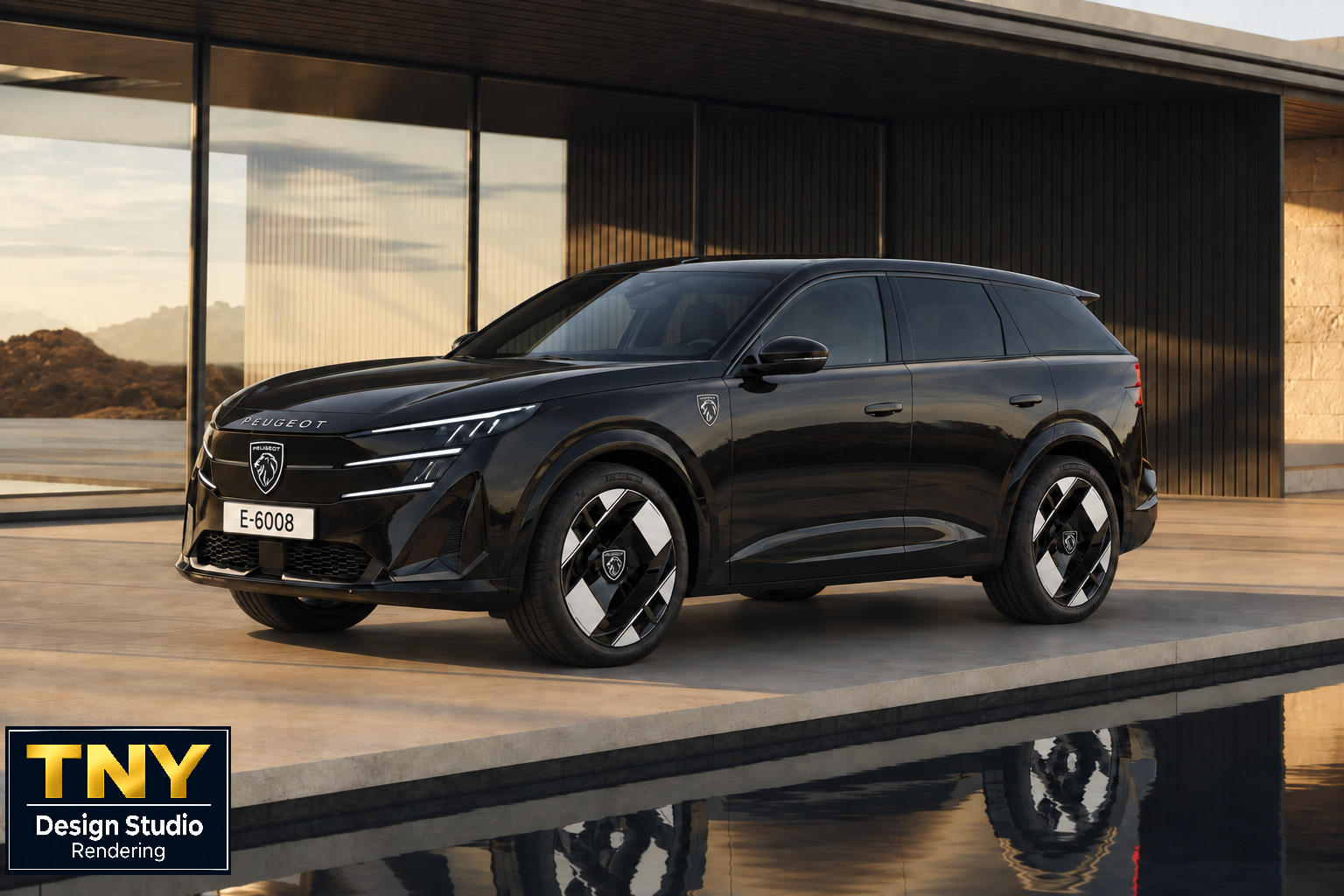
That leaves plenty of room above the existing 5008. At 4,791mm long, Peugeot’s current seven-seater is already slightly larger than a Chery Tiggo 8 and Skoda Kodiaq, yet starts at around £37,000 as a hybrid and £39,000 as an E-5008. A larger electric flagship beginning at roughly £60,000 could therefore sit comfortably above it while still undercutting the £65,000-plus EV9 and Ioniq 9.
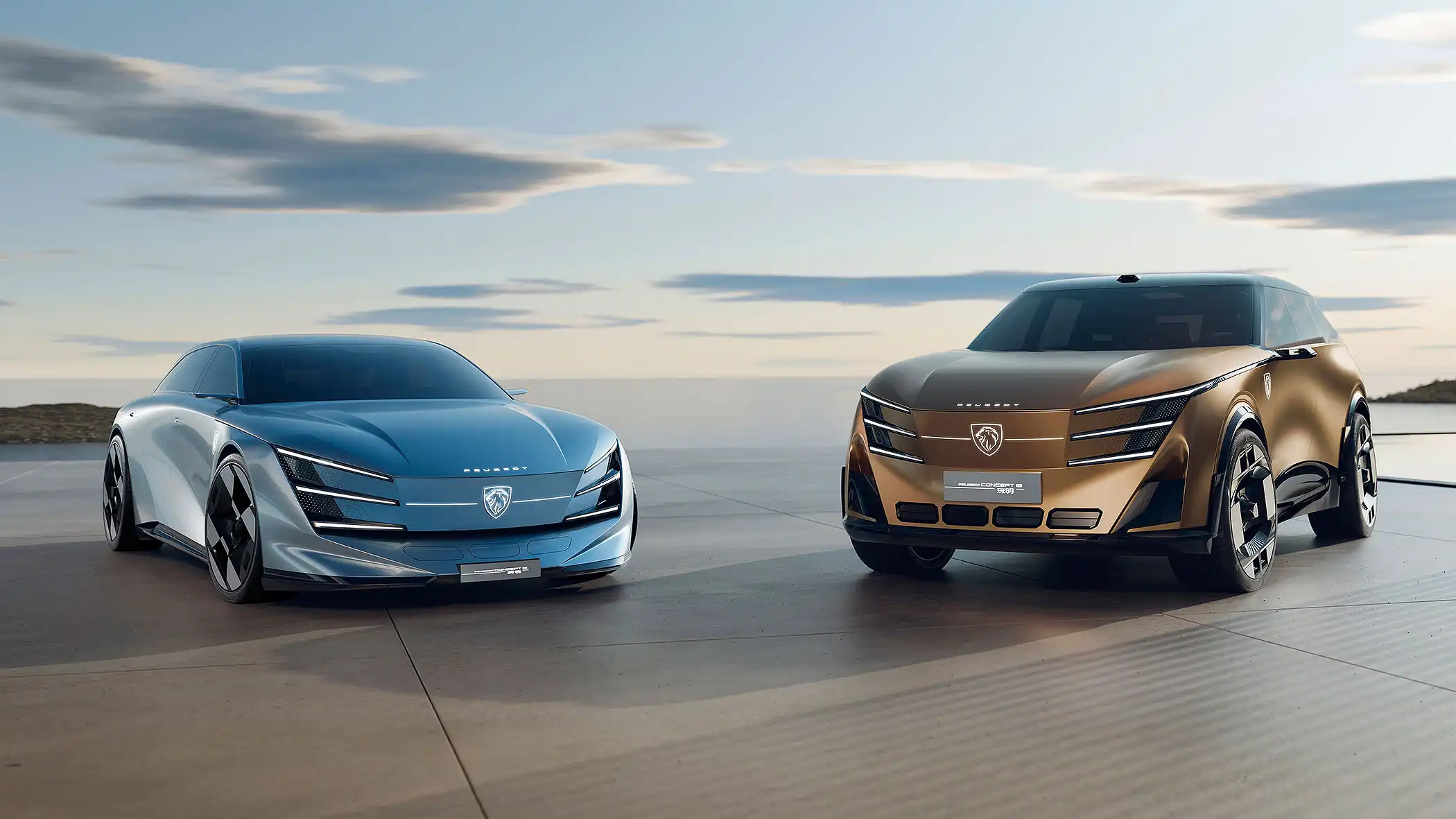
The sleek fastback reads almost like a natural successor to the 508, Peugeot's previous halo model, which disappeared without a direct replacement as the brand increasingly centred its European range around the slightly smaller 408 crossover and its existing line of SUVs. Image: Peugeot
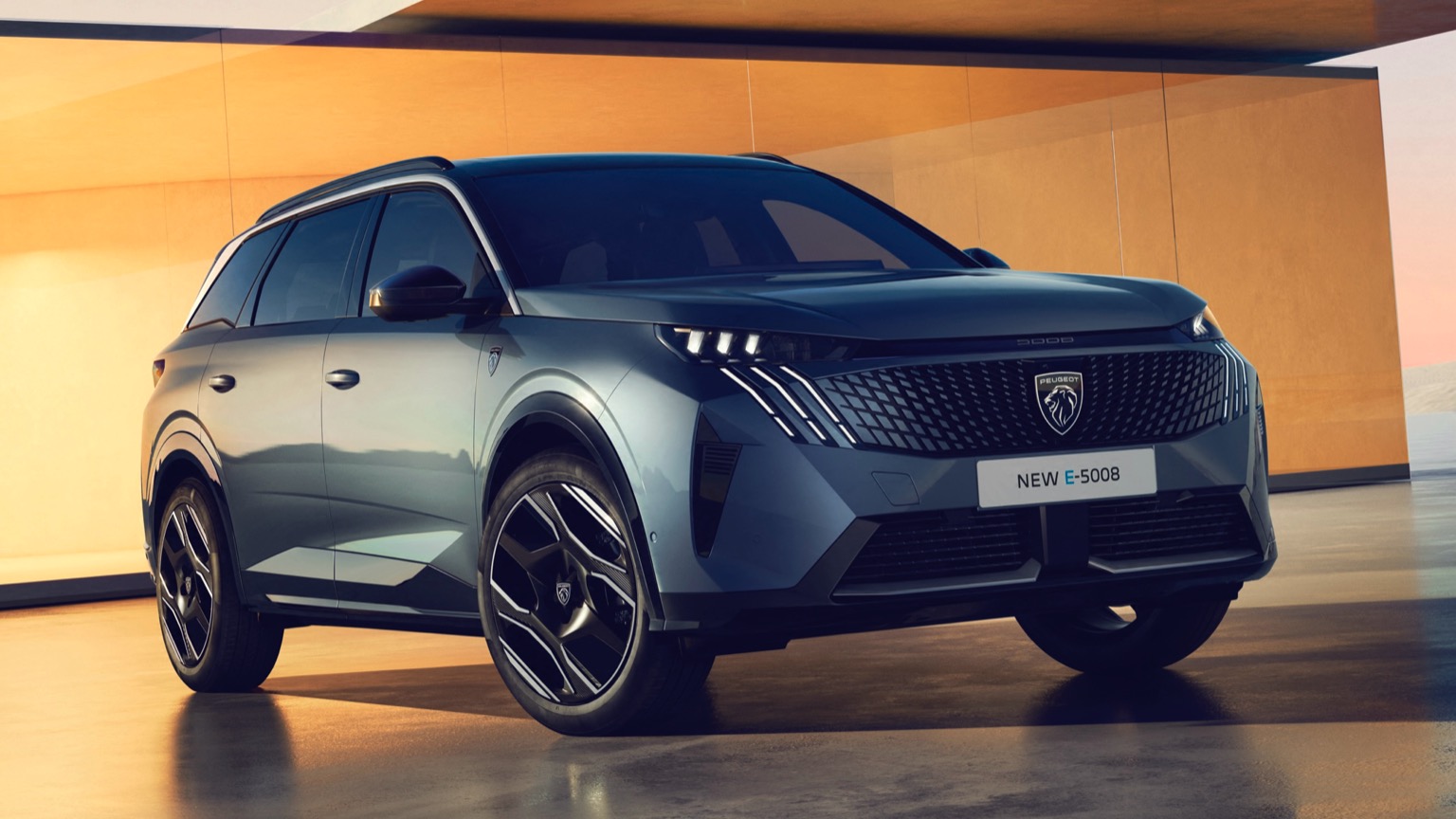
During the E-3008's first months on sale, 85% of UK customers chose the range-topping GT trim, compared with 60% across markets. Peugeot has since gone further, introducing an even richer GT Premium specification for both the 3008 and 5008.
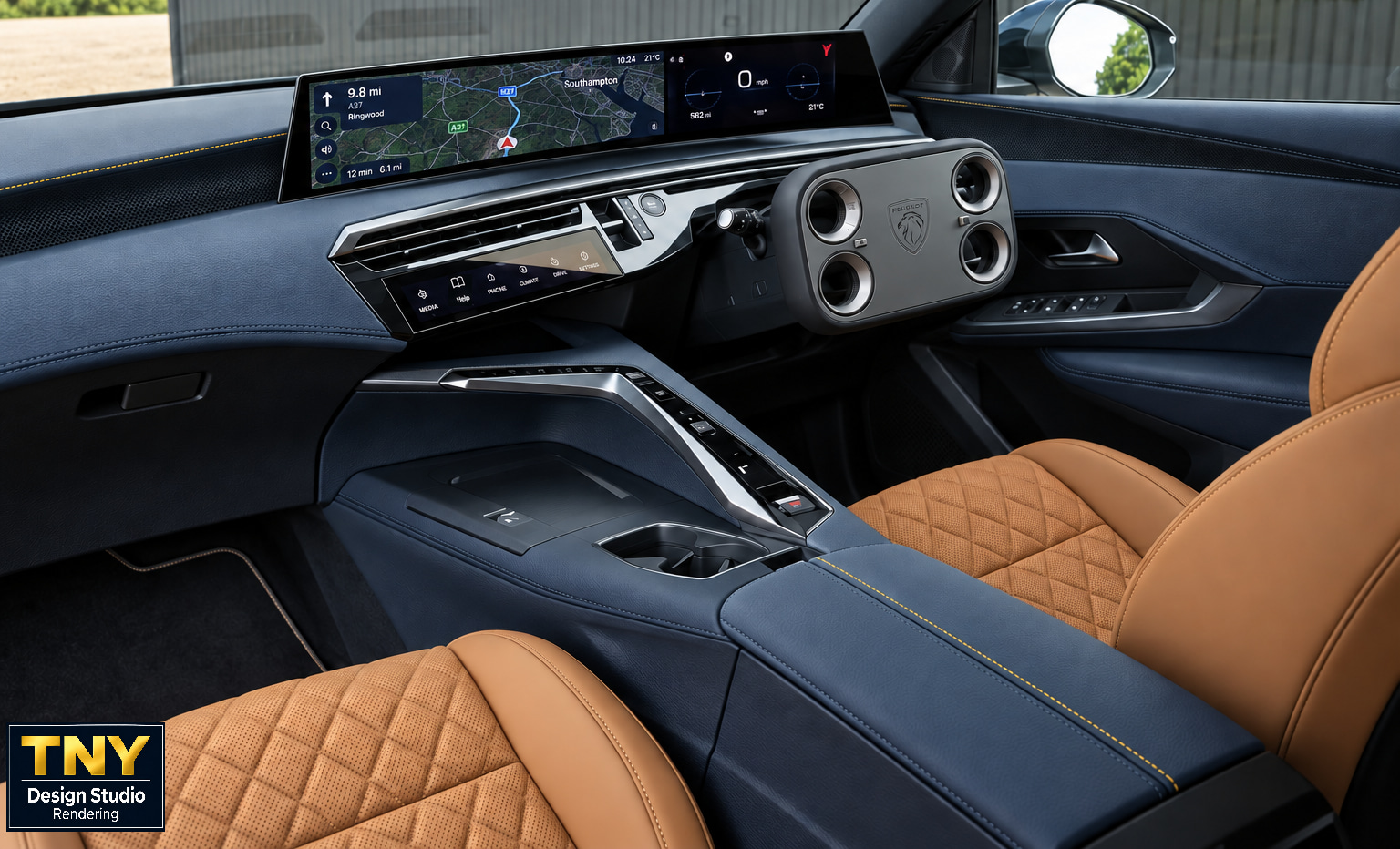
Hypersquare replaces the conventional steering wheel with a compact rectangular steer-by-wire controller, with no mechanical connection to the front wheels. It varies its response with speed and requires just 170 degrees of rotation in either direction at low speeds. Peugeot plans to introduce the technology on a production model from 2027.
It also feels particularly well suited to Peugeot. The existing i-Cockpit has already spent years positioning a small steering wheel beneath a high-mounted instrument display, so Hypersquare develops an established Peugeot idea rather than introducing an entirely unfamiliar driving position.
Visitors to the 2026 Paris Motor Show are expected to see Concept 8 alongside Peugeot's latest Hypersquare technology, with Peugeot also bringing the Polygon Concept that has acted as a rolling test bed for the technology. Polygon previews the next generation of Peugeot design and technology expected to feed into future models, including the next-generation 208.
That makes Hypersquare a particularly appropriate addition to our imagined E-6008: by the time a production Concept 8 derivative reaches showrooms, this radical-looking control could already be established Peugeot technology. Image: The New Yardstick Design Studio — speculative Peugeot E-6008 interior rendering.
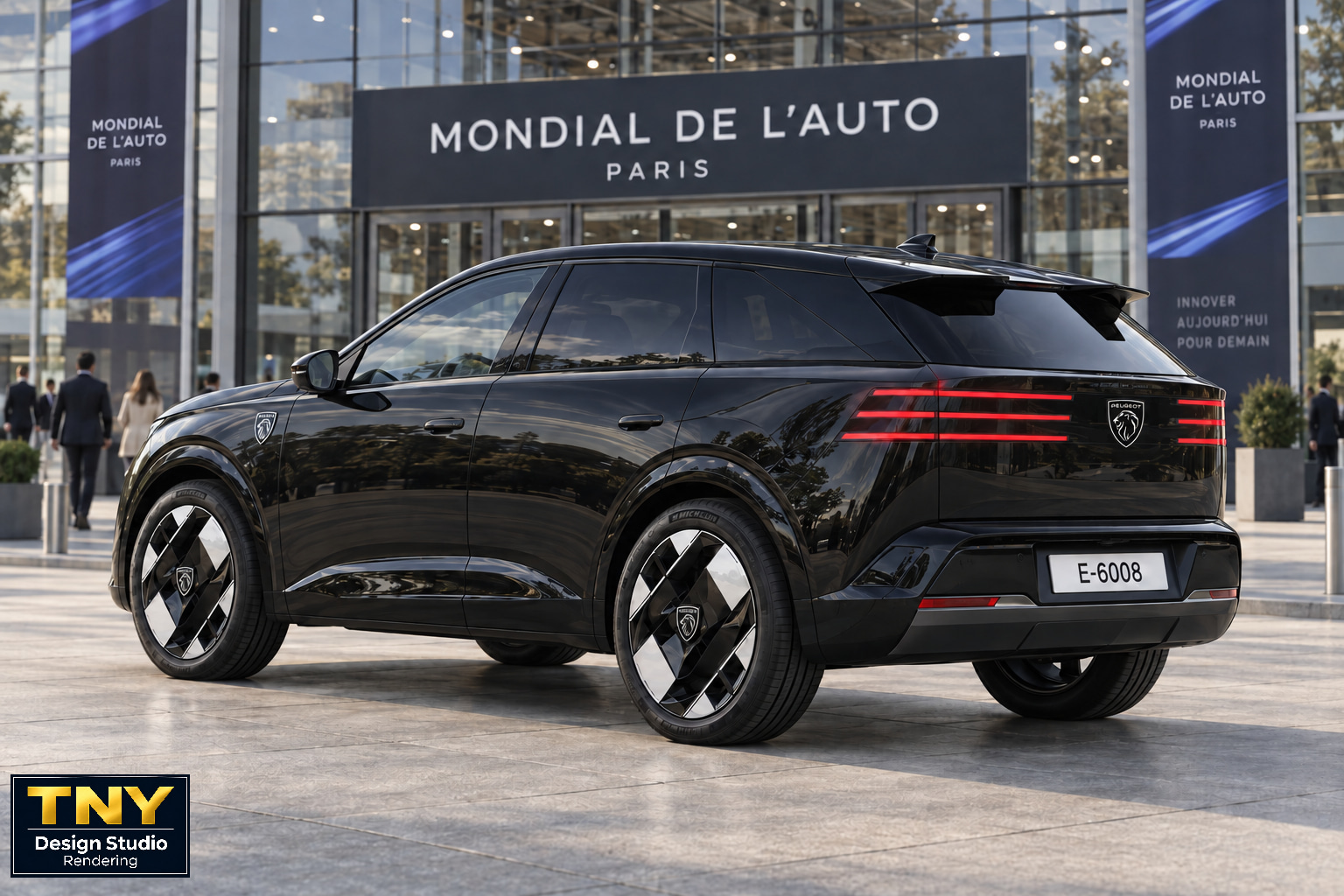
That makes next month's Paris Motor Show particularly interesting. Peugeot will put considerable emphasis on its future design and technology, including Hypersquare and the Polygon Concept, as Stellantis uses the show to present a much broader vision of where its brands are heading.
For TNY, two questions stand out. Will Hypersquare become a defining feature that spreads across several Peugeot models, rather than simply appearing on one new generation of car? And, perhaps more importantly, why is Concept 8 reportedly being brought to Paris?
If it were simply a China-focused design exercise, its appearance at Peugeot's home motor show would be less significant. Instead, Paris gives Peugeot an opportunity to put the car directly in front of European customers and gauge the reaction to something considerably larger and more expensive than today's 5008.
We don't yet know whether that will ultimately result in an E-6008 — or whether Europe will receive Concept 8's production descendant at all. But the ingredients are increasingly plausible. If Peugeot wants a flagship again, Concept 8 could provide it with a very different successor to the role once occupied by the 508. Image: The New Yardstick Design Studio — speculative Peugeot E-6008 rendering.
You should also read:
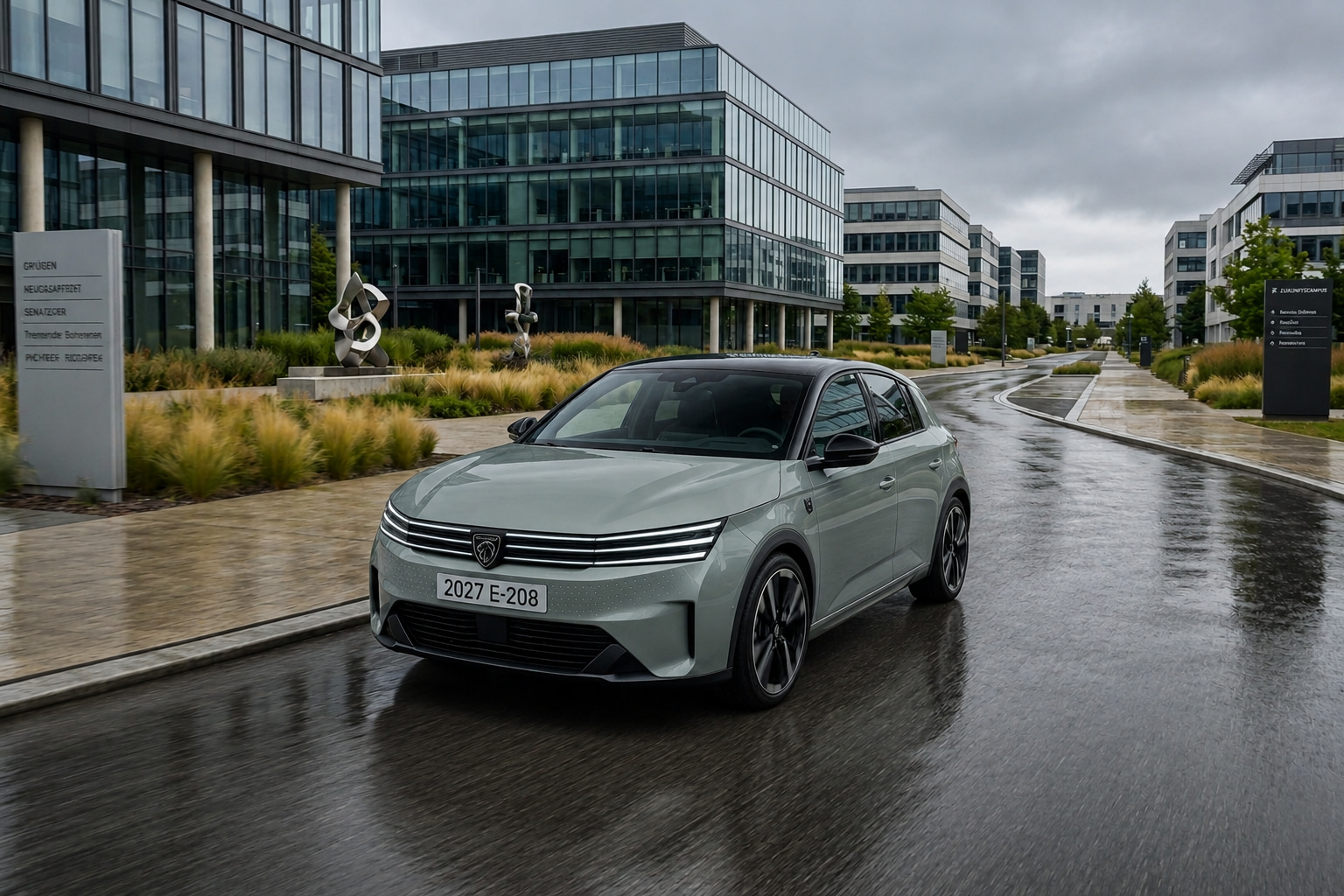
Three Cars, One Mission: Peugeot's Bold New Premium Small Car Strategy
Twenty years ago, Peugeot offered one of Europe's broadest B-segment line-ups, with hatchbacks, estates, convertibles, people carriers and overlapping generations all competing for buyers. Today, just the 208 and 2008 remain. However, that could soon change. Growing evidence from Peugeot's product roadmap and Stellantis' wider platform strategy suggests the French manufacturer could…