2027 Lexus UX Concept: More Space, More Choice, Same Lexus Quality
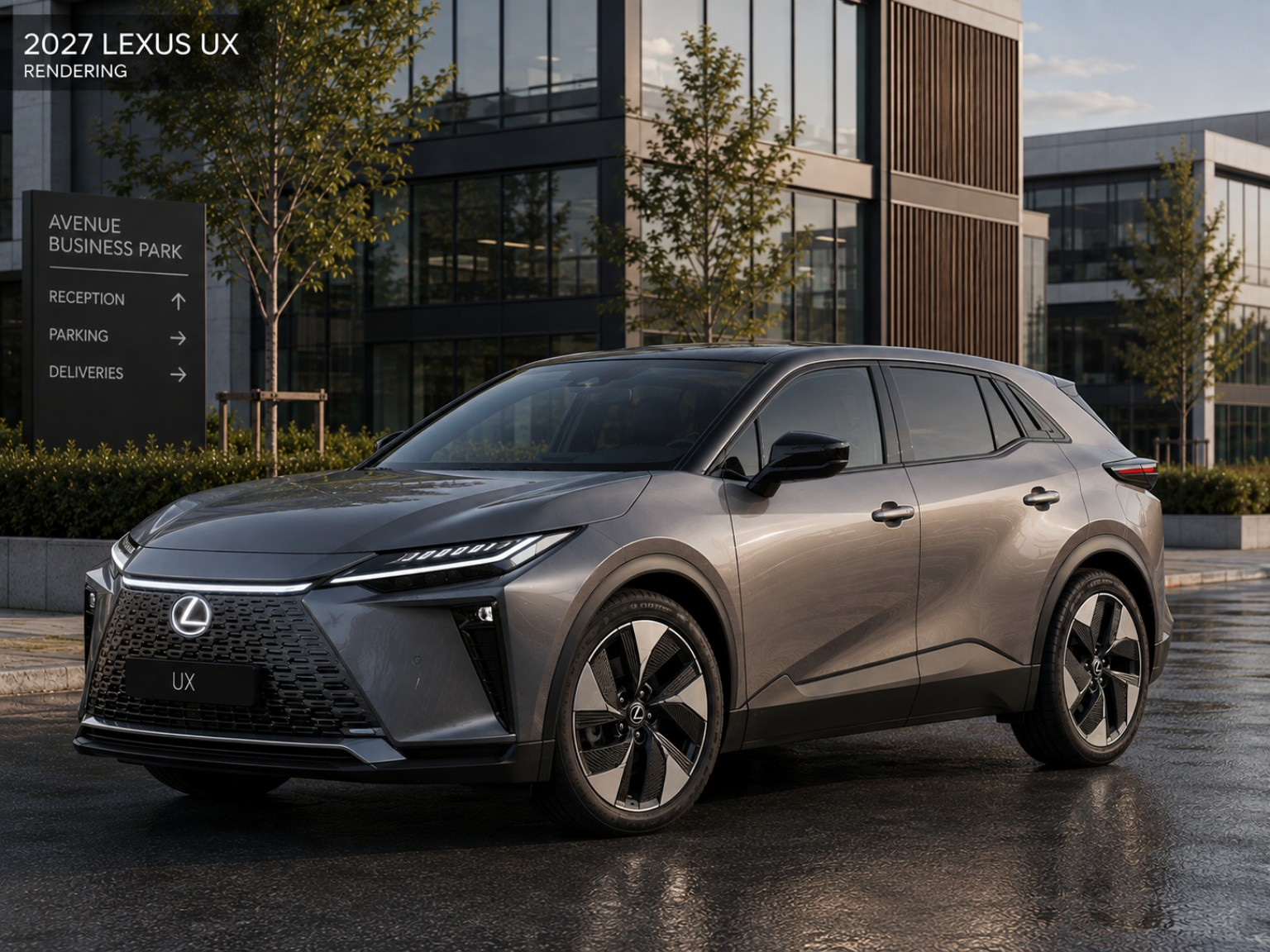
The current Lexus UX has been one of the brand's most distinctive models, combining premium quality, refined hybrid power and Lexus' renowned reliability in a compact SUV. However, having been on sale in the UK since 2019, it is now the oldest passenger car in the Lexus range, and its age is beginning to show.
Despite sitting above the newer LBX, the UX actually offers less passenger and boot space, while the compact premium SUV segment has continued to move forwards.
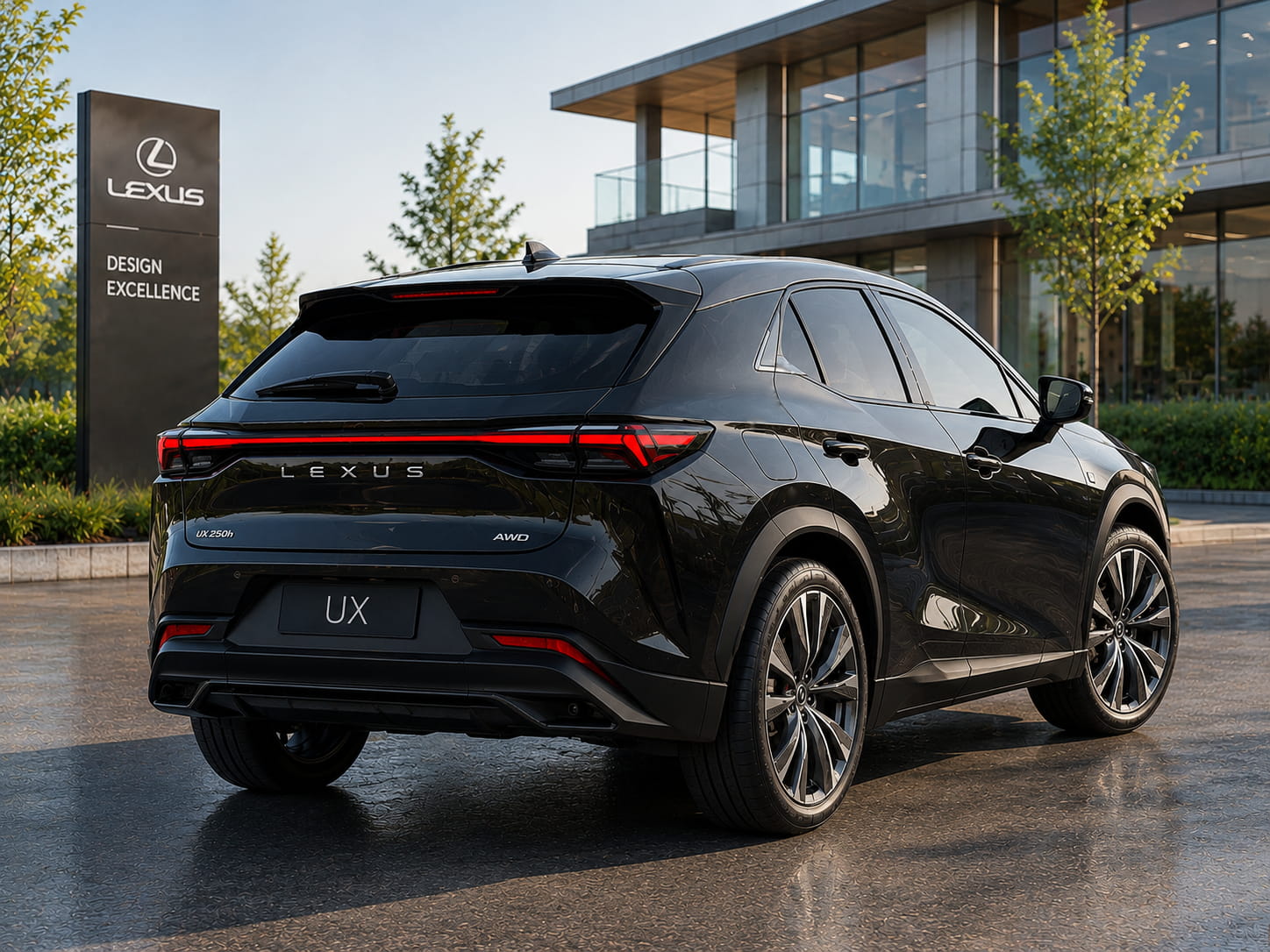
Despite measuring over 300mm longer than the LBX, the current UX offers just 320 litres of boot space, compared with the smaller SUV's 402 litres. That places the UX towards the bottom of the premium compact SUV class for outright practicality, despite its larger footprint.
The next-generation model doesn't need to sacrifice its sleek, coupe-inspired stance to address this. SUVs such as the Renault Austral and Peugeot 3008 demonstrate that a stylish 4.5-metre family SUV can comfortably offer more than 500 litres of luggage space without losing its dynamic proportions.
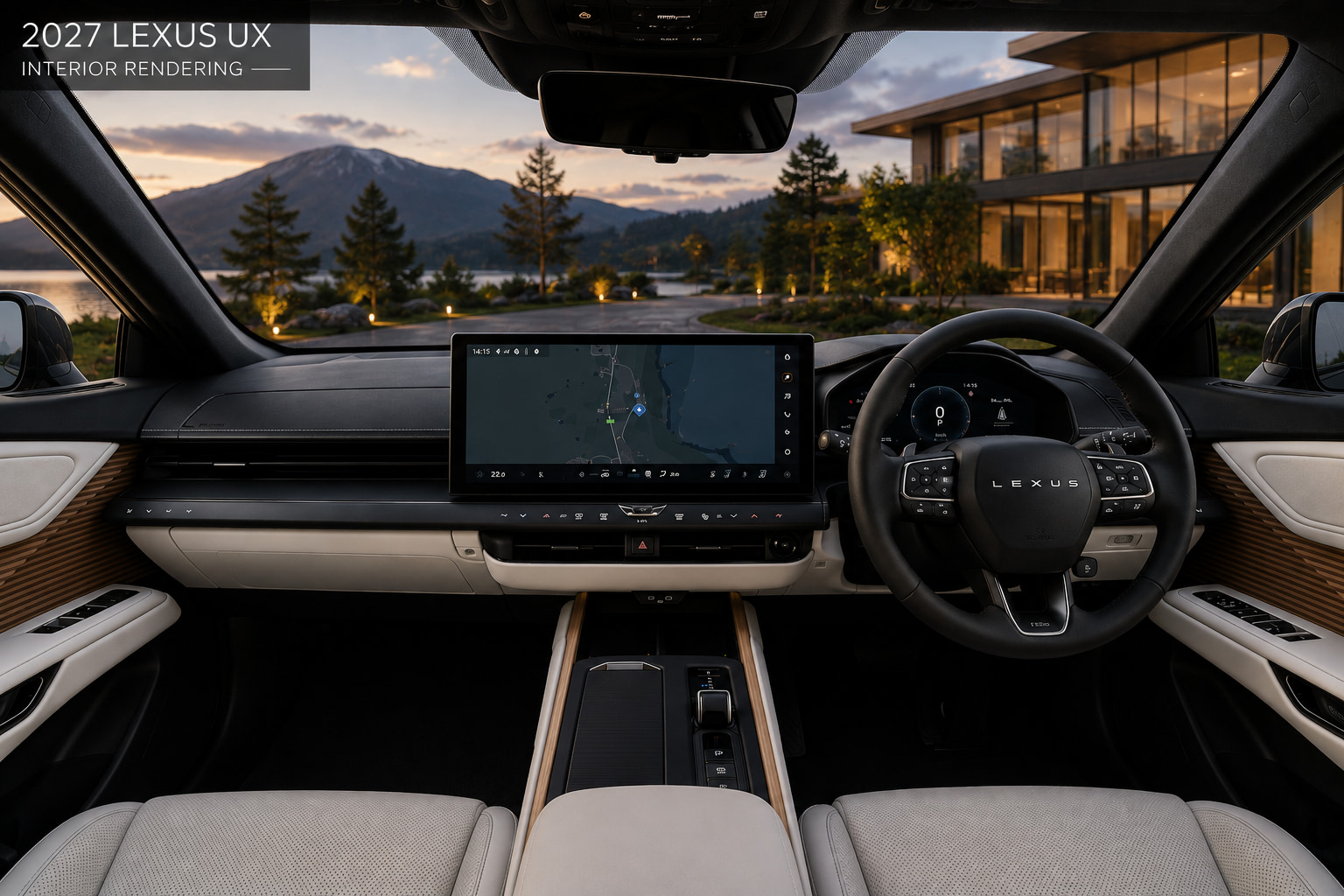
Toyota and Lexus have earned an outstanding reputation for build quality, reliability and intuitive ergonomics, and that's a philosophy we've carried into our 2027 UX concept. Inspired by the clean, horizontal dashboard of the latest Lexus ES, the cabin has been reworked with proportions better suited to a C-segment SUV, creating a greater sense of width and space.
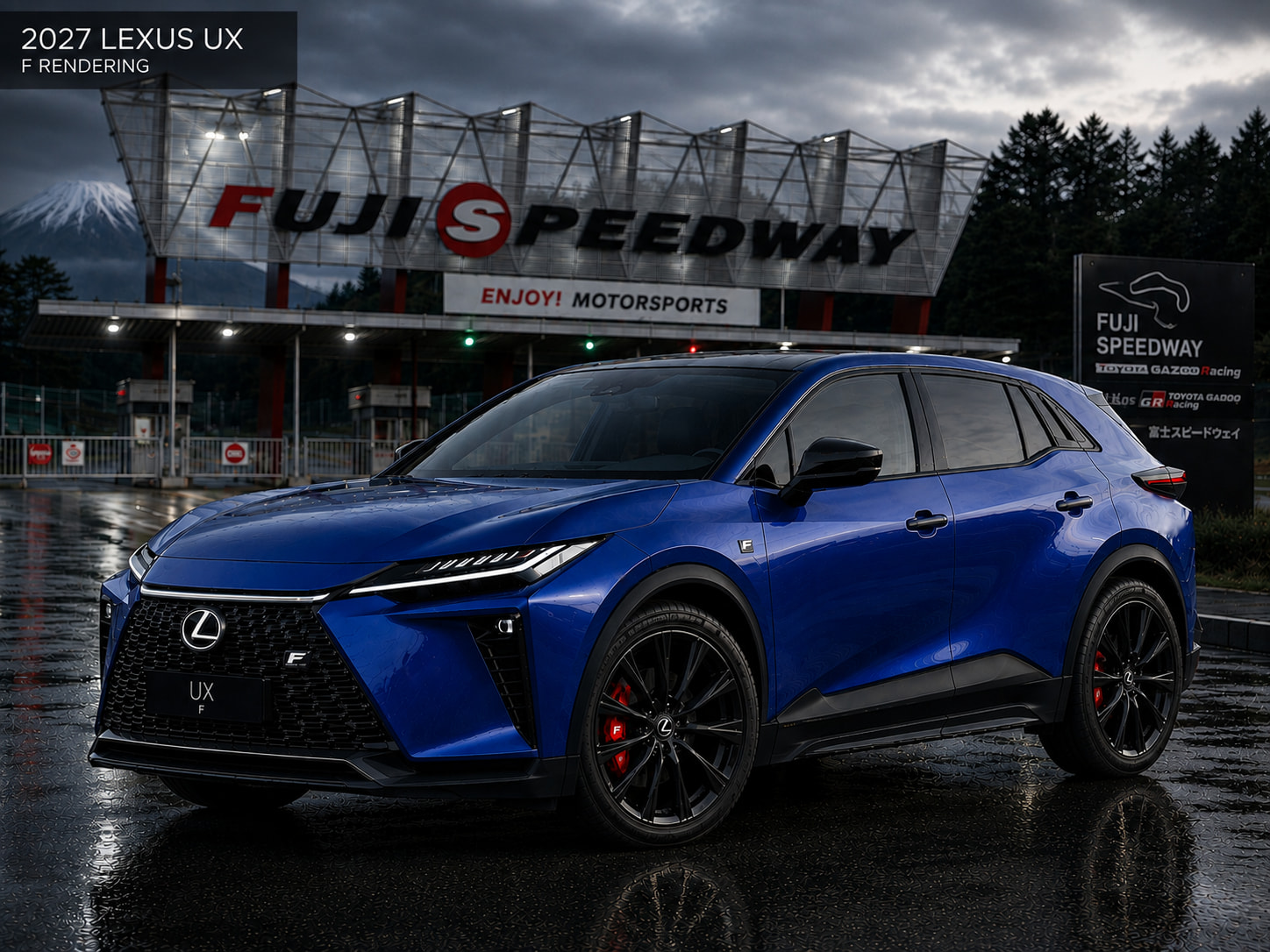
While Lexus has moved away from traditional high-performance petrol models, the brand already has the ingredients to create a compelling modern F flagship. Using the existing 366hp 2.4-litre turbocharged hybrid powertrain from the RX, a Lexus UX F could deliver effortless all-weather performance without abandoning the efficiency expected of a modern Lexus.
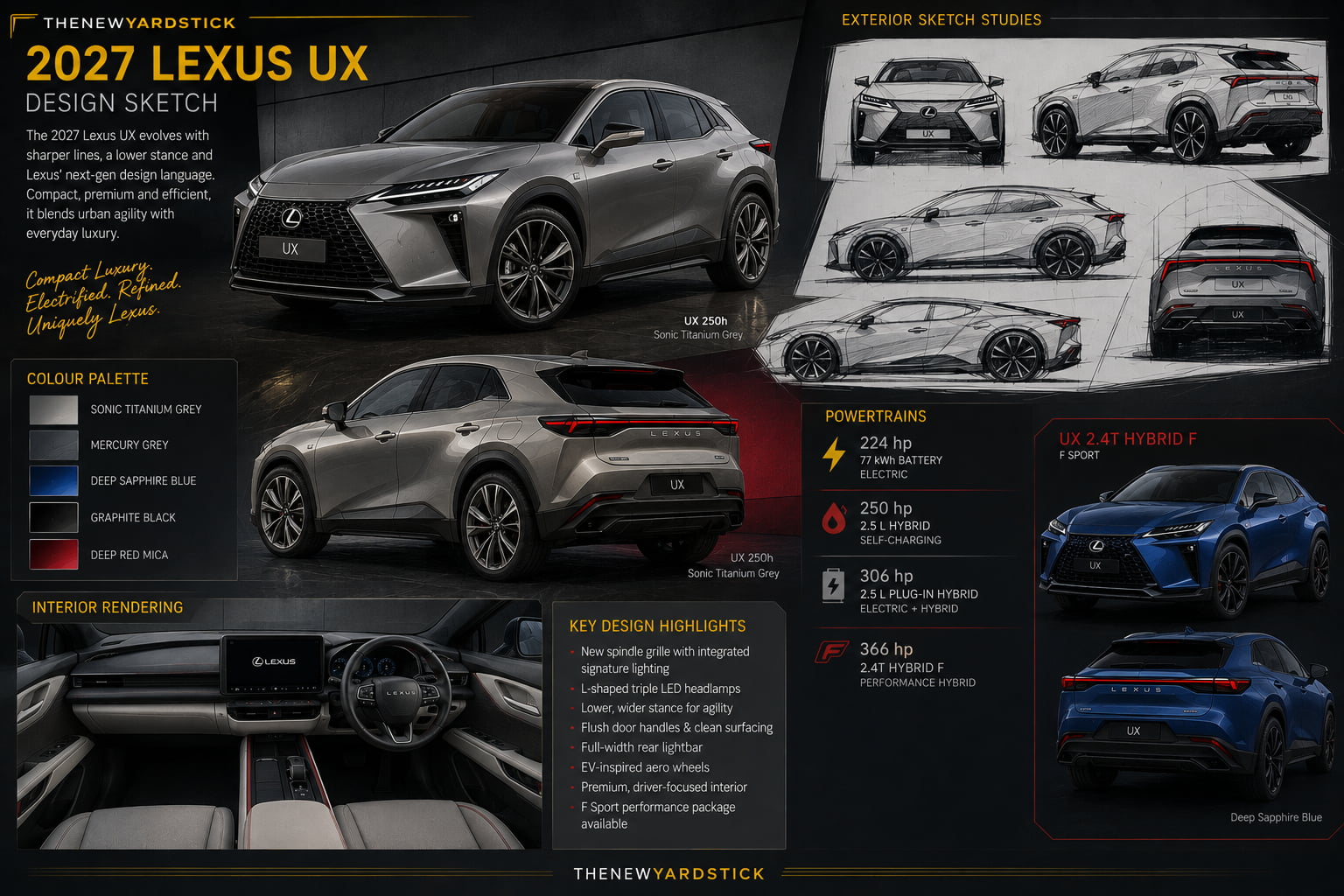
A next-generation Lexus UX doesn't need to reinvent the formula to become one of the most complete contenders in the premium compact SUV class.
Toyota and Lexus already offer a range of proven electrified powertrains that could naturally suit the model, from an efficient 2.5-litre self-charging hybrid and a more powerful plug-in hybrid, to a fully electric 77kWh version and even a 366hp performance-focused F flagship.
Combined with a more spacious interior, a significantly larger boot and a fresh interpretation of Lexus' evolving design language, the result could build on the current UX's strengths while addressing its biggest weaknesses.
By combining quality, reliability, efficiency and improved practicality, Lexus has the opportunity to create a compact SUV capable of competing with the very best in the segment.
(Image Credits: The New Yardstick)
You should also read:
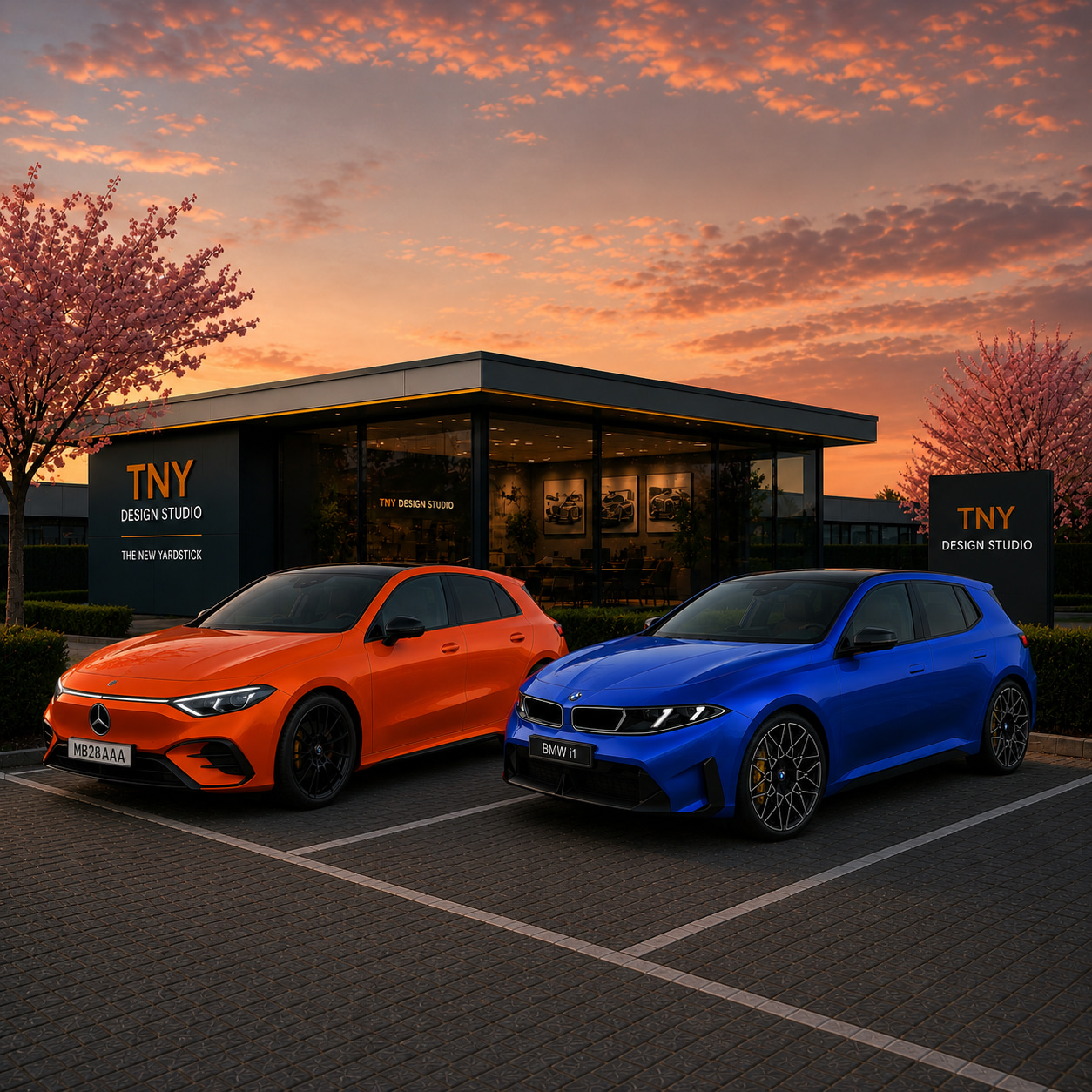
BMW and Mercedes Are Reinventing the Premium Hatchback - But Not in the Same Way
The premium hatchback market is approaching a major turning point. By around 2028, both the BMW 1 Series and Mercedes-Benz A-Class are expected to enter a new generation, but with two very different strategies. BMW is likely to split its compact range in two, a new generation of petrol and hybrid 1…