20 Years of Nissan Qashqai: How the Crossover Changed Britain, And What Comes Next
The Nissan Qashqai arrived in 2007, and its success exceeded expectations. Built in Sunderland, it quickly became one of Britain's most recognisable family cars, inspiring competitors to rethink their own model ranges and helping establish the crossover as a mainstream choice.
Three generations later, the Qashqai remains a familiar sight on British roads, but the market it helped create has changed dramatically.
As the Qashqai celebrates its twentieth anniversary, The New Yardstick looks back at the three generations that defined the Qashqai, examines how Nissan's competition has evolved, and presents our own vision of what a fourth-generation model could look like towards the end of the decade.
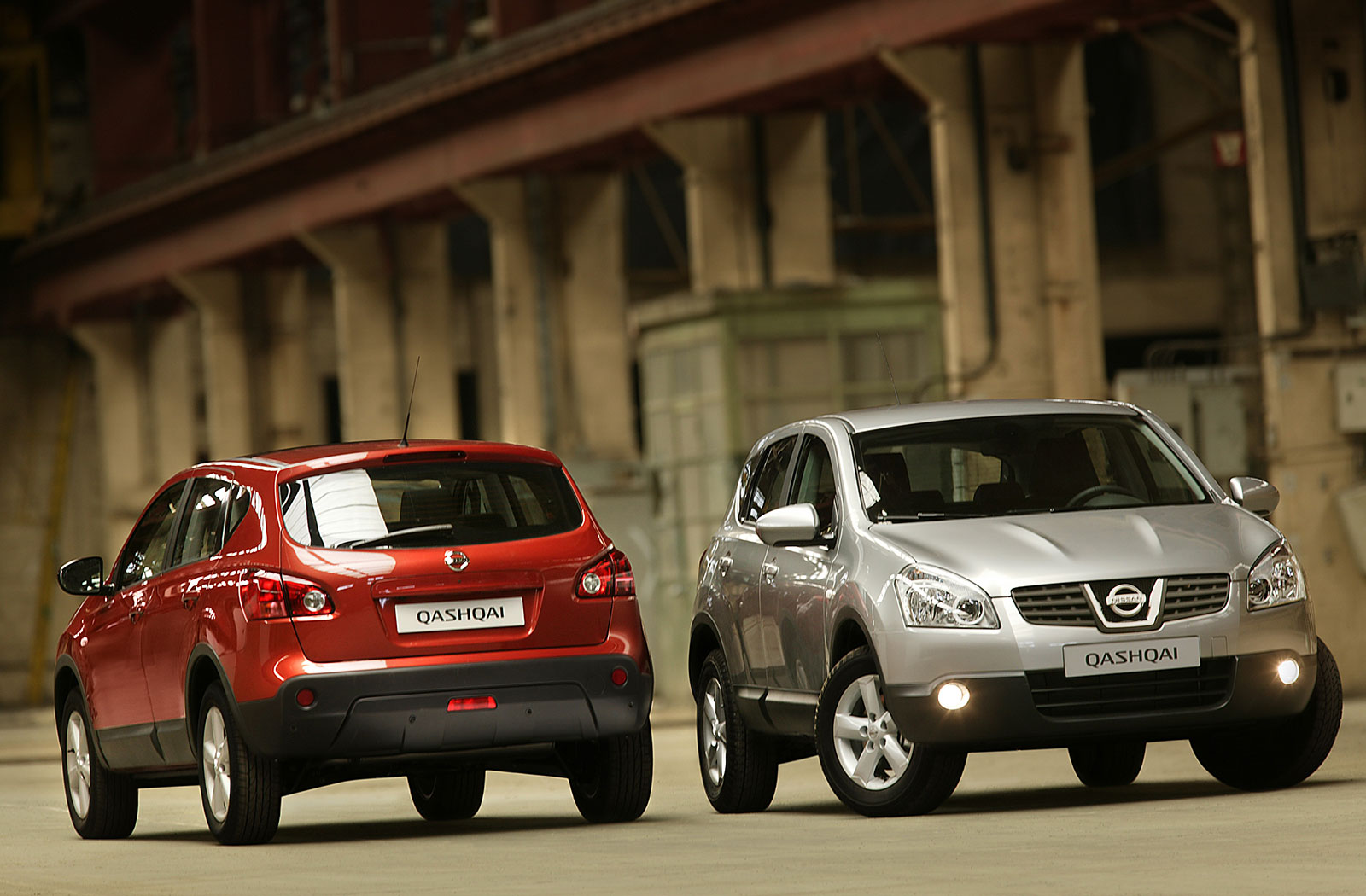
When Nissan began developing a replacement for the Almera, it faced a difficult decision. Rather than compete directly with established hatchbacks such as the Ford Focus, Nissan took an entirely different direction.
The resulting Qashqai combined hatchback practicality with chunky, pseudo-off-roader styling, offering buyers the appearance and elevated seating position of an SUV without the running costs or bulk of a traditional 4x4.
Some early critics questioned the concept, but British buyers quickly embraced it. Sales exceeded Nissan's initial expectations, establishing the Qashqai as one of the manufacturer's biggest European successes. That success has endured, with more than 7.3 million Qashqai-family vehicles sold worldwide, including 4.1 million across Europe.
In 2008, Nissan expanded the range with the Qashqai+2, a stretched version offering seven seats, demonstrating just how versatile the crossover formula could become.
What initially looked like an unusual alternative to the family hatchback was rapidly becoming a blueprint for the industry.
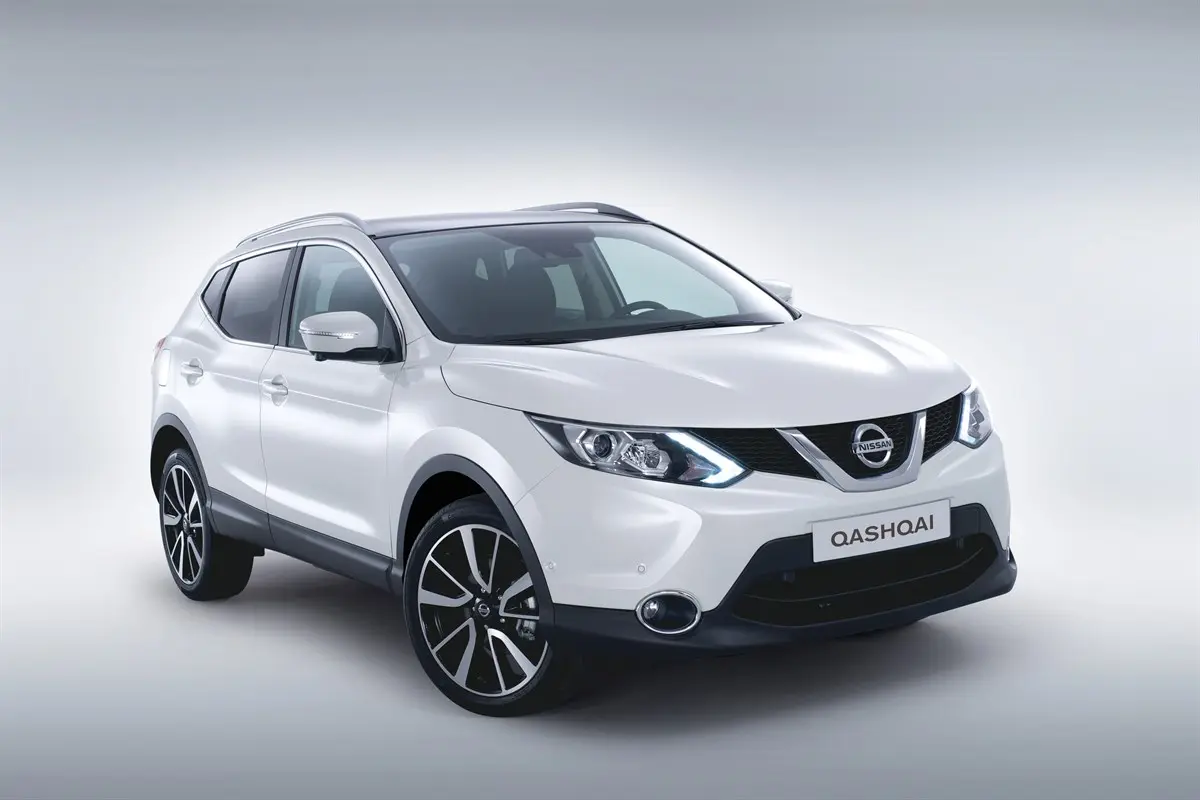
By the time the second-generation Qashqai arrived in 2014, Nissan was enjoying a remarkable period of innovation. The GT-R had reinforced its performance credentials, the unconventional Juke had created another crossover success, and the Leaf had become the world's first mass-market, purpose-designed electric family car.
But the Qashqai remained central to Nissan's European business.
The second generation was longer, lower and more sophisticated, with sharper styling, improved interior quality and greater emphasis on technology and efficiency. The seven-seat Qashqai+2 disappeared, with Nissan directing larger families towards the X-Trail.
Crucially, the market had begun catching up. Rival manufacturers recognised the enormous potential of family crossovers, making the segment increasingly competitive.
Nissan could no longer rely on being different. It needed to demonstrate that the car which helped popularise the category could remain one of its strongest contenders.
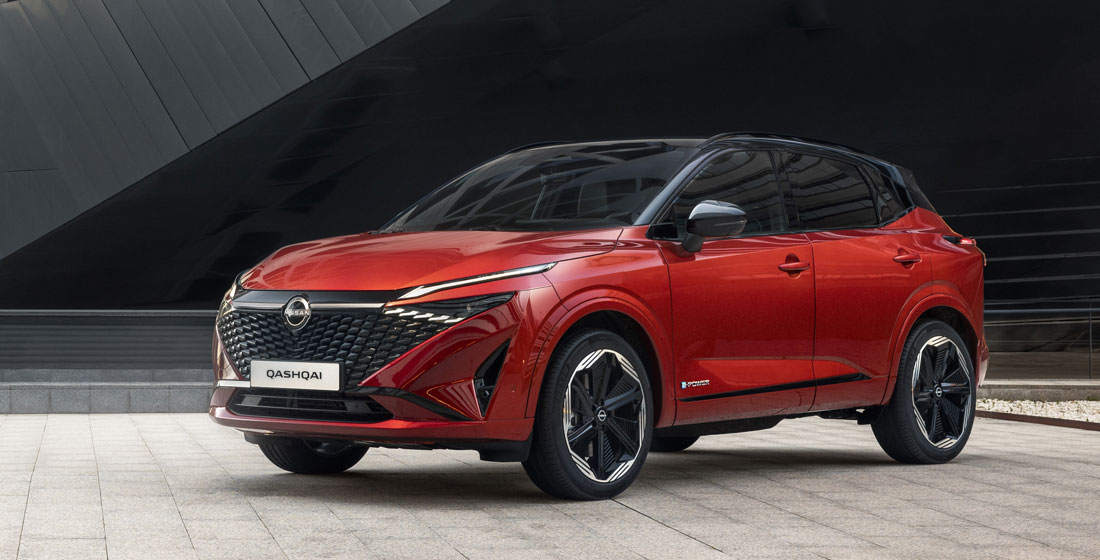
By the arrival of the third-generation Qashqai in 2021, the crossover had become one of the most important vehicle types in Europe. Almost every major manufacturer was competing for buyers, while some brands had begun replacing traditional hatchbacks and saloons with SUVs and crossovers altogether.
Nissan responded with a more mature Qashqai, introducing fresh technology, a more spacious cabin and, subsequently, its distinctive e-POWER hybrid system.
Diesel engines disappeared from the range, leaving petrol mild-hybrid and e-POWER powertrains to meet changing customer expectations.
Competition, however, has never been fiercer. Established European, Japanese and Korean manufacturers are now joined by ambitious Chinese brands offering increasingly sophisticated and competitively priced alternatives.
The Qashqai's combination of practicality, comfort and familiar styling remains compelling, but its successor will enter a market considerably more demanding than the one Nissan helped create.
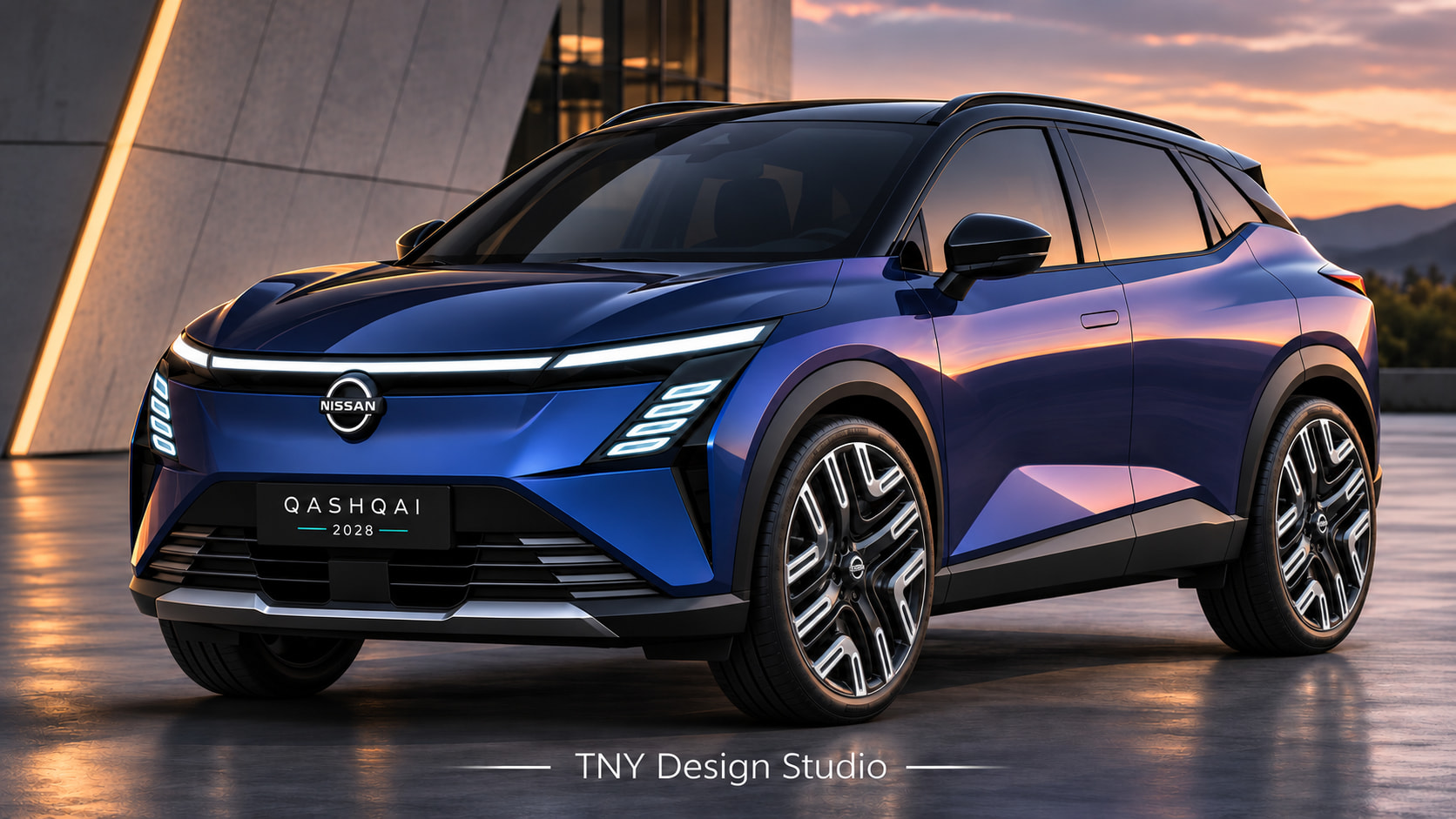
Looking at the lifespan of previous generations, a replacement for today's Qashqai might reasonably be expected around 2028 or 2029. However, recent reports suggest Nissan could instead introduce a substantial update, retaining much of the existing model's engineering.
The future of an electric Qashqai is also uncertain. Reuters reported in June 2026 that development had been halted, although Nissan has not formally ruled out an electric version.
With the Leaf, forthcoming electric Juke and larger Ariya covering important parts of Nissan's EV range, the Qashqai could continue concentrating on petrol and hybrid technology.
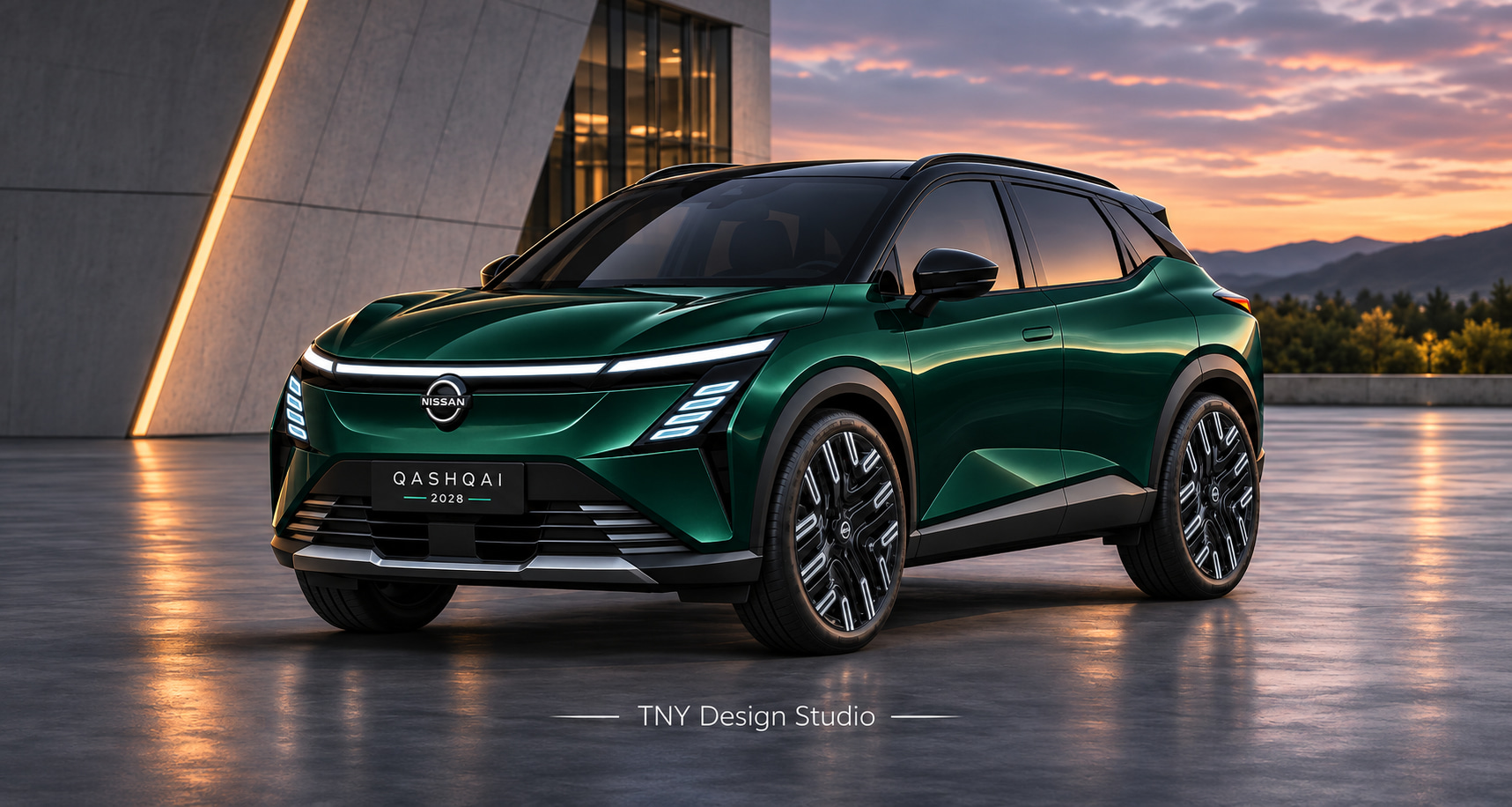
Our Design Studio interpretation imagines a more modern, confident front end, incorporating Nissan's latest lighting signatures while retaining the familiar Qashqai proportions.
It's an evolutionary approach to a car whose established identity remains one of its greatest strengths.
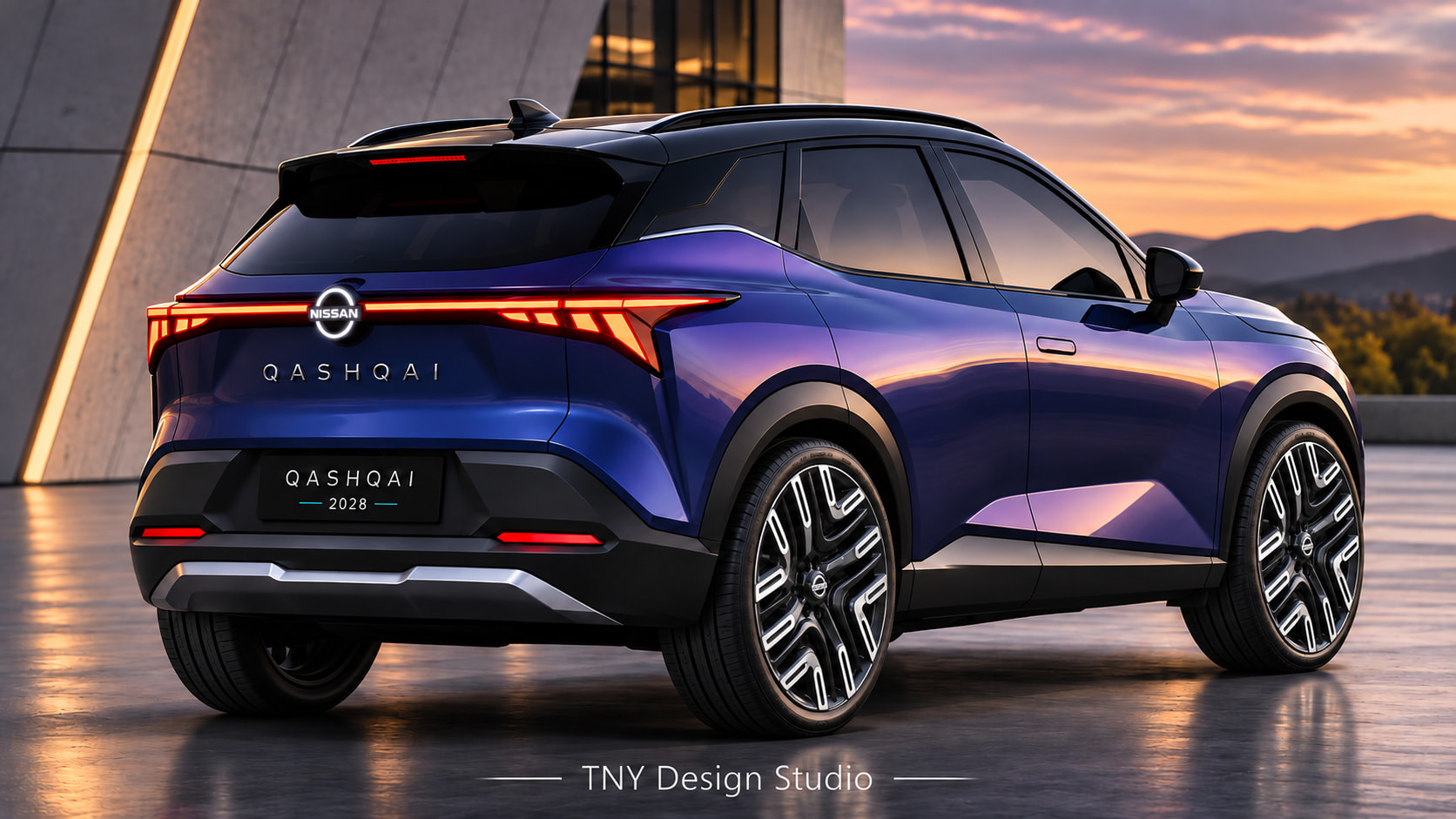
From the rear, our proposed Qashqai continues that evolutionary approach. The familiar proportions remain, but cleaner surfaces, contemporary lighting and sharper detailing bring the design closer to Nissan's newest models.
Maintaining the Qashqai's position within Nissan's range will be particularly important. With the manufacturer investing heavily in electric vehicles, its petrol and hybrid models must remain equally competitive, offering customers a convincing alternative to going fully electric.
The next Qashqai doesn't necessarily need to reinvent the crossover. It needs to deliver the practicality, efficiency, comfort and value that made the original so successful, while introducing enough innovation to stand apart from an increasingly crowded field.
Twenty years ago, Nissan challenged the conventional family hatchback and helped change the direction of the British car market. Today, the crossover is everywhere, and the Qashqai faces more competition than ever before.
Its greatest challenge may no longer be convincing buyers to choose a crossover, but convincing them that the Qashqai is still the one to have.
Disclaimer: The fourth-generation Nissan Qashqai renderings are independent, unofficial design studies created by The New Yardstick. They are not affiliated with, endorsed by or commissioned by Nissan. Future model designs, specifications and launch dates remain speculative.

Image Credits: Historical and current-generation Qashqai images: Nissan Motor Corporation (manufacturer press imagery, where applicable). Fourth-generation concept renderings: © The New Yardstick / TNY Design Studio.
You should also read:
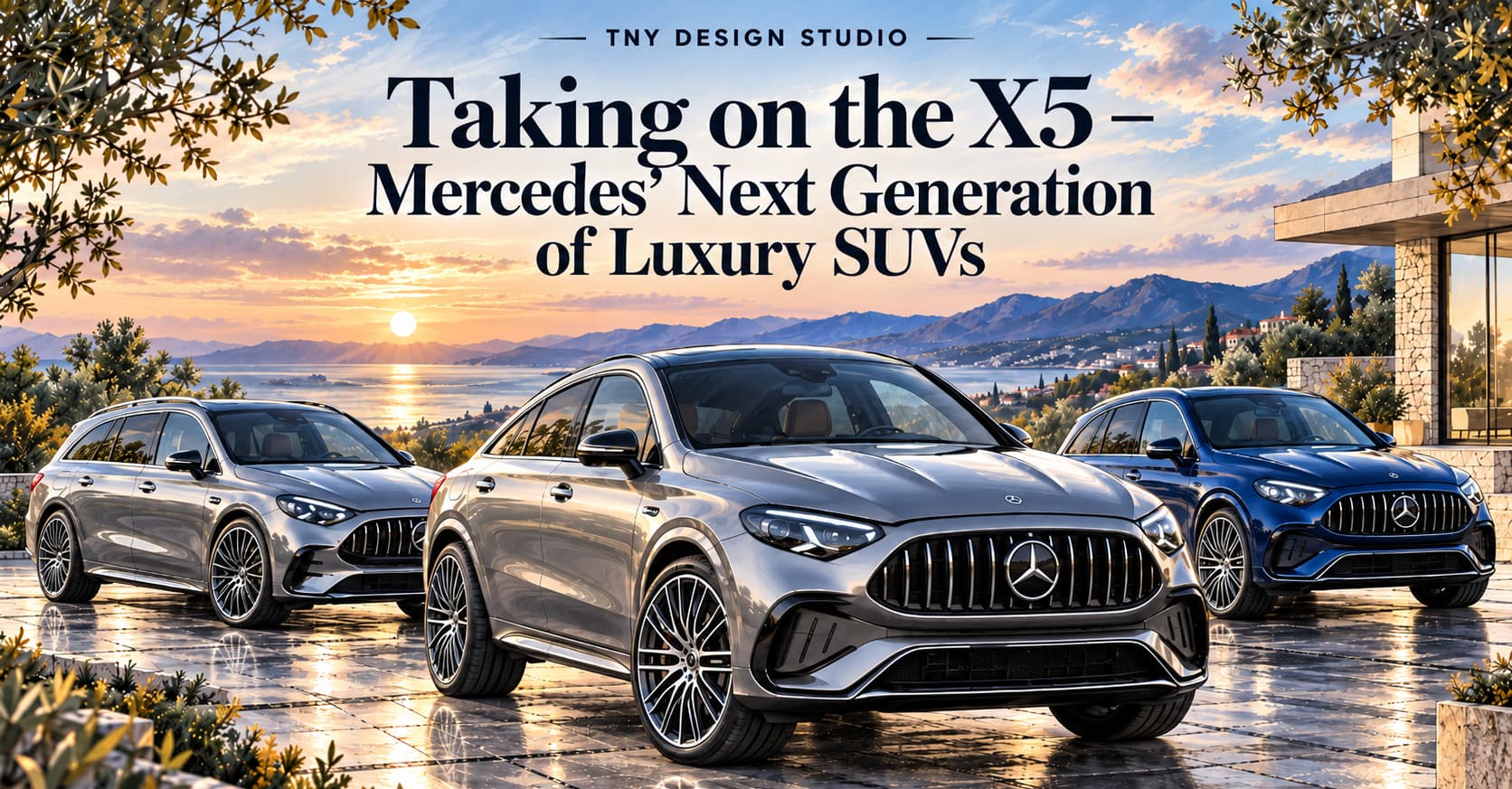
Taking on the X5 – Mercedes' Next Generation of Luxury SUVs
Mercedes-Benz helped shape the premium SUV market long before BMW joined the party. The original M-Class arrived in 1997, two years ahead of the first BMW X5, at a time when the Range Rover was still the established benchmark for luxury off-roaders. Originally known as the M-Class or ML, the model became…
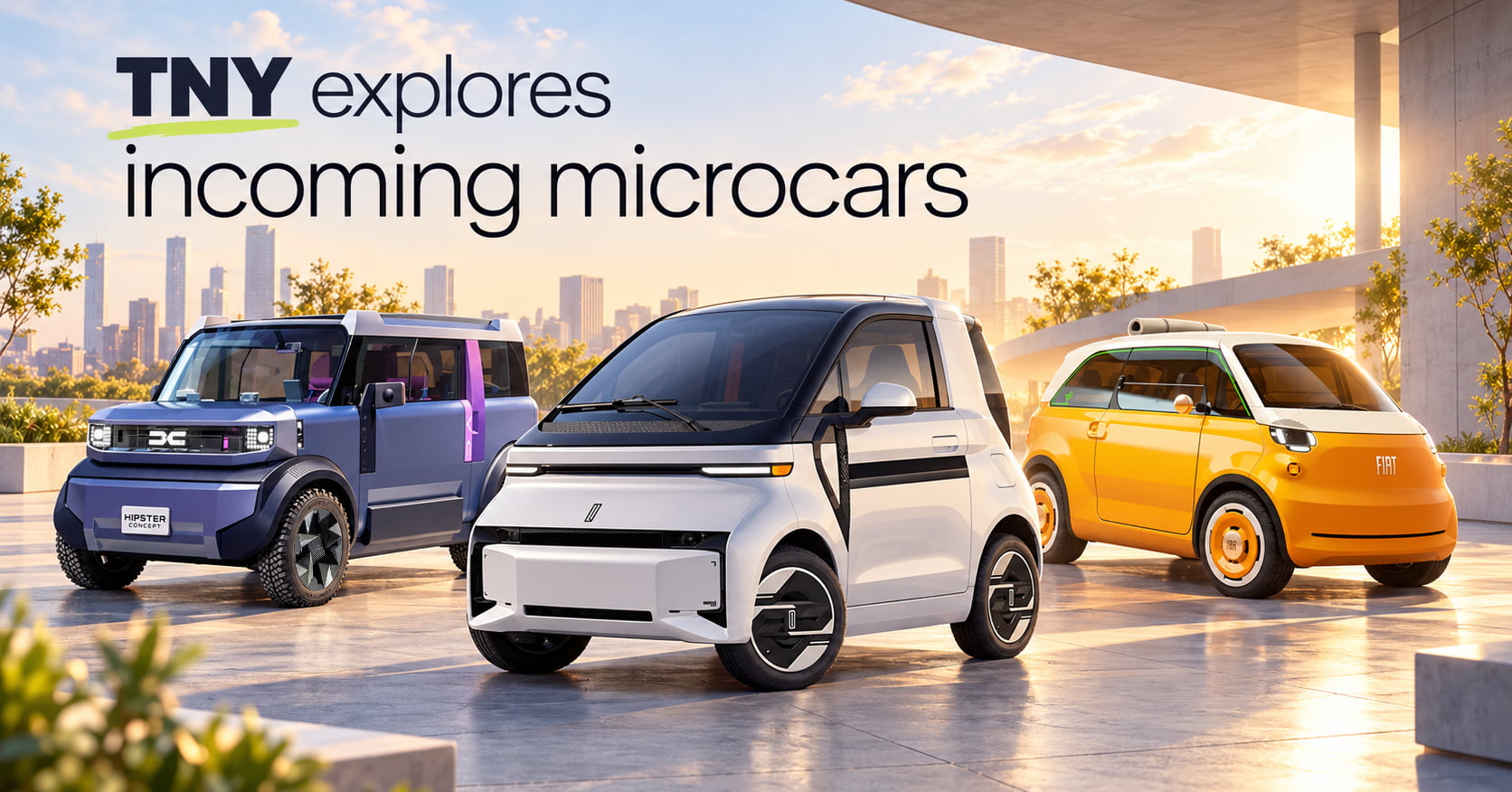
The Next Microcar Generation – Six Little Cars with Big Ambitions
Microcars might occupy a small corner of Europe's automotive market, but their appeal is difficult to ignore. In 2025, France registered 24,919 new light quadricycles, while Italy recorded 17,989 light and heavy quadricycles, more than 72% of them electric. Their appeal lies in simplicity. Compact dimensions, low energy consumption and modest running…
What Are the Best Fun Cars You Can Buy for £6,000?
A £6,000 budget opens the door to a surprisingly varied selection of interesting used cars. Rather than simply chasing the newest or lowest-mileage option, this is the point where buyers can start looking for something with real character. That might mean a proper rear-wheel-drive coupé, a lightweight hot hatch, a rare premium…
TNY Design Studio Explores BMW’s Next SUV Generation — From X1 to X8
BMW is entering one of the most significant design transitions in its recent history. The arrival of Neue Klasse isn't simply about introducing a new generation of electric cars; its technology and dramatically simplified design language are beginning to influence BMW's entire range. For the company's SUVs, that creates an especially interesting…
What Does £1,500 Buy in 2026? Eight Used Cars We’d Look At
Cheap cars do not automatically have to mean bad cars. At the bottom end of the used market, £1,500 will inevitably involve compromises — higher mileage, older interiors and the odd cosmetic scar — but there are still plenty of genuinely useful, dependable cars available for the money. The trick is looking…
Audi’s Next Chapter: A2, E5 and a New Push Upmarket
Audi wants to move upmarket, but its product strategy is starting to pull in two very different directions. In China, the new E5 Sportback shows just how far the brand can go, combining 800V charging, advanced software and a new generation of digital architecture developed with SAIC. In Europe, meanwhile, Audi is…
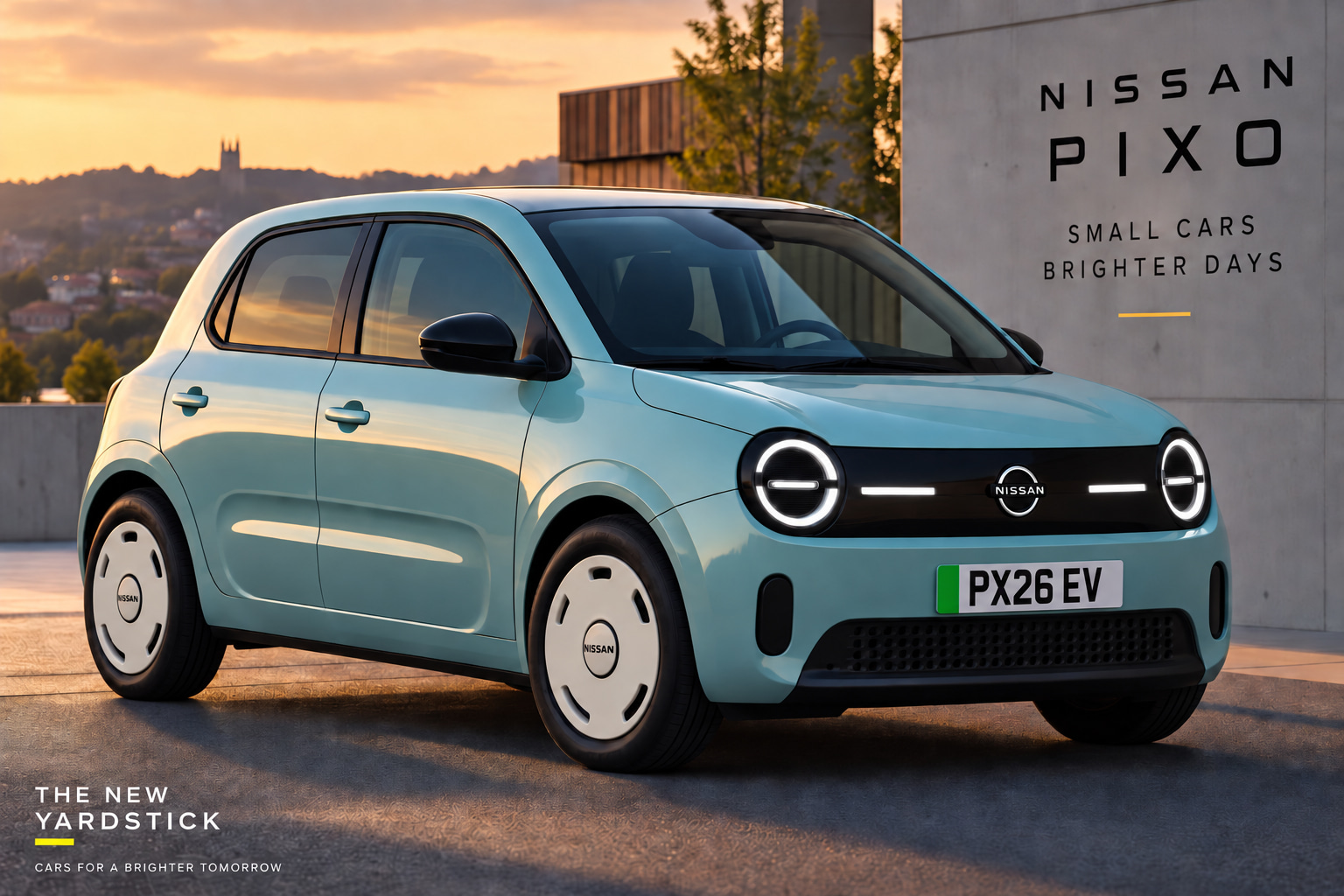
Nissan Pixo: Could Britain's Former Cheapest Car Make an Electric Comeback?
When the Nissan Pixo arrived in the UK in 2009, it quickly established itself at the very bottom of Britain's new-car market. For the majority of its short life, it was Britain's cheapest new car — a position that became an important part of the little Nissan's identity. Then, in 2013, Dacia…
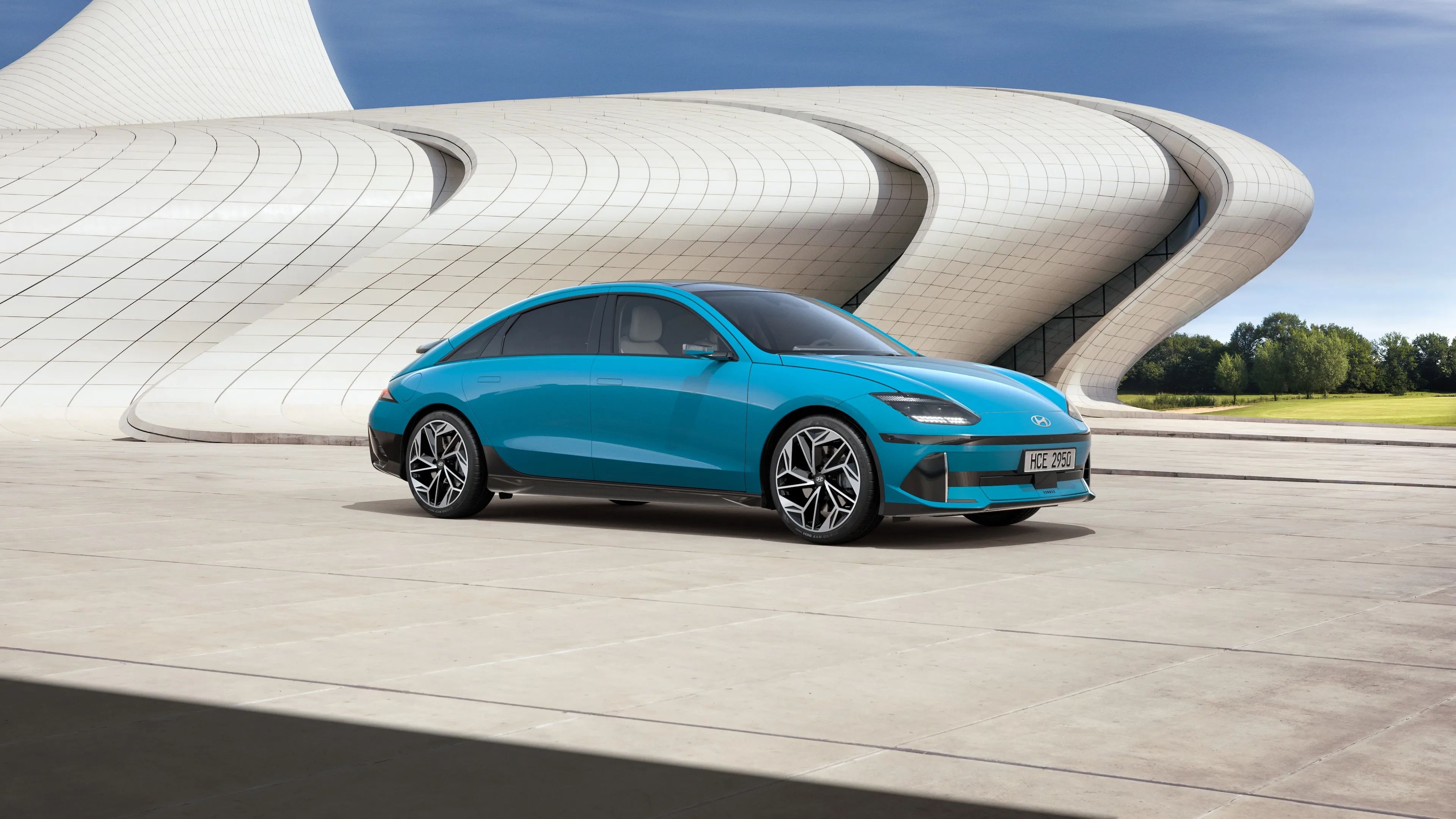
Hyundai's 100-Car Plan: What Comes Next for One of the World's Fastest-Changing Car Makers?
Twenty years ago, Hyundai was still fighting to prove that it could match the established European and Japanese brands. Today, that description feels almost unrecognisable. Hyundai has become a genuinely global manufacturer, producing everything from affordable small cars to sophisticated EVs, large SUVs and increasingly serious performance models. Now it wants to…