Xiaomi 2030: Human × Car × Home — A Connected Future
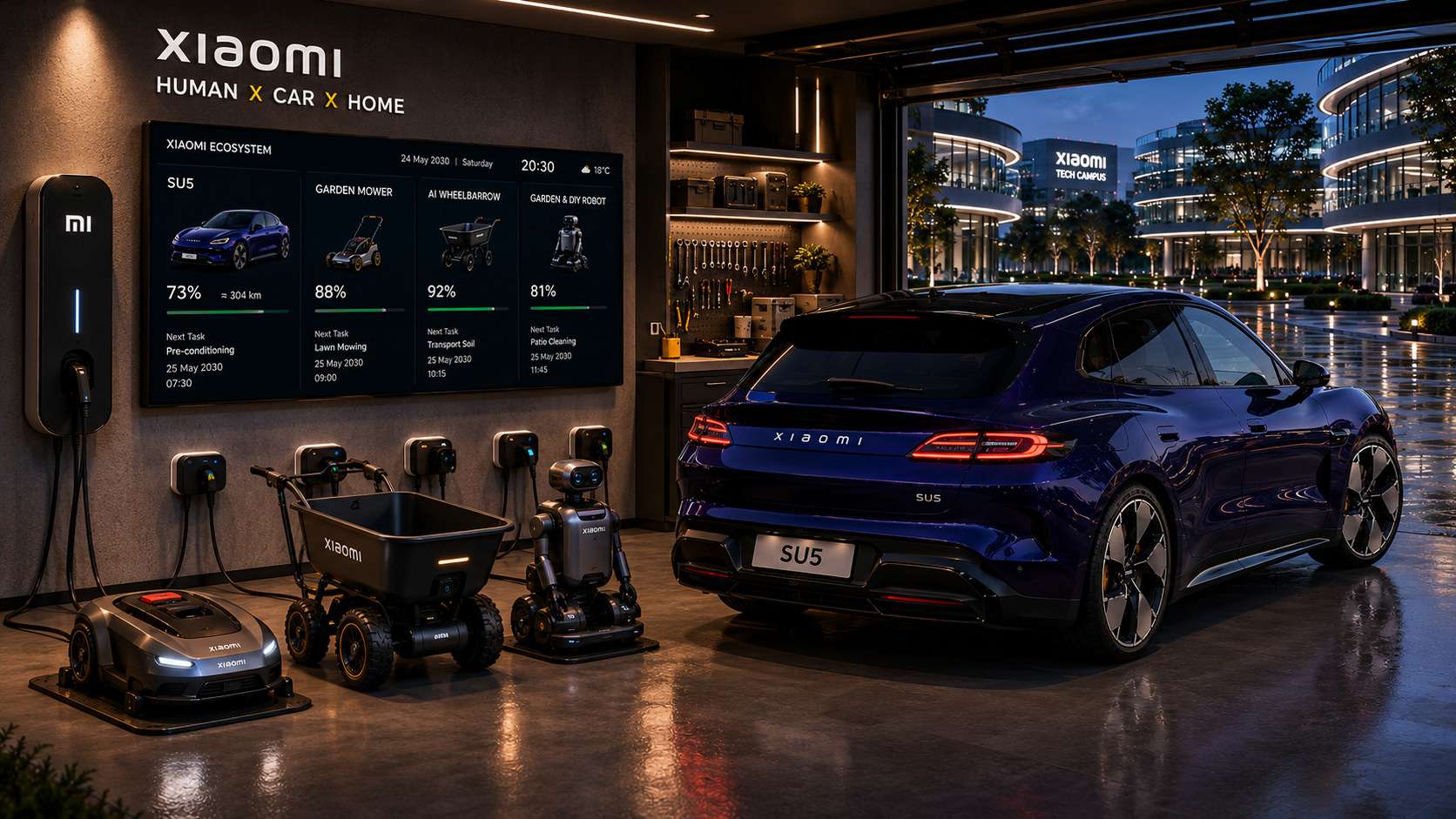
Xiaomi’s 2030 vision begins with a simple idea: technology should feel human. The Human × Car × Home philosophy imagines a world where devices, vehicles, and living spaces share one intelligent rhythm. This hero rendering captures that shift - a future where mobility isn’t isolated, but part of a seamless ecosystem.
We have created a vision exploring Xiaomi’s ambition to build a network of products that communicate effortlessly. It’s a vision of design meeting purpose, where the car becomes another smart space in a wider digital home.
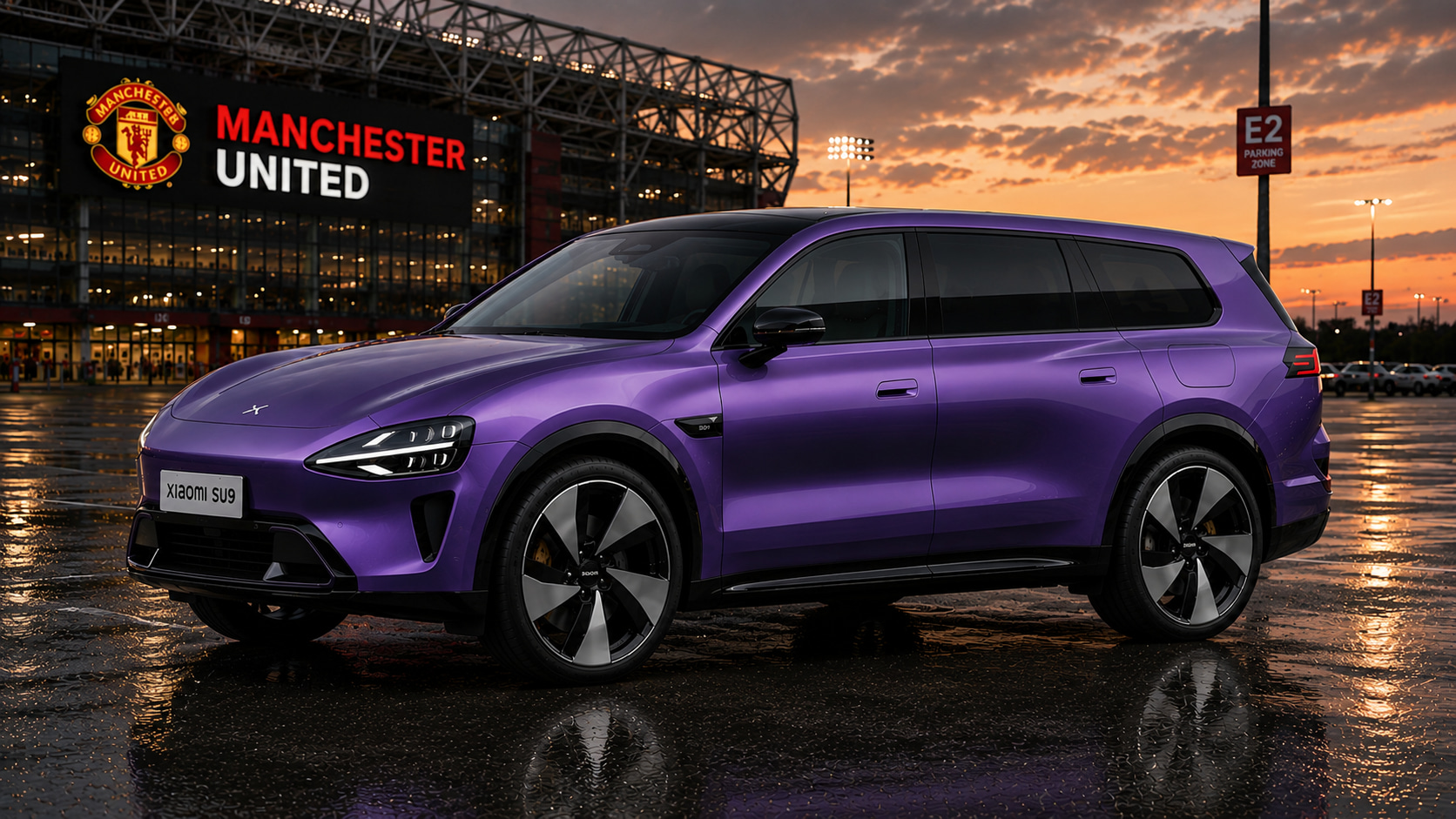
Our vision of the model positions the SU9 as a statement of intent: Xiaomi’s automotive design language is maturing fast, ready to stand shoulder‑to‑shoulder with established players.
A BMW X7‑sized model, priced closer to X5 money, yet offering best‑in‑class technology, would give Xiaomi a compelling foothold in the premium SUV space. And while not aiming for rock‑bottom pricing like some Chinese rivals, the Xiaomi range could deliver a new level of luxury while still undercutting legacy brands in the segment.
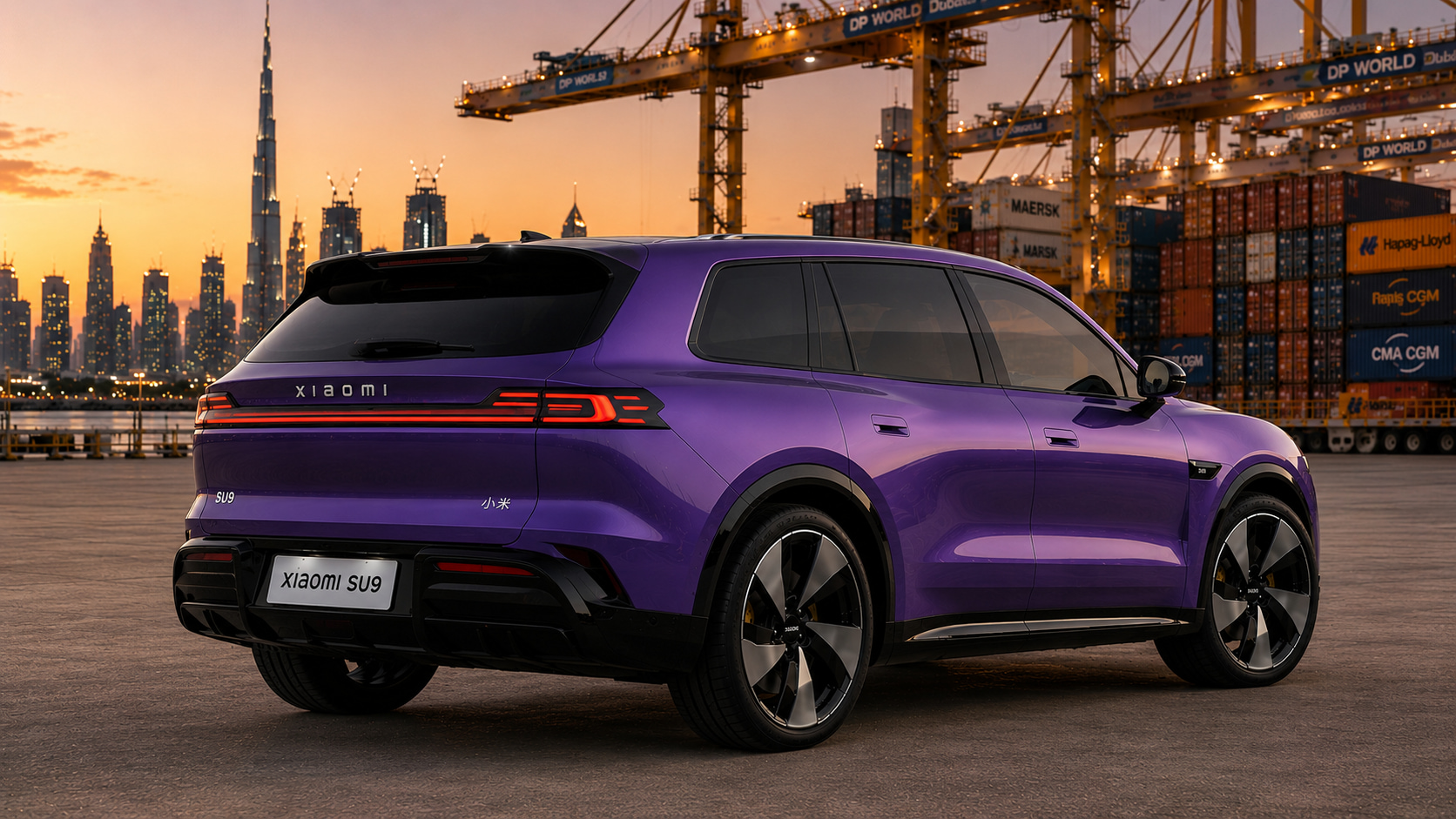
The industrial backdrop reinforces the SUV’s duality - luxury meets capability. This rendering imagines how Xiaomi could position a seven‑seat EV that feels premium without losing practicality.
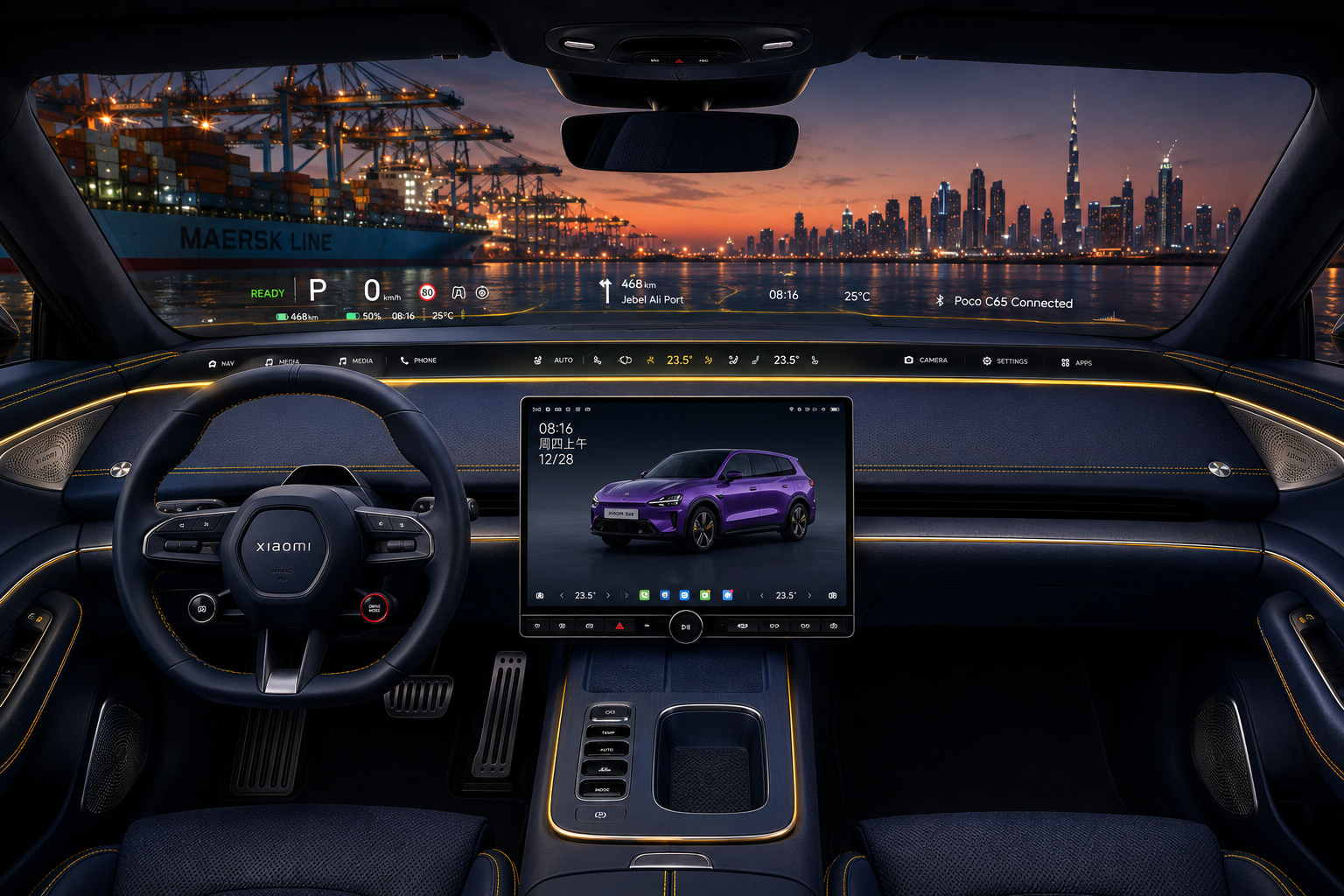
By 2030, Xiaomi’s cars won’t just respond; they’ll converse, turning mobility into an extension of the connected lifestyle.
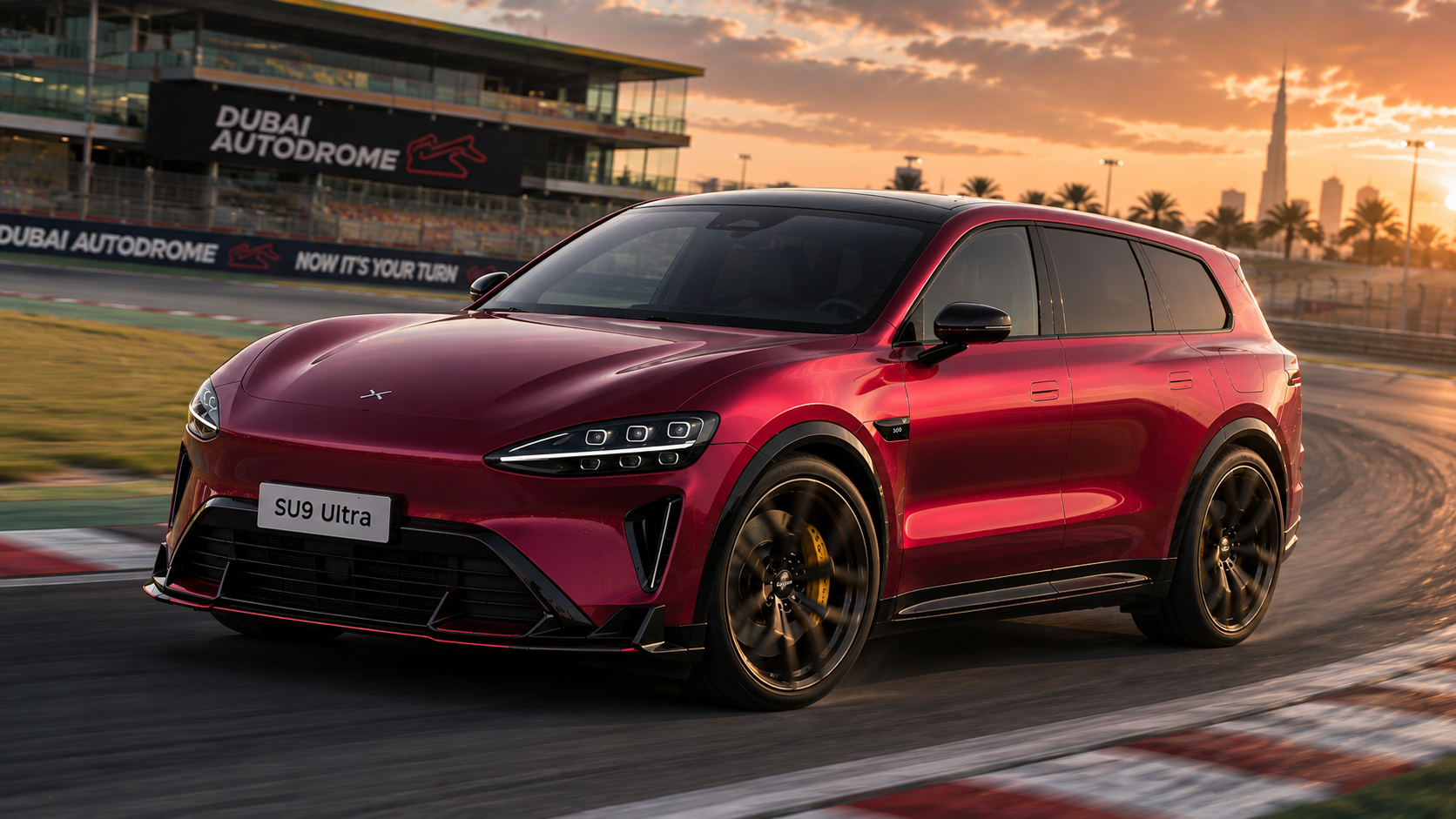
The SU9 Ultra imagines the next step: a class-heavyweight SUV inspired by the SU7 Ultra's 1,527 hp tri-motor powertrain, with a projected 0–62 mph time of 2.6–3.0 seconds and the high-quality finish expected of Xiaomi's future flagship.
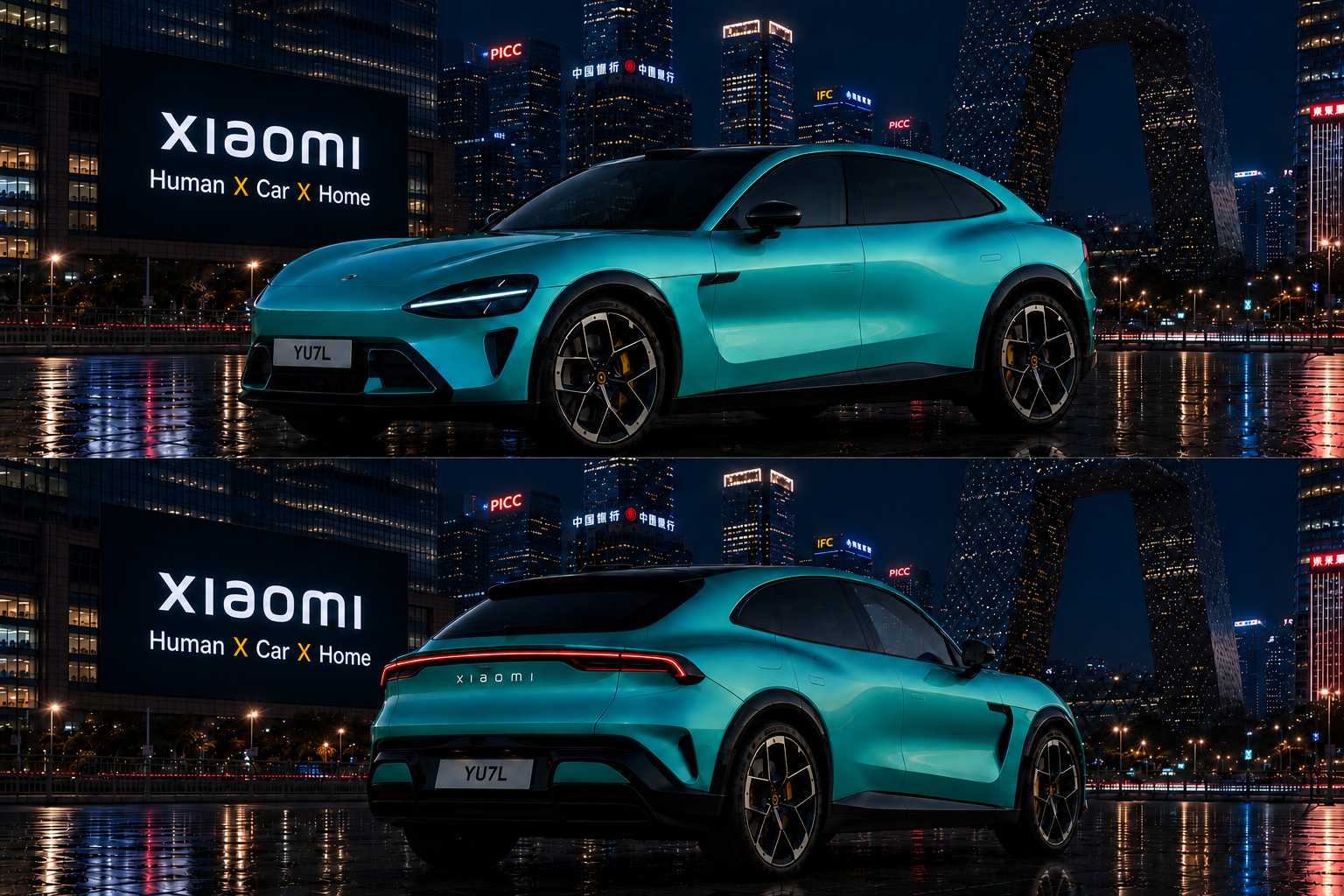
Extending the YU7 into a longer, sleeker YU7 L would give Xiaomi a performance‑oriented halo model with grand‑touring proportions, blending coupe‑like agility with SUV practicality - a statement of ambition for its 2030 portfolio.
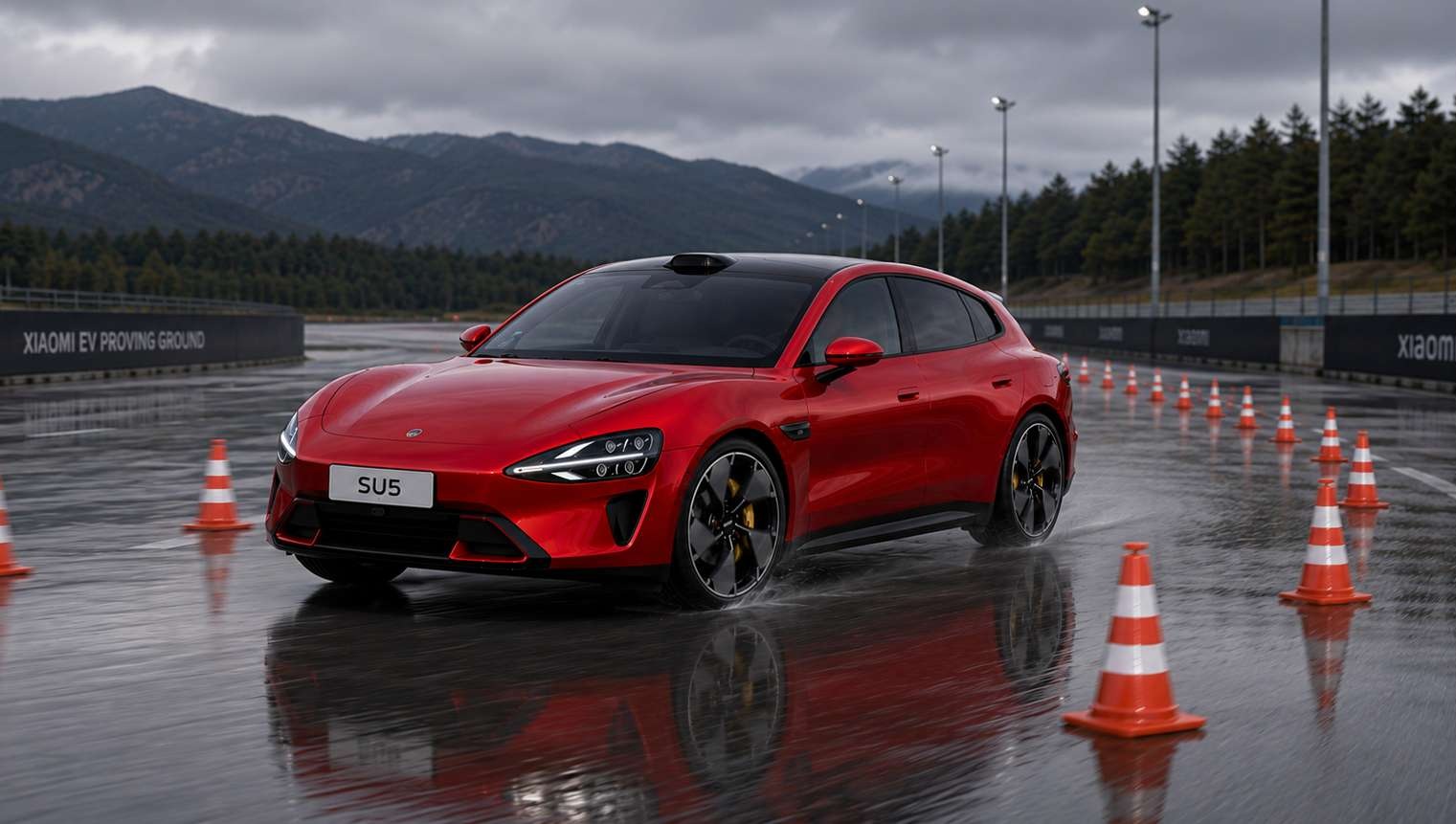
Strong theoretical specs and a clean, confident stance suggest how Xiaomi could position a hatchback that’s as connected as it is composed. If released, the SU5 concept could set a new benchmark for software-led premium hatchbacks, blending everyday practicality with Xiaomi's connected ecosystem.
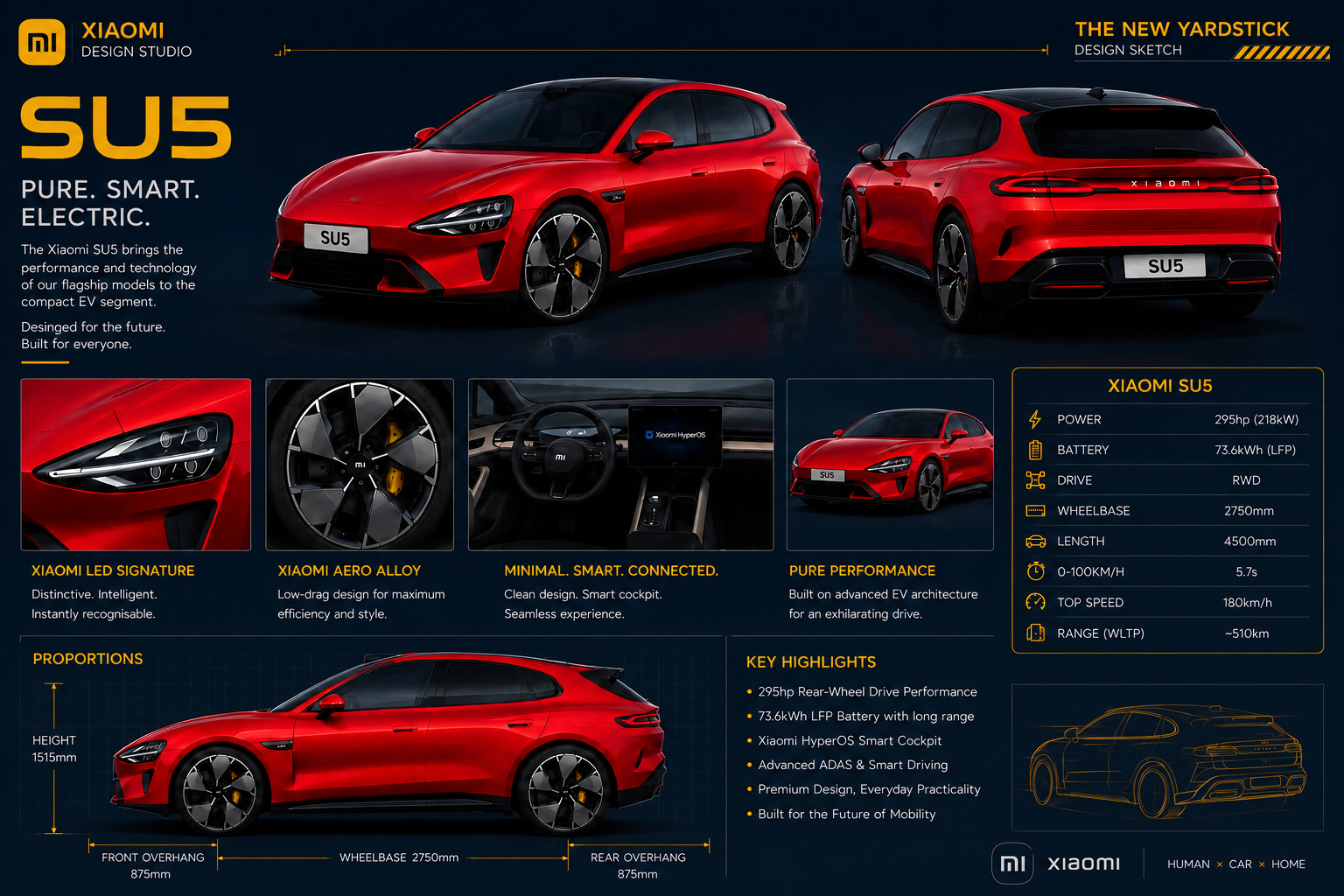
The minimalist cockpit, HyperOS‑style interface, and balanced proportions point toward a seamless blend of comfort and intelligence. With a rear‑drive layout and refined aero detailing, the SU5 concept feels mature beyond its size class.
It’s not official, but it’s a compelling vision of how Xiaomi could merge design, software, and driving pleasure into one cohesive statement.
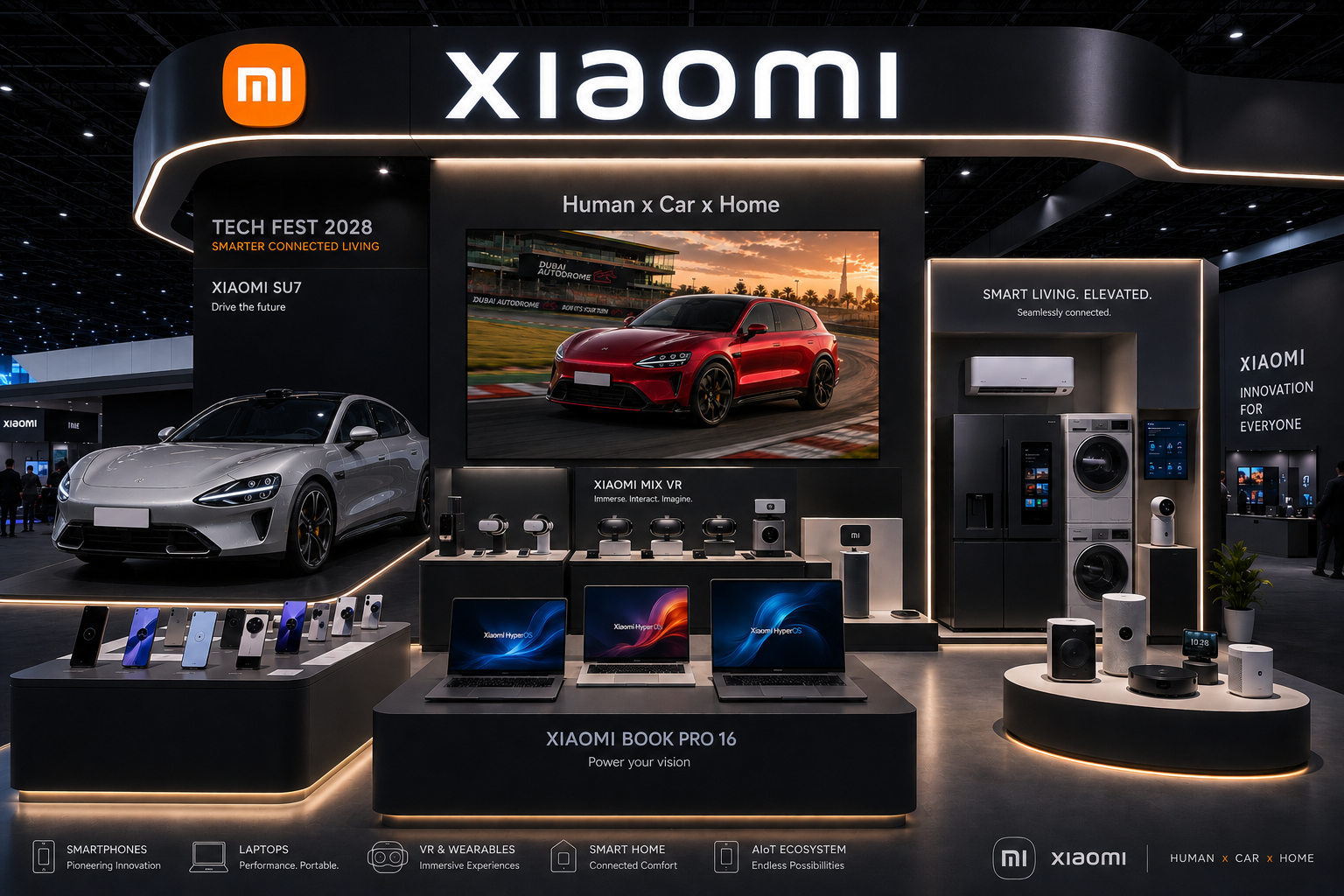
Our Xiaomi TechFest concept explores a vision of Xiaomi’s 2030 ambition: a unified ecosystem built around intelligence, comfort, and seamless connectivity.
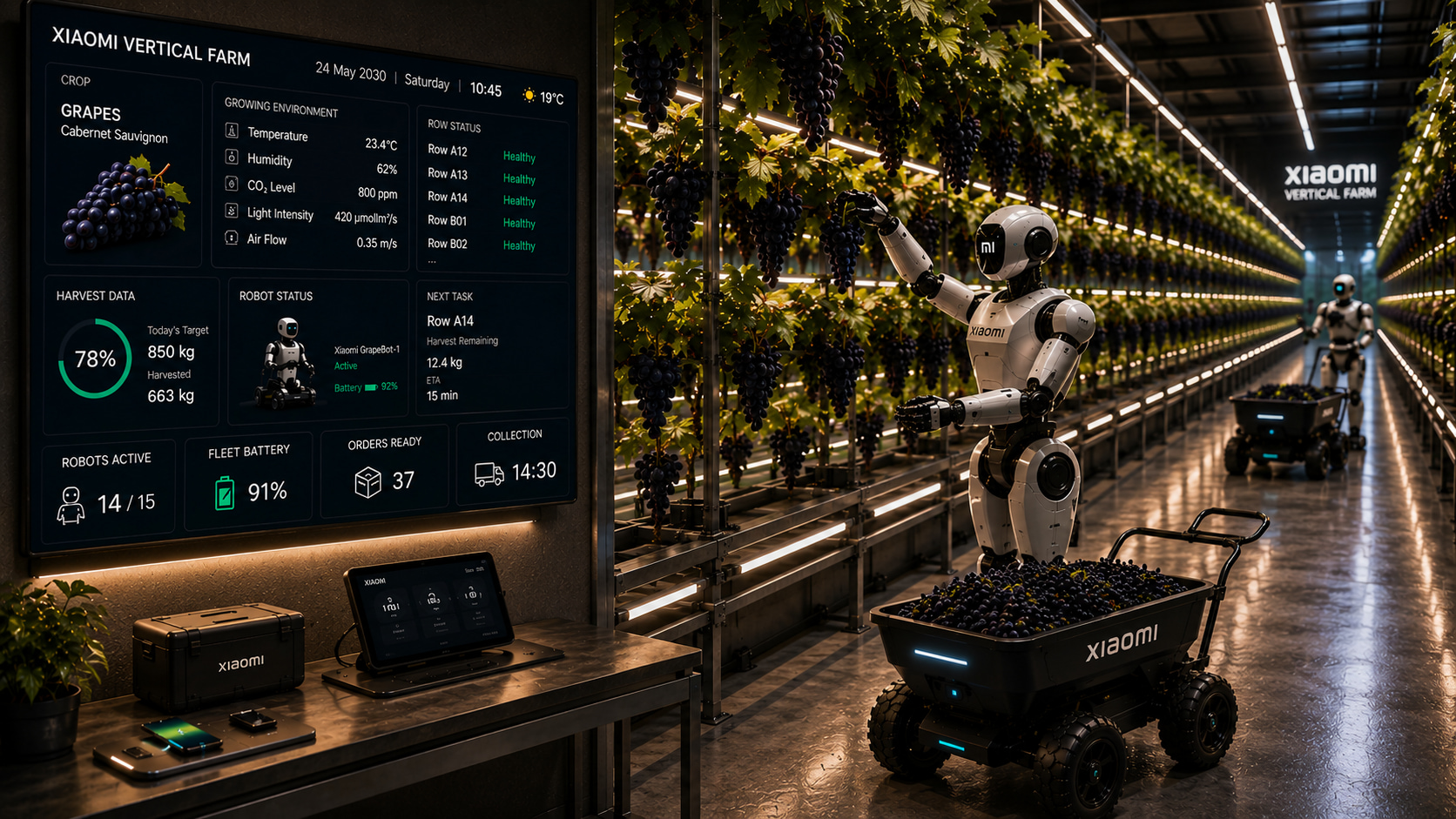
Autonomous harvesters, controlled lighting, and real‑time dashboards show how precision agriculture might fit into Xiaomi’s broader ecosystem. It’s a vision where the same intelligence powering homes and vehicles also cultivates food efficiently and responsibly.
This rendering expands Xiaomi’s future beyond convenience - suggesting a role in environmental affairs, commercial practices, and smart infrastructure.
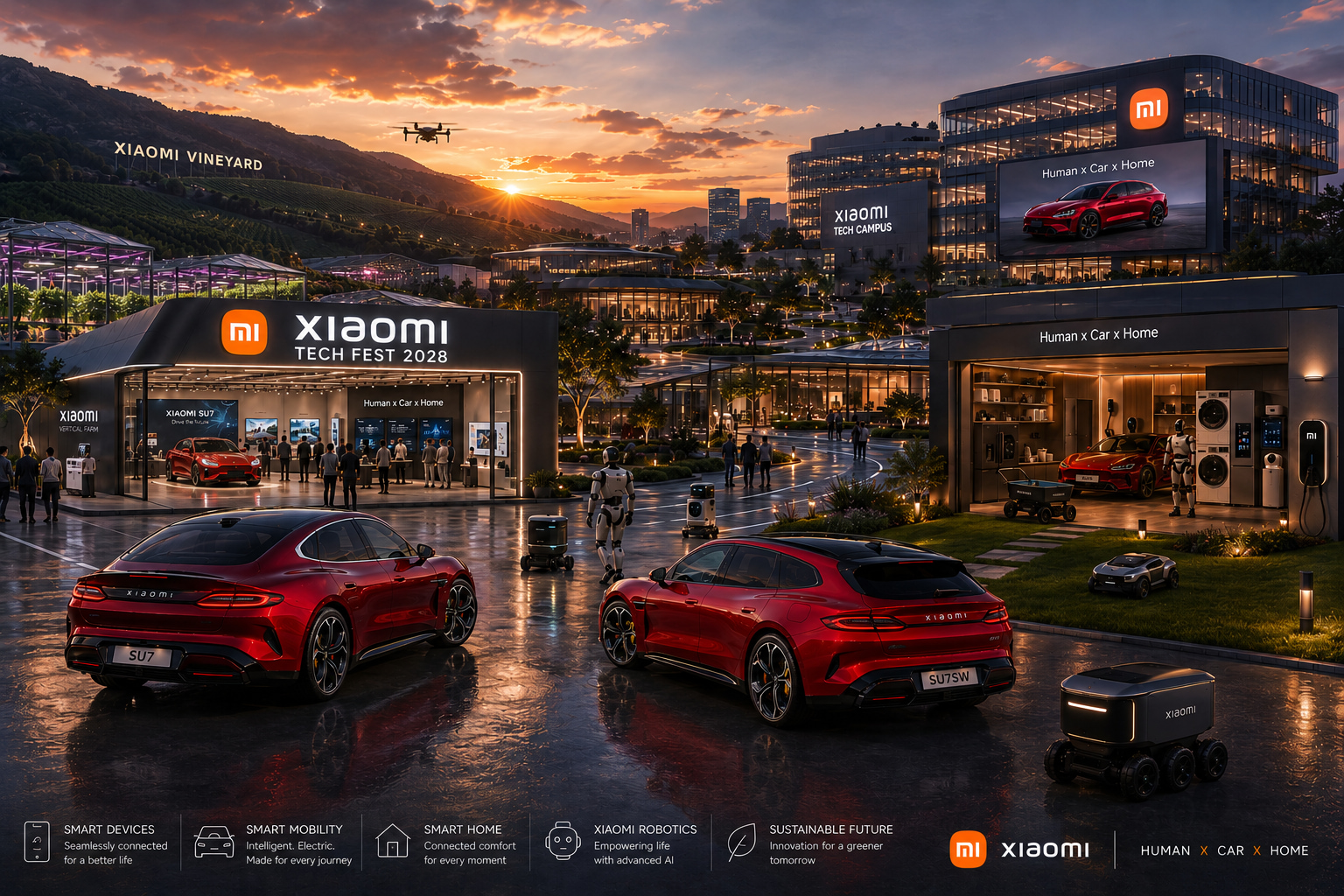
In the end, Xiaomi’s future isn’t defined by any single device or car. It’s defined by integration - a seamless ecosystem where vehicles, homes, devices, and even food production operate in harmony. Whether that vision becomes reality remains to be seen, but Xiaomi has already shown it can move remarkably quickly.
If the company maintains its current trajectory, the next decade may not simply be about building better cars - it could be about redefining how vehicles fit into our connected lives.
(Image Credits: The New Yardstick)
You should also read:
Škoda's Small Car Future: Cheaper EVs and a New Life for the Scala
Škoda has built its reputation on delivering practical, spacious cars at sensible prices. Models like the Scala demonstrate just how much car the Czech manufacturer can offer for the money, but as the industry moves towards electrification, can Škoda bring that same value to its smallest electric models? The incoming Epiq is…
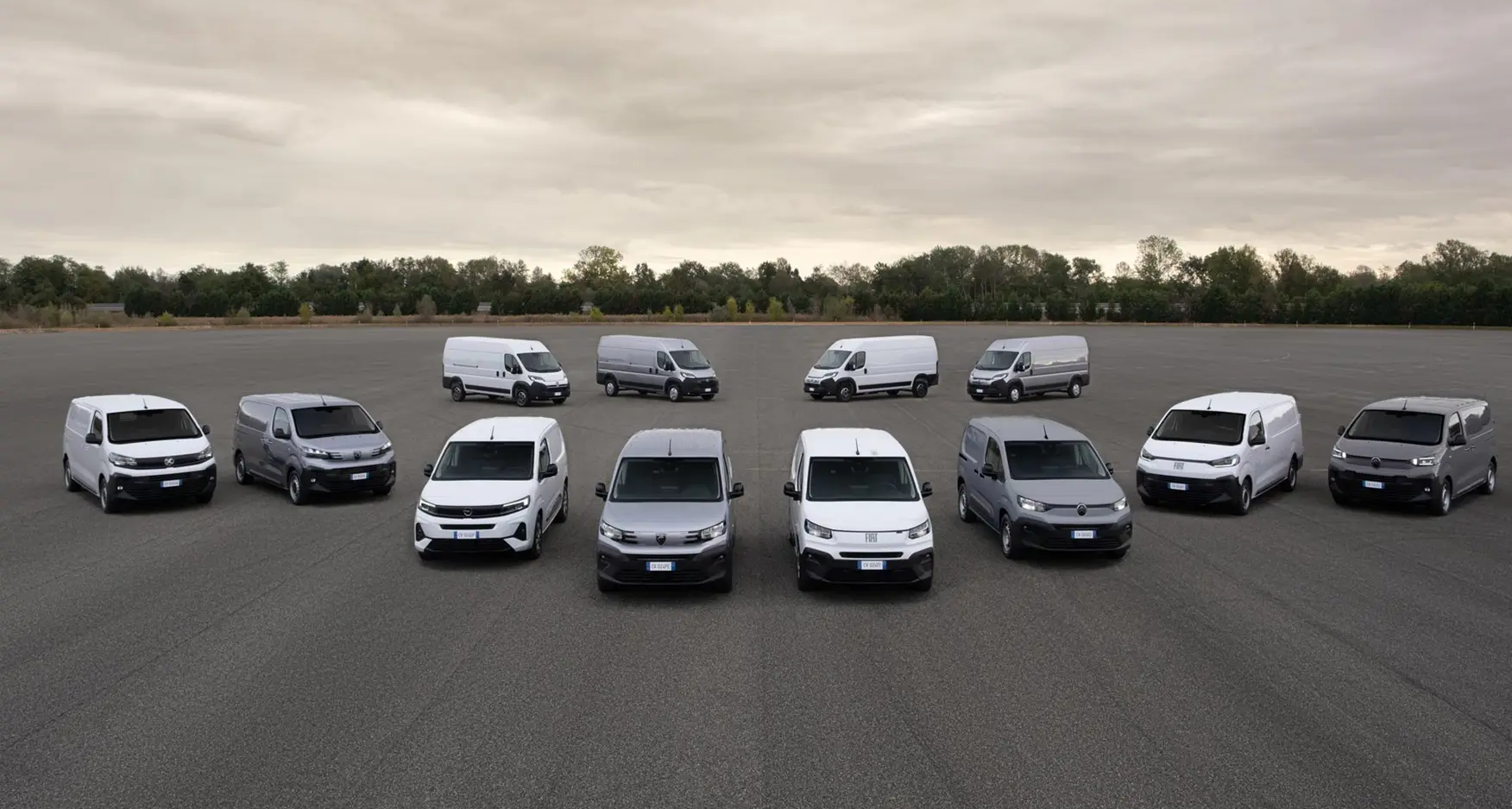
Stellantis Vans 2030: What Comes Next for Europe's Biggest Van Family?
Stellantis has built one of Europe’s biggest commercial vehicle operations, with familiar names from Citroën, Fiat, Peugeot, Opel and Vauxhall covering almost every corner of the van market. But the automotive world is changing faster than the traditionally slow-moving commercial vehicle cycle. Battery technology continues to improve, hybrid powertrains are finding new…
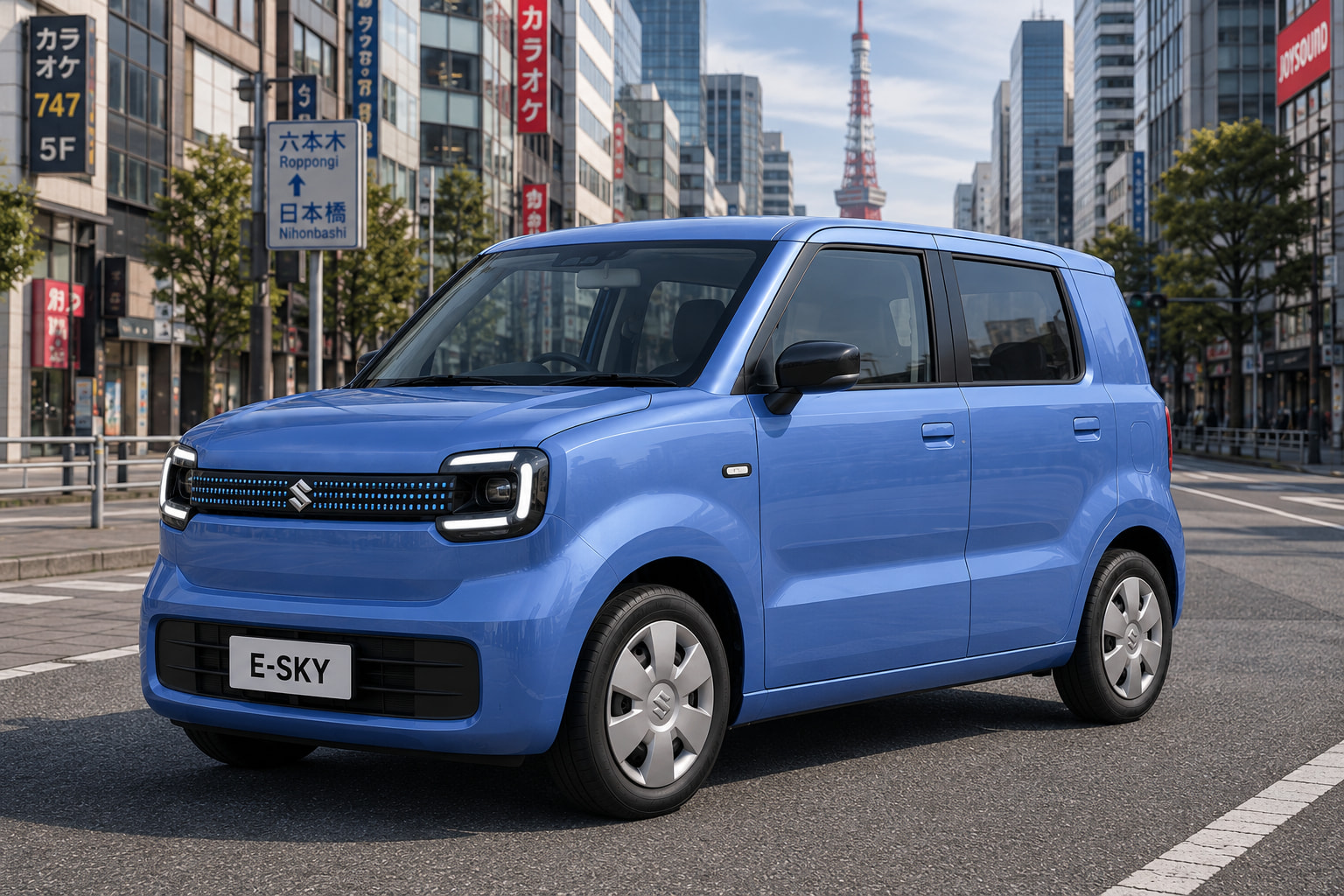
Could These Two Models Complete Suzuki's Future Line-up?
Suzuki's range has become one of the simplest on sale, but two clear opportunities remain. At the bottom sits the biggest omission of all: there's no modern successor to cars like the Alto, Celerio or Ignis. An affordable city car has long been one of Suzuki's greatest strengths, and an electric replacement…