The 40% Monolith: Why the Entire EV Industry Bows to CATL
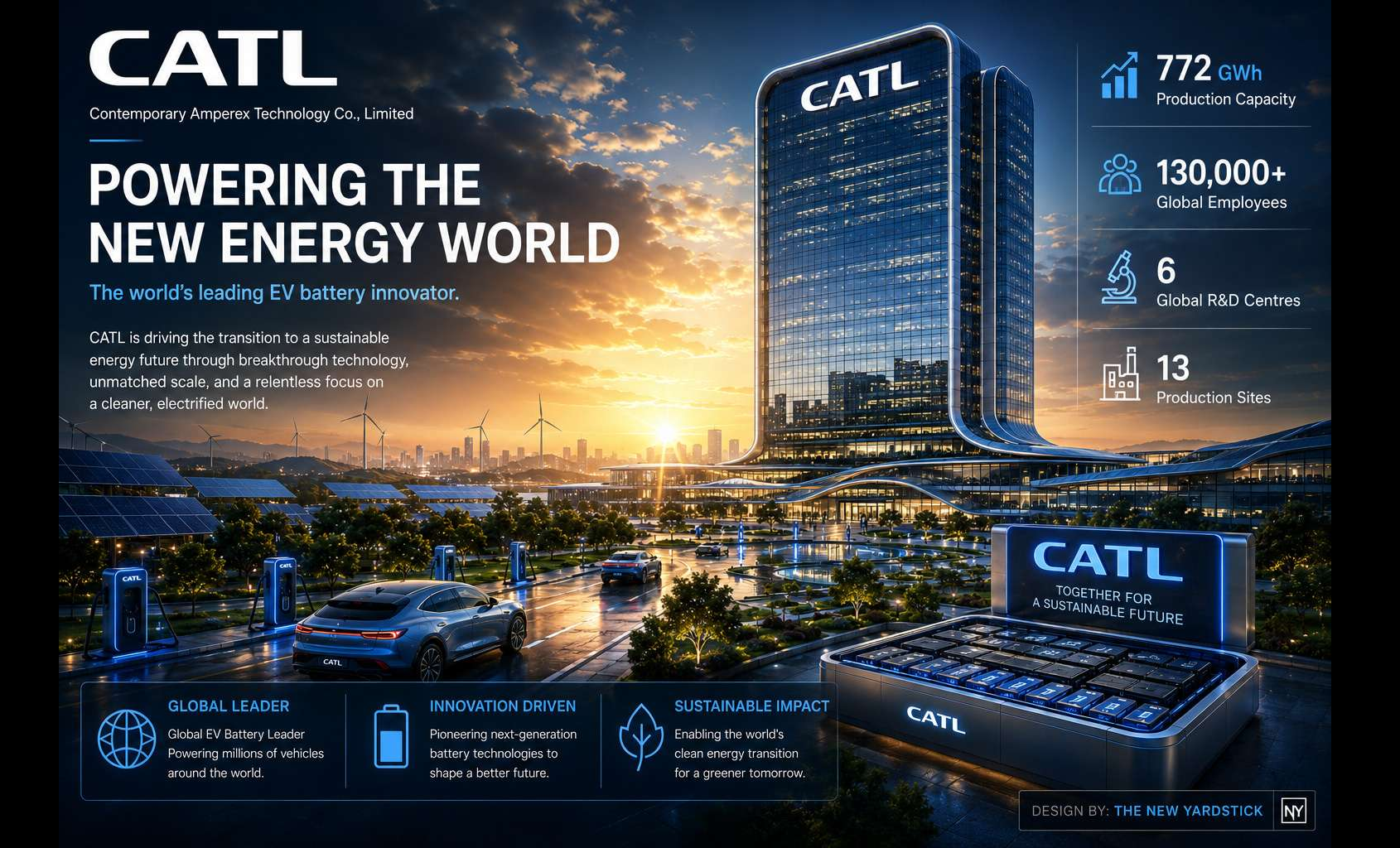
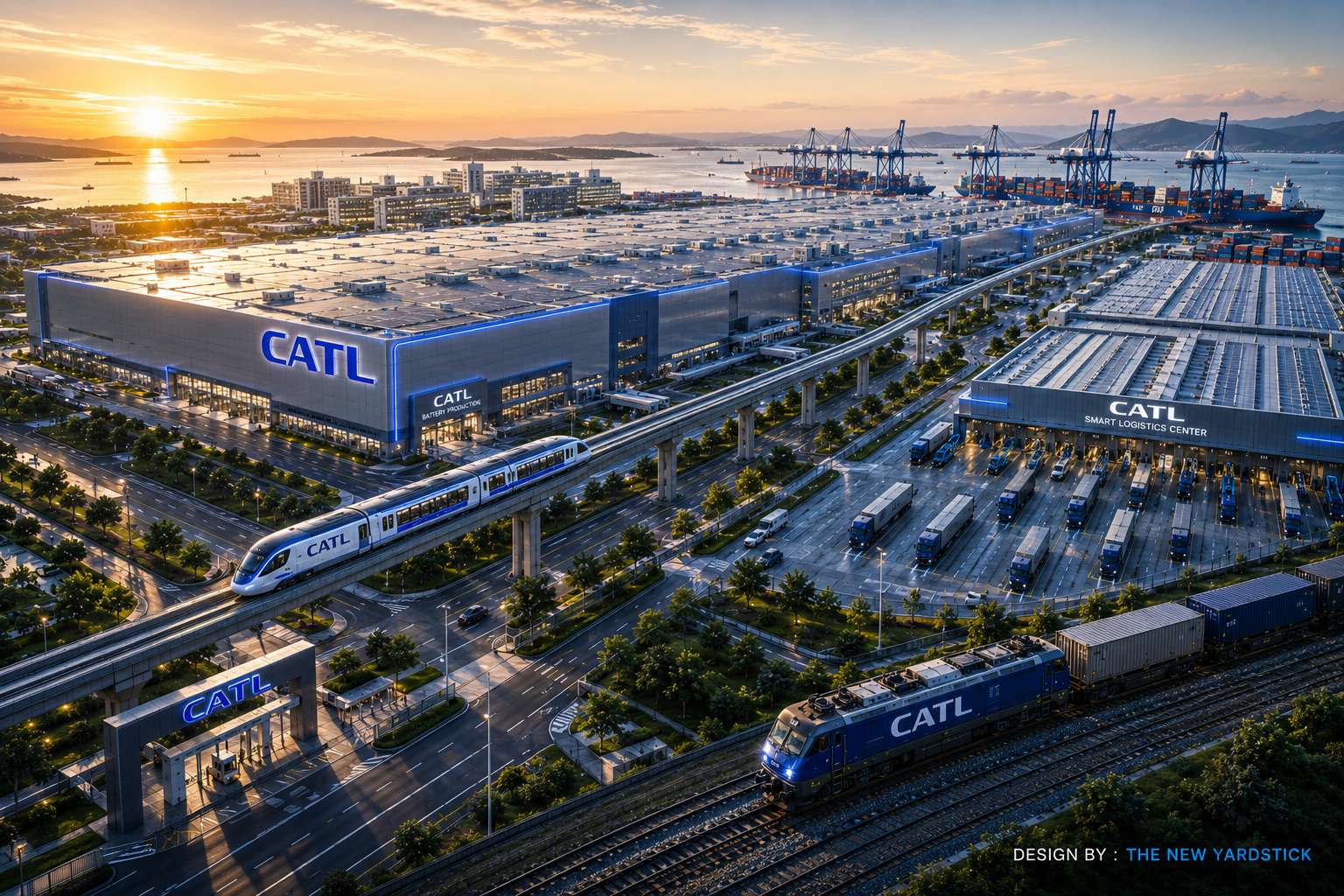
Here, we take a closer look at how this behind-the-scenes titan has amassed more influence over the future of electric mobility in fifteen years than many established automakers achieved in a century. (image credit: The New Yardstick)
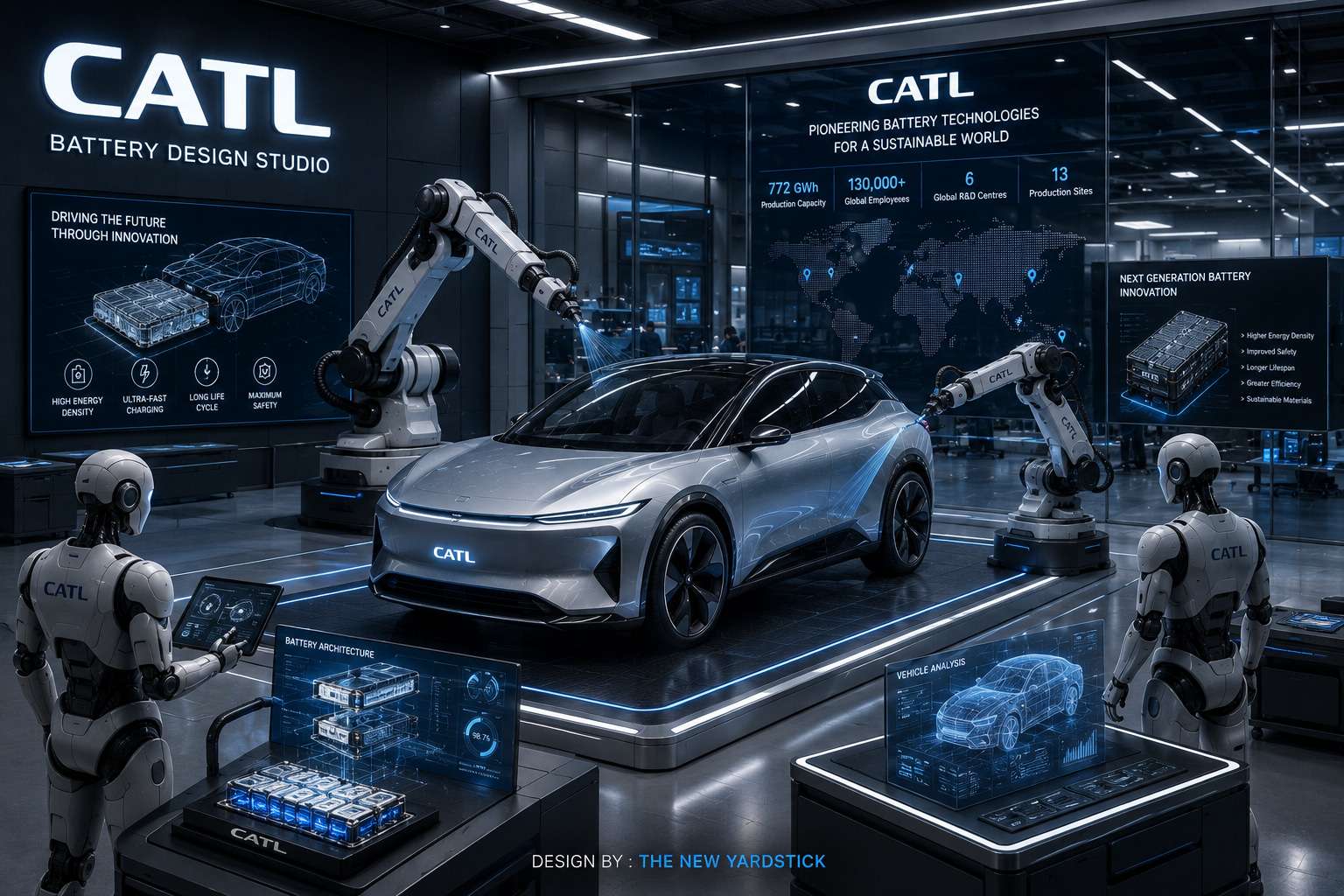
A Silent Ascension: The History of CATL
By 2012, CATL had signed a massive deal to supply heavy-duty lithium-ion packs to Yutong Bus, establishing immediate industrial scale. By April 2013, they stepped into the premium passenger sector, entering a China-only joint venture with BMW to create the Zinoro brand.
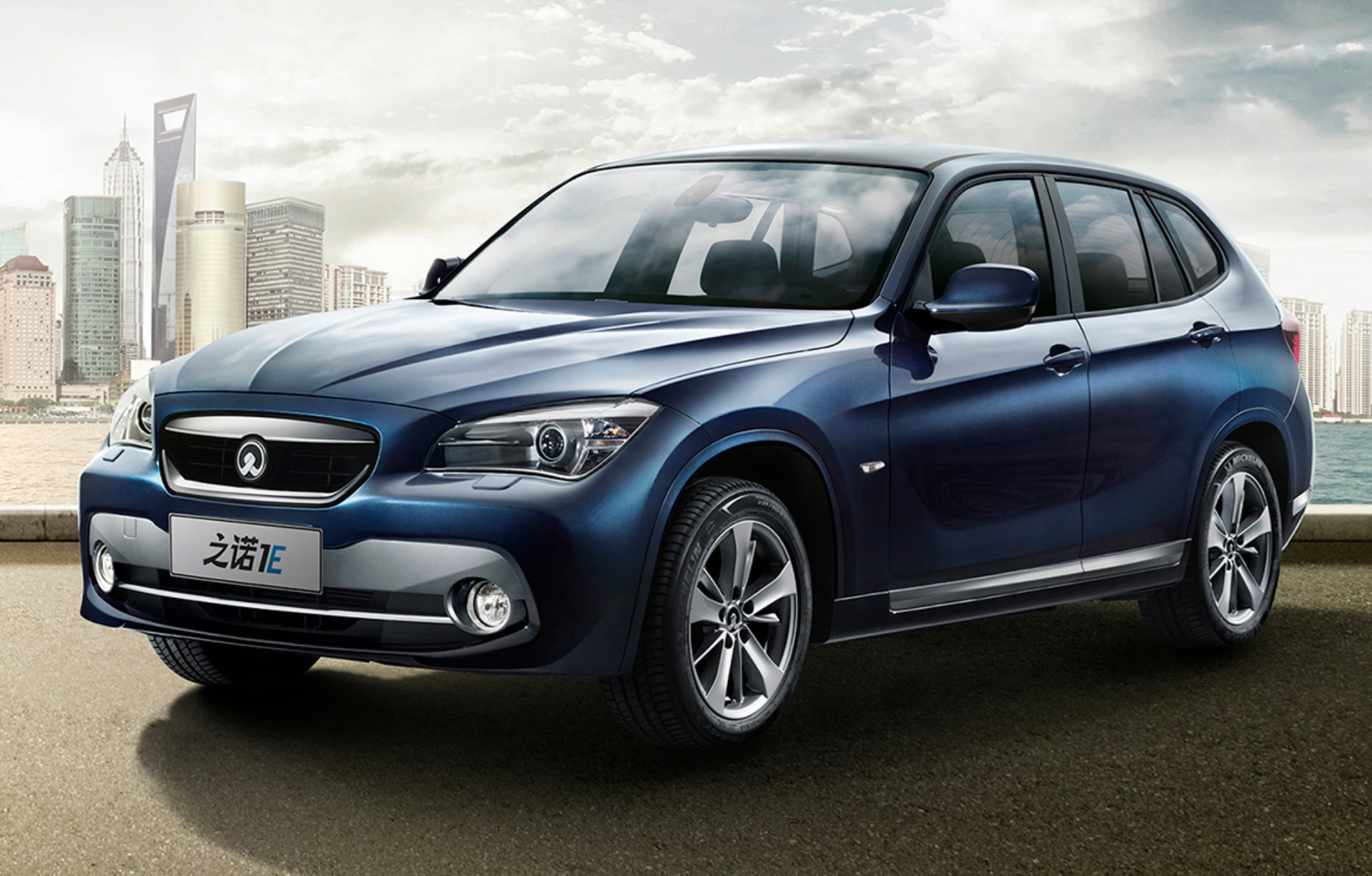
The 2013 Zinoro 1E. BMW used the China-only brand as a safe testing ground for CATL's earliest passenger car batteries. (Image credit: BMW Group PressClub)
BMW wanted to build an electric version of the first-generation BMW X1, but they didn’t want to risk branding it as a BMW if the battery tech failed. BMW engineers worked closely with CATL during the development process, helping the company meet the safety and quality requirements expected of premium passenger vehicles. The partnership proved successful, helping CATL establish its credentials in the passenger-car sector.
By 2016, CATL was already the world's third-largest provider of EV, HEV and PHEV batteries. Then, during a remarkable 2017 expansion, they completely overtook both BYD and the industry-benchmark Panasonic to take the lead worldwide.
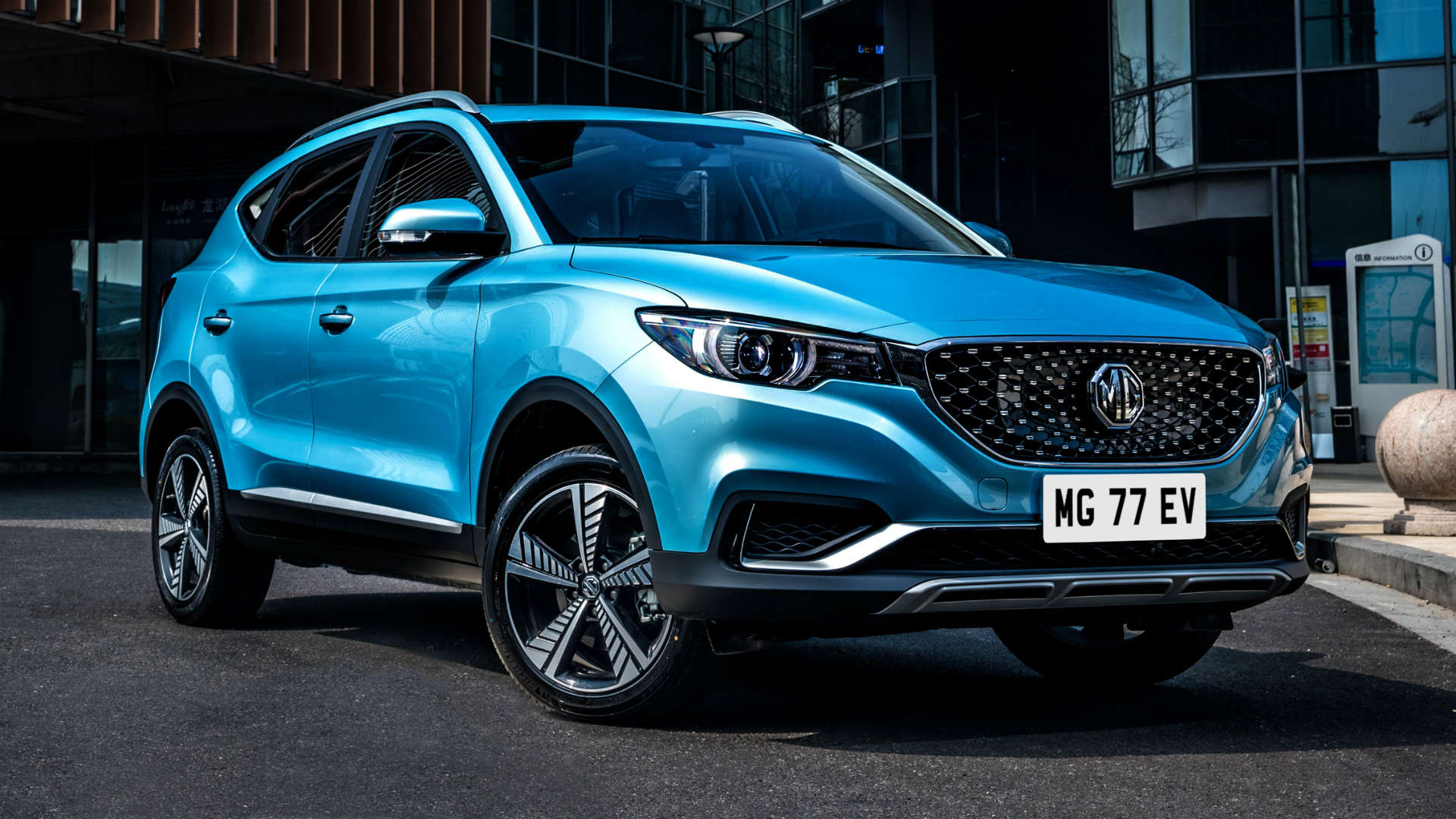
The Western proof of this disruption arrived on British shores in 2019 with the MG ZS EV. Powered by a CATL battery pack, the compact family crossover took Britain by storm by completely rewriting the EV price-to-range equation. While a contemporary 40kWh Nissan Leaf required an entry price of over £28,000 for a realistic 145 miles on a charge, MG used CATL's hardware to launch the ZS EV at a staggering promotional price of just £21,495, delivering 163 miles of WLTP range. British buyers snapped up the first thousand orders in a mere two weeks; legacy manufacturers suddenly found themselves competing against a cost structure they struggled to match.
CATL Today: Raw Industrial Volume
To understand the growth undertaken by CATL, you have to look past traditional showroom rivalries and look at raw industrial volume. Today, CATL operates 13 sprawling production bases across the globe, including advanced zero-carbon hubs in Germany and Hungary. Their active production capacity sits at a staggering 772 Gigawatt-hours (GWh) per year. By the end of 2026, annual capacity is projected to reach 950 GWh to 1,000 GWh (1 TWh).
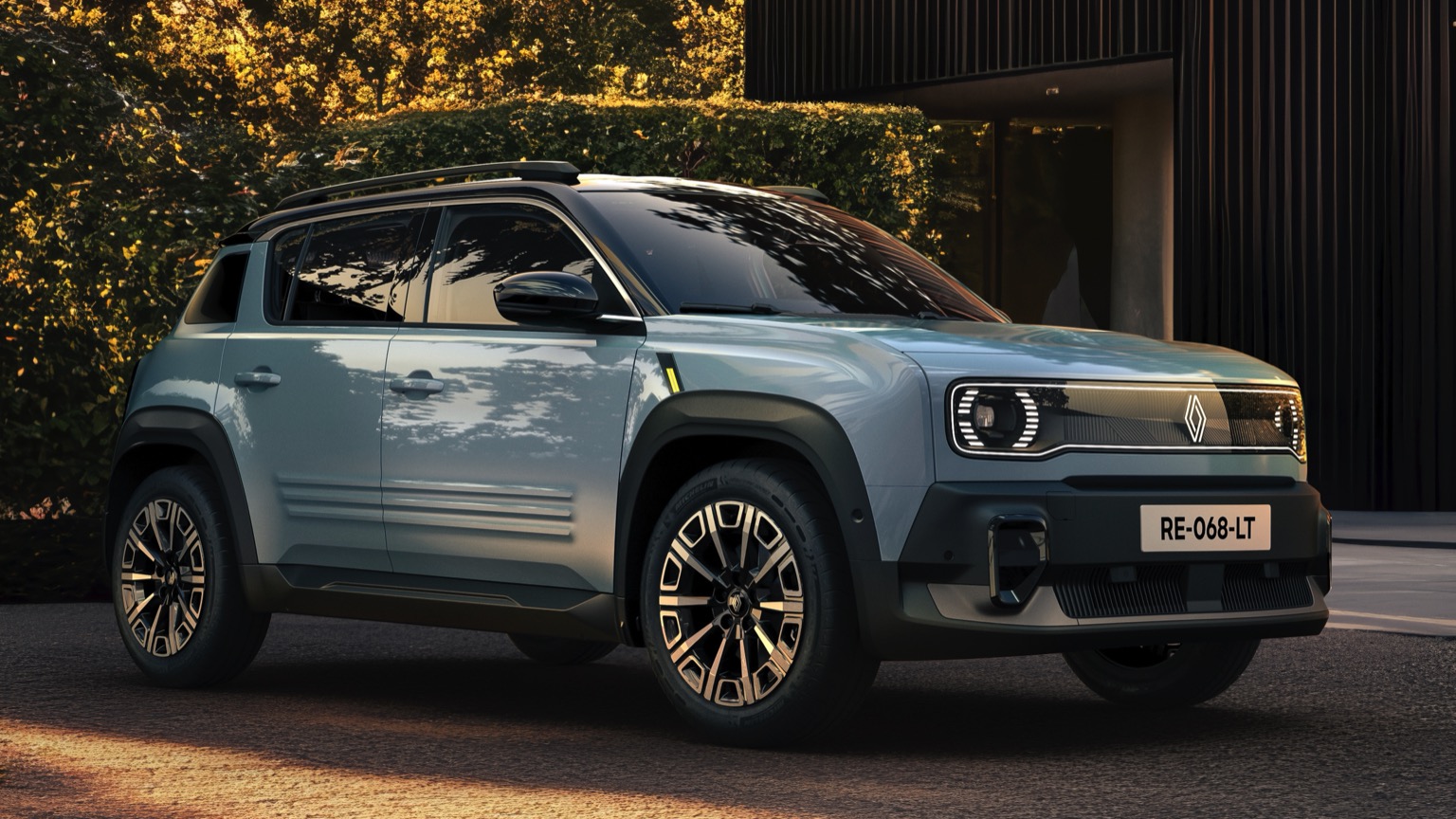
Gigawatt-hours (GWh) and Terawatt-hours (TWh) are not figures that can easily be digested for consumers of electric cars—they work with Kilowatt-hours (kWh). A Renault 4 uses a 52kWh battery pack; CATL's projected capacity of 1TWh gives the company the ability to provide the equivalent of 19,230,769 battery packs of this size. To put CATL's industrial power into perspective, the total global EV sales for 2025 was 13.7 million units. By the end of this year, a single Chinese component supplier will theoretically have the capacity to single-handedly oversupply the global electric vehicle market.
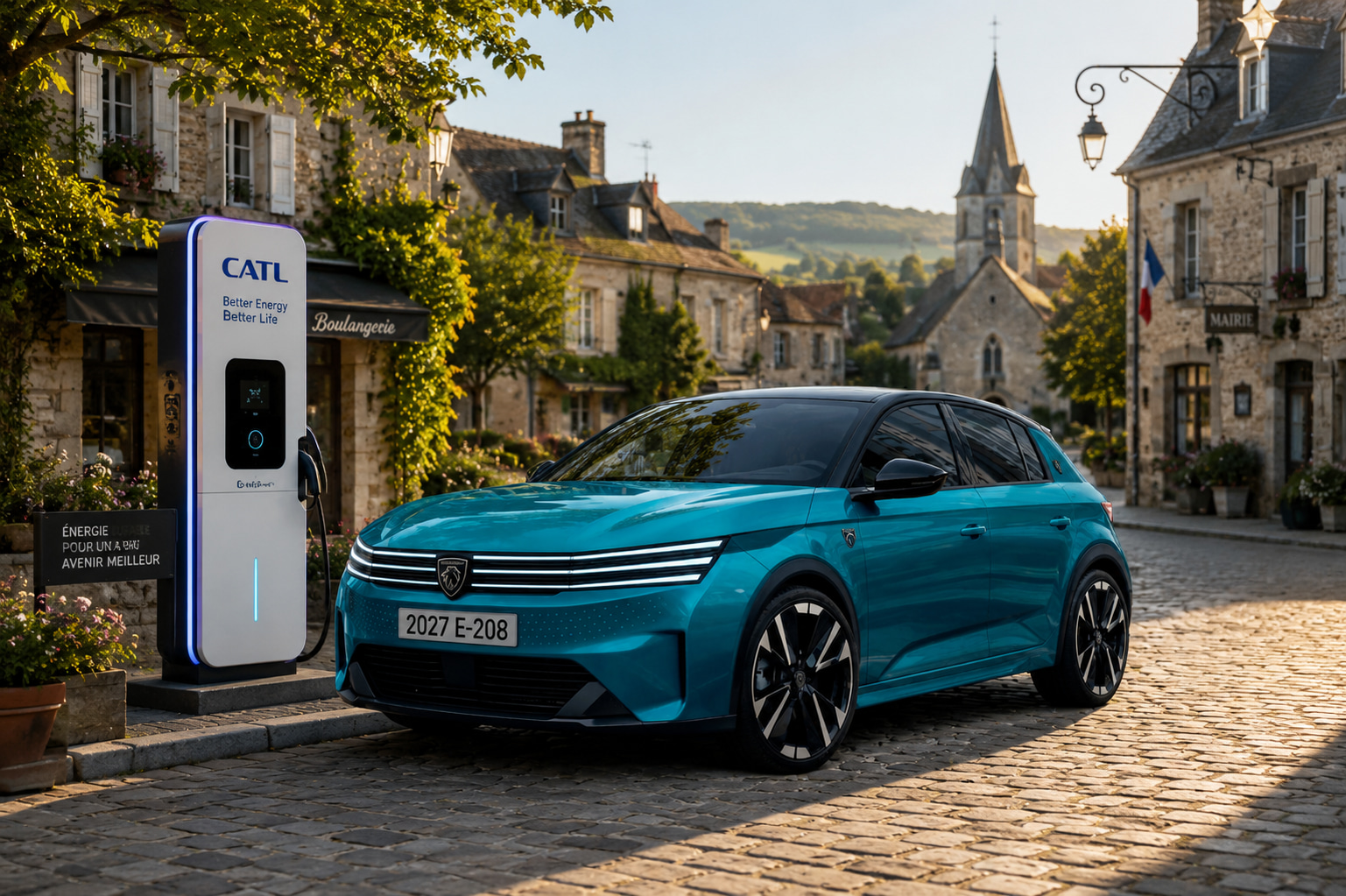
This scale is only set to increase. CATL is currently in the process of opening its third major European factory in Zaragoza, Spain. Managed through a €4.1 billion joint venture with Stellantis named Contemporary Star Energy, the new facility is scheduled to begin production by the end of 2026. This megafactory will feature an annual capacity of up to 50 GWh, specifically built to supply cost-efficient Lithium Iron Phosphate (LFP) battery packs for the brand's STLA platform EVs.
This aggressive entry into Europe highlights a brutal reality: CATL is outmanoeuvring Western legacy manufacturers on their own doorstep. The ultimate proof lies in Automotive Cells Company (ACC)—the high-profile "battery sovereignty" joint venture owned by Stellantis, Mercedes-Benz, and TotalEnergies. Intended as Europe’s state-backed shield against Chinese dominance, ACC’s expensive high-nickel strategy collapsed under market pressures, forcing them to indefinitely freeze planned gigafactories in Germany and Italy.
Rather than going down with the ship, Stellantis chose to jump it. Recognizing the immediate, desperate need for affordable LFP chemistry to protect transaction prices, Carlos Tavares bypassed his company’s own troubled European joint venture. By signing a €4.1 billion deal directly with CATL to form Contemporary Star Energy in Spain, Stellantis secured the tech needed to build volume cars like the next-generation e-208 at a realistic price point.
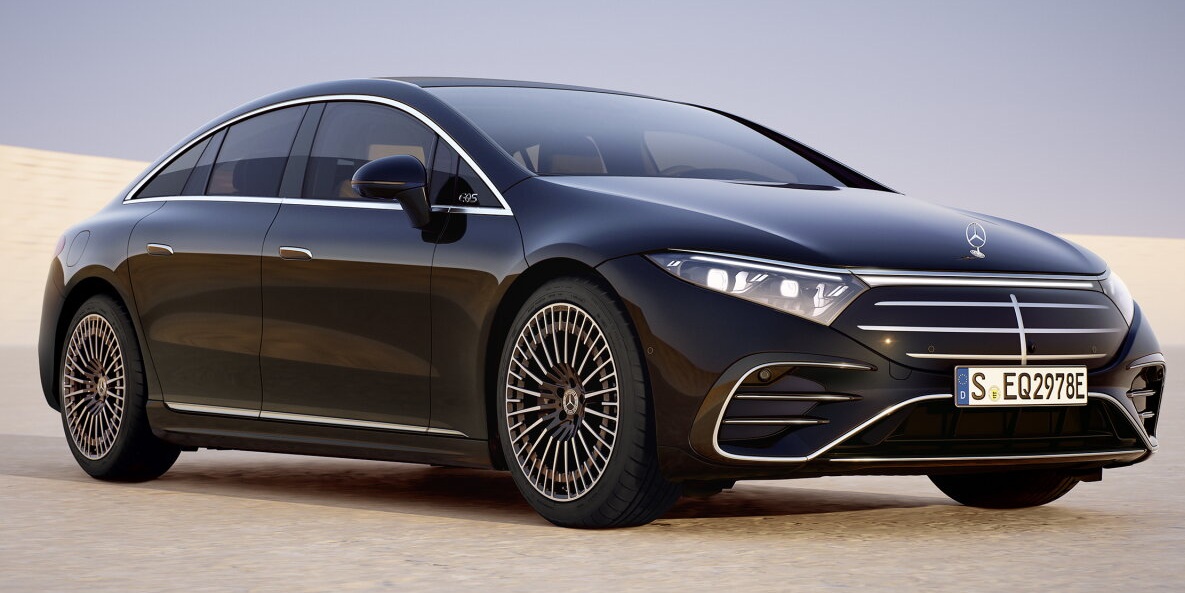
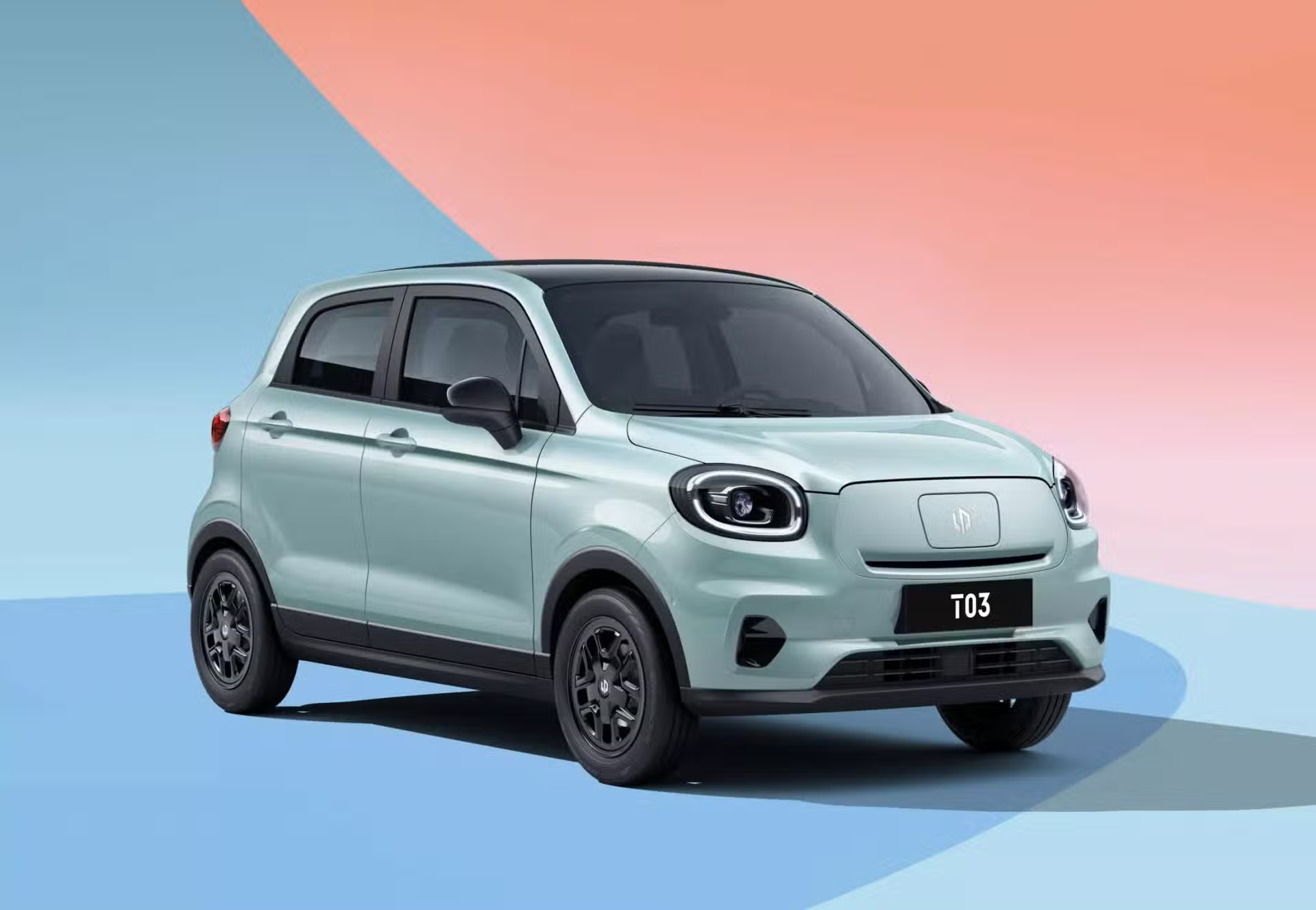
Today, CATL's battery technology is utilised by 60 automotive brands. Roughly a third of new electric cars are fitted with a CATL battery. Everything from a Leapmotor T03 to a Mercedes-Benz EQS comes fitted with a CATL battery.
CATL Tomorrow: The Tech Roadmap
Today, CATL’s dominance is built on two distinct chemical pillars: premium, high-density Nickel Manganese Cobalt (NMC) packs used to secure massive ranges for luxury long-haulers, and ultra-durable Lithium Iron Phosphate (LFP) packs engineered to drive down costs. However, their upcoming product roadmap focuses entirely on addressing the final barriers to EV adoption: winter range-fade and charging times.
At the budget end of the market, CATL is preparing the mass-production of its next-generation Naxtra Sodium-ion batteries. By replacing lithium with abundant sodium, these packs drastically lower production costs while solving cold-weather performance, maintaining 90% of their capacity in temperatures as low as -40°C.
Yet it is their flagship lithium development, the newly unveiled Shenxing Generation 3, that brings EV charging times closer than ever to the conventional refuelling experience. By slashing internal cell resistance to a world-low 0.25 milliohms to prevent overheating, this LFP pack sustains a staggering peak charging rate of 15C. Under optimal conditions, a top-up from 10% to 98% battery charge takes little over 6 minutes. To put that into perspective, once the average petrol car driver has filled the tank and then paid for the fuel, a CATL-powered car on a rapid charger will have completely replenished its cells, eliminating range anxiety by turning the charging process into a momentary pause rather than a scheduled destination.
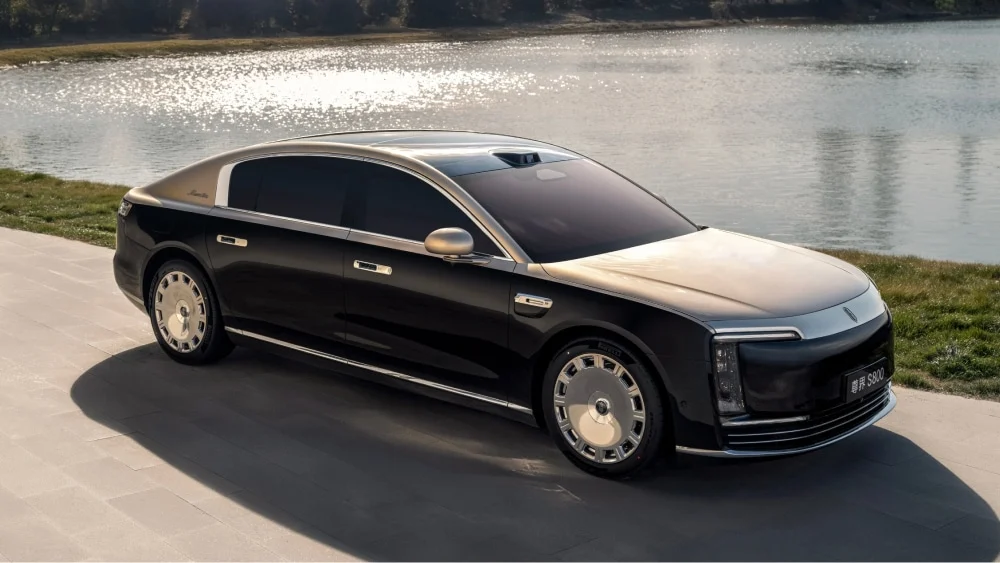
CATL's greatest achievement is not that it builds batteries. It is that it has transformed batteries into a strategic industry in their own right. Fifteen years ago, battery suppliers existed largely in the background of the automotive world. Today, a single Chinese company has amassed enough scale, technology, and manufacturing capacity to influence the pricing, performance, and viability of electric vehicles on every continent. Whether consumers recognise the CATL badge or not, the future of the EV industry increasingly runs through its factories.
You should also read:
Could Nissan's Next GT-R Spawn an Entire Skyline Family?
Few performance cars have disrupted the supercar establishment quite like the Nissan GT-R. When the R35 arrived in 2007, its hand-built 3.8-litre twin-turbo V6, advanced all-wheel-drive system and everyday usability allowed it to embarrass far more expensive rivals, including Ferrari's 458 Italia, while costing little more than a third of the price.