Resetting the Yardstick — The Polestar 2 in a New Era of Compact Saloons
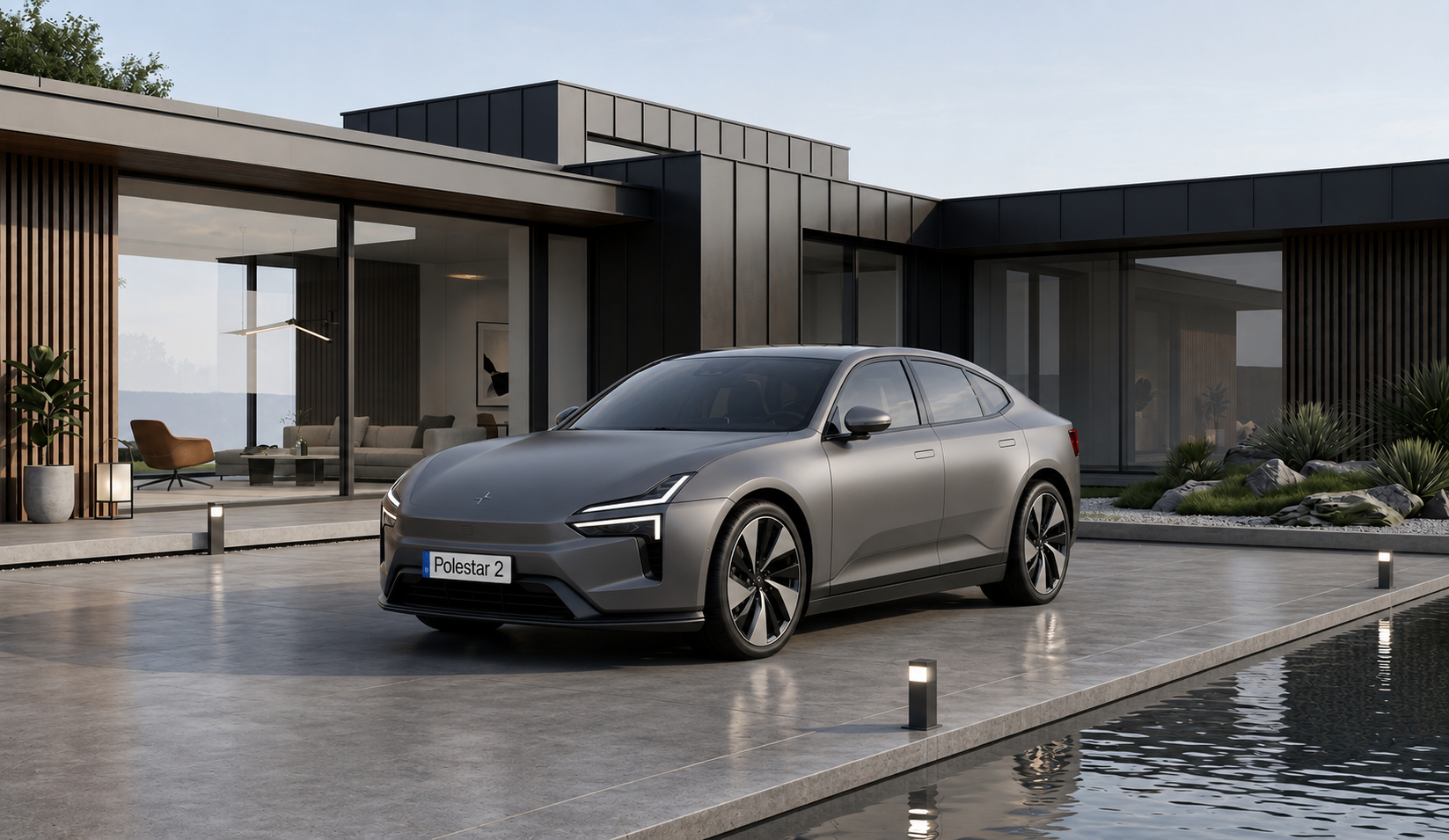
After six years on sale, the Polestar 2 is now the longest‑serving model in the brand’s range - a mature platform that still performs well thanks to efficient motors, robust battery chemistry, and a software architecture refined through continuous OTA updates.
But the competitive landscape has shifted dramatically. New rivals like the BMW i3 revival and Mercedes CLA EQ have raised the technical bar for compact EV saloons, introducing higher‑density packs, more advanced thermal systems, and significantly improved aero efficiency.
Although the Polestar 2 has always occupied a saloon‑adjacent space, Polestar has hinted that its successor will adopt a more traditional, lower‑profile saloon silhouette, moving away from the crossover‑influenced stance of the current car. This rendering explores that evolution.
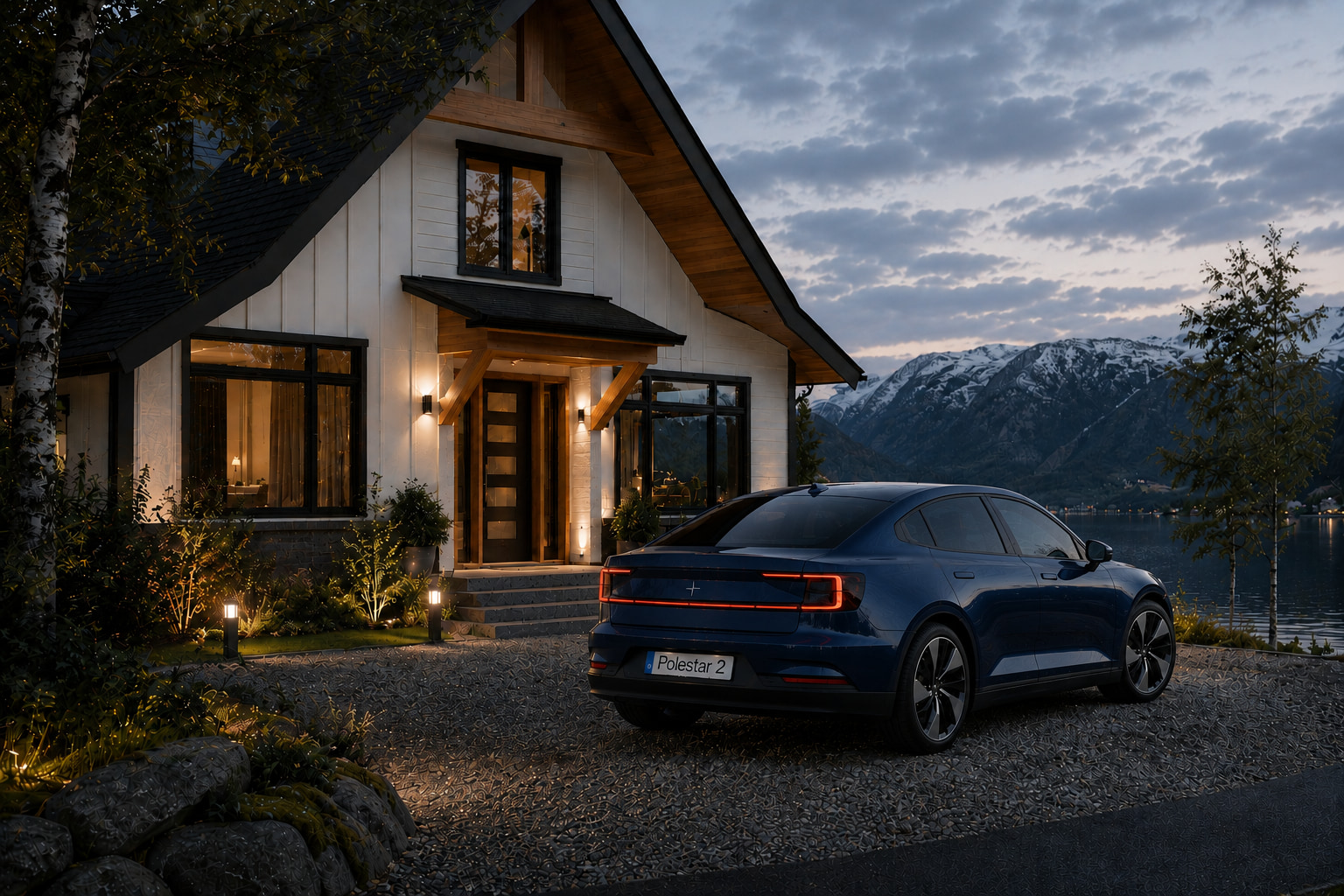
Advancements in EV packaging and battery technology make a lower, more saloon‑focused Polestar 2 strategically sensible. A redesigned floorpan with denser cell modules could allow Polestar to increase usable capacity while reducing overall pack height, giving the car a sleeker stance and improving aero efficiency.
Combined with next‑generation thermal management and motor optimisation, these changes could push real‑world range well beyond the current 400‑mile capability.
In a market where most manufacturers are pivoting toward crossover silhouettes for practicality and mass appeal, Polestar’s decision to lean further into a true saloon profile is a deliberate counter‑move. It signals confidence in the benefits of a lower centre of gravity, better aerodynamics, and a more driver‑focused form factor - a direction that sets this concept apart.
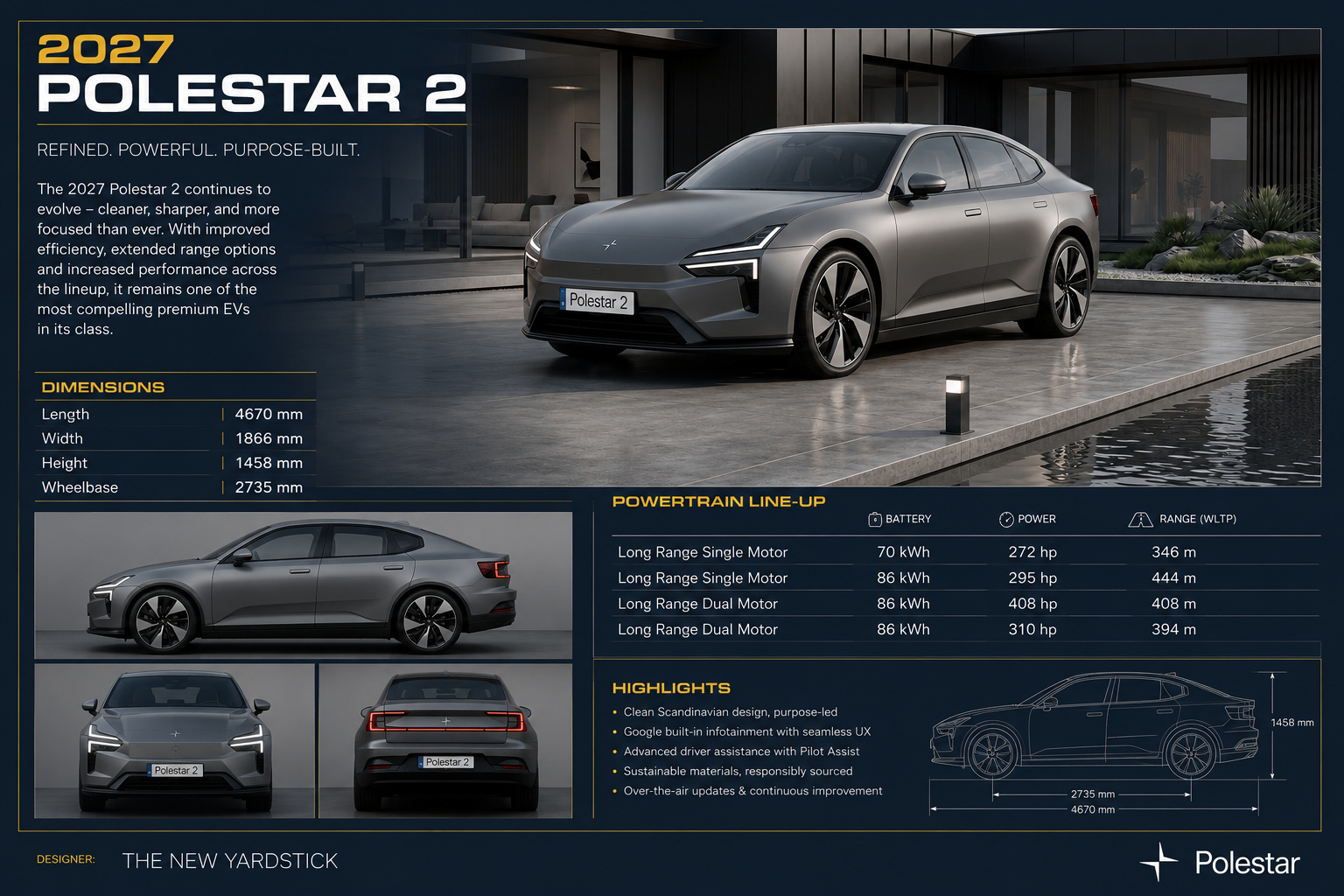
The next generation Polestar 2 would have access to a far broader portfolio of high‑spec battery packs and electric motors thanks to the Geely group’s shared engineering ecosystem - including technology from Volvo, Zeekr and other premium brands under Geely control.
This opens the door to higher‑capacity packs, improved cell chemistry, and more efficient drive units that could slot into an evolved version of the current Model 2 architecture.
Our exclusive spec sheet explores how such an evolution could work: a slightly lower stance for improved aero, a marginally wider track for stability, and a subtly longer body to accommodate new battery modules. The changes are incremental, ensuring the car grows in capability without getting too close in size to the larger, more luxurious Polestar 5. It’s a technical refinement rather than a reinvention.
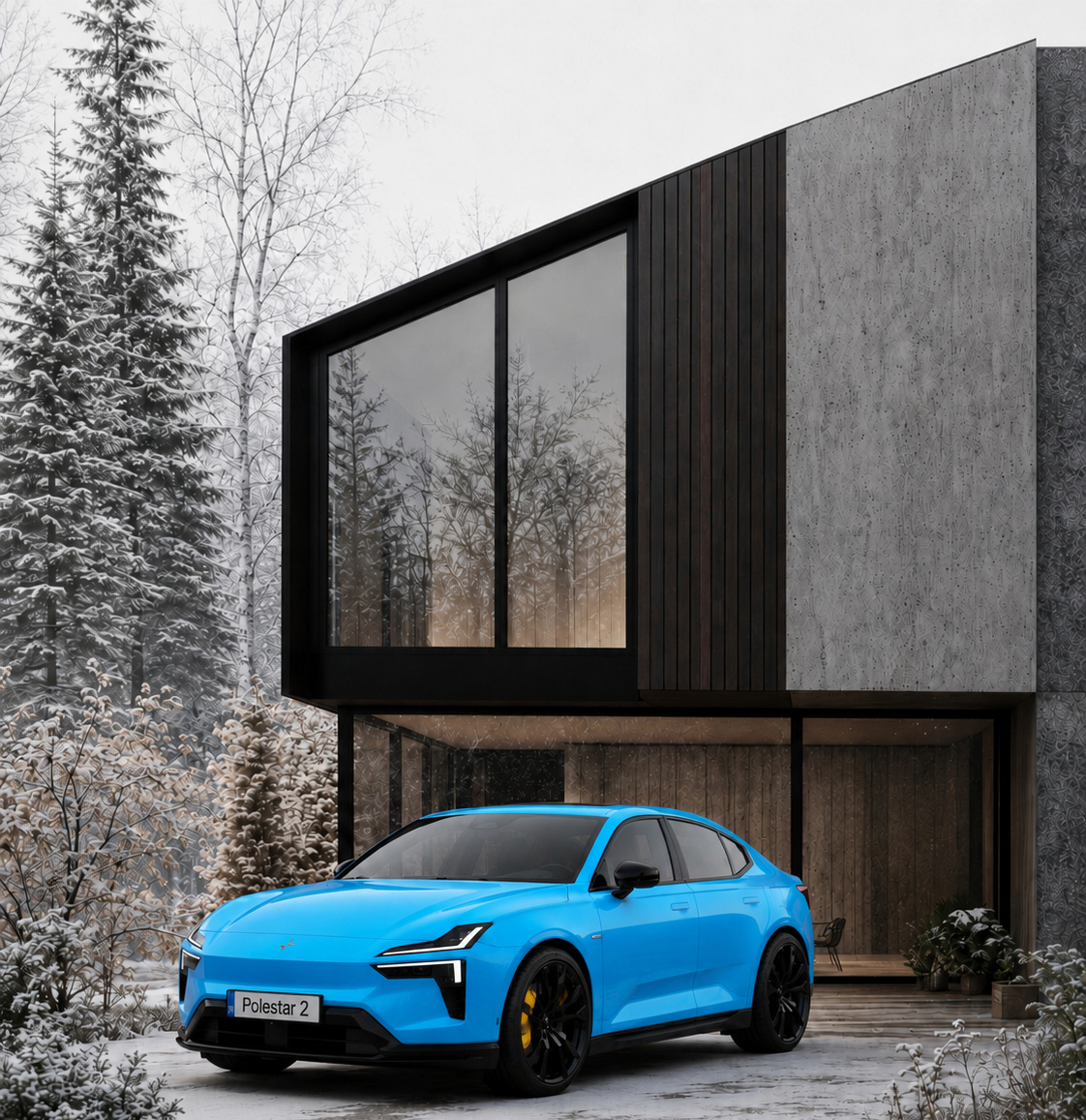
For this rendering, we leaned into that heritage with the iconic Polestar blue paint and contrasting yellow brake calipers - a visual signature that defined the brand’s early high‑performance models. The concept sits lower than the standard car, with a more aggressive stance and sharper aerodynamic detailing to signal its intent.
Underneath, a higher‑output dual‑motor setup from the Geely performance portfolio could deliver genuinely M3‑rivaling pace, but at a noticeably lower price point. This interpretation imagines a Polestar 2 that doesn’t just evolve - it remembers where it came from and pushes that legacy forward.
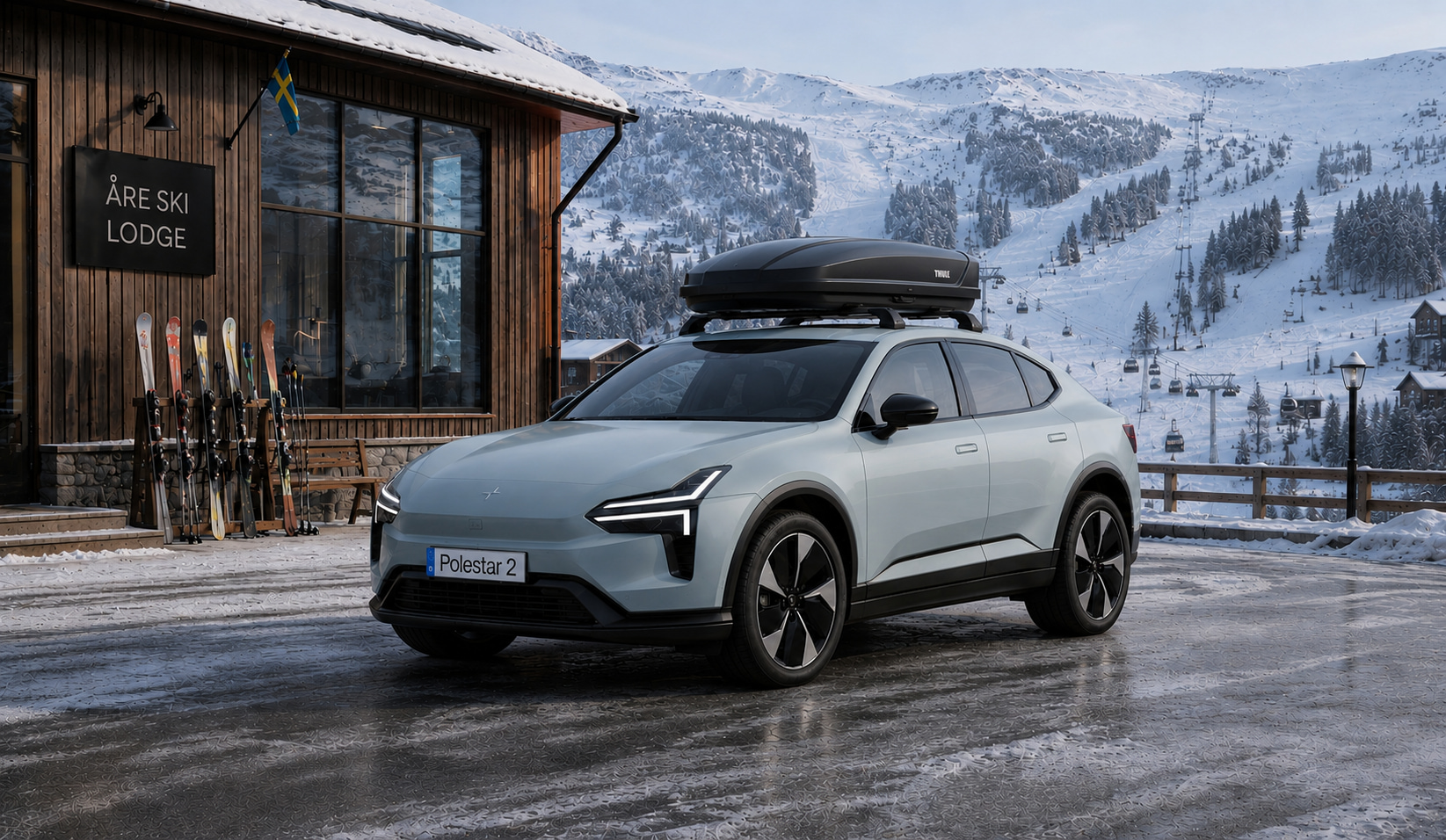
This final image imagines how Polestar could extend the more unconventional side of its design heritage - the niche crossover‑saloon formula that began with the Volvo S60 Cross Country and quietly lived on through the first‑generation Polestar 2.
By pairing a saloon‑led silhouette with subtle crossover cues, this concept explores a potential spin‑off model that blends elevated capability with the efficiency and aero advantages of a lower profile. A car that remains resolutely road‑focused yet still carries the practicality and confidence expected from a modern EV in challenging environments.
As the Polestar lineup evolves, this rendering suggests there’s still room for a model that sits between categories - not by chasing trends, but by refining a niche Polestar helped define.
(Image Credit: The New Yardstick)
You should also read:
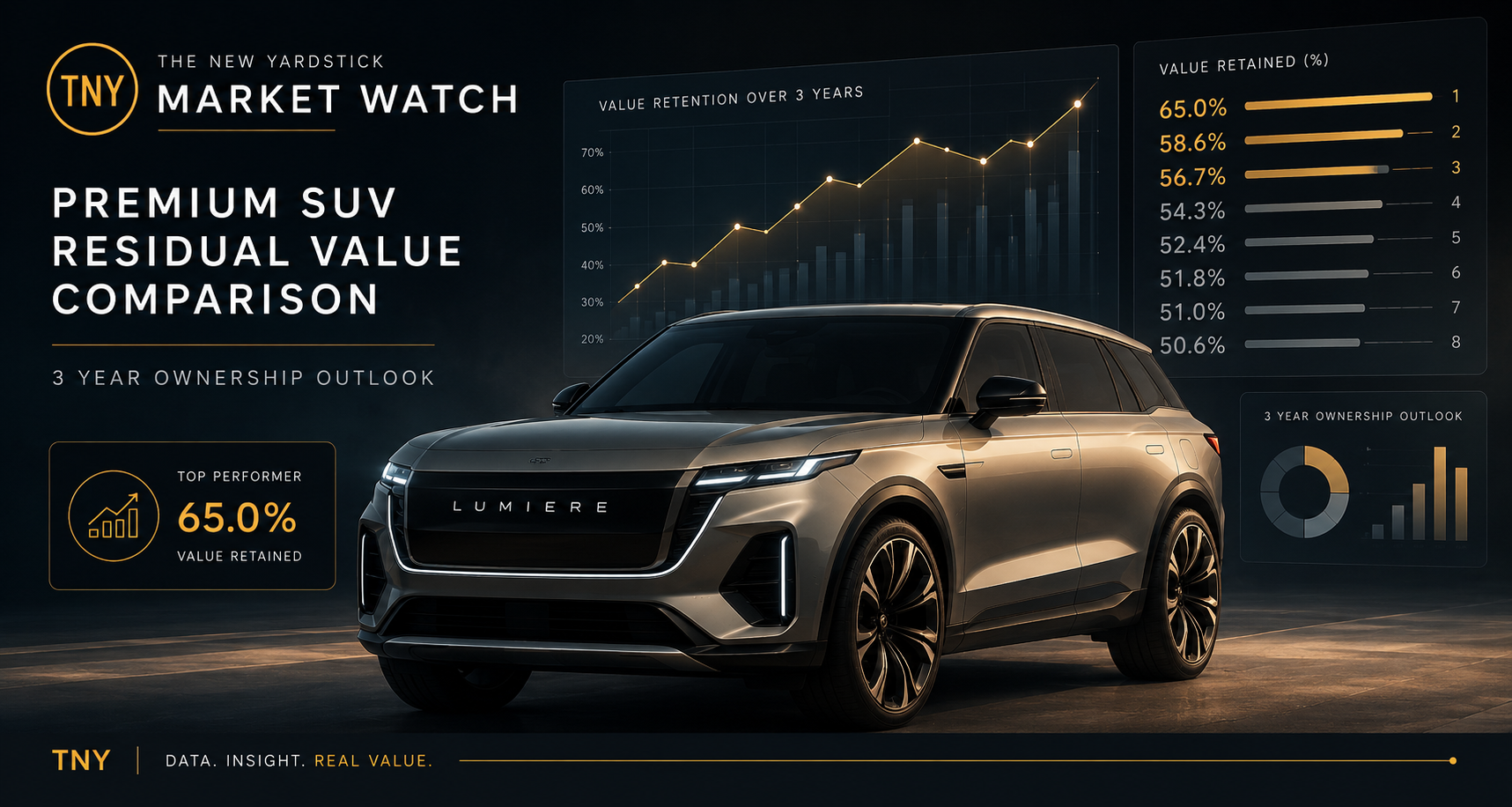
Premium SUV Residual Values: The New Yardstick Market Watch
Buying a premium SUV is a significant investment, but the list price is only part of the story. To discover which models best protect owners' money, The New Yardstick Market Watch compared eight premium SUVs using identical Auto Trader search criteria. Every vehicle is registered from 2023 onwards, has covered no more…
The New Yardstick Deal Tracker - July 2026: 12 Pre-Reg Car Deals Worth Your Attention
New car prices may be rising, but significant savings are still available for buyers willing to look beyond the showroom. This month's Deal Tracker focuses on pre-registered vehicles: nearly-new cars with delivery mileage, manufacturer warranty cover and discounts that can run into the thousands. All 12 models featured here are pre-registered 2025…
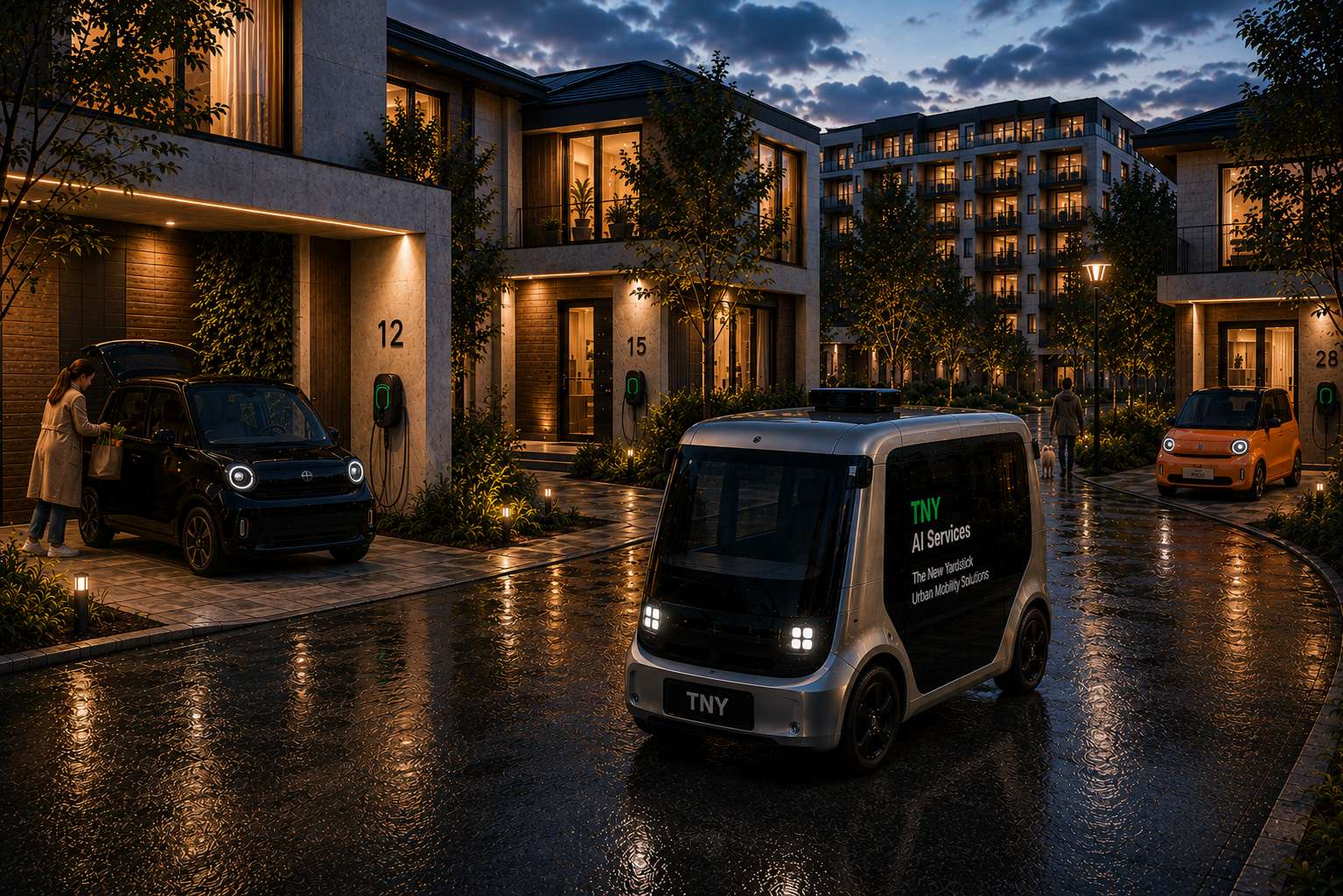
The New Yardstick: Rethinking Urban Motion
Imagine a city where movement feels effortless — where quiet, electric microcars glide through neighbourhoods, connecting homes, cafés, and workplaces with zero fuss and zero emissions. This isn’t a distant dream; it’s the next chapter in urban life. Microcars are redefining what mobility means. They take up half the space, cost a…