No, Volkswagen Doesn’t Need to Fire 100,000 Workers - Here’s the Smarter Path Forward
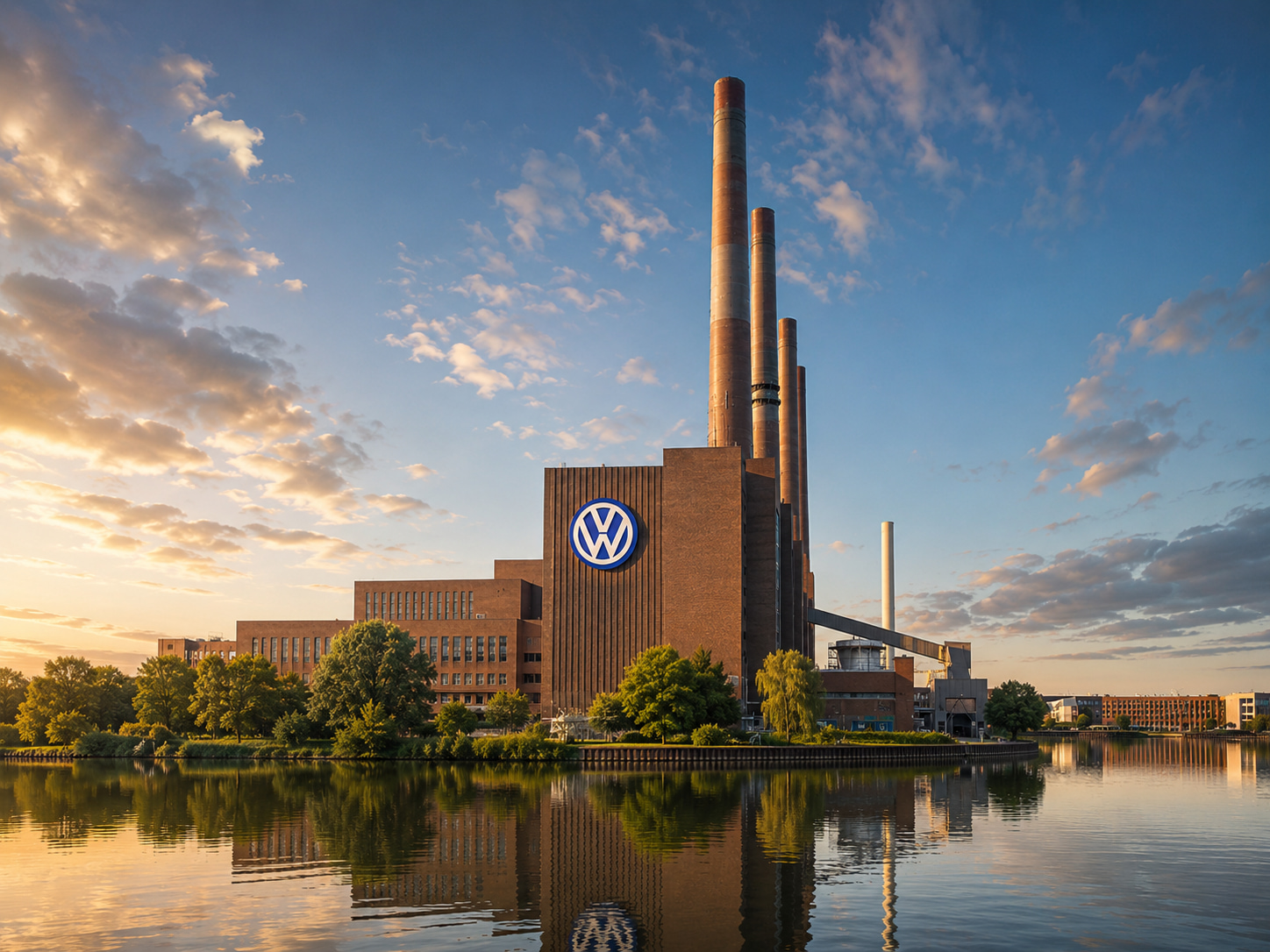
Volkswagen should stop chasing the profit margins of its peak global-expansion years and instead optimise for long-term stability.
During 2025, the Volkswagen Group recorded €321.9 billion in revenue and an operating profit of €8.9 billion - figures most automotive manufacturers would gladly accept.
Yet much of the discussion surrounding Europe's largest carmaker has centred on cost-cutting, restructuring and thousands of potential job losses. The reality is that Volkswagen is not fighting for survival; it is adapting to a changing global market.
Instead of trying to recreate the extraordinary profits of its rapid global expansion, Volkswagen should focus on becoming a consistently profitable, resilient manufacturer-one that protects its engineering expertise, its workforce and its long-term future.
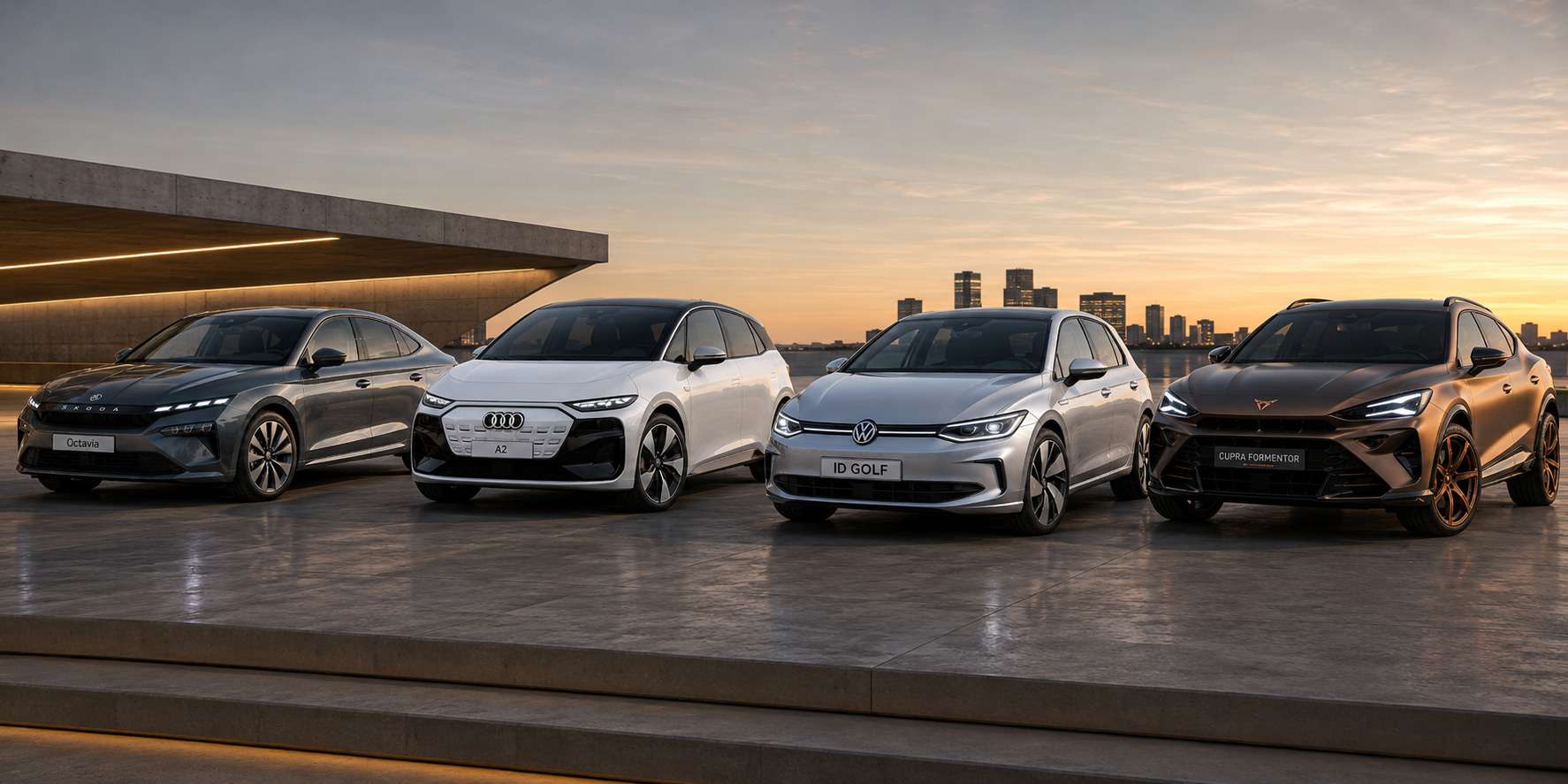
Volkswagen has already shown that it is willing to reshape its portfolio when it makes strategic sense. The sale of Bugatti marked the end of a chapter for one of the Group's most exclusive brands, but it also reflected a simple reality: Bugatti occupied such a rarefied corner of the market that it offered very few opportunities to share platforms, powertrains or technology with the rest of the Volkswagen family. (Image credit: The New Yardstick rendering)
By contrast, Lamborghini, Porsche and Bentley already benefit from sharing key engineering. Models such as the Urus, Cayenne and Bentayga are built on related underpinnings, while sharing V8 engines, plug-in hybrid technology and countless hidden components beneath their unique styling.
Each retains its own character, but development costs are spread across three premium brands. Rumours of a future Ducati sale follow the same principle: simplify the Group and invest where brands can genuinely work together.
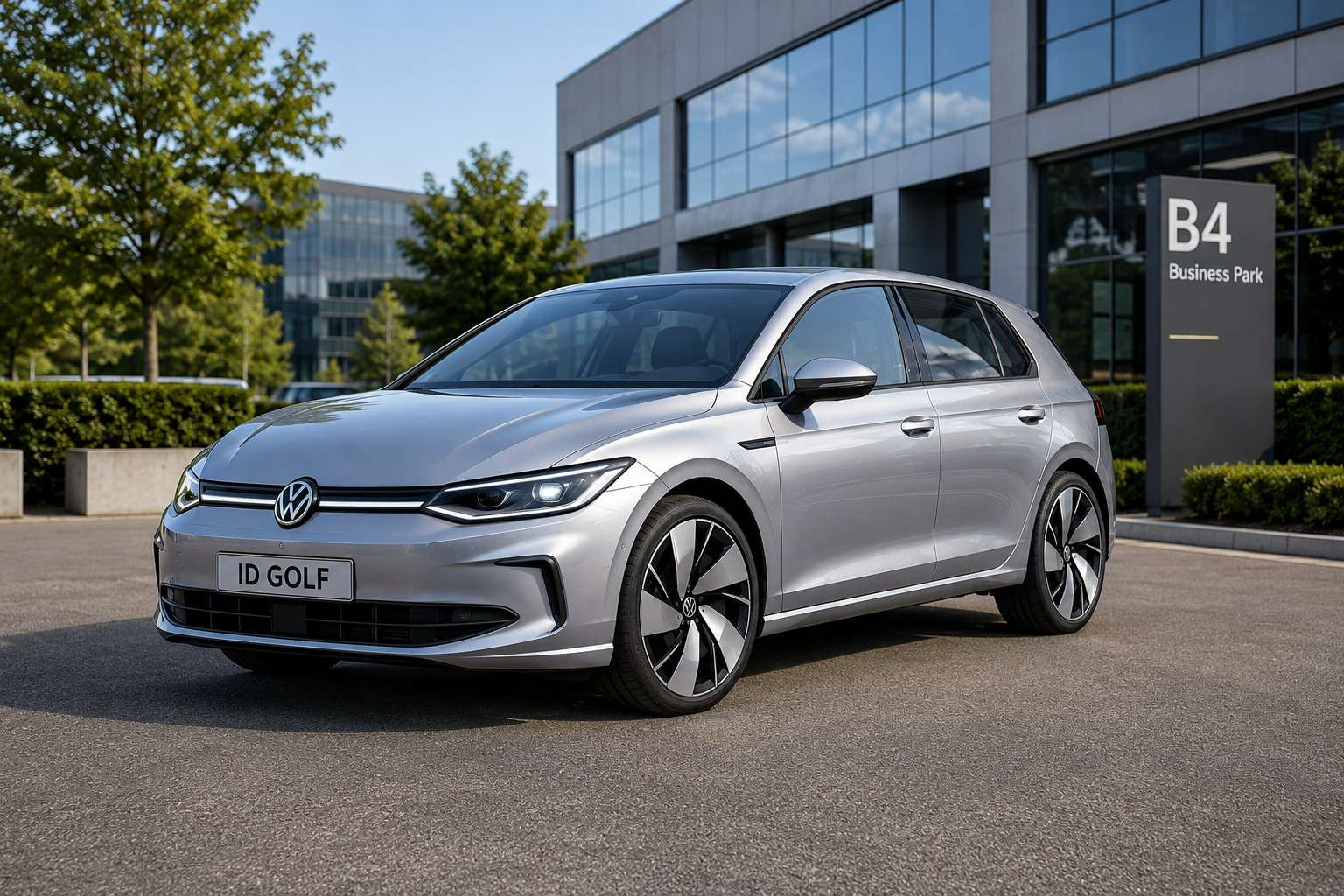
Under the skin, the changes are just as significant. More affordable LFP battery technology is expected to play a much greater role across Volkswagen's mainstream EV range, helping to reduce purchase prices while offering improved durability for lower long-term ownership costs.
Combined with familiar styling and improved value, Volkswagen's next generation of electric cars could prove to be exactly the reset the brand needs.
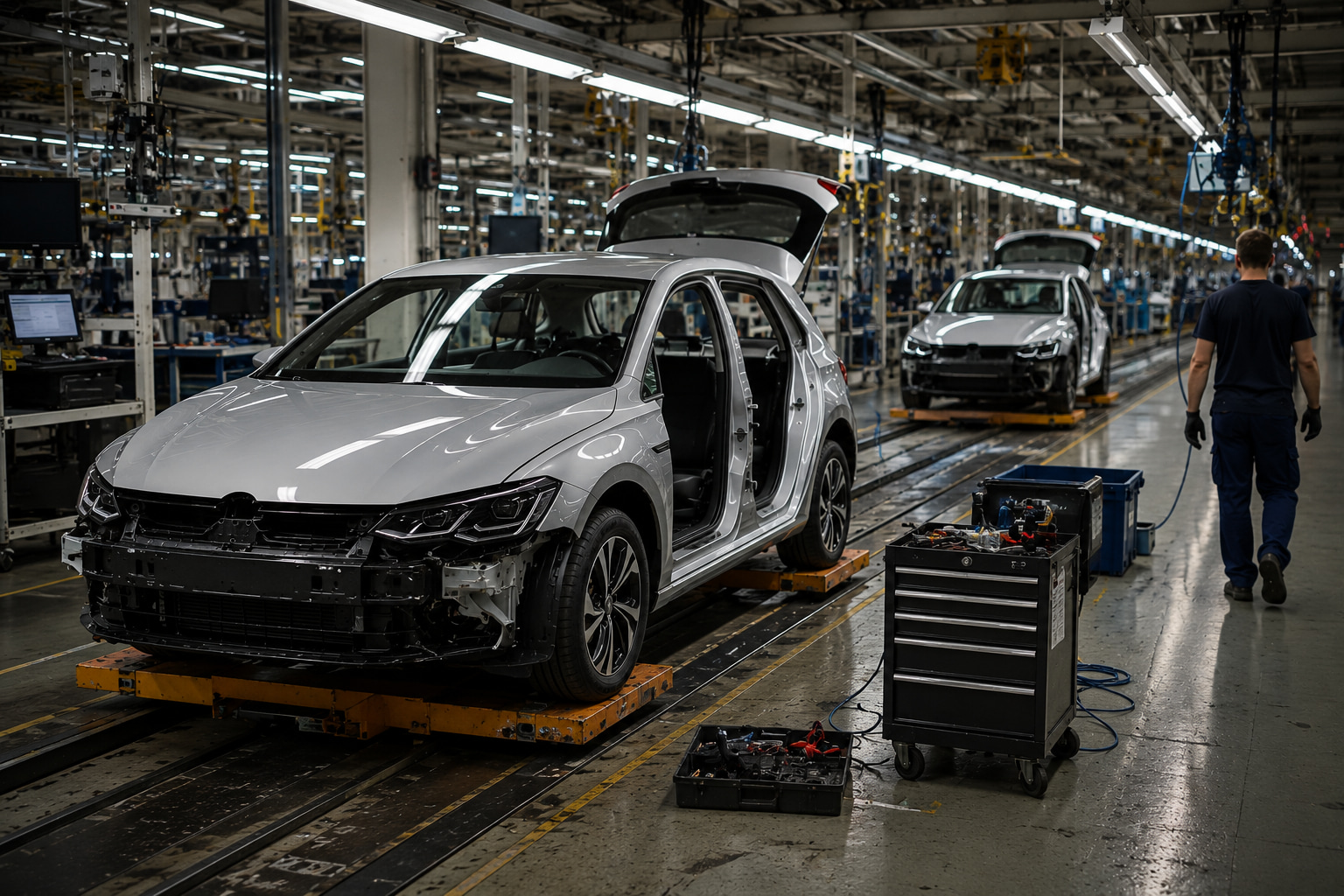
Delivering that vision depends as much on governance as engineering. Any major restructuring will need support from Volkswagen’s influential employee representatives and unions, who have long defended German jobs. Backing large domestic cuts would put them in the awkward position of endorsing measures many workers oppose. That’s why Volkswagen should prioritise consolidation, smarter investment and realistic global ambitions rather than deep reductions to its home workforce.
Above all, Volkswagen must avoid needless division. Its German workforce is one of its greatest strengths, and protecting that expertise matters as much as launching the next successful model. Instead of forcing growth in crowded markets like China, Volkswagen should let demand settle naturally while continuing to build the cars that made it Europe’s largest manufacturer.
Success in the 2030s won’t be about record profits - it will be about staying profitable, innovative and trusted for decades to come.
(Image credits: The New Yardstick)
You should also read:
Dacia Spring: Design Studio Explores Three Ways Forward
The Dacia Spring has become one of Europe’s most important affordable EVs, proving that electric cars do not need huge batteries, enormous power outputs or premium prices to make sense. But deciding what replaces it could be considerably more complicated. Dacia now has the striking Hipster concept exploring an even smaller, more…
Jaguar's £100,000 Gamble: Why Its Reinvention Has No Room for Error
Jaguar is preparing to launch arguably the most important car in its modern history. The production version of the Type 00 concept promises dramatic styling, enormous performance and a completely new direction for a brand that has spent years struggling to win sufficient market share against its premium rivals. Yet the car…
Volkswagen’s Best EV Yet Is Almost Here - And It’s Worth Waiting For
Volkswagen is finally pushing EV pricing in the right direction. The upcoming ID.Polo will launch with an RRP under £22,000, and once the UK EV grant is applied it effectively becomes a £20,000 car - better priced than any VW EV before it. It’s an important correction, but it still isn’t the…
Seven Years Later: Why Volkswagen Group Is Preparing Its Biggest Family Car Refresh in Decades.
In the automotive world, seven years is a long time. It's roughly the point at which manufacturers begin preparing the next generation of their most important products, and across Volkswagen Group, that moment is rapidly approaching. The New Yardstick — Custom Rendering: Our interpretation of Volkswagen Group's next-generation family hatchbacks. While the…