Seven Years Later: Why Volkswagen Group Is Preparing Its Biggest Family Car Refresh in Decades.
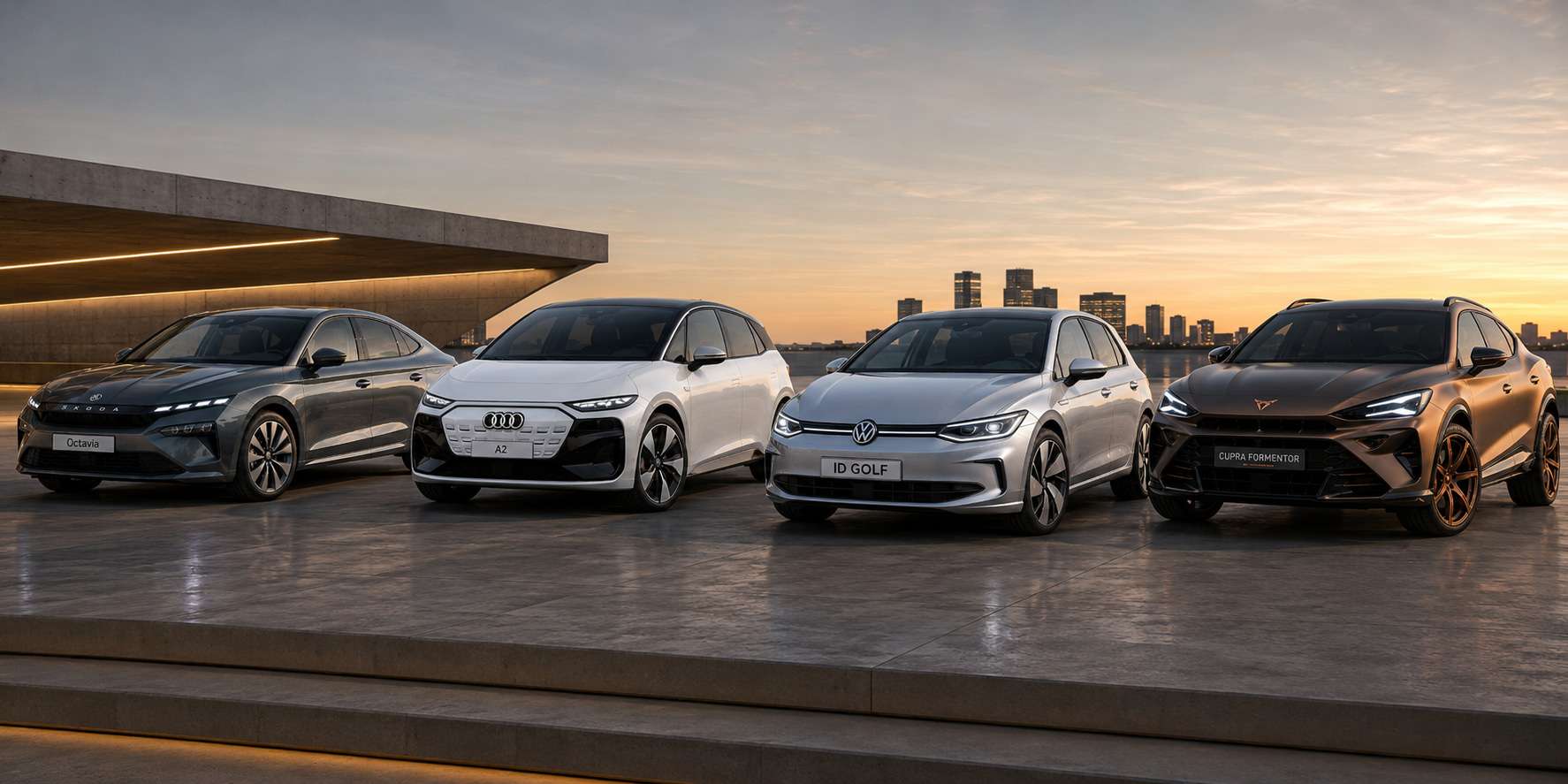
The Golf, Leon, Octavia, A3 and Formentor may still be competitive in today's market, but their underlying designs all trace their roots back to a very different automotive landscape. One that existed before stricter emissions targets and the rapid expansion of Chinese EV manufacturers and before software became one of the industry's primary battlegrounds.
That timing is unlikely to be a coincidence. With Audi's incoming A2 EV expected to replace both the A1 and Q2, Volkswagen Group appears to be preparing the first move in a much broader showroom transformation. Between now and 2030, nearly every mainstream C-segment model across its core brands is expected to evolve, blending familiar designs with new technology, updated platforms and a stronger focus on electrification.
The result is unlikely to be a revolution in styling. If anything, Volkswagen Group's next generation of family cars looks set to embrace evolution over disruption. Beneath the sheet metal, however, some of the company's most important products could be preparing for their biggest shift in decades.
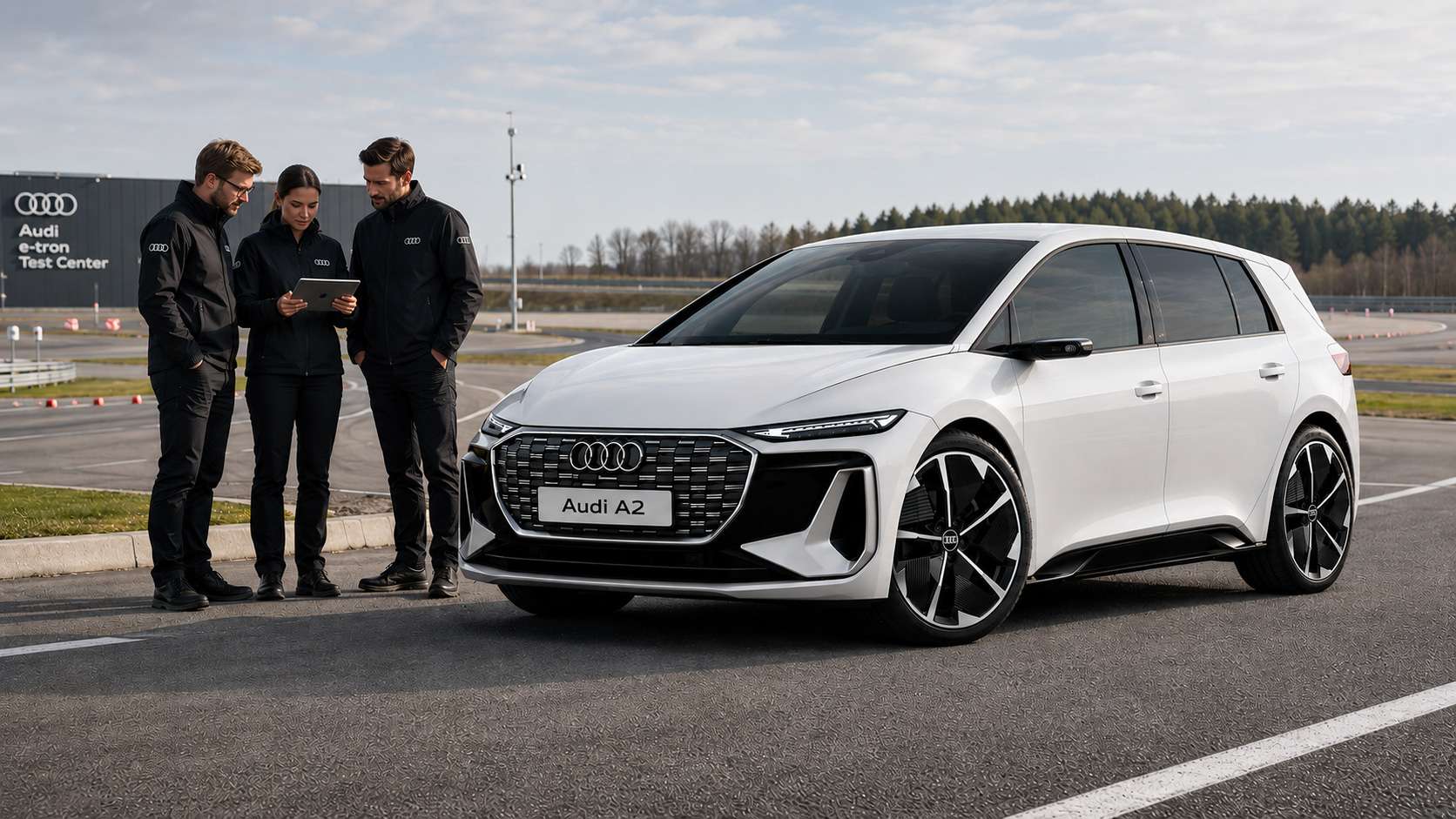
Audi's upcoming A2 EV is expected to give the brand a more affordable entry point into electric ownership. A close sibling to the Volkswagen ID.3 and Cupra Born, the A2 could become one of Audi's most important products of the decade.
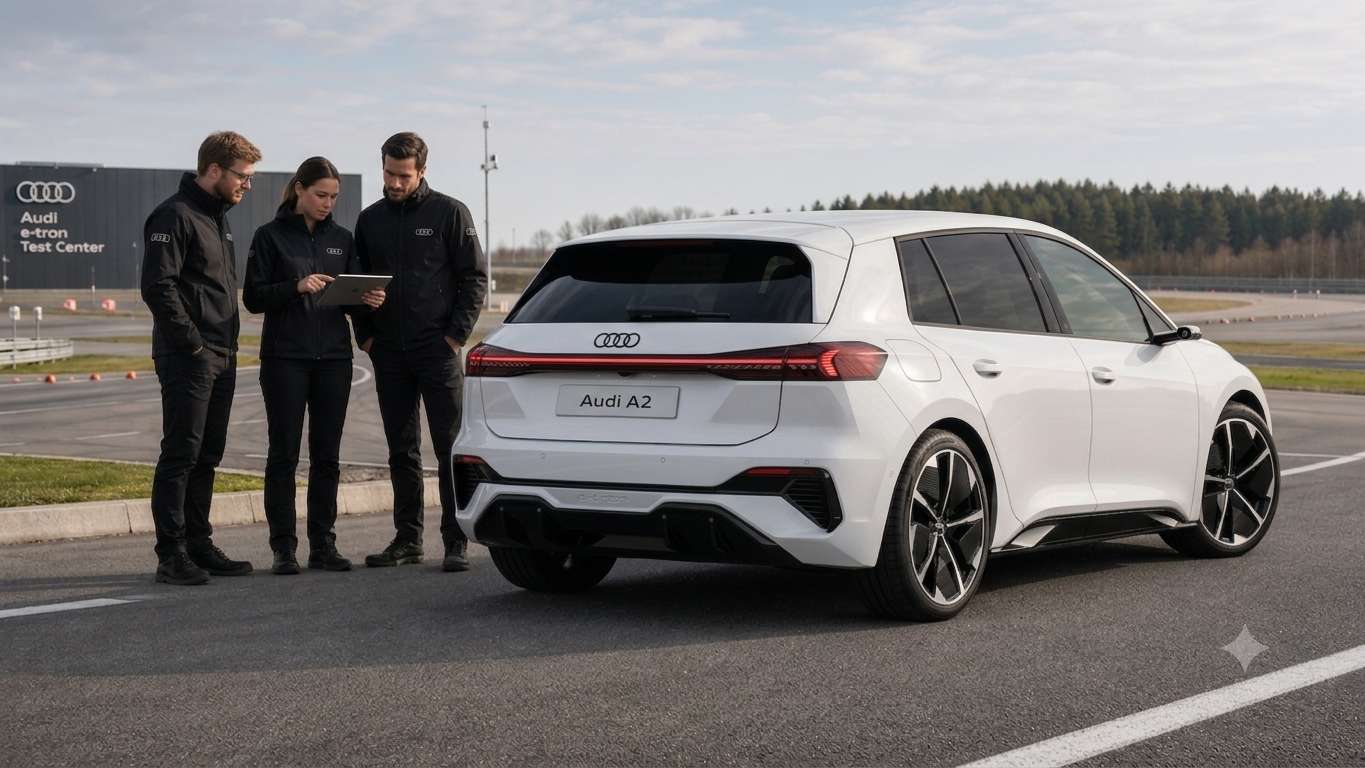
More importantly, the A2 appears to signal a broader shift in Audi's showroom strategy. With A1 and Q2 production having ended earlier this year, a single low cost electric replacement could simplify the range while helping Audi compete more effectively against a growing wave of Chinese EV rivals. (Image credit: The New Yardstick)
If successful, the A2 may become the first domino in Volkswagen Group's wider family-car transformation.
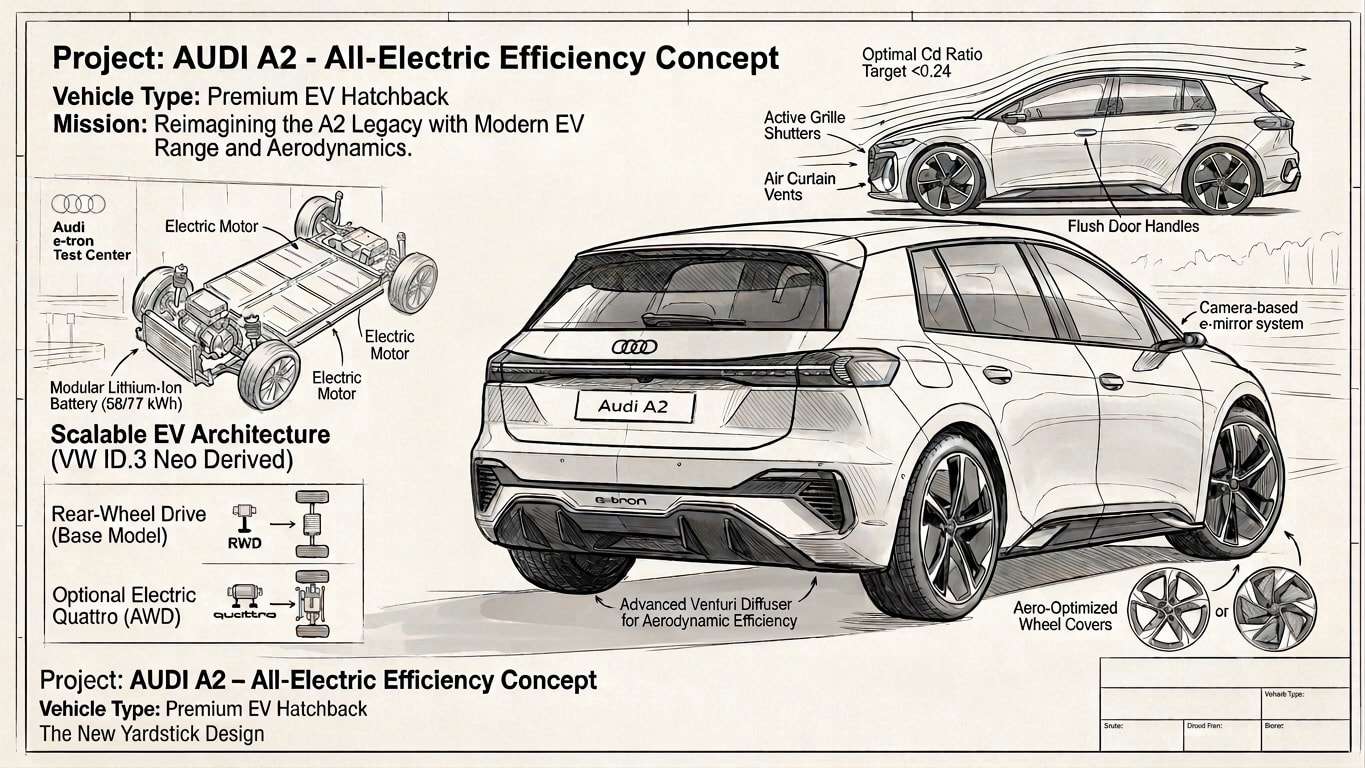
While efficiency is likely to remain at the centre of the A2's role within the Audi range, performance variants should not be ruled out. Audi has built much of its modern identity around quattro, and all-wheel drive remains available across much of the wider line-up. (Image credit: The New Yardstick)
Its close relationship with the Volkswagen ID.3 and Cupra Born also creates interesting opportunities. While the three models may share much of their architecture, Audi will inevitably look to differentiate itself through technology, refinement and performance. A dual-motor quattro variant would therefore seem a logical addition to the range, giving buyers a more sporting alternative while retaining the practicality and efficiency expected of a compact EV.
For now, however, the priority appears clear: delivering an efficient, affordable premium EV capable of bringing new customers into the Audi brand.
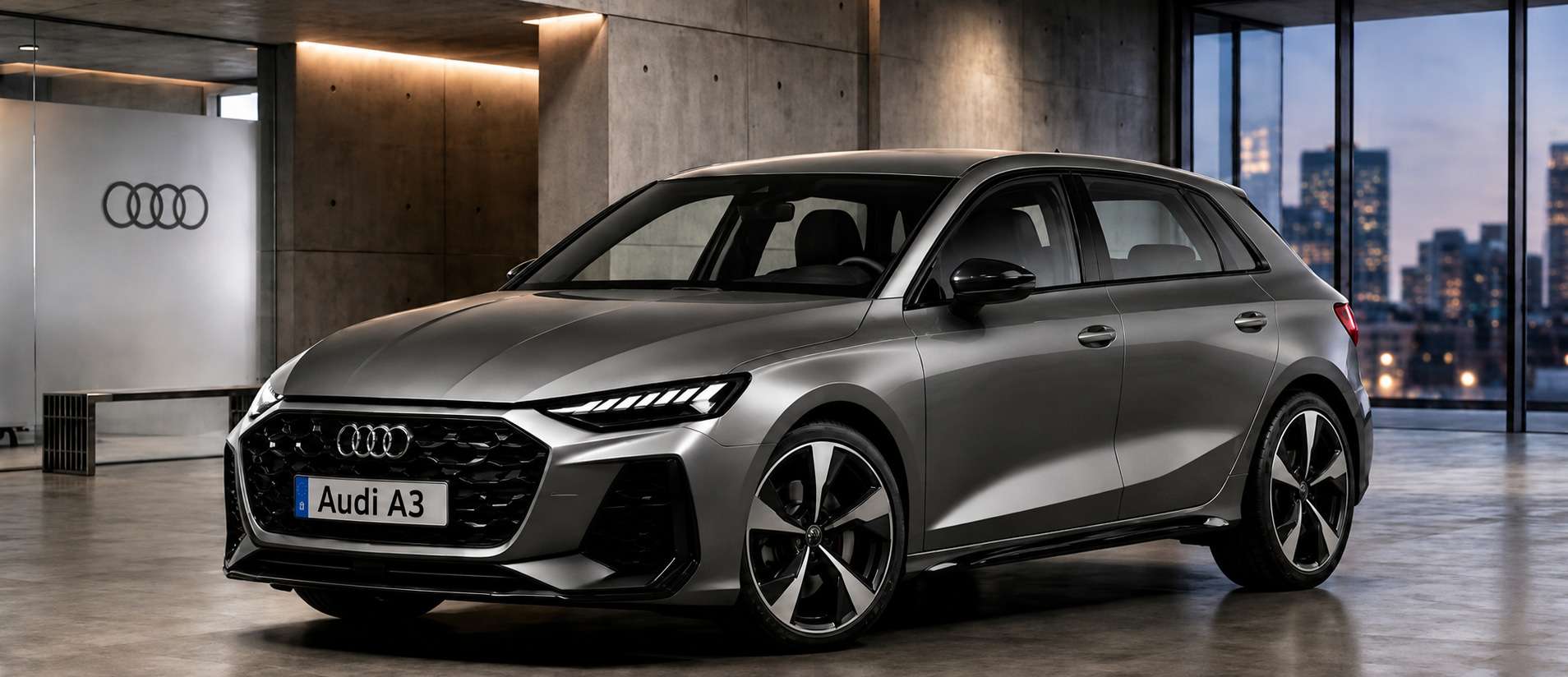
If the A2 represents Audi's attempt to broaden its appeal, the next-generation A3 may become one of the most important products in the entire Volkswagen Group portfolio. (Image credit: The New Yardstick)
For decades, premium hatchbacks occupied a relatively predictable market. Audi competed primarily with the BMW 1 Series and Mercedes-Benz A-Class, while the wider market remained comfortably separated by price and brand positioning.
That landscape is changing rapidly.
Today's buyers can choose from increasingly sophisticated alternatives such as the DS No4, Kia EV4 and emerging Chinese brands including Leapmotor and BYD. Many of these vehicles offer advanced technology, electrified powertrains and generous equipment levels at prices that would have seemed unthinkable just a few years ago.
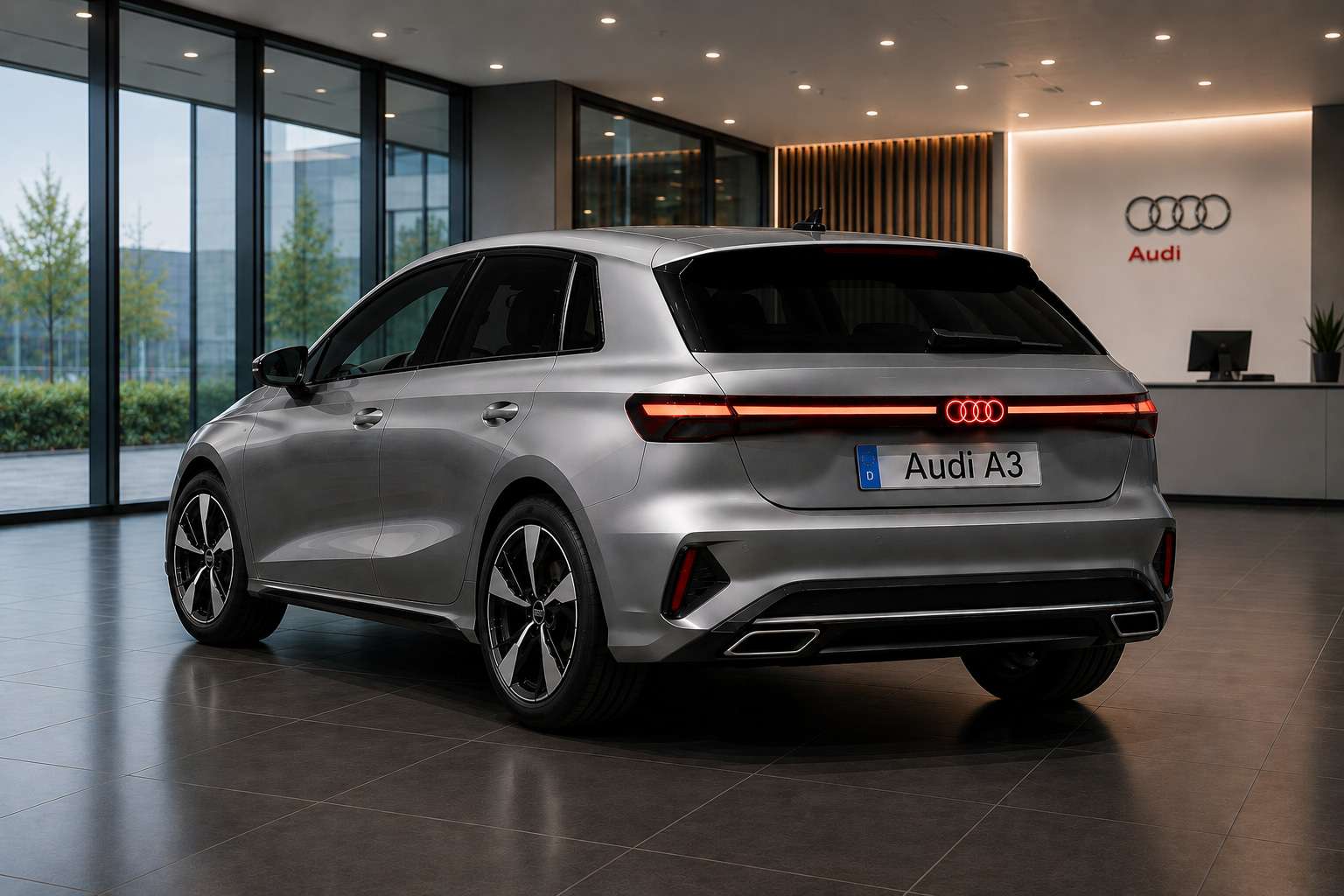
The challenge facing Audi is no longer competing with BMW and Mercedes-Benz. It is convincing buyers that a premium hatchback remains worth paying for when the wider market is improving so quickly. (Image credit: The New Yardstick)
This may explain why Audi appears increasingly committed to maintaining both A2 and A3 within its future line-up. While the A2 can attract new EV buyers to the brand, the A3 continues to serve as the bridge between mainstream family transport and the wider Audi range.
Just as importantly, it allows Audi to offer multiple powertrain choices in a segment where customers remain divided between combustion, hybrid and electric vehicles.
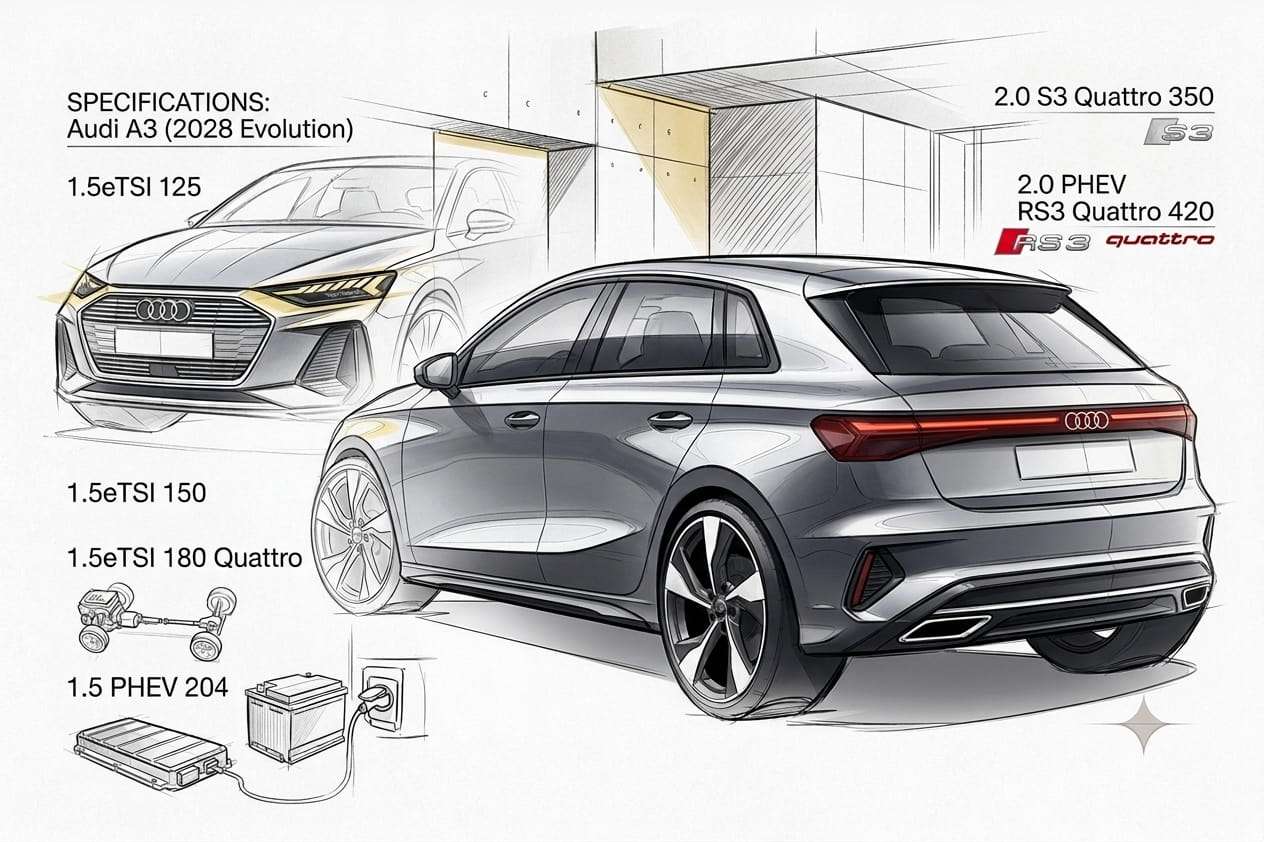
When a 435hp MG4 XPOWER can be purchased for £33,995, manufacturers can no longer rely solely on horsepower to justify premium pricing. (Image credit: The New Yardstick)
The most likely successor to today's RS3 may therefore be a model that combines a more conventional turbocharged four-cylinder engine with a high-performance plug-in hybrid system. Such an approach would reduce fleet emissions and satisfy future regulations, and allow Audi to share development costs across a range of Volkswagen Group products.
Audi has already indicated that the RS3 five-cylinder engine won't survive beyond 2027 in Europe. A shared performance hybrid powertrain could help Audi contain costs, improve compliance and keep future performance models competitively priced against an increasingly capable wave of electric rivals.
In an era where a 435hp family EV can cost less than £34,000, outright performance alone is no longer enough. The challenge for Audi is delivering performance, efficiency and value in equal measure.
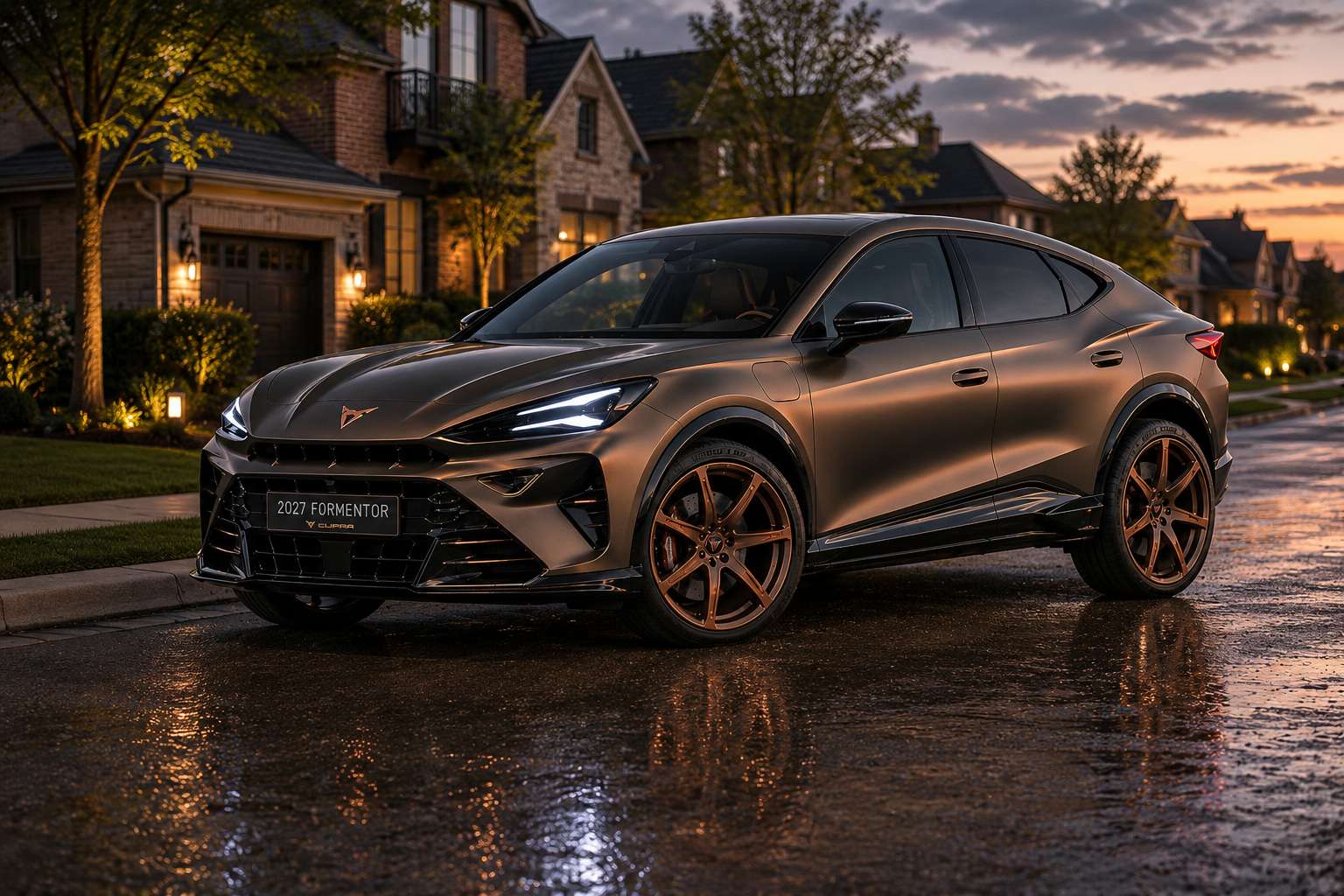
Originally launched as the brand's first standalone model, the crossover-coupe quickly became Cupra's best seller and helped establish a clear identity separate from its SEAT origins. With the current model expected to approach seven years on sale by 2027, the timing could be right for a much broader rethink.
Rather than another heavy facelift, Cupra may choose to move the Formentor further away from its Leon roots with a refreshed body shell, sharper proportions and a more distinctive presence within Volkswagen Group's expanding portfolio.
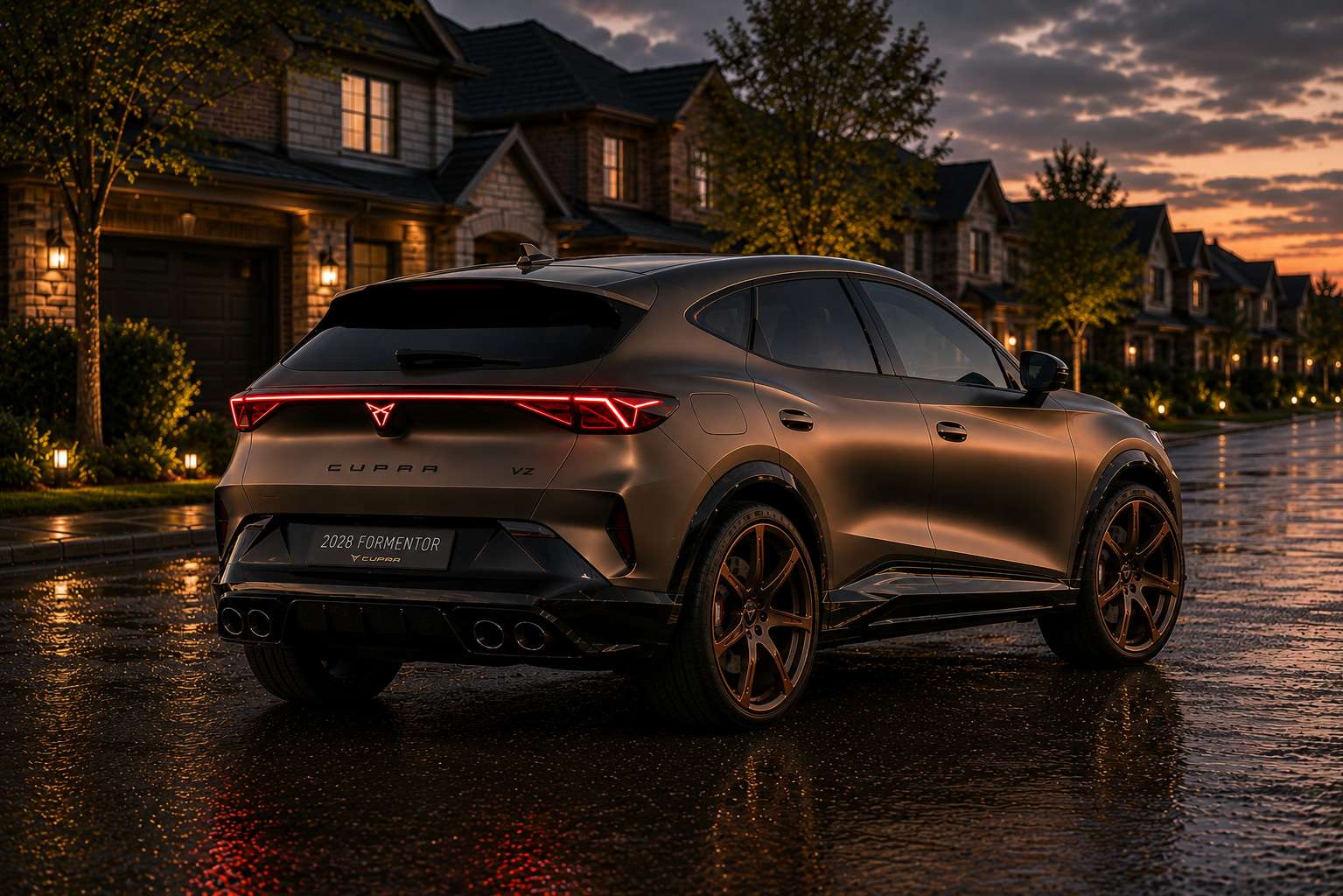
The powertrain story will be changing too. (Image Credit: The New Yardstick)
Cupra has already confirmed a new generation of plug-in hybrid technology for the Formentor, offering longer electric range and greater everyday usability. At the same time, the Audi sourced five-cylinder engine is approaching the end of its European life, removing one of the defining features of today's performance-focused range.
Those two developments arriving together may not be a coincidence.
As emissions regulations tighten and electrification becomes increasingly important, the next Formentor could become the natural flagship of Cupra's mainstream range, combining stronger hybrid performance with lower fleet emissions.
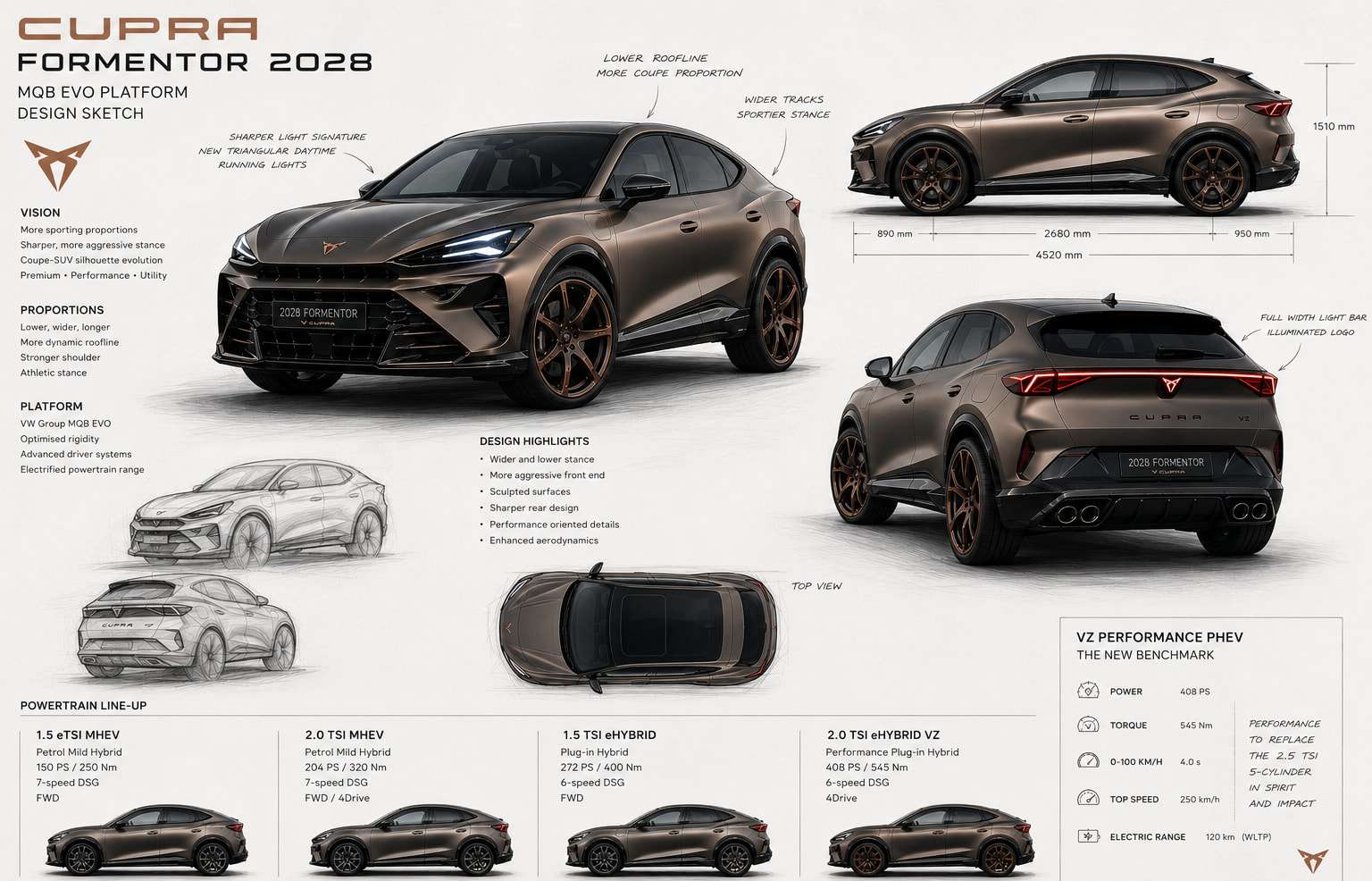
The future of Cupra may ultimately depend on simplifying its line-up. (Image Credit: The New Yardstick)
With the Leon increasingly overlapping with Volkswagen and Audi products, there is a growing argument that Cupra no longer needs a traditional family hatchback at all. Instead, the brand could focus on distinctive standalone models, with Formentor becoming the centrepiece of that strategy.
The specifications explored in our design study show how such an evolution could look. A range spanning mild-hybrid, plug-in hybrid and performance-focused eHybrid variants would allow Cupra to appeal to a broad audience while maintaining the brand's sporting character.
Seven years after launch, the next Formentor may have a bigger role than simply replacing the current model. It could define what Cupra becomes in the decade ahead.
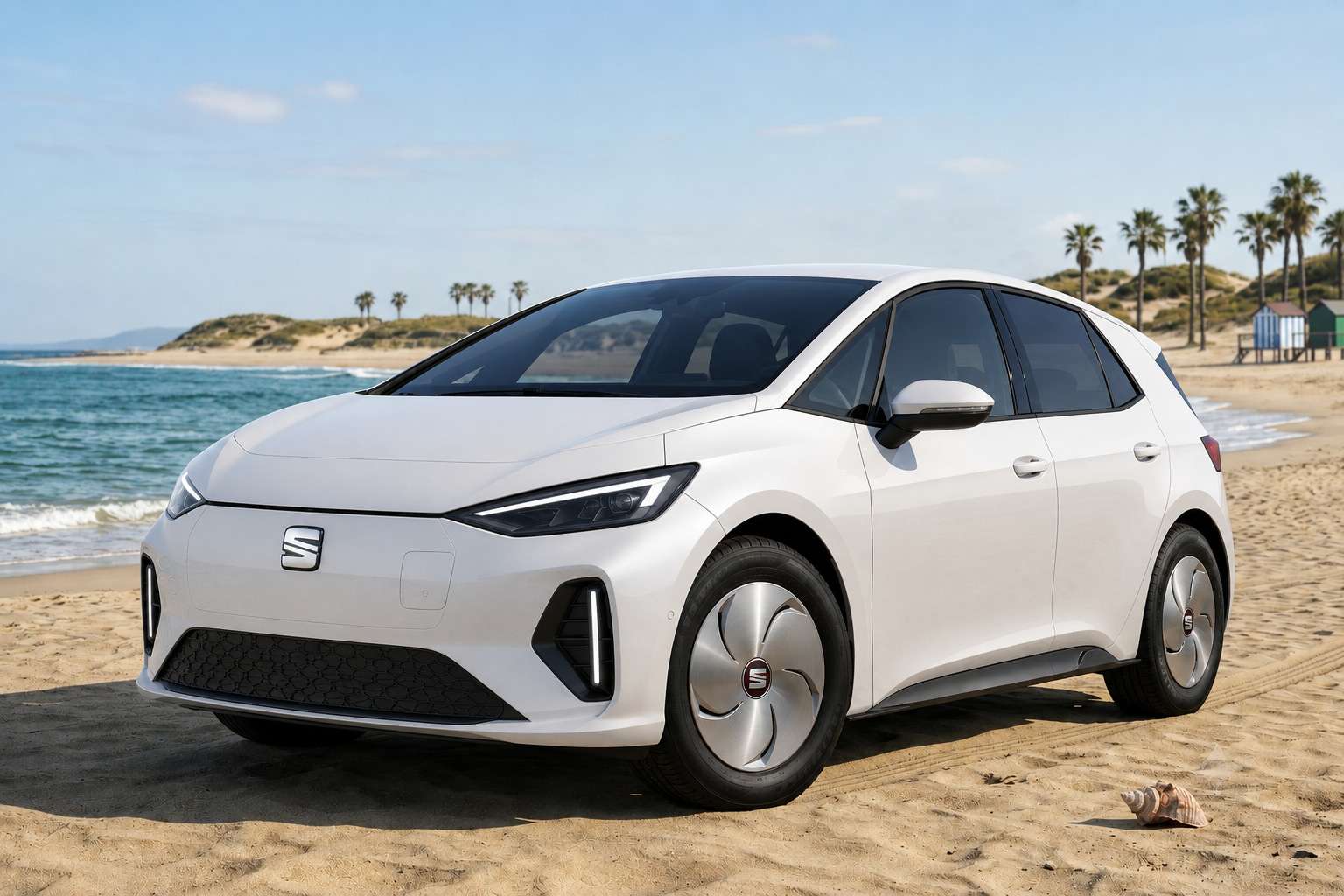
Once positioned as the youthful and affordable alternative within the group, SEAT has spent much of the past decade living in the shadow of Cupra. Investment has increasingly flowed towards the newer brand, while SEAT's core products have been left to age.
That may soon need to change.
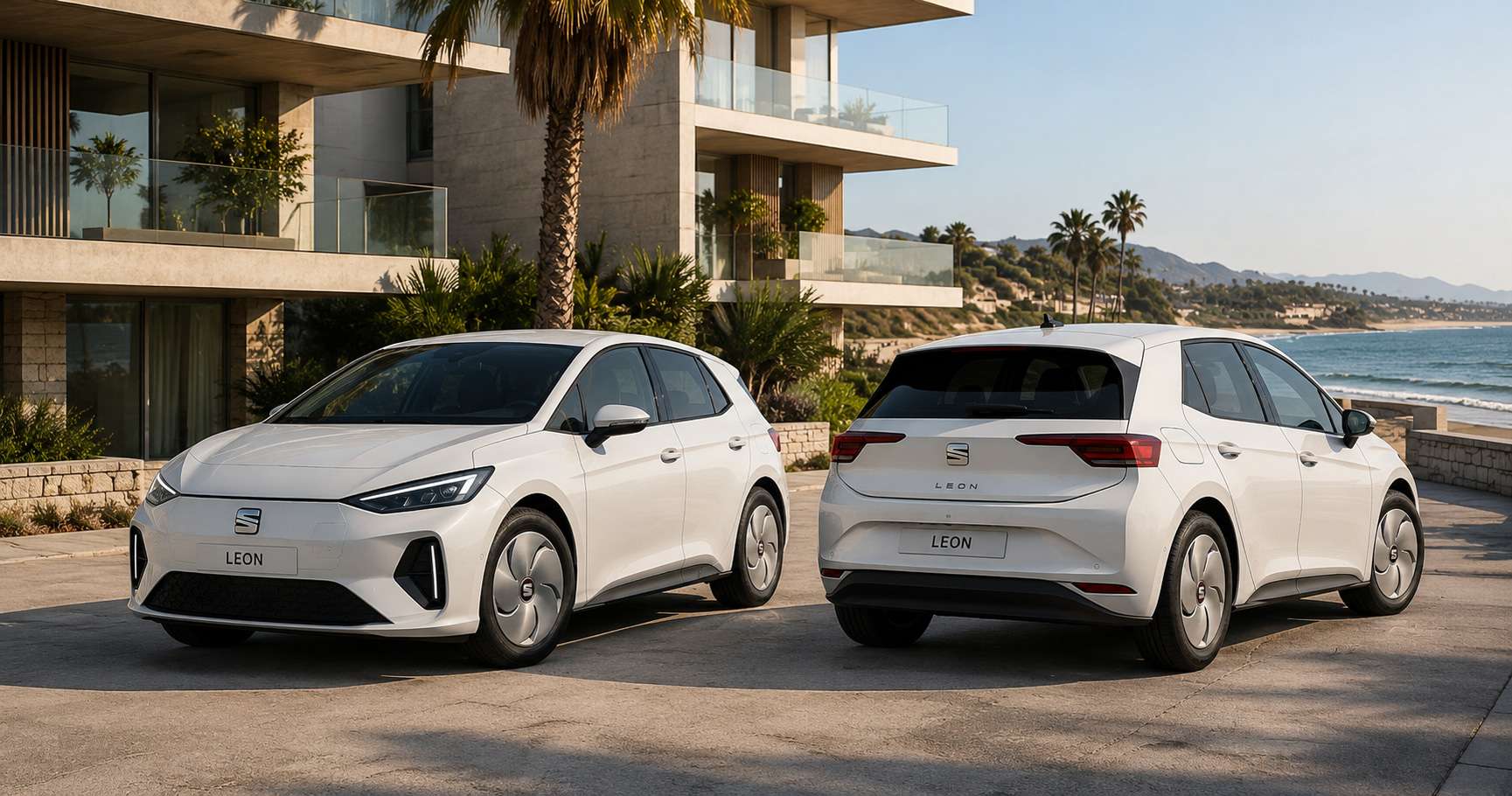
The family hatchback market is evolving rapidly. Chinese manufacturers continue to gain ground, while Renault and Stellantis are expanding their electric offerings into increasingly affordable price brackets. (Image Credit: The New Yardstick)
For Volkswagen Group, there is a growing argument that SEAT could become the ideal home for lower-cost EVs. A Leon built around the Volkswagen ID.3 platform, combined with cheaper LFP battery technology, could provide a practical and desirable electric family hatchback at a price point below Volkswagen itself, allowing Volkswagen Group to compete more aggressively against emerging rivals.
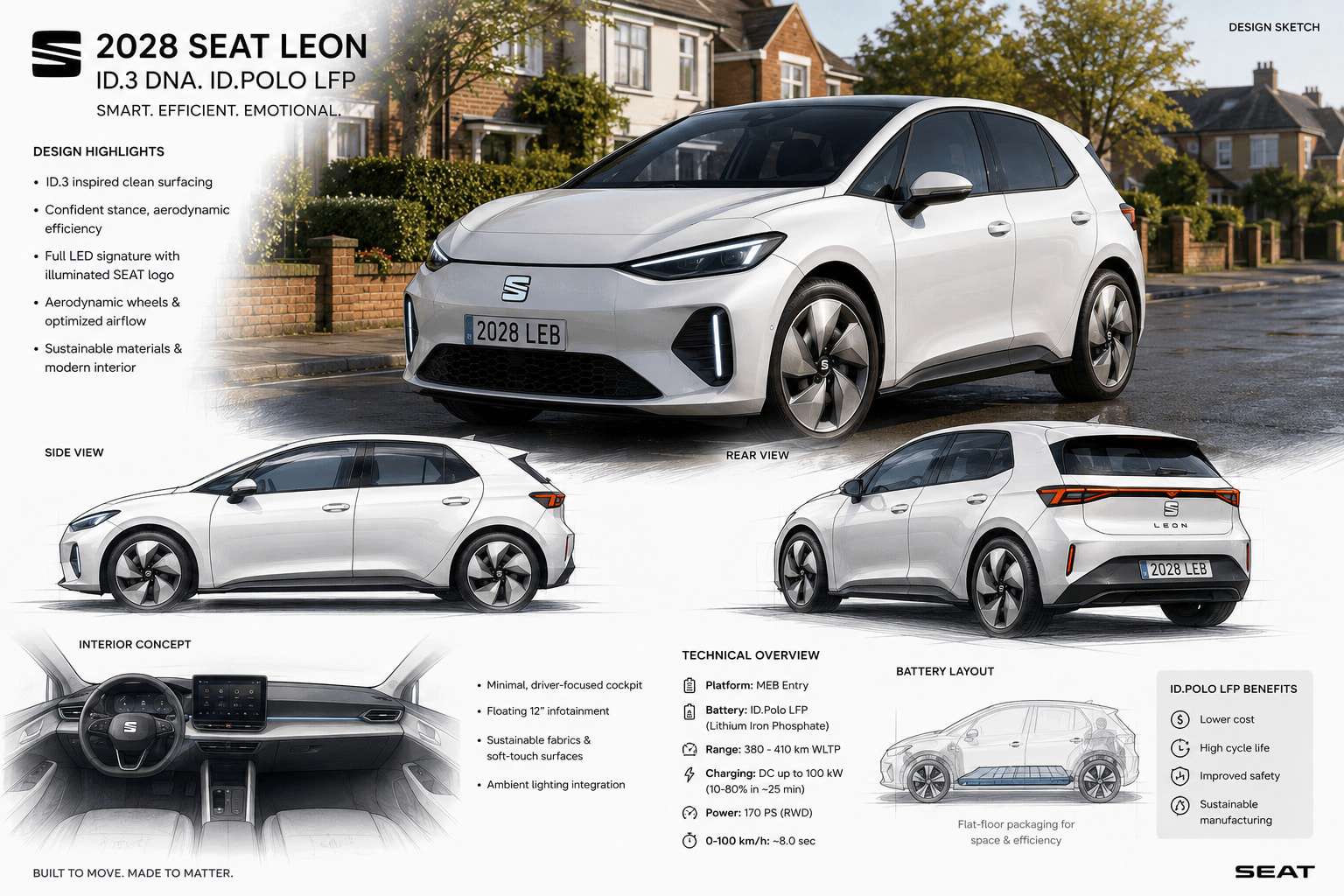
Perhaps more importantly, it would give SEAT a clear purpose once again. (Image Credit: The New Yardstick)
A value-focused electric Leon could become the entry point into Volkswagen Group ownership, helping the company defend market share in a segment that is becoming increasingly contested by Chinese manufacturers and low-cost European EVs alike.
The challenge is no longer simply building good electric cars. It is building electric cars that ordinary families can afford.
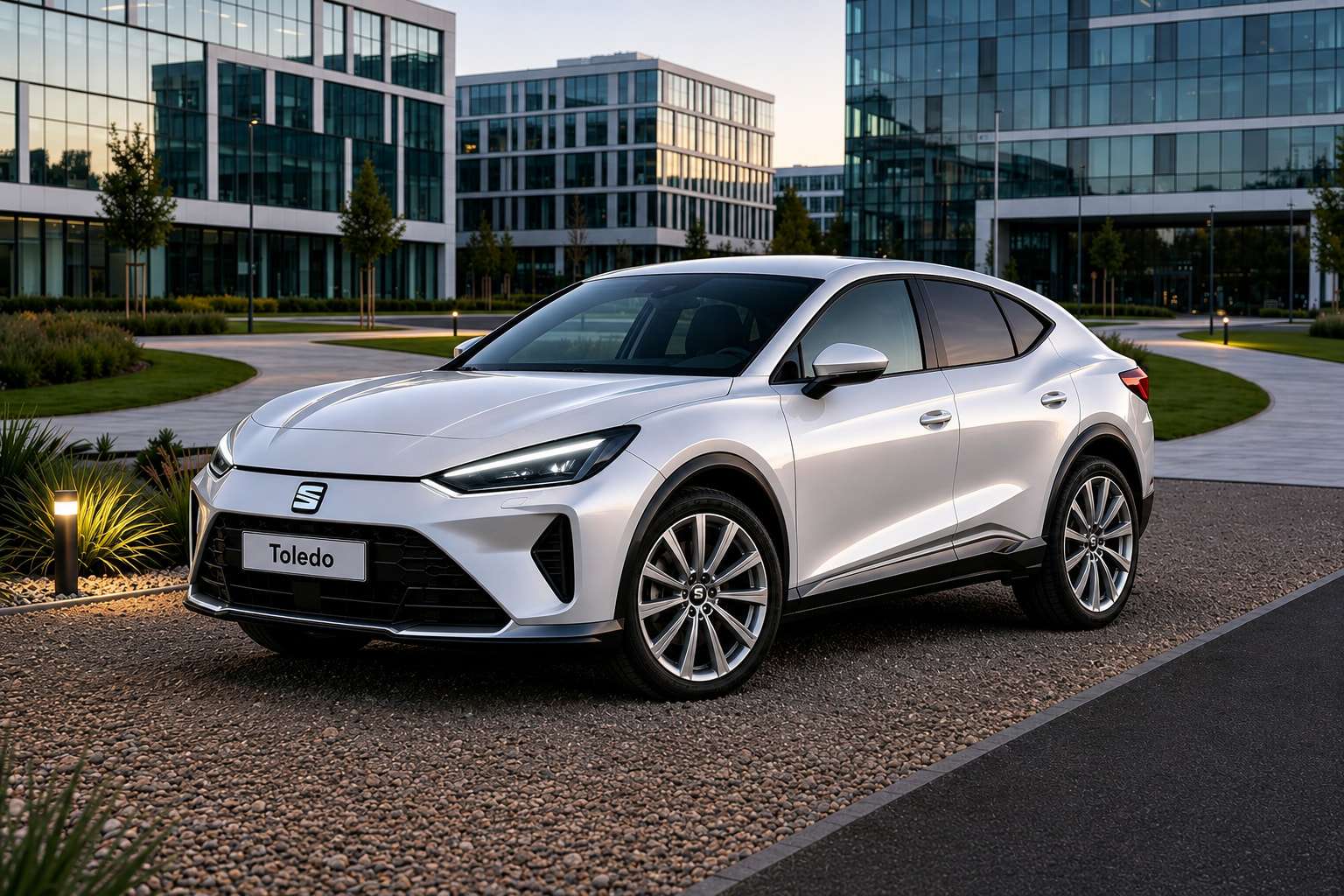
The same logic could extend beyond the Leon. (Image Credit: The New Yardstick)
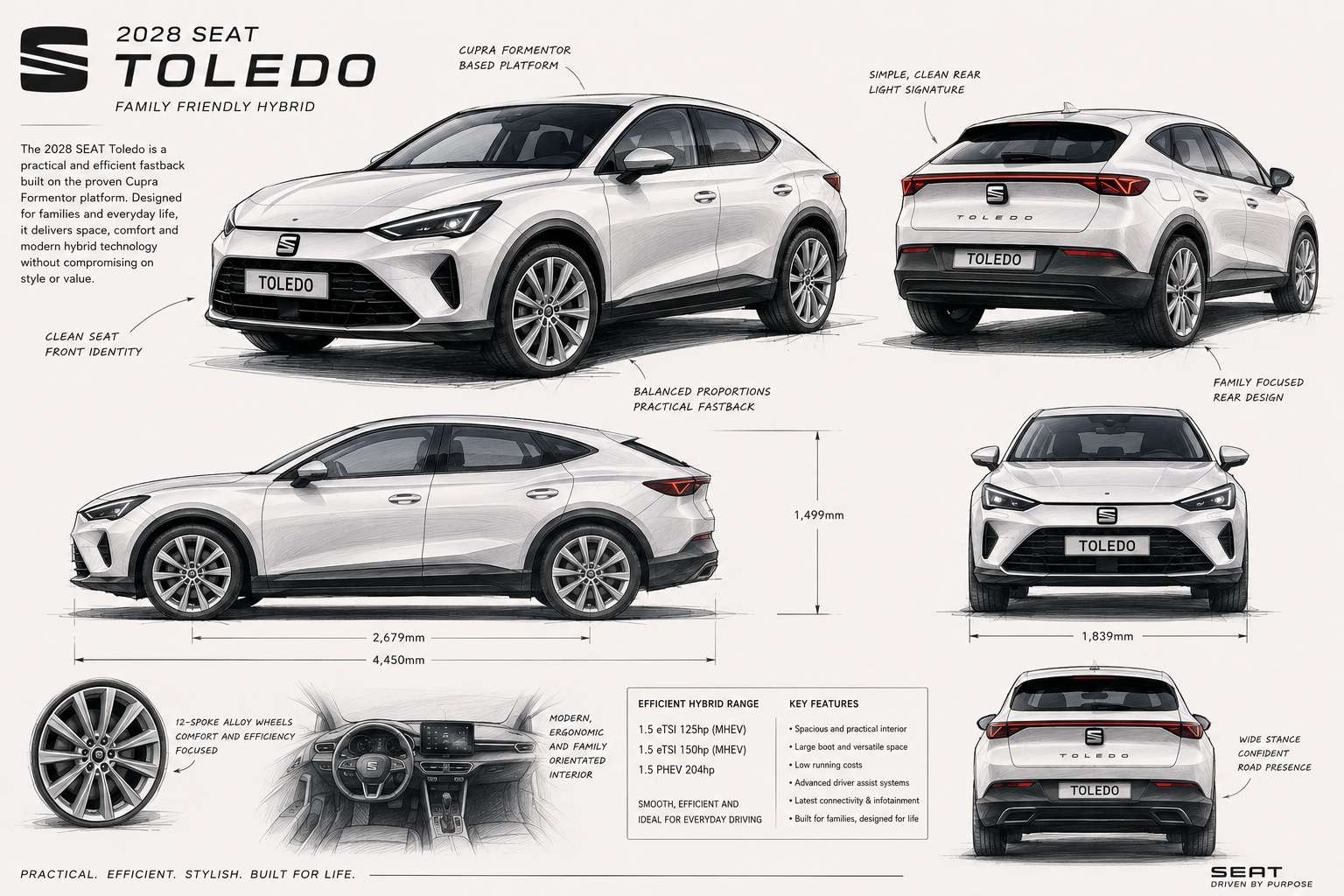
Volkswagen Group needs new entry priced models, giving them the opportunity to revive one of SEAT's most recognisable names. Our design study imagines a modern Toledo based on the next-generation Formentor platform, combining crossover styling with the practicality of a family fastback.
Timing may prove critical.
Stellantis is expected to expand its affordable vehicle range significantly during the second half of the decade, with projects such as the upcoming Fiat Grizzly demonstrating how manufacturers are looking to combine crossover styling, family practicality and aggressive pricing.
Should Fiat successfully bring a Formentor-sized fastback to market at around £25,000, Volkswagen Group currently lacks a direct competitor.
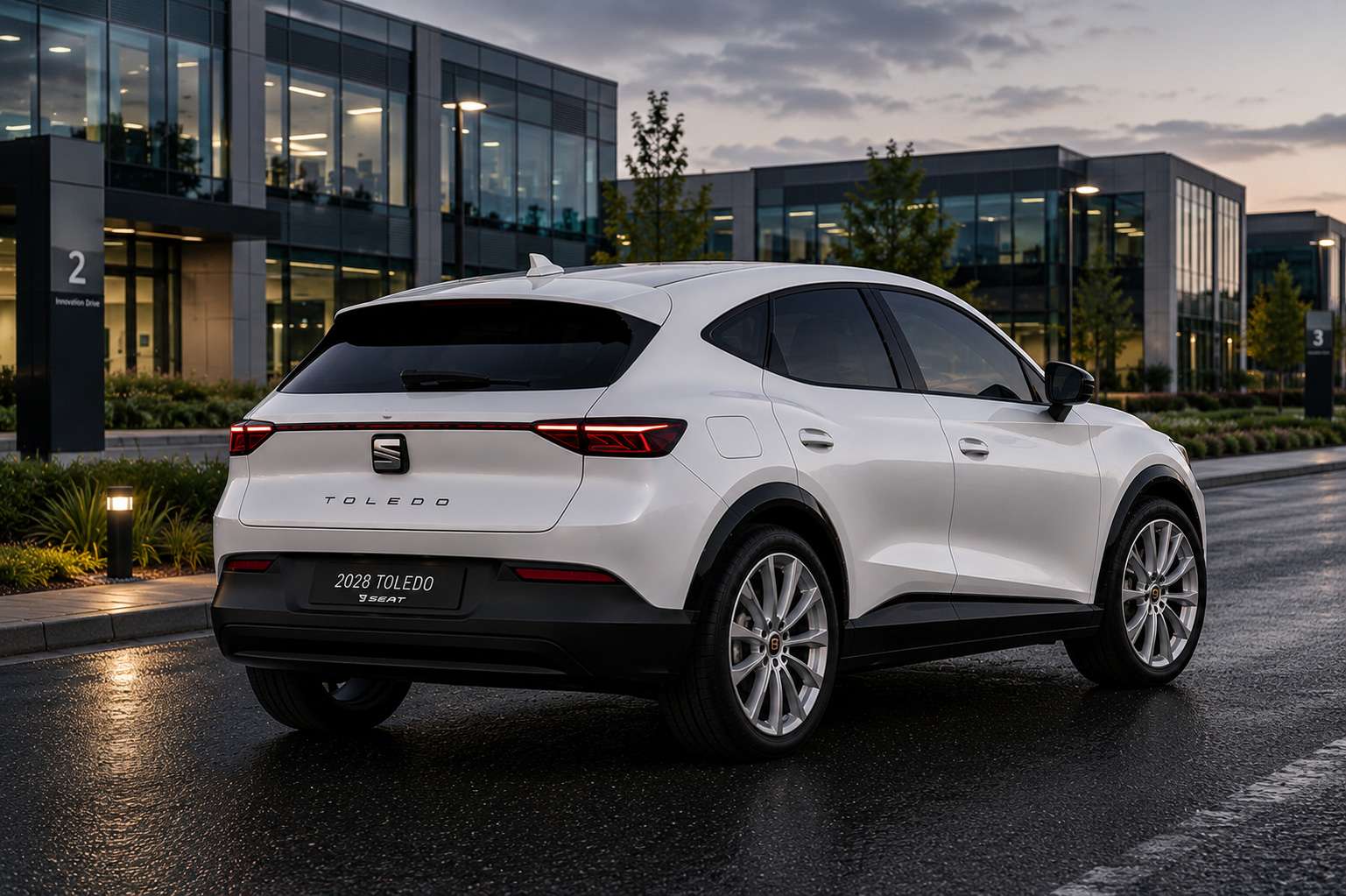
Built around much of the same architecture as the next-generation Formentor, a revived Toledo could deliver similar practicality and presence while targeting a significantly lower price point. In effect, it would become Volkswagen Group's answer to the Grizzly: a family-focused crossover designed to maximise value rather than performance. (Image Credit: The New Yardstick)
Using shared Volkswagen Group architecture would allow development costs to remain under control, while SEAT's positioning could give the company greater freedom to compete on price.
That creates an obvious challenge. If Volkswagen's entry-level models are already competing in the middle of the market, where does Volkswagen Group fight at the lower end?
A revitalised SEAT could be the answer.
By leveraging existing platforms, cheaper LFP battery technology and a value-focused brand identity, SEAT could give Volkswagen Group the flexibility to compete below Volkswagen itself. The question is not whether Volkswagen Group can afford to invest in SEAT again, it is whether it can afford not to.
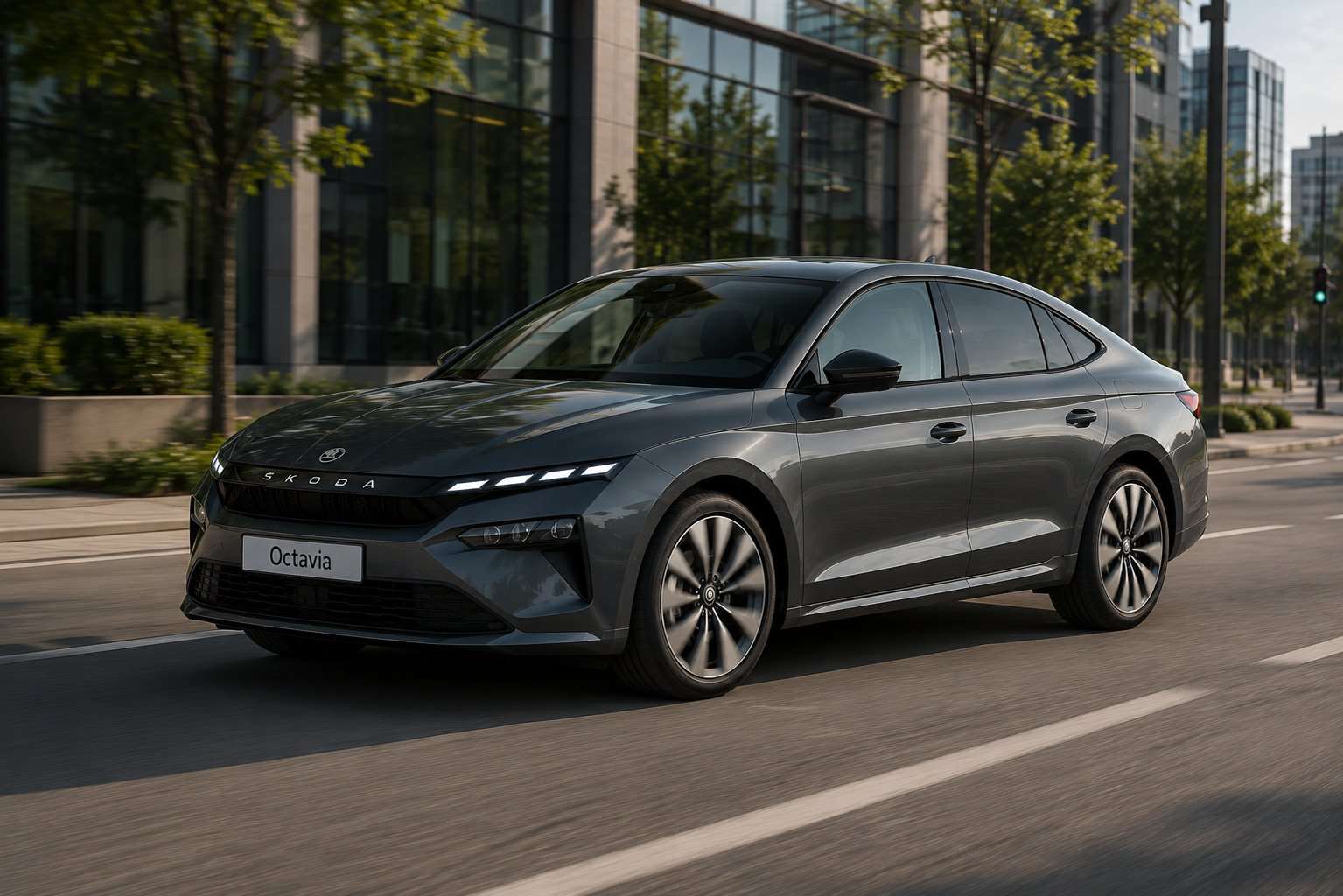
If SEAT's future may depend on affordability, Škoda's remains remarkably consistent. (Image Credit: The New Yardstick)
For more than two decades, the Octavia has built a reputation around delivering greater family-car practicality in a package that undercuts the alternative spec VW Golf. That formula continues to resonate with buyers, making the Octavia one of Volkswagen Group's most important models.
Rather than chasing radical change, the next generation looks more likely to refine what already works.
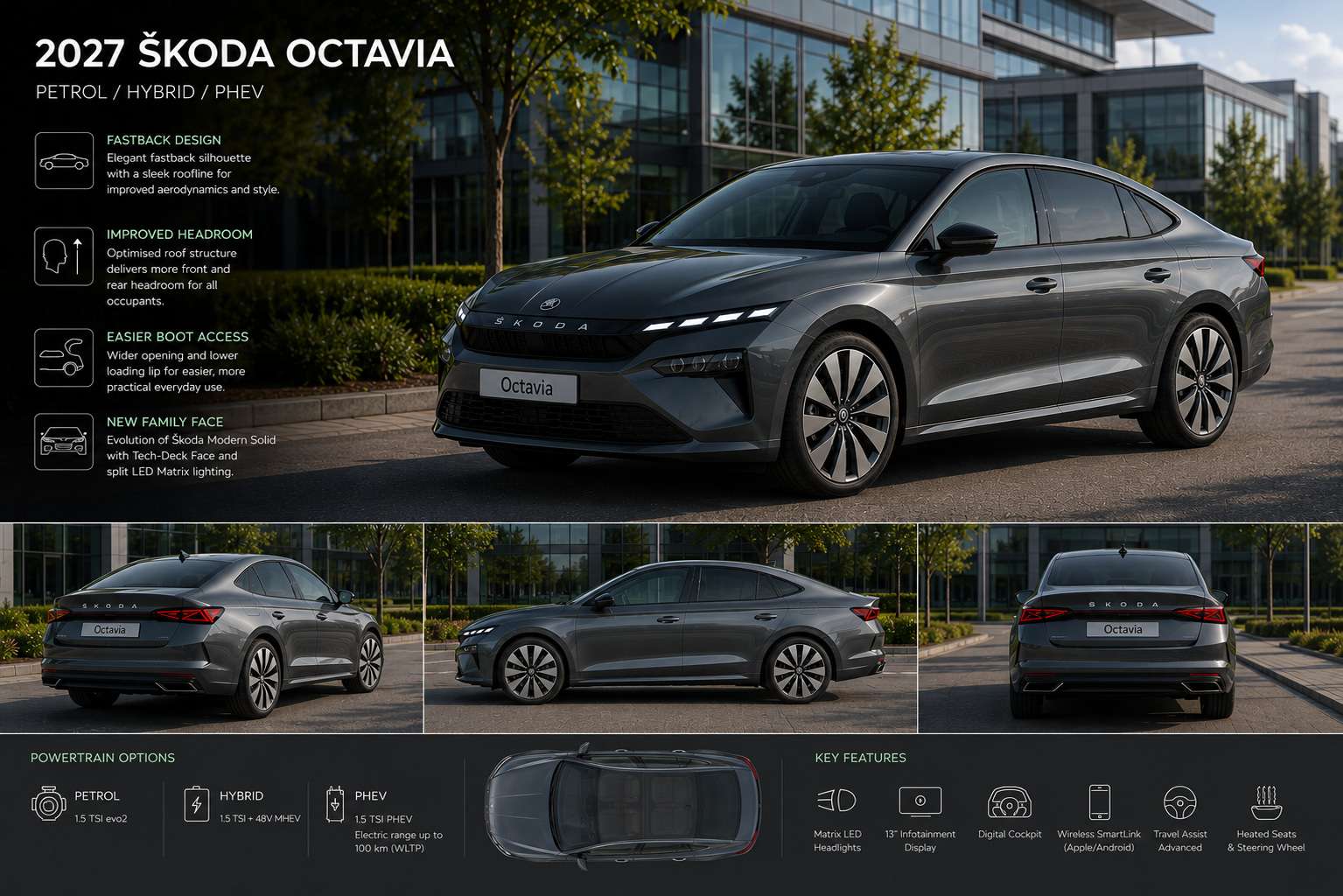
One area where improvement remains possible is practicality itself. (Image Credit: The New Yardstick)
On paper, the current Octavia offers an enormous luggage compartment, yet the liftback design can make loading larger items more awkward than the figures suggest. Our design study explores how a sleeker fastback profile could improve both aesthetics and usability while remaining unmistakably Octavia.
A wider rear opening, cleaner proportions and improved aerodynamics could allow Škoda to enhance everyday practicality without sacrificing one of the model's defining strengths.
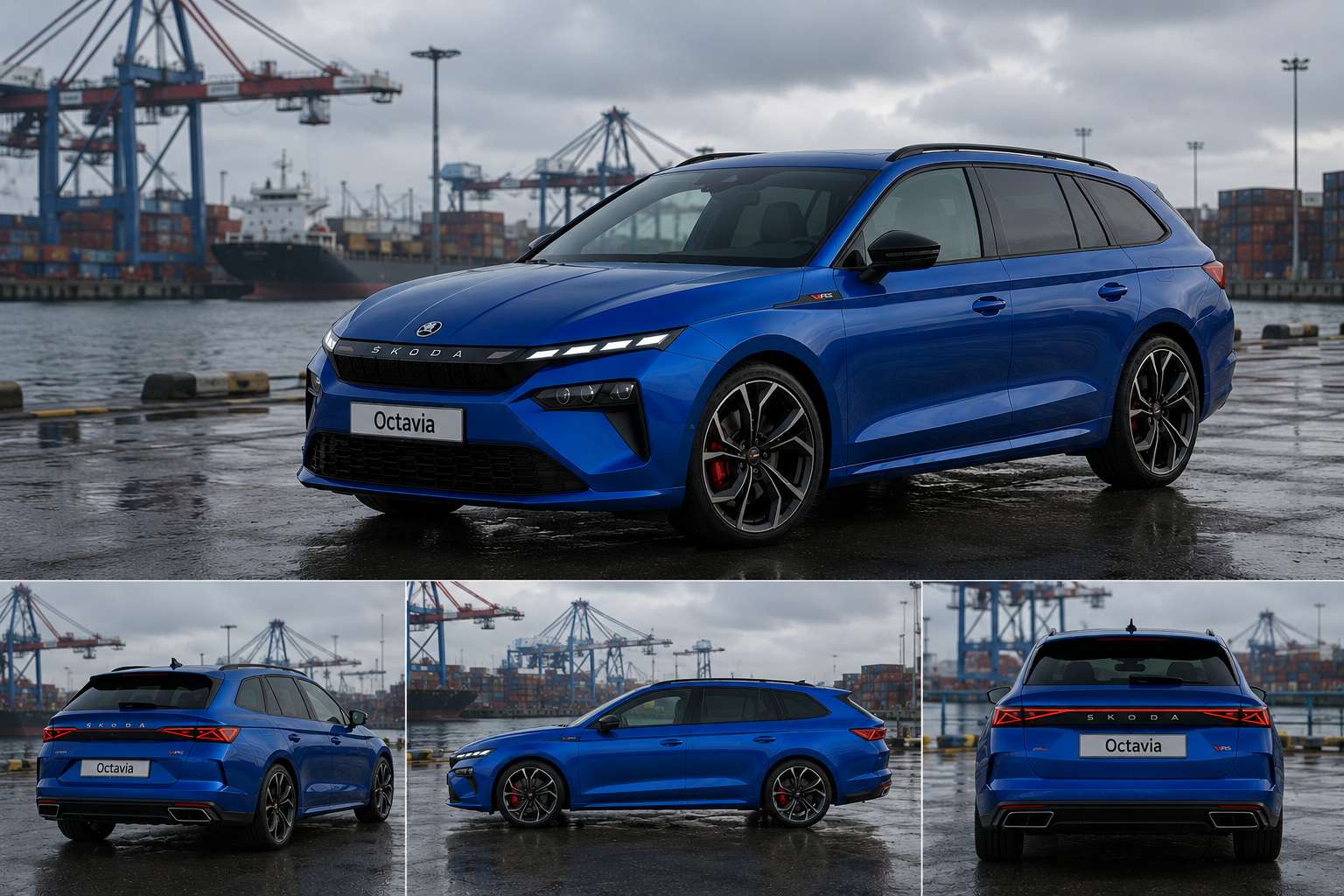
The estate, however, may require a very different approach. (Image Credit: The New Yardstick)
While the hatchback explores a new interpretation of the Octavia formula, the estate should remain similar in execution, sharing hard points with the Golf Estate. As a result, evolution is likely to take priority over revolution.
Expect cleaner exterior styling, updated mild-hybrid and plug-in hybrid powertrains and continued focus on interior space. For many buyers, the next Octavia Estate simply needs to remain what it has always been: Volkswagen Group's best-value estate model.
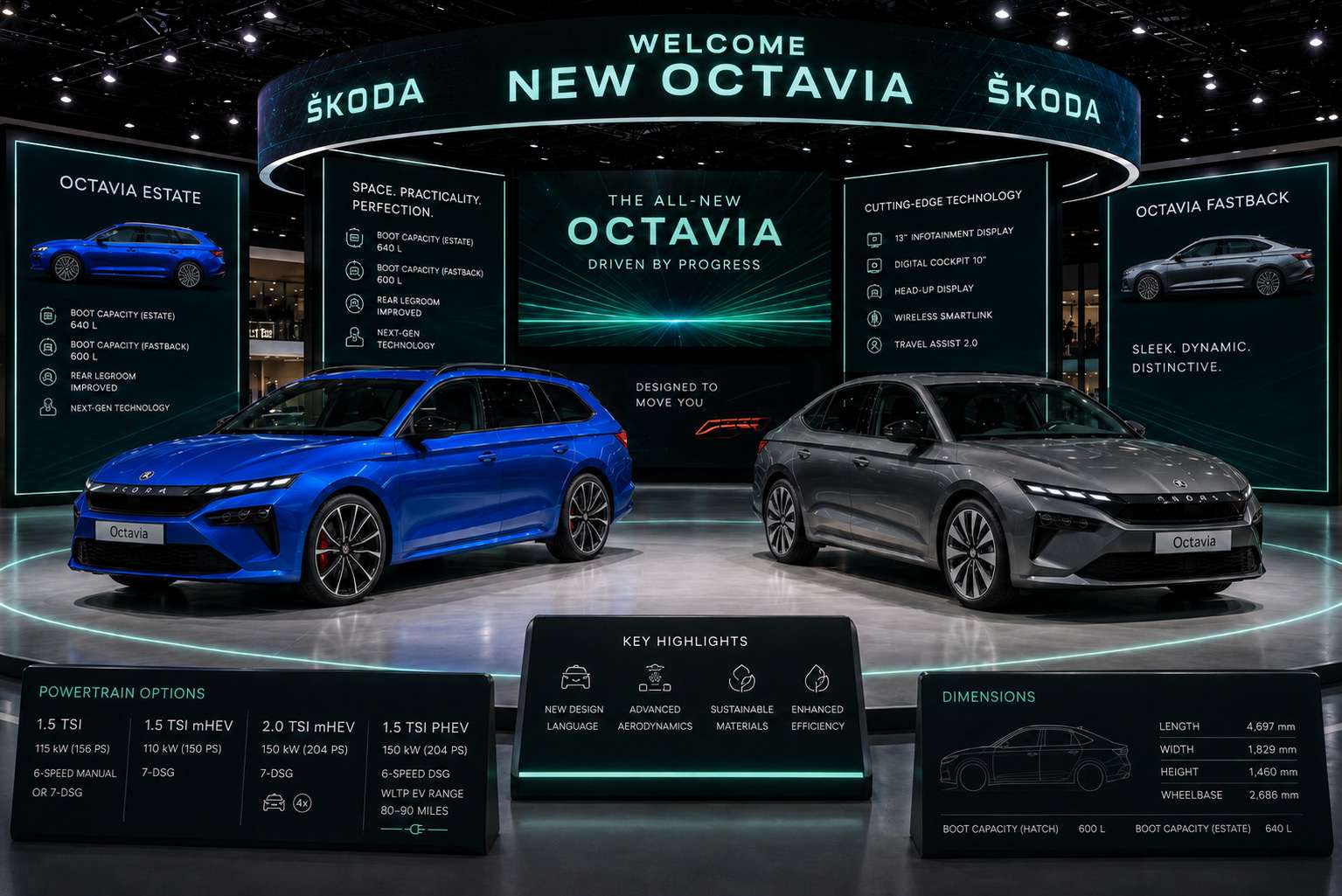
That consistency may ultimately be Škoda's greatest advantage. (Image Credit: The New Yardstick)
While Škoda's SUV range continues to expand, bringing increasing overlap between combustion and electric models, the Octavia continues to succeed by focusing on the fundamentals. Space, value and usability remain powerful selling points in a market increasingly distracted by niche segments and lifestyle-focused vehicles.
That raises an interesting question about the future of the wider Škoda range. As SUVs continue to dominate sales and electrification increases development costs, could the Octavia eventually become the brand's primary large family car? With the Superb occupying an increasingly narrow position between the Octavia and Škoda's growing SUV line-up, there may come a point where the business case for two traditional family cars becomes harder to justify.
For now, however, the Octavia remains one of Volkswagen Group's most consistent success stories.
In a rapidly changing automotive market, the next Octavia may prove that evolution can still be every bit as effective as revolution.
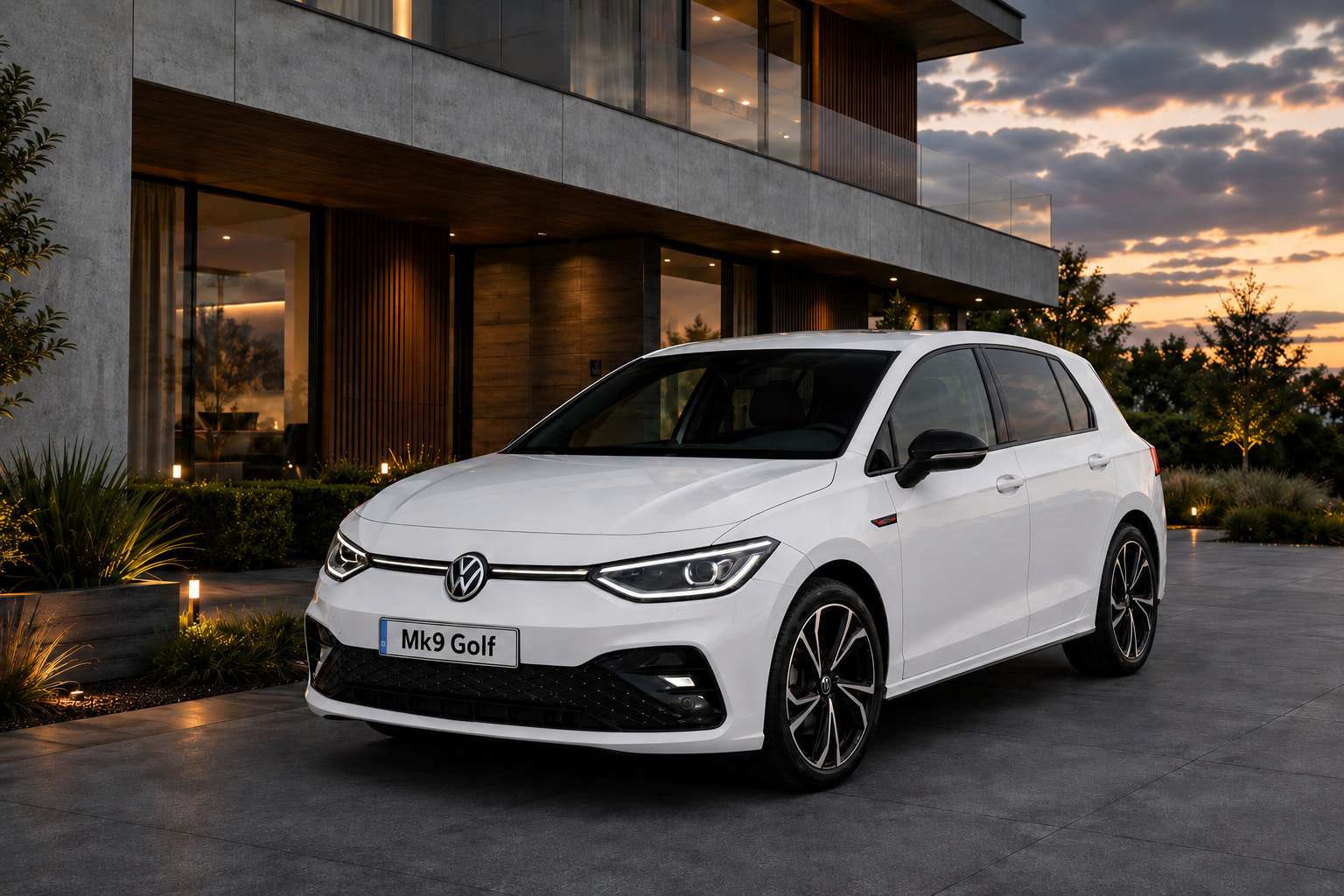
If the Octavia represents Volkswagen Group's practical heart, the Golf remains its defining product. (Image Credit: The New Yardstick)
More than fifty years after the original model arrived, Volkswagen's answer to the Toyota Corolla has secured an unexpected ninth generation. At one stage, the company's plans appeared to point towards an electric-only successor, but changing market conditions and softer-than-expected EV adoption have prompted a rethink. The challenge facing Volkswagen is ensuring that its most recognisable model remains relevant in a market changing faster than ever before.
The next Golf is therefore expected to favour evolution over revolution. Cleaner surfacing, improved aerodynamics and a more refined front-end design could modernise the car without abandoning the familiar formula that has made it one of the world's best selling cars.
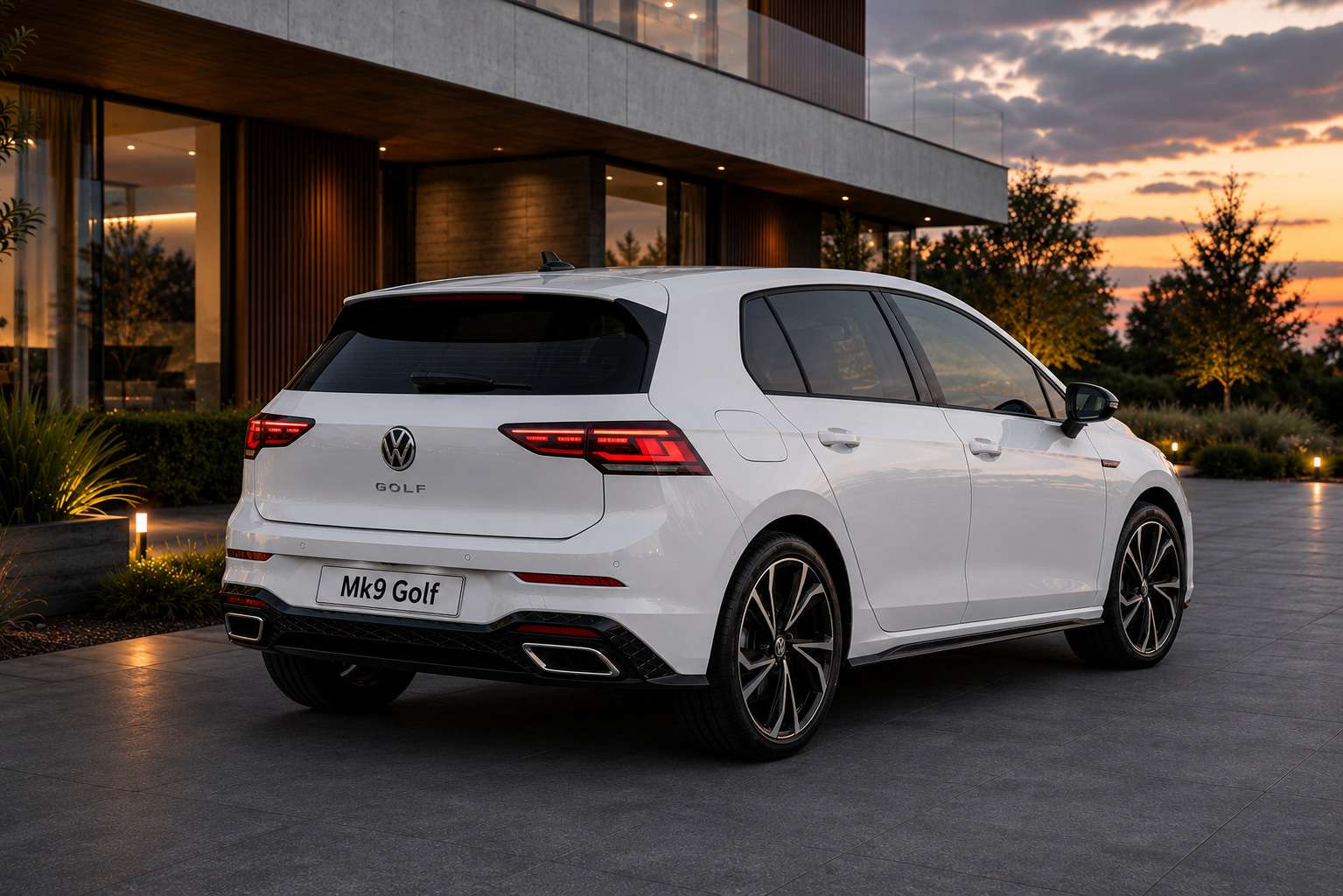
The powertrain strategy is likely to evolve more significantly.(Image Credit: The New Yardstick)
Hybrid technology will continue to play a central role, with mild-hybrid and plug-in hybrid variants expected to form the backbone of the range. At the top end, a new performance-focused Golf R could combine a turbocharged 2.0-litre engine with plug-in hybrid technology, delivering close to 400hp while significantly reducing emissions compared with today's model.
For Volkswagen, maintaining performance credentials while meeting future regulations may become just as important as improving efficiency.
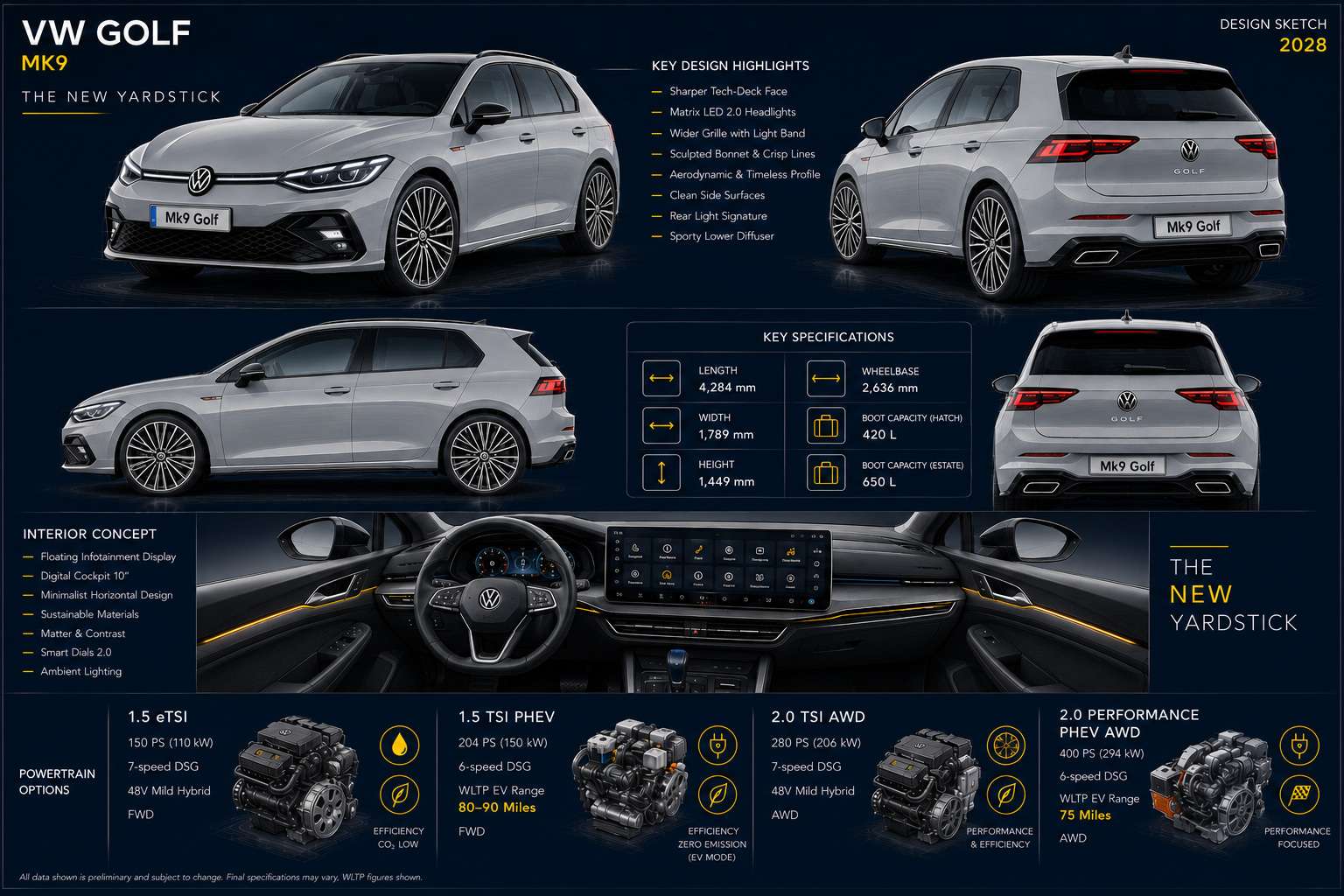
Yet perhaps the biggest challenge facing the Golf has little to do with powertrains at all. (Image Credit: The New Yardstick)
Practicality has traditionally been one of the model's strengths, but the market is changing. Today's Golf offers 381 litres of luggage space, yet a Renault Clio now provides 391 litres despite sitting in a smaller segment. The Fiat Grande Panda stretches that figure to 412 litres, while Volkswagen's own upcoming ID.Polo is expected to offer around 441 litres.
If the Golf is to remain the benchmark family hatchback, improving usable space may become just as important as improving technology.
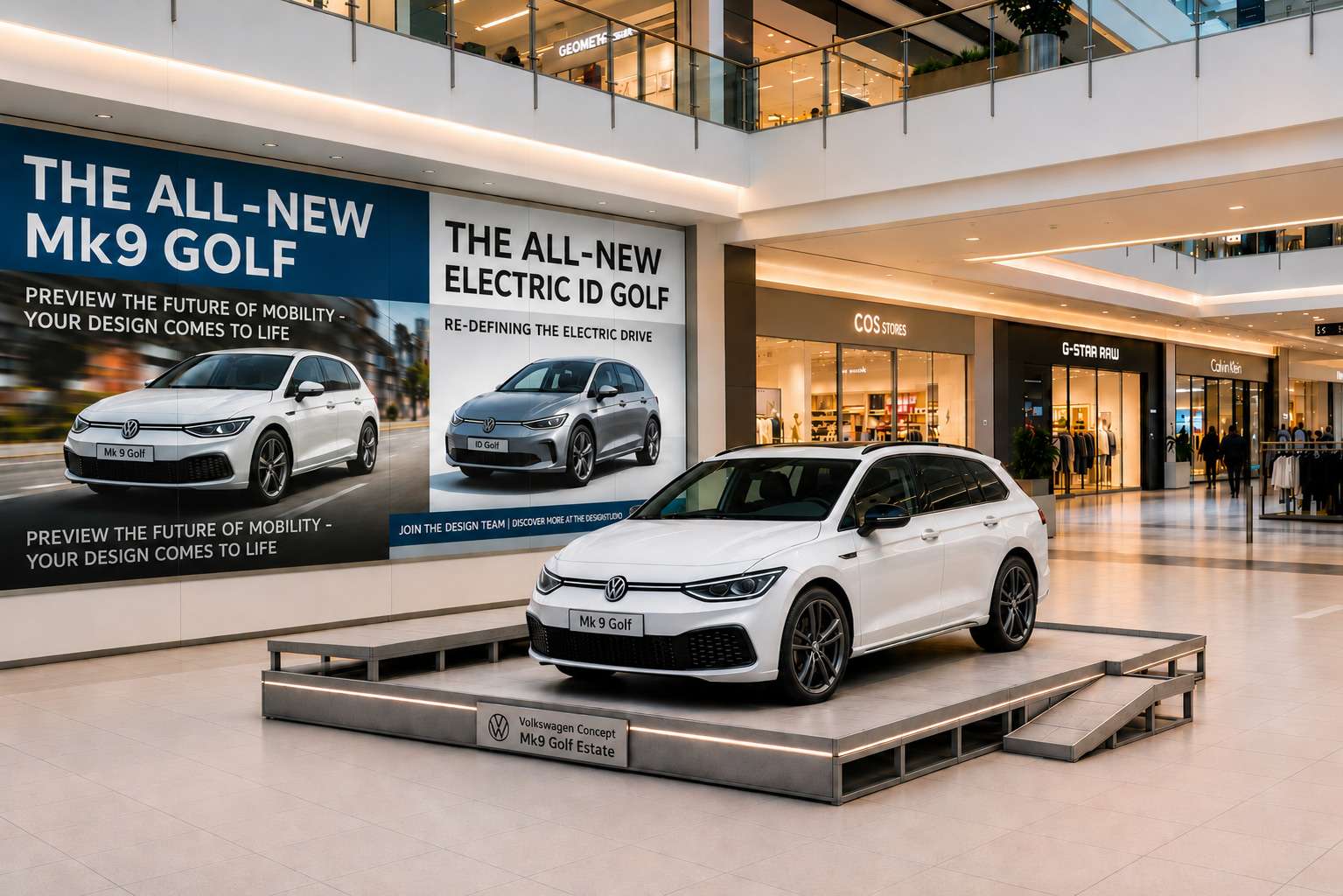
The estate remains the simplest answer to that challenge. (Image Credit: The New Yardstick)
The current Golf Estate continues to offer the practicality many family buyers still require. Expect the next generation to build on that formula with cleaner styling, improved efficiency and updated hybrid technology rather than radically altering what already works.
But while the Estate continues to refine an established formula, Volkswagen's biggest opportunity may lie in starting again.
While the Golf's long-term future remains electric, the timeline appears to have shifted.
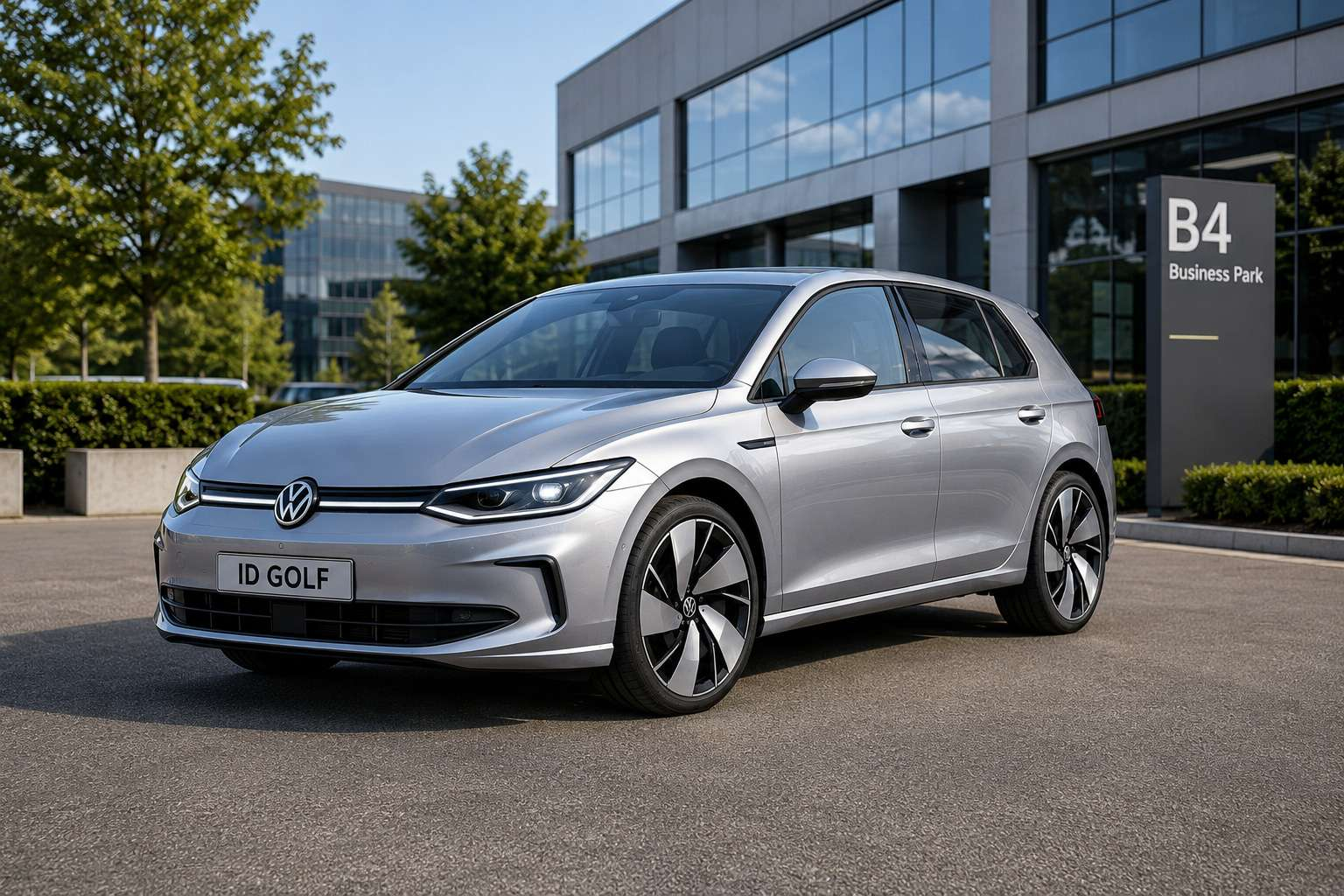
Volkswagen has already confirmed that the ID Golf will arrive around 2029 following delays to the group's next-generation software-defined architecture. A plausible roadmap would be to follow the ID Polo that arrives over the next few months with the Mk9 Golf in 2028 and the fully electric ID Golf in 2029, allowing Volkswagen to refresh its most important models in stages while avoiding a sudden transition that risks alienating existing customers.
More importantly, it would give the company additional time to ensure the ID Golf launches as a desirable, well rounded product rather than simply another electric hatchback.
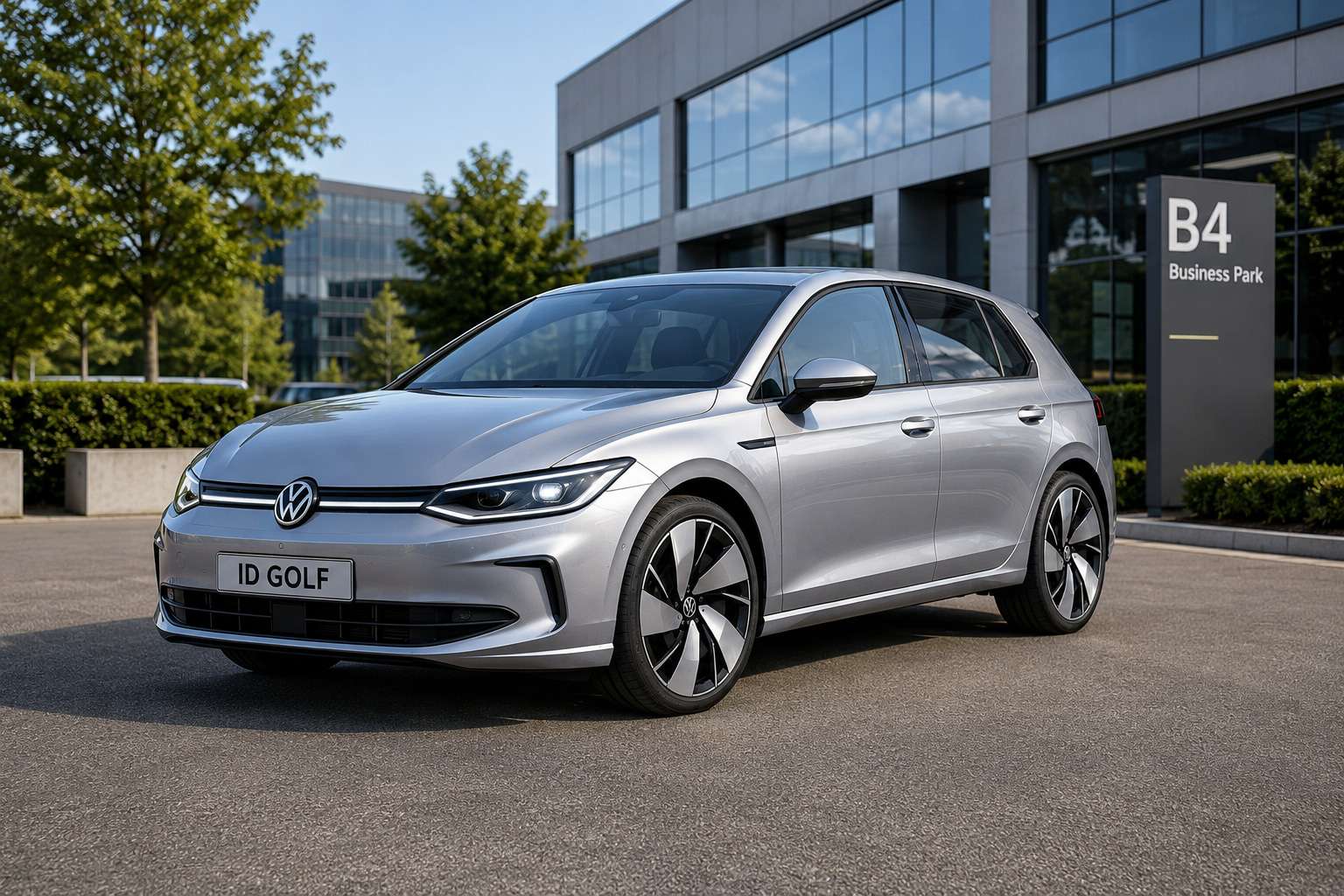
The ID Golf may become Volkswagen's most important car of the decade. (Image Credit: The New Yardstick)
While the ID.3 helped establish Volkswagen's electric ambitions, it never achieved the same connection with buyers as the Golf. The solution may be surprisingly simple: build an electric Golf rather than asking customers to learn an entirely new nameplate.
A familiar shape, familiar proportions and a familiar badge could help Volkswagen attract traditional Golf buyers while benefiting from the packaging advantages only a dedicated EV platform can provide.
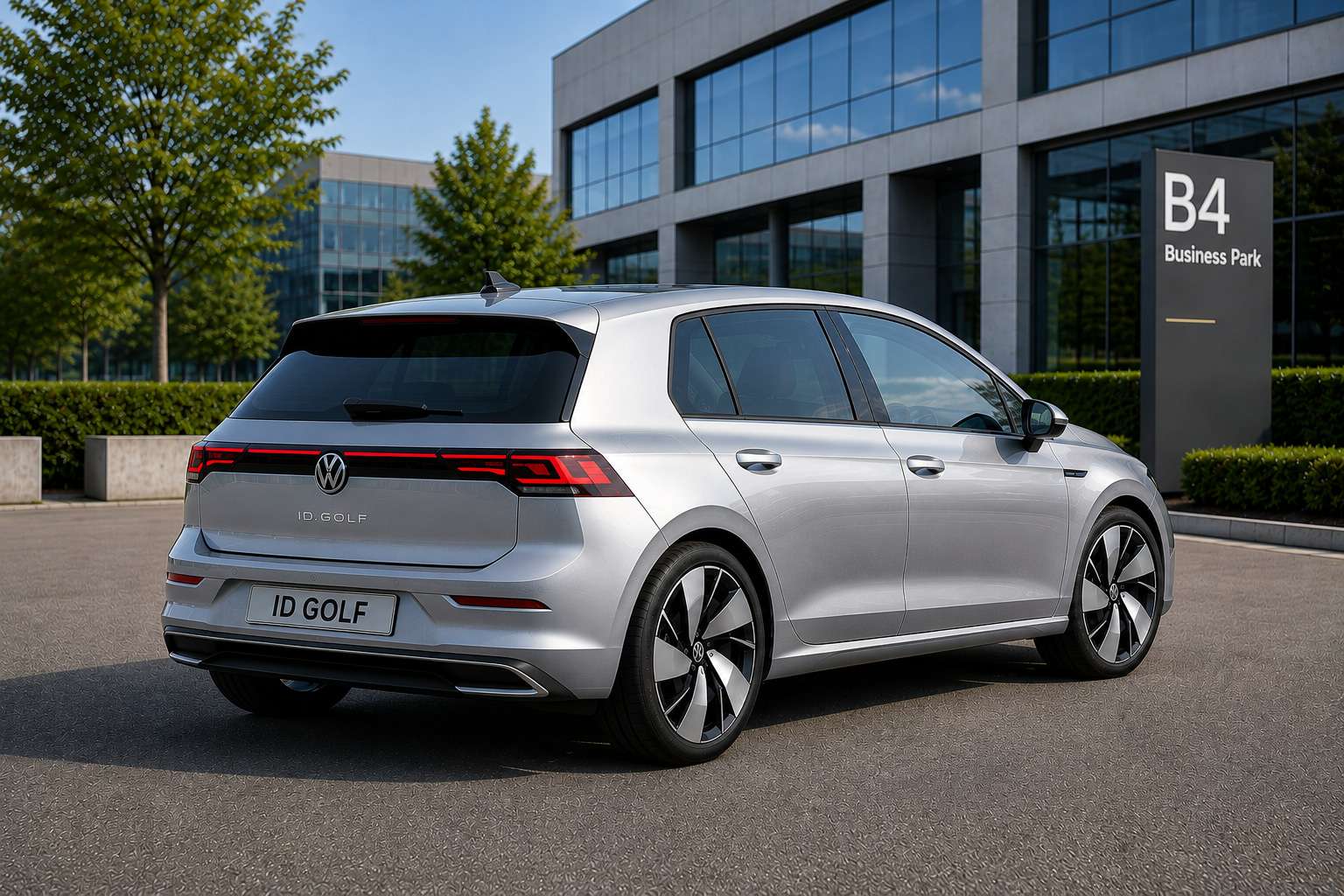
Those packaging advantages matter more than ever. (Image Credit: The New Yardstick)
The new MG4 Urban demonstrates just how quickly expectations are changing. Despite competing in the same broad segment as the Golf, it offers up to 577 litres of luggage capacity and starts from £23,495, undercutting many established rivals on price.
Volkswagen cannot afford to ignore those numbers.
Ground-up EV architecture gives the company an opportunity to rethink what a family hatchback should offer. If the smaller ID.Polo is expected to provide around 441 litres of luggage capacity, a future ID Golf should comfortably exceed today's Golf and target something closer to 500 litres.
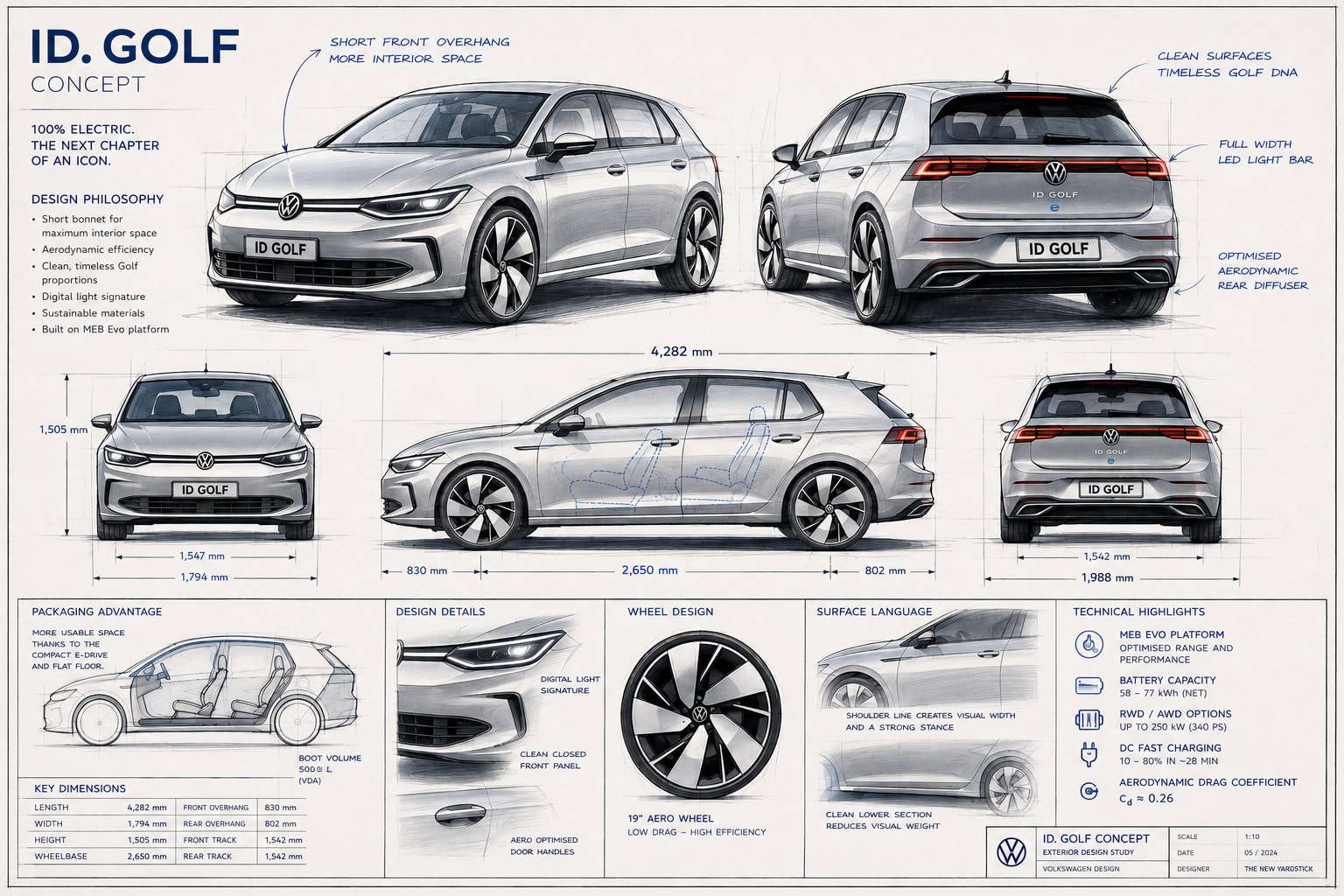
Cost will be just as important as practicality. (Image Credit: The New Yardstick)
The current ID.3 increasingly finds itself squeezed between improving European rivals and aggressive Chinese competition. Wider use of LFP battery technology could help Volkswagen reduce manufacturing costs, improve affordability and create greater separation between the ID Golf and larger electric models.
In many ways, the ID Golf has the opportunity to fix several of the challenges facing Volkswagen's current EV range at once.
More space. Lower costs. Greater familiarity.
If the Mk9 Golf represents the evolution of Volkswagen's most famous model, the ID Golf could represent its reinvention.
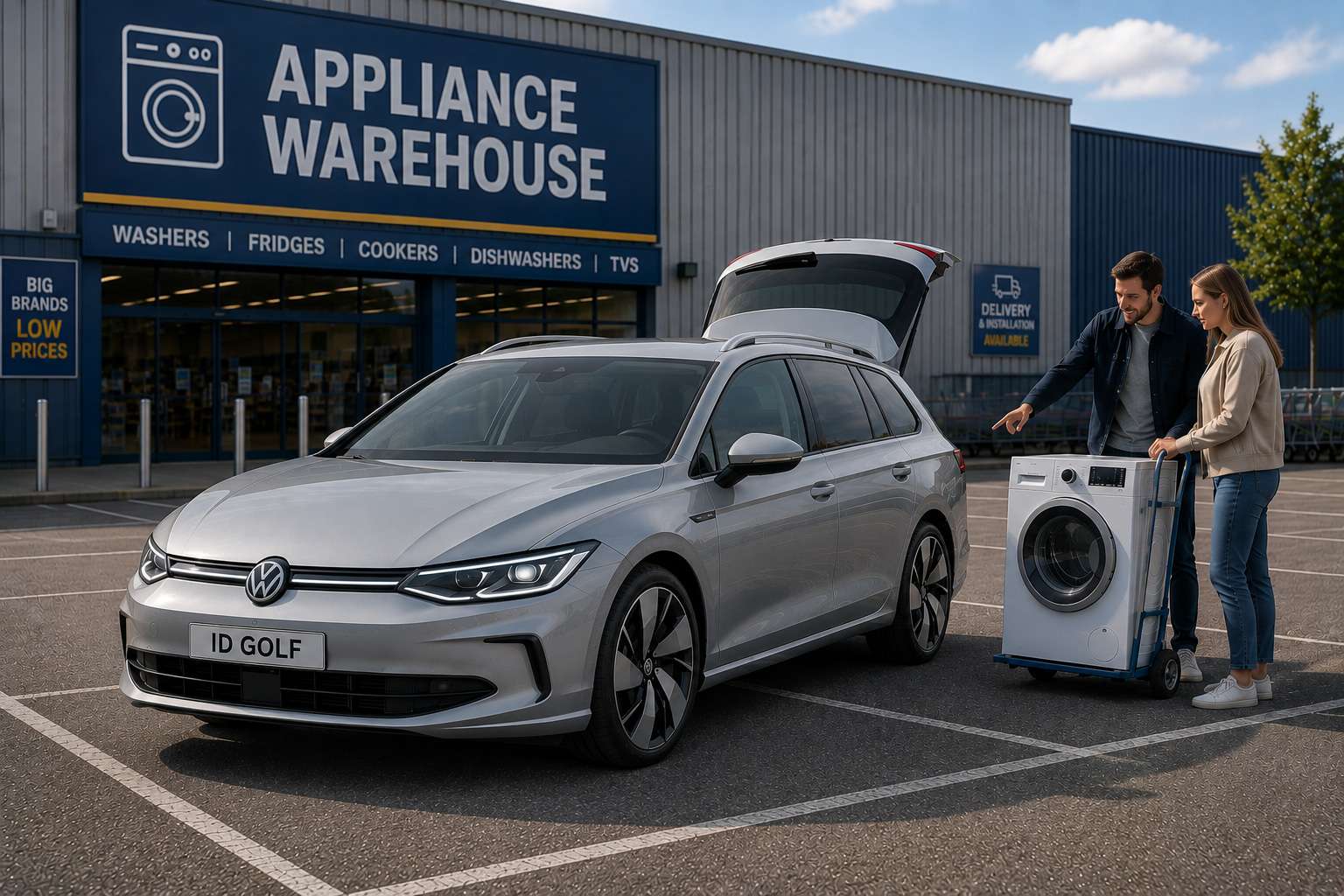
One advantage of an electric Golf is the flexibility it creates. (Image Credit: The New Yardstick)
Freed from many of the packaging constraints imposed by combustion engines, Volkswagen could use the Golf nameplate across a wider range of body styles than ever before. An estate version would seem an obvious addition, combining the practicality expected of a family car with the efficiency benefits of a dedicated EV platform.
For buyers reluctant to move into larger SUVs, such a model could offer a compelling alternative while maintaining the familiarity that has always defined the Golf.
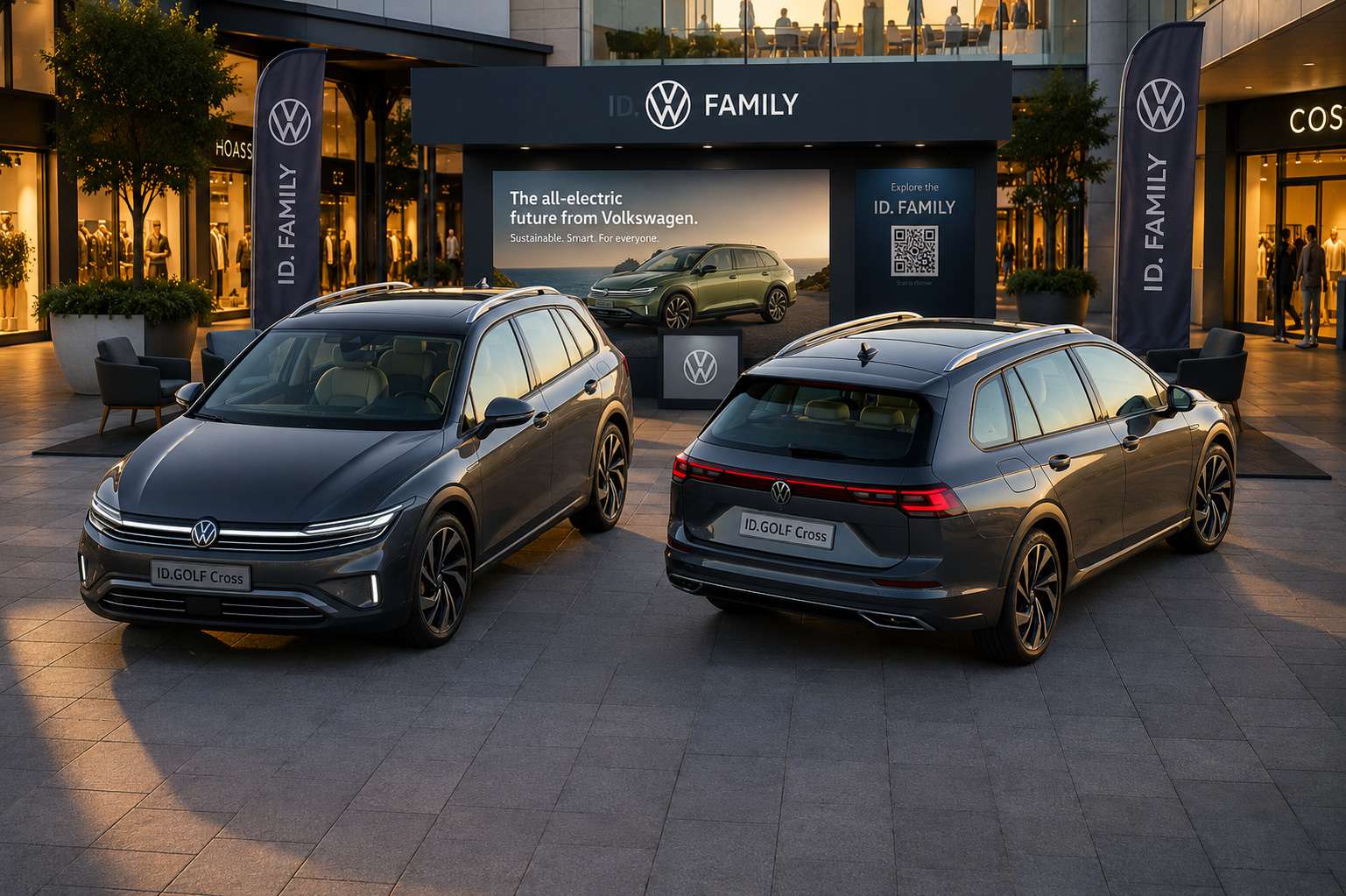
Yet Volkswagen's ambitions for the Golf nameplate may not stop there. (Image Credit: The New Yardstick)
SUVs continue to dominate the European market, and Volkswagen has spent decades building the Golf into one of the most recognisable family cars. Rather than creating entirely new model names, there is a growing argument for extending Golf into new segments.
An SUV-inspired Golf Cross could provide exactly that opportunity.
Combining the practicality of an estate with a more rugged design and raised ride height, such a model could appeal to buyers currently considering crossovers without abandoning the Golf identity that has driven sales for generations.
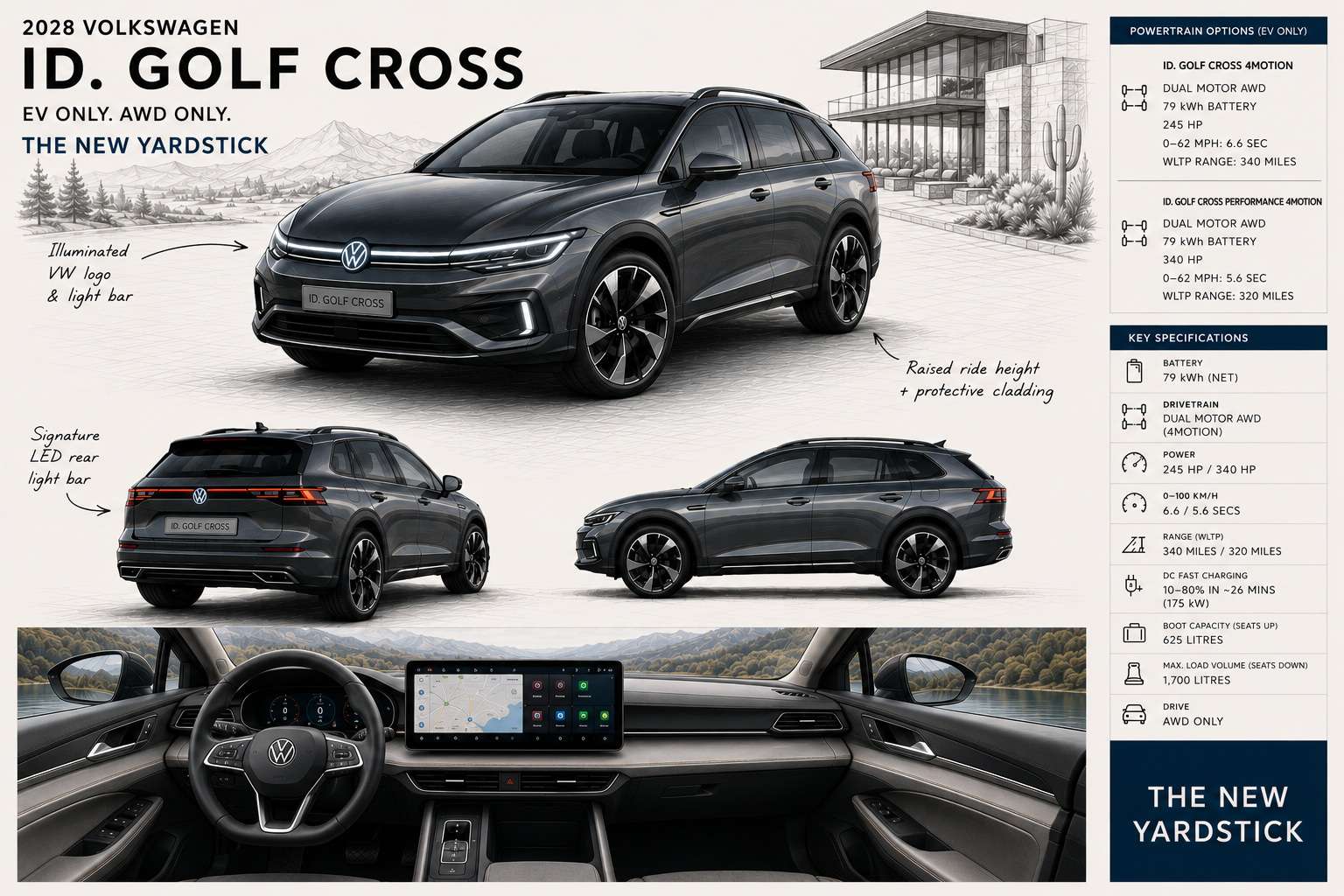
From a business perspective, the logic is difficult to ignore. (Image Credit: The New Yardstick)
The Golf remains one of Volkswagen's most valuable assets. Expanding the nameplate across hatchback, estate and crossover-inspired variants would allow the company to reach a broader audience while spreading development costs across a larger number of vehicles.
In an increasingly fragmented market, the future of the Golf may not depend on becoming a single car.
It may depend on becoming a family of cars.
Volkswagen Group's next generation of family cars may not look radically different from today's models. That's probably the point.
Customers still want Golfs, Octavias and Leons. The challenge is ensuring those familiar names remain relevant in an industry that is changing faster than ever.
If the next seven years are anything like the last seven, the biggest changes may not be the ones we see—but the technology, software and powertrains hidden beneath the surface.
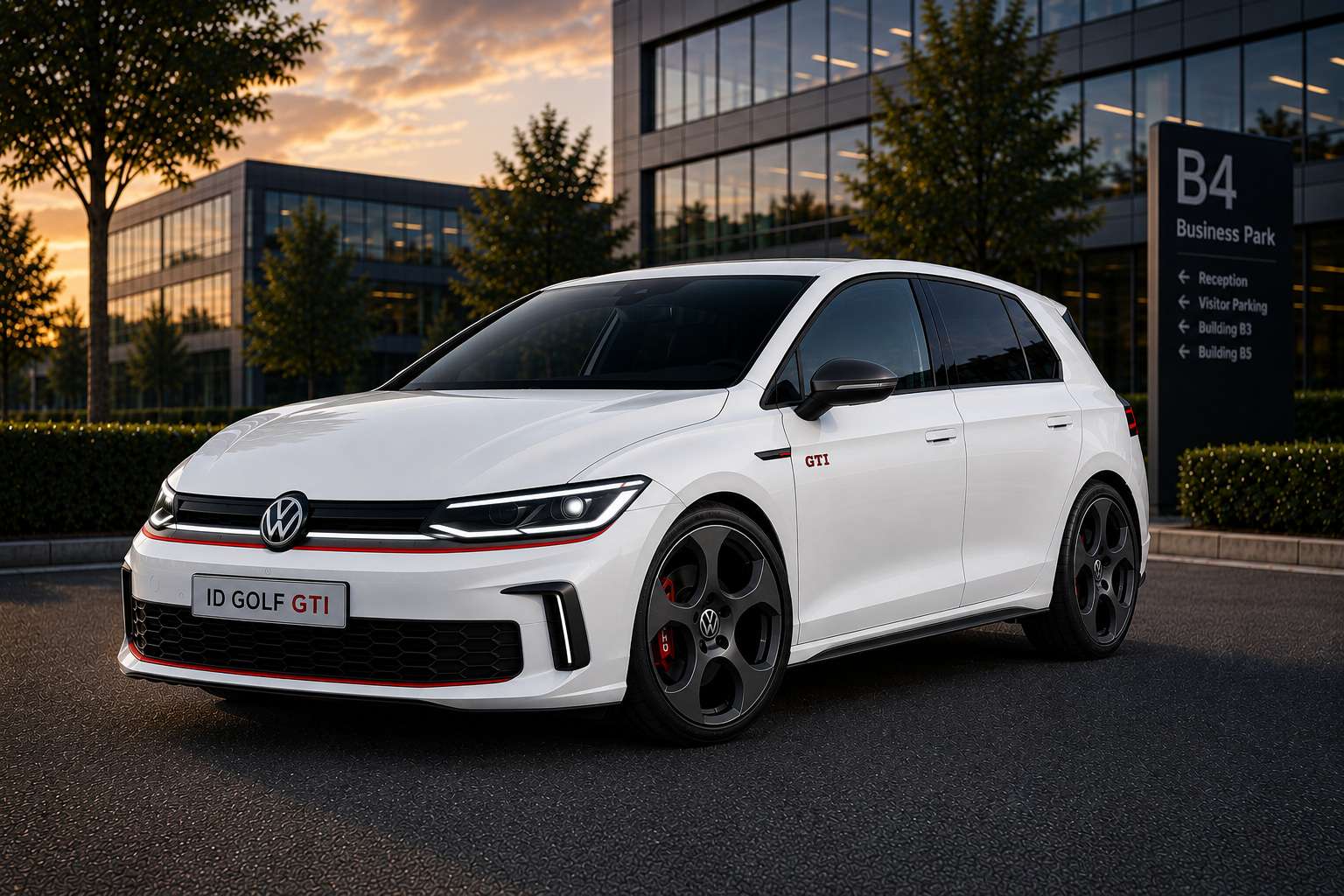
All images are speculative renderings. (Image Credit: The New Yardstick)
You should also read:
Paris Motor Show 2026: TNY Explores the Biggest Reveals from Day One
The 2026 Paris Motor Show has opened its doors, bringing one of Europe's biggest motoring events back into the spotlight. With more than 100 exhibitors, nearly 60 vehicle manufacturers and dozens of new models and concepts, this year's show promises plenty to explore. Beyond the spectacular concept cars and elaborate displays, Paris…
TNY Market Watch: Nine Family Car Bargains with Savings Up to £11,000
Buying a practical family car doesn't have to mean spending £30,000 or more. While new-car prices have climbed considerably in recent years, pre-registered vehicles and discounted new-stock clearance offers continue to provide some remarkable bargains, often with thousands of pounds knocked off the original list price. From compact crossovers and spacious family…
Stellantis Vans 2030: What Comes Next for Europe's Biggest Van Family?
Stellantis has built one of Europe’s biggest commercial vehicle operations, with familiar names from Citroën, Fiat, Peugeot, Opel and Vauxhall covering almost every corner of the van market. But the automotive world is changing faster than the traditionally slow-moving commercial vehicle cycle. Battery technology continues to improve, hybrid powertrains are finding new…
Could Nissan's Next GT-R Spawn an Entire Skyline Family?
Few performance cars have disrupted the supercar establishment quite like the Nissan GT-R. When the R35 arrived in 2007, its hand-built 3.8-litre twin-turbo V6, advanced all-wheel-drive system and everyday usability allowed it to embarrass far more expensive rivals, including Ferrari's 458 Italia, while costing little more than a third of the price.
No, Volkswagen Doesn’t Need to Fire 100,000 Workers - Here’s the Smarter Path Forward
Volkswagen should stop chasing the profit margins of its peak global-expansion years and instead optimise for long-term stability. During 2025, the Volkswagen Group recorded €321.9 billion in revenue and an operating profit of €8.9 billion - figures most automotive manufacturers would gladly accept. Yet much of the discussion surrounding Europe's largest carmaker…
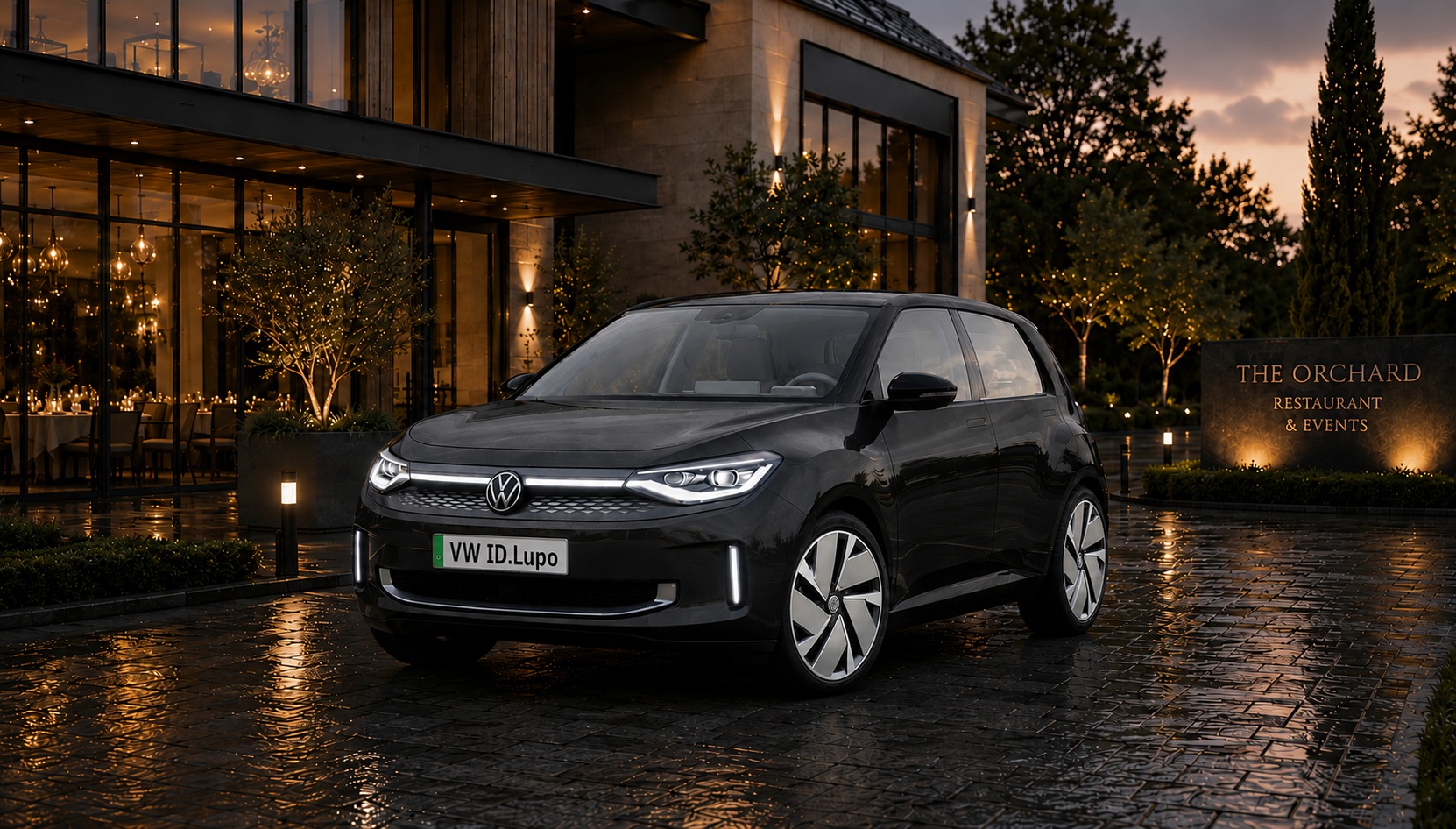
Volkswagen’s Best EV Yet Is Almost Here - And It’s Worth Waiting For
Volkswagen is finally pushing EV pricing in the right direction. The upcoming ID.Polo will launch with an RRP under £22,000, and once the UK EV grant is applied it effectively becomes a £20,000 car - better priced than any VW EV before it. It’s an important correction, but it still isn’t the…