Design Studio: Three Ways Alfa Romeo Could Reinvent the Giulia
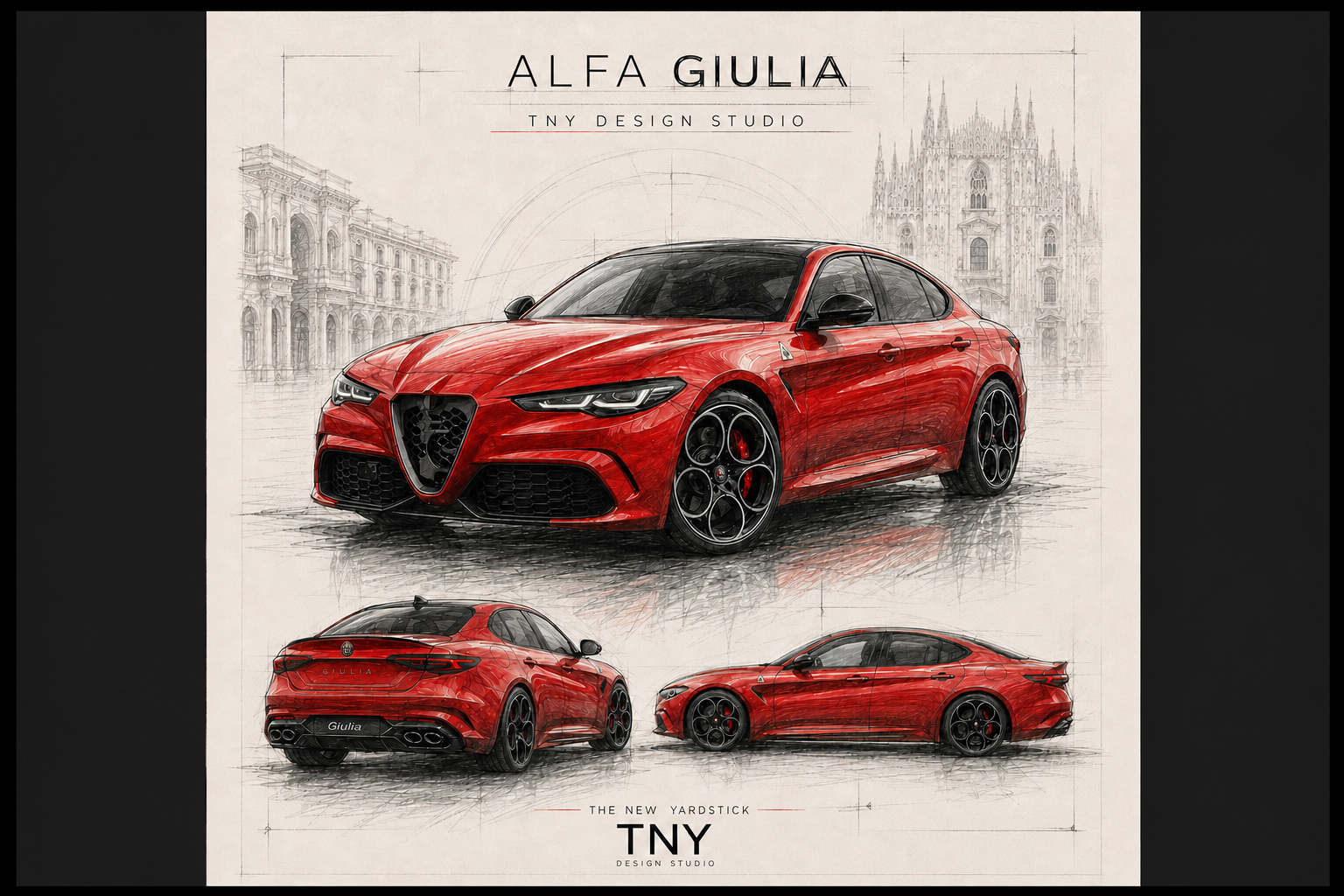
Design Studio is where ideas take centre stage, and few future models are more important than the next Alfa Romeo Giulia. With the brand preparing to transition onto Stellantis' STLA Medium platform, the challenge is no longer simply replacing an acclaimed sports saloon – it's deciding what the Giulia should become.
Should Alfa Romeo carefully evolve one of the best-looking saloons of recent years, take the opportunity to create a completely new interpretation, or follow the industry's shift towards crossover-inspired designs?
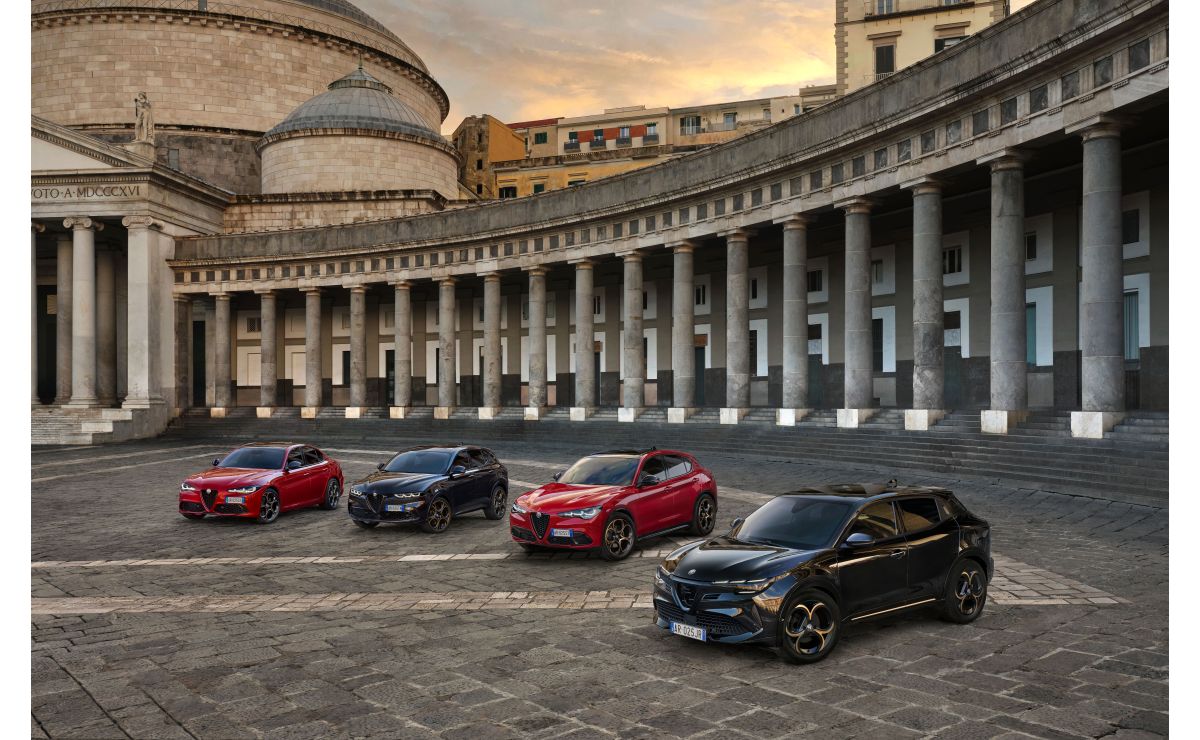
The Giulia and Junior arguably represent the two bookends of Alfa Romeo's modern range. Without the Giulia, Alfa Romeo risks becoming just another premium SUV brand, losing the rear-wheel-drive sports saloon that has long defined its character. Without the Junior, the range loses its most accessible model, limiting the volume needed to support the brand.
Together, they represent the balance between heritage and commercial success, making the next Giulia one of Alfa Romeo's most important decisions. (Image Credit: Stellantis)
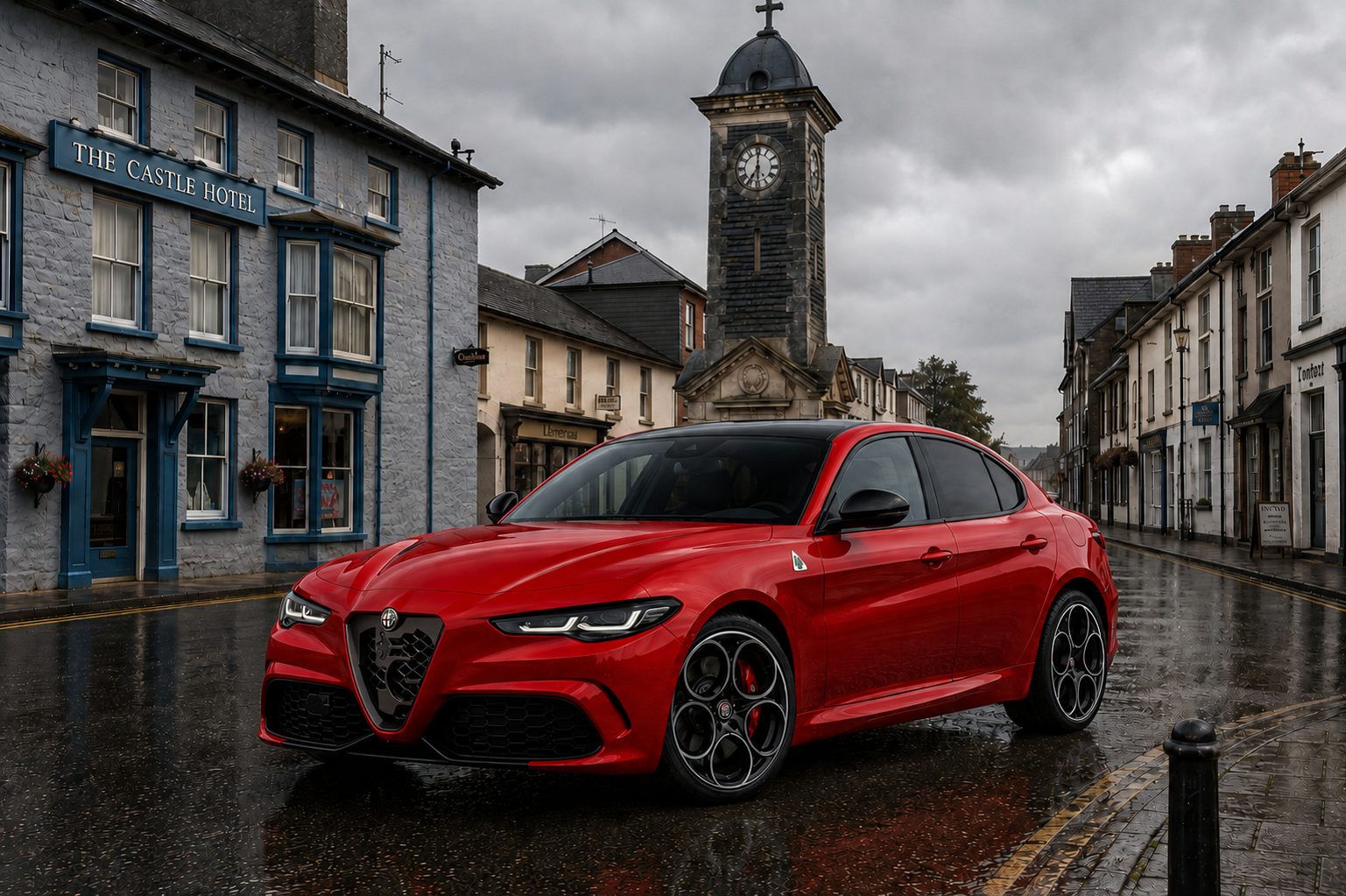
Rather than reinventing the Giulia, this concept explores how Alfa Romeo could carefully evolve an already successful design. Moving onto the STLA Medium platform inevitably requires a taller floor to accommodate battery packaging, so the challenge was preserving the Giulia's low, athletic stance while subtly adjusting its proportions.
The familiar Alfa Romeo shield remains the centrepiece, complemented by styling inspired by the Junior, creating a design that feels instantly recognisable without losing the character of today's car.
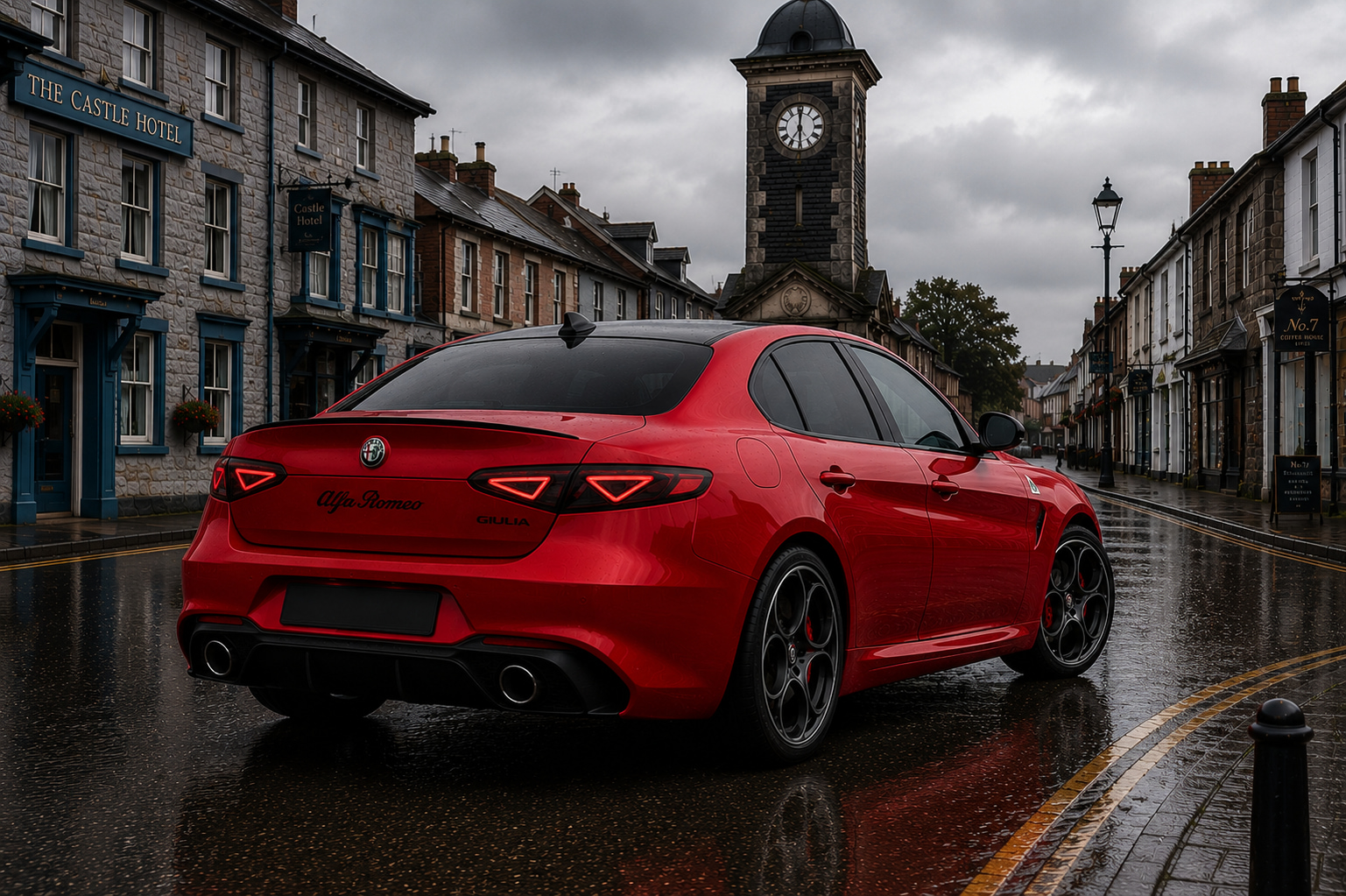
The rear continues the same philosophy, resisting the temptation to dramatically reshape one of Alfa Romeo's most distinctive sports saloons. Slimmer lighting, cleaner surfacing and subtle aerodynamic refinements modernise the design, while the overall silhouette remains unmistakably Giulia.
For existing owners, this approach would offer familiarity rather than revolution, proving that adapting to a new electric platform doesn't necessarily require abandoning the proportions and identity that made the original such a success.
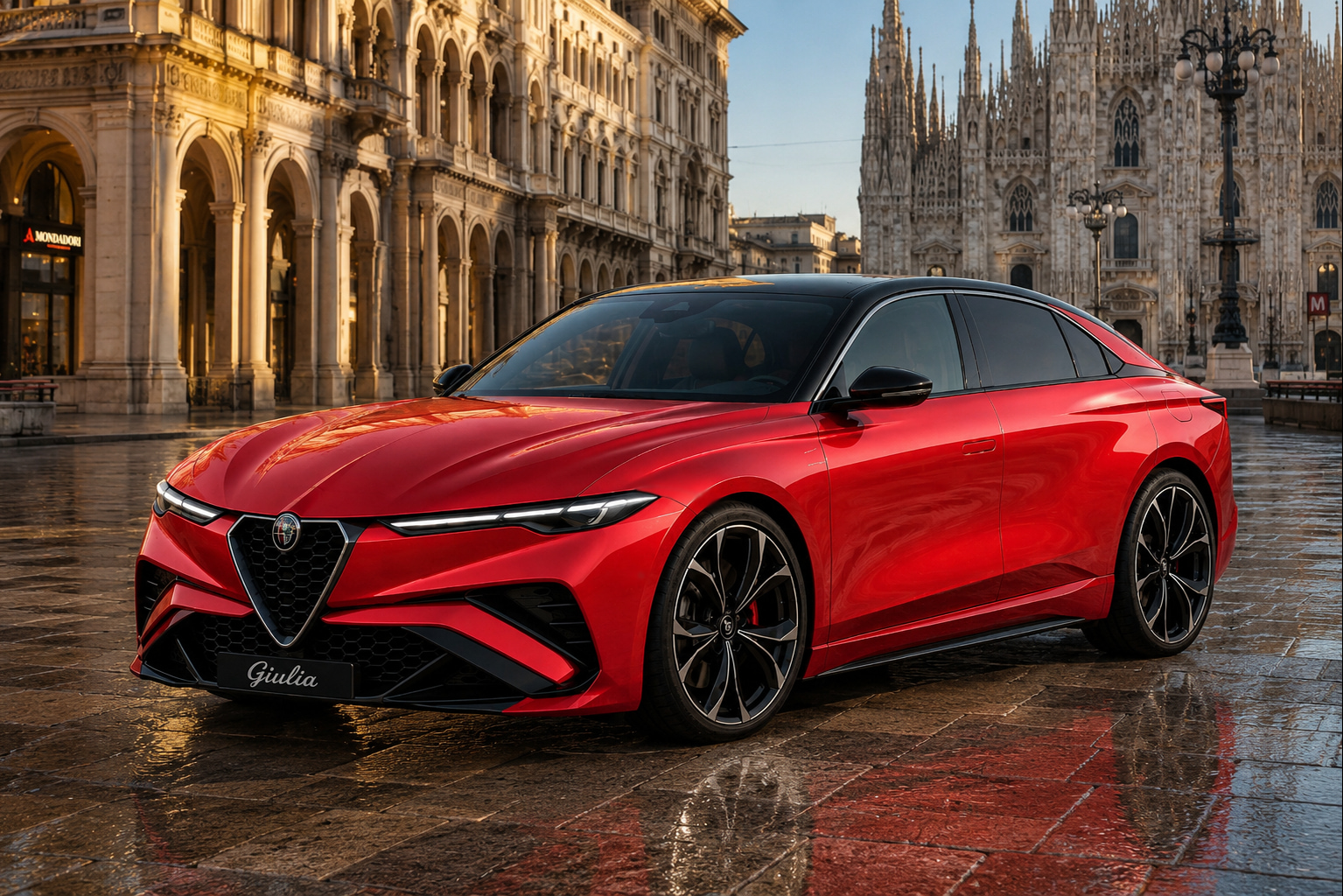
If Alfa Romeo decides the next Giulia deserves a clean-sheet design, this is one possible direction. Built around Stellantis' long-range STLA Medium architecture, the proportions are more dramatic, the surfacing cleaner and the overall stance more futuristic than today's car.
Rather than simply adapting the current Giulia, this concept imagines a flagship electric sports saloon designed to carry Alfa Romeo's sporting identity well into the 2030s, balancing efficiency with unmistakable Italian flair.
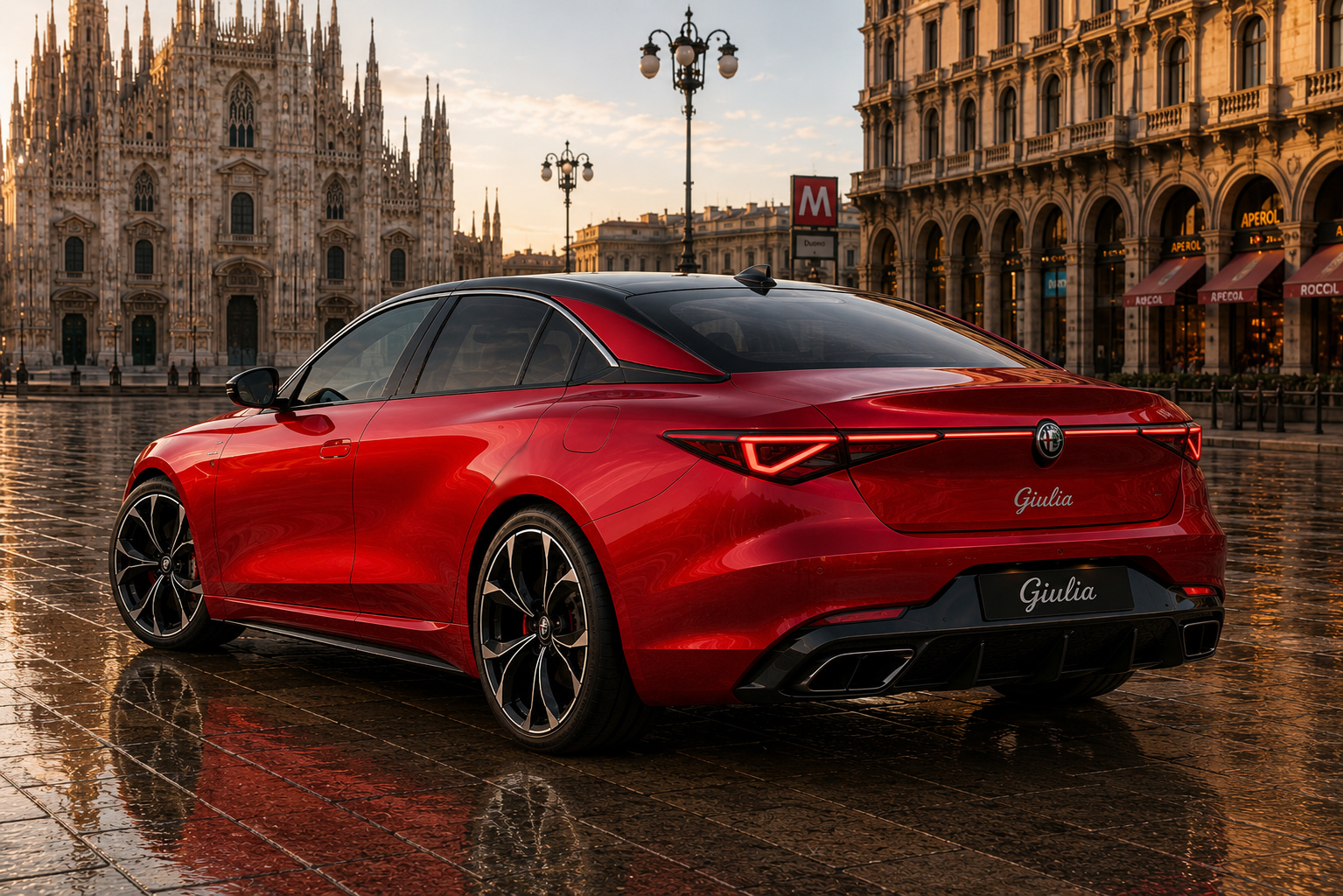
The rear design embraces the same philosophy, with a more sculpted fastback profile and cleaner aerodynamic surfaces replacing many of today's traditional styling cues. While the details are thoroughly modern, the aim remains unchanged: to create a true halo model capable of sitting proudly at the top of Alfa Romeo's range.
As electrification reshapes performance cars, a distinctive sports saloon like this could ensure the Giulia remains the emotional heart of the brand for years to come.
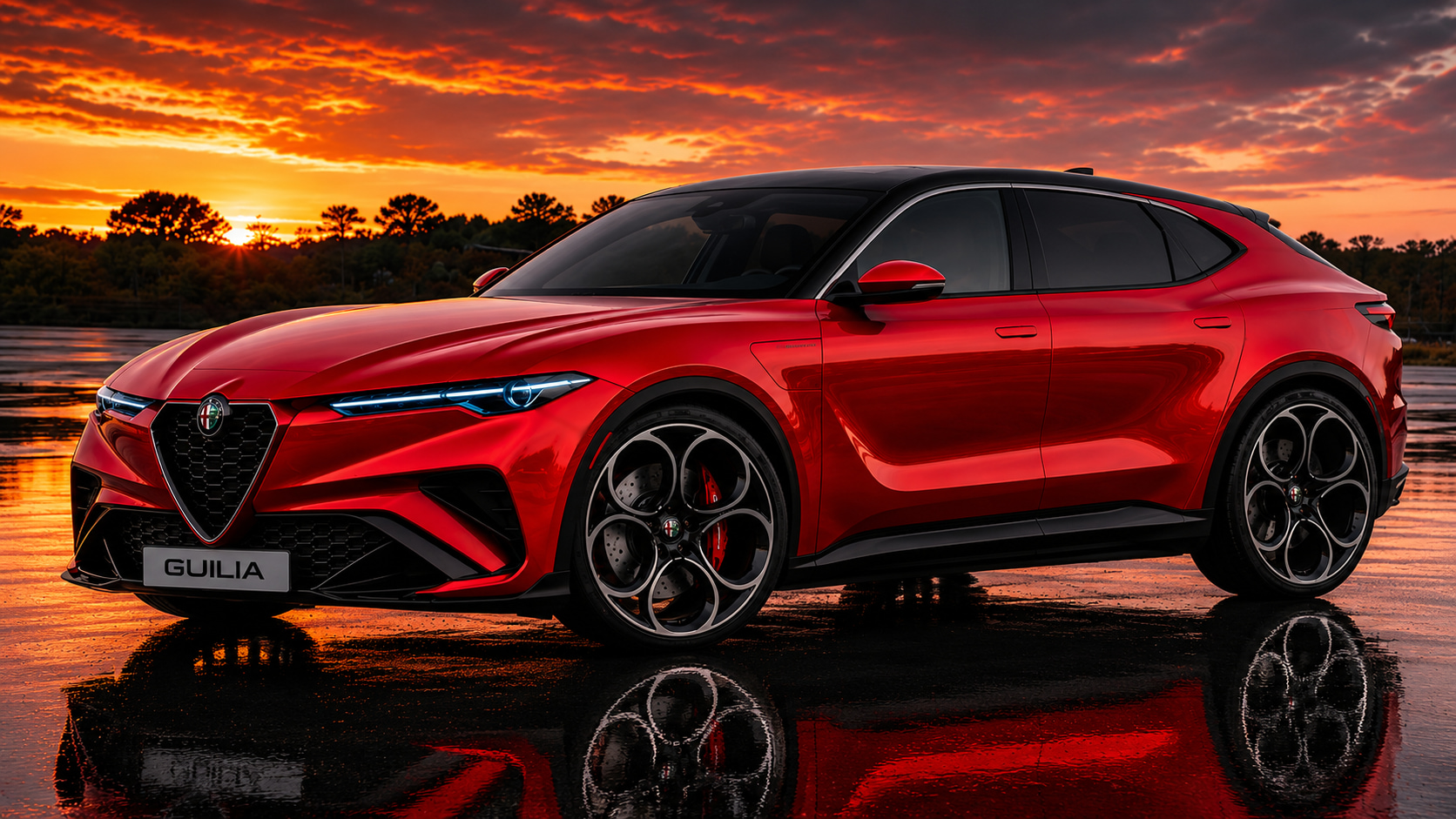
There's no escaping the popularity of crossover-shaped vehicles, and from a commercial perspective it's easy to understand why. Their higher driving position, improved practicality and easier access continue to attract families and company car buyers alike.
This concept explores what might happen if Alfa Romeo applied those principles to the next Giulia, creating a more versatile fastback crossover while retaining the elegance and sporting character traditionally associated with the nameplate.
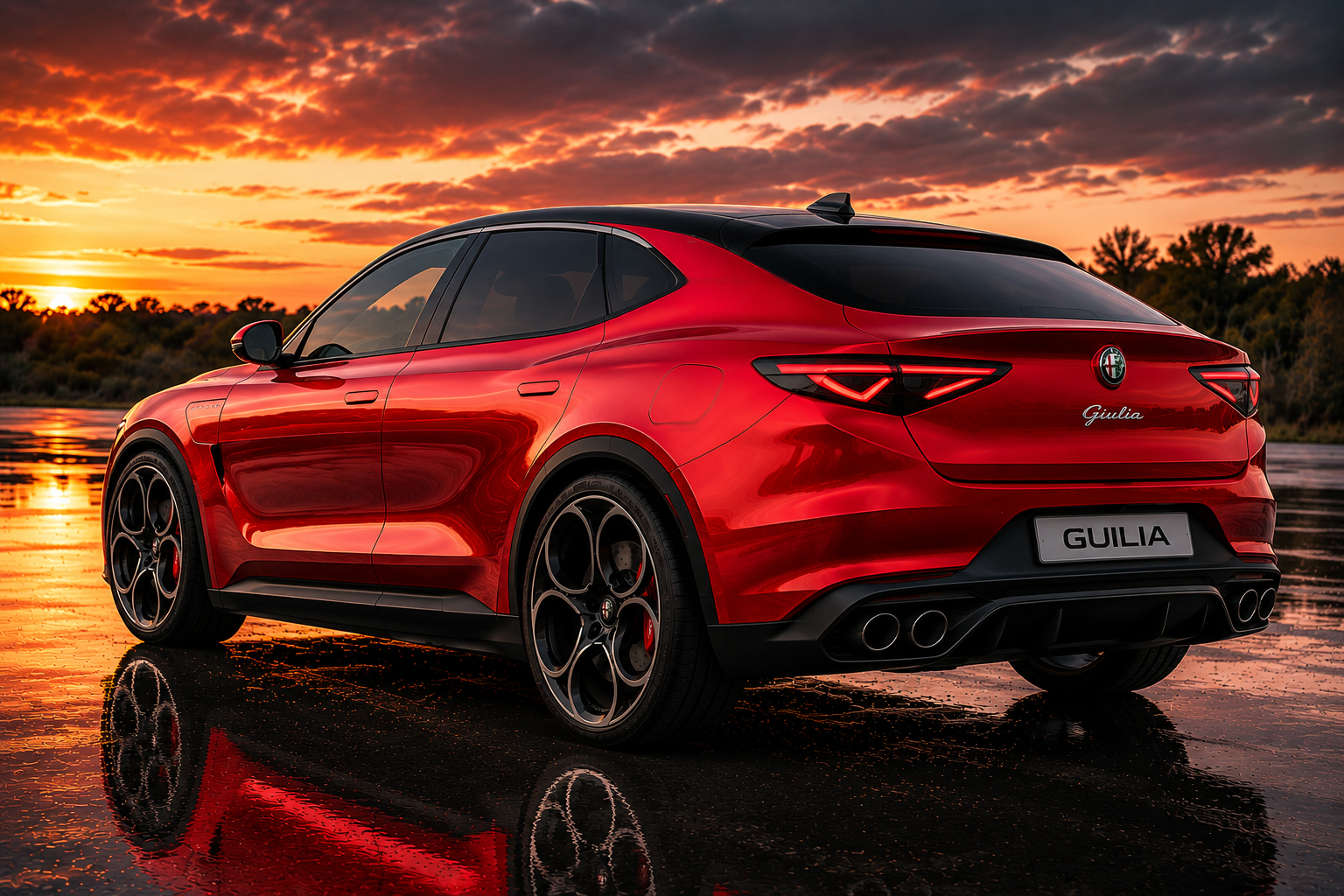
The crossover concept arguably represents the safest commercial decision, broadening the Giulia's appeal at a time when buyers increasingly favour higher-riding vehicles over traditional saloons. Greater practicality and a more versatile cabin could attract new customers who might never have considered a Giulia before.
However, it would also carry significant risks. The current Giulia is one of the last remaining non-hybrid, rear-wheel-drive sports saloons that stays true to Alfa Romeo's traditional formula, and replacing it with a crossover could alienate many of the enthusiasts who helped build its reputation.
While a crossover may prove the stronger business case, Alfa Romeo would need to ensure the Giulia's identity isn't lost in the process. Reinventing a model is one thing; reinventing what it stands for is another.
(Image Credits: The New Yardstick)
You should also read:
TNY Design Studio Explores BMW’s Next SUV Generation — From X1 to X8
BMW is entering one of the most significant design transitions in its recent history. The arrival of Neue Klasse isn't simply about introducing a new generation of electric cars; its technology and dramatically simplified design language are beginning to influence BMW's entire range. For the company's SUVs, that creates an especially interesting…

From Budget EVs to Supercars: Three Chinese Brands to Watch
Chinese carmakers are no longer simply arriving in Europe with a handful of cheap EVs. They are building factories, expanding dealer networks, developing premium sub-brands and, in some cases, moving faster than many established manufacturers can comfortably match. Three names in particular show just how varied that expansion has become. BYD brings…
Volvo’s 13-Car Plan — Design Studio Explores the New Range
Volvo has changed dramatically under Geely ownership. What was already a respected premium brand has gained the investment, technology and global scale needed to compete far more directly with the likes of BMW and Mercedes-Benz. That is a significant shift from the Ford era, when Volvo produced some excellent cars but often…
Nissan Pixo: Could Britain's Former Cheapest Car Make an Electric Comeback?
When the Nissan Pixo arrived in the UK in 2009, it quickly established itself at the very bottom of Britain's new-car market. For the majority of its short life, it was Britain's cheapest new car — a position that became an important part of the little Nissan's identity. Then, in 2013, Dacia…
Rebuilding Nissan: The Cars That Could Fix Its Confusing European Line-Up
Around 20 years ago, Nissan changed the shape of the mainstream car market. The Qashqai replaced the dependable but forgettable Almera and helped turn the crossover into a family-car staple. The Juke followed, proving equally disruptive, while in 2010 the Leaf brought electric motoring to the masses. All three were game-changing cars…
Dacia Spring: Design Studio Explores Three Ways Forward
The Dacia Spring has become one of Europe’s most important affordable EVs, proving that electric cars do not need huge batteries, enormous power outputs or premium prices to make sense. But deciding what replaces it could be considerably more complicated. Dacia now has the striking Hipster concept exploring an even smaller, more…
Jaguar's £100,000 Gamble: Why Its Reinvention Has No Room for Error
Jaguar is preparing to launch arguably the most important car in its modern history. The production version of the Type 00 concept promises dramatic styling, enormous performance and a completely new direction for a brand that has spent years struggling to win sufficient market share against its premium rivals. Yet the car…
Three Cars, One Mission: Peugeot's Bold New Premium Small Car Strategy
Twenty years ago, Peugeot offered one of Europe's broadest B-segment line-ups, with hatchbacks, estates, convertibles, people carriers and overlapping generations all competing for buyers. Today, just the 208 and 2008 remain. However, that could soon change. Growing evidence from Peugeot's product roadmap and Stellantis' wider platform strategy suggests the French manufacturer could…