BMW and Mercedes Are Reinventing the Premium Hatchback - But Not in the Same Way
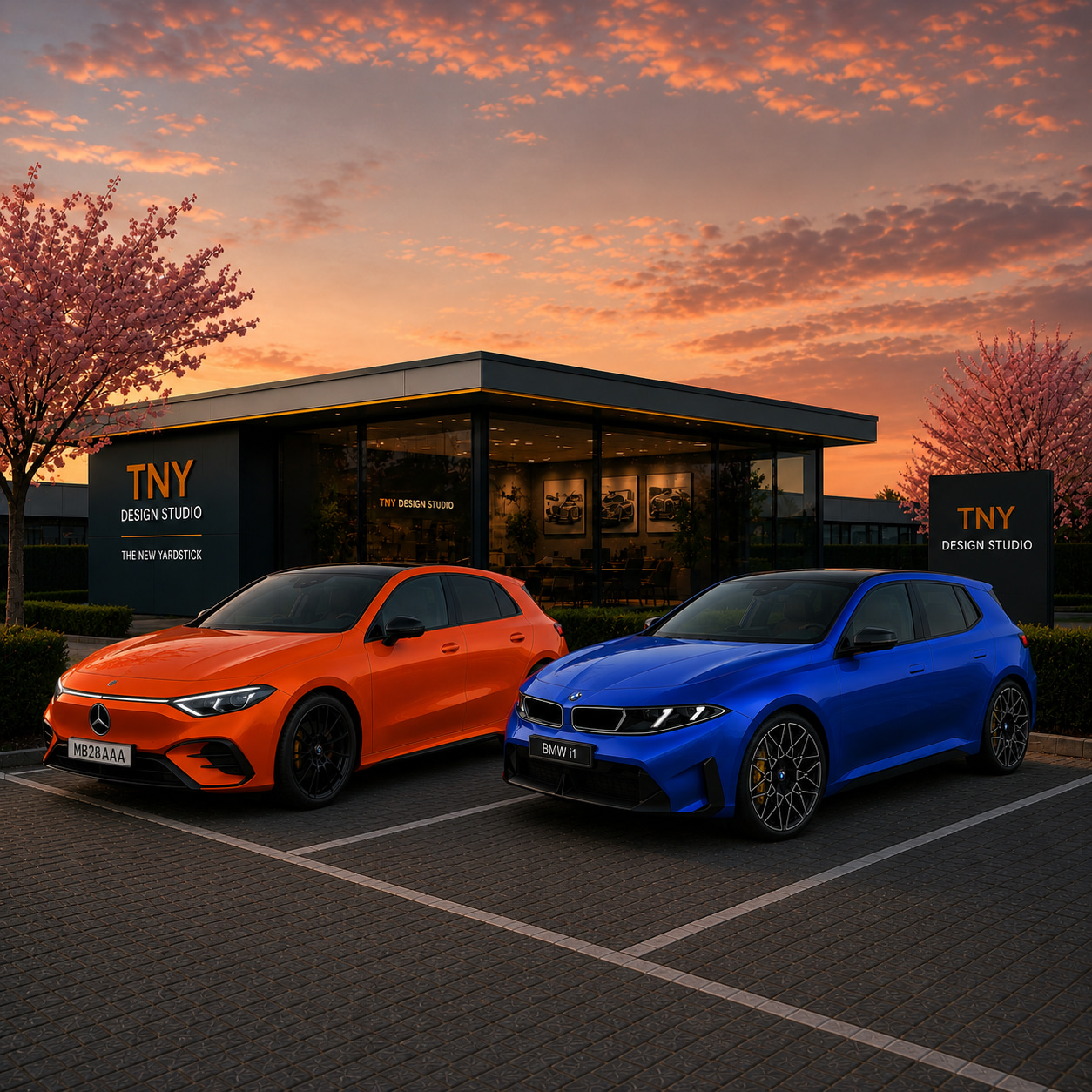
The premium hatchback market is approaching a major turning point. By around 2028, both the BMW 1 Series and Mercedes-Benz A-Class are expected to enter a new generation, but with two very different strategies.
BMW is likely to split its compact range in two, a new generation of petrol and hybrid 1 Series while introducing the all-electric BMW i1 as a distinct model built around dedicated EV technology.
Mercedes-Benz, meanwhile, is expected to take a more flexible approach by developing the next A-Class as a multi-energy vehicle, allowing buyers to choose either hybrid or fully electric powertrains within the same body style.
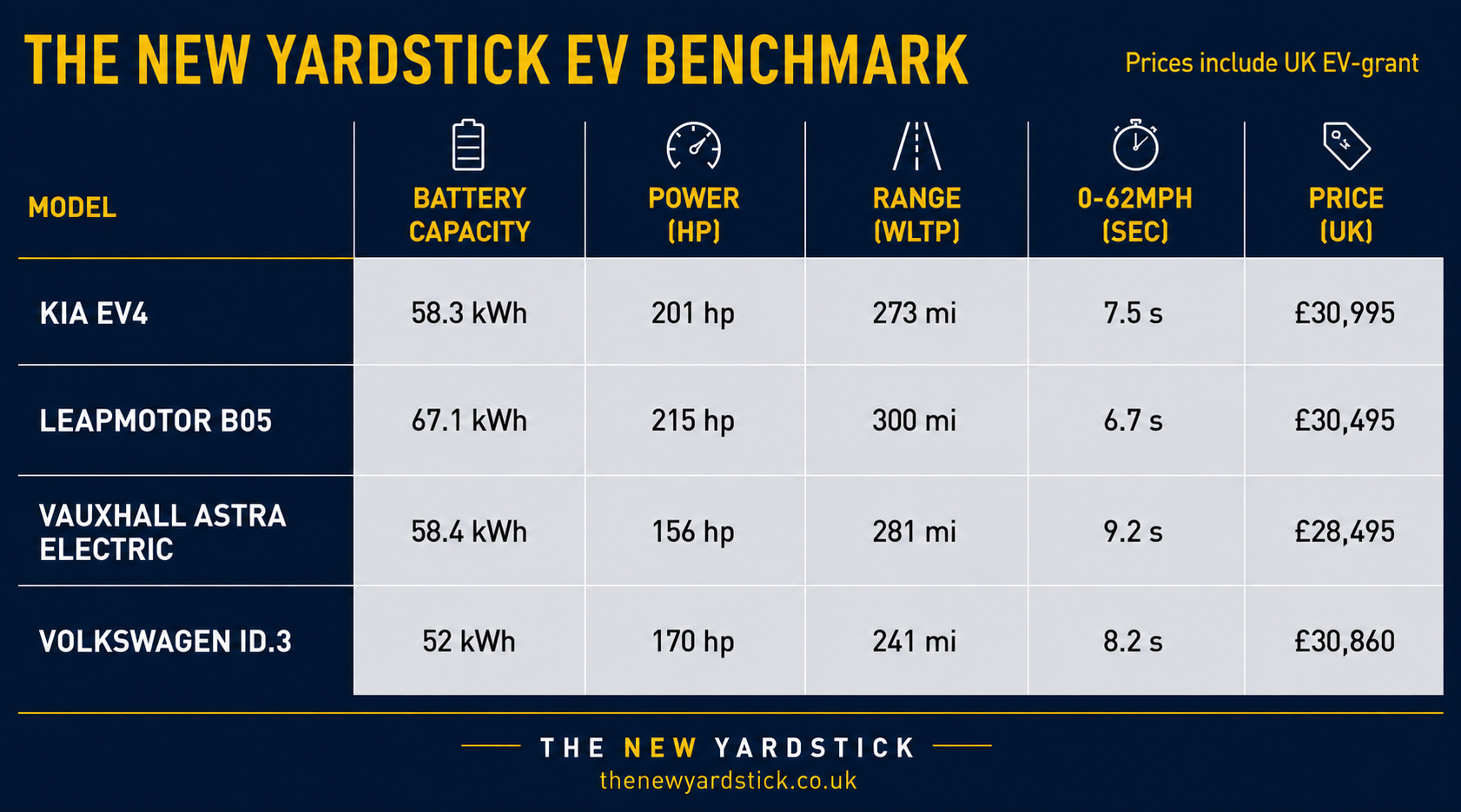
Only a few years ago, the premium hatchback segment was relatively straightforward. BMW appealed to drivers looking for rear-wheel-drive handling, Mercedes-Benz focused on comfort and refinement, while the Audi A3 offered a slightly more accessible route into the premium market.
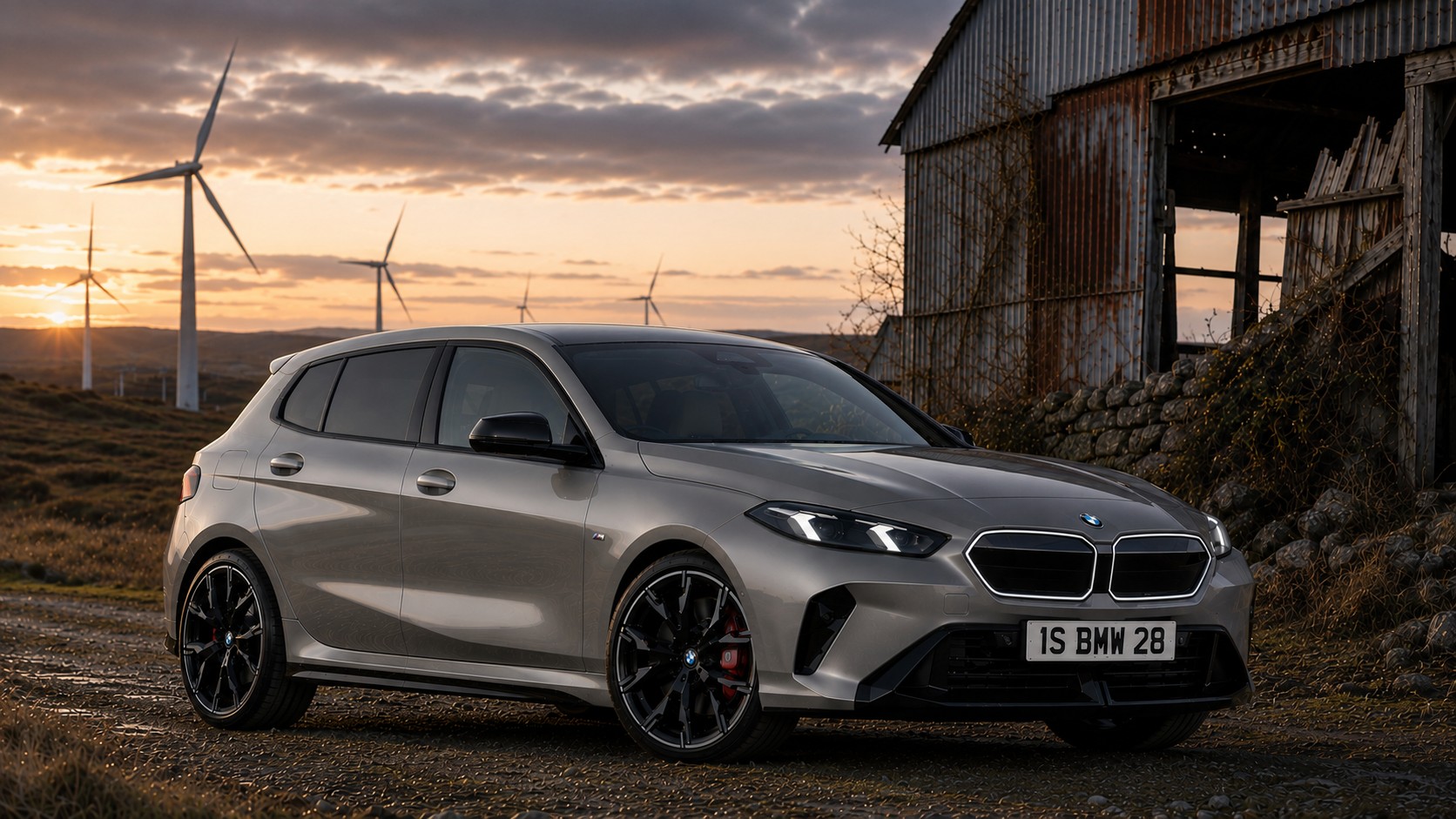
BMW's decision to continue developing the 1 Series with petrol and hybrid powertrains would acknowledge that demand for internal combustion models is unlikely to disappear overnight. By retaining a front-wheel-drive architecture shared with the latest MINI range, BMW can spread development costs across multiple models while continuing to offer the driving characteristics and premium quality buyers expect.
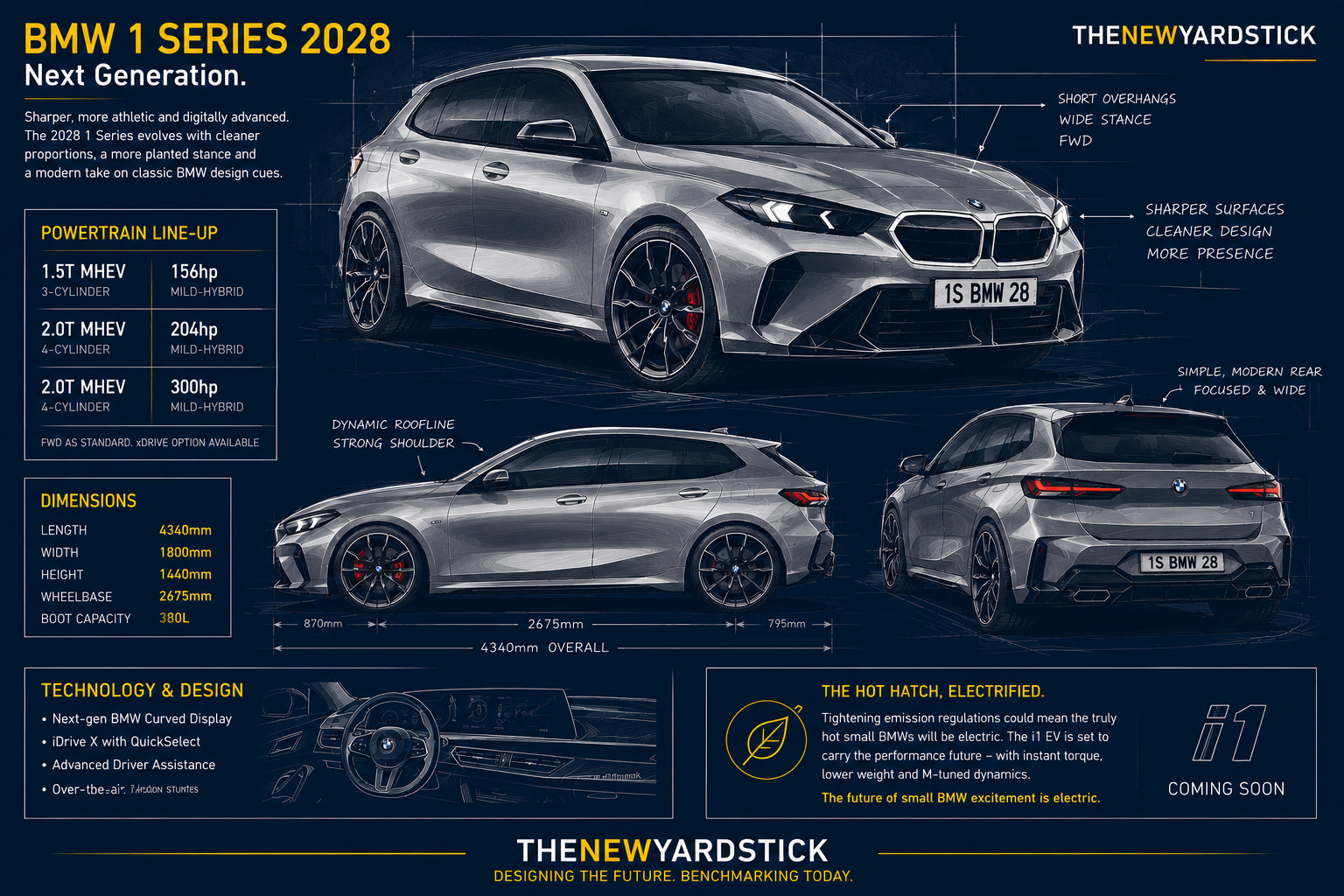
Rather than viewing the next-generation 1 Series as a stepping stone towards full electrification, BMW has an opportunity to position it as the premium hatchback for buyers who still prefer combustion or hybrid power.
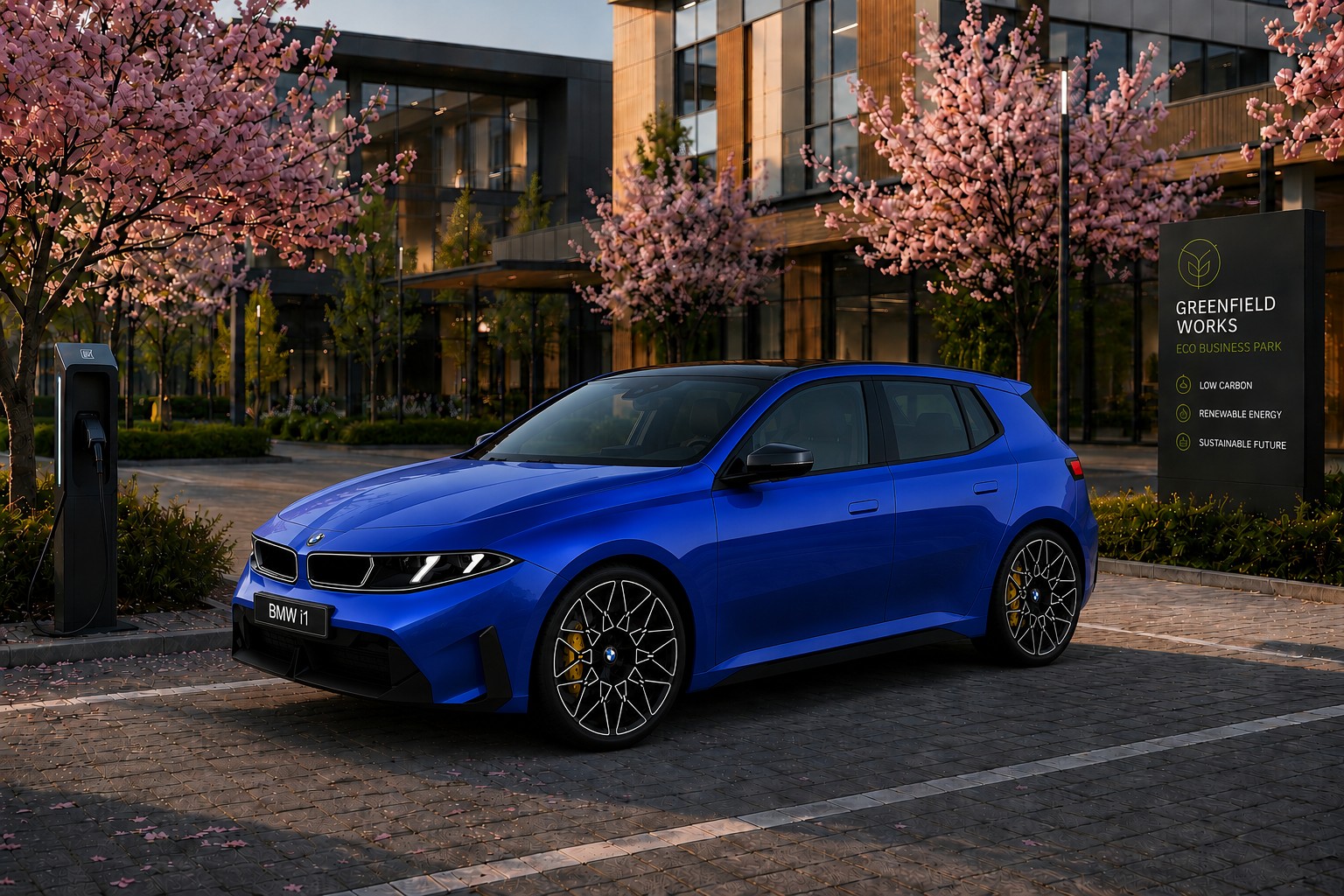
The BMW i1 would represent more than simply an electric version of the 1 Series. Built on BMW's dedicated Neue Klasse architecture, it could adopt a cleaner, more minimalist design while benefiting from a platform engineered exclusively for electric power.
Perhaps more importantly, it would allow BMW to return to rear-wheel drive in its compact hatchback, a layout that many enthusiasts have missed since the brand moved the 1 Series to front-wheel drive.
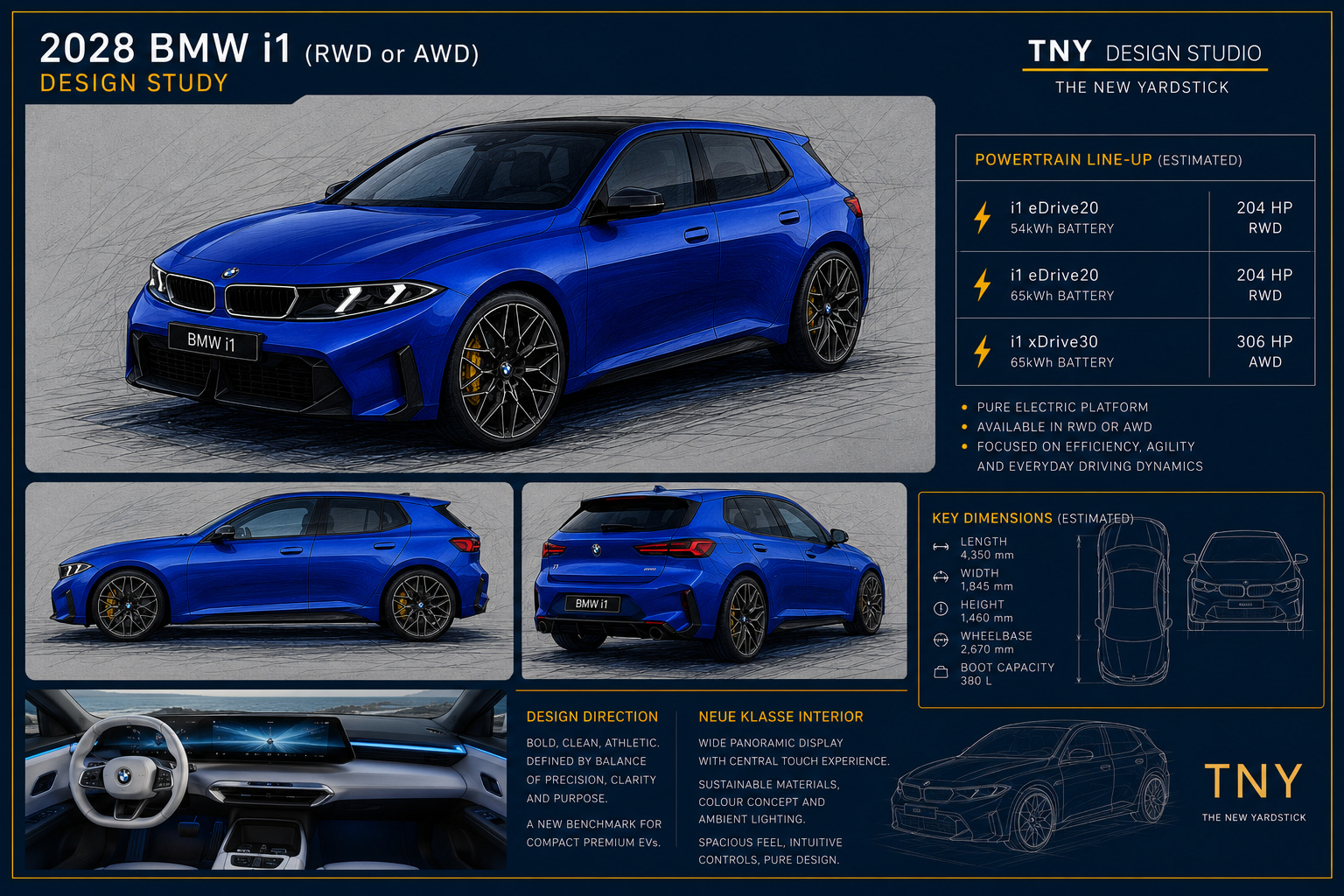
While our design study focuses on relatively modest battery and powertrain options, BMW's dedicated Neue Klasse architecture offers considerable flexibility. Many components, including electric motors and battery technology, are expected to be shared across BMW's wider electric range, helping to reduce development costs.
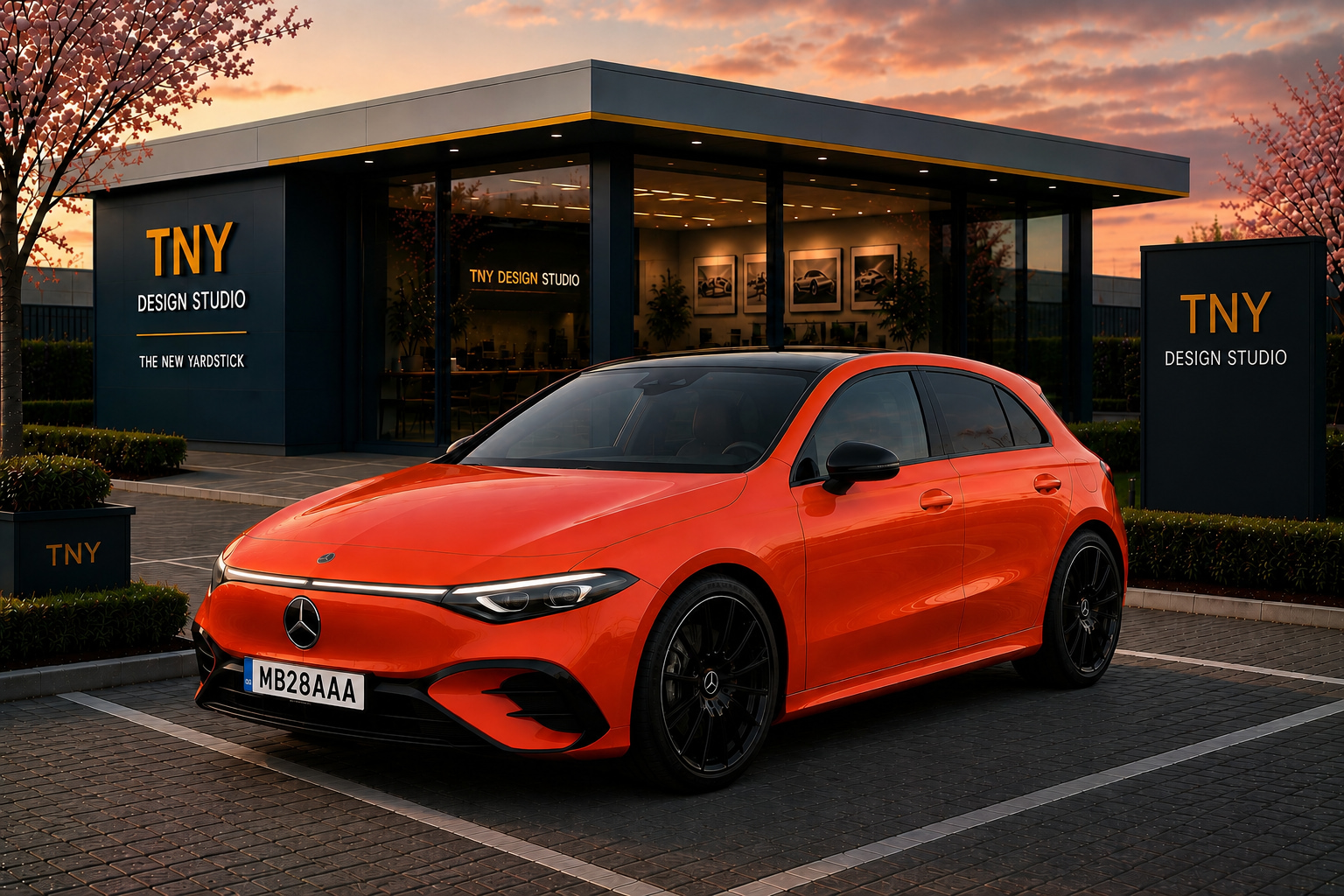
Unlike BMW's decision to separate its combustion and electric compact cars, Mercedes-Benz is expected to pursue a multi-energy strategy with the next-generation A-Class. Built around a common body design, buyers could choose between hybrid and fully electric powertrains, many of which are likely to be shared with the latest CLA.
That opens the door to impressive electric capabilities, with battery capacities potentially reaching around 85 kWh - among the largest in the hatchback class. A single multi-energy platform also allows Mercedes to streamline development while giving customers greater flexibility, whether they prefer a hybrid or a fully electric model.
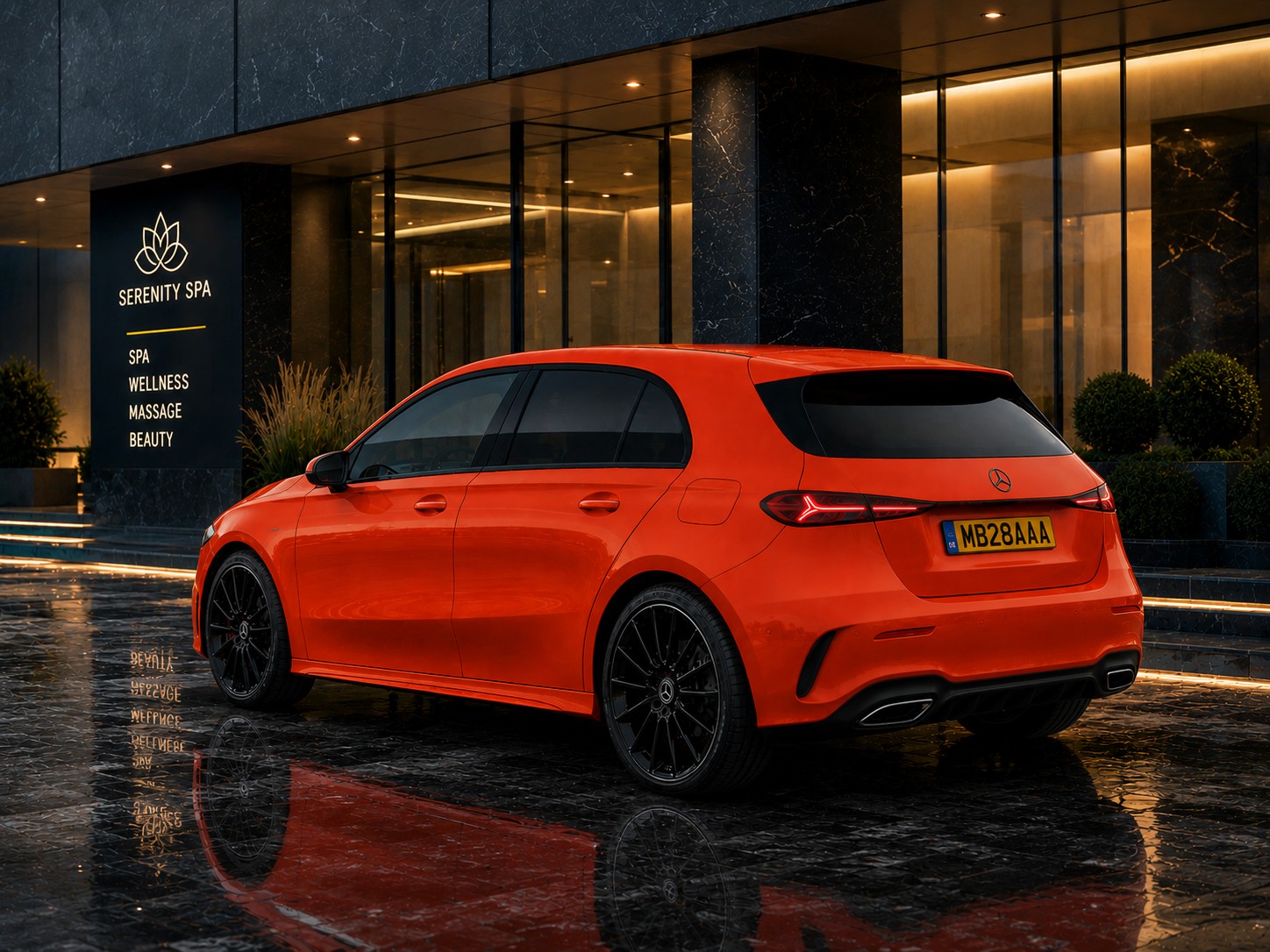
The A-Class has become one of Mercedes-Benz's most important global models since its introduction in 1997, evolving from an innovative compact hatchback into the brand's gateway to premium ownership.
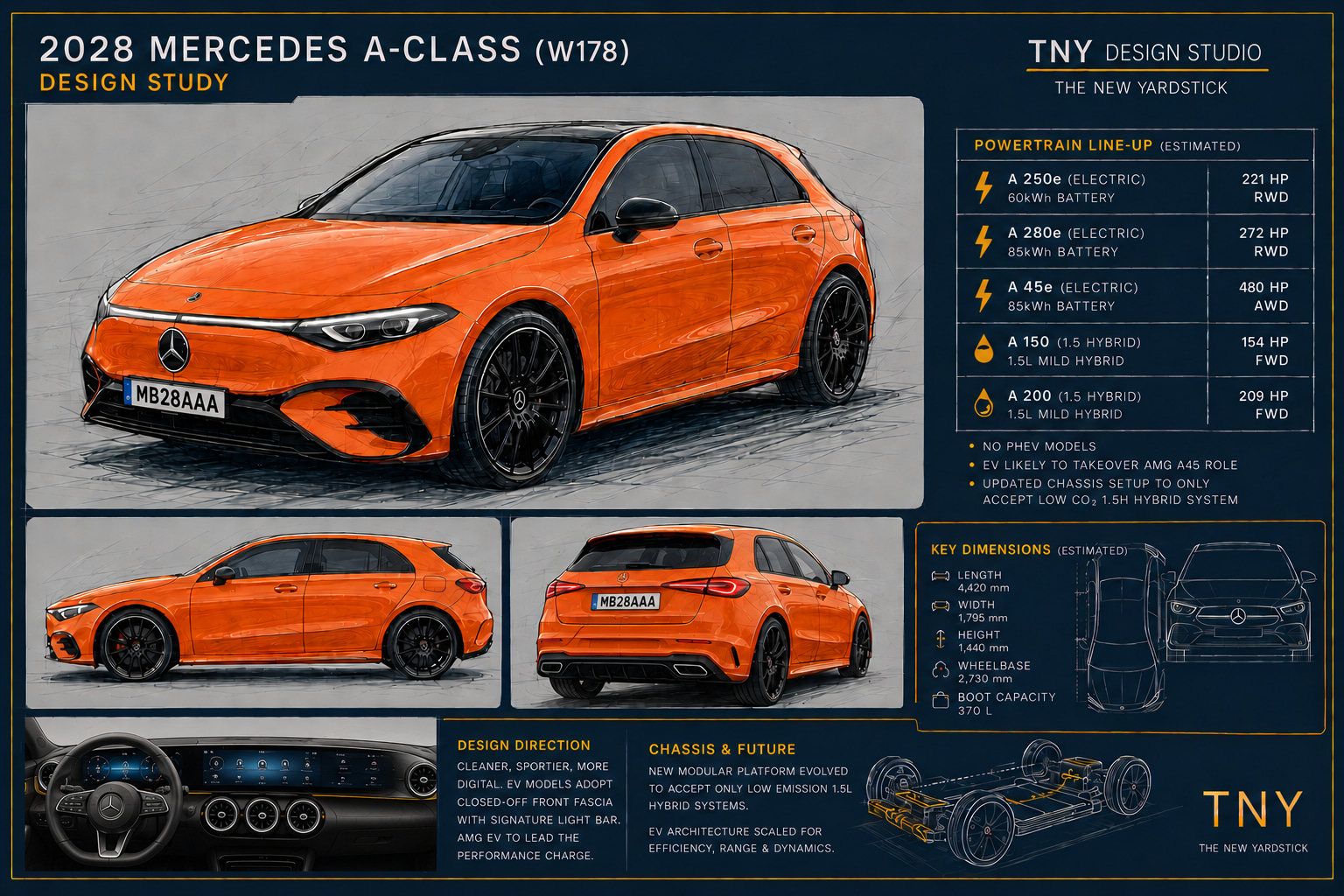
Our design study reflects a realistic powertrain line-up, although Mercedes could easily expand the range over time. The new architecture, shared with the CLA, has been designed around hybrid and electric propulsion, making the long-serving 2.0-litre AMG engine increasingly unlikely to return.
Instead, the range is expected to centre on a new 1.5-litre hybrid petrol engine, while future AMG performance models are likely to embrace fully electric power, opening the door to significantly higher outputs than today's A45 while maintaining everyday usability.
The next generation of premium hatchbacks is shaping up to be one of the most fascinating battles of the decade. BMW and Mercedes-Benz are pursuing two very different solutions to the same challenge, yet both have the potential to broaden access to premium electric mobility.
Whether buyers prefer BMW's dedicated dual-model strategy or Mercedes' multi-energy approach, one thing is clear: the future of the premium hatchback looks brighter - and more diverse - than it has for many years.
(Image Credits: The New Yardstick)
You should also read:
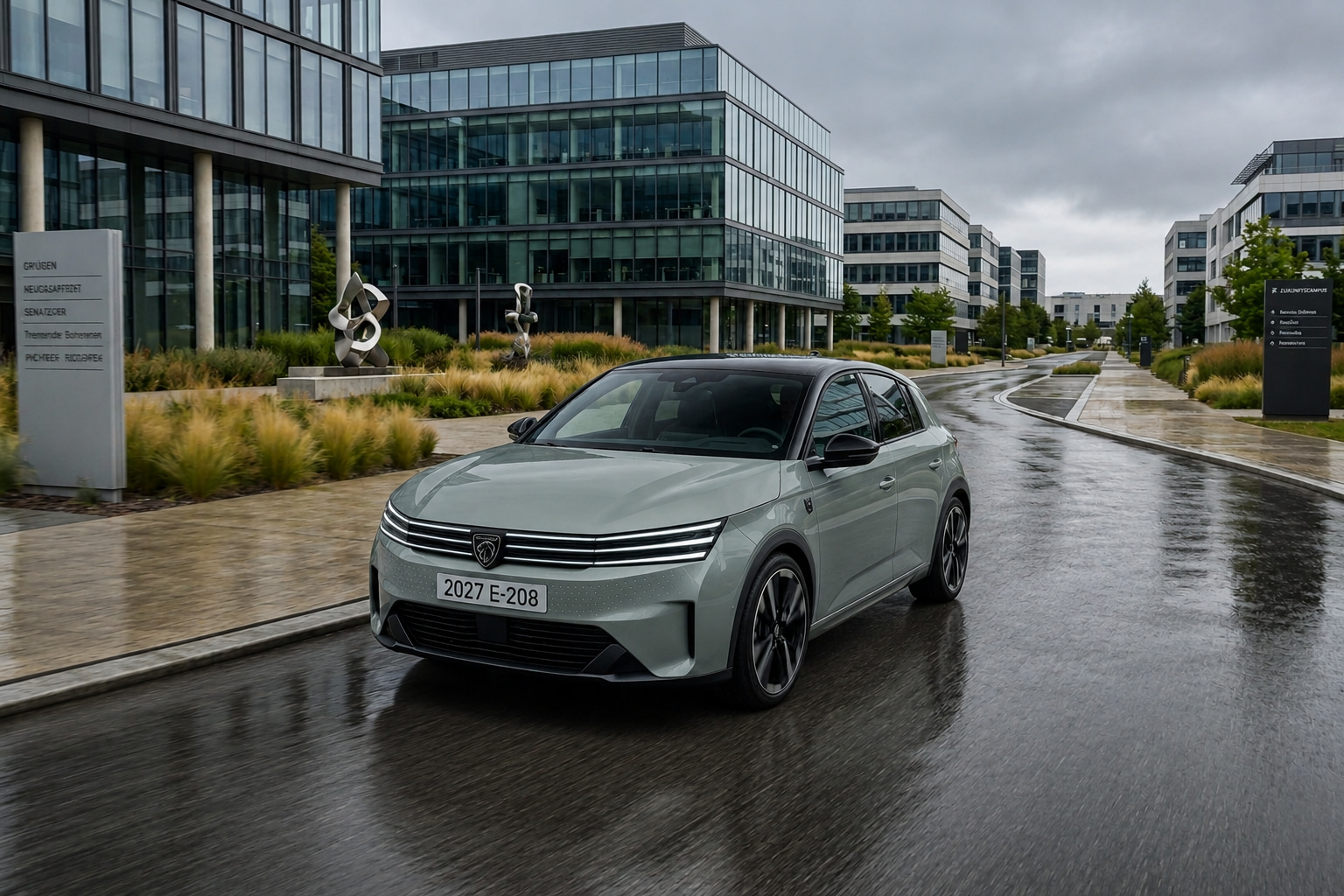
Three Cars, One Mission: Peugeot's Bold New Premium Small Car Strategy
Twenty years ago, Peugeot offered one of Europe's broadest B-segment line-ups, with hatchbacks, estates, convertibles, people carriers and overlapping generations all competing for buyers. Today, just the 208 and 2008 remain. However, that could soon change. Growing evidence from Peugeot's product roadmap and Stellantis' wider platform strategy suggests the French manufacturer could…
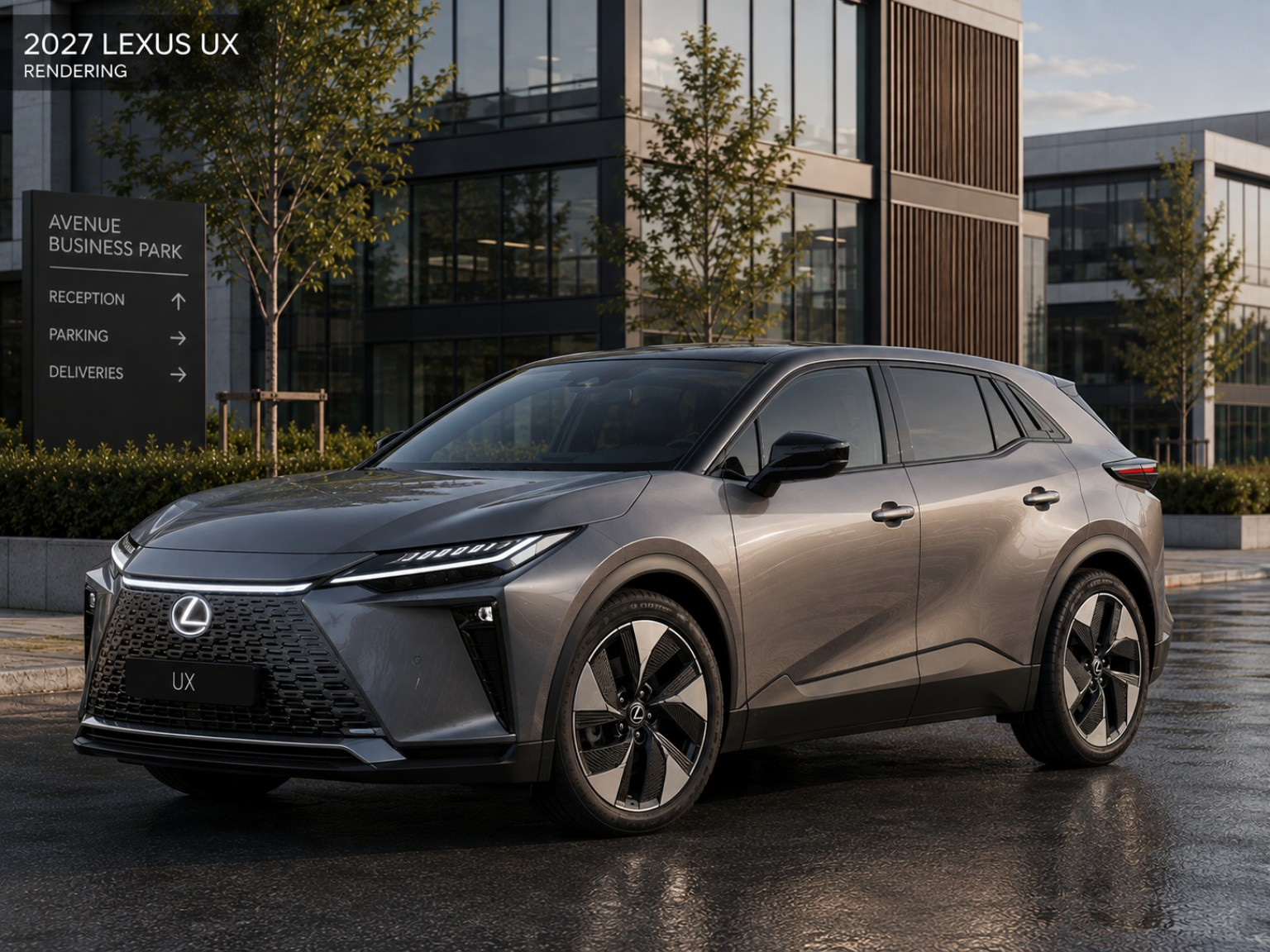
2027 Lexus UX Concept: More Space, More Choice, Same Lexus Quality
The current Lexus UX has been one of the brand's most distinctive models, combining premium quality, refined hybrid power and Lexus' renowned reliability in a compact SUV. However, having been on sale in the UK since 2019, it is now the oldest passenger car in the Lexus range, and its age is…
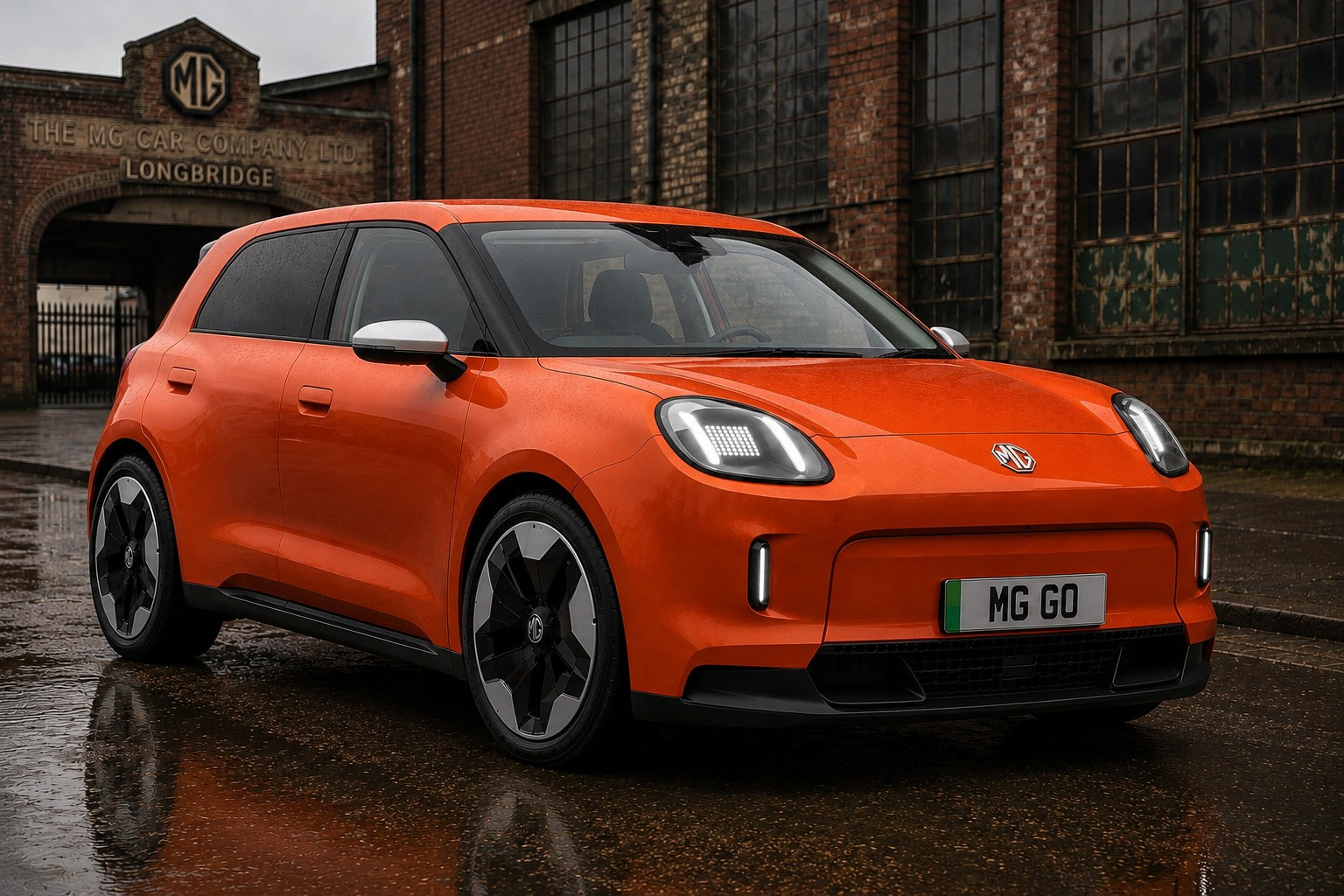
MG GO: Our Vision for Britain's Next Affordable Electric Hatchback
MG has become one of Britain's fastest-growing car brands, but one gap remains in its expanding electric line-up: a compact hatchback sitting below the MG4. In this Design Studio feature, we imagine the MG GO, an affordable electric supermini positioned as the EV sibling to today's MG3. At around four metres long,…
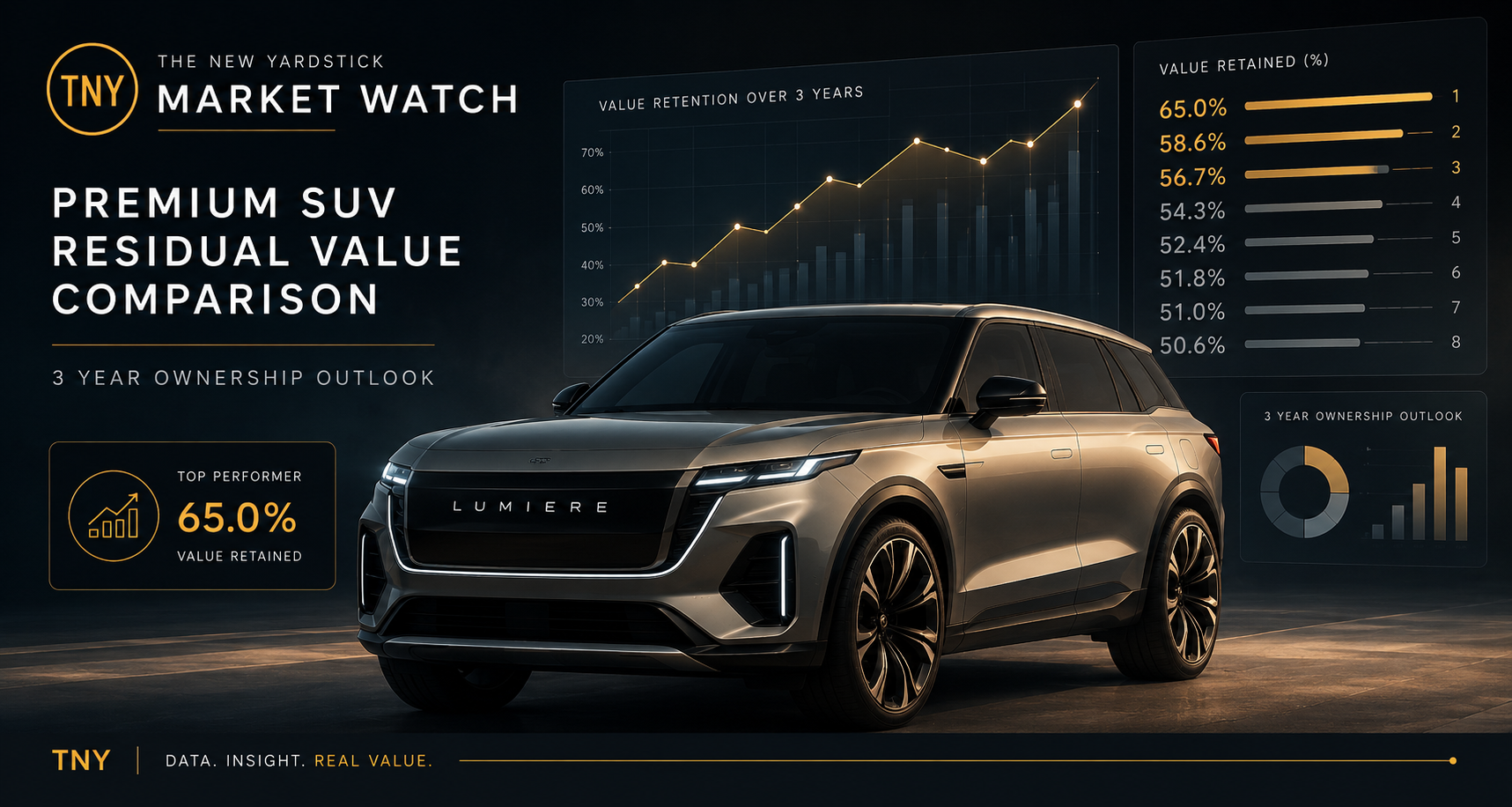
Premium SUV Residual Values: The New Yardstick Market Watch
Buying a premium SUV is a significant investment, but the list price is only part of the story. To discover which models best protect owners' money, The New Yardstick Market Watch compared eight premium SUVs using identical Auto Trader search criteria. Every vehicle is registered from 2023 onwards, has covered no more…